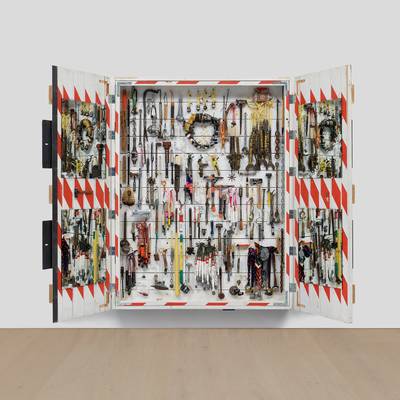
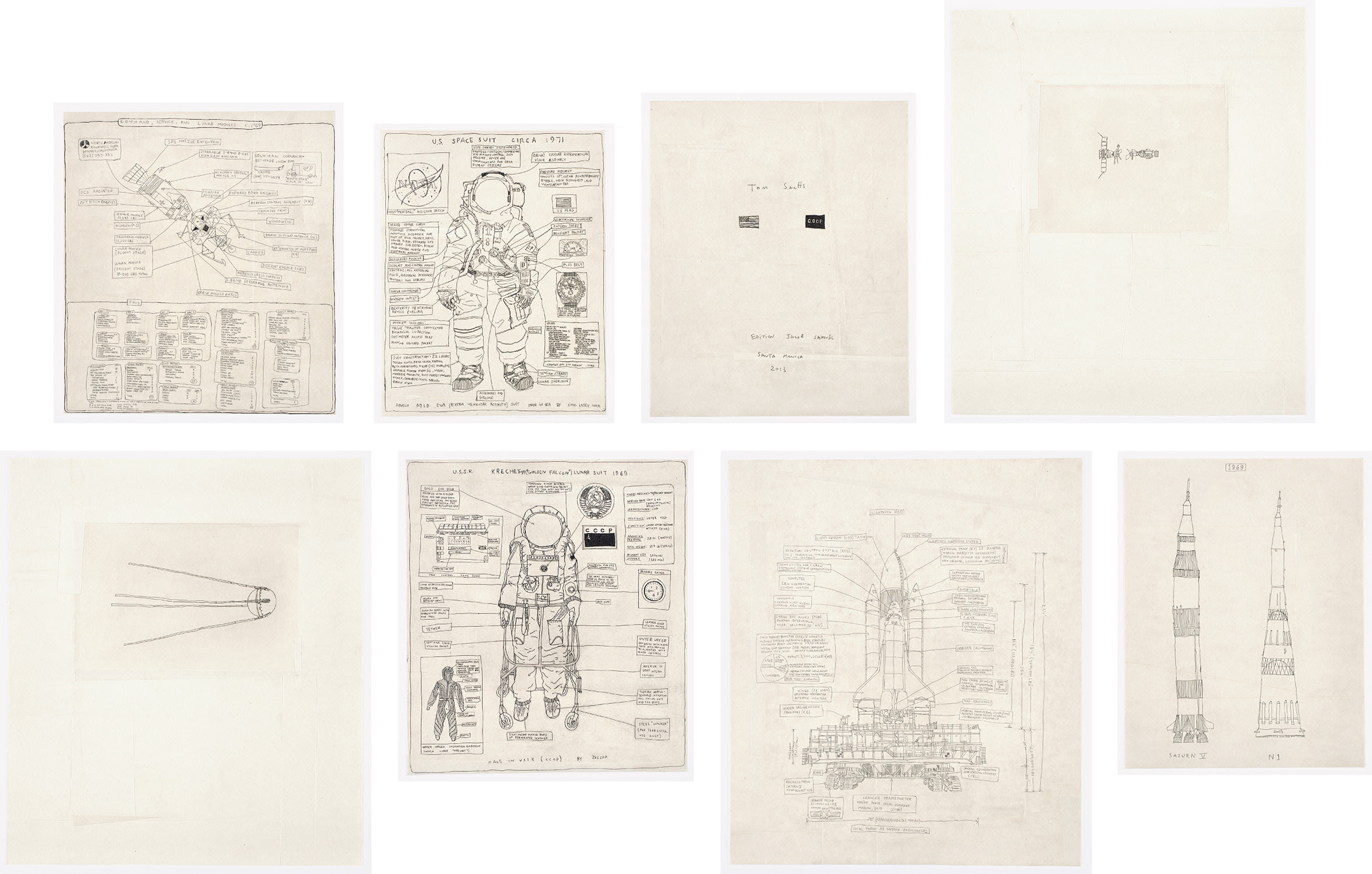
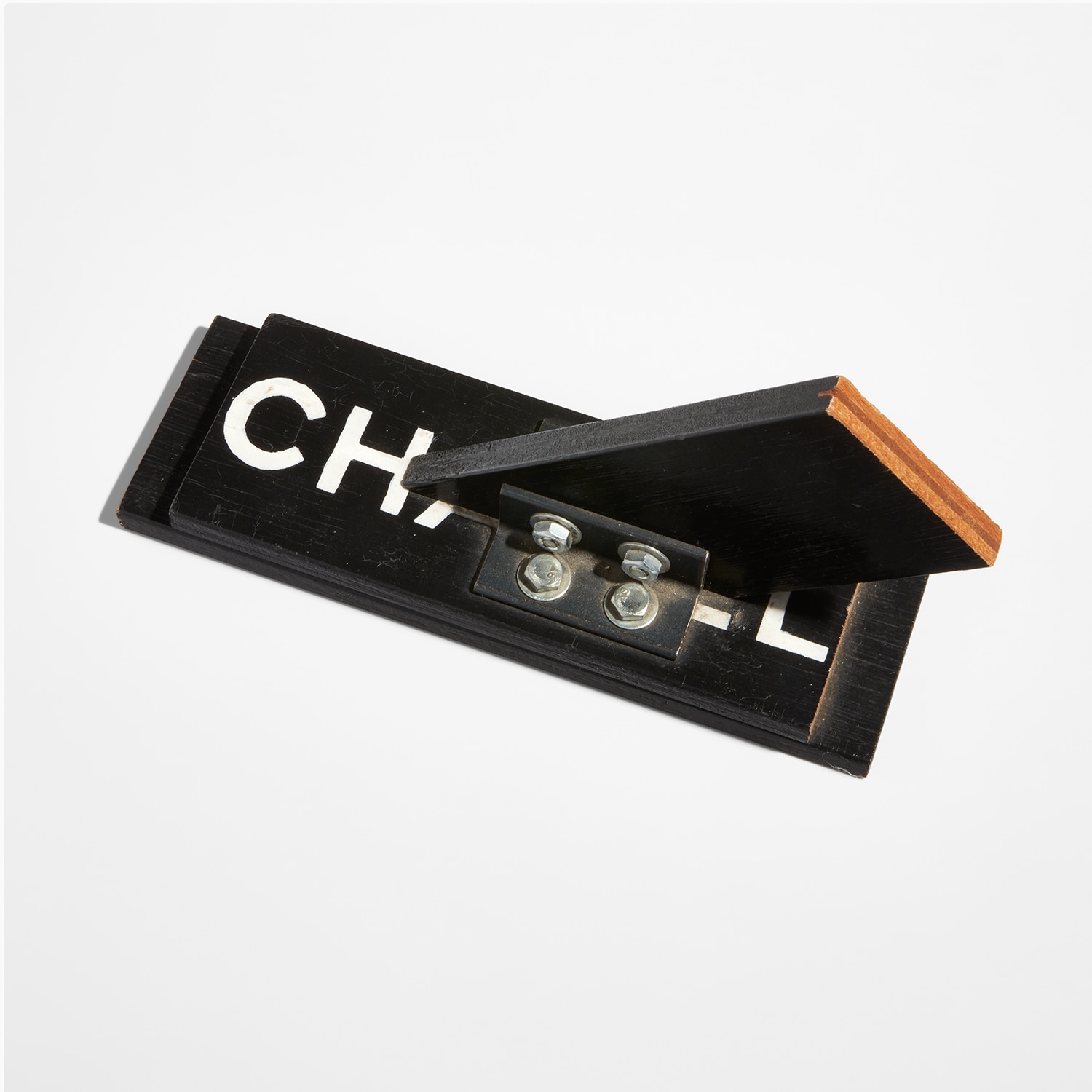
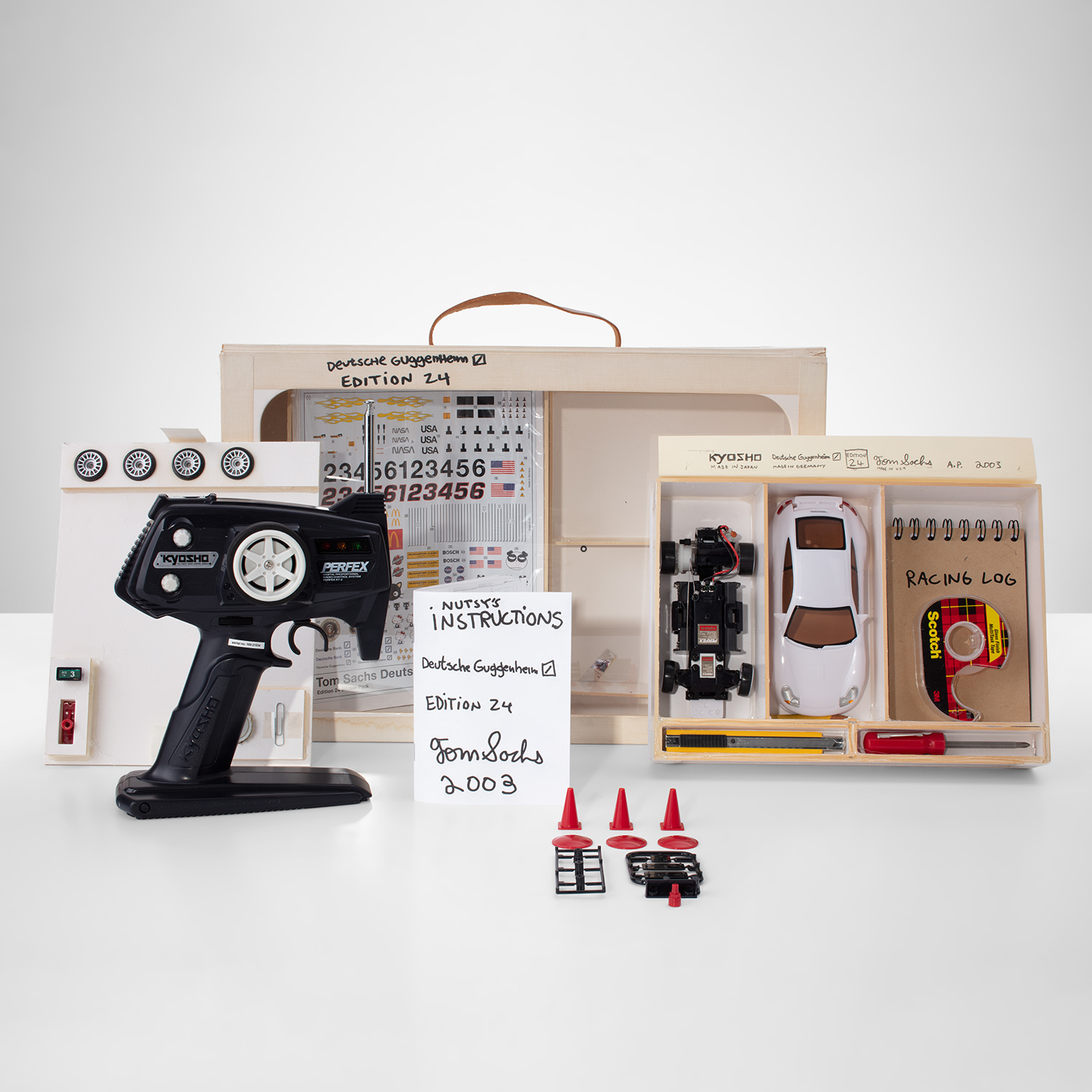
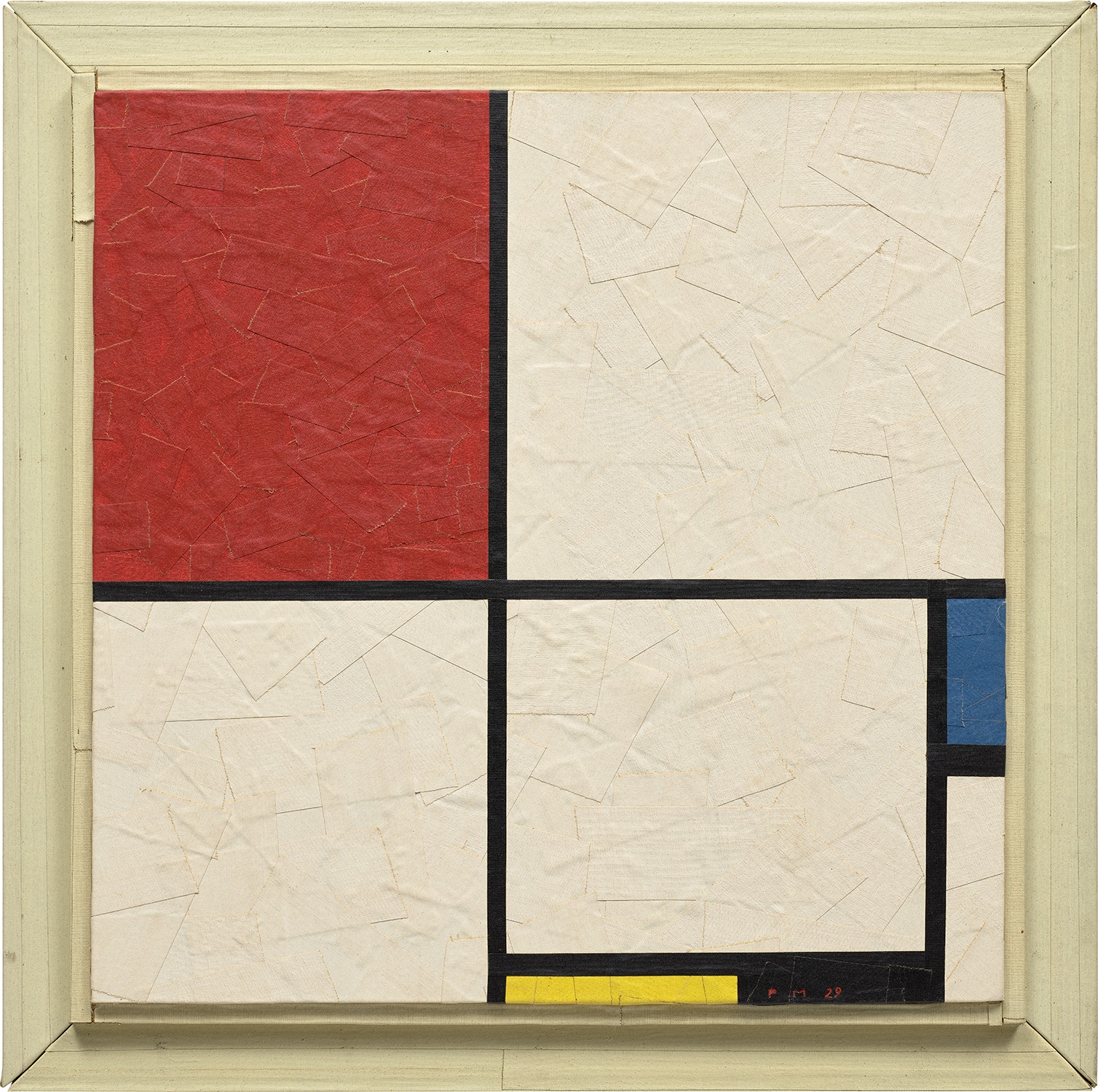
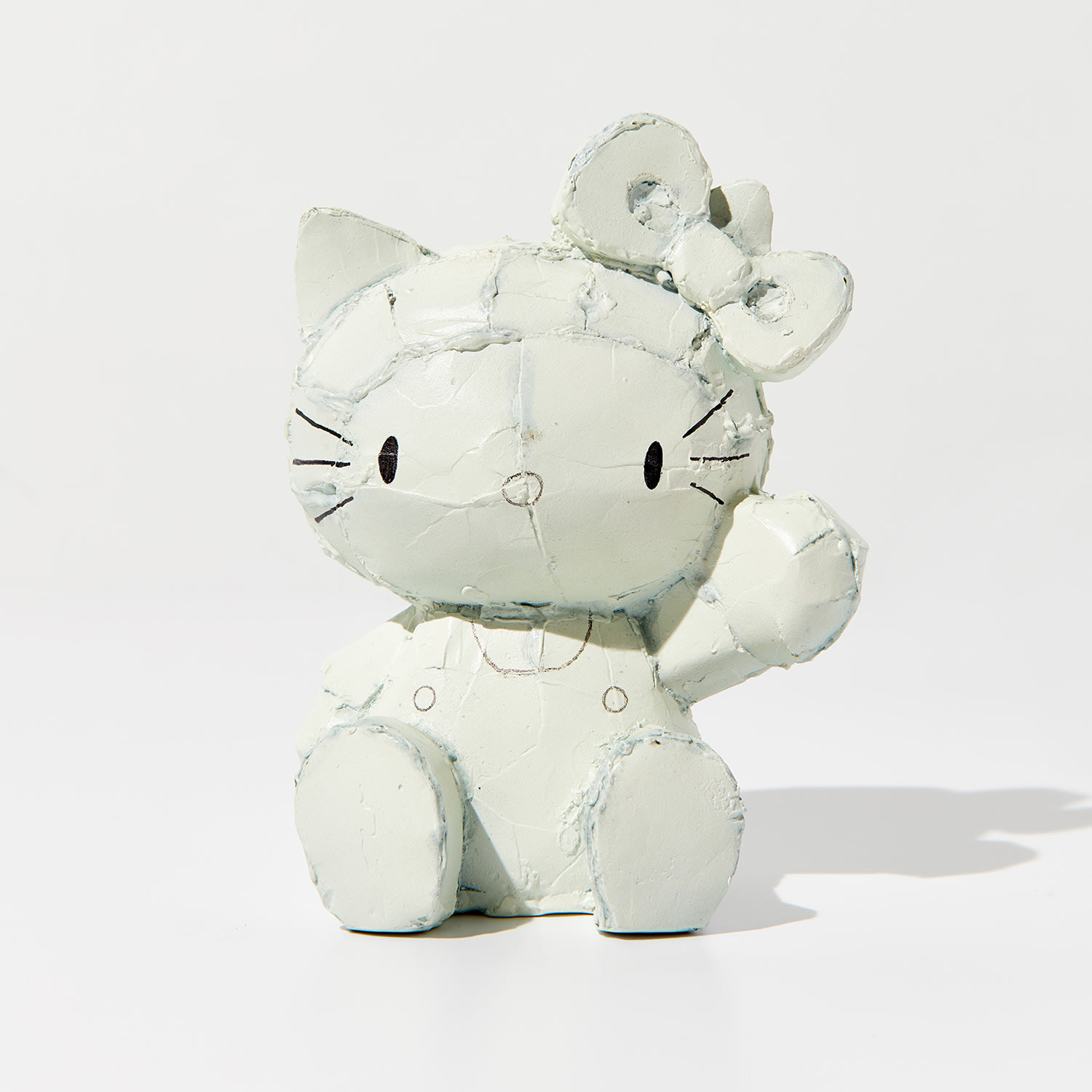
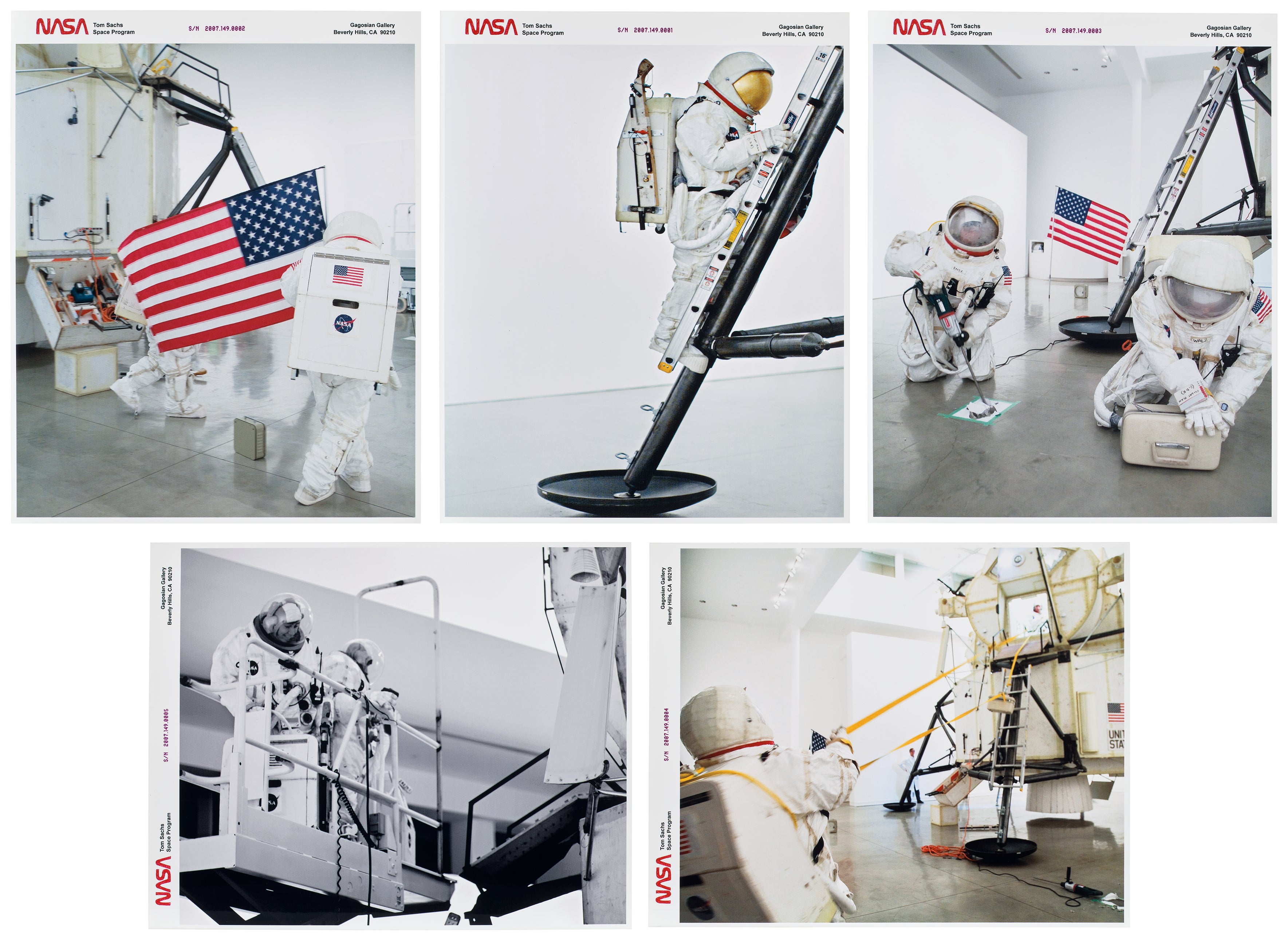
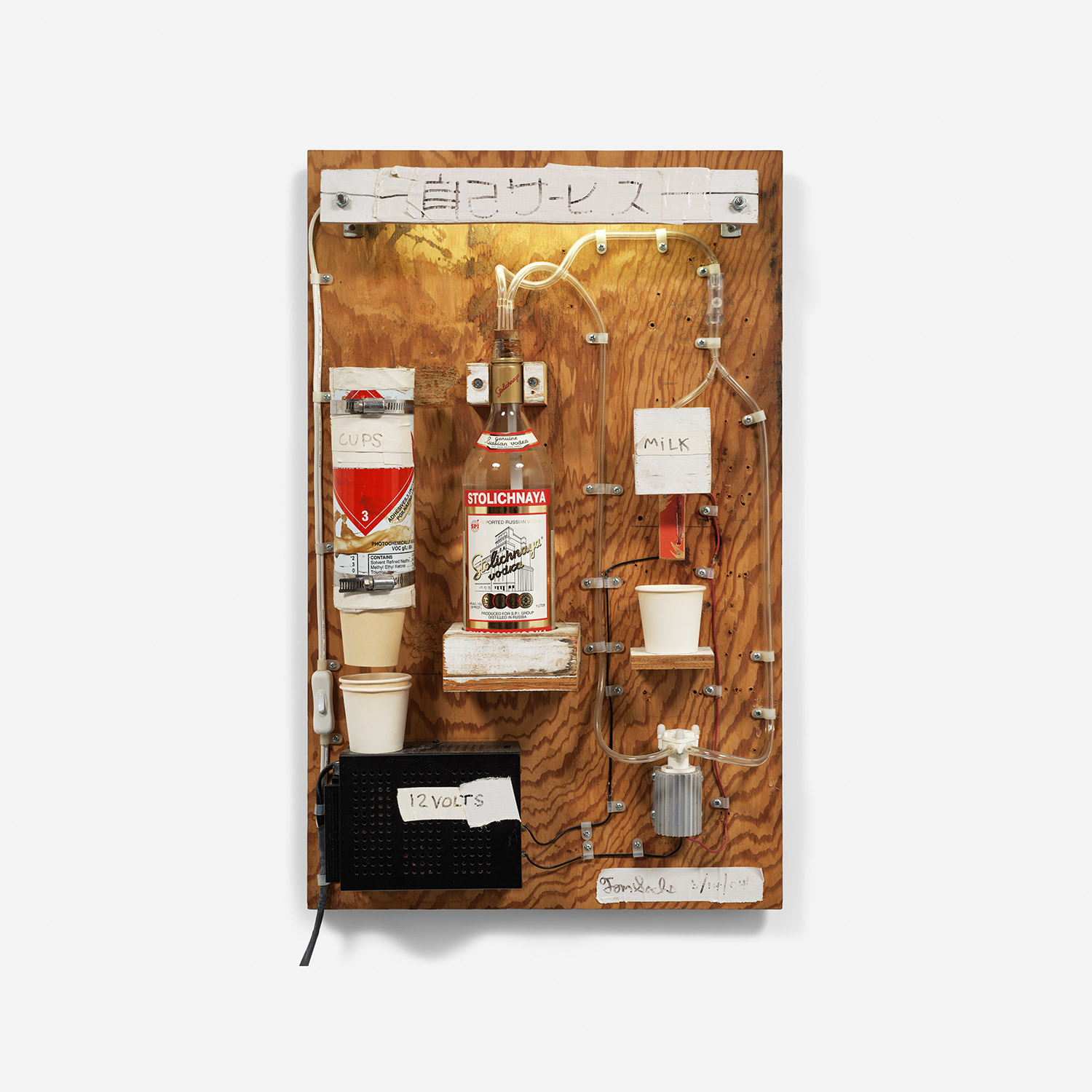
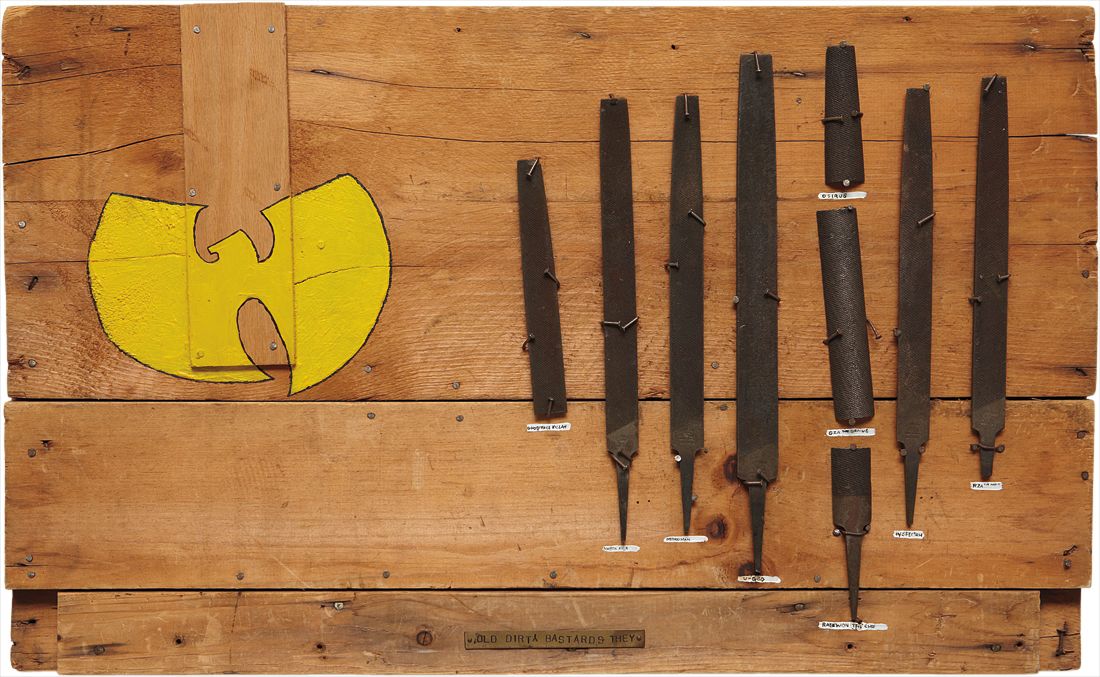
There is a particular kind of electricity in the air when Tom Sachs opens a new body of work to the public. His 2023 exhibition at Sperone Westwater in New York brought together the obsessive handcraft, material honesty, and deadpan wit that have made him one of the most distinctive voices in contemporary American sculpture. Collectors, curators, and devoted fans arrived to find a universe assembled from plywood, epoxy, and sheer determination, a world that felt simultaneously lo fi and cosmically ambitious. That tension, between humble means and grand aspiration, is the engine at the heart of everything Sachs makes. Born in New York in 1966, Sachs grew up in an era defined by consumer abundance and Cold War anxiety, two cultural forces that would permanently shape his imagination. He studied at Bennington College in Vermont, graduating in 1987, before returning to New York to begin building his practice from the ground up. The city's particular energy, its DIY resourcefulness, its reverence for brands, its obsessive subcultures, seeped into his sensibility in ways that would take years to fully manifest on the studio floor. Sachs has often spoken of his early jobs and apprenticeships, including time spent in the workshop of the architect Frank Gehry, as foundational to his understanding of making things with your hands as a form of thinking. His artistic development in the 1990s was marked by a series of provocative sculptures that remade luxury and consumer goods from scratch using industrial and found materials. Works like "Chanel Guillotine" brought the language of high fashion into uncomfortable conversation with violence and power, while pieces referencing Prada, Hermès, and other luxury houses used handmade replication to expose the mythology of brand value. These early works announced a sensibility that was conceptually rigorous but always rooted in the physical pleasure of making. By the late 1990s, pieces such as "Model Three (Model 3 White Boombox)" from 1999 demonstrated his ability to transform vernacular objects into something meditative and strange, elevating the everyday through obsessive attention and material transformation. The breakthrough that cemented Sachs's reputation as a sculptor of genuine ambition was the launch of his ongoing "Space Program" series, beginning with "Space Program: Mars" at the Gagosian Gallery in New York in 2007 and continuing with subsequent missions including a visit to the Moon. These elaborate, multi year installations recreated NASA missions using hand fabricated spacecraft, spacesuits, and mission control environments built almost entirely from plywood, foam core, metal bolts, and tape. The performances embedded within these installations, with studio assistants carrying out real time simulated mission procedures, turned the gallery into a theatre of collective purpose. The "Space Program" is arguably the defining achievement of his career so far, a meditation on exploration, institutional ritual, and the beauty of imperfect human effort. Among the works that collectors have found most compelling, "The Cabinet" from 2014 stands out as a singular achievement. Constructed from mirrors, hand tools, Con Ed wooden street barriers, and mixed media, it encapsulates the Sachs approach perfectly: utilitarian materials elevated into something totemic, functional objects transformed into sculpture by virtue of care and context. Works like "Switzerland" and "Difficult Brown" from 1997 demonstrate an earlier painterly sensibility, while "Ashtray Lion" from 2008 shows his gift for imbuing small objects with unexpected presence. The playful ingenuity of "Nutsy's Deluxe Racing Set" reveals yet another dimension of his practice, one in which the complete object, packaging, manual, spare parts, and all, becomes the artwork, a ready made reimagined through handcraft and humour. The market for Sachs's work reflects his unusual position within contemporary art, cherished by collectors who value conceptual depth alongside craft, accessibility, and a sense of genuine fun. His multiples, including works like the "Reese's Box" and the "Chanel Rat Trap (maquette)", have introduced a broader audience to his practice, offering an entry point that feels generous rather than compromising. More ambitious sculptures and installations have found homes in serious collections across the United States, Europe, and Asia, and his works have appeared at auction with increasing frequency and strength. Collectors are drawn not only to the objects themselves but to the ethos they embody: the idea that rigour, craft, and joy are not mutually exclusive values. In terms of art historical context, Sachs occupies a fascinating position between several traditions. His debt to Marcel Duchamp and the readymade is obvious, but he inverts Duchamp's gesture by making rather than simply selecting. His bricolage sensibility connects him to the French tradition described by Claude Lévi Strauss and to the Arte Povera movement in its insistence on humble, honest materials. Among his American contemporaries, he shares an affinity with artists like Jeff Koons in his engagement with consumer culture, and with Mike Kelley in his investment in subcultural vernacular and institutional critique. Yet the Sachs studio, run with the discipline of a Japanese workshop and the exuberance of a teenage garage band, is entirely its own institution. What makes Tom Sachs matter today, and what will ensure his work continues to resonate for generations to come, is the sincerity embedded in every bolt, every line of packing tape, every hand lettered label. In an art world that frequently prizes ironic detachment, Sachs insists on genuine engagement. He believes in making things, in the ethics of craft, in the idea that how you do anything is how you do everything, a maxim that has become something of a studio philosophy. His work has been exhibited at the Guggenheim Museum, the Centre Pompidou, and galleries around the world, yet it retains the feeling of something built in a backyard with love and urgency. That combination of institutional recognition and street level authenticity is rare, and it is exactly what makes collecting his work feel like an act of genuine conviction.