
Georges Rouault
“
28
Works
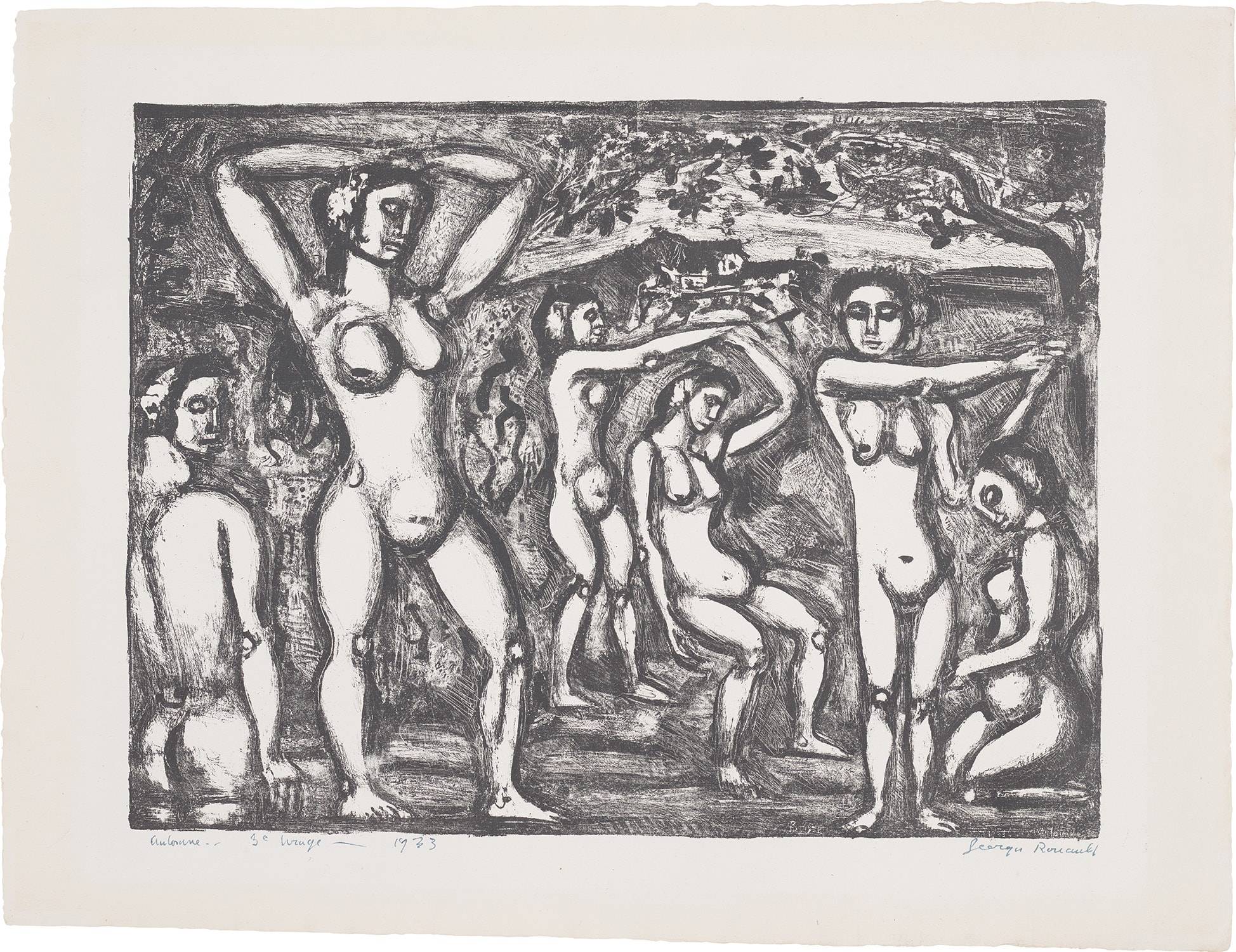
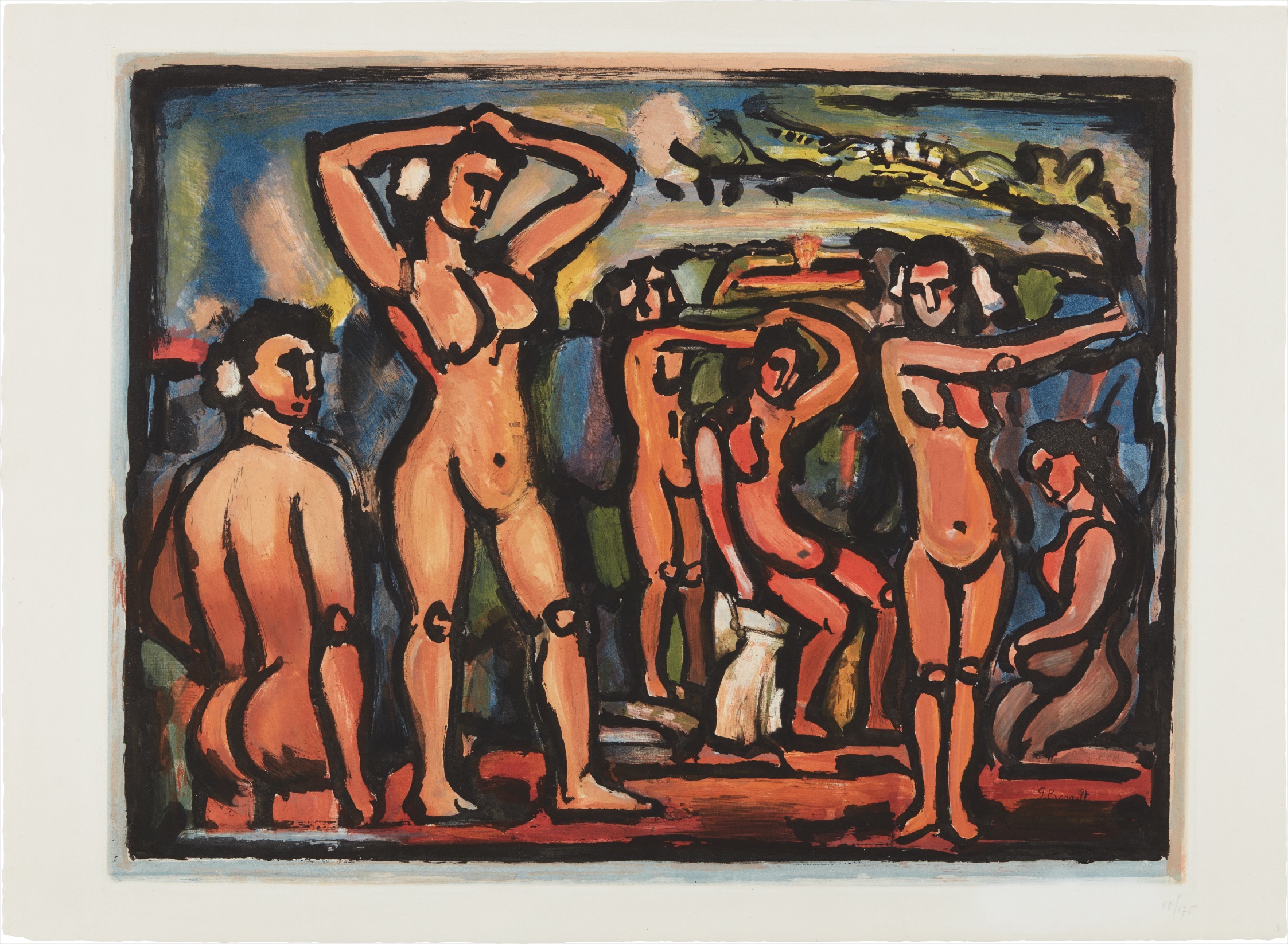
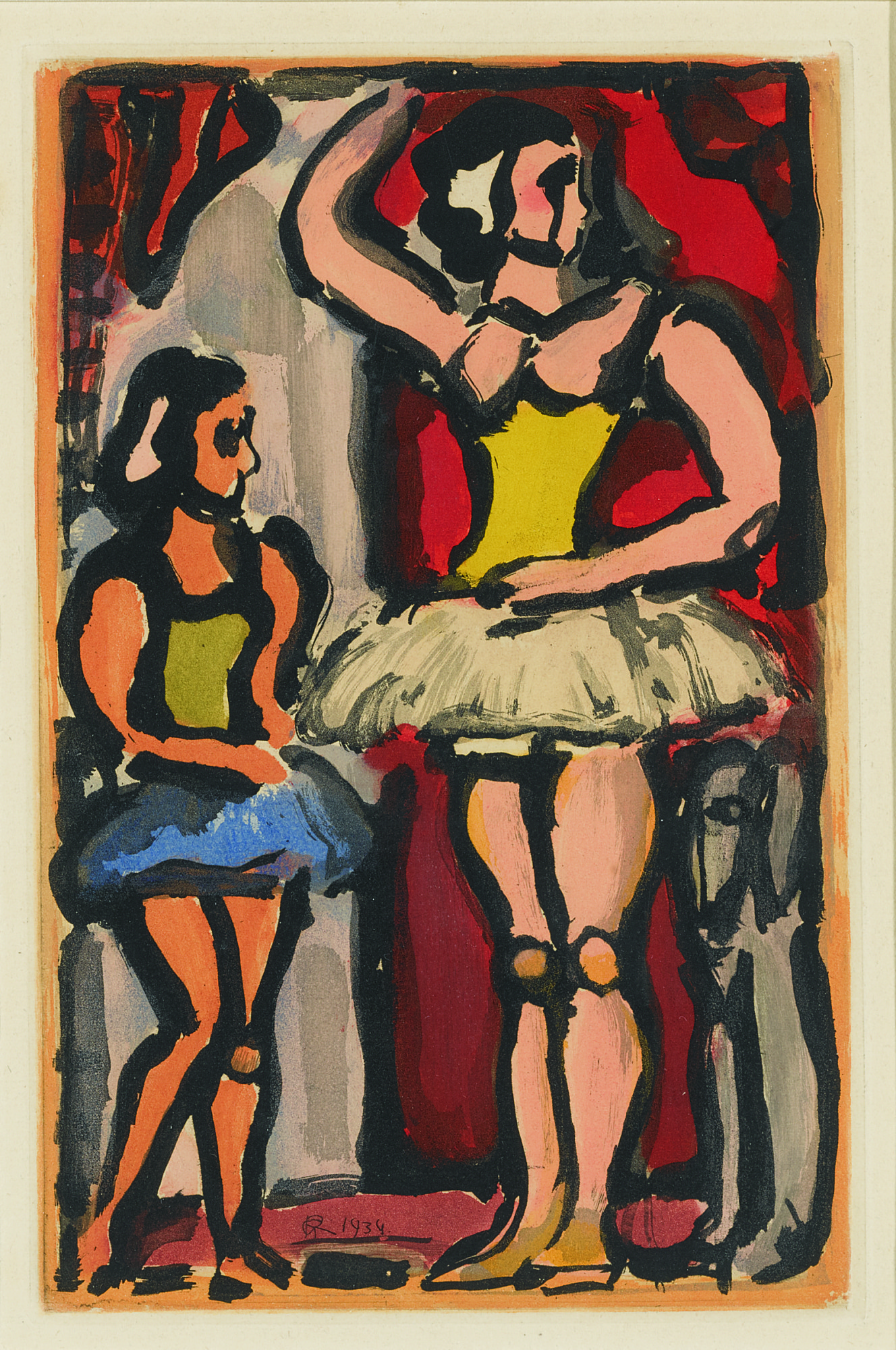
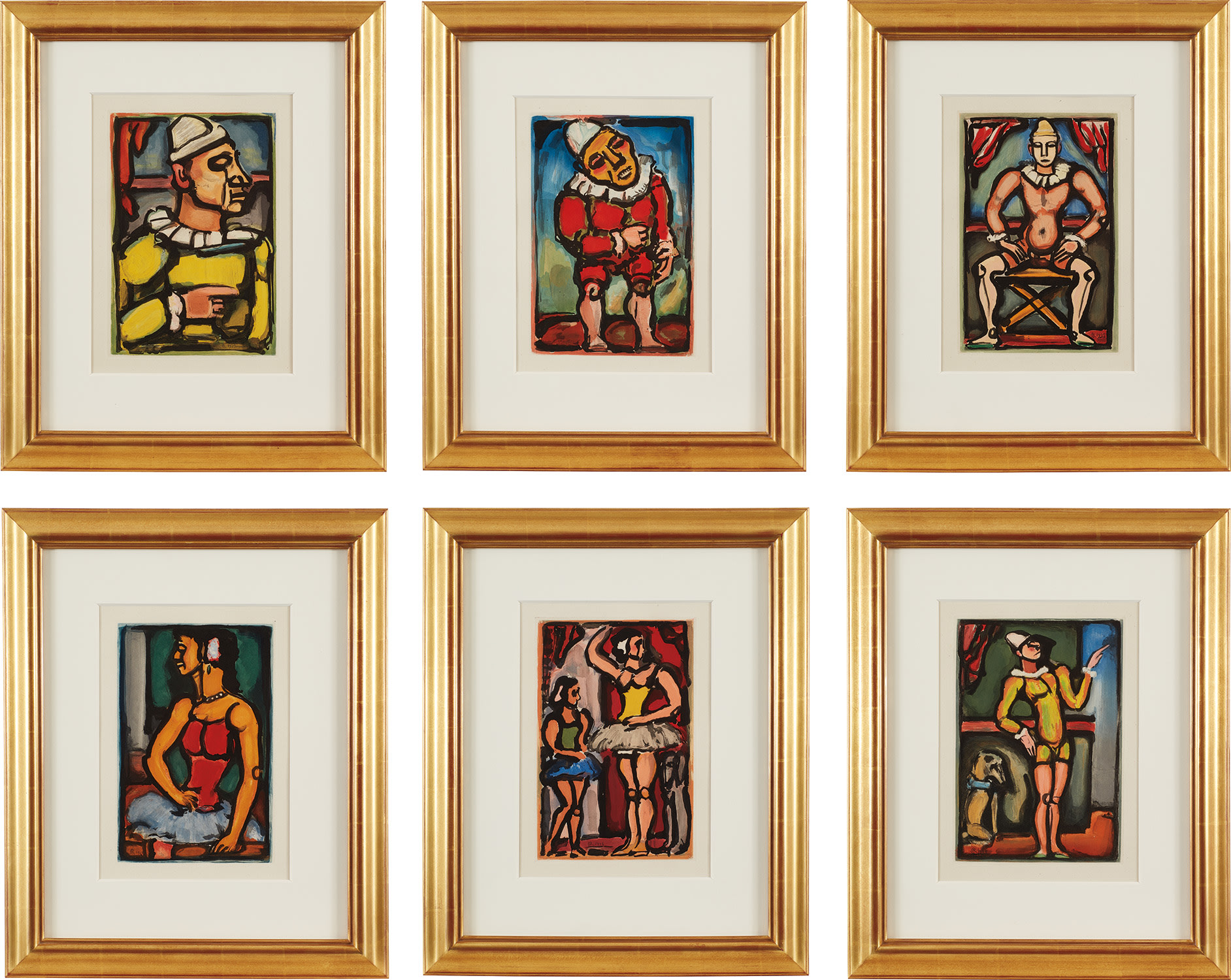
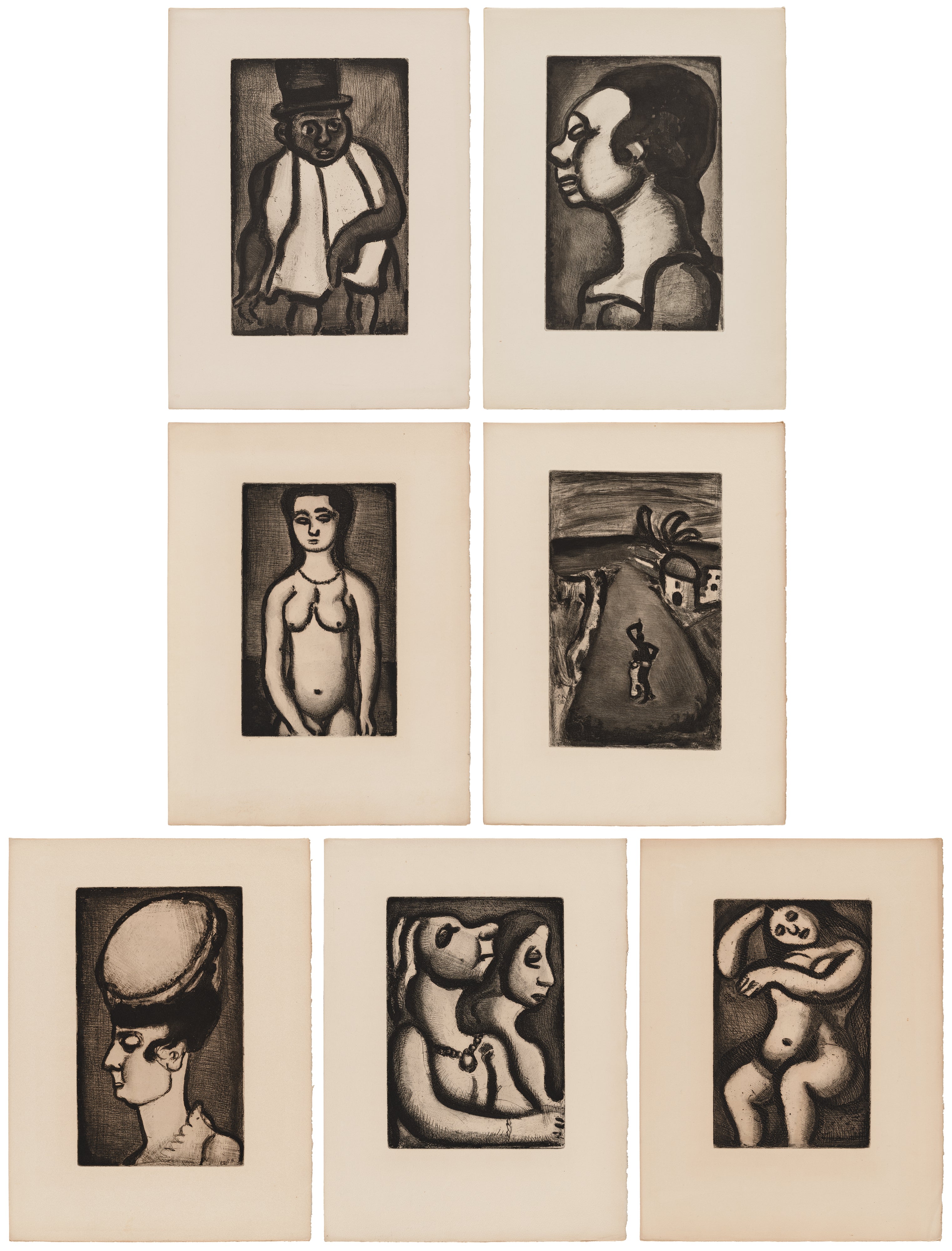
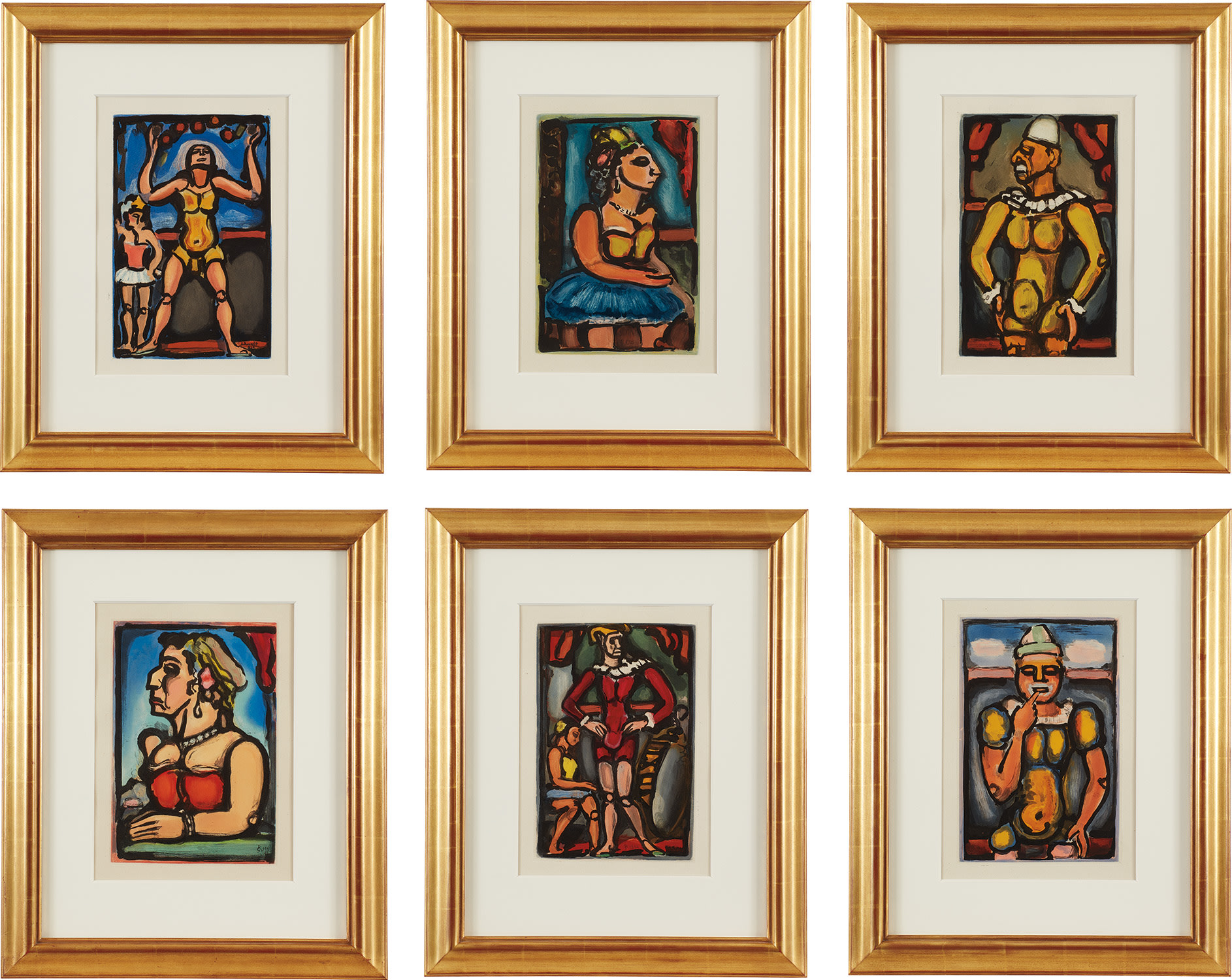
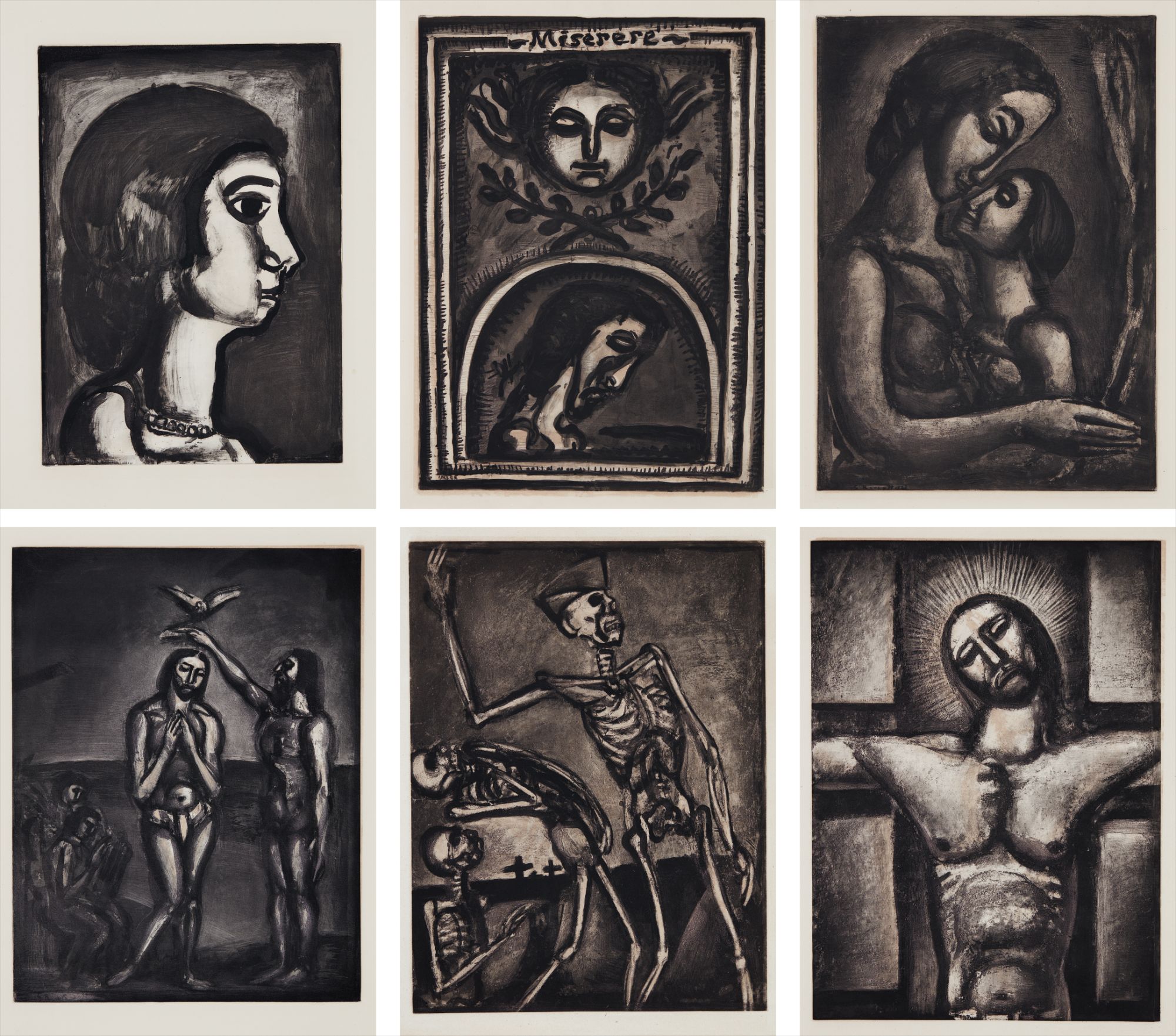
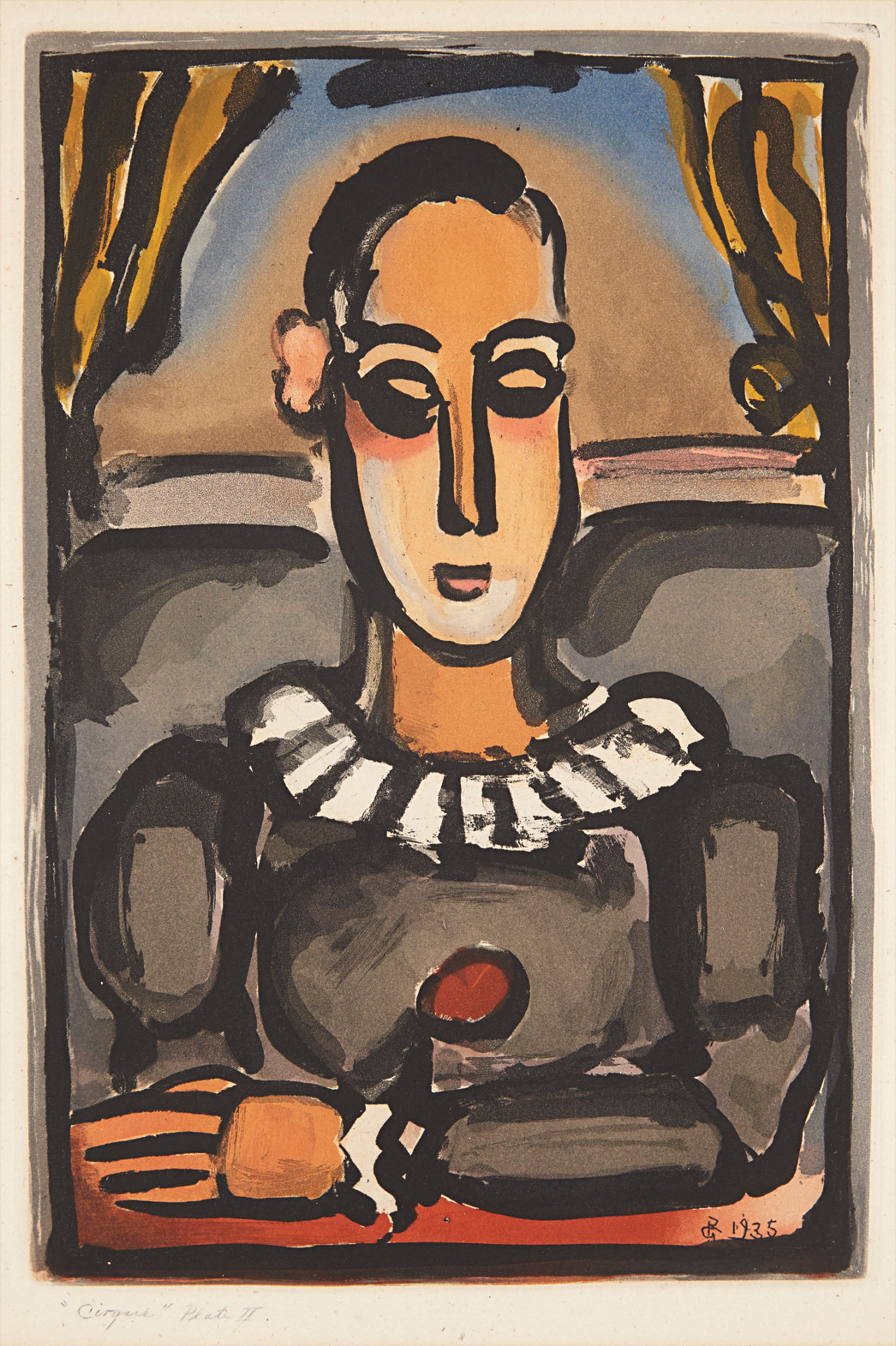
Georges Rouault was a French painter, printmaker, and ceramicist whose deeply spiritual and expressionist works emerged from his training in stained glass and his profound Catholic faith. Born in Paris during the turmoil of the Paris Commune, Rouault initially apprenticed with a stained glass maker before studying at the École des Beaux-Arts under Gustave Moreau, whose symbolist influence profoundly shaped his artistic vision. Though often associated with Fauvism due to his exhibition with the Fauves at the 1905 Salon d'Automne, Rouault's work diverged significantly from his contemporaries through his dark, morally charged subject matter and distinctive use of heavy black outlines reminiscent of medieval stained glass windows. Rouault's artistic practice focused intensely on themes of human suffering, redemption, and spiritual transcendence. His most characteristic works depict judges, prostitutes, clowns, and biblical scenes rendered in thick, encrusted paint with glowing colors contained within bold black contours. Major series include his explorations of the Passion of Christ, his "Miserere" portfolio of etchings (1922-1927), and his haunting portrayals of circus performers as modern-day tragic figures. His palette evolved from dark, somber tones in his early work to increasingly luminous, jewel-like colors that captured the transcendent quality of light filtering through stained glass. Works such as "The Old King" (1916-1936) exemplify his unique fusion of medieval craftsmanship with modernist expressionism. As the only artist publicly defended by the Catholic Church during the modern era, Rouault holds a singular position in twentieth-century art as a deeply religious painter working within the avant-garde. His friendship with writer Jacques Maritain reinforced his commitment to sacred art, while his association with dealer Ambroise Vollard resulted in major print portfolios and illustrated books. Rouault's influence extends beyond his immediate period, offering a profound alternative to the secular trajectory of modern art and demonstrating how expressionist techniques could serve spiritual and humanitarian concerns. His works are held in major collections worldwide, including the Musée d'Art Moderne de la Ville de Paris, which houses the largest collection of his paintings.
Artists in conversation