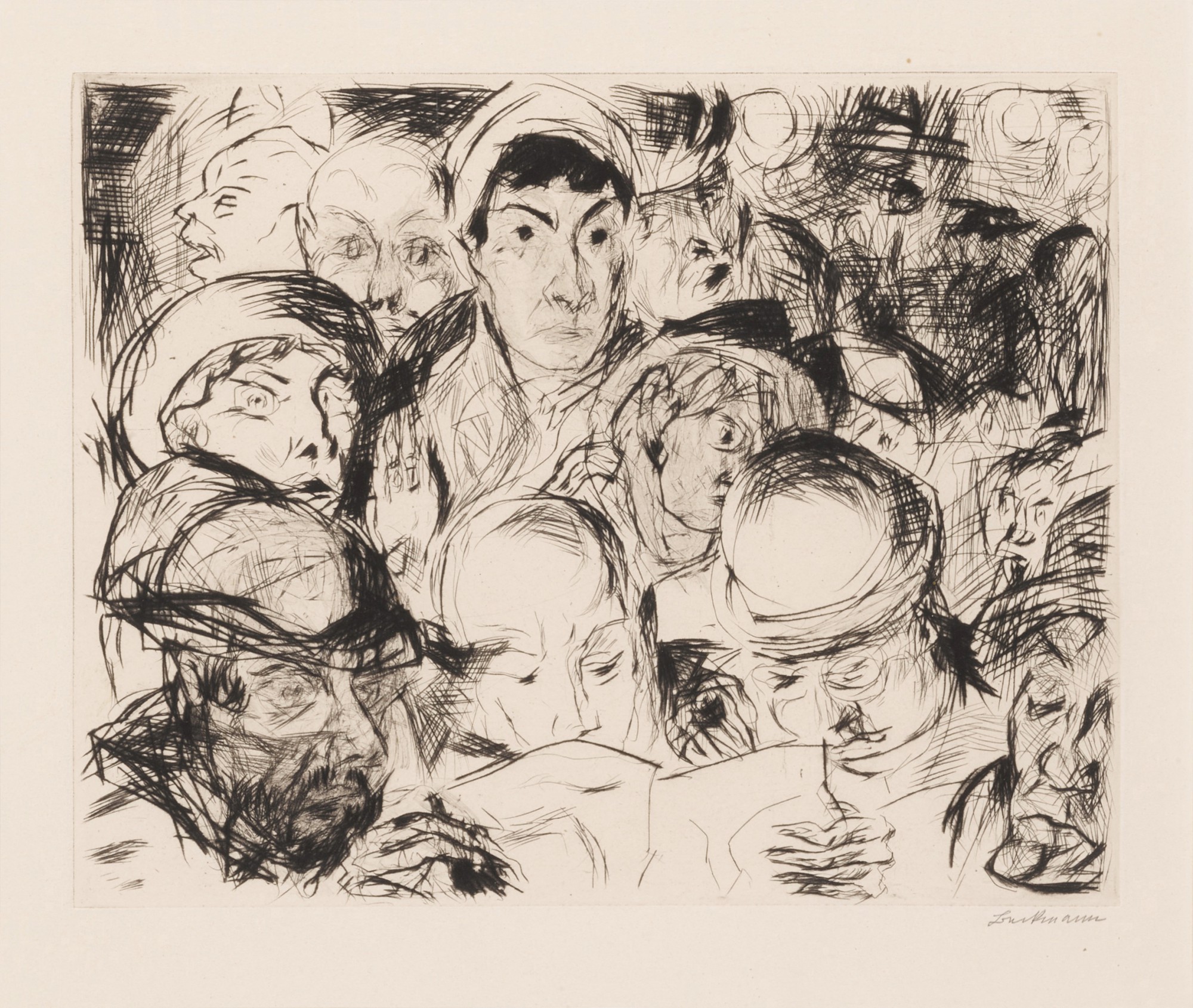
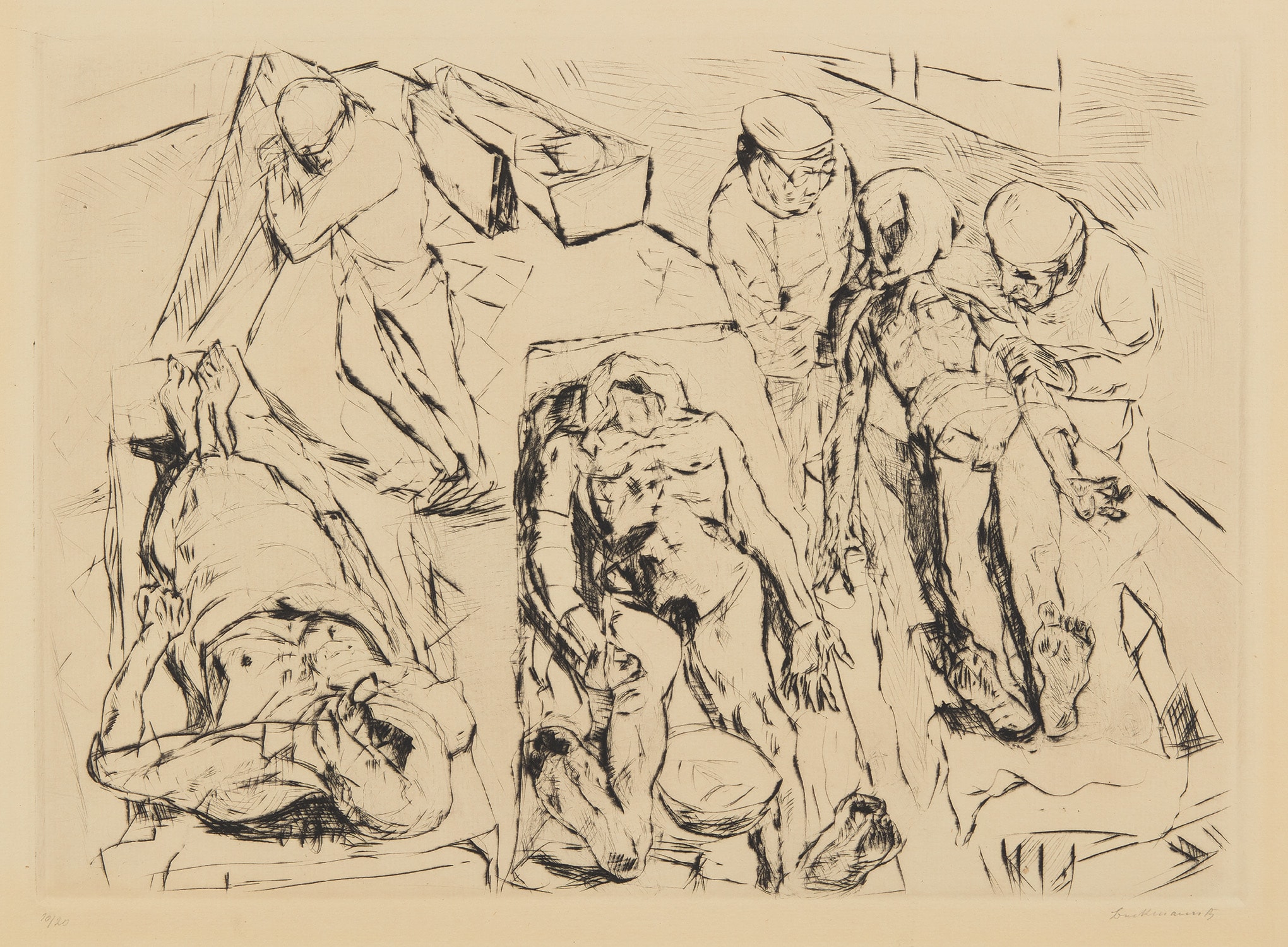
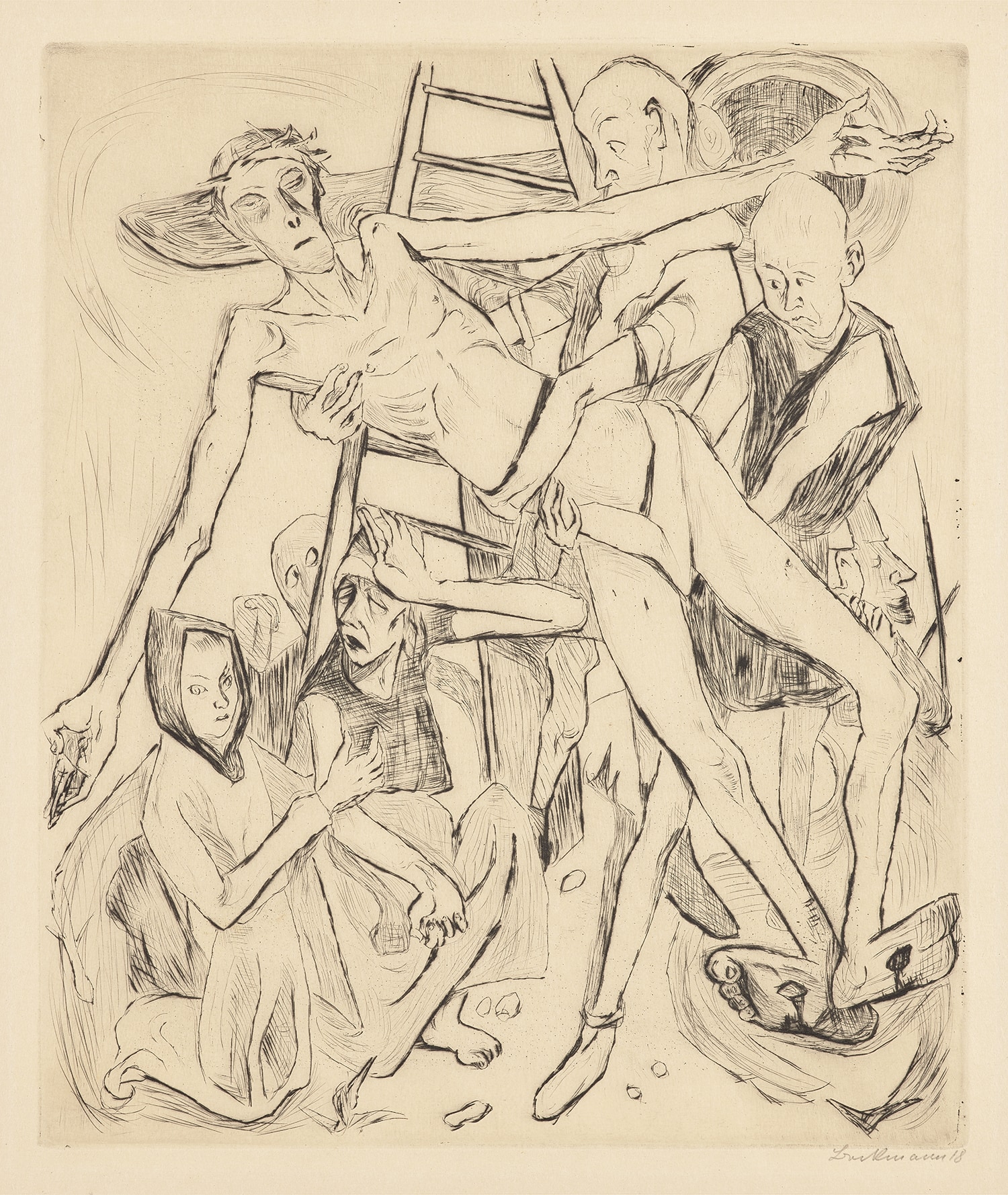
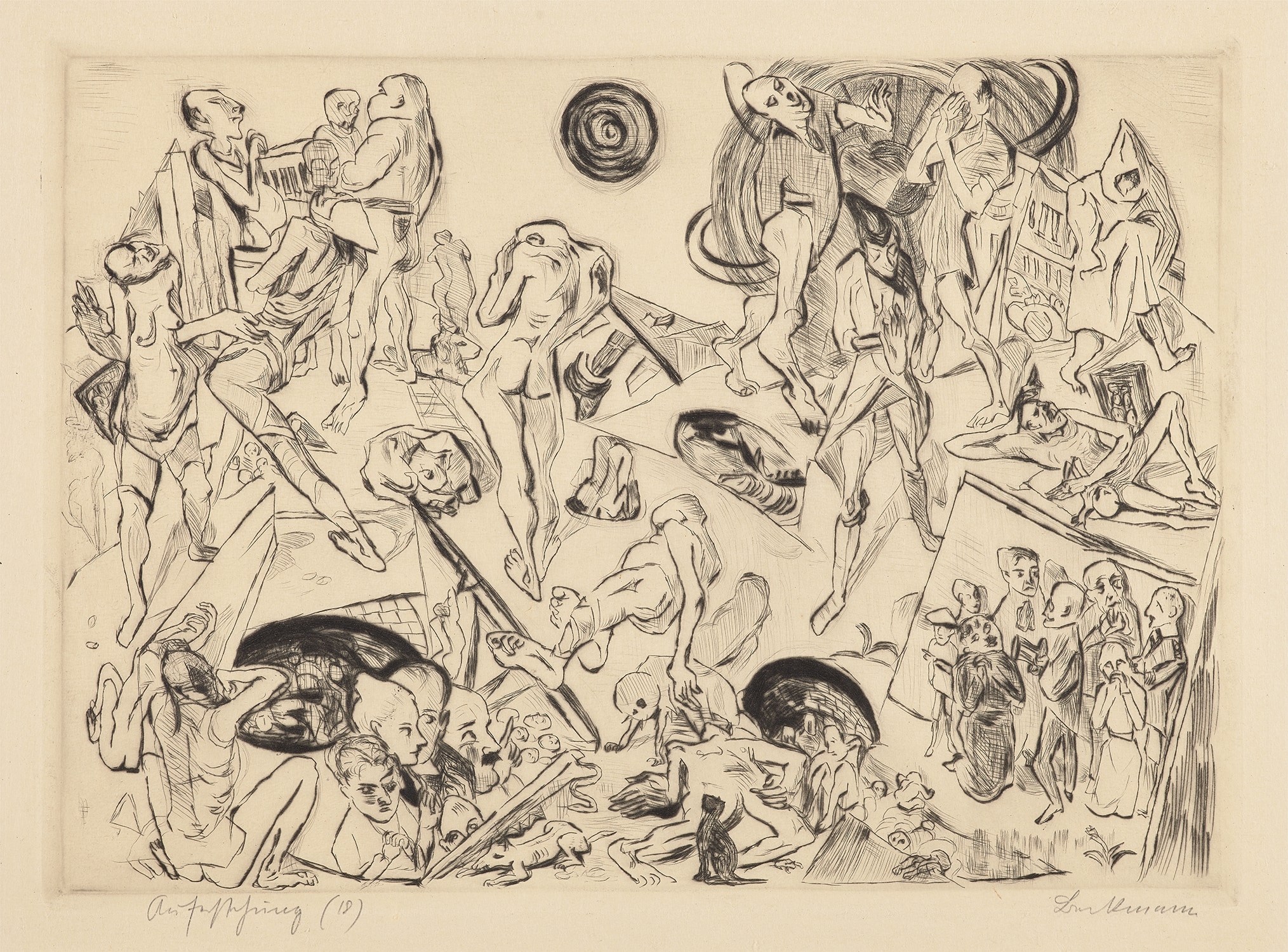
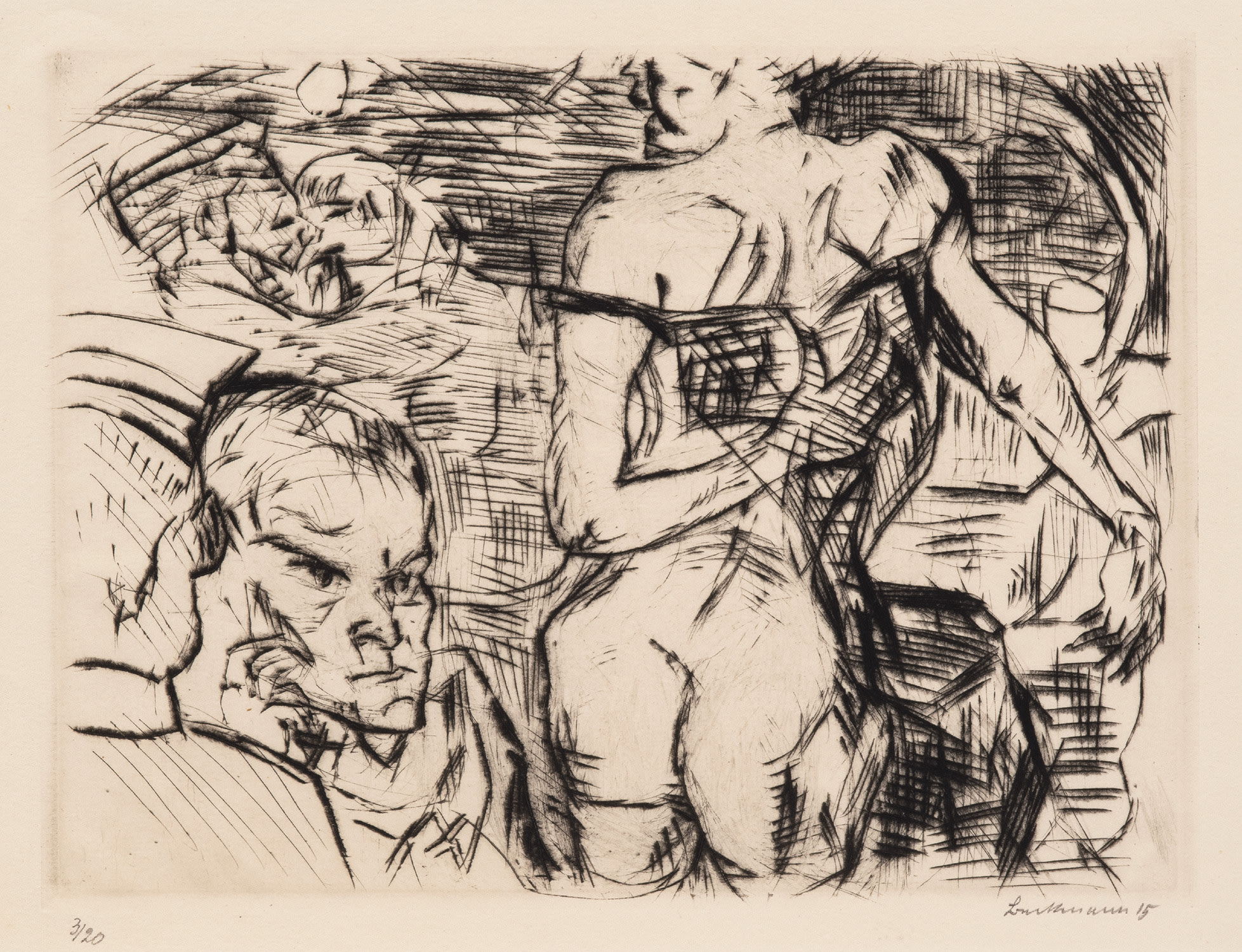
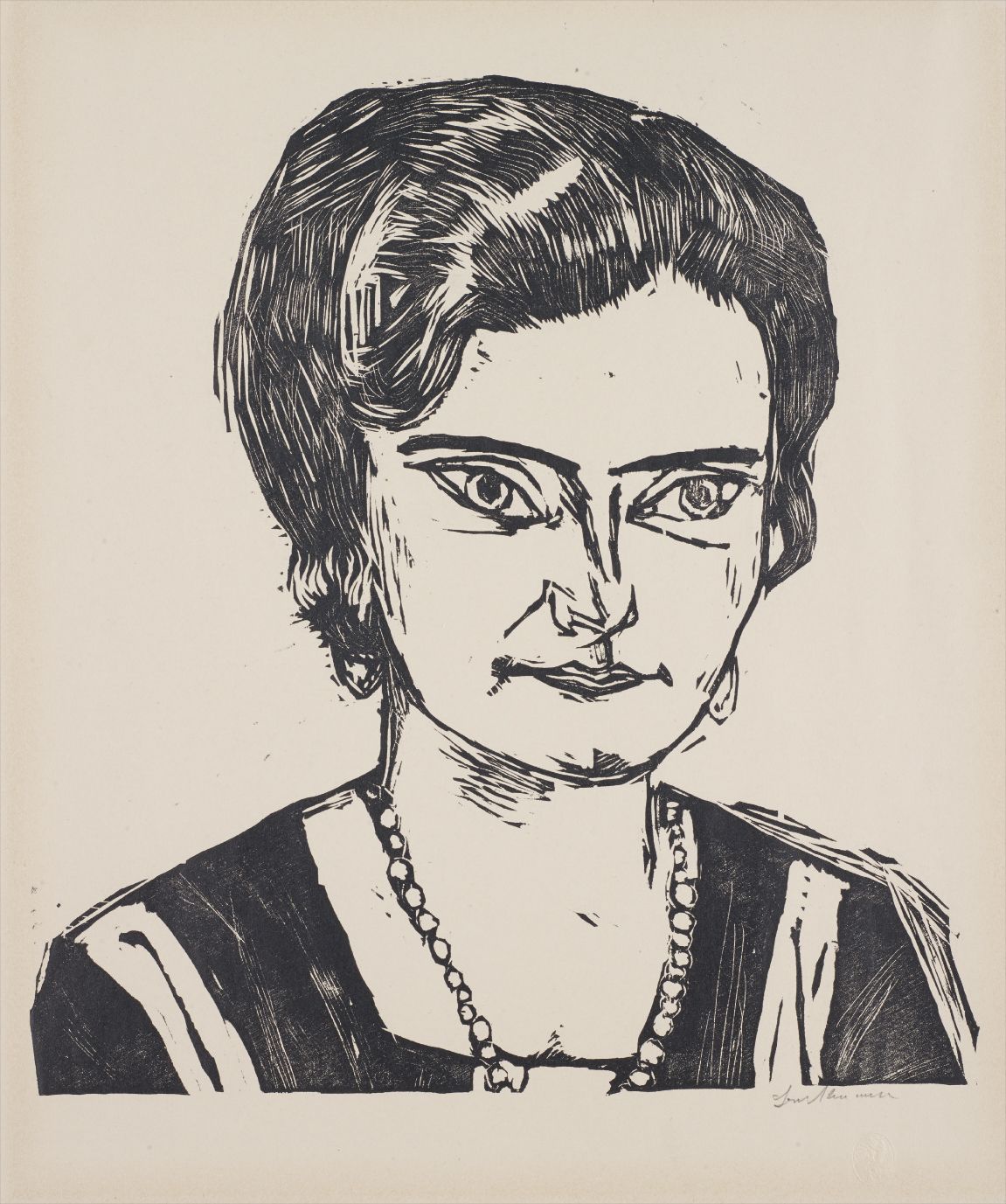
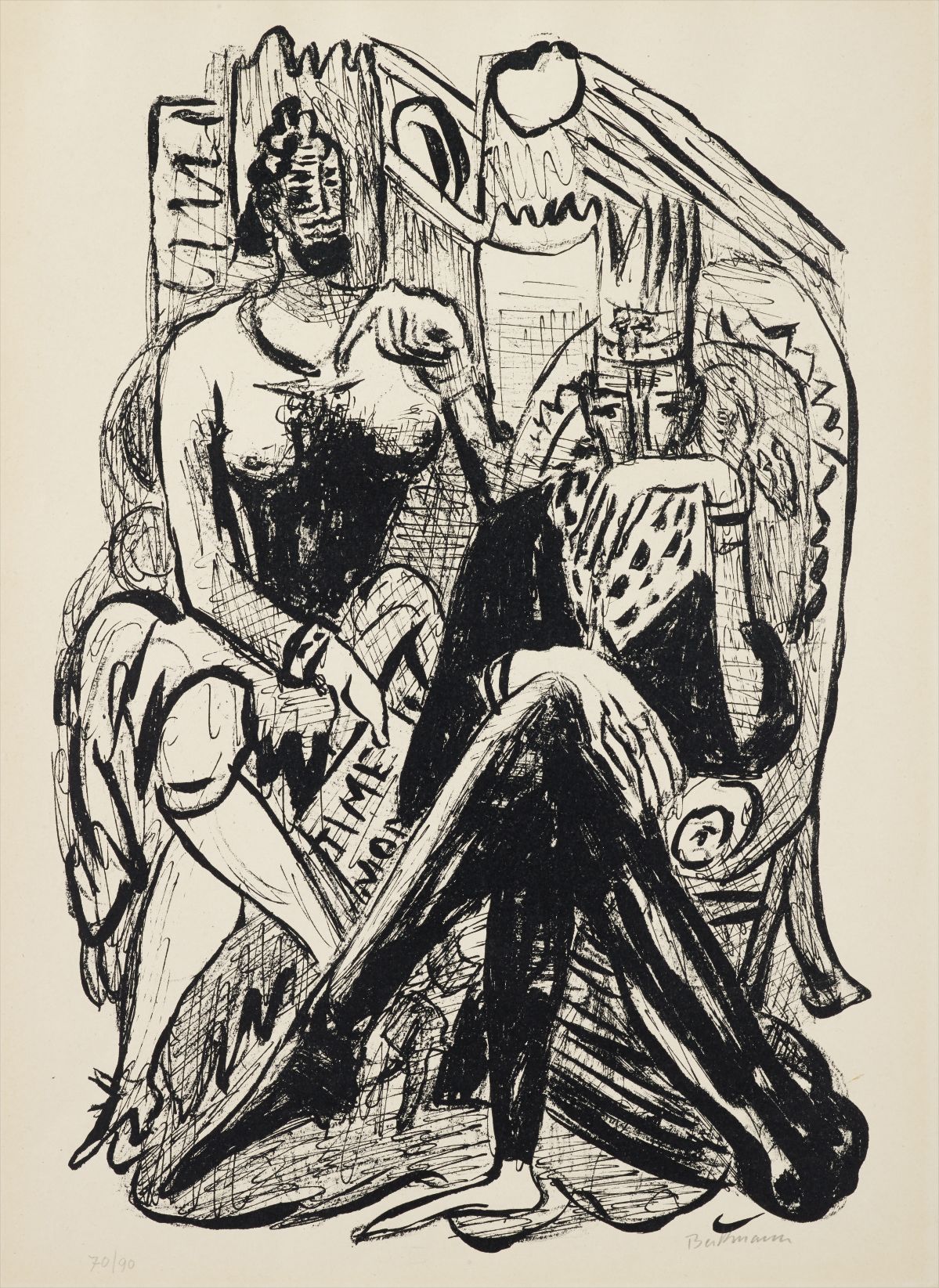
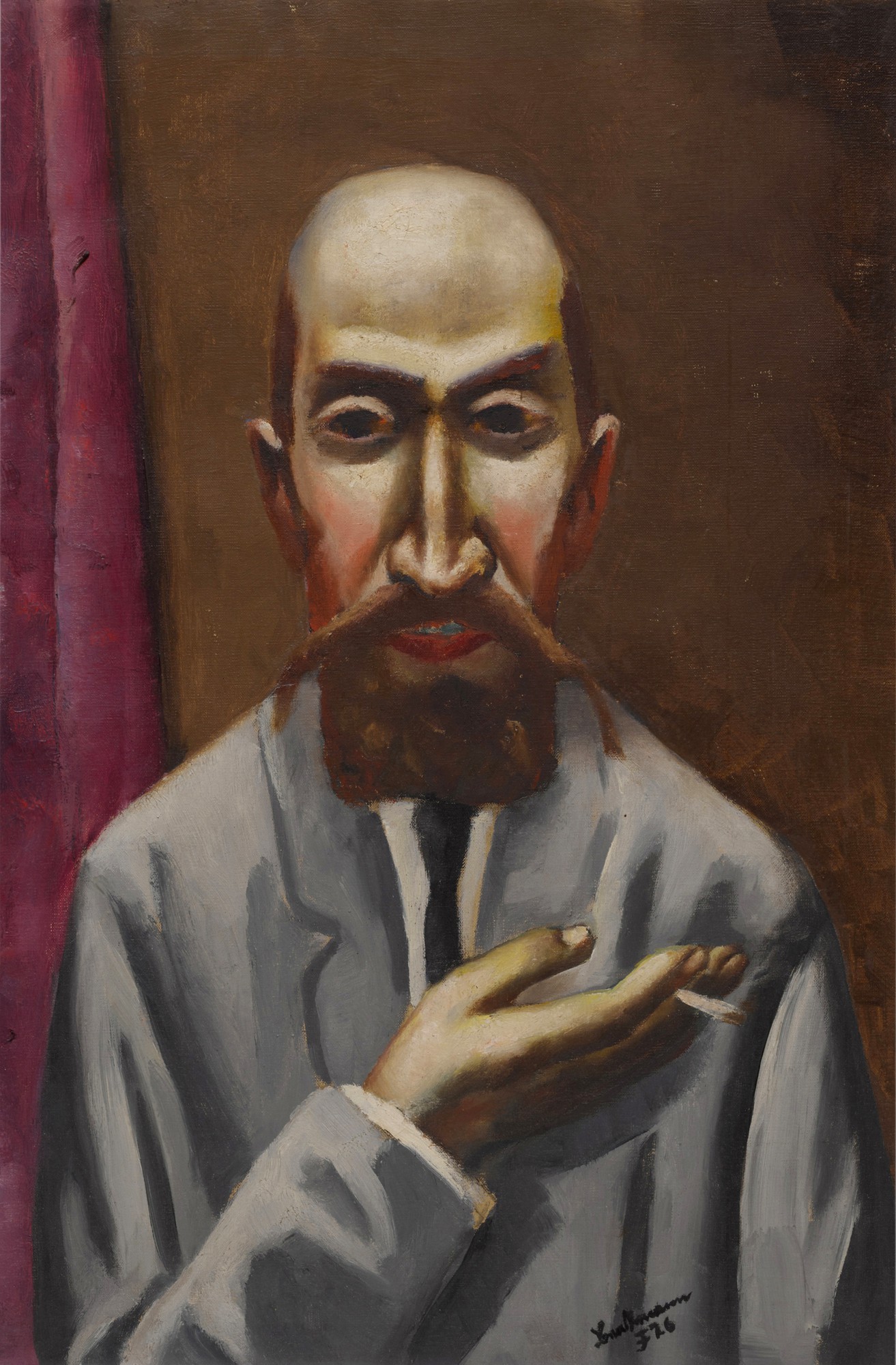
There is a particular moment at the Städel Museum in Frankfurt that stops visitors in their tracks. Standing before a Beckmann canvas, one feels not merely observed by the figures within it but implicated by them, drawn into a compressed, electric world where carnival and catastrophe share the same crowded stage. That sensation, of being simultaneously welcomed and unsettled, is the hallmark of one of the twentieth century's most commanding artistic intelligences. Max Beckmann, born in Leipzig in 1884, spent his life building a visual language so singular that art history has never quite found a comfortable shelf for it, and that restless unclassifiability is precisely what makes him so vital to encounter today. Beckmann came into the world on February 12, 1884, the son of a grain merchant, and showed an early and decisive appetite for art that his family eventually relented to support. He studied at the Grand Ducal Art School in Weimar beginning in 1900, absorbing the technical rigor of a classical European training while already straining against its boundaries. A visit to Paris in 1903 and early exposure to the works of Rembrandt, Peter Paul Rubens, and El Greco left permanent impressions on a young painter who was drawn less to decorative beauty than to the full, weighted presence of the human figure. By the time he arrived in Berlin in the early 1900s, he was already restless, ambitious, and deeply serious about what painting could and should do. The First World War shattered and then remade him. Beckmann served as a medical orderly and witnessed suffering on a scale that cracked open his earlier, more academic style. His prewar work had shown real accomplishment but also a certain grand distance, a painter in command of his craft but not yet in command of his vision. What emerged from the war years was something rawer, more compressed, and infinitely more urgent. The figures in his postwar canvases and prints crowd together as if the pictorial space itself cannot contain the pressure of human experience. Limbs tangle, faces loom, space tilts and buckles. This was not Expressionism in the manner of Ernst Ludwig Kirchner or Emil Nolde, with its screaming chromatic intensity. Beckmann was colder, more structural, more darkly theatrical, and closer in some ways to the clarity and irony of the Neue Sachlichkeit, or New Objectivity, movement, though he remained ultimately his own category. The works from the 1910s and 1920s preserved in the platform's collection offer a remarkable window into Beckmann at his most searching. His 1917 self portrait in pen and black ink on cream laid paper reveals an artist using the economy of line to produce something almost confrontational in its directness. Self portraiture was a lifelong obsession for Beckmann, a form of relentless self interrogation that produced some of the most psychologically charged images in modern art. The prints from his Gesichter, or Faces, series, including the drypoints Kreuzabnahme and Auferstehung, demonstrate the expressive range he could achieve through printmaking: the scratched, bitten lines carrying a physical rawness that mirrors the spiritual and bodily themes of descent and resurrection. Happy New Year 1917 and Theater from the same period show that even in the darkest years he maintained a mordant, almost theatrical wit. The 1930 oil on canvas Künstler am Meer, or Artists by the Sea, captures a more settled but equally watchful Beckmann, observing the creative life with warmth and a trace of irony. No account of Beckmann is complete without the triptychs. Beginning with Departure in 1932 to 1935, now in the collection of the Museum of Modern Art in New York, he embarked on a series of nine large scale triptychs that form the great monument of his career. These enormous, altarpiece structured works are dense with allegory, myth, and personal symbolism, drawing on sources from Greek mythology to the circus, from Christian iconography to kabuki theater. They resist single interpretations and reward years of looking. When the Nazi regime declared his work degenerate in 1937, removing over five hundred of his works from German museums, Beckmann left Germany and eventually made his way to Amsterdam, where he lived in effective exile during the war years, continuing to paint with extraordinary determination even as the city was occupied. He emigrated to the United States in 1947, teaching at Washington University in St. Louis and later at the Brooklyn Museum Art School, and died in New York in December 1950, just short of his sixty seventh year. For collectors, Beckmann represents a rare combination of historical importance and genuine visual power. His prints, particularly the drypoints and lithographs from the 1910s and 1920s, offer a meaningful point of entry into his world, combining technical mastery with the full force of his imagination. Works on Japanese paper, as with several pieces in the platform's holdings, carry a particular refinement and sensitivity that shows the care he brought even to editions meant for wider distribution. His oil paintings, when they appear at auction, command serious attention: major works have achieved prices in the tens of millions of dollars at houses including Sotheby's and Christie's, reflecting his secure position among the canonical figures of twentieth century European art. Collectors drawn to German modernism frequently arrive at Beckmann as a kind of apex, an artist who synthesizes the moral seriousness of the German tradition with a pictorial invention that feels entirely his own. To understand Beckmann's place in art history is to understand the richness of early twentieth century German and European modernism more broadly. He sits in productive conversation with Otto Dix and George Grosz in his critical engagement with Weimar society, with Edvard Munch in his existential intensity, and with Pablo Picasso in his willingness to fracture and reconstruct pictorial space for expressive ends. Yet none of these comparisons fully accounts for him. Where Dix could be brutally satirical and Munch consumed by personal anguish, Beckmann maintained a philosophical ambition and a strange grandeur that set him apart. He was a writer and a thinker as well as a painter, and his letters and diaries reveal a man who regarded the act of painting as nothing less than a form of metaphysical inquiry. What Beckmann offers the contemporary viewer and collector is something that only deepens with time: a body of work that insists on the full complexity of human experience without either sentimentalizing it or despairing of it. His figures endure, they perform, they suffer, they celebrate, and they look back at us with a directness that no distance of time can soften. In an era hungry for art that carries genuine weight, Beckmann is not merely relevant. He is indispensable.