Etching And Drypoint
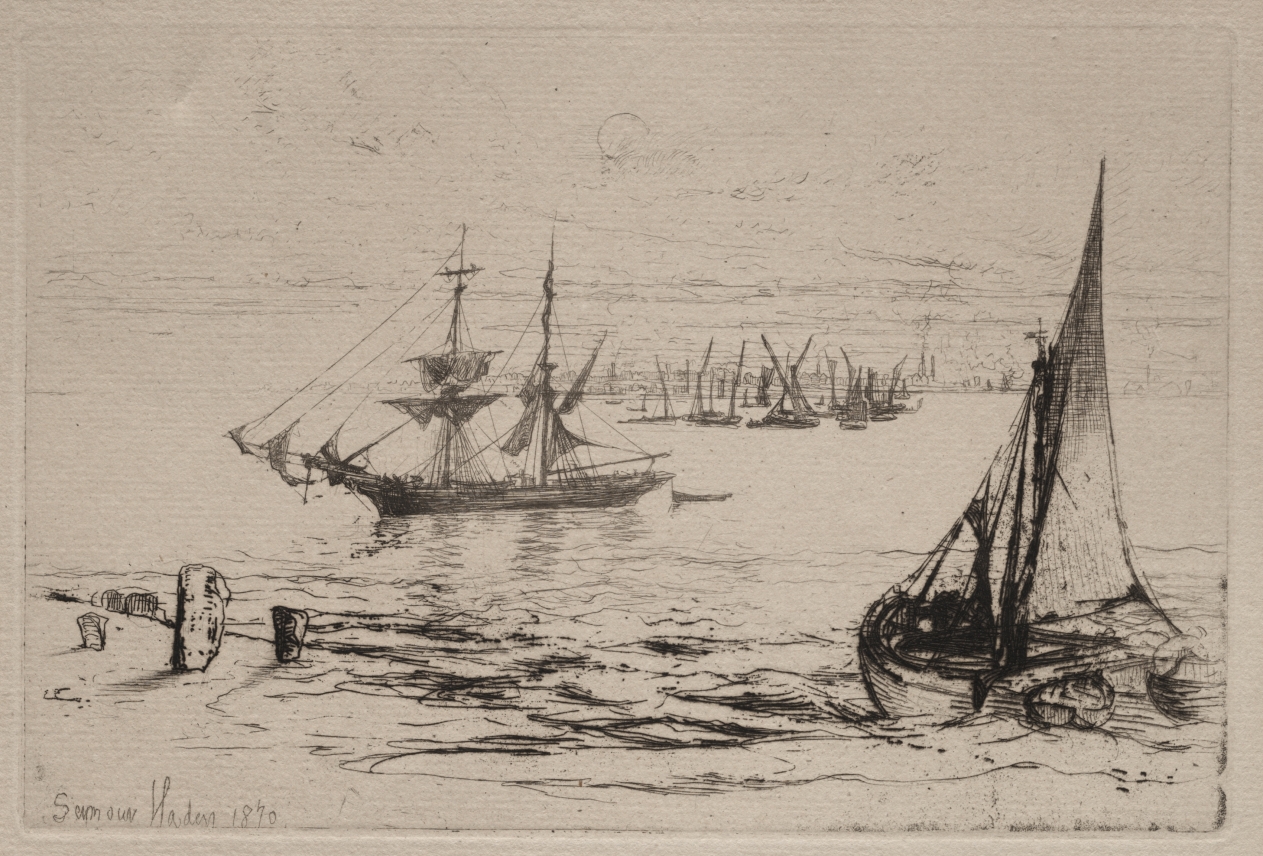
Francis Seymour Haden
A Brig at Anchor, 1879
```json
{ "headline": "The Scratch That Changed Art Forever", "body": "There is something almost alchemical about the way a copper plate and a sharp needle can produce an image of such intimacy that it feels like a whisper directly into the eye. Etching and drypoint are the most confessional of printmaking techniques, arts of pressure and resistance where the hand's smallest tremor becomes visible truth. Unlike the broad ambitions of painting or the public declaration of sculpture, these are methods that reward closeness, that ask you to lean in. To collect them is to enter into a private conversation with a maker's most unguarded moments.
", "Though the origins of etching reach back to early sixteenth century Europe, when armourers used acid to decorate metal surfaces, it was Albrecht Dürer and later Rembrandt Harmensz. van Rijn who understood the medium's capacity for something far beyond decoration. Rembrandt, working in Amsterdam through the middle decades of the seventeenth century, essentially reinvented what etching could do. He combined etched line with the scratched burr of drypoint to create shadow so velvety and rich it seemed to breathe, and his small plates of biblical scenes, landscapes, and self portraits set a standard against which every subsequent printmaker would measure themselves.
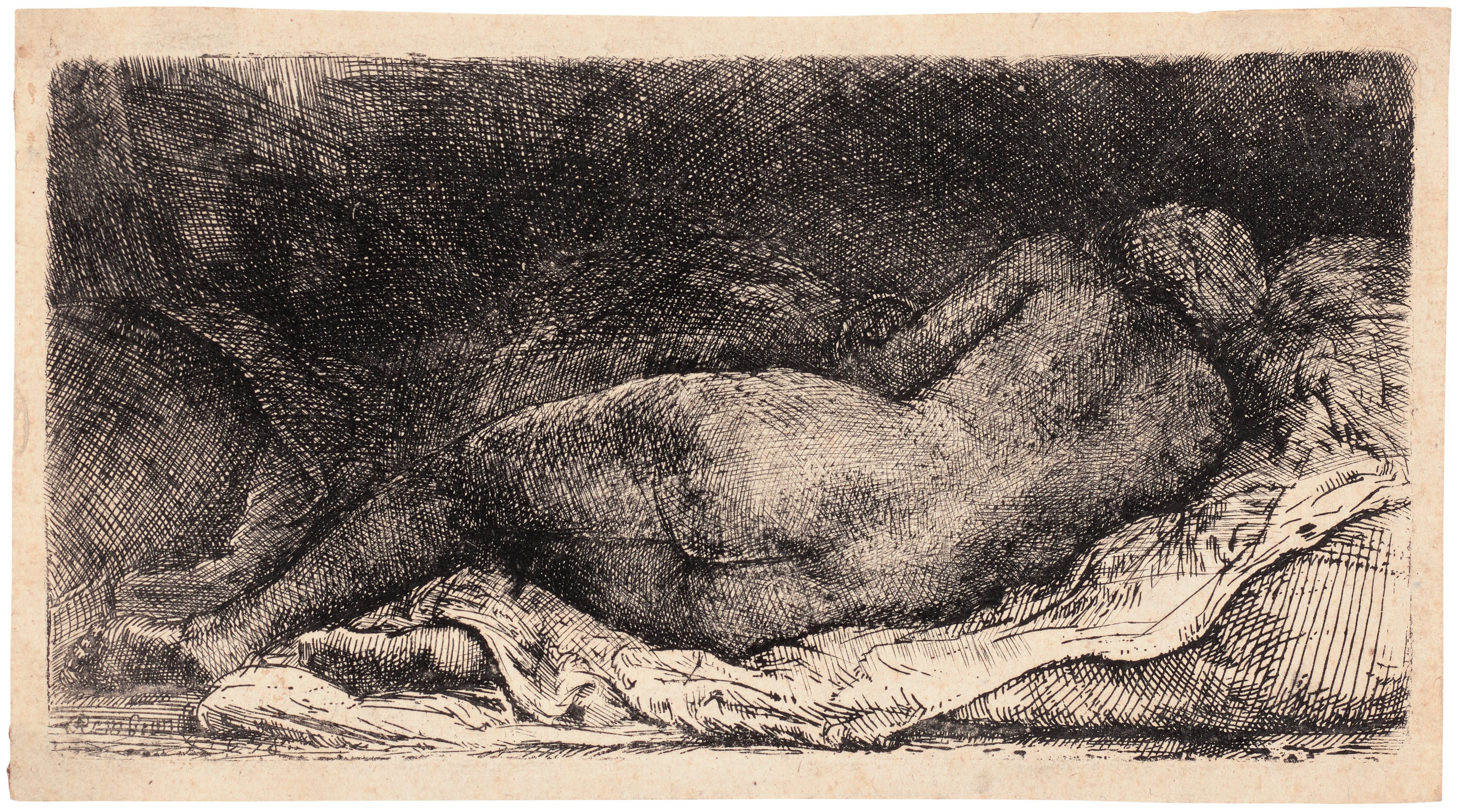
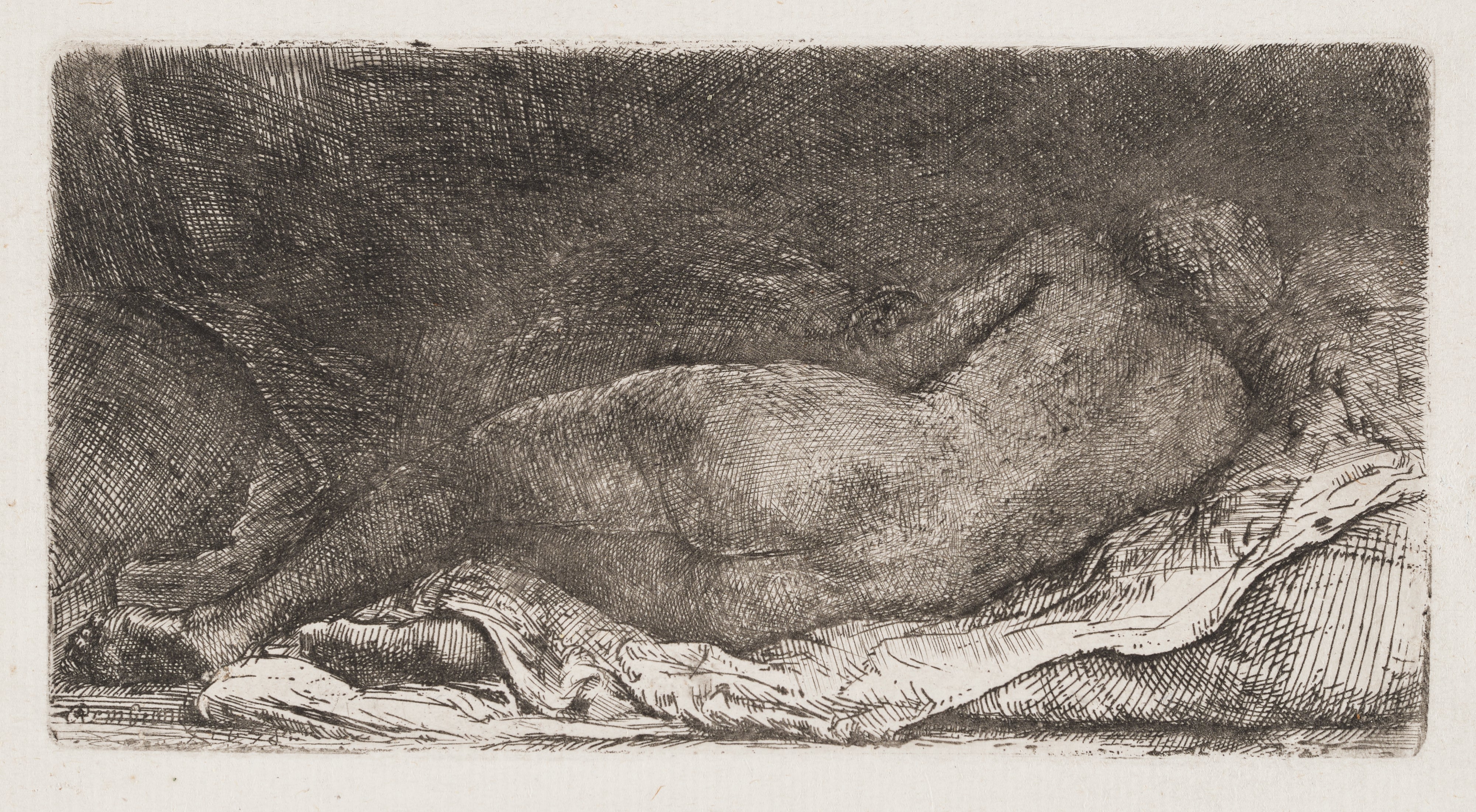
Rembrandt Harmensz. van Rijn
Nude Lying Down (B., Holl. 205; H. 299; New Holl. 308)
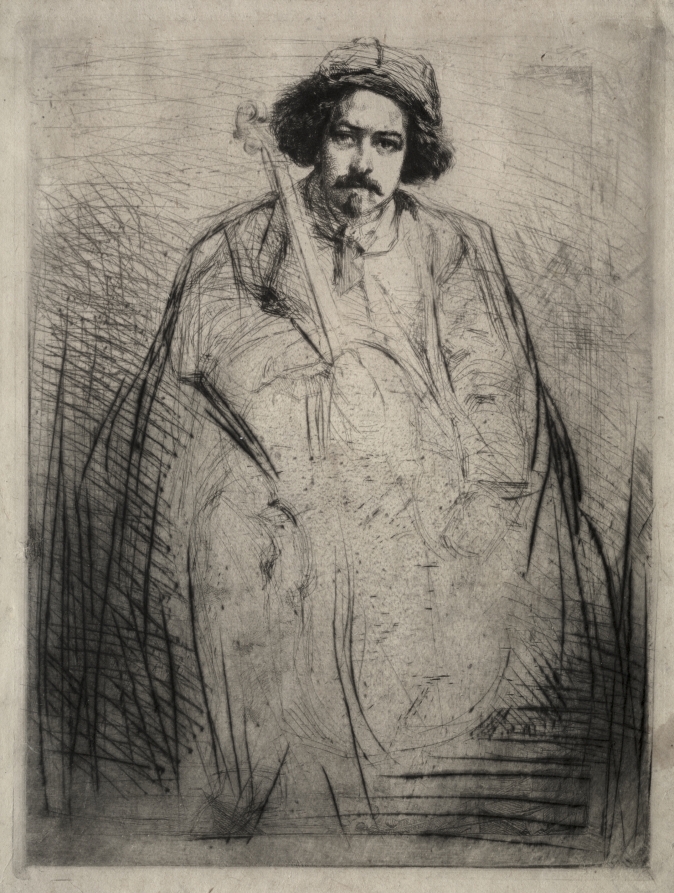
The works by Rembrandt on The Collection are a reminder of why his name never leaves any serious conversation about the medium.", "Drypoint, the simpler and more immediate of the two techniques, involves scratching directly into a metal plate with a sharp implement. The tool displaces the metal rather than removing it, leaving a rough burr along the scored line that holds ink and prints with that characteristic soft, almost furry edge. Etching, by contrast, uses acid to bite into a wax coated plate where the artist has drawn through the ground.
The difference in feel is significant: etching rewards deliberate draughtsmanship while drypoint rewards spontaneity, the direct pressure of the hand, the willingness to commit. Many of the greatest print artists have exploited both in the same plate, building structure with etched line and atmosphere with drypoint.", "The nineteenth century brought printmaking from the workshops into the salons. The etching revival of the 1860s and 1870s was a genuine cultural movement, driven in part by the founding of the French Société des Aquafortistes in 1862 and by the critical advocacy of writers like Charles Baudelaire and Philippe Burty, who argued that original prints were as serious as paintings.
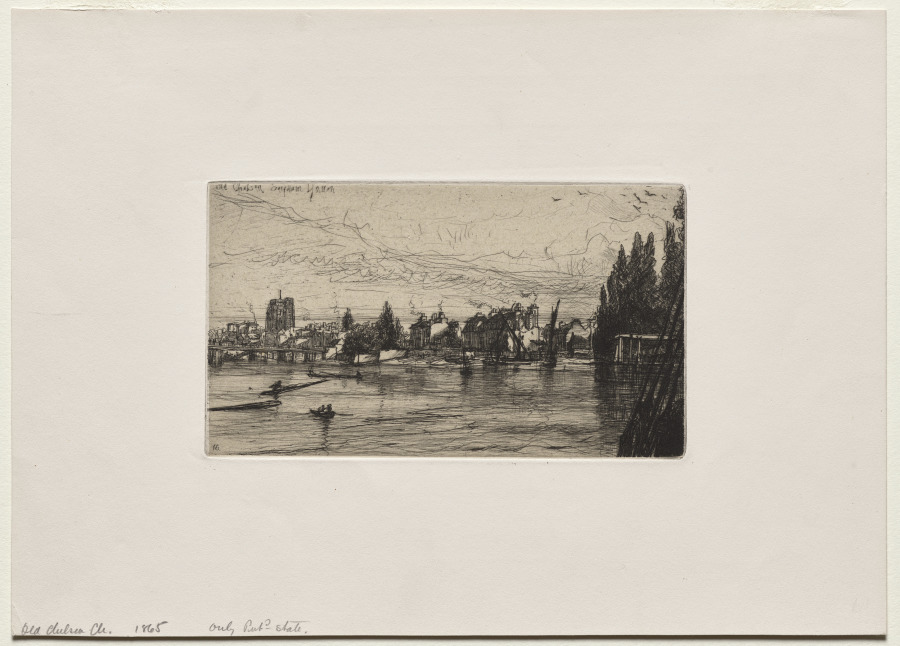
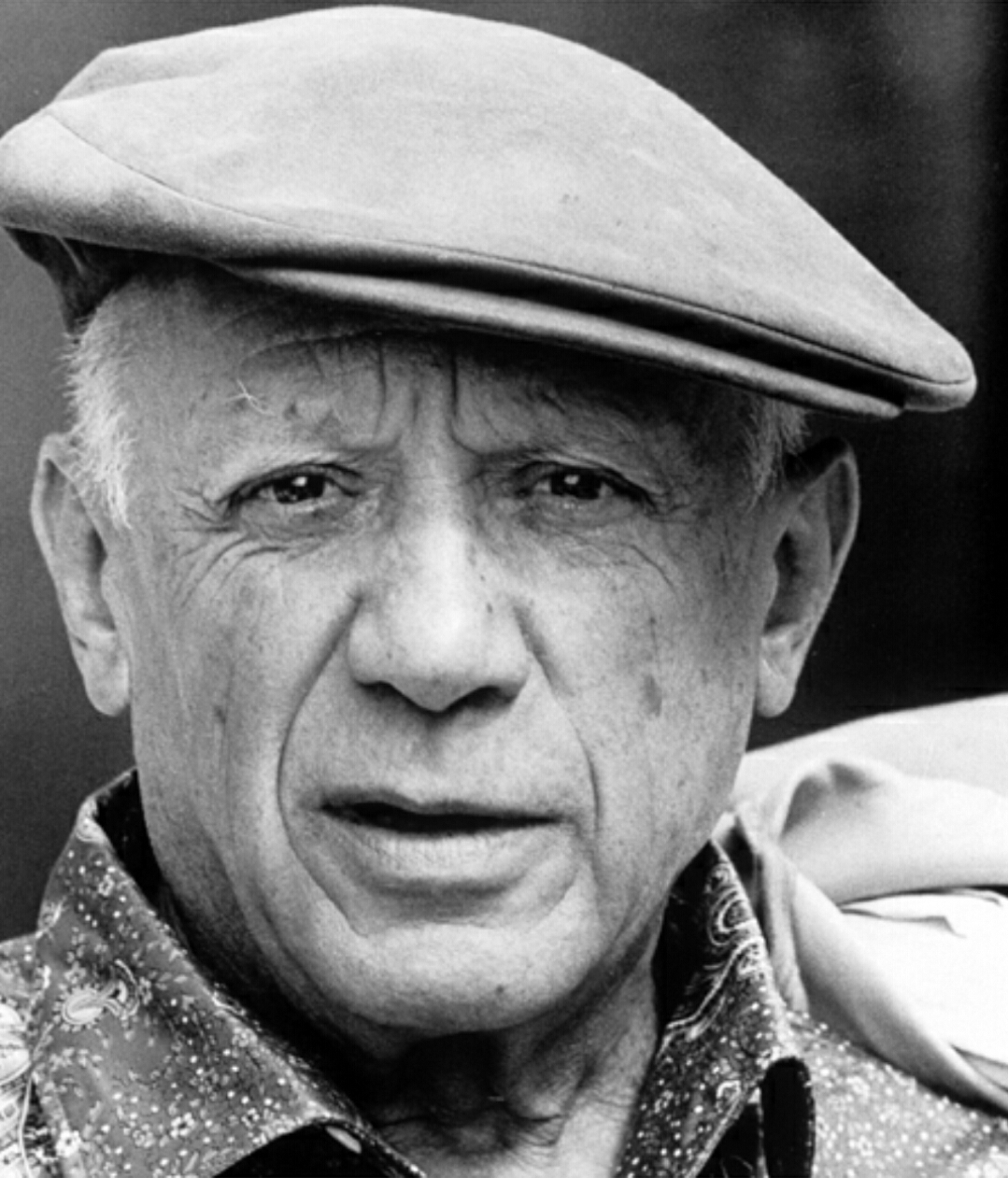
Francis Seymour Haden
A Brig at Anchor, 1879
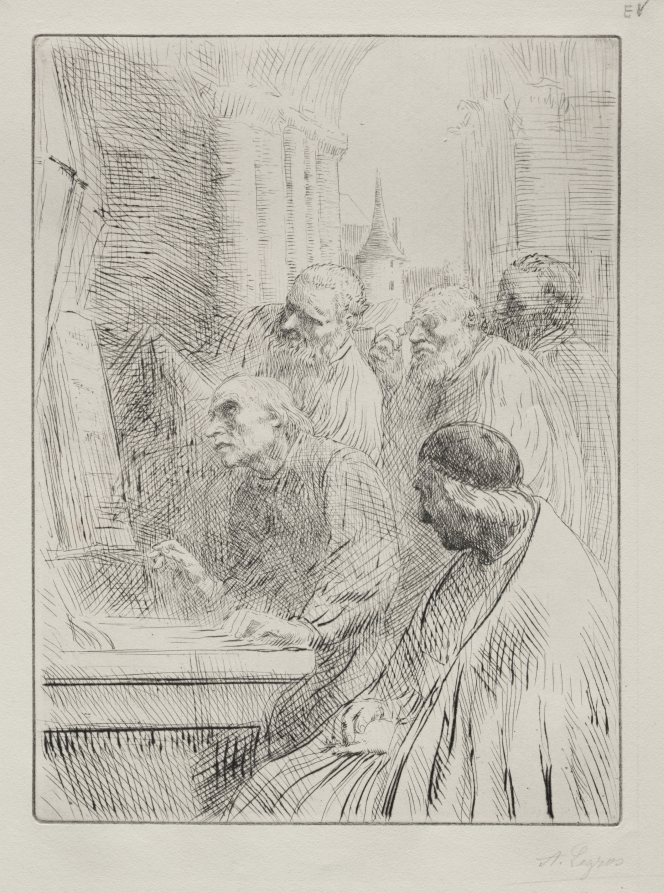
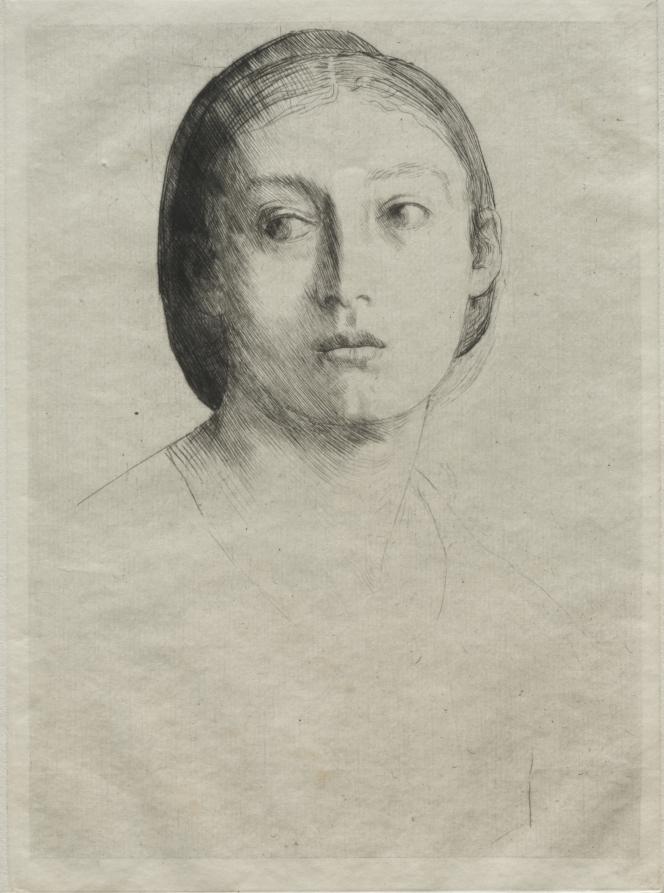
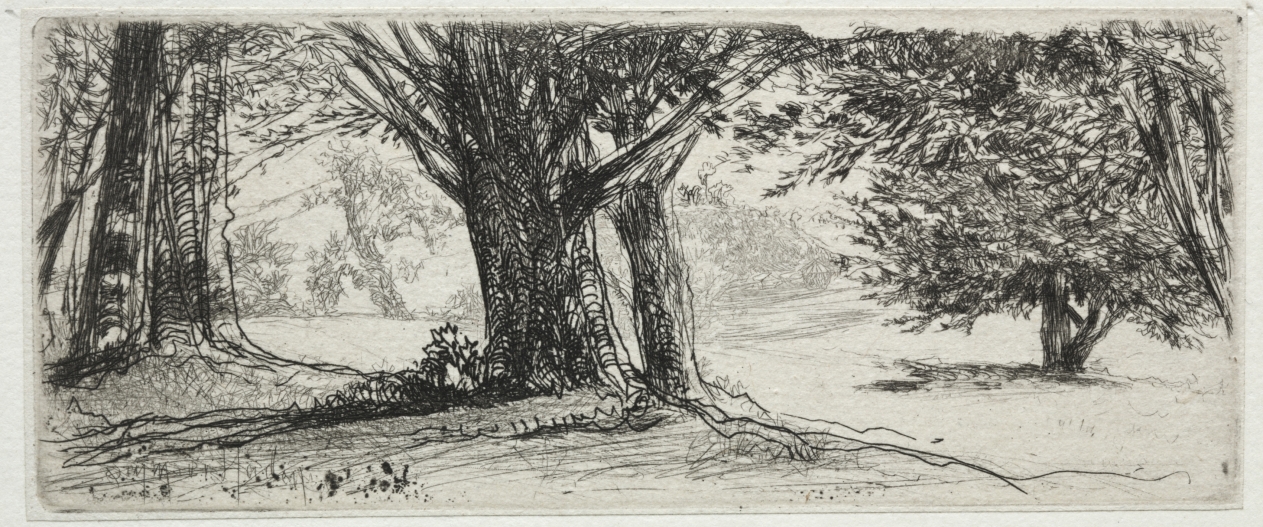
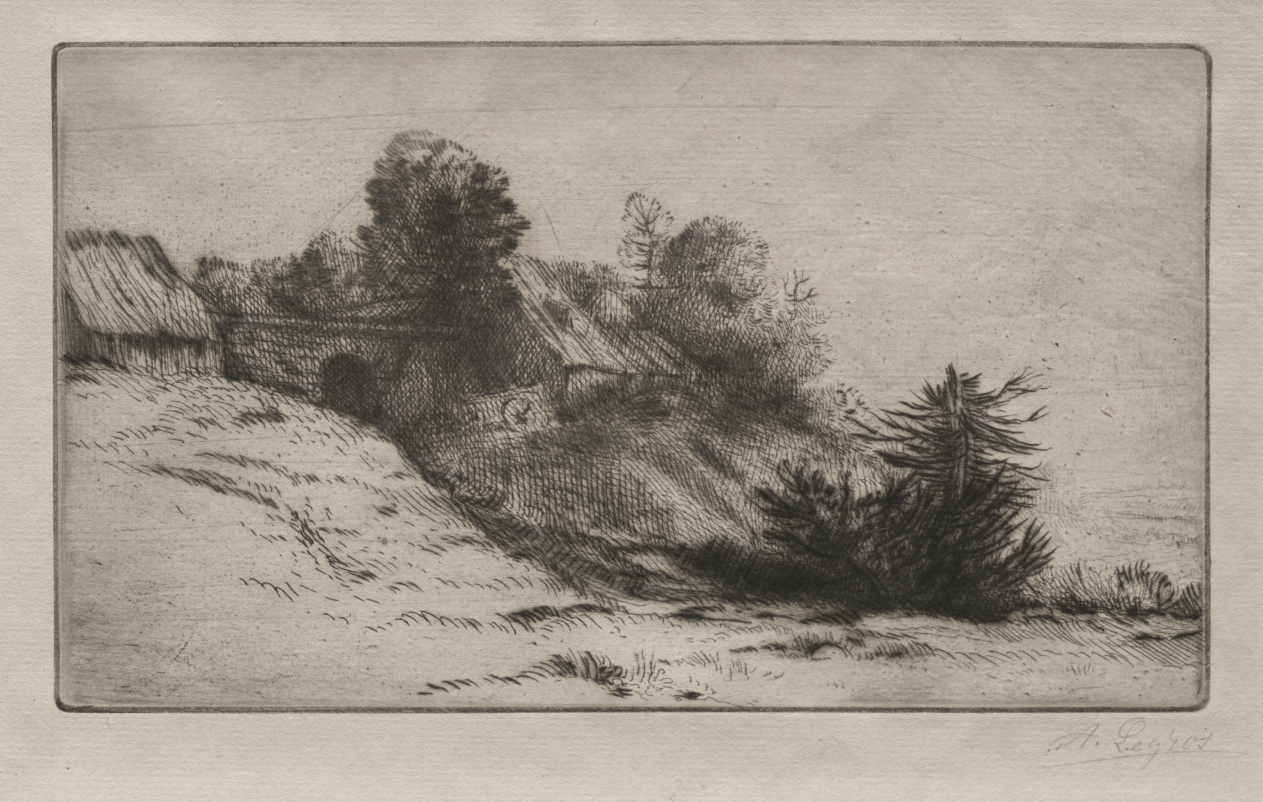
Francis Seymour Haden, a British surgeon and committed printmaker, was central to this revival. His landscapes, scratched with an authority that owed everything to direct observation and very little to academic convention, helped legitimise the original etching as an art object rather than a mere reproductive tool. His presence on The Collection is substantial, and rightly so. So too is that of Alphonse Legros, a French born artist who settled in London and taught generations of British printmakers at the Slade School, quietly shaping the taste of an entire era.
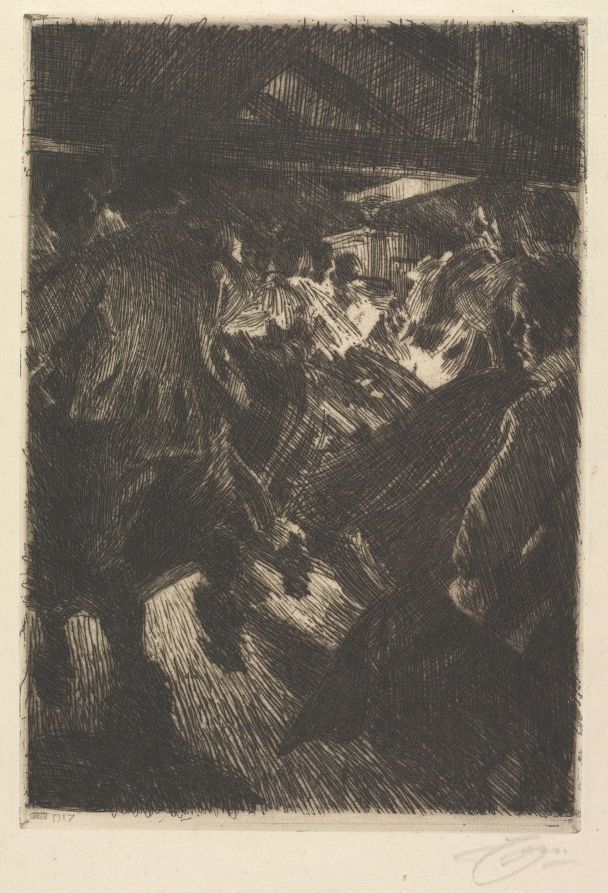
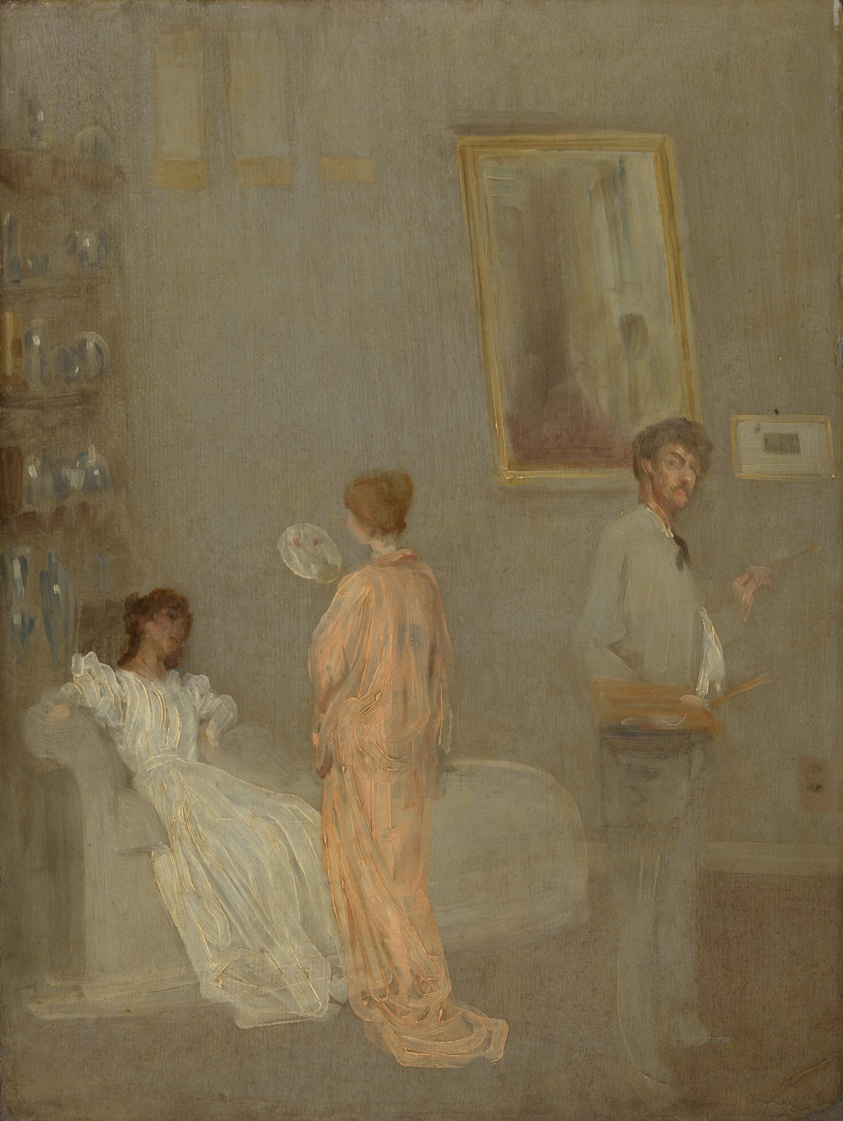
", "James McNeill Whistler brought something else entirely: a modernist lightness, a willingness to let the plate speak through its silences. His Venice etchings of 1880, made during a difficult period after his ruinous lawsuit against John Ruskin, are among the most celebrated prints ever made, their architecture dissolving into suggestion, their atmosphere more Japanese than European in sensibility. Whistler appears on The Collection alongside Anders Zorn, the Swedish artist whose command of drypoint was so assured that his portraits seem to pulse with actual light, the burr of his lines catching ink the way skin catches afternoon sun. These two artists together represent printmaking at the edge of Impressionism, restless and technically fearless.
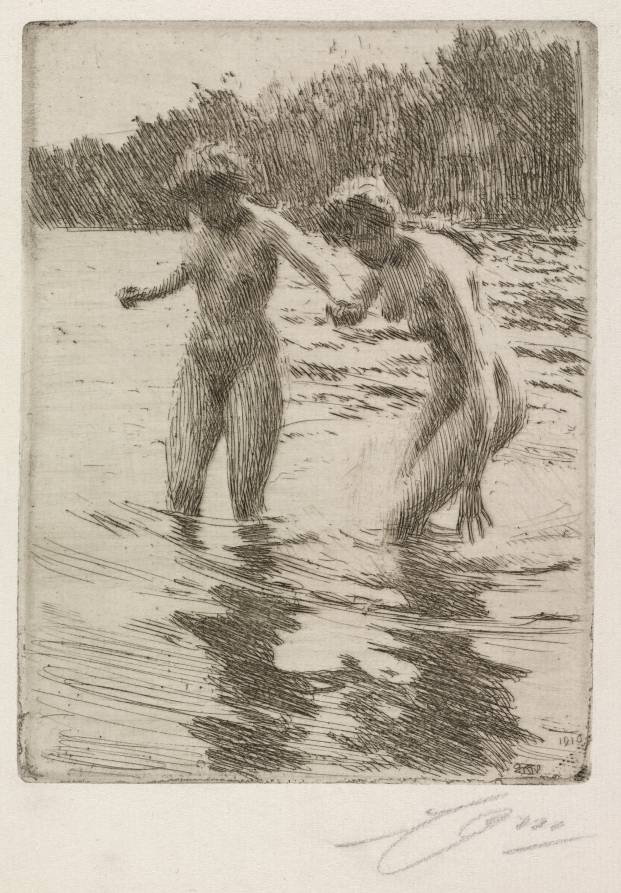
Anders Zorn
Two Bathers, 1910
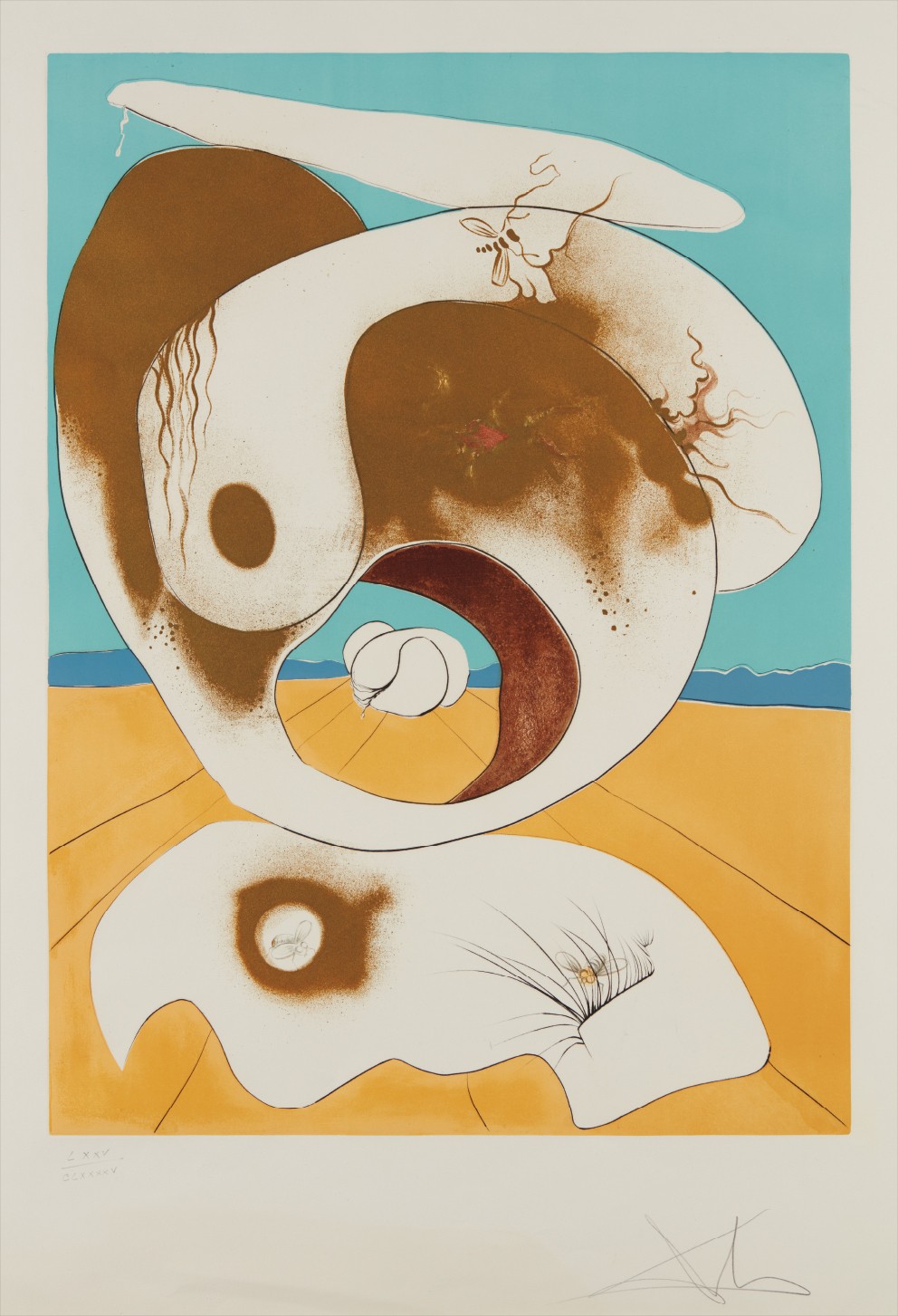
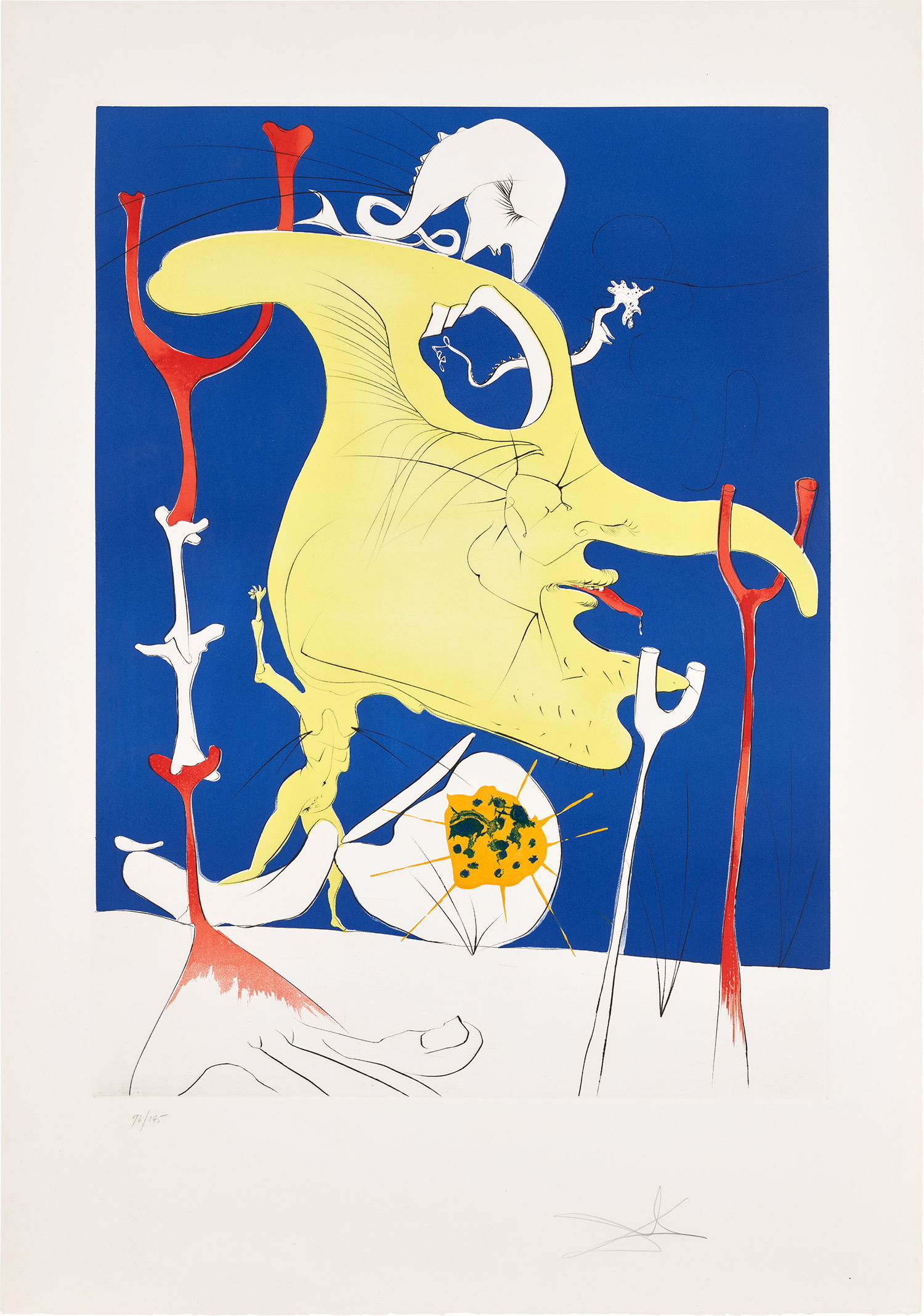
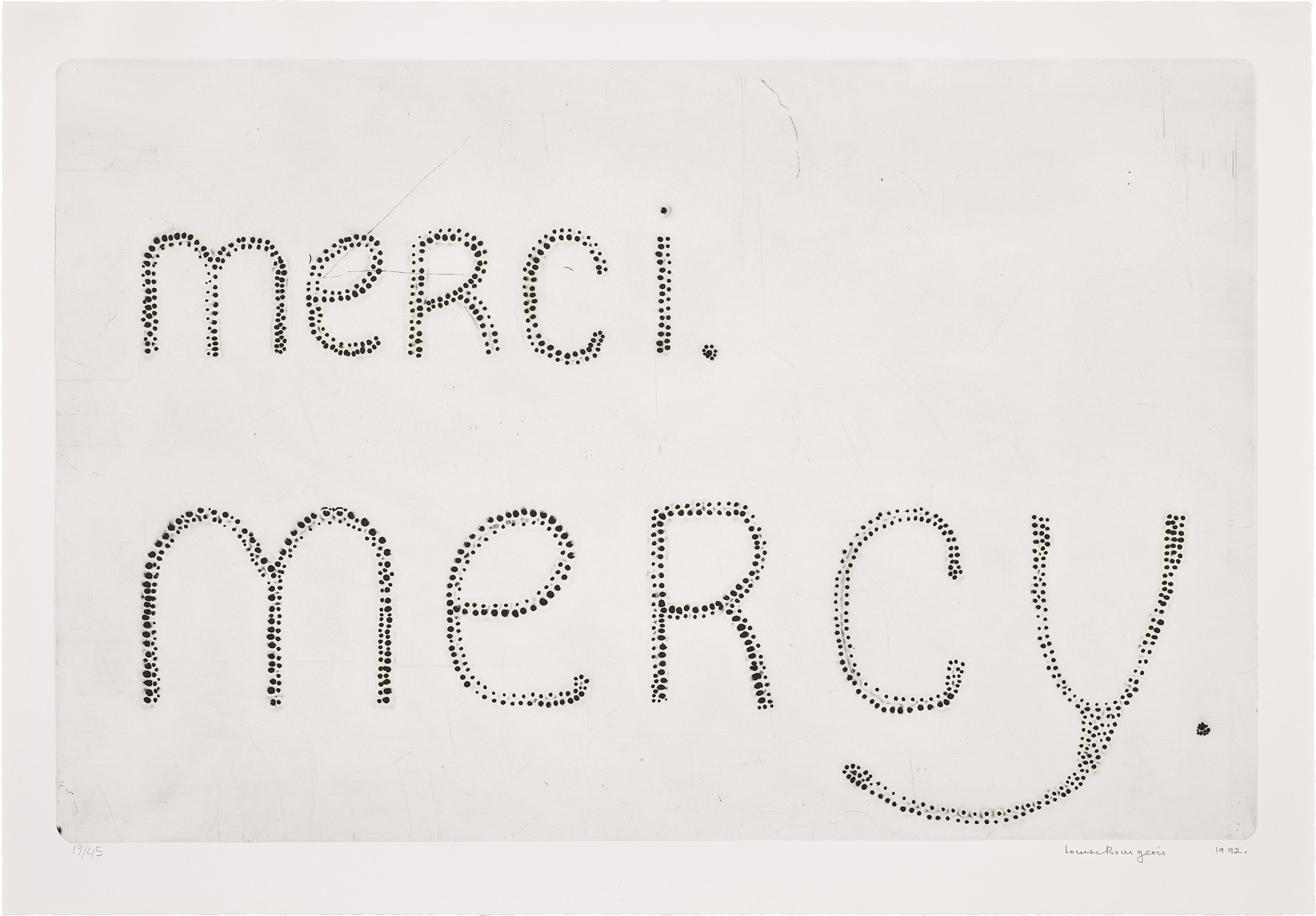
", "The twentieth century complicated the medium in the most productive ways. Salvador Dalí brought Surrealism into the etching studio, his imagery strange and unmoored from any easy reading. Picasso, a restless experimenter across every medium he touched, produced prints of ferocious energy and formal invention throughout his long career. Louise Bourgeois returned to etching and drypoint late in her life with an emotional directness that felt like autobiography without the mediation of fiction, her imagery pulling from the body, from memory, from places most artists do not go.
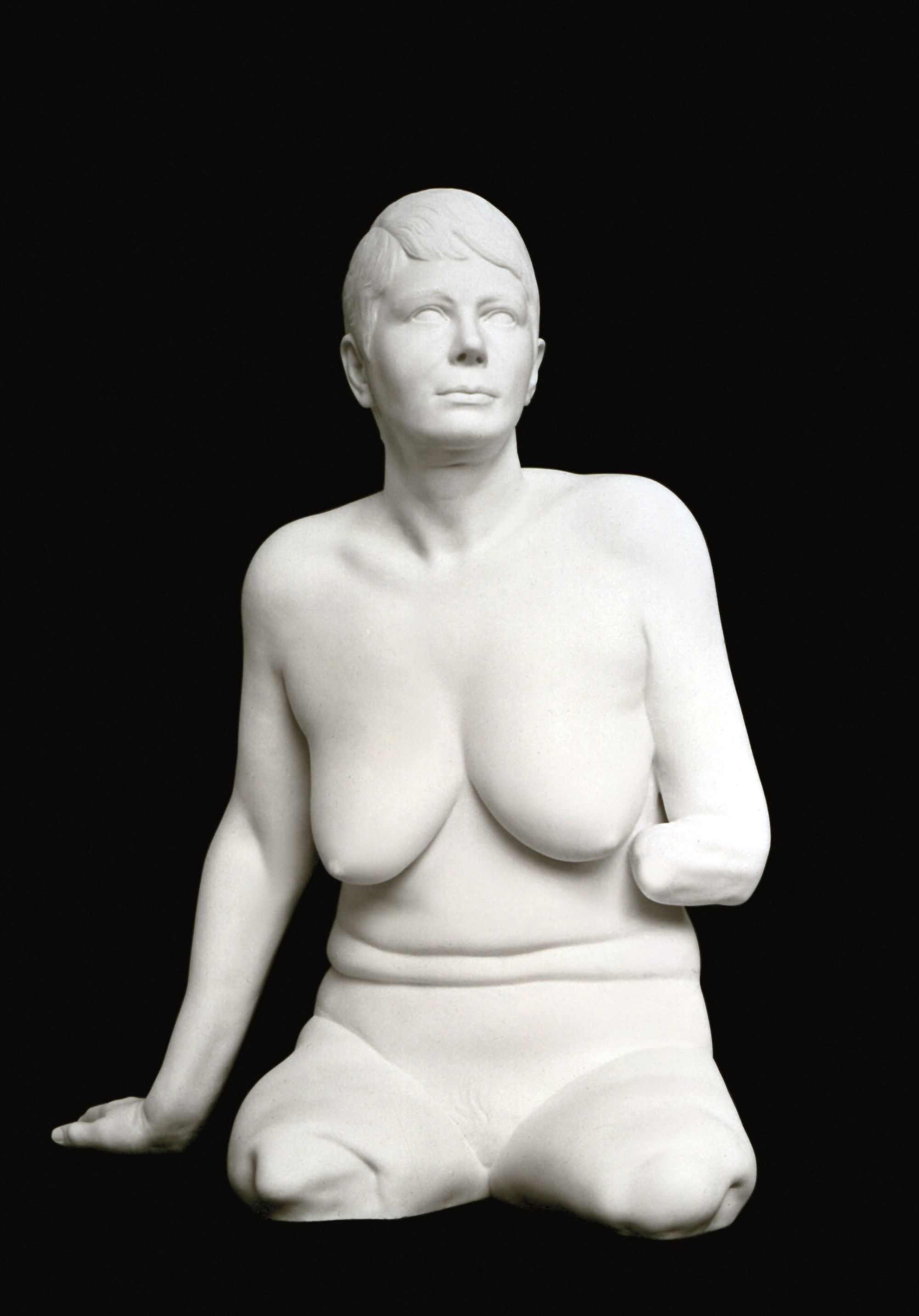
Lucian Freud, working with the master printer Marc Balakjian at the Studio Prints in London, applied the same unflinching attention he brought to oil paint, the faces and bodies in his prints refusing the comfort of idealisation.", "Bruce Nauman's appearance in this lineage is worth pausing on. His engagement with printmaking, like everything in his practice, strips the medium of its decorative associations and pushes it toward language, toward the body as instrument, toward discomfort as meaning. That such a conceptually driven artist chose etching as a vehicle says something important about the medium's continuing capacity to absorb and reflect the concerns of its time.
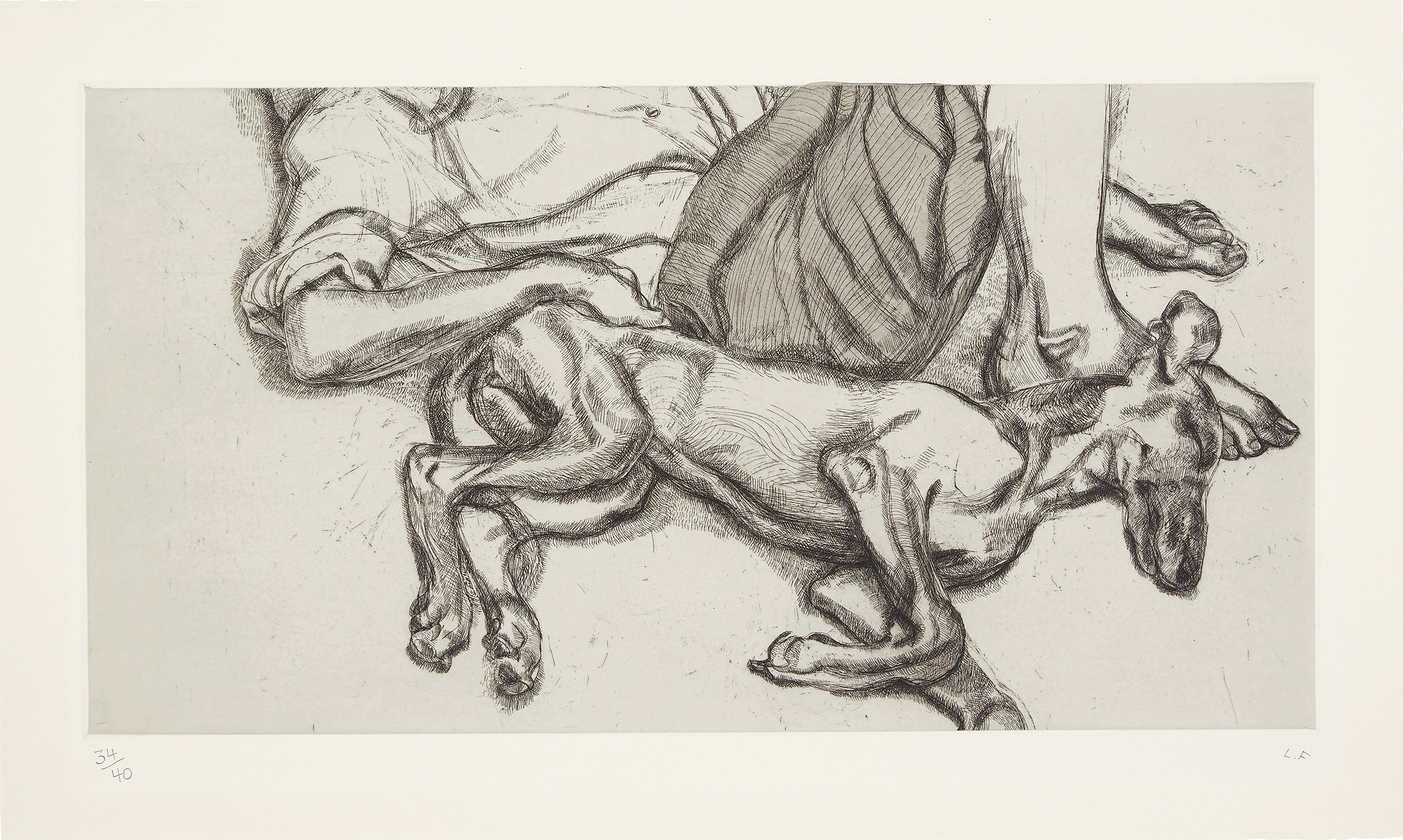
Lucian Freud
Pluto (H. 37)
Pat Steir, whose waterfall paintings made her reputation, has brought a similar rigour to works on paper that blur the distinction between gesture and accident, process and intention. These artists remind us that etching and drypoint are not historical curiosities but living practices.", "What unites this entire tradition, from Rembrandt's candlelit self portraits to the charged imagery of Bourgeois, is the intimacy of scale and the honesty of process. A print made by hand on a metal plate cannot hide its making.
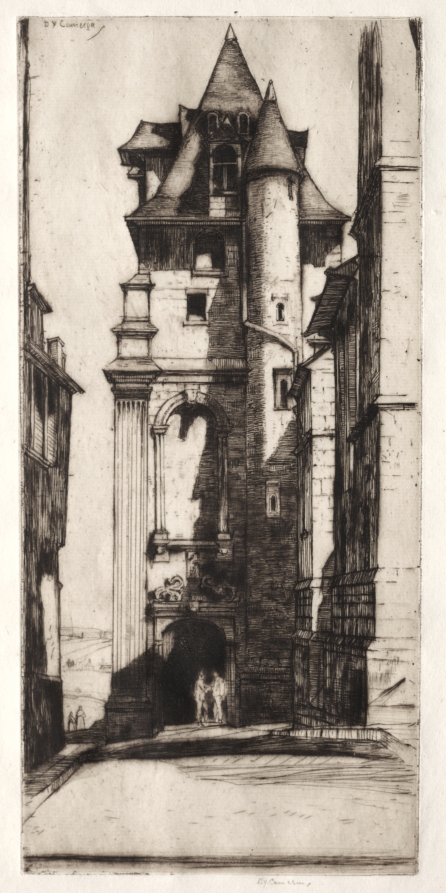
The lines are the artist's lines, the pressure is the artist's pressure, and the ink that sits in those grooves and transfers to dampened paper has been placed there through decisions made in real time. There is no overpainting, no revision without trace. Collectors have always understood this. The works on The Collection, ranging across four centuries and drawn from artists as different in temperament as David Young Cameron and Henry Moore, constitute a remarkable argument for the continued urgency of marks made by hand, acid, and needle on a surface that gives back exactly what it receives.