Consumerism
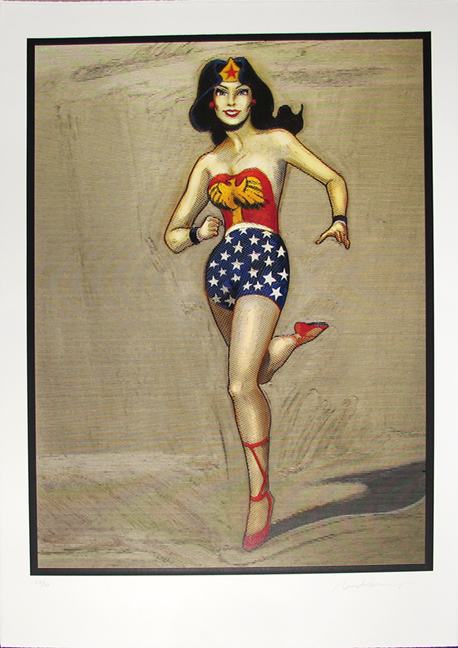
Jeff Koons
Stacked


Everything Is for Sale. Always Was.
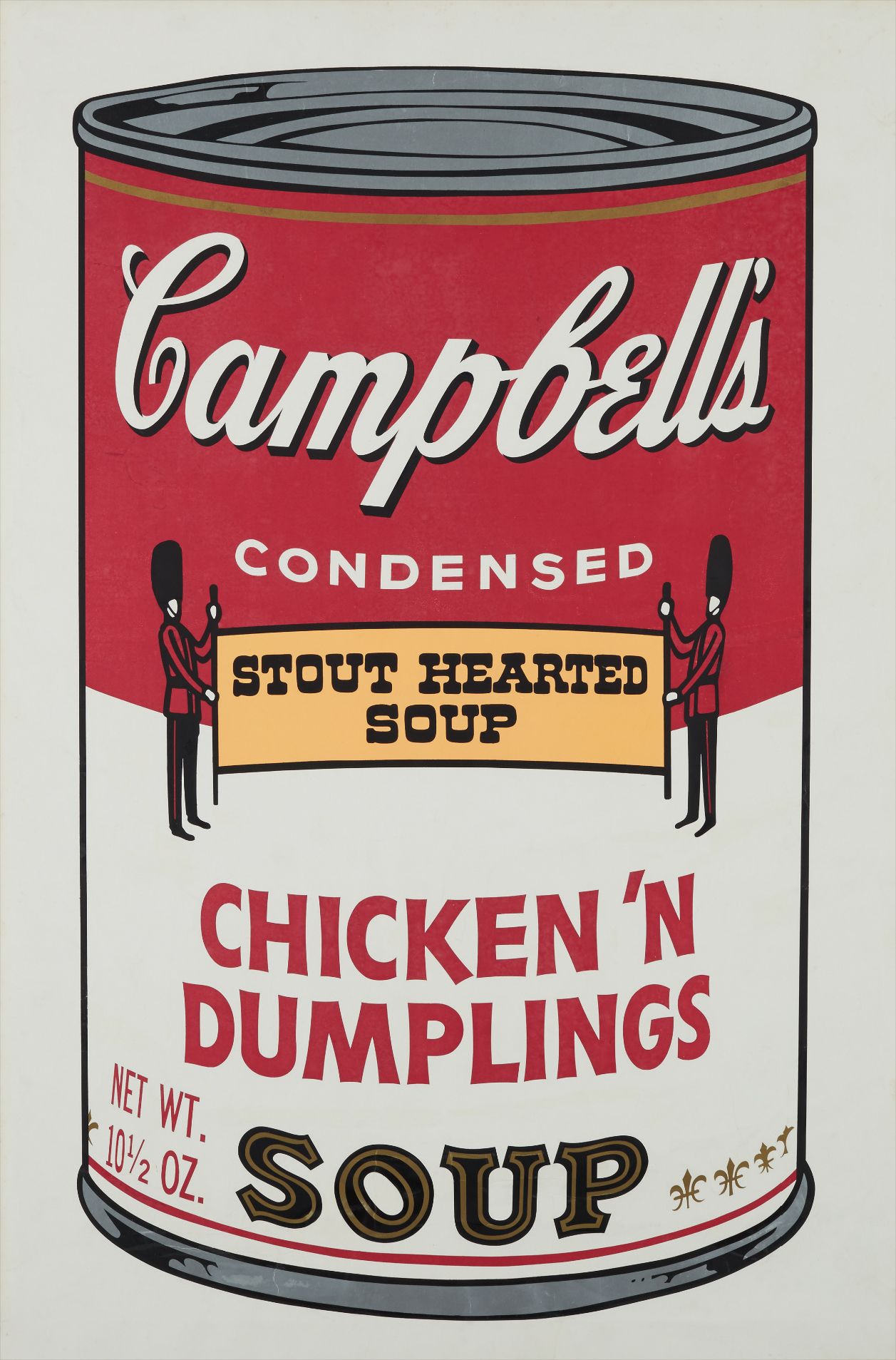
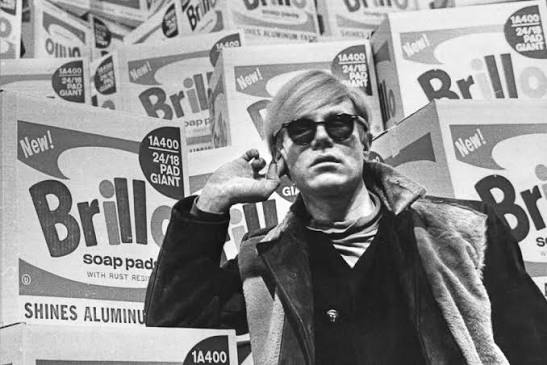
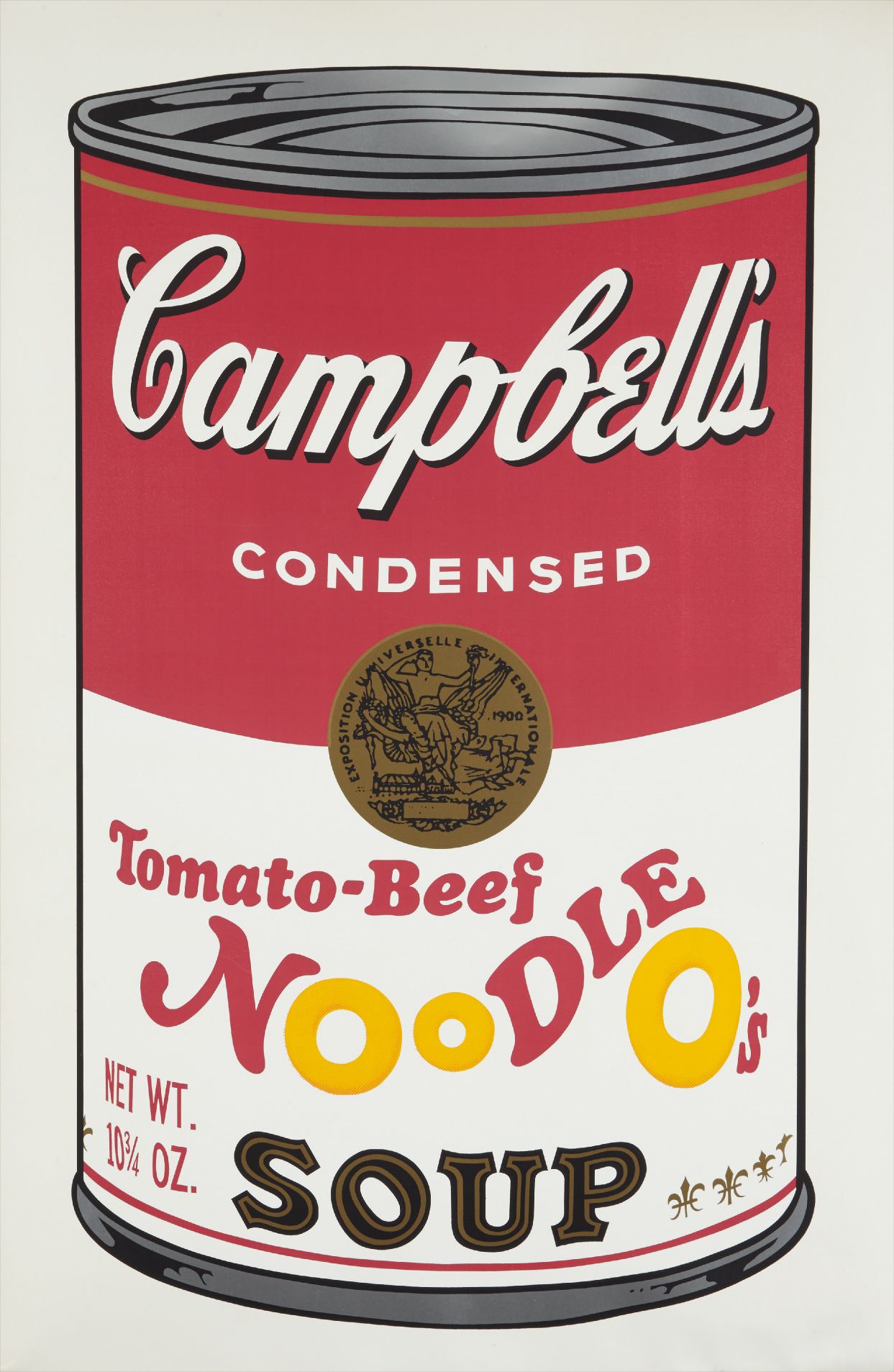
There is a moment, standing in front of Andy Warhol's silkscreened Campbell's Soup Cans for the first time, when the joke and the horror arrive simultaneously. The work is funny, deadpan, almost aggressively banal. And then you realize that is precisely the point. Warhol was not mocking consumerism from a safe critical distance.
He was inside it, seduced by it, worshipping at its altar with the fervor of a true believer. That ambivalence, that refusal to moralize, is what made Pop Art so unsettling when it emerged in the early 1960s and what keeps it urgent today. The roots of art's engagement with consumer culture stretch back further than Warhol's Factory. Richard Hamilton's small collage from 1956, Just What Is It That Makes Today's Homes So Different, So Appealing, is often cited as one of the earliest works to assemble the imagery of postwar abundance into something that could be called art.
James Rosenquist
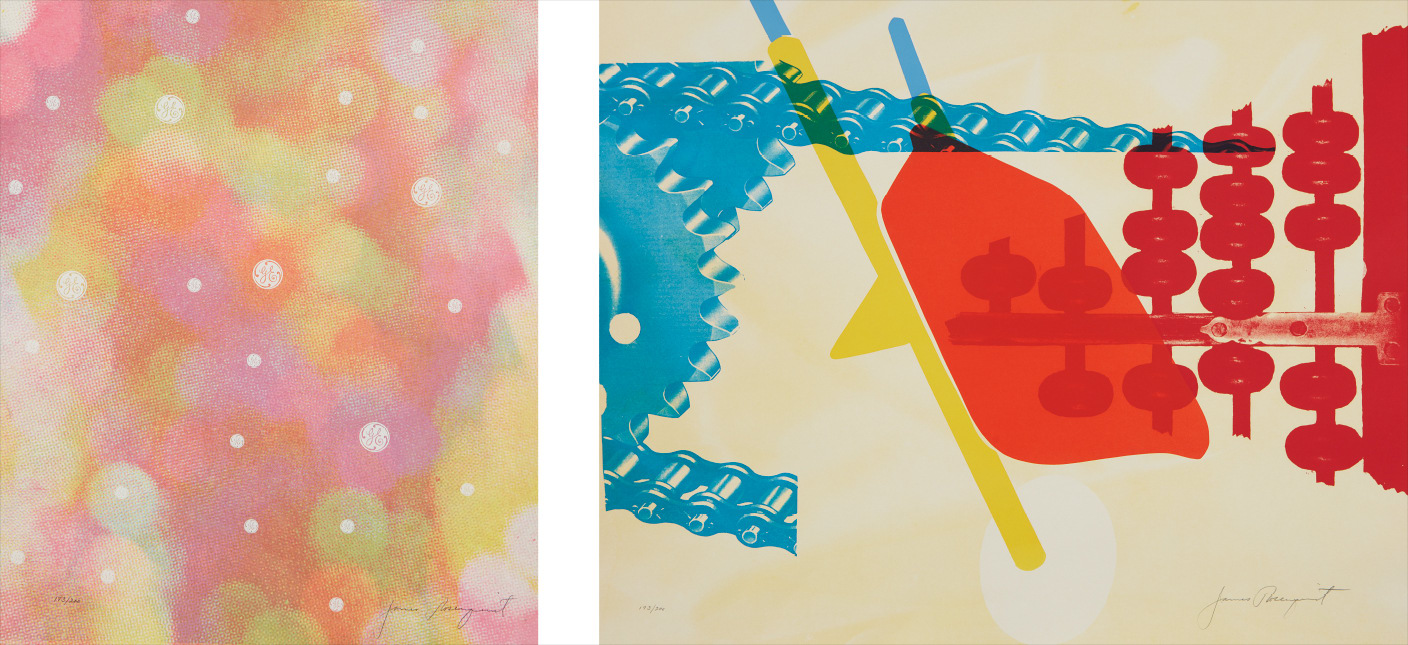
Circles of Confusion, from 11 Pop Artists, Volume 1; and Whipped Butter for Eugene Ruchin, from 11 Pop Artists, Volume II
Hamilton clipped bodybuilders, canned hams, television sets, and Ford logos and arranged them into a domestic scene that read as both celebration and critique. It was made for the catalogue of the This Is Tomorrow exhibition at the Whitechapel Gallery in London, and it introduced a vocabulary that would reverberate for decades: the advertisement, the logo, the commodity object treated with the seriousness previously reserved for history painting or portraiture. In the United States, a parallel awakening was underway. James Rosenquist, who had actually worked as a billboard painter in Times Square before turning to fine art, brought an insider's fluency to the language of commercial imagery.
His enormous canvases, painted with the smooth, impersonal surfaces of advertising, placed fragments of cars, spaghetti, and fighter jets into unsettling proximity. Rosenquist understood that consumer imagery was not neutral. It carried ideology, aspiration, and anxiety all at once. Roy Lichtenstein was similarly precise in his appropriation of comics and advertising, using Ben Day dots and bold outlines to frame the visual grammar of mass culture as something worth looking at slowly.
Andy Warhol
Tomato-Beef Noodle O's, from Campbell's Soup II
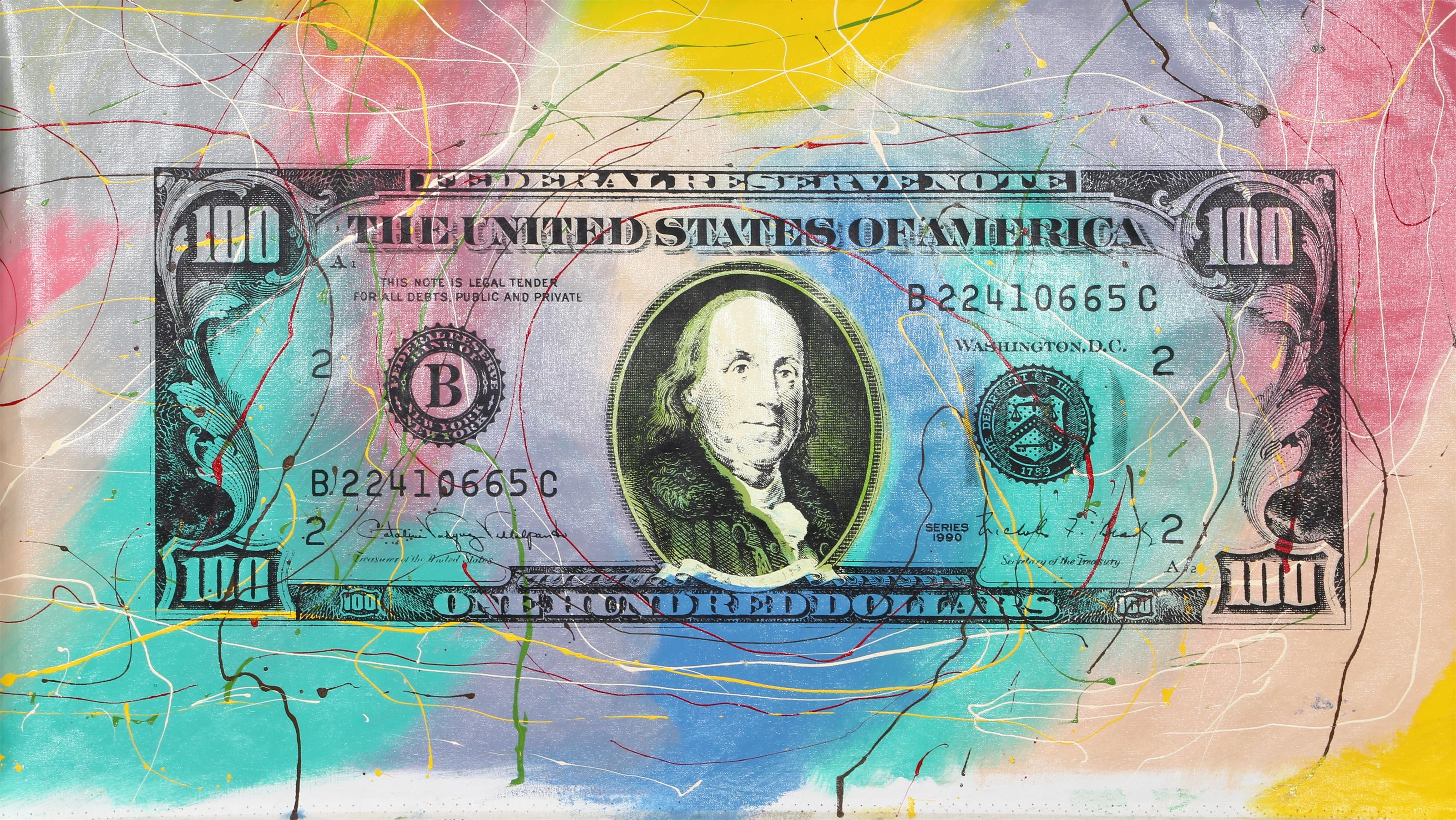
Claes Oldenburg, meanwhile, took a more sculptural and bodily approach, transforming everyday objects like typewriters, fans, and toilets into soft, deflated forms that made the familiar strange. Warhol remained the movement's dark star, and his output in the years between 1962 and his death in 1987 constitutes one of the most sustained and complex meditations on consumer society in the history of art. He screenprinted Marilyn Monroe with the same technique he used for Brillo boxes, collapsing the distinction between celebrity and product, between tragedy and brand. His work is exceptionally well represented on The Collection, and spending time with it reveals something that reproduction rarely communicates: the beauty is real, not ironic.
The gold leaf, the shimmer, the lush color feel genuinely devotional. Warhol was not exposing consumerism as false. He was showing us how powerfully it functions as religion. The artists who followed in the 1980s tended to be more explicitly critical, if equally fascinated.

Haim Steinbach
ten second memos #7
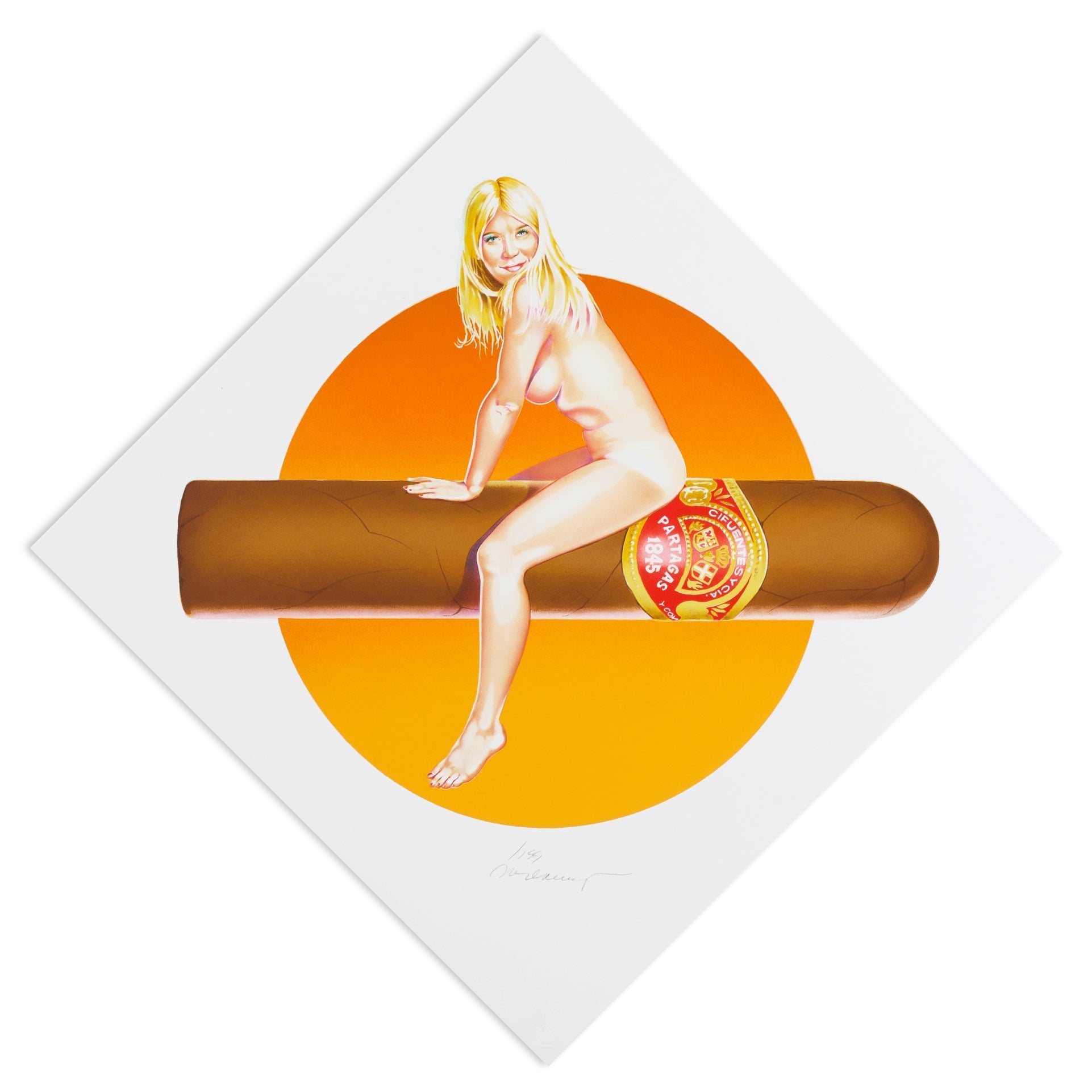
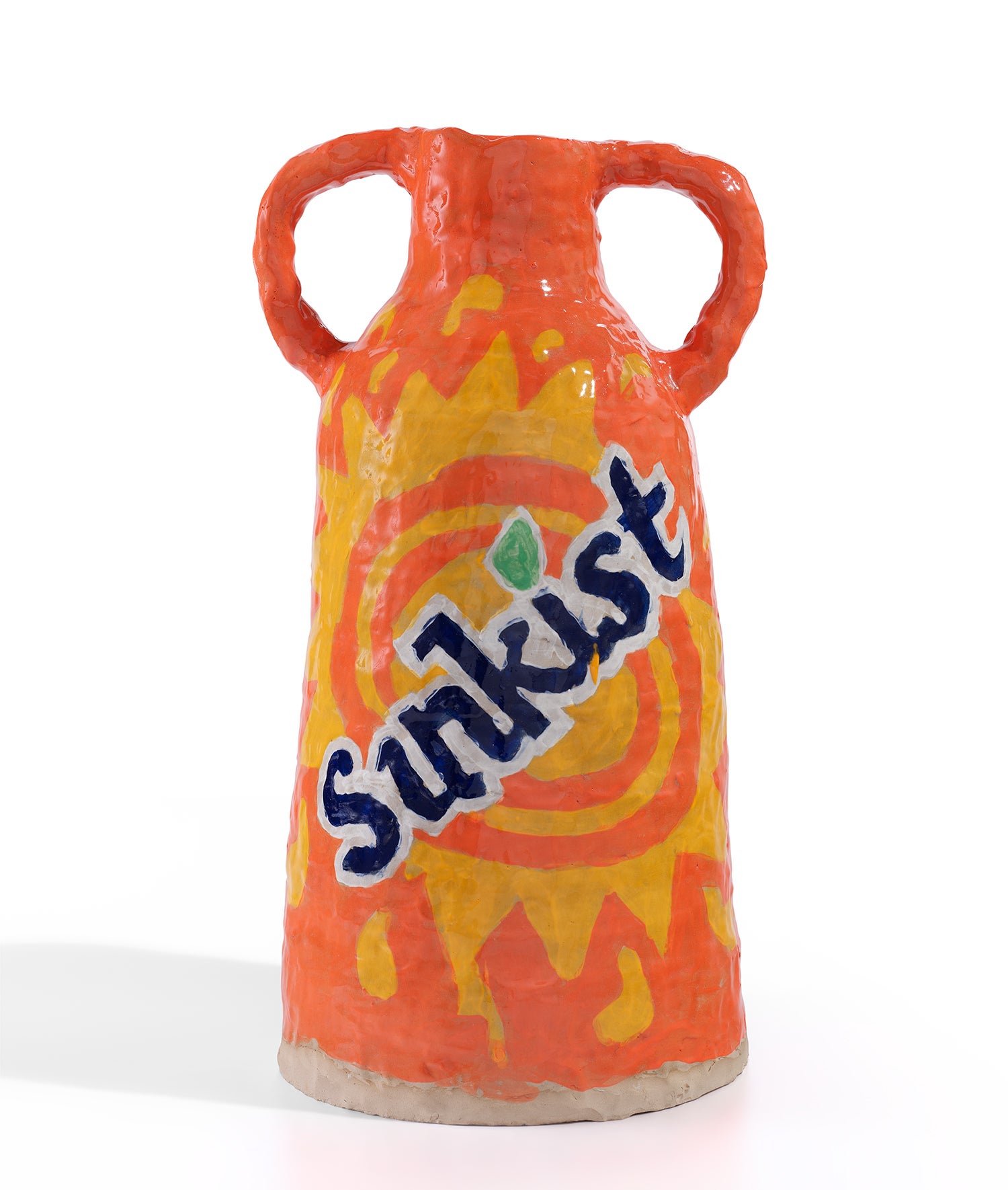
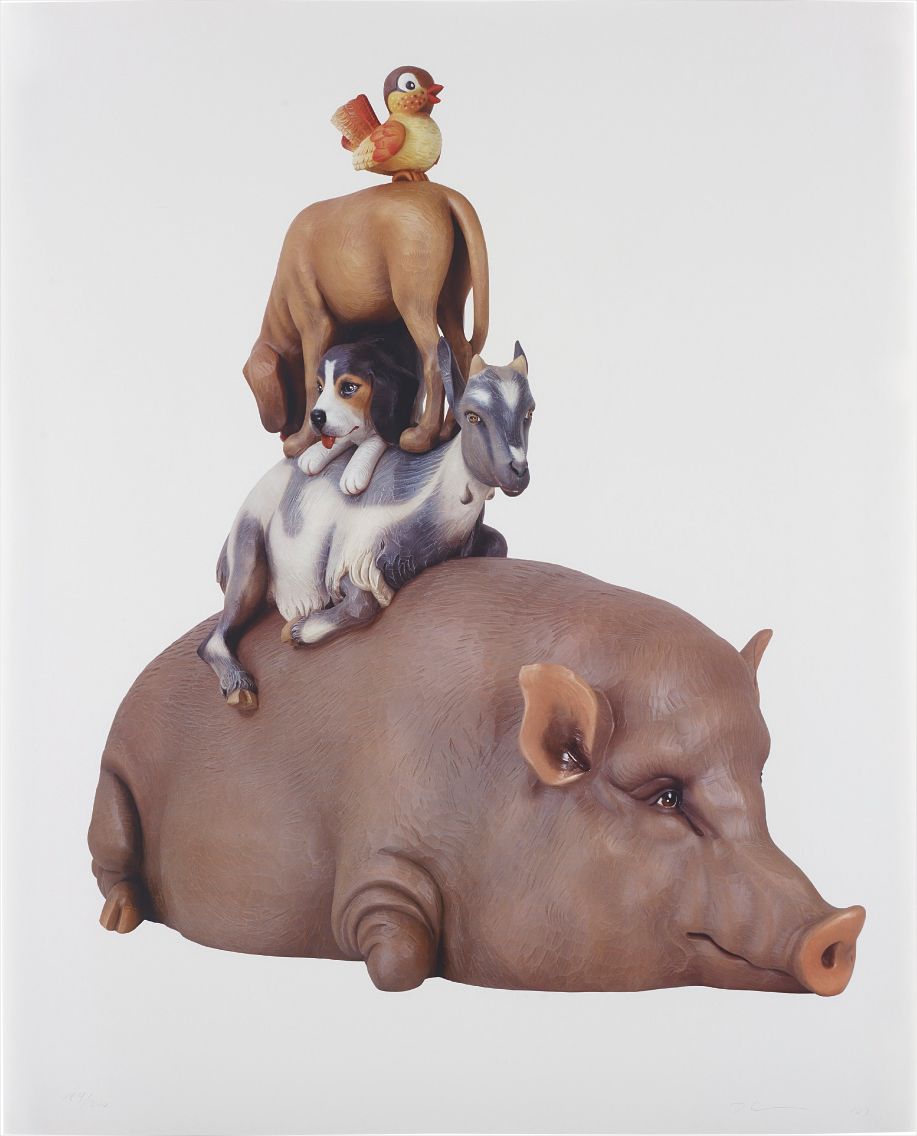
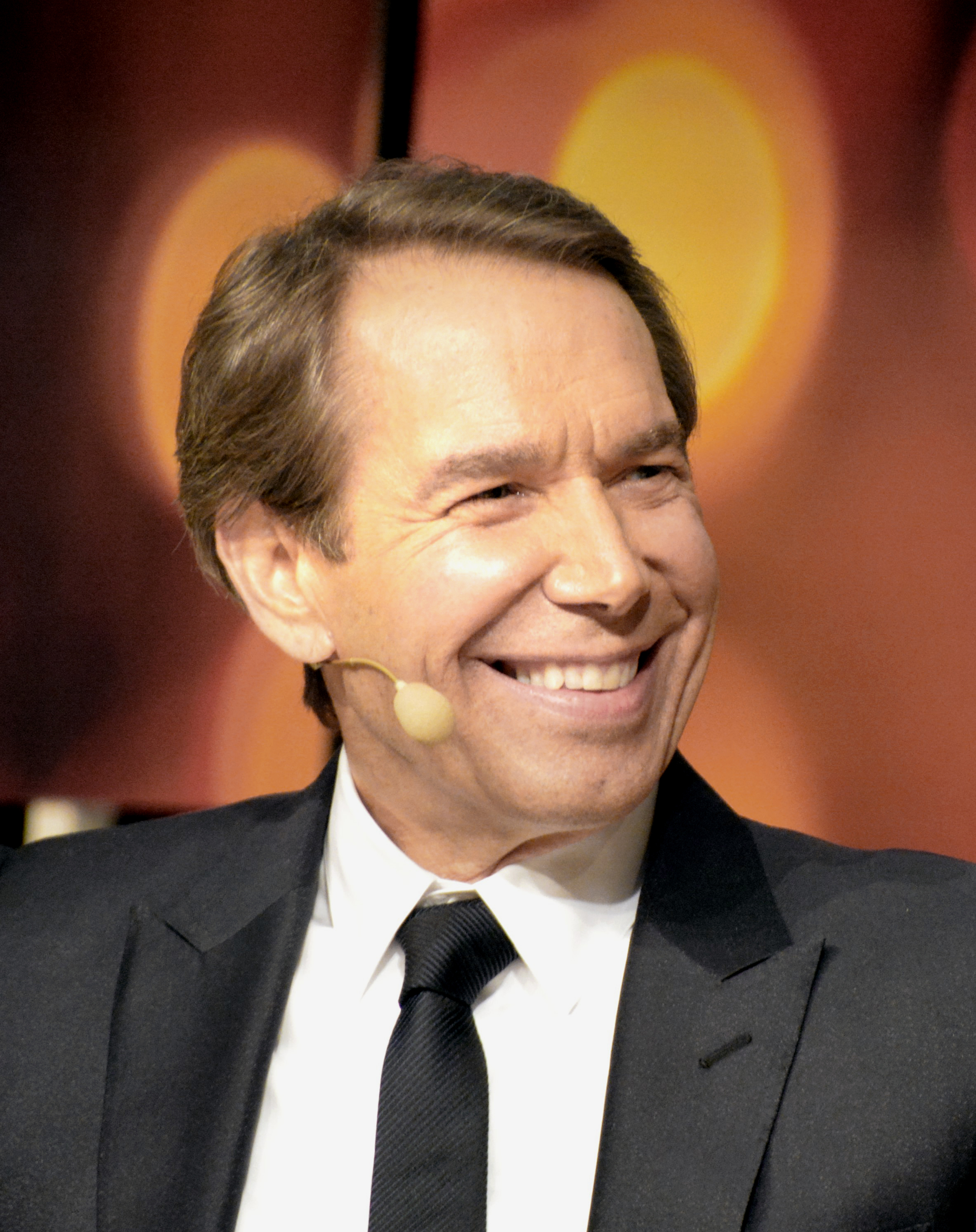
Haim Steinbach arranged commercially purchased objects on wedge shaped shelves with an anthropologist's cool precision, drawing attention to the social rituals embedded in shopping and display. His work asks what it means that we surround ourselves with things, and who we believe we are when we choose one object over another. Jeff Koons took a different angle entirely, embracing the glossy perfection of consumer aesthetics with a sincerity that left critics unsure how to respond. Works like his stainless steel Rabbit and his series of ceramic sculptures of Michael Jackson enacted a kind of hyper consumerism, reflecting the viewer's own desires back at them in a surface so polished it functioned almost as a mirror.
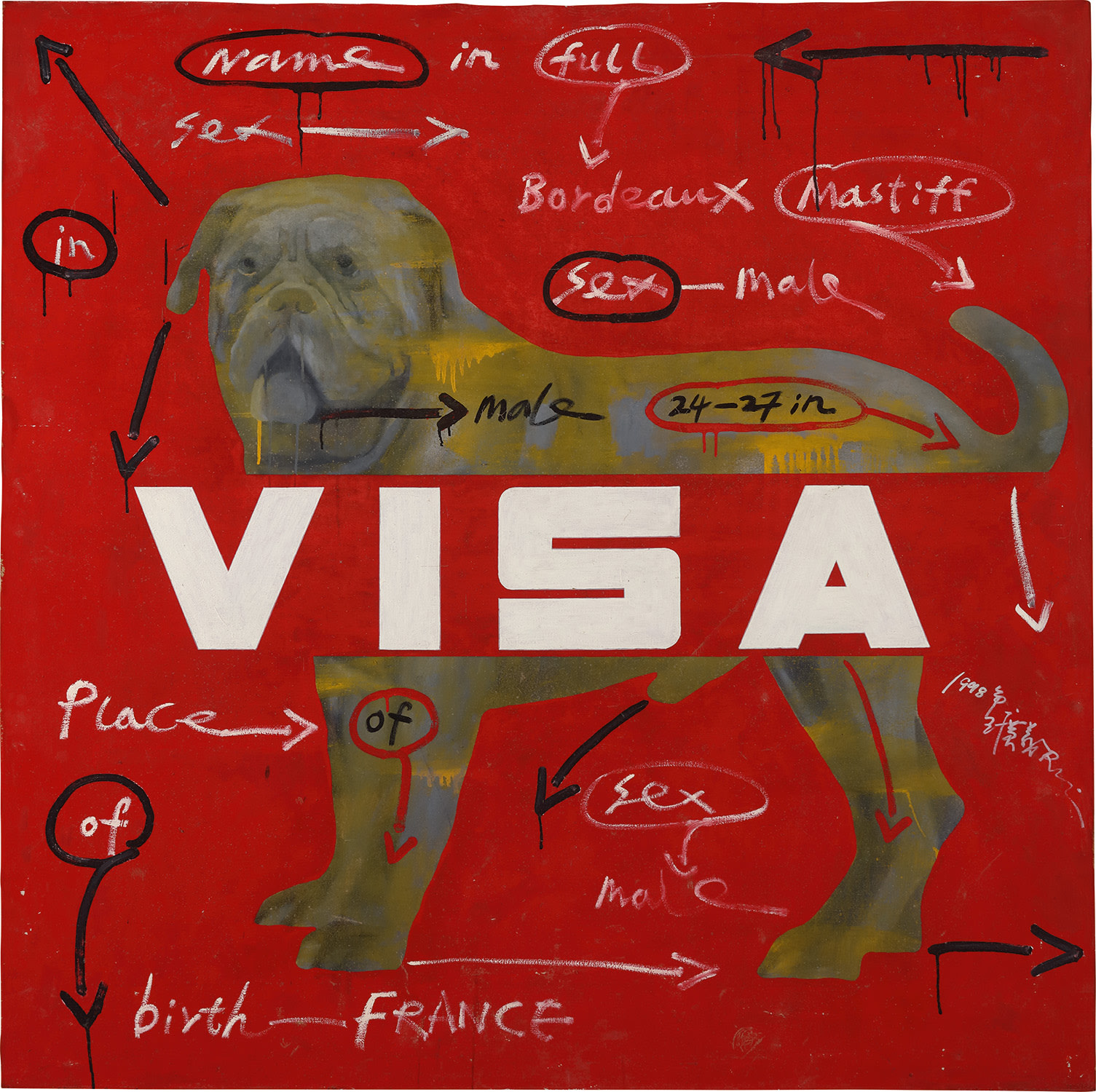
The conversation expanded significantly as global markets opened and artists from outside the Western tradition began engaging with consumer culture on their own terms. Wang Guangyi, whose Great Criticism series began in the late 1980s, placed Maoist propaganda figures against the logos of Western brands including Coca Cola and Marlboro. The collision was pointed and witty, but also genuinely ambiguous. Was capitalism contaminating socialism, or was socialism providing a framework through which to see capitalism clearly?

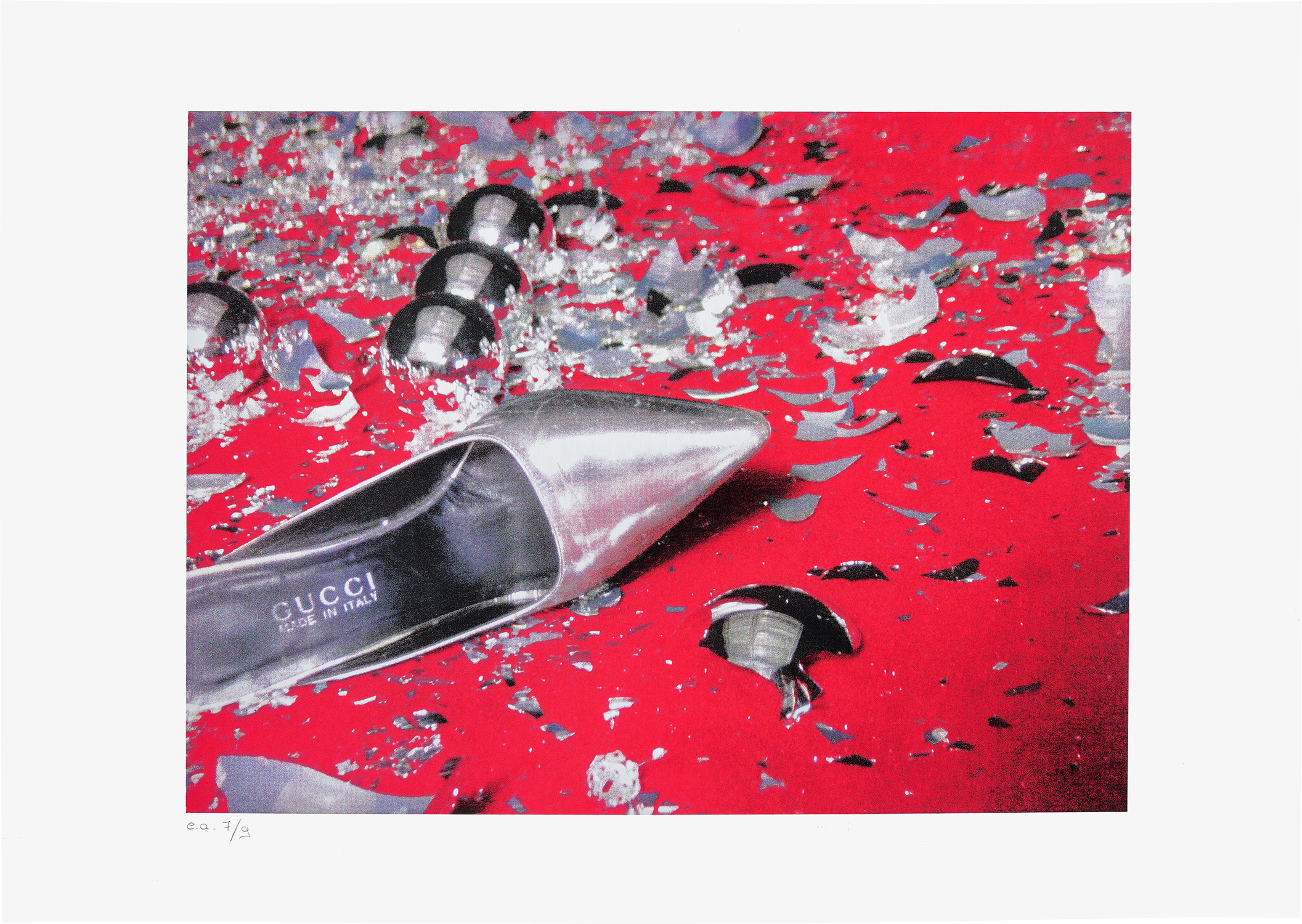
Sylvie Fleury
(Gold) Fountain LKW, 2003
Wang's work on The Collection raises exactly these questions with quiet force. Sylvie Fleury, a Swiss artist who rose to prominence in the 1990s, approached luxury consumption through a feminist lens, presenting shopping bags from high end boutiques and fur coats as readymade sculpture. Her work borrows the gestures of Minimalism to reframe the glamour and politics of fashion. By the 2000s and into the present decade, the conversation around consumerism in art had grown both more urgent and more varied.
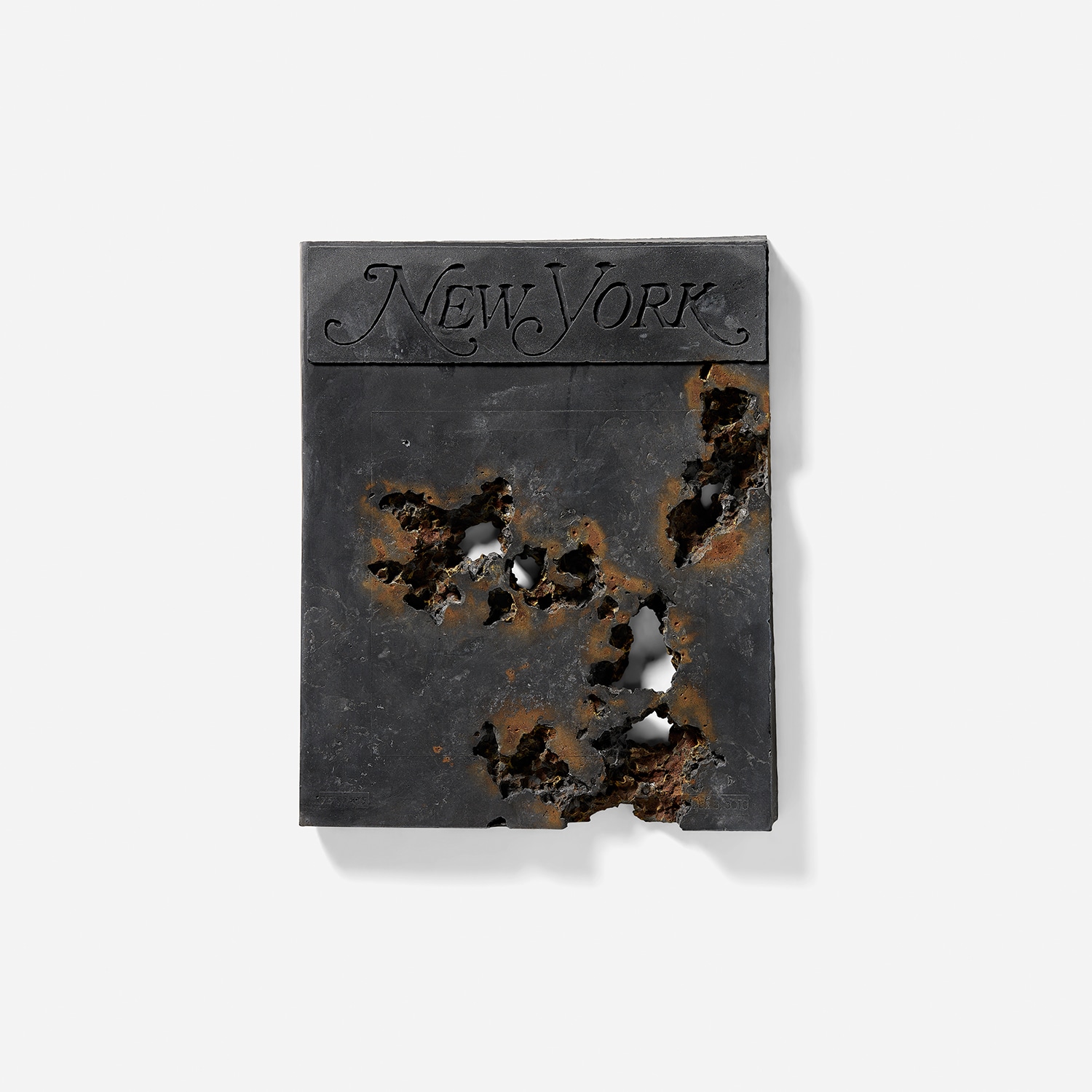
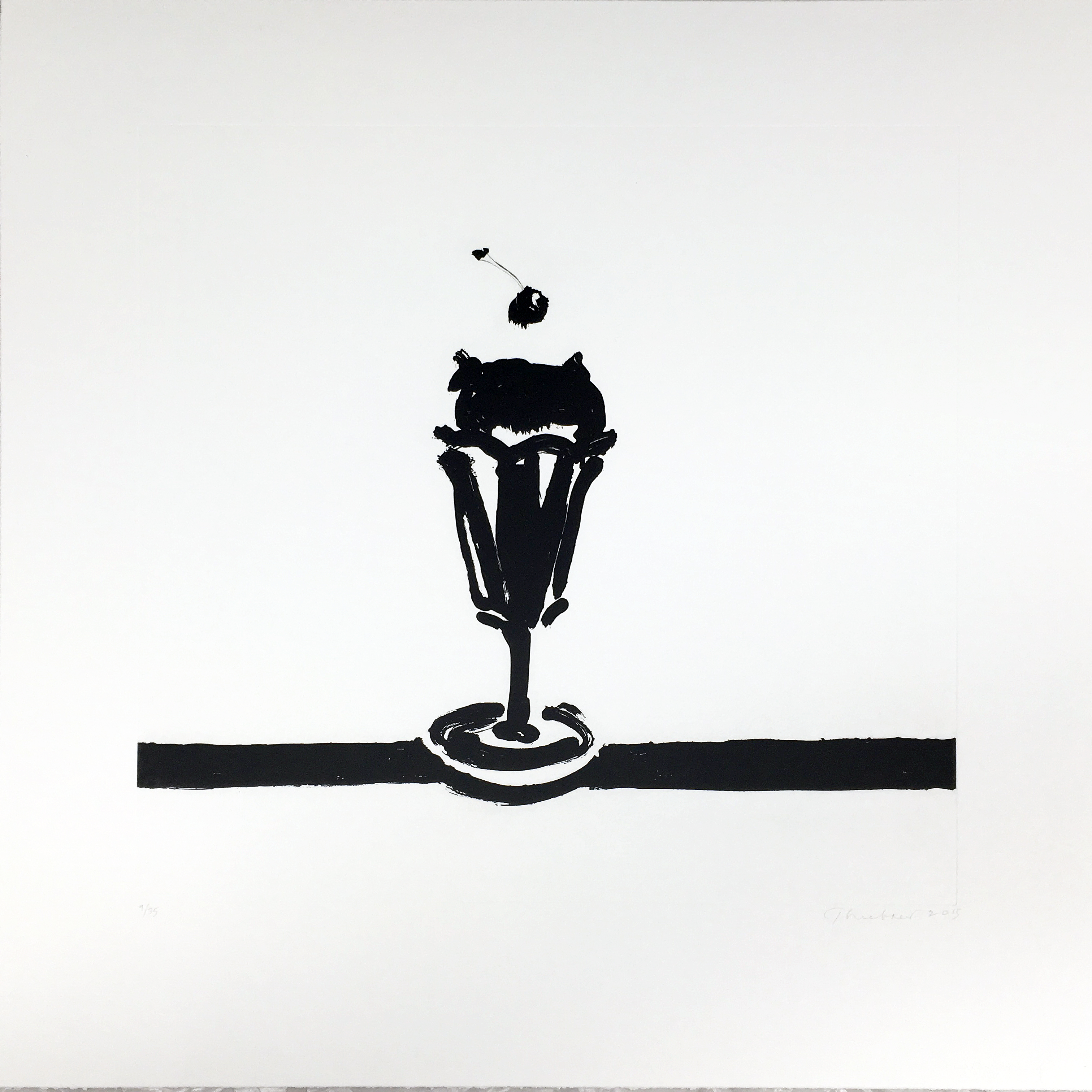
Banksy brought a street based vernacular to the critique of commodity culture, often targeting the art market itself as a consumer system with its own absurdities. Daniel Arsham has developed a practice rooted in the archaeology of popular objects, casting sneakers, cameras, and game consoles in crystalline materials that make the disposable feel precious and the precious feel impermanent. Lauren Greenfield's photographic work documents consumer aspiration at the extremes of wealth, offering images that are unflinching without being cold. Wayne Thiebaud's luminous paintings of cakes and diner food occupy a gentler register, finding something almost tender in the pleasures of abundance.
What consumerism as a theme has offered art, across nearly seven decades, is a mirror that does not flatter. The best works in this tradition refuse the easy satisfactions of pure critique or pure celebration. They sit with the contradiction: that we are shaped by the things we buy, that meaning accumulates in objects whether we intend it to or not, that the marketplace is one of the defining theaters of modern life. Collecting work in this space is, among other things, an act of self awareness.
You are participating in the very system the work describes. That tension is not a problem to be resolved. It is, as Warhol understood from the beginning, the whole point.