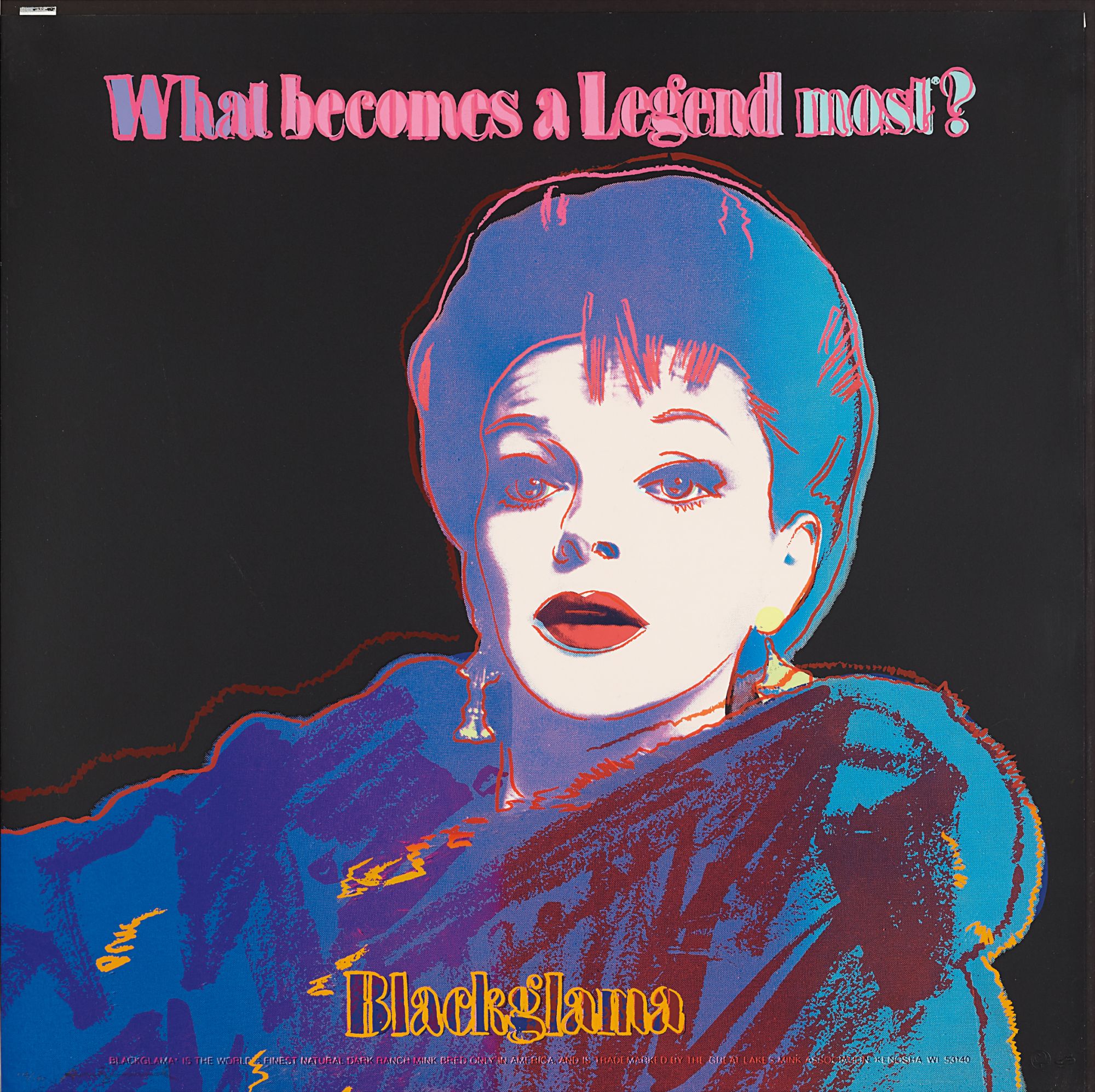
Commercial Aesthetic
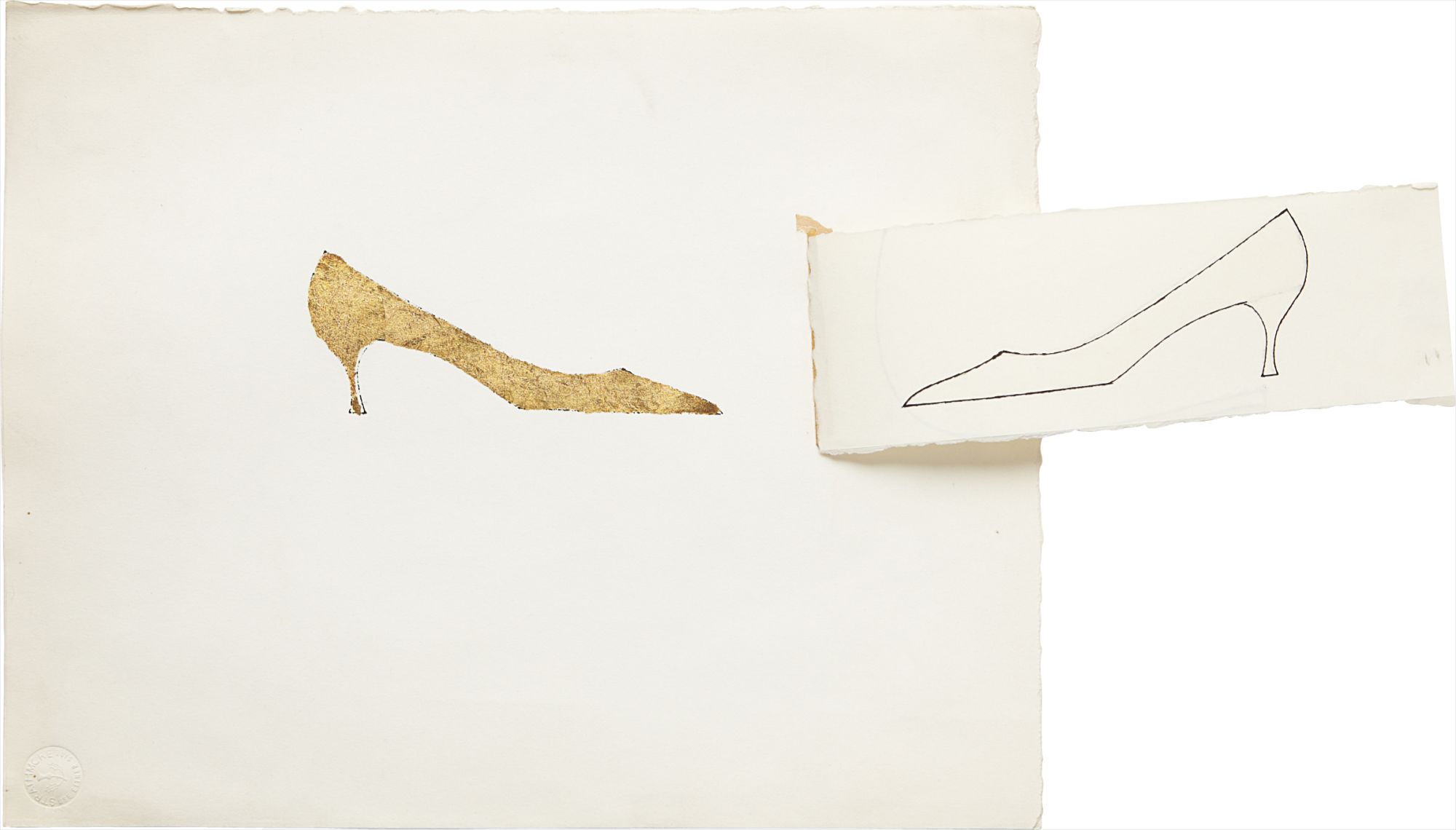
Andy Warhol
High Heeled Shoe
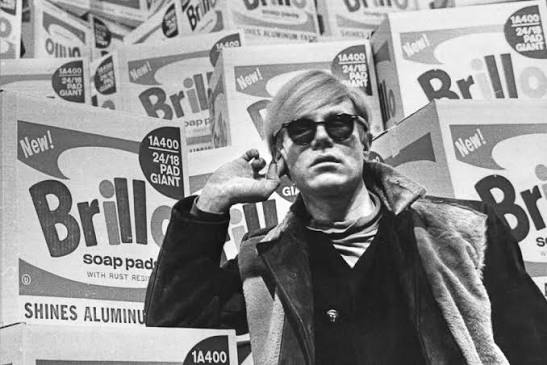





Selling Back the Dream: Collecting Commercial Aesthetic
There is something almost transgressive about hanging a painting that borrows its language from a supermarket aisle or a billboard. That tension is precisely what draws serious collectors to works operating within the commercial aesthetic. These are objects that understand desire, that have studied how advertising, packaging, and mass culture manufacture want, and then turn that knowledge back on the viewer with varying degrees of affection, irony, and genuine beauty. Living with them is not passive.
They ask you, every day, how you feel about the world they came from. The appeal is partly intellectual and partly visceral. A Warhol Campbell's Soup canvas rewards you differently at ten in the morning than it does at midnight. Roy Lichtenstein's borrowed Benday dots, lifted from comic books and romance pulp, feel both tender and coolly analytical at once.

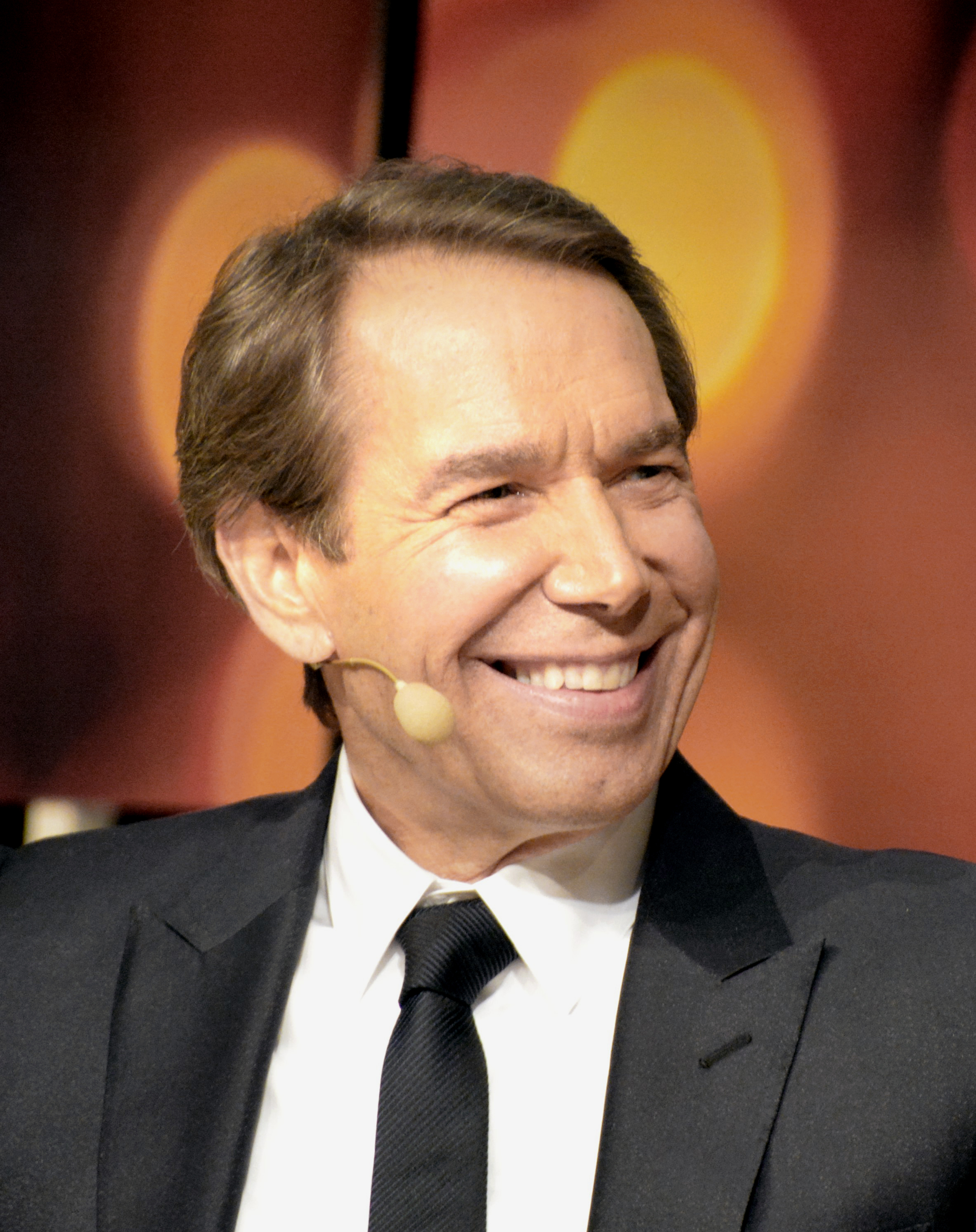
Jeff Koons
New Hoover Deluxe Shampoo Polishers, from Jeff Koons
These are works that hold contradictions in suspension, and that quality ages remarkably well. Collectors who acquired this material decades ago found that their walls never became boring, and that is not a trivial thing to say about any category of art. What separates a good work from a great one here is rarely subject matter alone. Within the commercial aesthetic, the strongest pieces are those where the formal decision making is airtight.
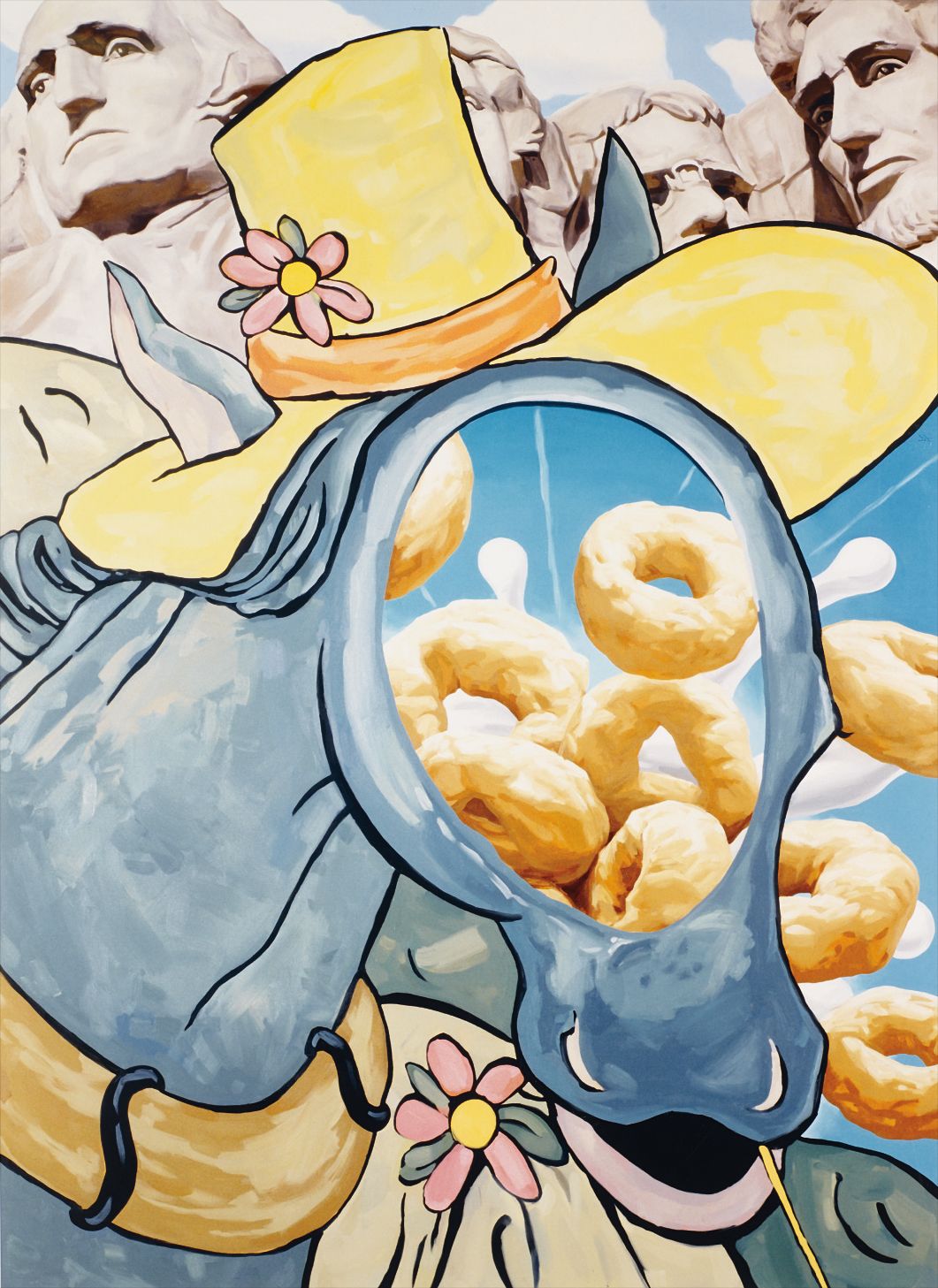
Warhol's best silkscreens are great not because they depict Marilyn or Mao but because the registration, the color tension, and the gestural traces left in the printing process add up to something that transcends the source image entirely. Similarly, James Rosenquist's large scale paintings reward close looking in ways his source material, clipped from magazines and advertisements, never intended. Scale, surface, and the precise calibration of familiarity against strangeness are the things to evaluate. If a work in this category feels merely clever, it probably is merely clever.
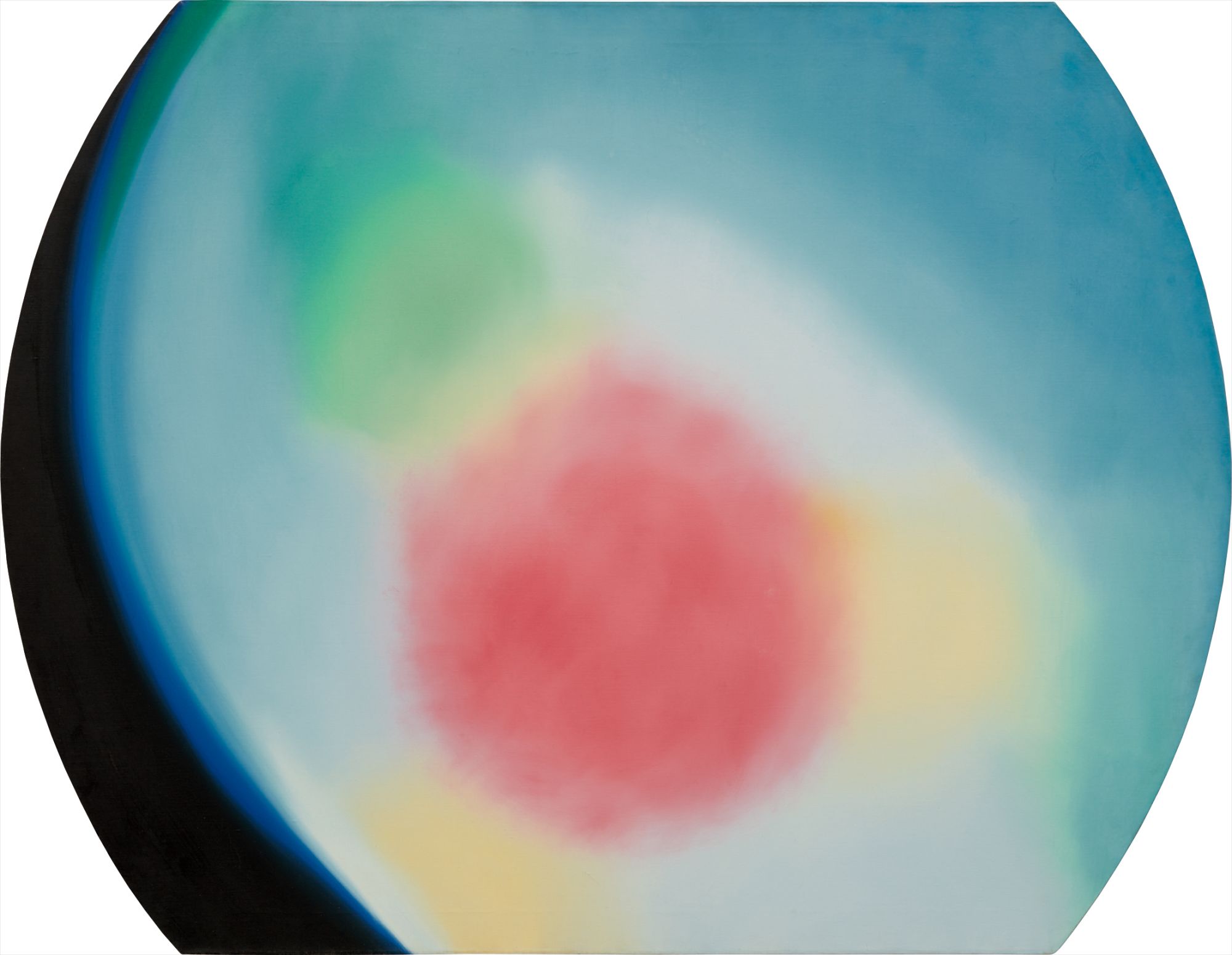
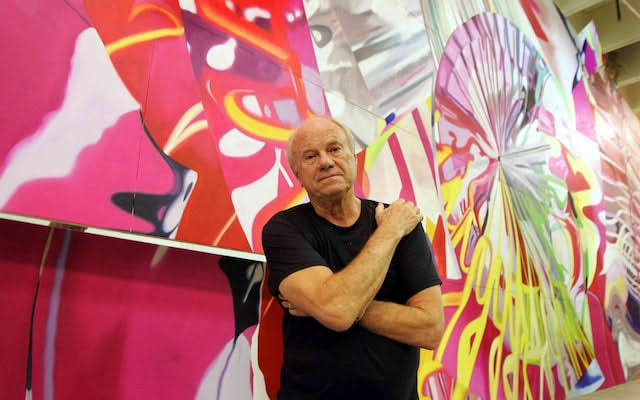
James Rosenquist
Paramus, 1966
The great ones carry unease alongside seduction. For collectors thinking about where the strongest long term value sits, the conversation usually begins and ends with Warhol, who remains one of the most thoroughly studied and market tested artists of the twentieth century. His presence on The Collection is broad enough to give serious buyers genuine choices across periods, subjects, and techniques. But looking slightly sideways can be rewarding too.
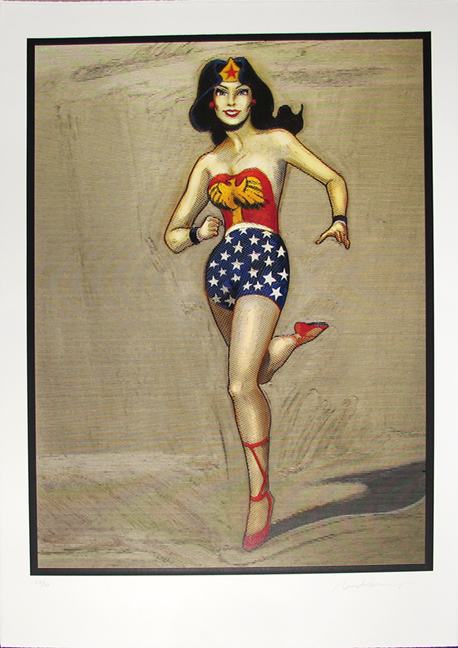
Jeff Koons, whose work is deeply invested in the aesthetics of kitsch and luxury goods, has a secondary market that tracks closely with major institutional attention, and his works on The Collection represent an opportunity to engage with an artist whose critical reassessment is ongoing. Mel Ramos, whose Pop paintings put pin up imagery and consumer products into deliberately absurdist collision, remains undervalued relative to his place in the history of West Coast Pop. His work deserves more attention than it typically receives at auction. Roe Ethridge occupies a fascinating position in this conversation.

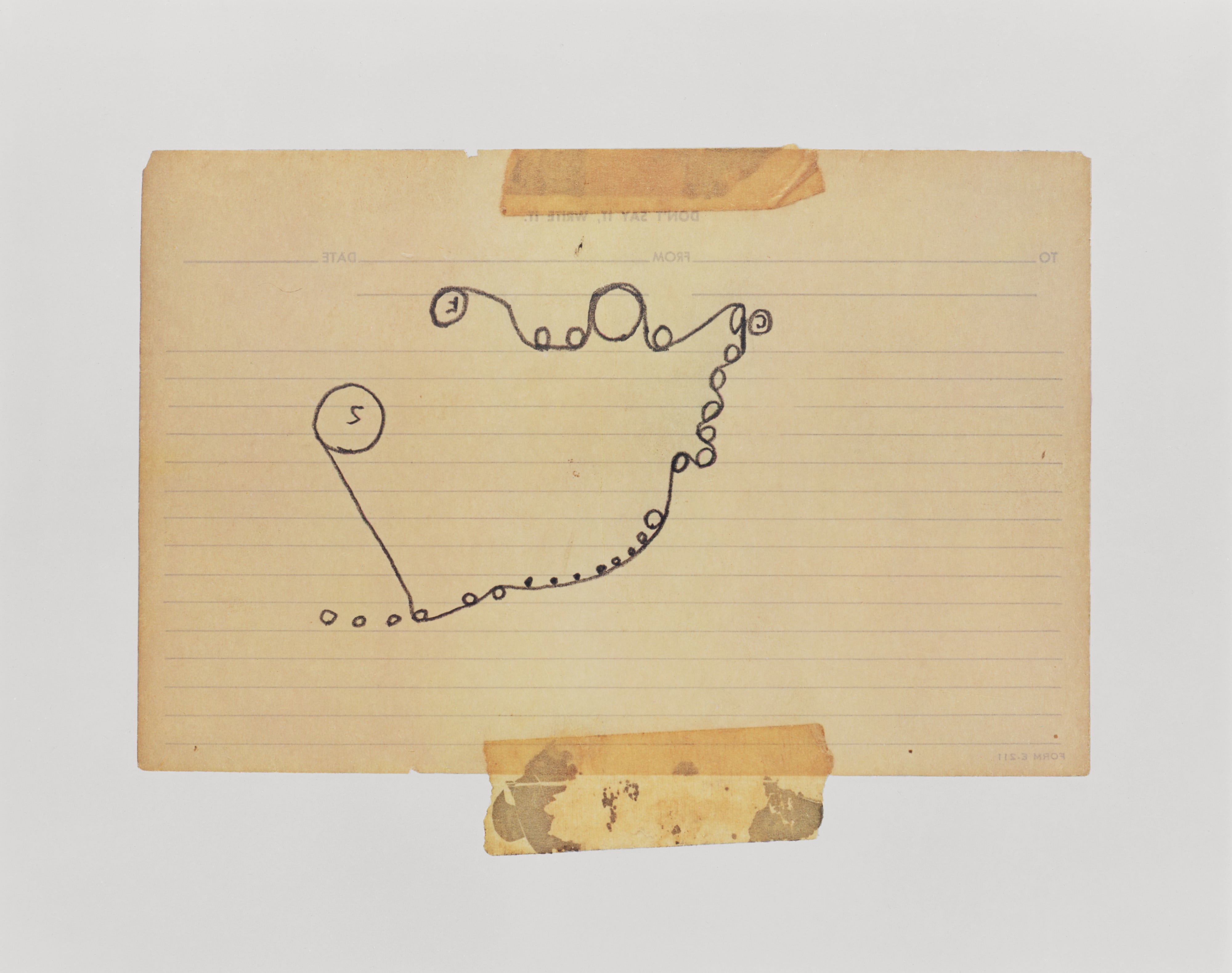
Roe Ethridge
Great Neck Mall Sign
Working in photography, he moves fluidly between editorial assignments, commercial commissions, and fine art practice, and his collected images often feel like advertisements for products that do not quite exist, or for emotional states that consumer culture gestures toward but cannot deliver. His presence on The Collection reflects a growing collector interest in artists who interrogate the commercial image from inside the machine rather than from a critical distance. Christopher Williams, whose rigorously conceptual photographs often quote directly from industrial and advertising photography, rewards the kind of dedicated looking that reveals layers of art historical reference beneath a surface of apparent neutrality. These are not easy works, but they are works that pay collectors back generously over time.
At auction, the commercial aesthetic has proven itself across cycles. Warhol's market has navigated downturns with more resilience than most, partly because institutional demand from museums and foundations operates as a floor beneath speculative pressure. Lichtenstein's works have similarly held, with strong results at Christie's, Sotheby's, and Phillips over the past decade. KAWS, whose practice begins in graffiti and street culture but whose visual language is saturated with the iconography of licensed merchandise and branded characters, represents a more recent market phenomenon.

KAWS
Artist and designer Brian Donnelly, also known as KAWS, has created a sharp and prolific body of work that bridges the gap between fine art and global commerce., 2015
His auction trajectory since the mid 2000s has been dramatic, and while some observers flag volatility in the younger segment of his collector base, his institutional trajectory suggests staying power. Sylvie Fleury, whose work takes luxury fashion and its rituals as primary material, remains a market opportunity in the sense that her critical reputation in Europe has not yet been fully absorbed into English language auction results. Practical considerations in this category are worth discussing honestly. Condition is everything with works on paper, and Warhol silkscreens in particular should be examined carefully for surface abrasion and fading, as some inks used in the 1960s and 70s are genuinely vulnerable to light exposure.
Framing matters: UV protective glazing is worth the cost and should be considered non negotiable for works on paper. For edition prints, which constitute a significant portion of what circulates in this category, provenance documentation and edition numbering should be verified against catalogue raisonnés where they exist. When approaching a gallery, ask directly whether a work has been exhibited publicly, and request any conservation reports that exist. For prints specifically, ask about the edition size, the publisher, and whether there are known restrike issues.
These questions will tell you as much about the gallery as they will about the work. What makes the commercial aesthetic endure as a collecting category is that it is essentially about attention, specifically about how attention is manufactured, sold, and occasionally reclaimed. The artists who work in this space are students of persuasion, and the best of them use that knowledge to make you see your own desires from a slight angle. David LaChapelle's hyper saturated tableaux and Tom Wesselmann's Great American Nude series both understand that the language of advertising is a language of longing, and that longing, properly framed, is one of the most durable subjects art has ever found.
Collectors who live with these works are not decorating. They are choosing to remain in conversation with one of the defining forces of the last hundred years, and that is a worthwhile way to spend a wall.