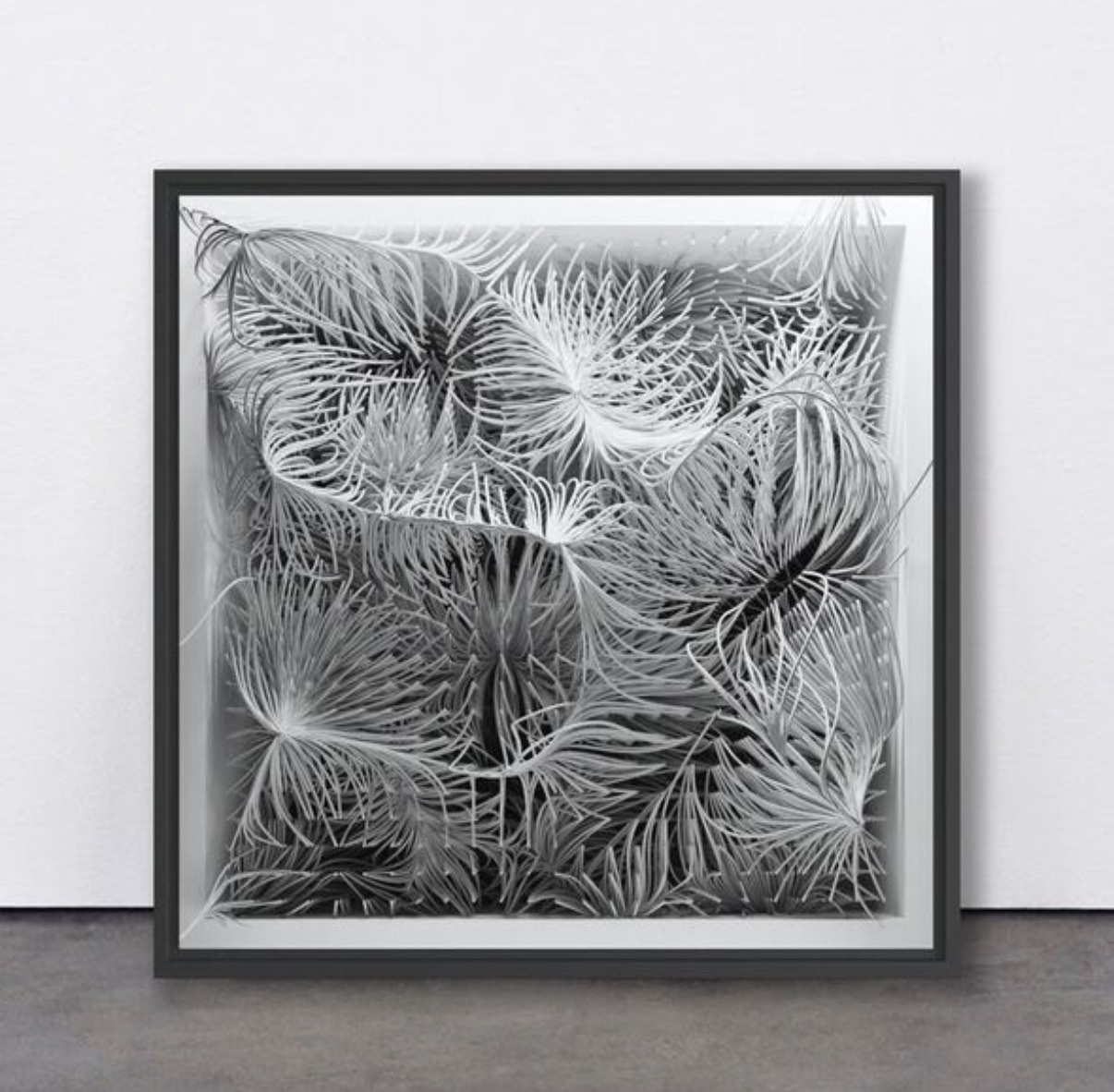
Quantum Memories: Noise A, B and C
2020
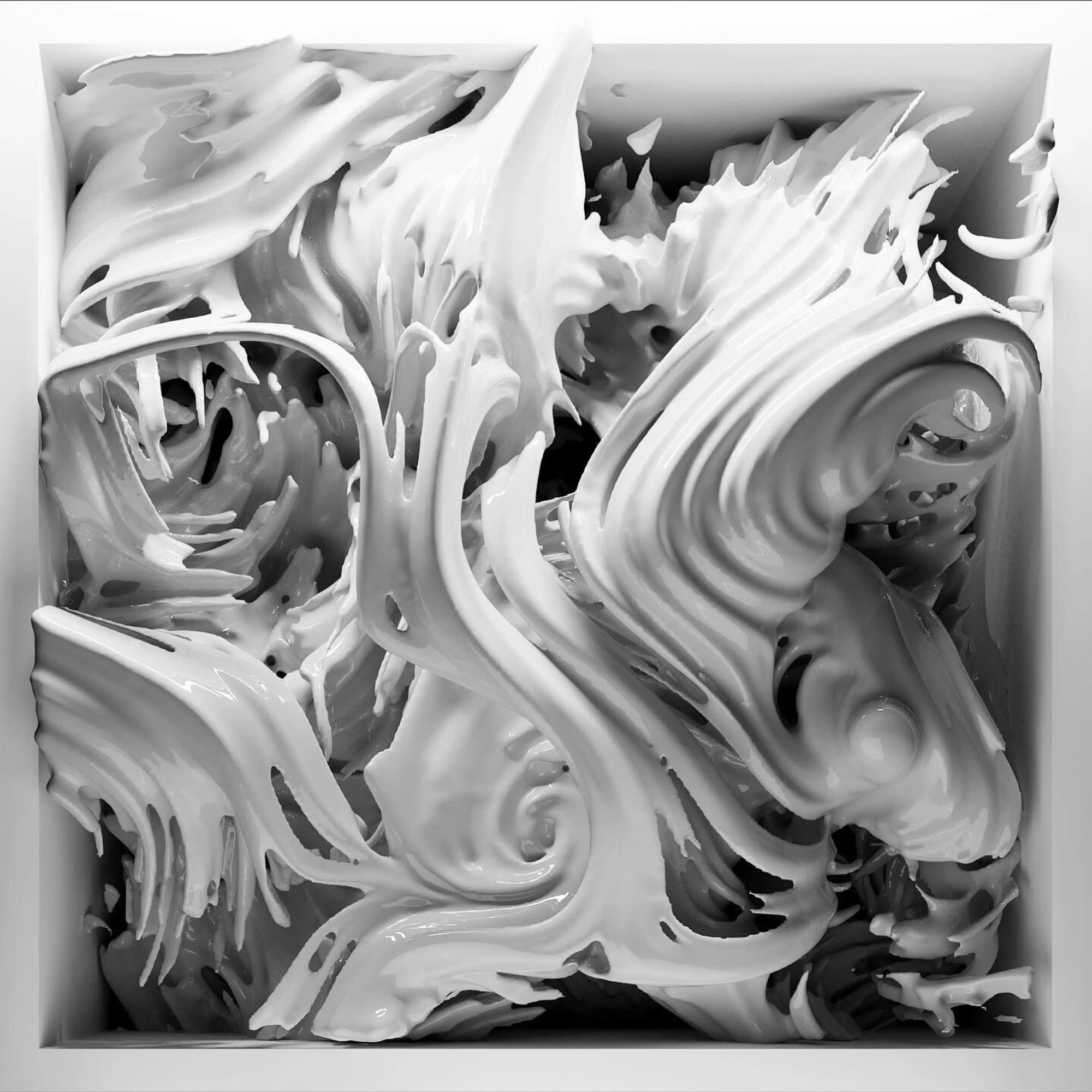
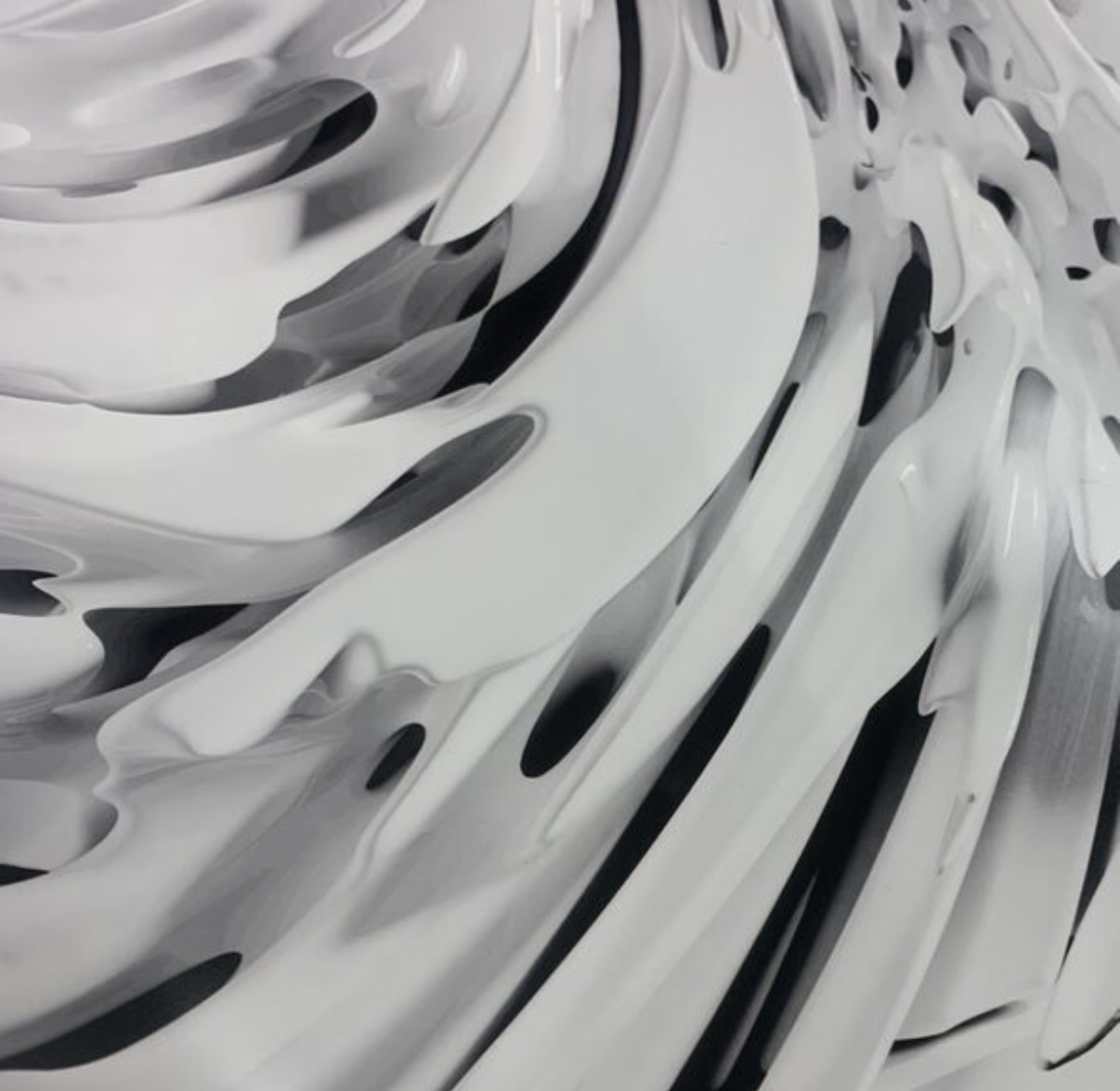
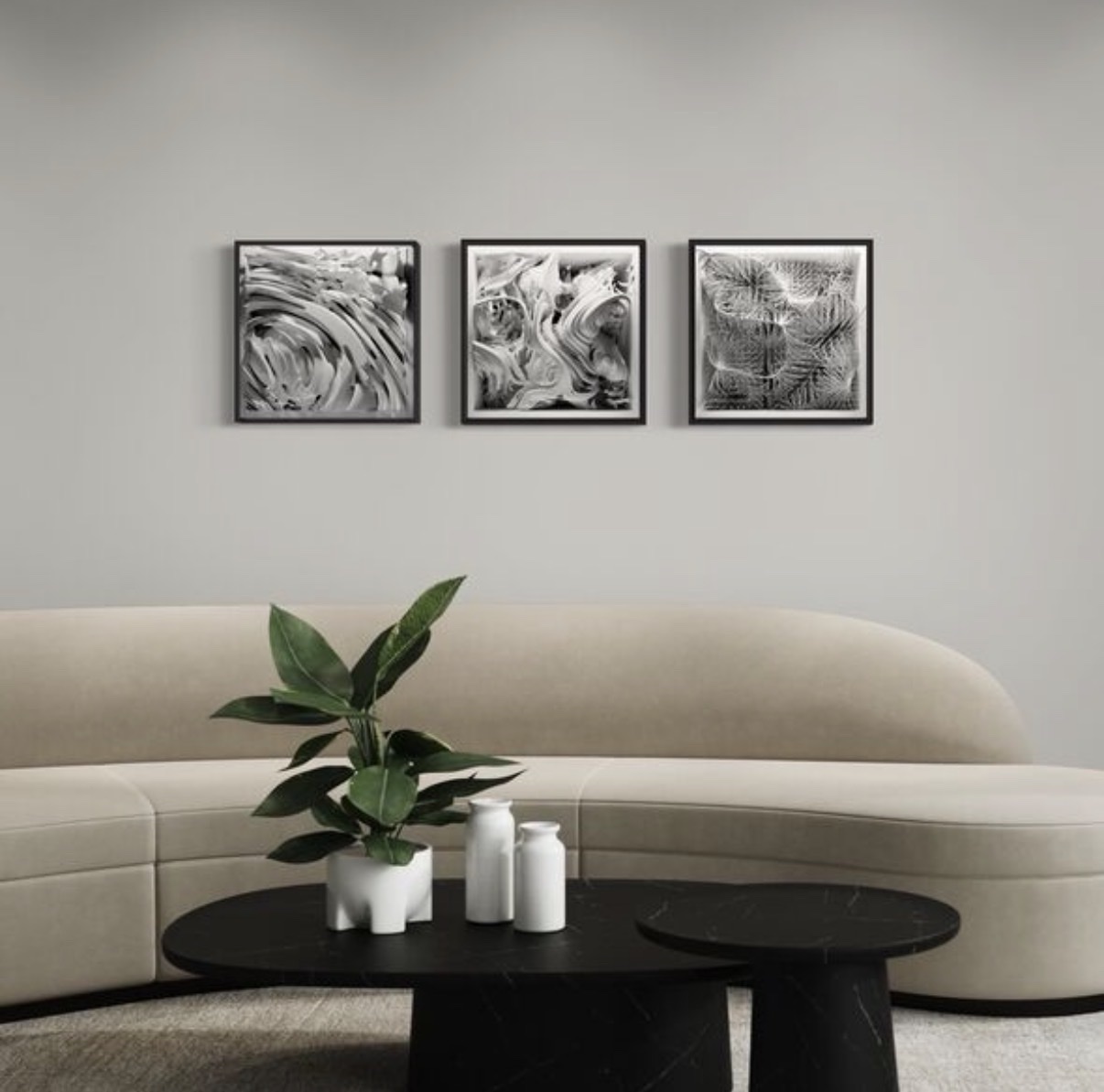
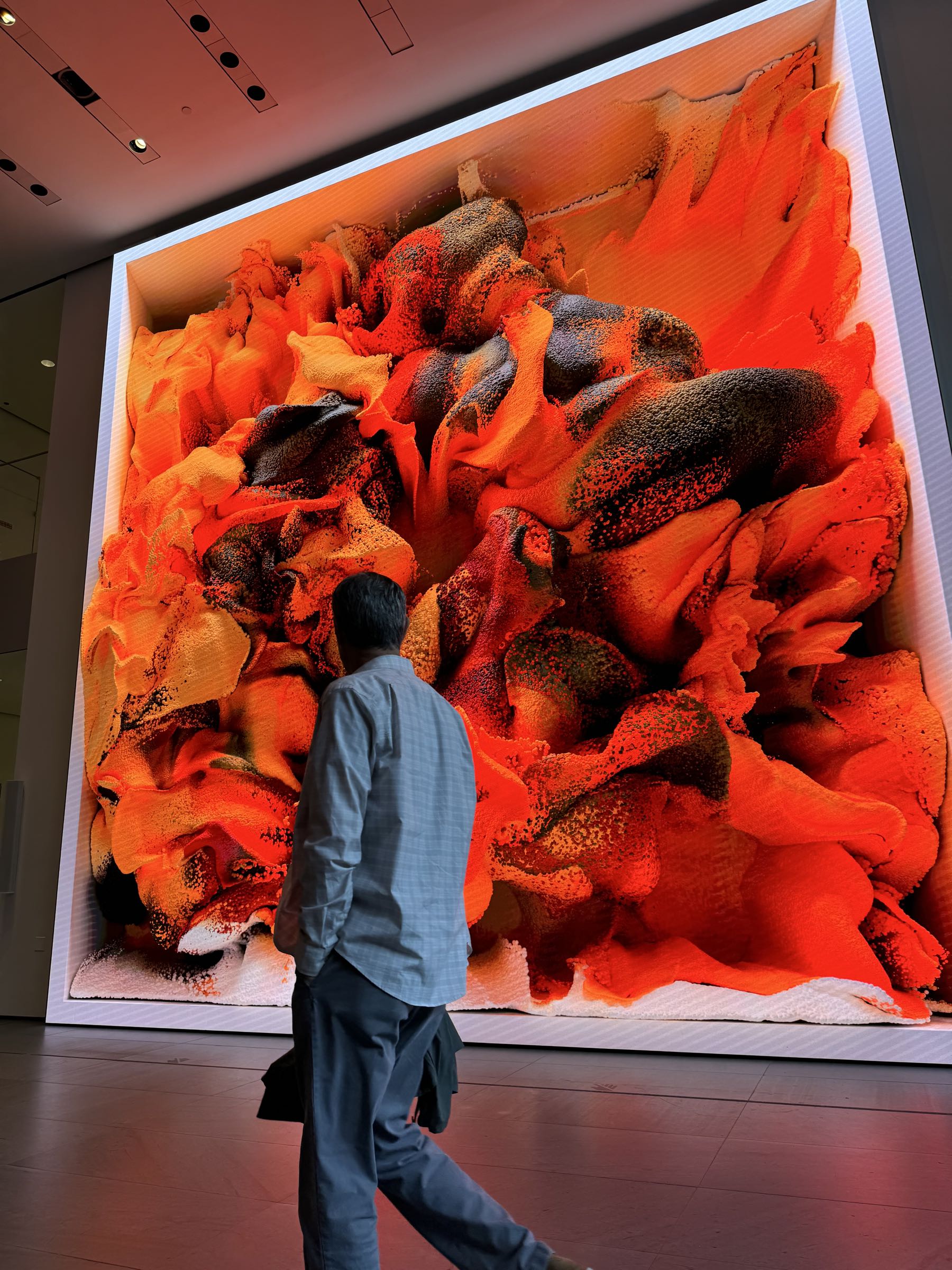
Refik Anadol's "Quantum Memories: Noise A, B and C" represents the Turkish-American artist's continued exploration of data visualization and machine learning as artistic mediums. Created in 2020 as chromogenic prints, this triptych transforms quantum computing data into large-scale visual compositions measuring over eleven meters square each. Part of an edition of 413, the work exemplifies Anadol's practice of translating complex technological processes into accessible aesthetic experiences. The piece bridges his background in media arts and his pioneering work with AI-generated imagery, offering collectors a tangible representation of his typically ephemeral digital installations.
- Medium
- Chromogenic prints
- Dimensions
- Signed
- Yes
Notes
Triptych set (Noise A, B, and C). Each print measures 44 × 44 cm (17 3/10 × 17 3/10 in). Part of a limited edition set. Certificate of Authenticity issued by authorized authenticating body. Signature includes QR Code. Series: Quantum Memories. The work uses Google Quantum AI's publicly available quantum computation research data and algorithms; RAS (Refik Anadol Studio) developed a custom procedural coherent noise implementation utilizing beyond-classical measurements for computing surflets. Inspired by the many-worlds interpretation in quantum physics. Displayed in black frames in lifestyle imagery.
Collectors with works by Refik Anadol
Artists in conversation
Casey Reas
American · b. 1972
Reas creates large scale generative and algorithmic art using custom software and machine processes to produce complex flowing visual systems, directly paralleling Anadol's use of AI and data to generate immersive abstract visualizations. Both artists treat computation itself as a primary artistic medium rather than a mere tool.
TeamLab
Japanese · b. 2001
TeamLab produces large scale immersive digital installations that transform architectural spaces through luminous data driven imagery and interactive environments, sharing Anadol's commitment to enveloping audiences in algorithmically generated visual experiences. Their work similarly dissolves the boundary between physical space and computational imagery.
Ryoji Ikeda
Japanese · b. 1966
Ikeda converts raw data and mathematical structures into monumental immersive audiovisual installations that flood architectural environments with machine generated imagery, closely mirroring Anadol's practice of transforming datasets into overwhelming sensory experiences. Both artists make the sublime beauty of pure information visible at architectural scale.
Start the Discussion
Request access to join the discussion