Canadian
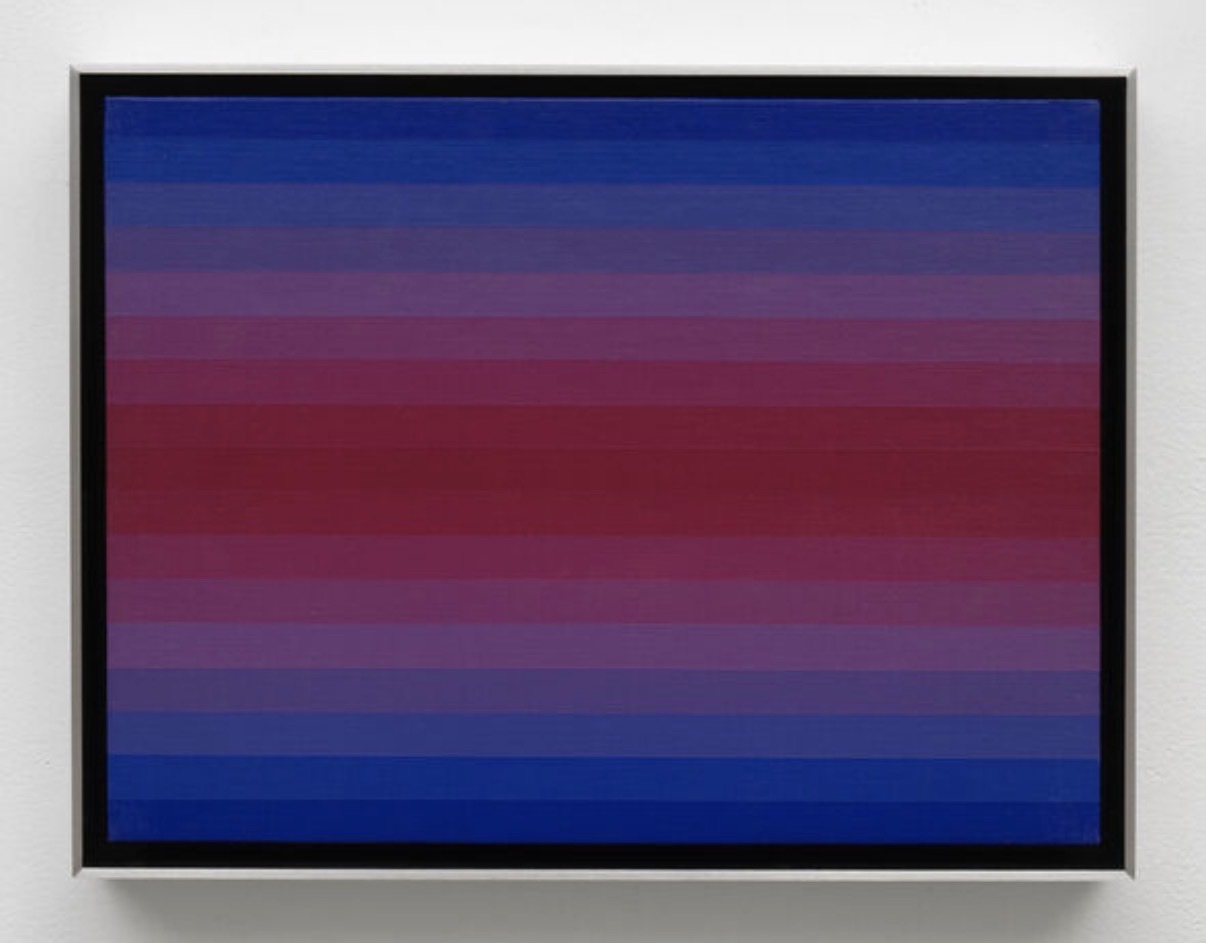
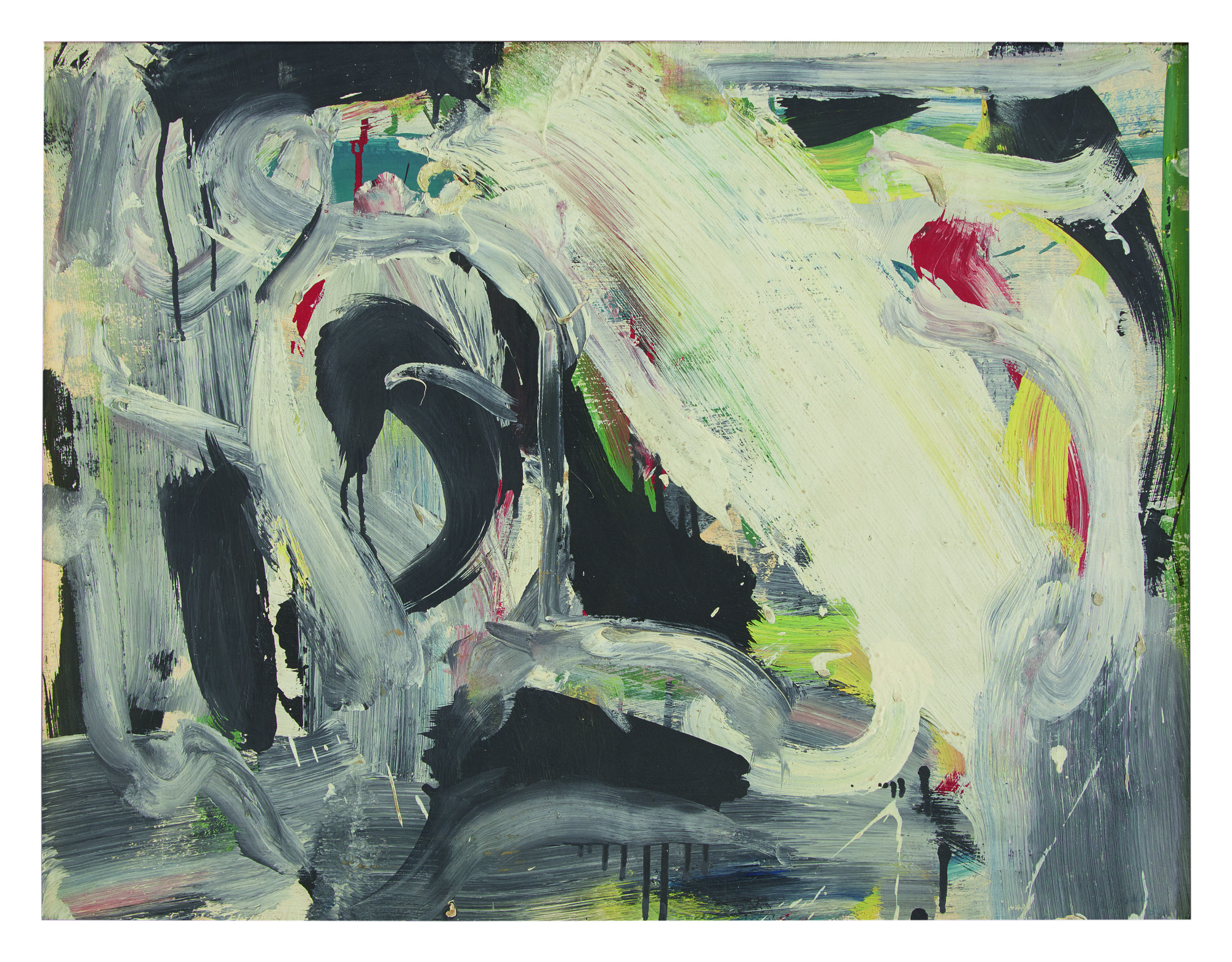
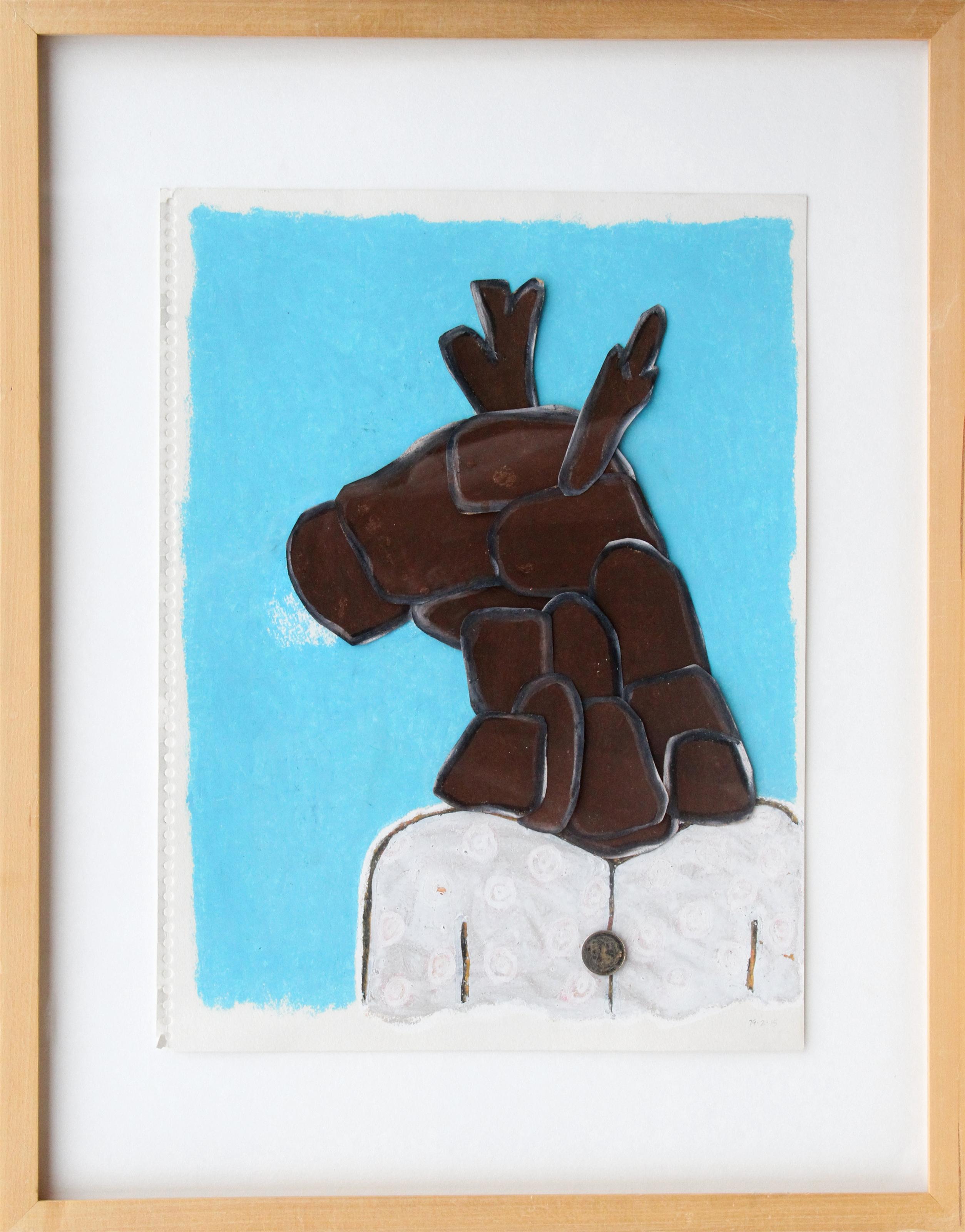
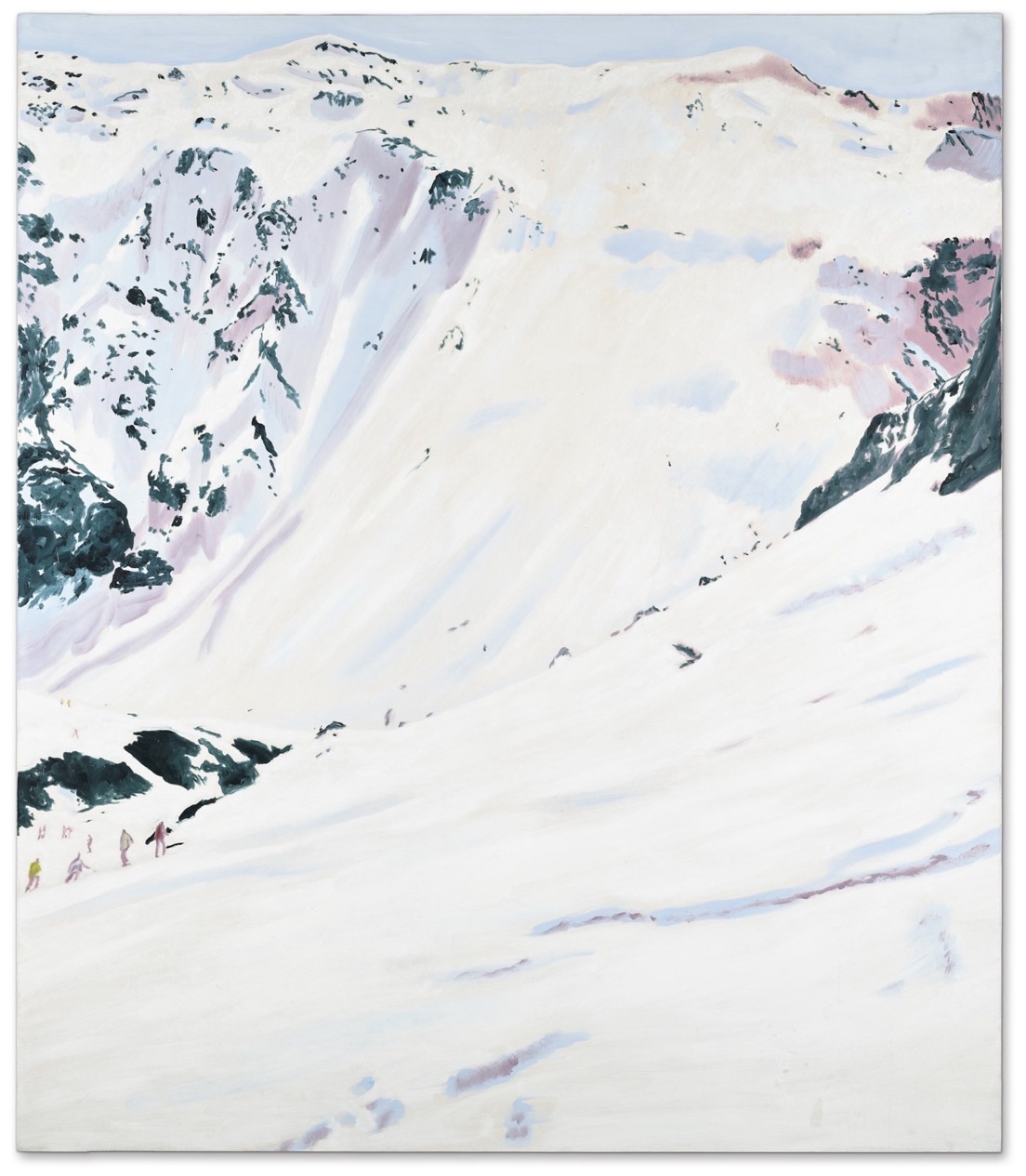
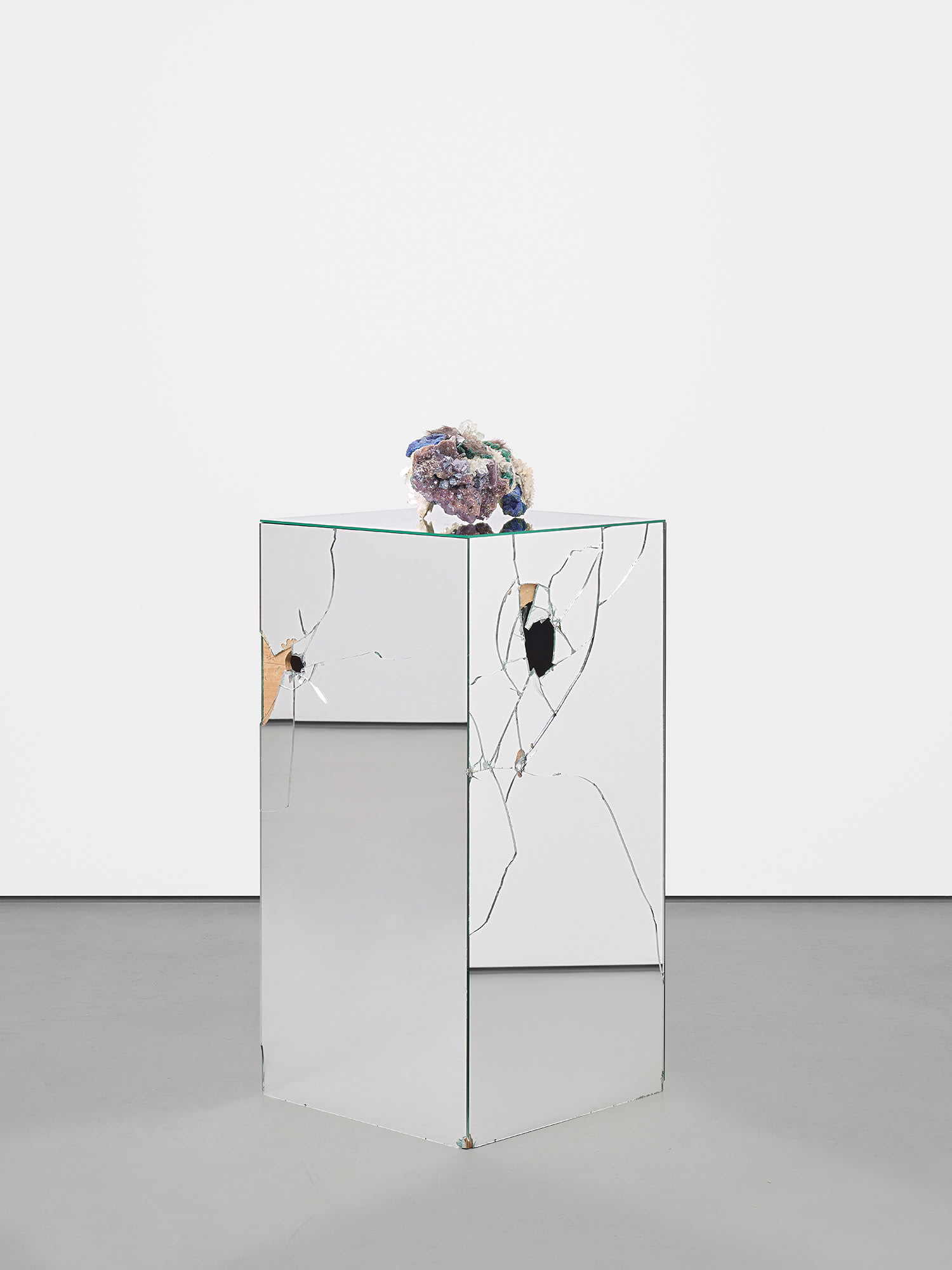
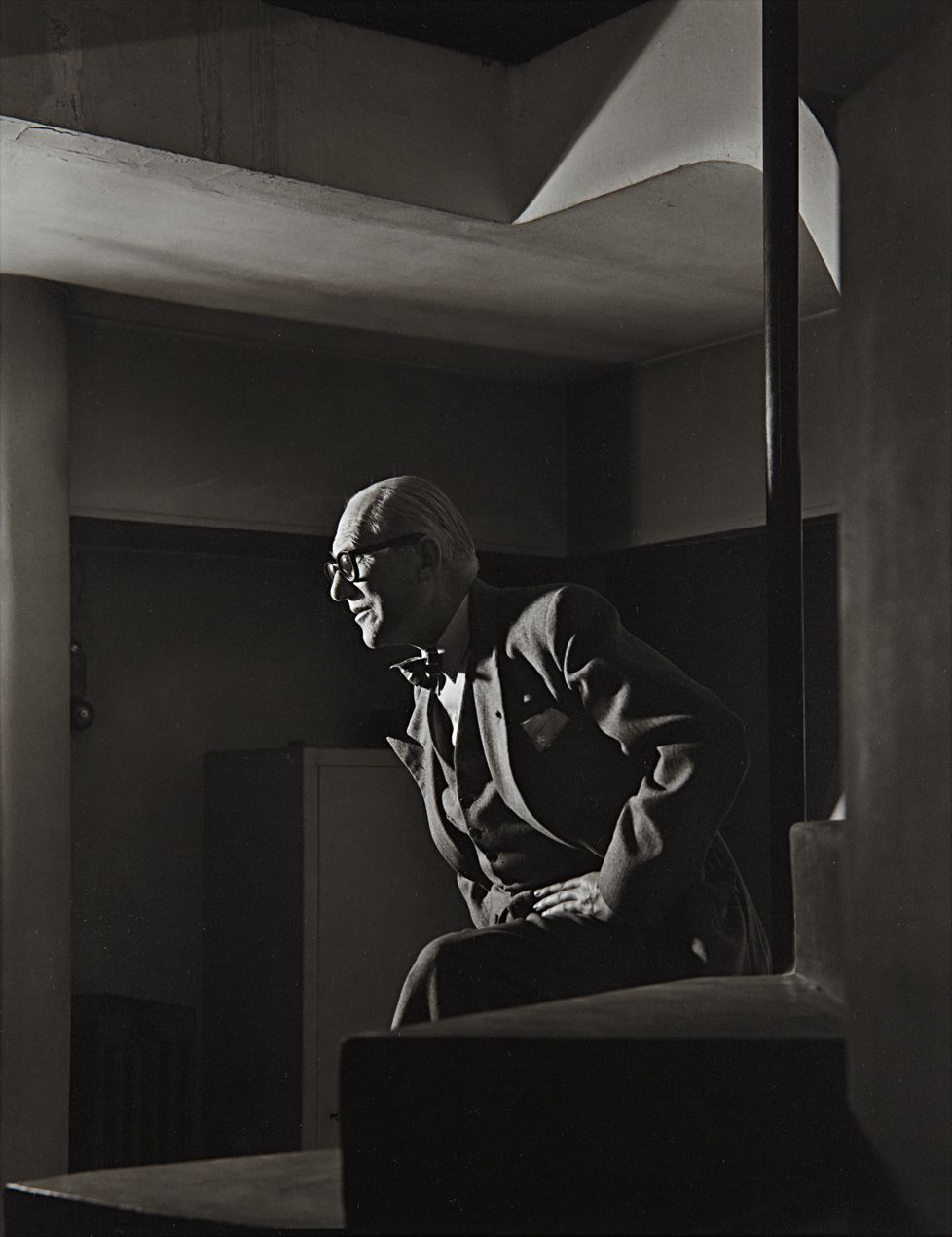
Norman Zammitt
Untitled
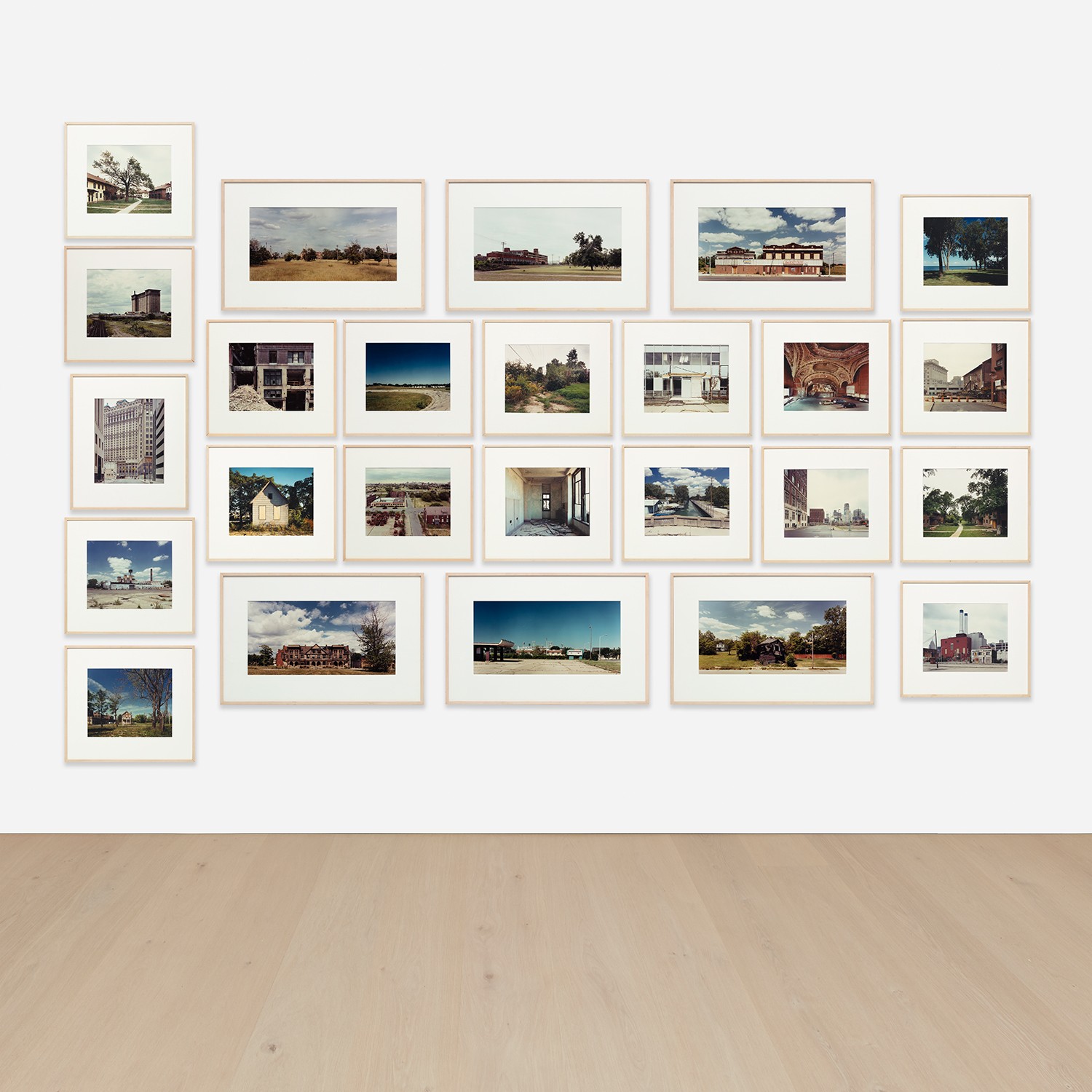
The True North, Collected and Reconsidered
When a Matthew Wong painting crossed the block at Christie's New York in 2022 and landed well above two million dollars, it confirmed something collectors had been quietly sensing for years: Canadian art was no longer a regional conversation. Wong, who grew up between Hong Kong and Canada and died in 2019 at thirty five, had become one of the most emotionally urgent painters of his generation, and the market had caught up to the critical consensus with unusual speed. That result was not an anomaly. It was a signal.
The appetite for Canadian artists has been building across multiple fronts simultaneously, which is what makes this moment feel genuinely different from earlier waves of enthusiasm. Peter Doig, who was born in Edinburgh but came of age in Canada and whose work is saturated with its landscapes and psychological weather, has been a fixture at the top of the contemporary market for over a decade. His paintings regularly achieve eight figures at auction, and the imagery he draws from, frozen lakes, fluorescent interiors, canoes dissolving into mist, has become some of the most recognizable visual language in contemporary art. What Doig did was make Canadian experience feel universal without sanitizing it, and that permission opened something for collectors and curators alike.
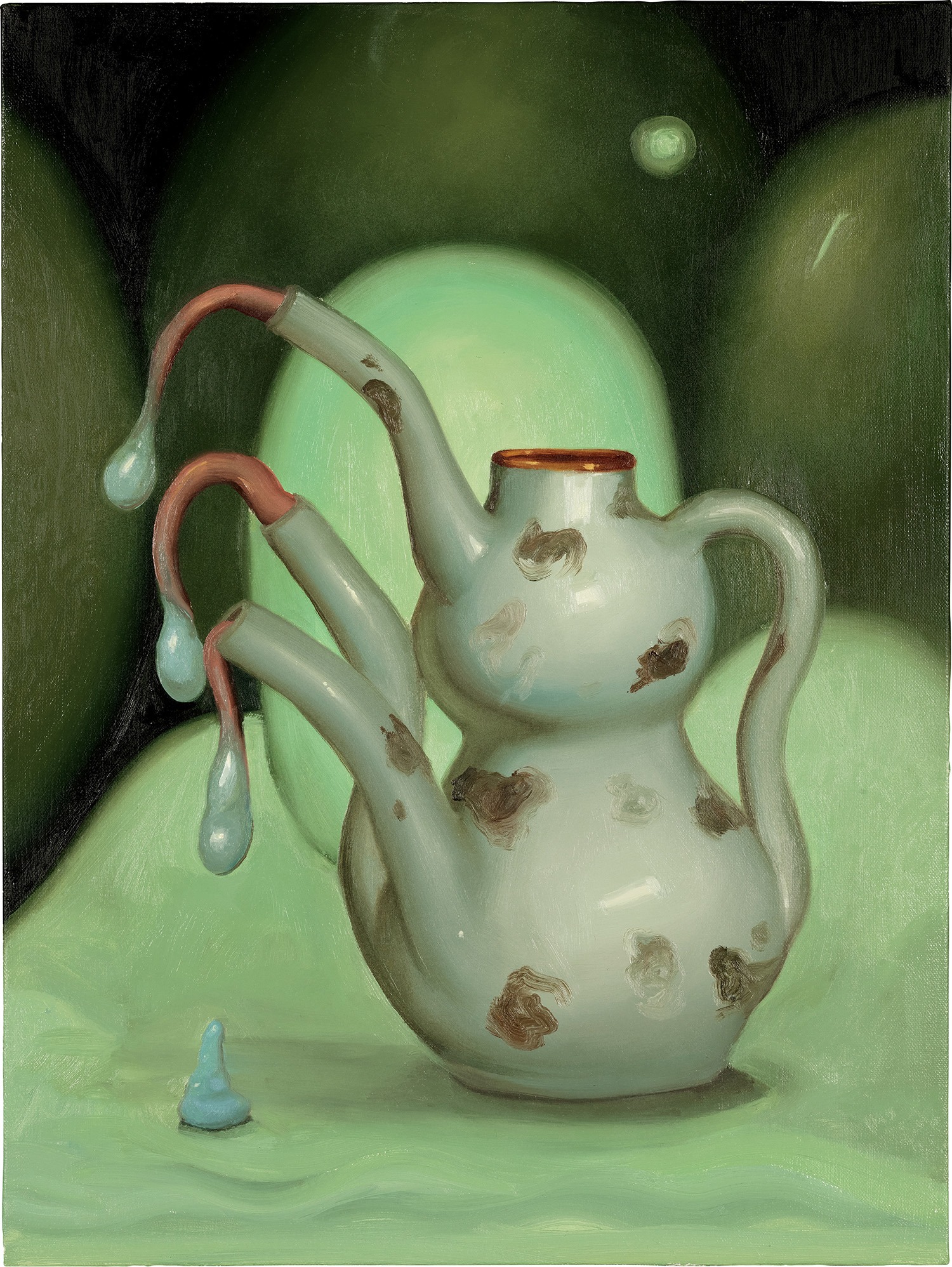
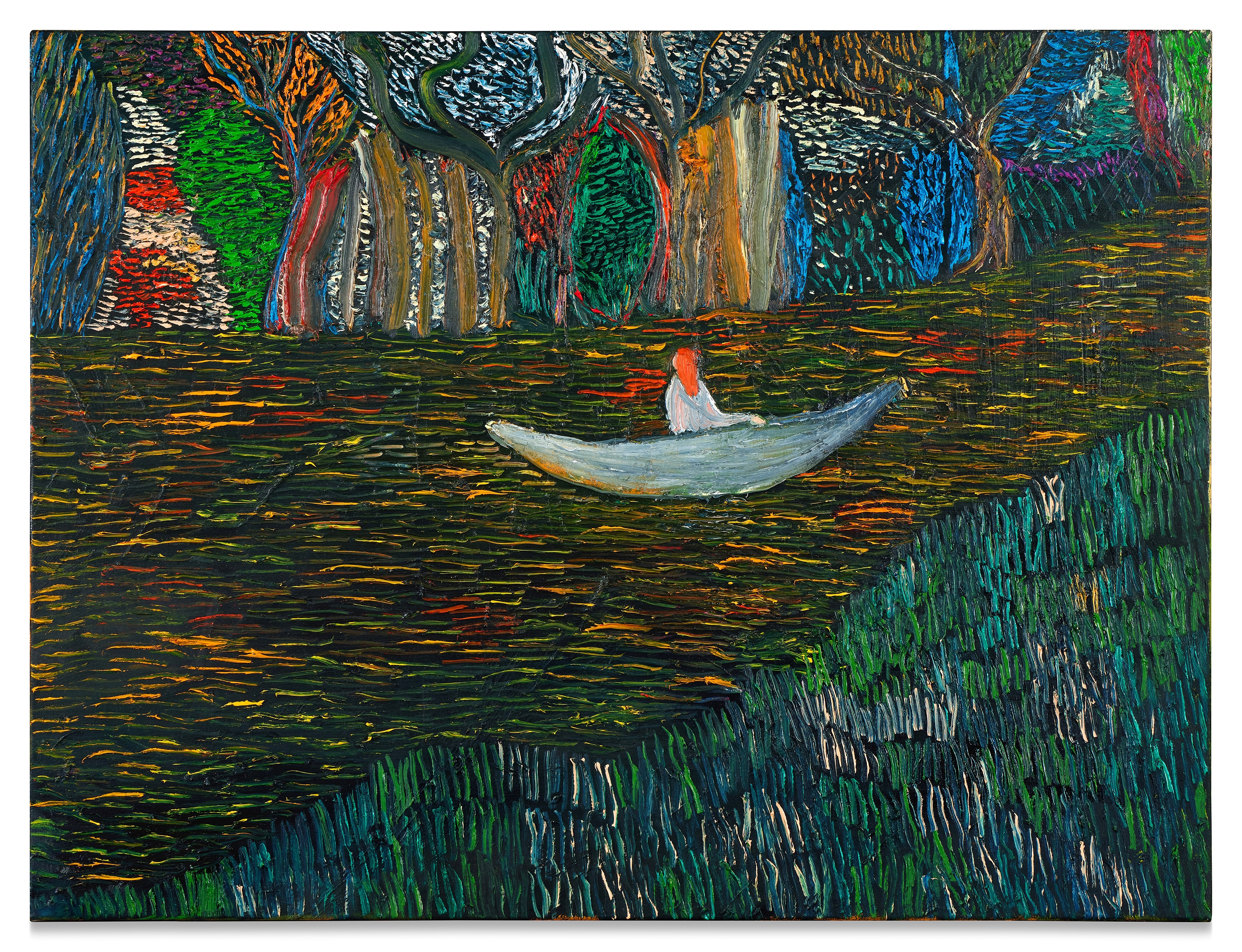
Dominique Fung
Greenly, 2019
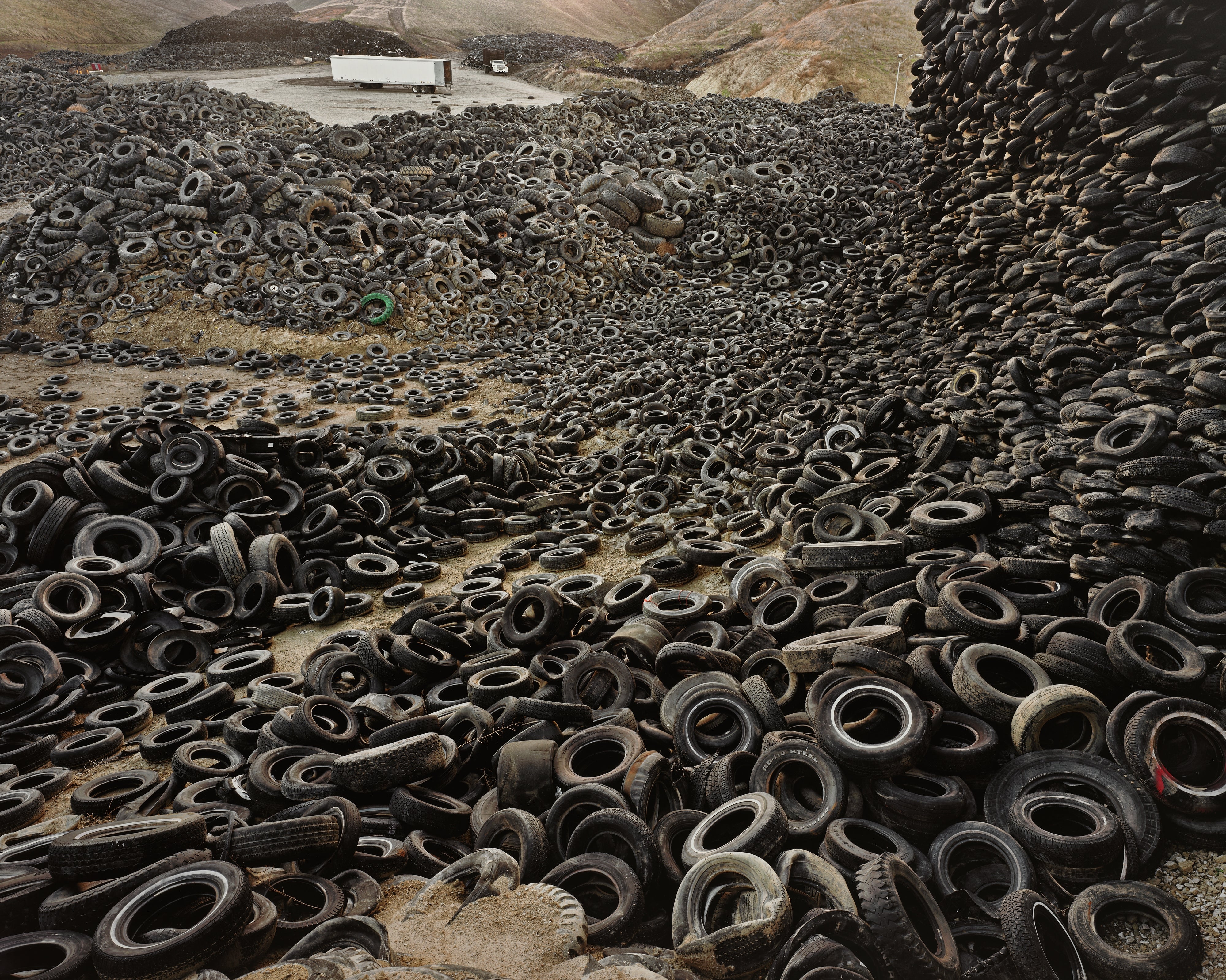
Edward Burtynsky represents a different register entirely but occupies an equally commanding position. His large scale photographs of industrial landscapes, shipbreaking yards in Bangladesh, oil fields in Alberta, manufactured coastlines in China, have entered the permanent collections of institutions including the Guggenheim, the Museum of Modern Art, and the National Gallery of Canada. His retrospective at the Art Gallery of Ontario in 2022 drew significant attention and reinforced what his market already knew: this is work that belongs in the same breath as the great documentary projects of the twentieth century. Burtynsky is well represented on The Collection, and for good reason.
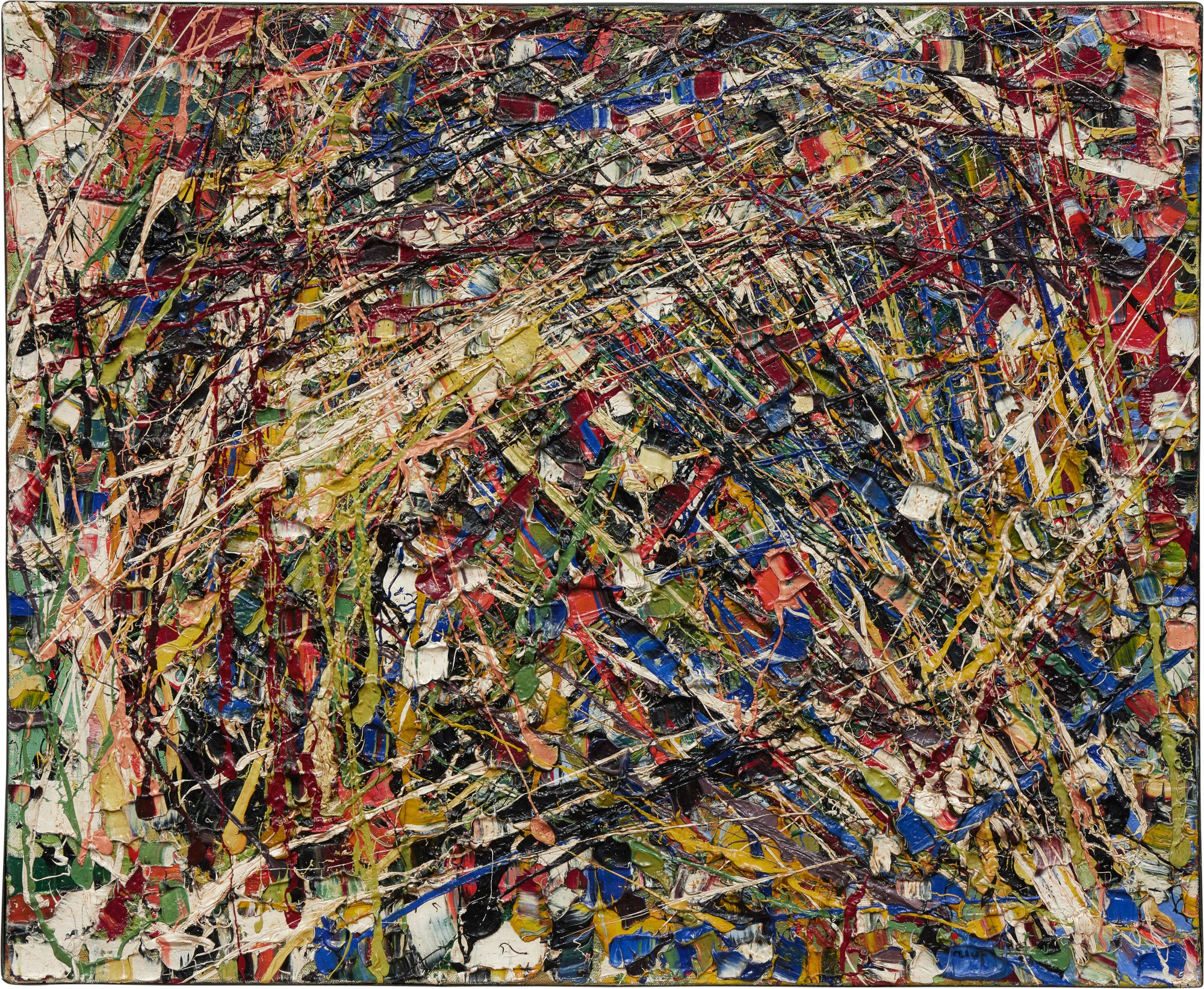
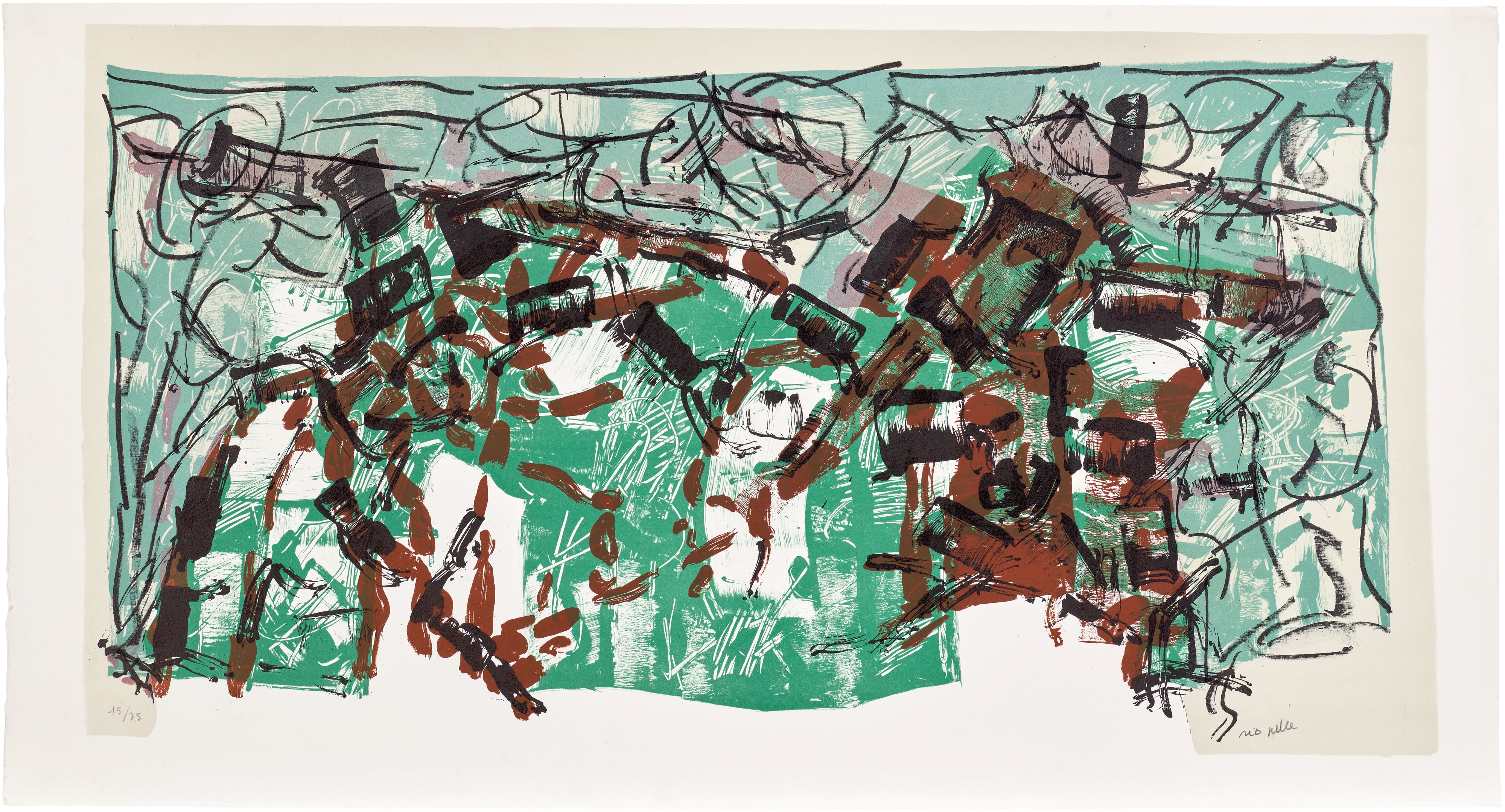
The work holds. Jean Paul Riopelle remains the cornerstone of any serious conversation about Canadian modernism. A founding figure of the Automatiste movement in Quebec, and closely associated with the Paris art world of the postwar decades, Riopelle has seen sustained institutional and market attention. Major auction houses in Montreal and Toronto return to his work repeatedly, and results from the past five years have demonstrated that the estate and the critical record are well managed enough to support continued price growth.
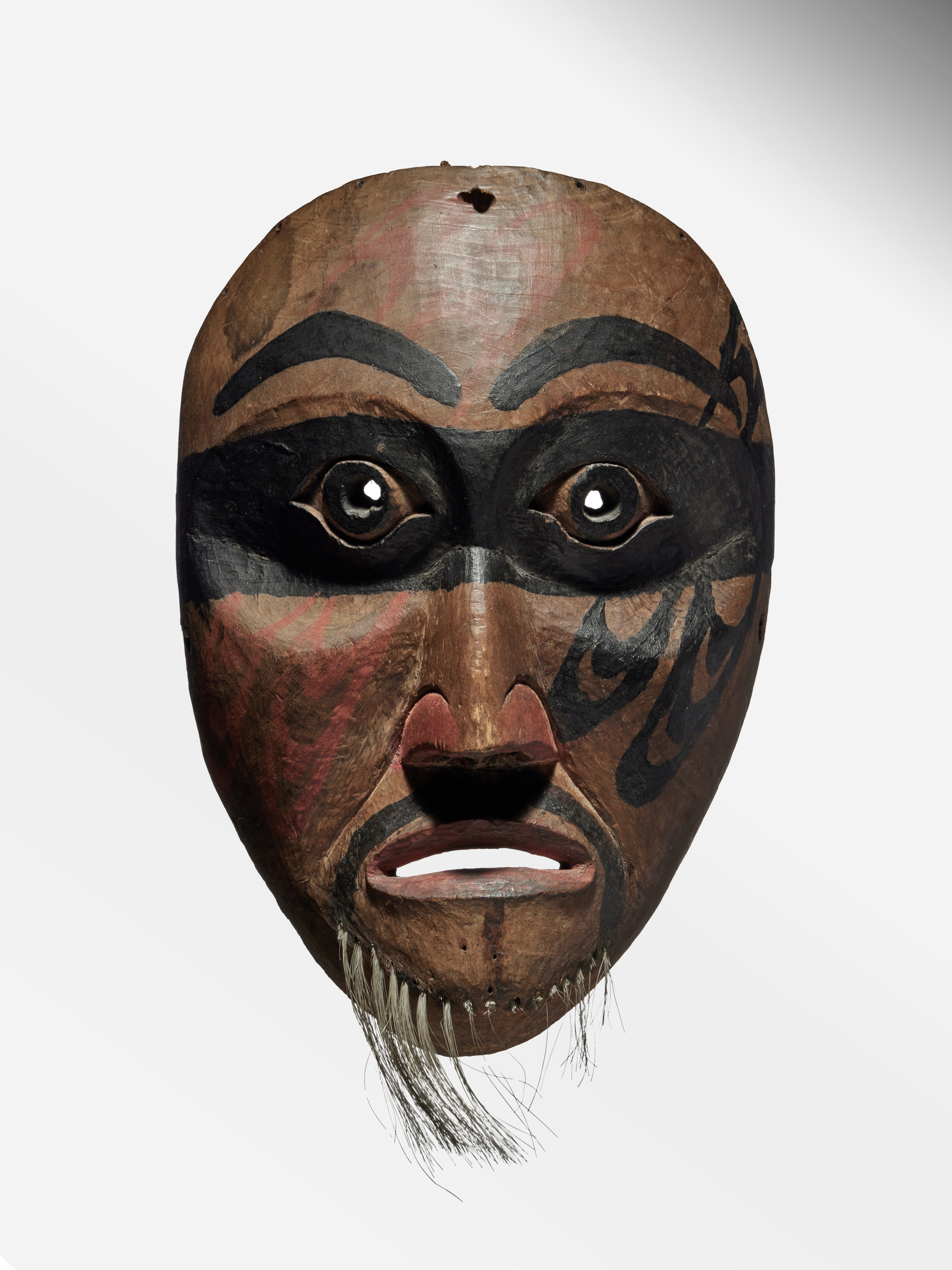
Heiltsuk Mask
Heiltsuk Mask
His mosaicked surfaces, those interlocking passages of palette knife strokes that seem to simultaneously advance and recede, feel remarkably contemporary to collectors encountering them for the first time. The Musée national des beaux arts du Québec has done important work in contextualizing his legacy, and the bilingual scholarship around him has improved considerably. The institutional story is inseparable from figures like Jeff Wall and Stan Douglas, both of whom emerged from Vancouver in the 1980s and 1990s and redefined what photography could mean as a critical and aesthetic practice. Wall's lightboxes brought cinema and art history into the same frame, and his presence in the collections of Tate Modern, the Art Institute of Chicago, and the Centre Pompidou established a template for how conceptually rigorous Canadian photography could travel globally.
Douglas, whose work investigates media, history, and the constructed image with extraordinary precision, has been the subject of major surveys at the Haus der Kunst in Munich and the Vancouver Art Gallery. Both artists are pivotal references on The Collection, and their work continues to trade at a level that reflects genuine institutional demand rather than speculative enthusiasm. The critical conversation around Canadian art has been shaped significantly by writers and curators willing to interrogate what nationality even means as a curatorial framework. Philip Monk at the Art Gallery of York University has written incisively about Canadian conceptualism.
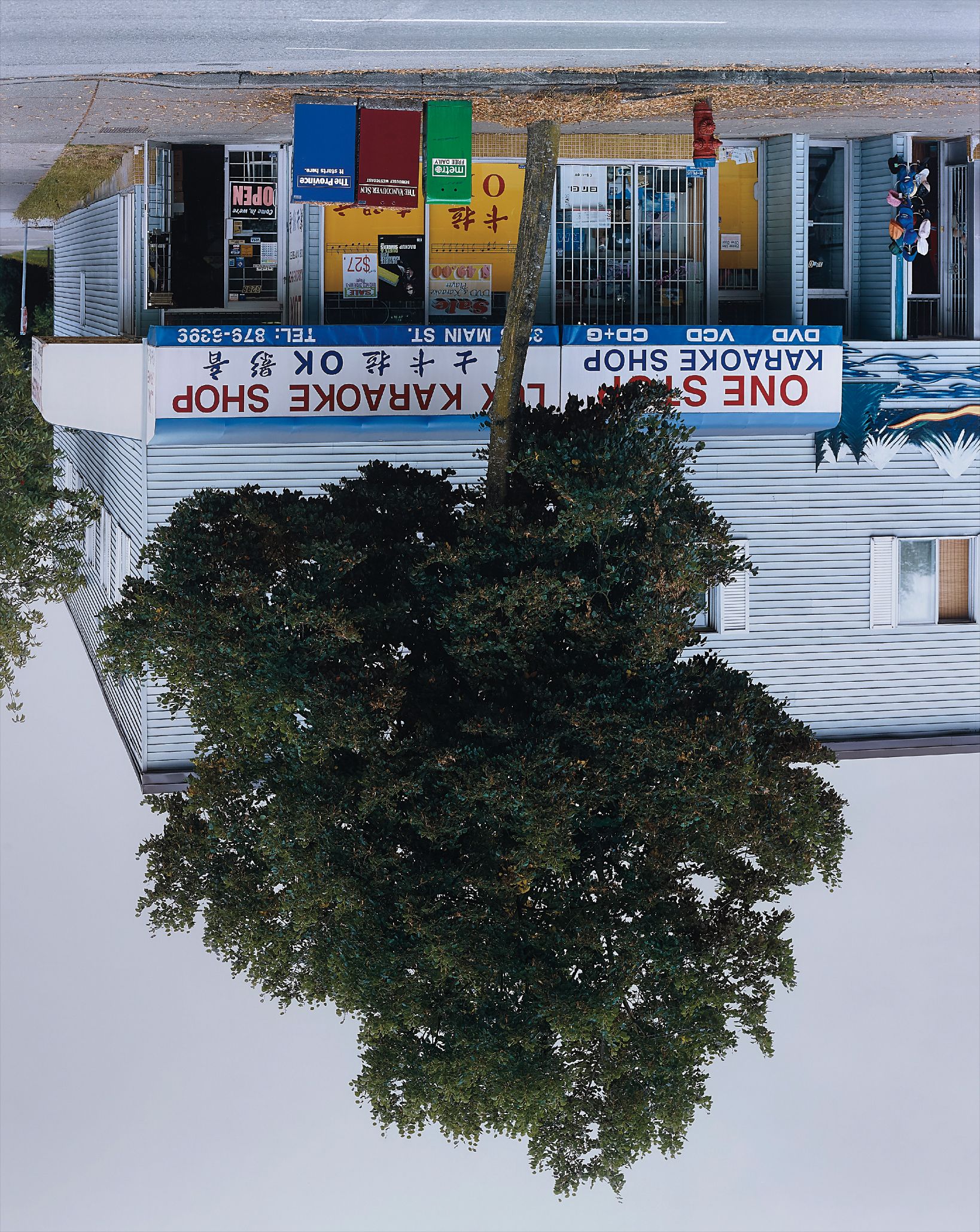
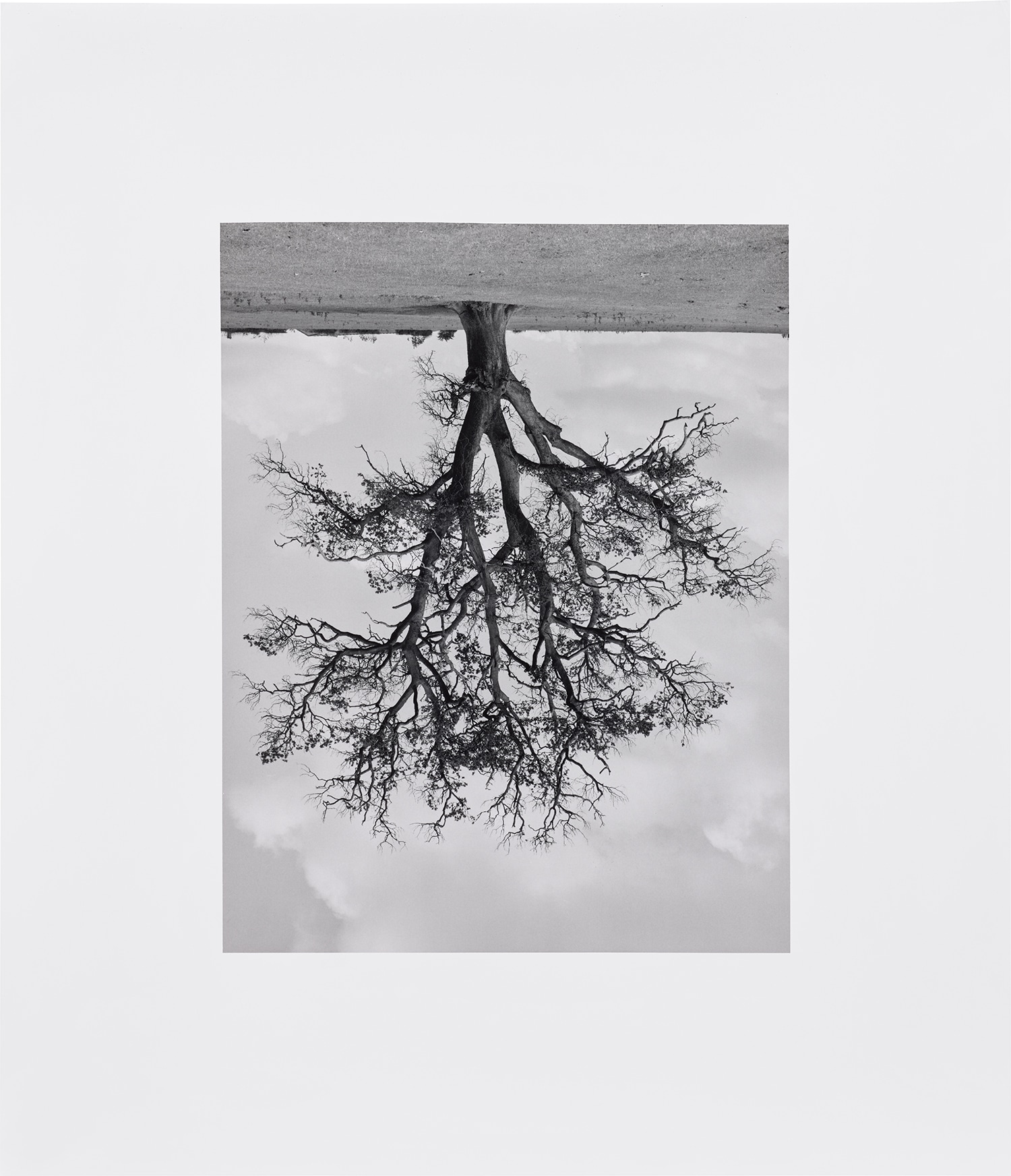
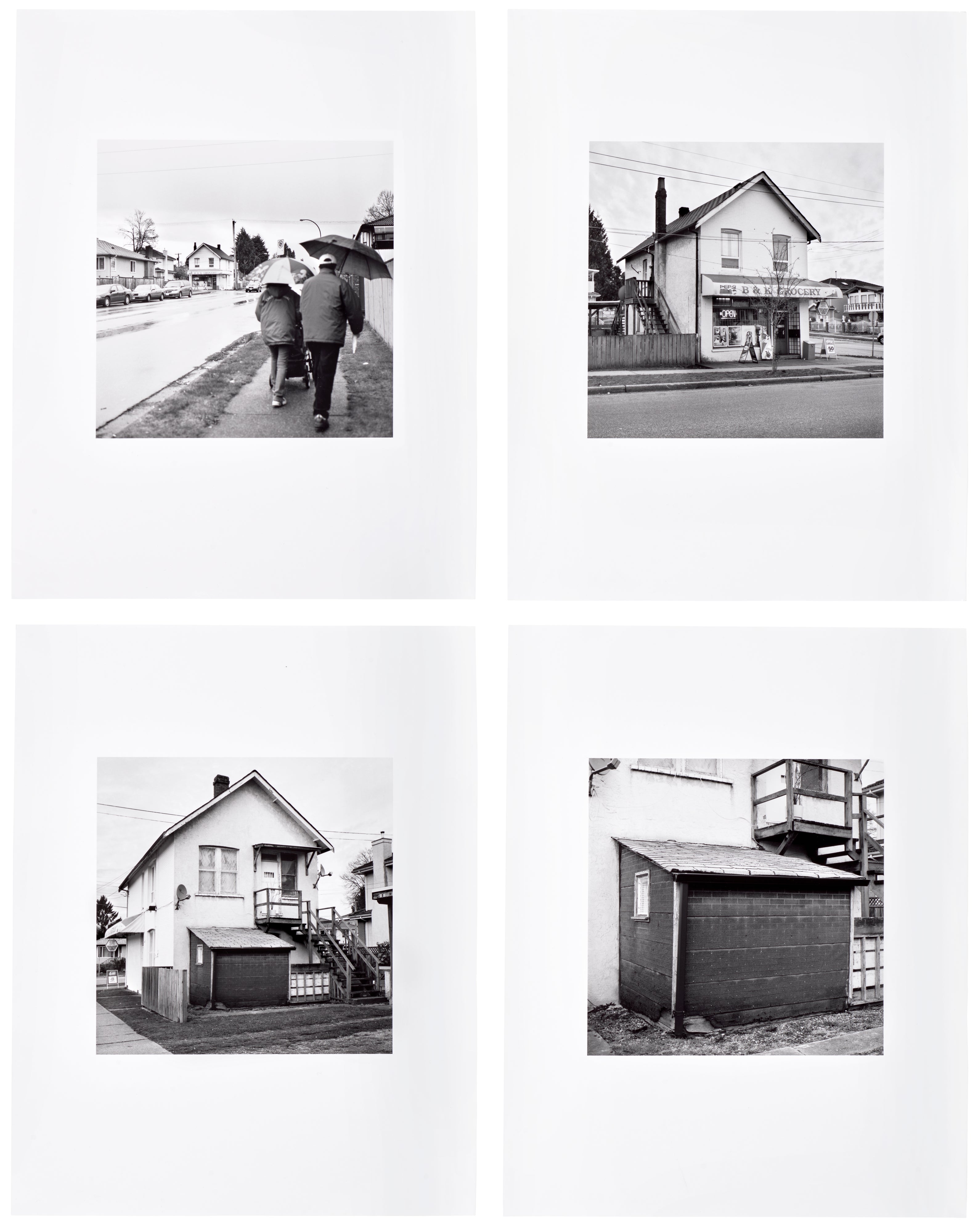
Rodney Graham
Main Street, 2006
Robin Metcalfe and Kitty Scott have brought nuance to regional narratives that too often get flattened into a single coast or a single language. The magazine Canadian Art, now operating as a digital platform, has been an important venue for this ongoing renegotiation. What is emerging from this discourse is a more honest accounting of the tensions within the category: between French and English traditions, between Indigenous practices and settler derived ones, between artists who stayed and artists who left. That last tension is where some of the most interesting energy currently lives.
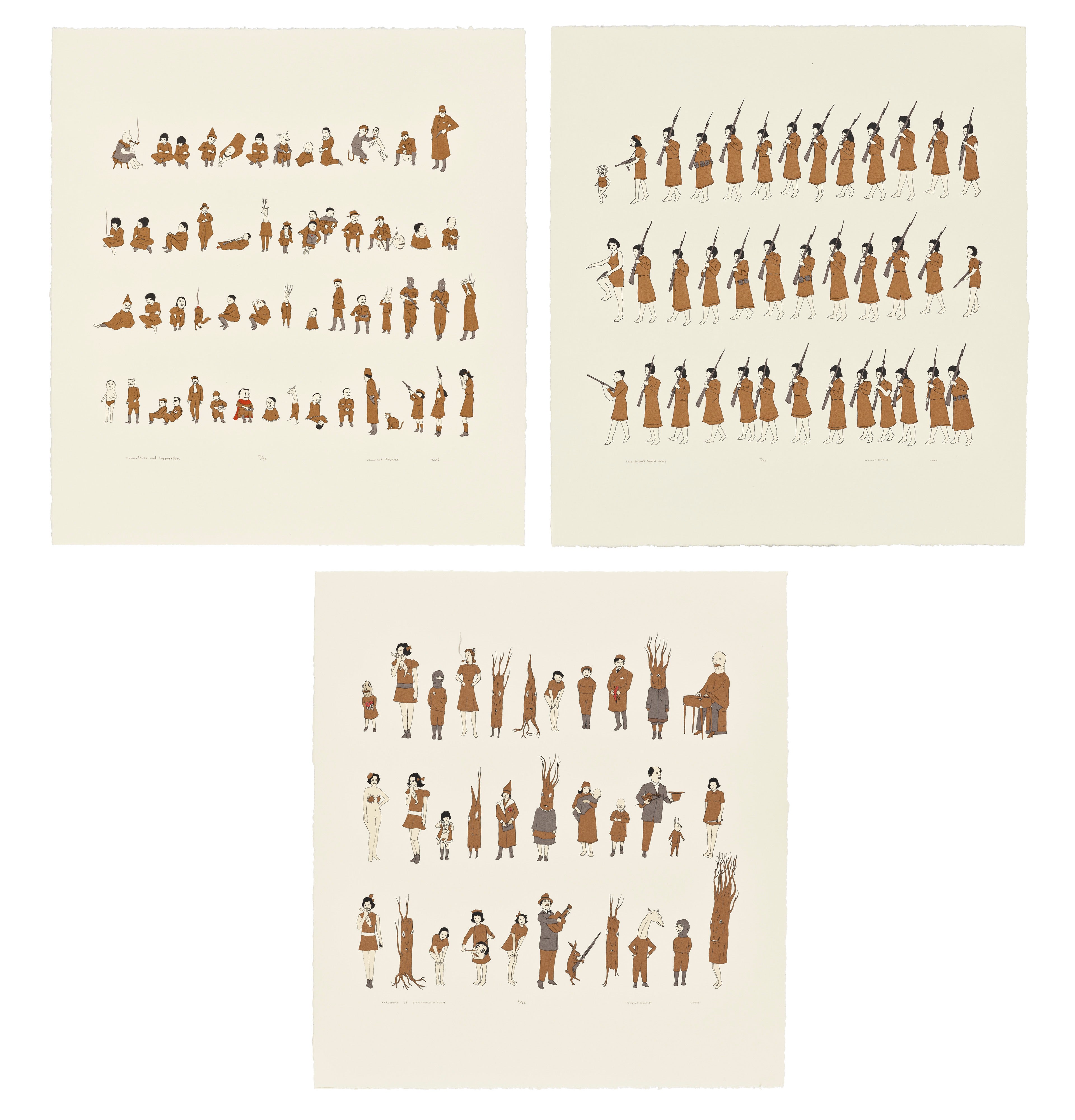
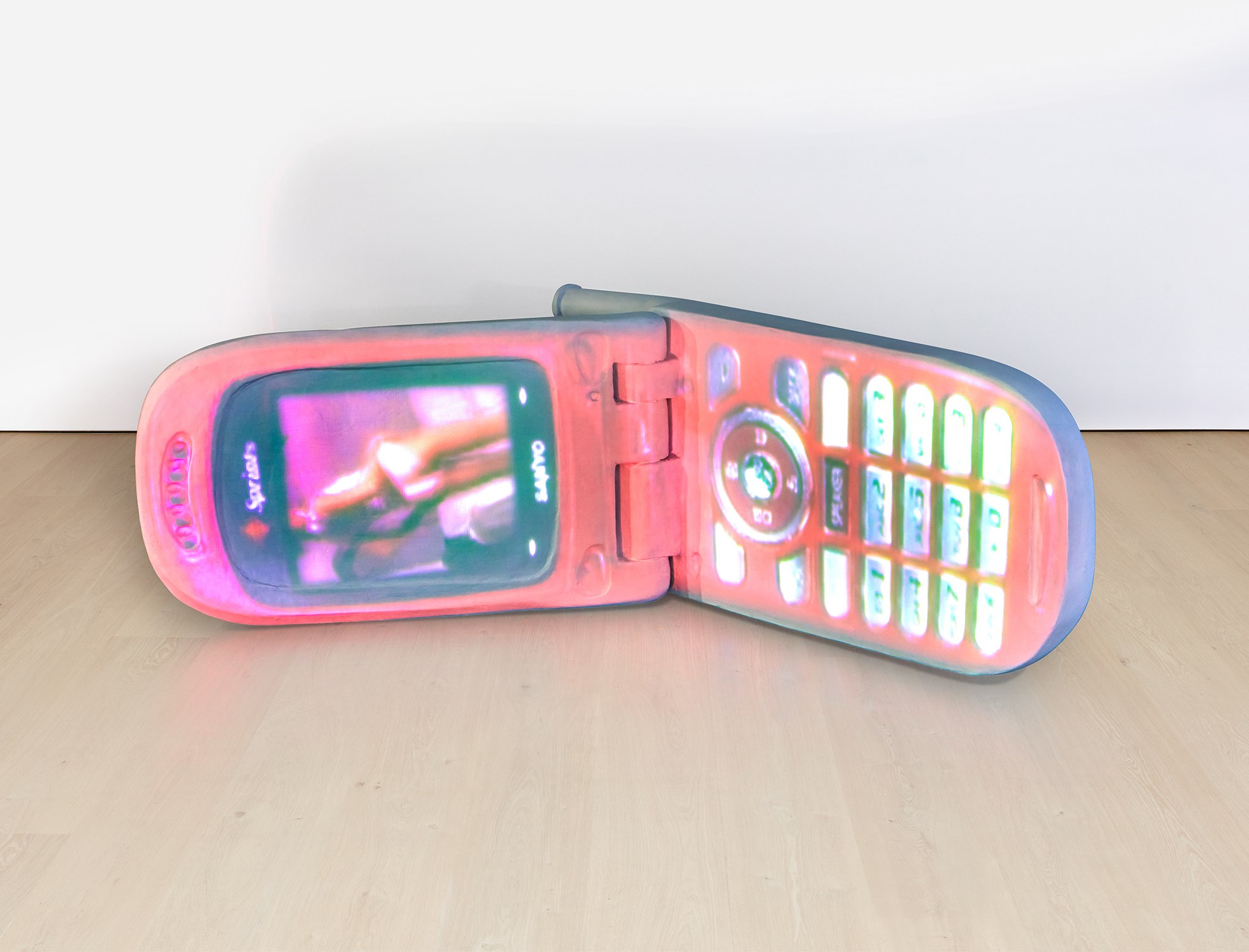
Marcel Dzama, who was born in Winnipeg and relocated to New York, has maintained a practice that feels deeply rooted in the gothic folkloric imagination of the Canadian interior even as it engages with the international art world's appetite for narrative and strangeness. David Altmejd, also a transplant to New York, has brought a kind of biological surrealism to sculpture that reads as distinctly influenced by his Quebec formation. Jon Rafman's work, dense with internet culture and digital anxiety, has found serious critical purchase in the conversation around post digital experience. These are not artists who left Canada and became something else.
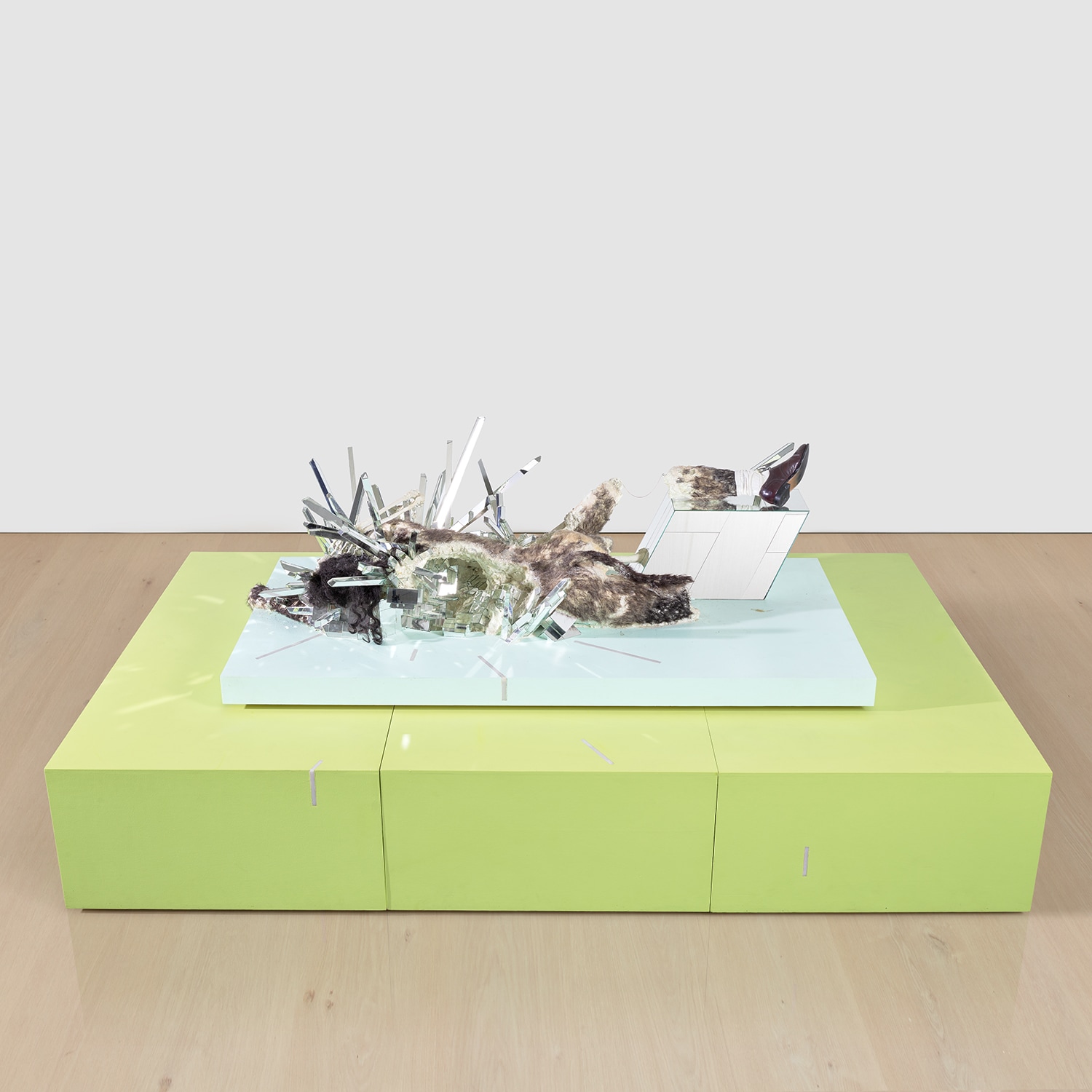
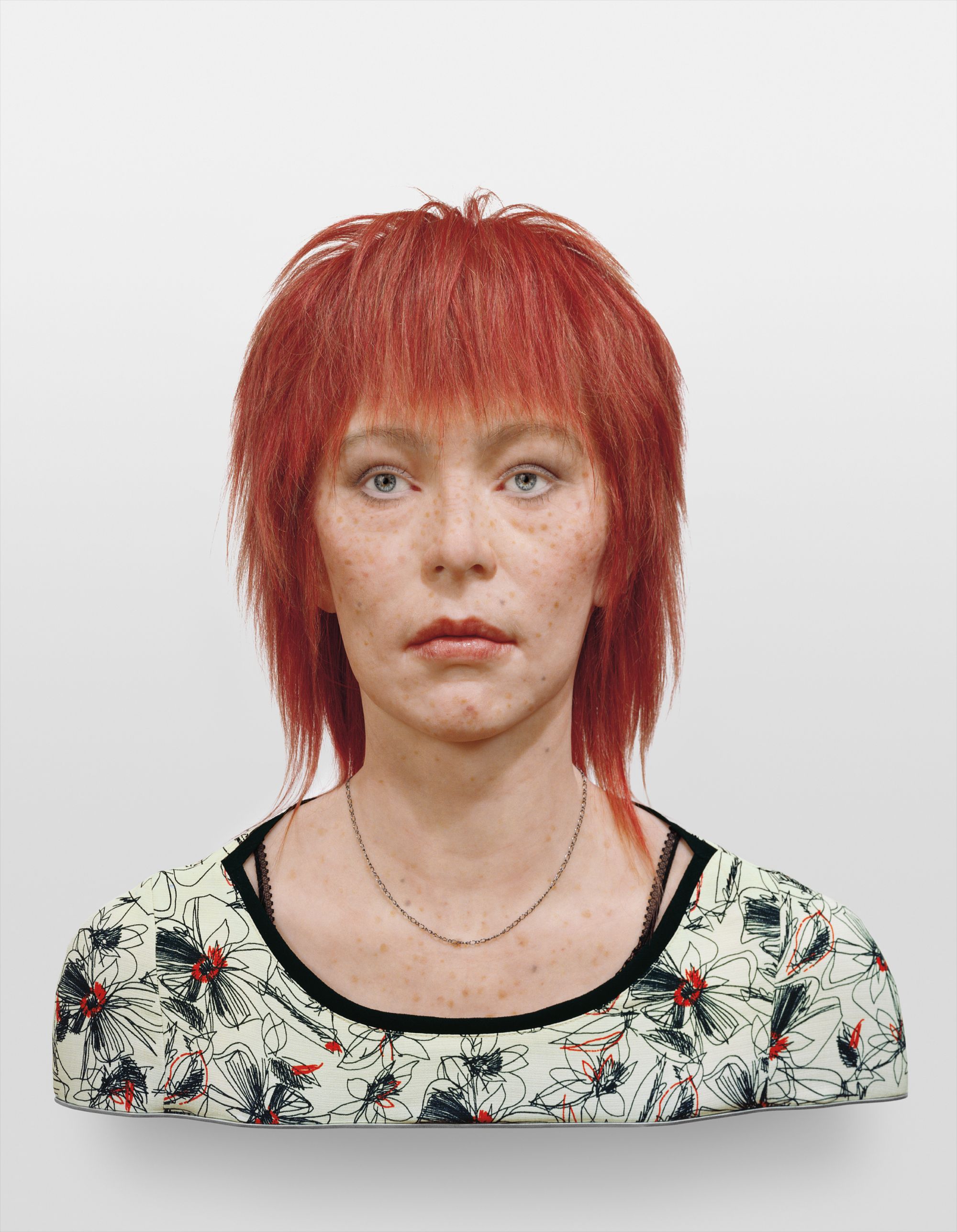
David Altmejd
The Settlers, 2005
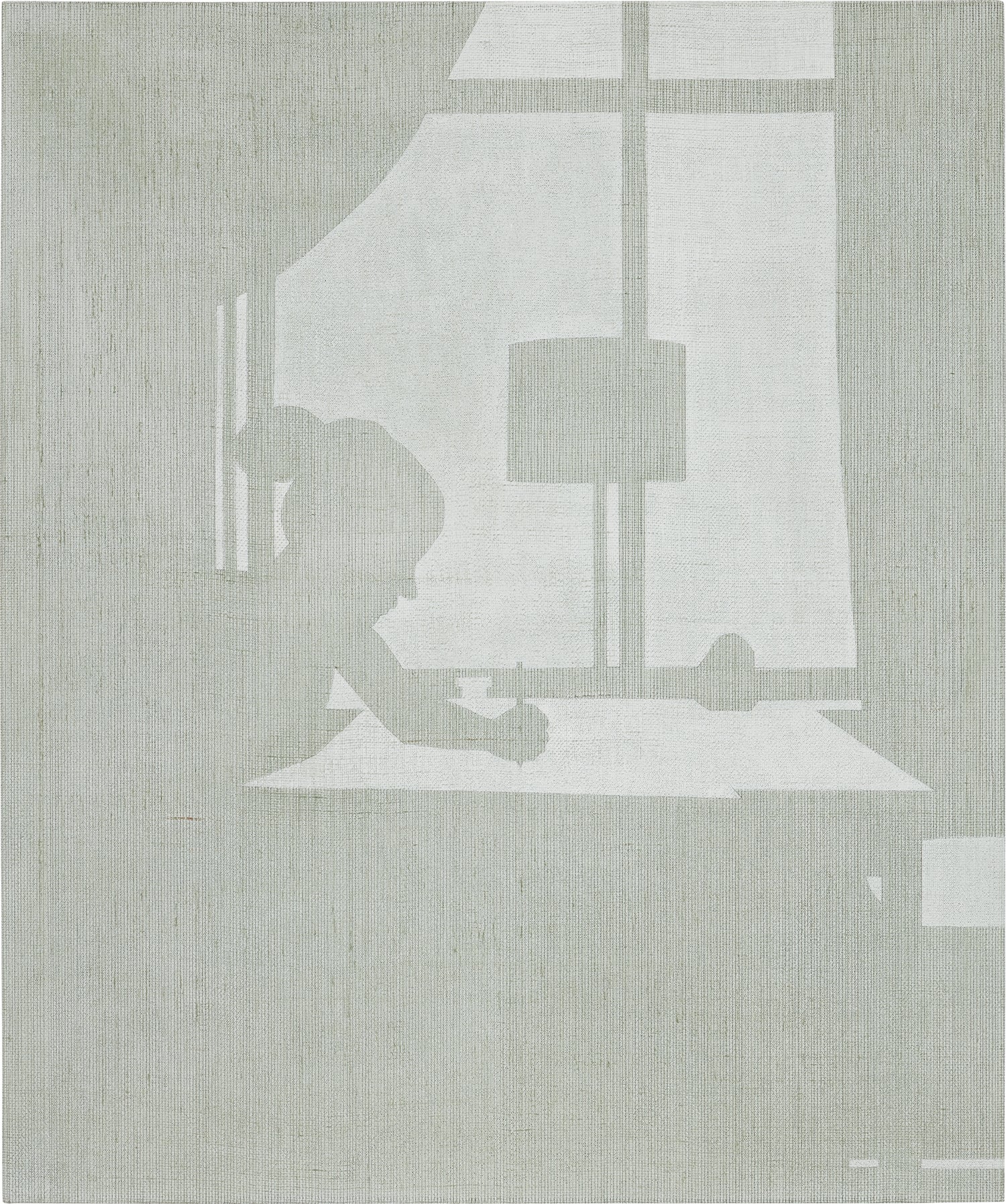
They carried it with them and transformed it. The surprises ahead are likely to involve artists who are younger or whose reputations have been consolidated in one context but not yet fully recognized in others. Dominique Fung's paintings, which weave together Chinese Canadian identity and the art historical archive with considerable elegance, are attracting attention from collectors who arrived through the wider figurative painting revival. The legacy of General Idea, the Toronto based collective whose AIDS era interventions were as formally inventive as they were politically essential, is being reassessed with fresh urgency.
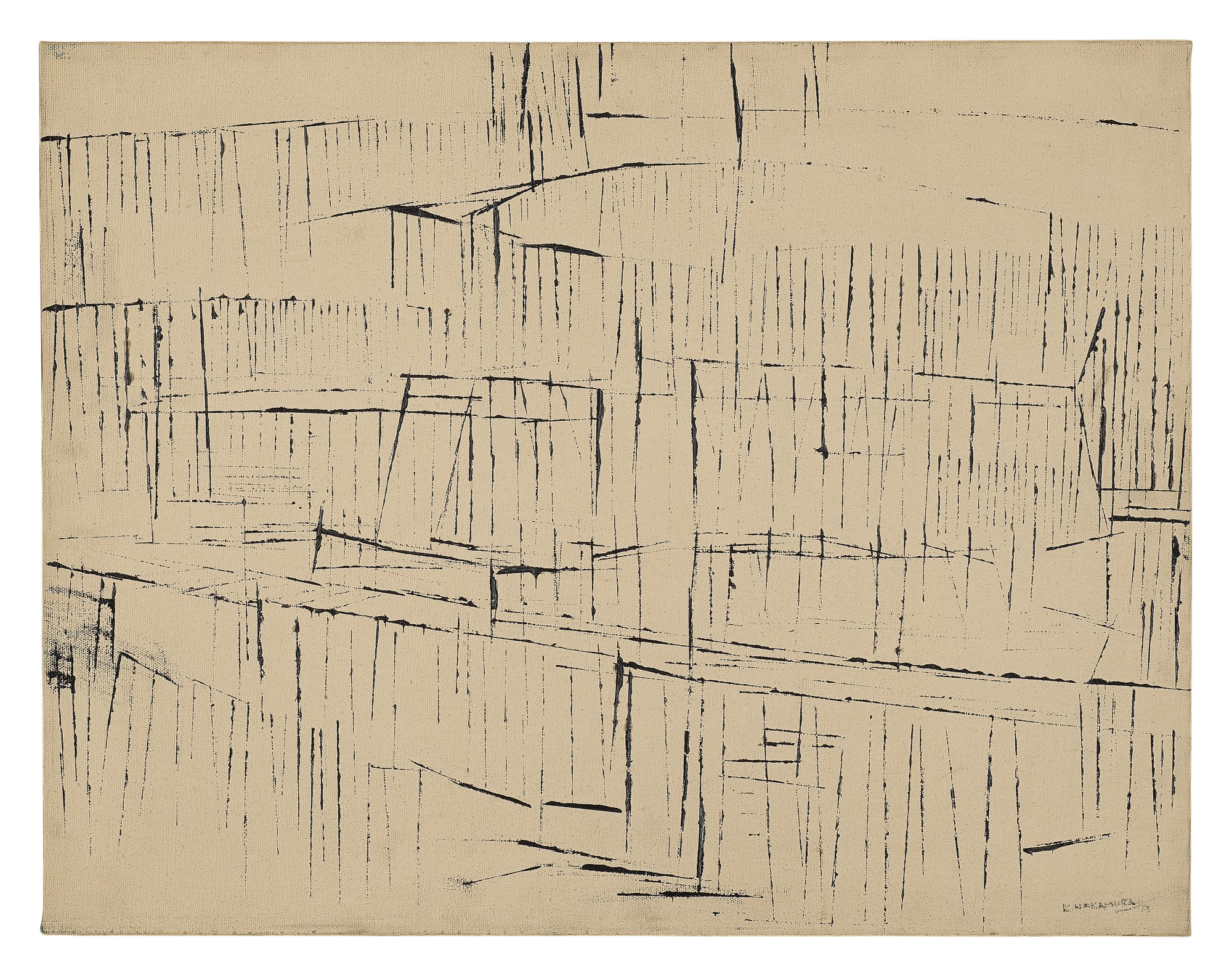
And the rediscovery of figures like Kazuo Nakamura, whose geometric abstractions deserve far wider recognition, suggests that the historical record still has room to expand. What the strongest works in this category share is a quality that resists easy summary. They are not simply documents of a place or expressions of national character. They are serious inquiries into how images work, how memory operates, how landscape and identity entangle.
The collectors and institutions that understand this tend to build holdings that age very well. Canada has produced an extraordinary concentration of artists who think this rigorously, and the market and the museum world are still, in important ways, catching up.