Baroque
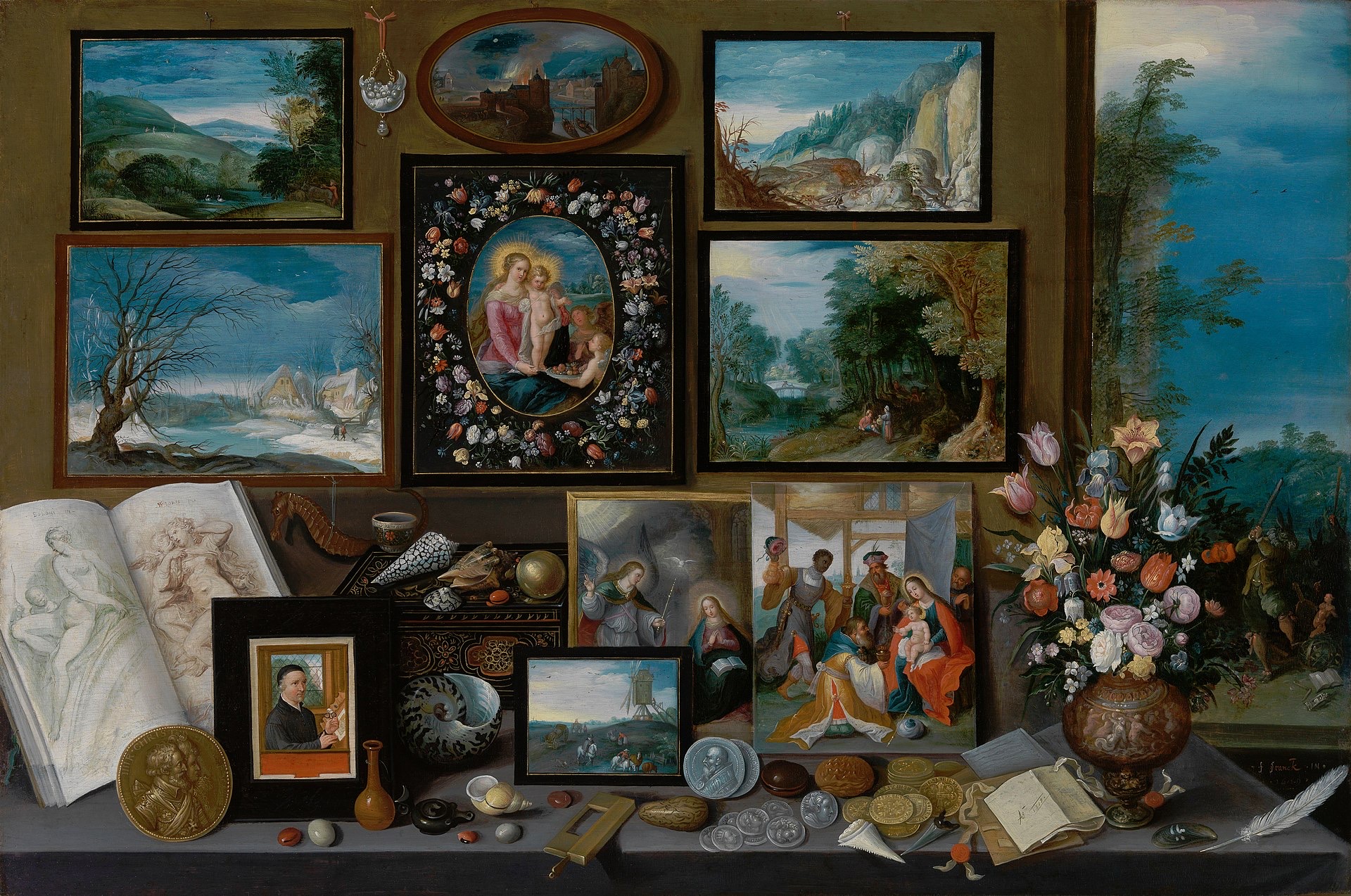
Frans Francken the Younger
A Collection (Kunstkamer met schilderijen, schelpen, munten en een boeket bloemen, met rechts kunst verwoestende ezels), 1619
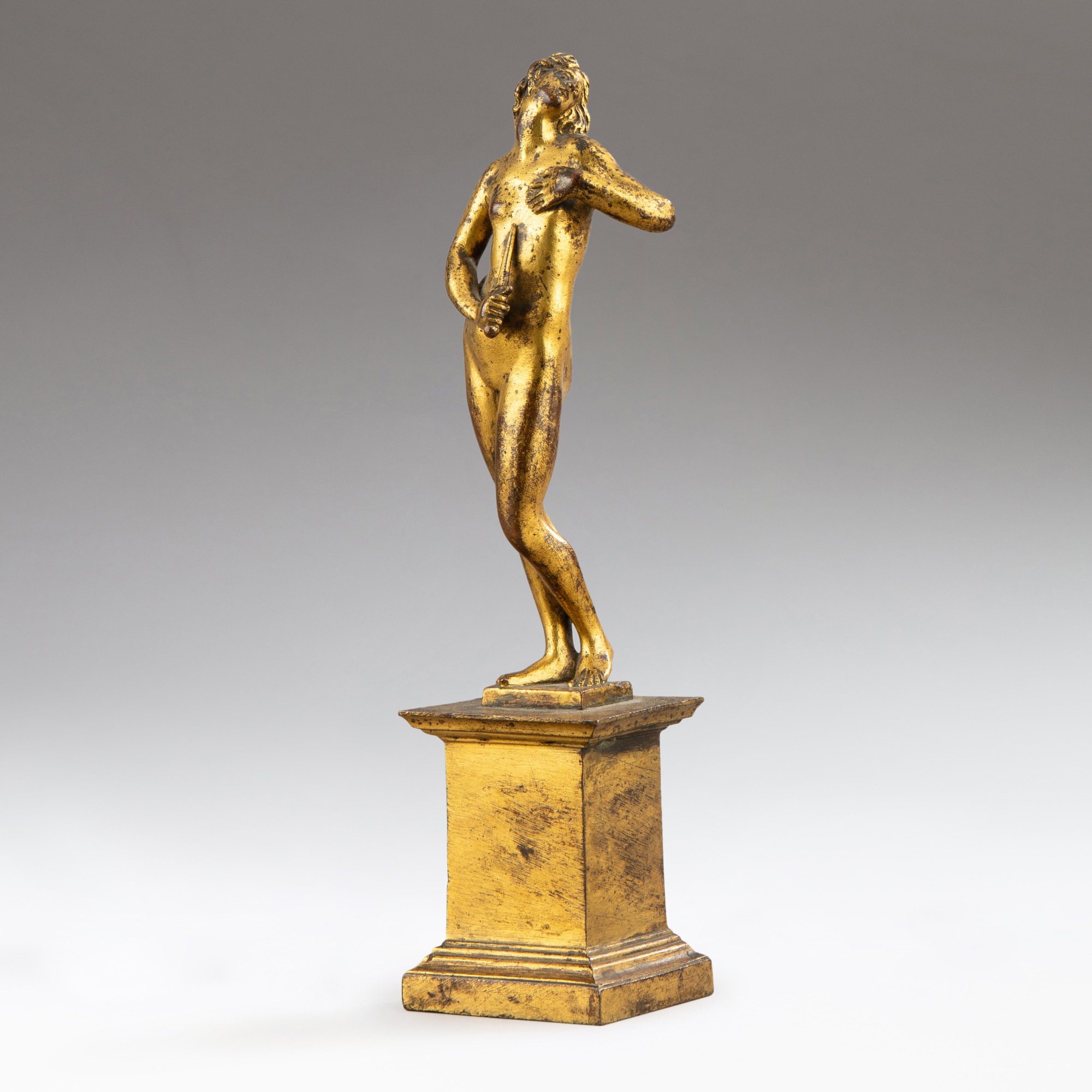
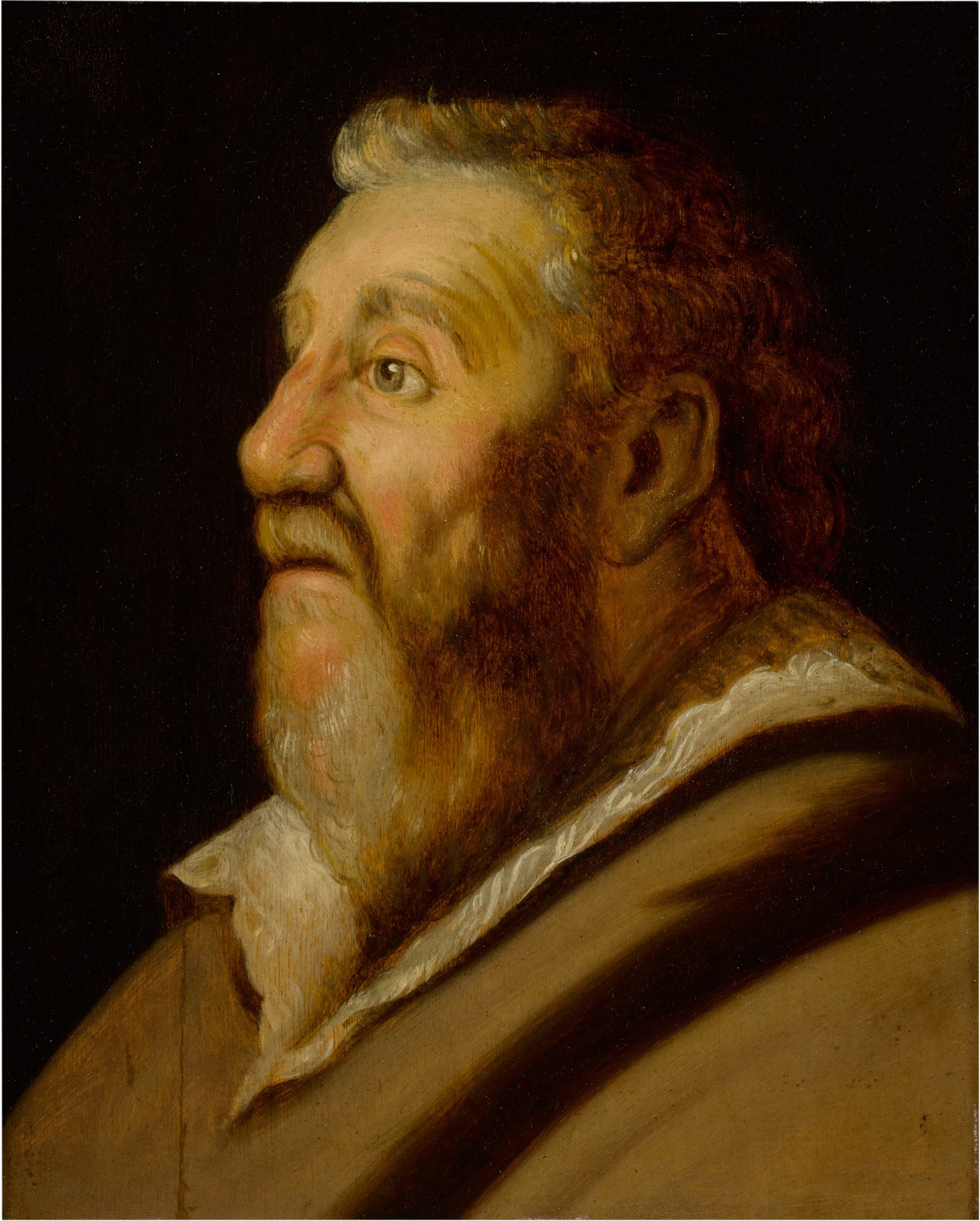
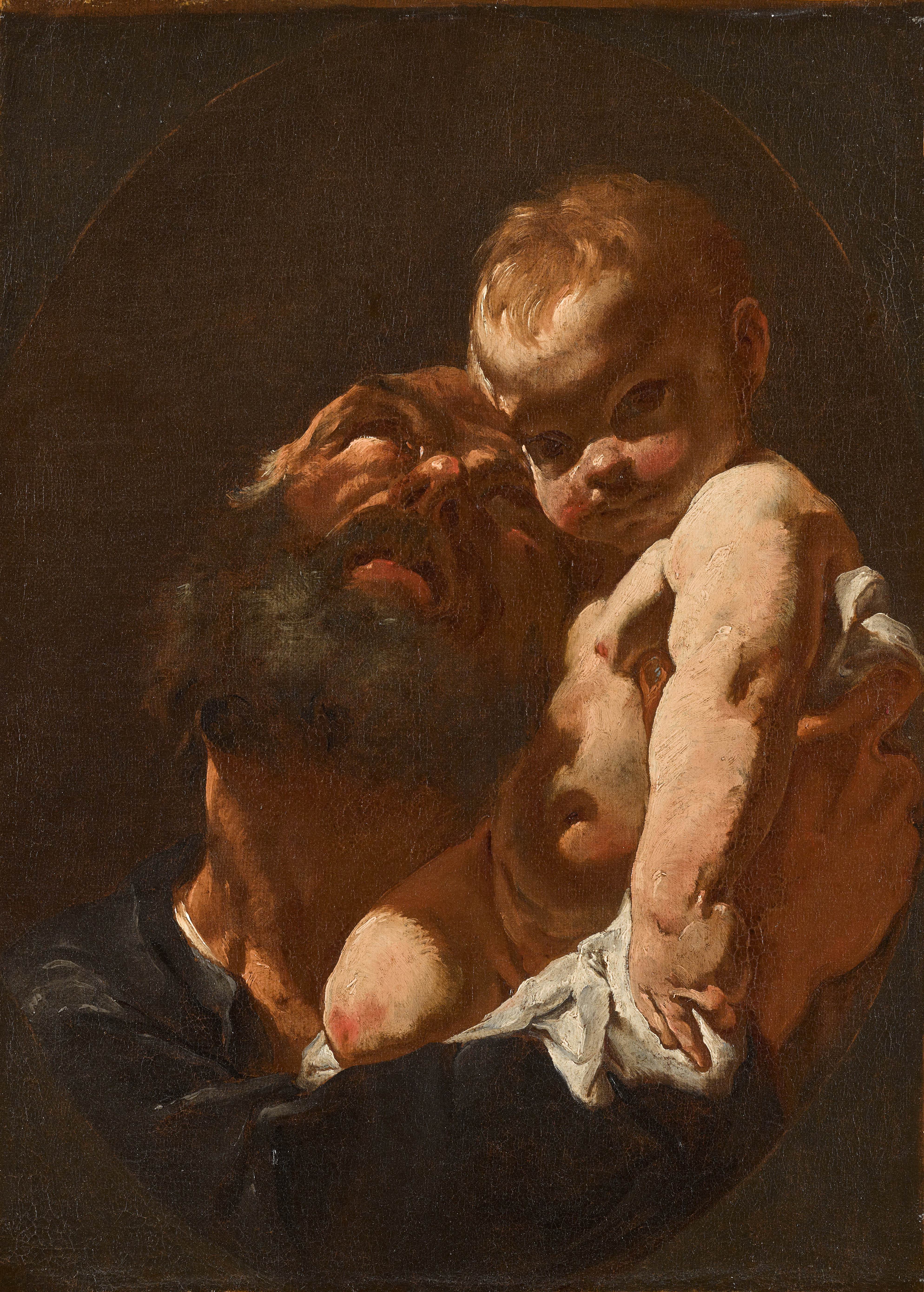
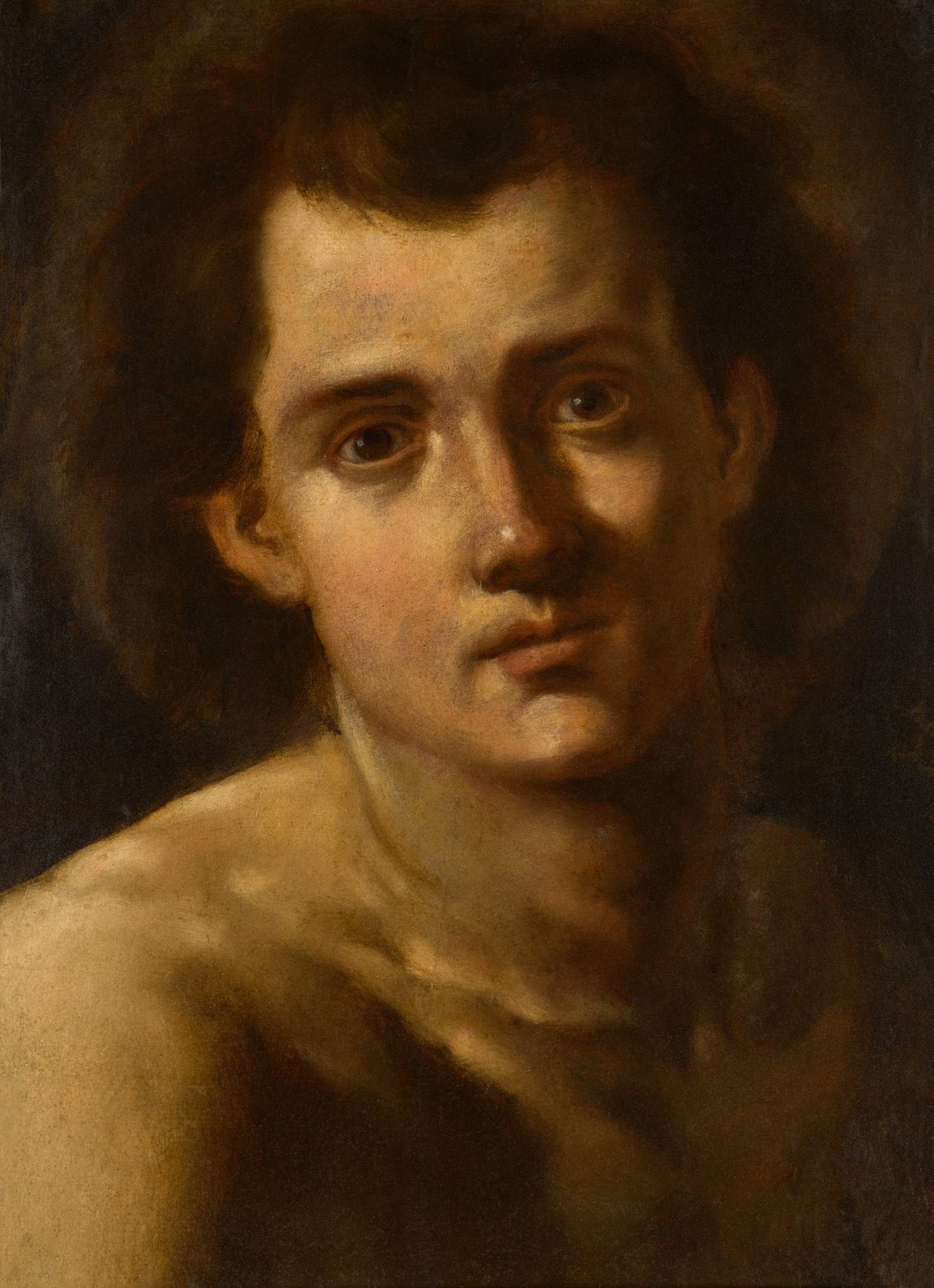

Shadow, Light, and the Drama of Everything
There is a moment, standing before a Baroque painting, when the air feels different. The light in the work seems to arrive from somewhere just outside the frame, catching a cheekbone or the edge of a sleeve, and the darkness around it feels inhabited rather than empty. This is not accident or atmosphere. It is a worldview made visible, a philosophy rendered in oil and pigment, and it remains one of the most psychologically powerful achievements in the history of Western art.
The Baroque emerged in Rome around 1600, born partly from the urgency of the Counter Reformation. The Catholic Church, shaken by the Protestant challenge of the previous century, understood that art was not decoration but persuasion. It commissioned painters, sculptors, and architects to make the faith feel immediate, embodied, and overwhelming. What followed was a revolution in how European artists thought about space, time, and the human figure.
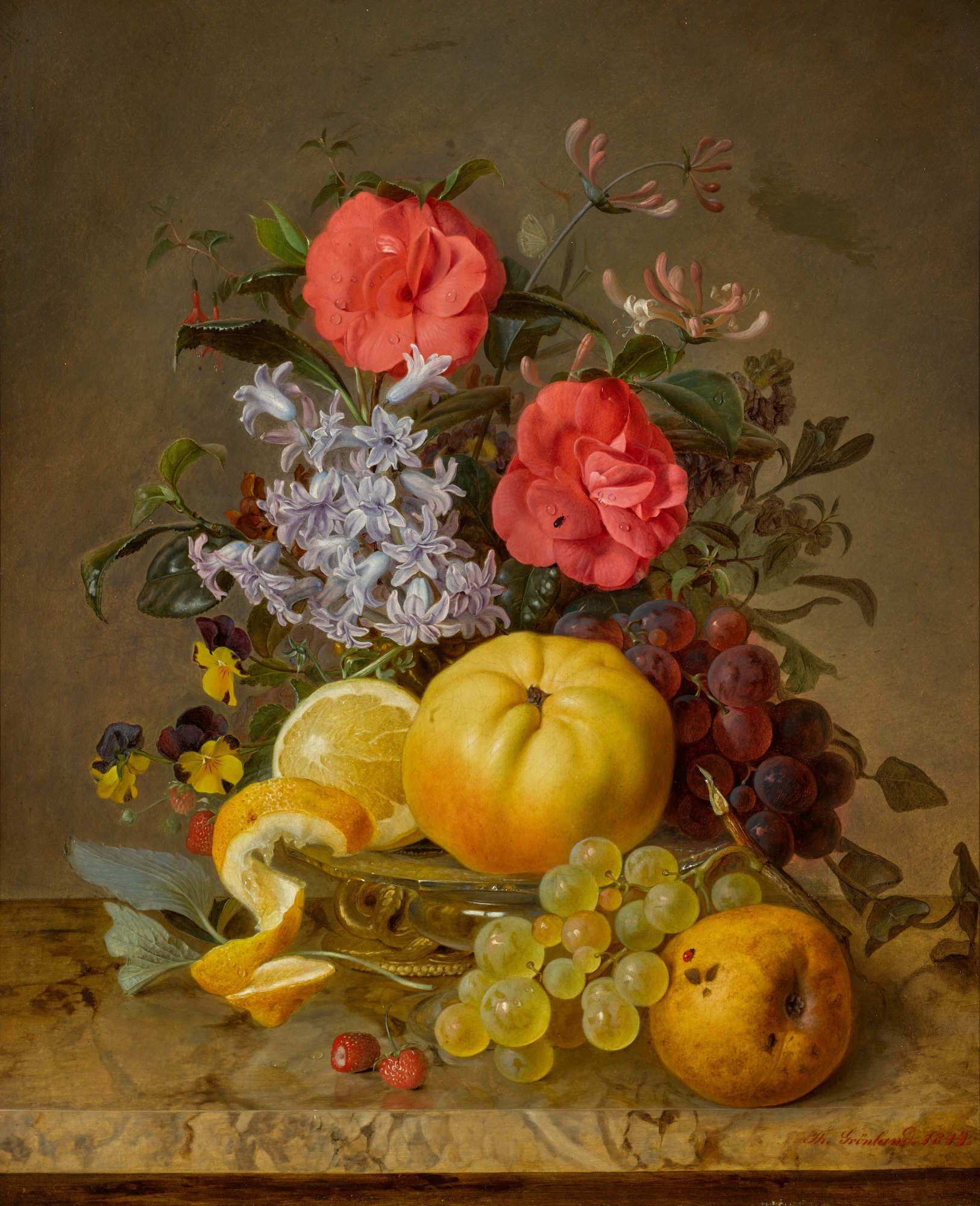
Theude Grönland
Still life with Fruit and Flowers on a Marble Ledge
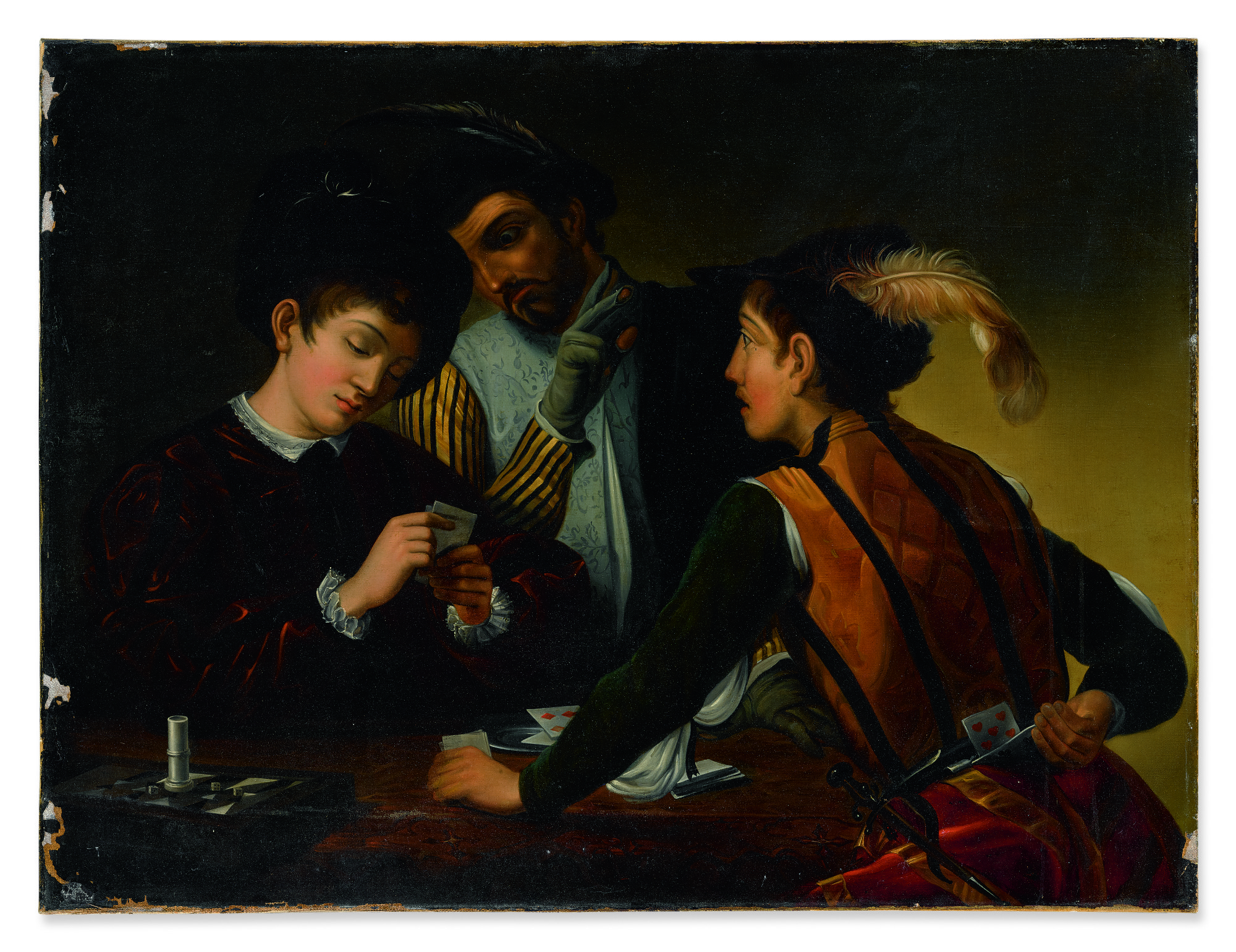
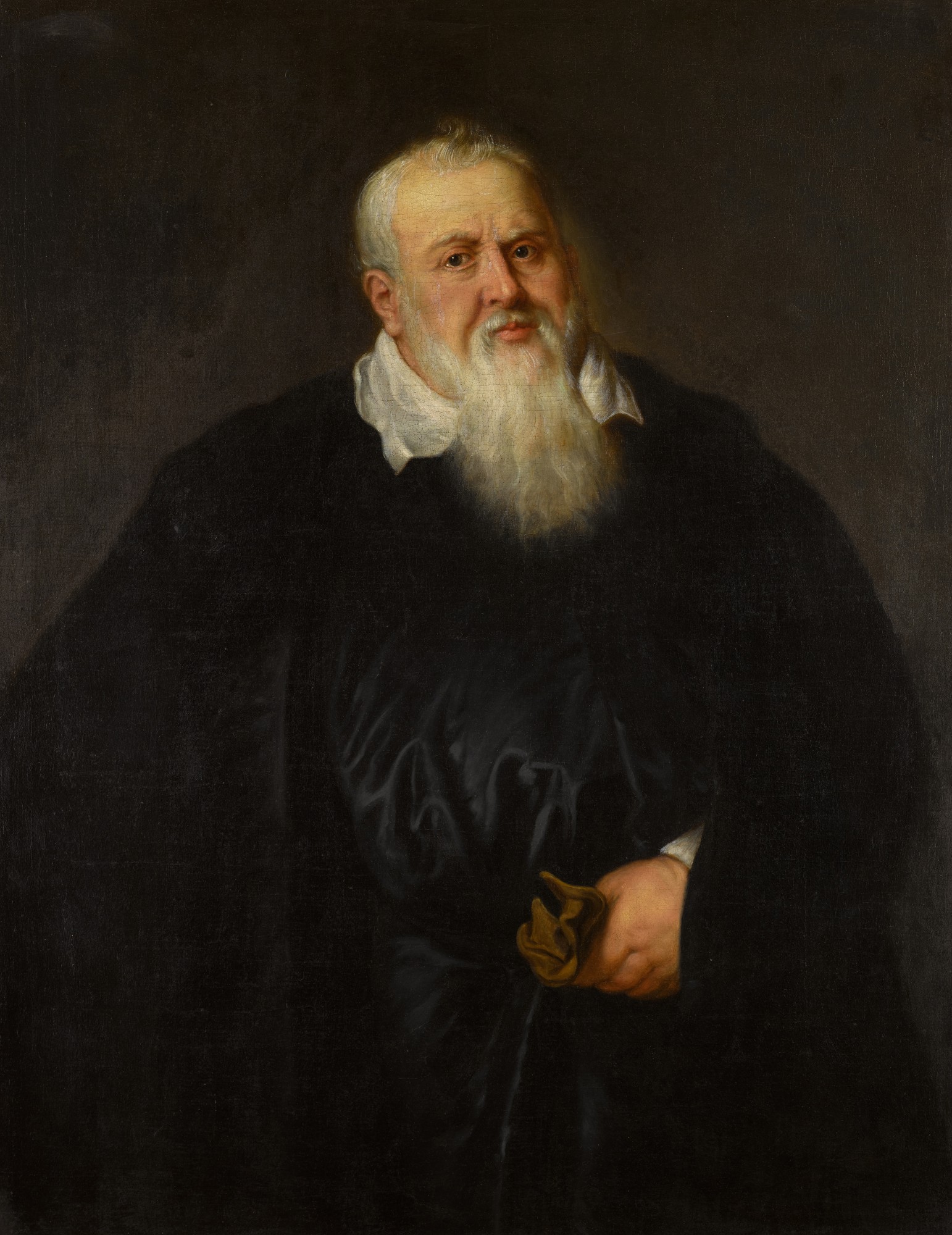
Caravaggio, working in Rome in the first decade of the seventeenth century, became the movement's most radical early voice, placing saints and apostles in the gutter light of a Roman tavern and refusing to idealize what he saw. From Italy the style radiated outward, transformed by each national tradition it touched. In Flanders, Sir Peter Paul Rubens absorbed the lessons of his years in Italy and returned to Antwerp to build a studio that became one of the most productive artistic enterprises of the age. His canvases pulse with flesh, fabric, and movement, figures twisting in configurations that feel simultaneously violent and celebratory.
Works from the Workshop of Sir Peter Paul Rubens, as well as pieces attributed to followers and those operating directly within his orbit, demonstrate how thoroughly his visual language saturated an entire generation of northern painters. Rubens did not simply paint. He ran an operation, and the distinction between master and workshop in this period is one that serious collectors still navigate with care. In the Dutch Republic, the Baroque took a different shape, inflected by Protestant restraint and the particular commercial culture of Amsterdam.
![Katsushika Hokusai — Kanagawa oki nami ura (Under the well of the Great Wave off Kanagawa) [“Great Wave”]](https://rtwaymdozgnhgluydsys.supabase.co/storage/v1/object/public/artwork-images/auction-lots/japanese-and-korean-art-24346-nyr-lot84.jpg)
Katsushika Hokusai
Kanagawa oki nami ura (Under the well of the Great Wave off Kanagawa) [“Great Wave”]
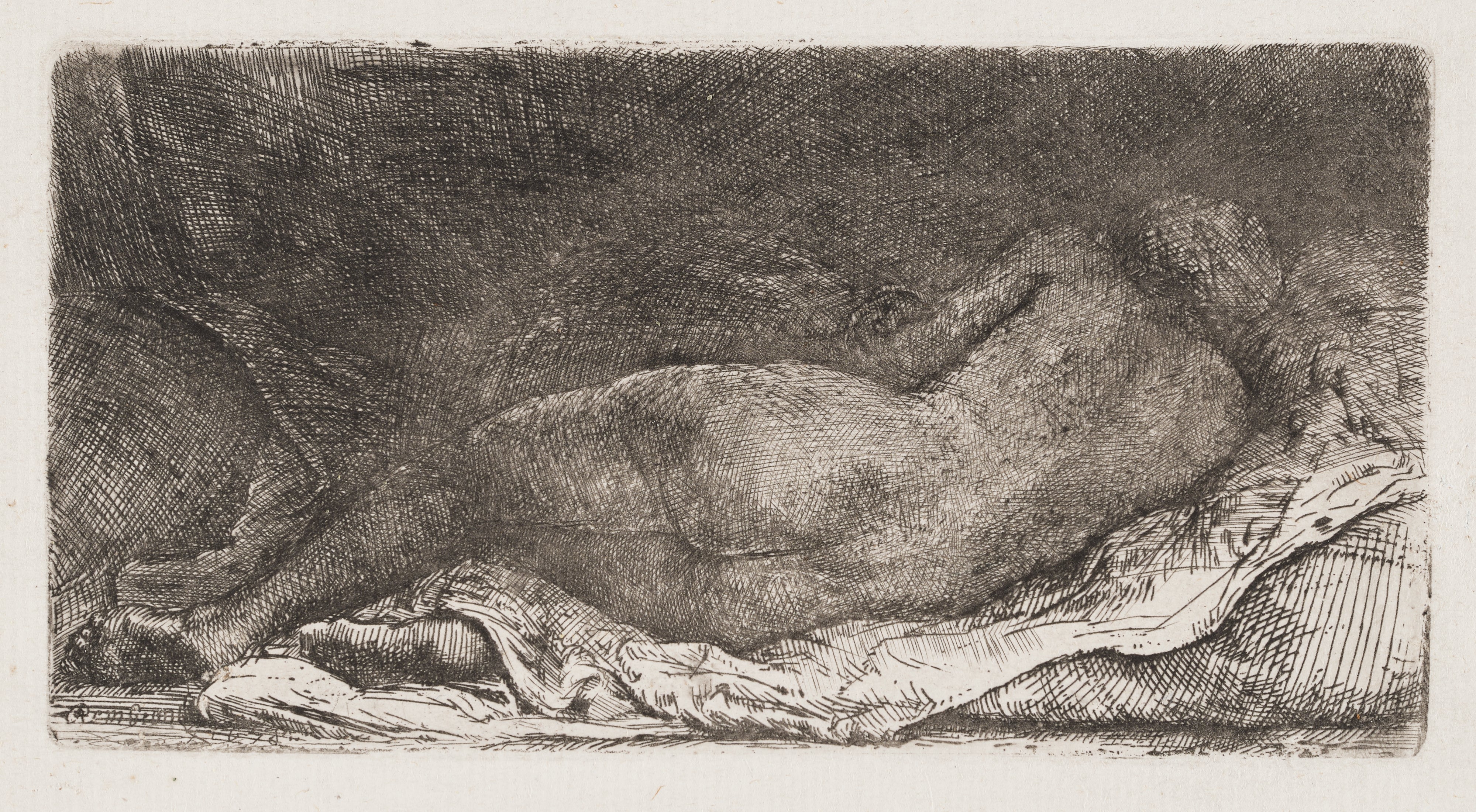
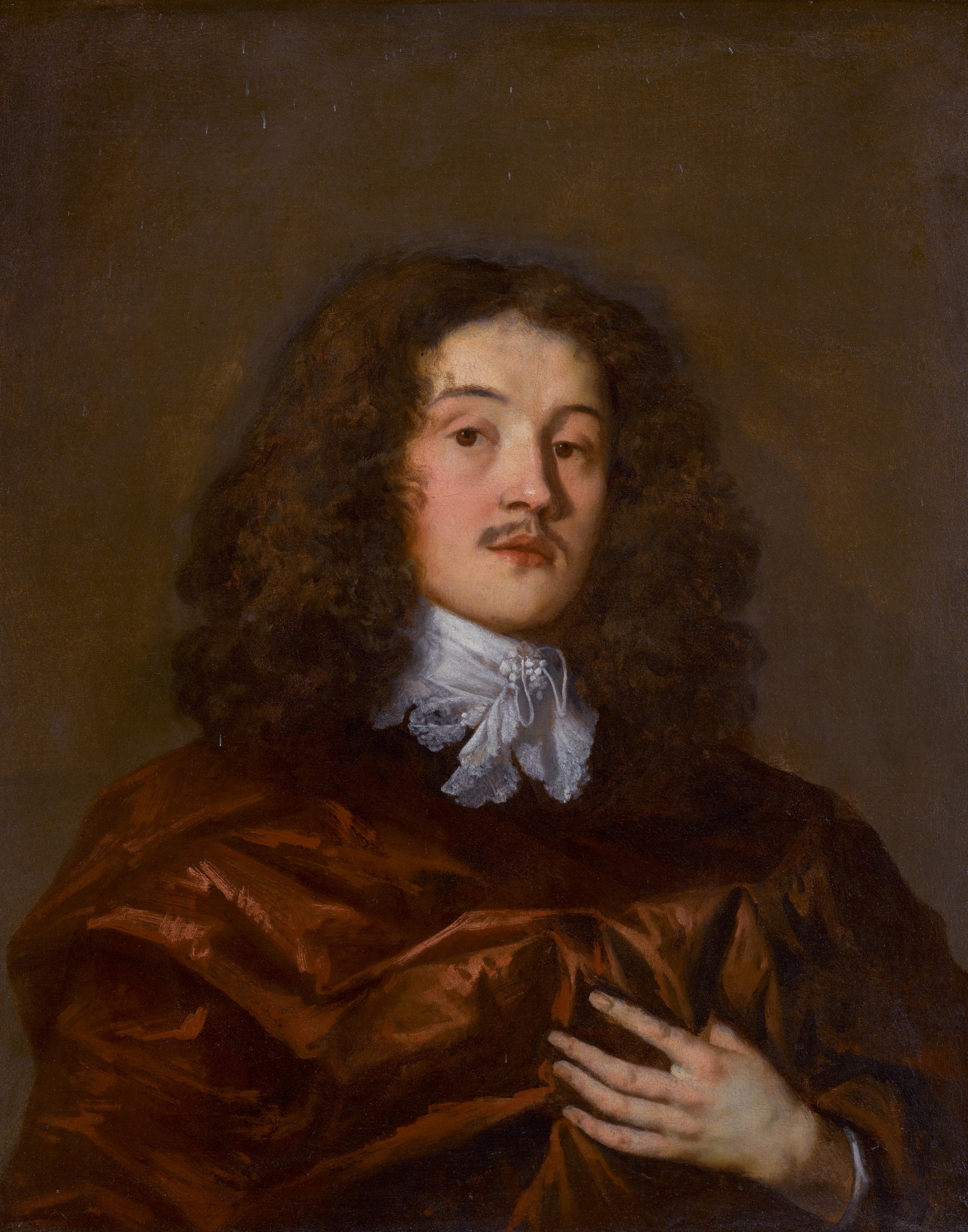
Here the drama was intimate rather than monumental. Rembrandt van Rijn, whose presence on The Collection is substantial and extraordinary, understood light not as illumination but as revelation. In his portraits and narrative scenes, shadow does not simply describe form. It suggests interiority, the hidden life of the person before us.
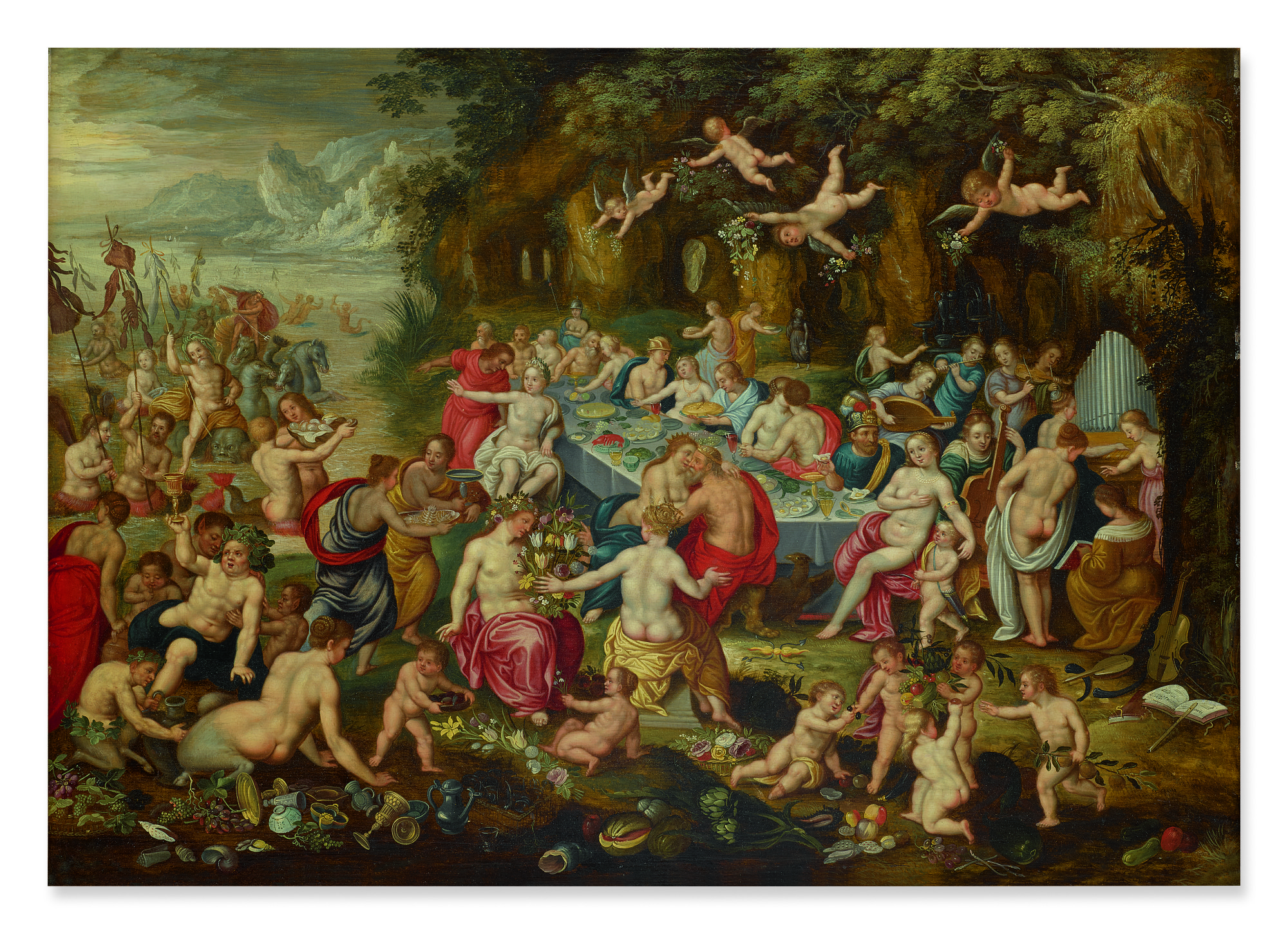
Jan Lievens, who shared a studio with Rembrandt in Leiden in the late 1620s and whose work is sometimes virtually indistinguishable from his colleague's early output, brings a similar intensity to his compositions. The relationship between these two artists, so close in youth and so divergent in later career, is one of the genuinely compelling stories of the period. The Baroque also found exquisite expression in genres that might seem, at first, less obviously dramatic. Still life painting in the Netherlands and Flanders achieved a kind of concentrated grandeur under artists like Osias Beert the Elder and Jacob van Hulsdonck, whose tabletop arrangements of oysters, fruit, and glassware contain the same light and shadow dynamics as any history painting.
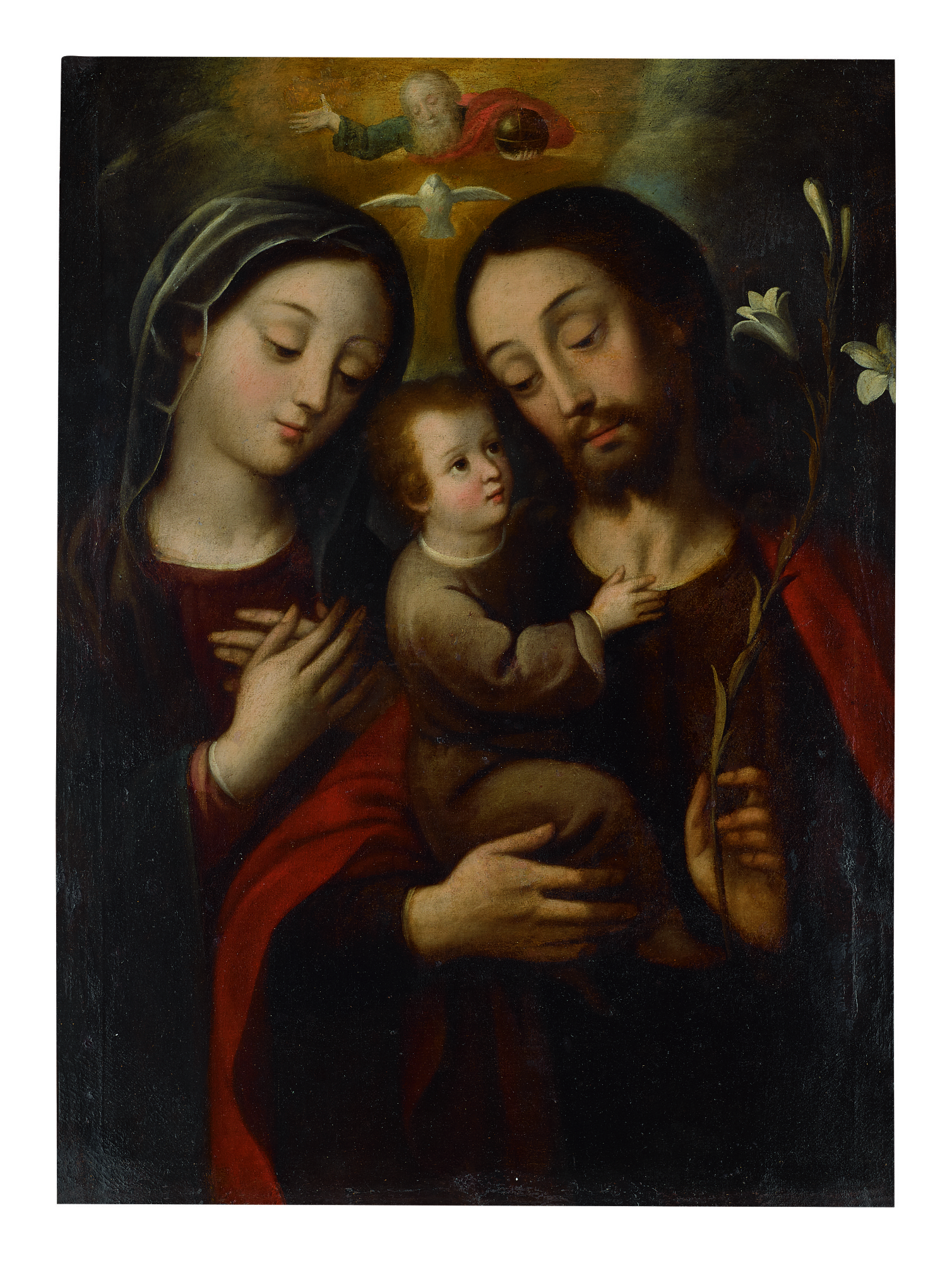
Baltasar de Vargas Figueroa
Holy Family
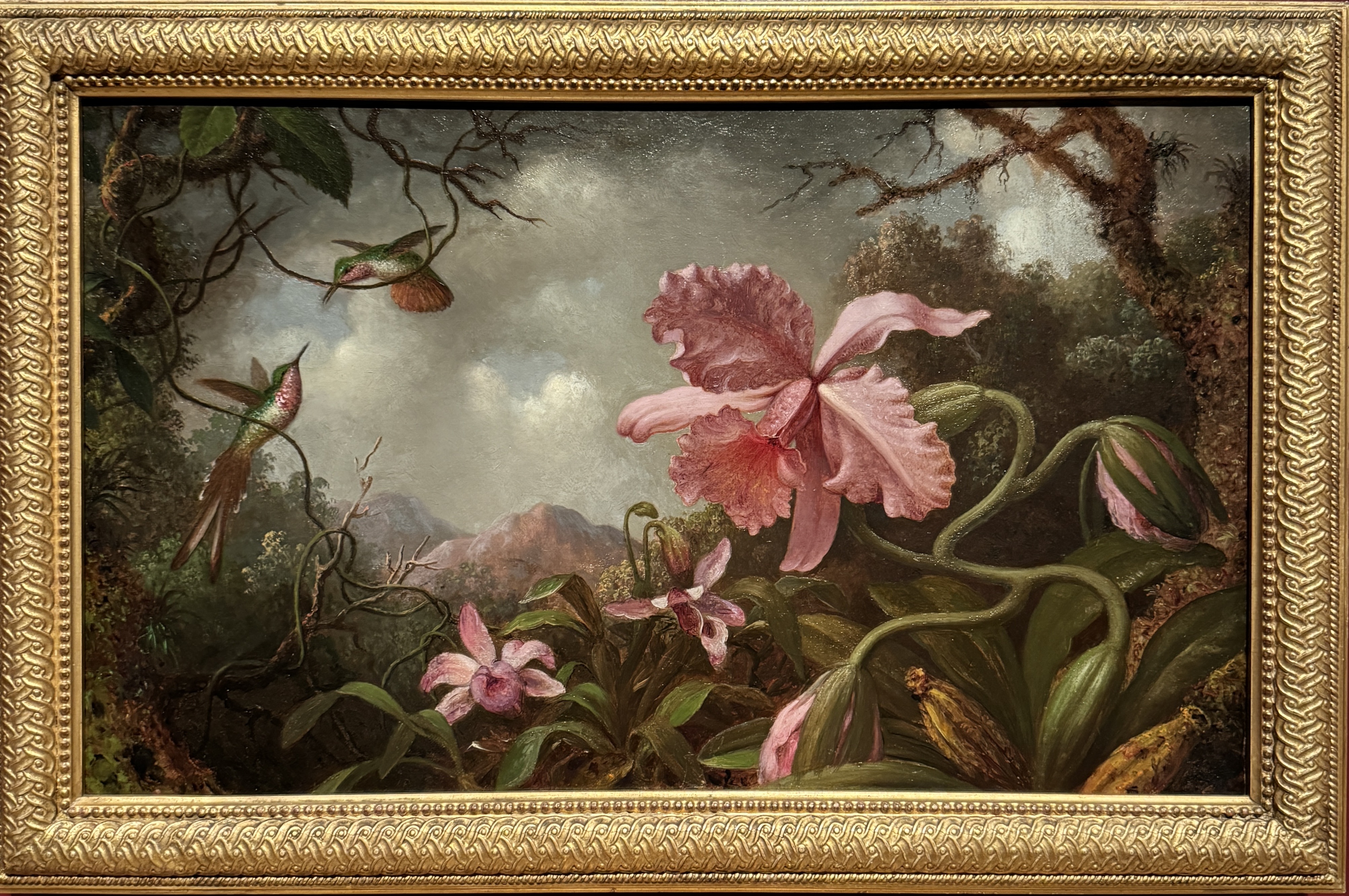
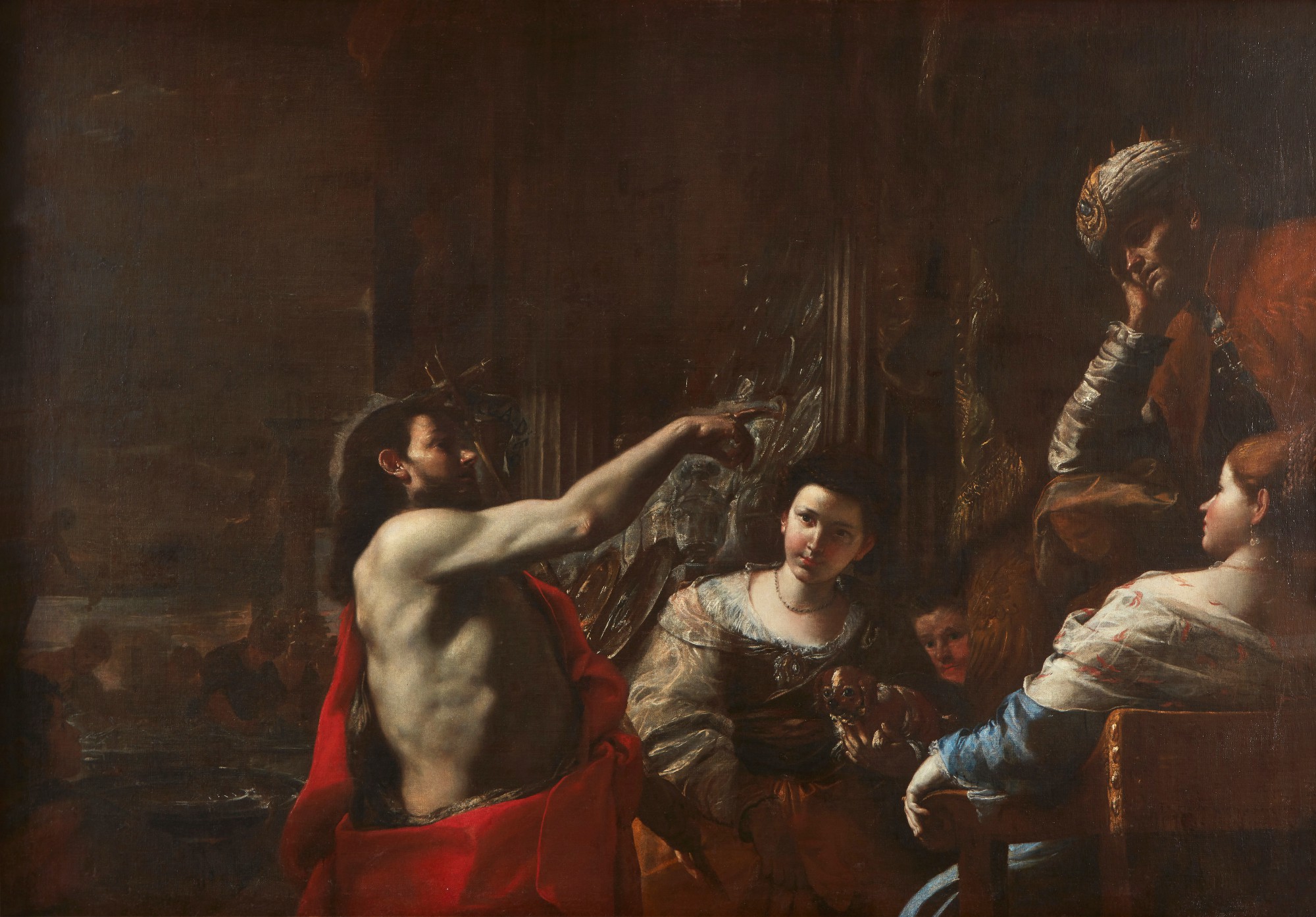
Rachel Ruysch, who was still working in the early eighteenth century and became one of the most celebrated and highly paid painters of her era, brought a botanical precision and sensuous excess to flower painting that feels both scientific and deeply emotional. Peter Binoit similarly worked within this tradition, and the cumulative effect of encountering multiple works in this genre is to understand it as something far more ambitious than decorative record keeping. In Italy, the tradition continued and evolved through the seventeenth century and well into the eighteenth. Mattia Preti, born in Calabria in 1613 and eventually based in Malta, brought a darkly theatrical grandeur to his religious scenes that owes everything to Caravaggio and nothing to sentimentality.
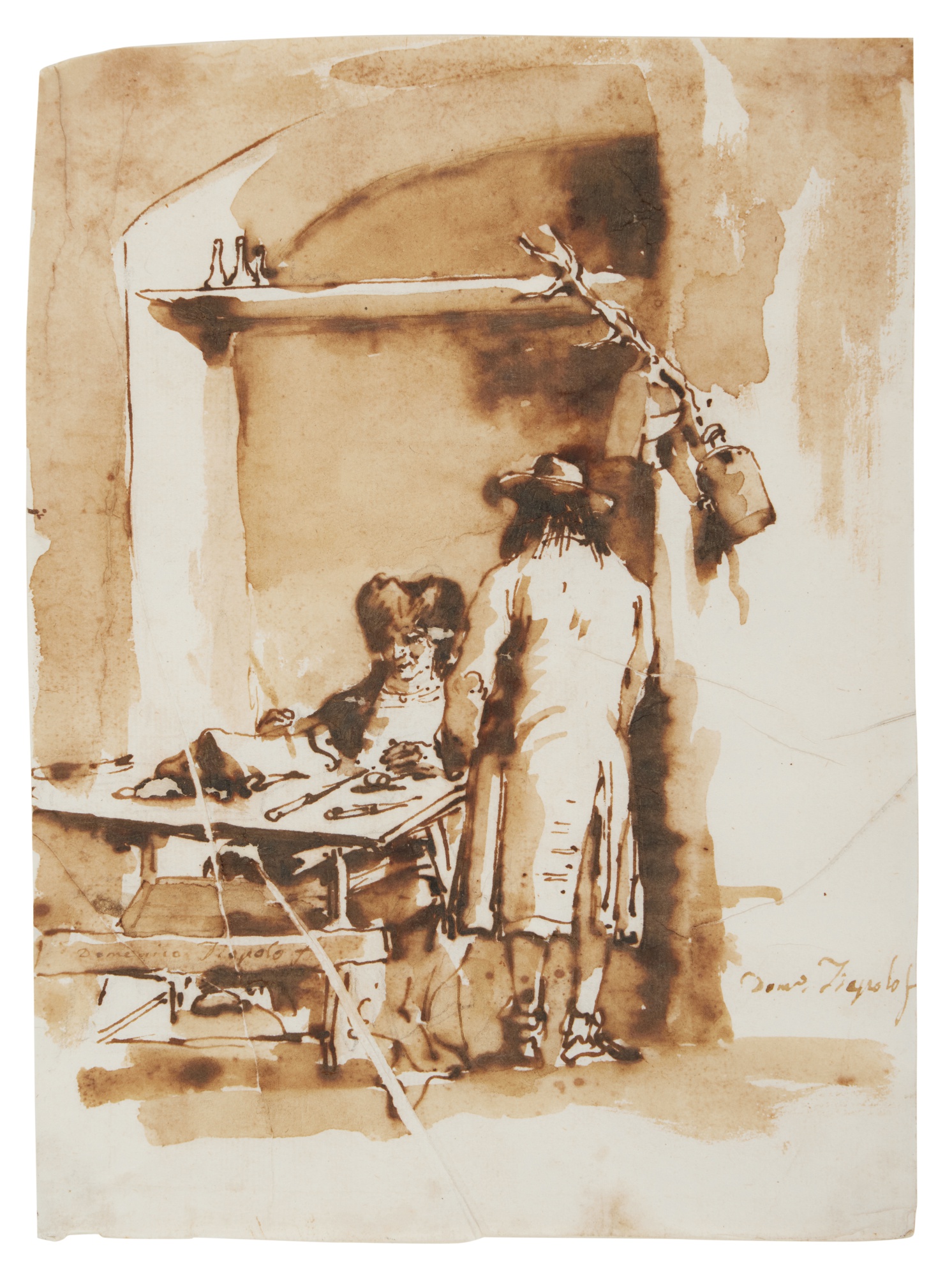
Francesco Solimena, working in Naples into the 1740s, represents a later, more rhetorical phase of the Italian Baroque, where the drama tips toward the spectacular. The Tiepolo family, Giovanni Battista and his son Giovanni Domenico, carried the tradition forward into the Rococo, their ceiling frescoes and easel paintings full of airborne figures and luminous skies that feel like the Baroque's most euphoric last breath. David Teniers the Younger and Caspar Netscher, working in the northern tradition, added their own textures to this vast collective enterprise. The techniques that make Baroque painting so immediately recognizable are inseparable from its emotional ambitions.
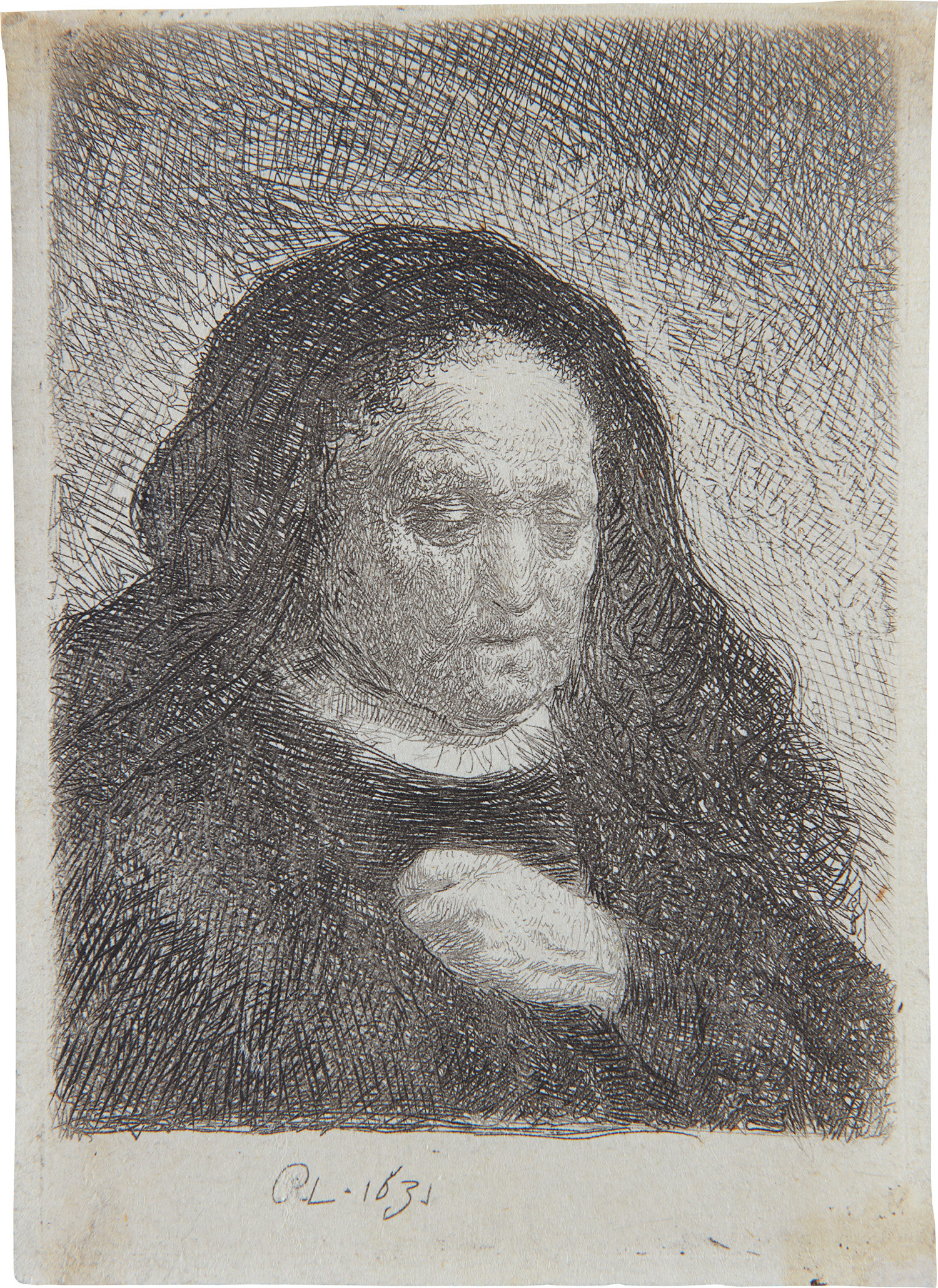
Rembrandt Harmensz. van Rijn
Rembrandt's Mother with her Hand on her Chest
Chiaroscuro, the structuring of a composition through extreme contrasts of light and dark, is not merely a formal device. It enacts a moral and spiritual logic, drawing the eye and the attention toward what the painter considers worthy of illumination. Tenebrism, the more radical variant associated with Caravaggio and his followers, pushes this further, plunging backgrounds into near total darkness and making the figures seem to materialize from nothing. Artists working in this mode chose their pigments accordingly, building shadows with layers of earth tones and then applying light in opaque, confident passages that still read as almost physically present.
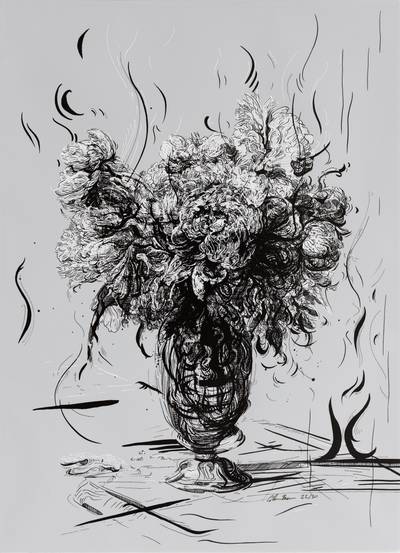
The influence of the Baroque did not end with the period itself. It went underground in the eighteenth century, was consciously revived by the Romantics, and has never entirely left the conversation. Contemporary artists continue to engage with it on remarkably direct terms. Glenn Brown's paintings, which appear on The Collection alongside these historical works, take Baroque and Old Master compositions as their explicit subject matter, stretching and distorting them through a paint surface that mimics the look of thick impasto while remaining almost flat.
Vik Muniz has similarly worked with the visual language of art history, including its Baroque chapter, as material to be remade. That these artists appear in the same context as Rembrandt or Rubens is not incongruity. It is a recognition that the Baroque asked questions about visibility, mortality, and the power of images that we have not finished answering.