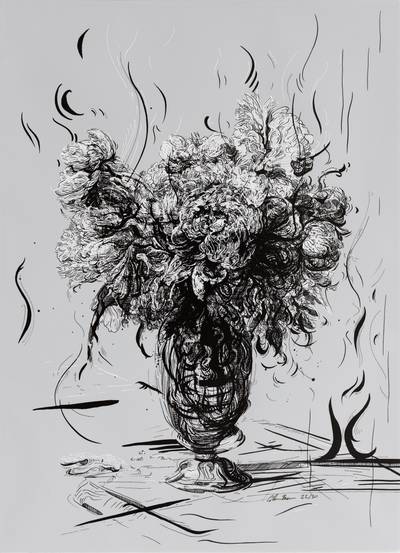
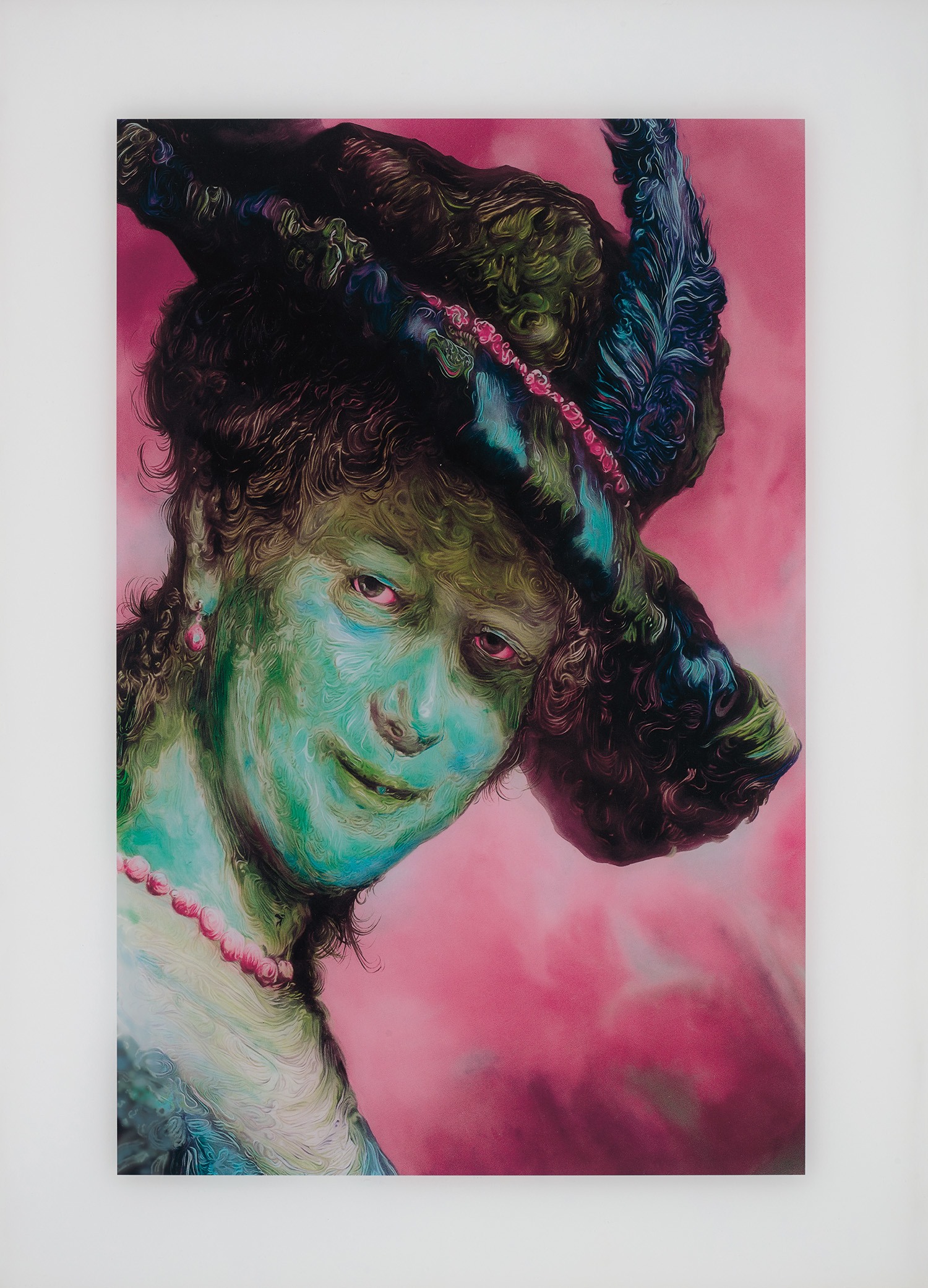
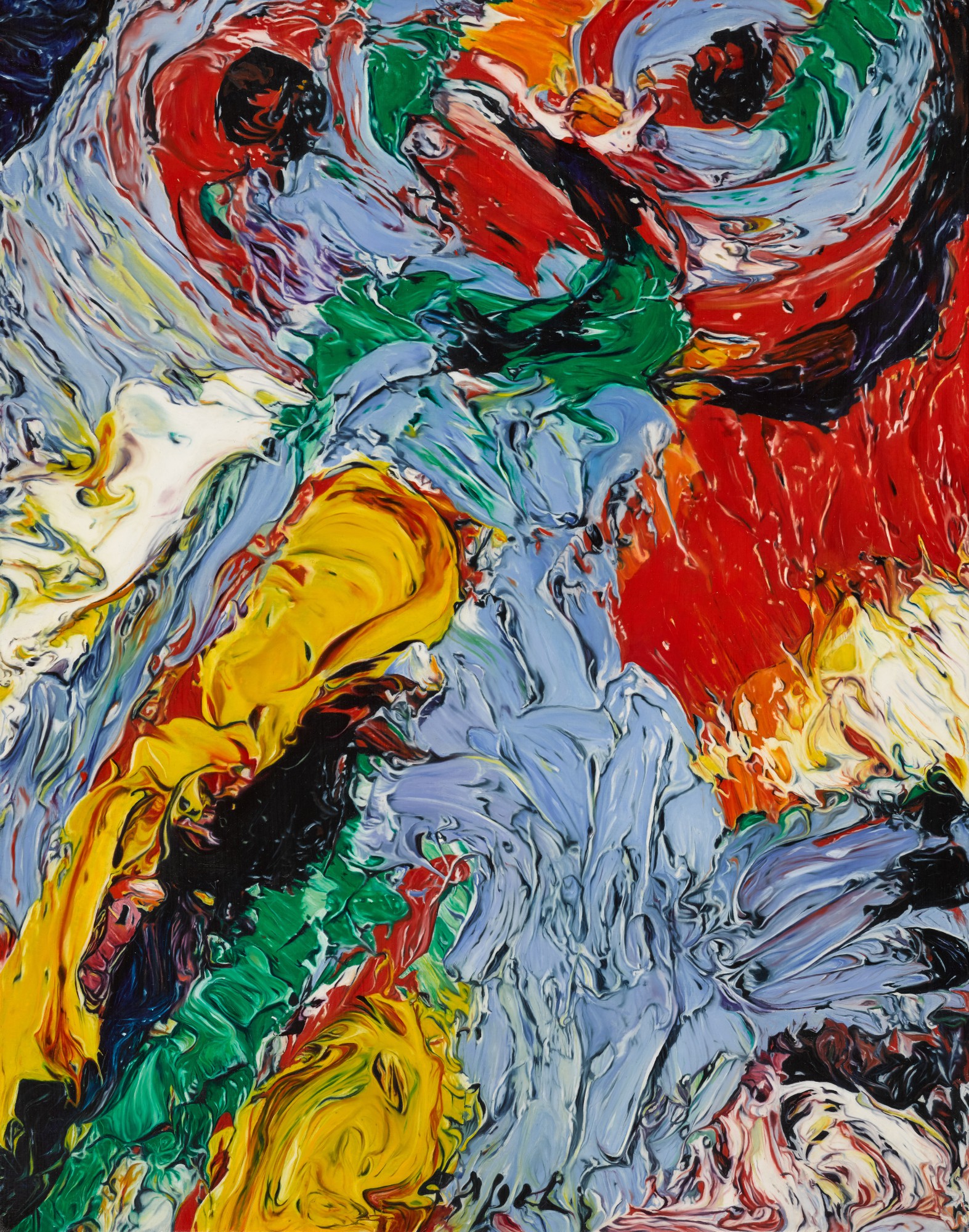
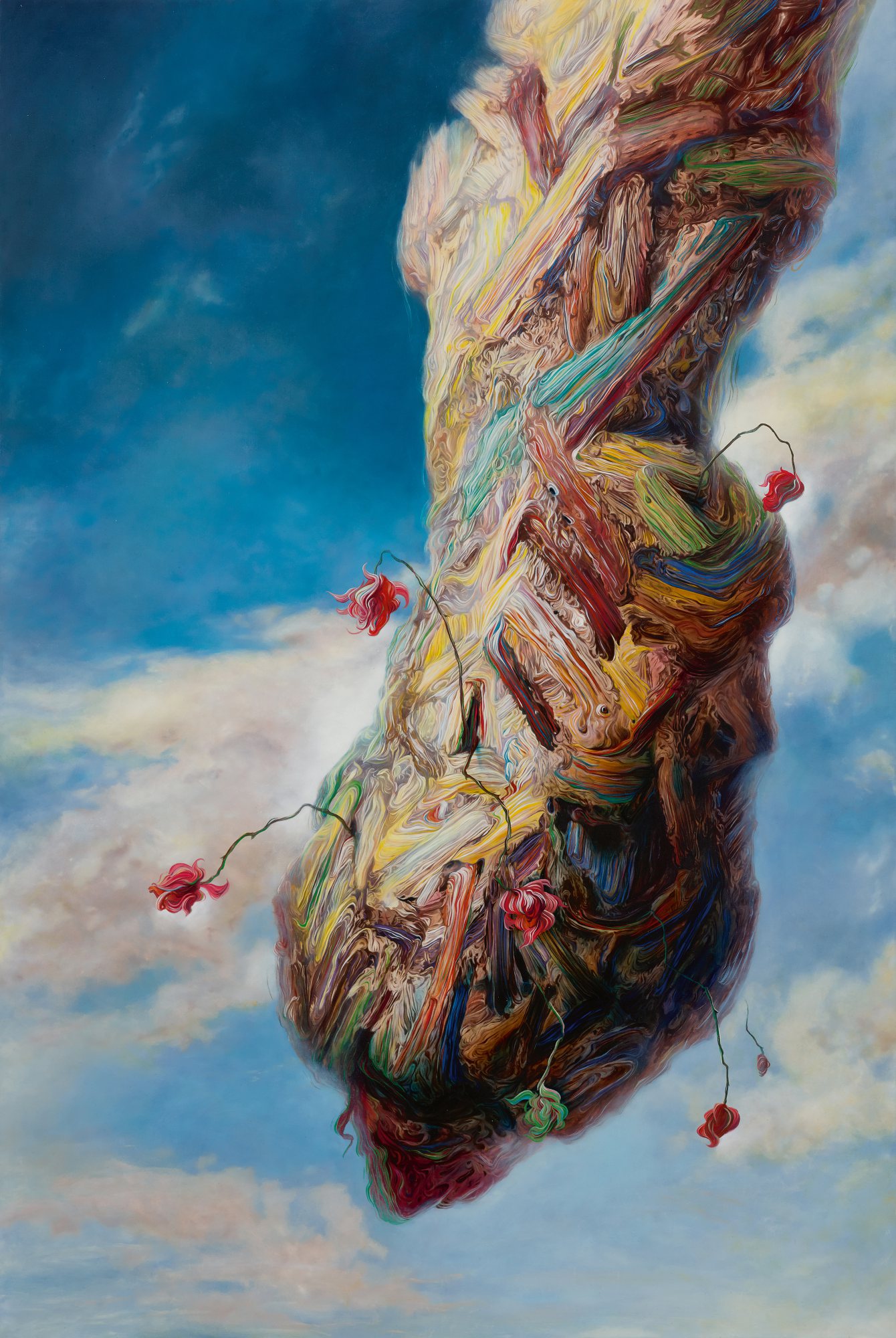
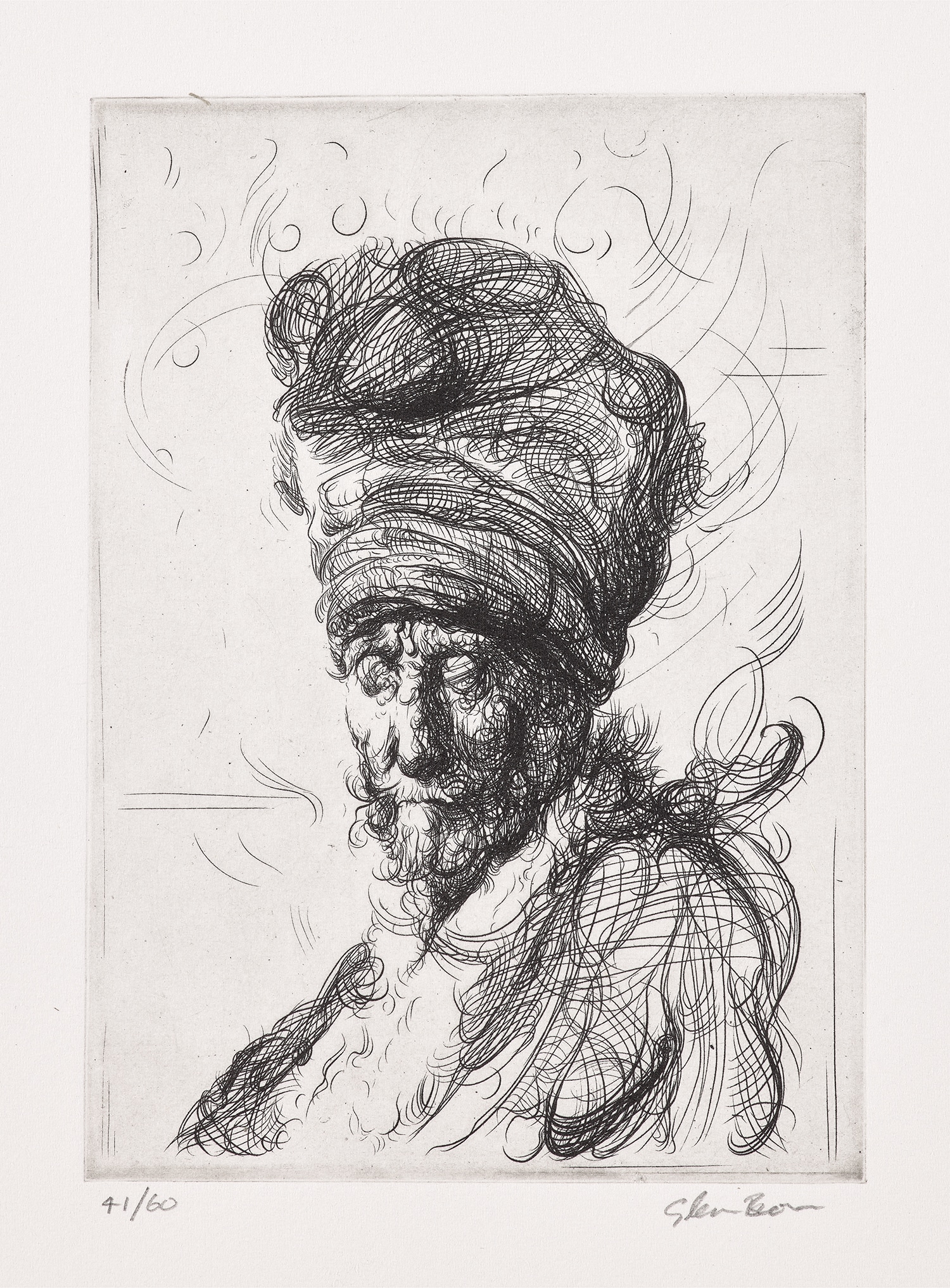
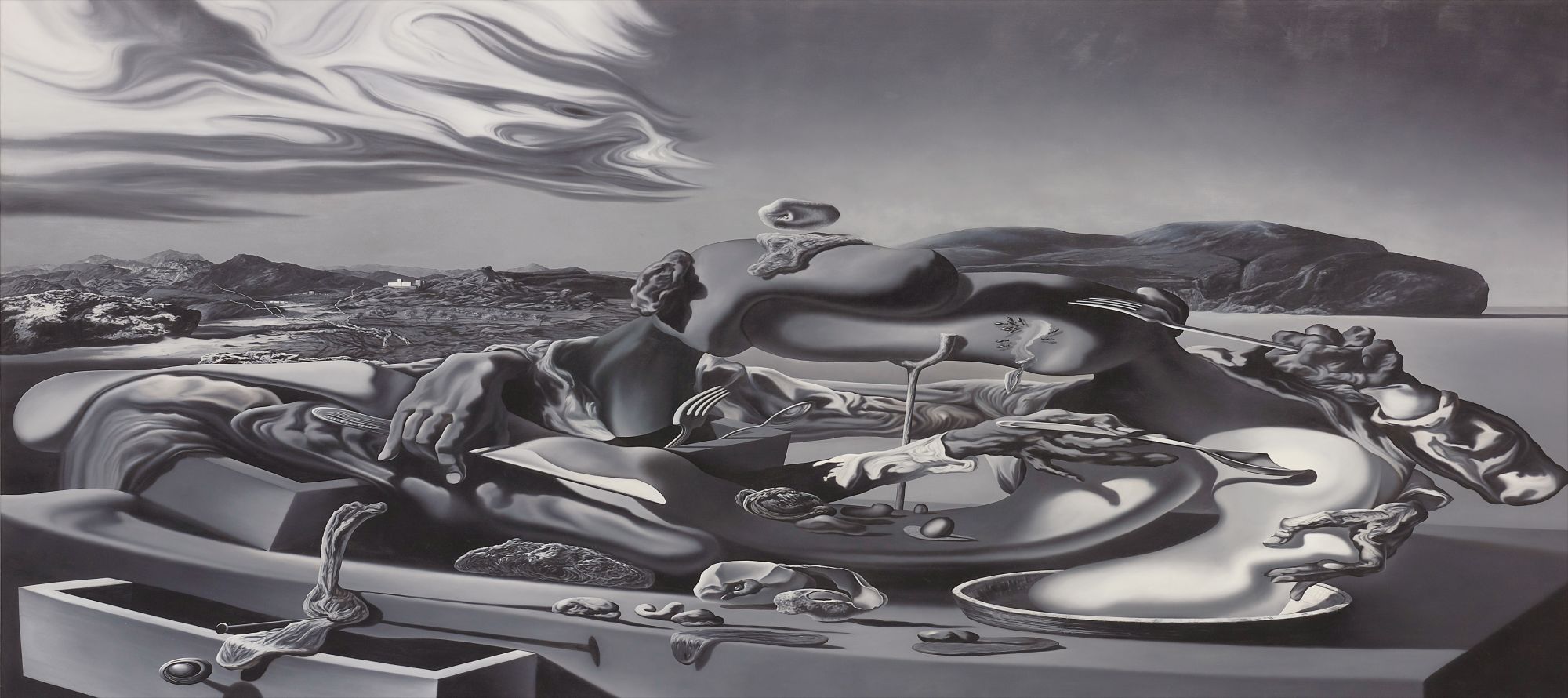
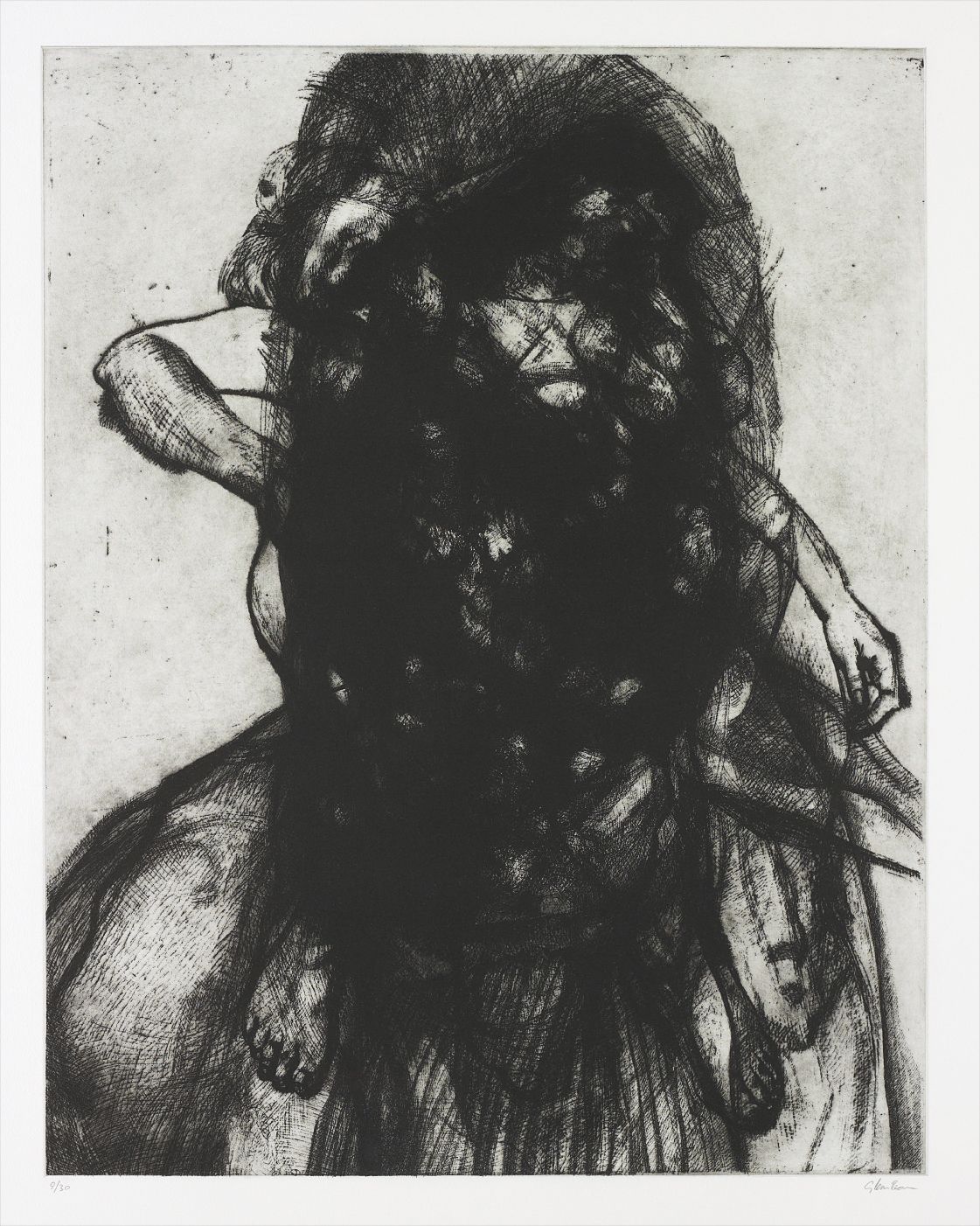
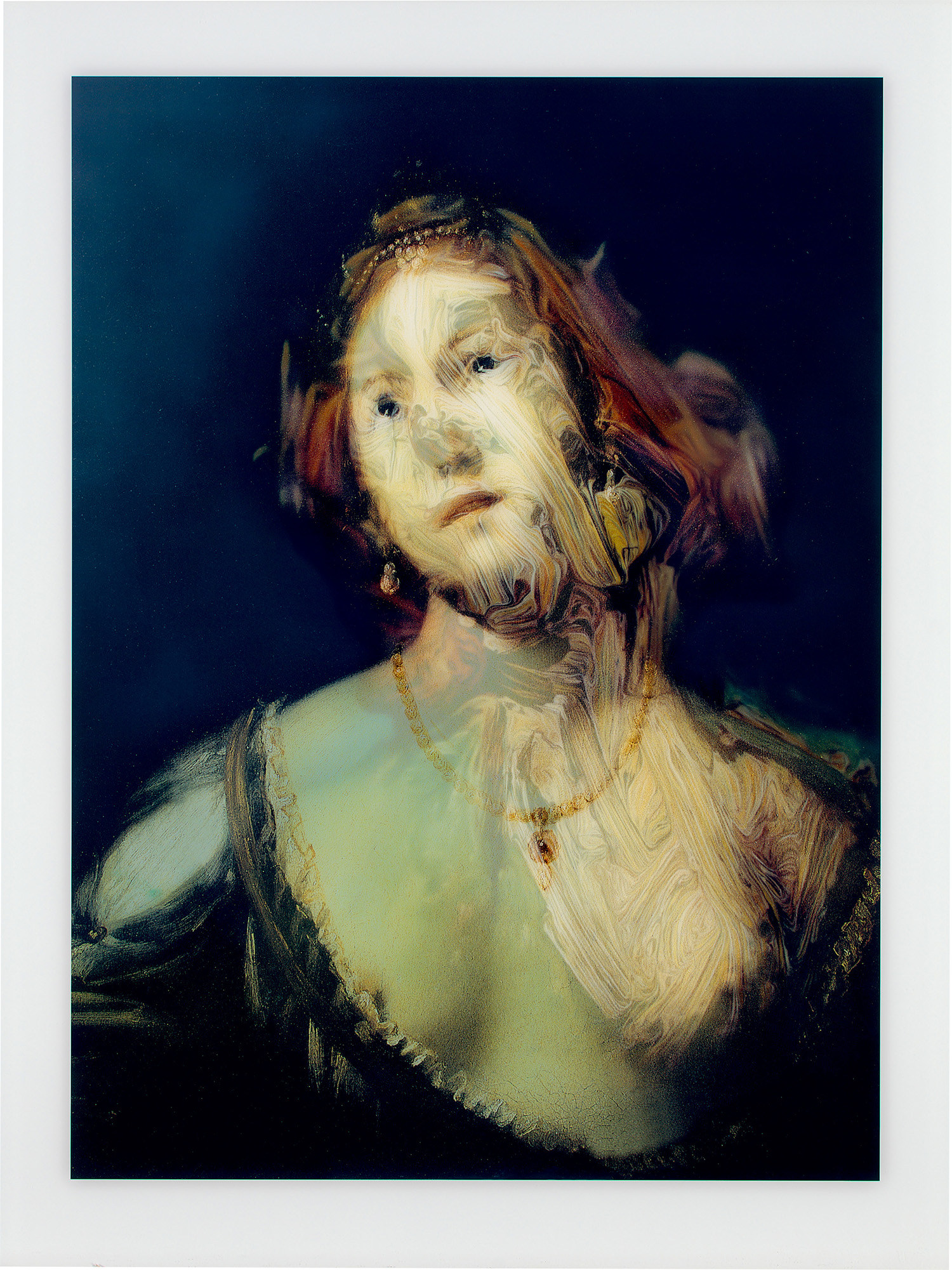
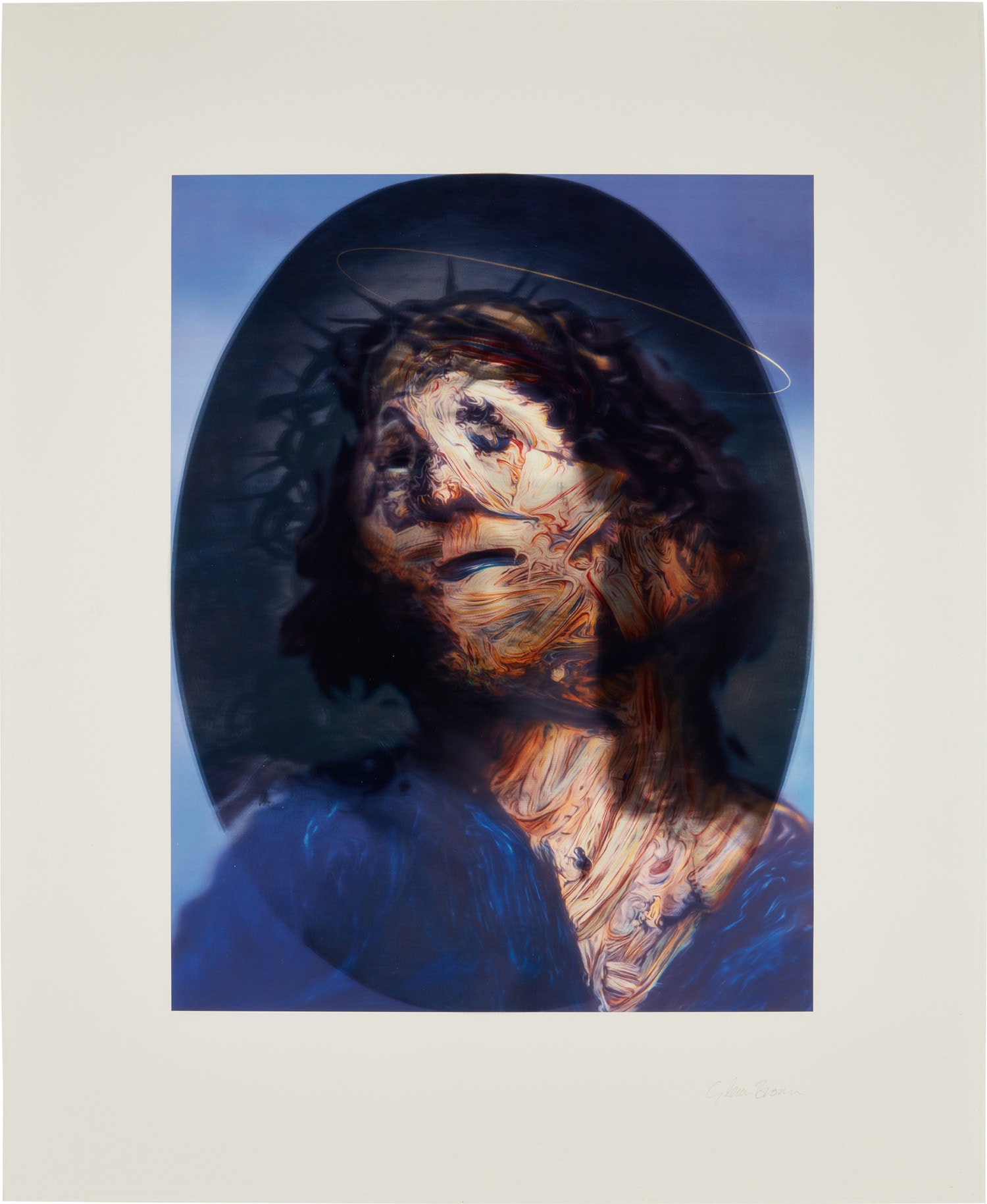
When Gagosian presented Glenn Brown's paintings in recent years, the gallery rooms fell into a particular kind of hush. Visitors leaned in close, instinctively, searching for the brushwork that should be there and finding instead a surface so immaculately resolved it seems to exist outside of time. That quality, simultaneously ancient and utterly contemporary, is precisely what has made Brown one of the most compelling and consistently surprising figures in British painting today. His canvases are held by Tate Modern and major institutional collections across Europe and North America, and his reputation has only deepened as the decades pass. Brown was born in 1966 and grew up in Britain during a period of immense cultural ferment. He studied at Norwich School of Art before completing his MFA at Goldsmiths College, London, that crucible of late 1980s British art that produced an extraordinary generation of practitioners. Goldsmiths in that era was defined by a spirit of intellectual rigour combined with a fearless willingness to question what painting could even mean in a post conceptual world. Brown absorbed those lessons and turned them toward a deeply personal and obsessive engagement with the history of Western art, emerging with a practice that was unlike anything his peers were doing. The foundation of Brown's work is appropriation, but the word barely does justice to the transformation involved. He begins with existing images, drawn from a vast and eclectic archive that ranges from Rembrandt and Anthony van Dyck to Auerbach, Chris Foss science fiction paperback covers, and Salvador Dalí. He then reproduces and radically distorts these sources, stretching, recolouring, and reconfiguring them until they become something new and strange. The result is a body of work that is simultaneously an act of homage and a kind of loving destruction. Brown has described his process as a way of getting inside another artist's imagination, and the intimacy of that ambition comes through in every square centimetre of paint. What strikes every viewer who encounters a Glenn Brown painting in person is the surface. Historical painters from Rembrandt to van Gogh to Auerbach built their canvases through thick, expressive impasto, with paint piled high in ridges and peaks that cast actual shadows across the picture plane. Brown reproduces the visual appearance of those gestural marks with extraordinary fidelity while rendering them completely flat. His surfaces are glassy and seamless, achieved through a painstaking technique that can take months per painting. The effect is deeply disorienting in the best possible sense: the eye reads texture that the fingertip would never find. It is a meditation on illusion, representation, and the gap between seeing and knowing that sits at the very heart of painting as a discipline. Among his most celebrated works, The Revolutionary Corps of Teenage Jesus, the 2005 oil on panel available through The Collection, demonstrates his full command of this approach. Faces dissolve and reform across a surface that seems to writhe with movement while remaining entirely still. Oscillate Wildly, his reworking of Dalí's 1936 Autumnal Cannibalism, takes one surrealist master's imagery and passes it through Brown's own surrealist sensibility, creating a dialogue across generations that feels urgent rather than academic. His sculptures, such as The Flowers of Arles from 2016, extend these concerns into three dimensions, with oil paint applied to fibreglass and stainless steel forms that carry the same uncanny relationship between apparent and actual texture. His works on paper and in print, including the Drawing series after Van Dyck and after Gossaert, reveal a draughtsman of exceptional refinement, with Indian ink and acrylic on film producing images of haunting delicacy. Brown was shortlisted for the Turner Prize, an acknowledgment from the British art establishment that confirmed what many collectors and curators had long understood. His work occupies a rare position in contemporary art: it is rigorously intellectual without being cold, technically astonishing without being merely virtuosic, and rooted in art history without being nostalgic. He belongs to a lineage that includes painters who have thought seriously about what it means to make images after photography, after postmodernism, after the supposed death of painting. In that company one might think of Neo Rauch for the dream logic of constructed figuration, or of Cecily Brown for the way Old Master influence can be reinvented with contemporary vitality, or of John Currin for the knowing engagement with historical styles. But Brown's particular investigation, that sustained inquiry into surface, illusion, and the ethics of borrowing, is entirely his own. From a collecting perspective, Brown's work rewards close attention and long acquaintance. His paintings appreciate not only financially but emotionally: owners frequently speak of discovering new details and new layers of meaning years into living with a work. The prints and works on paper offer points of entry for collectors building a relationship with his practice, while the major oil paintings on canvas and panel represent some of the most significant investments available in contemporary British art. Works such as World Without End, oil on canvas, or The Artist's Father etching demonstrate the range and consistency of a practice that has never stood still. Auction results for Brown's paintings have reflected sustained institutional and private demand, with his oils regularly achieving strong results at the major London and New York houses. Glenn Brown matters today because the questions his work asks have not become any less pressing. In an era saturated with images, in which every visual reference is instantly available and every historical style is a click away, his patient and philosophical engagement with what it means to look at a painting feels more necessary than ever. He does not simply remix or sample. He meditates, transforms, and ultimately creates something that could not exist without him. The smooth, uncanny surfaces of his canvases are among the most distinctive and memorable in contemporary art, and the depth of thinking behind them ensures that they will continue to reward collectors, curators, and viewers for generations to come.