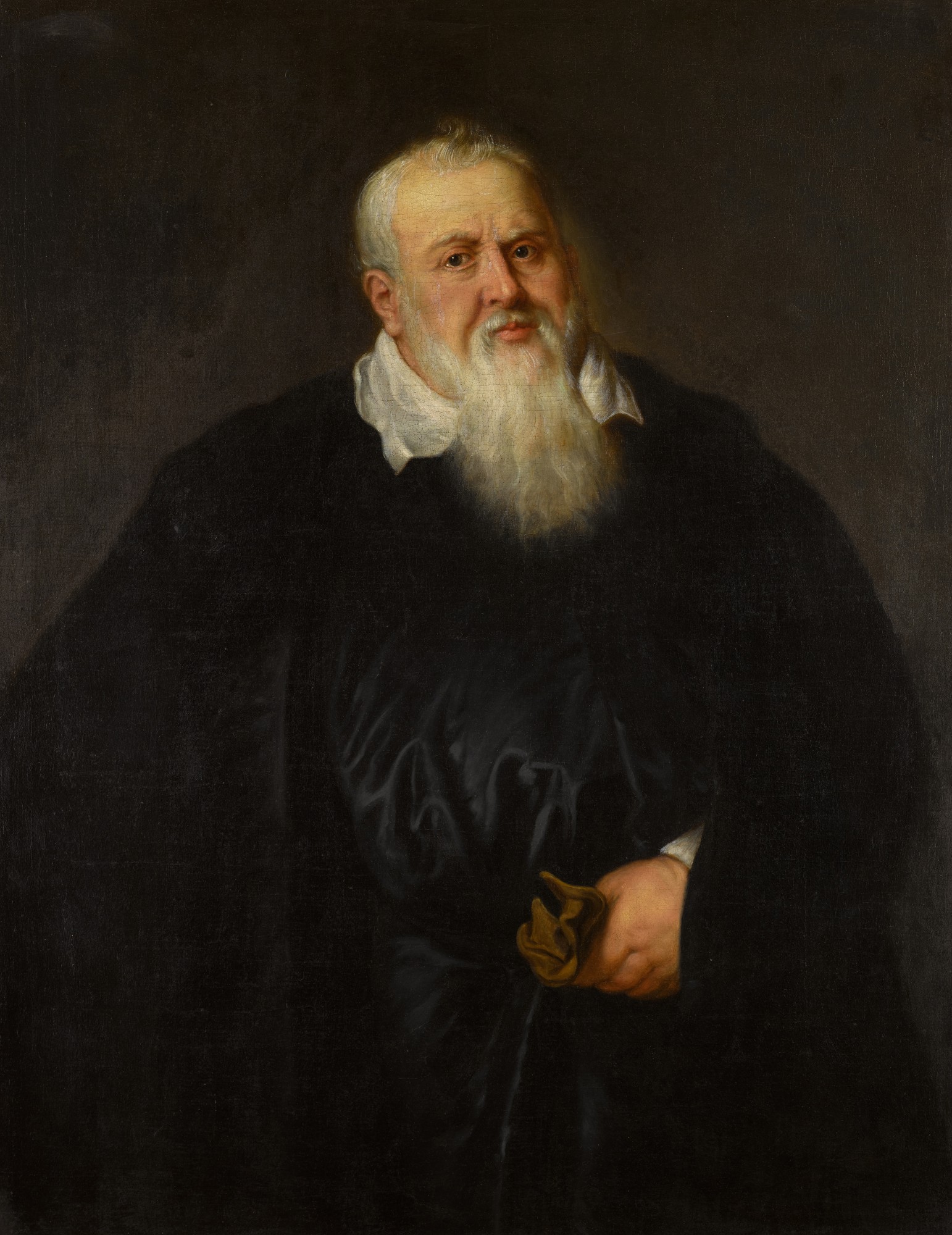
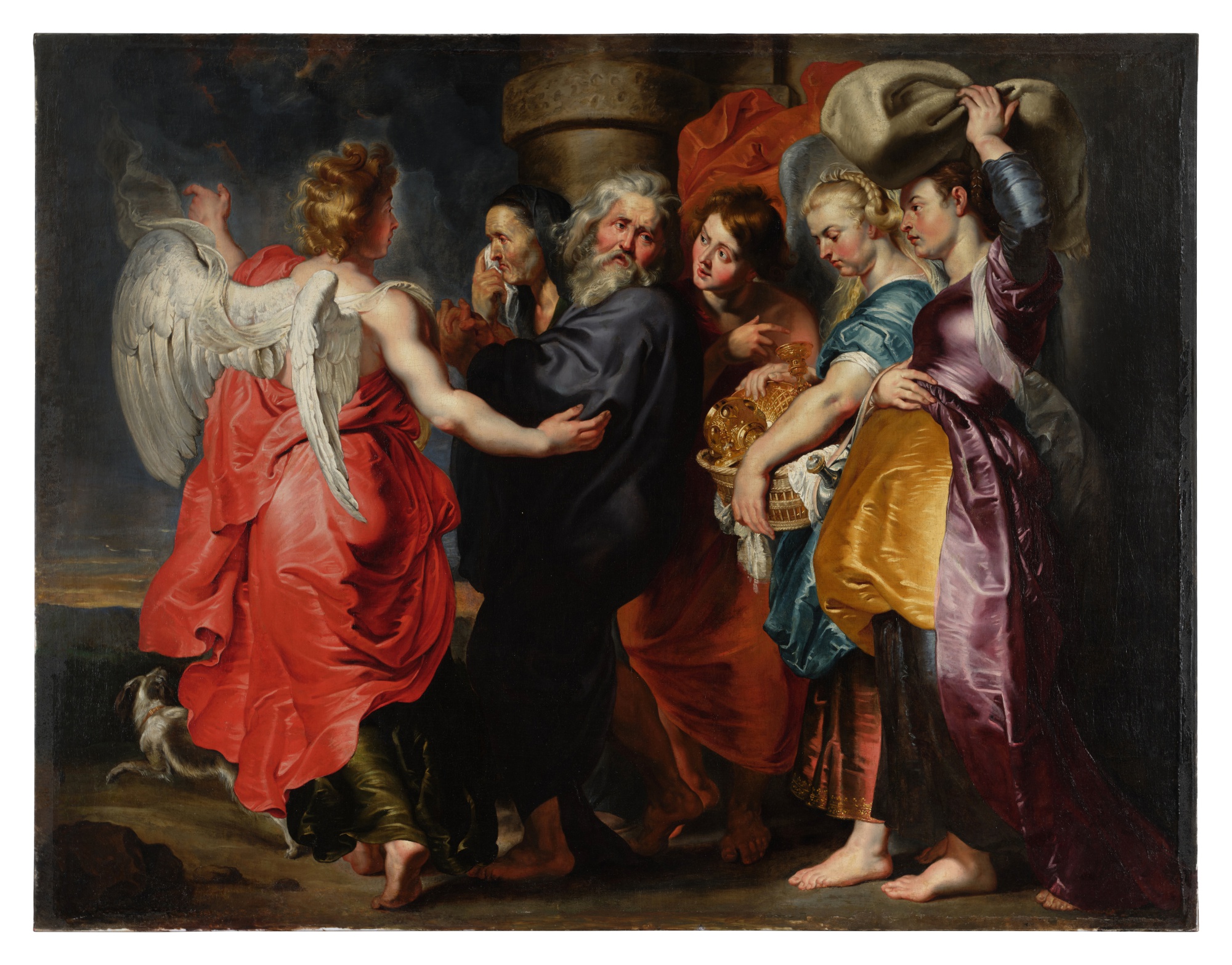
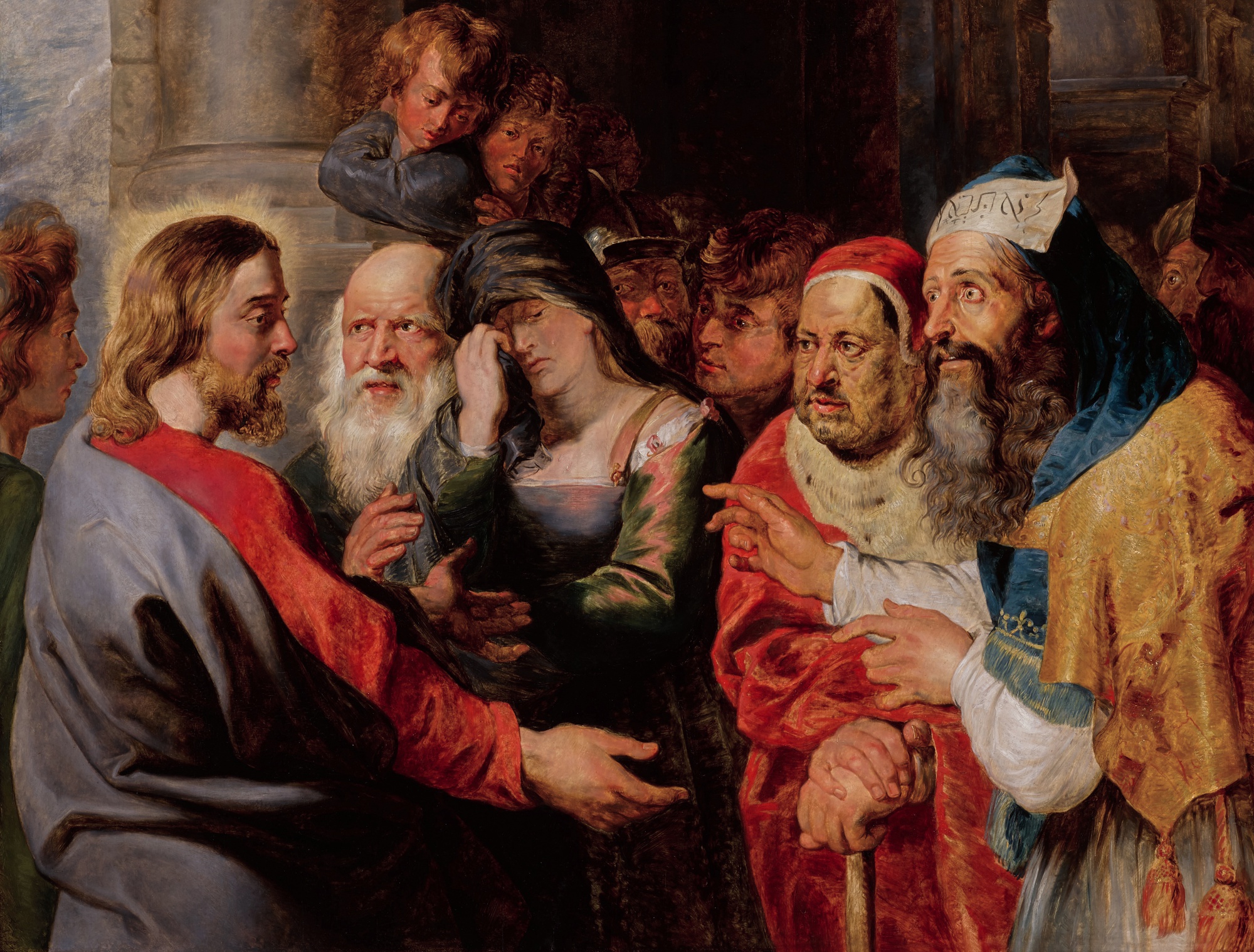
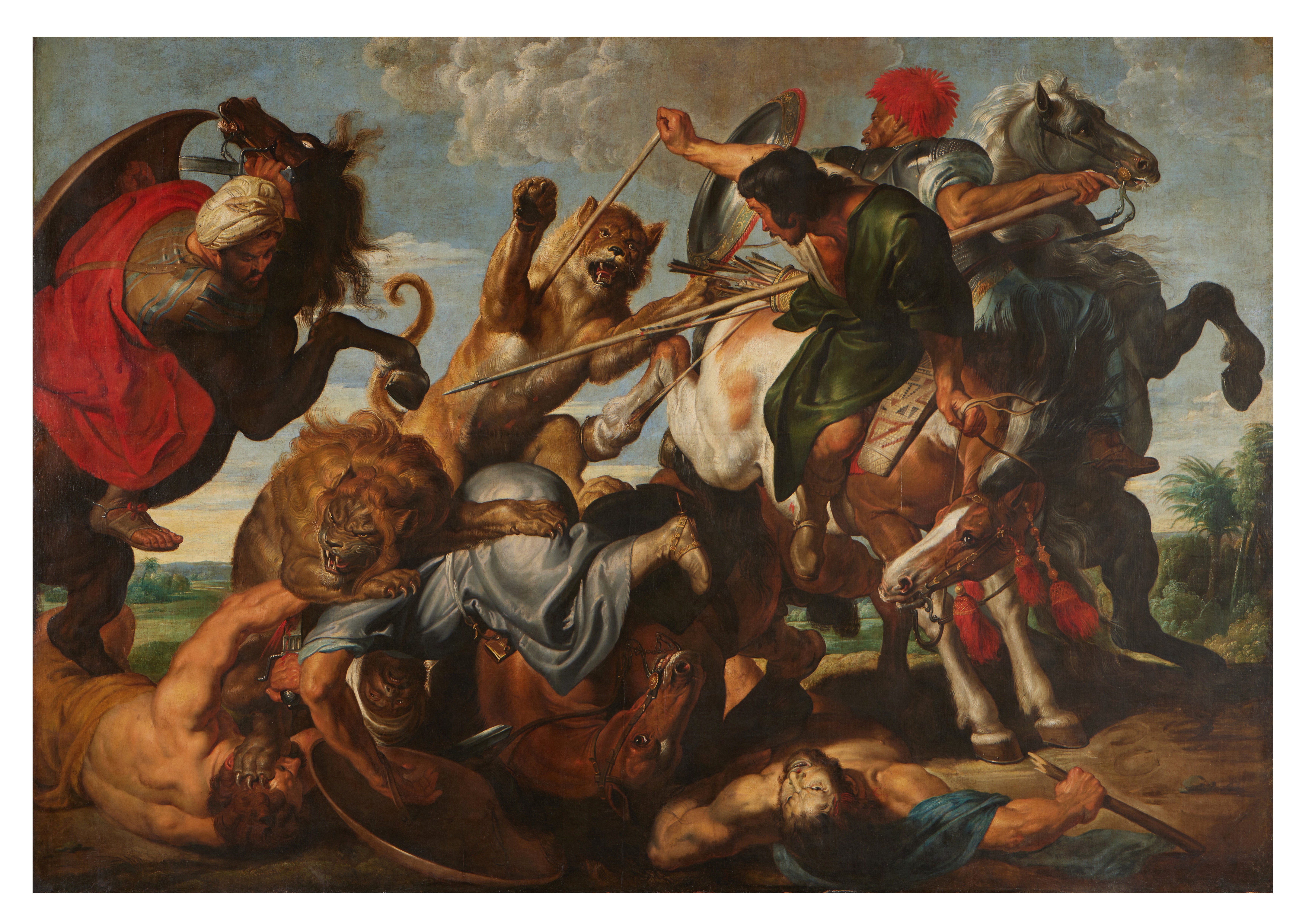
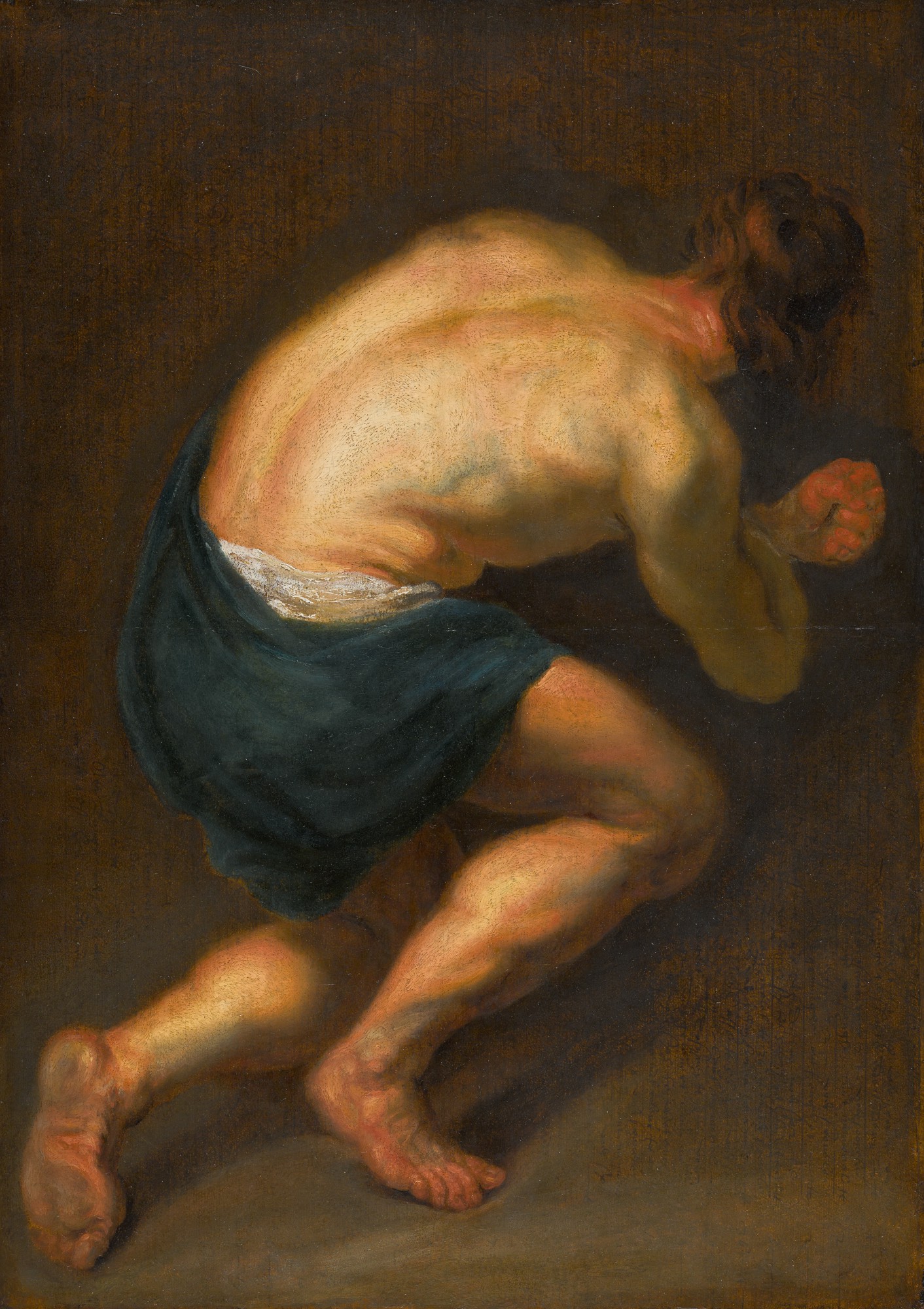
In the grand galleries of the Kunsthistorisches Museum in Vienna, or along the hushed corridors of the Prado in Madrid, the experience of standing before a painting that carries the designation 'Workshop of Sir Peter Paul Rubens' is something altogether particular. It is not the encounter with a single hand but with a living system, a creative engine that transformed seventeenth century Antwerp into the artistic capital of northern Europe. These works remind us that genius, at its most ambitious, finds ways to multiply itself, to reach further than any single pair of hands could manage alone. The workshop tradition Rubens perfected was not a compromise but a philosophy, and its products have held collectors and institutions in thrall for nearly four centuries. Peter Paul Rubens was born in 1577 in Siegen, in what is now Germany, to a Flemish family that would eventually return to Antwerp following his father's death. He came of age in a city that was simultaneously recovering from the devastation of the Spanish Fury and reasserting itself as a hub of trade, printing, and humanist thought. Rubens trained under several Antwerp masters, including Tobias Verhaecht and Otto van Veen, absorbing the technical discipline of the Flemish tradition. But it was his time in Italy, spanning from 1600 to 1608, that truly shaped the painter he would become. He absorbed Titian's chromatic sensibility, Michelangelo's muscular grandeur, and Caravaggio's theatrical drama, synthesizing these influences into something entirely his own. When Rubens returned to Antwerp in 1608, following the death of his mother, he quickly established himself at the very summit of European artistic life. Appointed court painter to the Archdukes Albert and Isabella, he enjoyed a social and professional status rare for any artist of his era. Commissions flooded in from rulers, cardinals, and wealthy merchants across the continent. The demand was so vast and so urgent that a single pair of hands, even the most gifted in Europe, could not possibly meet it. Rubens responded with characteristic pragmatism and organizational brilliance, building a workshop that operated with the efficiency and ambition of a great Renaissance bottega, yet with a northern European precision all its own. His studio on the Wapper in Antwerp, portions of which survive today as the Rubenshuis museum, was the command center of this extraordinary enterprise. The workshop system Rubens established was sophisticated and tiered. Highly skilled artists, some of them among the greatest painters of the age, contributed their particular talents to collaborative productions. Anthony van Dyck, who would go on to become the defining portraitist of the Stuart court in England, worked closely with Rubens in these years, his fluid brushwork and psychological sensitivity leaving traces across numerous canvases. Frans Snyders, a master of animal painting and still life, frequently contributed the creatures and game that populate Rubens's hunting scenes and allegories. The division of labor was thoughtful and hierarchical: Rubens would provide compositional drawings and oil sketches, assistants would execute the larger passages of drapery and landscape, and the master himself would return to refine faces, hands, and key passages of light. The result was a body of work that is neither purely Rubens nor entirely separable from him. Among the works associated with the workshop that appear on The Collection, certain pieces illuminate different facets of this collaborative genius. The Portrait of Dr Theodore Turquet de Mayerne in oil on canvas represents the workshop's engagement with portraiture at the highest social level. Mayerne was one of the most celebrated physicians of the seventeenth century, serving the courts of both Henri IV of France and James I of England, and his portrait demanded an image equal to his considerable intellectual stature. The Flight of Lot and his Family from Sodom, an oil on canvas of dramatic narrative intensity, demonstrates the workshop's mastery of Old Testament subjects rendered with the full baroque vocabulary of movement, emotion, and divine light. Christ and the Woman Taken in Adultery, executed in oil on panel, reflects the devotional commissions that formed such a large part of the workshop's production, combining theological weight with the warm human sympathy that distinguishes Rubens's religious output. The Lion Hunt in oil on canvas stands as one of the most viscerally thrilling subjects in the Rubens repertoire, a genre in which the collaboration with animal specialists like Snyders reached its most electrifying expression. And the Sketch of a Kneeling Man executed in oil on paper laid on oak panel offers something rarer still: a glimpse into the preparatory process itself, the thinking made visible before the final canvas was stretched. For collectors, works from the Workshop of Rubens occupy a compelling and nuanced position in the market. They offer proximity to one of the towering figures of Western art without the near impossibility of acquiring a fully autograph work, which today reside almost exclusively in major institutional collections. Auction results for workshop attributions have historically varied considerably depending on subject matter, condition, and the degree of the master's personal involvement that scholars can demonstrate. Major houses including Christie's and Sotheby's have handled significant workshop pieces over recent decades, with strong results driven by iconographic importance and quality of execution. Collectors who approach these works with knowledge and discernment understand that the designation 'workshop of' is not a diminishment but a description of how great art was actually made in this period. The oil sketch, in particular, has become a prized category among sophisticated buyers, as these studies often preserve the most immediate and personal traces of Rubens's own hand and invention. Placing the workshop within art history means recognizing its relationship to a broader tradition of collaborative production that stretches from Raphael's Roman studio through to the workshops of Rembrandt in Amsterdam, whose own tiered production system generated similar questions of attribution and authorship. Artists such as Jacob Jordaens, who absorbed the Rubens idiom deeply and carried baroque Flemish painting forward into the second half of the seventeenth century, and Jan Brueghel the Elder, who collaborated directly with Rubens on celebrated allegorical paintings, form the natural constellation around this workshop. Understanding these relationships enriches one's experience of any individual work, revealing it as part of a living artistic conversation rather than an isolated object. The legacy of the Workshop of Rubens endures not simply as a historical curiosity but as a genuinely instructive model of creative ambition meeting practical necessity. Rubens himself described painting as a joy, as something that refreshed rather than exhausted him, and that infectious vitality pulses through the work his studio produced at every level of collaboration. Museums from the Louvre to the Hermitage have grappled seriously in recent scholarship with questions of workshop participation, producing exhibitions and catalogues that have elevated rather than diminished our appreciation of these paintings. For a collector who values the weight of history, the complexity of attribution, and the sheer visual magnificence of the Flemish baroque, a work from this workshop is not a consolation prize. It is an invitation into one of the richest chapters in the story of European painting.