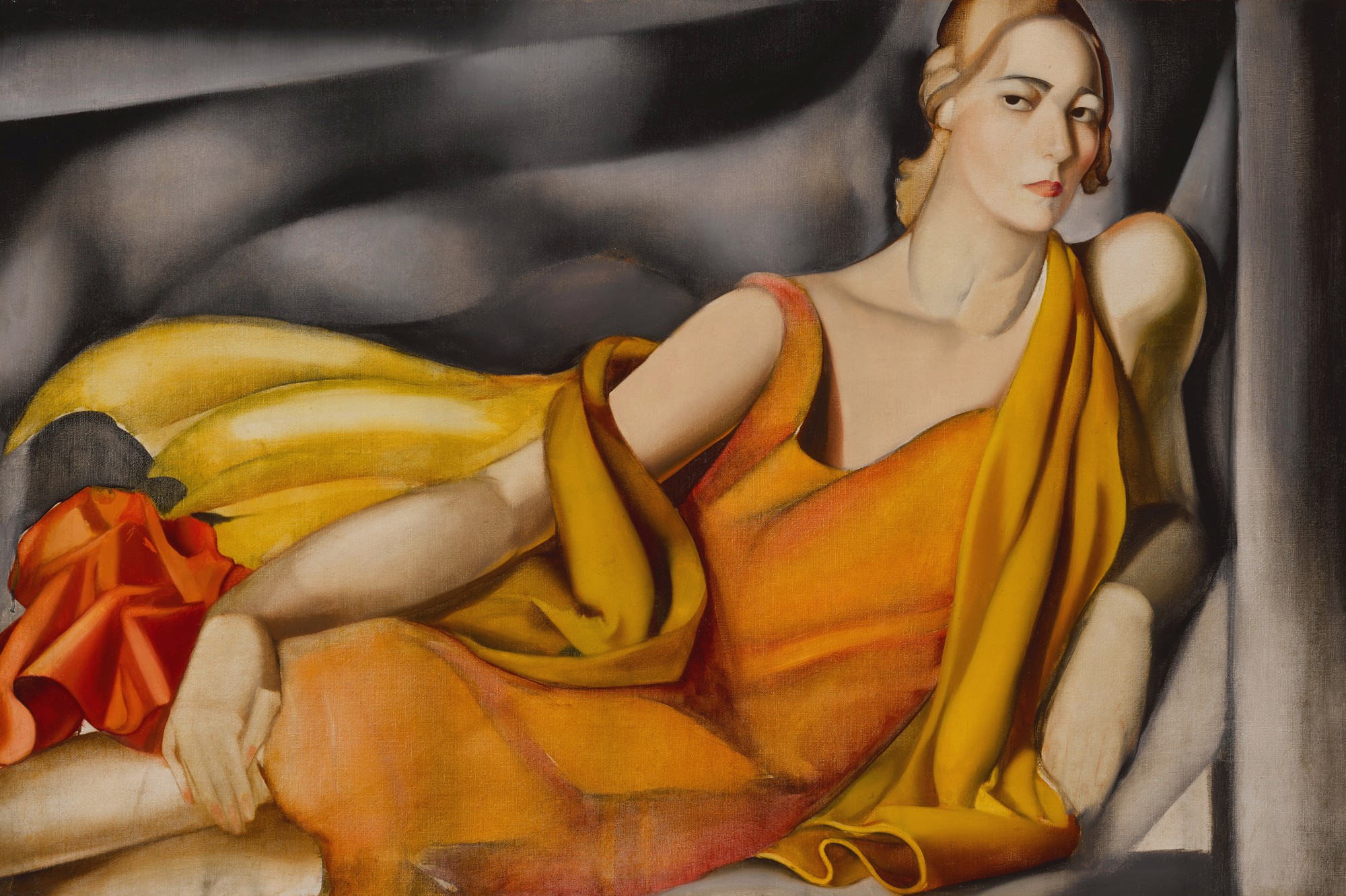
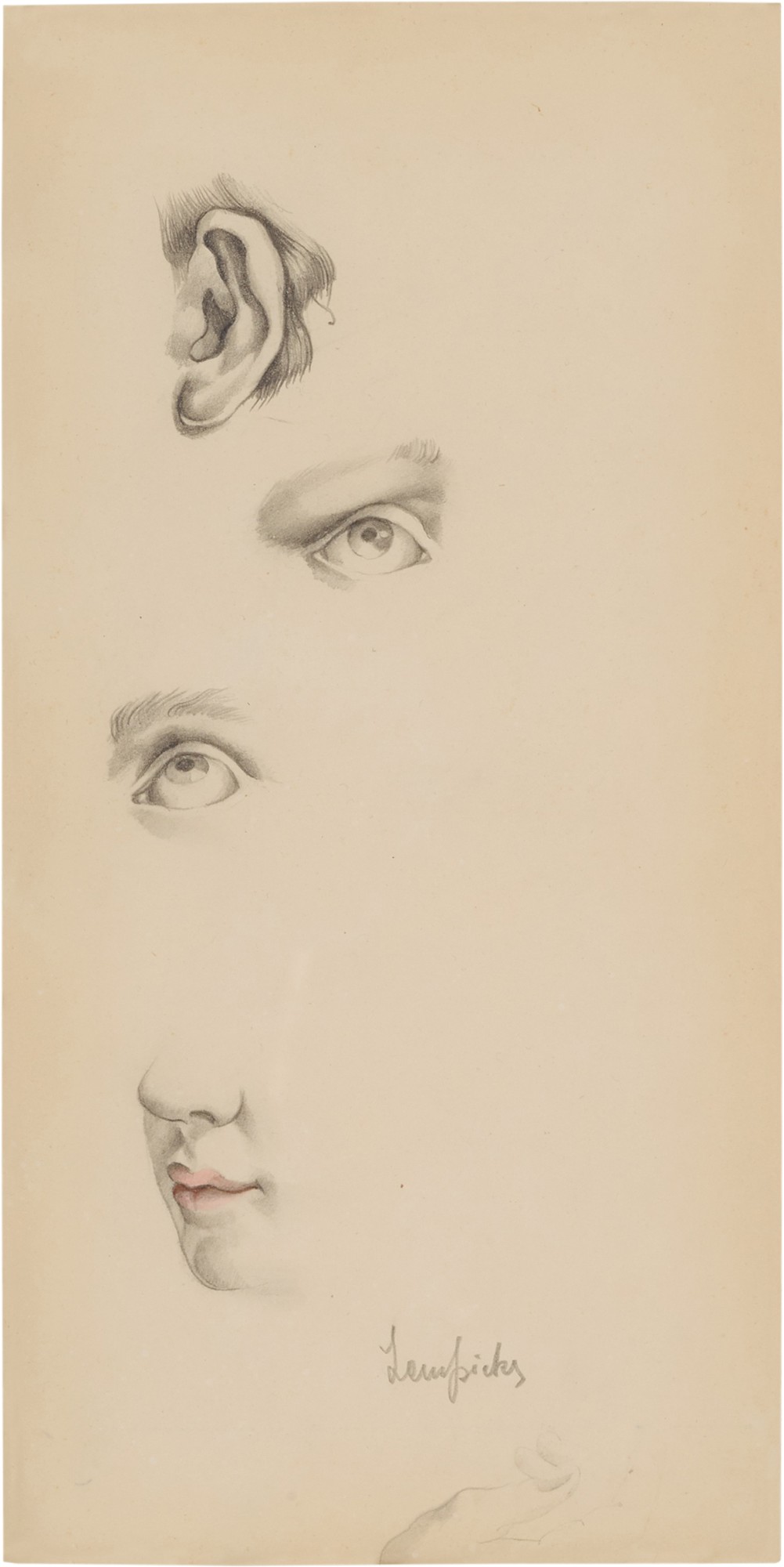
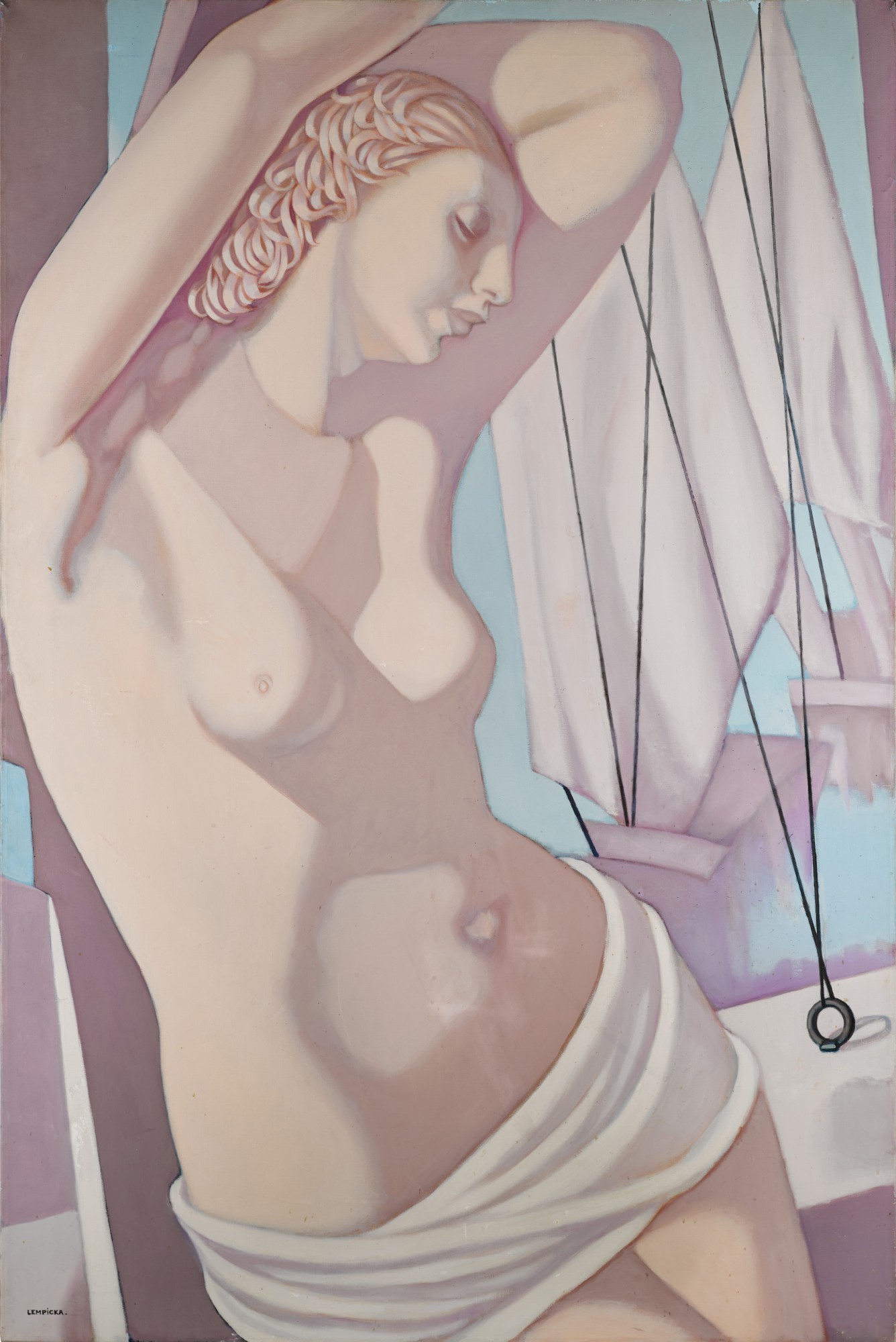
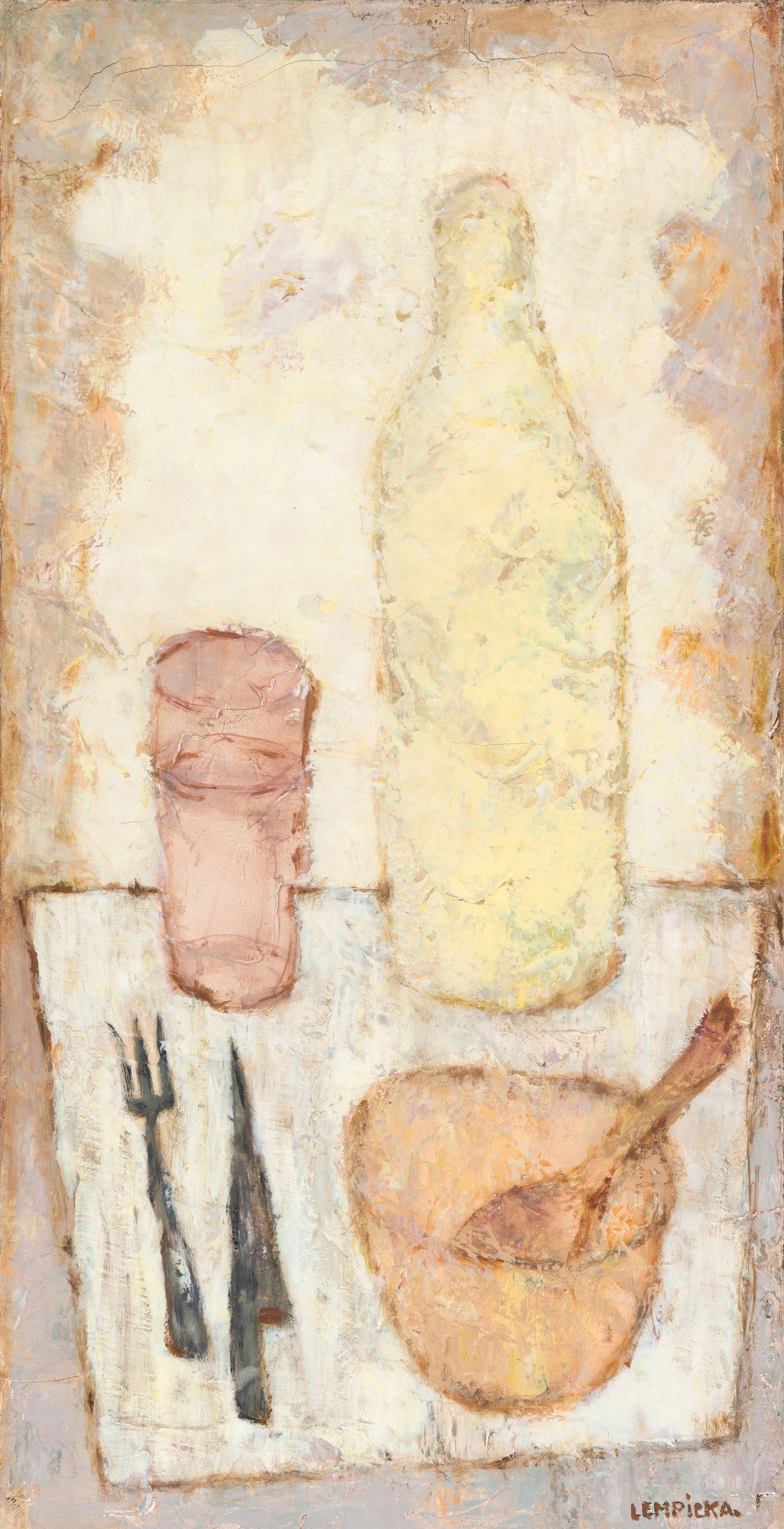
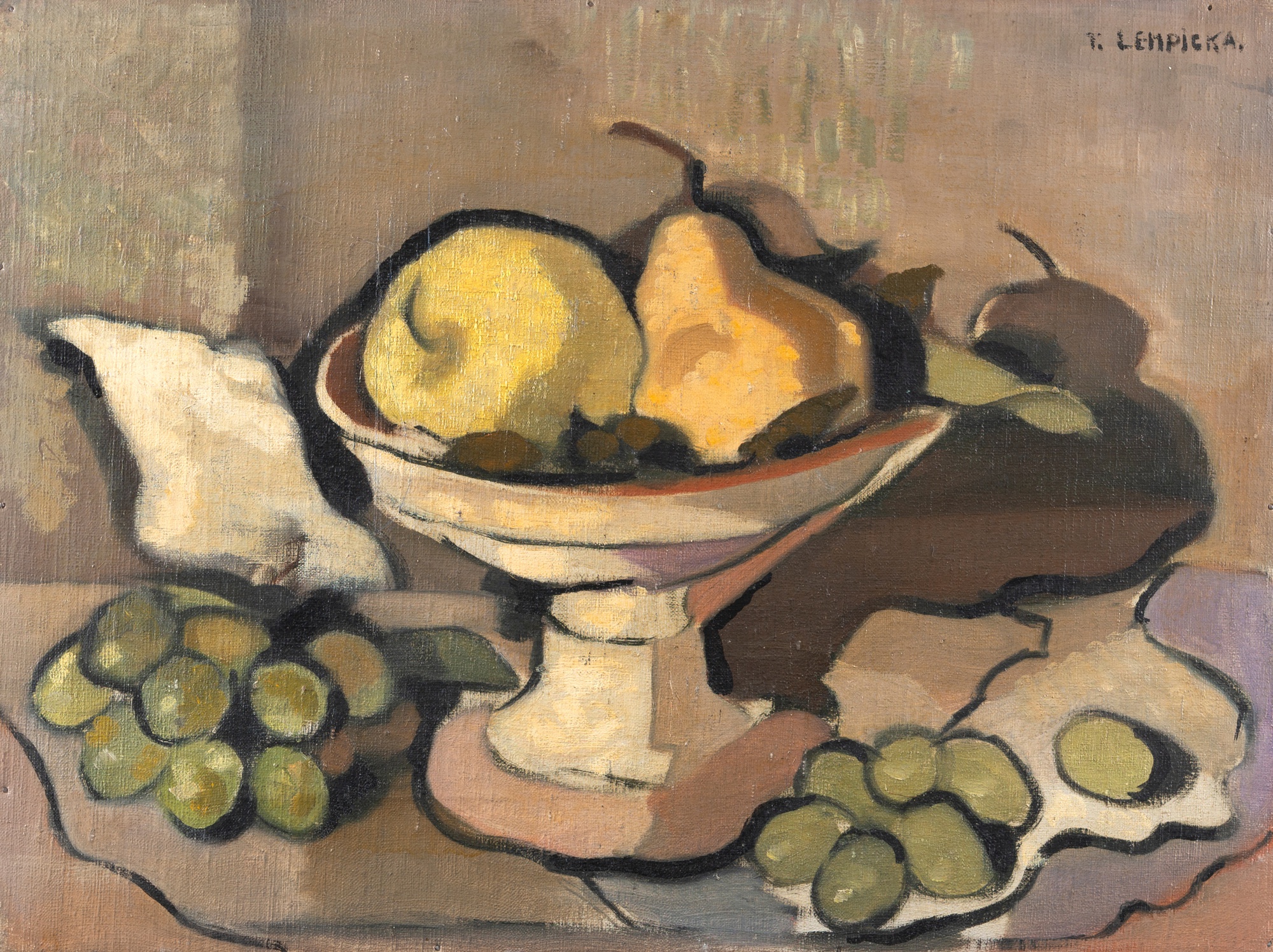
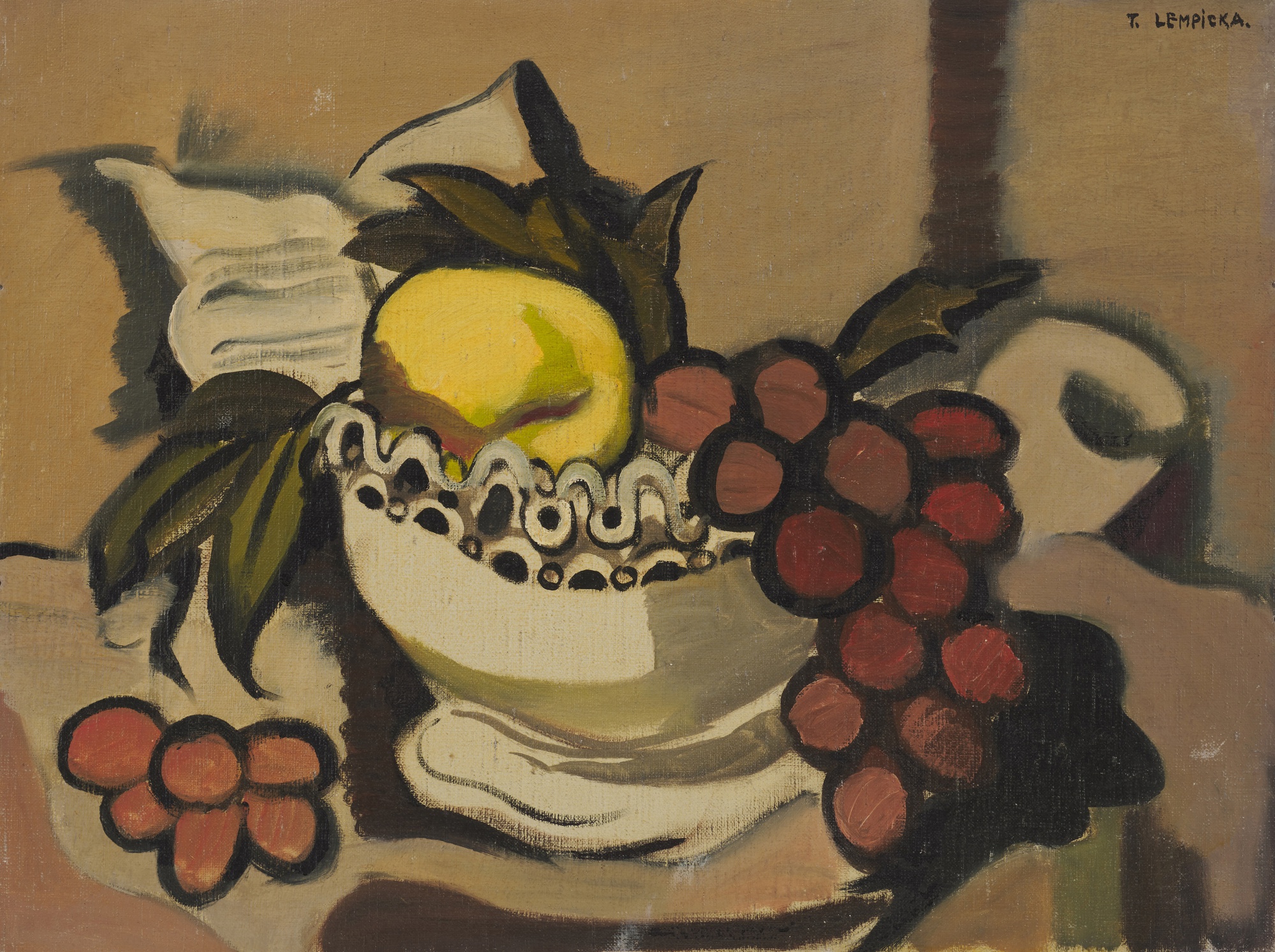
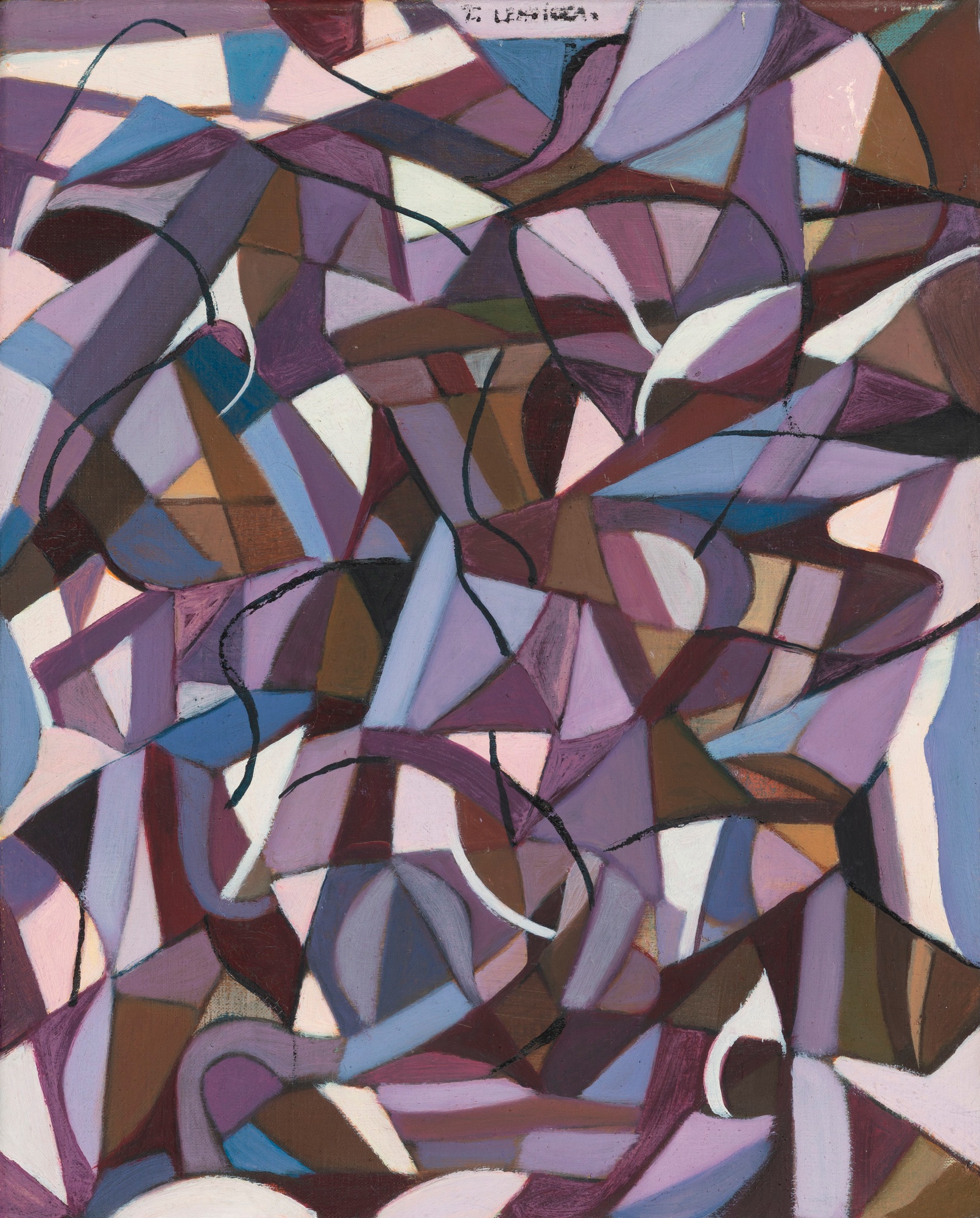
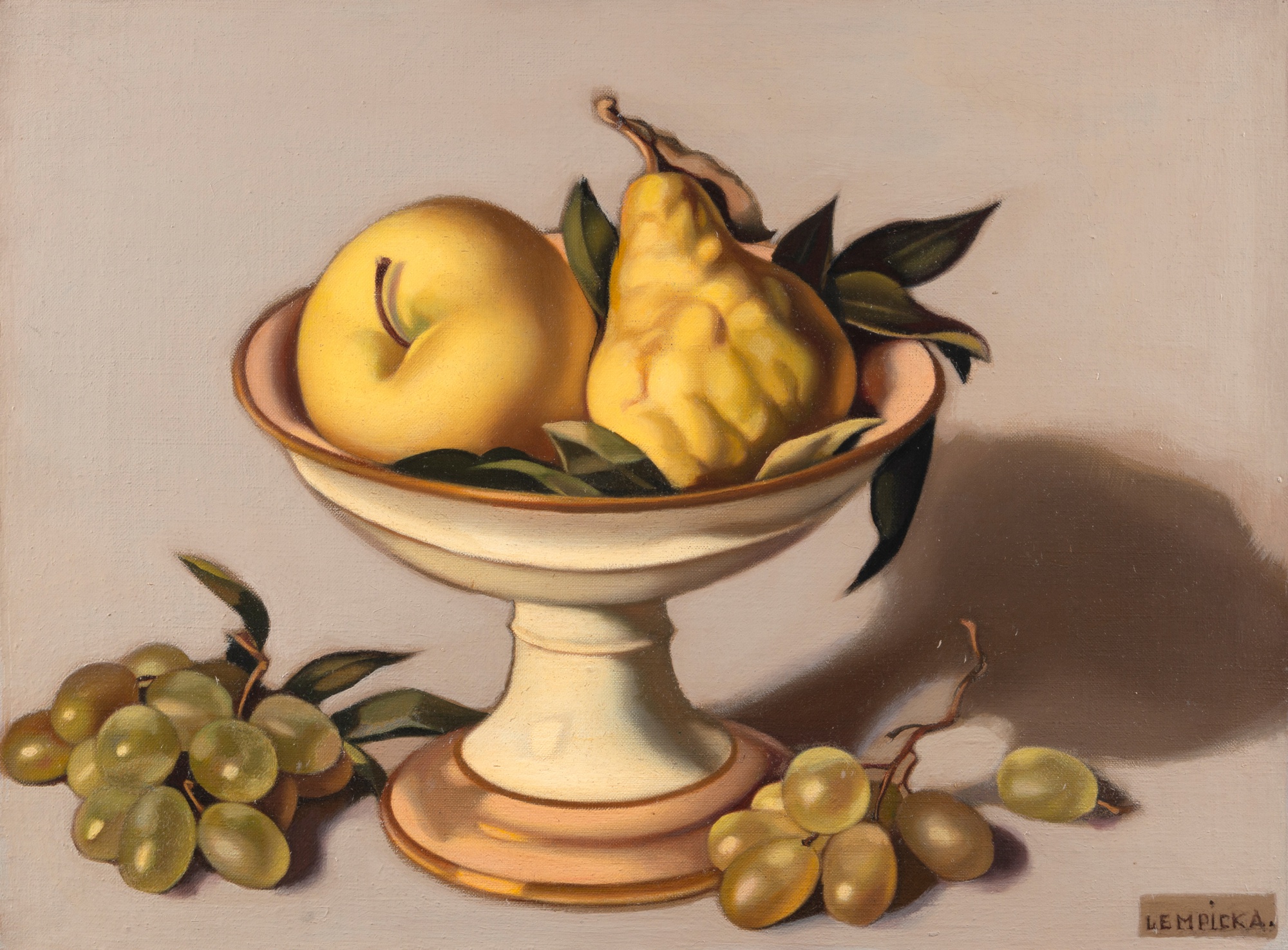
In the spring of 2022, a portrait by Tamara de Lempicka sold at Christie's New York for well over a million dollars, reaffirming what devoted collectors have long understood: that her canvases occupy a singular and irreplaceable position in the story of modern art. Her work has graced the walls of major retrospectives across Europe and North America, and her influence echoes through fashion houses, film sets, and the studios of contemporary painters who continue to measure themselves against her. To encounter a de Lempicka in person is to feel the full weight of an era, a life lived at extraordinary pitch, rendered in paint with a precision that borders on the miraculous. She was born Maria Górska in Warsaw in 1898, at a time when the city was still under Russian Imperial rule, a fact that would give her early years a quality of instability and restless ambition. Her family was prosperous and cultured, and she grew up surrounded by the markers of bourgeois elegance that would later saturate her canvases. A formative trip to Italy as a child, where she encountered the masterworks of the Italian Renaissance, planted something deep within her that would later blossom into a lifelong dialogue with neoclassical form. She married the Polish lawyer Tadeusz Łempicki in 1916, and when the Russian Revolution upended their world, the couple fled, eventually making their way to Paris in 1918 with their daughter Kizette and very little else. Paris in the early 1920s was the center of the artistic universe, and the young woman who would rename herself Tamara de Lempicka threw herself into it with characteristic ferocity. She enrolled at the Académie de la Grande Chaumière and the Académie Ranson, studying under the Cubist theorist André Lhote, whose influence would prove decisive. Lhote taught her to break form into its geometric components and to think about pictorial structure with rigorous clarity. But where many of his students absorbed the lessons of Cubism and moved toward abstraction, de Lempicka did something more unusual: she fused those angular, faceted planes with the sensuous warmth of the High Renaissance, producing a style that was entirely her own. The result was a kind of hyper refined modernism, glamorous and severe at once. The period from the mid 1920s through the 1930s represents the apex of her achievement, and the works from these years remain among the most sought after in her catalogue. Her portraits of society women, artists, and aristocrats carry an almost electric charge, their subjects rendered in luminous, enamel like surfaces with an architectural clarity that owes something to Ingres and something to Fernand Léger. La Musicienne, painted in 1929, is a masterclass in her method: the figure of a woman with a mandolin is simultaneously monumental and intimate, the drapery folded with sculptural authority, the face composed into an expression of self possessed calm. It is a work that holds its ground in any company. Her nude studies from the early 1930s, including the celebrated Nu, les bras levés of 1932, show her at her most assured, the body treated as an architecture of light and shadow that pays homage to classical precedent while remaining unmistakably modern. De Lempicka was also a tireless self promoter, and her public persona was as carefully constructed as her paintings. She moved through the salons and nightclubs of interwar Paris with deliberate brilliance, cultivating friendships with Gabriele D'Annunzio, whom she painted in 1926 in one of her most celebrated commissions, and becoming a fixture of the Parisian social scene. Her personal life was conducted with the same bold disregard for convention that animated her art, and her openness about her bisexuality made her a complicated and fascinating figure in an era that was itself testing the limits of social possibility. This refusal to be contained by expectation runs through everything she made. For collectors, the de Lempicka market has demonstrated remarkable resilience and consistent appreciation over several decades. Her major oil portraits from the 1920s and 1930s represent the pinnacle of her output and command accordingly significant prices at auction, with works passing through Christie's, Sotheby's, and Bonhams regularly achieving results that reflect both their art historical importance and their sheer visual power. But there is also genuine opportunity in the broader range of her practice. Her still life paintings, such as the luminous Roses of 1938 and the intimate fruit studies she returned to in the late 1950s, offer a more accessible point of entry into her world while displaying the same technical mastery that defines her portraits. Works on paper, including the Conté crayon studies she made as preparatory drawings, provide a privileged glimpse into her process and carry the intimacy that finished works sometimes resist. Collectors drawn to her work often find themselves in distinguished company: her canvases have been prized by figures including Jack Nicholson and Madonna, and their presence on the walls of serious collections worldwide speaks to their enduring authority. Within the broader landscape of modern art, de Lempicka occupies a position that is finally receiving the sustained critical attention it deserves. Her dialogue with the great traditions of European painting places her in conversation with artists like Ingres, whose cool eroticism she clearly absorbed, and with contemporaries like Léger and even Giorgio de Chirico, whose metaphysical geometries share something of her monumental stillness. As a female artist working in a period when institutional recognition was systematically withheld from women, her achievement carries an additional dimension of significance. She did not simply participate in the culture of the interwar avant garde; she defined a portion of it on her own terms, building a career through sheer force of talent and will. Her legacy today is multivalent and alive. Fashion designers from Versace to Thierry Mugler have drawn on the architectural sensuality of her figures. Her imagery has seeped into popular culture through music videos and album artwork. But the deepest argument for her importance is made by the paintings themselves, which reward sustained looking with a generosity that few works of their era can match. To collect de Lempicka is to align yourself with a vision of beauty that is rigorous, uncompromising, and endlessly seductive: a vision that understood, as she herself did, that glamour and gravity are not opposites but collaborators.