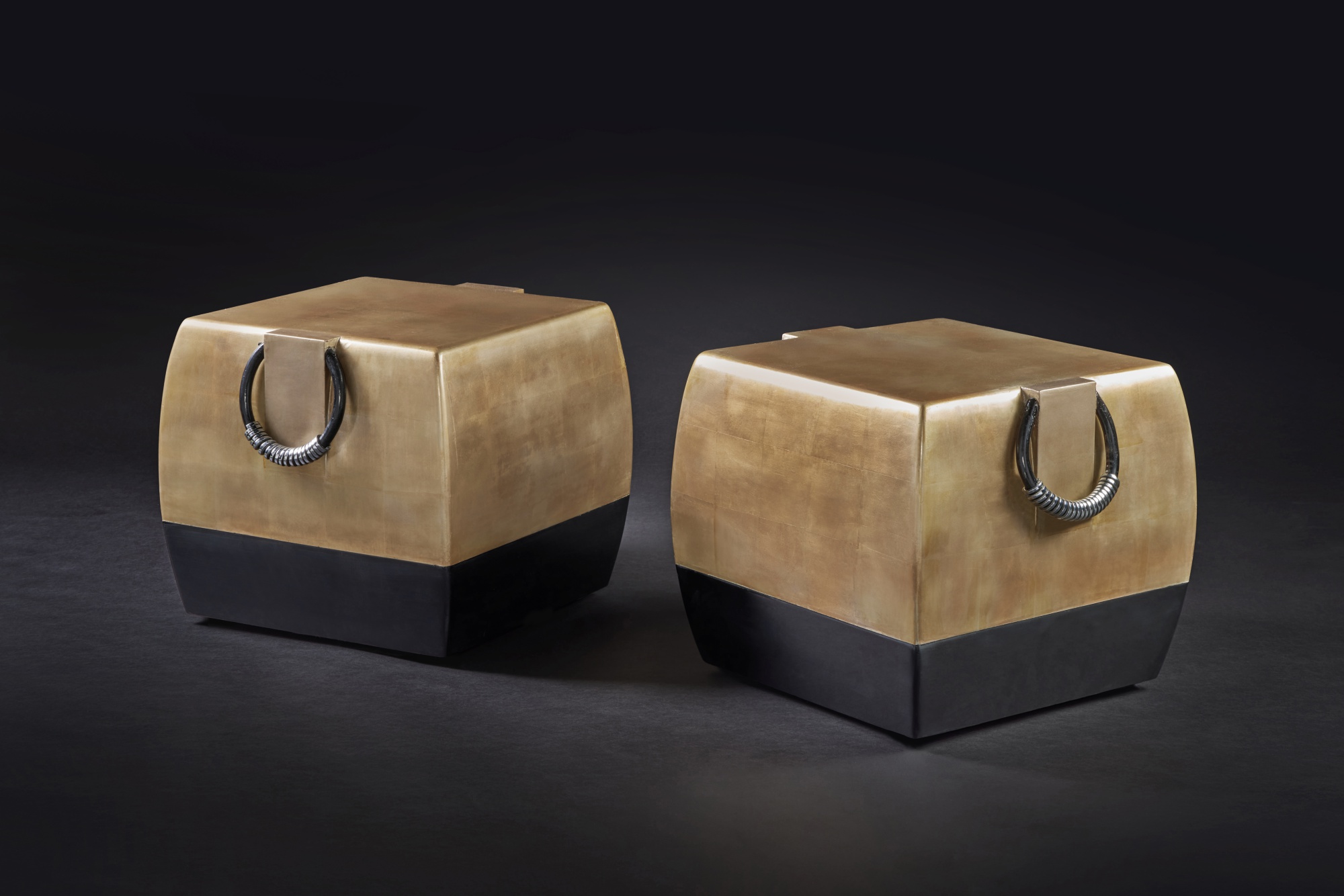
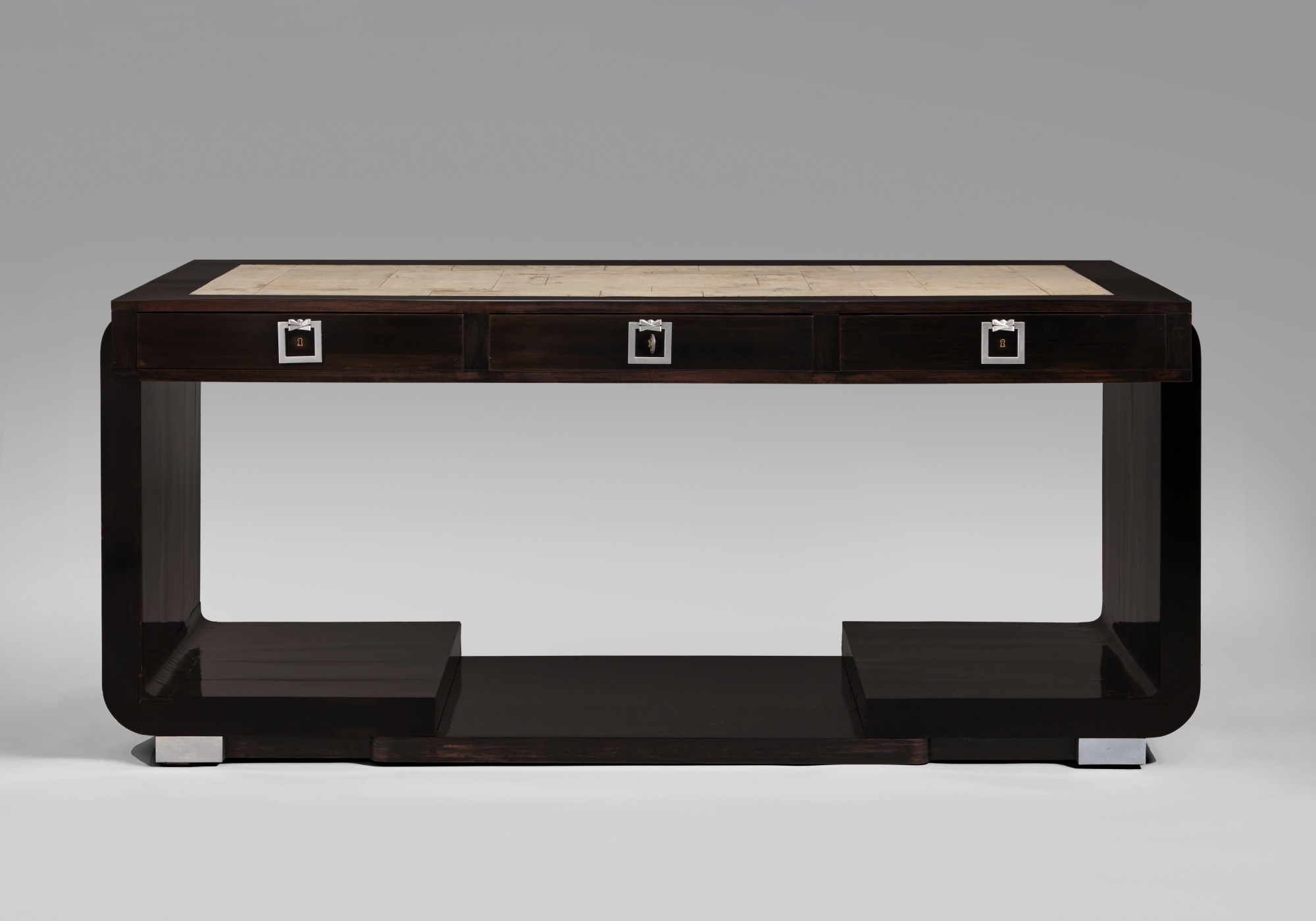
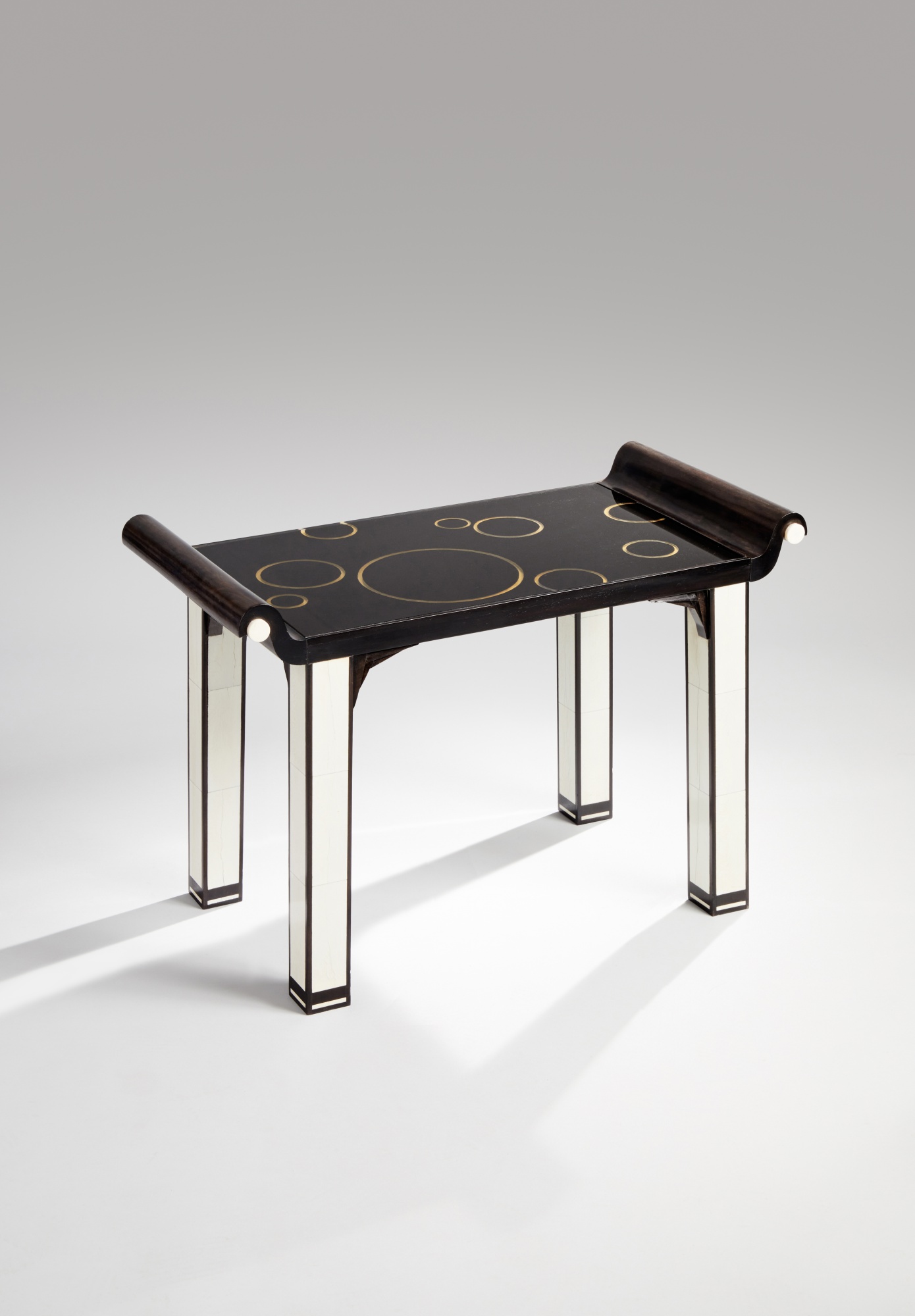
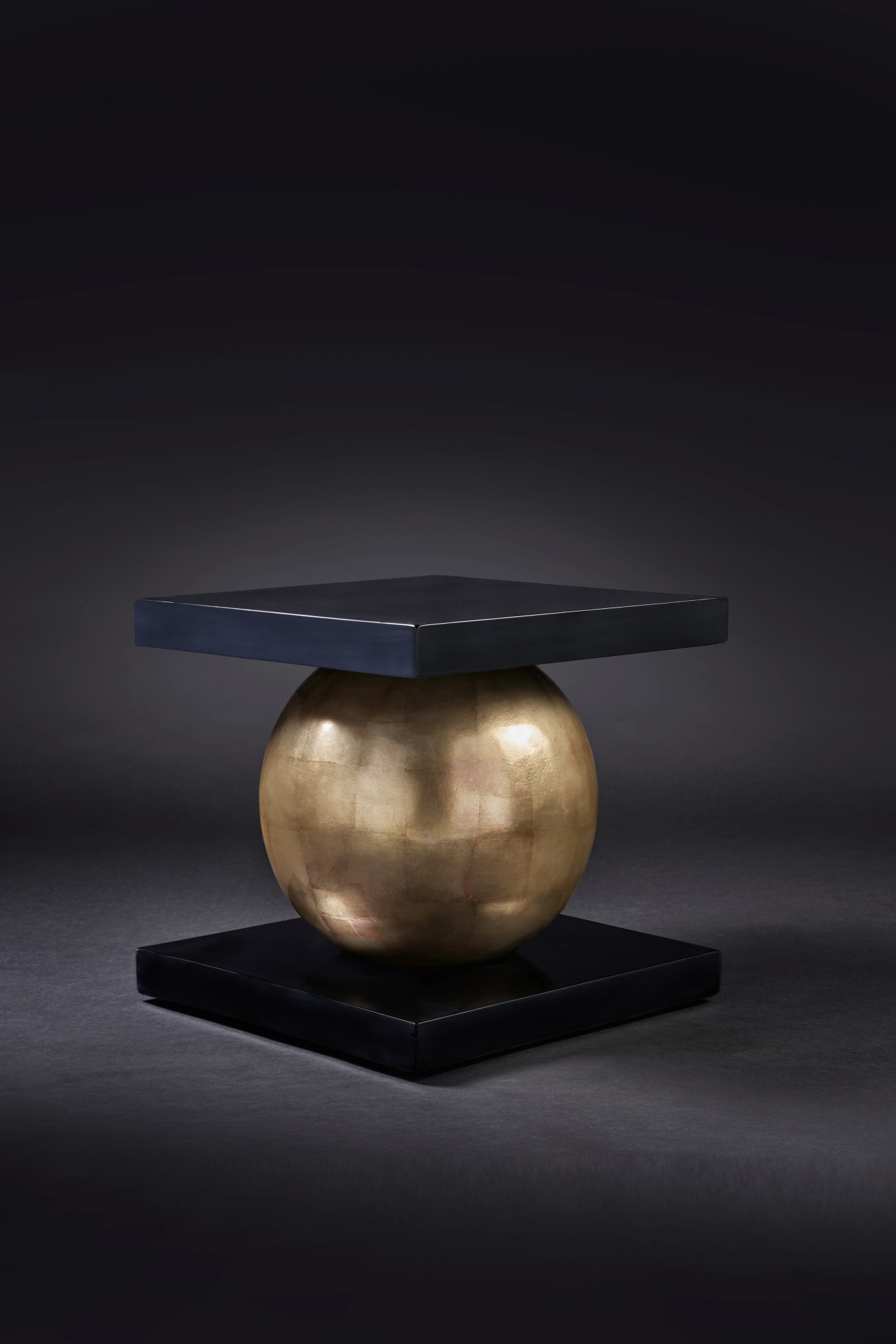
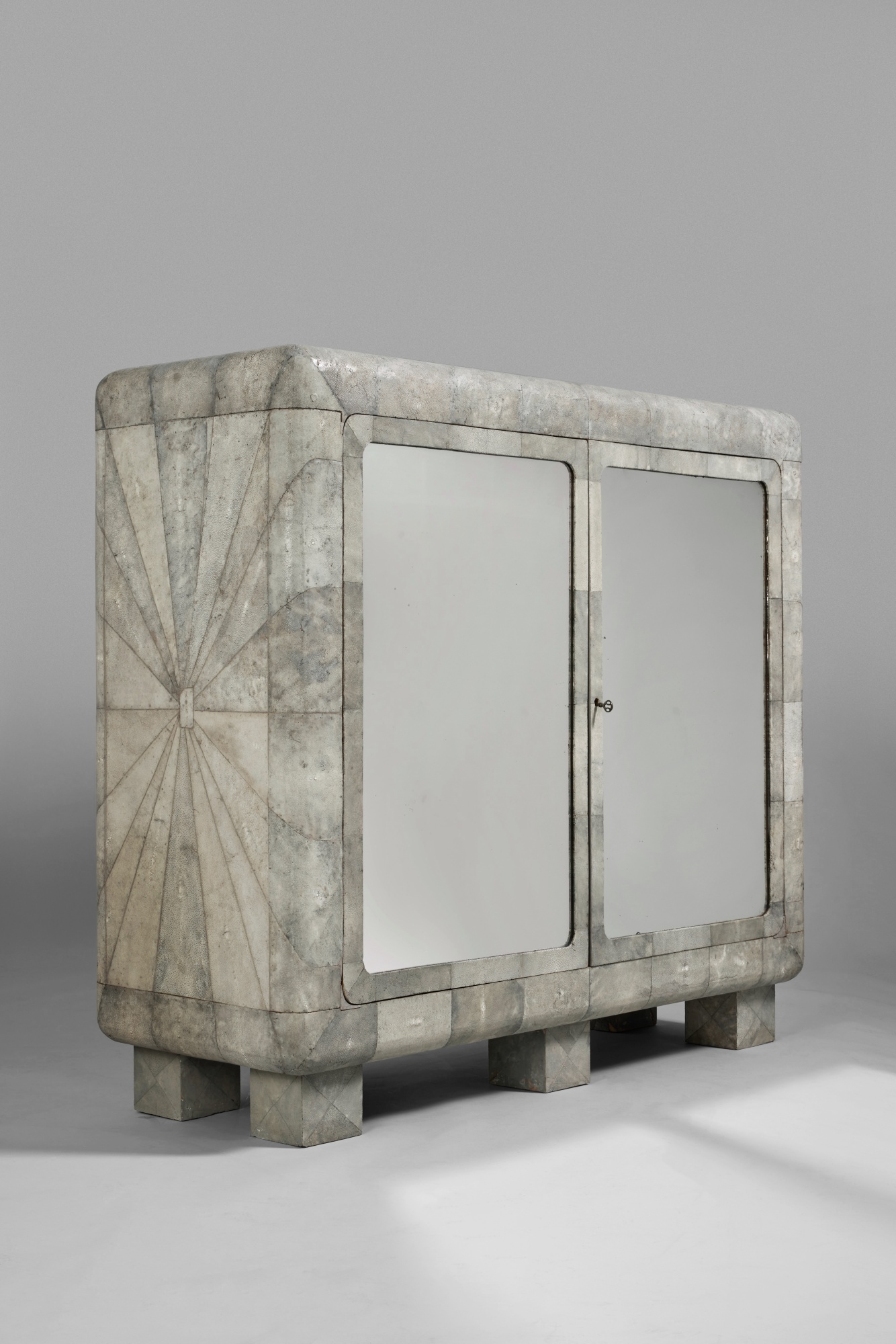
There are moments in the history of decorative arts when a single maker changes the terms of what an object can be. One such moment arrived in Paris in the years following the First World War, when a largely self taught designer named Pierre Legrain began producing bookbindings, furniture, and objects of such startling originality that collectors and connoisseurs found themselves unable to look away. Though he died in 1929 at just forty years old, Legrain left behind a body of work so dense with invention and so ahead of its time that it continues to command breathless attention at the world's great auction houses and museums. His pieces appear regularly at Christie's and Sotheby's, where they achieve prices that speak to a collecting community that understands rarity in the deepest sense. Pierre Legrain was born in 1889 in Levallois Perret, a working class commune just northwest of Paris. He came of age in a city electrified by modernism, where Cubism was dismantling the picture plane and the decorative arts were beginning their own quiet revolution. He studied at the École des Arts Appliqués and found early work as a caricaturist and graphic artist, a training that gave him an extraordinary sensitivity to form, silhouette, and the drama of two dimensional composition. These graphic instincts would prove foundational: his furniture and bindings always read, even from a distance, with the clarity and confidence of a great drawing. The decisive turn in Legrain's career came through his introduction to Jacques Doucet, the legendary Parisian couturier and one of the most visionary private collectors of the early twentieth century. Doucet had already amassed an incomparable collection of eighteenth century French art before dramatically selling it all at auction in 1912 and turning his attention entirely to the modern. He needed someone to design bindings for his vast library of contemporary literature, and Legrain, then in his mid twenties and essentially untrained as a bookbinder, accepted the commission. What followed was one of the great patron artist relationships in modern design history. Legrain taught himself the technical craft of bookbinding while simultaneously reinventing it, producing covers in exotic leathers, lacquer, inlaid metals, and unexpected geometric forms that bore no resemblance to anything that had come before. It was through Doucet's collection and his celebrated studio apartment at the Neuilly sur Seine villa that Legrain encountered the African objects that would profoundly alter his visual language. Doucet was an early and serious collector of African art at a moment when Picasso and Matisse were also absorbing its formal lessons. For Legrain, this encounter was galvanic. The geometric abstraction, the bold massing of form, the unapologetic departure from European decorative convention: these qualities migrated directly into his furniture and objects. His work became something genuinely new, neither purely Art Deco in the conventional French manner nor a simple translation of African forms, but a synthesis that was entirely his own. This fusion gave his pieces a formal authority and a sense of the archaic that made them feel both ancient and futuristic at once. Among the works that best express this singular vision are the pieces he created for Doucet and for Jeanne Tachard, a private collector and one of his most important patrons. The unique desk created for Doucet in materials including ebony, shagreen, silvered bronze, and burled maple is a masterpiece of considered luxury, each material chosen not for opulence alone but for the dialogue of textures and surfaces it creates. His pair of stools made for Tachard, finished in gold leaf on lacquered wood with silvered metal elements, achieves something remarkable: objects that feel simultaneously ceremonial and usable, weighted with visual presence yet perfectly resolved as functional furniture. The low table also made for Tachard, in gold leaf on lacquered and ebonized wood, shares this quality of compressed intensity, as though an enormous amount of formal thinking has been distilled into the simplest possible shape. These are not decorations. They are statements. From a collecting perspective, Legrain's work occupies a position of genuine rarity and enduring desirability. Because his career lasted barely a decade and his commissions were almost exclusively private, the total number of surviving works is small. Major pieces appear at auction infrequently, and when they do, they draw serious competition from both institutional buyers and private collectors with a deep knowledge of the period. The market for early twentieth century French decorative arts has remained robust, and within that field Legrain holds a place alongside figures such as Eileen Gray, Jean Michel Frank, and Armand Albert Rateau: makers whose work transcends the category of applied art and functions fully as fine art in the most demanding sense. Collectors who seek out Legrain are typically drawn by the same qualities that define the best Art Deco collecting: the combination of material mastery, formal innovation, and documented provenance connecting a piece to a specific patron and a specific moment in cultural history. To place Legrain within a broader art historical frame is to understand how central the decorative arts were to the modernist project in Paris. His contemporaries in furniture and object making were engaged in a parallel conversation to the one happening in painting and sculpture. Gray, working in lacquer and tubular steel, arrived at a comparable formal austerity through different routes. Rateau looked to antiquity in ways that rhyme interestingly with Legrain's dialogue with Africa. In bookbinding specifically, Legrain stands apart: no one before or since has invested the book cover with the same degree of avant garde ambition. His bindings were acquired by Doucet for the same library that housed manuscripts by André Breton and paintings by Picasso, and they belong in that company without apology. The legacy of Pierre Legrain is the legacy of someone who understood that the line between fine art and applied art was a convention rather than a truth. He worked in leather and lacquer and gold leaf because those were the materials available to him, but his thinking was that of an artist in the fullest sense: concerned with form, with meaning, with the weight and presence an object carries in a room and in a life. That his career lasted only forty years, that he died before he could see how fully his ideas would be absorbed into the broader stream of twentieth century design, is the single melancholy fact in an otherwise luminous story. What he left behind is enough. It is more than enough.