Appropriation Art
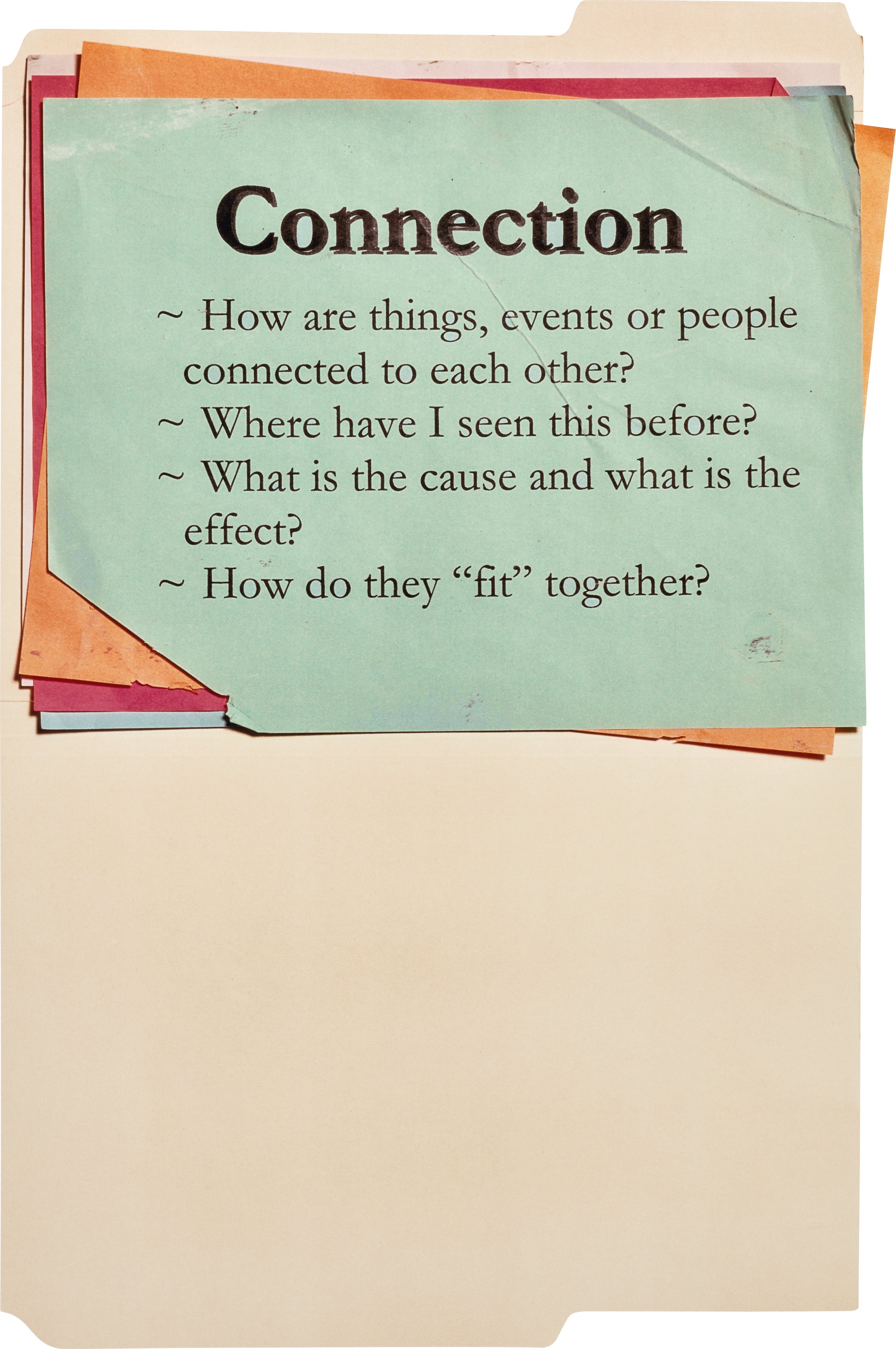
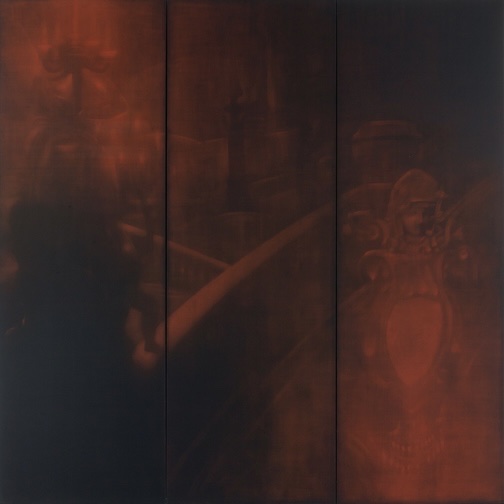
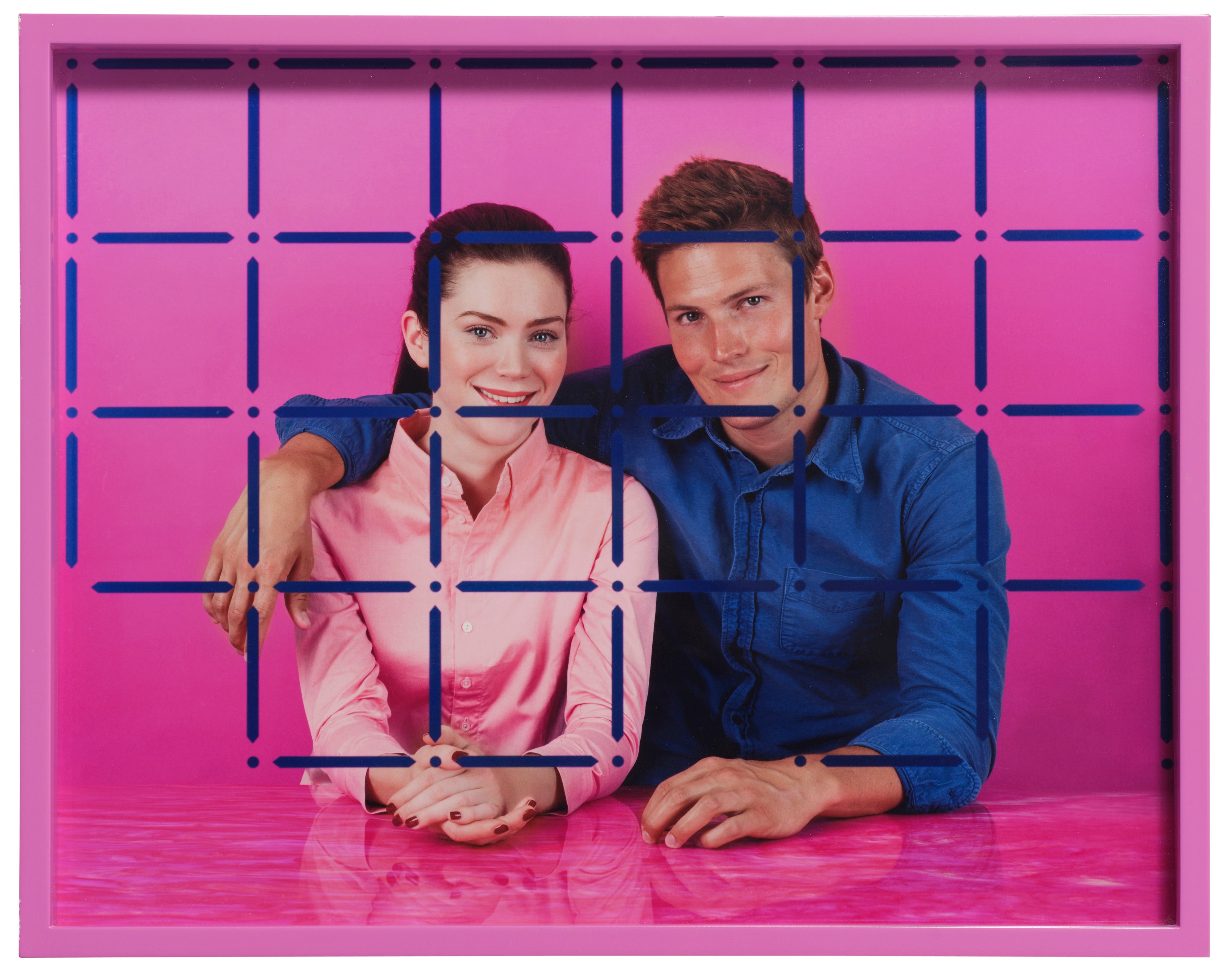
Anne Collier
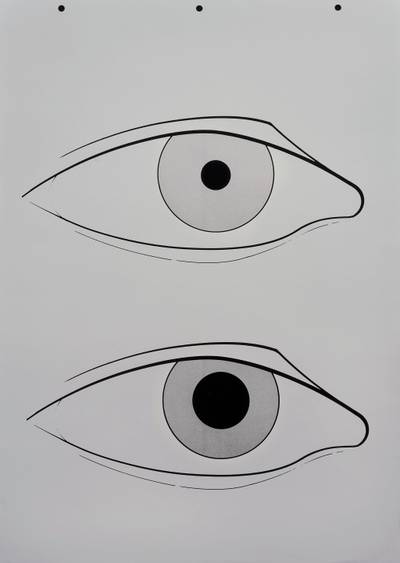
Questions (Connection), 2011

Nothing Is Original. So Now What?
There is a particular kind of collector who walks into a room containing a Richard Prince photograph of a photograph, or a Sherrie Levine rephotograph of a Walker Evans, and feels something shift. Not confusion, exactly, but a productive unease. The work refuses to let you be passive. It asks you to think about what you are looking at, who made it, who made it first, and what any of that means when ownership, authorship, and authenticity are precisely the things being put on trial.
That friction is not a bug in appropriation art. It is the entire point, and for the right collector, it becomes quietly addictive to live with. What draws serious collectors to this area is the way these works continue to generate new readings over time. A Louise Lawler photograph of artworks installed in someone else's collection is, on one level, a document.
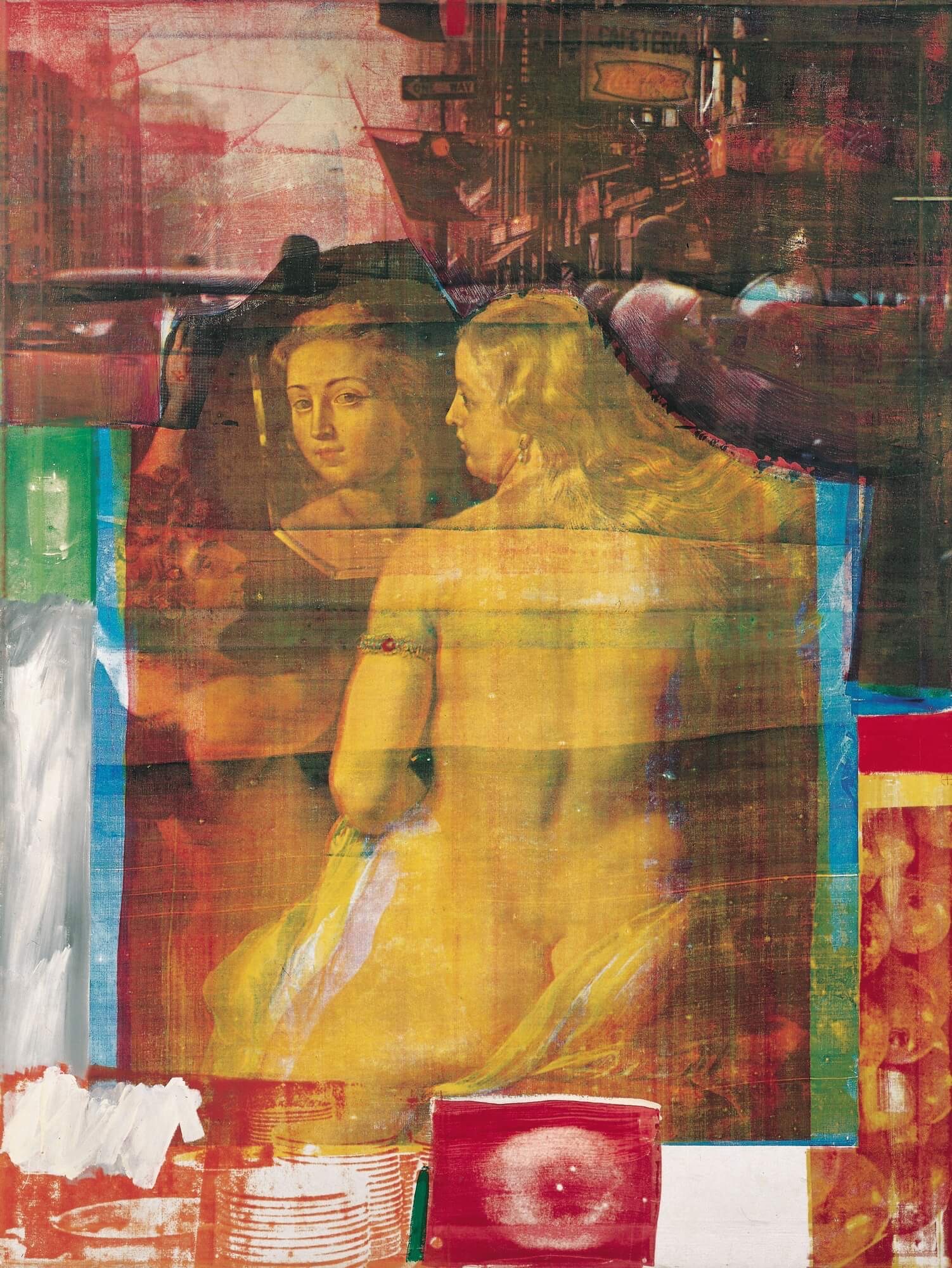
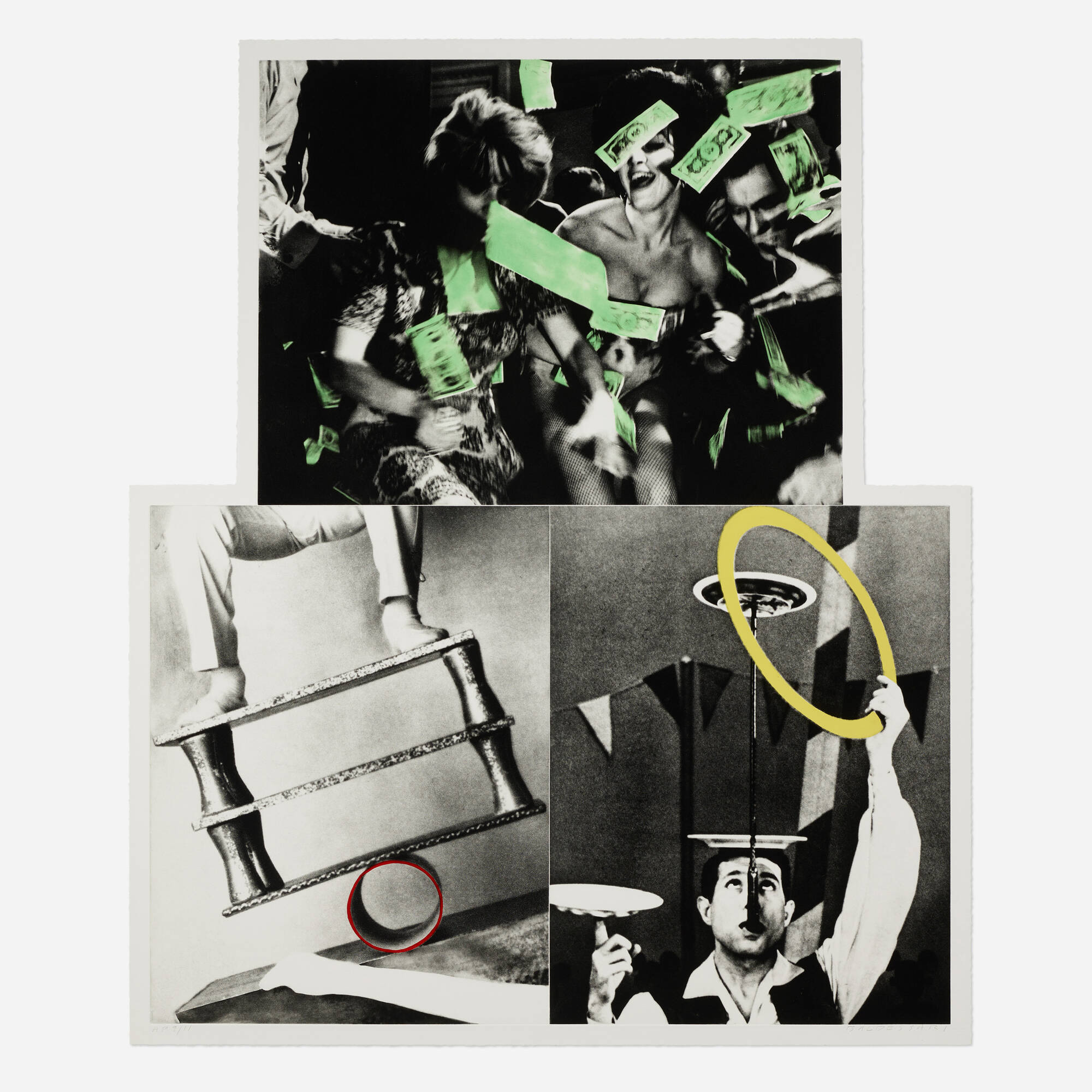
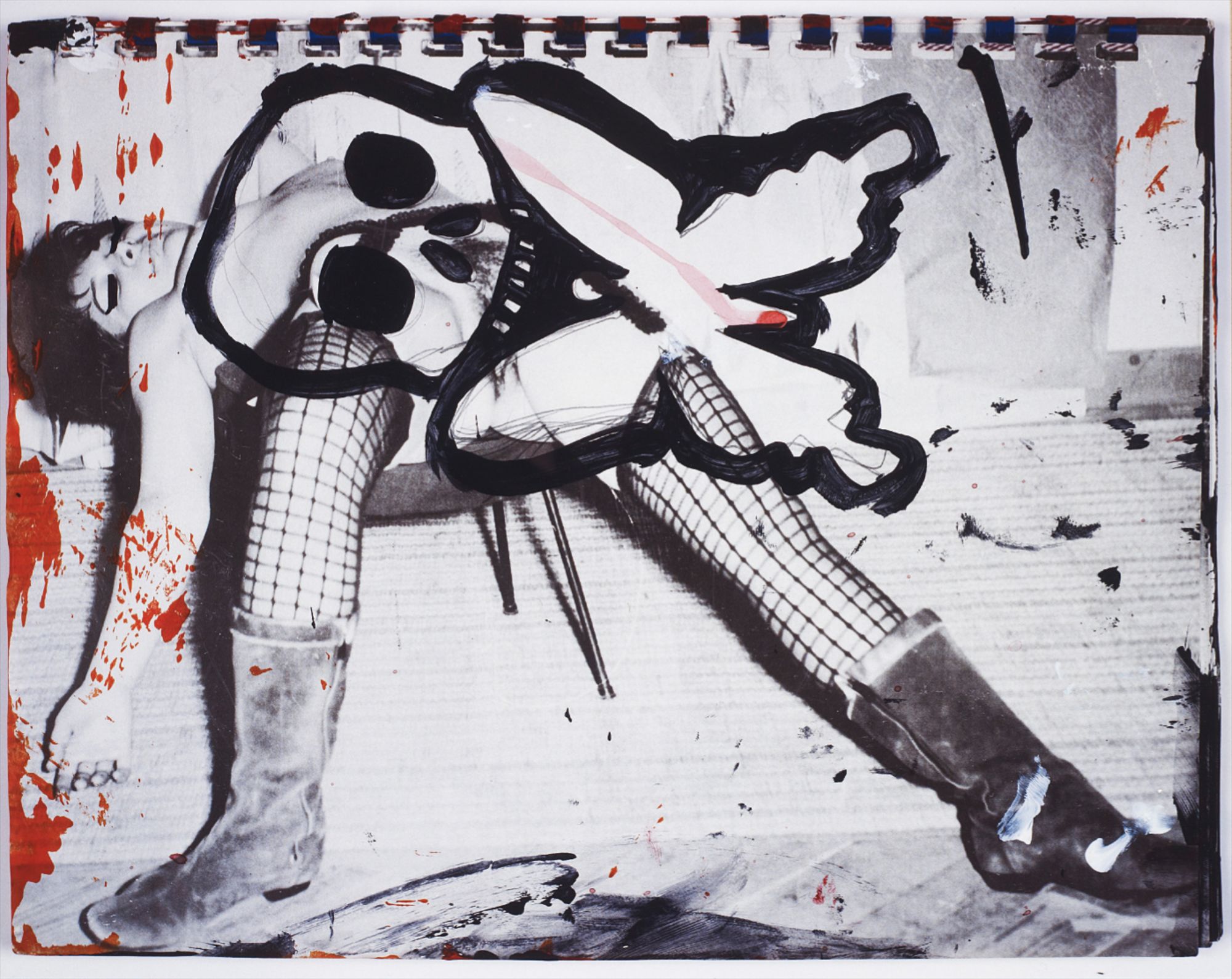
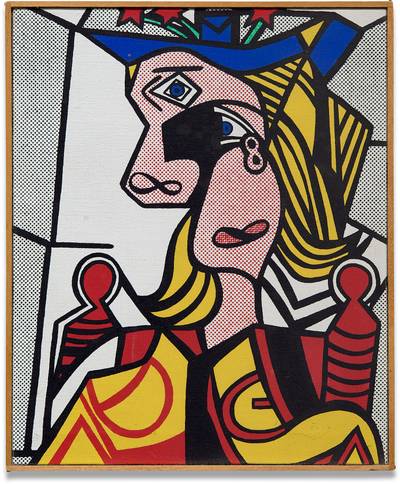
Robert Rauschenberg
Persimmon, 1964
But it is also a meditation on institutional power, on how context shapes meaning, and on the strange loop of an artwork depicting other artworks that may themselves one day be depicted. These are works that age intellectually rather than just physically. Collectors who spend time with them report that the questions they raise do not diminish with familiarity. If anything, they deepen.
So what separates a good appropriation work from a great one? The most important quality is criticality with staying power. A work that merely quotes its source is interesting for about five minutes. A work that genuinely transforms the source, or uses it to expose something about power, desire, commerce, or representation, earns its place on the wall indefinitely.
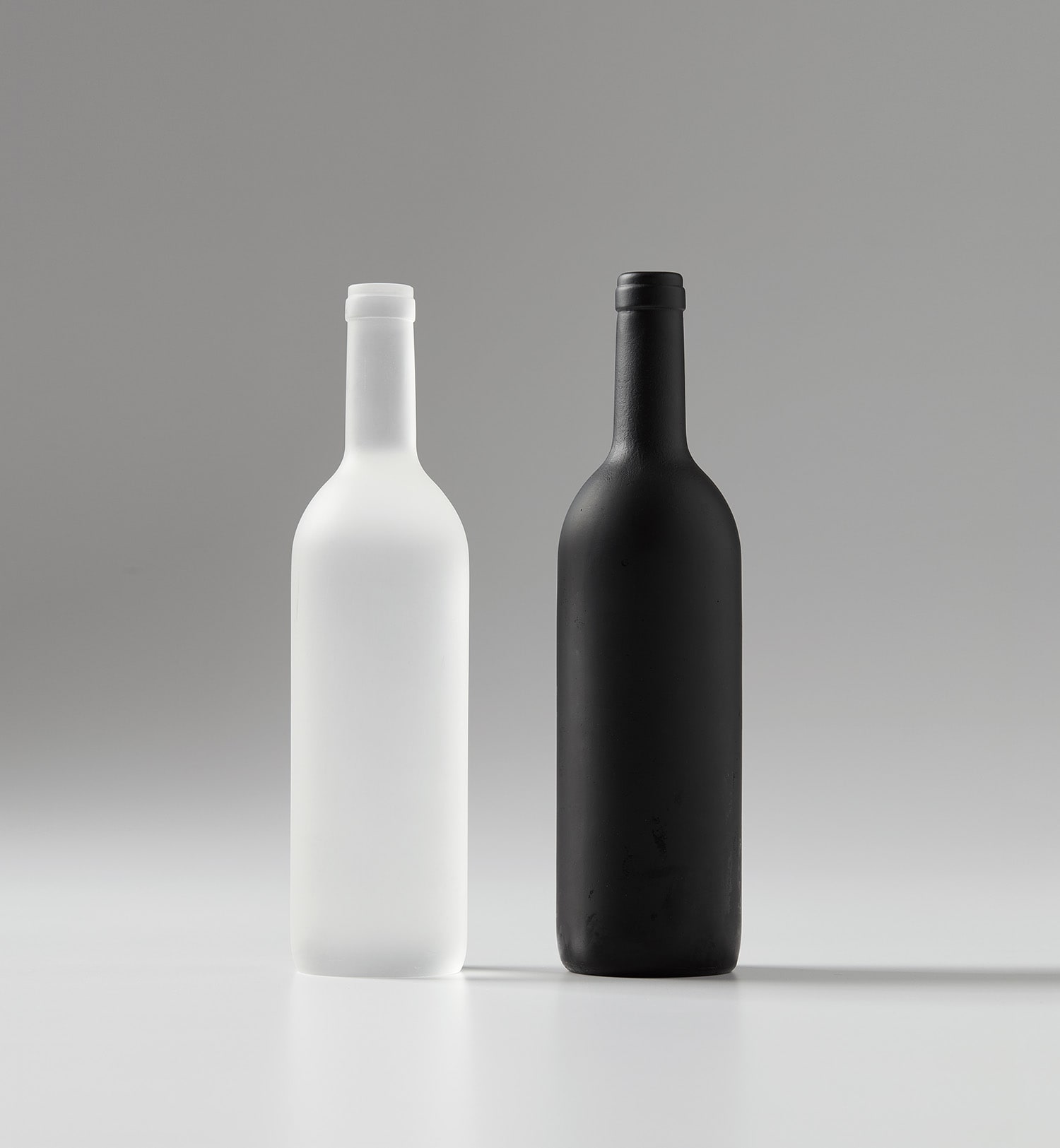
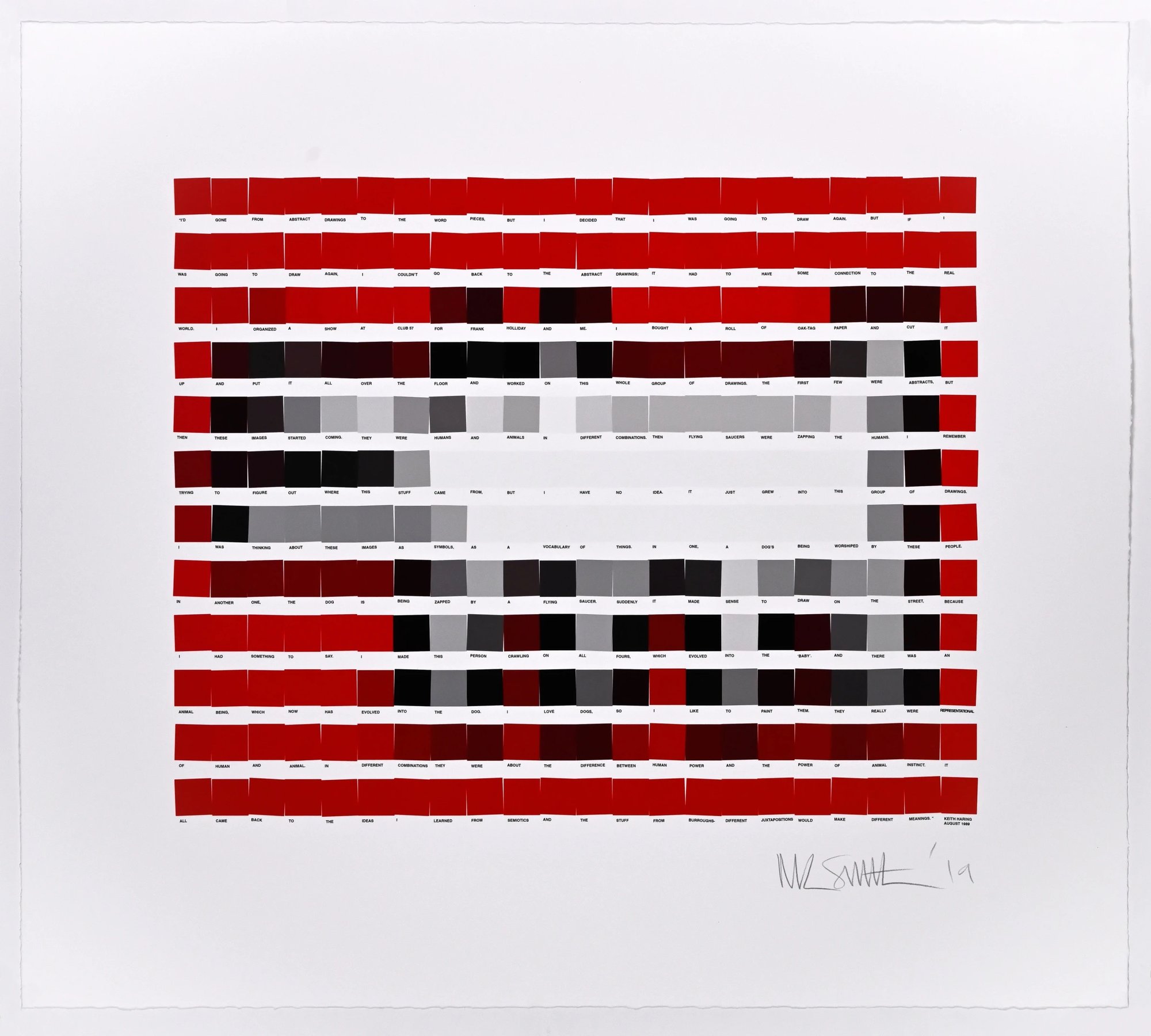
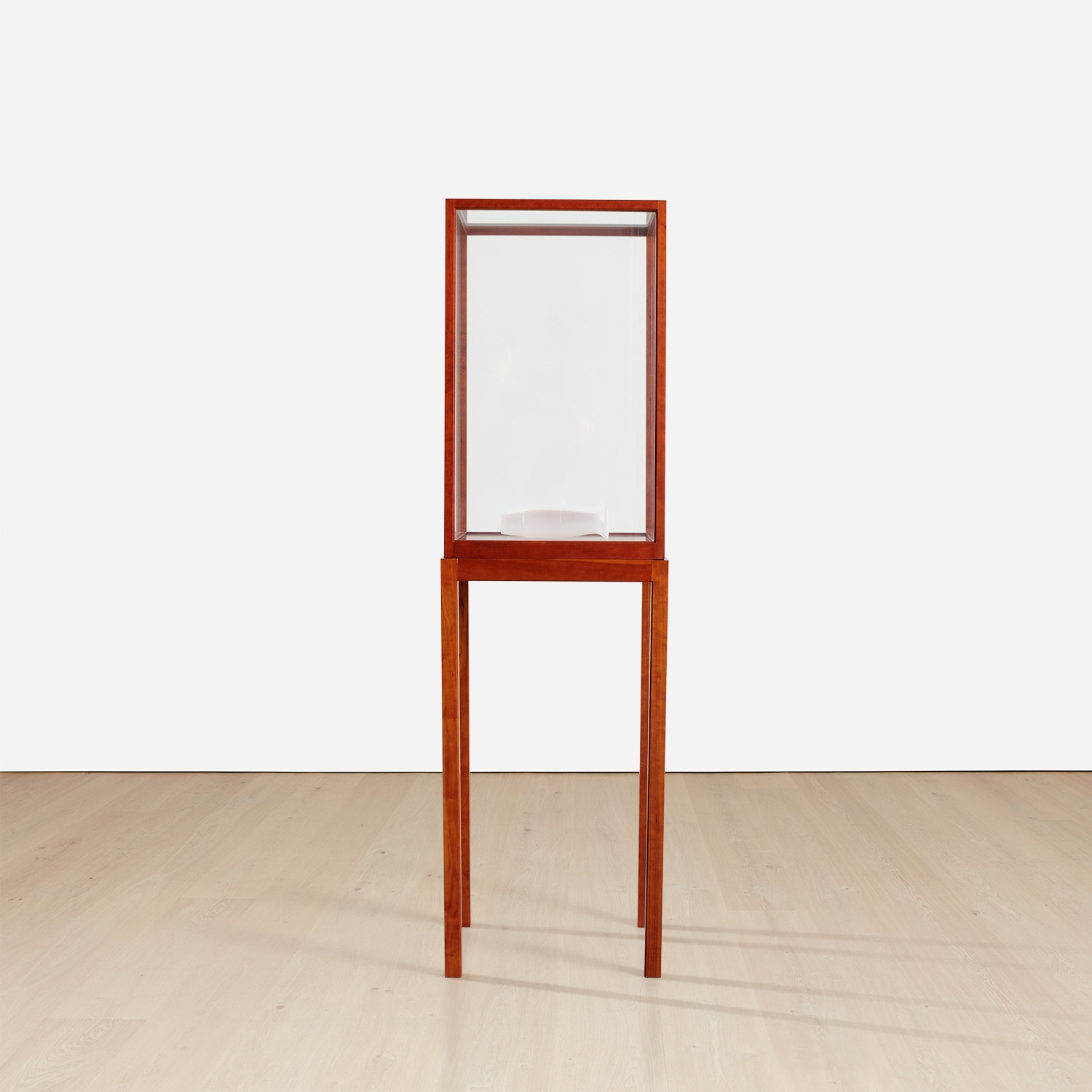
Sherrie Levine
Black and White Bottles
Look for artists who chose their source material with precision rather than convenience. Sturtevant, who spent decades remaking works by Warhol, Duchamp, and Beuys, was not trading on novelty. She was building a rigorous philosophical argument about originality itself, one that only became more prescient as the art market ballooned around the myth of the unique genius. When evaluating a work, ask yourself what the appropriation is doing that the source alone could not.
If you cannot answer that, keep looking. Among the artists most consistently rewarding to collect in this space, Richard Prince remains a benchmark. His Cowboy photographs, sourced from Marlboro advertising campaigns and printed at monumental scale, distill an entire American mythology into a single image that is simultaneously seductive and hollow. Prince understood early that advertising does not just sell products.
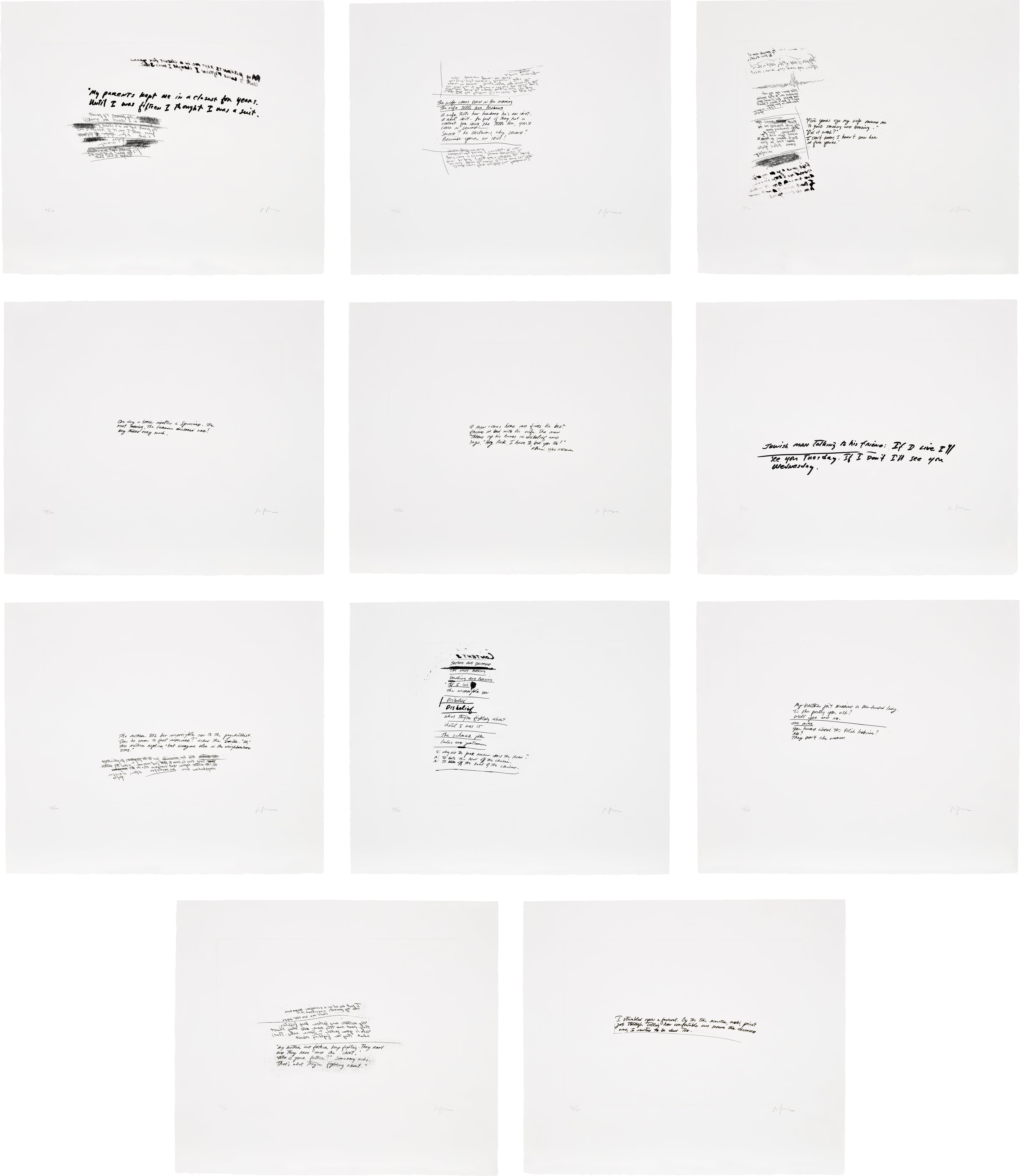
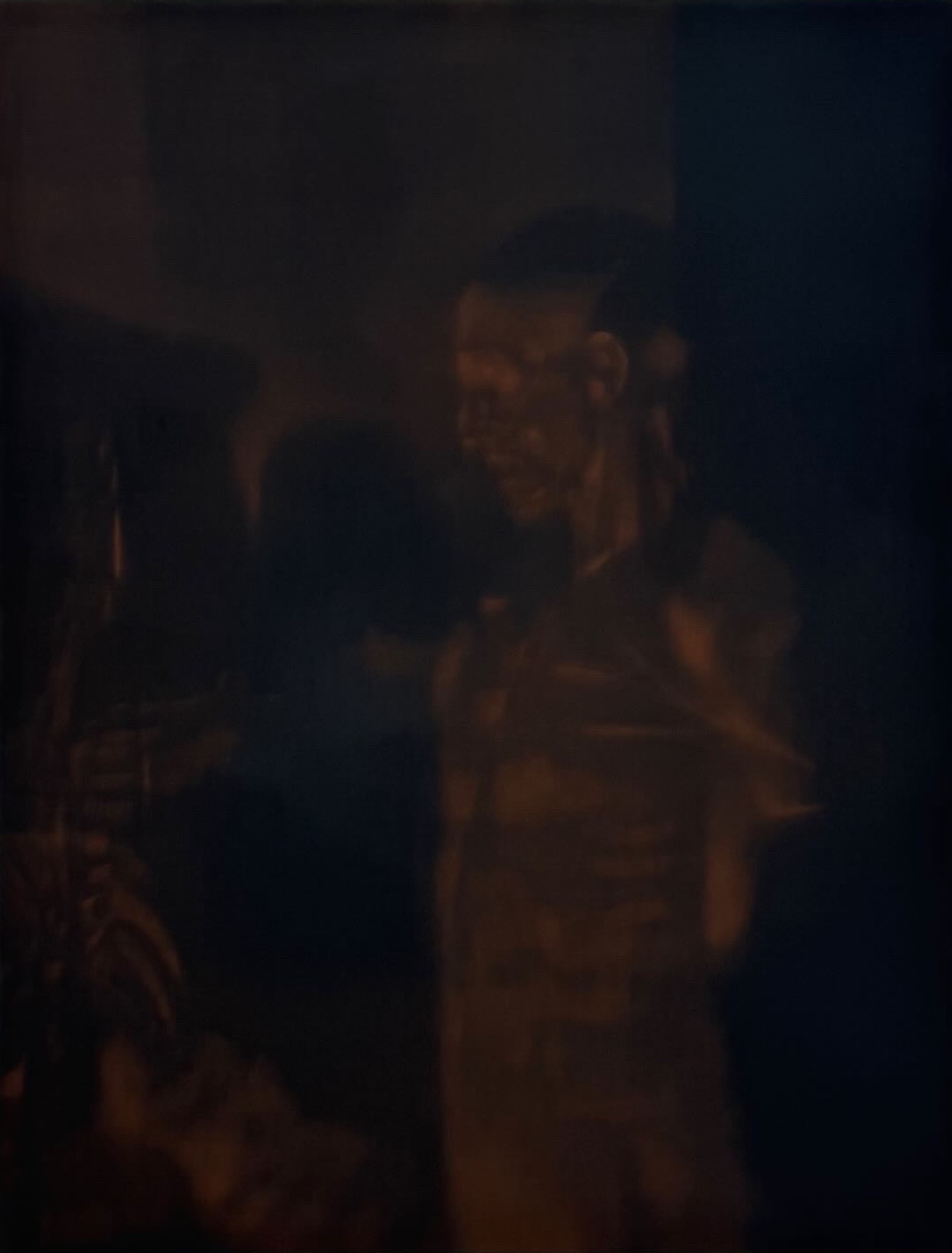
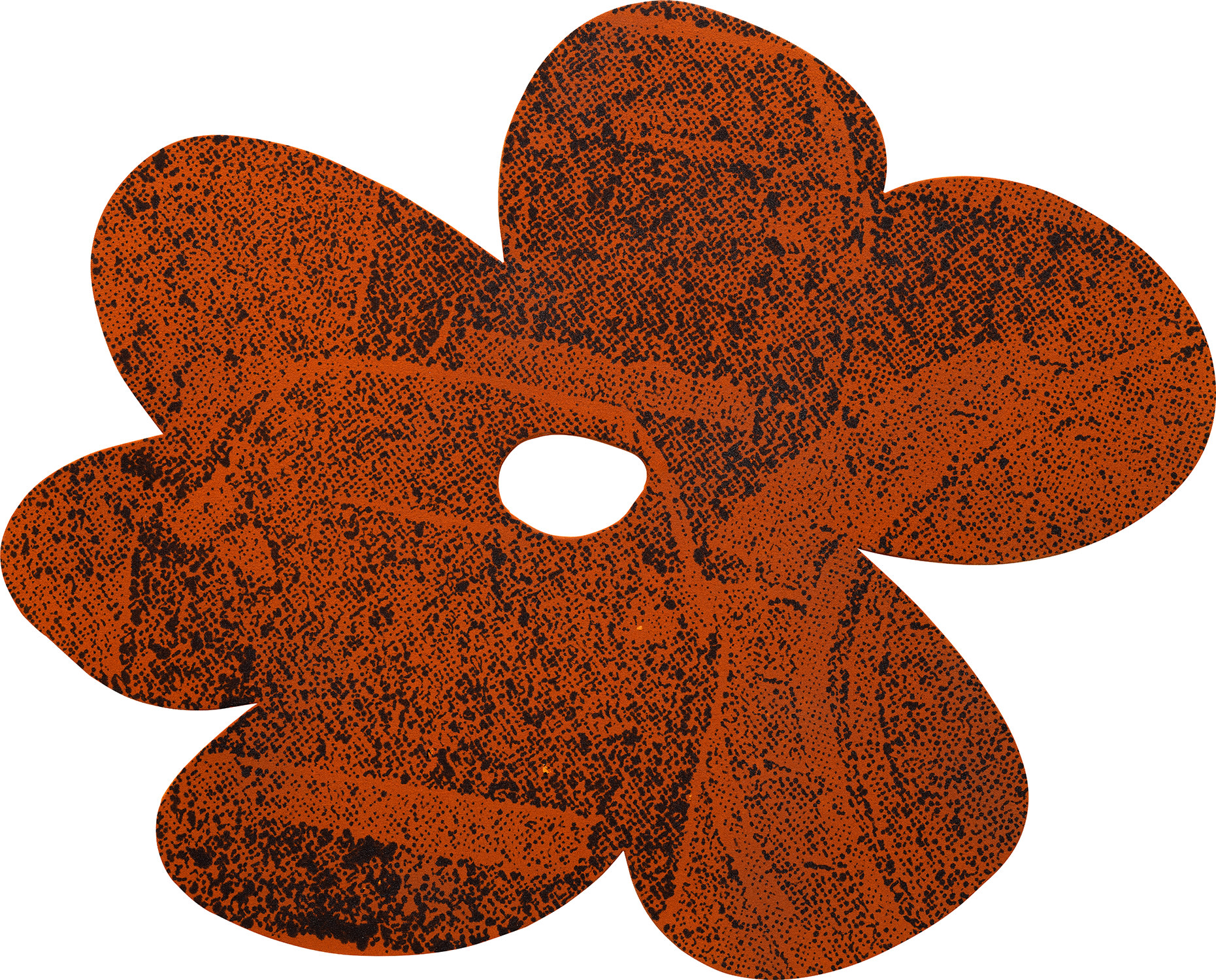
Richard Prince
Black Jokes
It sells identity. Works from the Cowboys series have held and grown their value through multiple market cycles, and his Nurse paintings and Instagram works have extended his reach across different collecting generations. Equally compelling is the work of Barbara Kruger, whose graphic appropriations of found imagery layered with declaratory text feel, if anything, more urgent now than when they were made in the 1980s. Her work commands serious prices at auction and carries enormous institutional validation, but strong examples still appear in the secondary market at levels that reflect genuine long term value rather than speculative heat.
For collectors who want depth alongside market credibility, Richard Pettibone deserves serious attention. His miniature reductions of canonical works by Warhol, Stella, and Lichtenstein, made with obsessive craft since the 1960s, occupy a fascinating position. They are simultaneously homage, critique, and formal exercise, and they have never received the mainstream recognition their quality warrants. Pettibone is exceptionally well represented on The Collection, and his works offer an entry point into appropriation's conceptual heart without the price pressure of his more famous contemporaries.
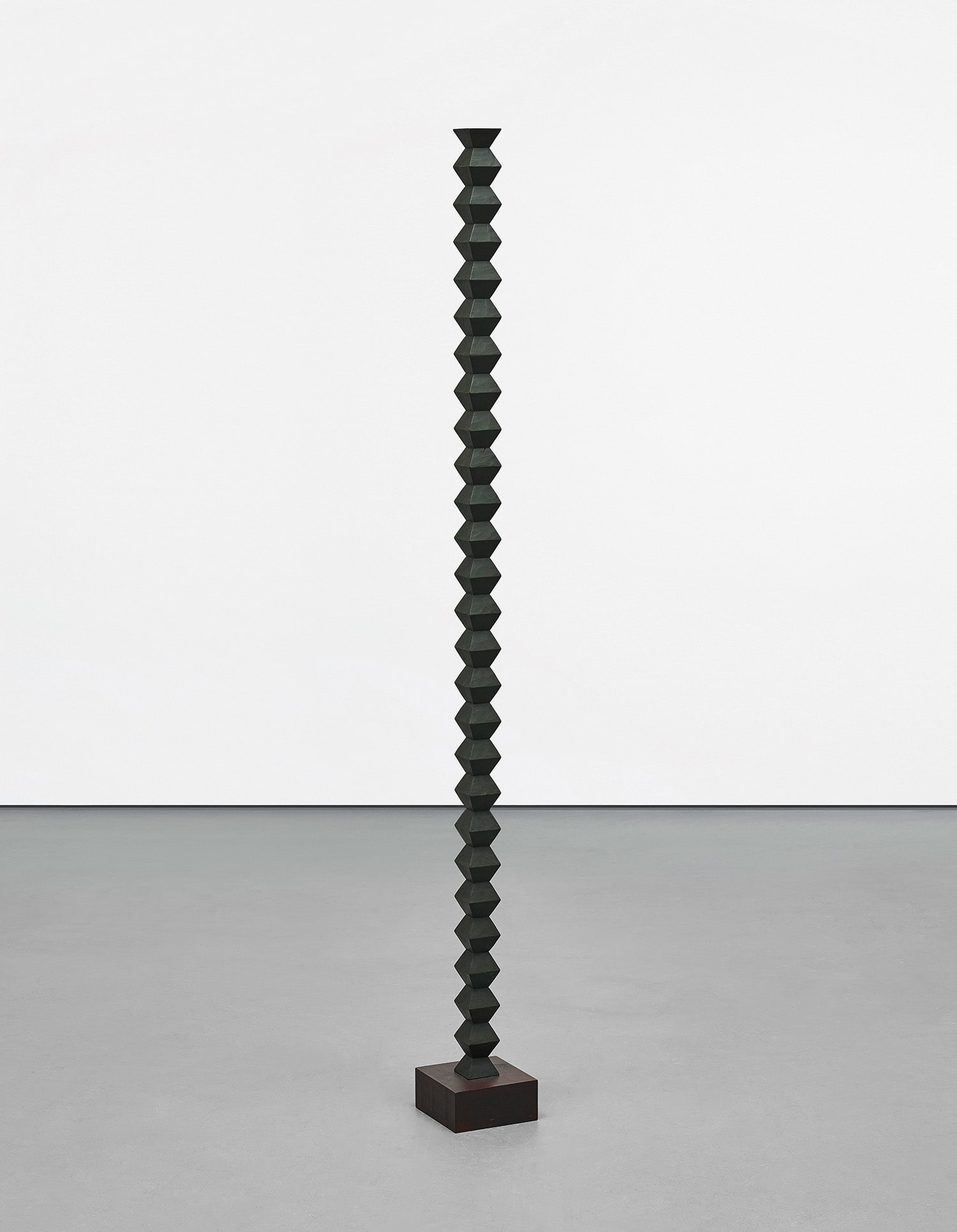
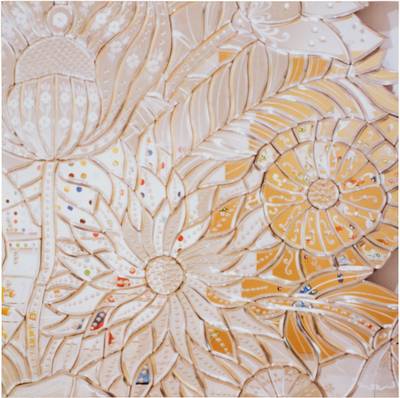
Richard Pettibone
Constantin Brancusi Endless Column, 1992
Similarly, Deborah Kass, who spent years remaking Warhol's celebrity portraits using Jewish cultural icons including her own face, has seen growing institutional interest that has not yet fully translated into secondary market prices. That gap is worth noting. Among younger and somewhat underrecognized figures, Nate Lowman brings a distinctly American vernacular sensibility to appropriated imagery, sourcing from tabloid photography, road signs, and pop culture detritus. His bullet hole paintings, which borrow the graphic language of bumper stickers and crime scene imagery, feel both casual and loaded in exactly the way the best appropriation work should.
Oliver Laric, working across sculpture and video, is doing some of the most intellectually rigorous thinking about copies, versions, and digital reproduction of anyone currently practicing. His work is priced accessibly relative to its critical standing and feels ahead of where the broader conversation is going. Elad Lassry, whose photographs treat found imagery with a cool, graphic intensity, sits at an interesting intersection of appropriation and formalism that has attracted strong gallery and institutional support. At auction, appropriation art can be volatile in ways that require collector sophistication.
Works by Prince, Kruger, and Warhol perform predictably at the major houses, but the category is sensitive to cultural moment in a way that, say, landscape painting is not. A work that feels urgent in one political climate can feel dated in another, and then urgent again a decade later. The best works transcend their moment without losing their bite, and those are the ones that hold value. Editions require particular attention.
Many appropriation artists have worked extensively in print and photographic editions, and condition, print run size, and whether a work is signed and numbered all affect price significantly. Always request the full edition details and provenance documentation before purchasing. Practically speaking, appropriation works often involve photography, inkjet printing, or mixed media processes that have specific display requirements. Avoid direct sunlight and fluctuating humidity, and ask your gallery for conservation notes specific to the process used.
When speaking with a dealer, the most useful questions are about the conceptual lineage of the work within the artist's practice, the exhibition history, and whether similar works have appeared at auction. For works on paper or photograph based works, ask about the substrate and whether the edition has appeared in any institutional collections. These details matter both for your enjoyment of the work and for its long term market position. The collectors who do best in this space are the ones who engage with the ideas as seriously as they engage with the object, which is, of course, exactly what the artists intended.