Albumen Print
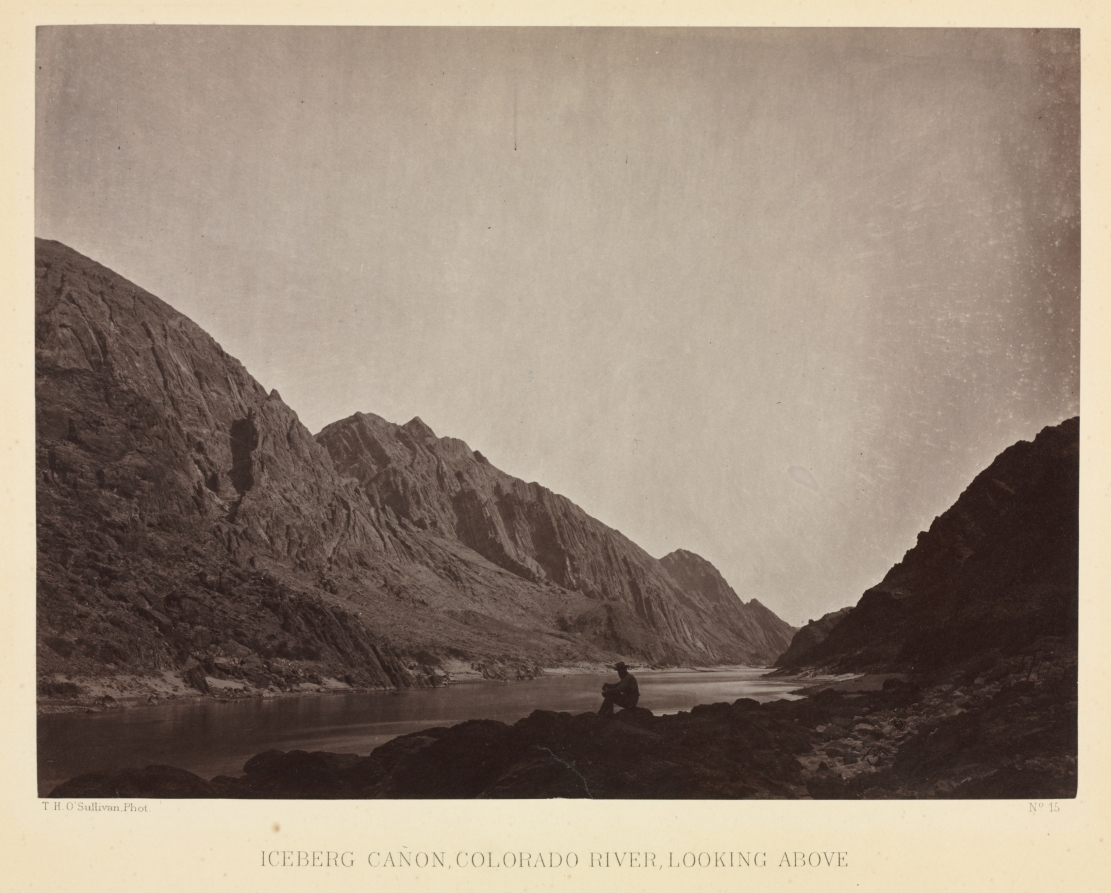
Timothy H. O'Sullivan
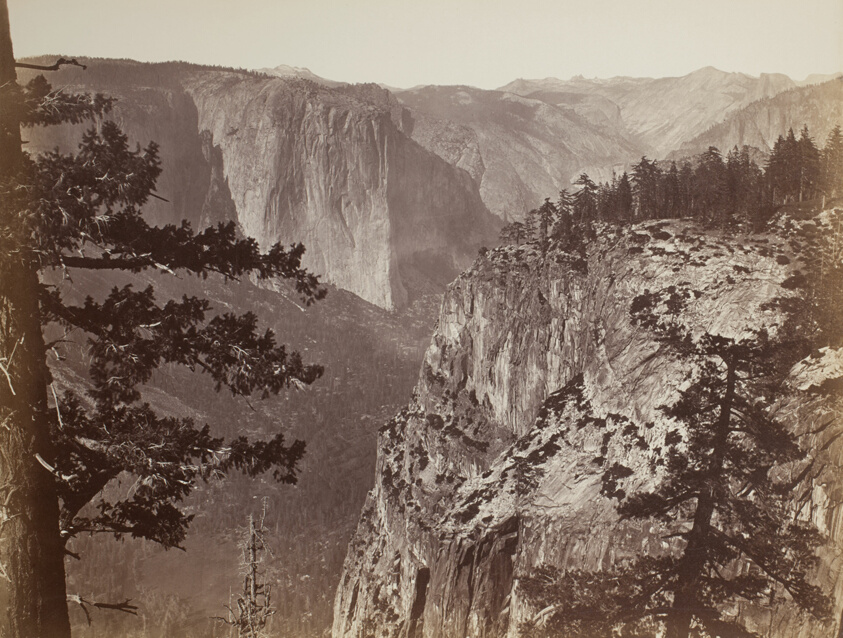
Iceberg Canyon, Colorado River Looking Above, 1871
Gold, Egg White, and the World Captured
There is something almost alchemical about the albumen print. Made from egg whites and silver salts, coated onto paper thin as a whisper, these photographs captured the nineteenth century world with a luminosity and detail that still stops you cold. To hold one in your hands today, even one that has shifted to that characteristic warm sepia tone, is to feel the uncanny proximity of history. The technique was not merely a technical advancement.
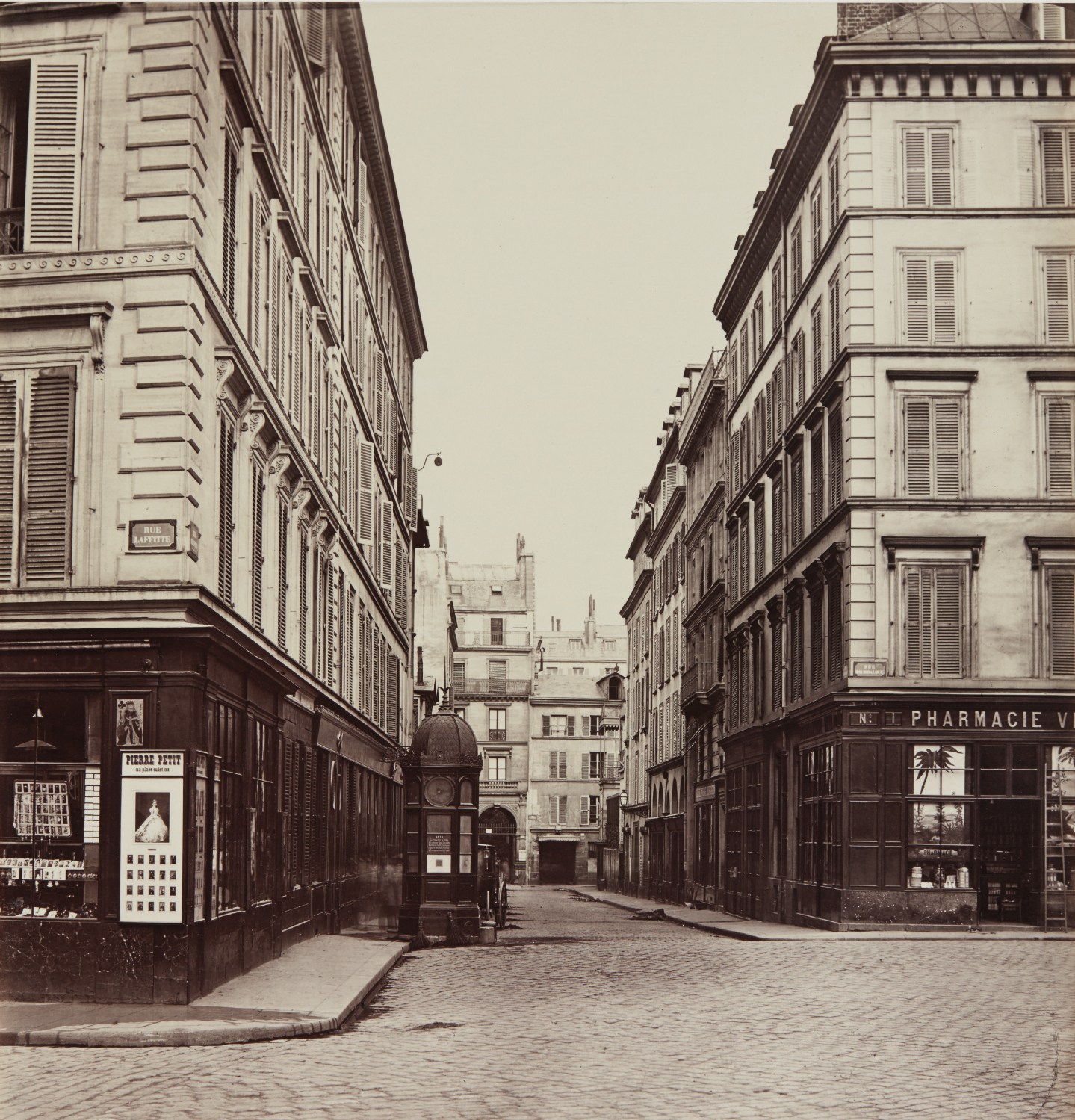
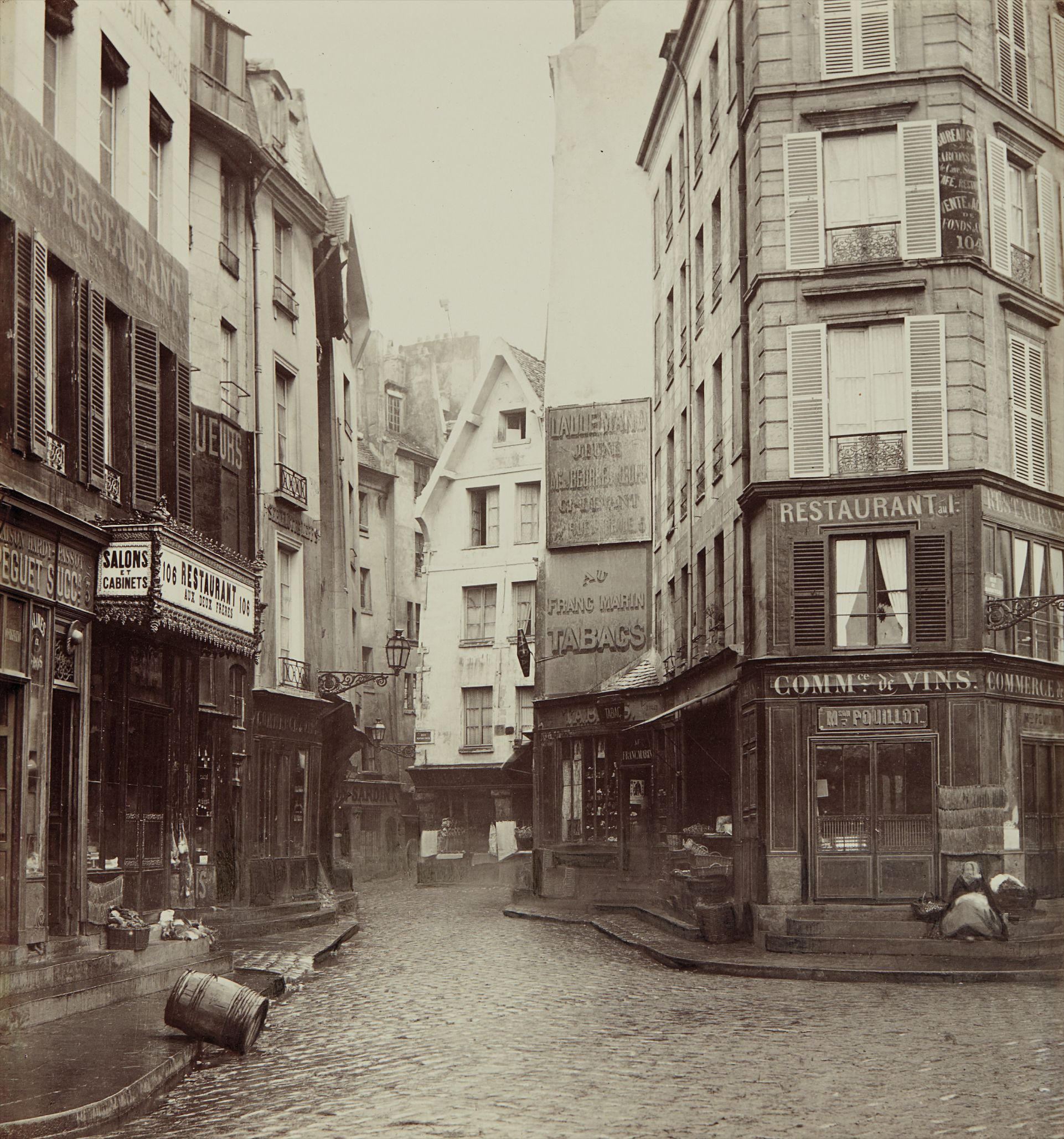
It was the medium through which photography became a global visual language. The process was invented in 1850 by Louis Désiré Blanquart Evrard, a French photographer and publisher who understood that the future of the medium depended on reproducibility and tonal richness. By coating paper with a solution of egg white and ammonium chloride, then sensitizing it with silver nitrate, photographers could finally produce prints with far greater detail and surface sheen than the calotype process had allowed. The albumen print dominated fine art and commercial photography for roughly forty years, from the early 1850s through the 1890s, and during that time it shaped how the modern world understood itself visually.
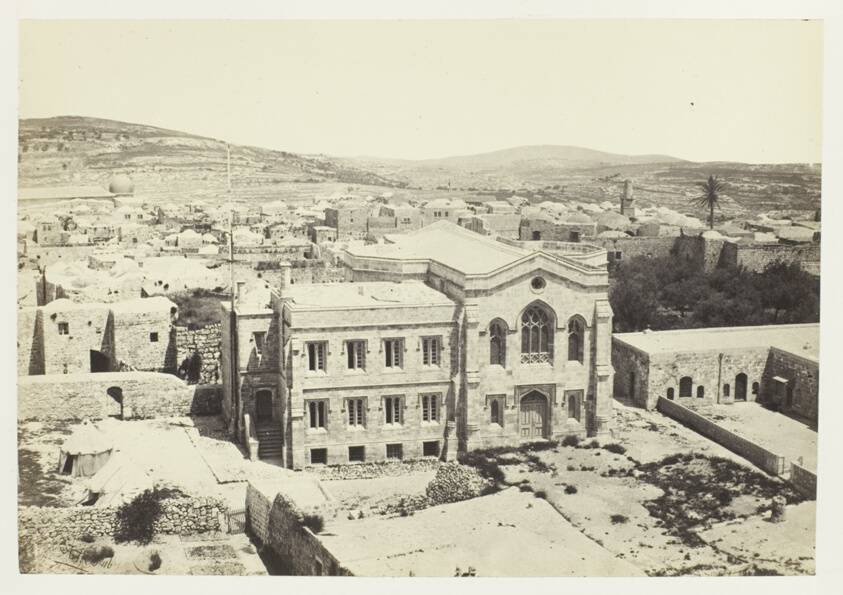
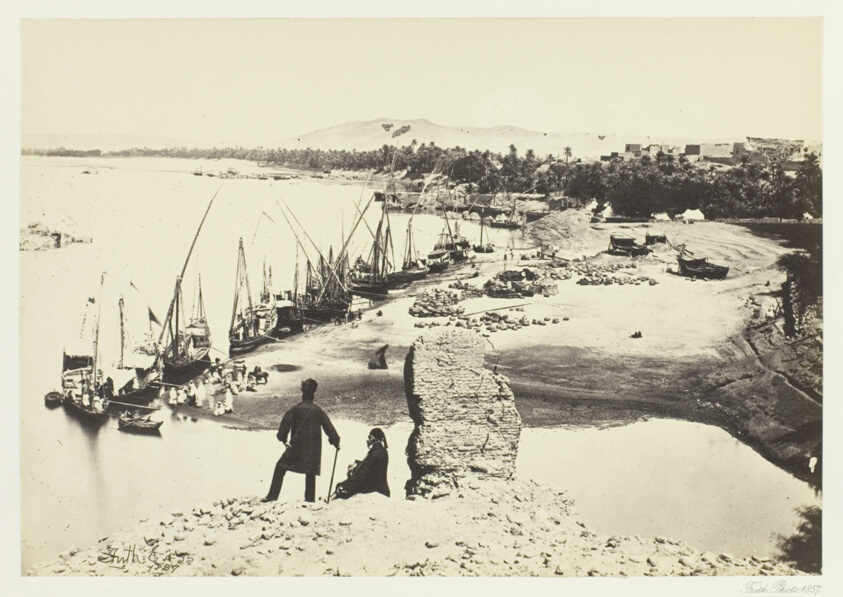
Francis Frith
The New English Church from the Tower of Hippicus, Jerusalem, 1857
At its peak, factories in Dresden were processing millions of eggs per year solely to supply the photographic industry. What the albumen print made possible, above all, was the grand documentary project. Photographers set out with enormous glass plate negatives and portable darkrooms to photograph everything worth seeing, from the cataracts of the Nile to the granite walls of Yosemite. Francis Frith traveled to Egypt and the Holy Land in the late 1850s, producing images of ancient monuments with a clarity that stunned Victorian audiences accustomed to engravings.
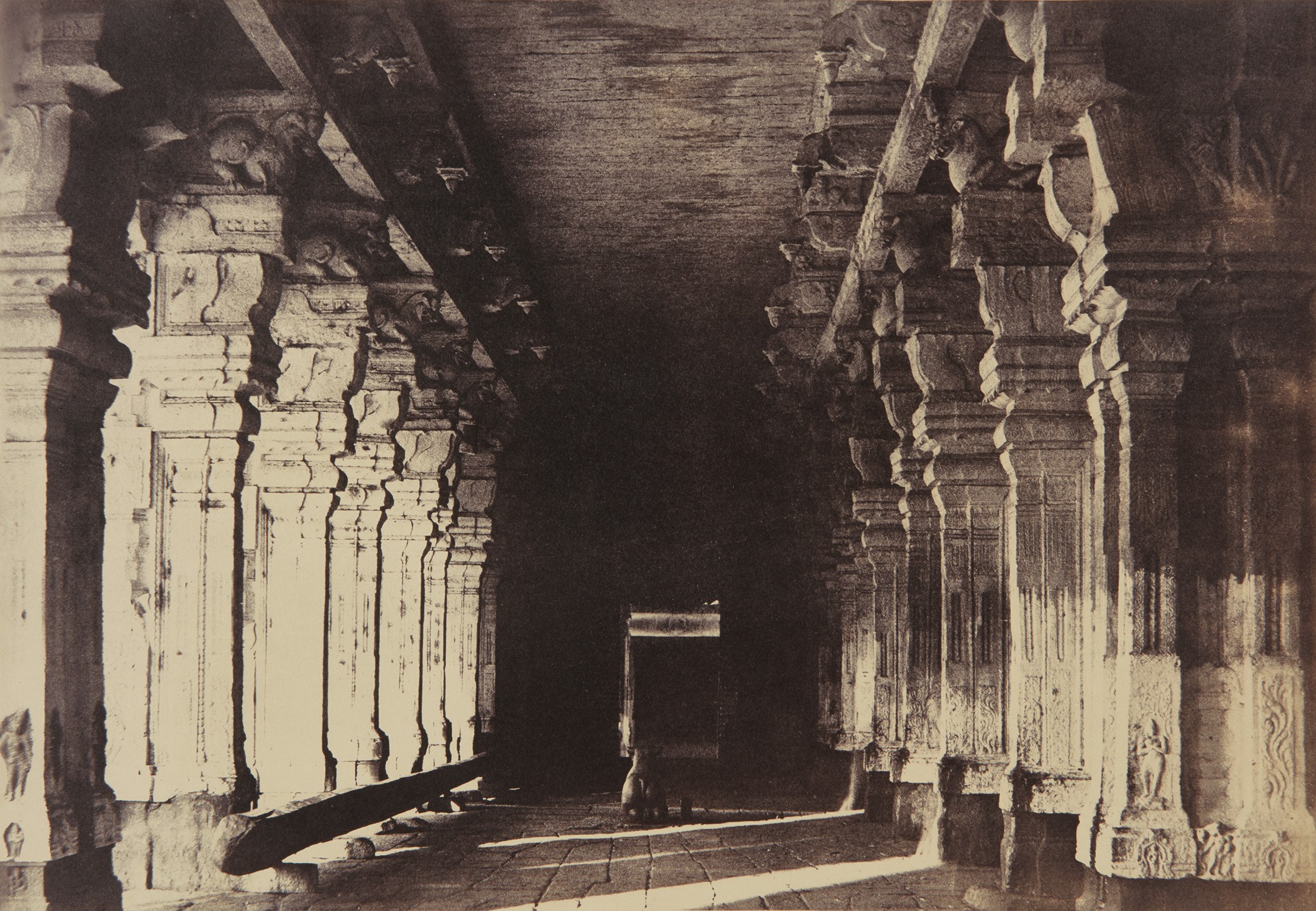
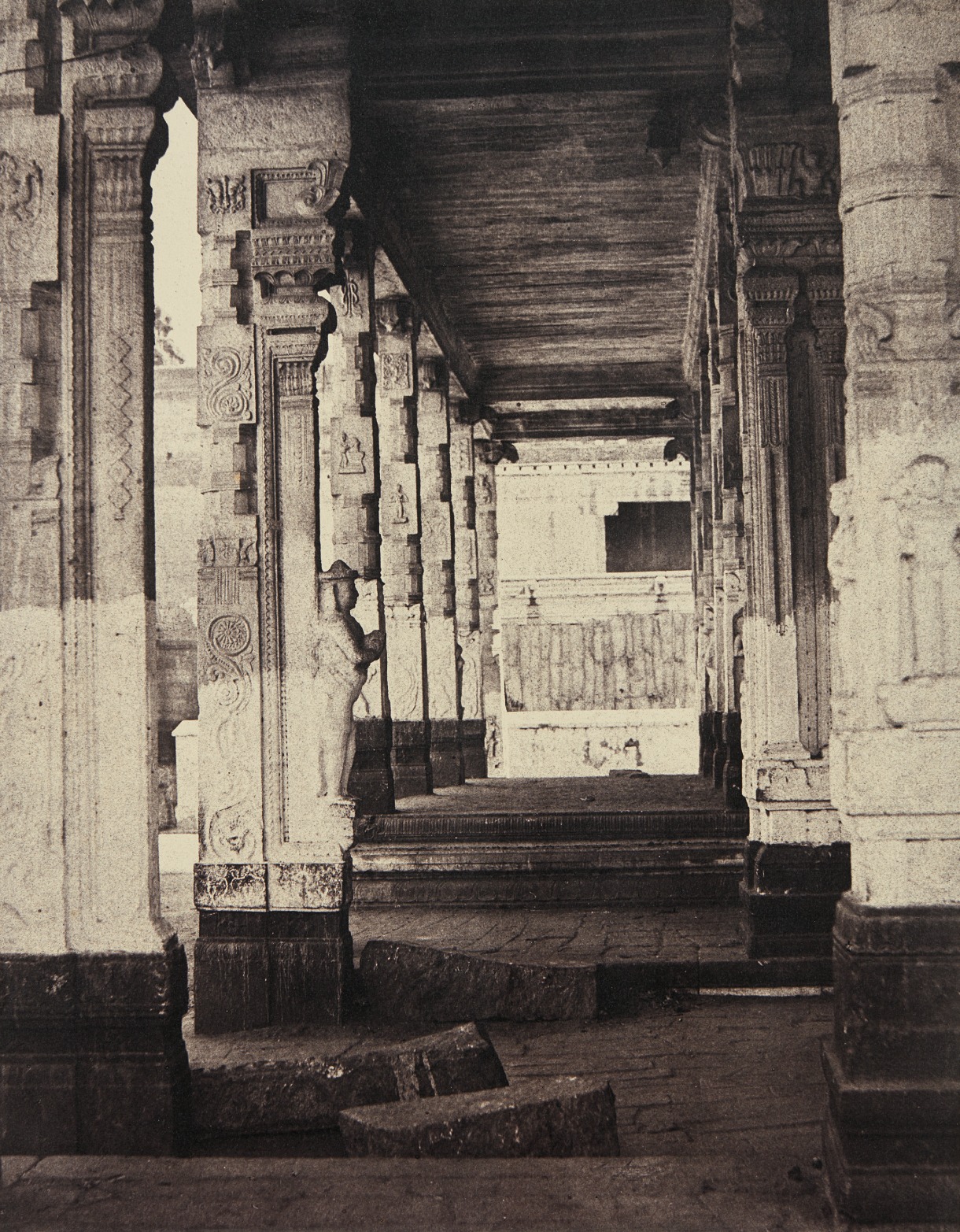
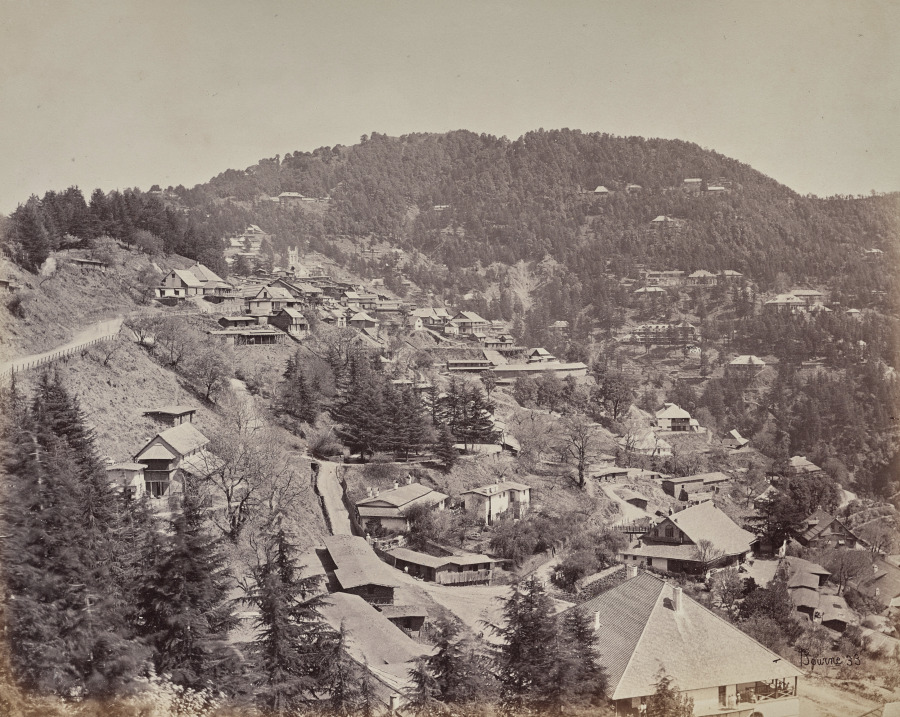
Samuel Bourne spent years in India during the 1860s making painstaking expeditions into the Himalayas, hauling his equipment to altitudes where the cold made the chemistry nearly unworkable. The resulting prints, many of which are well represented on The Collection, have a stillness and grandeur that no reproduction quite does justice. In India, Raja Deen Dayal was building a parallel and equally extraordinary body of work. Appointed court photographer to the Nizam of Hyderabad in 1884, Dayal brought the same technical mastery to portraiture, architecture, and daily life across the subcontinent.
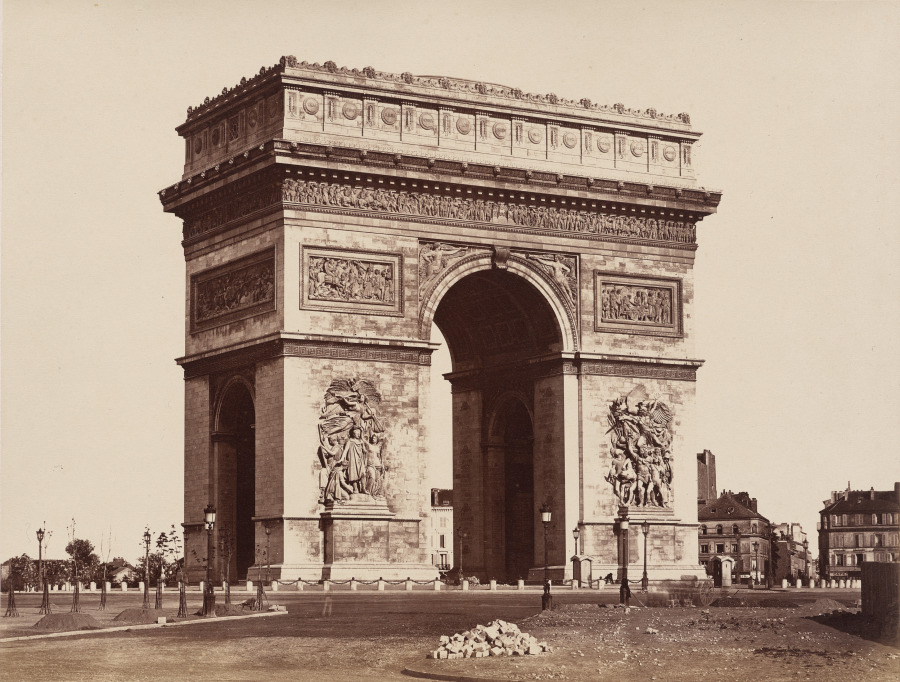
Édouard Baldus
Arc de Triomphe de l'Etoile, Paris, 1860
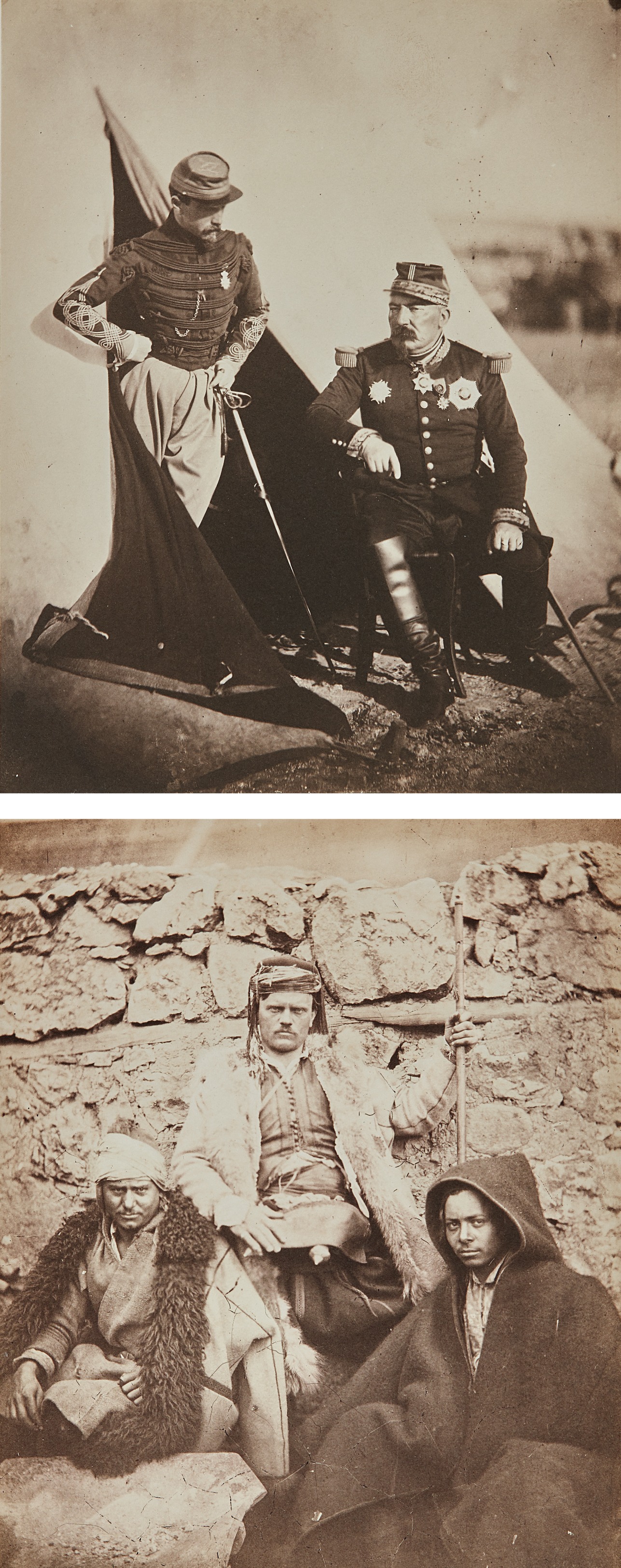
His albumen prints carry a warmth and psychological acuity that elevate them far beyond documentation. Meanwhile, Felice Beato was moving across Asia, photographing the aftermath of the Indian Rebellion of 1857 and later the landscapes and people of Japan with an eye that balanced journalistic directness and genuine compositional intelligence. Both photographers were working at the intersection of empire and art, and their prints remain among the most compelling records of that fraught encounter. In the American West, the albumen print became the medium of geological revelation and national mythology simultaneously.
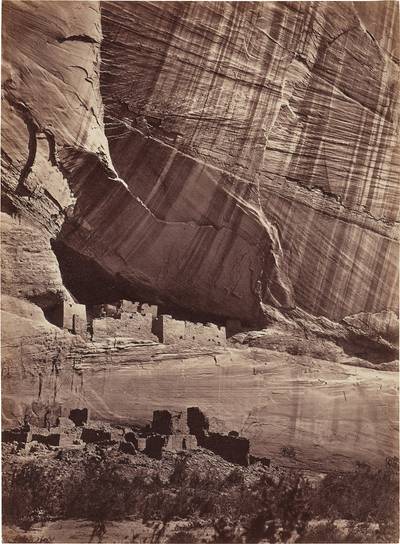
Timothy O'Sullivan, who had learned his craft photographing the carnage of the Civil War under Alexander Gardner, joined Clarence King's survey of the 40th Parallel in 1867 and produced images of the Nevada and Utah territories that seem to exist outside time. Carleton Watkins was photographing Yosemite Valley as early as 1861, and his mammoth plate albumen prints were directly influential in convincing Congress to set aside the valley as protected land in 1864, one of the earliest instances of photography shaping environmental policy. Andrew J. Russell documented the construction of the transcontinental railroad, and his image of the golden spike ceremony at Promontory Summit in 1869 is among the most reproduced albumen prints in American history.
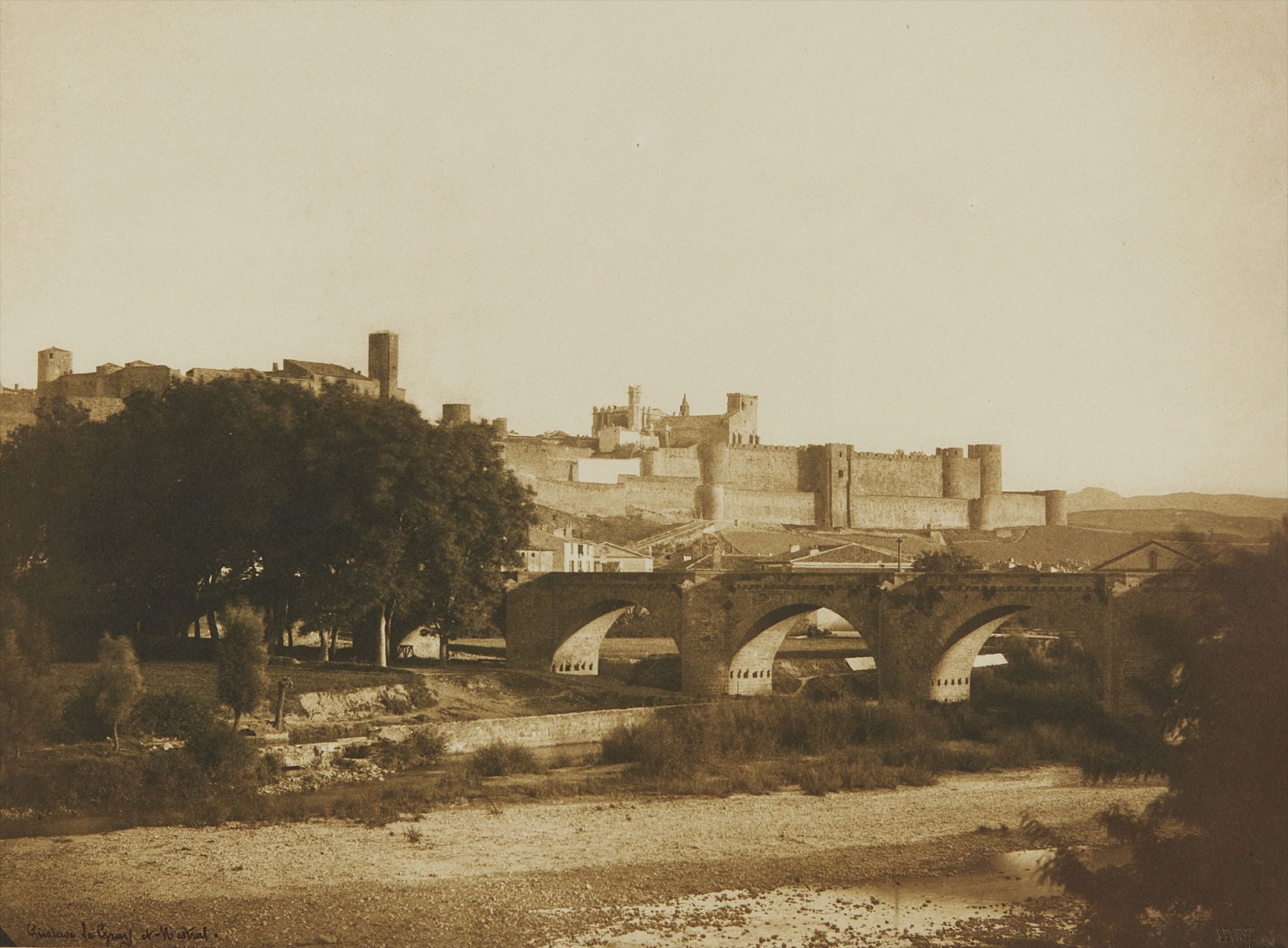
Gustave Le Gray
Vue générale des remparts de Carcassonne, prise de l’ouest
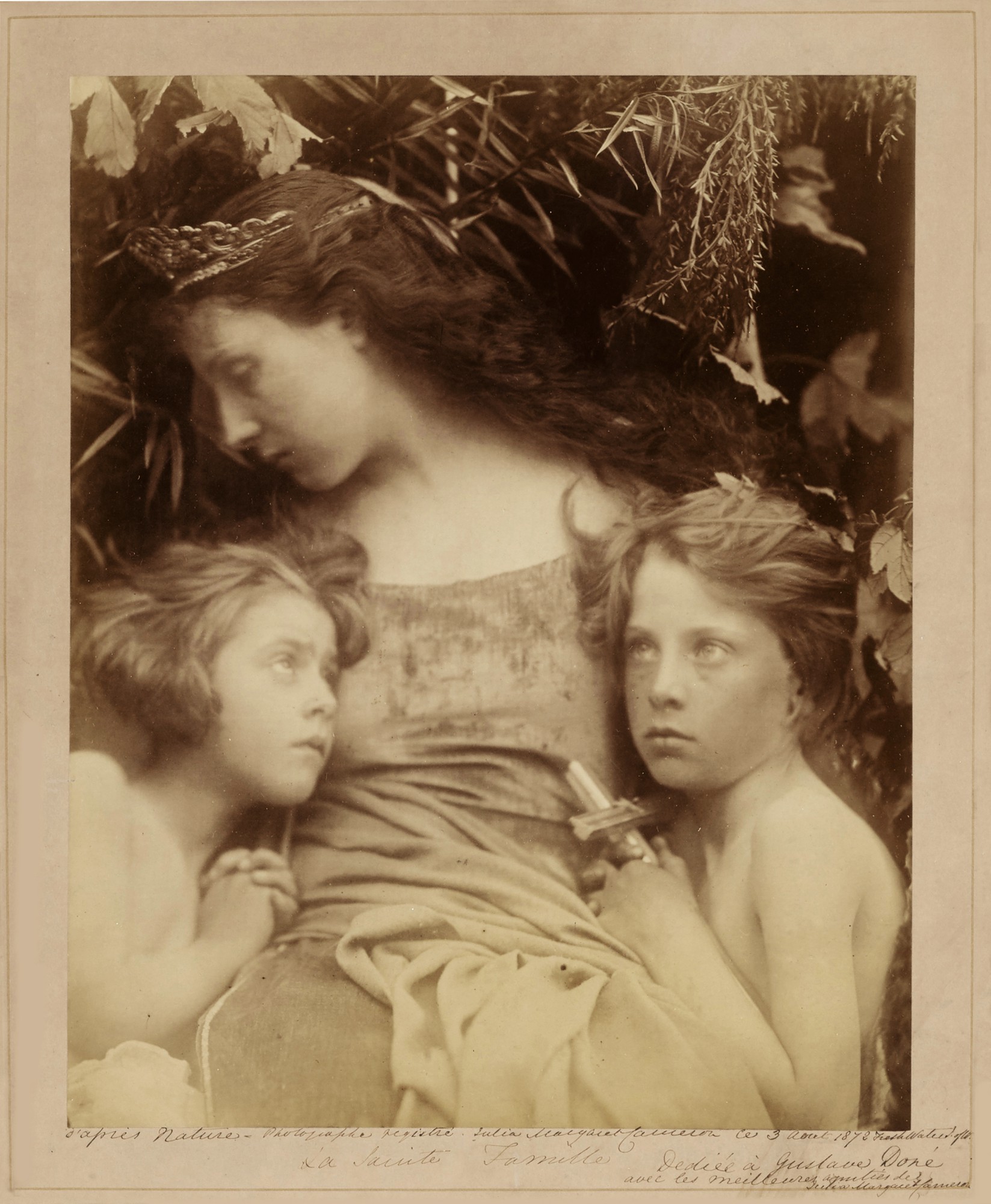
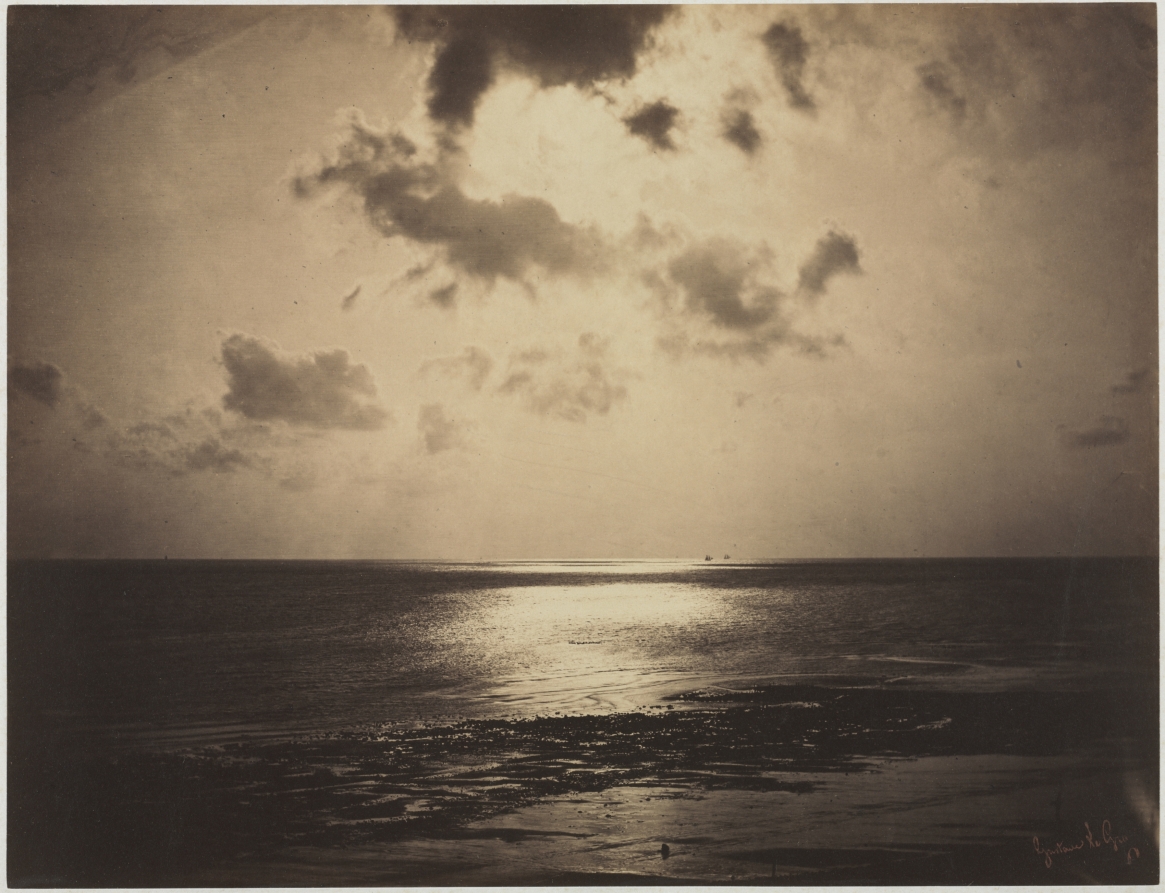
The medium also had its poets. Julia Margaret Cameron came to photography relatively late, receiving her first camera as a gift in 1863 when she was in her forties, and immediately began using it to pursue something closer to painting than documentation. Her soft focus albumen portraits of Victorian luminaries and allegorical figures have a dreamlike intensity that sits entirely apart from the sharp topographical work of her contemporaries. Gustave Le Gray, meanwhile, was pushing the albumen print toward something atmospheric and sublime, most famously in his seascape compositions of the late 1850s that combined separate negatives to achieve tonal effects the medium could not otherwise produce.
Both photographers remind us that even within a highly standardized commercial process, there was room for genuine artistic ambition. The technique itself demanded a particular kind of physical and intellectual commitment. Photographers had to coat their own paper, often in total darkness, then sensitize it by floating it face down on a bath of silver nitrate solution. Printing was done by contact, the negative laid directly on the sensitized paper and exposed to sunlight, which meant that large format prints required large format negatives.
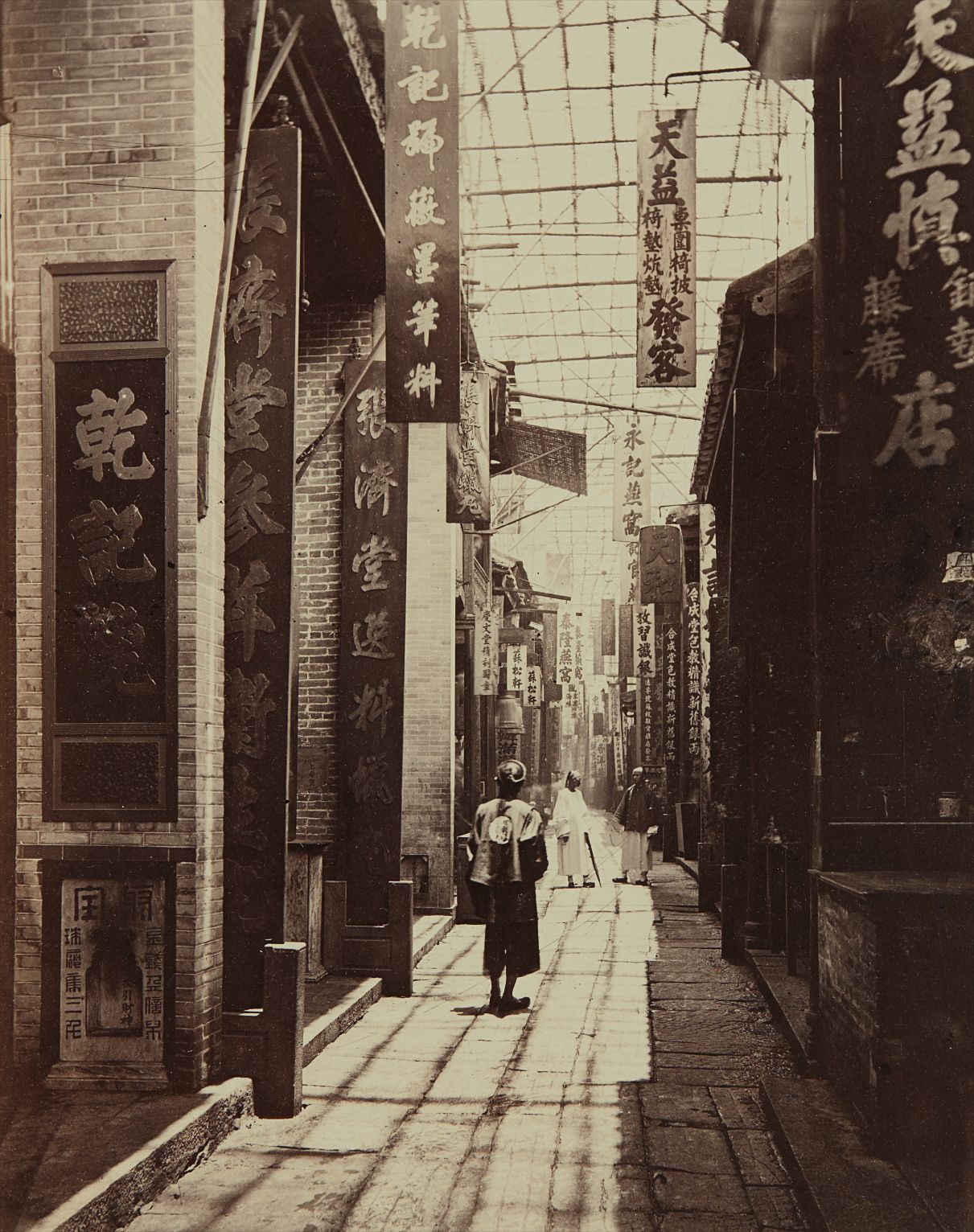
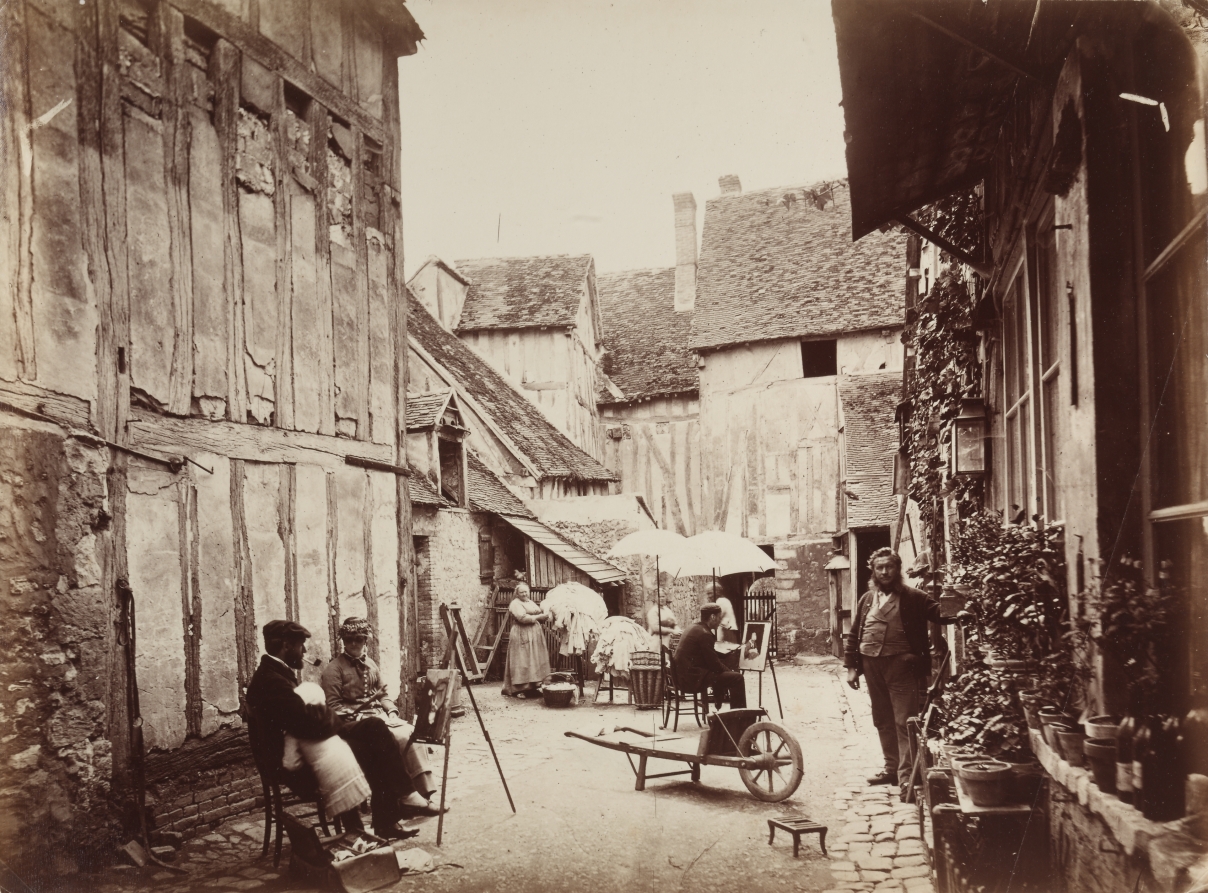
John Thomson
Physic Street, Canton
The chemistry was sensitive to temperature, humidity, and the quality of the water used. Gold toning was applied after development to shift the color and improve permanence, giving the finest albumen prints that warm, slightly reddish sepia that collectors have come to associate with the medium. Every print was in some sense a handmade object, whatever the scale of the operation producing it. Today the albumen print occupies a fascinating position in the art market.
For decades these works were treated primarily as historical documents rather than art objects, undervalued relative to their aesthetic achievement and cultural significance. That has shifted substantially, and the photographers now recognized as masters of the form command serious collector attention at auction and in private sales. The works on The Collection reflect the full range of what the medium produced at its height, from the intimate and psychological to the monumental and exploratory. What connects them all is that quality of silver and light on paper, the sense of a world seen freshly for the first time, preserved in egg white and held just barely at the edge of permanence.