Four Darks in Red
1958
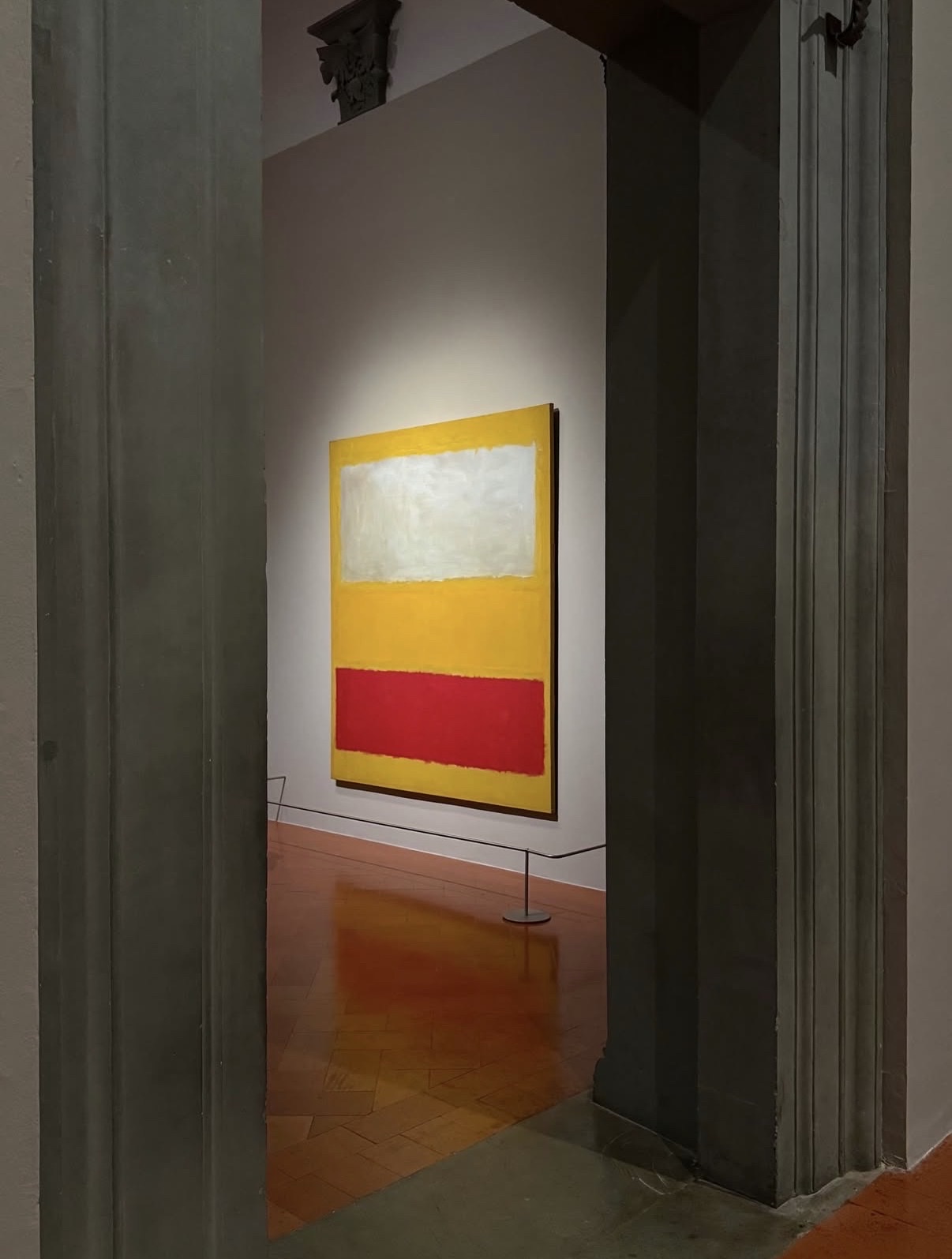
A masterwork from Rothko's classic period featuring three horizontal color fields: white at the top, yellow in the center, and red at the bottom, all set against a golden-yellow ground. From the collection of the Whitney Museum of American Art, this painting was directly inspired by Pompeii, according to Christopher Rothko. The work reflects Rothko's 1950 visit to Florence with his wife Mell, where he encountered Michelangelo's architectural designs at the Laurentian Library—an experience that became the main inspiration behind the pivotal Seagram Murals.
- Medium
- Oil on canvas
- Spotted At
- Museum · Palazzo Strozzi
Notes
Exhibited at Palazzo Strozzi's Rothko exhibition in Florence, which celebrates the artist's bond with the city. The exhibition brings together around 70 works, including studies and sketches Rothko made in preparation for his Harvard and Seagram Murals, all hung in dialogue with the Renaissance architecture of the Palazzo. The show explores Rothko's first visit to Florence in 1950 with his wife Mell, when he encountered Michelangelo's architectural designs at the Laurentian Library.
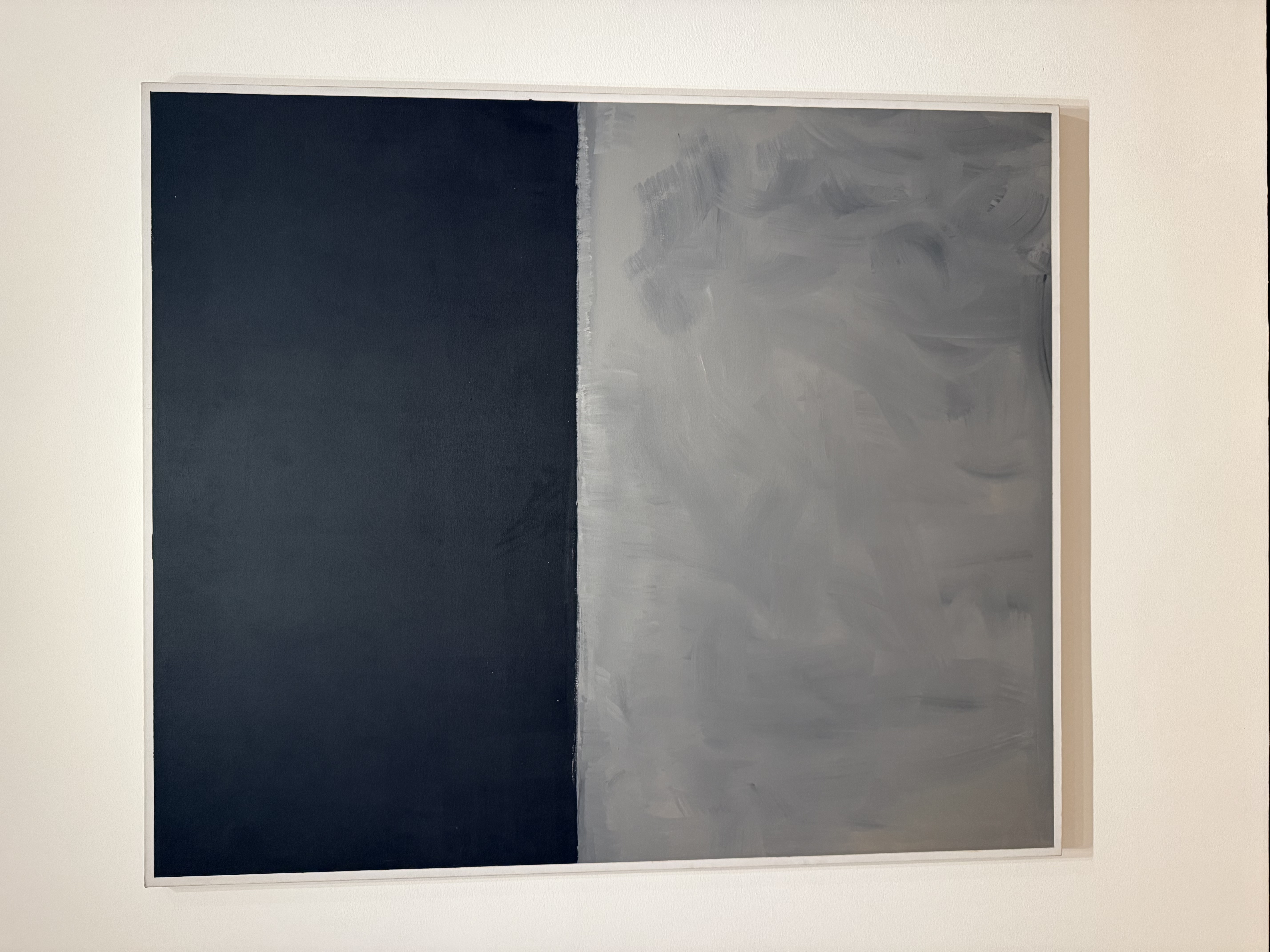
Spotted works by Mark Rothko


Artists in conversation
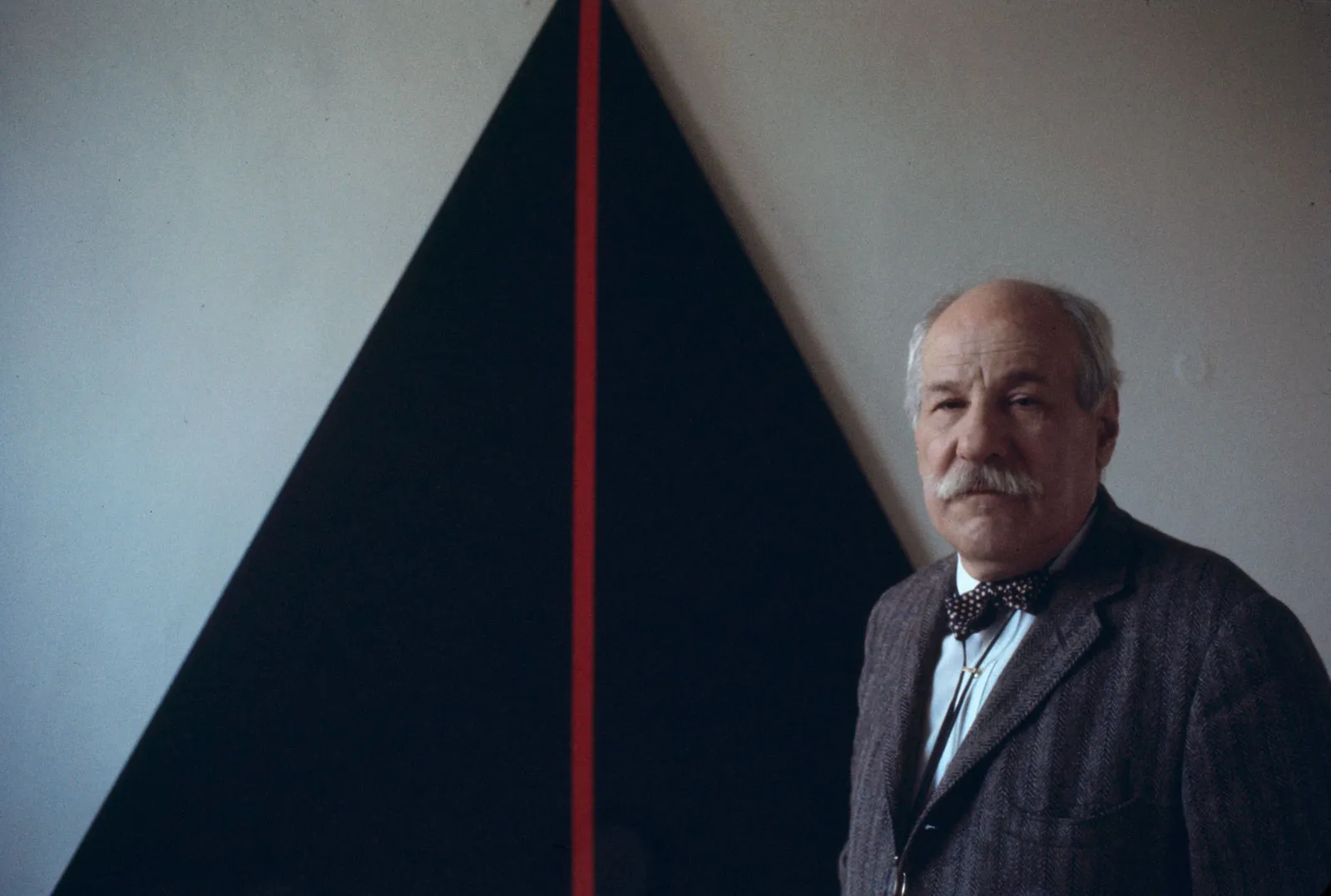
Barnett Newman
American · b. 1905
Newman's large scale color field paintings share Rothko's use of luminous, expansive color zones and a meditative emotional weight, particularly in works like his 'Zip' paintings where vertical color divisions create a similar sense of sublime transcendence through pure chromatic experience.
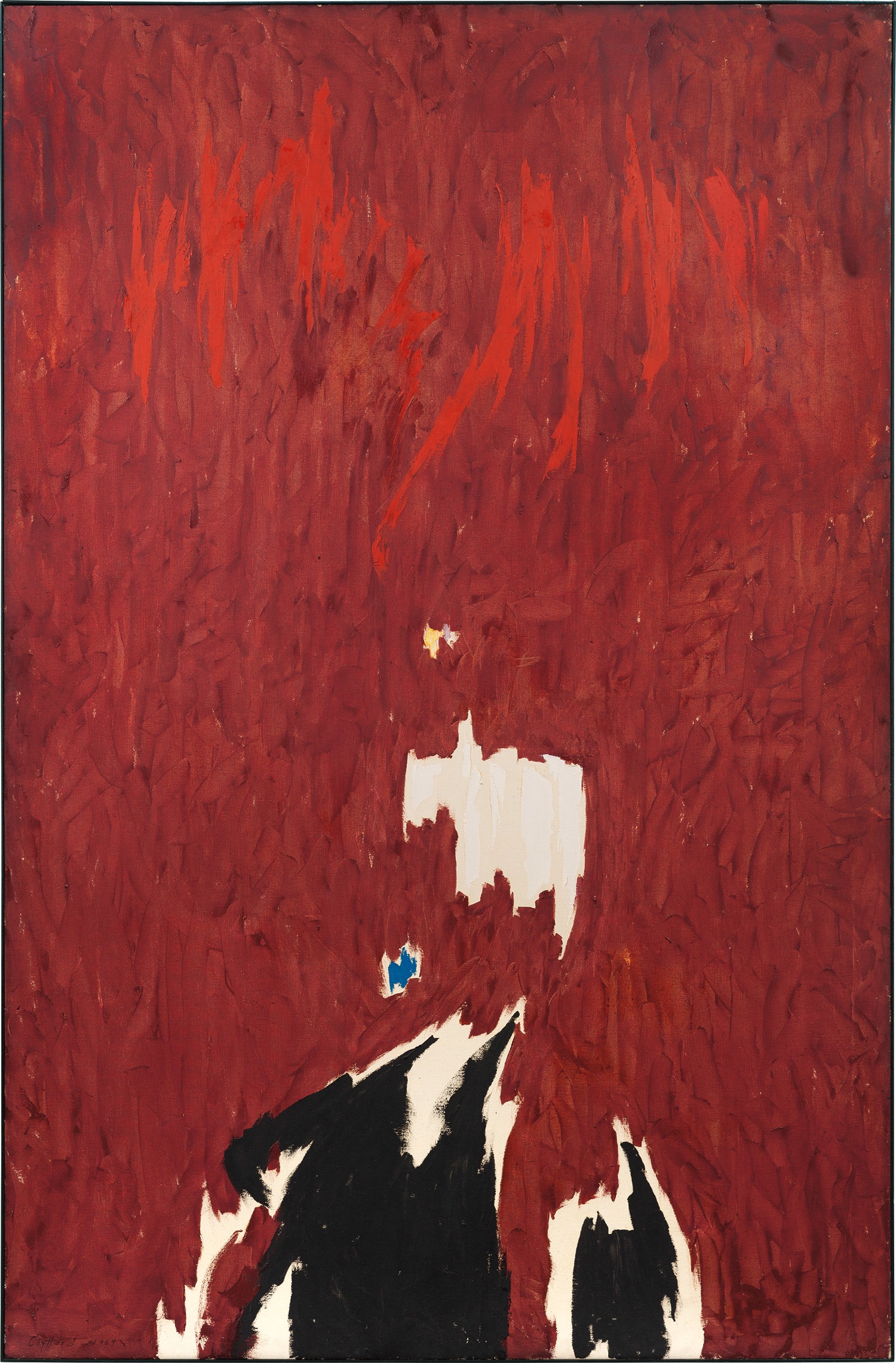
Clyfford Still
American · b. 1904
Still was a pioneering Abstract Expressionist whose monumental canvases use deeply saturated color fields with raw, atmospheric edges that evoke the same brooding intensity and psychological depth found in Rothko's dark, resonant color relationships.
Ad Reinhardt
American · b. 1913
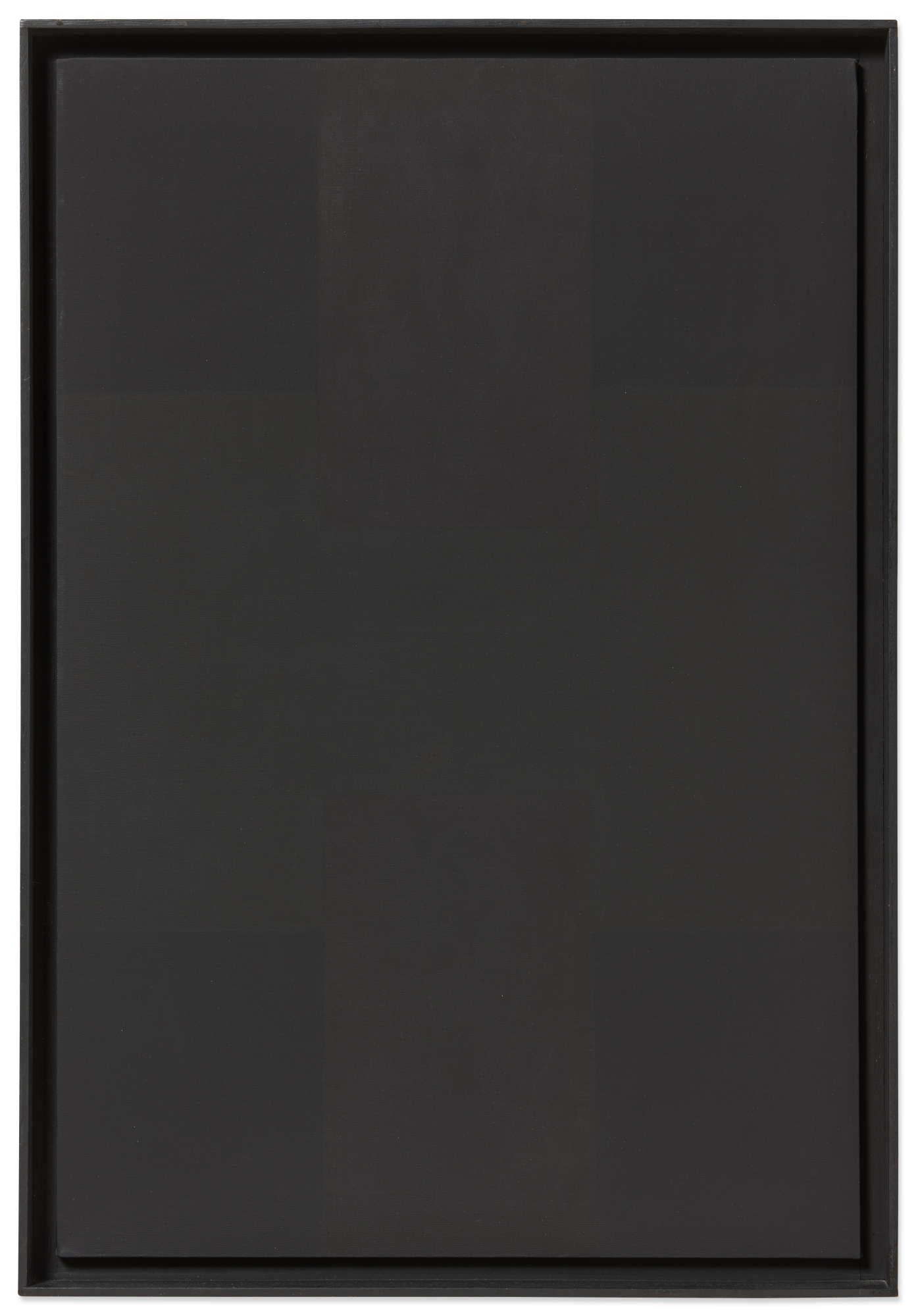
Reinhardt's late paintings feature subtle, nearly invisible rectangular color zones within dark fields that share Rothko's contemplative approach to pure color as a vehicle for spiritual and emotional experience, with both artists reducing composition to stacked horizontal forms.
Start the Discussion
Request access to join the discussion