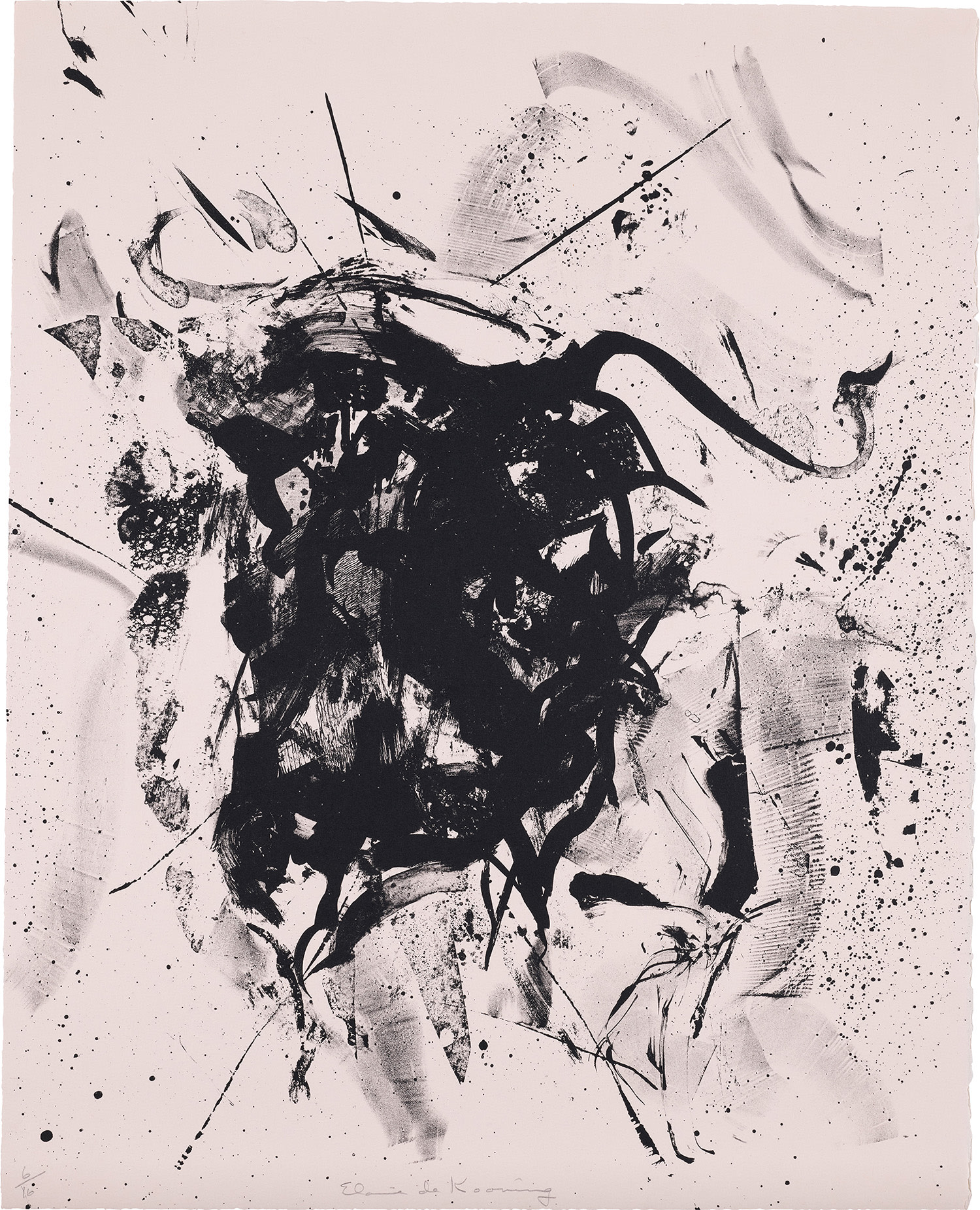
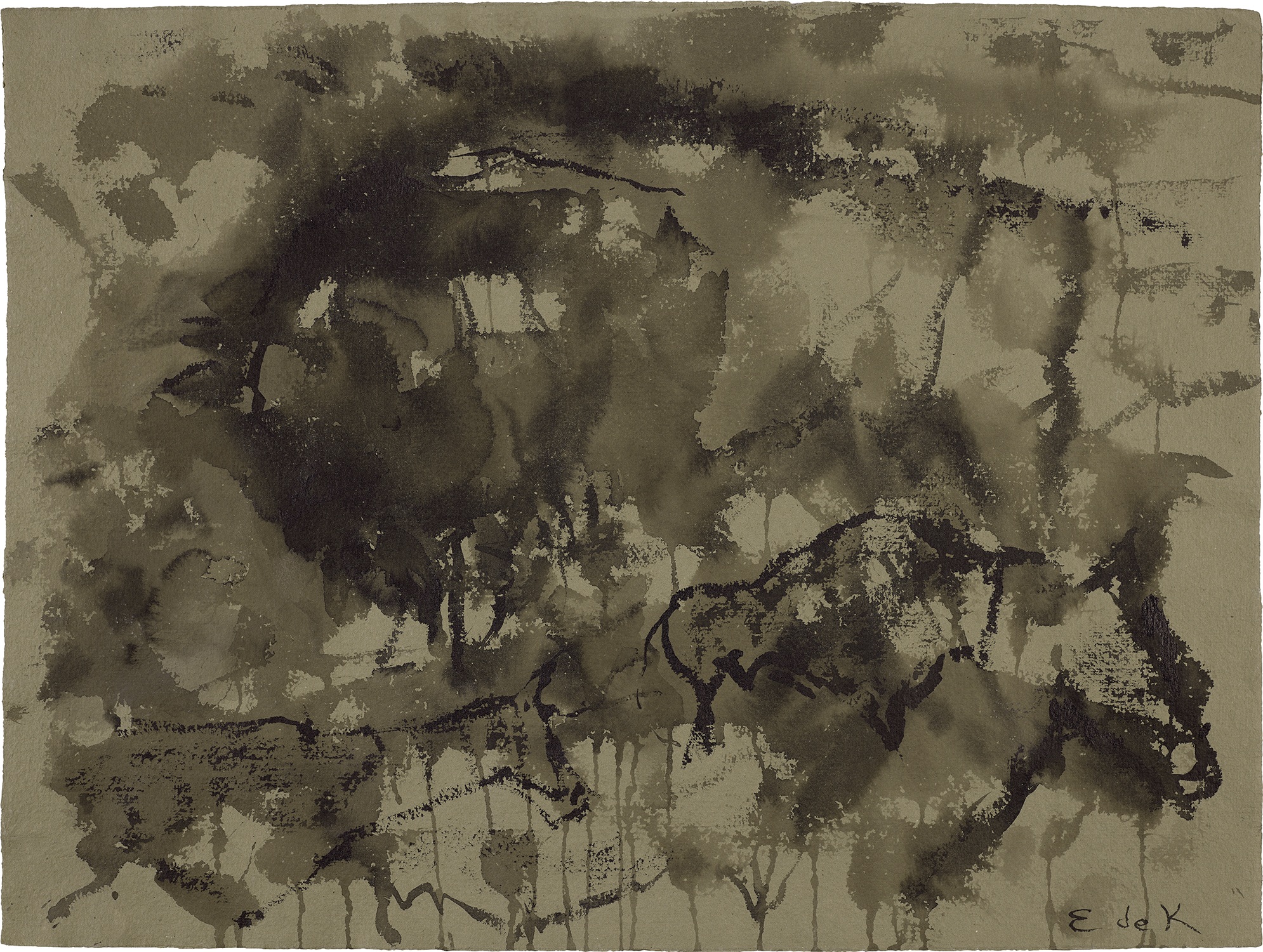
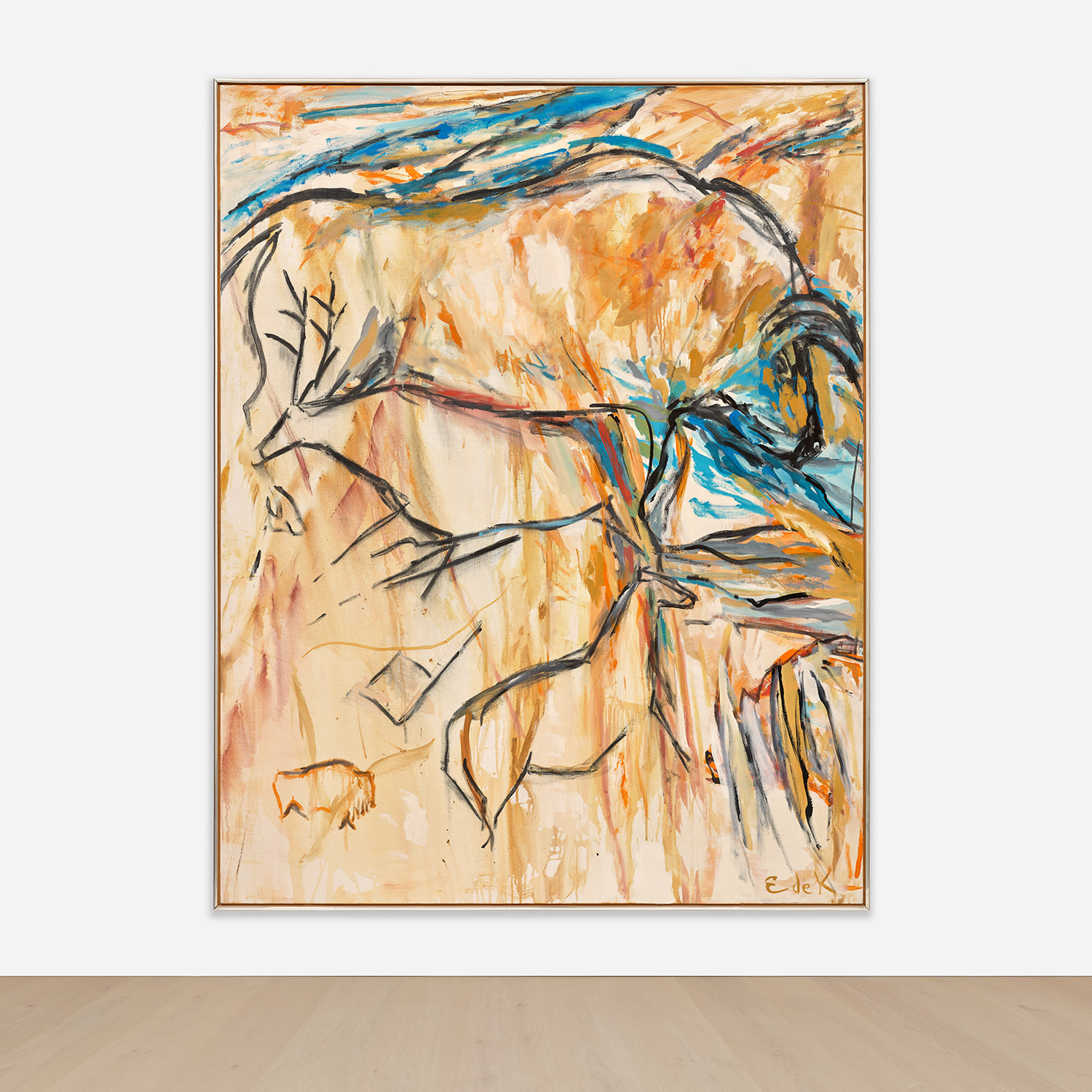
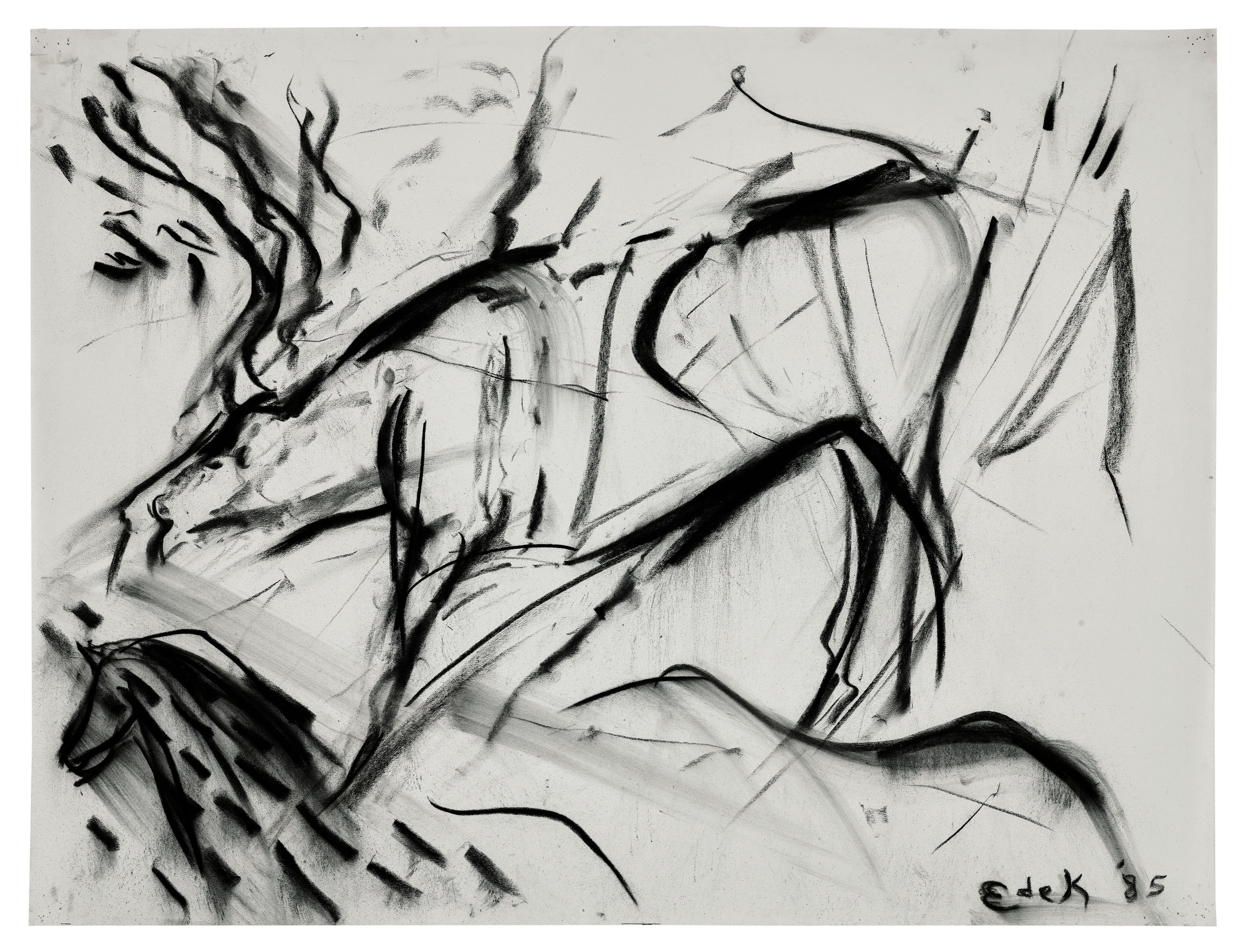
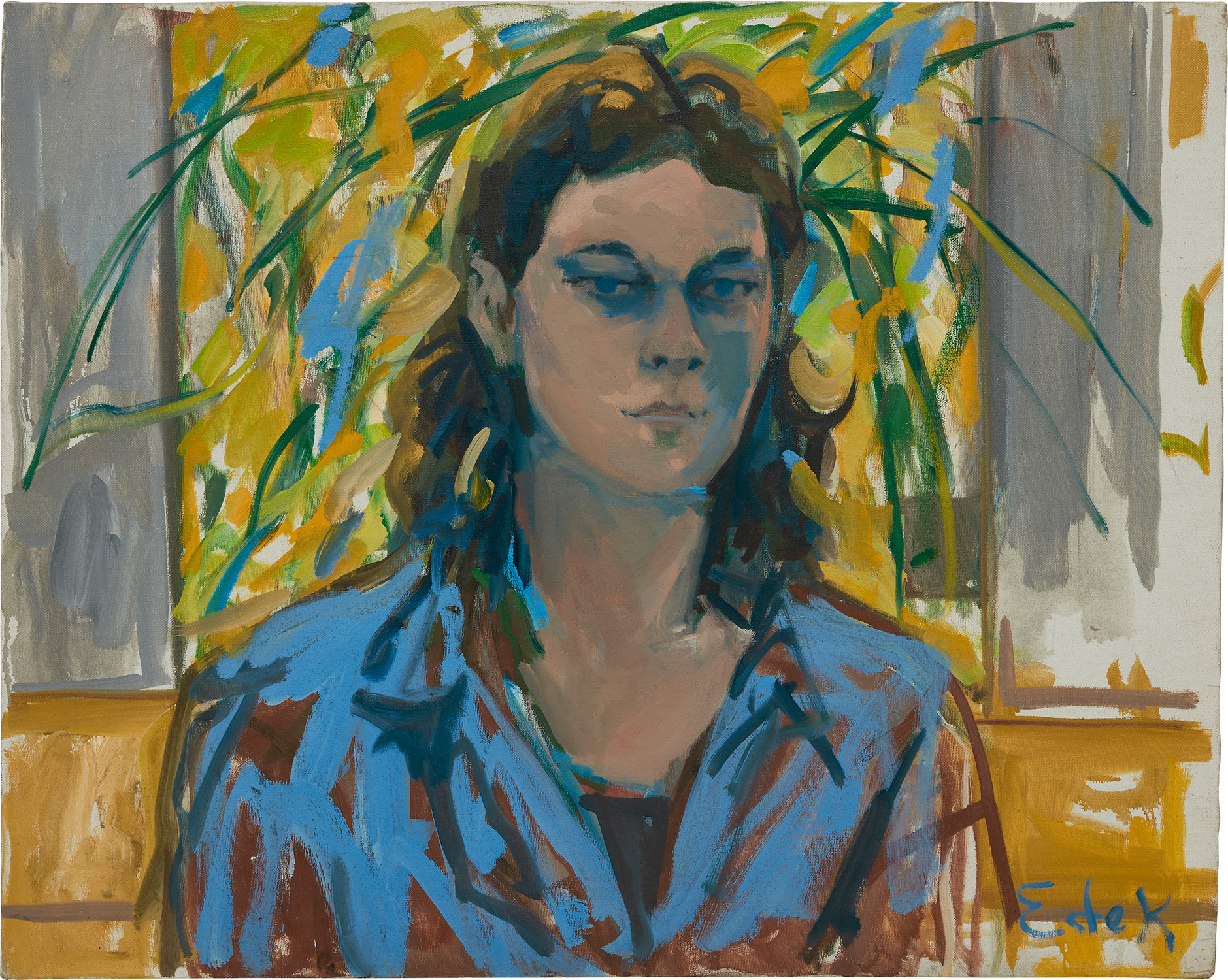
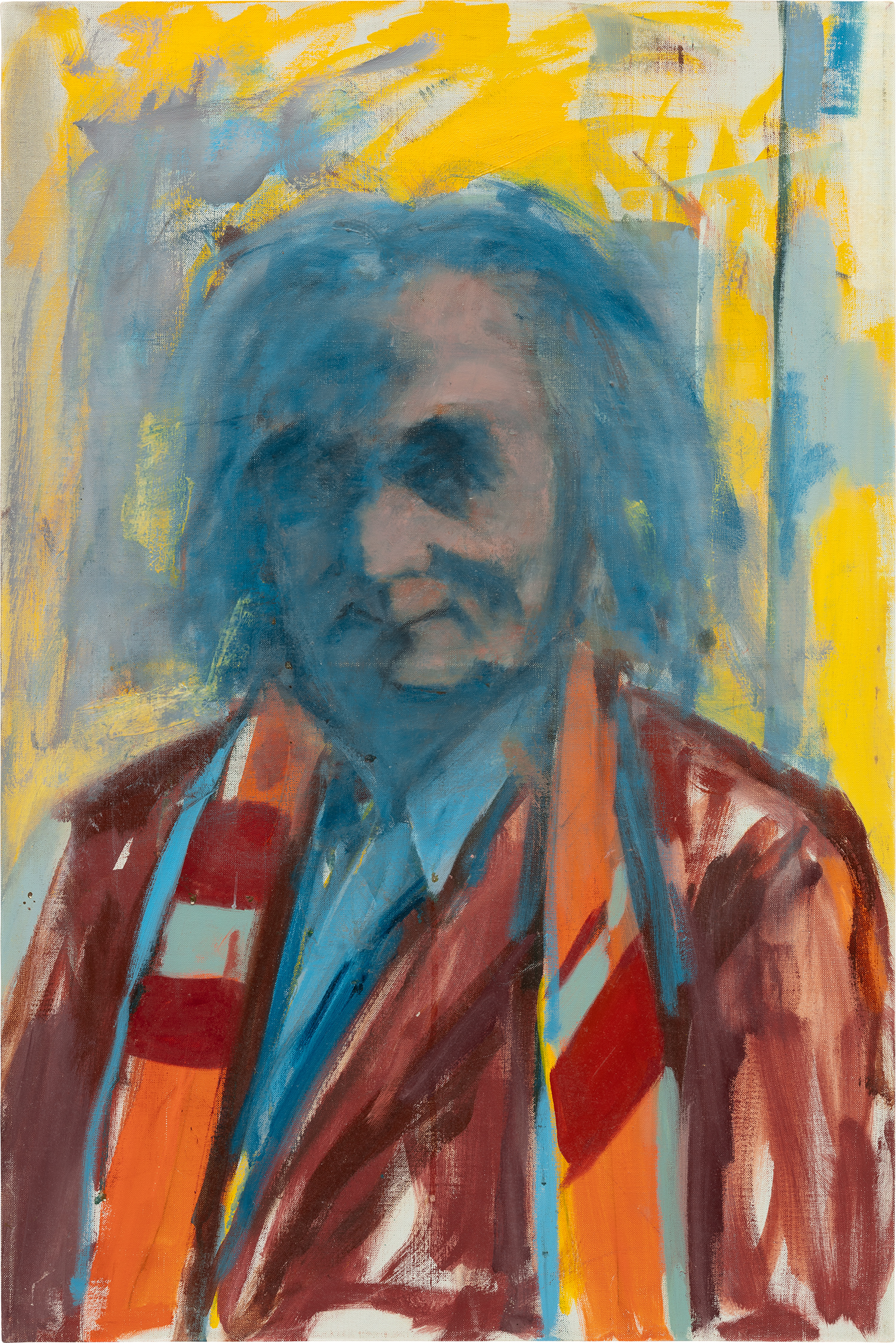
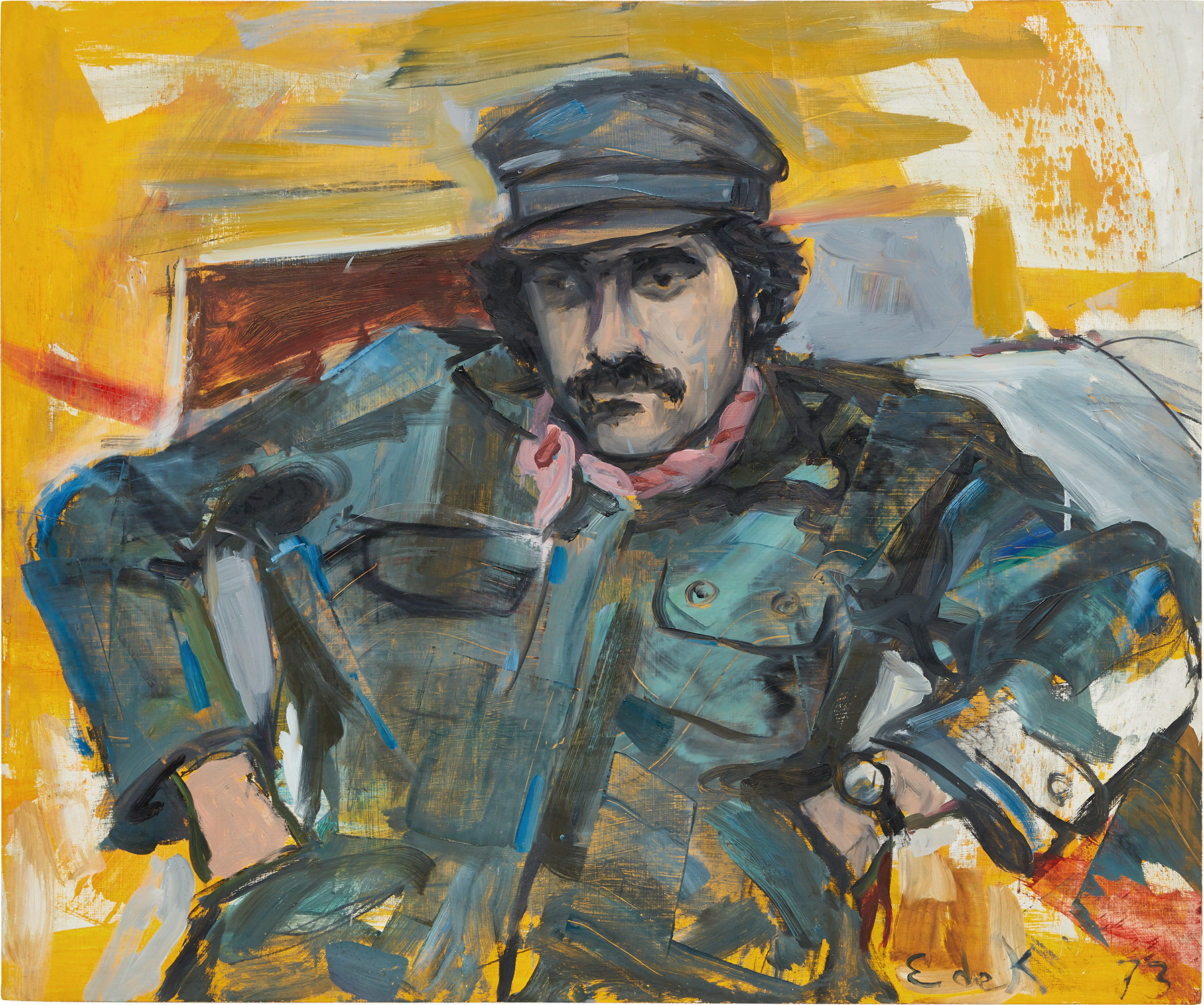
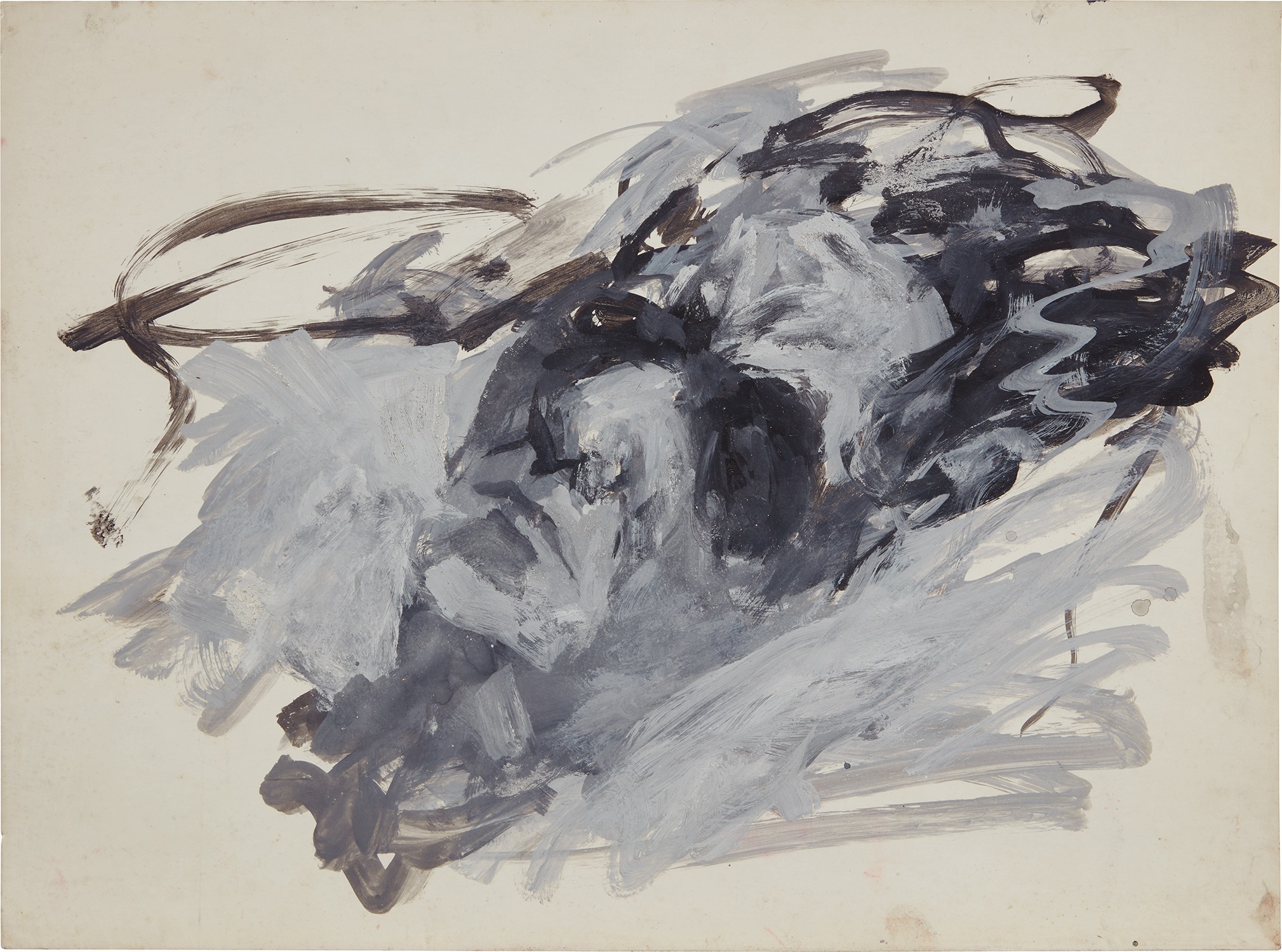
There is a photograph, taken sometime in the early 1960s, of Elaine de Kooning seated before a large canvas, brush in hand, entirely absorbed. She looks less like someone making art than like someone in conversation with the world, which is precisely the point. When the Smithsonian American Art Museum and the National Portrait Gallery together hold significant examples of her work in their permanent collections, and when the Metropolitan Museum of Art counts her canvases among its holdings, it is a reminder that Elaine de Kooning was never a peripheral figure in American modernism. She was one of its animating spirits, a painter and writer whose influence ran so deep and wide that it is only now, decades after her death in 1989, that the full scope of her contribution is coming into clear focus. Elaine Marie Catherine Fried was born in Brooklyn, New York, in 1918, into a family that prized intellectual ambition. She showed early gifts for both drawing and language, a combination that would define her career in ways few artists manage. She studied at the Leonardo da Vinci Art School and later at the American Artists School in New York, but the real turning point came when she entered the orbit of Willem de Kooning, whom she met in 1938 and married in 1943. The New York art world of the late 1930s and 1940s was an extraordinarily charged environment, crackling with arguments about abstraction, figuration, politics, and the nature of painting itself. Elaine did not merely observe this milieu. She was one of its sharpest and most eloquent participants. Her development as a painter was shaped by the same commitment to process and energy that defined Abstract Expressionism broadly, but she brought something distinct to that conversation. Where many of her peers moved decisively away from the recognizable figure, Elaine de Kooning held onto it, not out of conservatism but out of a genuine conviction that the human presence in a painting carried irreplaceable weight. Throughout the late 1940s and 1950s she built a practice rooted in fast, gestural mark making that captured the vitality of her subjects rather than their static likeness. Works such as Vestibule Killing from 1955 and Charge from 1960, both oils on canvas, show a painter working at full velocity, her brushwork restless and alive, the composition always slightly pressurized, as though the figures and forms within might exceed the edges of the picture plane at any moment. Her writing career ran alongside her painting with equal seriousness. From 1948 she contributed regularly to ARTnews, producing criticism that was celebrated for its clarity, generosity, and genuine engagement with the ideas behind the work she discussed. She wrote profiles of artists including Franz Kline, Arshile Gorky, and David Smith, and her reviews helped shape how a generation of collectors and curators understood Abstract Expressionism as it was happening. This dual practice, as both maker and interpreter of contemporary art, gave her a distinctive position in the New York School. She was trusted by painters as someone who truly understood the studio, and trusted by readers as someone who could translate that understanding into language. The project that brought her the widest public attention was her series of portraits of President John F. Kennedy, begun in late 1962 following a private commission that brought her to Palm Beach, Florida, to make studies of the president. She produced dozens of works in the series, working from sketches and memory with characteristic speed and intensity, and the resulting paintings are among the most vivid likenesses of Kennedy in any medium. They are not ceremonial portraits in any traditional sense. They are paintings about the experience of looking, about the difficulty of capturing a person who is also a symbol. The series was interrupted by Kennedy's assassination in November 1963, and the works carry a particular emotional resonance as a result, freezing a moment of national life in paint with an urgency that no photograph quite replicates. Beyond the Kennedy series, her body of work is rich with discoveries for collectors willing to look carefully. The Portrait of Aristodimos Kaldis from 1970, an acrylic on paperboard, shows the warmth and psychological acuity she brought to images of artists and friends she genuinely knew. The Catskill Series of 1965, in watercolor, reveals a landscape sensibility that sits comfortably alongside her figurative work, demonstrating how she moved fluidly between modes and media. Pastoral Ai Shan from 1988, executed in sumi ink on paper and among the last works of her life, shows an artist still willing to experiment, drawn to a medium rooted in an entirely different tradition of mark making. Her Bull from 1959, oil on Masonite, connects her to the Altamira cave paintings she became deeply interested in during the late 1950s, a period when she traveled to study prehistoric art and its relationship to the gestural impulse in modern painting. From a collecting perspective, Elaine de Kooning offers a compelling combination of art historical significance and relative accessibility compared to some of her better known Abstract Expressionist contemporaries. Her works on paper, including the watercolors and the sumi ink pieces, represent an ideal entry point: they are intimate, technically accomplished, and often more revealing of her working intelligence than larger canvases. The oil paintings, particularly those from the late 1950s through the 1960s, are the works most likely to appreciate in institutional and critical standing as scholarship on the New York School continues to broaden its lens beyond the handful of male painters who have historically dominated the narrative. Collectors aligned with artists such as Lee Krasner, Grace Hartigan, and Joan Mitchell will find in Elaine de Kooning a figure of comparable ambition and achievement. Her legacy rests on several foundations at once. She was a great teacher, holding posts at institutions including the University of New Mexico, Yale University, and the University of Georgia, where she shaped generations of younger painters with the same directness and generosity she brought to her writing. She was a great advocate for her peers, using her platform at ARTnews to bring serious attention to artists who might otherwise have waited years for critical recognition. And she was, above all, a great painter whose work insists on the figure, on energy, on the stubborn presence of life in paint, at a moment when those commitments required genuine courage. To collect Elaine de Kooning is to own a piece of the argument that American art made about itself in the twentieth century, and to hold a voice that was, from first to last, unmistakably and irreplaceably her own.