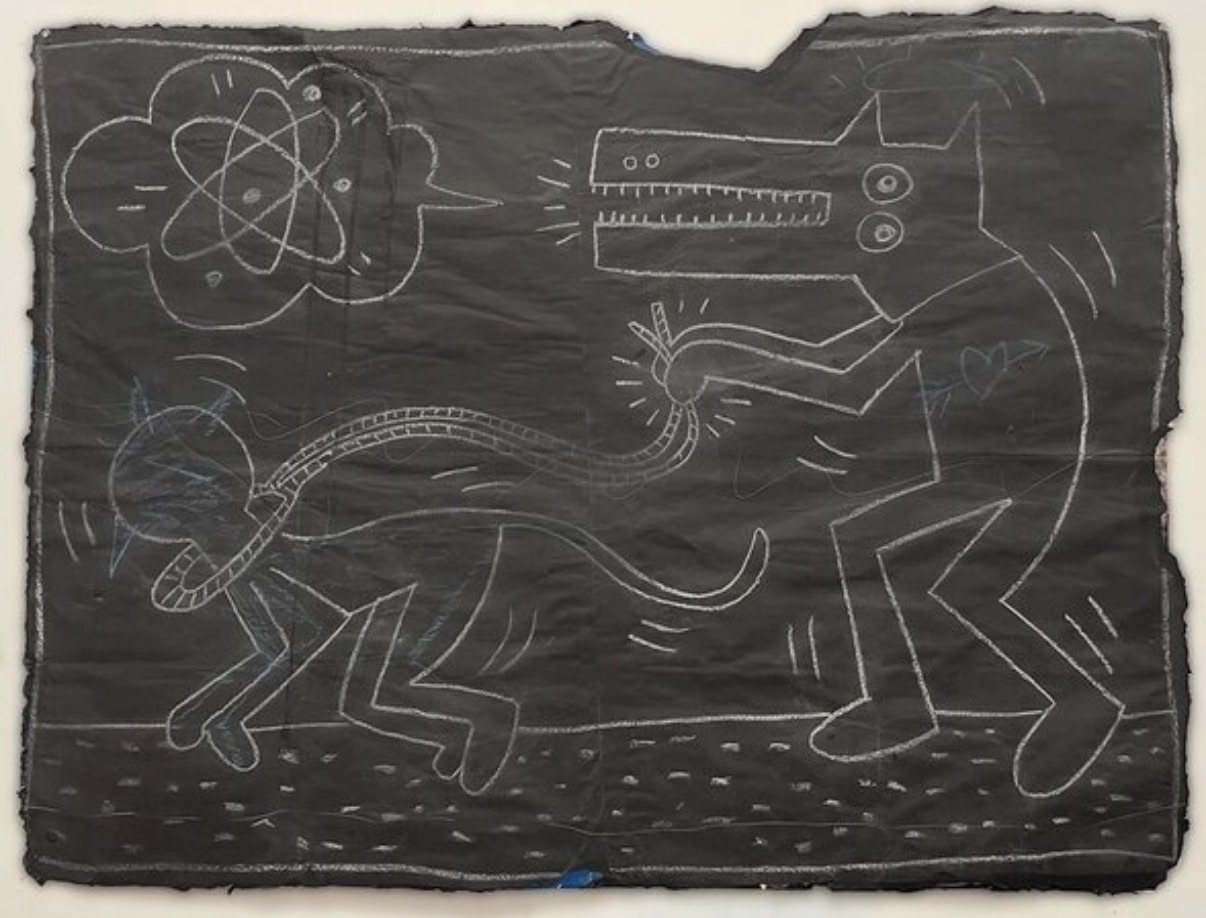
Untitled Subway Drawing
1980
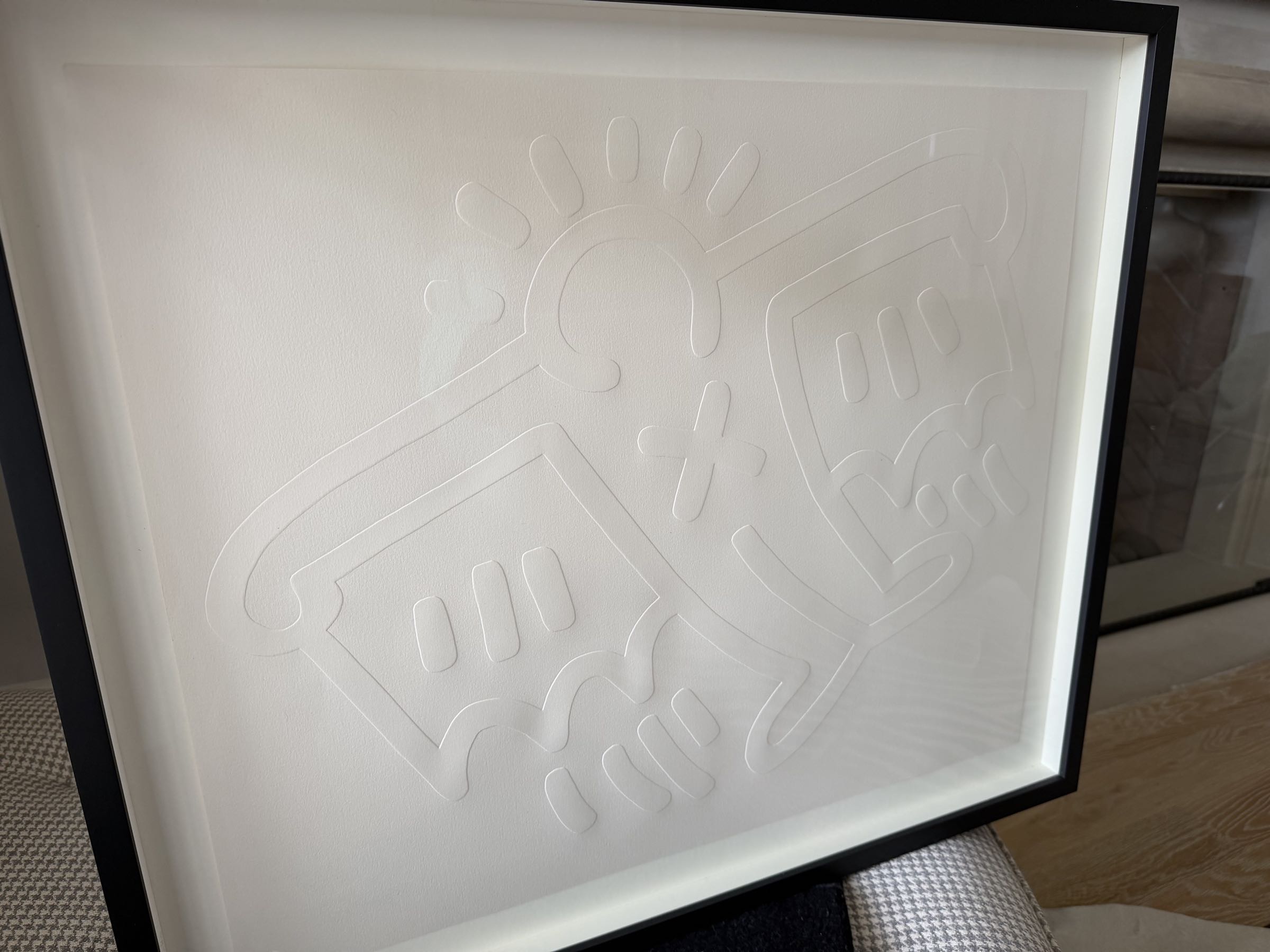
This iconic Keith Haring subway drawing features his signature bold white chalk lines on black paper, depicting a dynamic barking dog creature confronting a figure being dragged along the ground, with an atomic symbol thought bubble floating in the upper left corner. Created during Haring's celebrated period of guerrilla public art making in New York City subway stations between 1980 and 1985, this work is a unique example from one of the most recognized series in late 20th century American art. The composition exemplifies Haring's raw energy, urgency, and commitment to creating accessible art outside traditional gallery spaces. A Certificate of Authenticity issued by the gallery accompanies this unique work.
- Medium
- White Chalk on Black Paper
- Dimensions
- Spotted At
- Online
Notes
Unique work. Part of the Subway Drawings series. Haring drew over 5,000 chalk drawings over a 5-year period from 1980 to 1985 in New York City subway stations. Not signed. Certificate of Authenticity included, issued by gallery. Work shows deckled/torn black paper edges consistent with original subway paper. Year listed as ca. 1980-85.





Artists in conversation
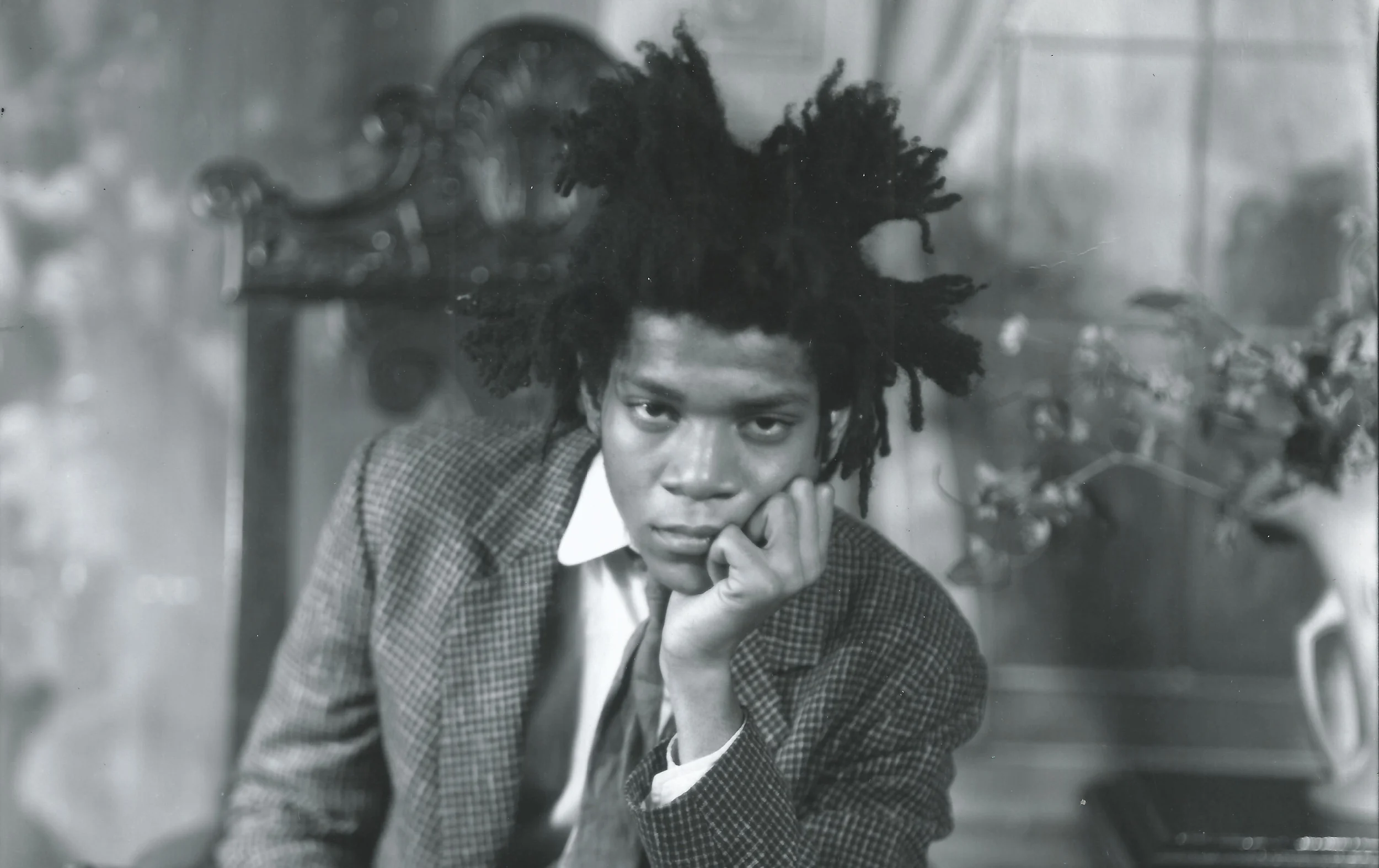
Jean-Michel Basquiat
American · b. 1960
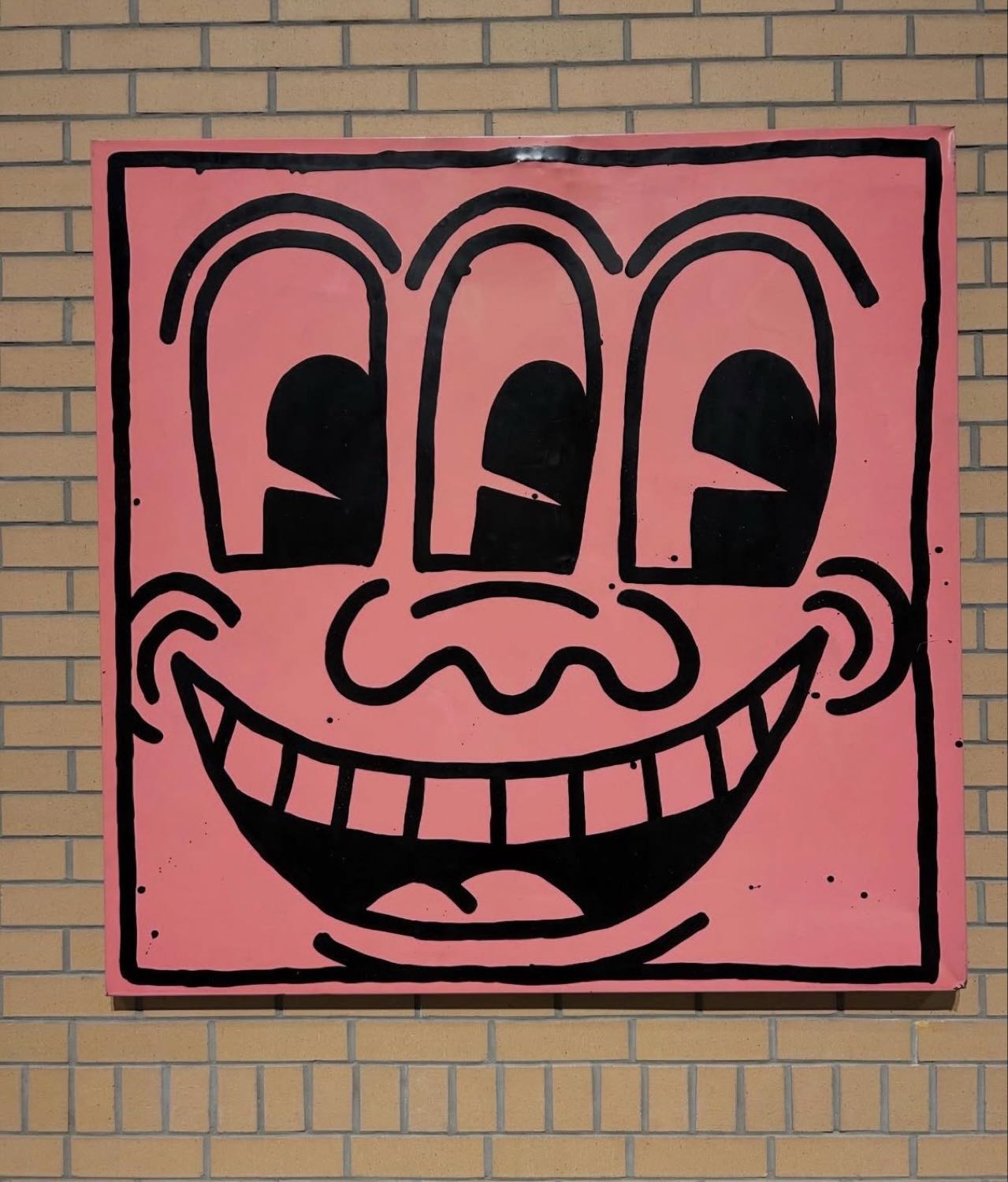
Basquiat emerged from the same 1980s New York street art scene as Haring and shared a bold graphic language rooted in urban culture and social commentary. Both artists worked across public and gallery contexts with raw energetic mark making that blurred the line between fine art and graffiti.
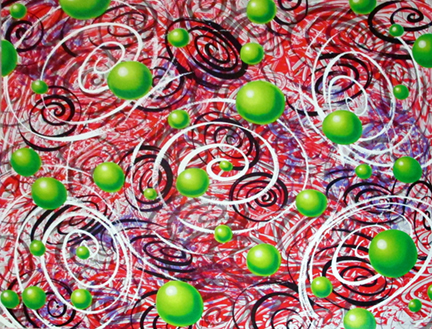
Kenny Scharf
American · b. 1958
Scharf was a close contemporary and friend of Haring within the same downtown New York pop graffiti scene, producing cartoon inflected imagery with bold outlines and playful figures. His vibrant Pop surrealism shares Haring's accessible visual vocabulary and joyful energy.
A.R. Penck
German · b. 1939
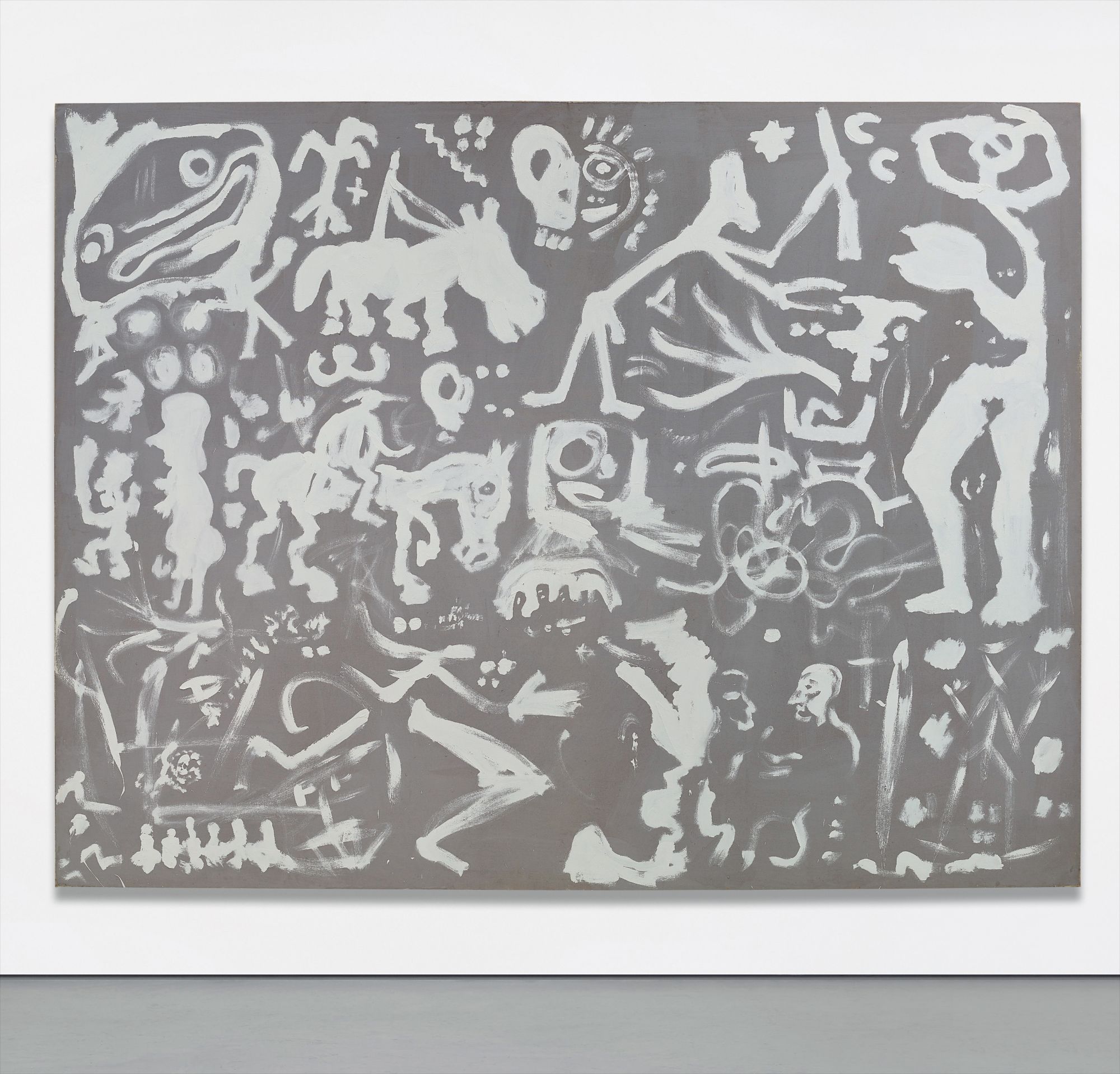
Penck developed a visual language of schematic stick like figures and primitive symbols that closely parallels Haring's iconic outlined figures. Both artists used simplified human forms as a universal graphic shorthand to convey dynamic movement and social meaning.
Start the Discussion
Request access to join the discussion