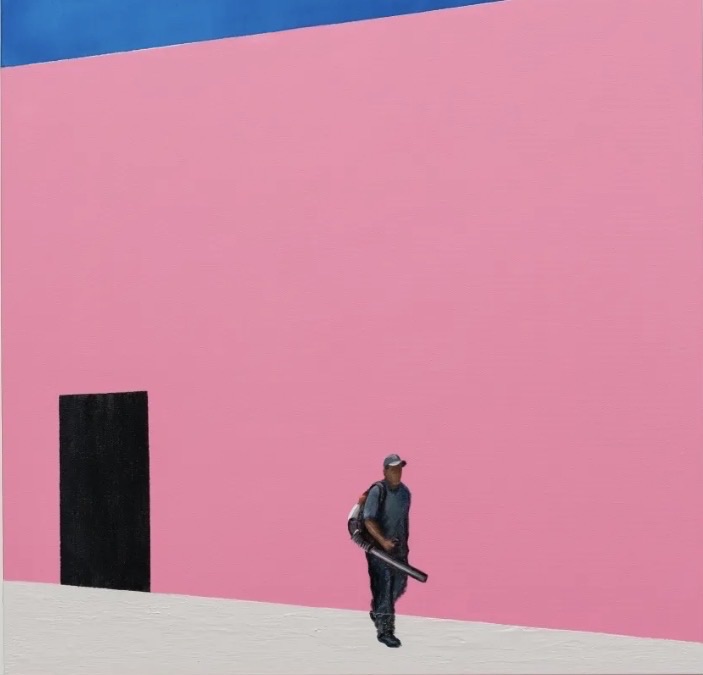
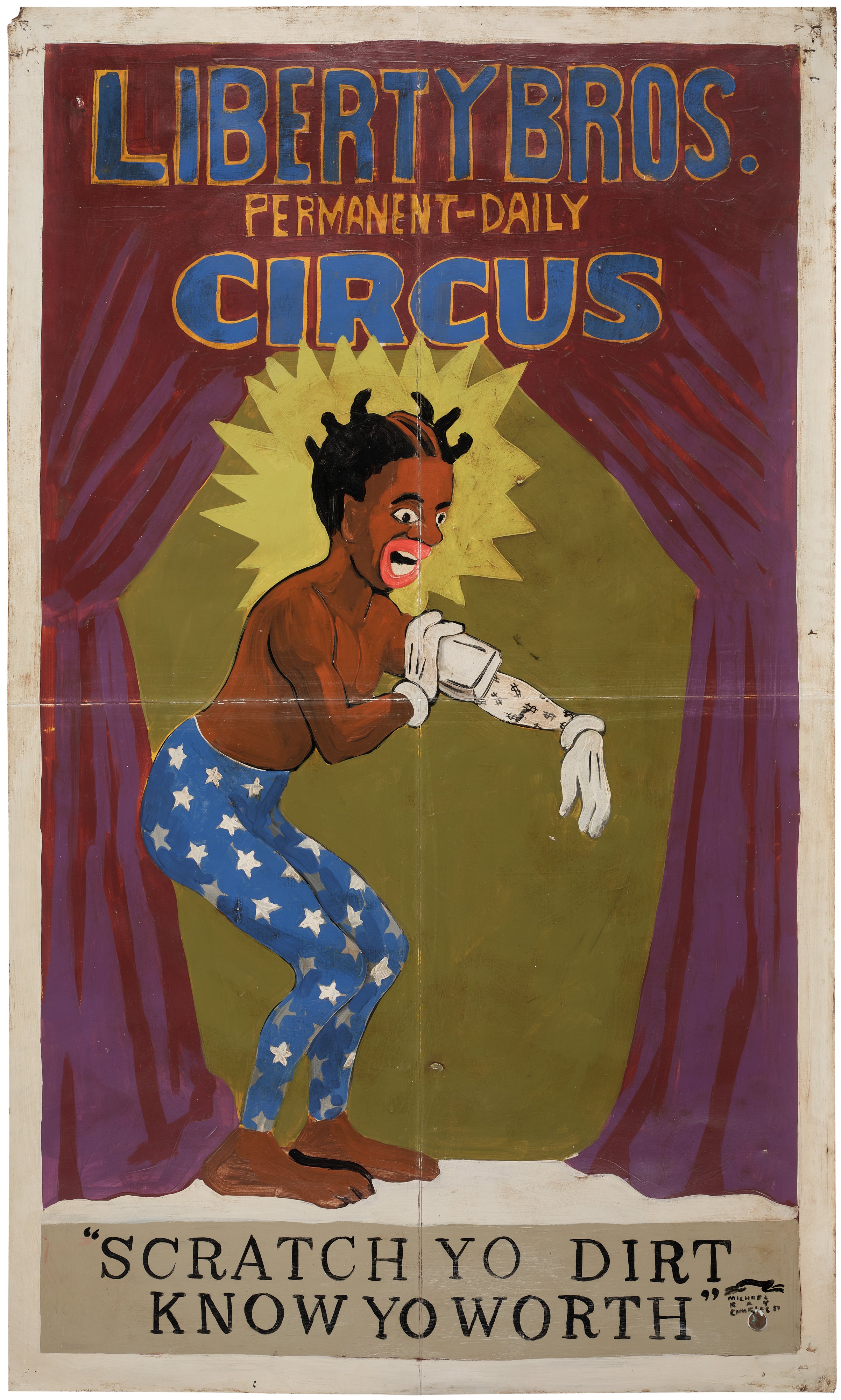
Social Commentary
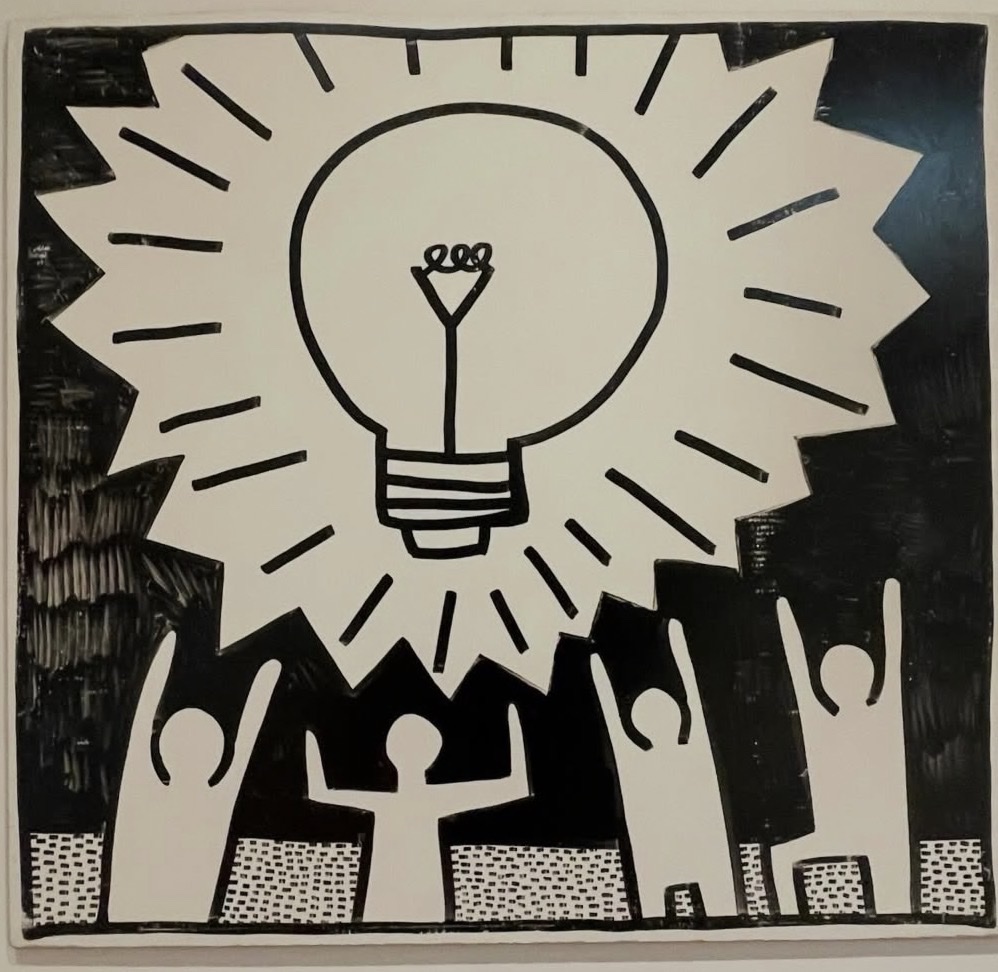
Keith Haring
Untitled


Art That Refuses to Look Away
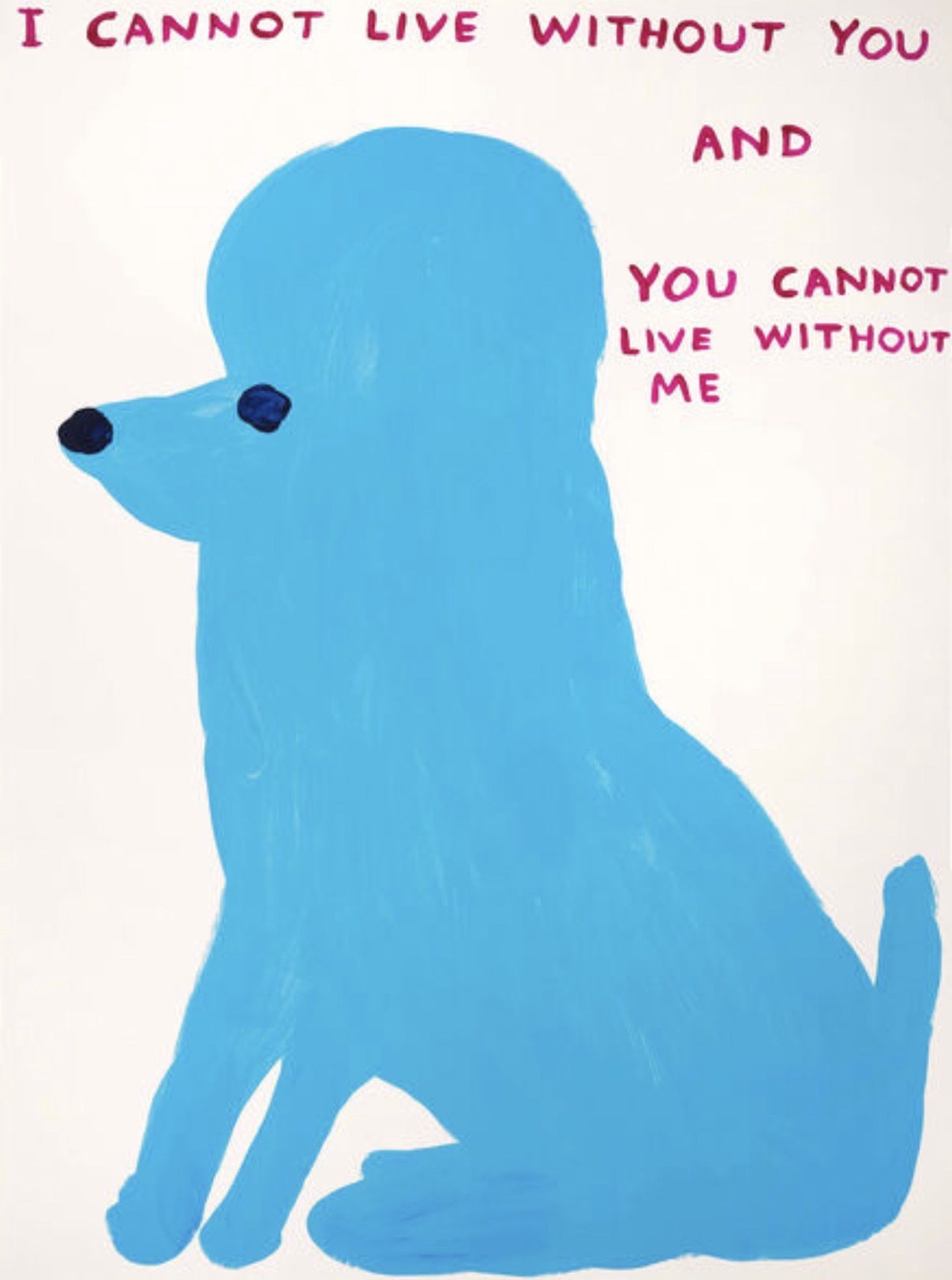
There is a particular courage required to make art that indicts the world it inhabits. Social commentary in visual art is not simply a matter of depicting poverty or protest or injustice. It is the act of holding a mirror so close to society's face that the subject cannot pretend not to recognize itself. From the lithographic workshops of nineteenth century Paris to the wheat paste walls of contemporary cities, artists have weaponized beauty, wit, and formal invention to say what polite society would prefer left unsaid.
The roots of this tradition run deep. William Hogarth's satirical print series of the 1730s and 1740s, works like A Rake's Progress and Beer Street, established a template for using sequential imagery to expose the moral corruption and class hypocrisy of English society. Hogarth understood that entertainment could be a vehicle for indignation, and that the wider the circulation of an image, the wider its accusation could travel. The democratic potential of printmaking made it the natural medium for social critique, a fact that would shape the next two centuries of politically engaged art.
Titus Kaphar
The Children, 2012
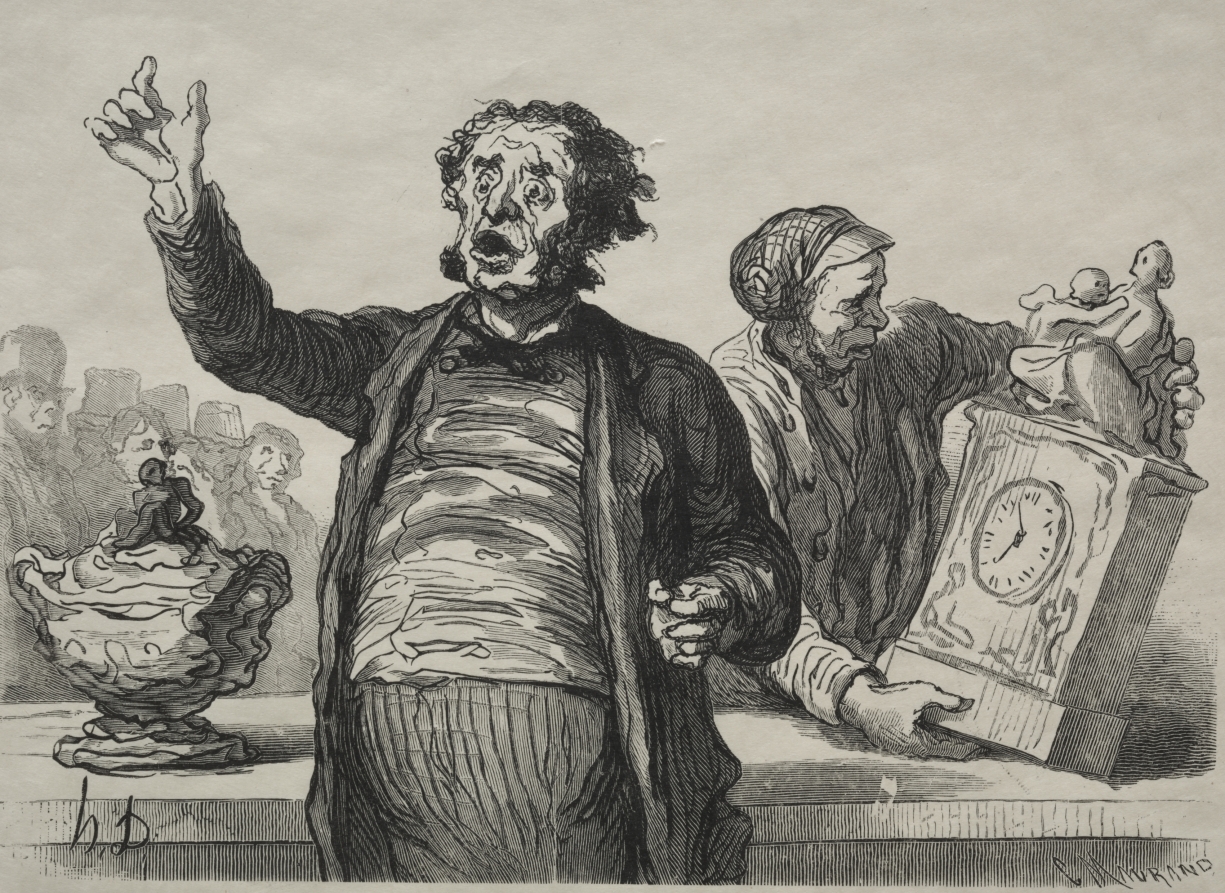
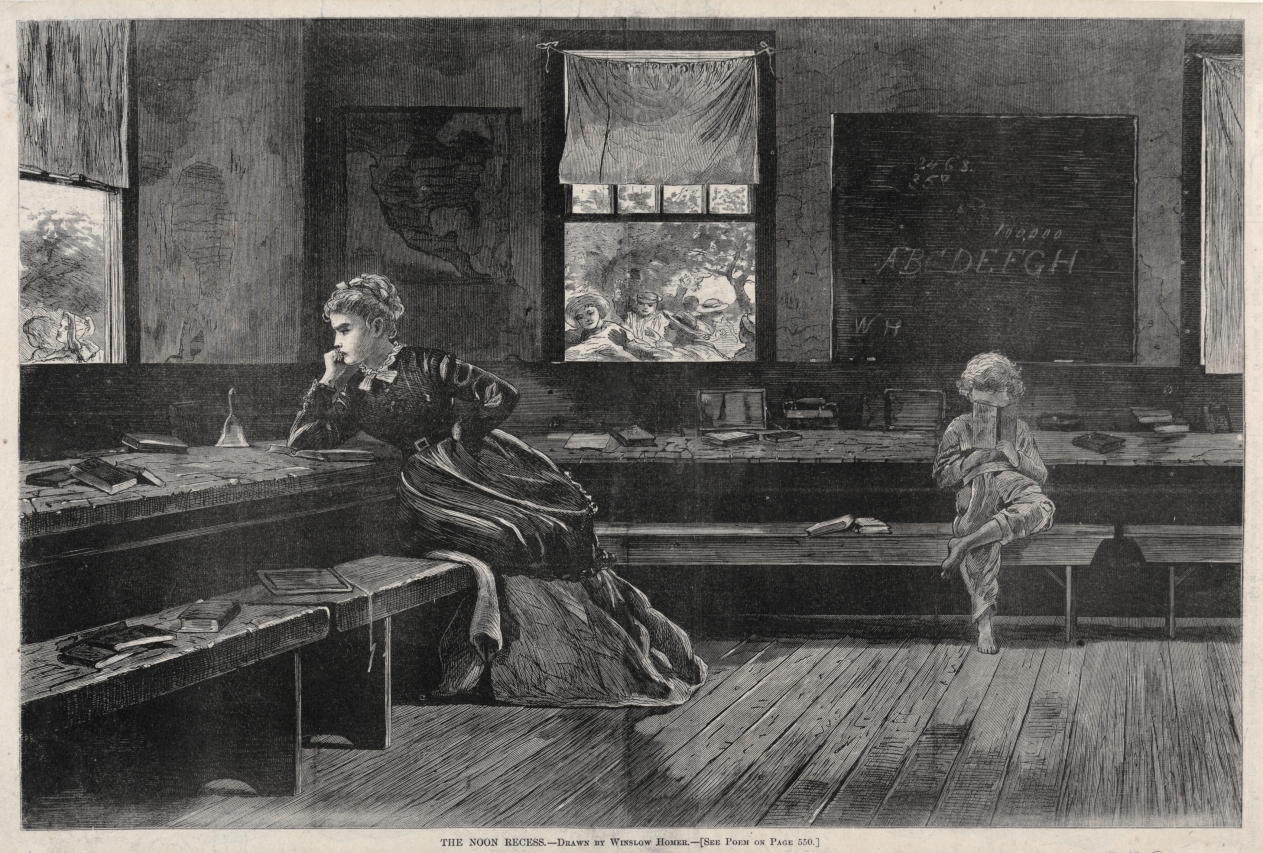
In France, the nineteenth century produced what may be the most sustained tradition of satirical visual art the world has seen. Honoré Daumier, working primarily in lithography for publications like Le Charivari, created thousands of images skewering lawyers, politicians, the bourgeoisie, and the machinery of power. His 1834 lithograph Rue Transnonain depicted the aftermath of a government massacre of civilians with a directness that got him imprisoned. Daumier understood that documentary clarity could be more devastating than allegory.
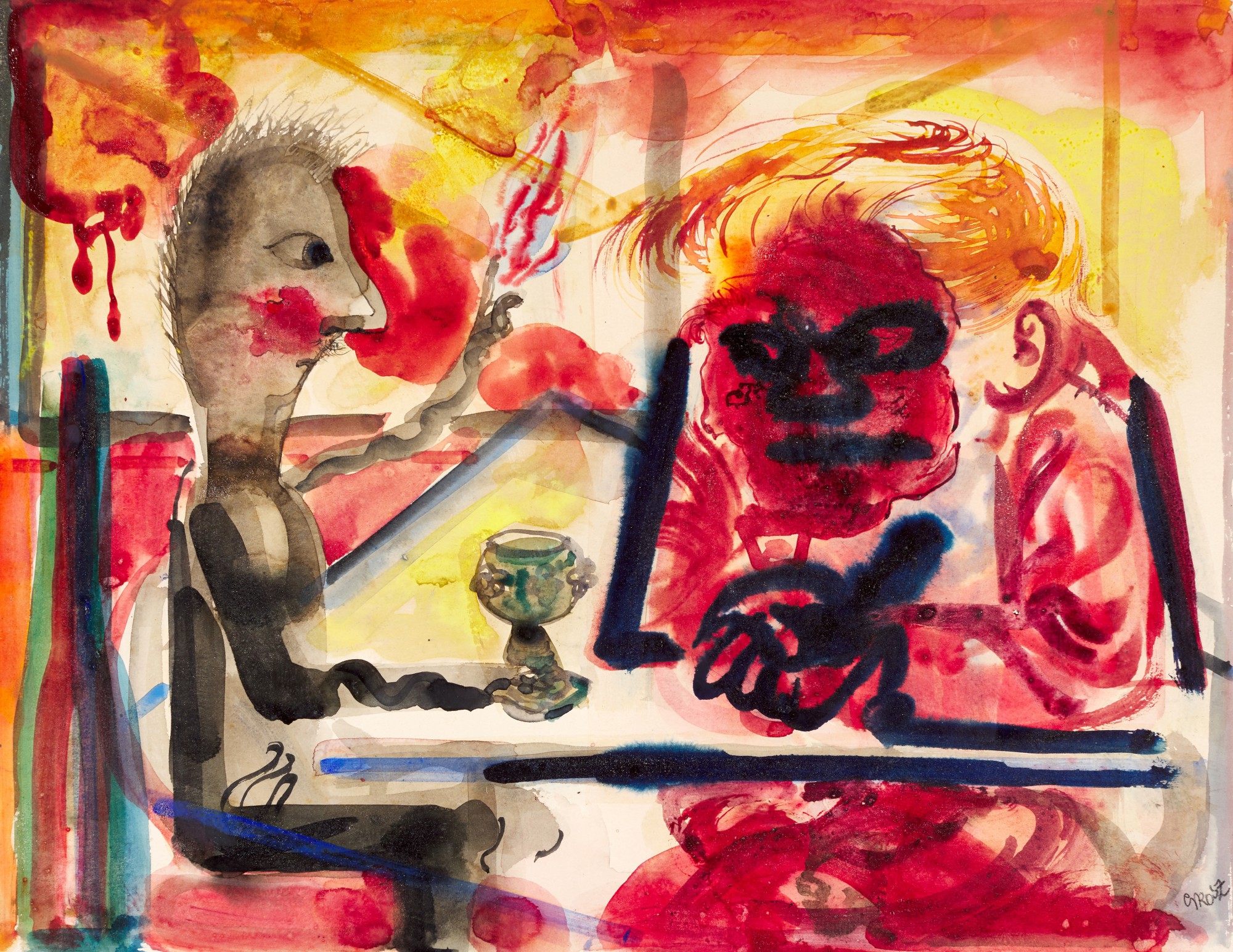
His contemporary Paul Gavarni brought a more sardonic wit to similar themes, chronicling Parisian street life and the codes of class performance with an illustrator's eye and a moralist's intelligence. Both artists are well represented on The Collection, and studying their work together reveals how a single city in a single century could produce such a fertile tradition of image based dissent. The early twentieth century sharpened social commentary into something harder and more urgent. George Grosz, working in Weimar Germany during the 1920s, made drawings and paintings that read like dispatches from a society actively eating itself.
Sam Durant
Male Chauvinists Beware
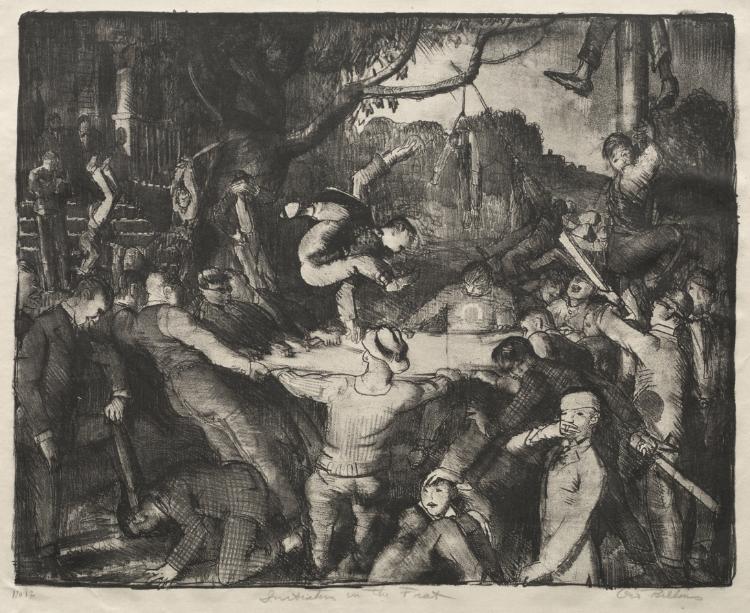
His 1920 portfolio God With Us presented a grotesque parade of militarists, profiteers, and hollow bourgeois figures that earned him criminal prosecution for obscenity and blasphemy. Across the Atlantic, Lewis Hine was using photography to expose the reality of child labor in American mills and factories, his images directly influencing the labor reform legislation of the Progressive Era. The camera, in Hine's hands, became an instrument of testimony. George Bellows, meanwhile, was painting the grit and violence of working class New York life with a visceral energy that the genteel traditions of American painting had conspired to ignore.
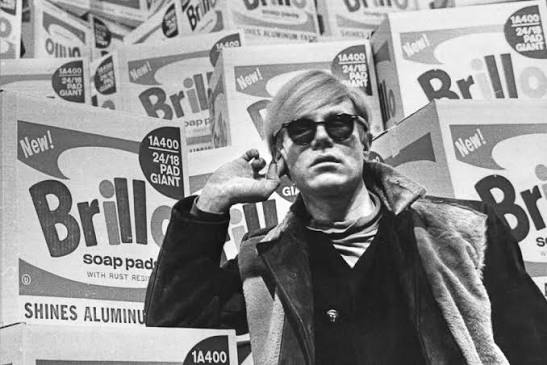
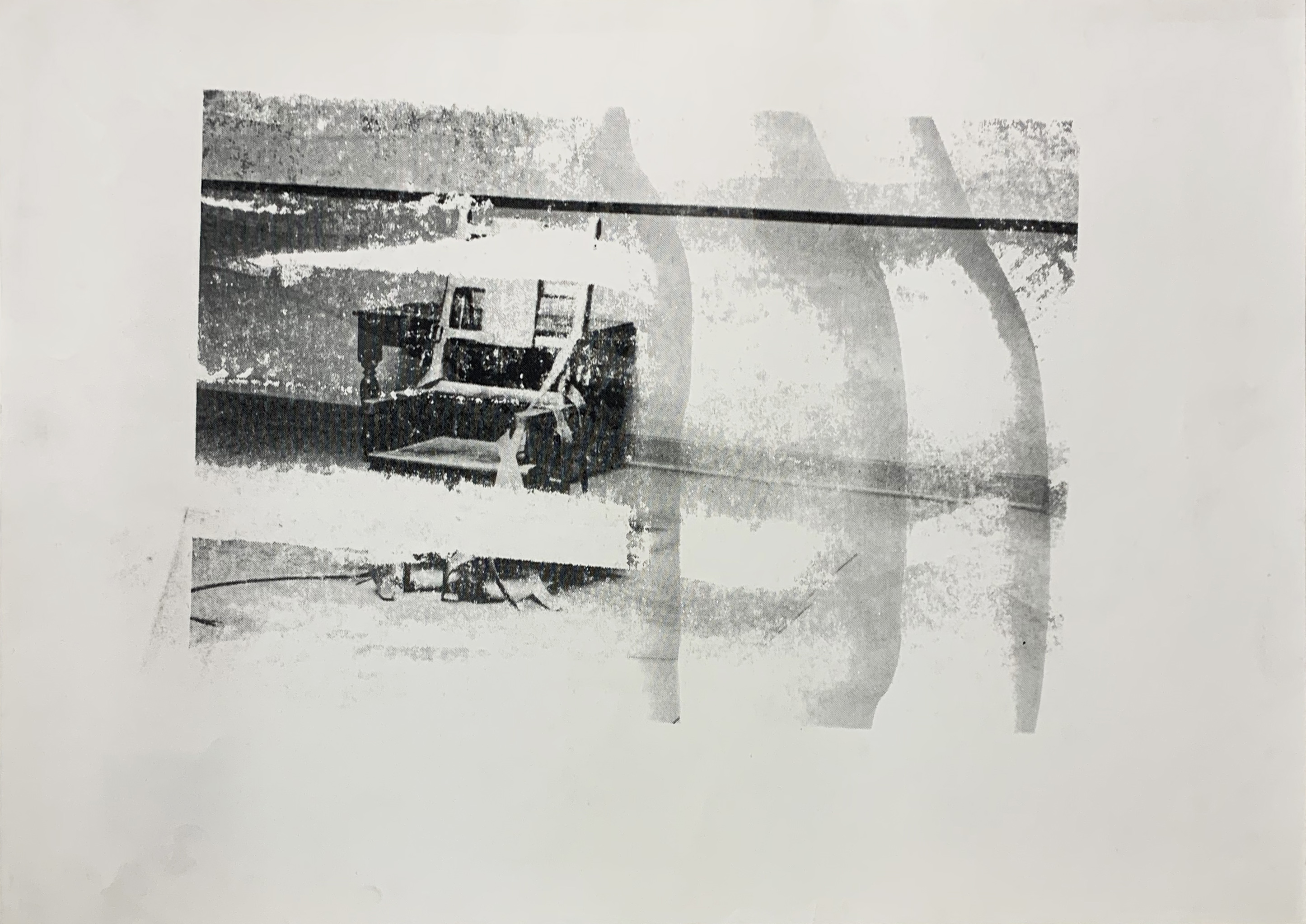
The postwar period transformed social commentary by shifting its relationship to commerce and spectacle. Andy Warhol's silk screens of the early 1960s performed a kind of double game, reproducing the imagery of consumer culture with such faithful neutrality that the reproduction became its own form of critique. His Death and Disaster series placed car crashes and electric chairs alongside Marilyn Monroe and Campbell's soup cans, insisting that American culture processed tragedy and celebrity through the same flattening machine. Robert Frank's landmark 1958 photobook The Americans did something structurally similar in documentary photography, capturing the loneliness, segregation, and quiet desperation beneath the surface of postwar American optimism.
Andy Warhol
Electric Chair (Retrospective Series) , 1978
Both artists understood that the most effective social commentary sometimes works through implication rather than declaration. The latter decades of the twentieth century saw social commentary become a central preoccupation of some of the most significant artistic practices in the world. Kara Walker began in the mid 1990s to create her now iconic silhouette works, large scale installations that excavated the psychic and physical violence of American slavery with a formal elegance that made the content all the more searing. Carrie Mae Weems's Kitchen Table Series used domestic photography to explore race, gender, and power with an intimacy that felt simultaneously personal and structural.
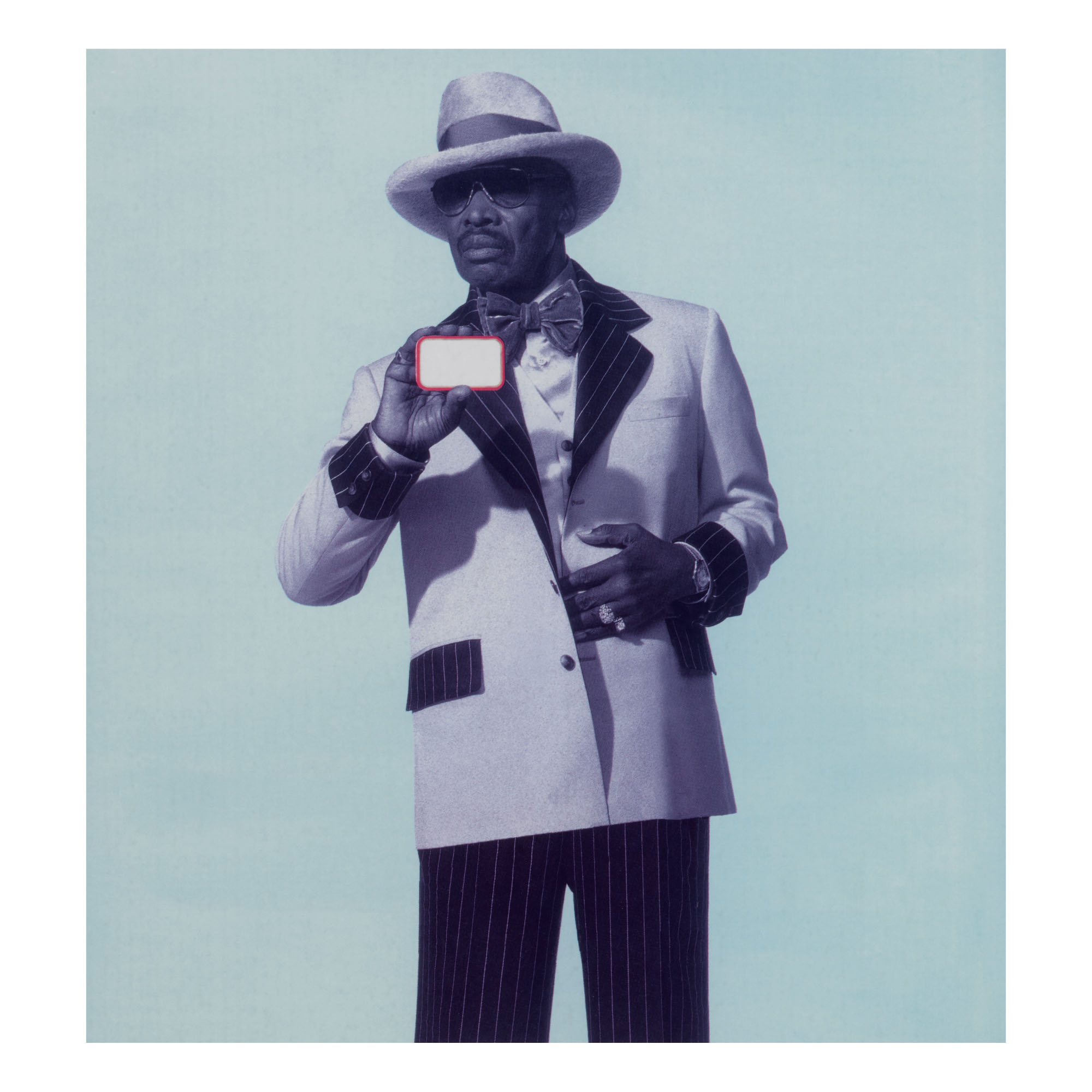
Keith Haring moved the urgent iconography of queer life and the AIDS crisis from the subway walls of New York onto gallery canvases, insisting that visibility itself was a political act. Contemporary social commentary has inherited all of these traditions and recombined them in ways that reflect the complexities of the present moment. Banksy built an entire career on the proposition that public space is itself a contested political territory, using the techniques of advertising and commercial design against the logic they were built to serve. Hank Willis Thomas works across photography, sculpture, and installation to examine the commodification of Black identity in American visual culture, often appropriating the language of advertising to reveal the commercial exploitation embedded within it.
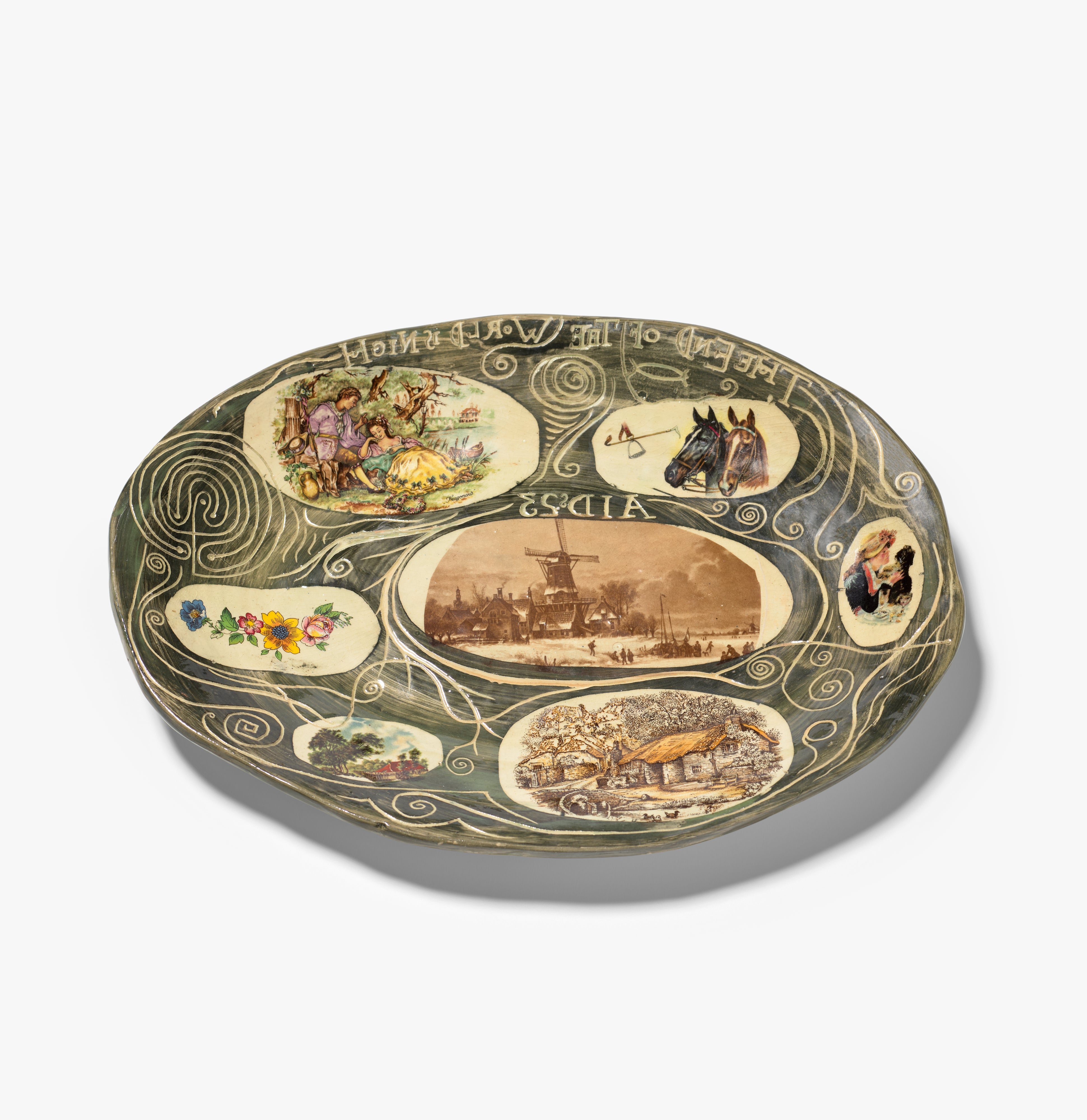
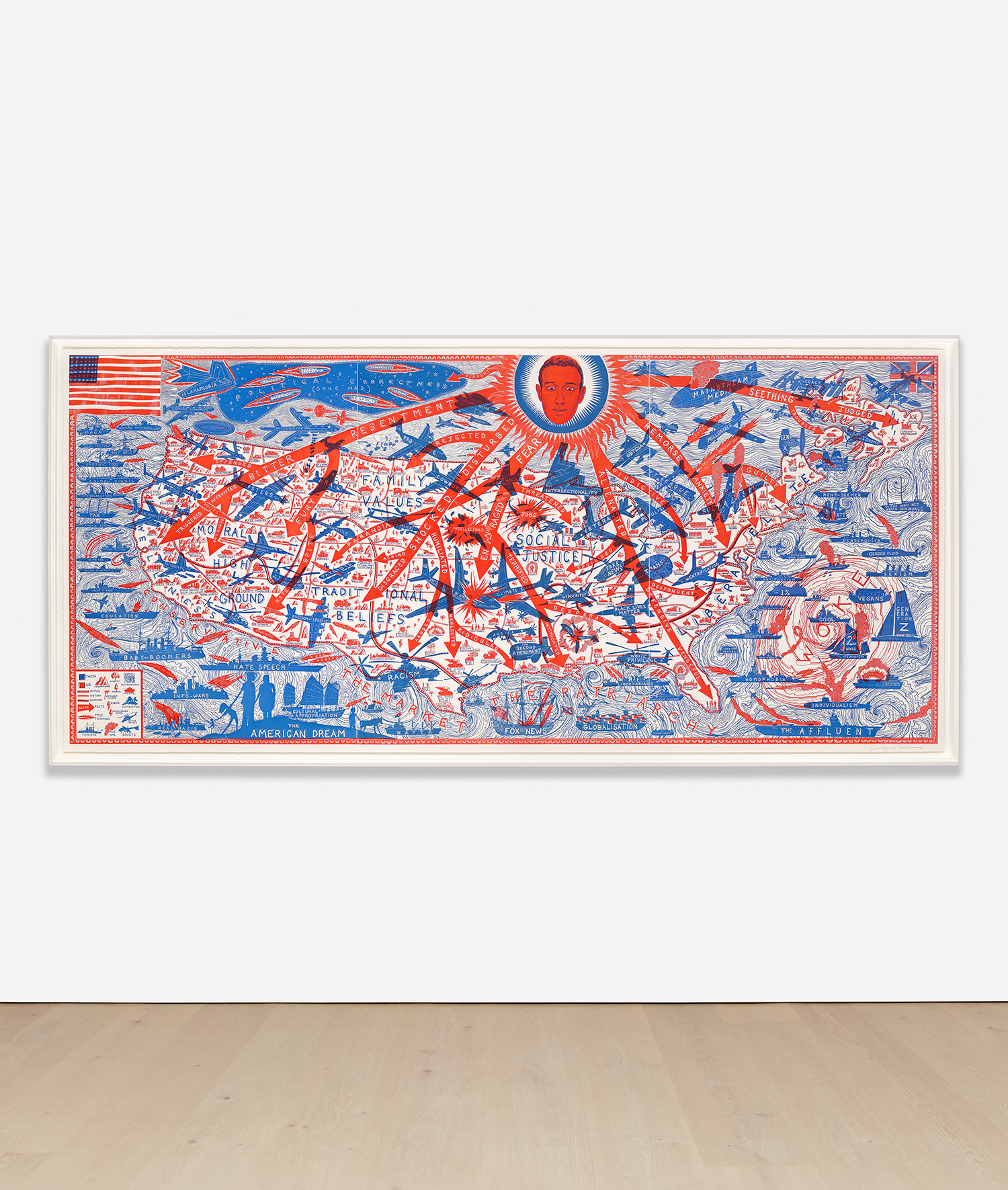
Grayson Perry
The End Of The World Is Nigh, 1980
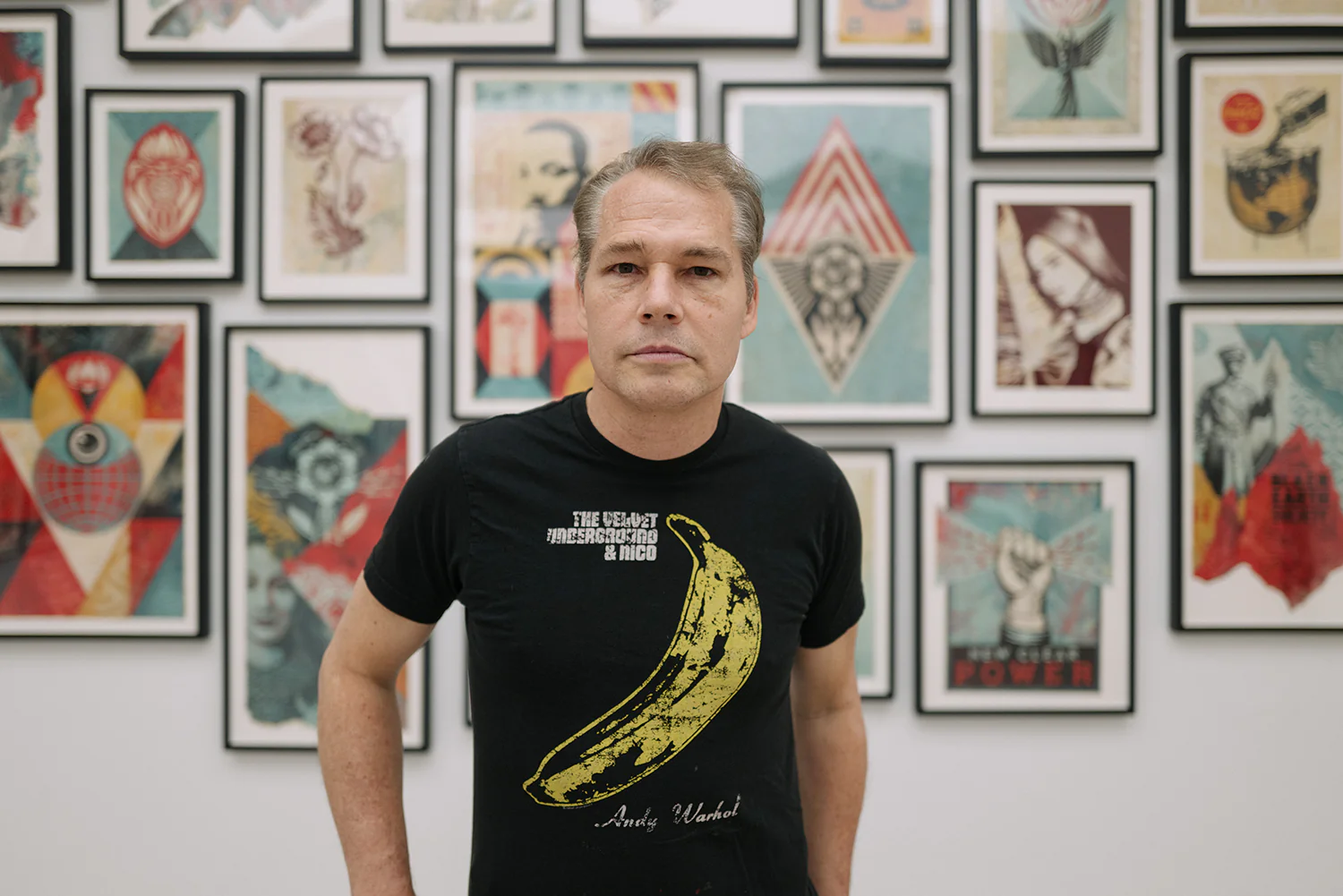
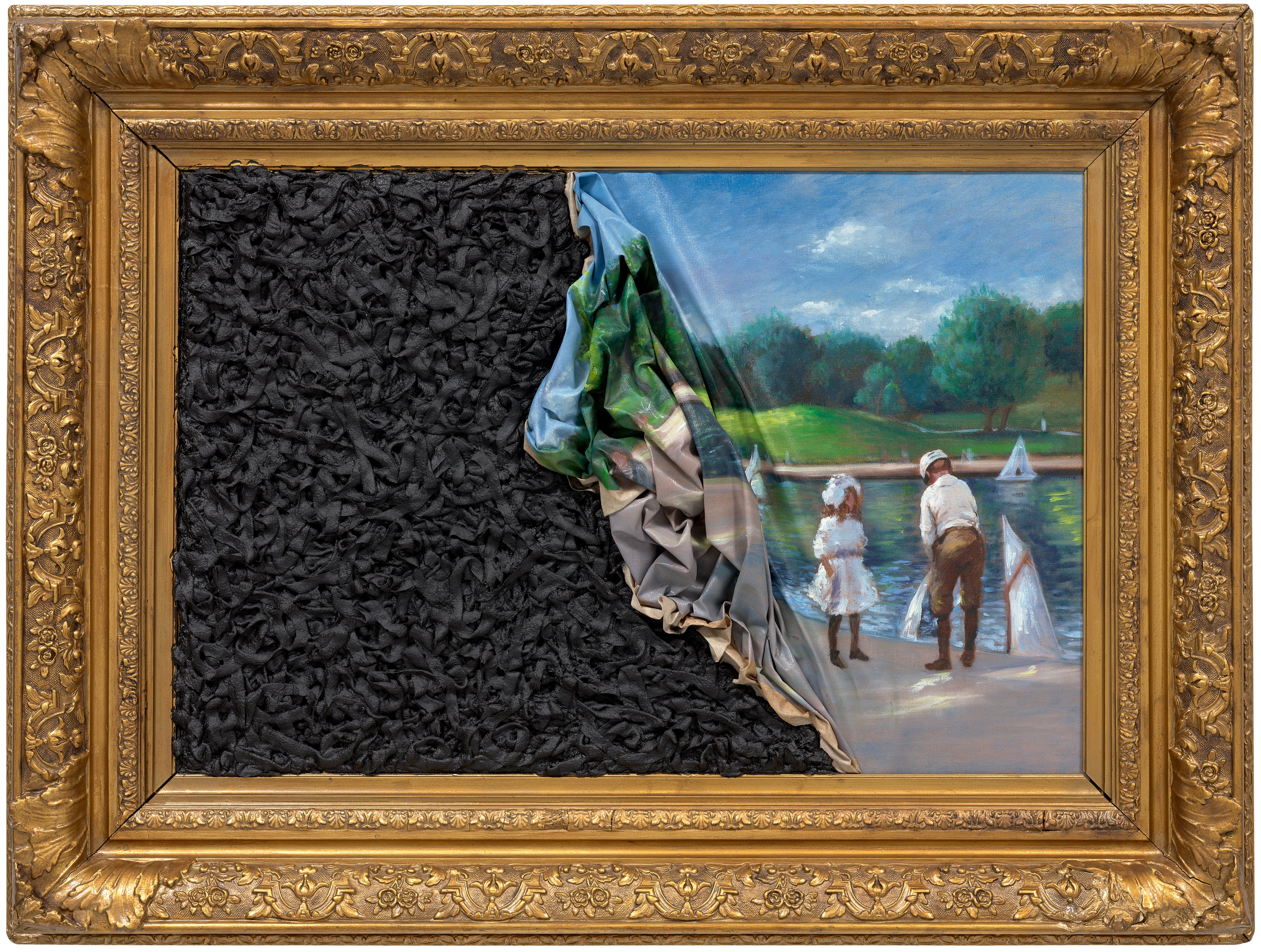
Titus Kaphar physically alters and obscures canonical art historical imagery to force a reckoning with who has been centered and who has been erased in the Western tradition. Shepard Fairey, whose work is well represented on The Collection, brought street art aesthetics into conversation with the long tradition of political poster making, from Soviet constructivism to Situationist détournement. What binds these artists across centuries and continents is not a shared aesthetic but a shared conviction: that art has a responsibility to the world it comes from, and that the most powerful images are often the ones that refuse the comfort of neutrality. Grayson Perry makes that argument through ceramics and tapestry, embedding sharp class critique in decorative forms that seduce before they destabilize.
Marjane Satrapi proved with Persepolis that the graphic novel could carry the weight of political autobiography and cultural witness. The tradition is alive, restless, and expanding. For collectors, engaging seriously with social commentary means more than acquiring challenging objects. It means participating in a conversation that has never been more necessary.