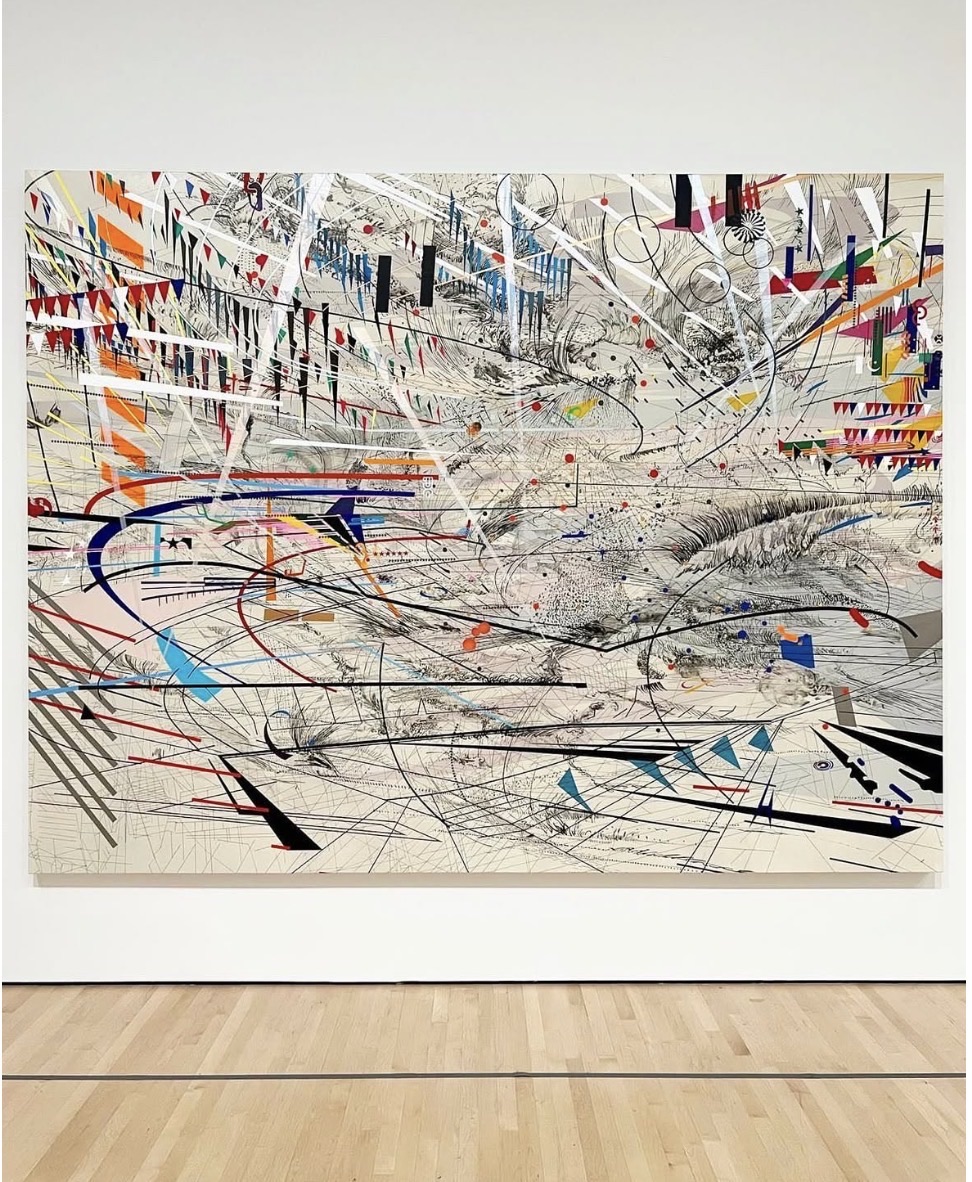
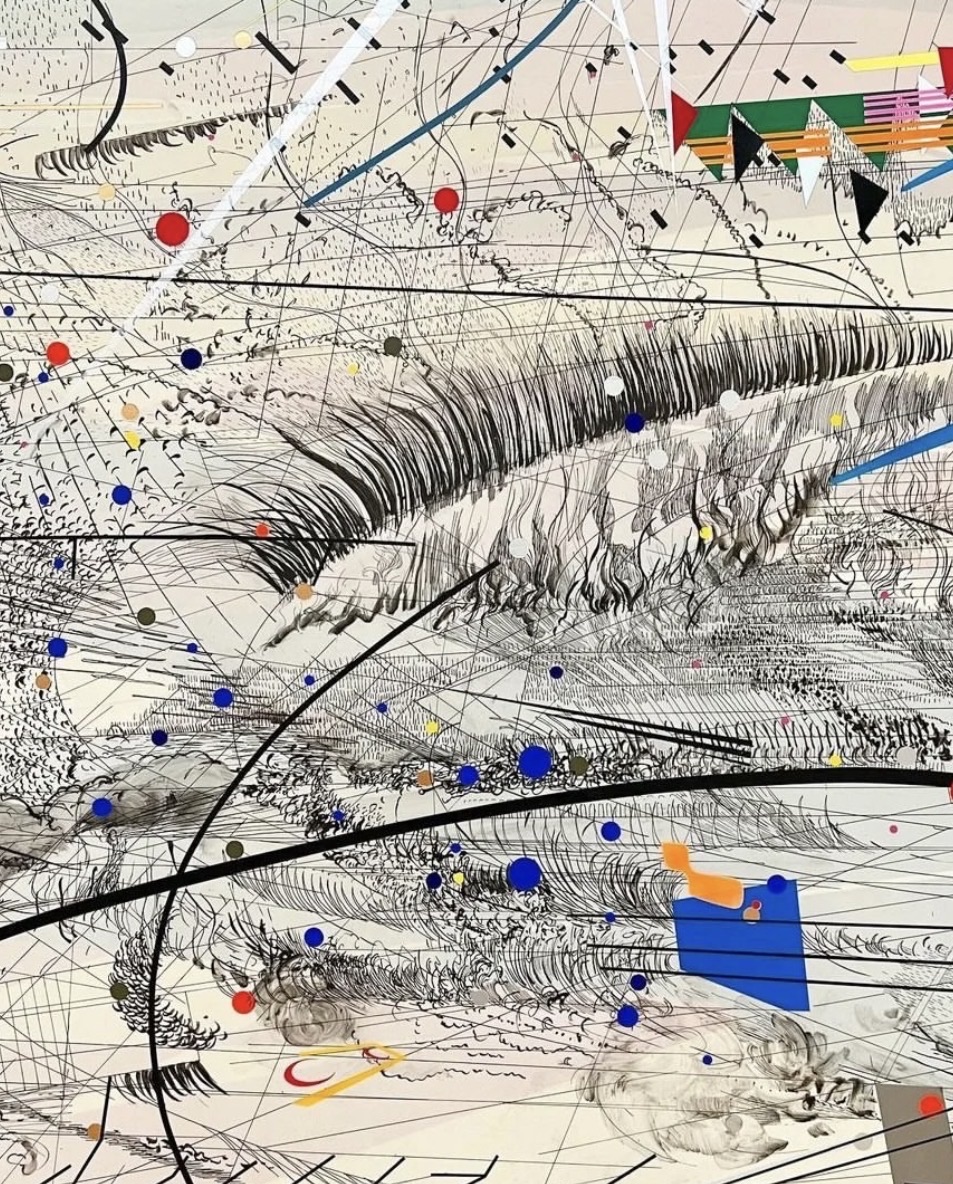
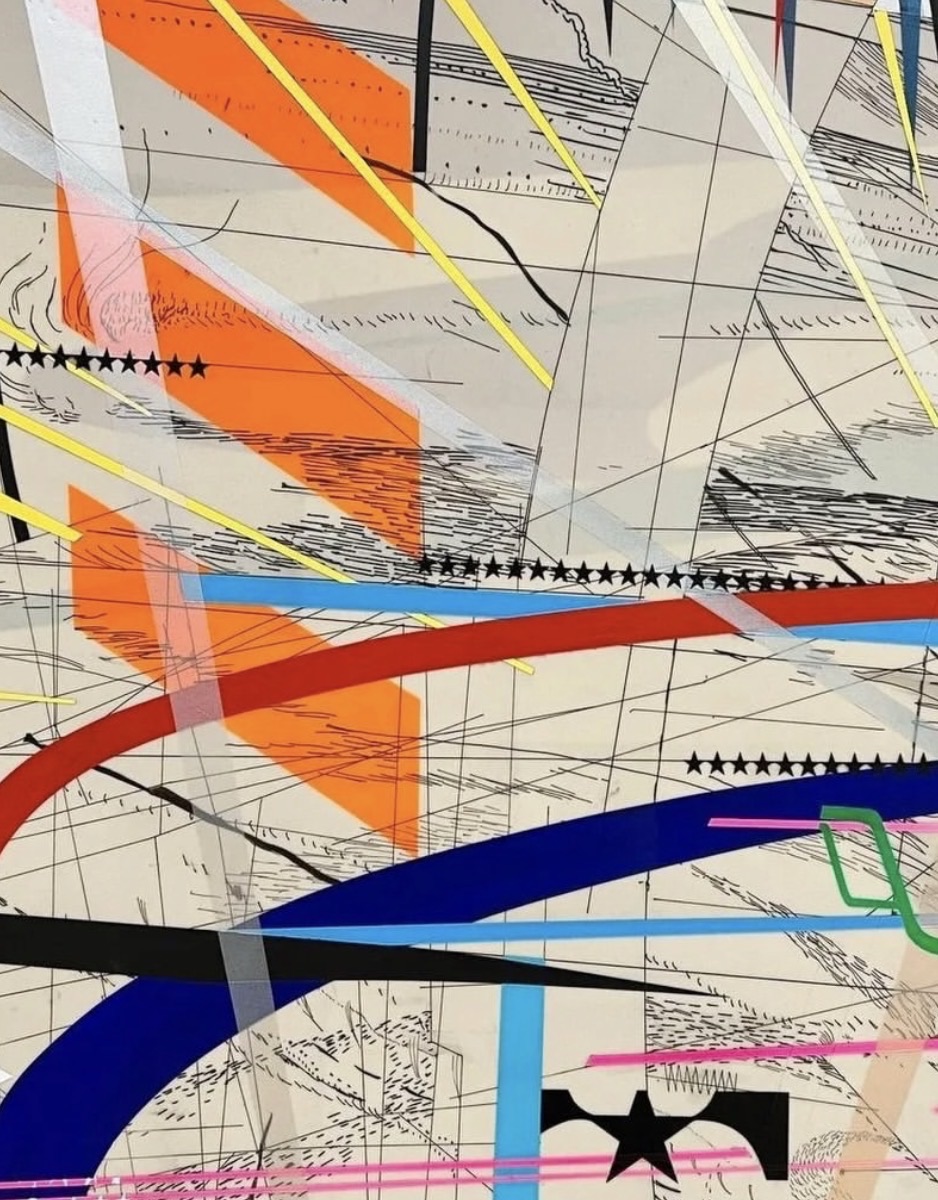
Stadia I
2004
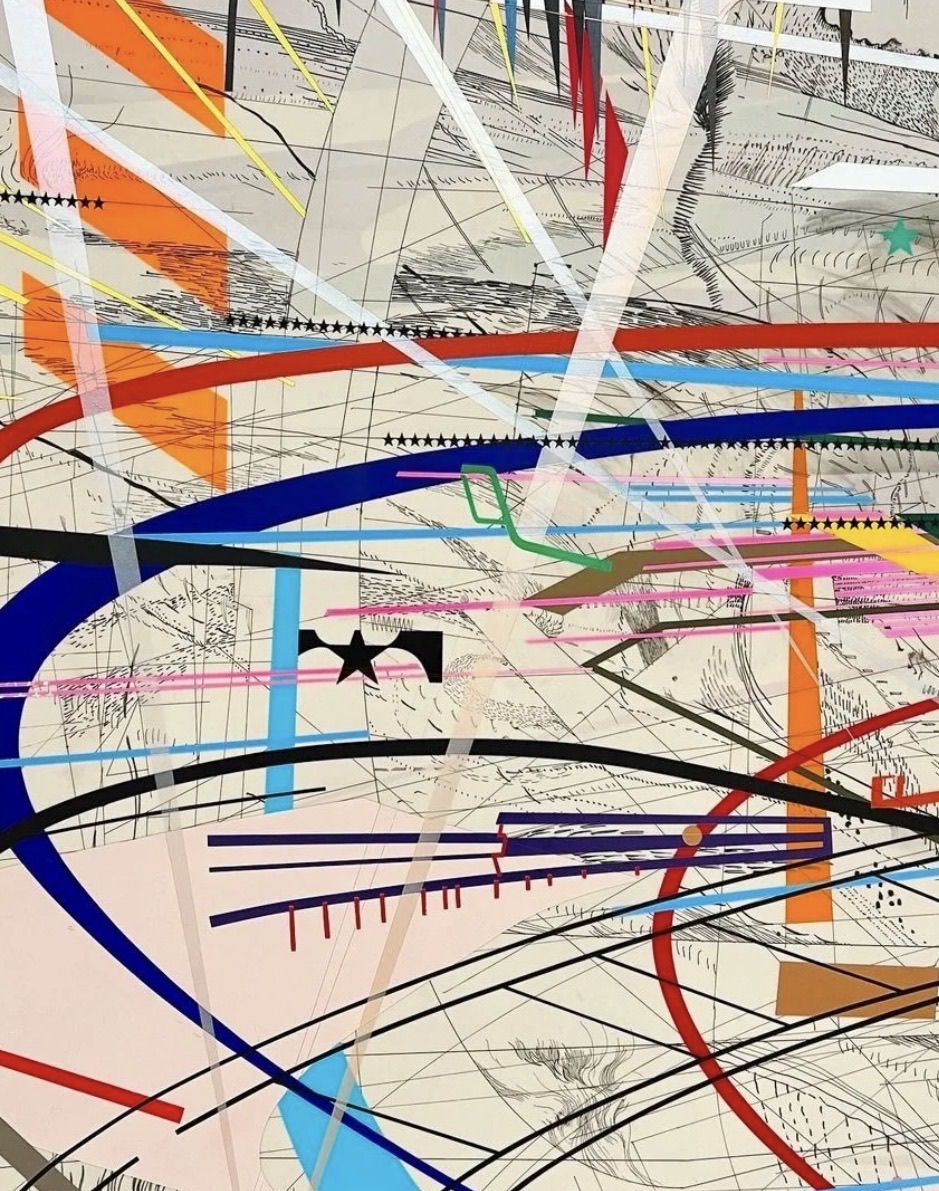
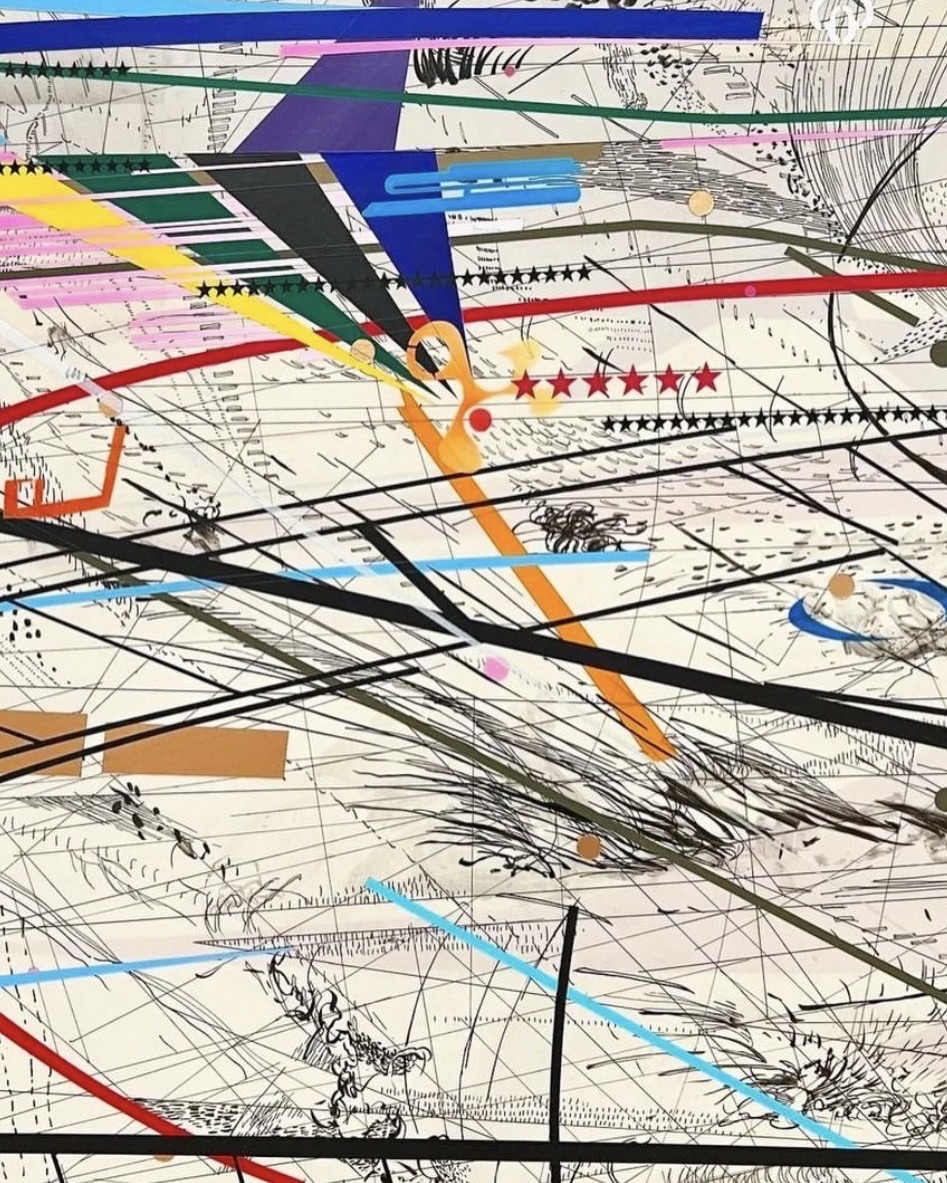
Stadia I is a monumental abstract painting by Julie Mehretu created in 2004 and held in the collection of SFMOMA. The work layers dense networks of gestural marks, architectural diagrams, geometric forms, and explosive linear energies across a vast canvas, evoking the charged atmosphere of stadiums, coliseums, and amphitheaters as metaphoric constructed spaces. Mehretu has cited Kandinsky's concept of the Great Utopia as a touchstone, framing these civic arenas as sites of inevitable implosion and explosion born from collective human agency. This painting stands as one of the defining works in Mehretu's practice and a landmark of early 21st century abstraction.
- Medium
- Ink and acrylic on canvas
- Spotted At
- Museum · SFMOMA
Notes
Work featured in the exhibition 'JULIE MEHRETU: Our Days, Like a Shadow (a non-abiding hauntology)' at Marian Goodman Gallery, New York. Artist quote references Kandinsky's 'The Great Utopia' and themes of constructed spaces including the coliseum, amphitheater, and stadium. Emojis in source document include US flag, purple circle, and red circle, possibly referencing color or institutional identity. Work spotted at SFMOMA.
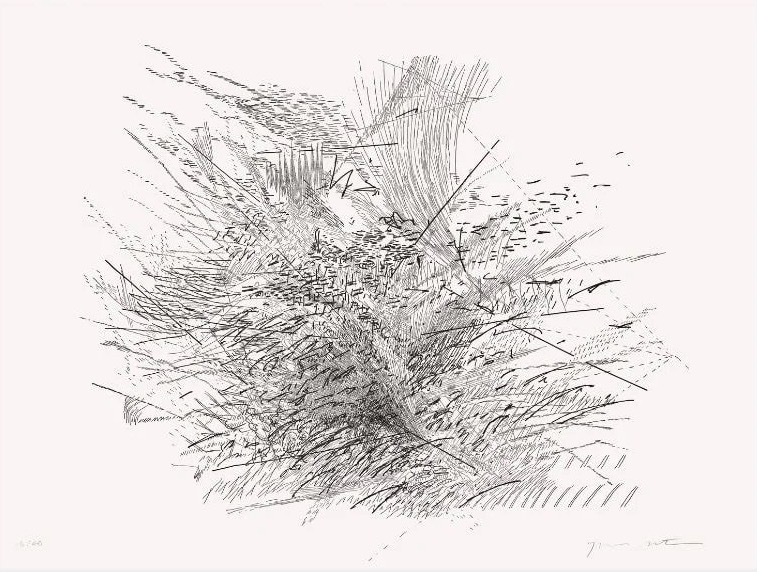
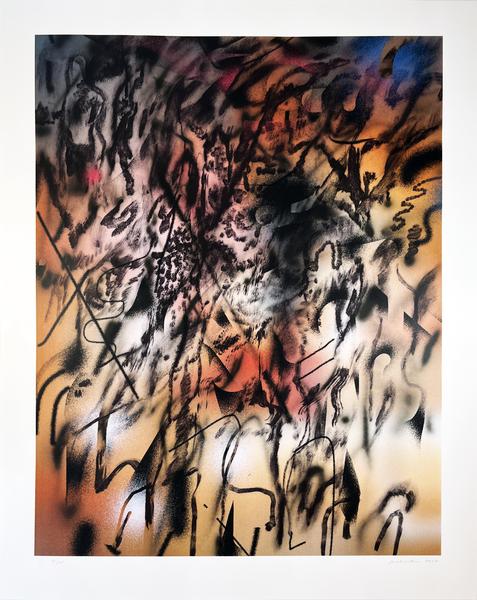
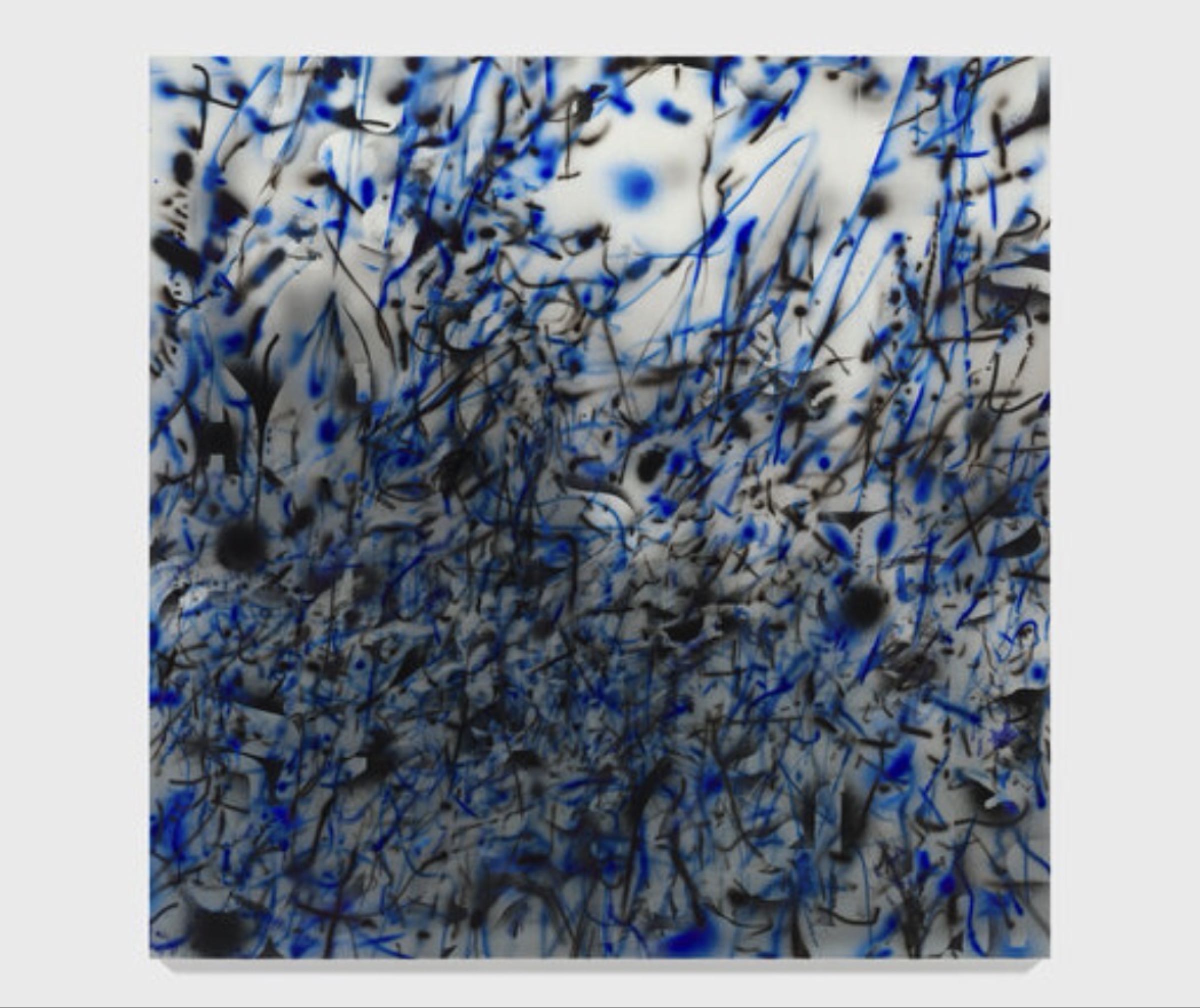
Collectors of Julie Mehretu
Also spotted by

Artists in conversation
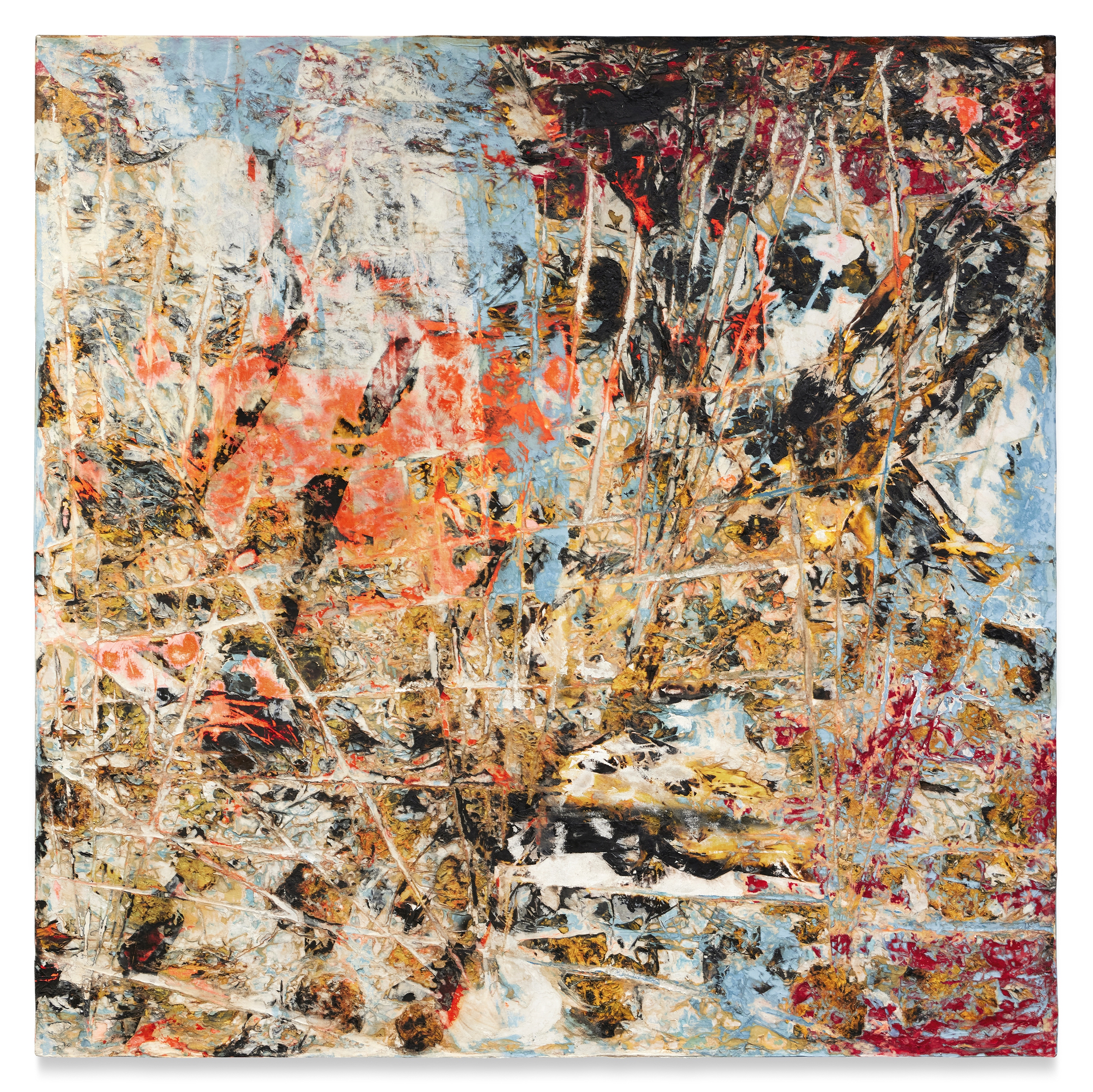
Mark Bradford
American · b. 1961
Bradford similarly creates large scale layered abstract works that engage with social geography and urban systems, building up densely stratified surfaces that encode histories of marginalized communities.
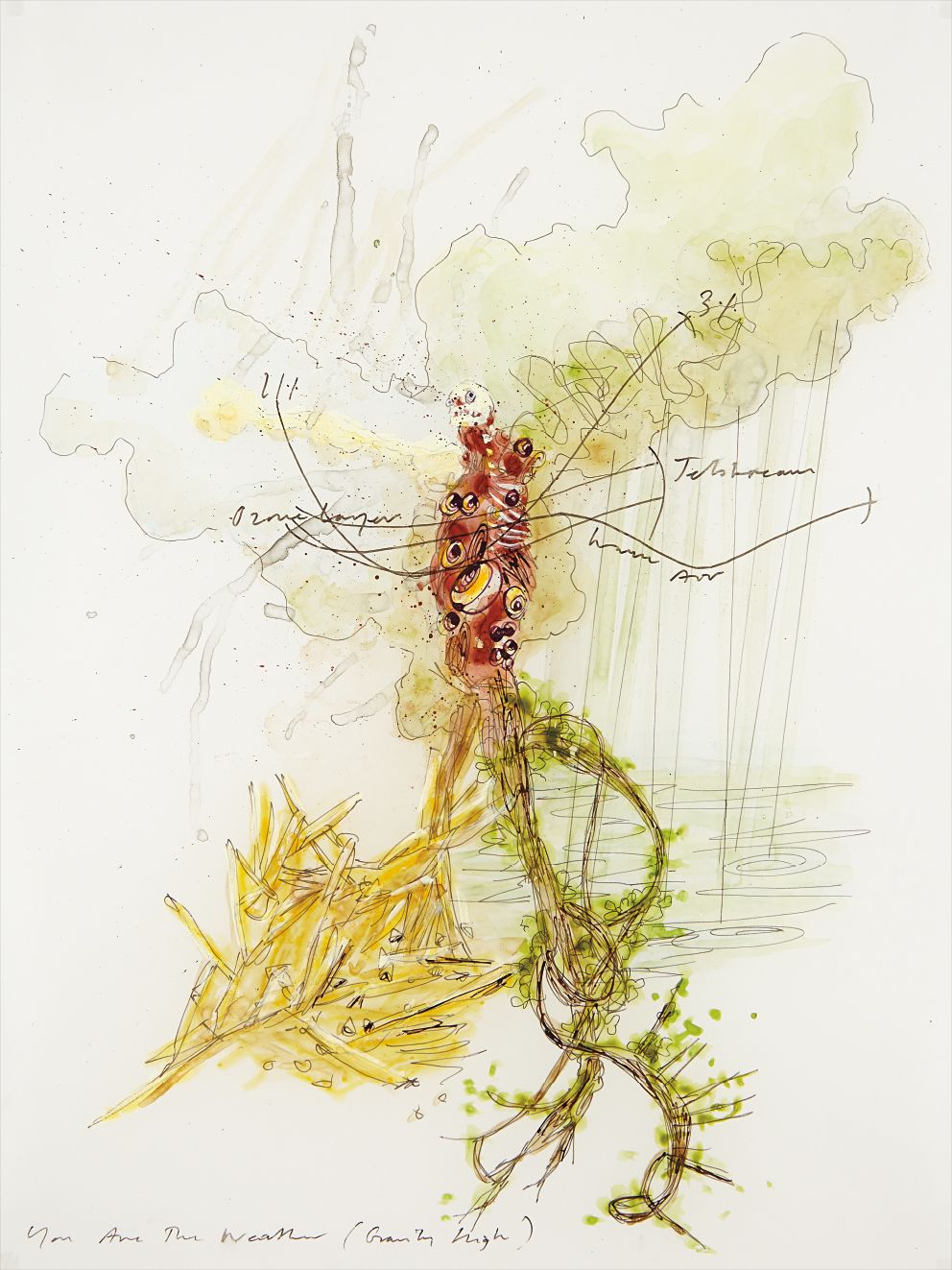
Matthew Ritchie
British American · b. 1964
Ritchie produces expansive gestural works that fuse diagrammatic systems, cartographic references, and energetic mark making to construct layered narratives about information and history in ways that closely parallel Mehretu's approach.
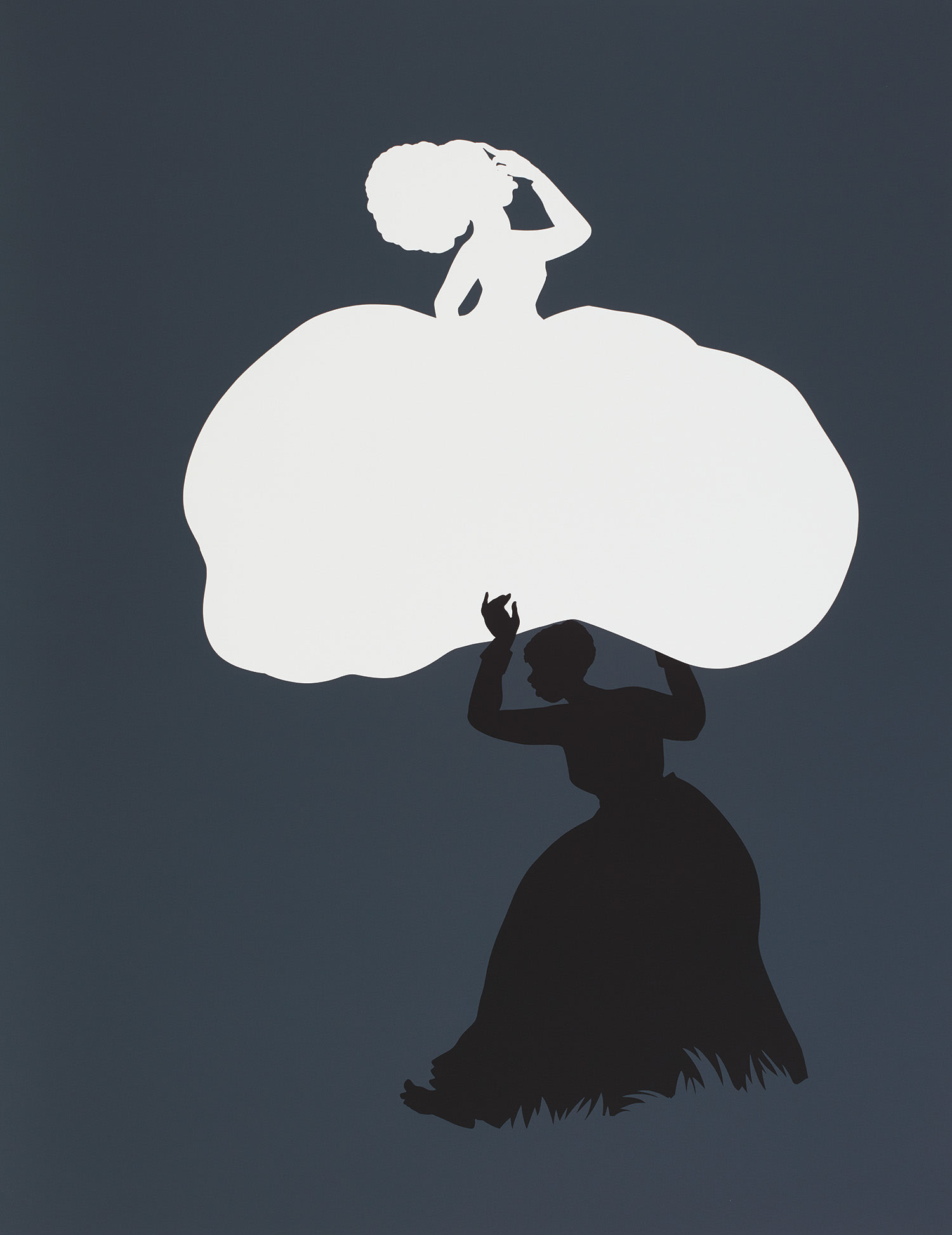
Kara Walker
American · b. 1969
Walker uses large scale works on paper and canvas to interrogate histories of race, power, and social upheaval through bold graphic layering, sharing with Mehretu a concern for how historical forces shape collective experience.
Start the Discussion
Request access to join the discussion