Watercolor And Ink
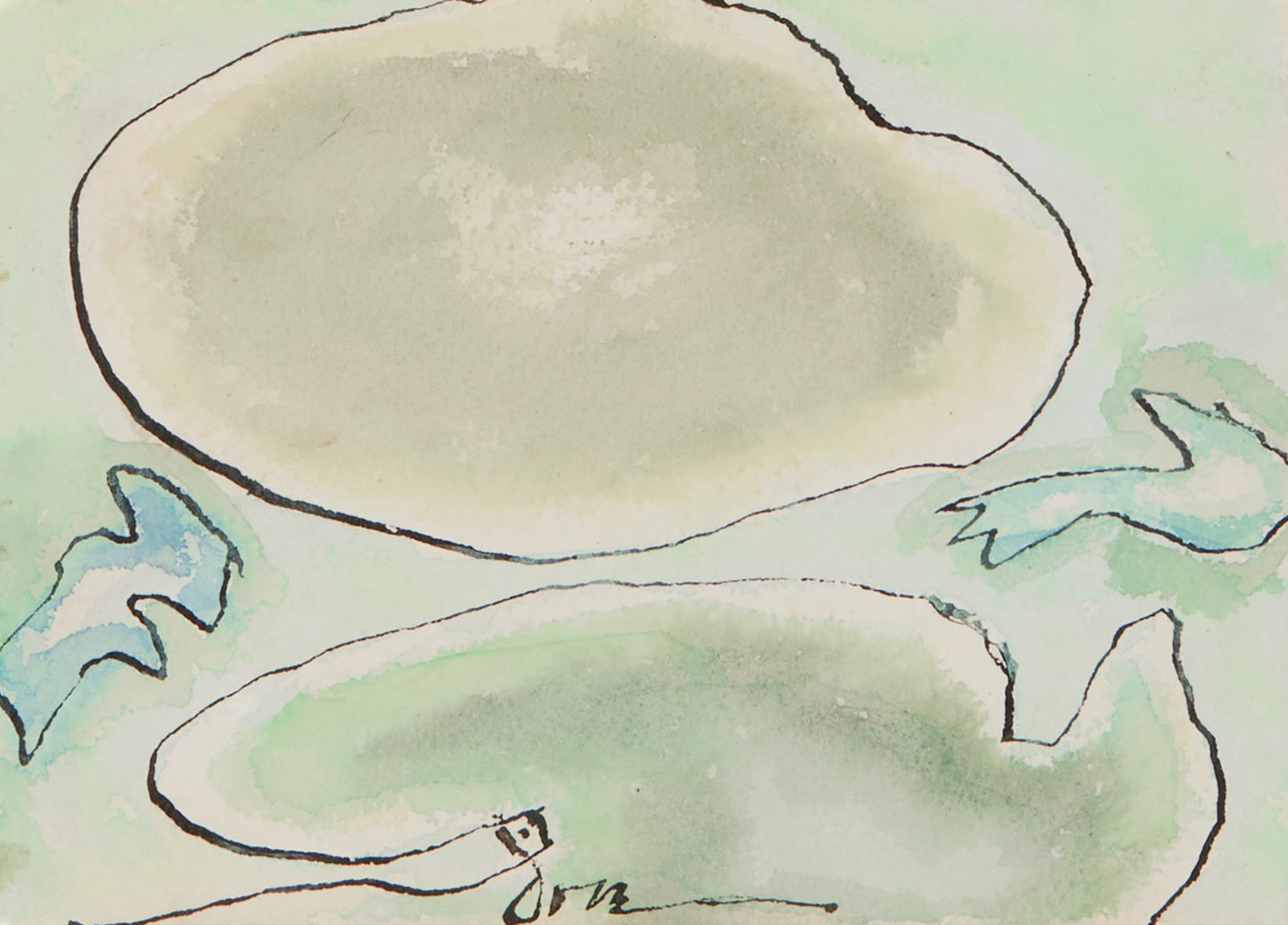
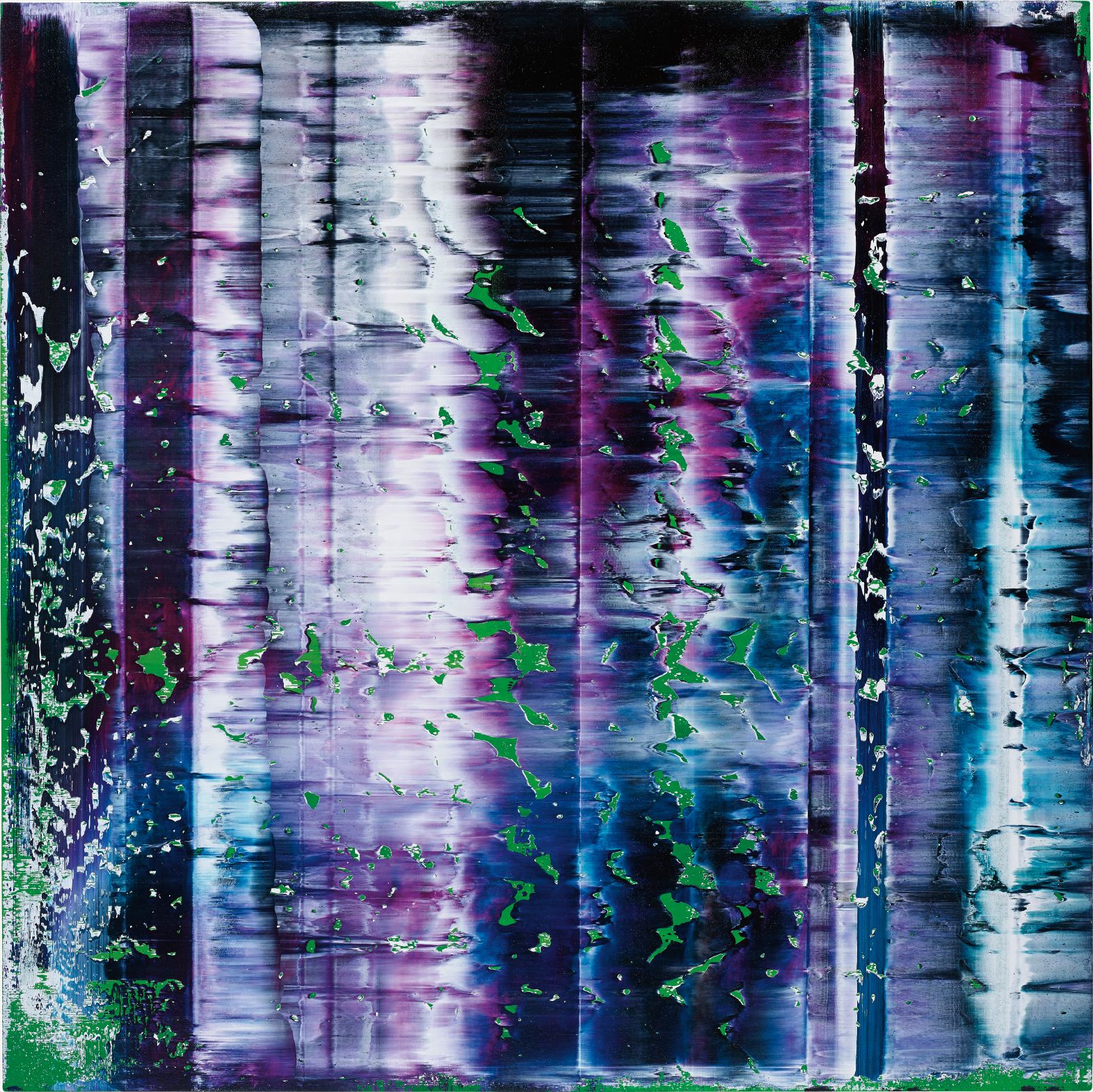
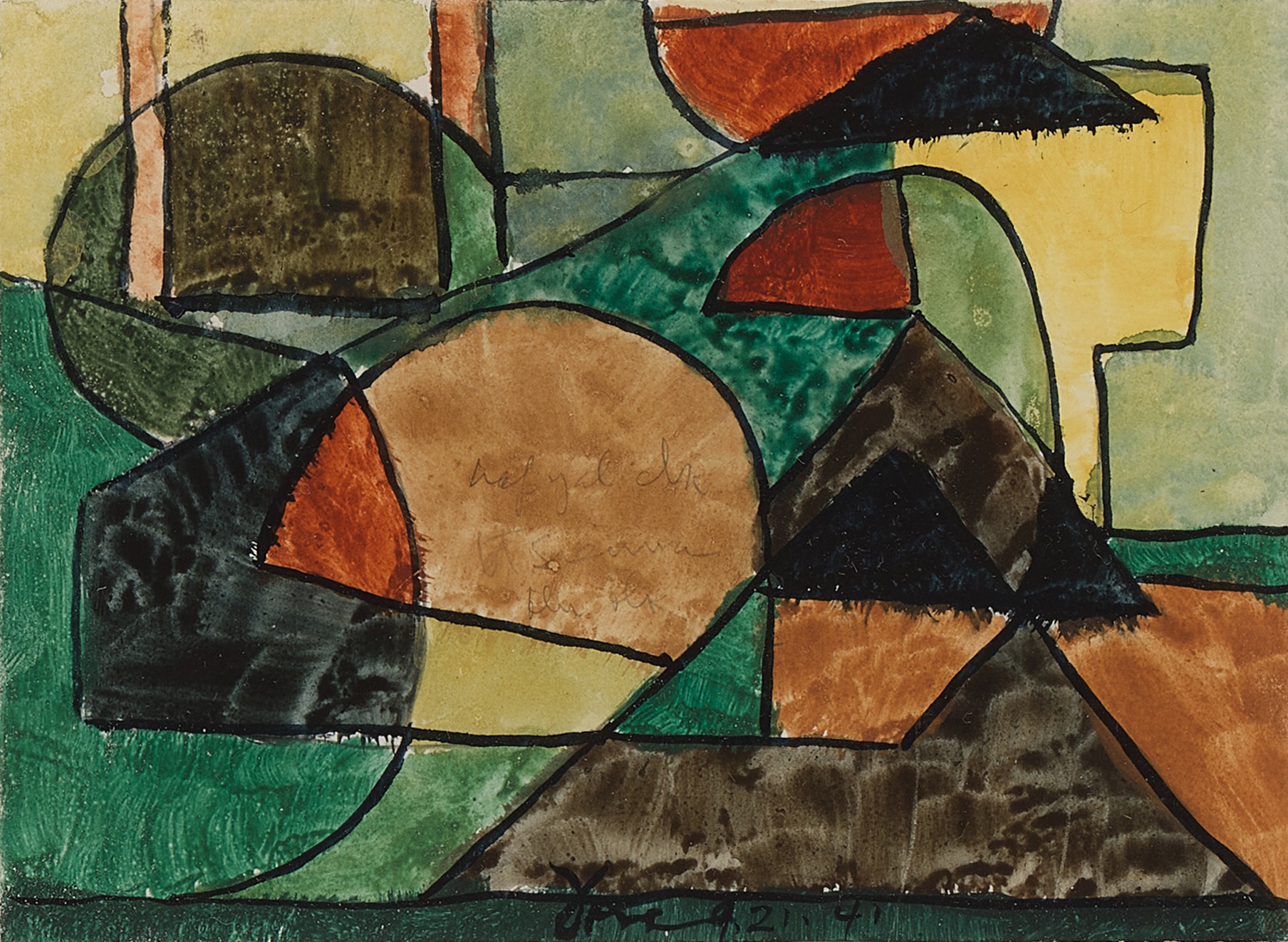
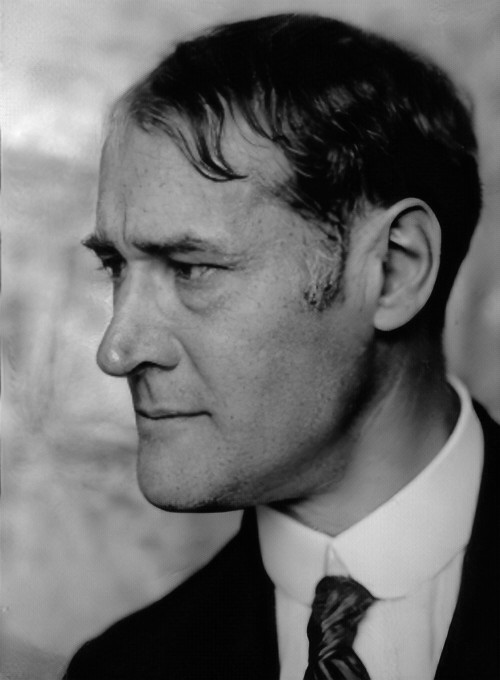
Arthur Garfield Dove
Clouds, 1936

Where Water Meets Ink, Everything Is Possible
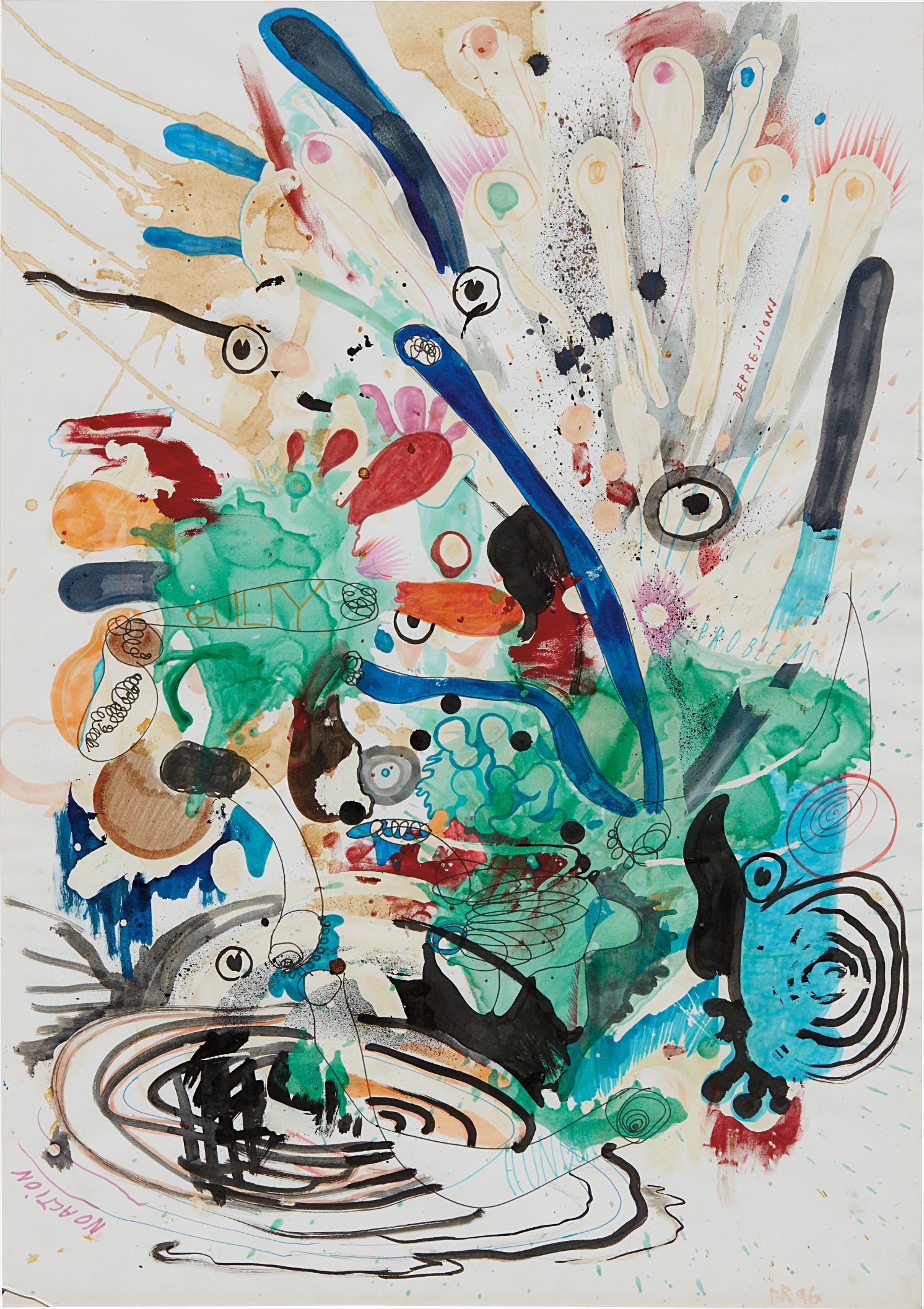
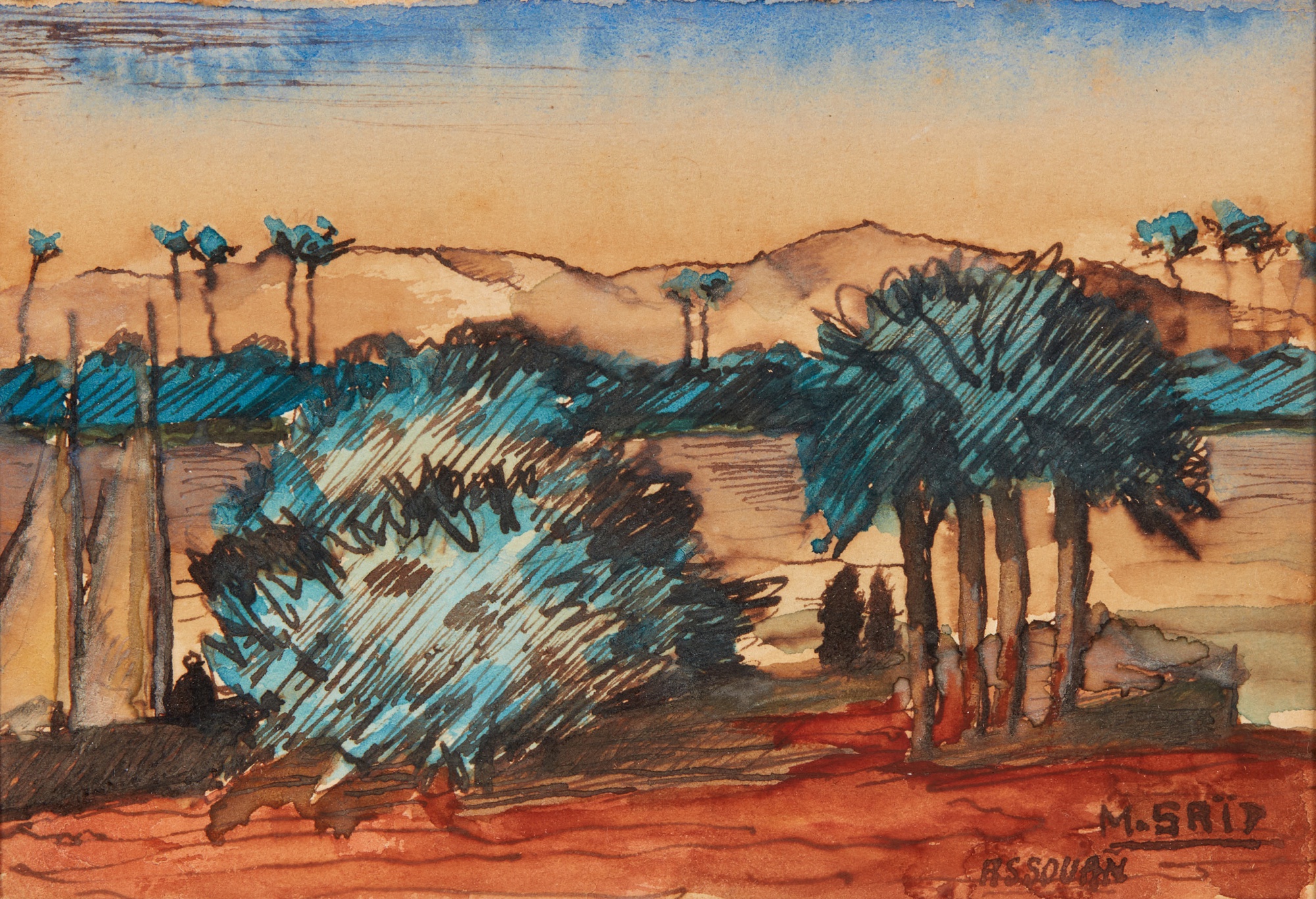
There is a particular kind of courage required to work in watercolor and ink. Unlike oil, which can be scraped back, painted over, and endlessly revised, these mediums demand commitment. A brushstroke lands, water blooms outward, and the paper holds whatever happened in that instant. The result is something that no other combination of materials can produce: imagery that feels simultaneously controlled and alive, deliberate and discovered.
It is no wonder that artists across centuries and cultures have returned to this pairing again and again, finding in its limitations an unexpected freedom. The history of watercolor and ink runs parallel to the history of recorded human thought. In East Asia, the marriage of ink wash and brushwork forms the very backbone of classical painting traditions reaching back more than a thousand years. The Chinese literati painters of the Song dynasty elevated the practice to a philosophical act, insisting that the quality of a brushstroke revealed the character of the person who made it.
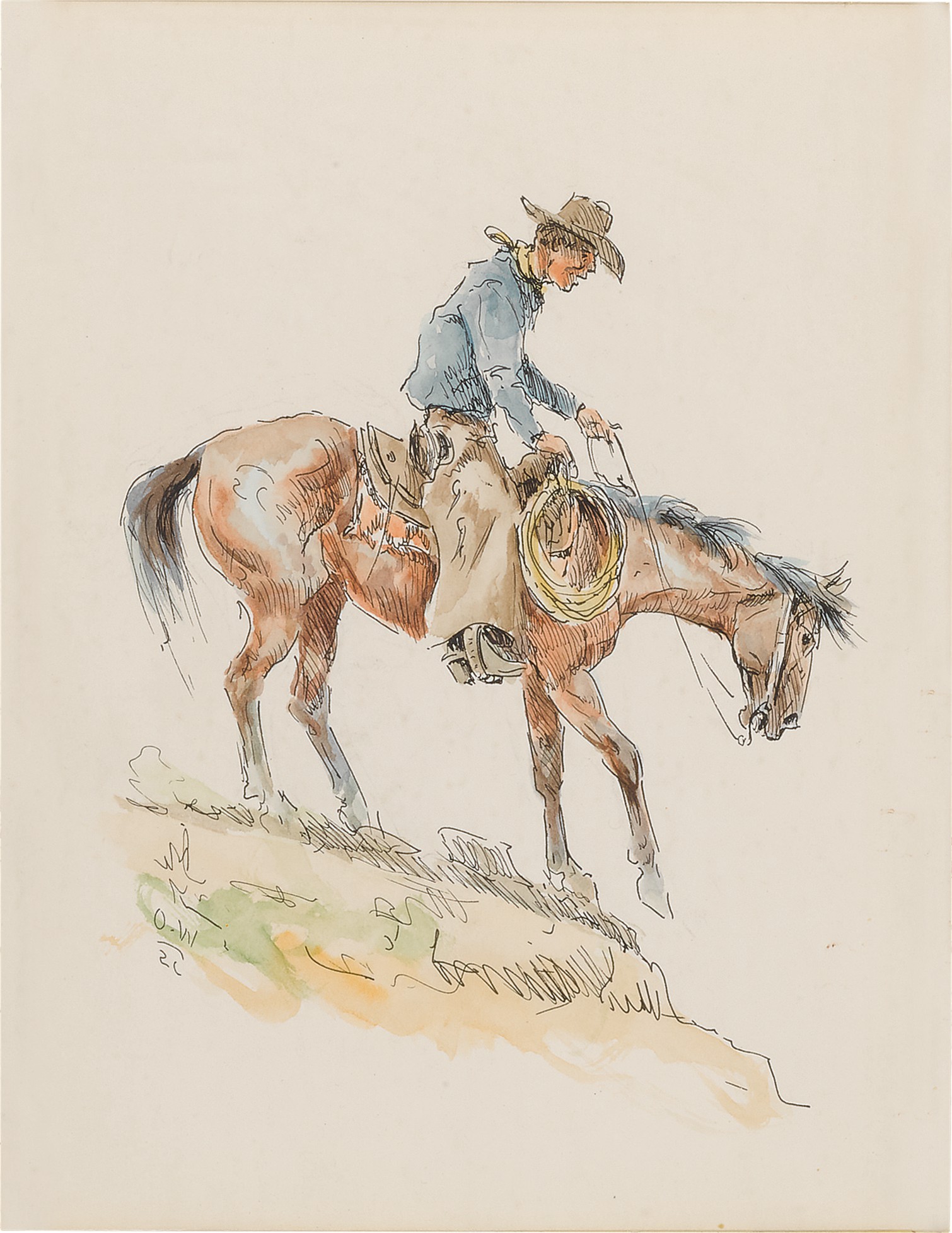
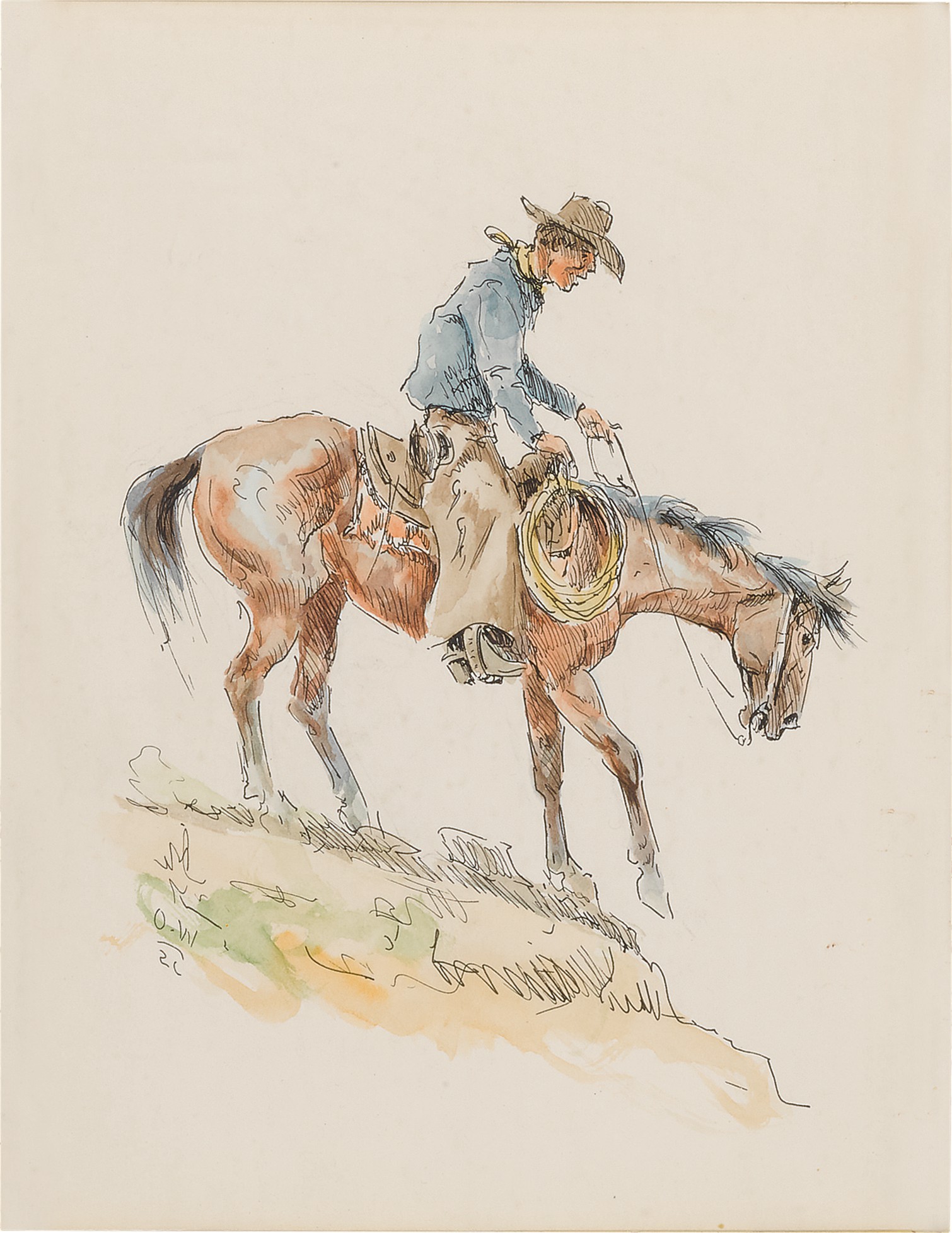
Olaf Wieghorst
Descending Cowboy
Ink was not merely a material but a moral substance. This tradition moved through centuries and across borders, informing everything from Japanese sumi e to the gestural ink drawings of European modernists who encountered Asian aesthetics through trade, exhibition, and eventually the seismic shock of Japonisme in the late nineteenth century. The artist 惲壽平, working in the seventeenth century and represented on The Collection, exemplifies the refinement of this tradition, his botanical studies demonstrating the boneless technique known as mogu, applying color directly without ink outlines and achieving an almost impossible delicacy. In the Western tradition, watercolor long occupied an awkward middle position, regarded as a preparatory medium rather than a finished one.
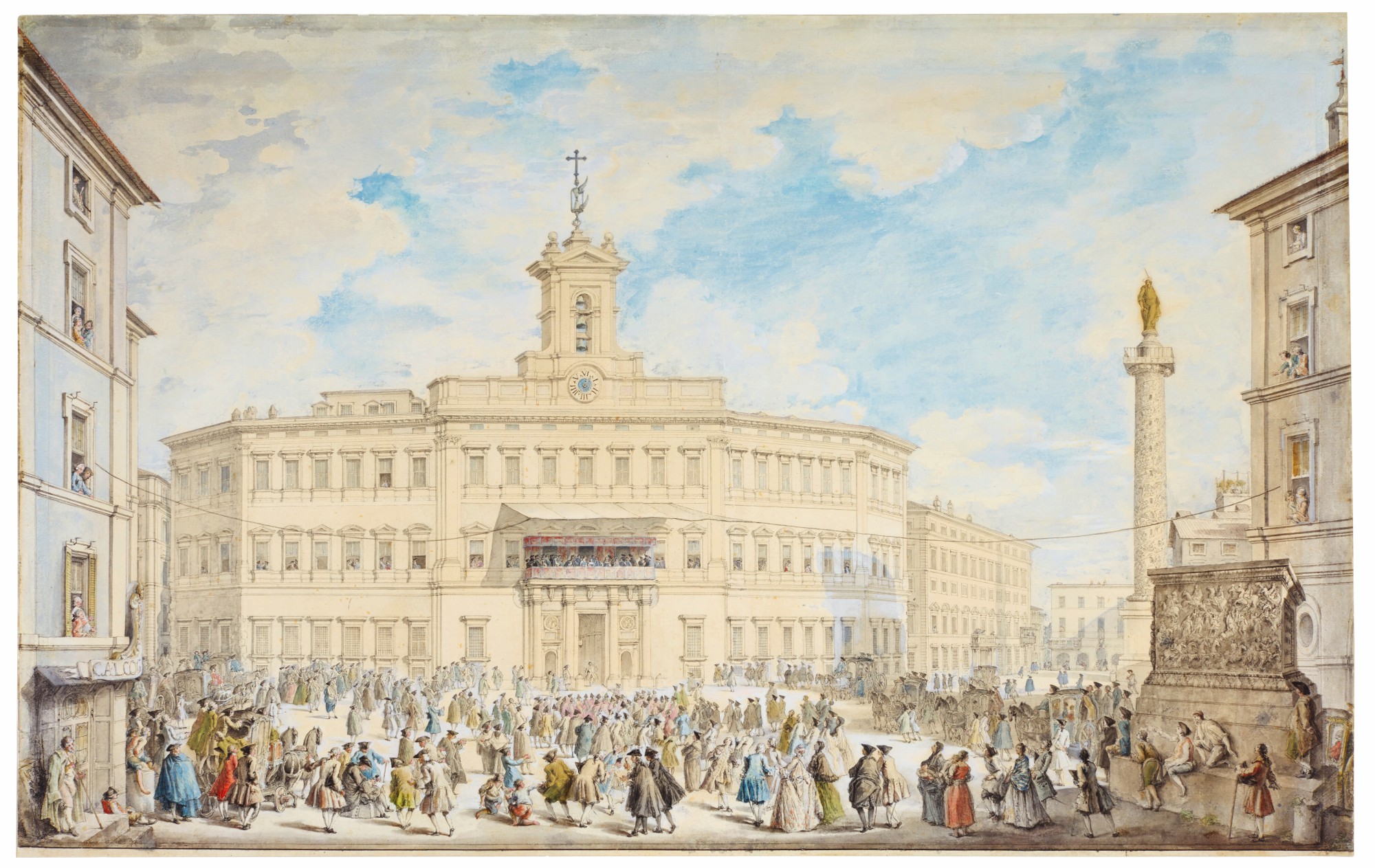
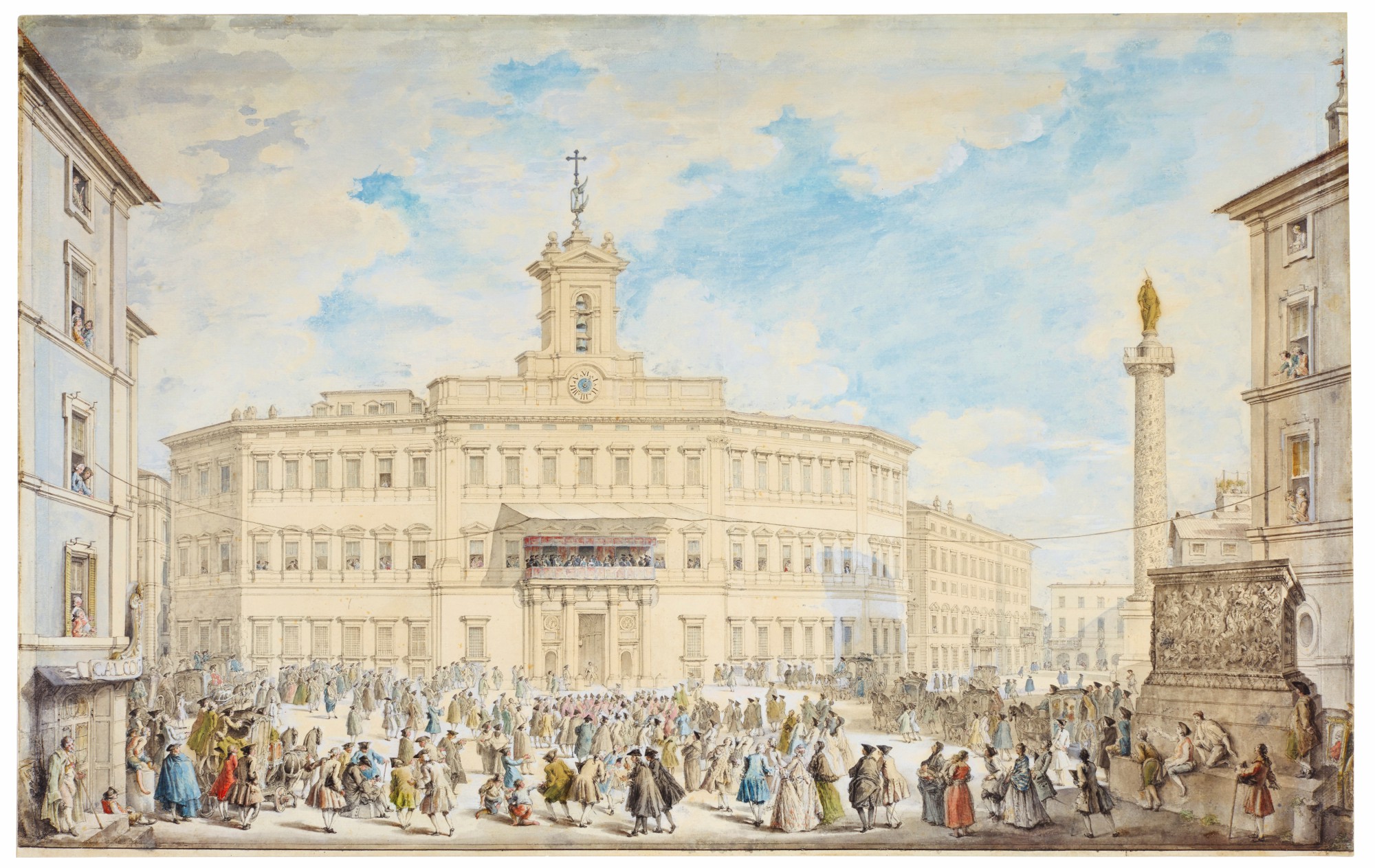
Turner changed that argument almost single handedly. When he exhibited his large scale watercolors at the Royal Academy in the early nineteenth century, the British art establishment was forced to reckon with what the medium could actually do. His ability to render atmosphere, light, and the sublime terror of natural forces using nothing more than pigment suspended in water remains one of the great demonstrations of technical mastery in all of art history. Meanwhile, ink had been the working fluid of draftsmen, satirists, and illustrators since the Renaissance, used by everyone from Leonardo to Rembrandt as the fastest way to fix an idea before it escaped.
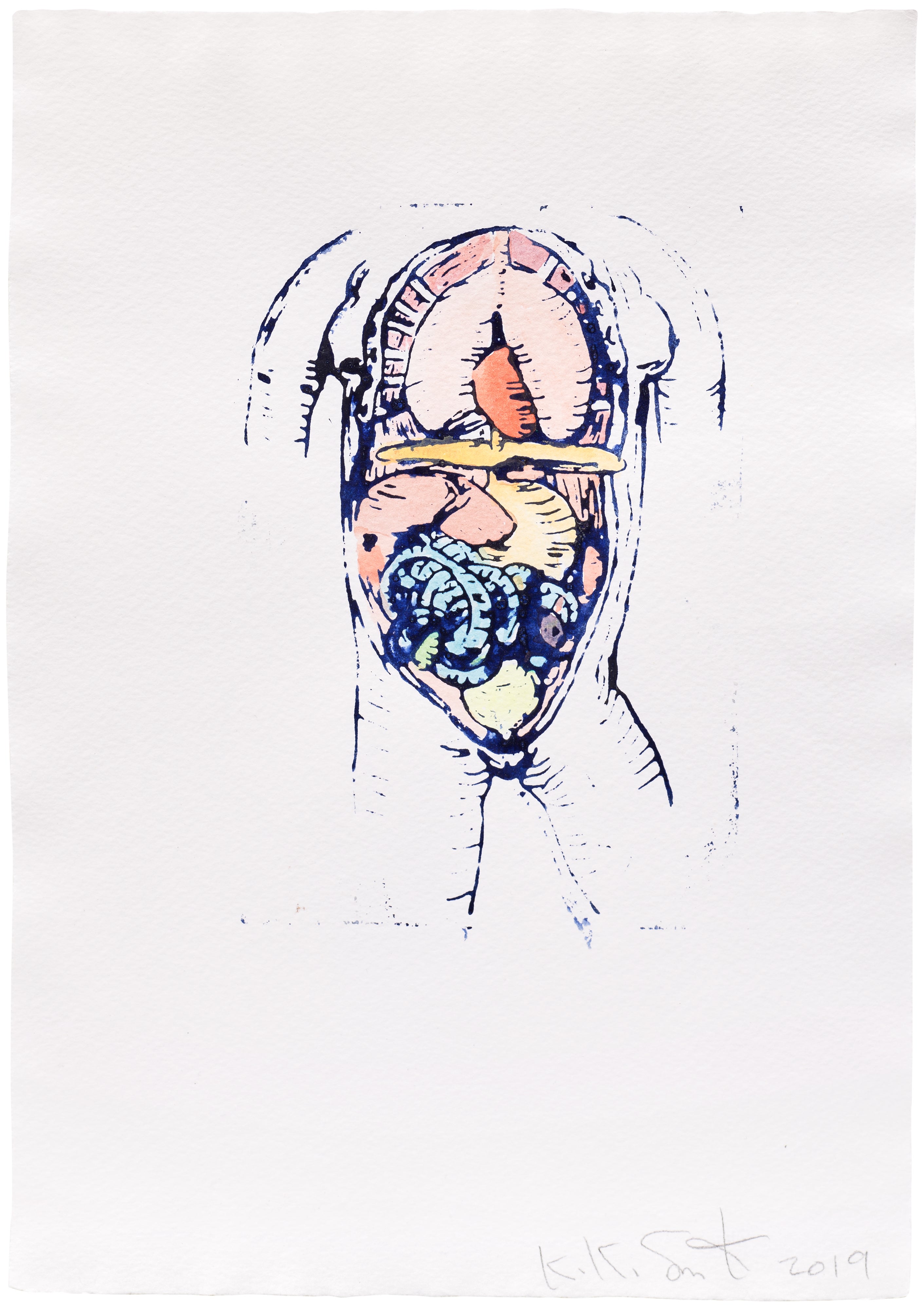
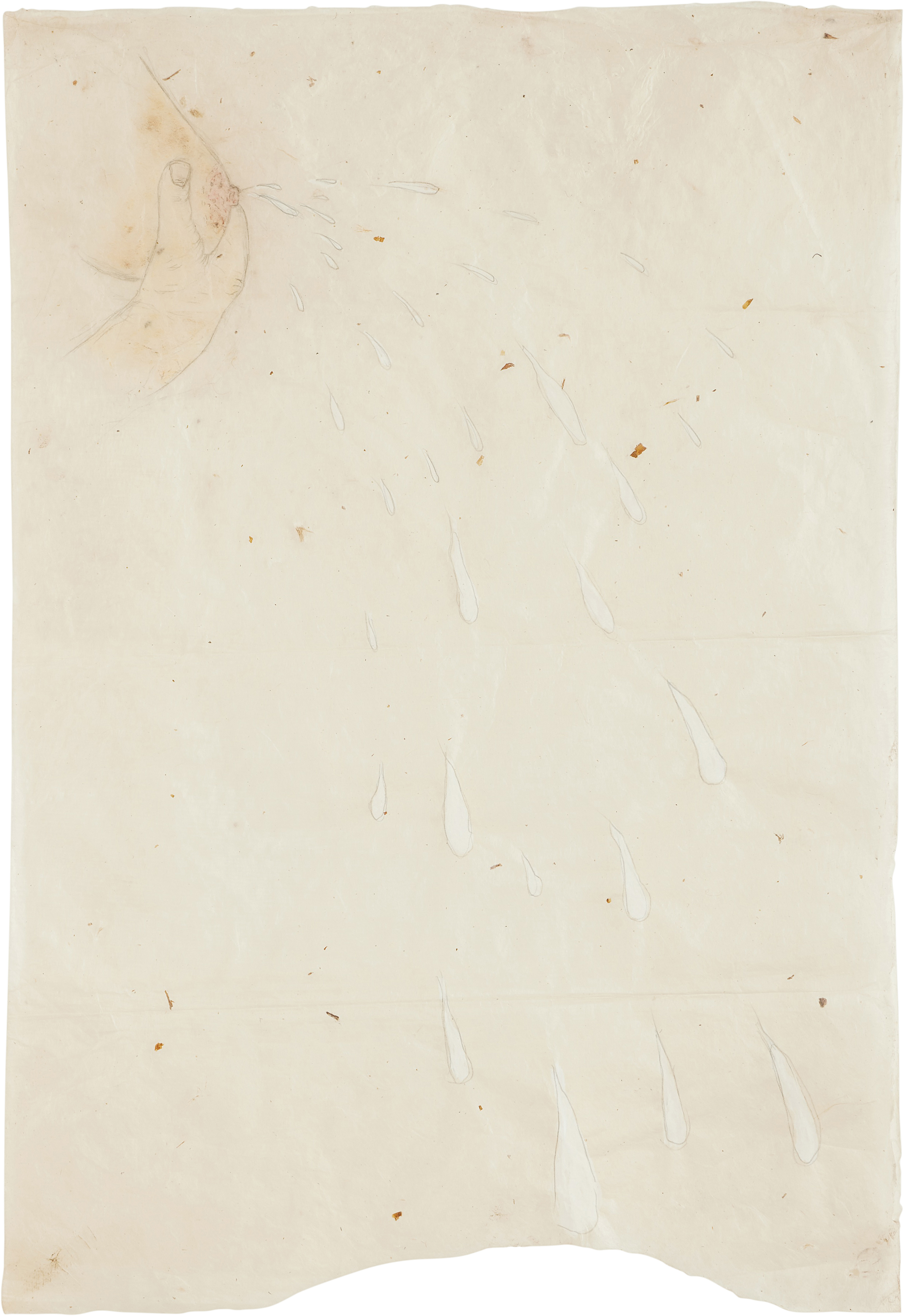
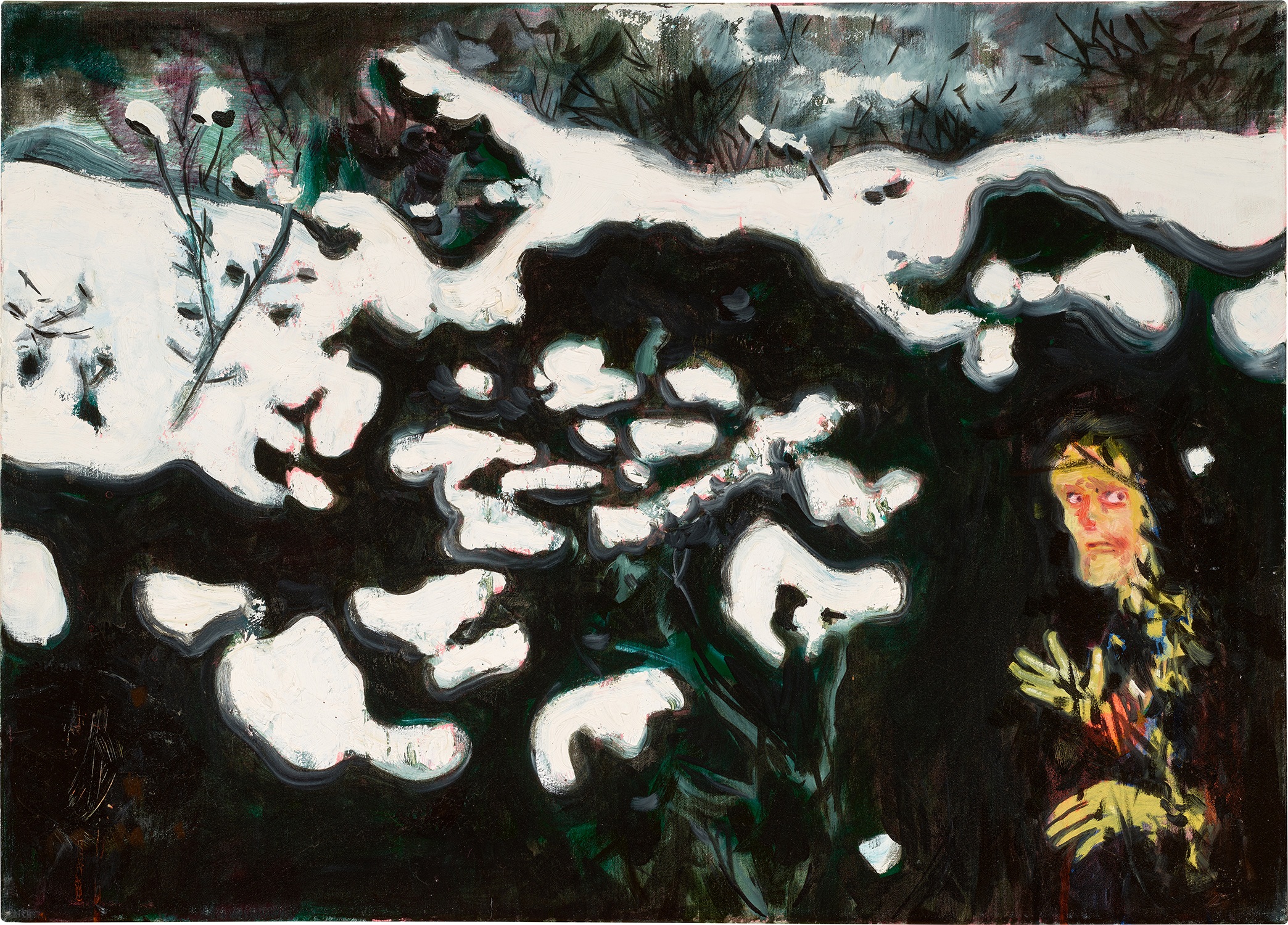
Kiki Smith
Open, 2019
By the late nineteenth and early twentieth centuries, watercolor and ink had become essential tools for artists navigating rapid social and visual change. Maurice Prendergast, whose work is extensively represented on The Collection, brought an almost Impressionist warmth to his watercolors, filling parks and promenades with dabs of pure color that shimmer and jostle against each other. His approach was deeply informed by his time in Paris in the 1890s, where he absorbed the lessons of Cézanne and the Nabis, then carried them back to Boston and New York in scenes of leisure that feel both documentary and ecstatic. Around the same time, Lyonel Feininger was developing his crystalline, angular vision, working across watercolor and ink to build architectural and coastal landscapes that seem lit from within.
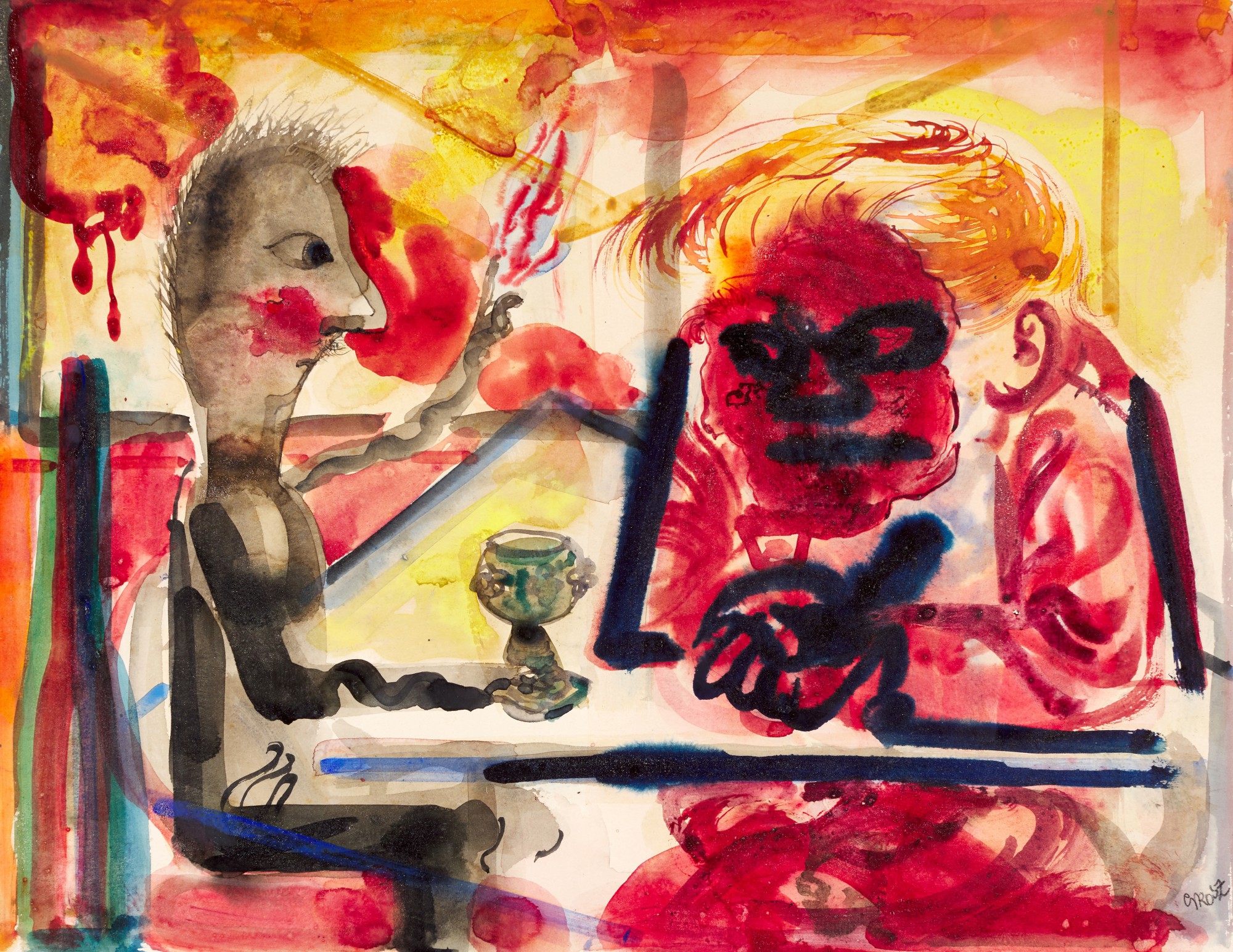
His work bridges German Expressionism and a kind of luminous abstraction that anticipates much of what would follow. The twentieth century saw the medium explode in ambition and attitude. George Grosz weaponized ink, using its scratchy immediacy to produce biting social satire in Weimar Germany that landed like blows. His drawings from the 1920s remain some of the most politically charged works on paper ever made.
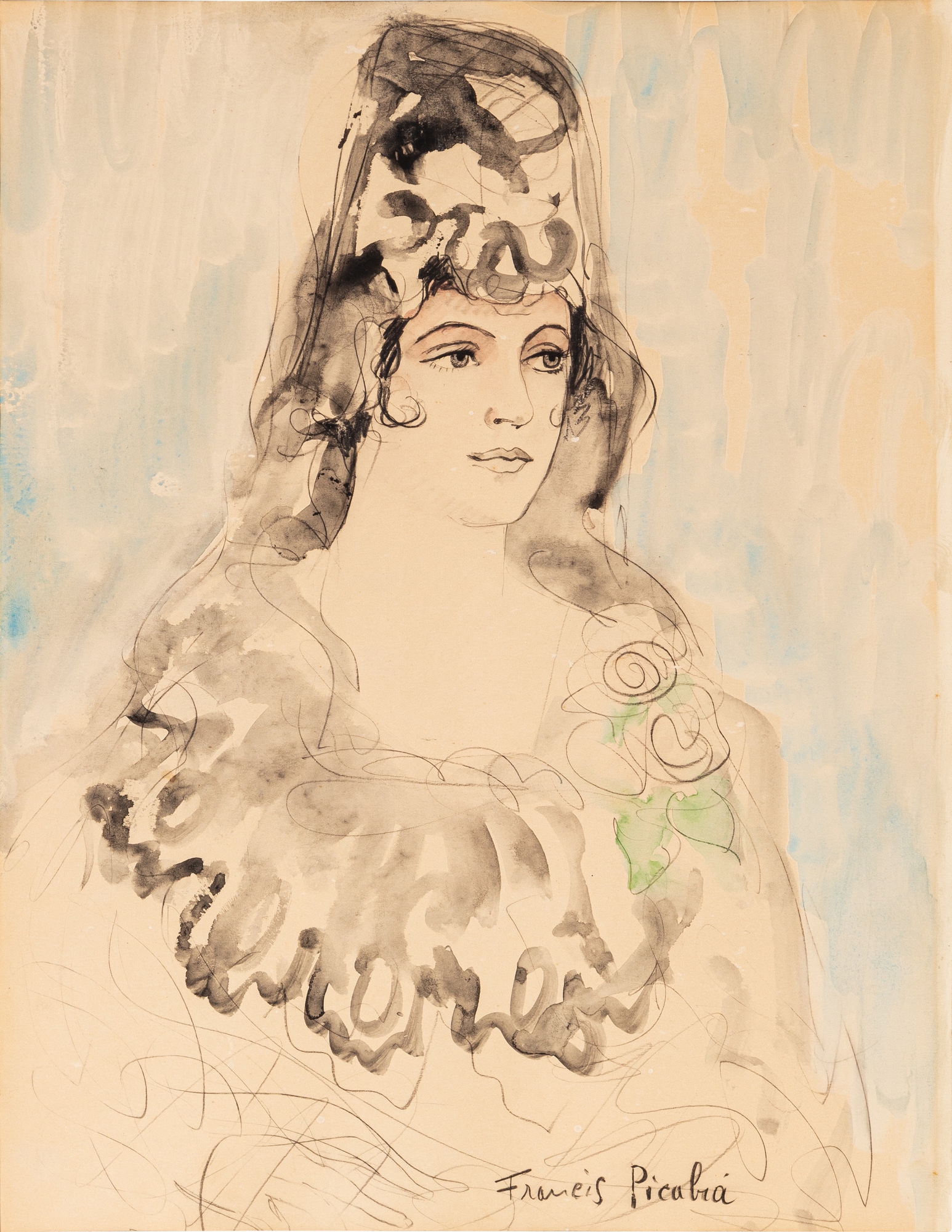
Francis Picabia
Espagnole, 1926
Francis Picabia brought a very different sensibility, deploying watercolor and ink with irreverence and wit in service of Dada's assault on artistic convention. Joan Miró found in the looseness of wash and line a language perfectly suited to his biomorphic dreamscapes, where forms float between the legible and the invented. Salvador Dalí used the precision of ink alongside watercolor's ambiguity to describe impossible spaces with unsettling clarity. Each of these artists understood something fundamental: that the tension between ink's decisiveness and watercolor's unpredictability creates a productive instability, a space where the rational and the intuitive negotiate in real time.
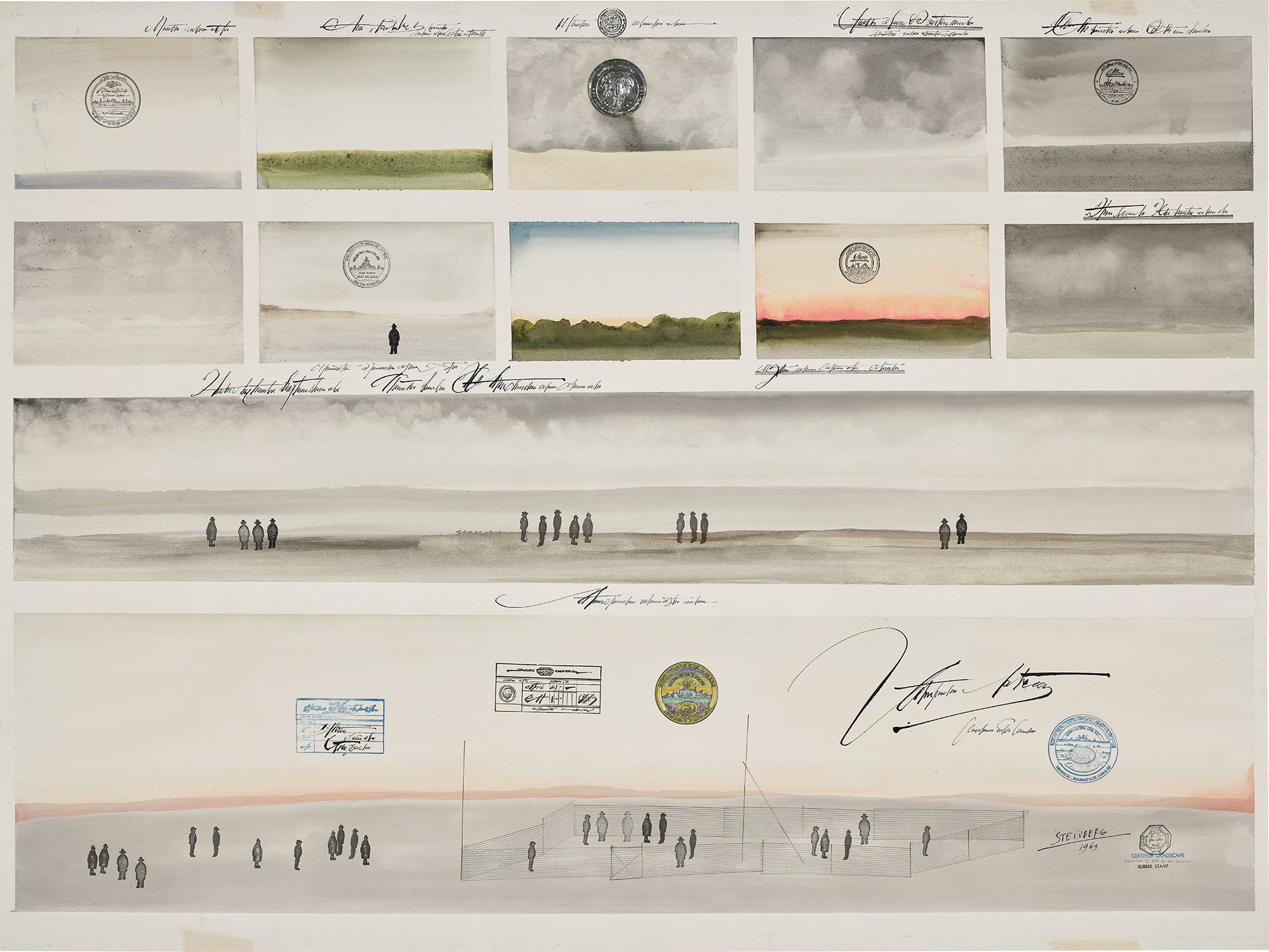
The medium also proved capacious enough for artists working in very different registers. Saul Steinberg, whose wry graphic intelligence earns him a place on The Collection, treated ink as a vehicle for philosophical play, drawing worlds that commented on drawing itself. Francis Bacon, better known for his visceral oil paintings, used works on paper to explore the same distortions of the human figure in a more intimate register. Ellsworth Kelly brought his rigorous formal intelligence to plant studies rendered in ink with a precision that somehow avoids coldness entirely, each leaf a study in the relationship between observation and reduction.
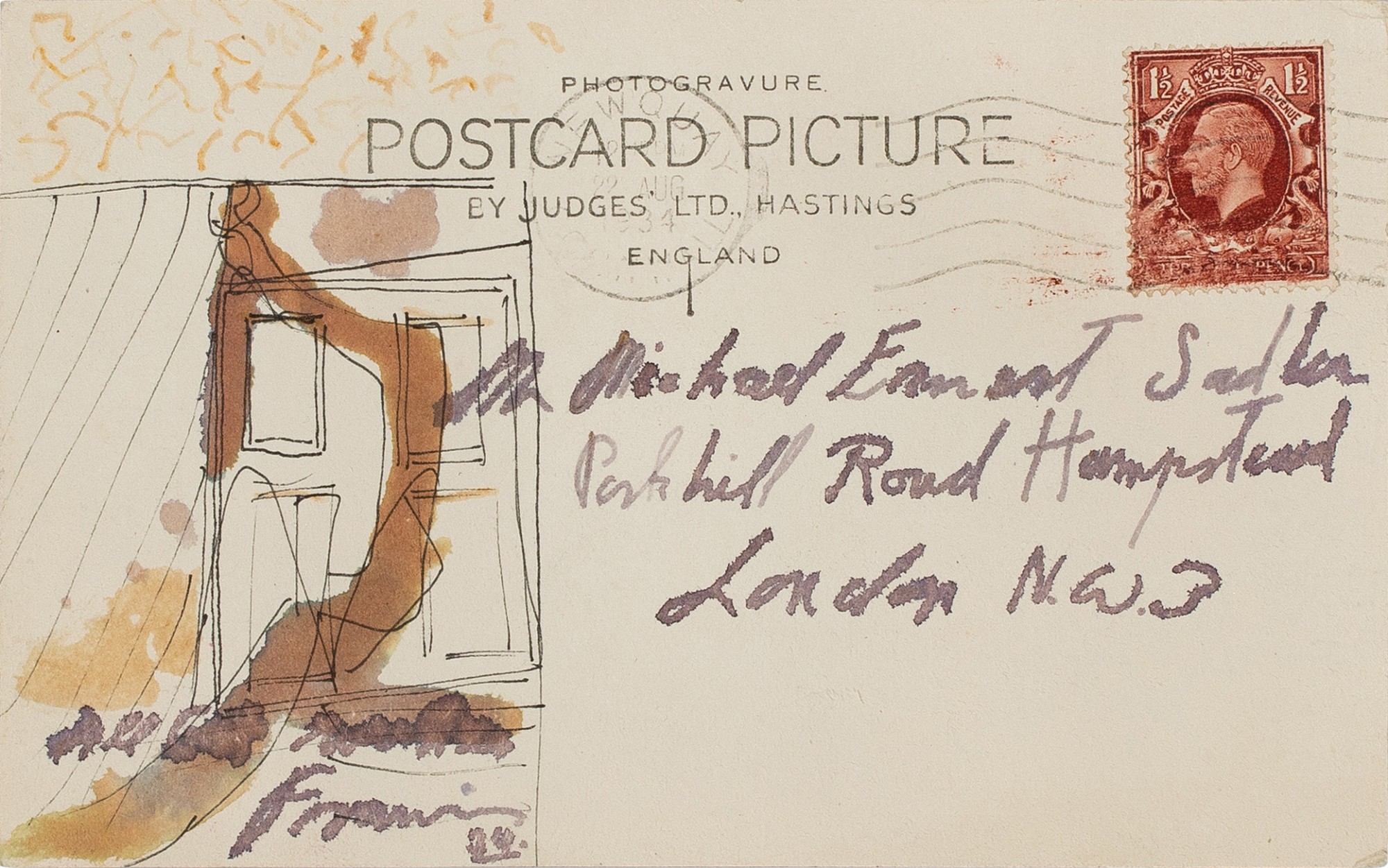
Francis Bacon
Corner of the Studio (Postcard with original drawing addressed to Sir Michael Sadler)
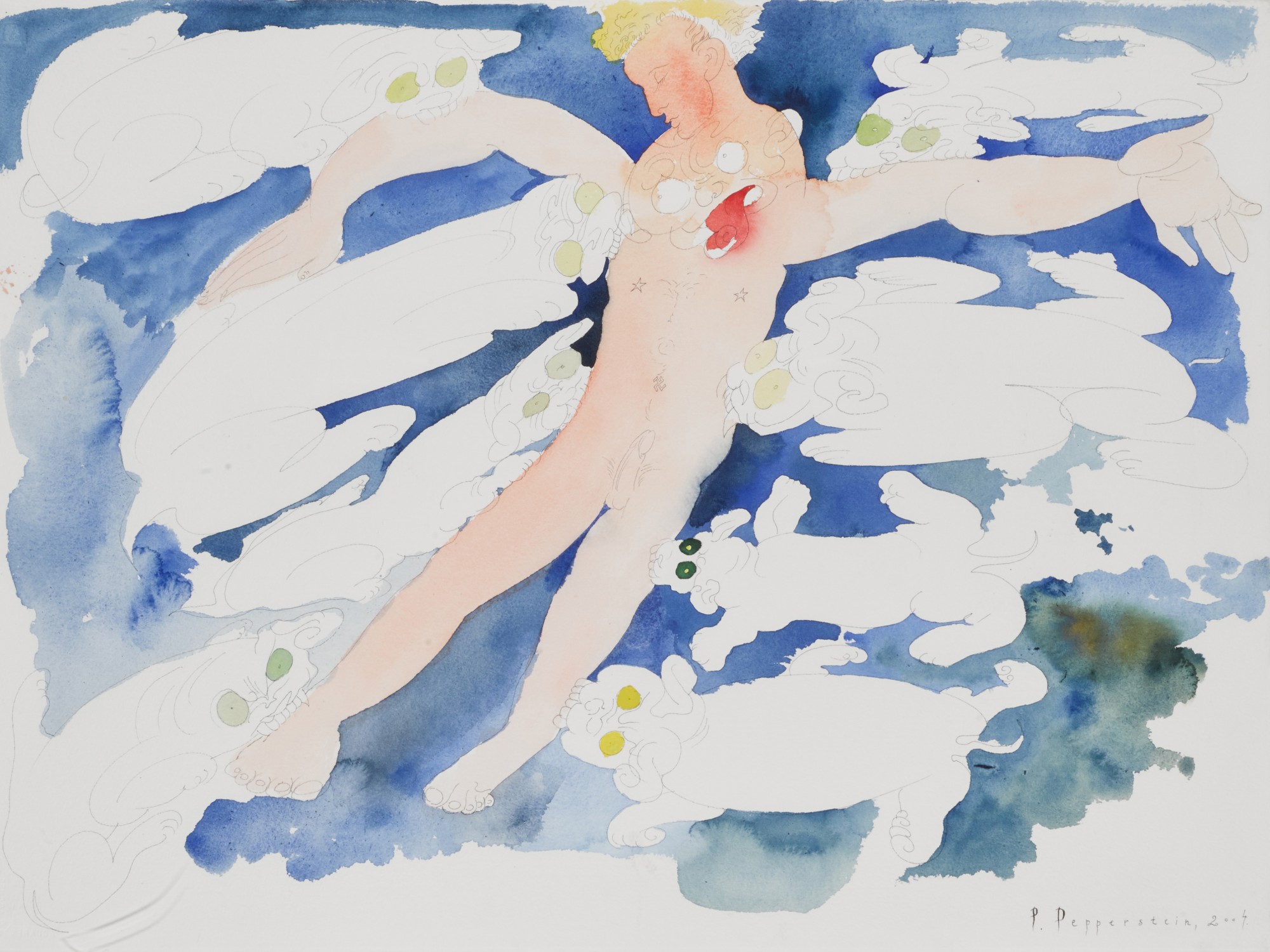
Today, the conversation around watercolor and ink is as vital as it has ever been. Artists like Tunji Adeniyi Jones use these materials to summon figures from Yoruba mythology, the fluid pooling of pigment becoming part of the work's meaning rather than an incidental quality of execution. Raymond Pettibon, whose dense images combine handwritten text with ink drawing, has made the medium central to a practice that spans decades and defies easy categorization. Kiki Smith brings a tenderness to works on paper that is inseparable from the vulnerability the materials themselves possess.
What unites these contemporary practitioners with Prendergast's sunlit crowds, Miró's floating forms, and a seventeenth century Chinese painter's lotus blossoms is not style or subject but an understanding of what these materials make possible. Watercolor and ink ask something of the person holding the brush: presence, patience, and a willingness to let the work surprise you. They are mediums that resist the kind of total control that can make a painting feel labored and inert. Instead they insist on collaboration between the artist's hand and the material's own tendencies, between intention and accident.
That negotiation is exactly what makes works in this tradition so consistently rewarding to live with, and why collectors who fall for watercolor and ink rarely find their enthusiasm diminishing over time.