Vinyl
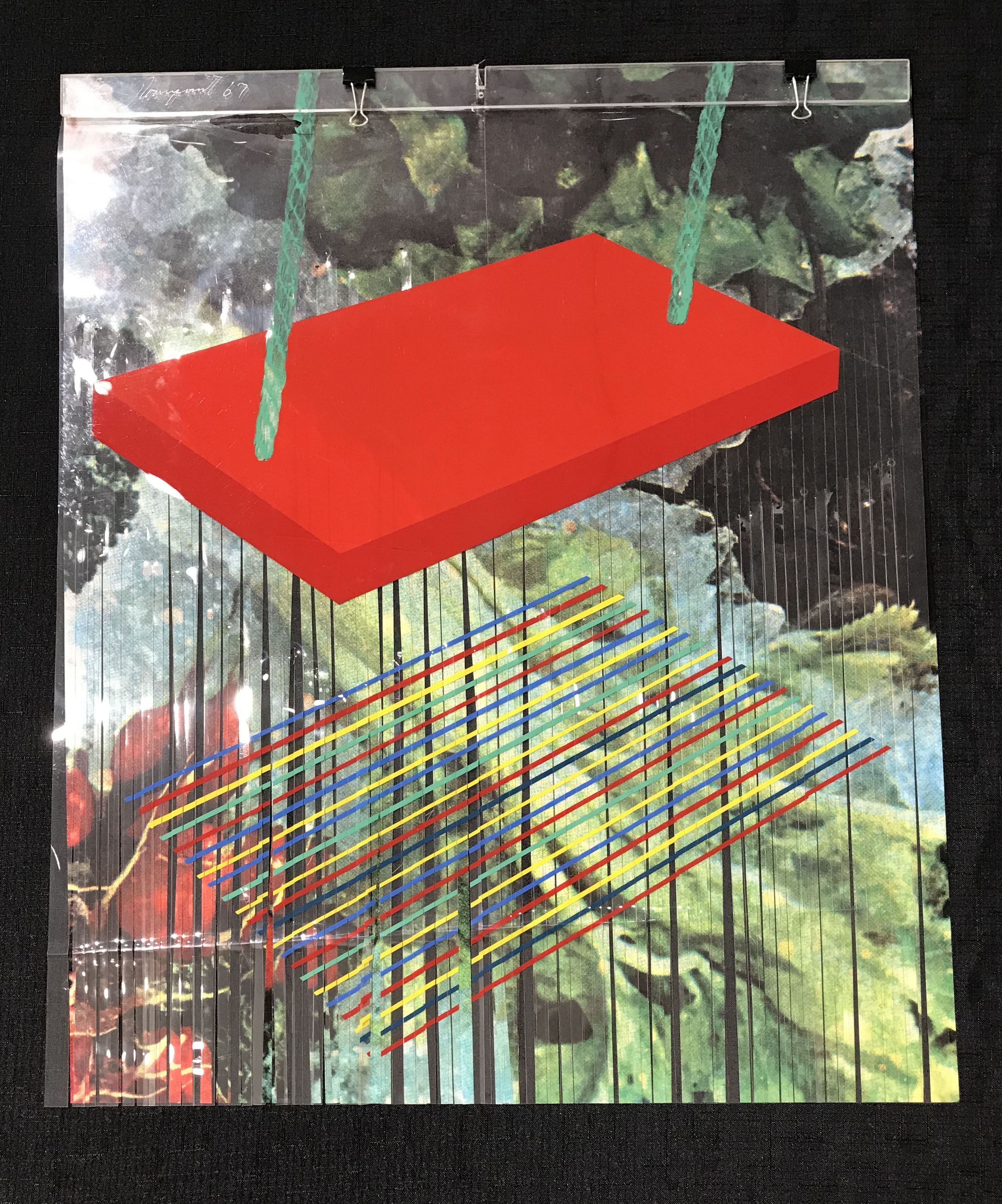
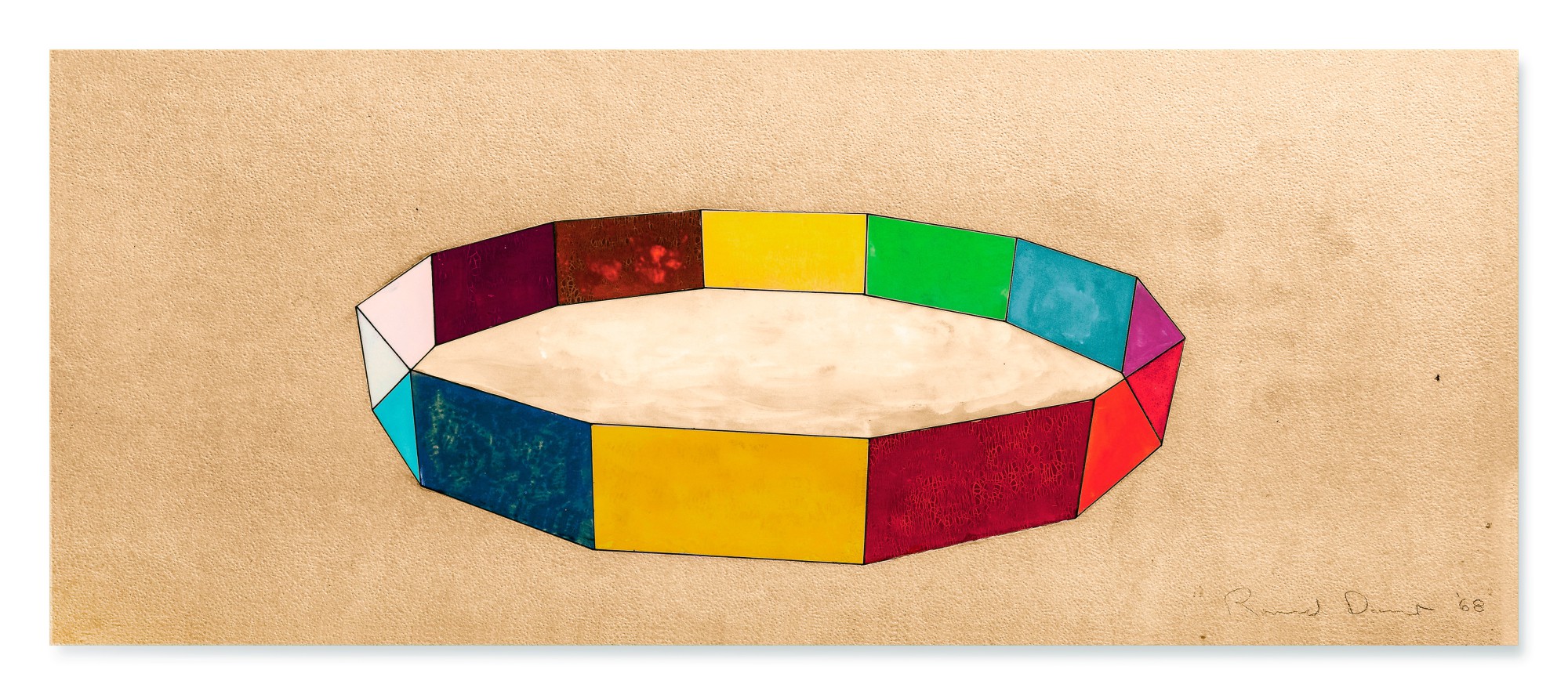
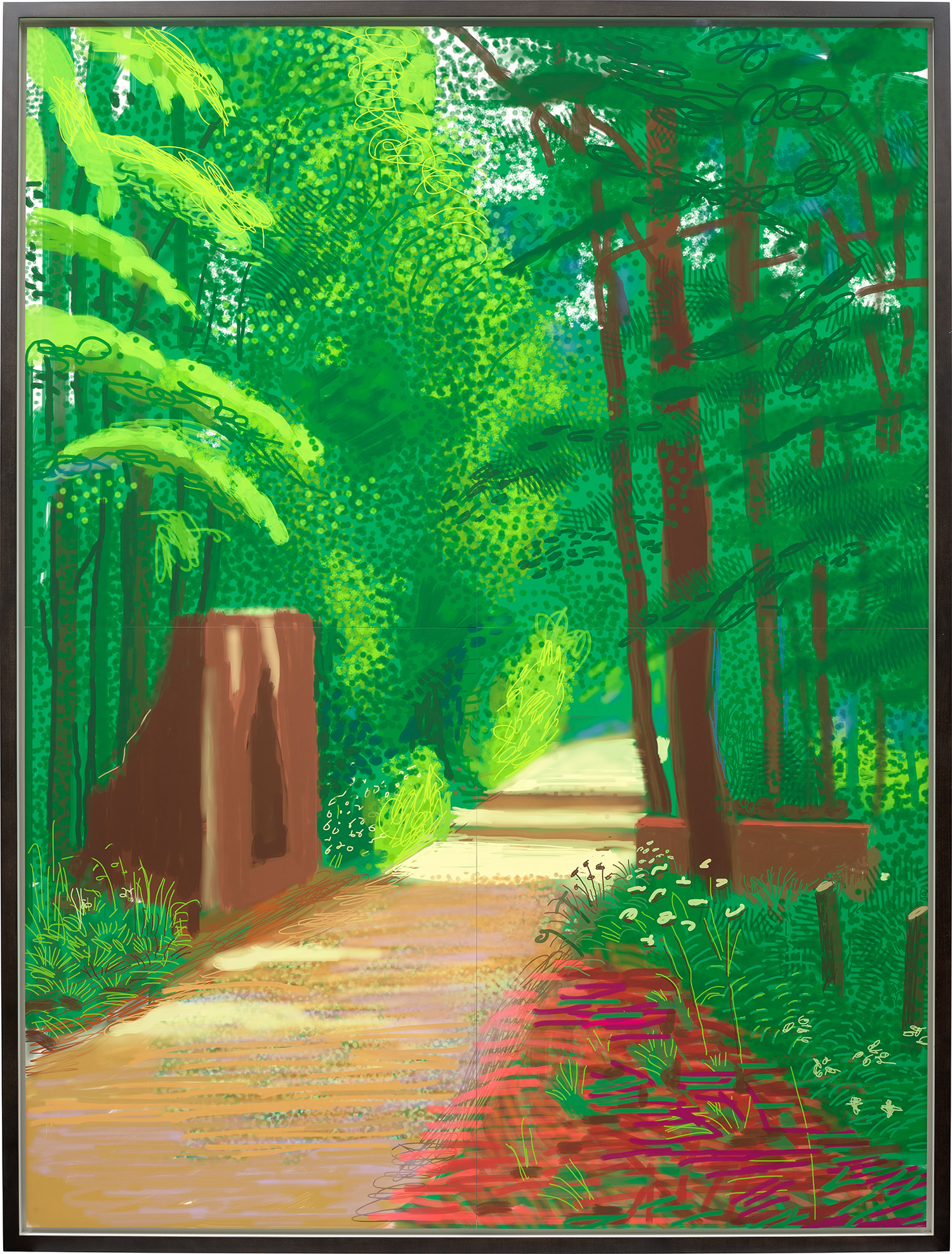
James Rosenquist
Sketch for Forest Ranger, 1967

Vinyl: The Slick Surface That Seduced Art
There is something almost transgressive about vinyl. Cheap, industrial, synthetic, it was never supposed to be beautiful. It was supposed to be durable, functional, easy to wipe clean. And yet, from the mid twentieth century onward, artists kept returning to it with a strange devotion, drawn precisely to its wrongness, its refusal to behave like a proper art material.
Vinyl became a mirror for the age that produced it, reflecting back consumerism, desire, spectacle, and the body in ways that canvas and bronze simply could not. The story of vinyl in art is inseparable from the postwar explosion of synthetic materials and the culture that celebrated them. By the 1950s and early 1960s, plastics had thoroughly infiltrated domestic life, and artists were paying close attention. The Pop artists in particular understood that these new materials were not merely aesthetic choices but ideological ones.

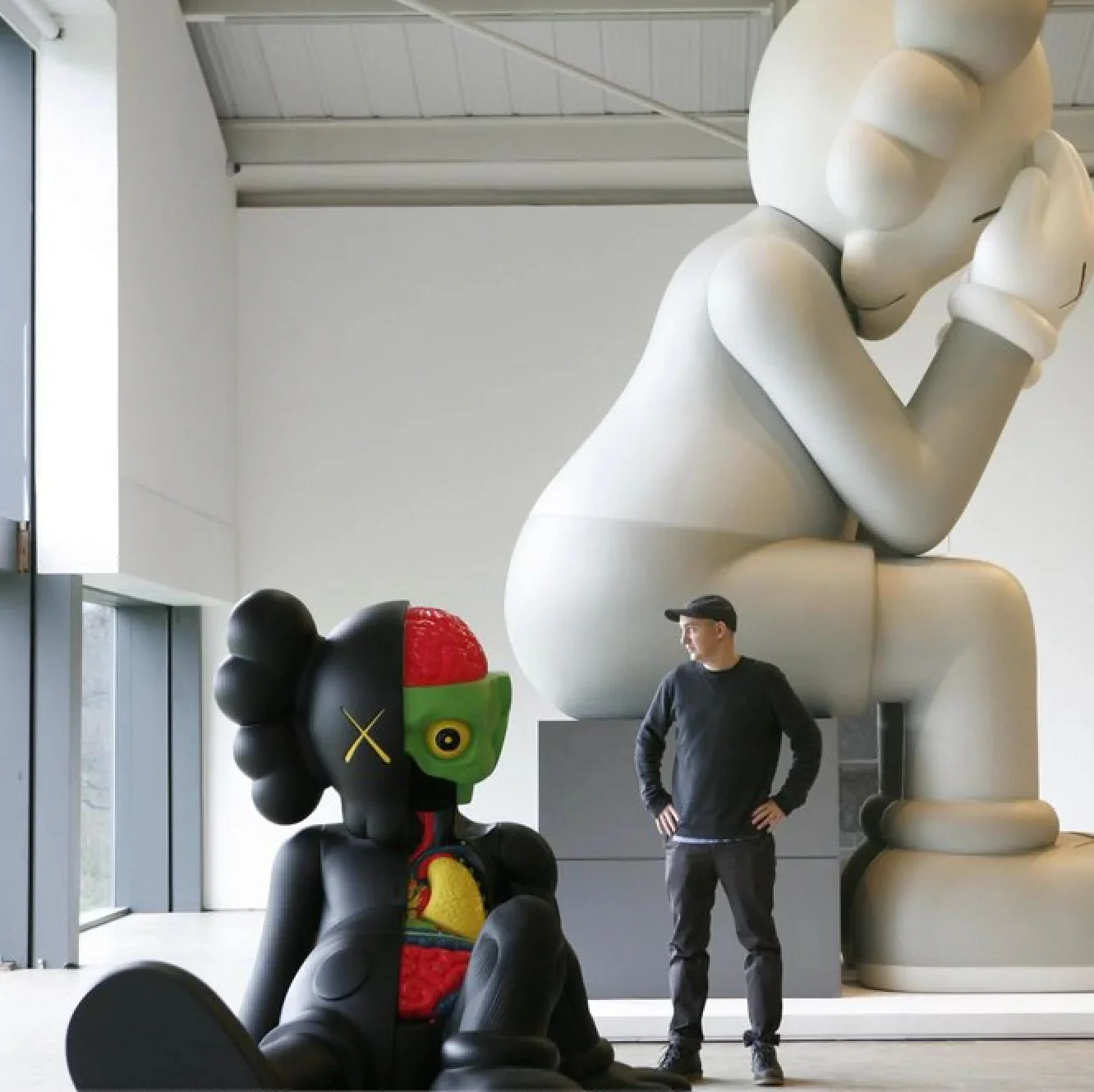
KAWS
Four Foot Companion (Grey), 2007
To paint a soup can was one thing. To stretch your work across vinyl, to make it slippery and inflatable and faintly obscene, was another kind of statement entirely. Andy Warhol was among the first to grasp this fully. His Vinyl from 1965, a film rather than a painting, borrowed its title from the material's associations with bondage, subculture, and mass production in the same breath.
The surface and the subtext were inseparable. Jeff Koons, whose work appears on The Collection, took that lineage and pushed it to an almost unbearable extreme. His inflatable works and the shiny, taut surfaces of his sculptures in the 1980s drew heavily on vinyl aesthetics, transforming the banal pleasures of the carnival and the toy store into something monumental and faintly unsettling. Koons understood that vinyl's glossiness was essentially a form of desire made physical, a skin that promised pleasure and delivered only its image.
James Rosenquist
Sketch for Forest Ranger, 1967
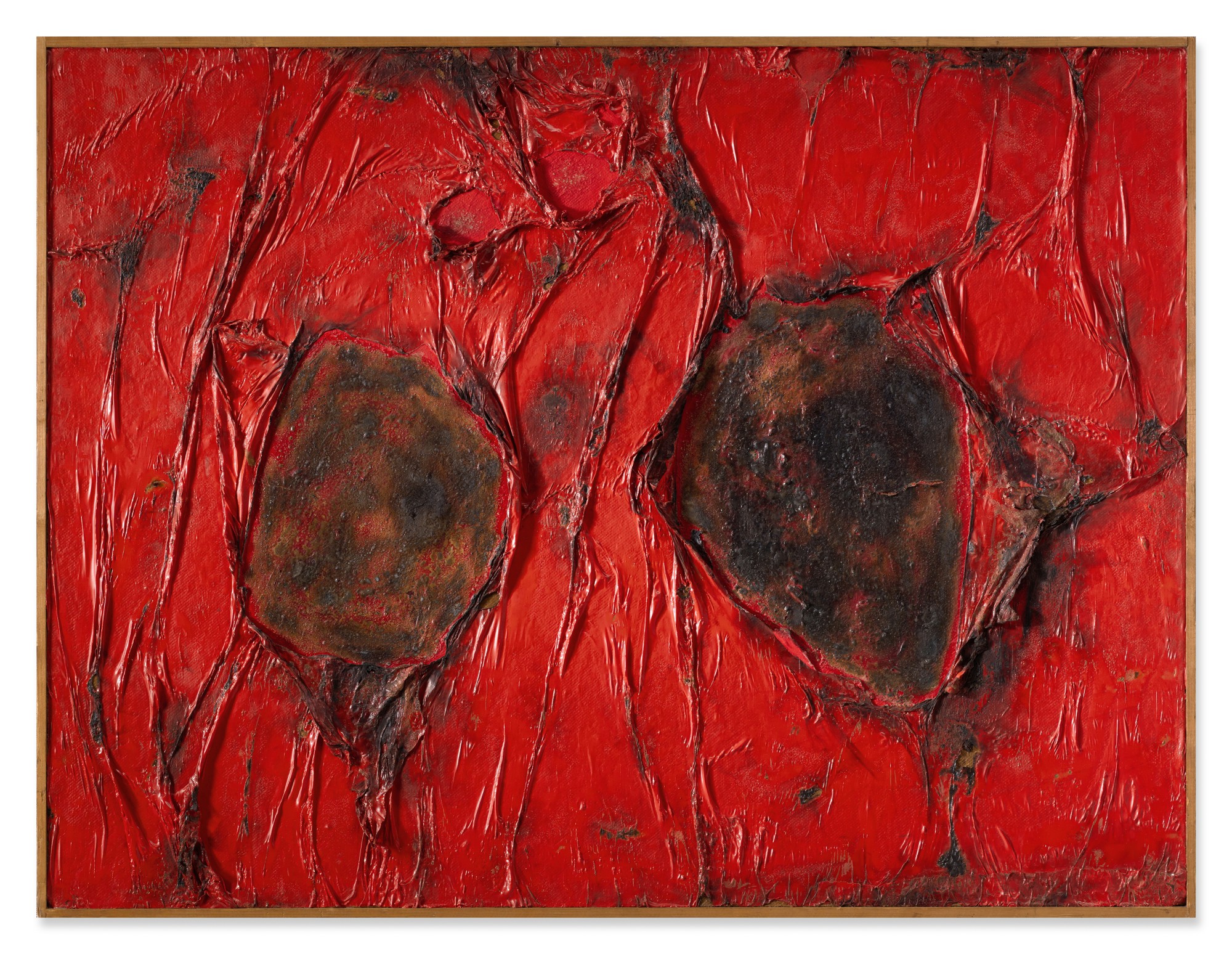
James Rosenquist, also represented here, worked with a different but related sensibility. His billboard derived canvases had the same slick, commercial finish, the same quality of images pressed flat against a surface that refused to absorb them. The material history of vinyl in art is worth tracing with some care. Industrial vinyl sheeting and PVC became widely available to artists by the late 1950s, and figures like Claes Oldenburg were among the earliest to use soft vinyl in sculpture, most famously in works like Soft Typewriter from 1963.
The drooping, flesh like quality of vinyl at room temperature gave his objects an uncanny bodily presence that plaster or bronze could never achieve. Robert Morris and others in the minimalist and post minimalist movements also experimented with felt and soft industrial materials in ways that ran parallel to vinyl's influence, but it was in the Pop and later neo Pop contexts that vinyl found its most charged expression. By the 1990s and into the 2000s, a new generation had absorbed these lessons and was doing something different with them. KAWS, whose presence on The Collection is substantial, began his career defacing vinyl toy packaging in the streets of New York before eventually producing his own collectible vinyl figures through brands like Medicom Toy.
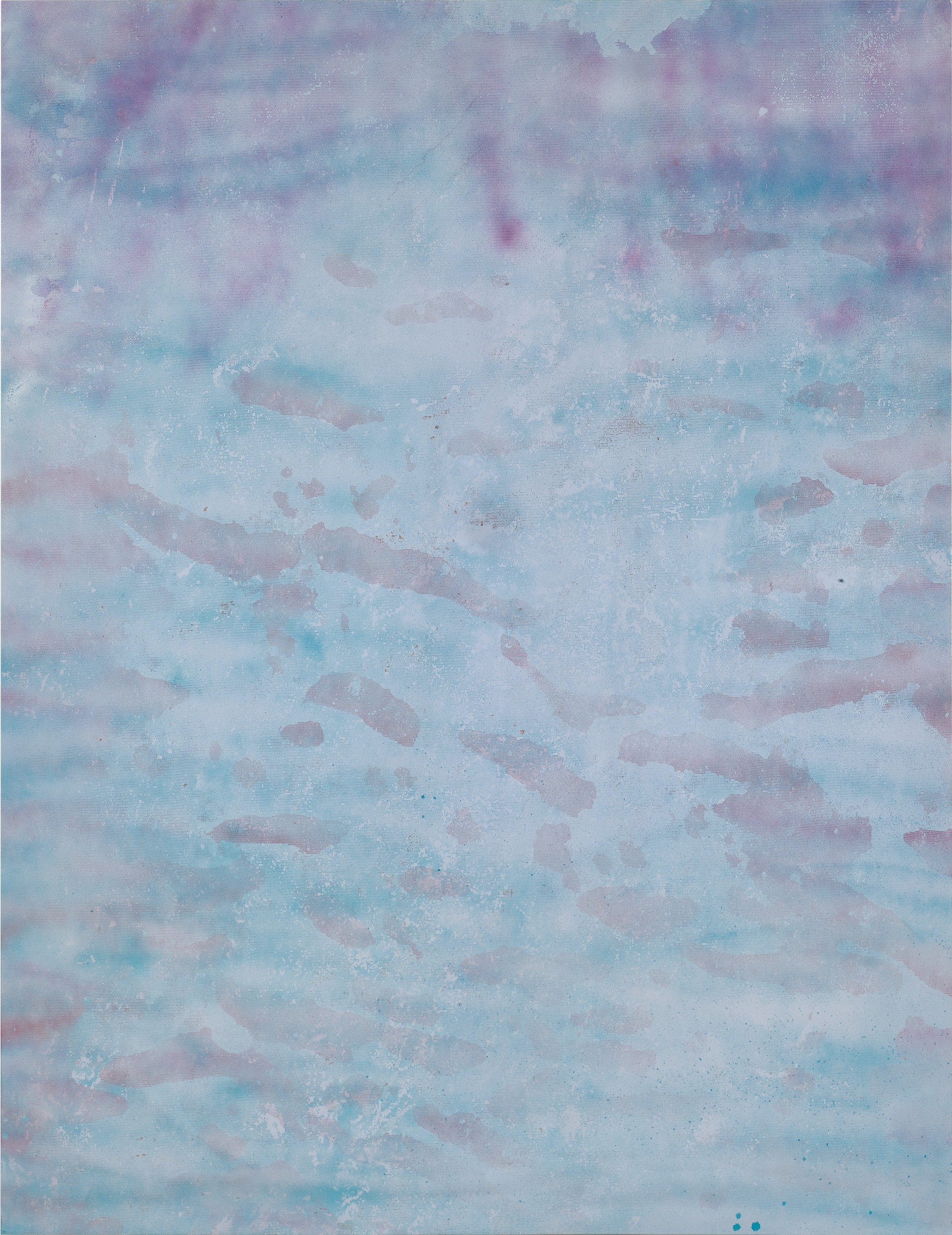
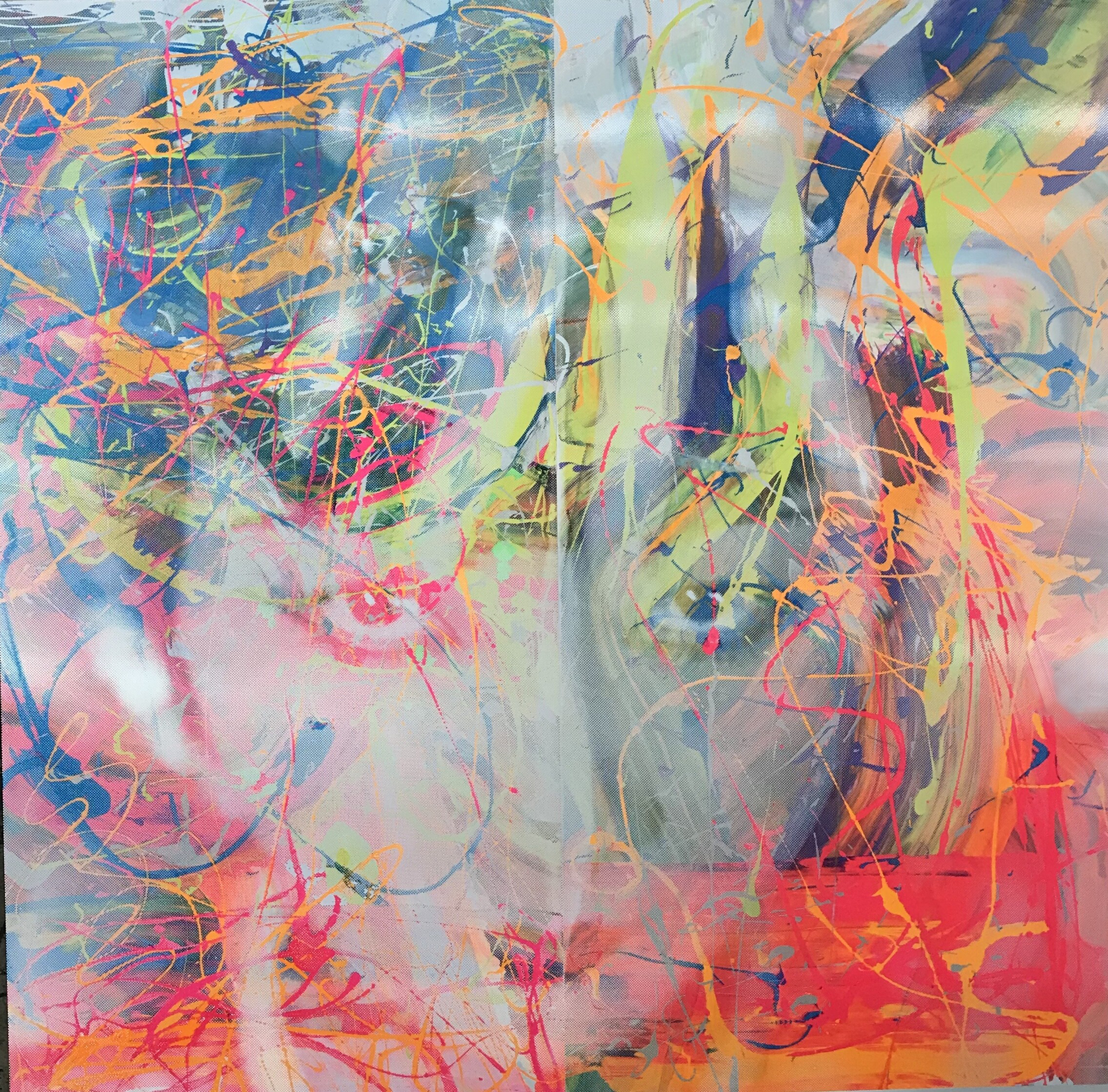
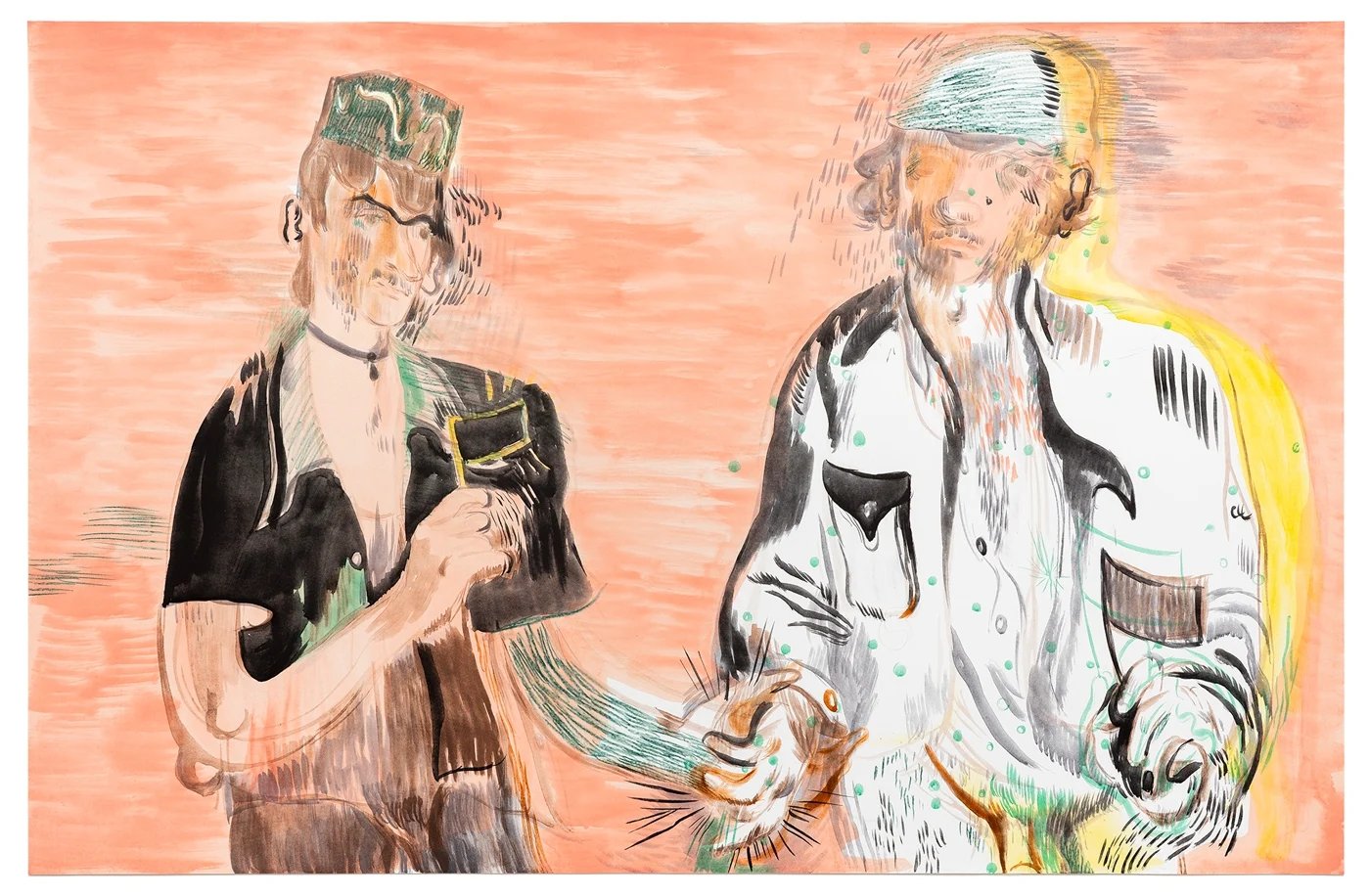
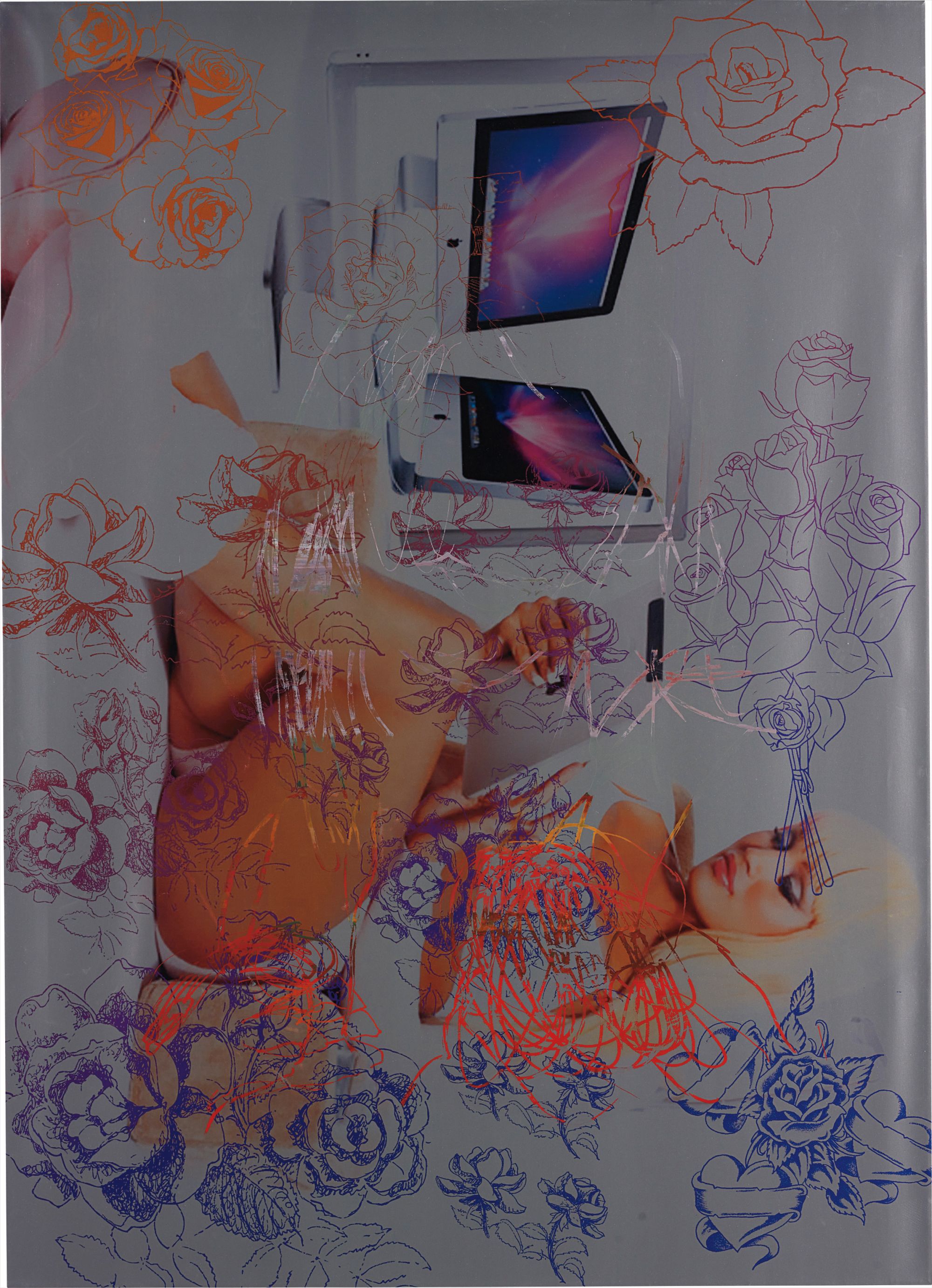
Parker Ito
The Agony and the Ecstasy 痛苦與狂喜, 2013
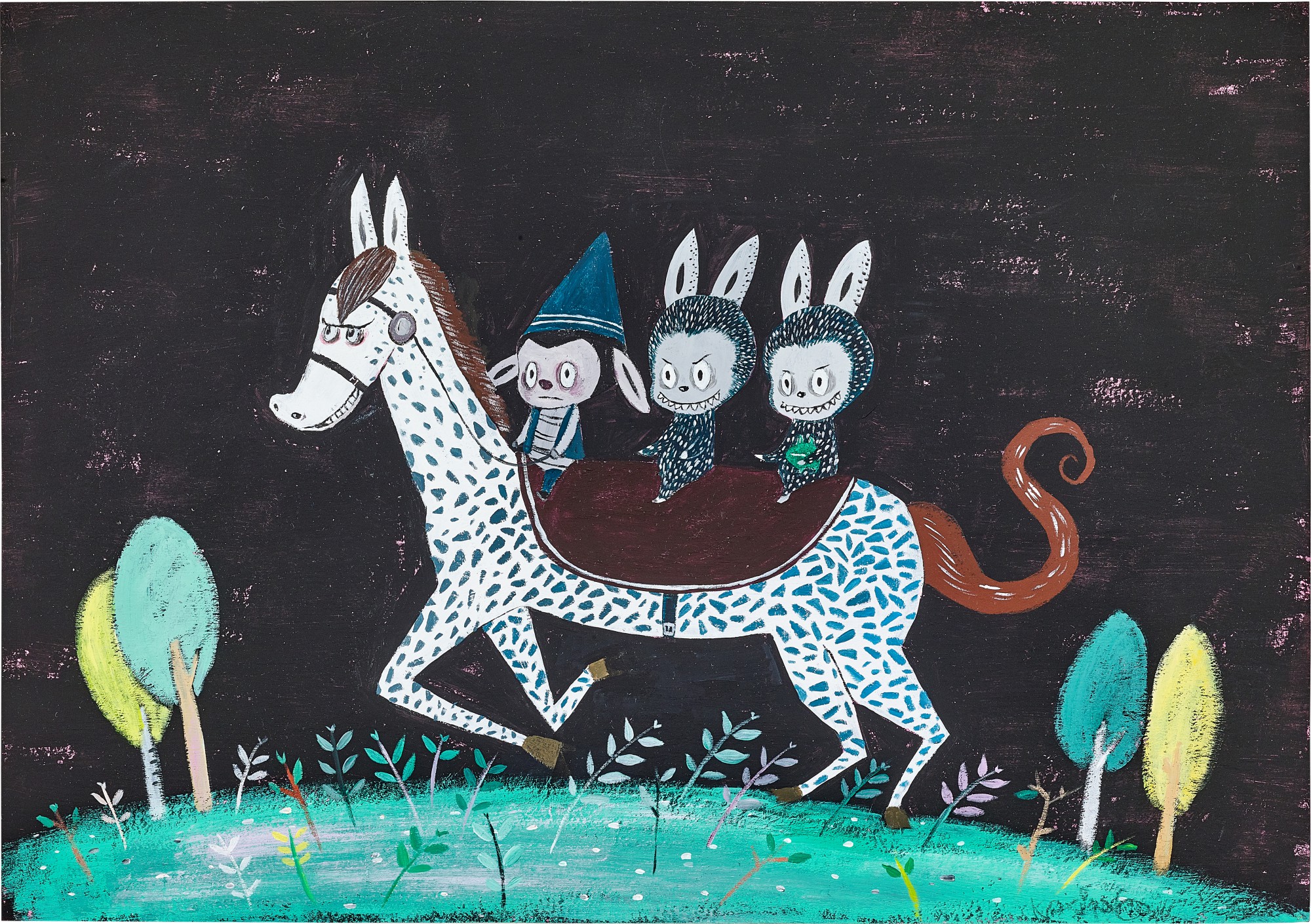
The vinyl toy, which emerged as a serious art medium in the late 1990s through the designer toy movement rooted in Japan and Hong Kong, became one of the most significant crossover moments between art, street culture, and commerce. Kasing Lung, another artist on The Collection, whose LABUBU character became a global cultural phenomenon, represents the full flowering of that tradition. These are not toys that happen to look like art. They are objects that deliberately collapse the distinction, asking collectors to reconsider what kind of object deserves attention and care.
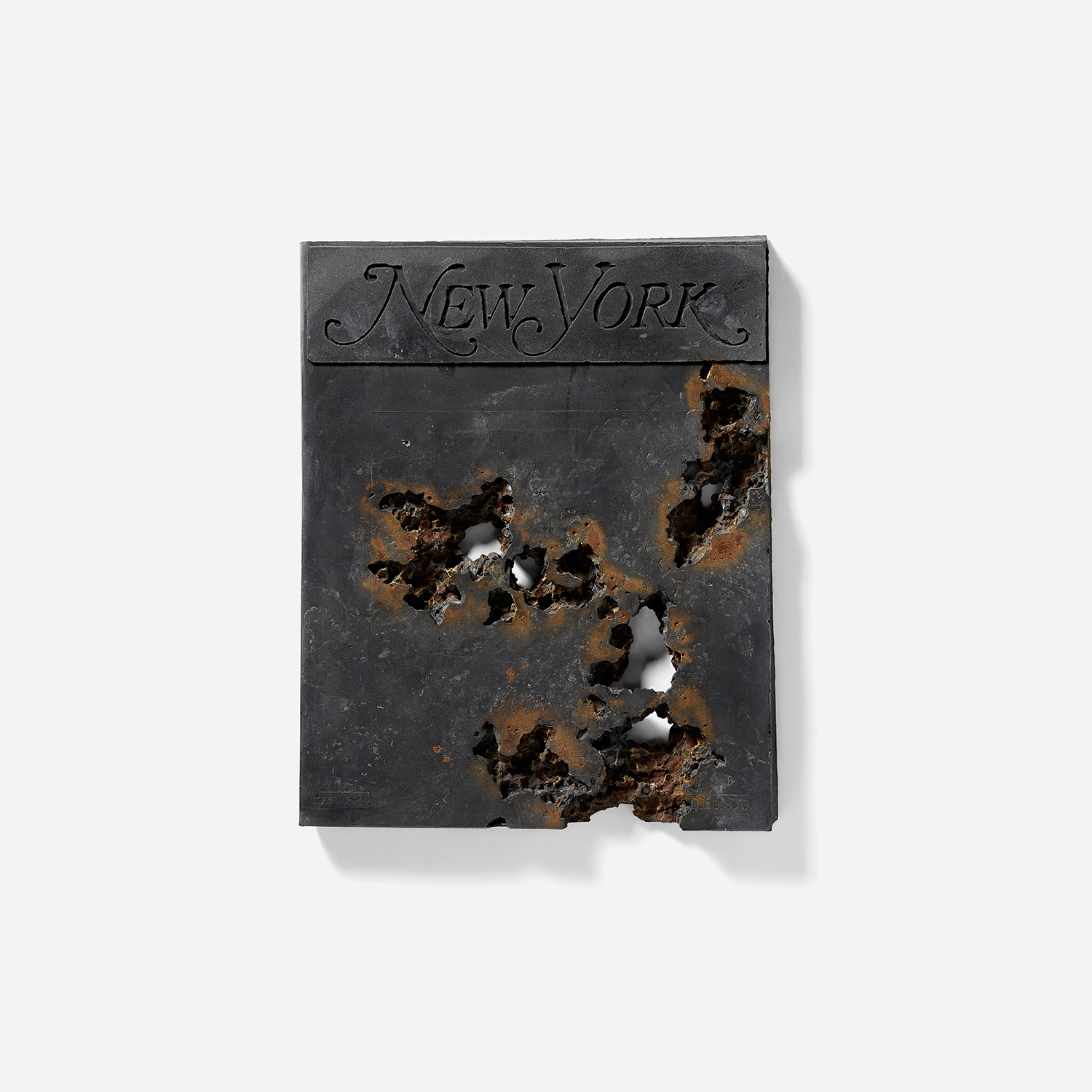
Daniel Arsham, whose work also appears here, operates in a related but distinct register. His engagement with surfaces and materials frequently invokes the quality of things preserved under pressure, fossilized or eroded, and his collaborations with popular culture echo the way vinyl figures operate as totems of memory and collective fantasy. The question Arsham seems to ask, much like KAWS before him, is what happens when the objects of mass culture are treated with the same reverence we reserve for antiquities. The vinyl surface becomes a kind of archaeological layer, recording the desires of a particular moment in time.

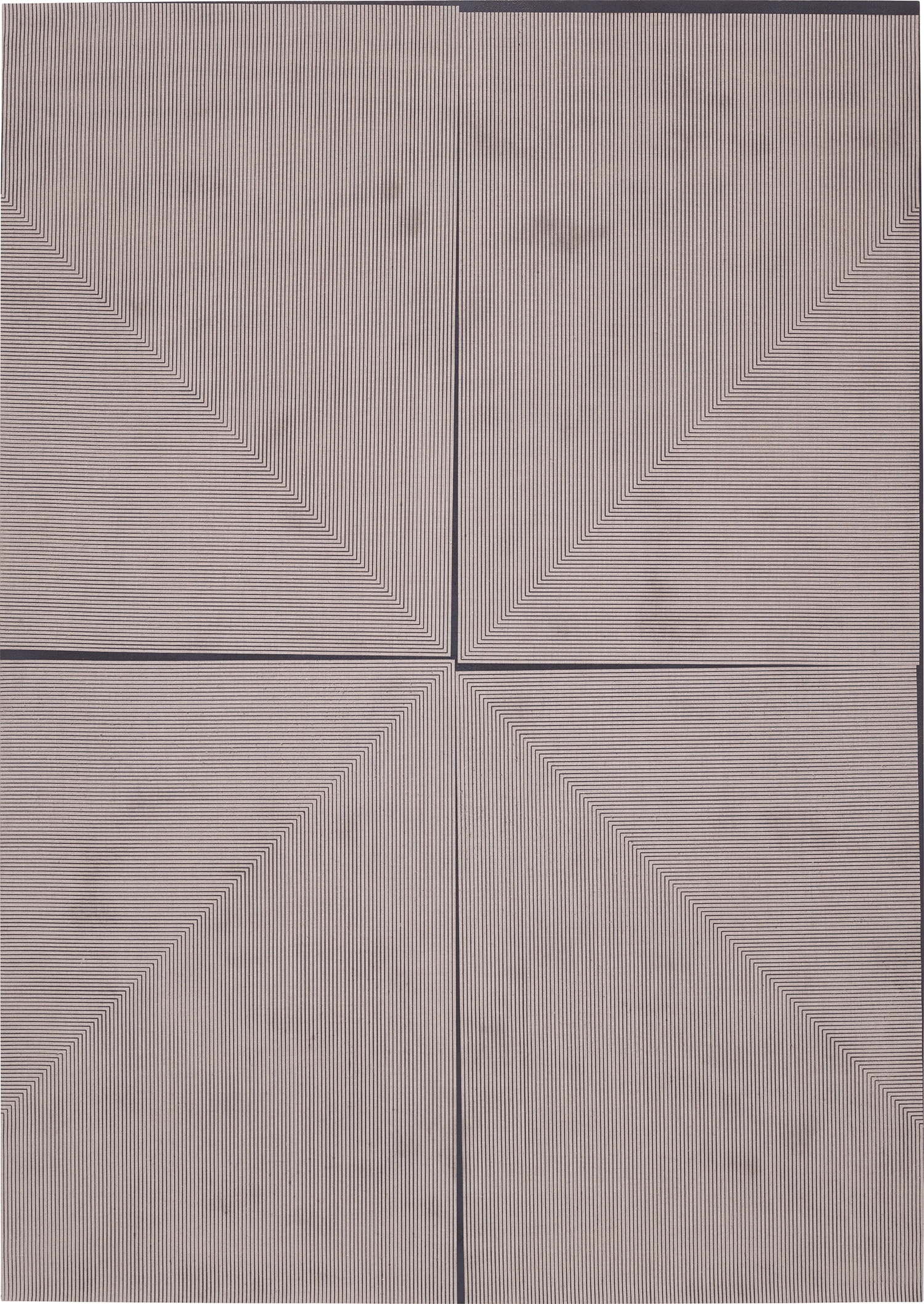
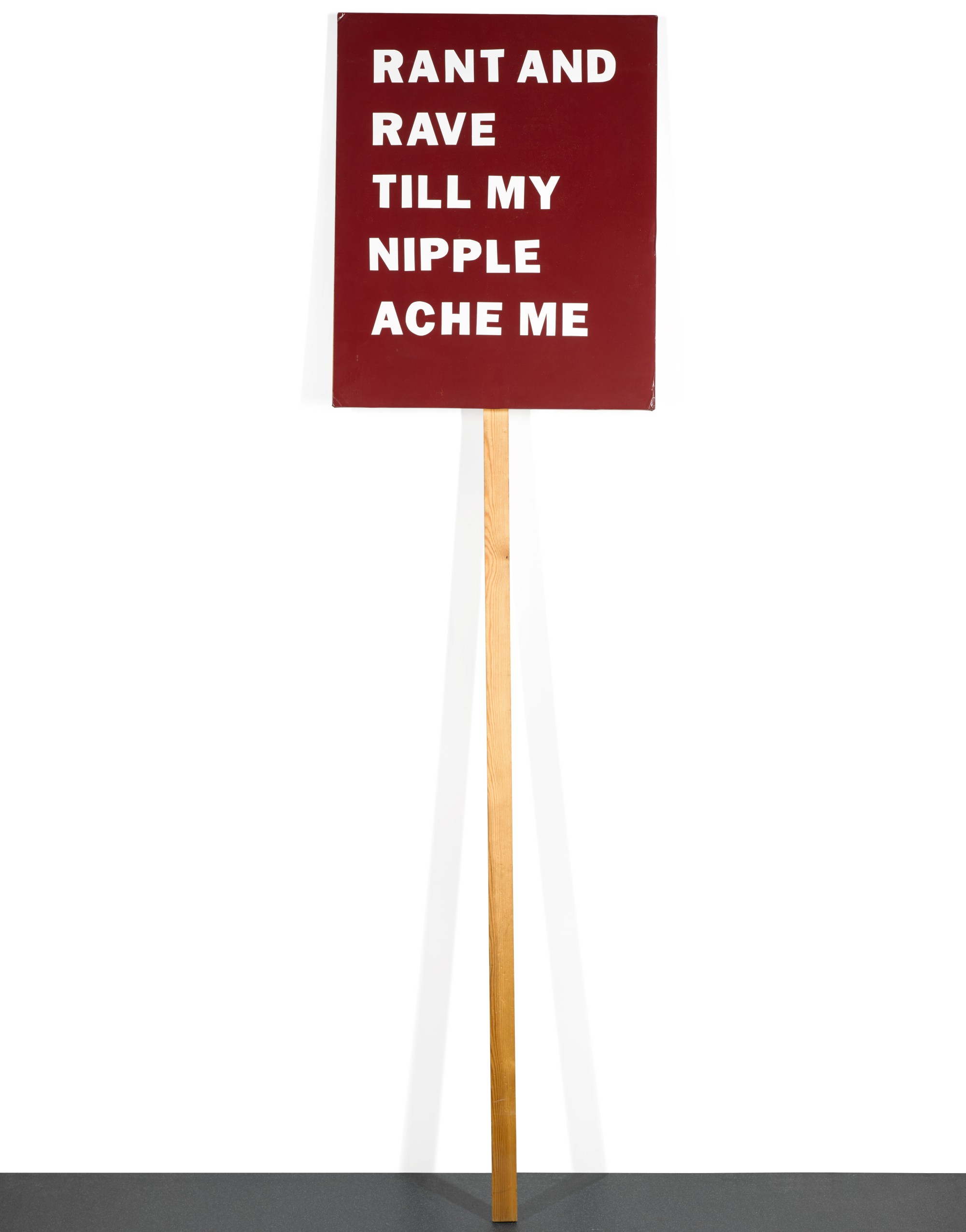
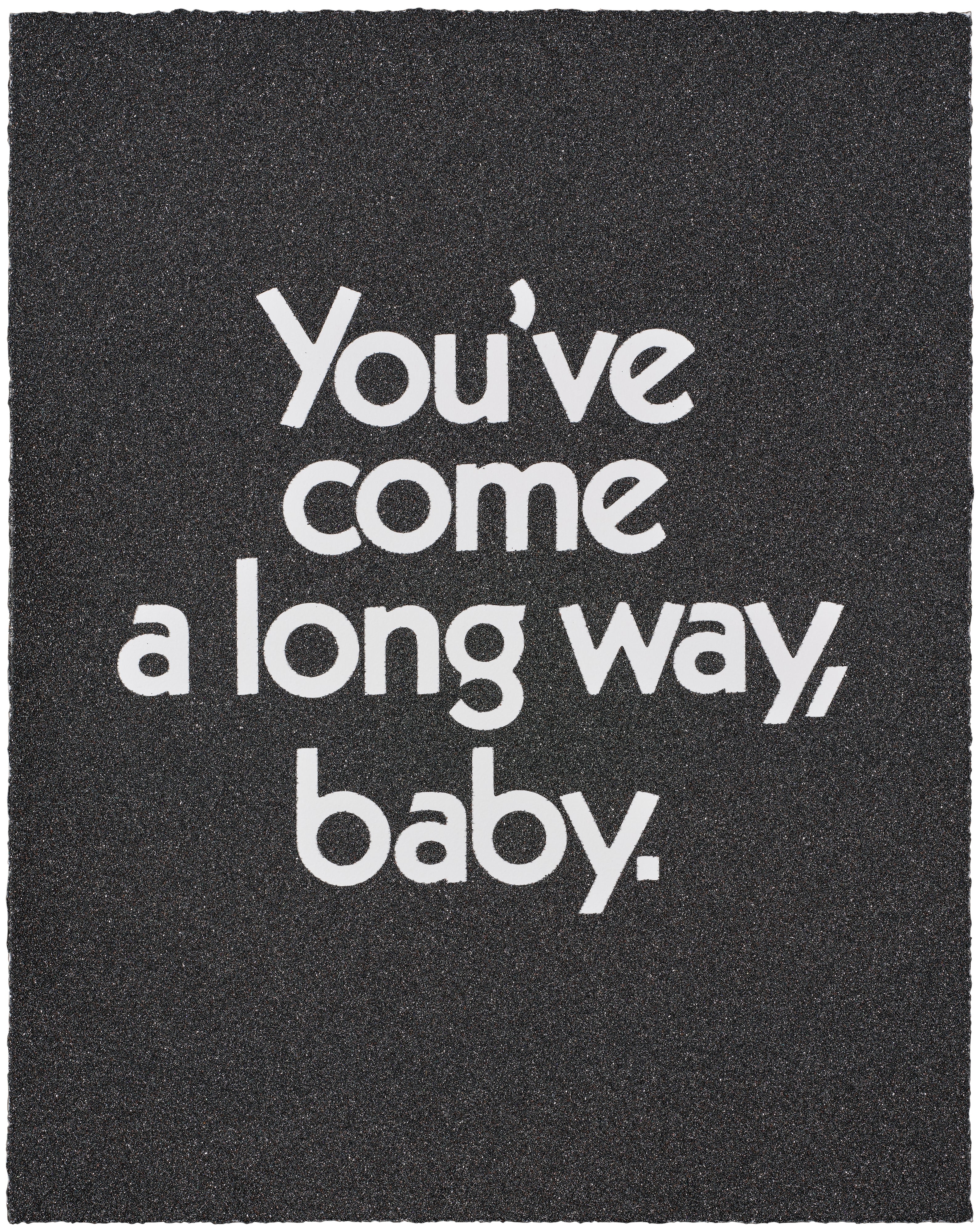
Barbara Kruger
Untitled (Stripe 2), 2019
There is also a more conceptual dimension to vinyl's place in art history worth acknowledging. Barbara Kruger, well represented on The Collection, worked extensively with billboard vinyl as a medium for her text based interventions. Her large scale installations, particularly works from the 1980s onward, used vinyl banners and wraps to colonize architectural space with her signature red, white, and black graphics. The choice of vinyl was not incidental.
It was the material of advertising, of public address, of messages that were meant to be seen from a distance and absorbed without thinking. By using it, Kruger forced a confrontation between the mechanics of persuasion and the content of her critique. Daniel Buren, similarly, has used vinyl striped works in public installations to interrogate the relationship between the artwork and its institutional context. What vinyl ultimately offers, as both medium and metaphor, is a surface that refuses depth.
It does not absorb. It does not age gracefully. It reflects, it stretches, it seduces, and it wears out. For an art world grappling with consumer culture, with the body, with the relationship between high and low, between art and commodity, those qualities proved endlessly generative.
The artists who have worked with and through vinyl, from Warhol to Koons to KAWS to Kruger, have understood that to use a material honestly is to say something true about the world that produced it. Vinyl is the skin of late capitalism, and art has been pressing its face against that surface for more than sixty years, looking for something beneath the gloss.