Urban Life
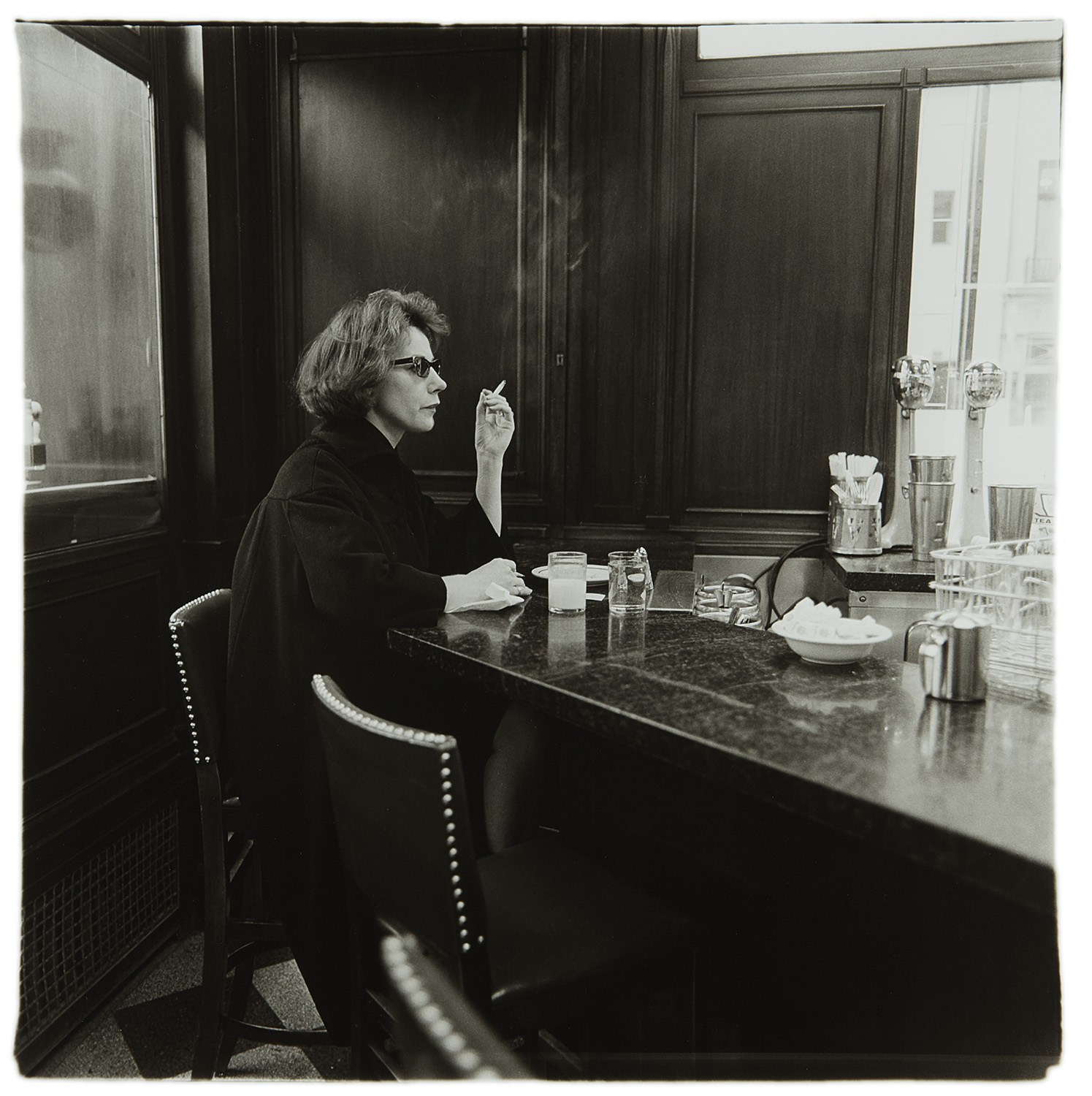
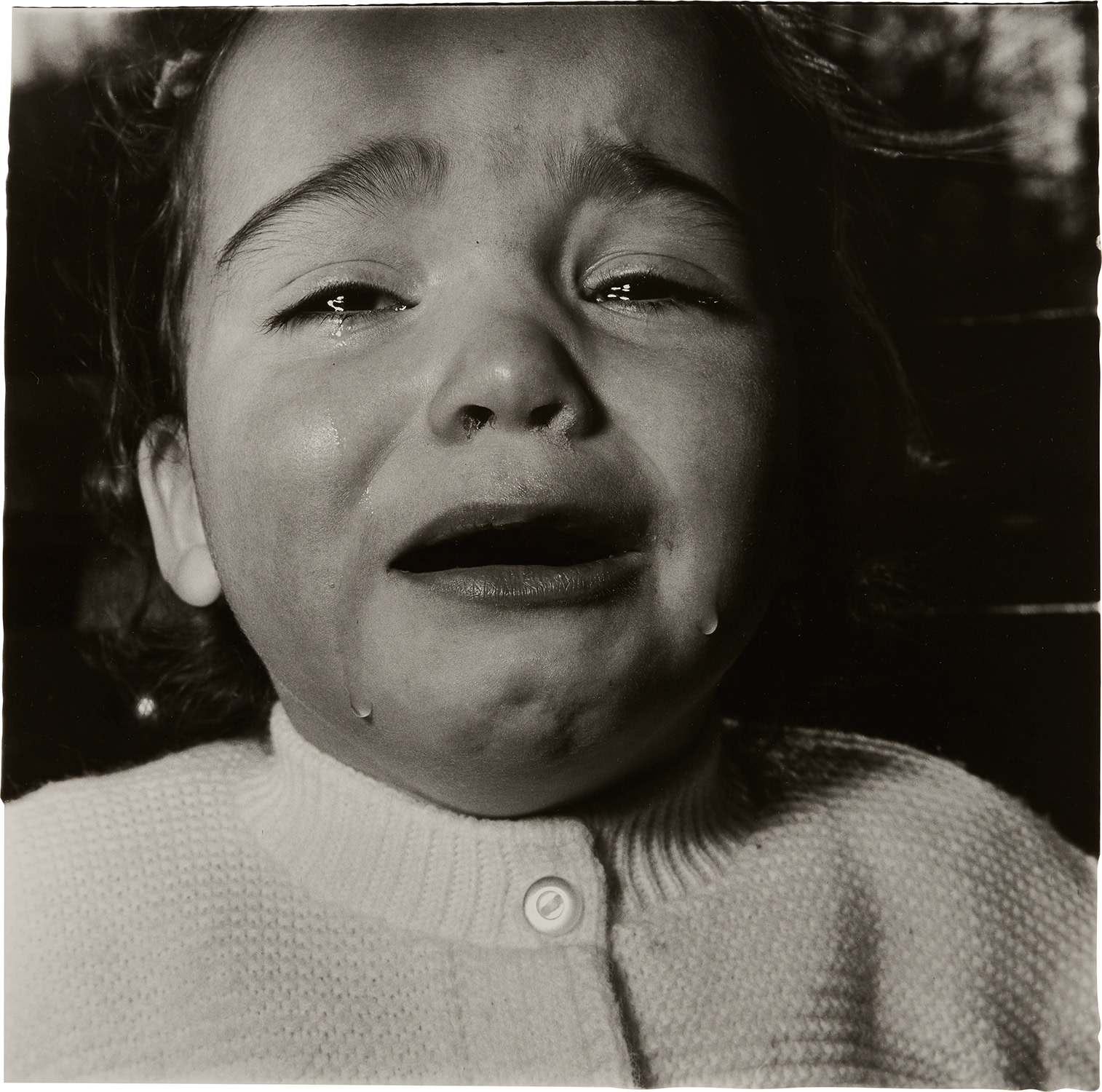
Diane Arbus
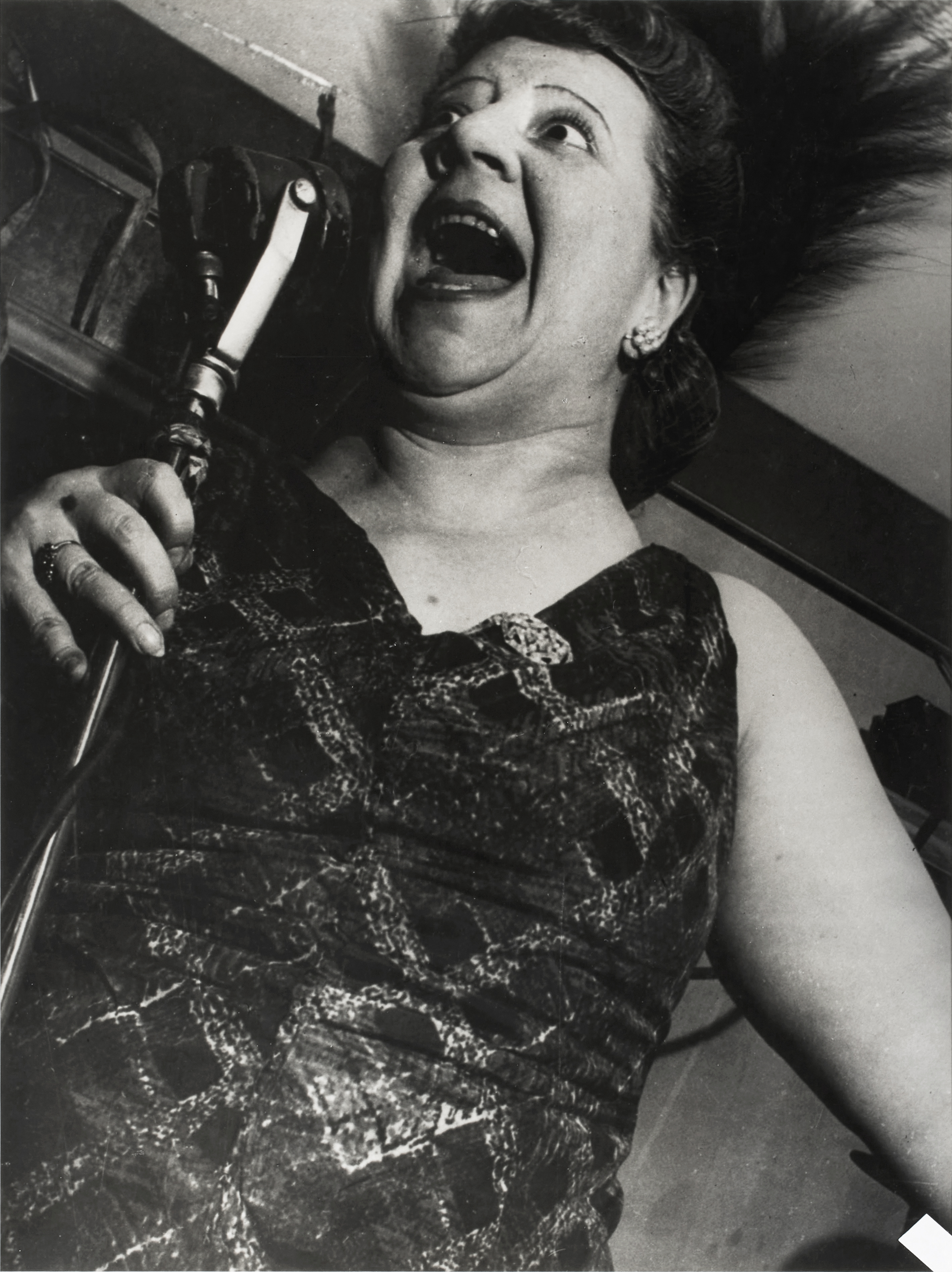
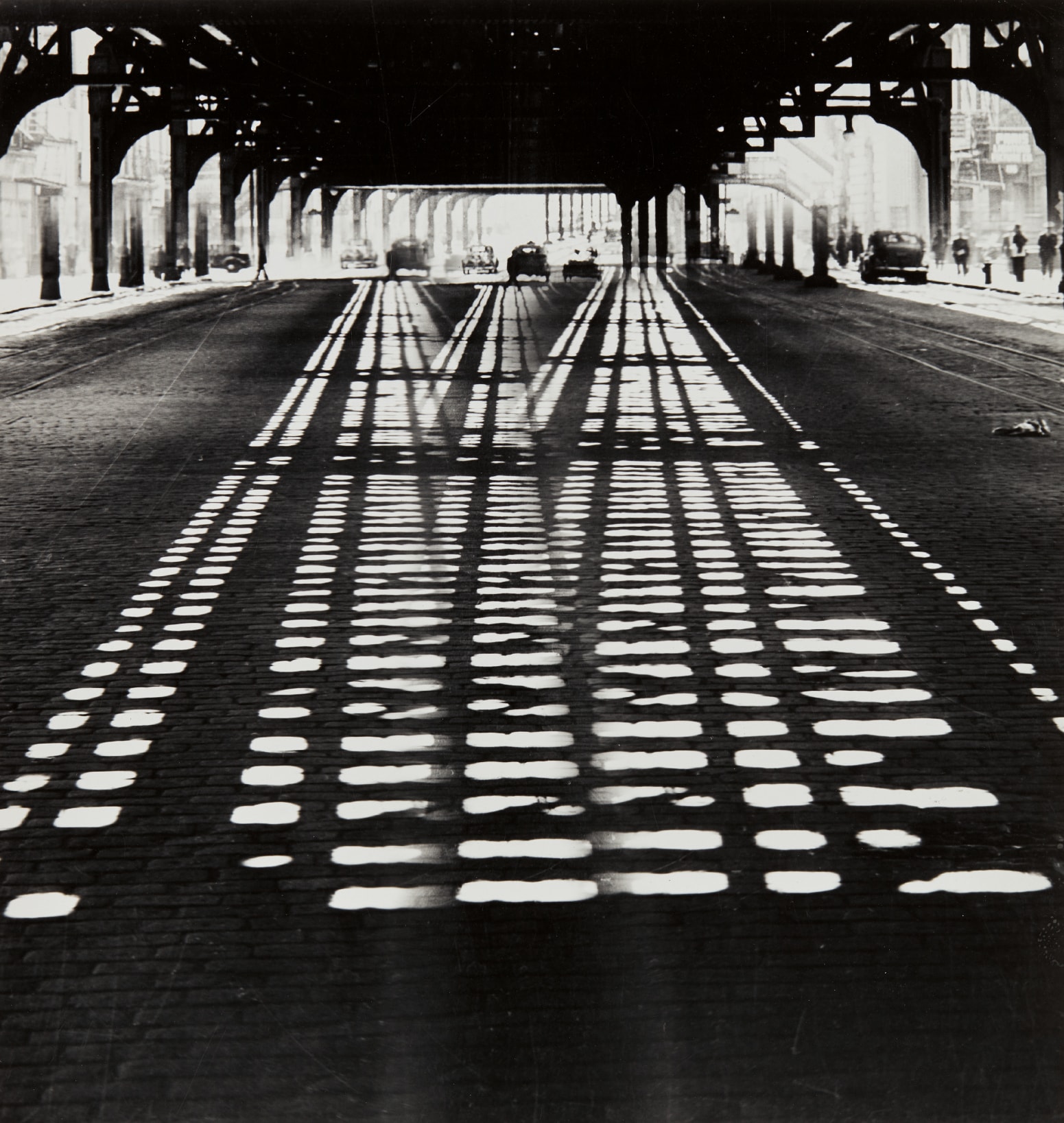
Woman at a counter smoking, N.Y.C.
The Street Never Looked Away From Us
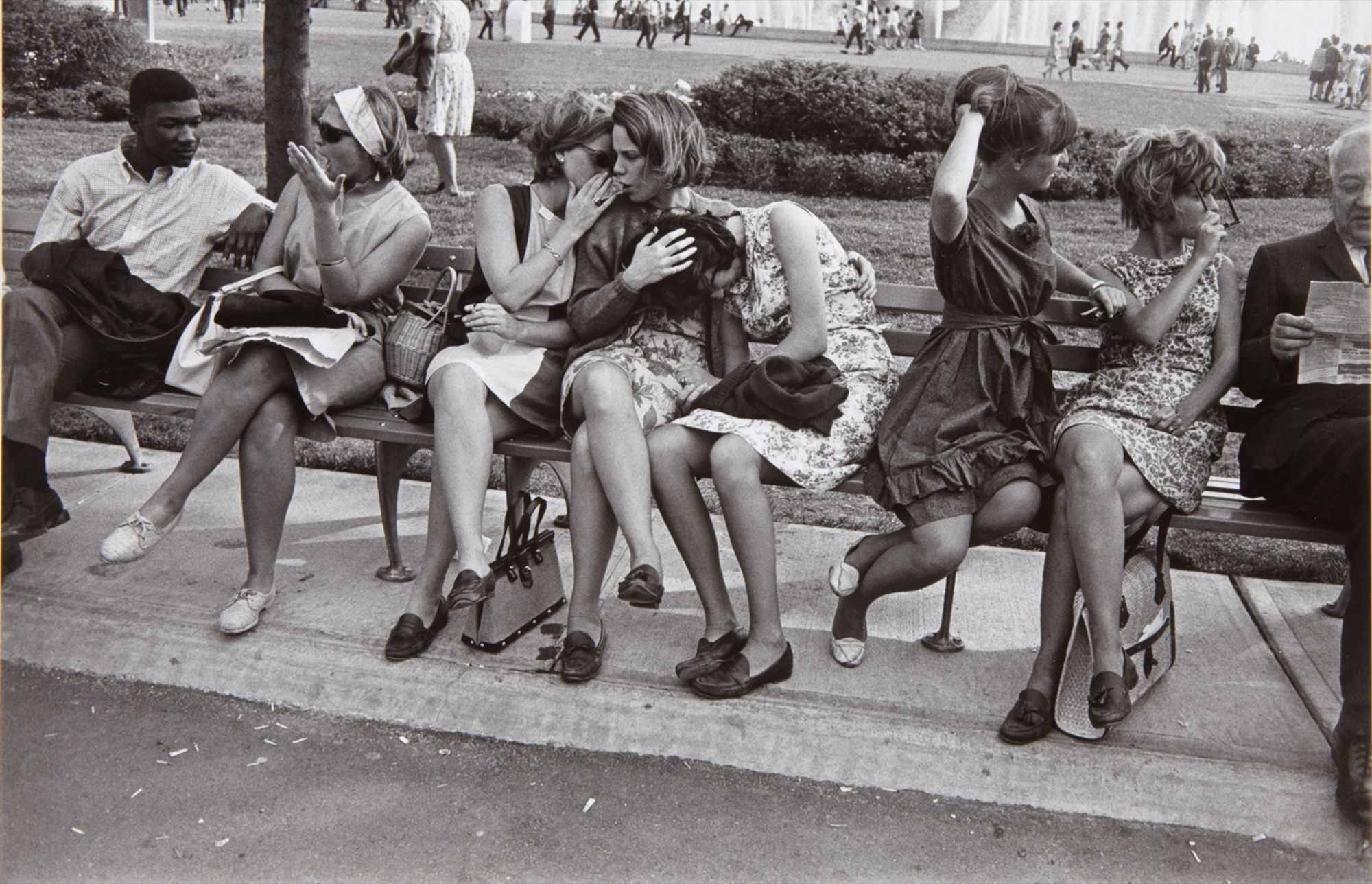
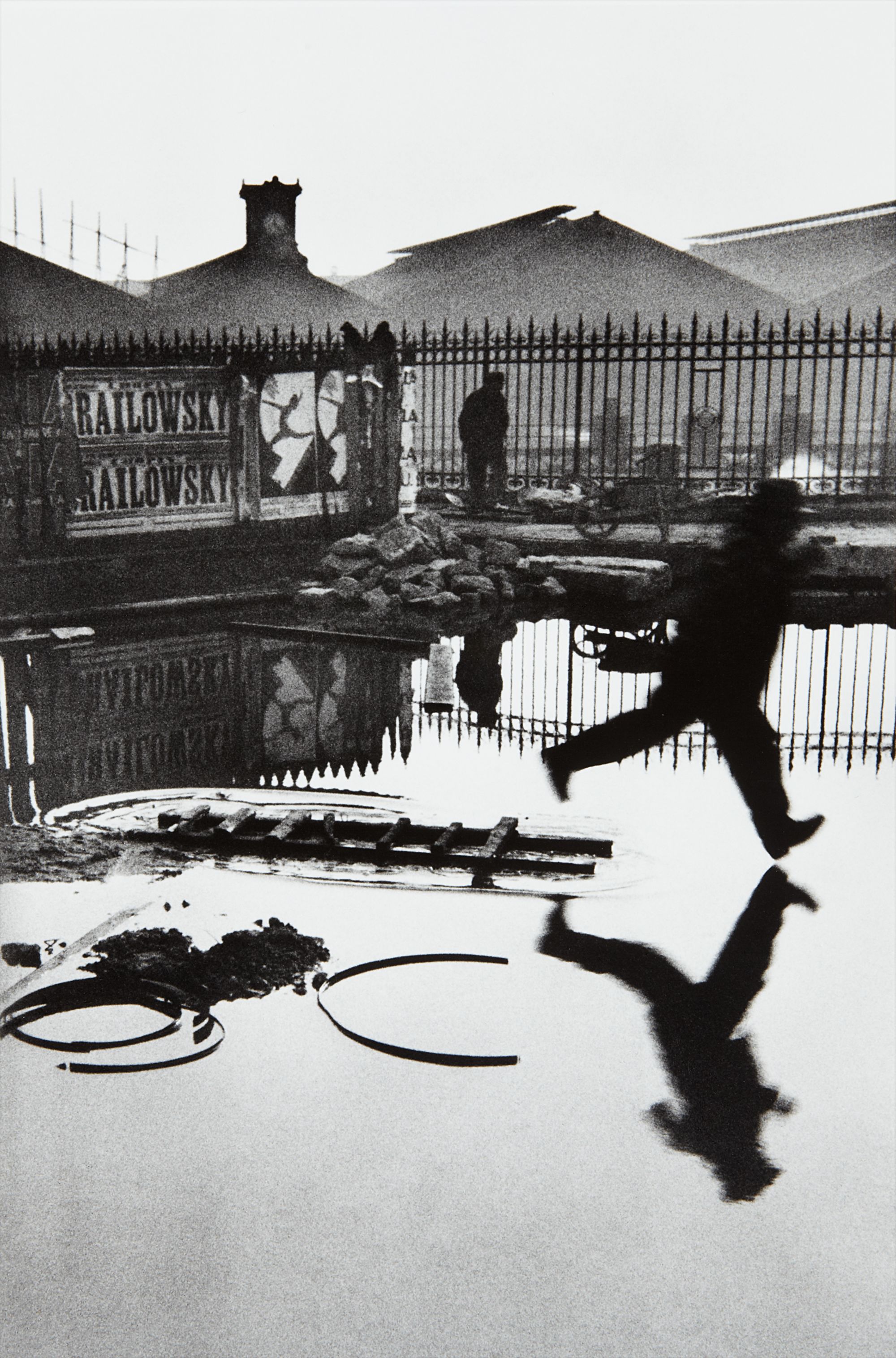
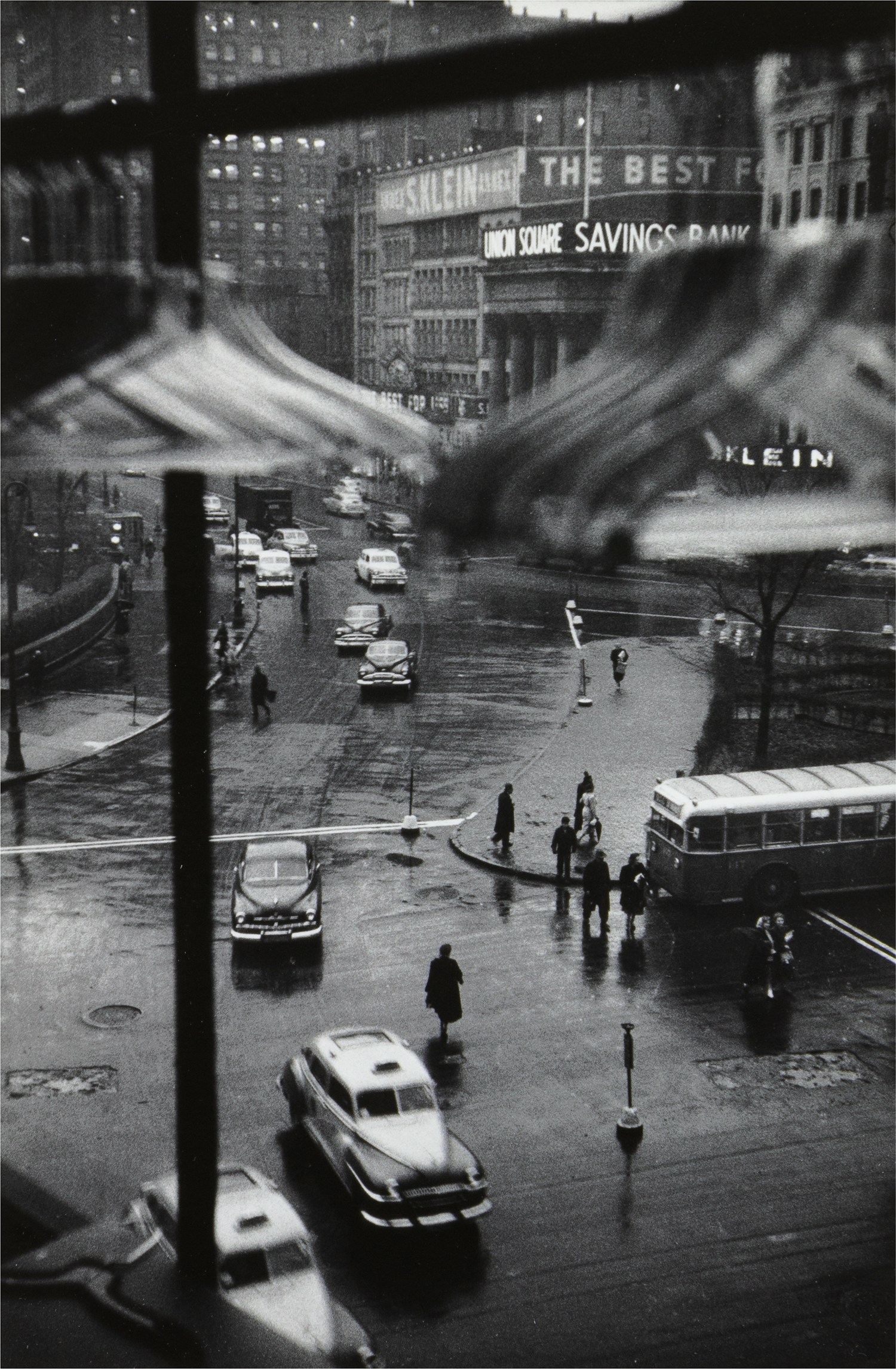
When a print by Henri Cartier Bresson achieved well over six figures at Christie's Paris in a recent sale dedicated to the photography of everyday life, it confirmed something collectors have quietly understood for years: the street photograph is no longer a secondary market. It is the market. The appetite for images that locate the human being inside the roar of the city has become one of the defining collecting themes of this decade, drawing institutional attention, critical reassessment, and serious money in equal measure. The recent retrospective of Garry Winogrand at the San Francisco Museum of Modern Art, which later traveled to the Metropolitan Museum of Art in New York, made the argument with rare clarity.
Curated from an archive of literally thousands of undeveloped rolls left at his death in 1984, the show reminded viewers that Winogrand was not simply documenting American life but interrogating its rhythms with something close to aggression. The prints sold by his estate and by secondary market dealers in the wake of that exhibition saw prices climb sharply, particularly for his New York work from the late 1950s and 1960s, where the sidewalk becomes a stage for something barely containable. Auction results across the past several years tell a consistent story. Cartier Bresson remains the commanding figure, with his gelatin silver prints from Paris, Mexico, and India regularly achieving prices that position him alongside the most celebrated painters of his era.
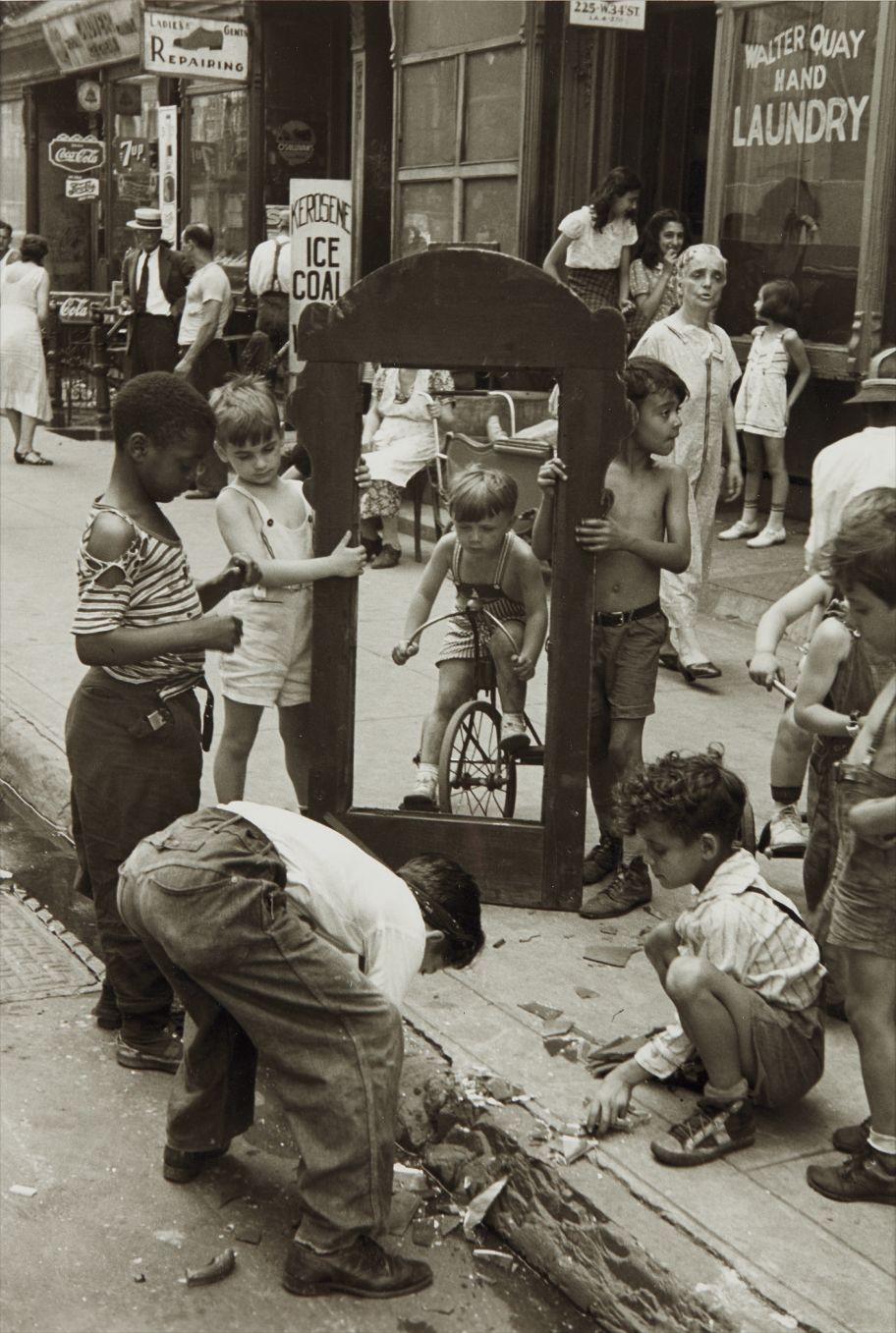
Helen Levitt
New York (broken mirror)
Robert Frank's work, particularly images from or connected to The Americans, carries an almost totemic status at auction, with collectors treating individual prints as fragments of one of the most consequential visual documents of the twentieth century. Diane Arbus occupies a different register, her prices shaped as much by cultural unease as by market logic, with her New York street work commanding attention from collectors who understand that discomfort and beauty are not opposites. Helen Levitt, whose color slides and black and white prints from the streets of New York are exceptionally well represented on The Collection, remains somewhat underpriced relative to her influence, which makes her work genuinely interesting to collectors paying attention. Institutional collecting in this space has accelerated in ways worth watching.
The Museum of Modern Art has deepened its holdings in social documentary photography with notable acquisitions in recent years, and the Getty Museum in Los Angeles has been particularly active in acquiring works by photographers whose urban vision extended beyond American borders. The ICP, the International Center of Photography in New York, remains the spiritual home of street photography as a discipline, and its collection decisions carry real weight in shaping how the market reads the field. When institutions of this caliber commit resources to figures like Louis Faurer or Lisette Model, both of whom worked New York with uncommon psychological depth, it sends a clear signal to private collectors about where lasting value resides. The critical conversation around urban life photography has shifted considerably in the past decade.
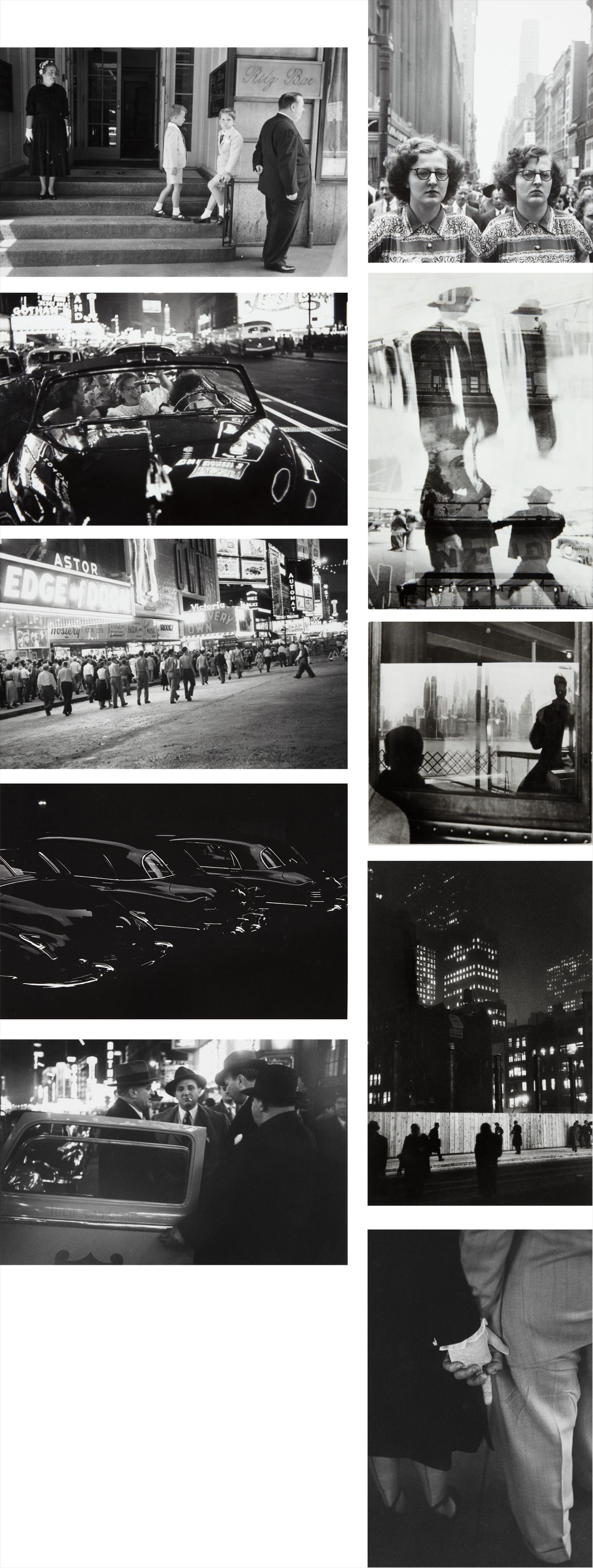
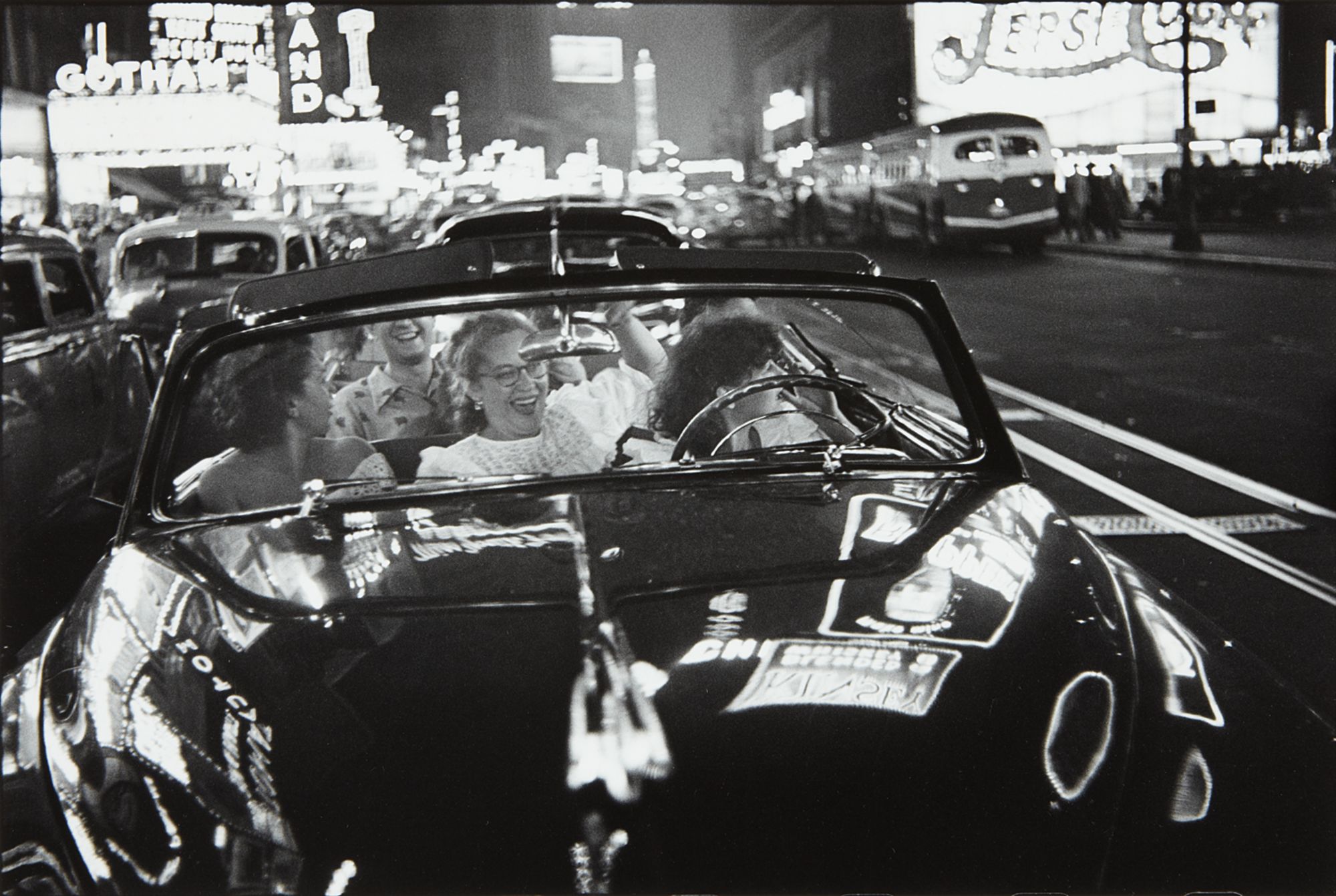
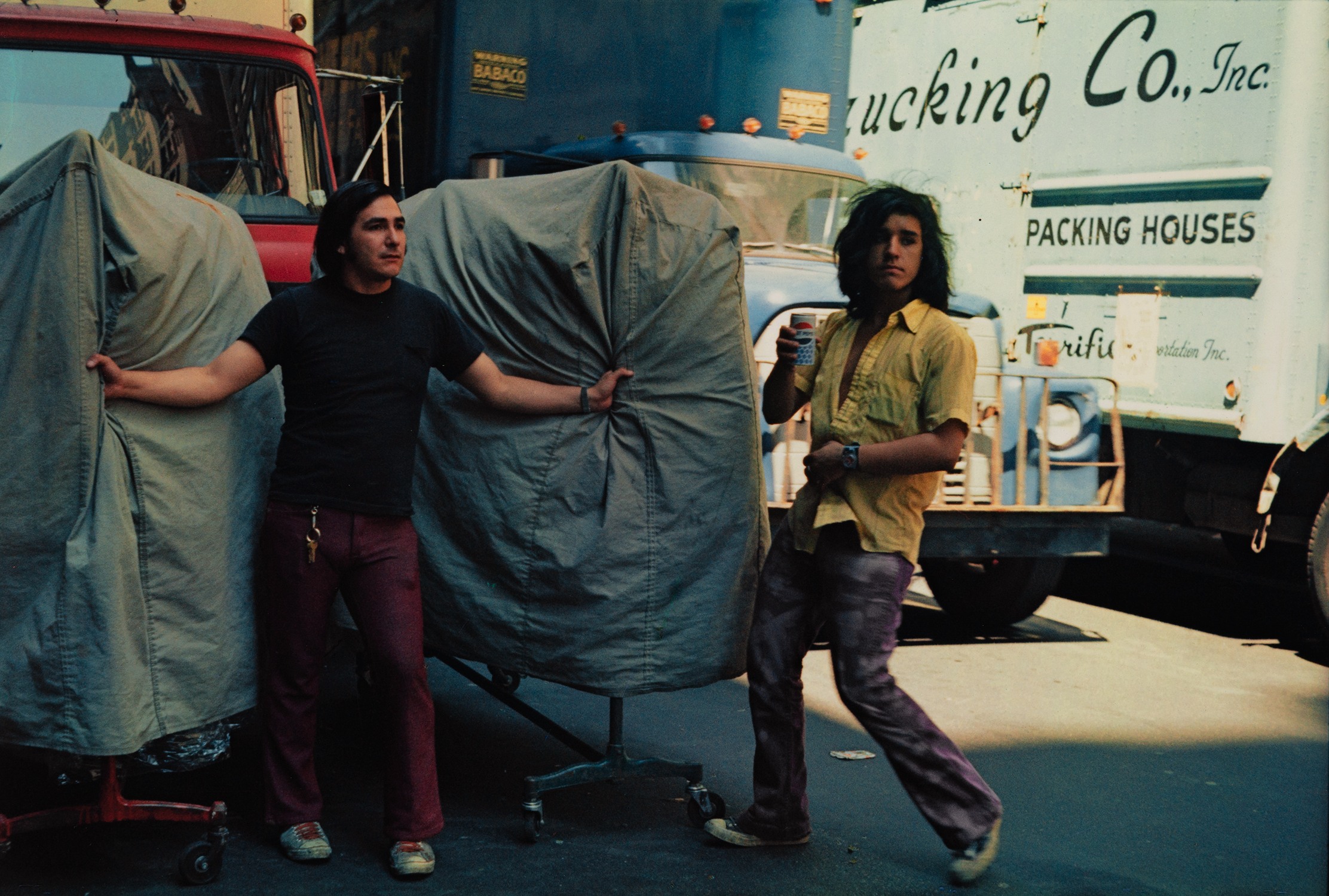
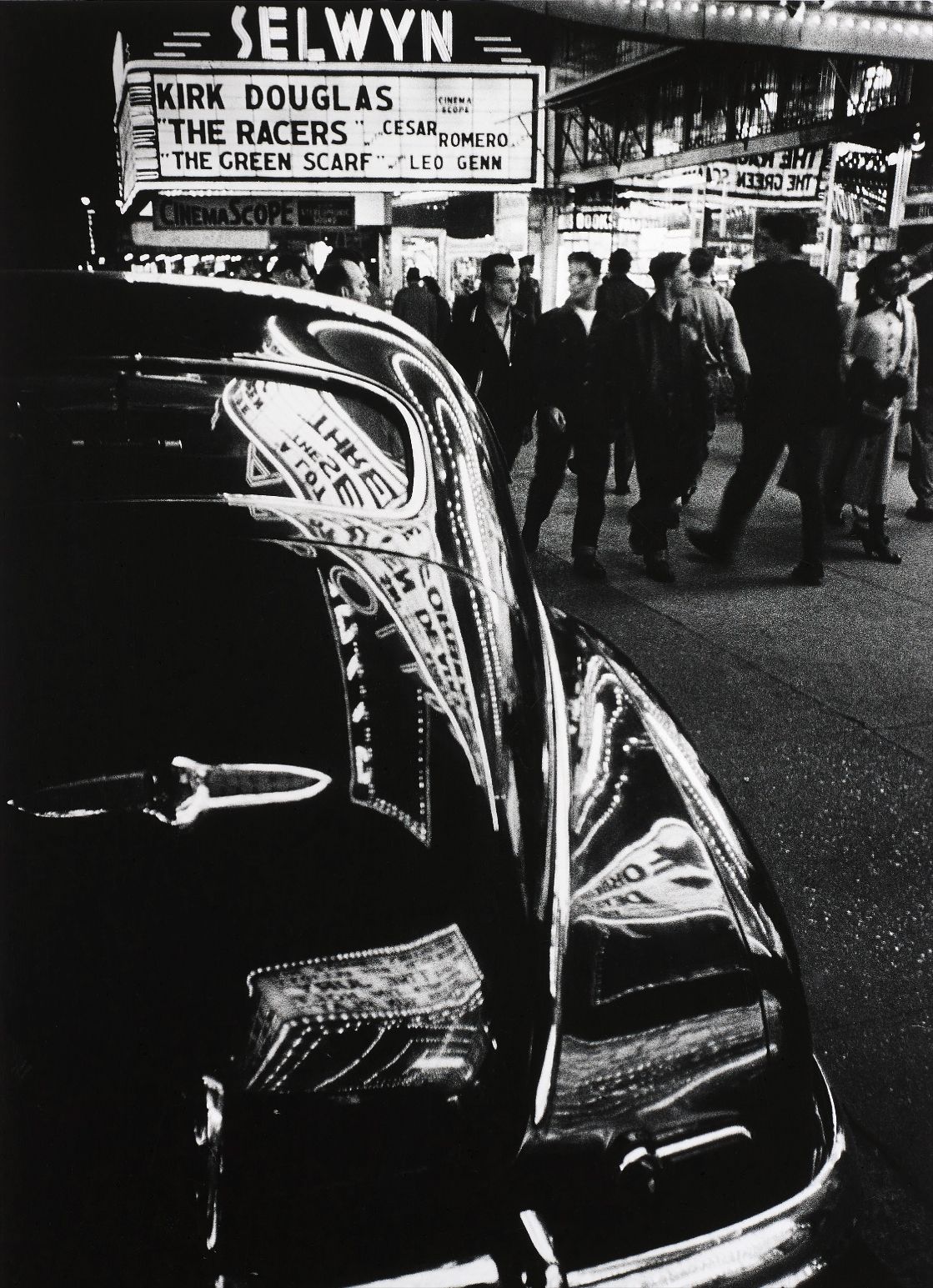
Louis Faurer
The LIGHT Suite, Philadelphia and New York
Writers like Lyle Rexer and critics associated with Aperture magazine have pushed back against the heroic lone photographer narrative, asking instead about the ethics of the gaze, the politics of whose streets get photographed and by whom, and the relationship between the camera and power. This has opened space for reassessment of figures who were always present but perhaps undercelebrated. Weegee, whose tabloid sensibility once felt like a limitation, is now read as a serious artist whose flash lit New York crime scenes and crowds belong to a tradition that runs through Andy Warhol and Wolfgang Tillmans. Nan Goldin's urban work, which connects the intimate and the social in ways that resist easy categorization, has been reconsidered through this lens as well, particularly following the Sackler controversy and the broader attention brought to her career.
Beyond the American tradition, the critical and market energy around Japanese photographers working urban themes has grown substantially. Daidō Moriyama and Nobuyoshi Araki, both well represented on The Collection, have seen sustained institutional interest from European and American museums seeking to complicate the narrative of street photography as an essentially Western form. Moriyama in particular has attracted major retrospectives and significant auction results, with his grainy, alienated visions of Tokyo reframed not as marginal but as central to any serious account of how photography understood the postwar city. The nineteenth century lineage matters here too, and it is one of the genuinely pleasurable aspects of collecting in this category that works on paper by figures like Honoré Daumier and Paul Gavarni sit alongside photographs by Bruce Davidson or Saul Leiter within the same intellectual framework.
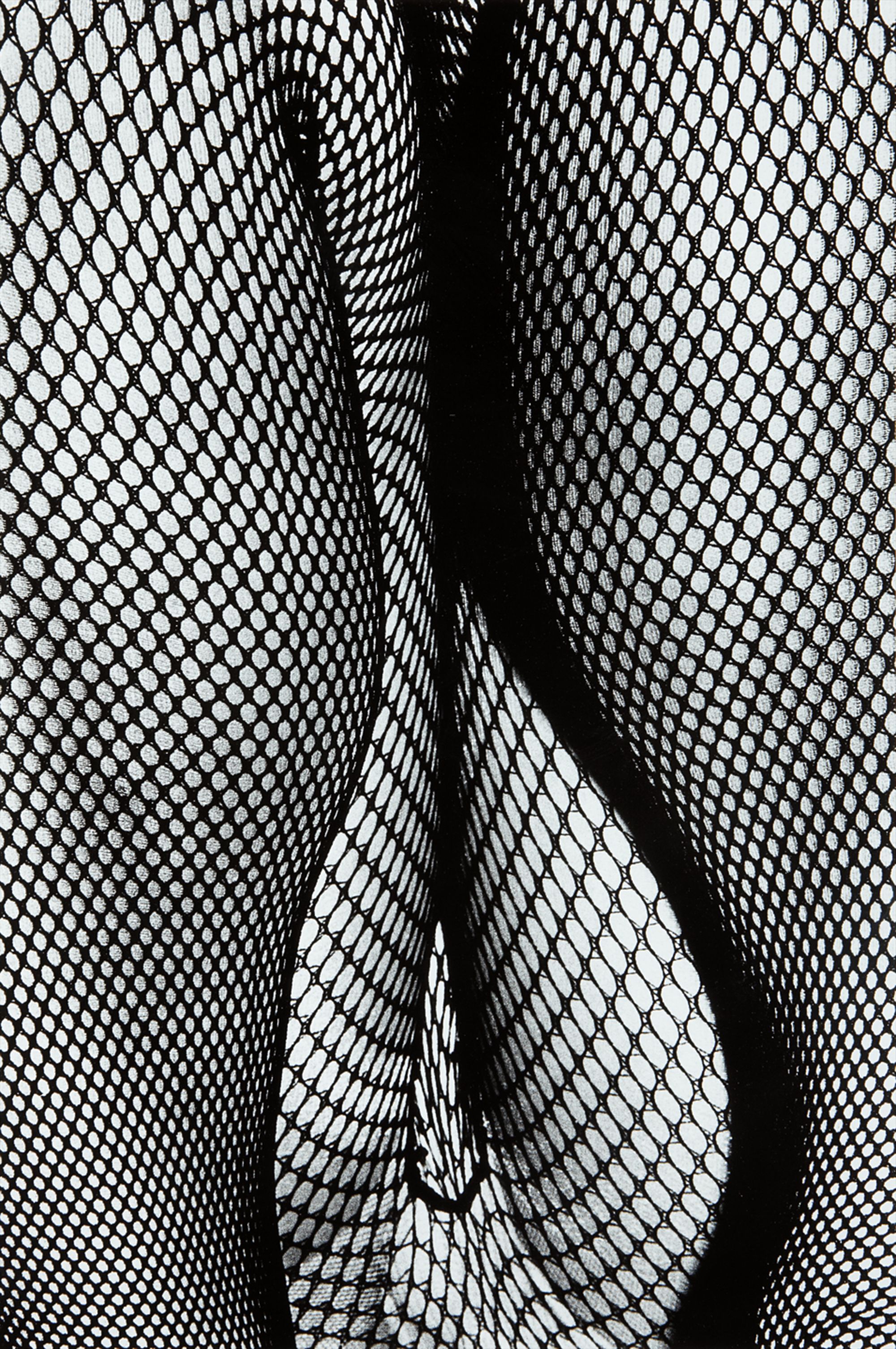
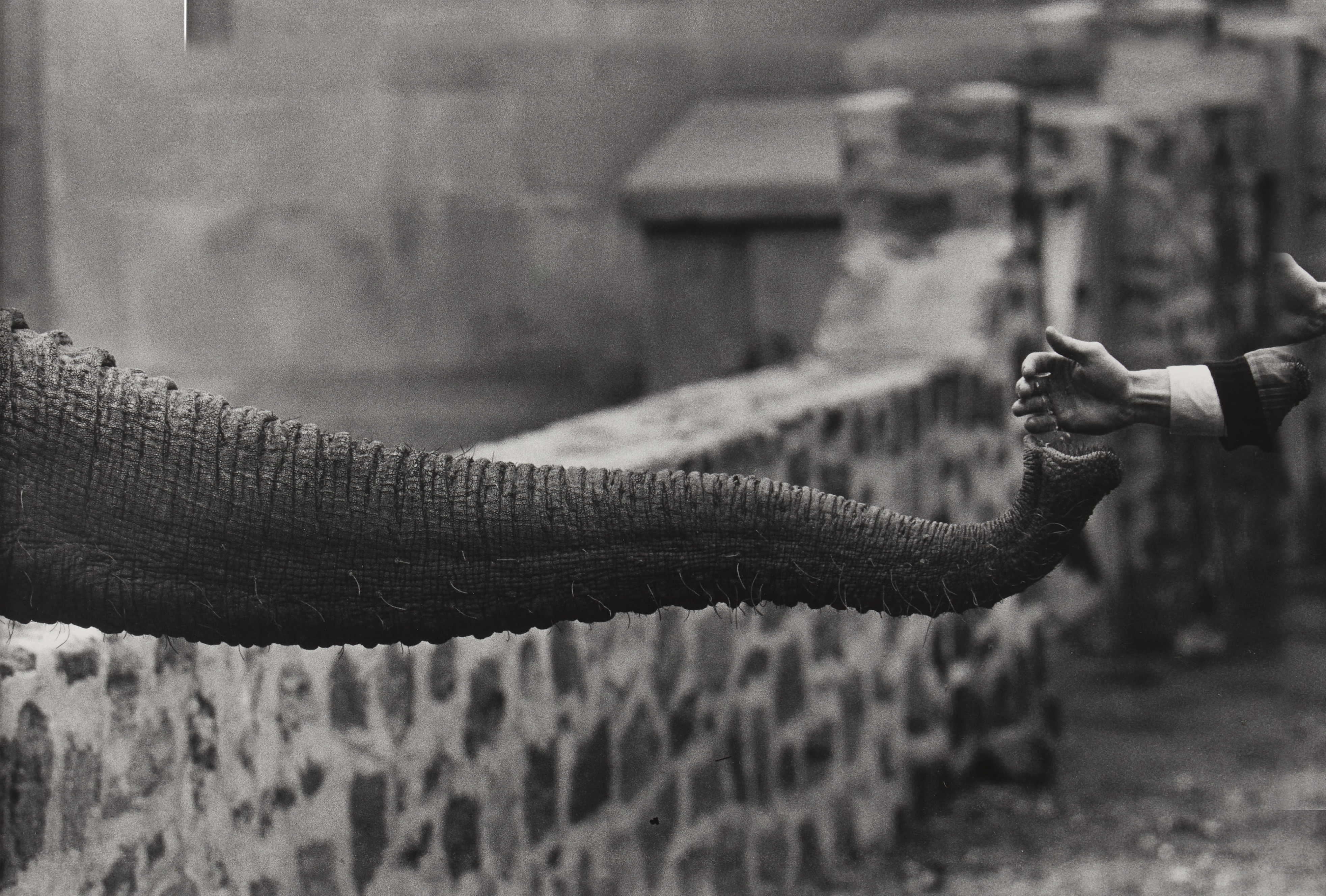
Daidō Moriyama
Tights in Shimotakaido
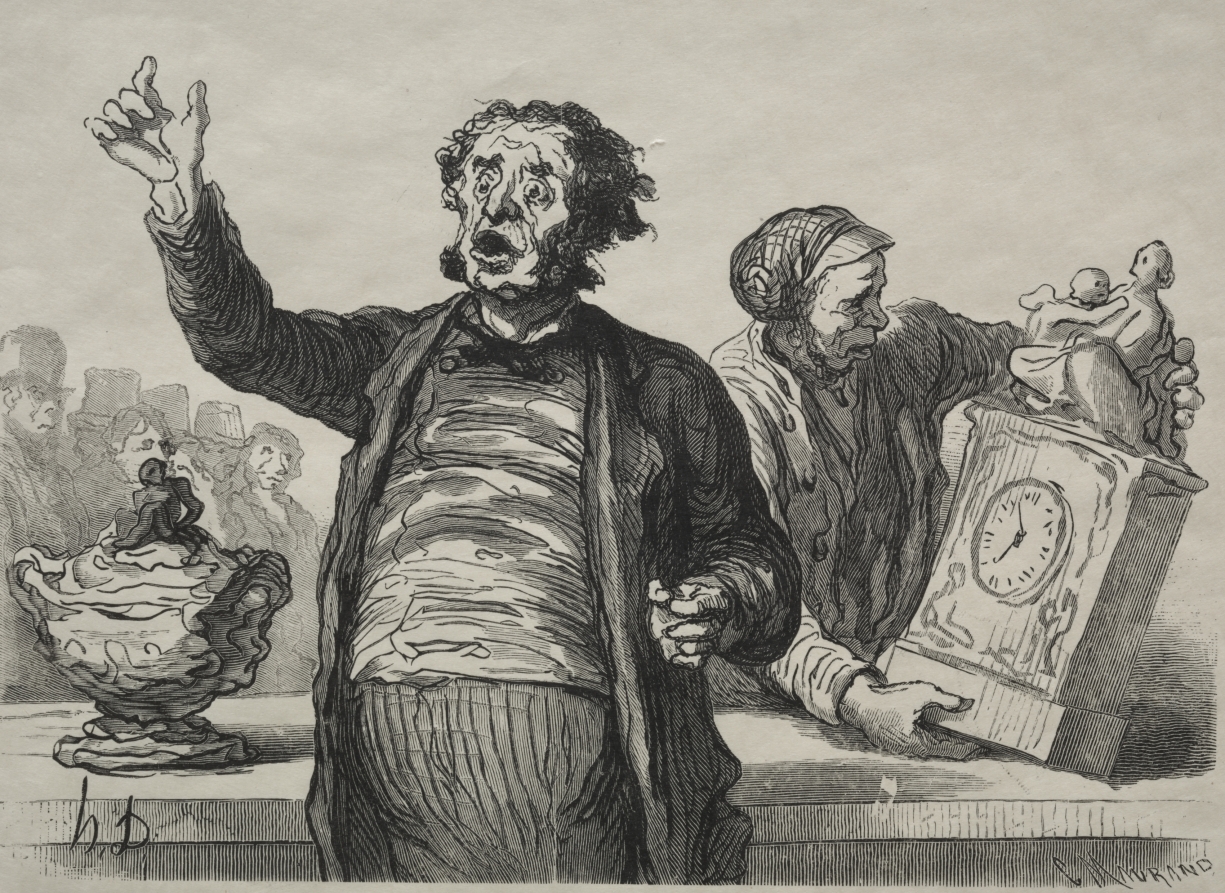
Daumier's lithographs of Parisian street life from the 1840s and 1850s are works of extraordinary observation and wit, and their market has been stable in ways that suggest real connoisseurship rather than fashion. Collectors who move between these periods discover that the questions being asked about class, visibility, and the spectacle of urban existence are remarkably continuous across two centuries. Where is the energy heading? Several younger curators and dealers are placing serious bets on figures who were present at the margins of the canonical story.
Louis Stettner, who photographed Paris and New York across five decades, is attracting fresh attention. Ruth Orkin, whose work has too often been reduced to a single iconic image, is being reconsidered as a body of work. The photography of George Bellows, whose painted New York scenes are well known but whose broader engagement with the city deserves wider collection, is finding new advocates. The broader sense in the room, among dealers, curators, and the collectors who listen carefully to both, is that the category is not approaching exhaustion but expansion.
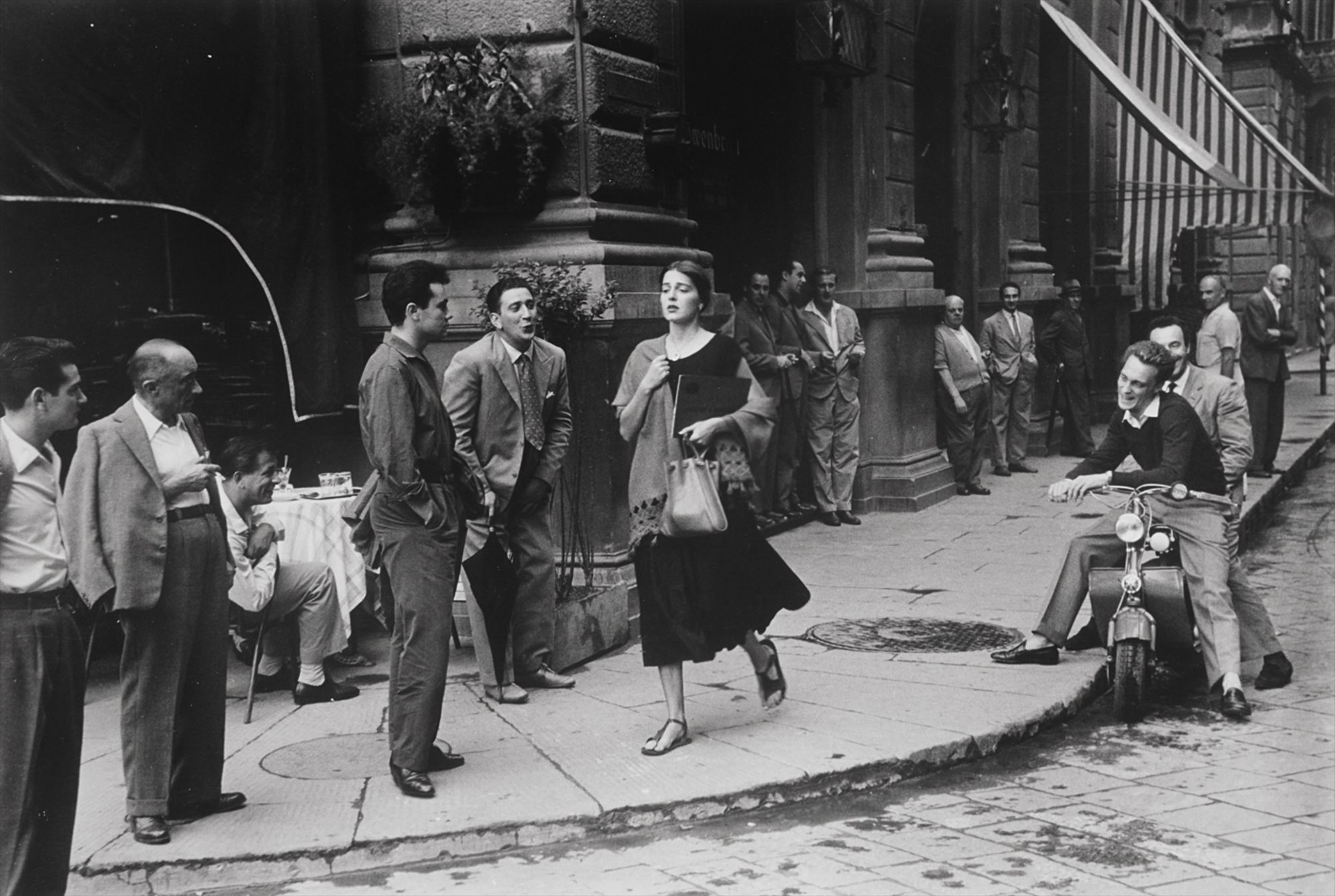
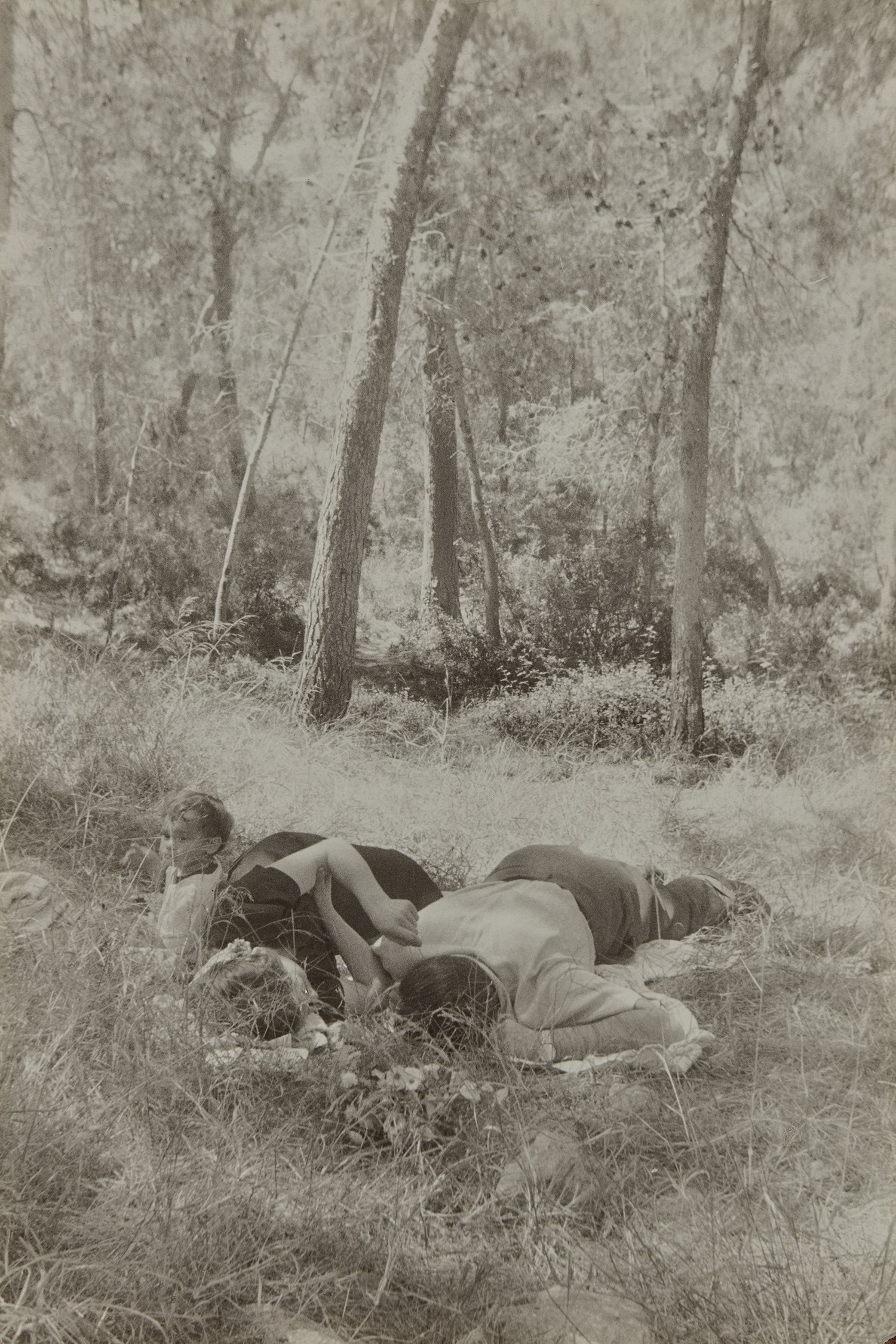
Ruth Orkin
An American Girl in Italy, Florence
The city keeps producing new photographers, new angles of vision, and new reasons to look. The market, for once, seems to agree.