Henri Cartier-Bresson
217
Works
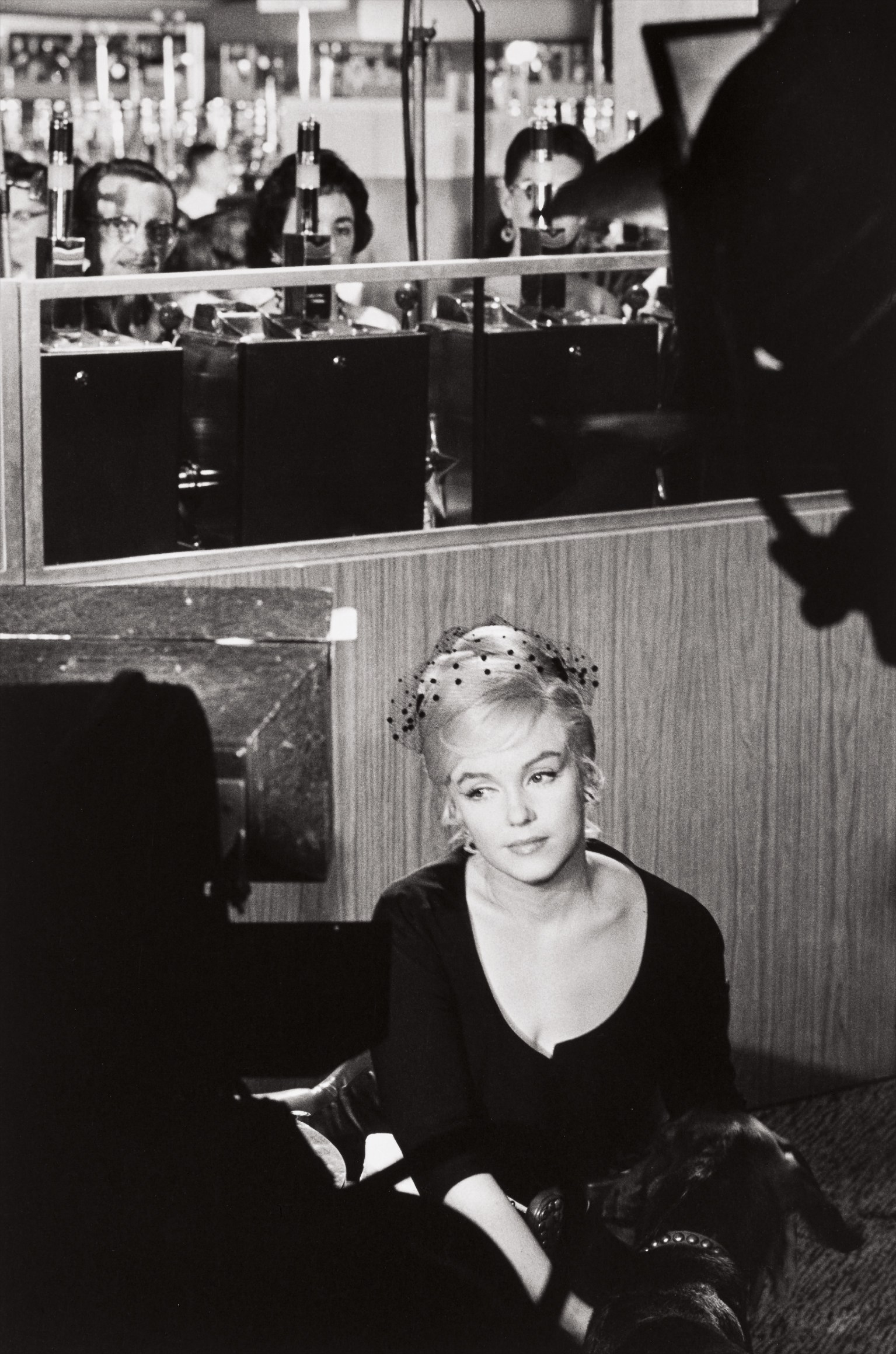
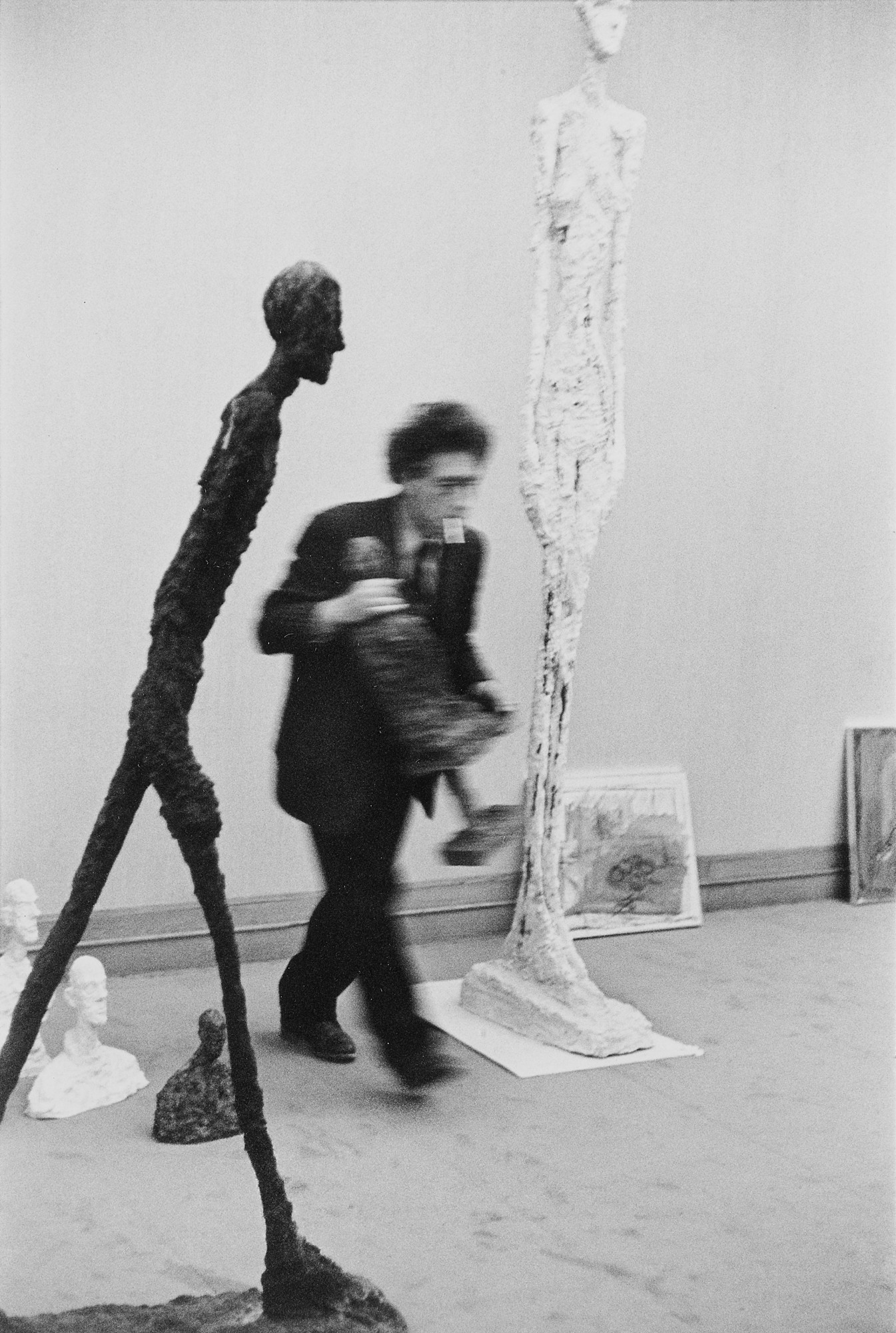
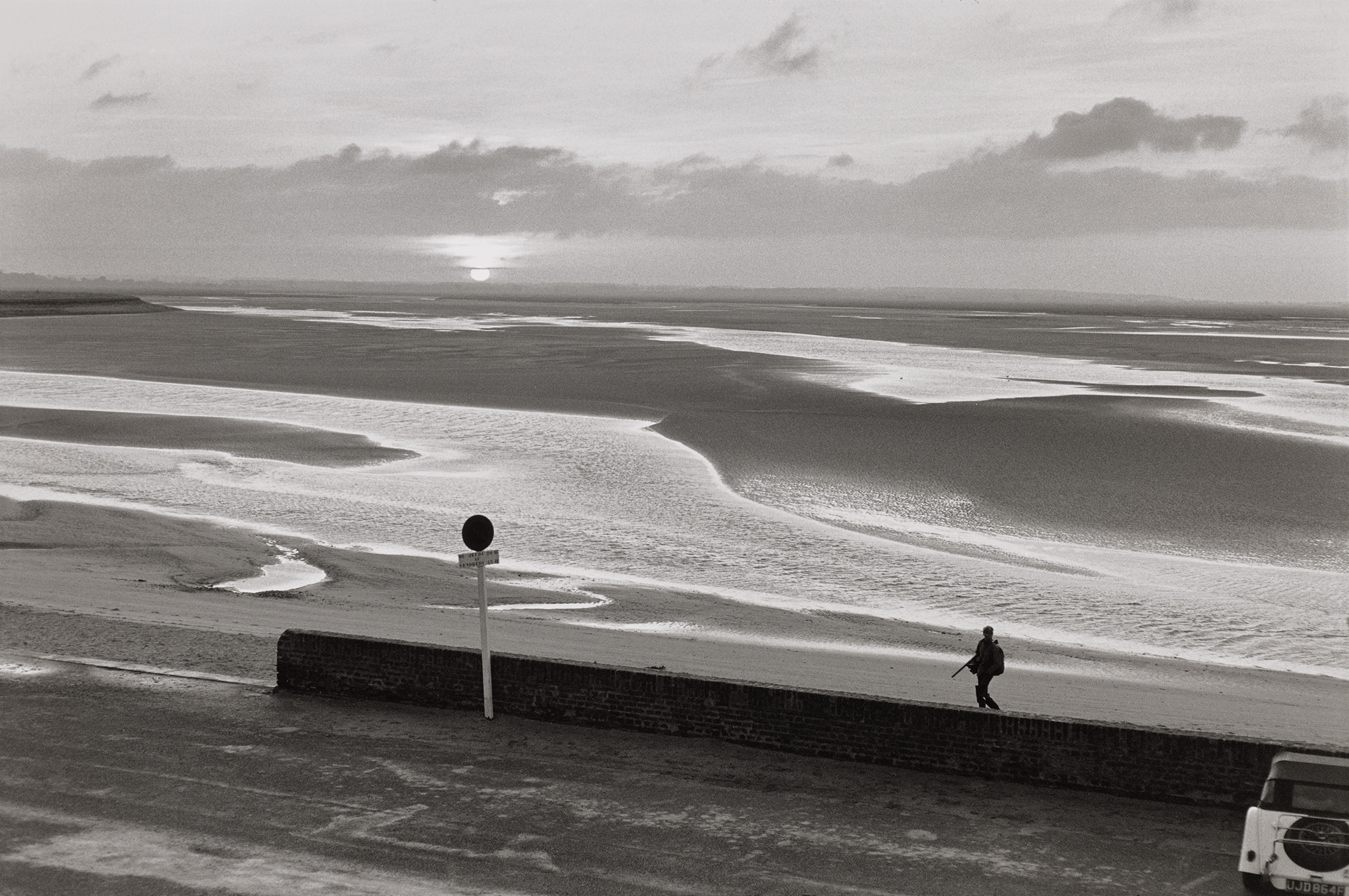
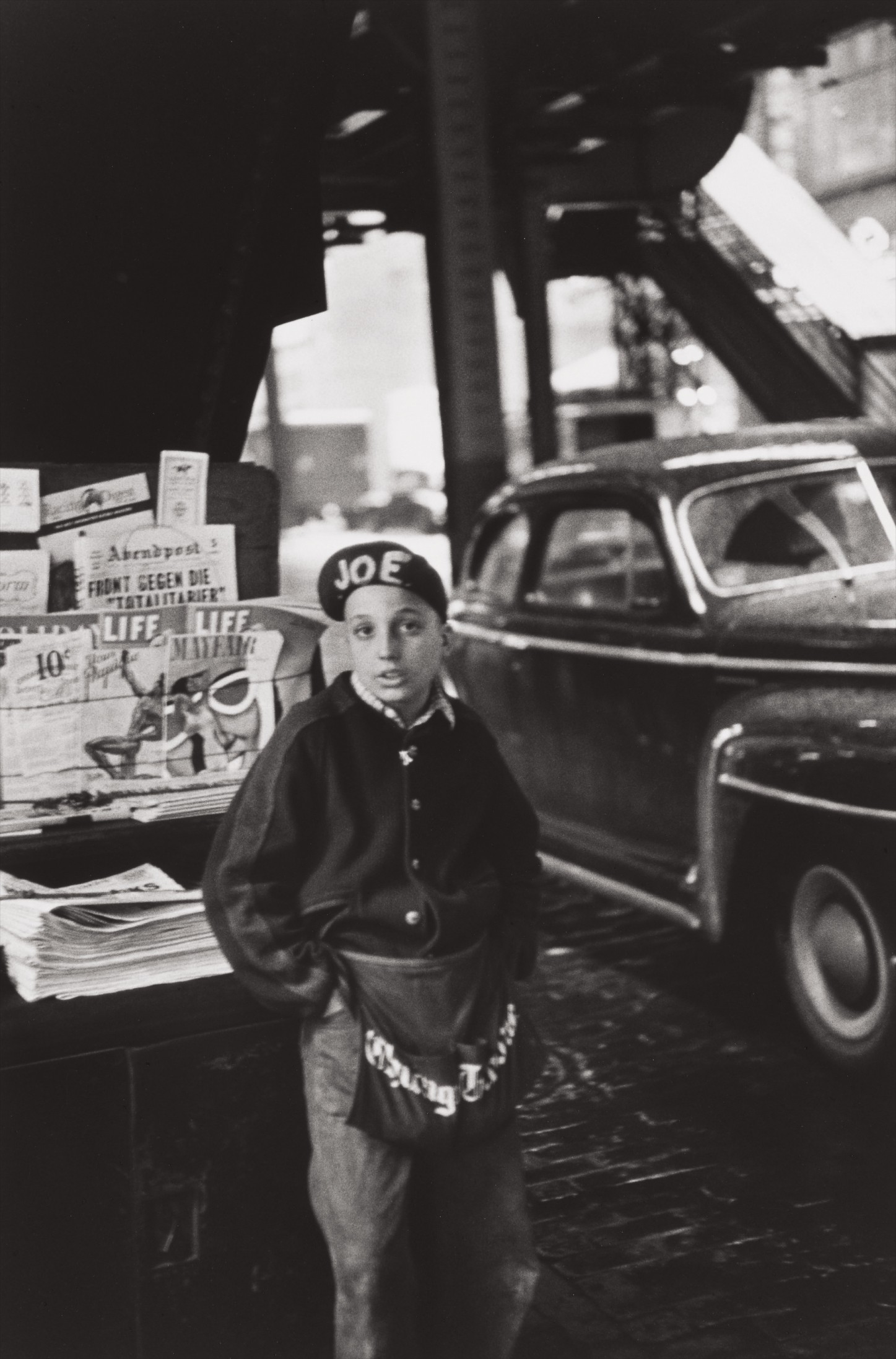
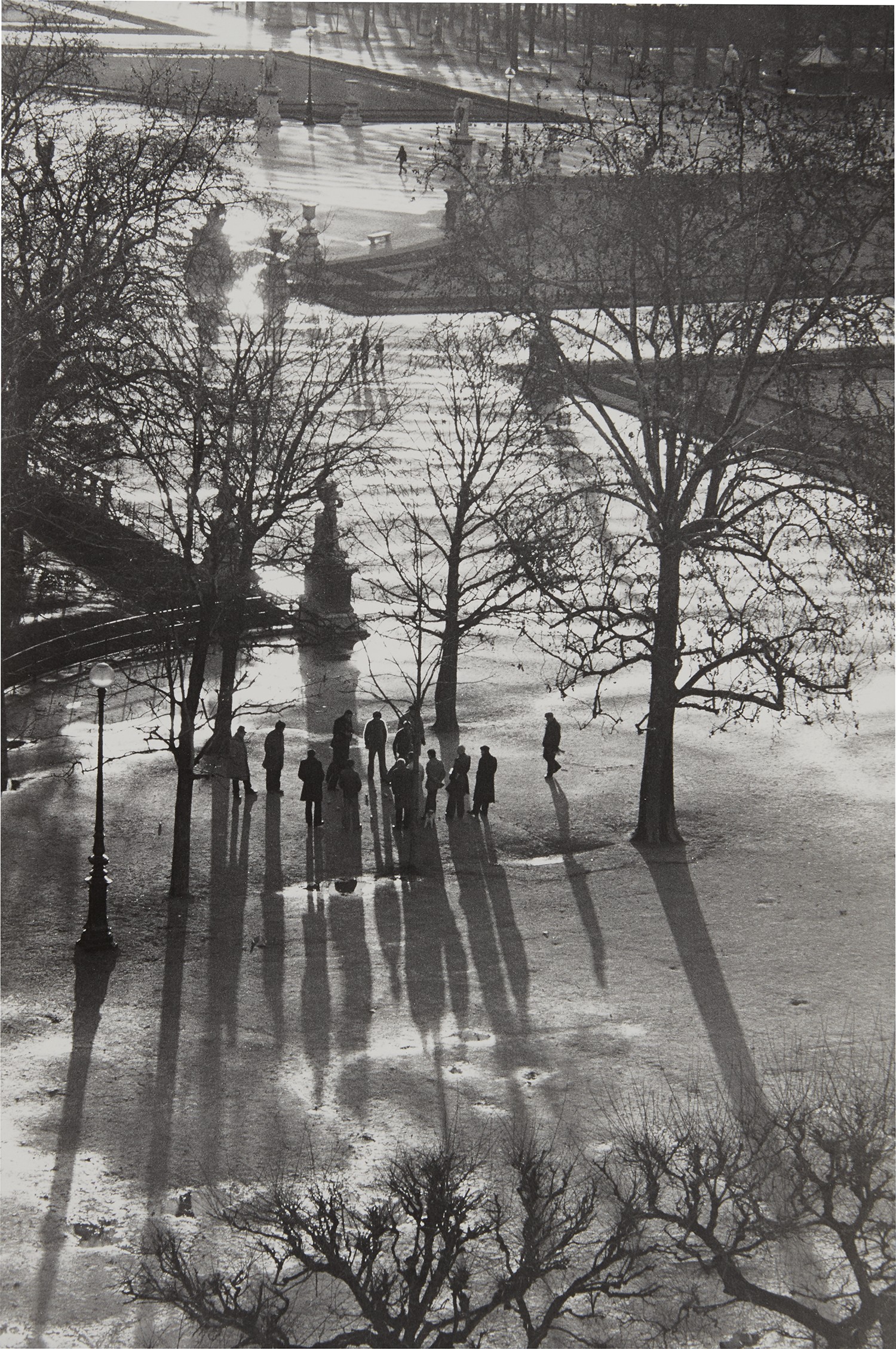
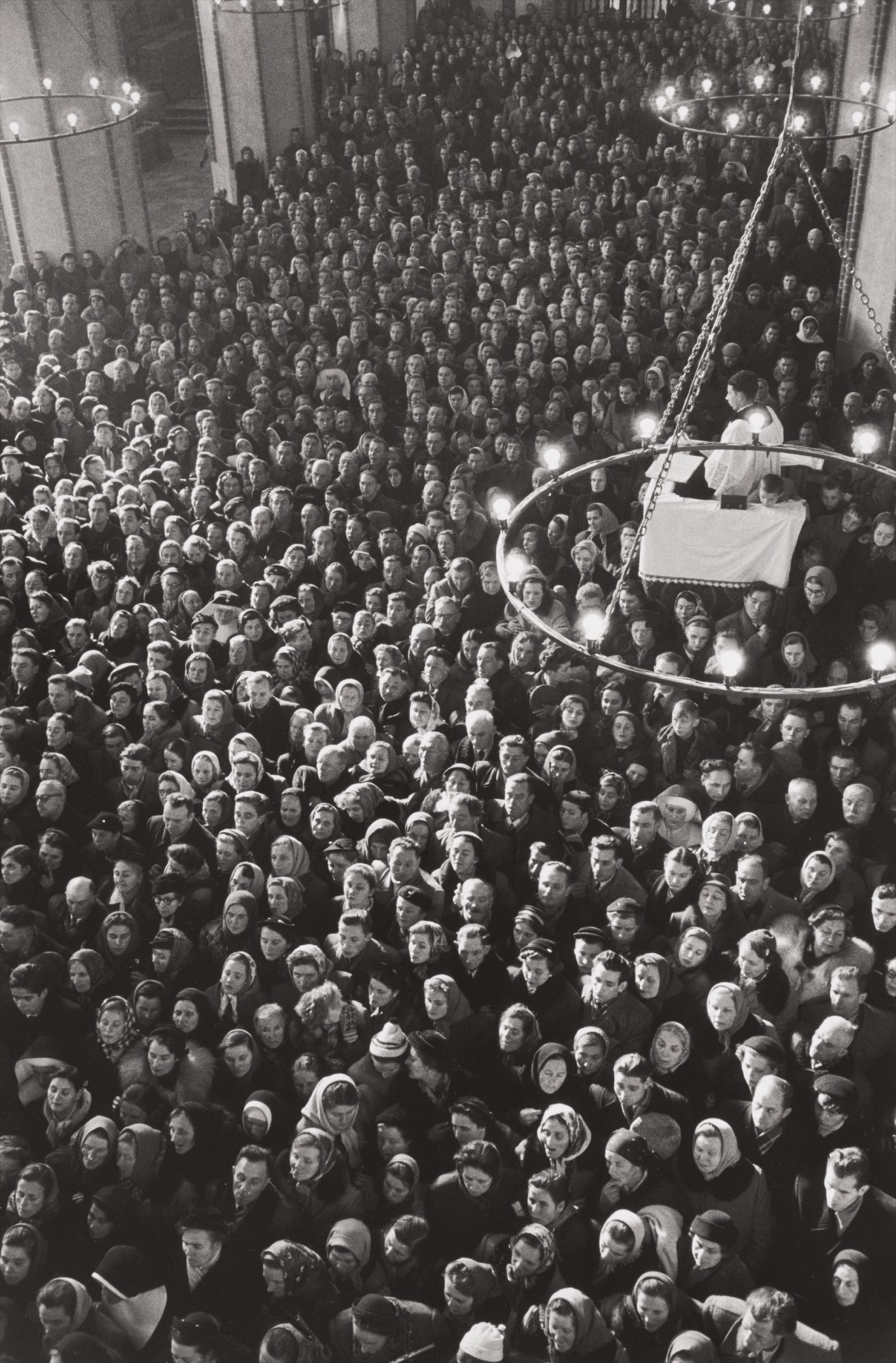
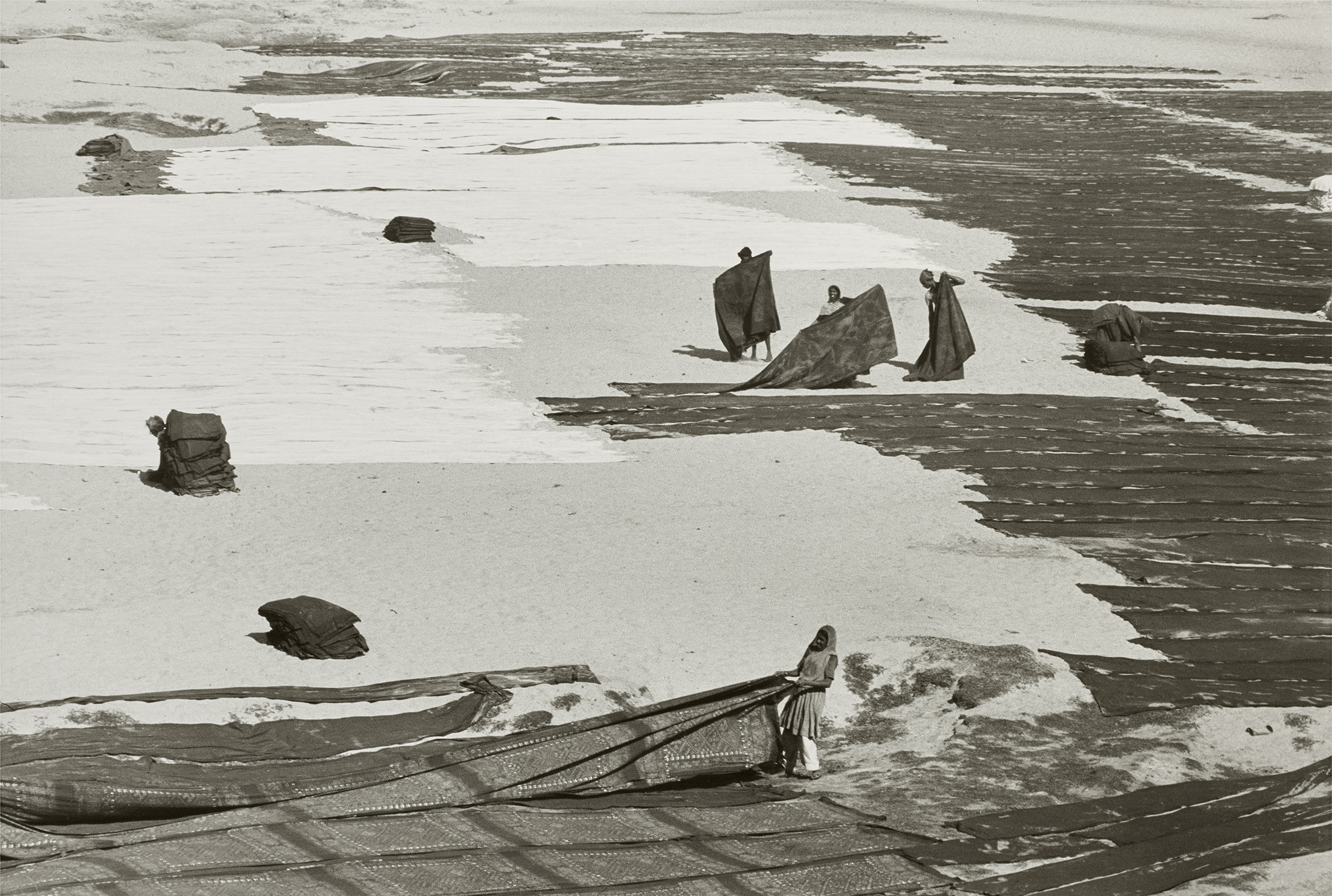
Henri Cartier-Bresson was one of the most influential photographers of the twentieth century, widely regarded as the father of modern photojournalism and a master of candid street photography. Born in Chanteloup-en-Brie, France, he developed a visual philosophy rooted in what he famously called "the decisive moment," the idea that a photograph captures a fleeting instant in which form, light, and meaning align in perfect harmony. His work was deeply informed by his early training in painting under Cubist artist André Lhote, and he later embraced Surrealism, which shaped his eye for the uncanny and poetic within everyday life. Armed almost exclusively with a 35mm Leica camera, he moved through the world with extraordinary discretion, producing images of remarkable spontaneity and compositional precision. Cartier-Bresson's career spanned decades of historic upheaval, and he documented pivotal moments across the globe with unmatched sensitivity. He photographed the liberation of Paris, the death of Gandhi, the Chinese Civil War, the partition of India, and daily life across Europe, the United States, Asia, and the Soviet Union. His images are marked by a rigorous geometric sensibility, rich use of shadow and light, and an ability to find humor, dignity, and tragedy within ordinary scenes. In 1947, he co-founded Magnum Photos alongside Robert Capa, David Seymour, and George Rodger, creating one of the most influential photojournalism agencies in history. His landmark publication "Images à la Sauvette" (published in English as "The Decisive Moment") in 1952 became a foundational text for photographers worldwide. In his later years, Cartier-Bresson largely set aside photography in favor of returning to drawing and painting, the disciplines that had first shaped his artistic vision. He held major retrospectives at institutions including the Bibliothèque nationale de France and the Henri Cartier-Bresson Foundation in Paris, which was established in 2003 to preserve and promote his legacy. His photographs are held in virtually every major museum collection worldwide, and his influence extends across generations of photographers, filmmakers, and visual artists. He remains a towering figure whose commitment to humanist values and formal rigor defined what documentary photography could aspire to be.
Artists in conversation