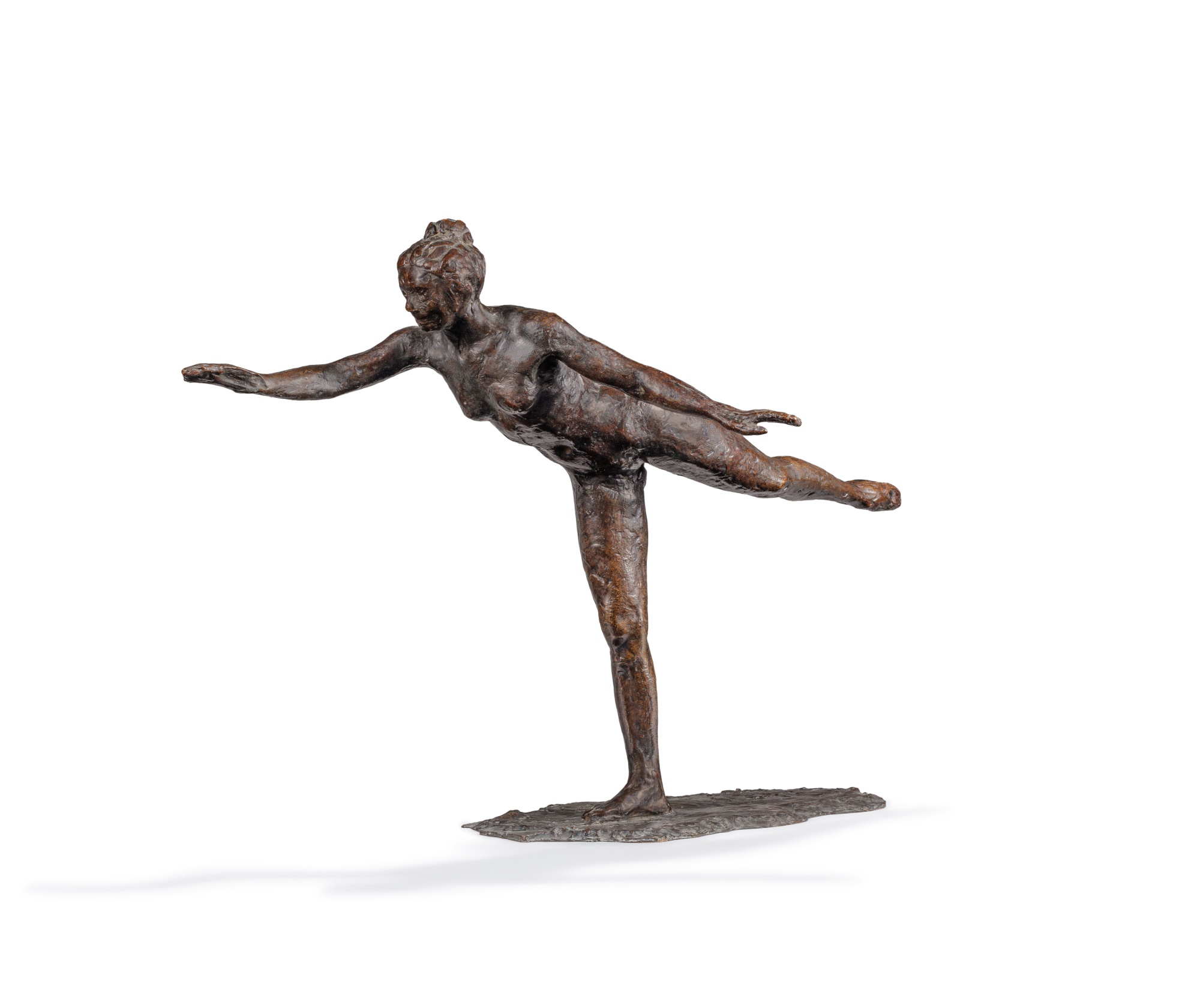
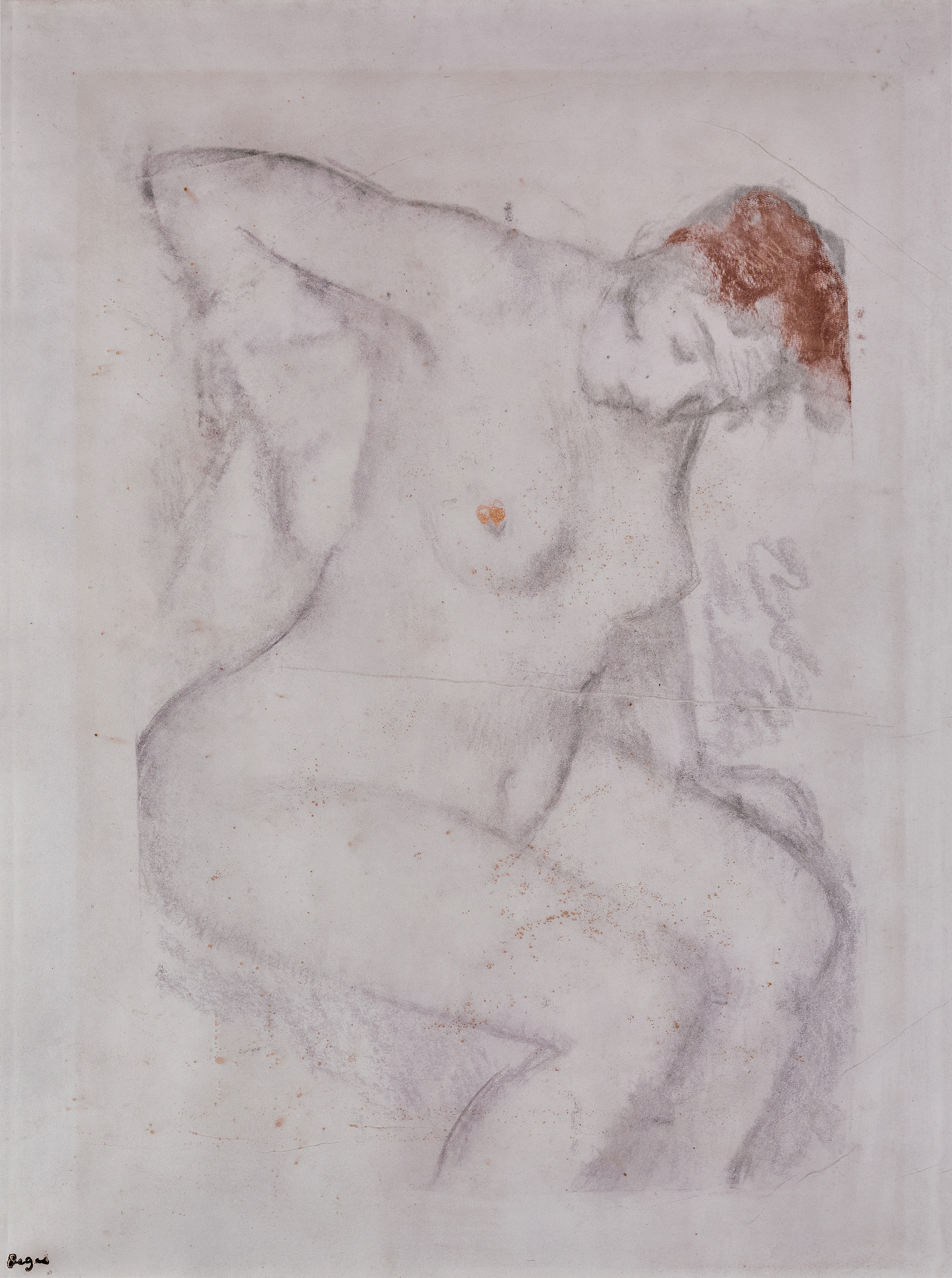
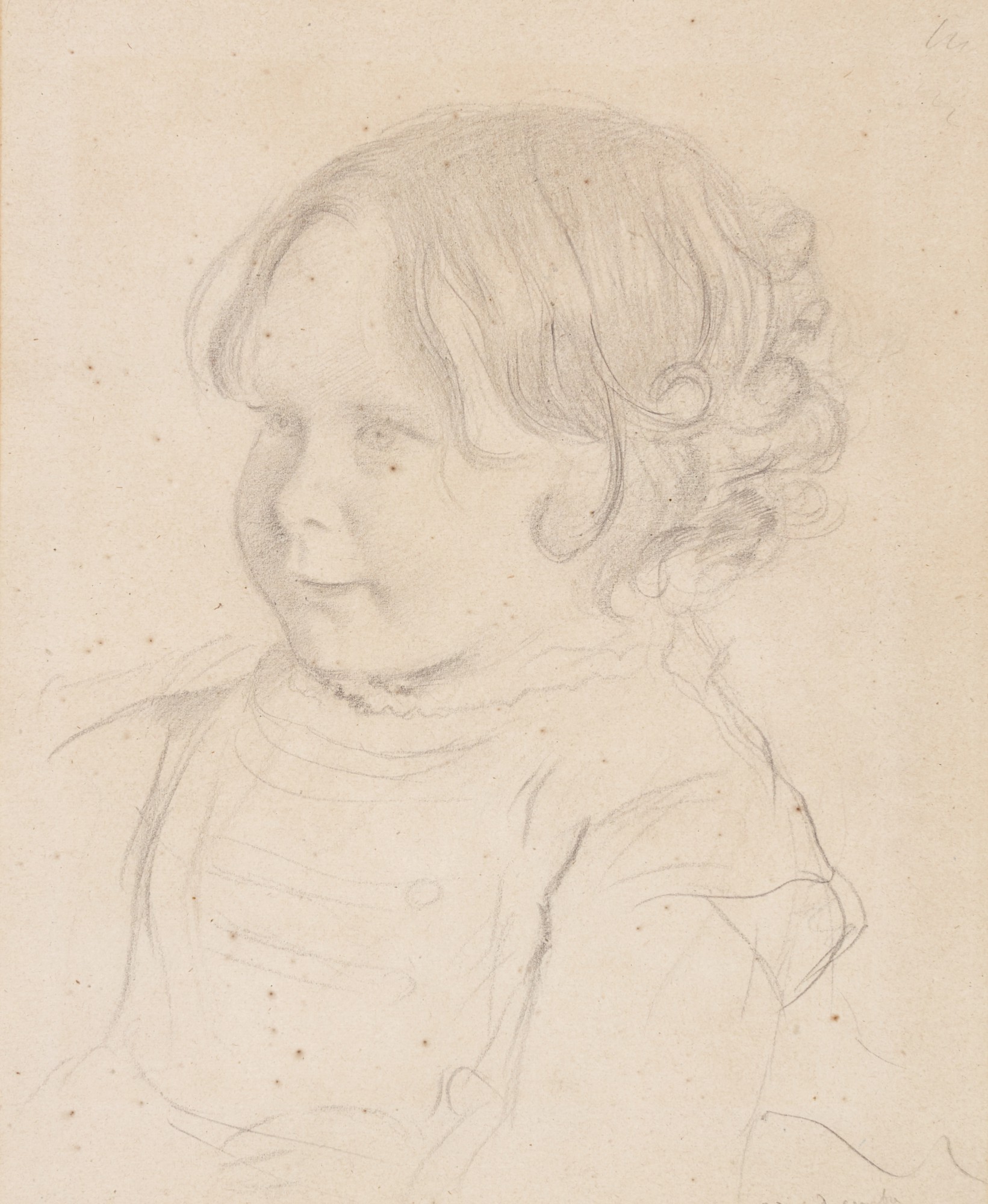
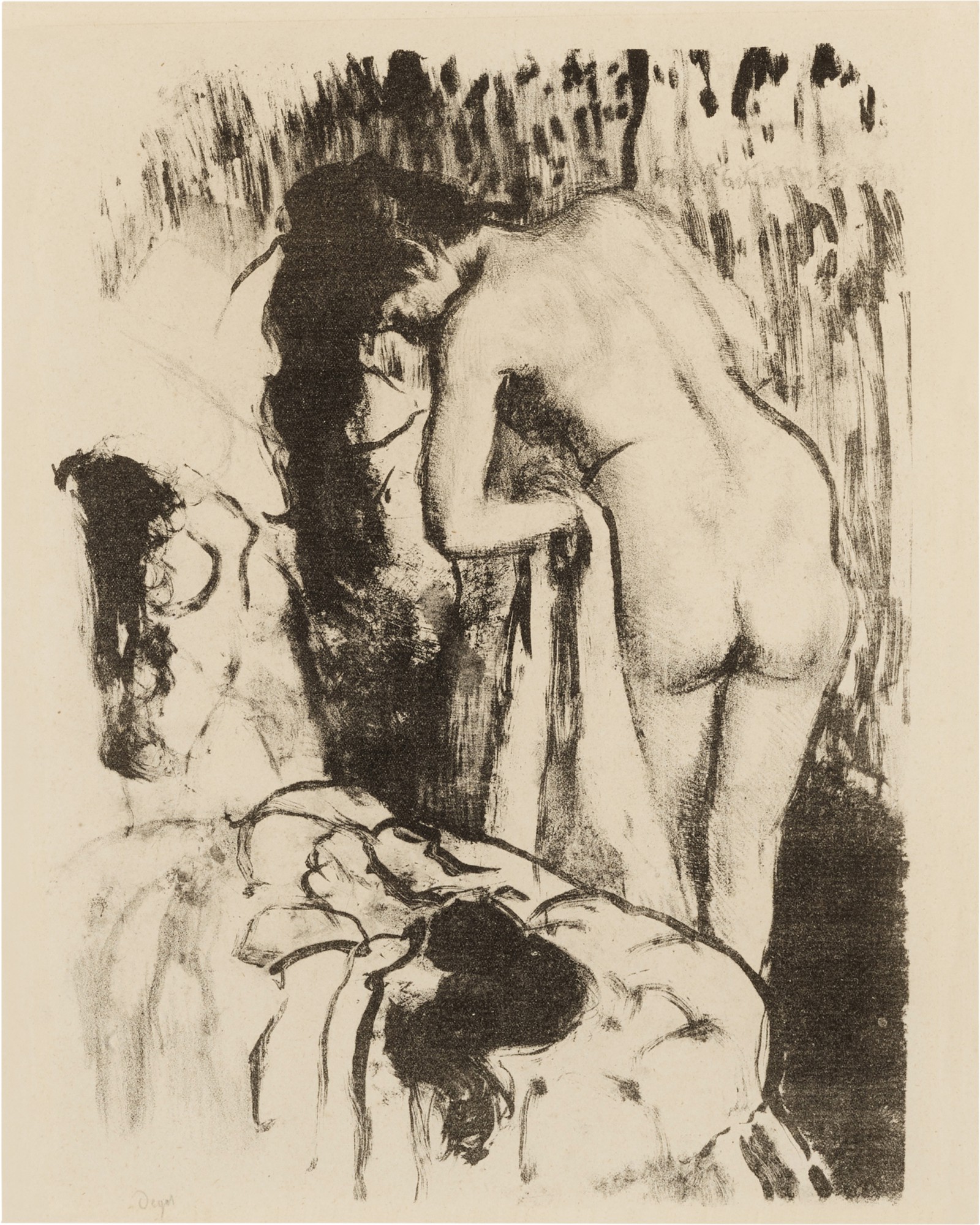
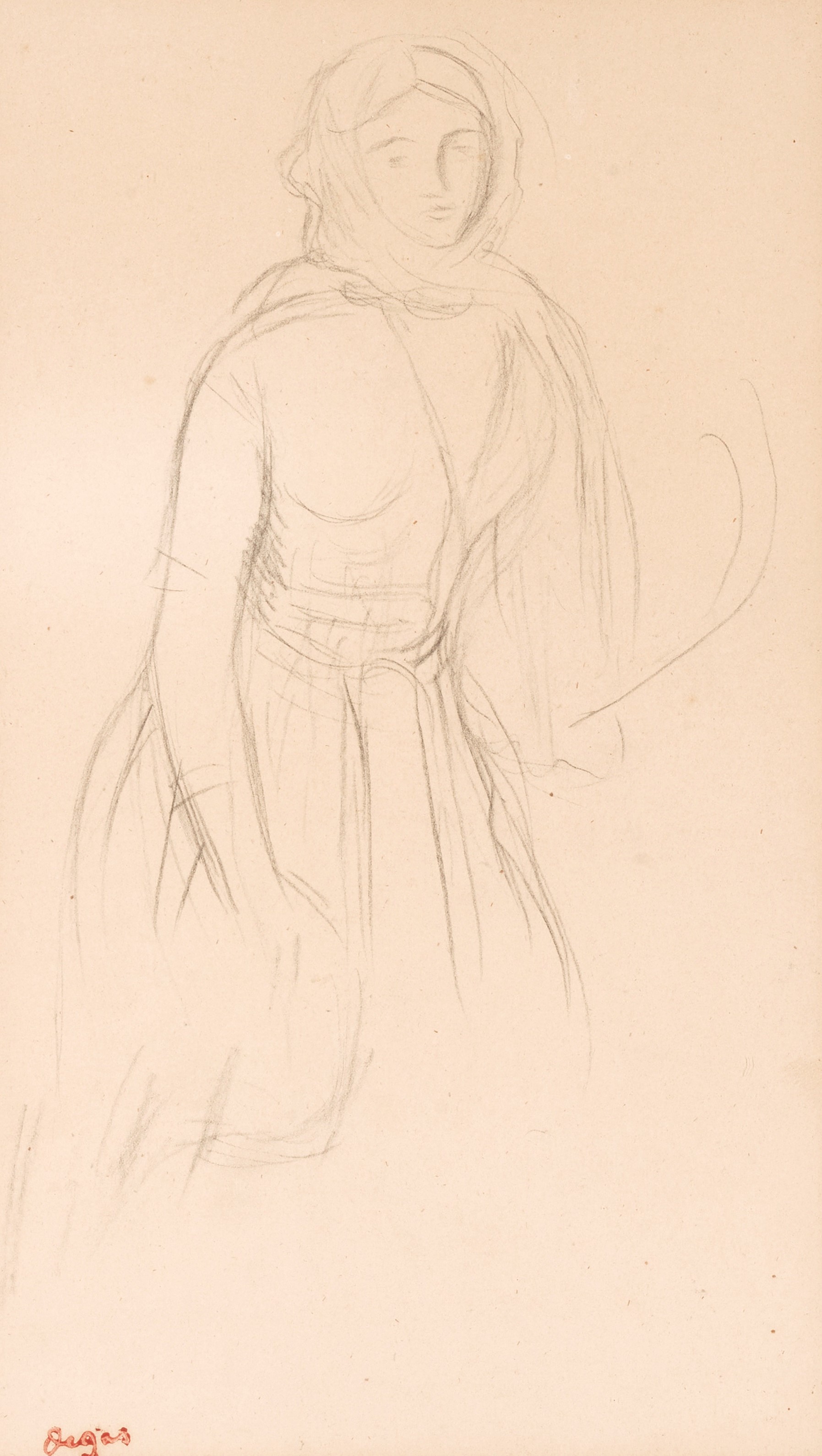
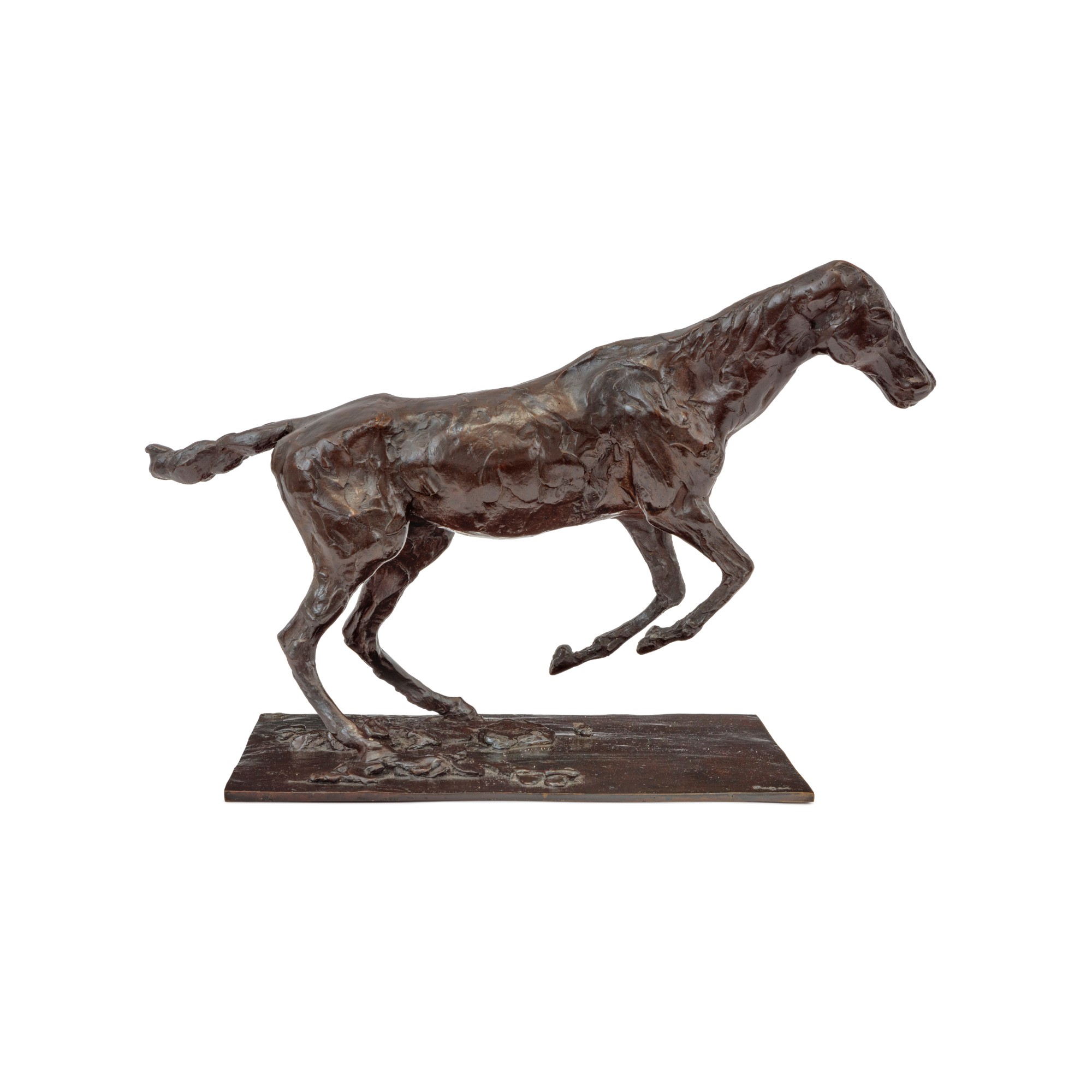
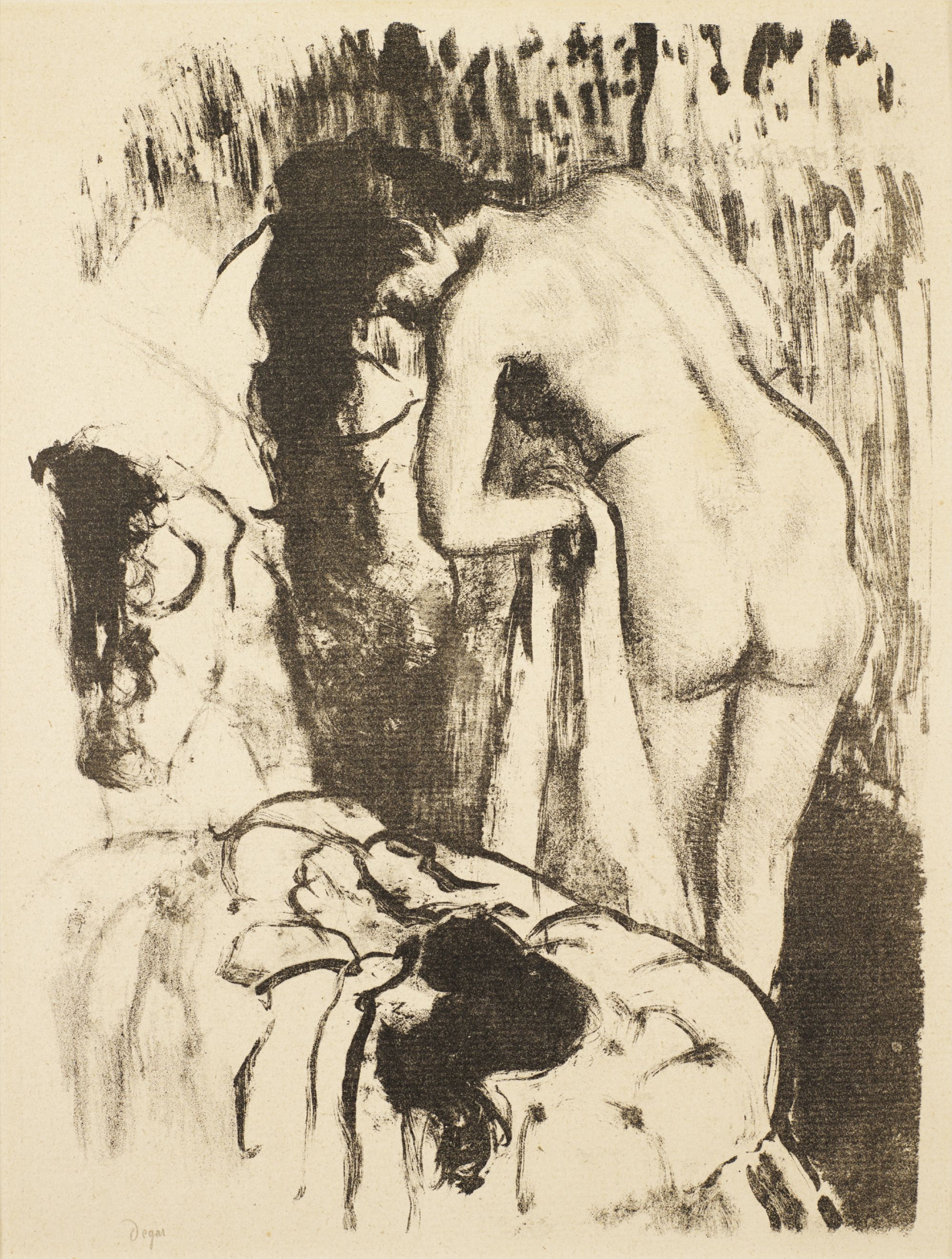
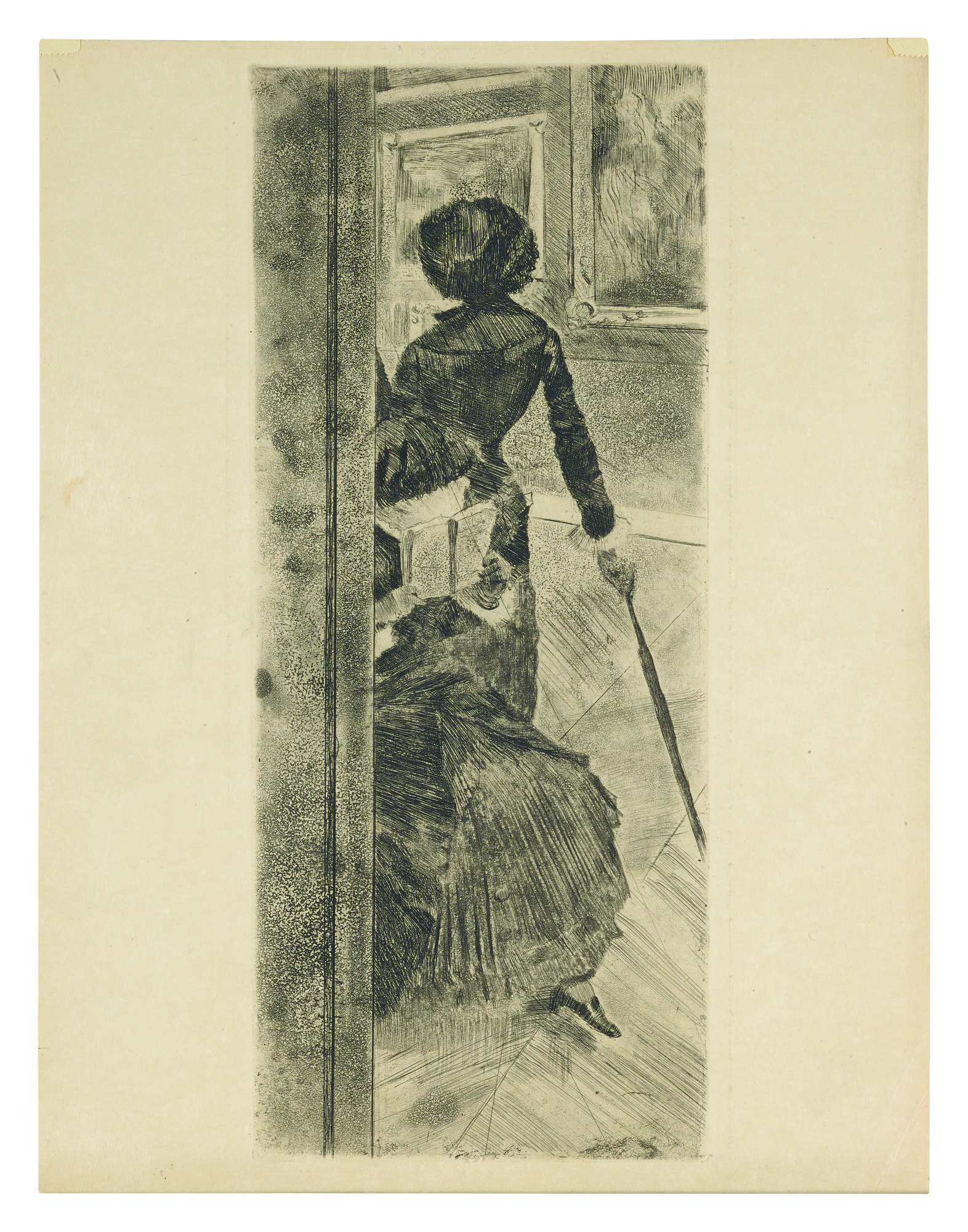
There is a moment, suspended somewhere between effort and grace, that Edgar Degas spent a lifetime trying to pin down. Visitors to the major retrospective mounted by the Musée d'Orsay in Paris know this feeling intimately: standing before a pastel of dancers caught mid rehearsal, one senses not a painting so much as a stolen glance into a private world. That quality, the sensation of witnessing something not quite meant to be seen, is what has kept Degas at the very center of art historical conversation for well over a century, and what continues to draw collectors and scholars back to his work with undiminished devotion. Edgar Hilaire Germain de Gas was born in Paris on July 19, 1834, into a prosperous banking family with deep cultural roots on both sides of the Atlantic. His father, Auguste De Gas, was a Parisian banker of Neapolitan origin, and his mother, Célestine Musson, came from a Creole family in New Orleans. This transatlantic inheritance would prove significant: Degas would later travel to Louisiana in 1872 and 1873, producing one of his most celebrated canvases, The Cotton Exchange in New Orleans, now held at the Musée des Beaux Arts de Pau. Educated at the Lycée Louis le Grand, he demonstrated an early and serious aptitude for drawing, and after briefly registering to study law, he abandoned that path decisively in favor of art. Degas entered the École des Beaux Arts in 1855, but it was his time spent copying Old Masters in the Louvre and his travels through Italy between 1856 and 1859 that truly formed his sensibility. He was captivated by Ingres, whose draughtsmanship he revered above almost all other qualities in painting, and by the frescoes of the Italian Renaissance. His early ambitions were decidedly classical: large scale history paintings populated by mythological and biblical figures. Works such as Young Spartans Exercising, painted around 1860, show an artist already wrestling productively with the tension between the academic tradition and something rawer and more immediate. It was in this period that he befriended Édouard Manet, a relationship that would pivot his trajectory toward modernity. By the late 1860s, Degas had found his true subject matter, and it was nothing so grand as mythology. It was the racecourse, the café concert, the laundry, the milliner's shop, and above all, the ballet. He began attending performances at the Paris Opéra with the kind of focused obsession that speaks less of pleasure than of artistic hunger. What interested him was not the spectacle of the stage but the machinery behind it: the rehearsal room, the wings, the awkward poses of bodies at rest between exertions. He became a fixture backstage, sketching incessantly, and developed close relationships with patrons and abonnés who granted him unusual access. His ballet pictures number in the hundreds across every medium he practiced, and they remain among the most recognized images in Western art. The works available through The Collection offer a particularly rich window into the full range of Degas's practice across his long career. Deux danseuses en buste, a pastel and charcoal on paper from 1898, exemplifies his mature command of color as a structural force, the soft bloom of oranges and greens describing volume without ever quite resolving into outline. Danseuse, a charcoal and chalk on paper from 1874, shows the artist at an earlier and more searching moment, the line urgent and exploratory. His bronze sculptures, including Position de quatrième devant sur la jambe gauche and Femme assise s'essuyant le côté gauche, reveal a three dimensional intelligence that ran in parallel with his work on paper and canvas: these were not secondary objects but primary investigations of the body in space. The Jockeys drawing of 1887, executed in black and blue crayon, speaks to his lifelong fascination with horses and speed, a subject he approached with the same analytical rigor he brought to the dancer or the bather. For collectors, Degas presents one of the most compelling propositions in the entire canon of Impressionism and Post Impressionism. Works on paper and prints, including lithographs and monotypes, have historically offered points of entry that major oil paintings do not, and yet they carry the full authority of his hand and eye. His lithographs, such as the Femme nue debout transfer monotype in the fourth of six states, are particularly prized: Degas was a restless and technically inventive printmaker who treated the medium not as reproduction but as a distinct mode of discovery. At auction, his works across categories have consistently attracted fierce competition. A pastel of dancers sold at Christie's New York in 2019 for well above its estimate, reflecting sustained global demand. Collectors who engage seriously with Degas are drawn not only to his canonical subjects but to the extraordinary range of his inquiry: the women at their toilette, the café scenes, the equestrian studies, all executed with a quality of attention that feels at once detached and deeply felt. Degas is best understood in the company of artists who were both his contemporaries and his provocateurs. He exhibited in five of the eight Impressionist exhibitions held between 1874 and 1886, though he famously resisted the label, preferring to call the group Independents. His relationship with Manet remained a productive tension throughout their shared years, and his influence on younger artists was profound. Mary Cassatt, whom he championed with genuine enthusiasm, brought his lessons in observation and draftsmanship to her own depictions of domestic life. Henri de Toulouse Lautrec absorbed his compositional audacity and his love of the Parisian entertainment world. Later, Pablo Picasso and Henri Matisse both acknowledged the force of his example, particularly in his final, near abstract pastels, which anticipate the color field sensibility of a much later era. What makes Degas so inexhaustibly compelling today is precisely what made him difficult to categorize in his own time. He was a classicist who dismantled classical decorum, a realist who filtered observation through the most sophisticated pictorial intelligence of his generation, a modernist who never lost his reverence for the discipline of drawing. His final decades, when failing eyesight forced him to work in larger, more gestural strokes and to rely ever more heavily on sculpture as a tactile substitute for vision, produced work of startling emotional power. He died in Paris on September 27, 1917, leaving behind a studio of extraordinary density and richness. To collect Degas is to enter into conversation with one of the most searching and honest minds in the history of art, an experience that rewards every level of engagement and never quite exhausts itself.