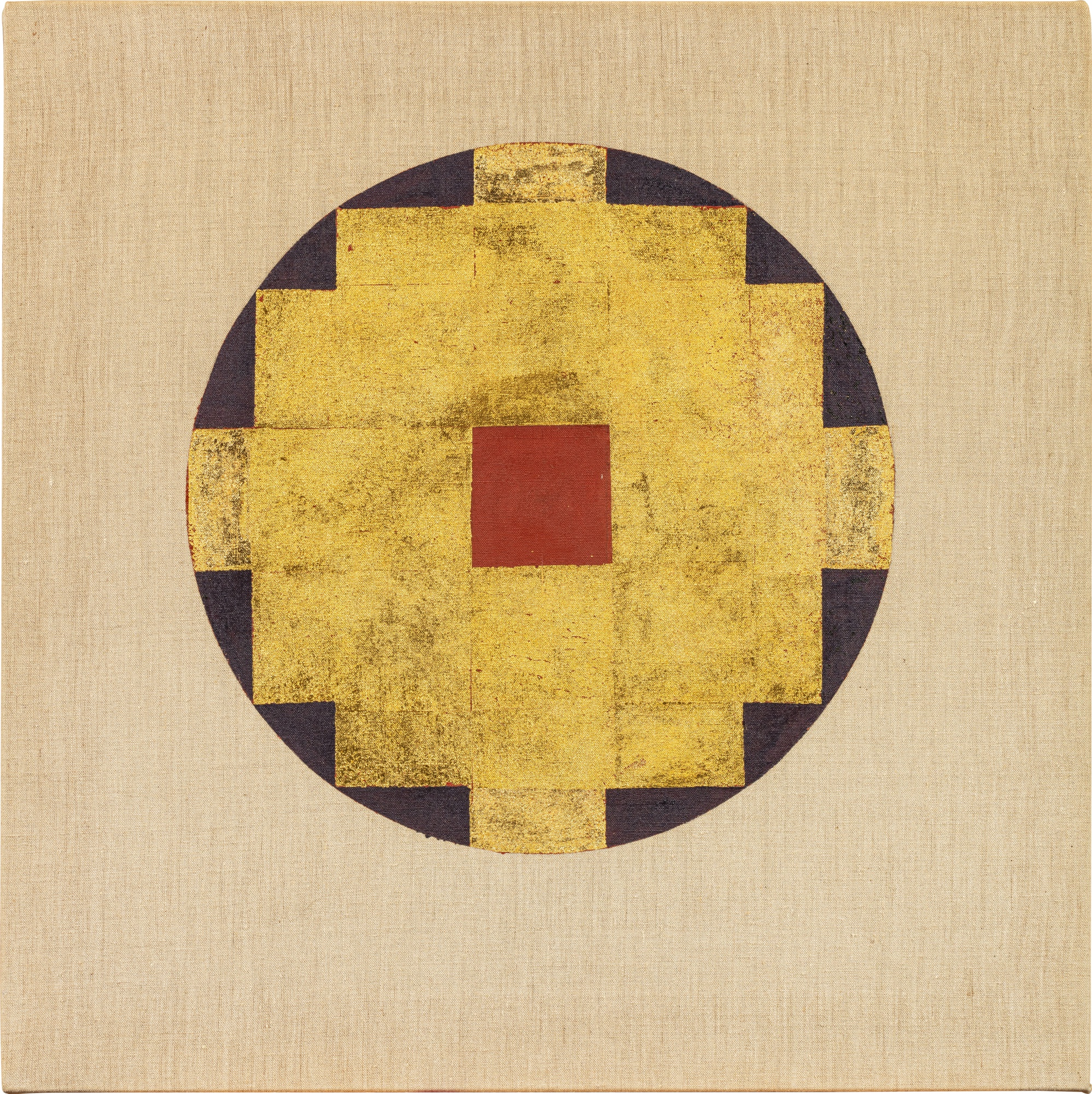
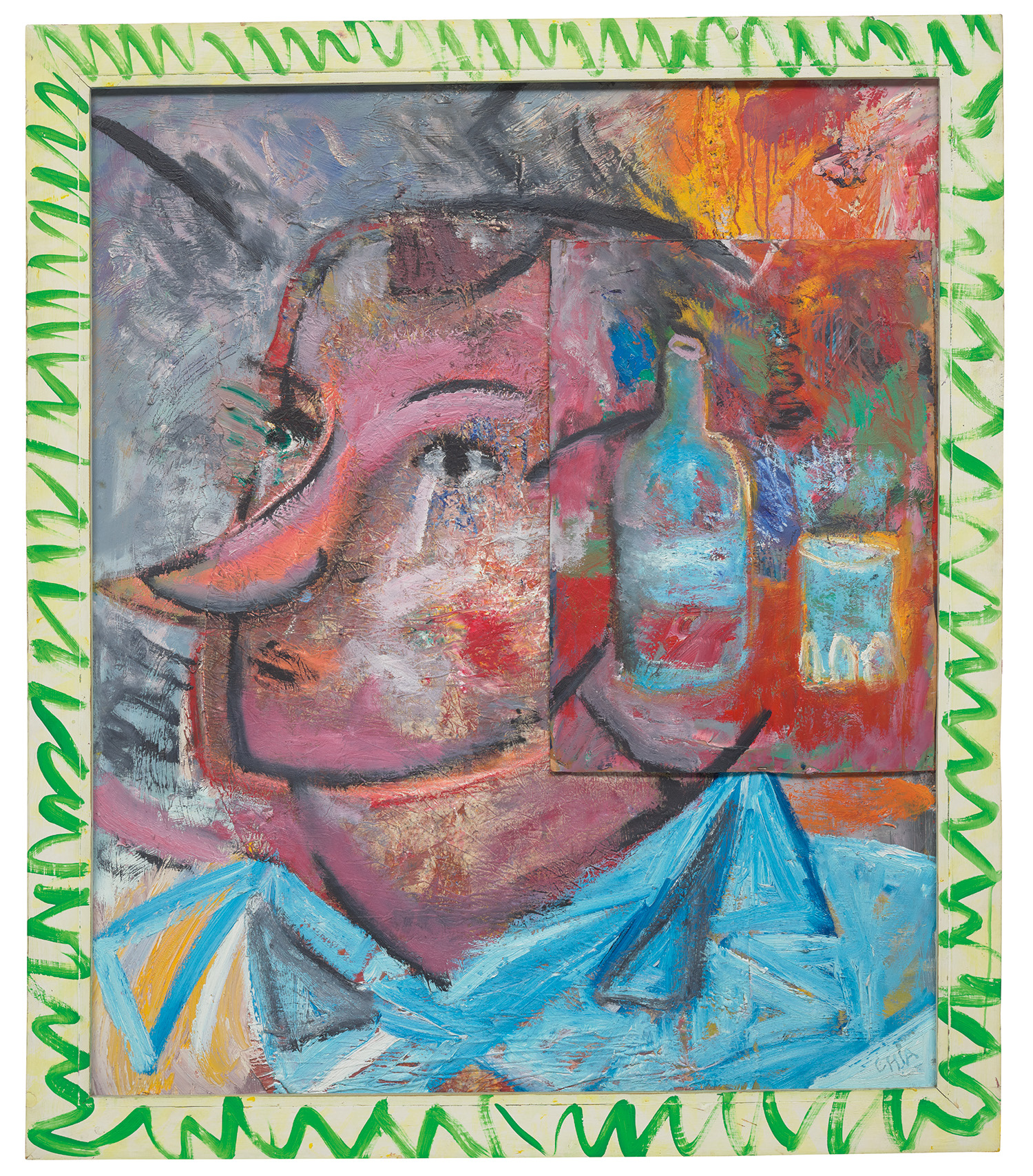
Tempera
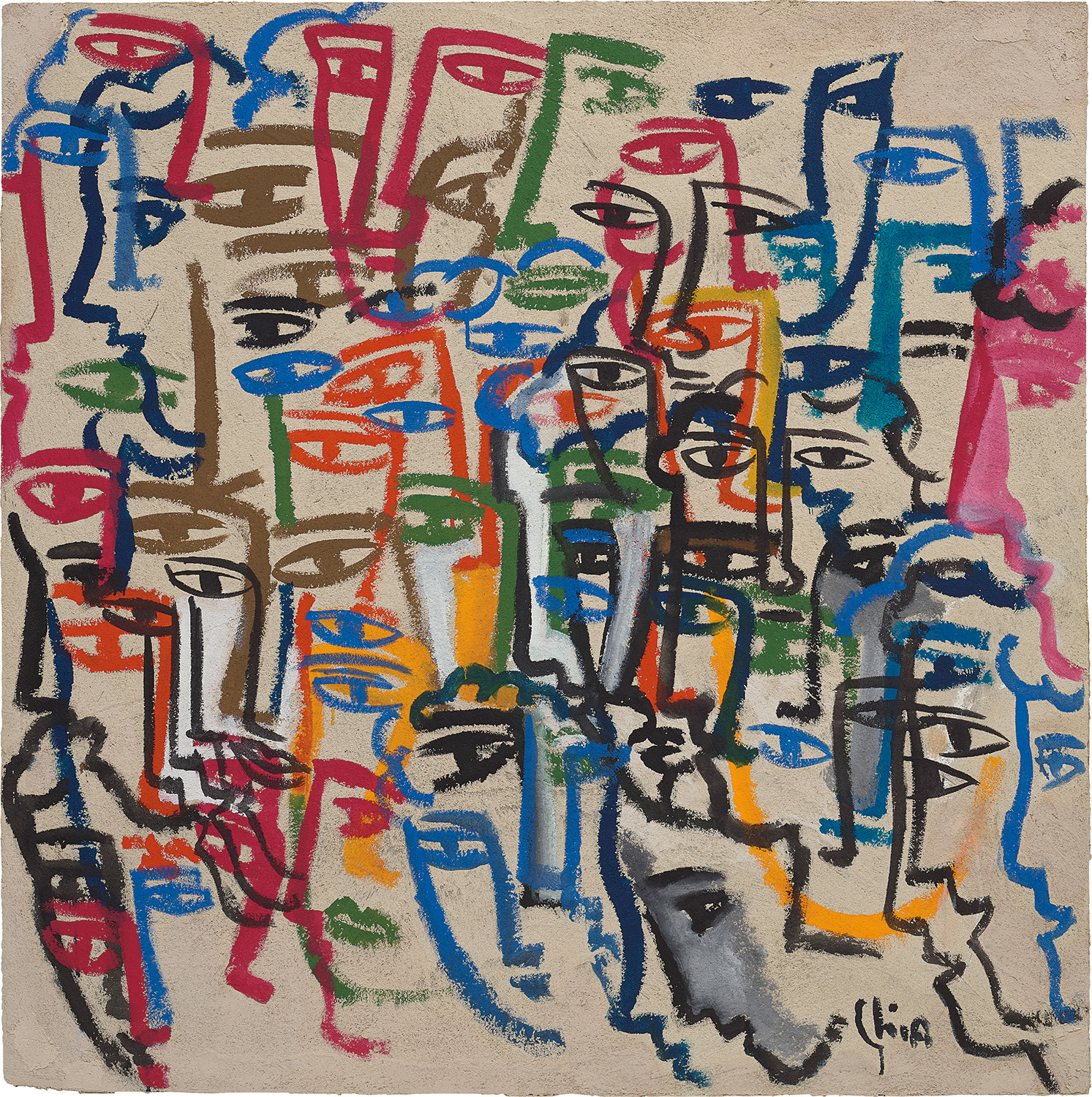
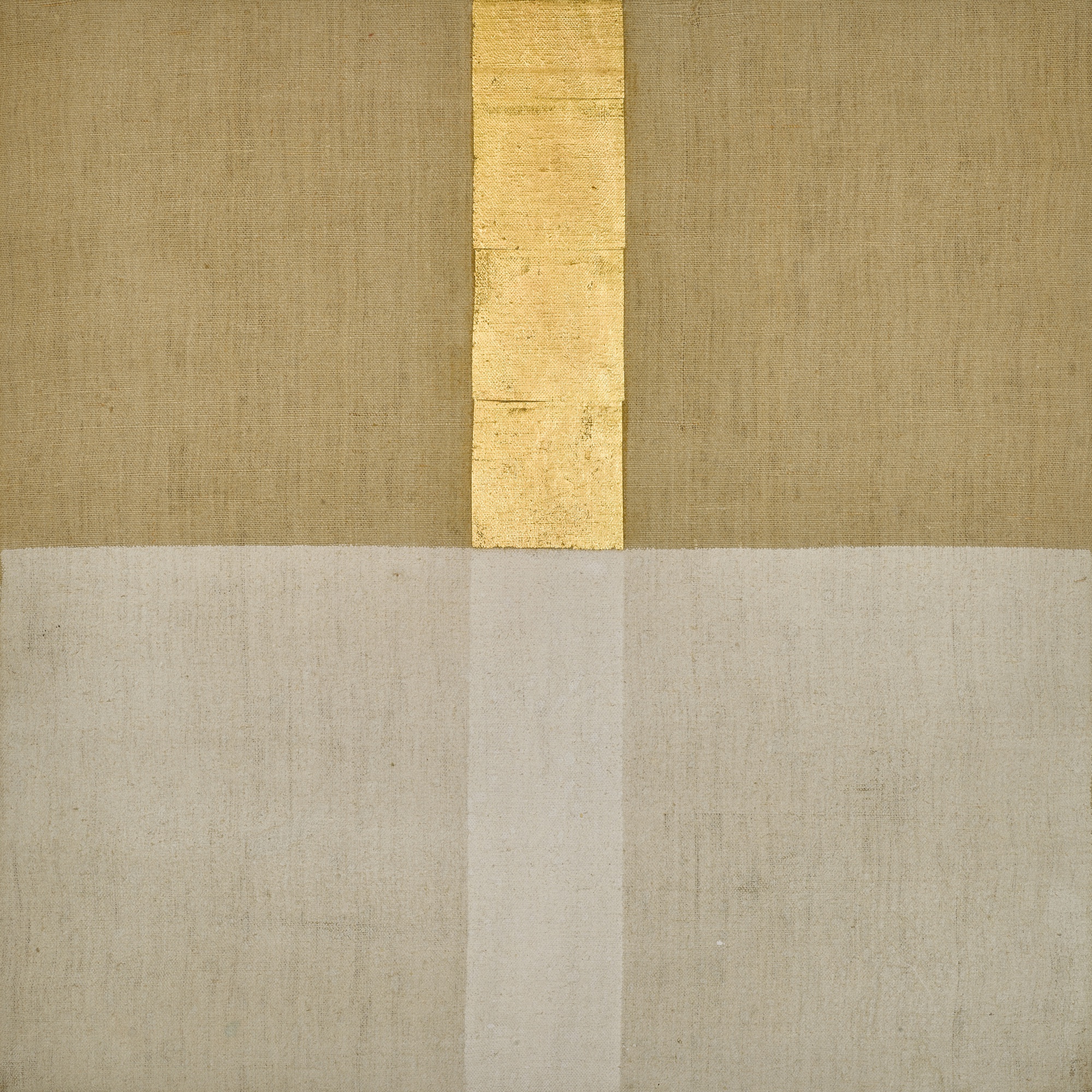
Sandro Chia
Volti, 2007

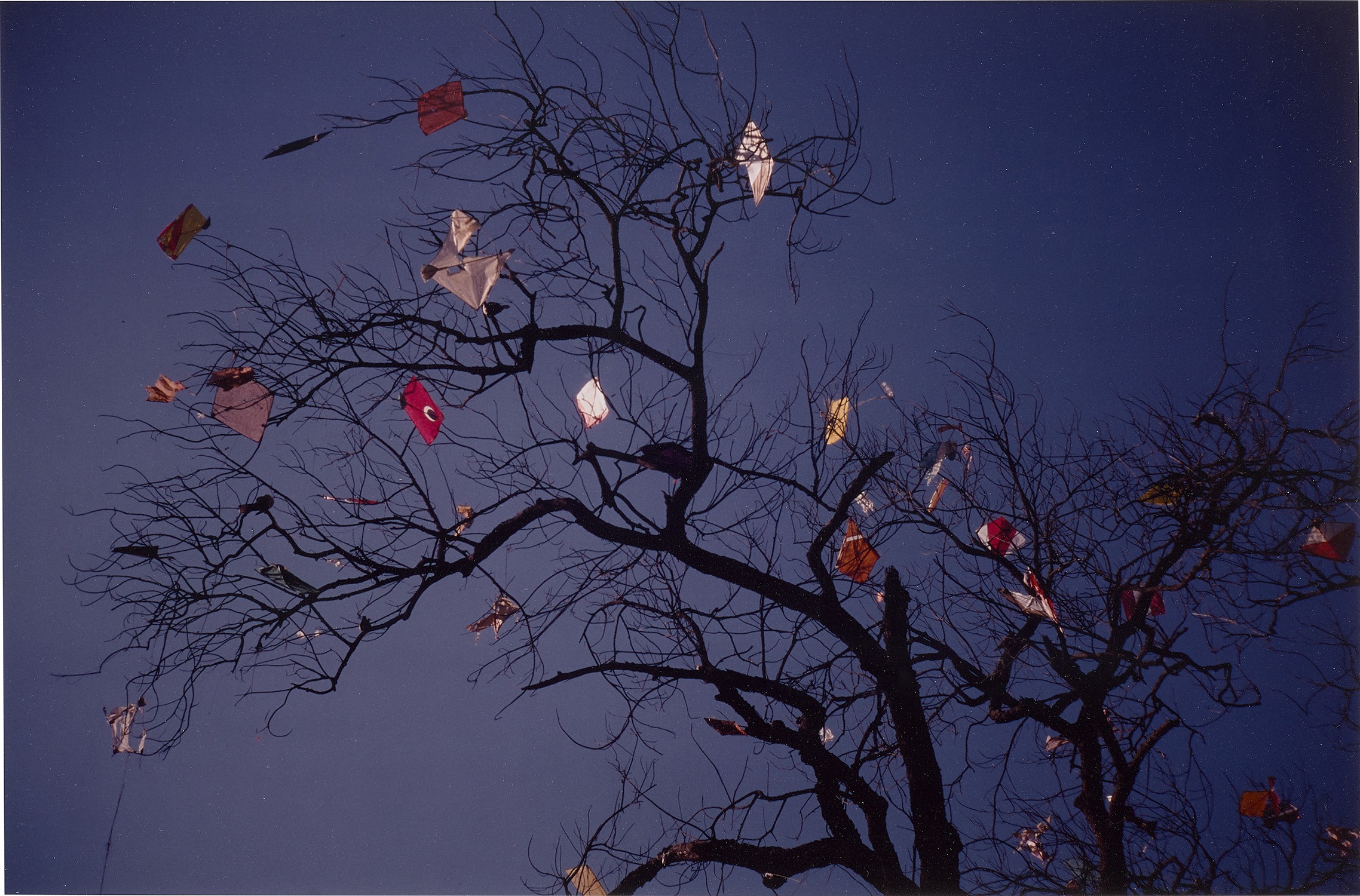
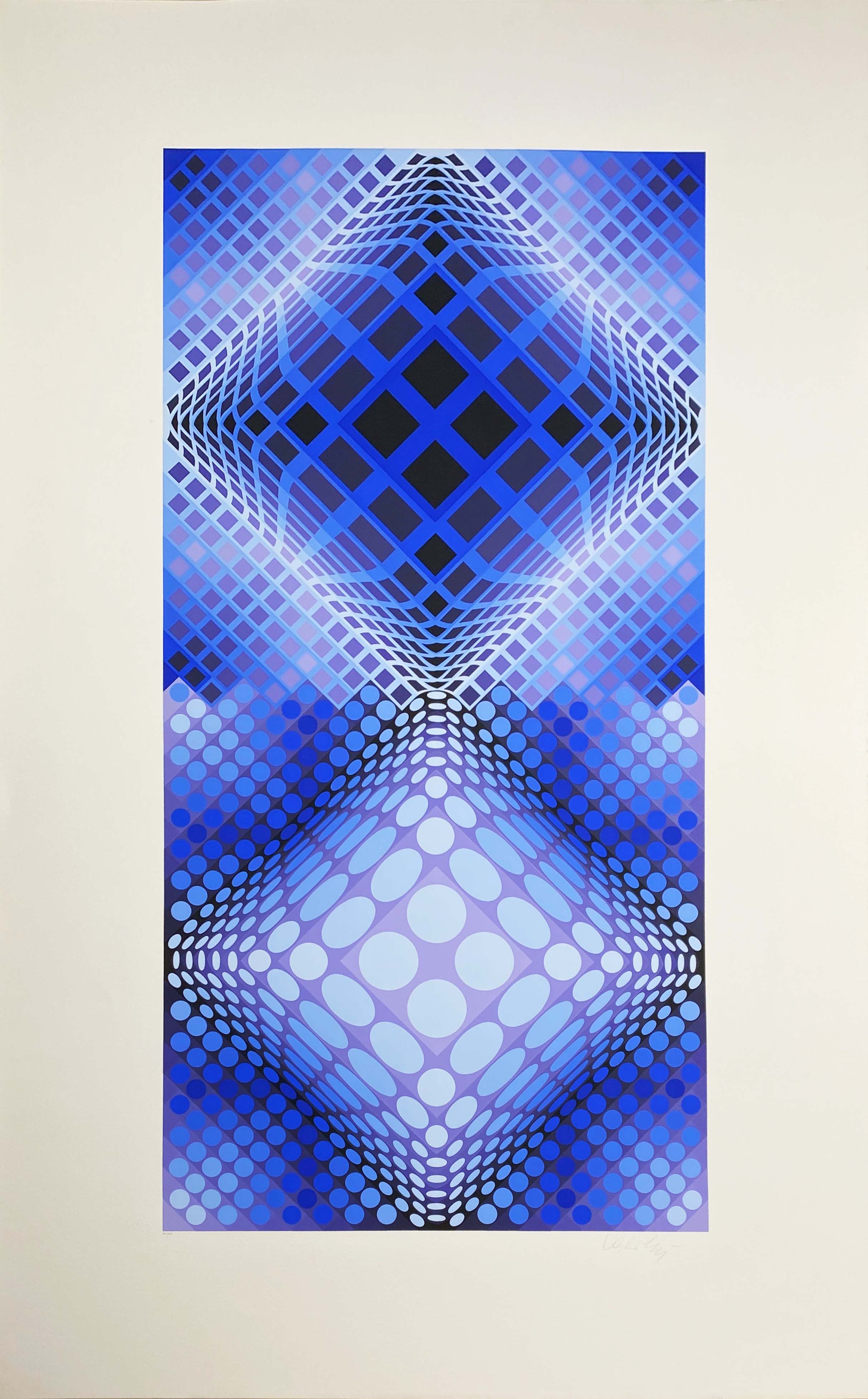
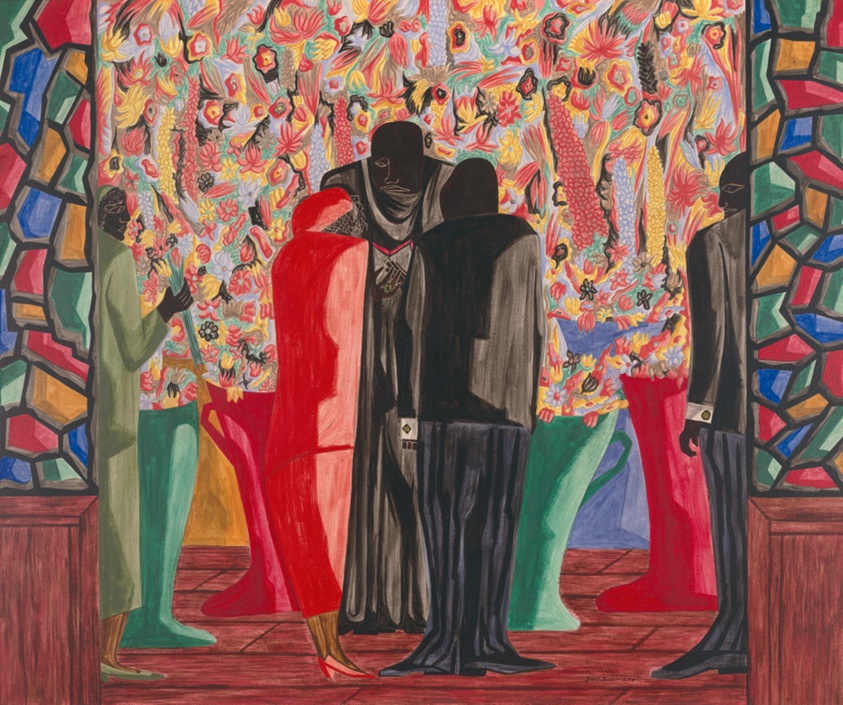
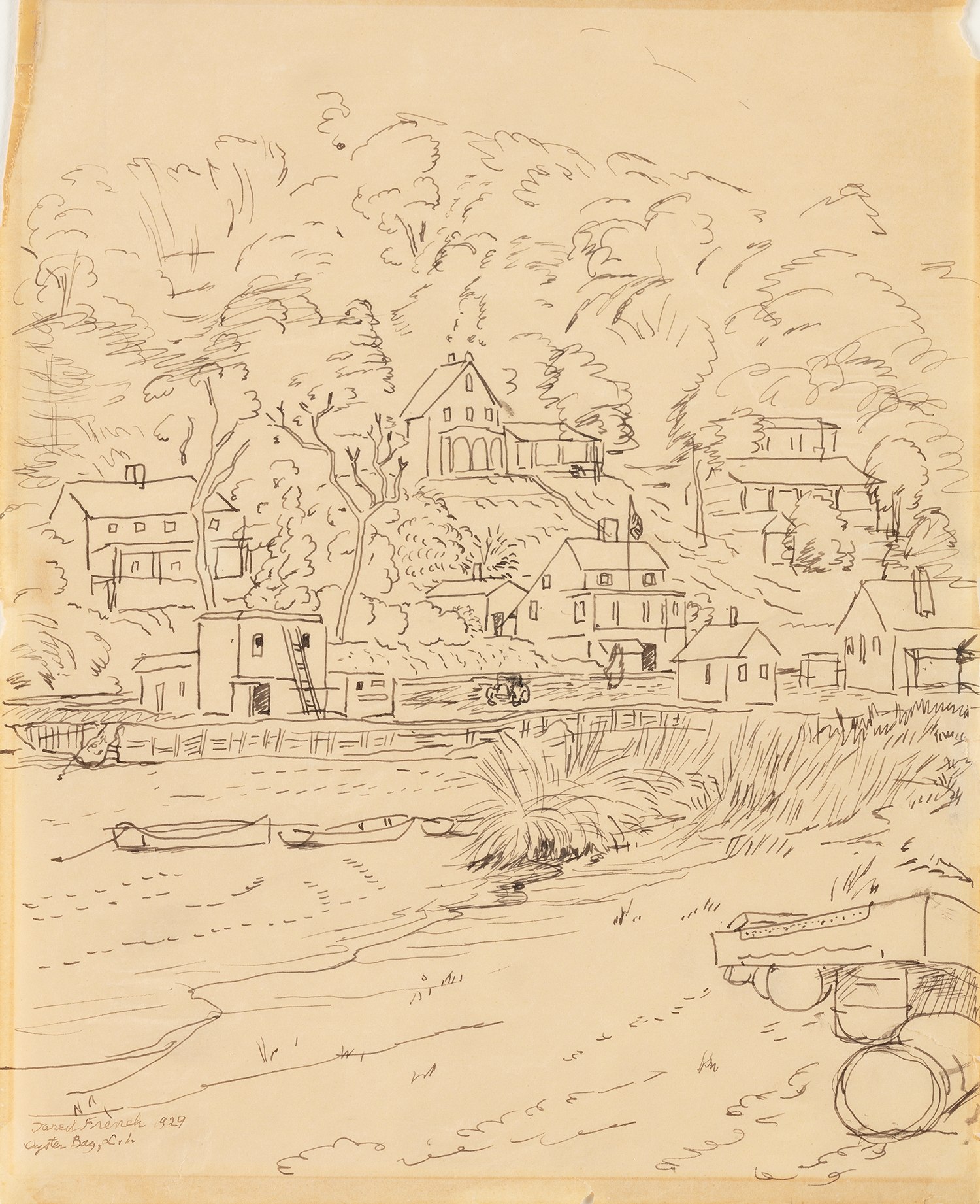
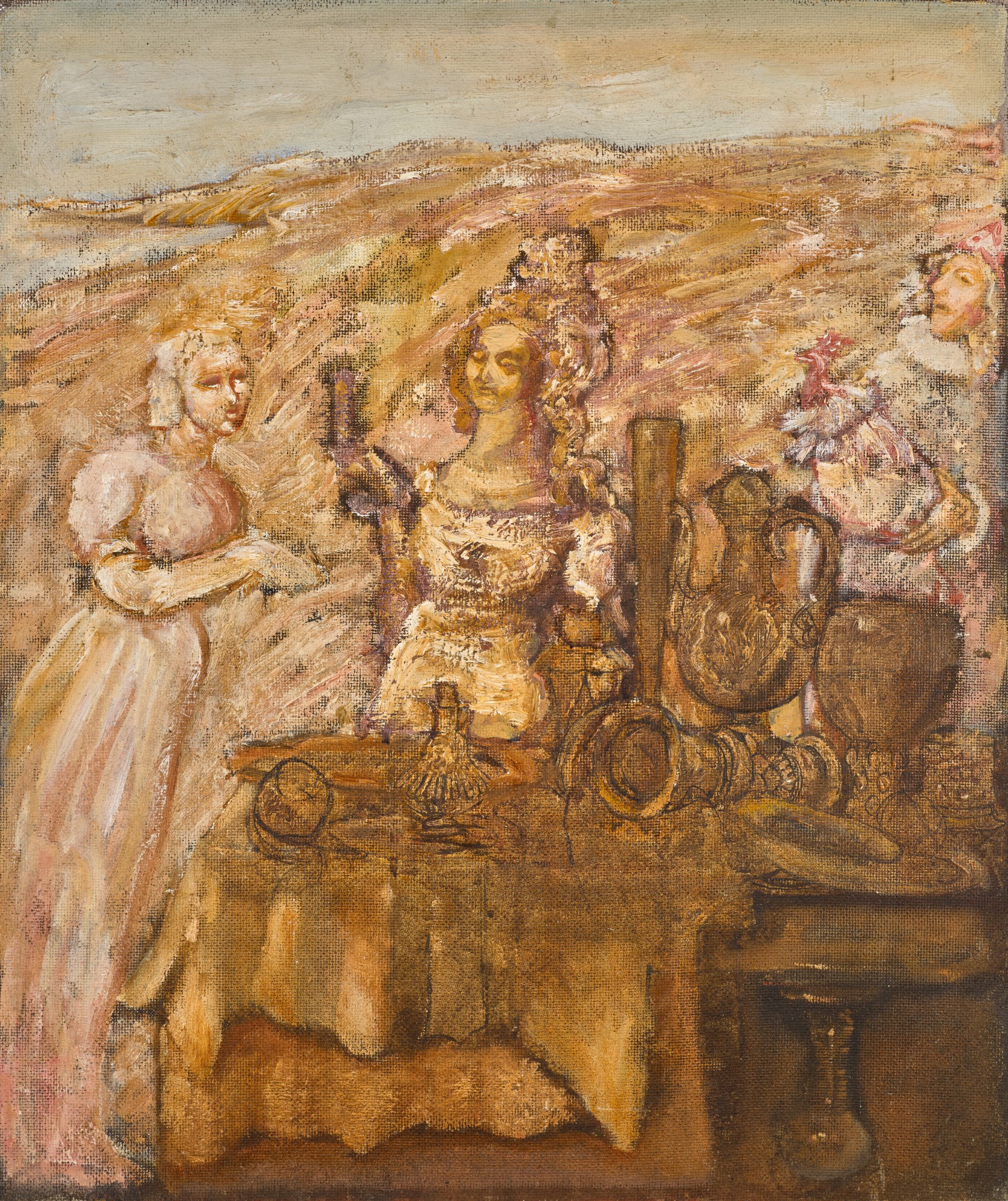
The Ancient Medium Collectors Keep Returning To
There is something almost confessional about living with a tempera painting. The surface holds light differently from oil, differently from acrylic, in a way that resists easy description but is immediately felt. Collectors who have spent time with genuine tempera works often describe a quality of inner luminosity, as though the image is lit from somewhere behind the panel rather than from the wall sconce across the room. That quality is not accidental.
It is the product of a technique that demands extraordinary patience and a particular kind of faith in incremental mark making, and works made this way tend to reward the same qualities in the people who choose to live with them. The compelling thing about collecting in this area is that tempera sits at an unusual crossroads in the market. On one end you have medieval and early Renaissance devotional panels, works of genuine historical weight where the medium and the meaning are inseparable. On the other you have twentieth century painters who returned to tempera deliberately, almost polemically, choosing a slow and exacting process at a moment when speed and gesture dominated critical conversation.
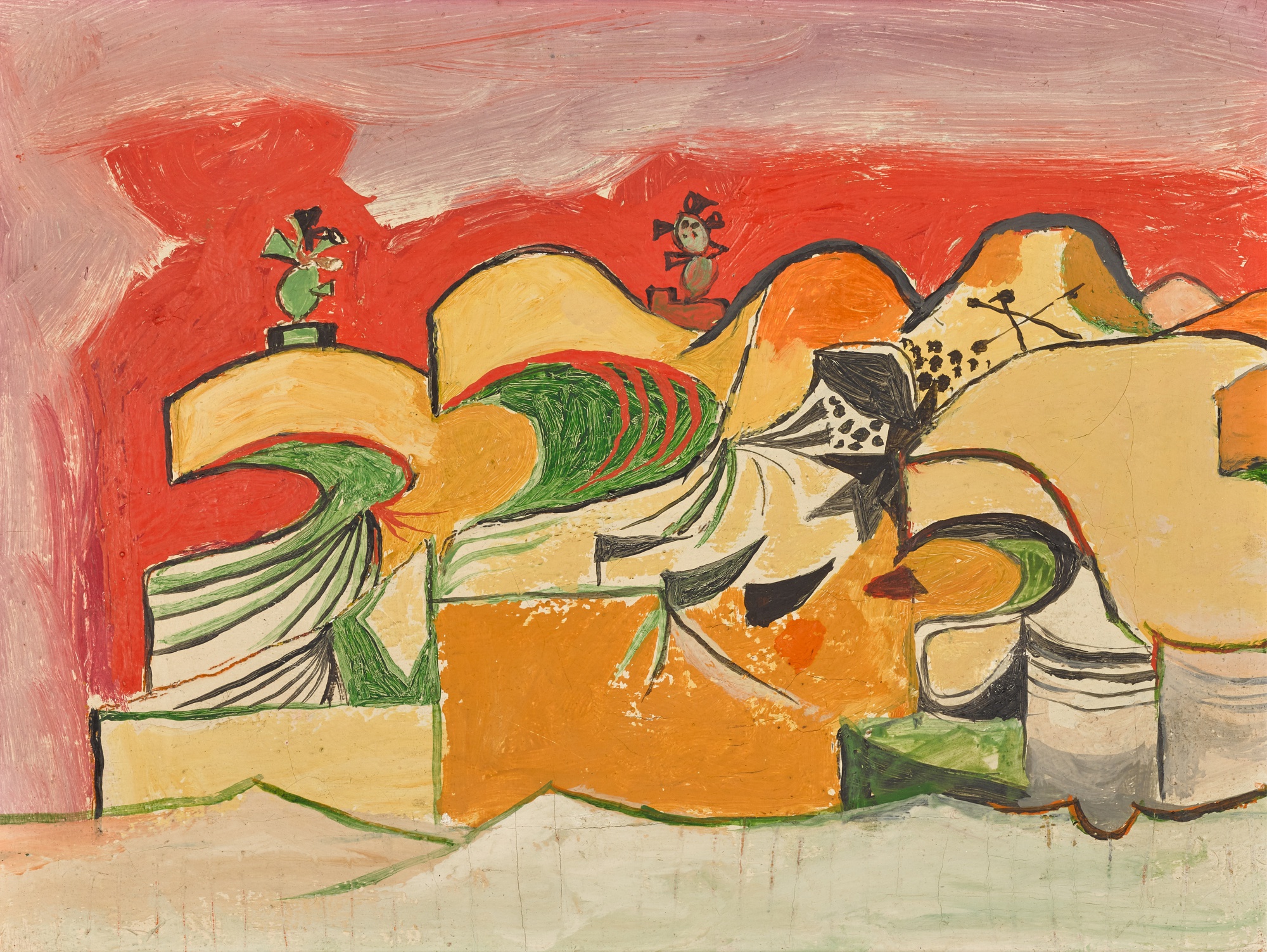
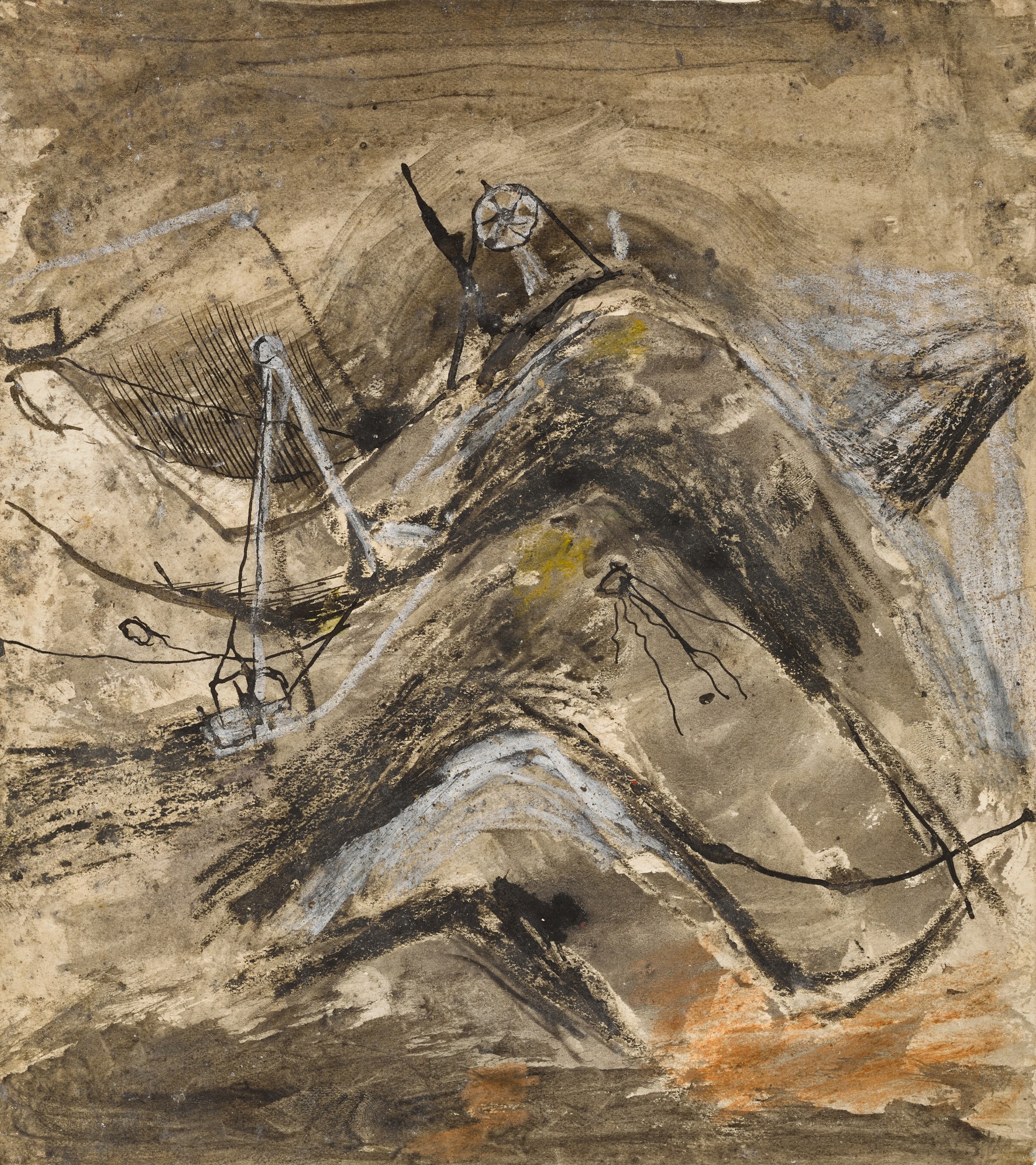
Graham Sutherland
Abstraction Under a Mauve Sky, 1947
Both ends of that spectrum offer serious collecting opportunities, and the territory between them is rich with surprises. What separates a good tempera work from a great one is often invisible to the untrained eye but immediately apparent once you know what to look for. The hatching is the tell. Tempera dries almost instantly on contact with the ground, which means there is no blending in the traditional sense.
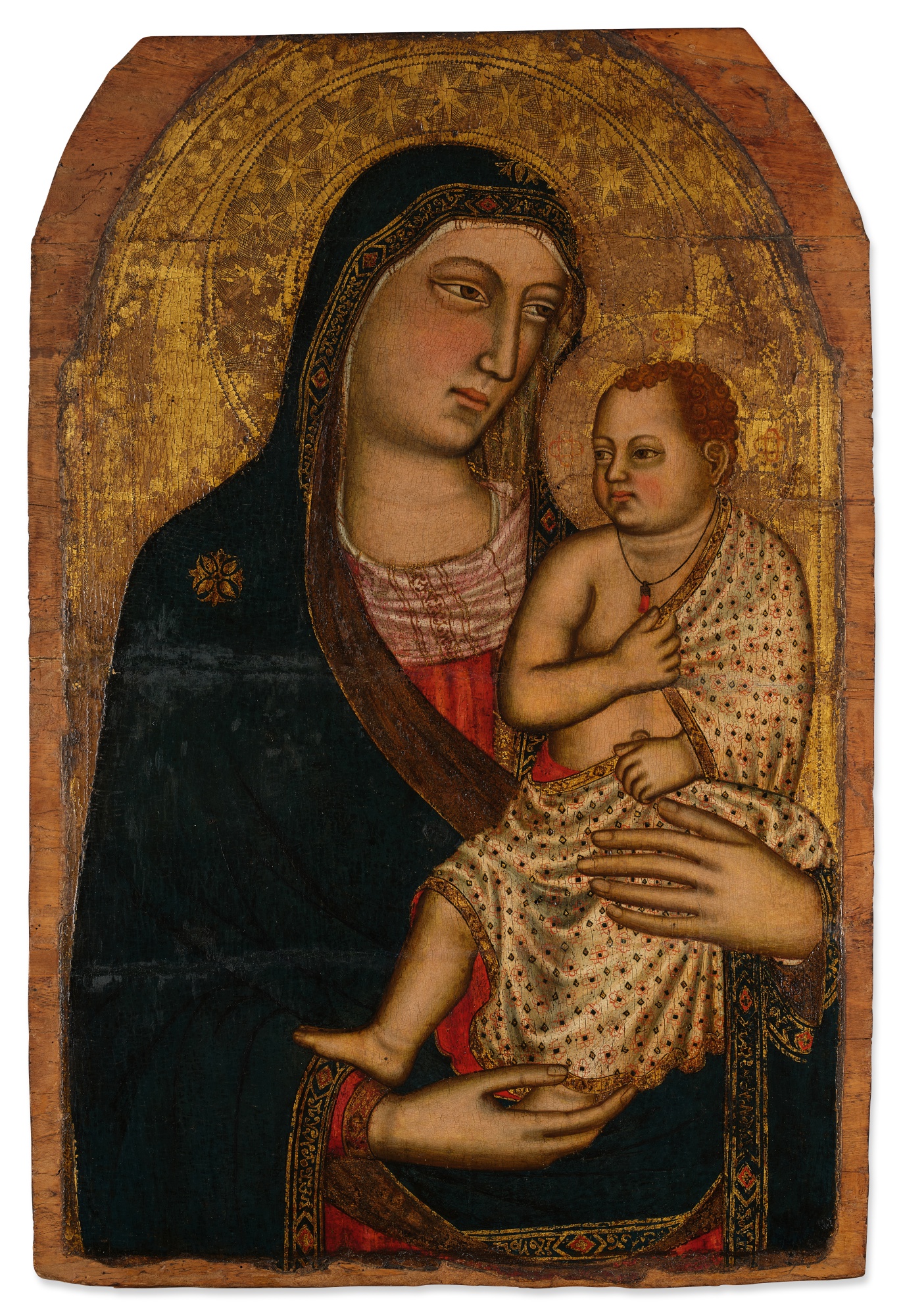
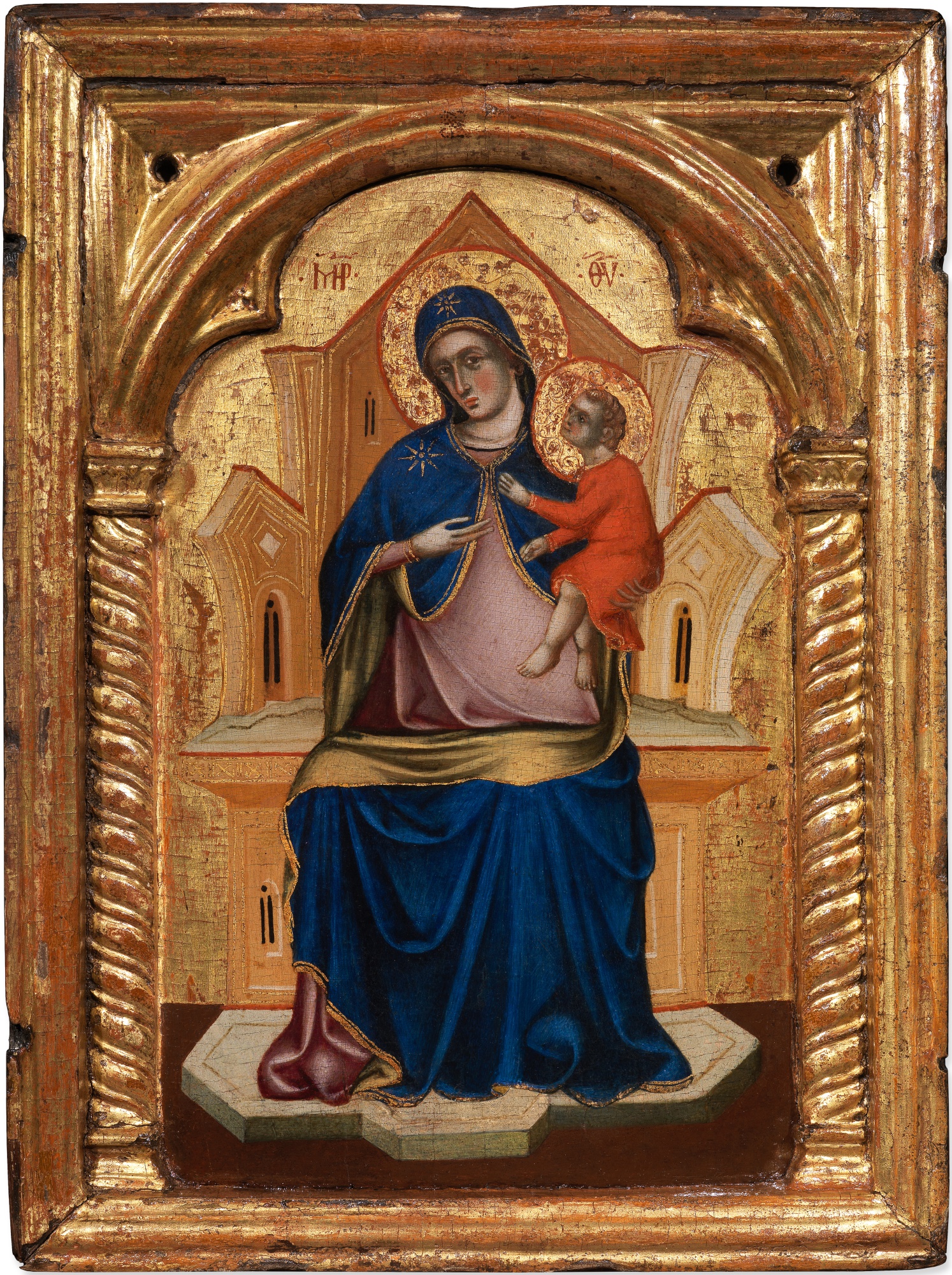
Instead painters build tone and volume through layered crosshatching, fine parallel strokes that accumulate into form. In the strongest works this system becomes almost musical, with a rhythm and logic that holds up under close scrutiny. When you see it functioning at a high level, in a panel by Niccolò di Pietro Gerini for instance, or in works attributed to the Follower of Paolo Veneziano, the discipline required becomes almost overwhelming to contemplate. That discipline is what you are paying for, and it is what gives the best tempera works their strange authority.

Thomas Hart Benton
Instruction (The Bible Lesson), 1940
Among the artists represented on The Collection, Jacob Lawrence is a name that deserves particular attention from anyone thinking seriously about tempera as a collecting focus. Lawrence worked primarily in egg tempera and gouache, and his command of the medium was central rather than incidental to his practice. The flatness that tempera encourages aligned perfectly with his visual language of compressed space and bold silhouette, and the result is a body of work that feels both historically rooted and entirely contemporary. Jared French is another figure worth serious consideration.
French was a meticulous craftsman whose tempera paintings of the 1940s carry an uncanny psychological stillness. He has been undervalued relative to his peers for too long, and that gap between critical reputation and market price will not persist indefinitely. Thomas Hart Benton also used tempera to striking effect, and his works in the medium have a solidity that separates them from his more gestural productions. For collectors with an eye on emerging and underrecognized territory, the conversation around tempera is genuinely opening up.
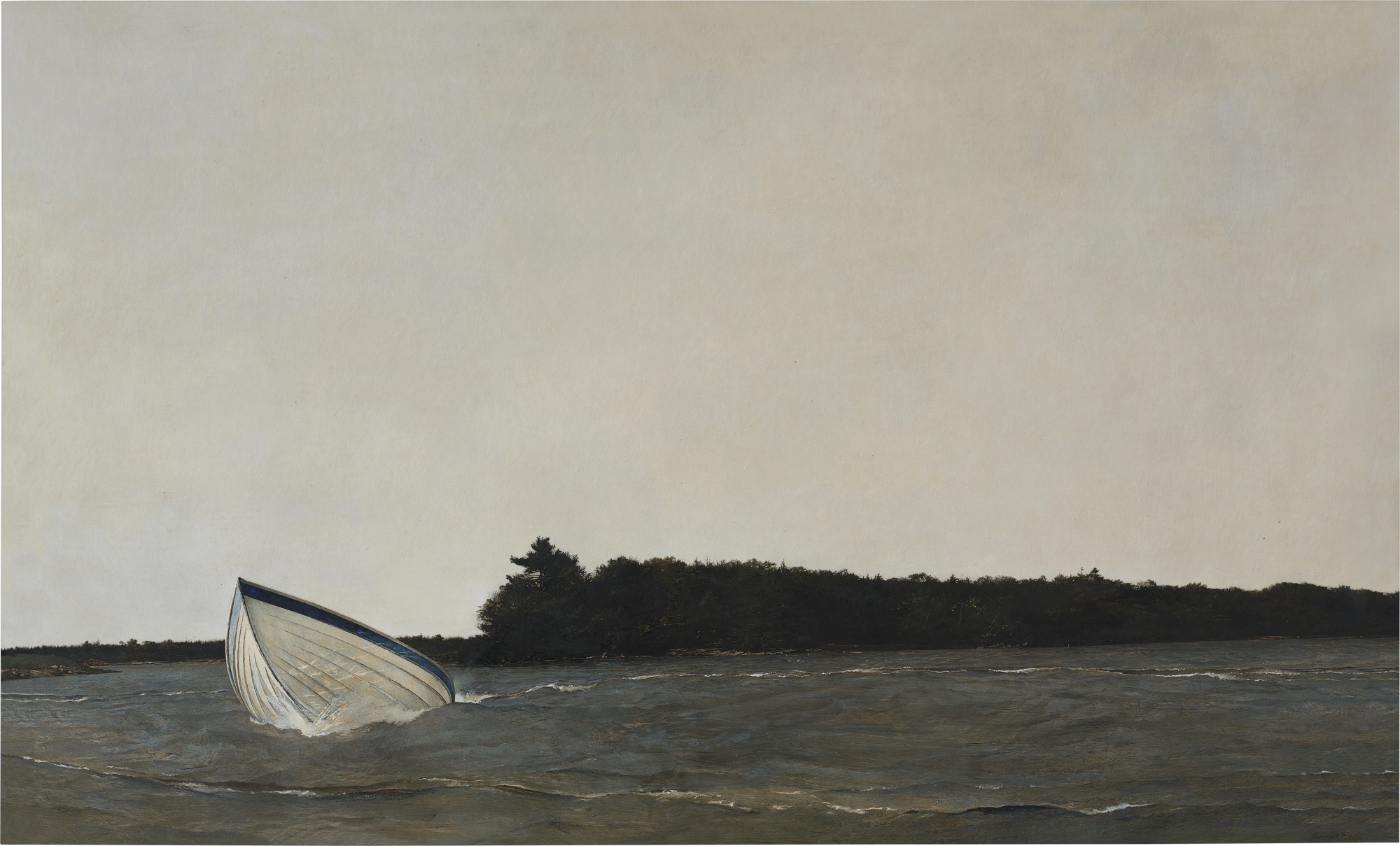
Andrew Wyeth
The Wake, 1964
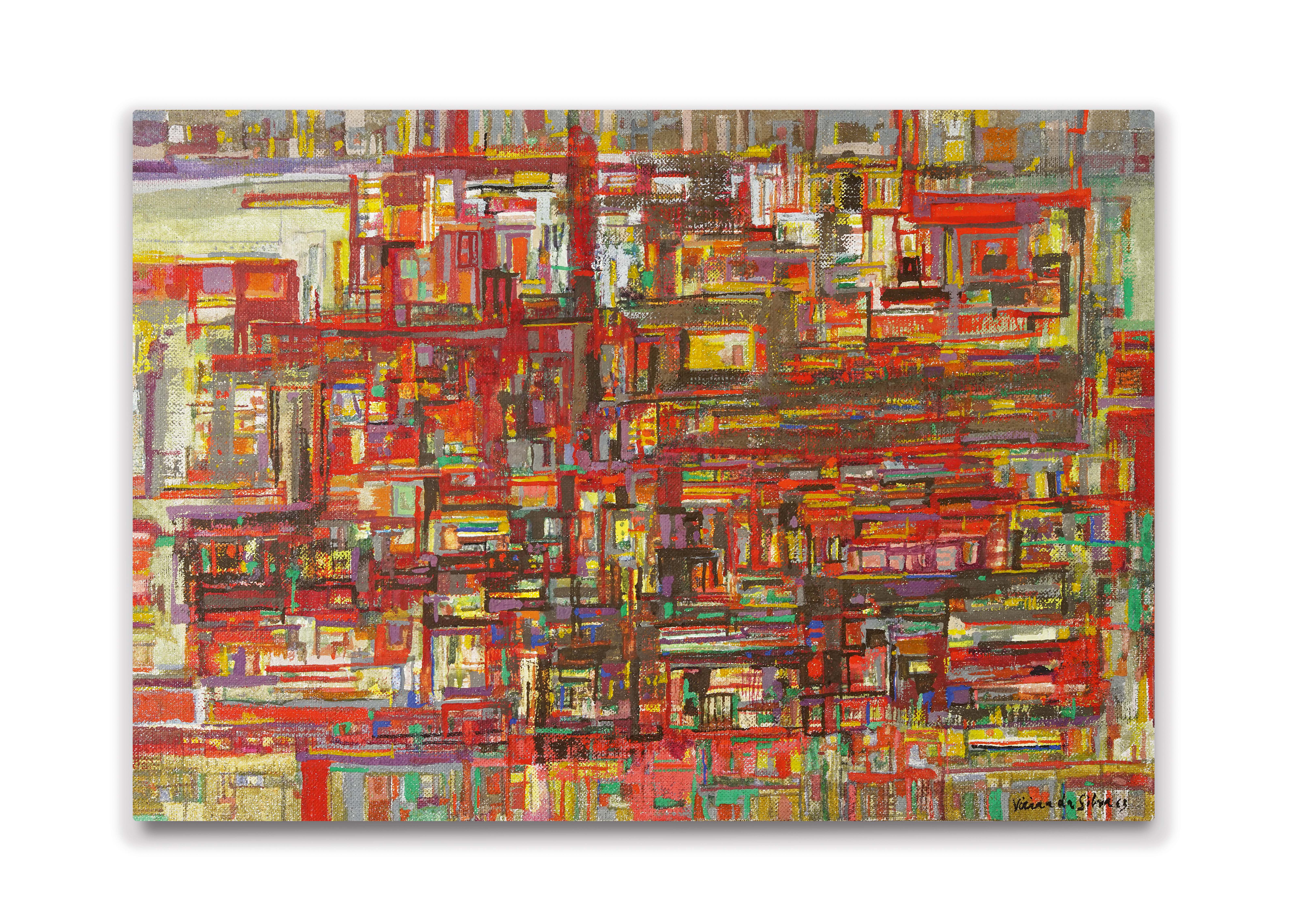
Artists working in Brazil and West Africa have engaged with egg based and natural resin based techniques in ways that complicate the standard European narrative of the medium. Chico da Silva, represented on The Collection, worked with pigments and processes that connect to a much broader global tradition of surface making. His work is gaining serious institutional attention, and prices have not yet caught up with that interest. Similarly, Sergei Essaian works in a mode that draws on both Byzantine iconographic tradition and a distinctly contemporary sensibility.
These are artists for whom the medium carries cultural and spiritual meaning beyond its technical properties, and that depth tends to sustain long term market interest. At auction, early tempera panels have shown remarkable resilience across market cycles. Works with clear provenance and strong condition have consistently outperformed estimates at the major houses, particularly when they come with institutional exhibition history. The secondary market for twentieth century American tempera painters has been more volatile, with Lawrence and Benton attracting competitive bidding while slightly lesser known figures occasionally slip through at prices that represent genuine value.

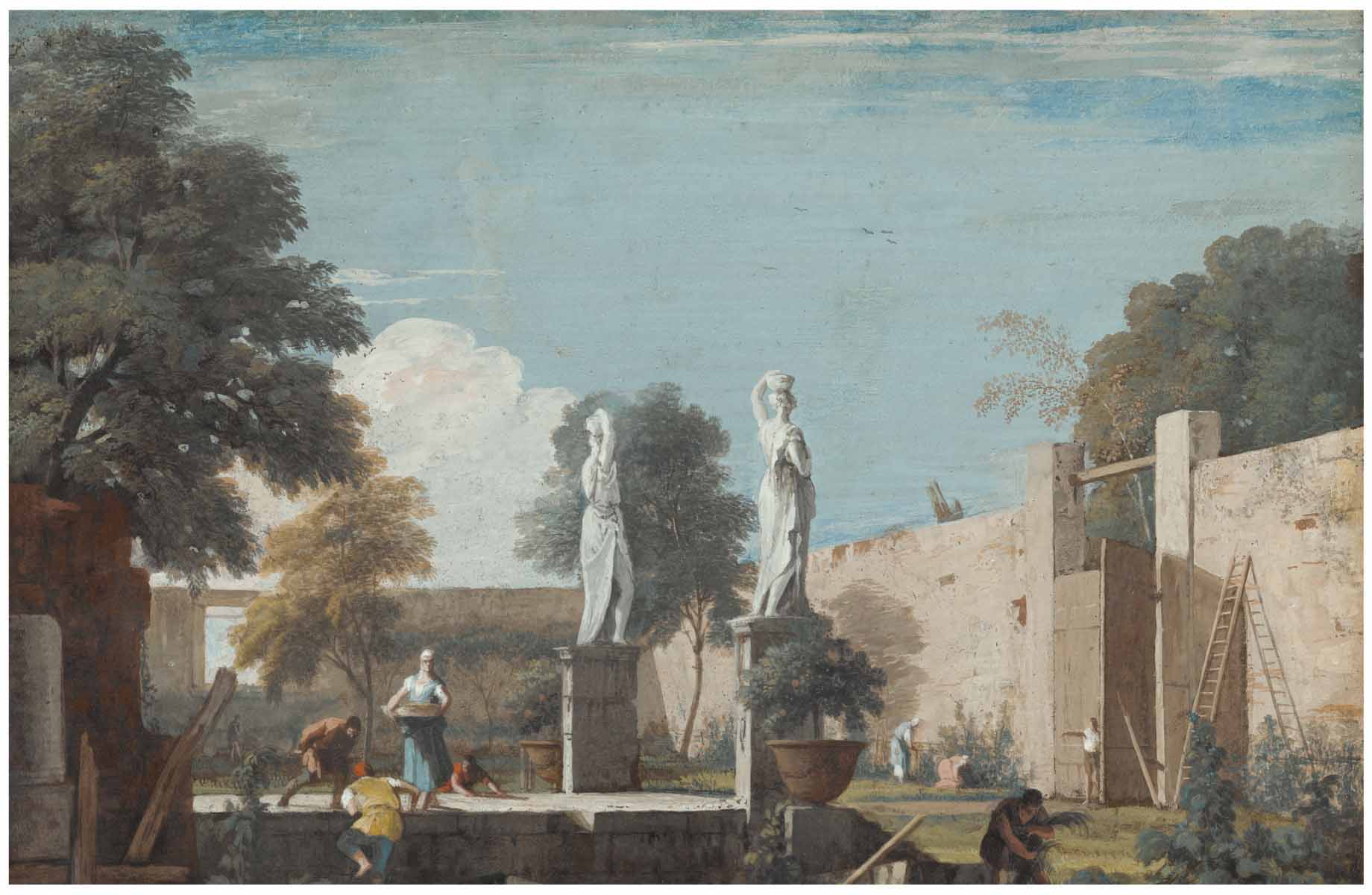
Circle of Jan van Scorel
Adam and Eve in Paradise
The key in this segment is knowing which artists have genuine museum relationships and which have relied primarily on commercial gallery support, since institutional validation correlates strongly with price stability over time. Practical advice for tempera collectors begins with condition, because the medium has specific vulnerabilities that differ from oil on canvas. Panel supports can be affected by changes in humidity and temperature in ways that cause cracking or delamination of the ground layer. Before acquiring any historical tempera panel, commission a conservator's report rather than relying on a gallery condition statement.
Ask specifically about the stability of the gesso ground and whether any previous restoration involved fills or inpainting over structurally significant areas. For twentieth century works on board or paper, ask about exhibition history and how the work has been stored. Tempera films can be fragile under certain lighting conditions, so display away from direct sunlight and consider UV filtering glazing even for works not conventionally thought to require it. When speaking with a gallery about a tempera acquisition, the most useful questions are often the most specific ones.
Ask about the support material, whether it is wood panel, board, or a prepared fabric, and ask what is known about the ground preparation. Ask whether the work has been examined under ultraviolet light and what that examination revealed. For historical works, ask about prior ownership and whether any technical analysis has been carried out. The galleries that represent tempera works with genuine seriousness will welcome these questions.
The ones that hesitate or redirect are telling you something important. The medium rewards patience in its making, and it rewards the same quality in its collectors.