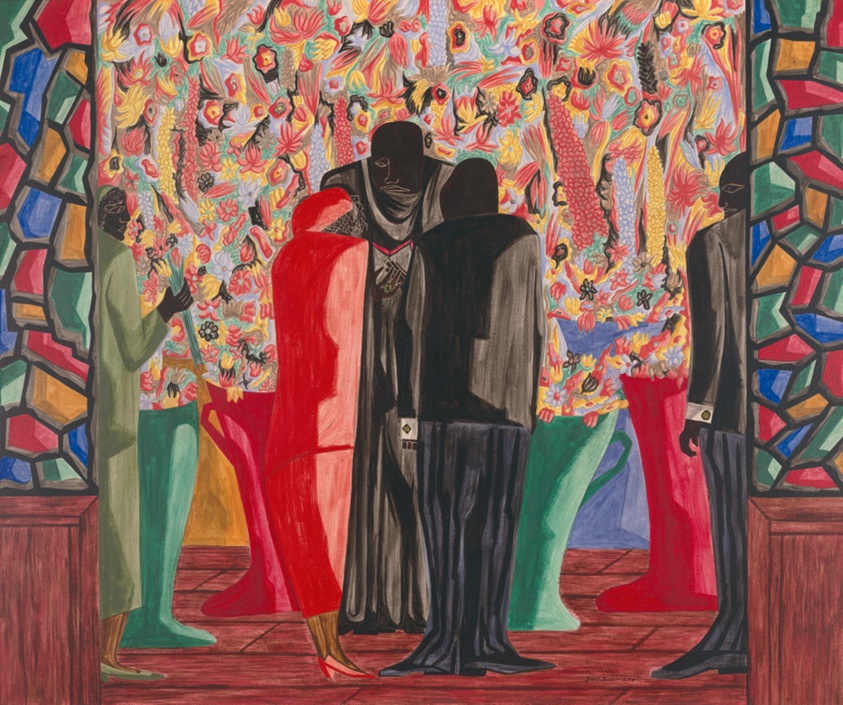
Jacob Lawrence
Artist Spotlight
Jacob Lawrence, Painter of Living American History
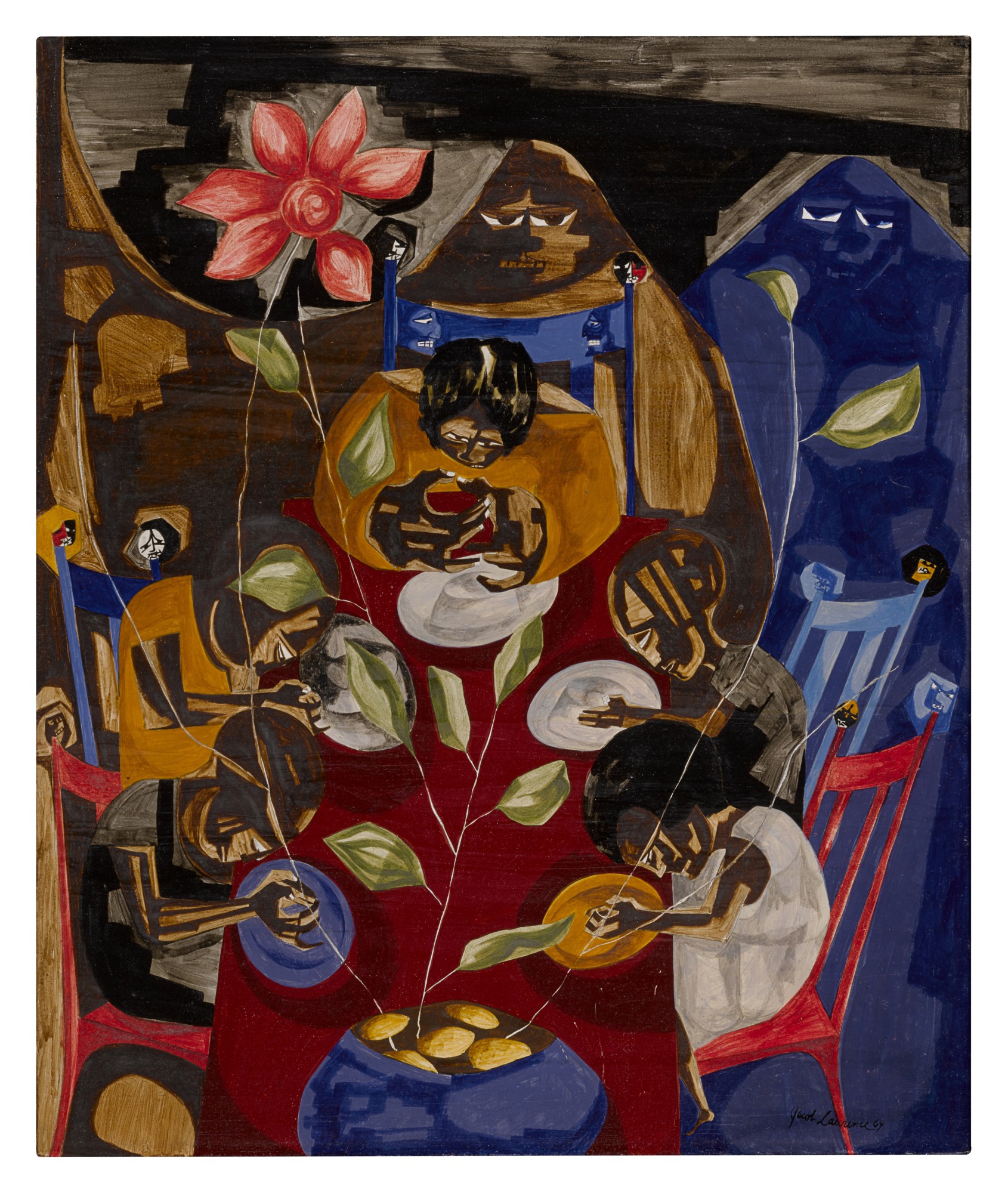
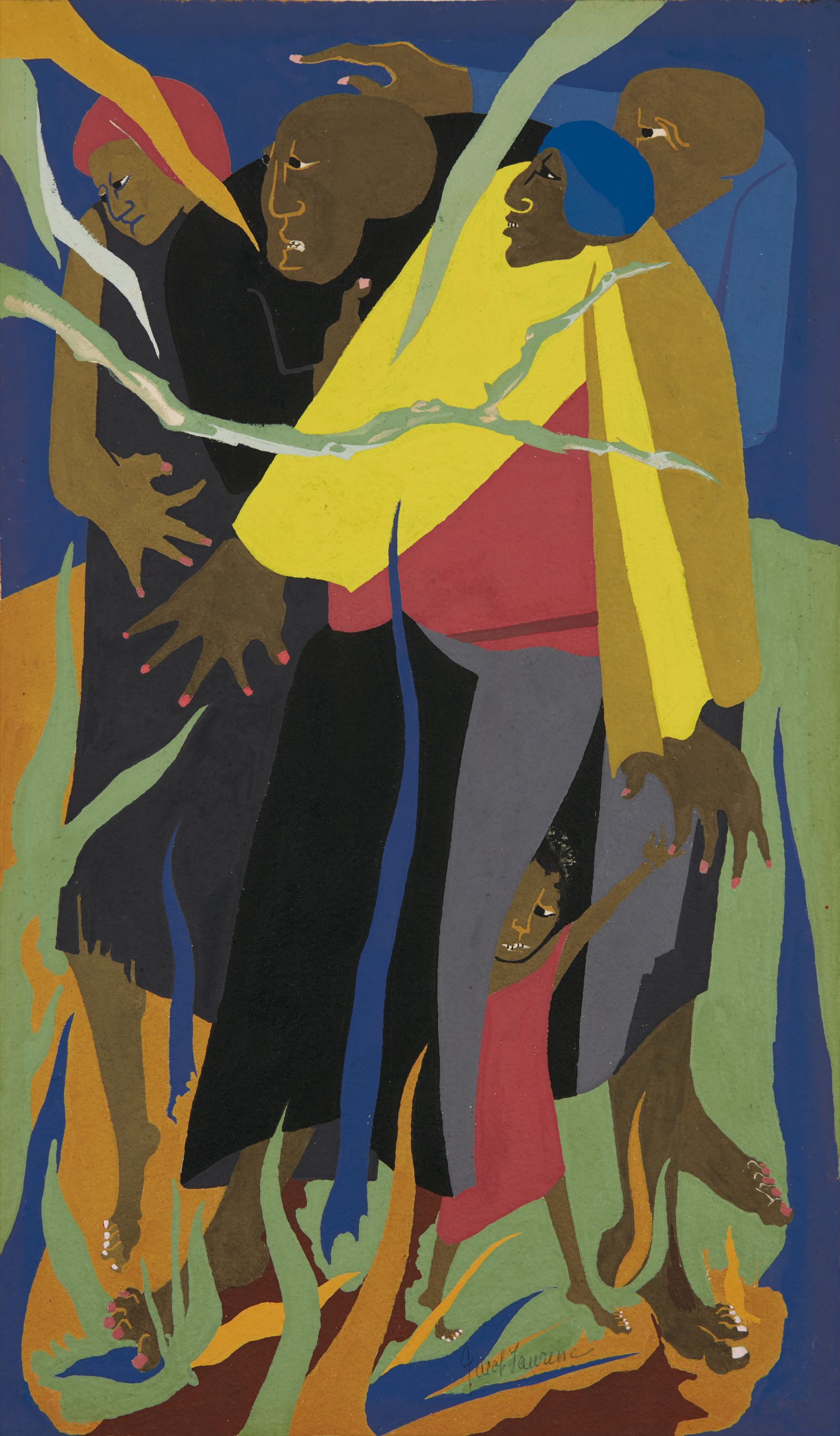
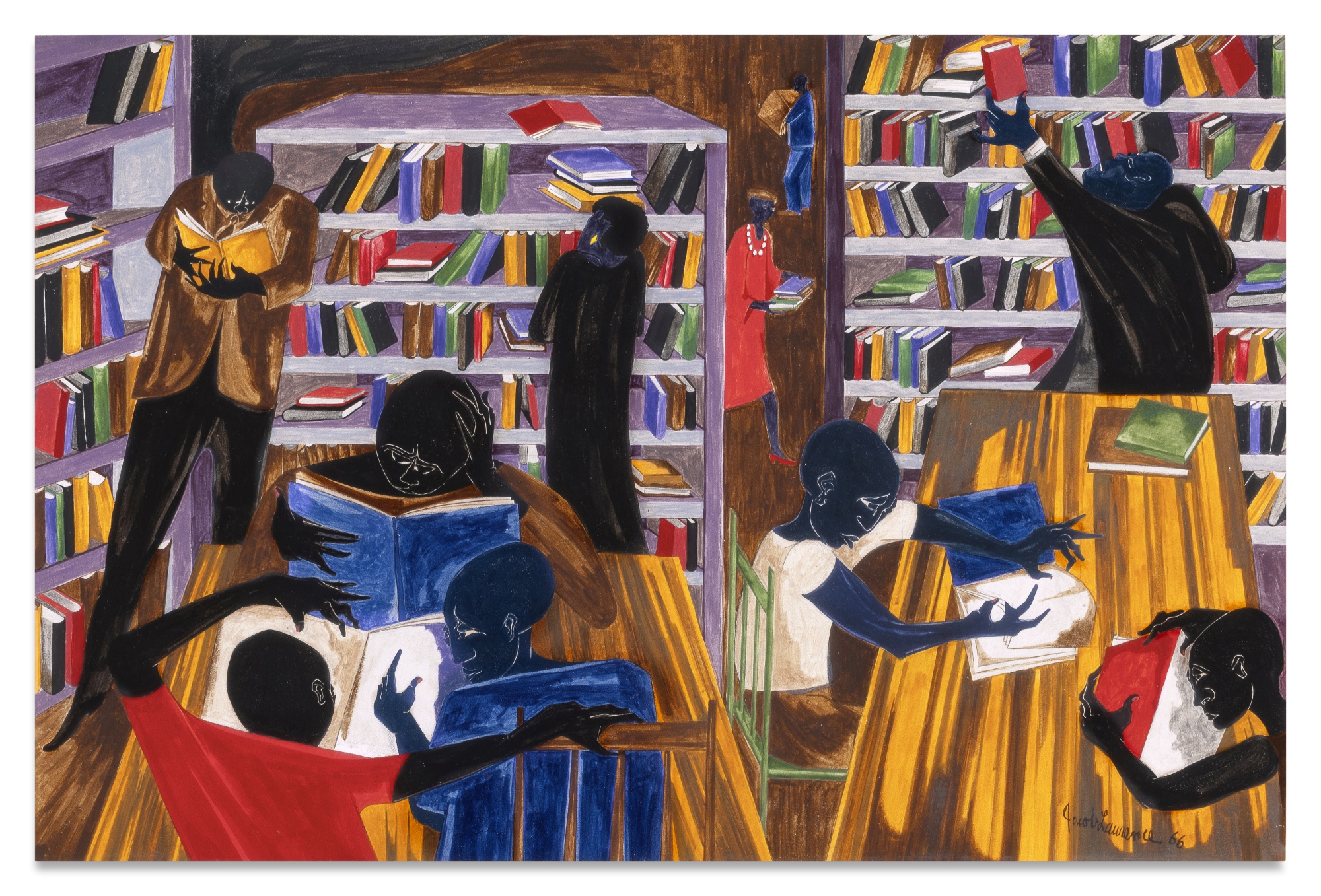
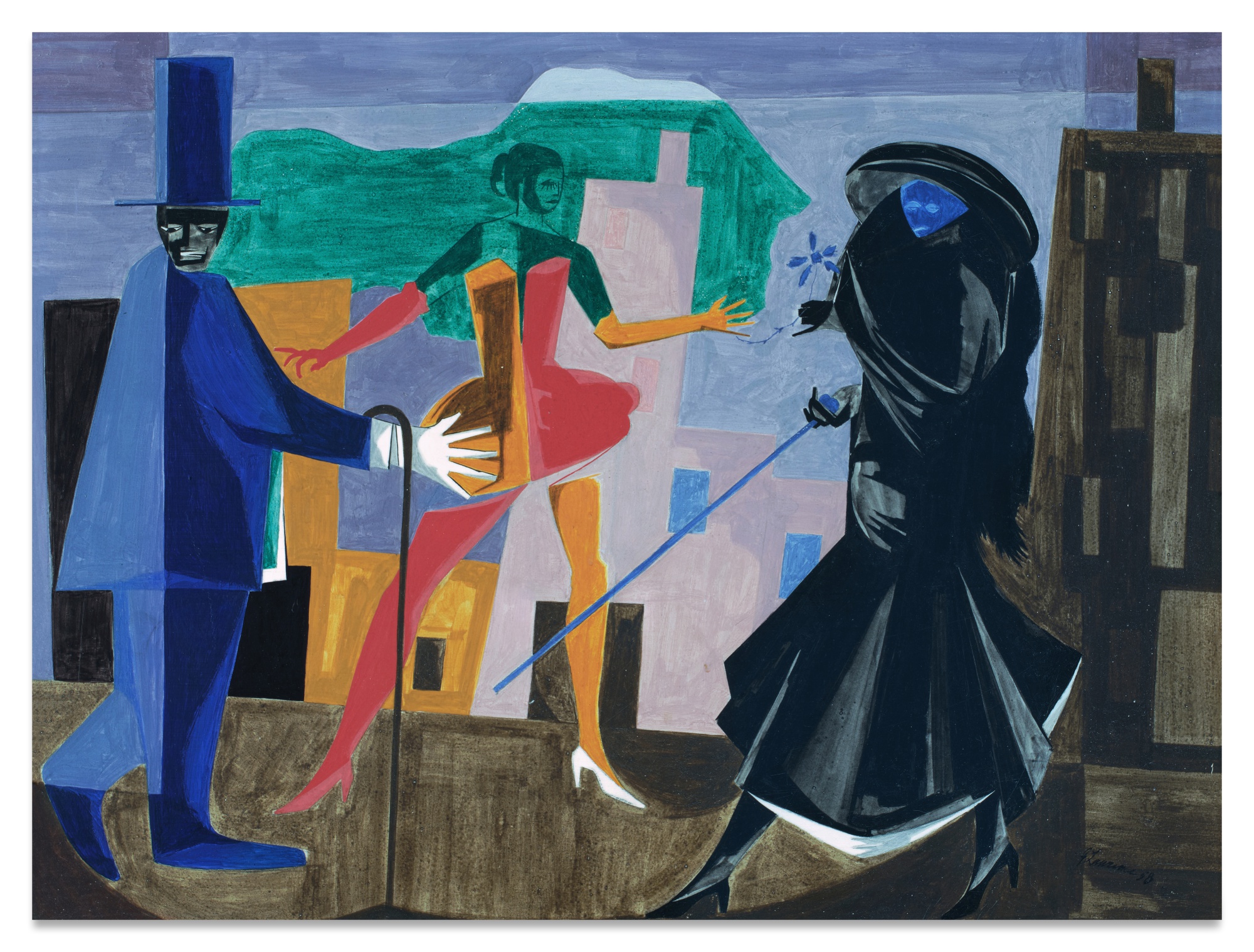
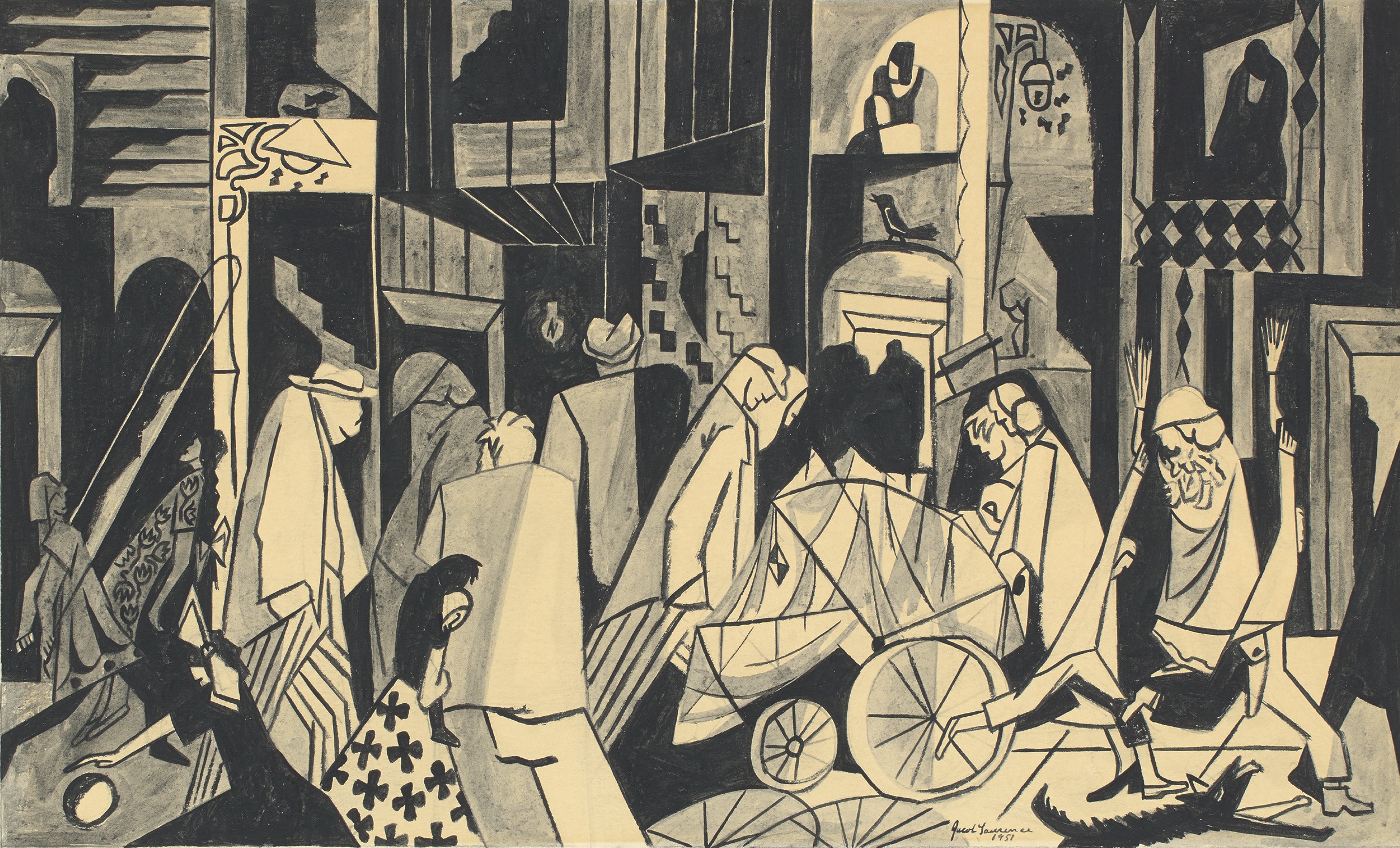
In the permanent collection galleries of the Museum of Modern Art in New York, visitors still stop cold in front of them. Sixty panels, each one a compressed world of flat color and angular form, each one a chapter in one of the most ambitious storytelling projects in the history of American painting. Jacob Lawrence completed his Migration Series in 1941, when he was just twenty four years old, and it immediately entered the canon. Today, split between MoMA and the Phillips Collection in Washington D. C., the work feels not like a relic but like a living document, as urgently relevant to… Continue reading
Spotted by
Artists in conversation

Romare Bearden
Bearden similarly used bold visual language and fragmented narrative forms to document African American life and history. Both artists combined modernist abstraction with deeply social and culturally rooted storytelling.
Charles White
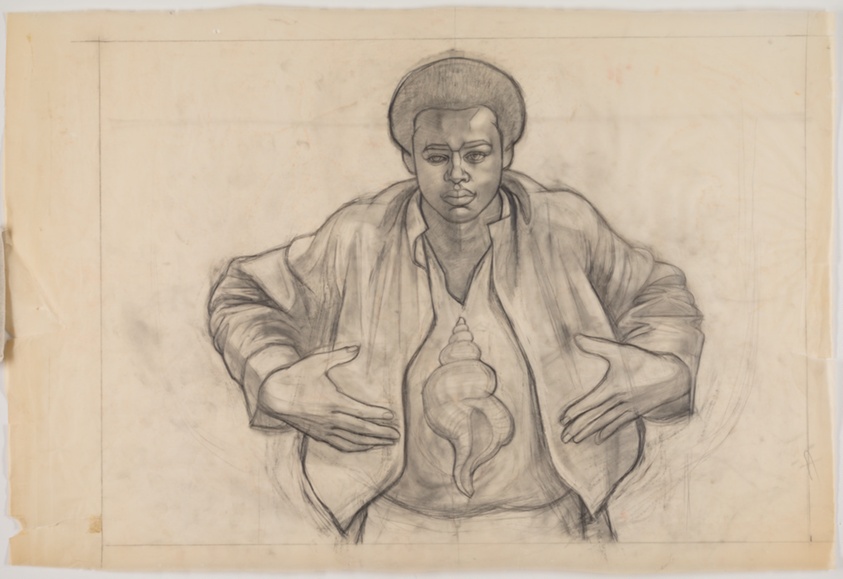
White shared Lawrence's commitment to depicting African American figures with dignity and historical weight through figurative art grounded in social realism. Both artists emerged from similar cultural milieus and pursued narrative work centered on Black experience.
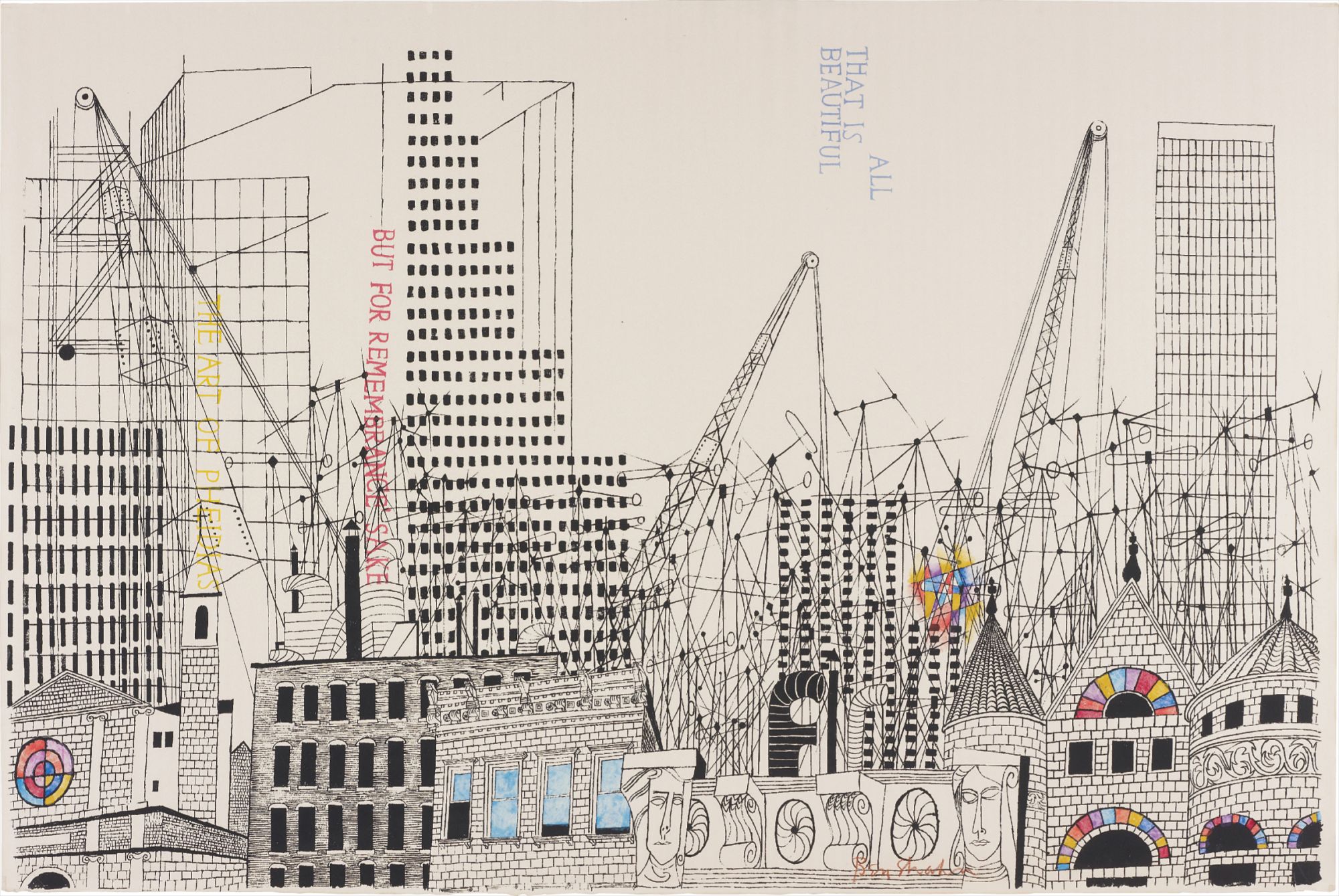
Ben Shahn
Shahn combined social realist themes with flattened modernist design in tempera and other media, paralleling Lawrence's visual approach to depicting labor and struggle. Both artists used simplified figuration and bold color to convey political and human narratives.
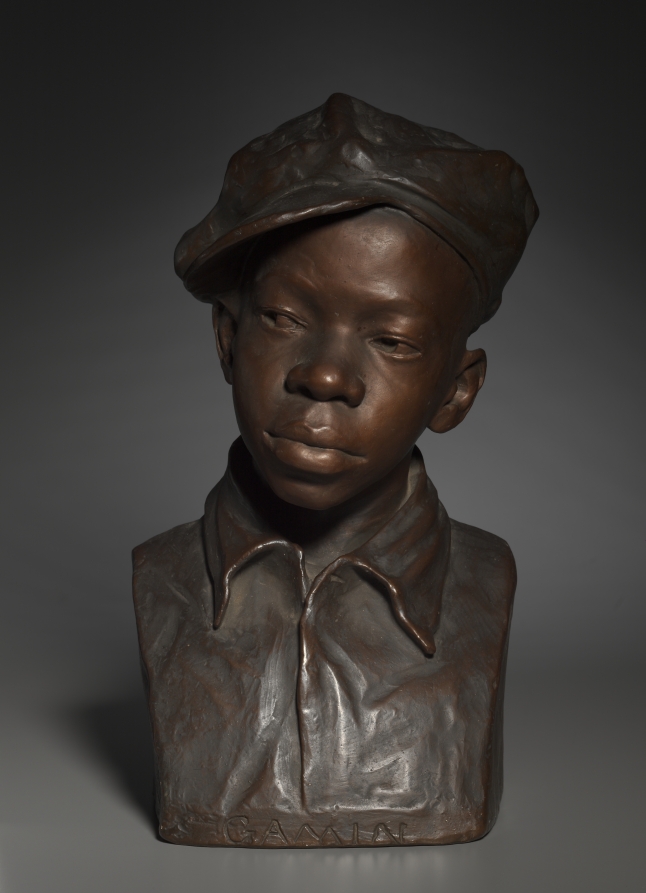
Artists they inspired
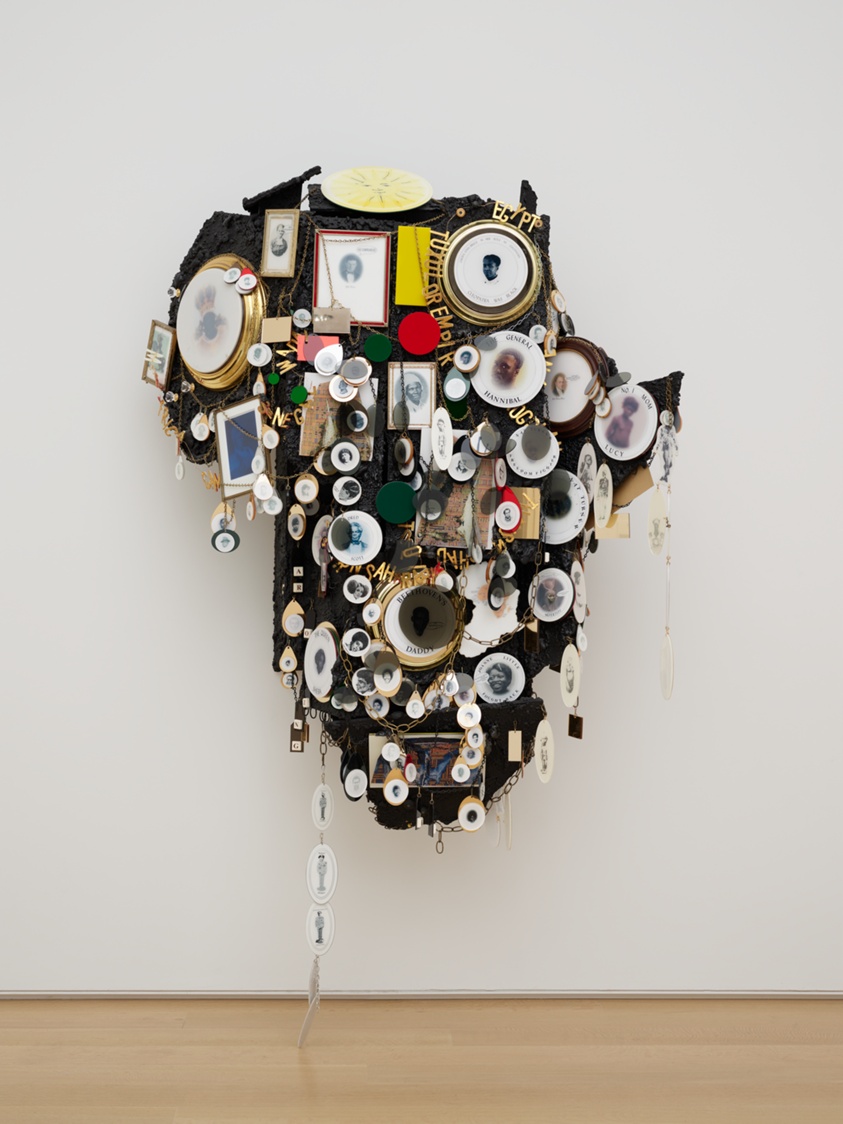
Kerry James Marshall
Marshall has explicitly acknowledged Lawrence as a forerunner in creating monumental narrative painting that centers Black history and culture within the canon of American art. His commitment to depicting African American figures with historical seriousness and formal ambition builds directly on Lawrence's legacy.
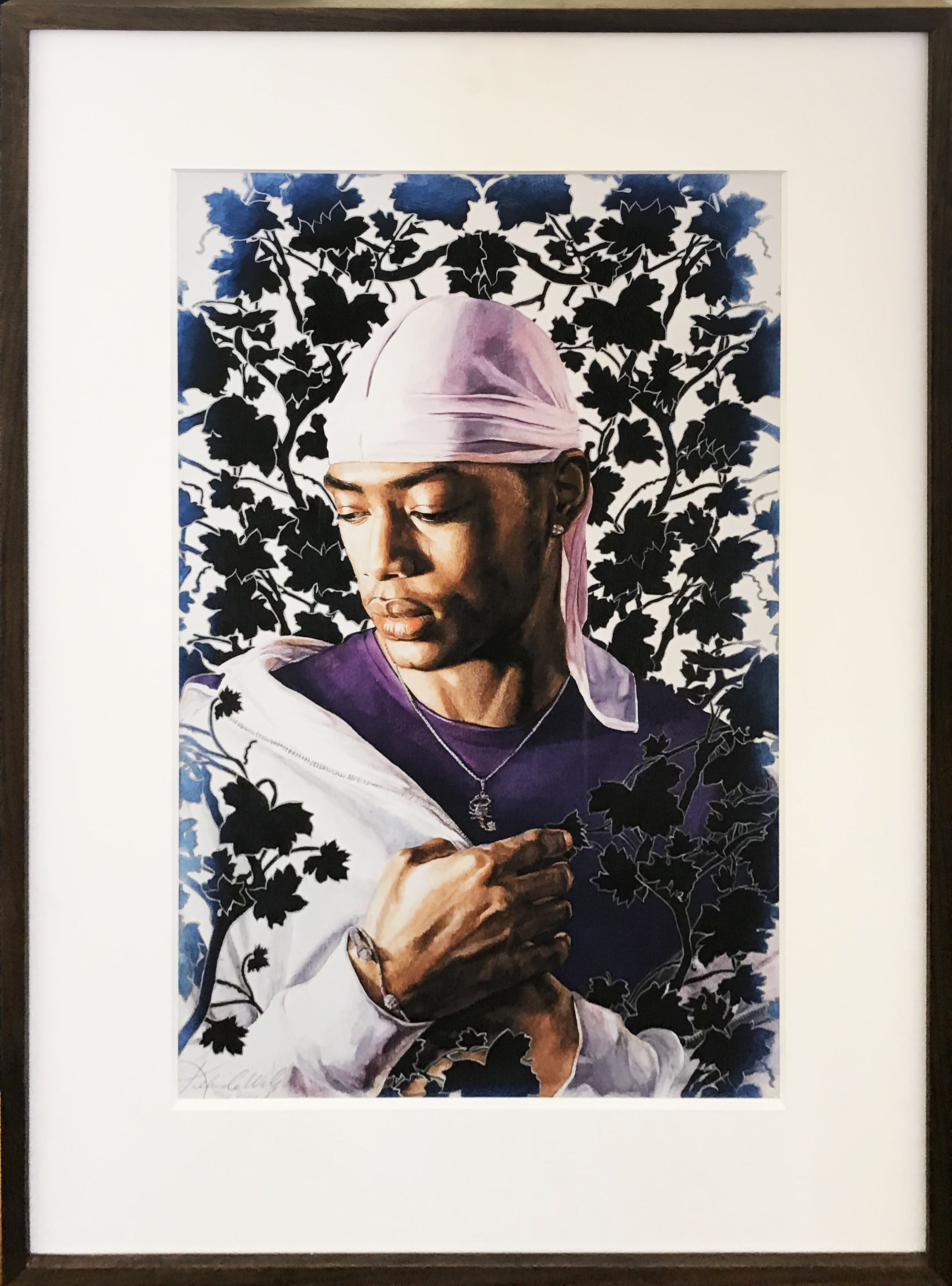
Kehinde Wiley
Wiley's project of inserting Black figures into grand historical and narrative painting traditions reflects the path Lawrence opened for artists who foreground African American identity in formal art contexts. Lawrence's insistence on Black historical subjects as worthy of serious artistic treatment provided a crucial foundation for Wiley's practice.
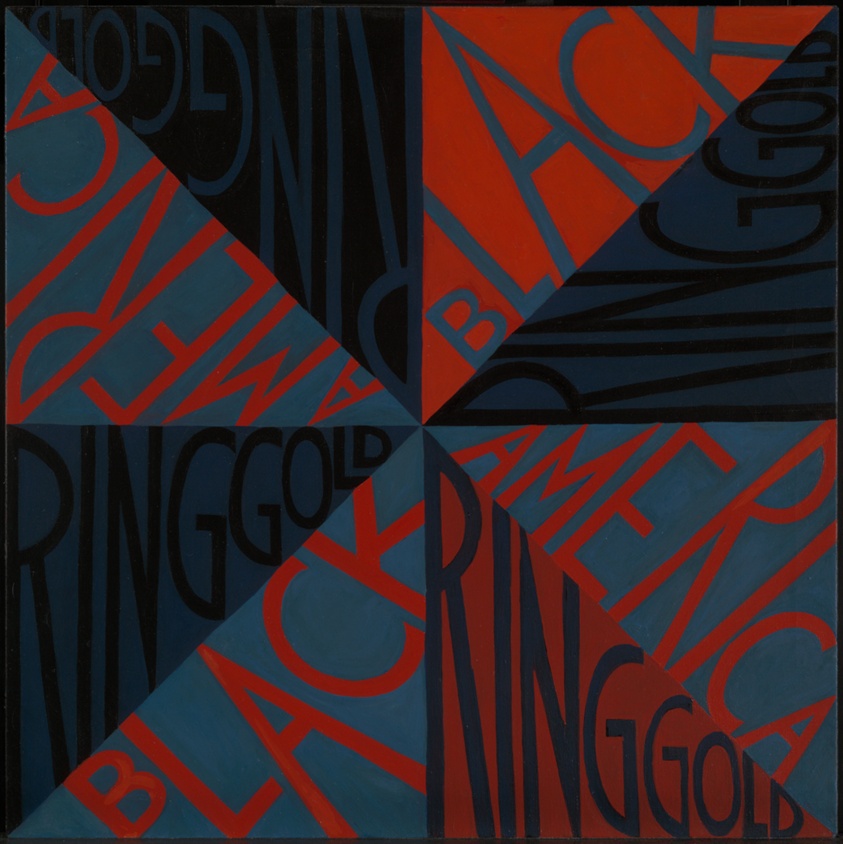
Faith Ringgold
Ringgold's narrative visual storytelling centered on African American history and the civil rights struggle echoes Lawrence's pioneering use of sequential imagery to document Black experience. Both artists combined activist intent with bold graphic design to create accessible yet powerful historical narratives.