Television
Nam June Paik
Beuys as Indian Chief and TV Eyes

The Screen That Ate the World
There is a particular quality of light that a television set casts on a face in a dark room. Cold, flickering, intimate and alienating all at once. Artists noticed it almost immediately. Long before the medium became something you carry in your pocket, long before it dissolved into an endless scroll, television announced itself as the defining visual environment of the twentieth century.
The question was never whether art would respond. The question was how, and with what urgency, and whose hand would get there first. The story of television as an artistic subject and an artistic medium is inseparable from the Cold War moment in which it matured. By the late 1950s, the television set had migrated from novelty to necessity in American and European homes.
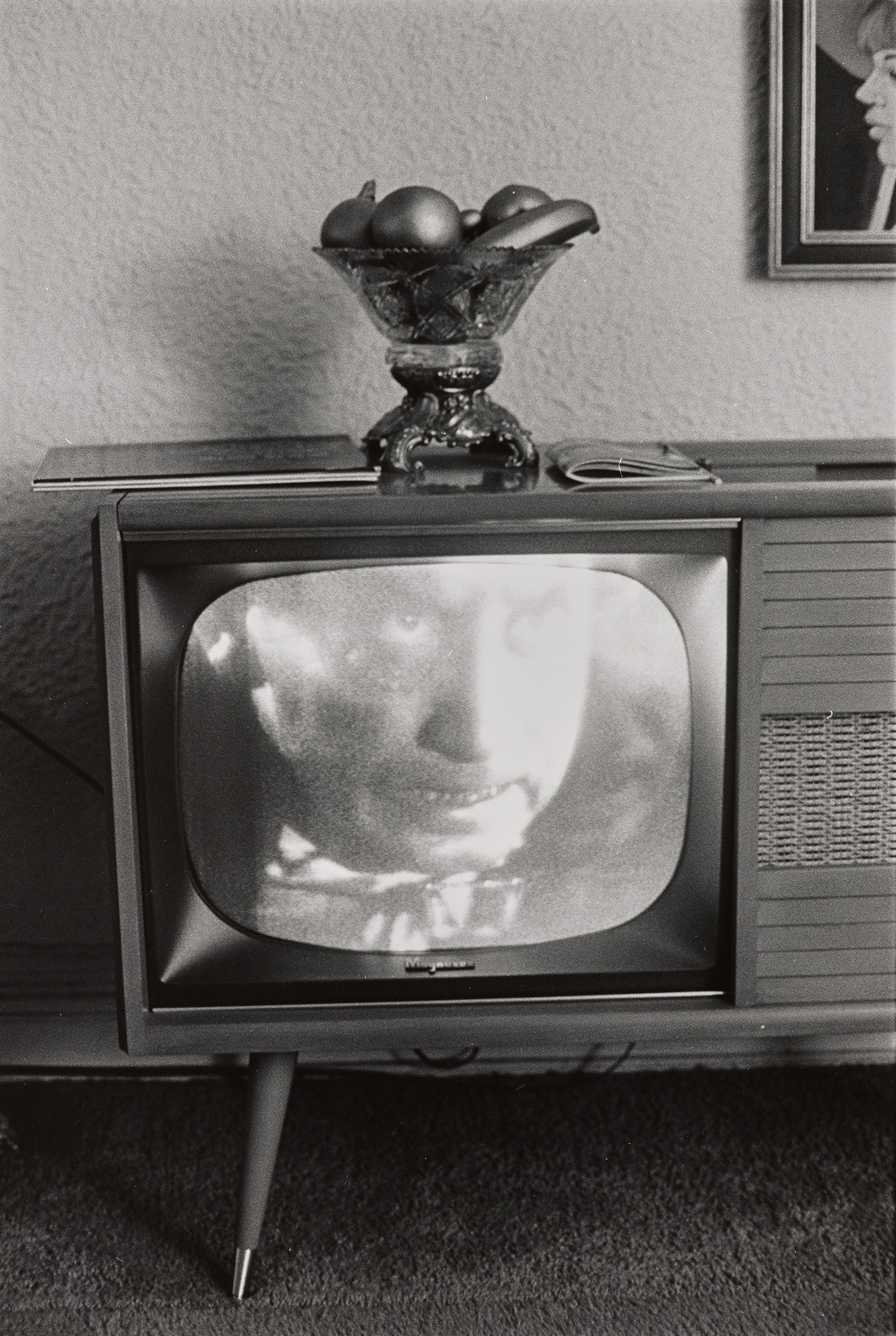
Peter Hujar
Dracula on Television
It reorganized domestic space, relocated the family gathering point from the hearth to the screen, and delivered a new kind of shared reality that was simultaneously universal and deeply strange. Artists who were paying attention understood that something fundamental had shifted in how images were made, circulated, and consumed. The readymade was no longer just a urinal. It was a broadcast.
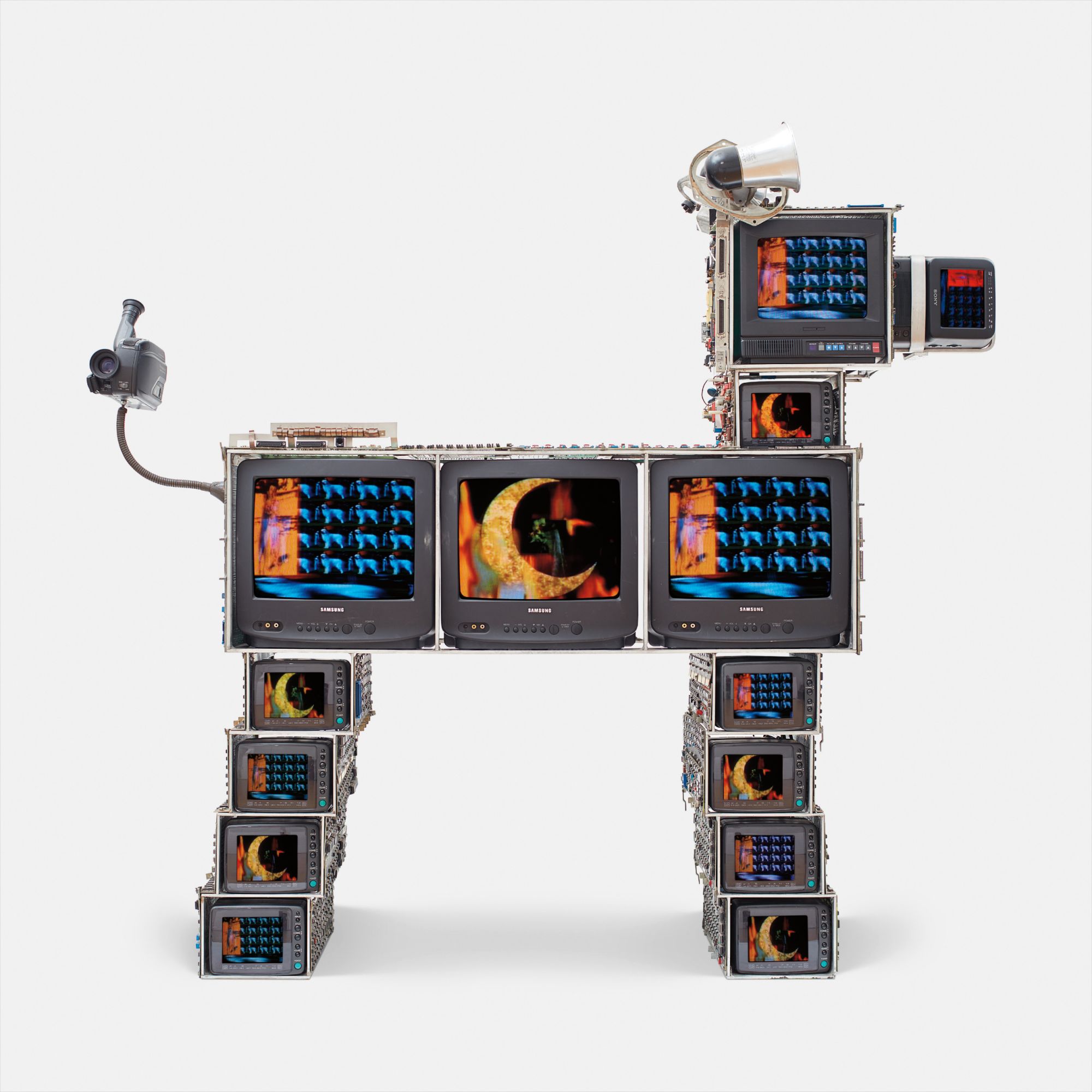
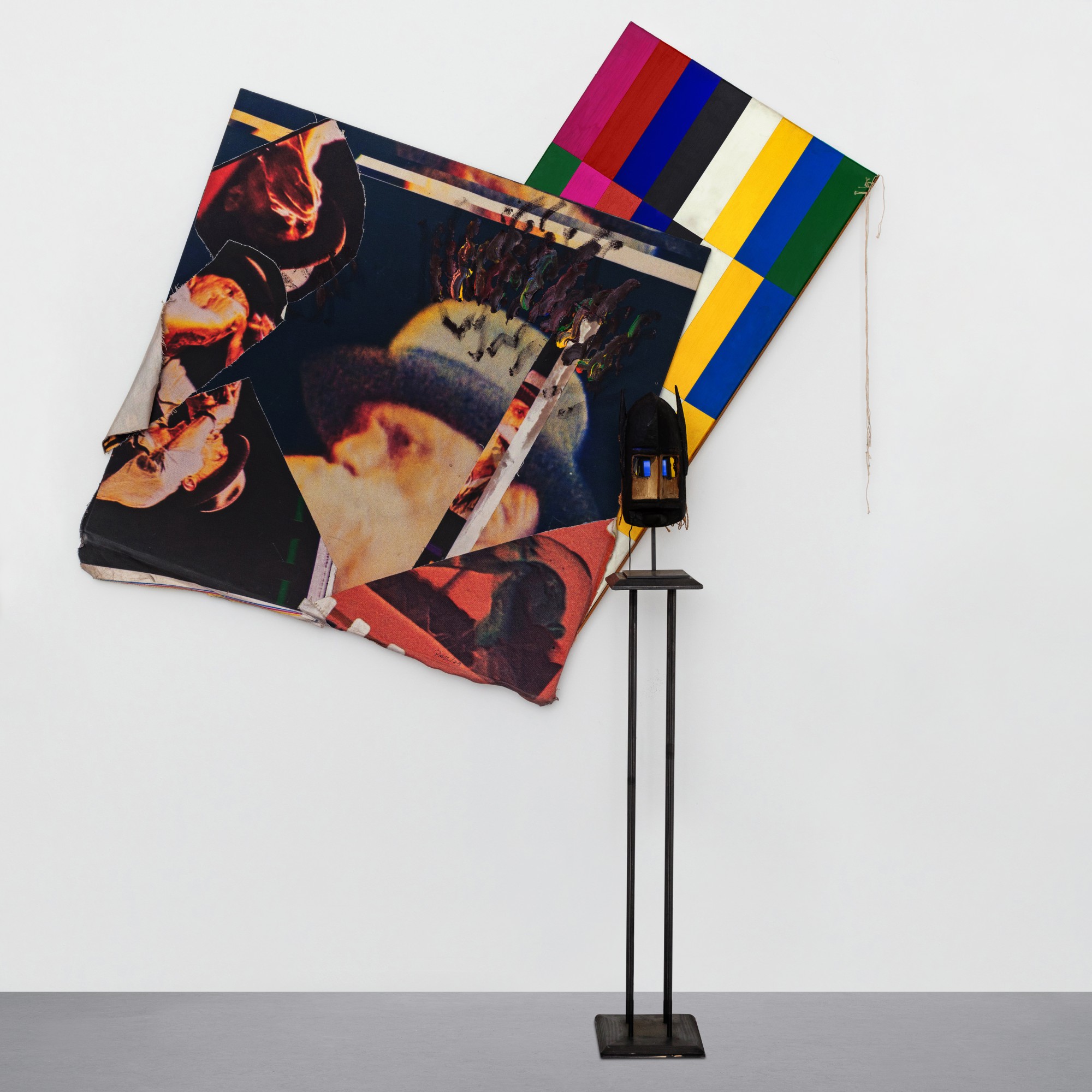
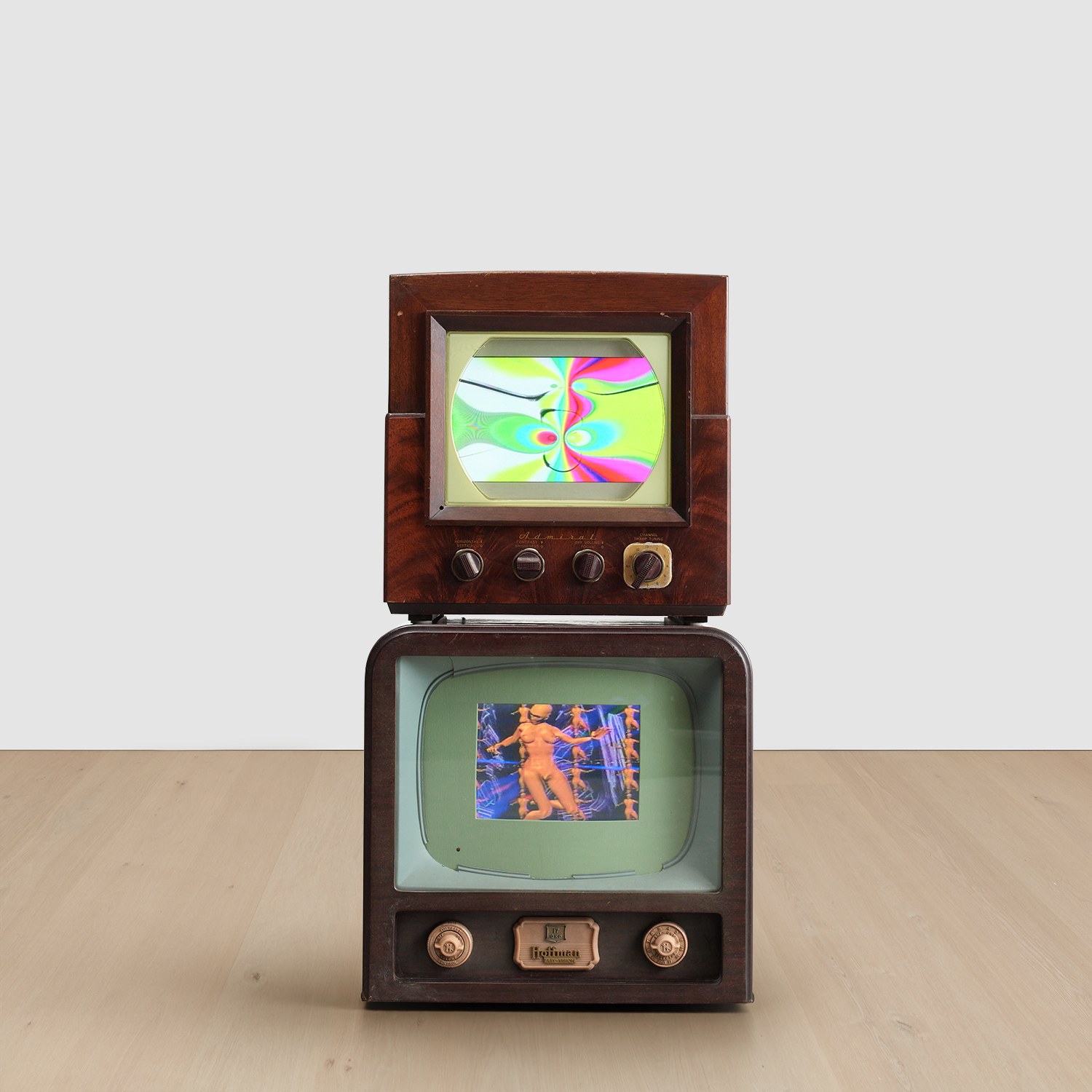
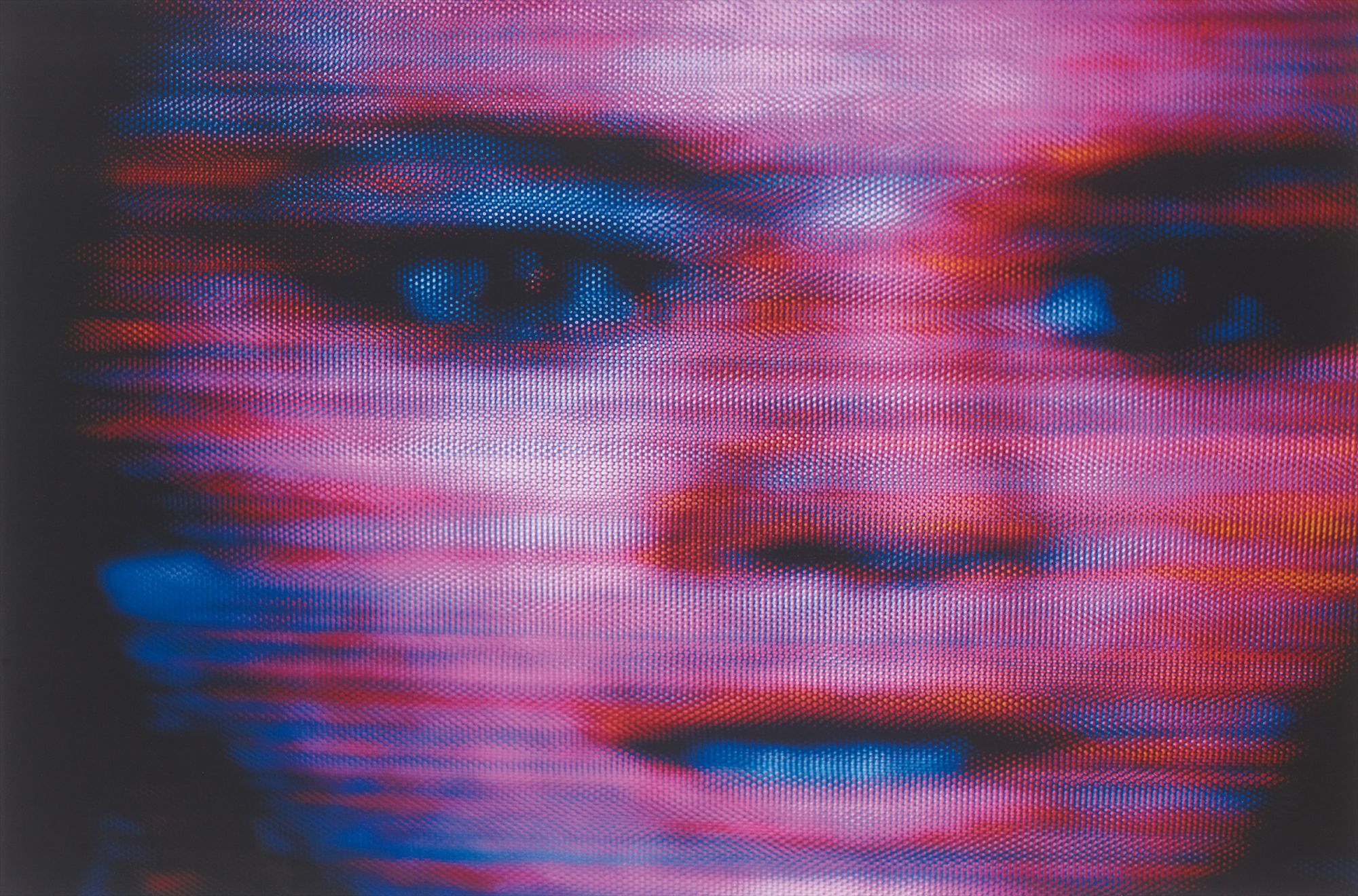
Nam June Paik, the Korean born artist who trained as a musician in Germany and encountered Fluxus before anyone had properly named it, became the indispensable figure in this conversation. His first television based works appeared in 1963 at the Galerie Parnass in Wuppertal, Germany, in an exhibition that effectively announced video art as a discipline. Paik did not merely point a camera at the world. He opened the television set itself, modified its circuitry, and turned the screen into a site of disruption.
Nam June Paik
Beuys as Indian Chief and TV Eyes
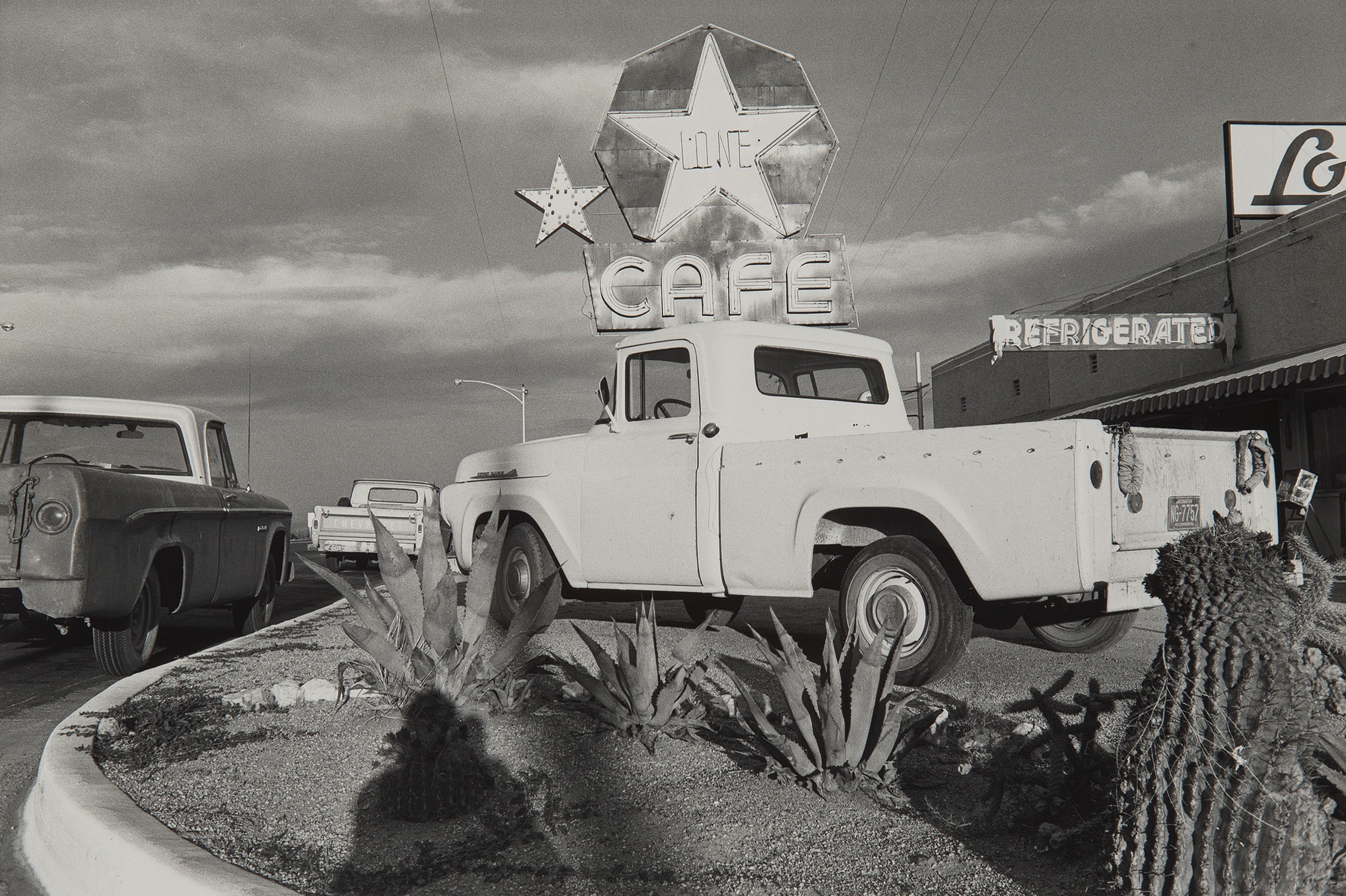
The works on The Collection that bear his name represent a practice that was, from the very beginning, both rigorous and riotous. Paik understood television as sculpture, as music, as political act. What Paik began, others complicated in unexpected directions. Lee Friedlander had been photographing American social landscapes since the early 1960s, and the television set became one of his recurring subjects not as technology but as furniture, as presence, as an eerie second figure sharing a hotel room or a domestic interior.
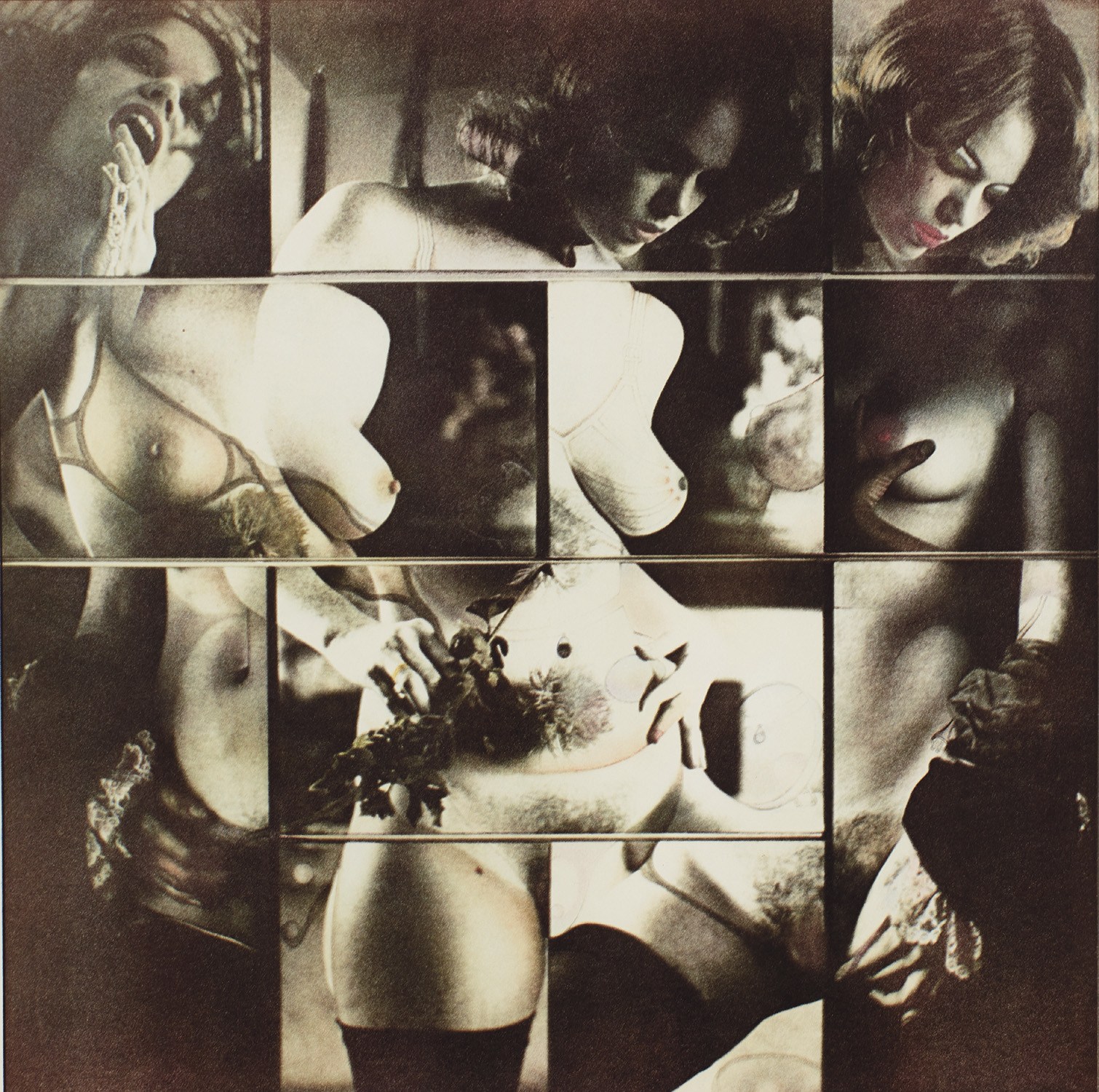
His images treat the screen with the same flat democratic attention he gives to a shadow or a storefront window. The television is simply there, embedded in the world, unavoidable. Robert Heinecken, that relentlessly difficult Los Angeles artist who refused every available category, attacked broadcast media more aggressively. His photographic work appropriated and defaced television imagery, treating the screen grab as raw material for something far more unsettling than journalism or documentary.
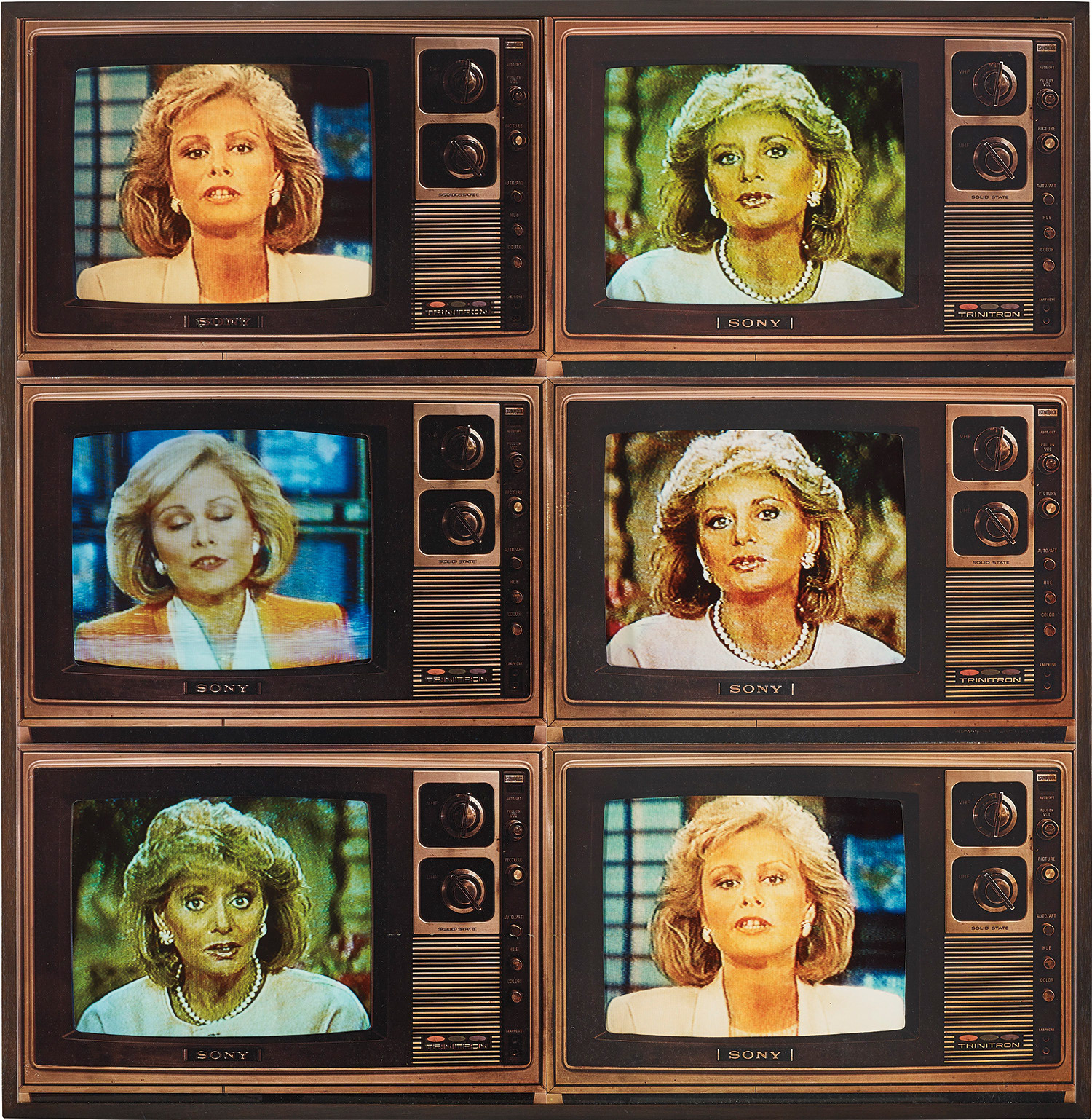
Robert Heinecken
T.V. Network Newswomen Corresponding (Barbara Walters and Faith Daniels)
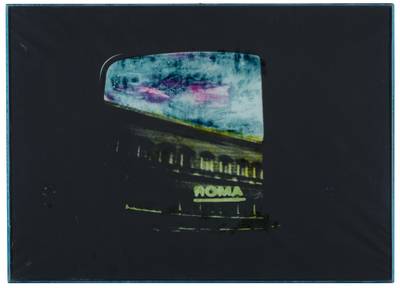
The broader cultural conversation about television was never just about the device. It was about what the device represented: the standardization of desire, the manufacturing of consensus, the way advertising and entertainment folded into each other until the seam disappeared. Wallace Berman, working in California through the 1950s and 1960s, embedded transistor radios and mass media imagery into his assemblage work as totemic objects, treating popular broadcast culture with a mixture of reverence and suspicion that felt prophetic. Harry Gruyaert brought a photographer's eye trained on color and sensation to television imagery itself, producing work in the early 1970s that treated the screen as a landscape worth studying on its own terms.
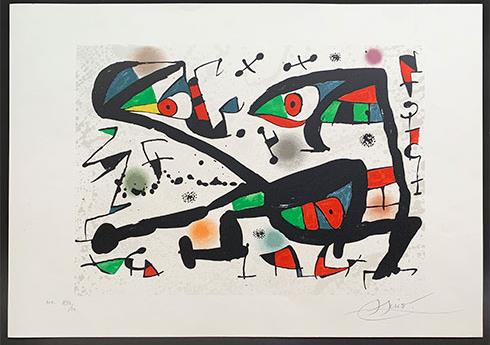
His photographs of television broadcasts made in Brussels feel like field notes from a new kind of reality. Pop Art gave artists a framework for engaging with television as image bank and cultural mirror. Pablo Picasso, by the time television had saturated Western life, was too far into his own late mythologies to engage with it directly, but the Pop generation he influenced from a distance understood that the vernacular now included the broadcast. Mario Schifano, the brilliant and underestimated Italian painter associated with Arte Povera's perimeter, incorporated television screens and broadcast imagery into his canvases in ways that felt genuinely exploratory rather than illustrative.
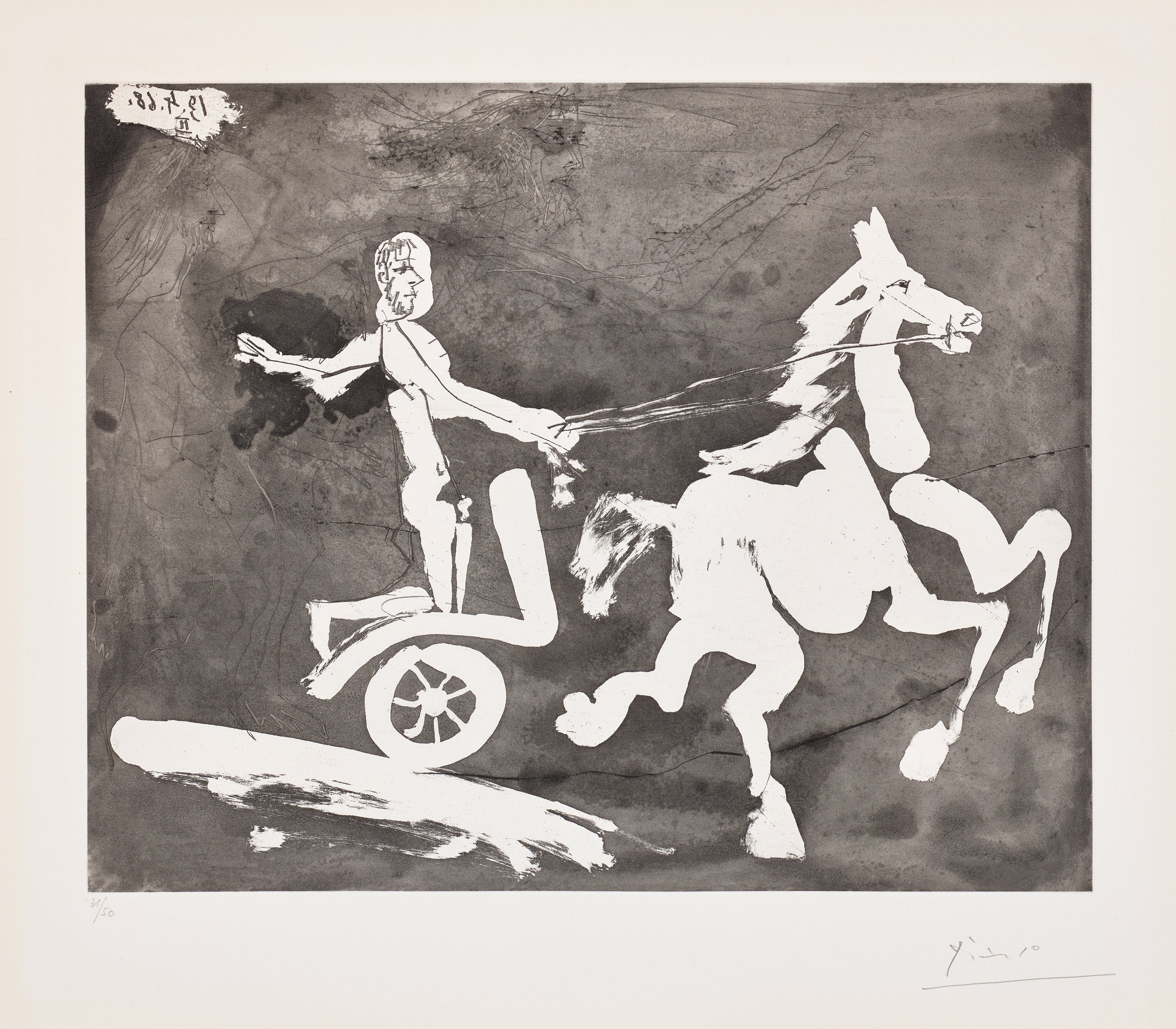
Pablo Picasso
Télévision: course de chars à l'antique I (Television: Ancient Chariot Race I), plate 34 from Série 347 (Bl. 1514, Ba. 1530)
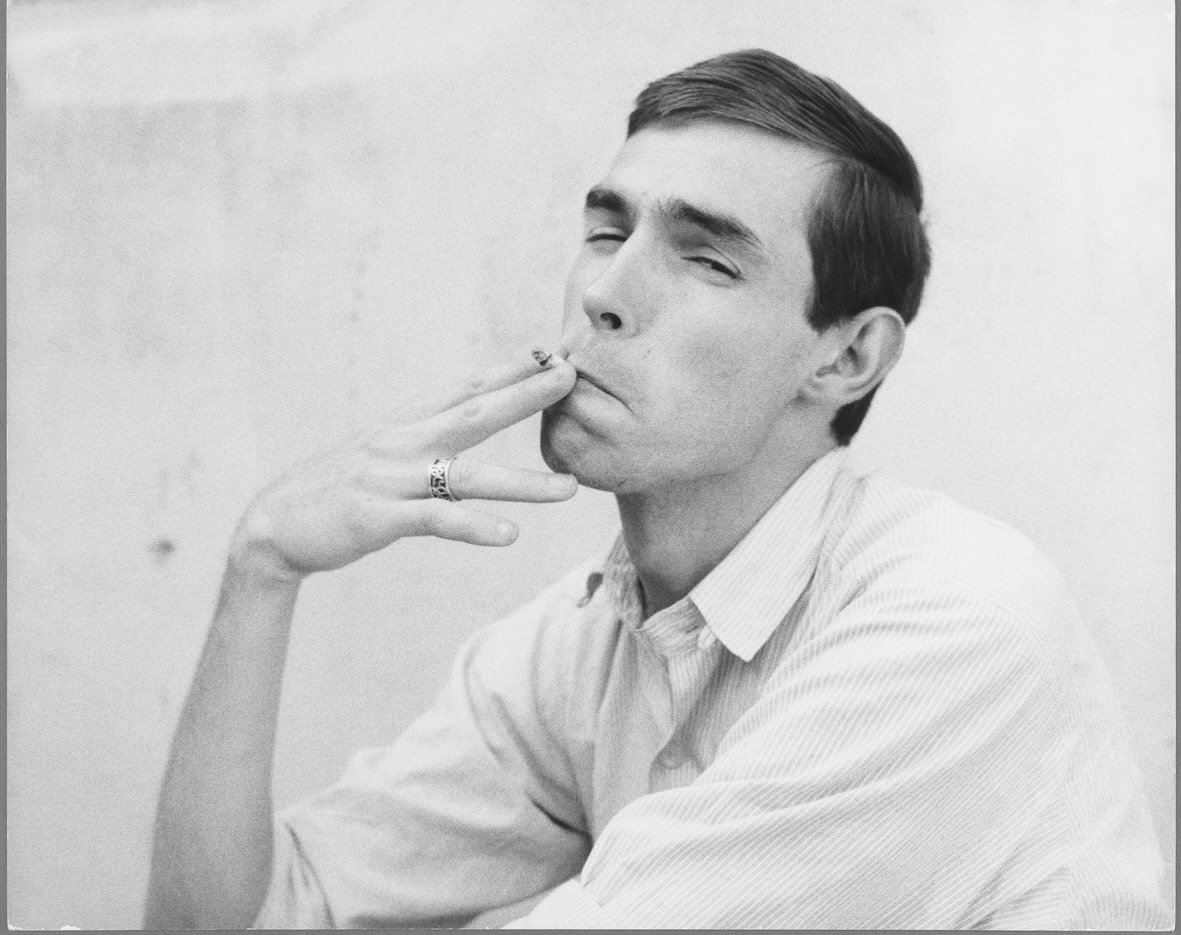
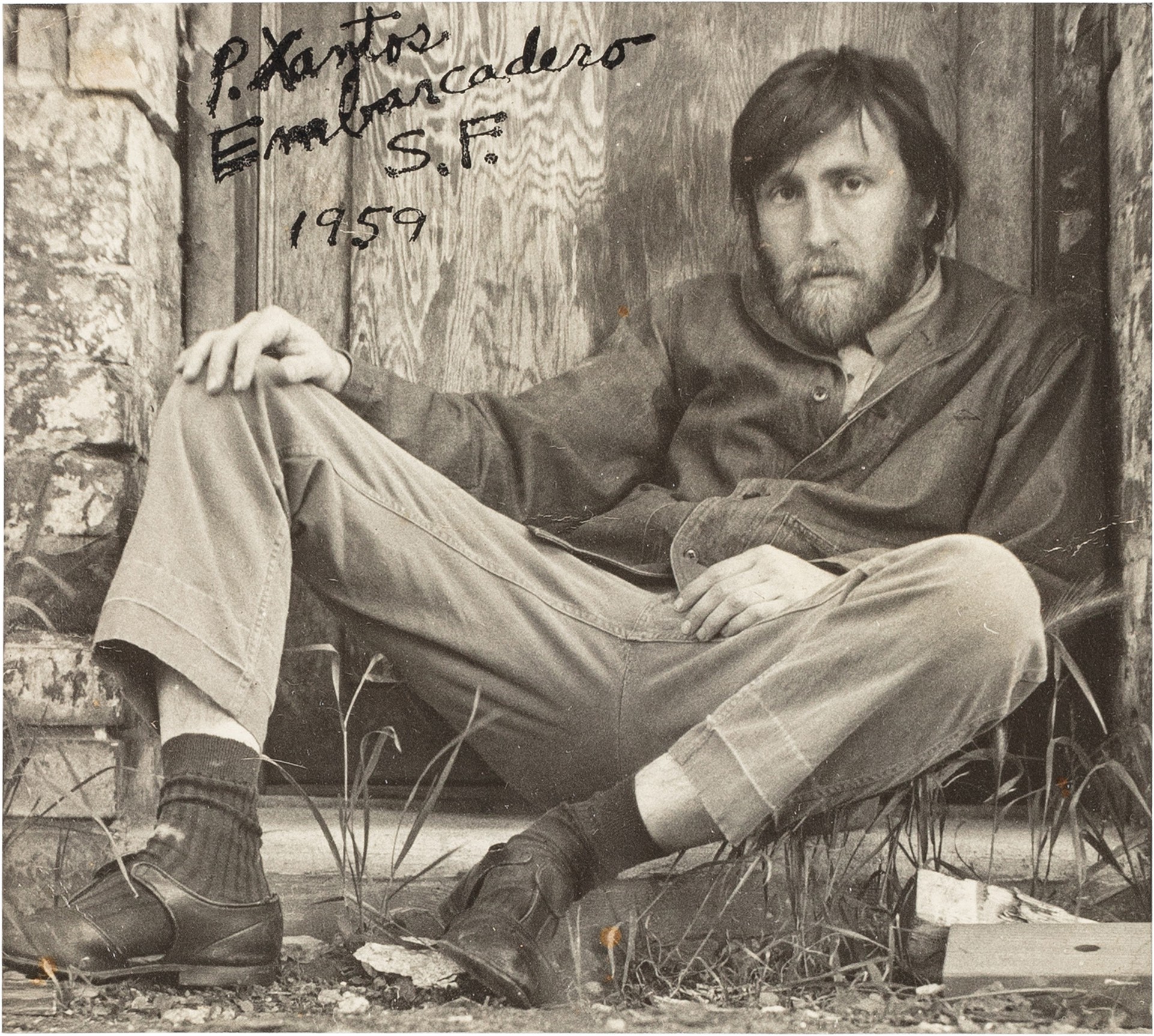
His work acknowledged that painting and television were now competing for the same retinal territory. The relationship between television and performance, between the broadcast and the body, became increasingly charged as the century wore on. Peter Hujar photographed performers and artists in New York's downtown scene with an intimacy that understood how television had changed what it meant to be watched. The queer underground that Hujar documented existed partly in opposition to broadcast norms, partly in complicated dialogue with them.
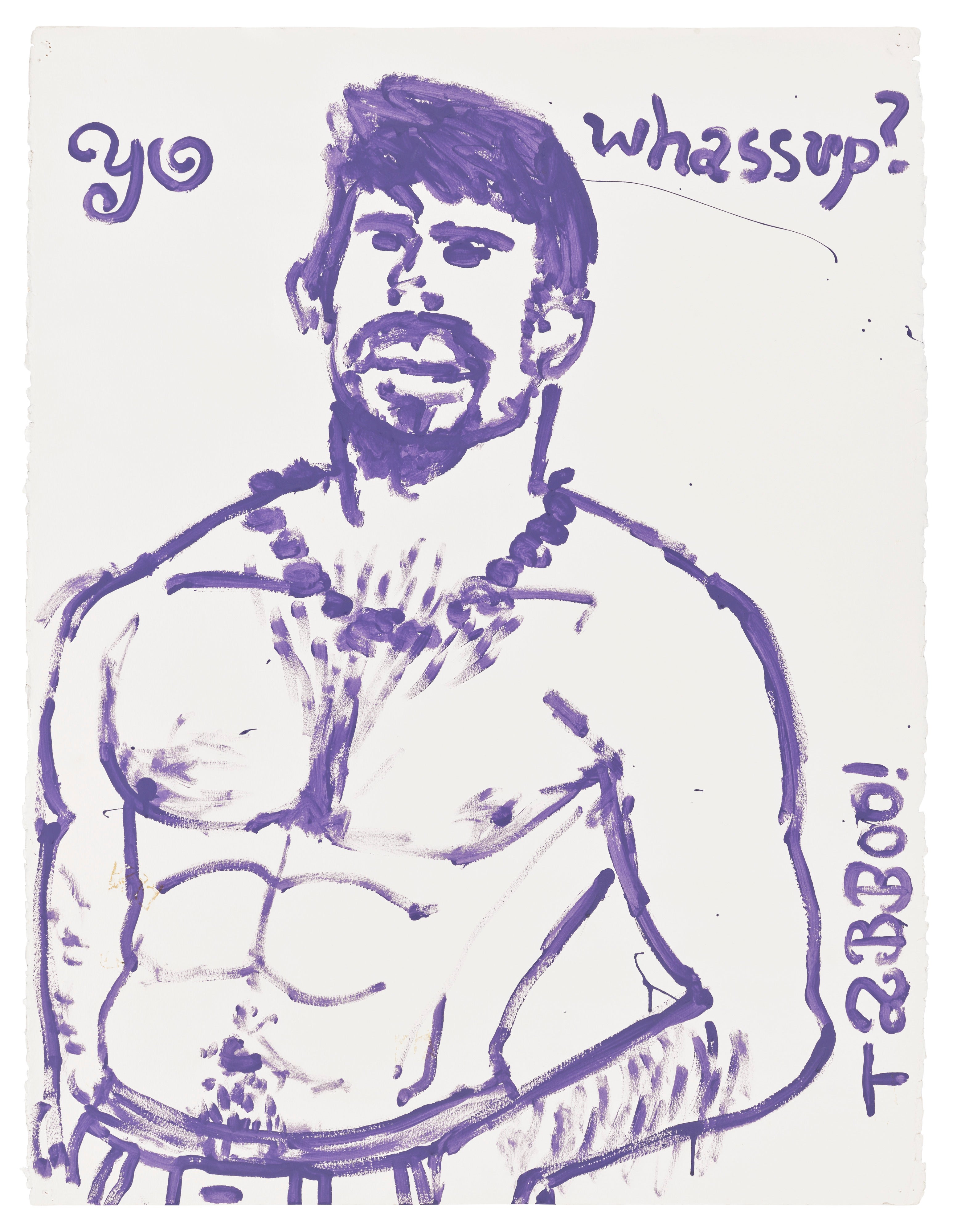
Tabboo!, the downtown New York artist and performer whose work spans painting and performance, carries that tradition forward with an irreverence that knows exactly what it is refusing. The screen looms even in its absence. By the time Paul Pfeiffer began working with found broadcast footage in the late 1990s, the terms had shifted again.
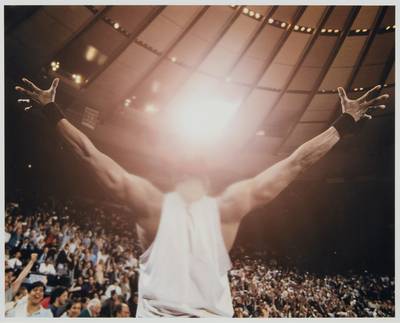
Pfeiffer's meticulous digital manipulations of sports broadcasts and televised spectacle remove bodies from scenes of collective ecstasy and violence, leaving behind architectures of attention and crowd. The television event, in his hands, becomes a philosophical problem about visibility, about who is seen and who does the seeing. His work on The Collection sits at the intersection of conceptual precision and visceral unease. The presence of animation studios and commercial television production in an art collecting context might seem unexpected, but the boundary was always porous.
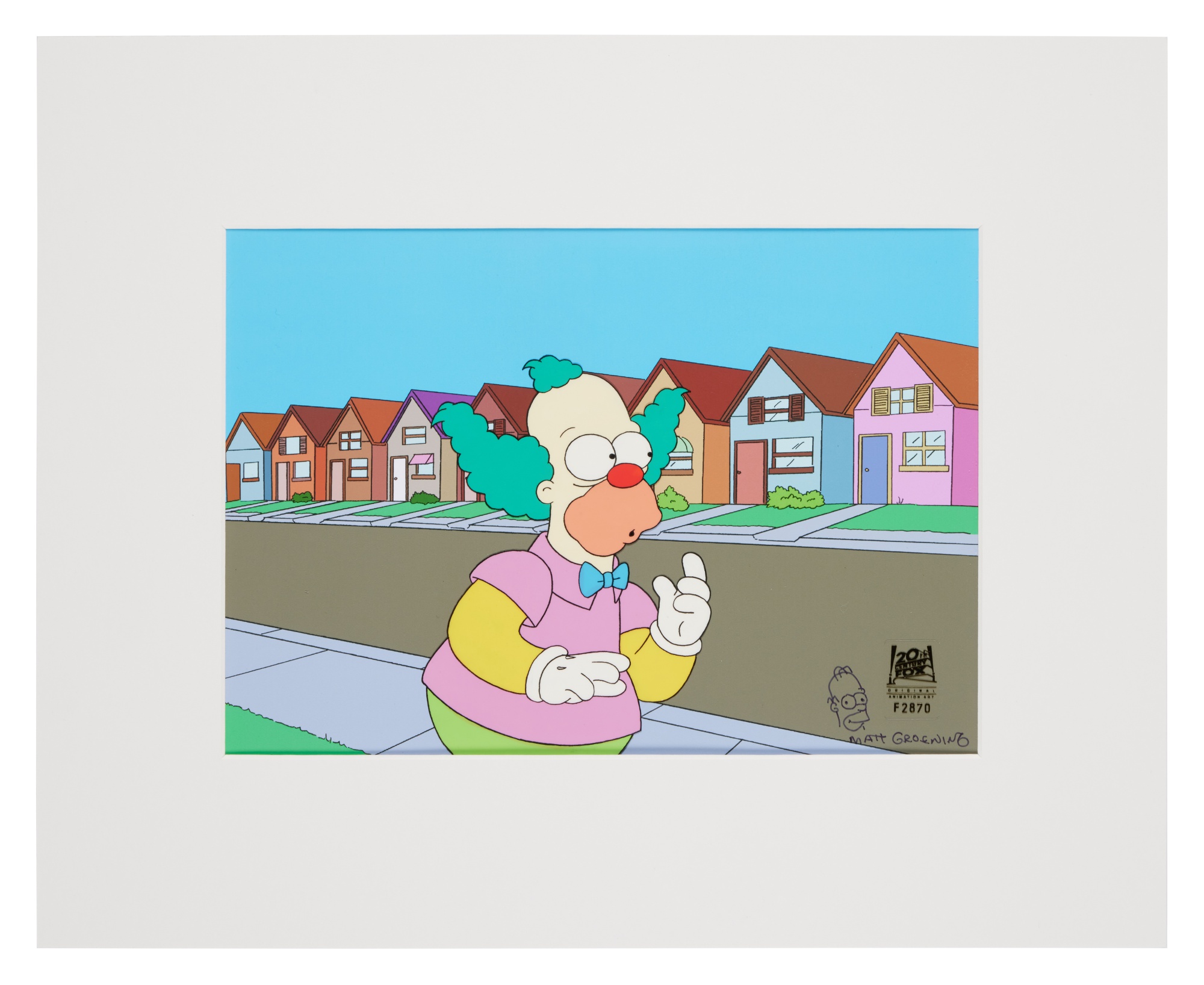
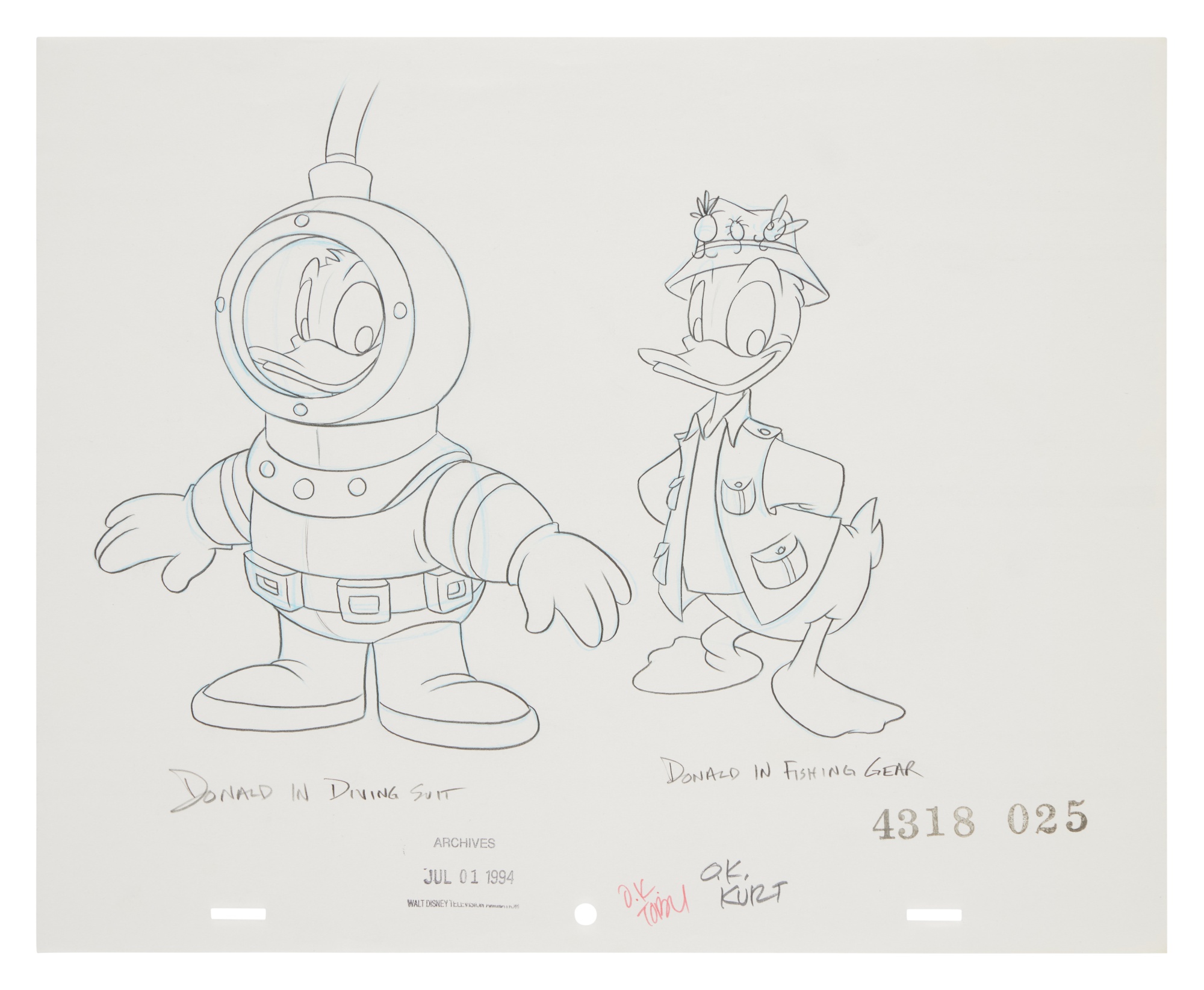
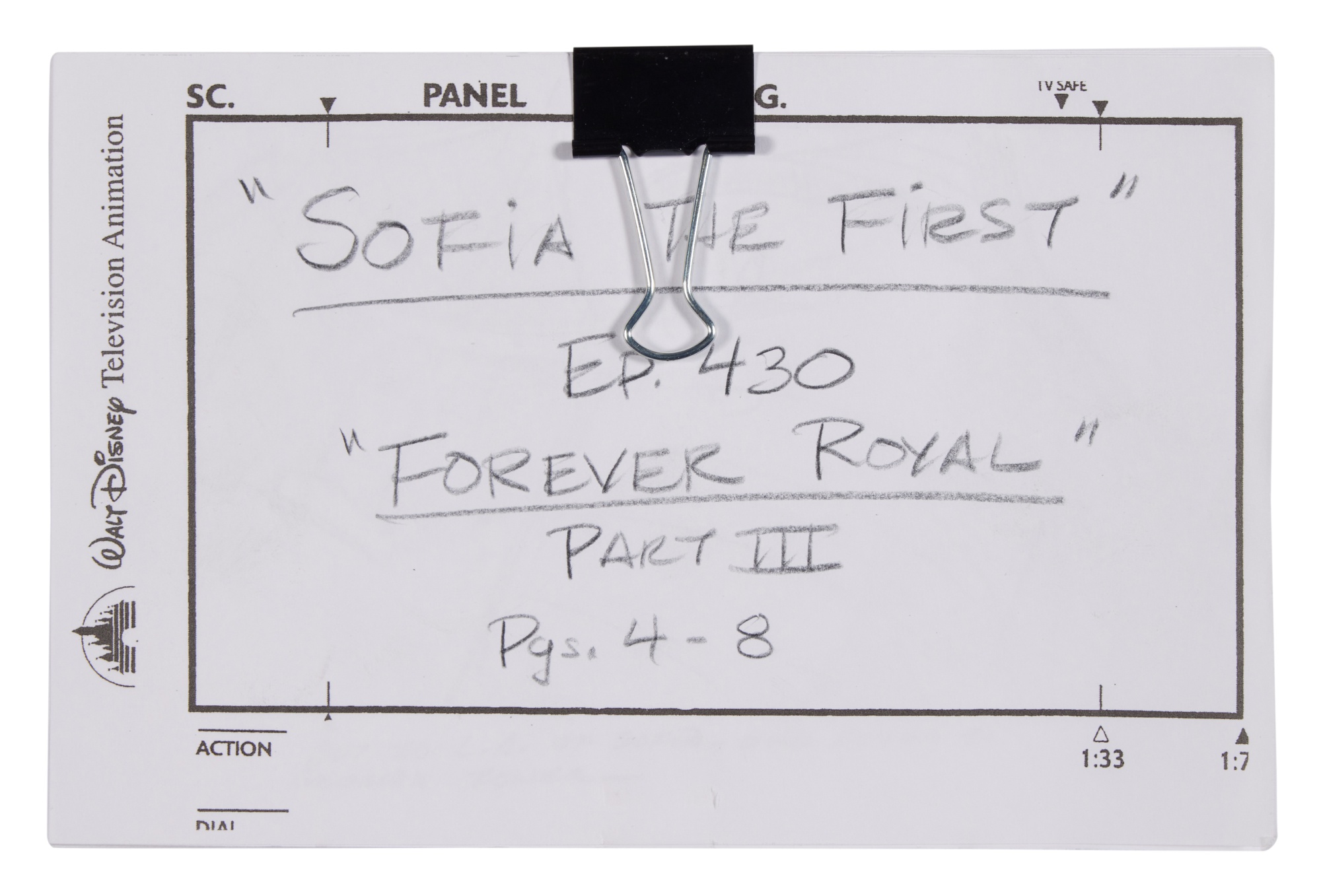
Disney Television Animation and The Simpsons represent a lineage of image making that shaped visual culture as thoroughly as any gallery movement. The Simpsons in particular, arriving in 1989, rewired how irony and sincerity could coexist in a broadcast frame. These objects remind us that the history of television as art cannot be separated from the history of television as mass medium. They are the same history, told from different ends of the room.
What unites the artists and works that address television, across movements and decades and intentions, is a shared recognition that the screen transformed not just what we look at but how looking feels. The glow persists. The works that have mattered most have not merely depicted that glow but inhabited it, argued with it, and occasionally turned it back on the room.