Systematic Art
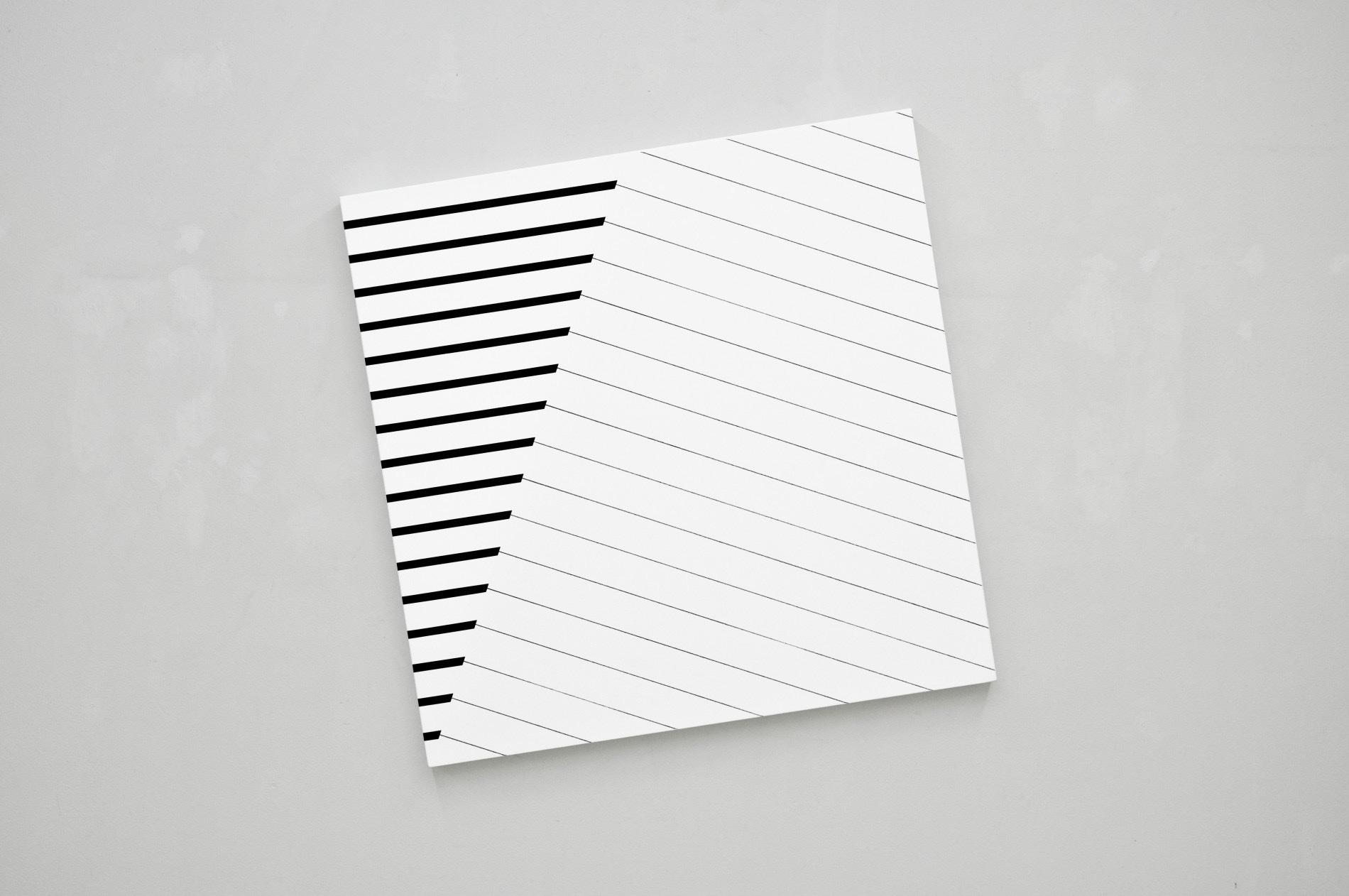
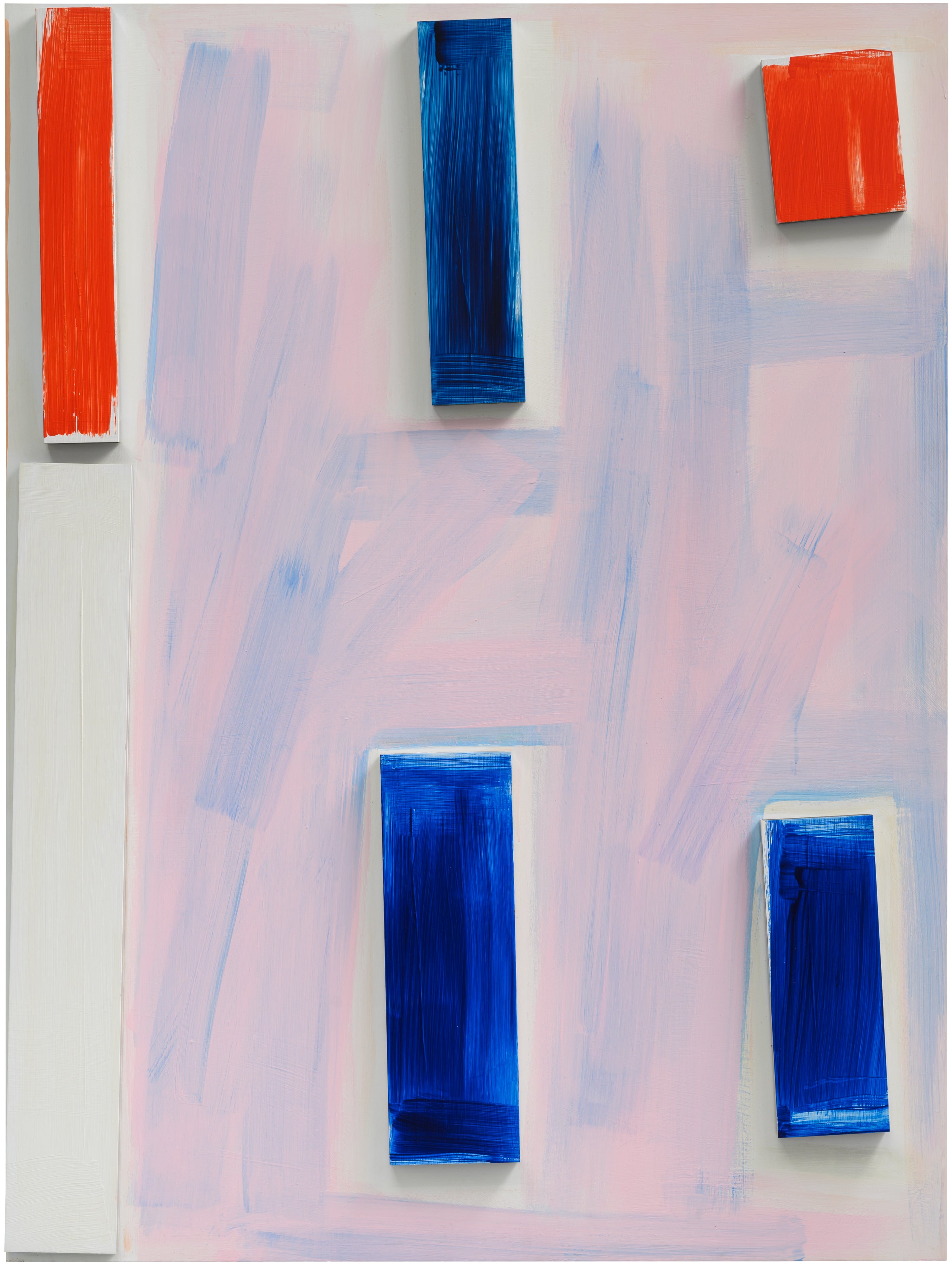
François Morellet
Untitled

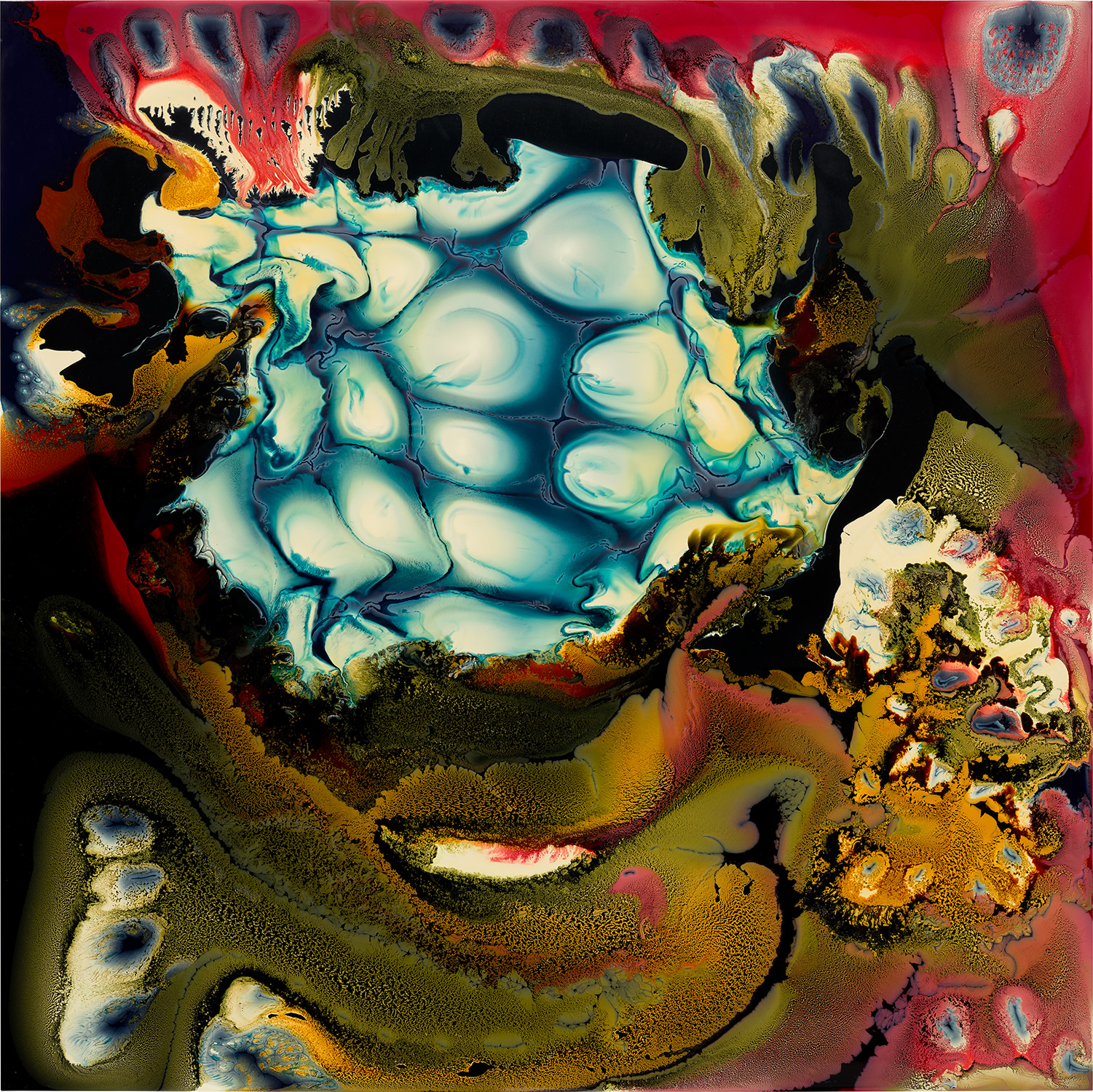
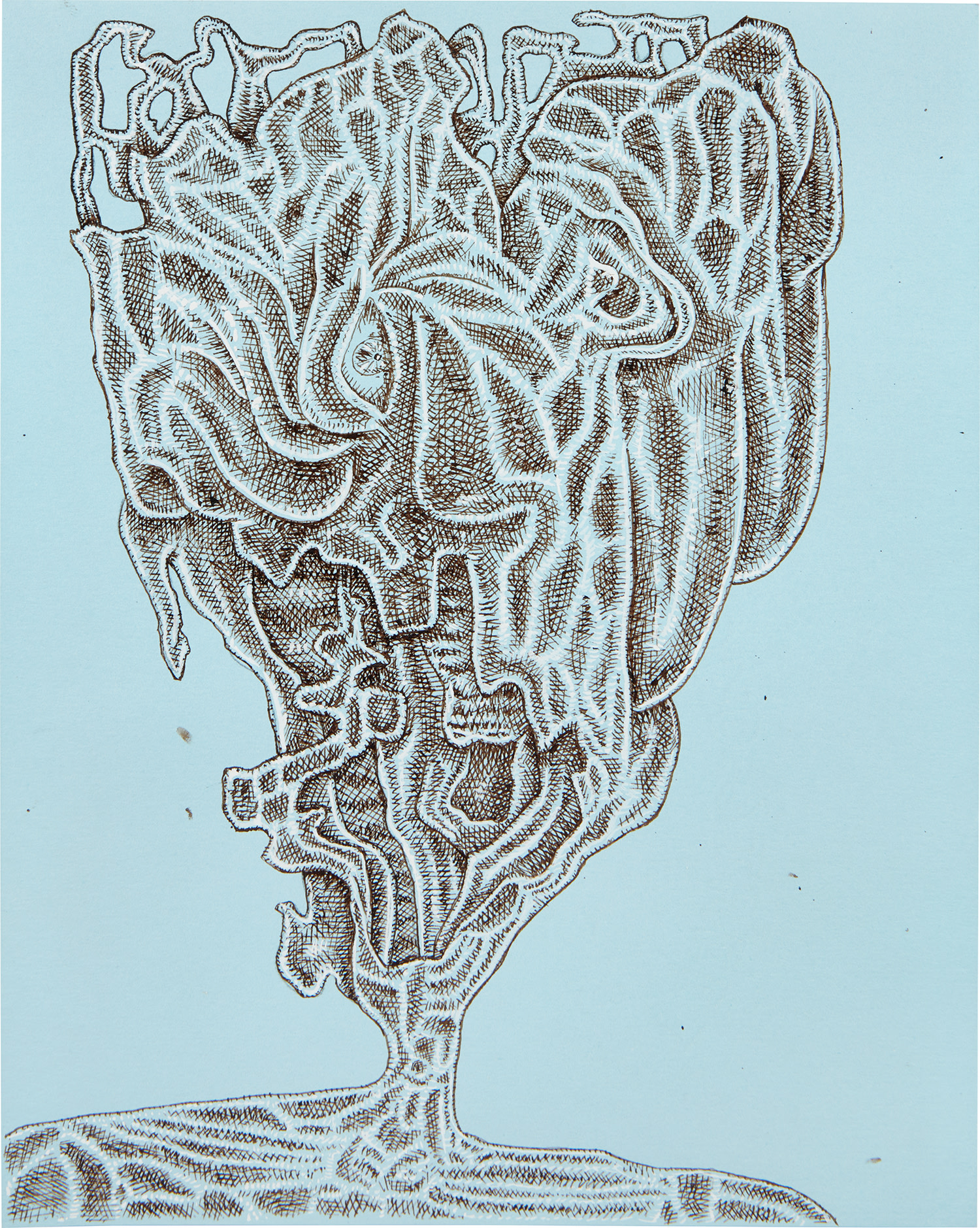
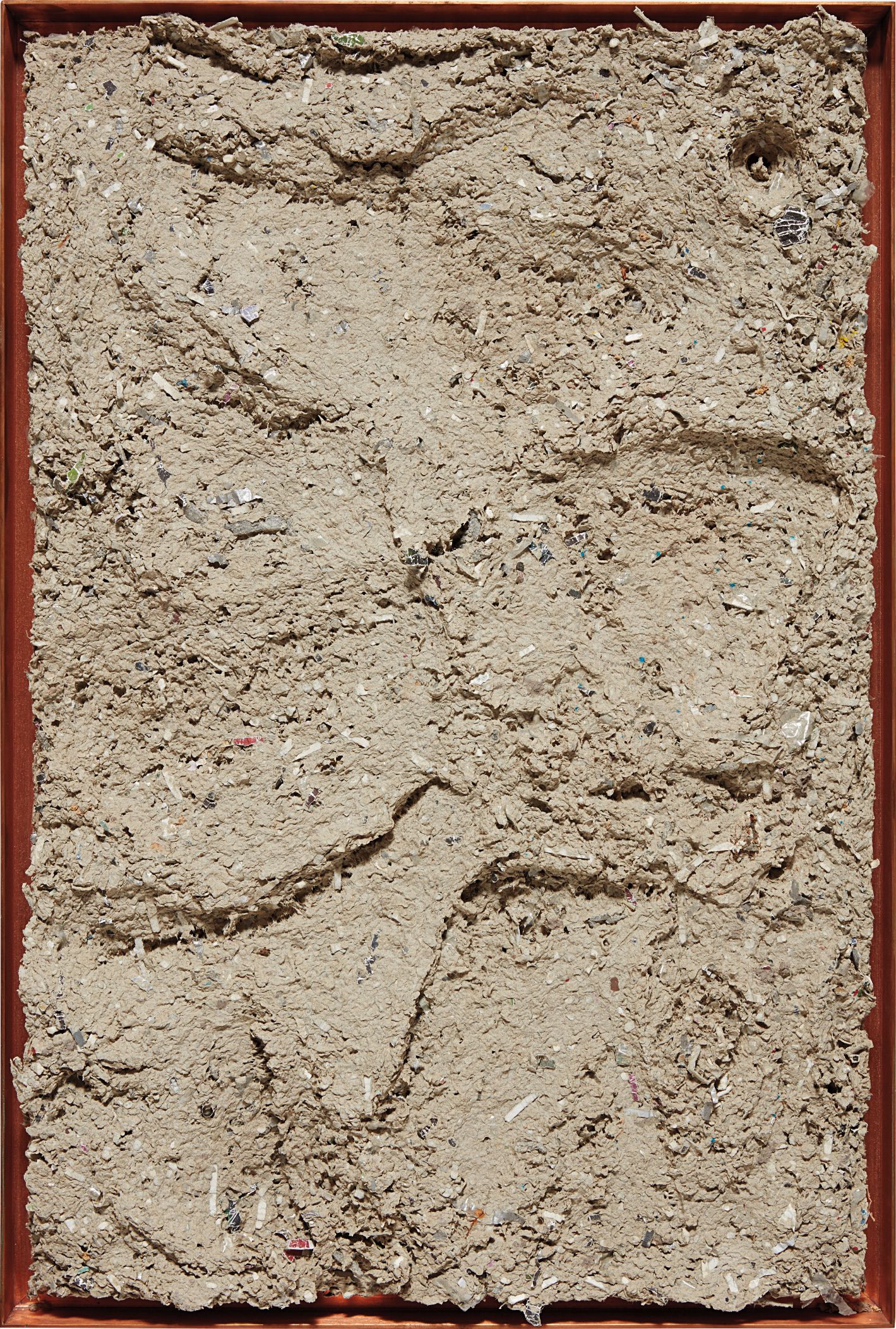

Order, Obsession, and the Art of the System
There is something quietly radical about hanging a work of systematic art in your home. Unlike painting traditions that seduce through illusion or emotional expressionism, systematic art demands a different kind of attention. It asks you to follow a logic, to trace a thought, to sit inside a structure that its maker devised and then, often deliberately, stepped back from. Collectors who fall for this work tend to stay fallen.
The relationship deepens over years in a way that more immediately gratifying art rarely achieves. The appeal is partly intellectual and partly something harder to name. Living with a Sol LeWitt wall drawing or a François Morellet grid is like living with a proof that keeps revealing new implications. The rules are declared upfront, sometimes literally inscribed as part of the work, yet the results feel inexhaustible.
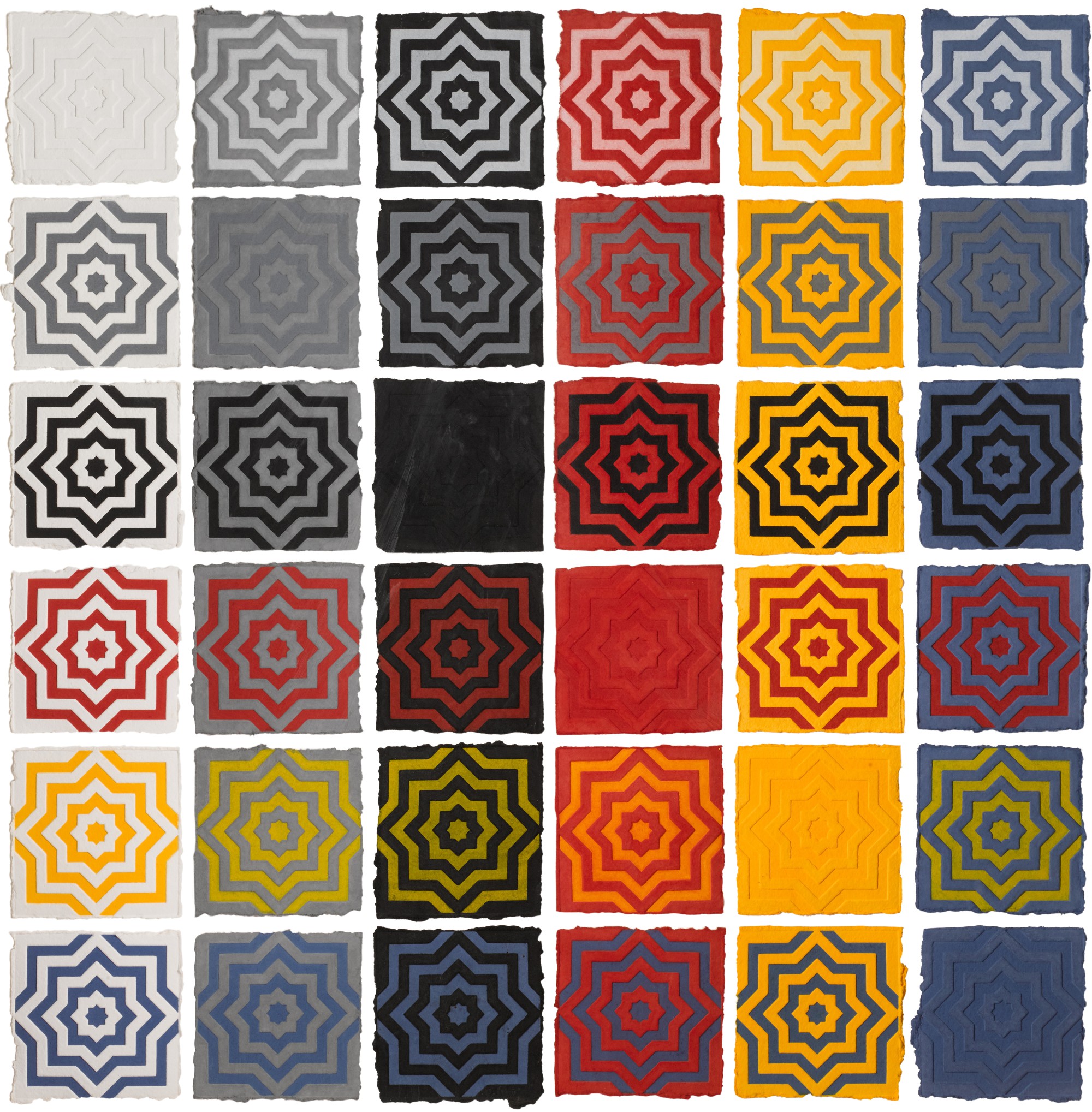
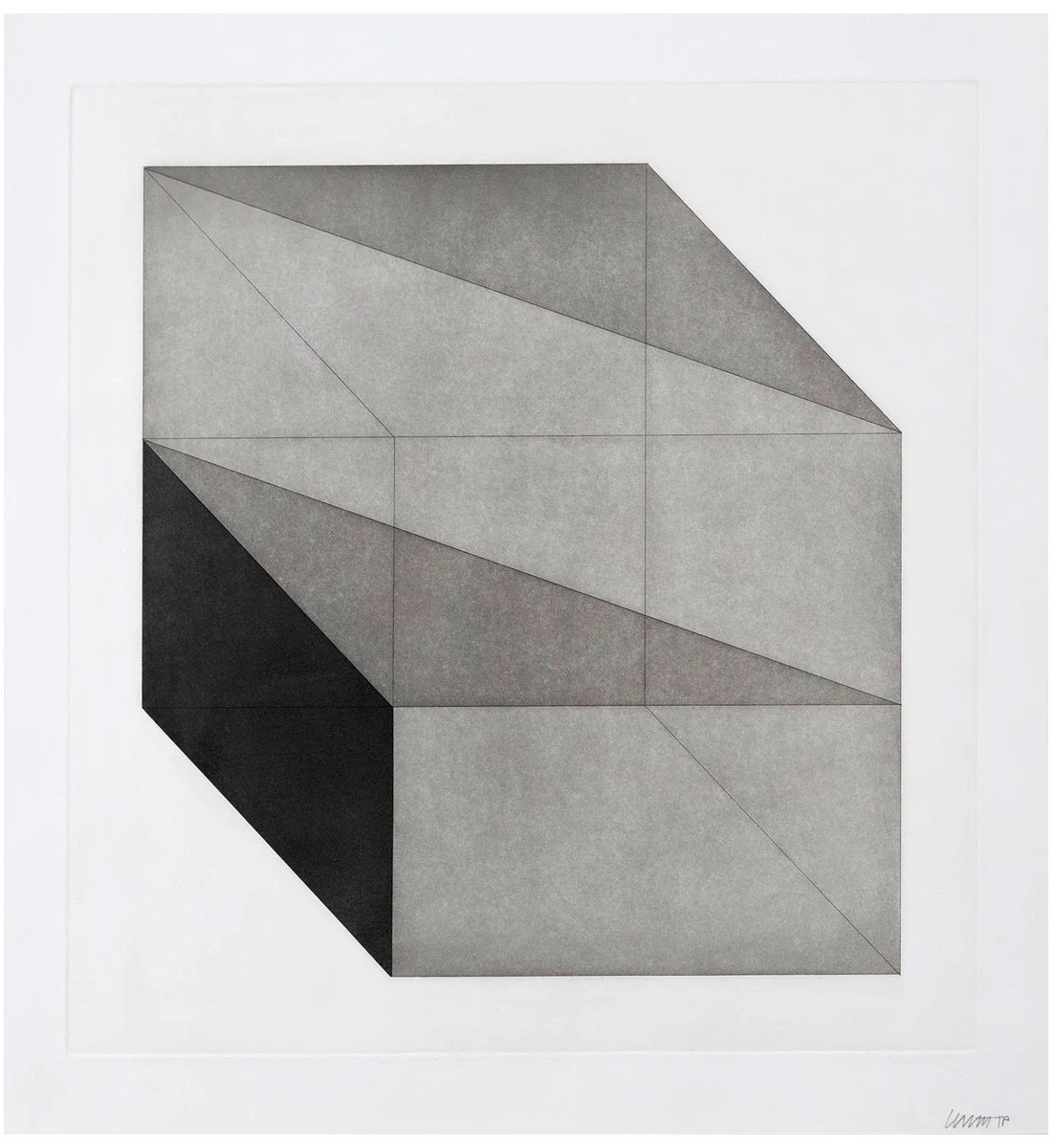
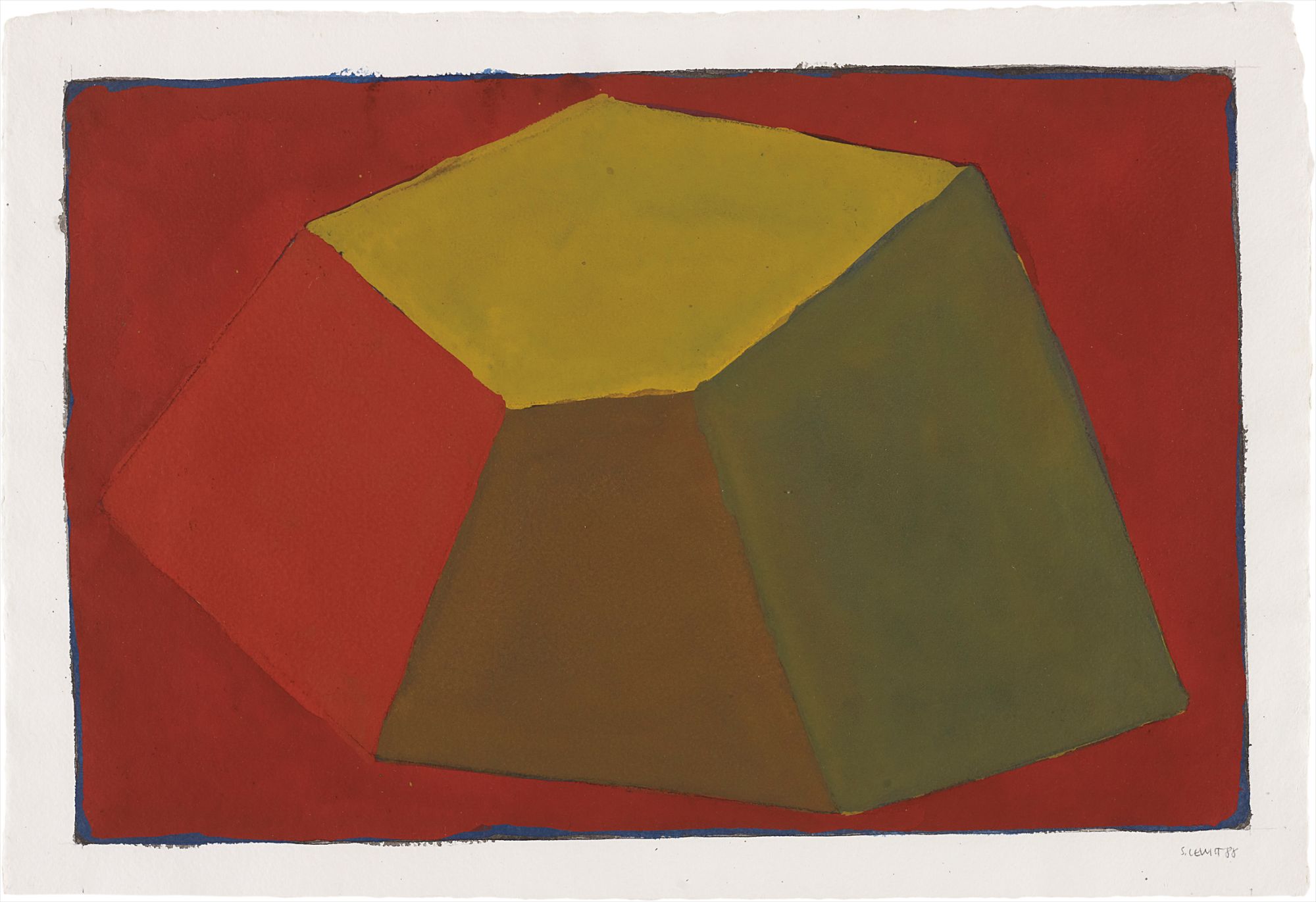
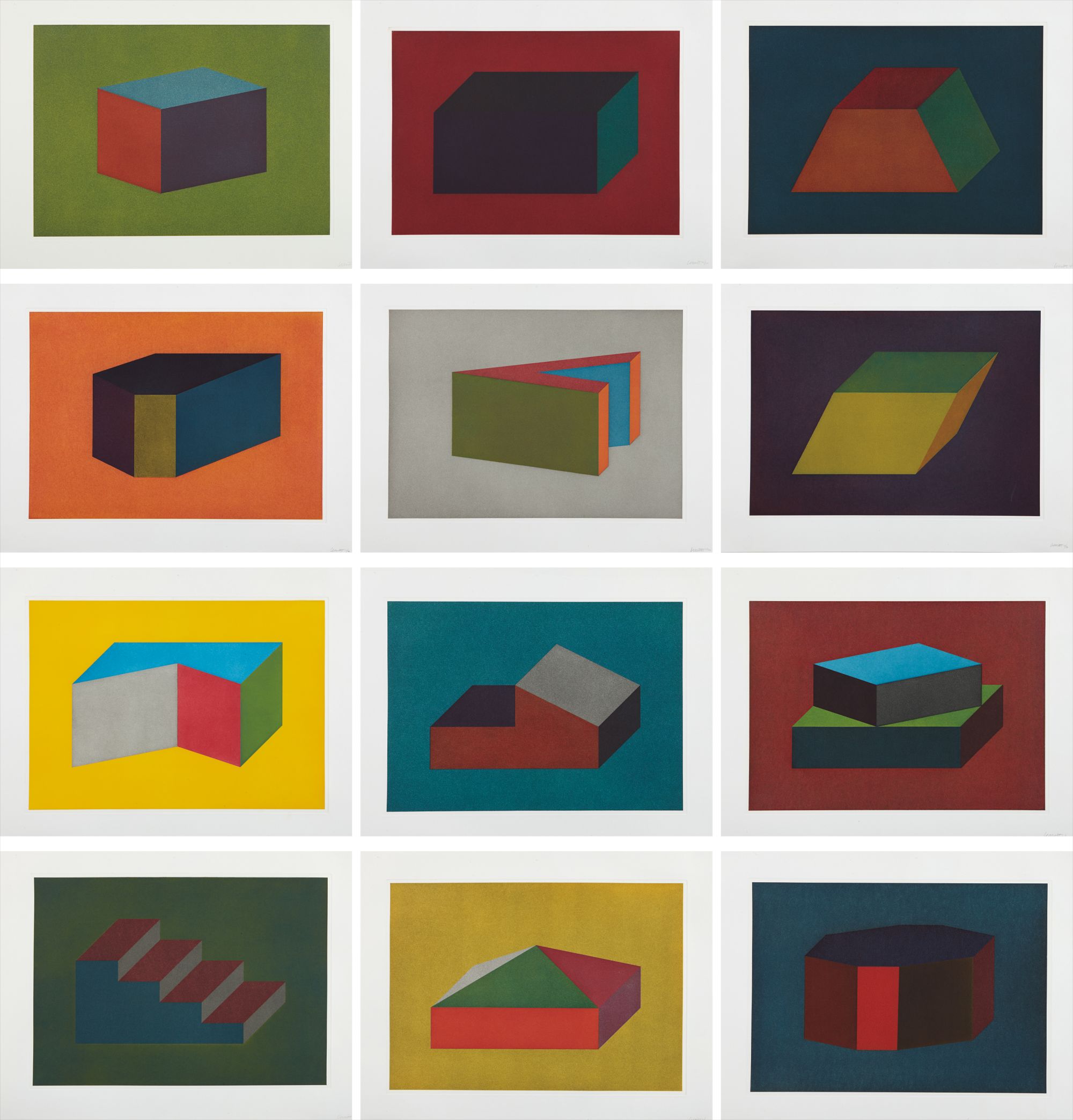
Sol LeWitt
Eight Pointed Stars
Collectors frequently describe the experience of noticing something new after years of daily looking, a quality that is genuinely rare and genuinely valuable in the long life of a collection. So what separates a good work from a great one in this category? The answer almost always comes back to the quality of the generative idea itself. A system that produces merely decorative outcomes, however technically accomplished, tends to feel thin over time.
The strongest works contain a conceptual tension: between control and chance, between human intention and mechanical process, between the finite rule and the infinite variation it implies. Look for works where the underlying proposition is rigorous enough to feel inevitable, yet open enough that the results continue to surprise. When the system and its output feel genuinely co dependent, inseparable, you are usually looking at something important. The artists who command the most sustained collector interest are those whose systems feel authored in a deep sense, where the rules themselves are a form of self portrait.
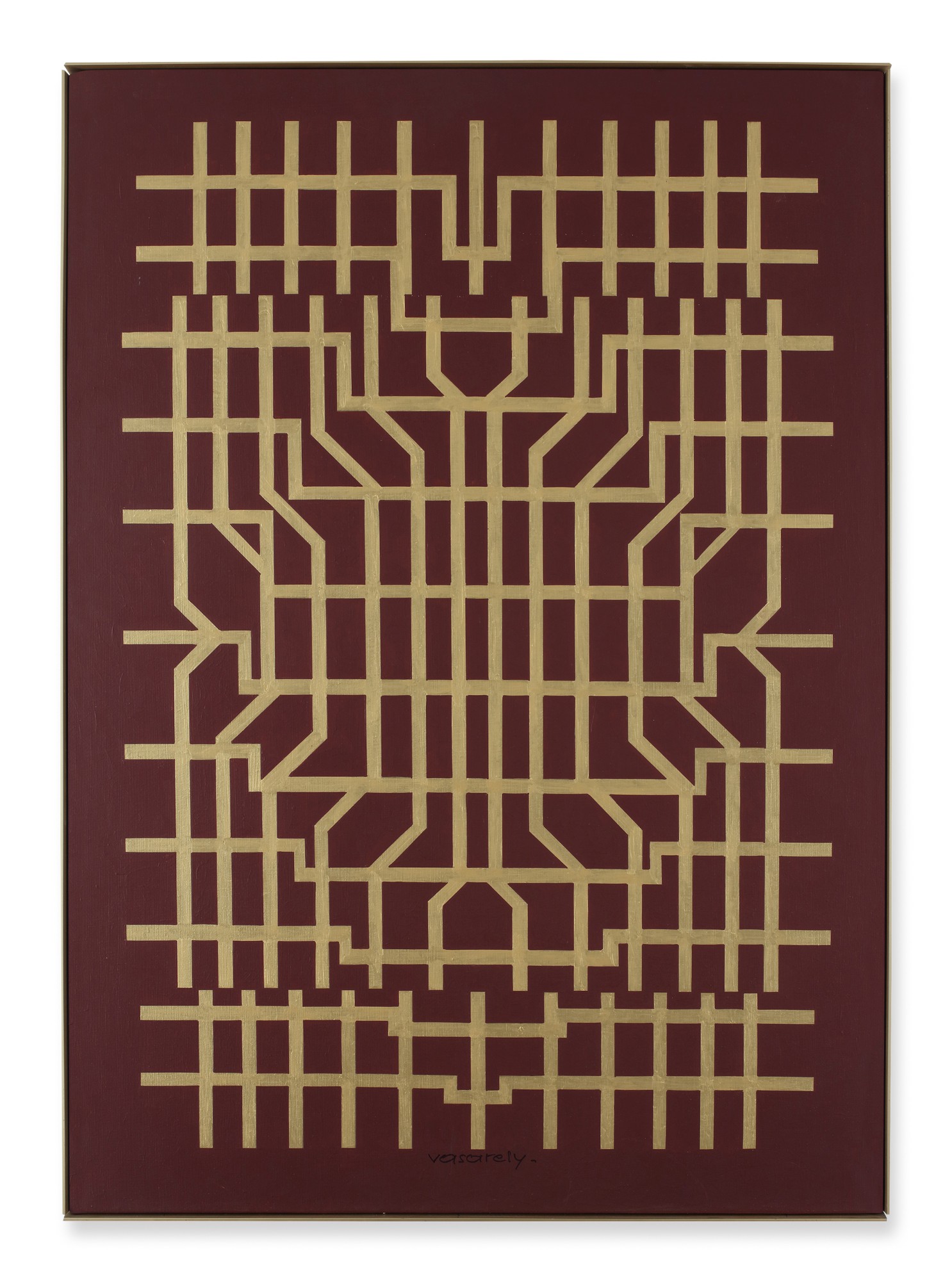
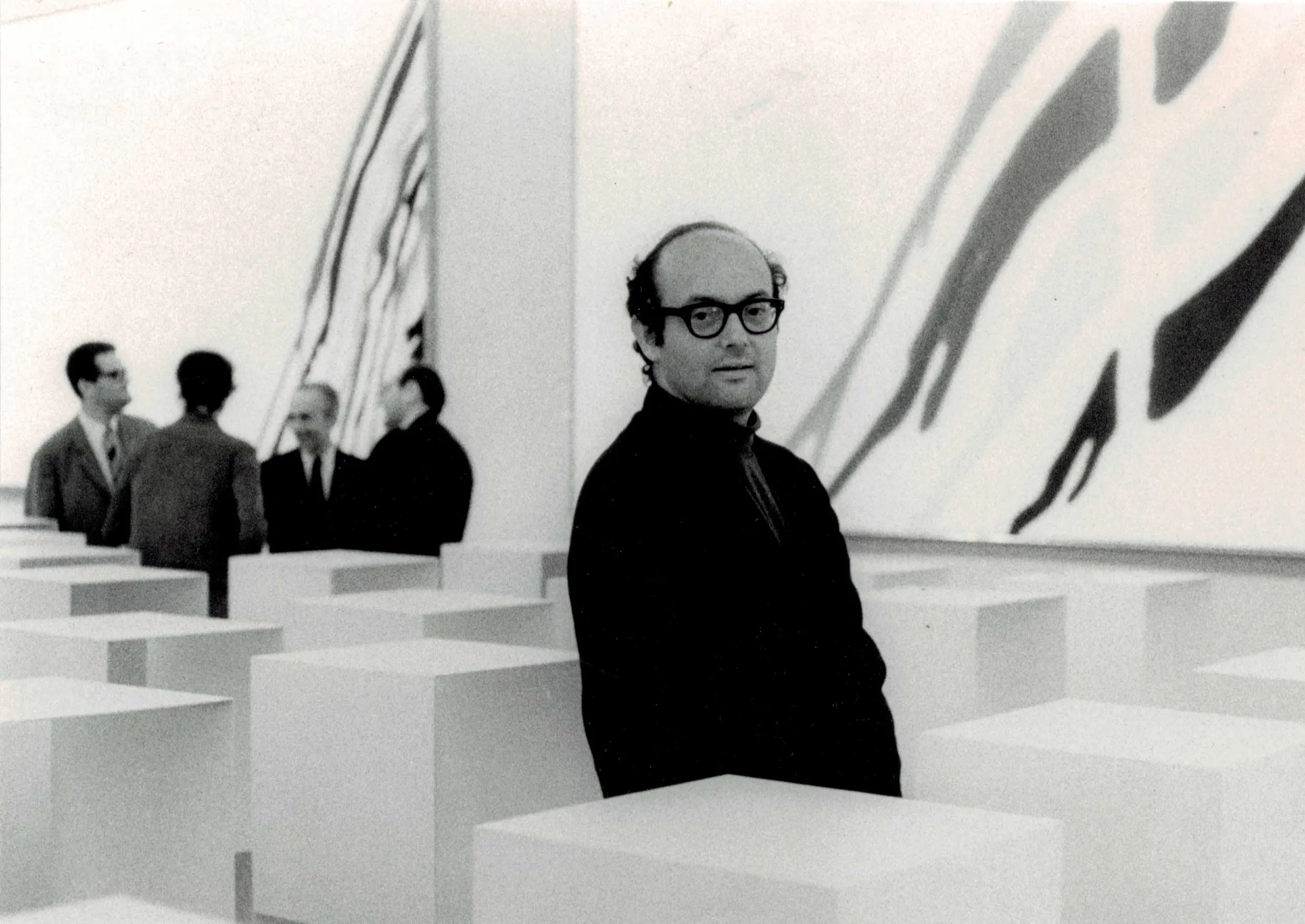
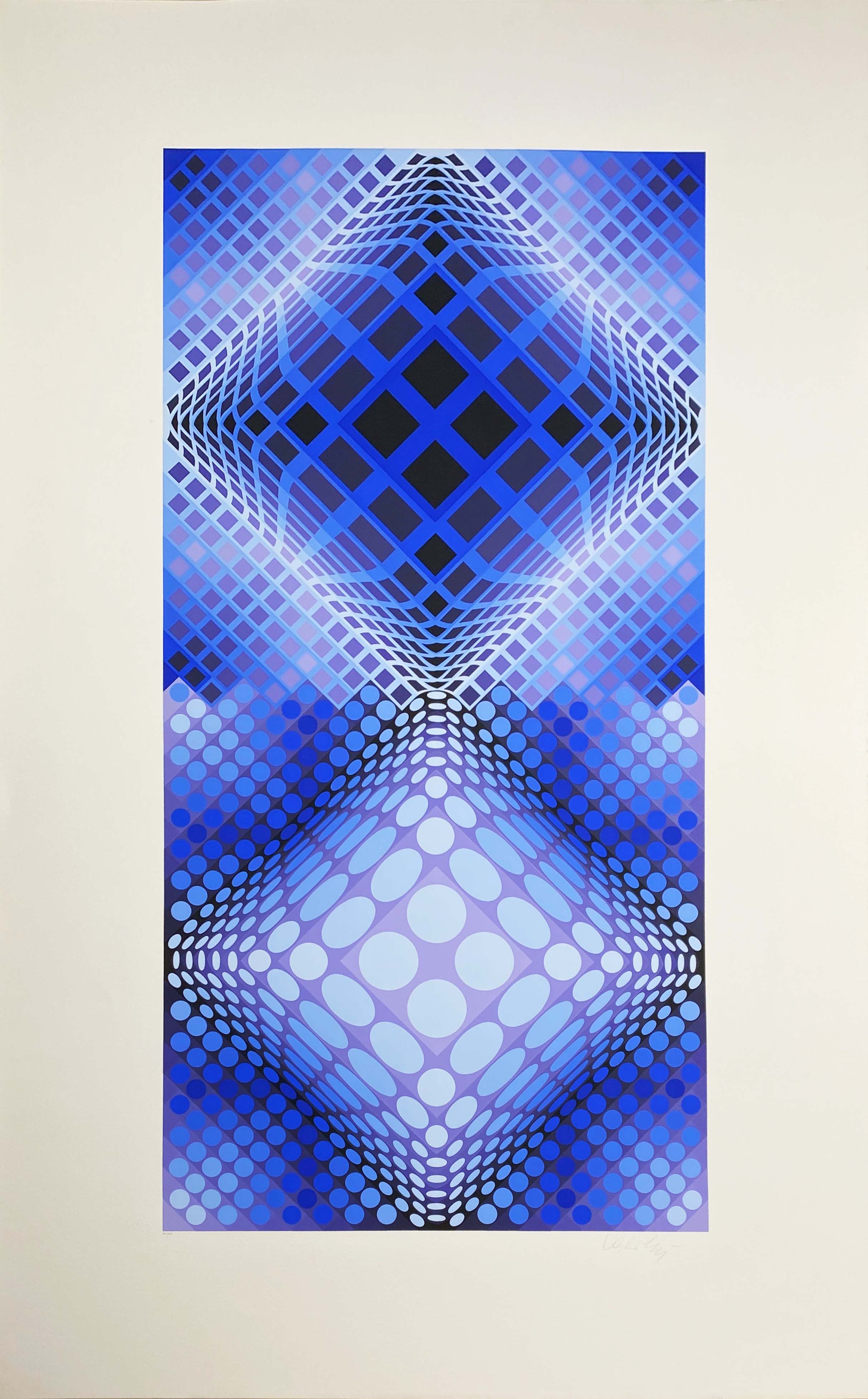
Victor Vasarely
Nemas, 1955
Sol LeWitt understood this better than almost anyone. His instructions for wall drawings, developed from the late 1960s onward, are simultaneously scores, objects, and performances. Works from his earlier decades carry the greatest weight in the market, but his output was so sustained and various that serious collectors have built entire rooms around his work. Morellet, whose systematic investigations of geometry and interference patterns spanned more than six decades, remains undervalued relative to his influence, particularly in the American market.
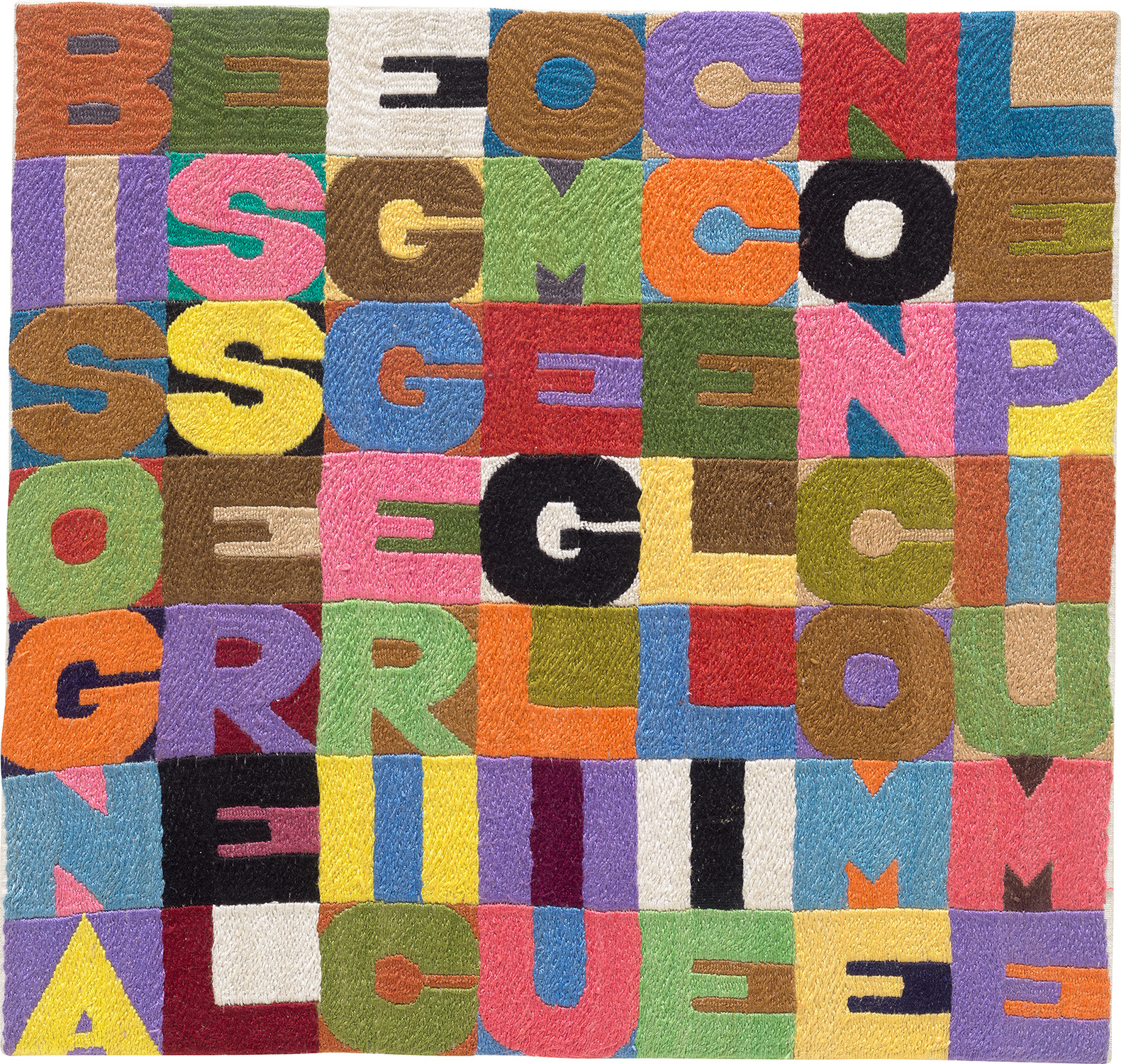
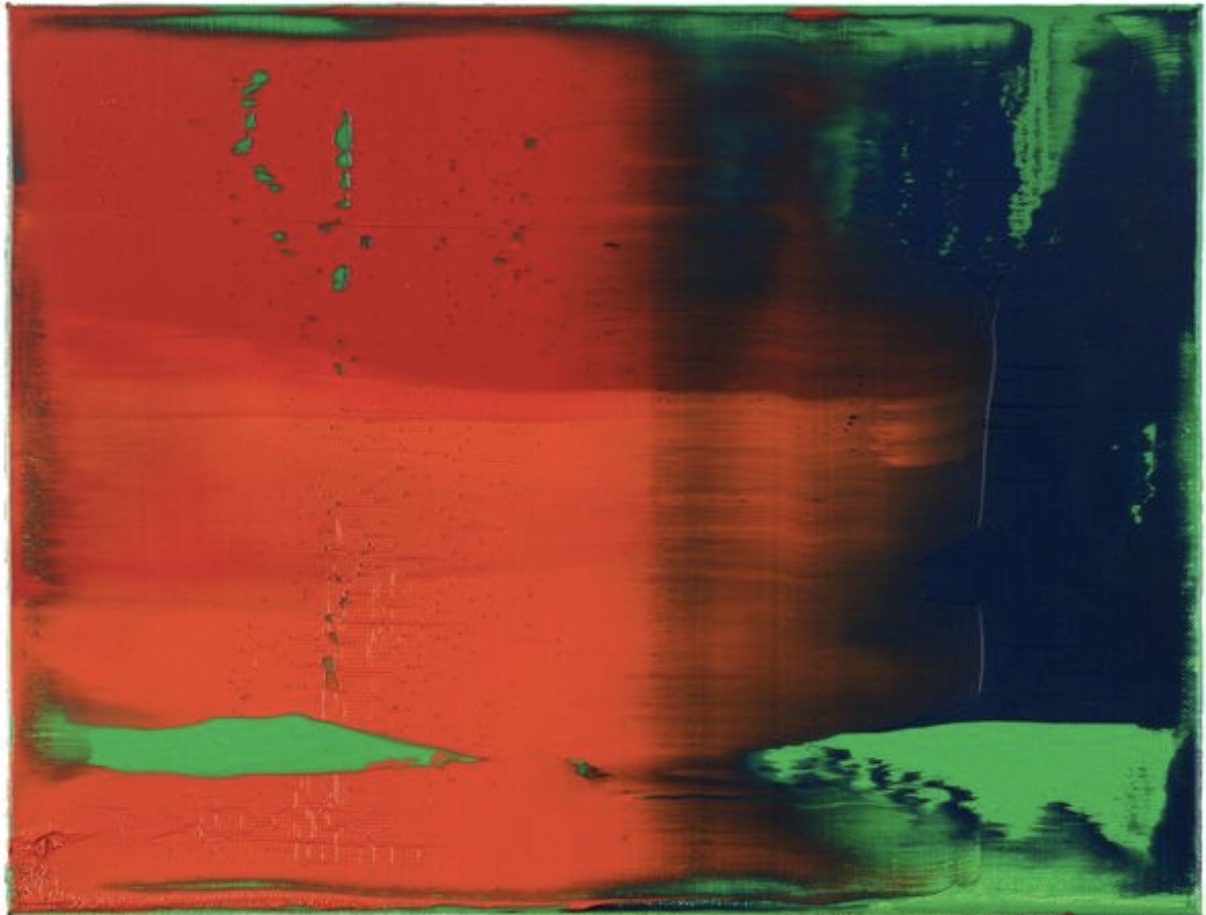
His works on The Collection offer an entry point that feels, to those who know the field, like an open door worth walking through. Alighiero Boetti occupies a different register entirely: his systems were often collaborative, delegated to Afghan embroiderers whose hands and time became part of the work's meaning. Owning a Boetti is owning a meditation on authorship itself. Gerhard Richter's color chart paintings represent one of the most intellectually honest engagements with systematic chance in postwar art.
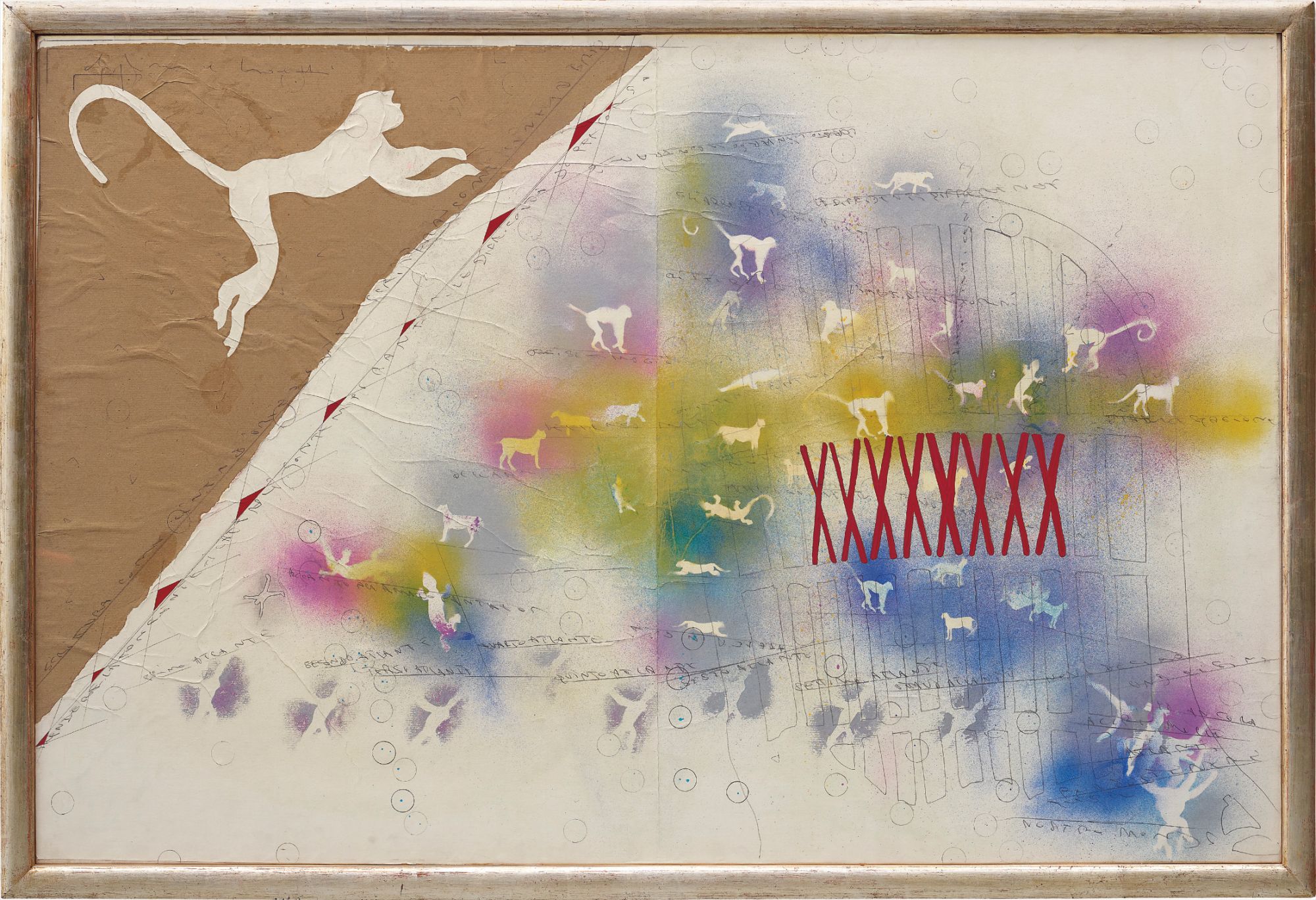
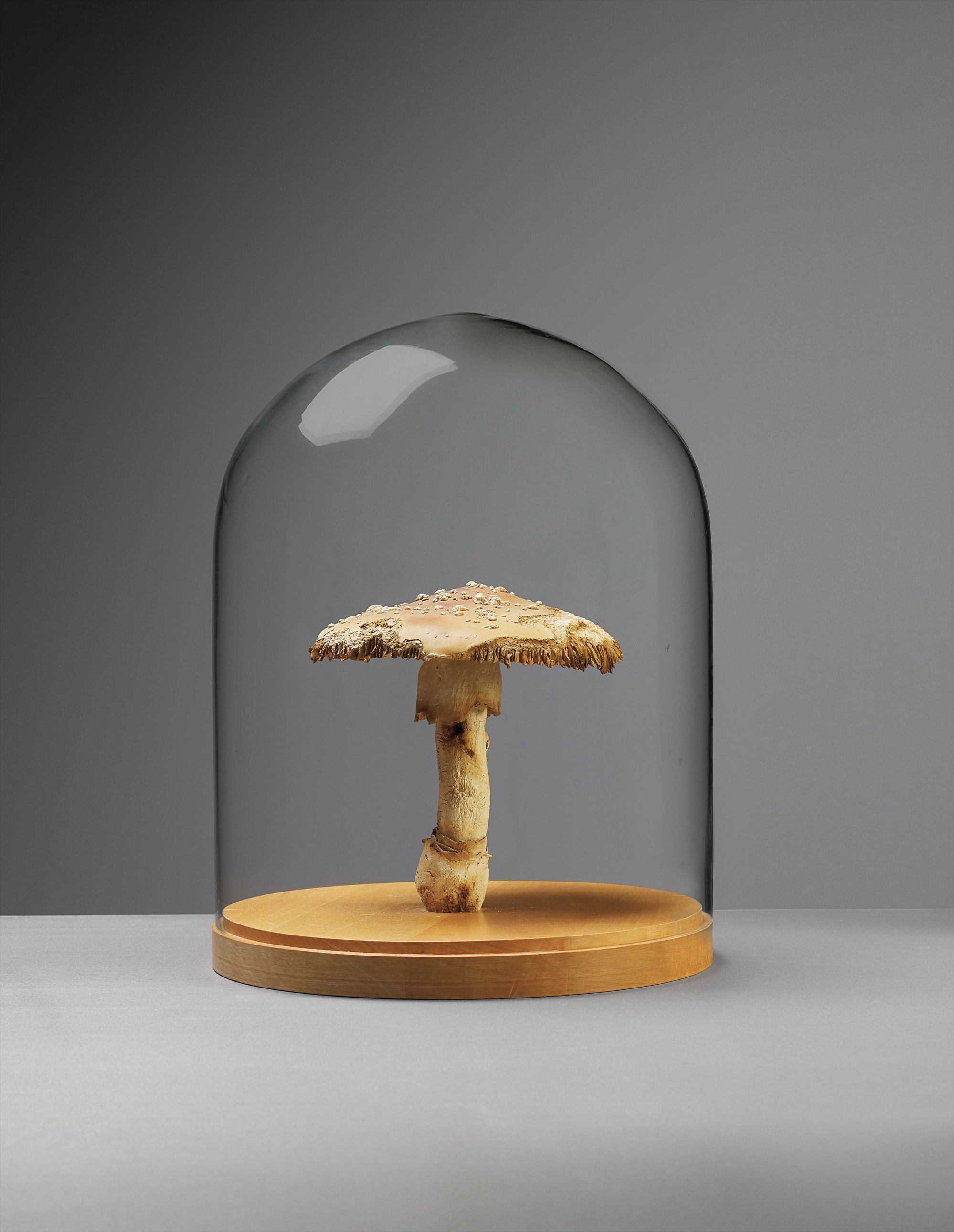
Alighiero Boetti
Senza titolo (scrittura come linea d’orizzonte), 1987
His early Colour Charts, begun in 1966, used commercial paint samples organized by a pseudo random logic that stripped painting of gesture and taste simultaneously. These works now trade at the very top of the market, but the underlying idea connects to a broader systematic tradition that includes Josef Albers's relentless investigations of color interaction in the Homage to the Square series, which began in 1950 and continued for more than two decades. Albers understood that a rigid formal constraint could become a precision instrument for studying perception, and collectors who grasp that distinction hold works that age extraordinarily well. For those looking toward less established names, the opportunity is real.
Charles Gaines has worked in rigorous numerical systems since the 1970s and is only now receiving the sustained institutional attention his work deserves. His methodical translations between image and data have a cold clarity that rewards close study. Roman Opalka spent his entire career from 1965 until his death in 2011 painting consecutive numbers onto canvases, accumulating what became a single lifelong work. Individual canvases from the DETAIL series are among the most philosophically concentrated objects in contemporary art, and their market still reflects a kind of category confusion that patient collectors can work to their advantage.
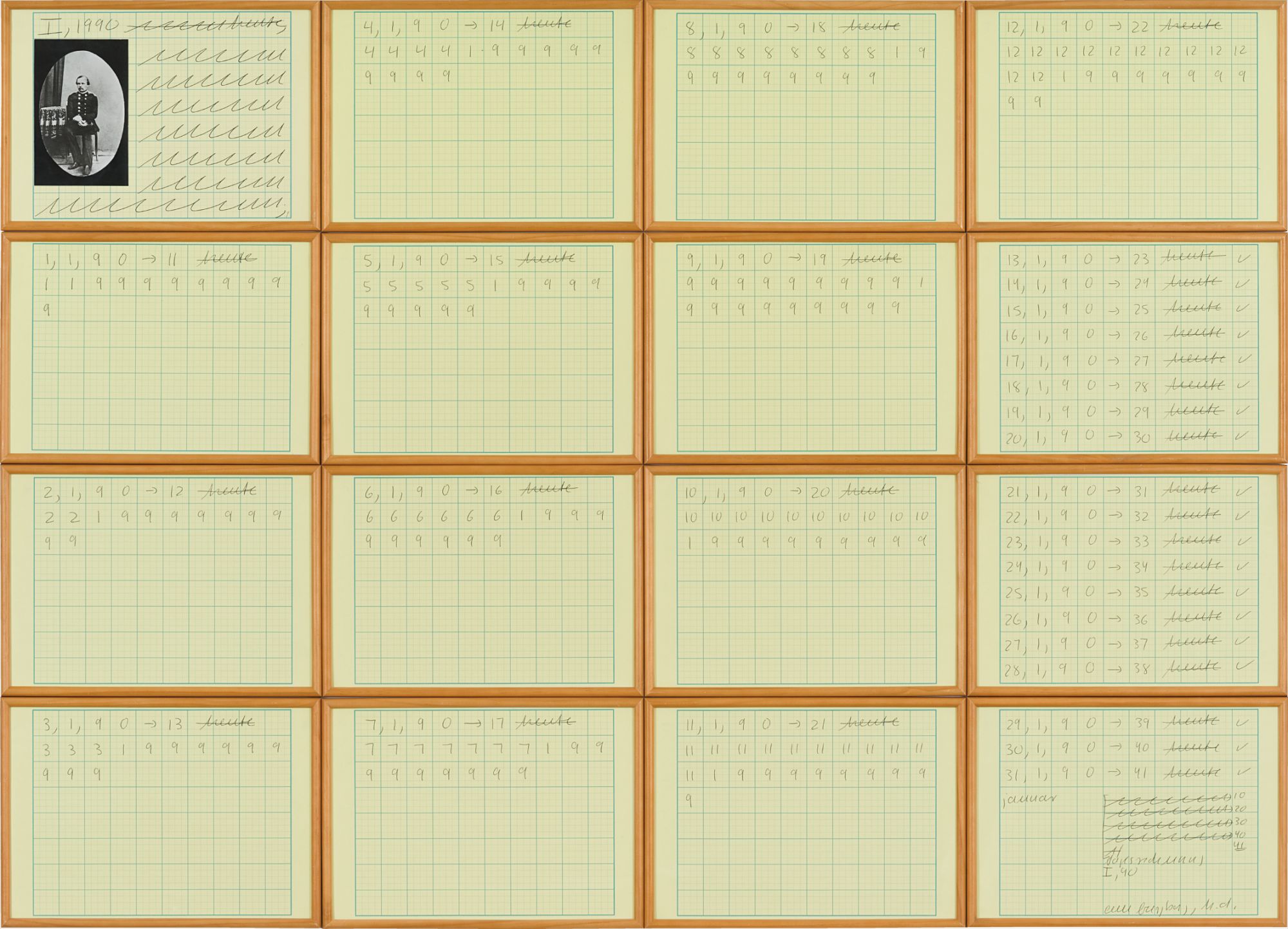
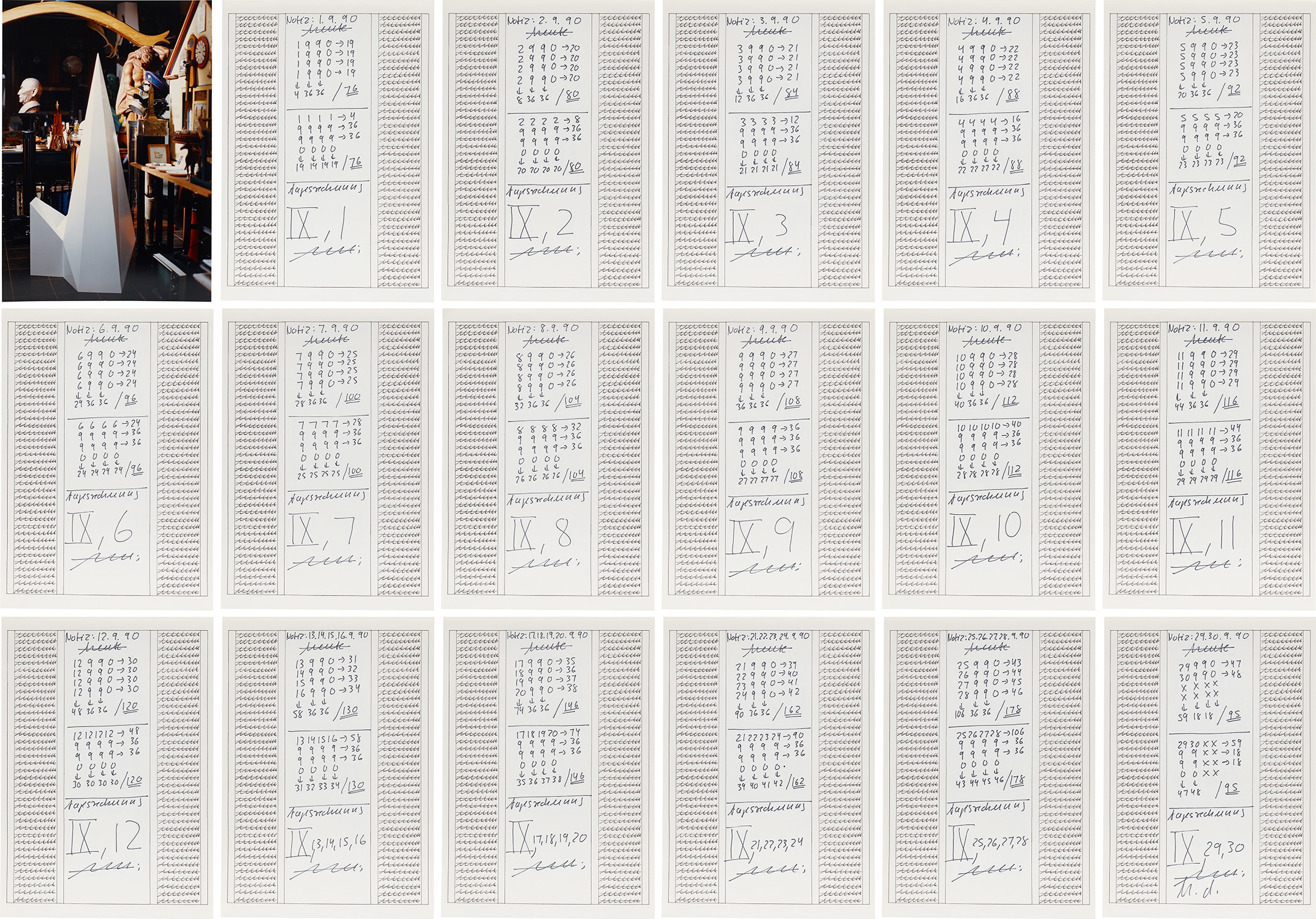
Hanne Darboven
Dostojewski, Monat Januar
Hanne Darboven similarly devoted decades to notational systems that hover between music, writing, and visual art. Her work is institutional in scale and ambition but individual pieces hold extraordinary presence. At auction, systematic art performs with notable consistency in the upper tier and with useful volatility in the mid market. LeWitt certificate works and wall drawing instructions have maintained strong floors at the major houses, with certificate authenticity and condition of any accompanying documentation being critical factors.
Morellet and Vasarely tend to find stronger prices in European salerooms, particularly in Paris and Amsterdam, where their reputations are more firmly established in the popular imagination. Emerging names like James Siena and Emilio Chapela trade more actively through galleries than auction at this stage, which means primary market relationships remain the most effective way to build positions in their work. Practical considerations matter enormously in this category. For works on paper, which constitute a significant portion of systematic art output, environmental stability is non negotiable: consistent humidity, no direct light, and archival framing are baseline requirements rather than optional care.
For editioned works, always ask the gallery for the full edition size and the current number of known institutional holdings before acquiring. A small edition held largely by museums trades very differently than one still in general circulation. For unique works, provenance clarity is especially important given how many systematic works were produced in series or suites that were later dispersed. Ask directly whether a work has been exhibited, whether it is accompanied by a certificate, and whether the artist's estate or foundation has any ongoing role in authenticating related works.
These questions are not skepticism. They are the vocabulary of informed collecting, and any gallery worth working with will welcome them.