Symbolic
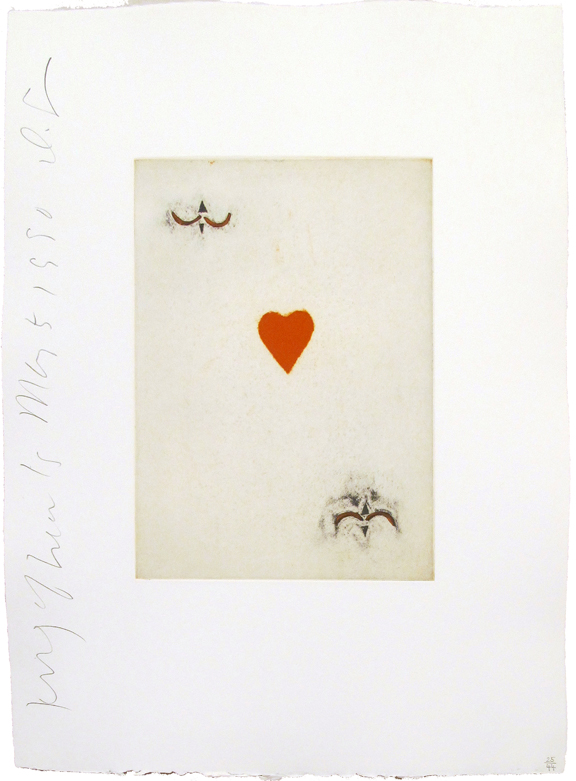
Donald Sultan
Playing Cards (King of Hearts), 1990
The Symbol Speaks: Art's Most Loaded Language
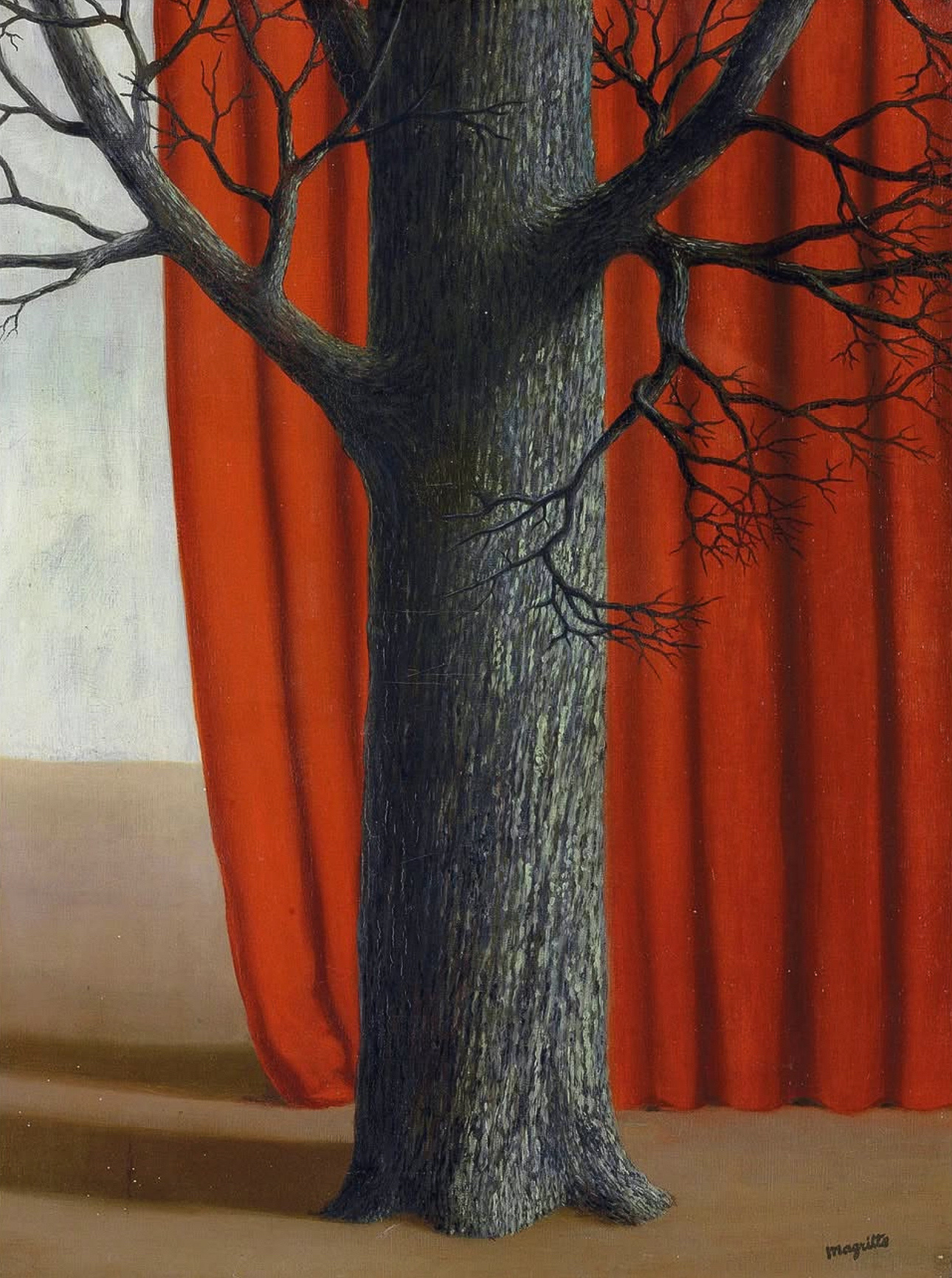
When a Magritte pipe sold at Christie's London in 2018 for well over five million pounds, the room understood that it was not bidding on a painting of a pipe. It was bidding on a philosophical proposition, a visual riddle that has spent nearly a century unsettling assumptions about representation and reality. That is the particular electricity of symbolic art: the object on the canvas is never only itself. It carries weight, history, coded meaning, and the collector who lives with it is drawn into a conversation that does not end.
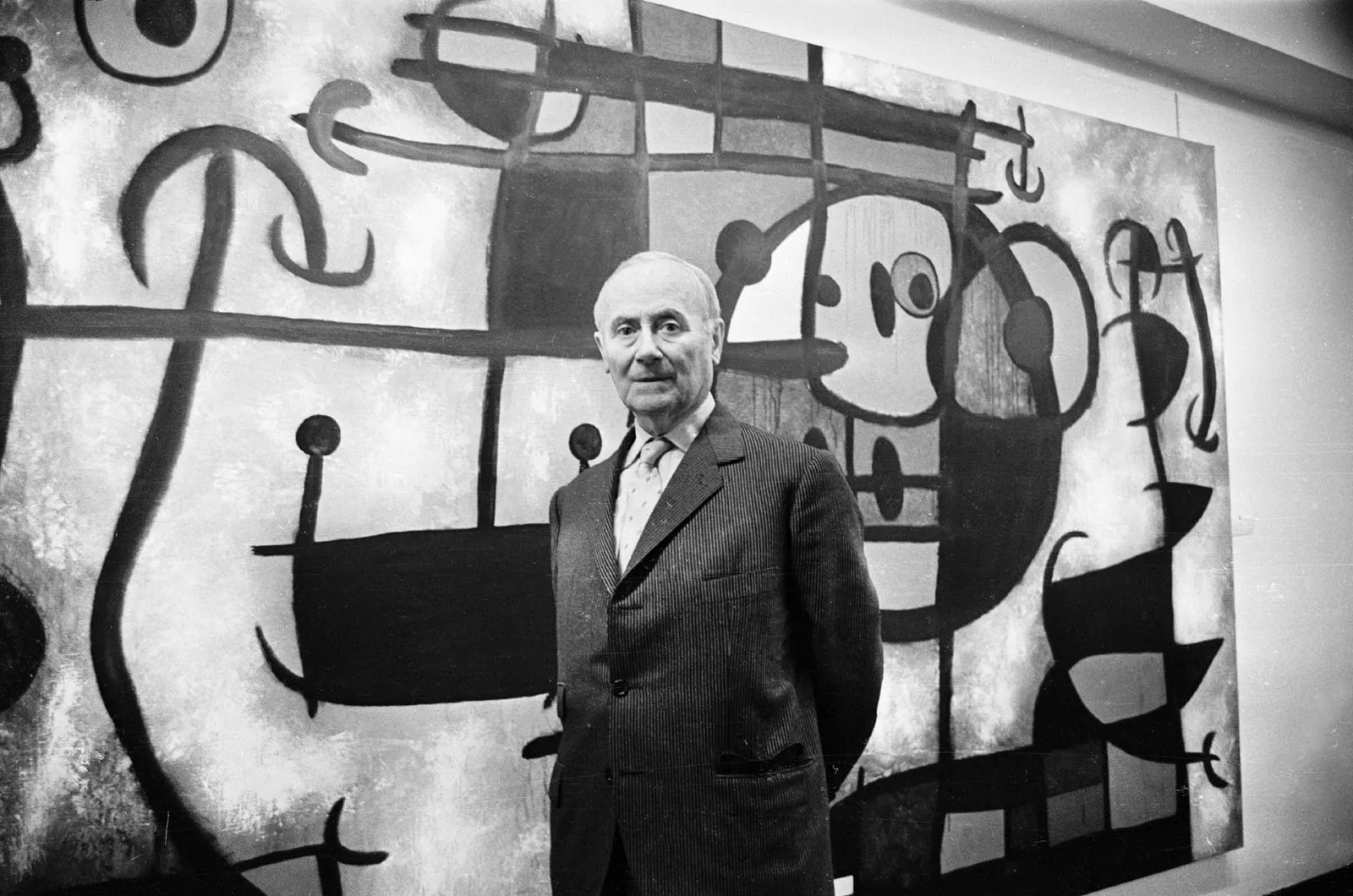
The critical appetite for symbolic work has intensified noticeably over the past several years, fueled in part by a broader cultural reckoning with how images communicate. Institutions have responded. The Pompidou Centre's ongoing engagement with Surrealist holdings, the MoMA retrospectives dedicated to artists who worked through sign and symbol rather than pure form, and the Tate Modern's continued interrogation of post war European painting have all kept symbolic practice at the center of serious museum programming. When the Guggenheim Bilbao mounted its survey of Joan Miró in recent memory, it was received not as archival duty but as urgent looking.
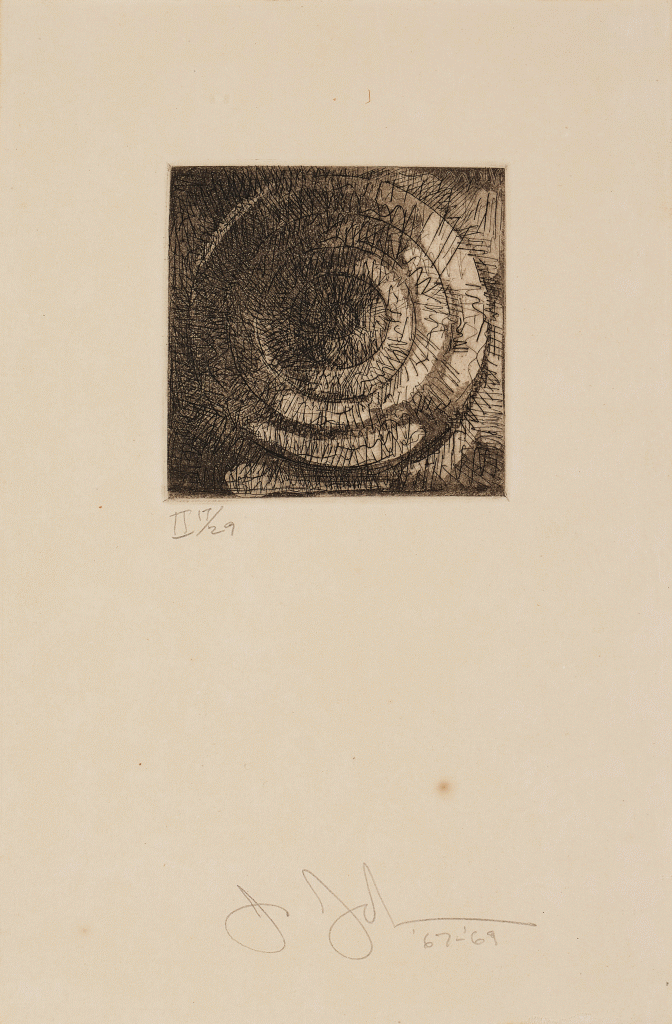
Jasper Johns
Target II, 1967
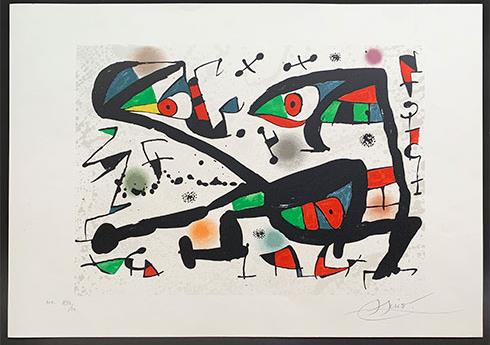
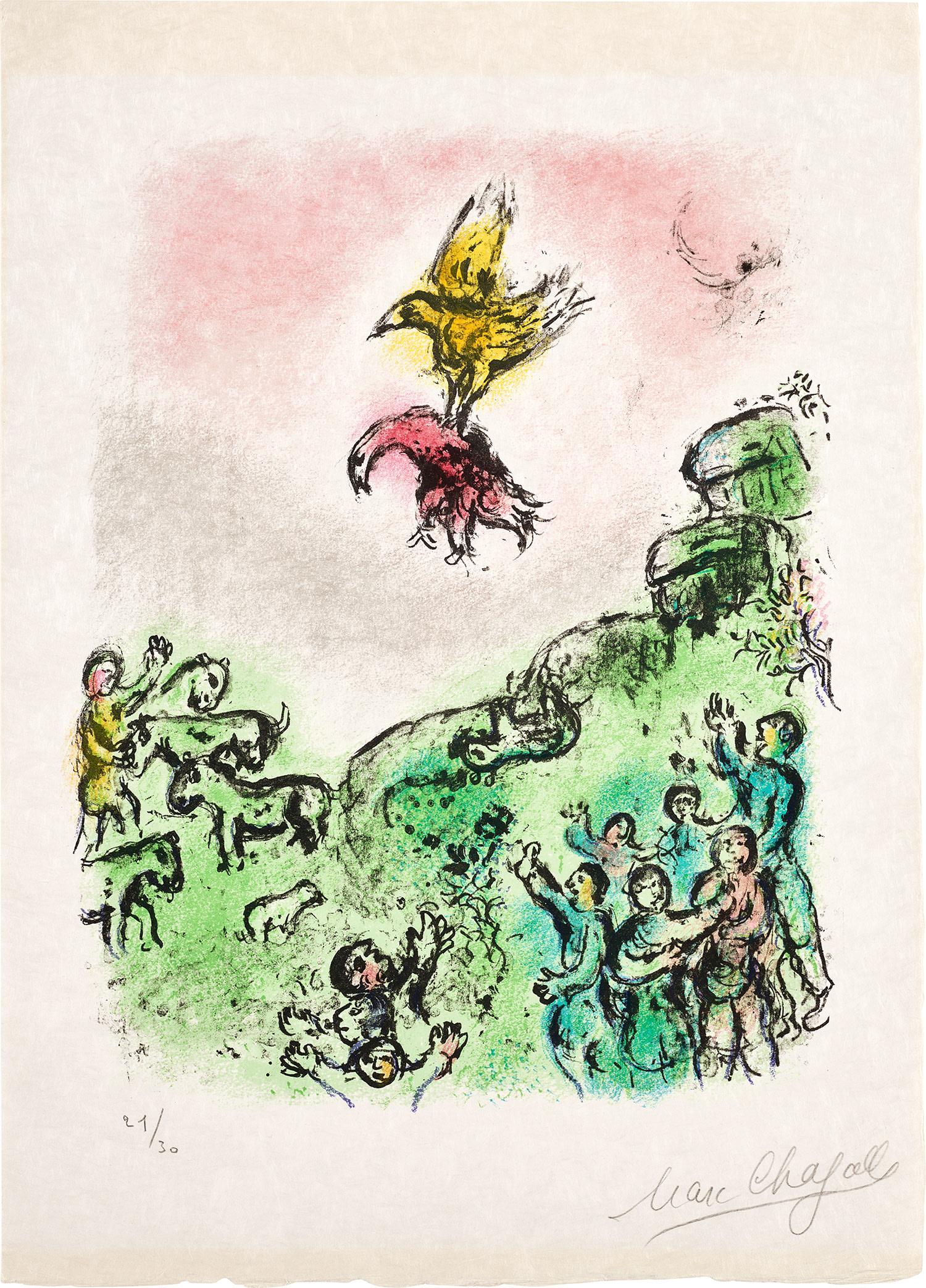
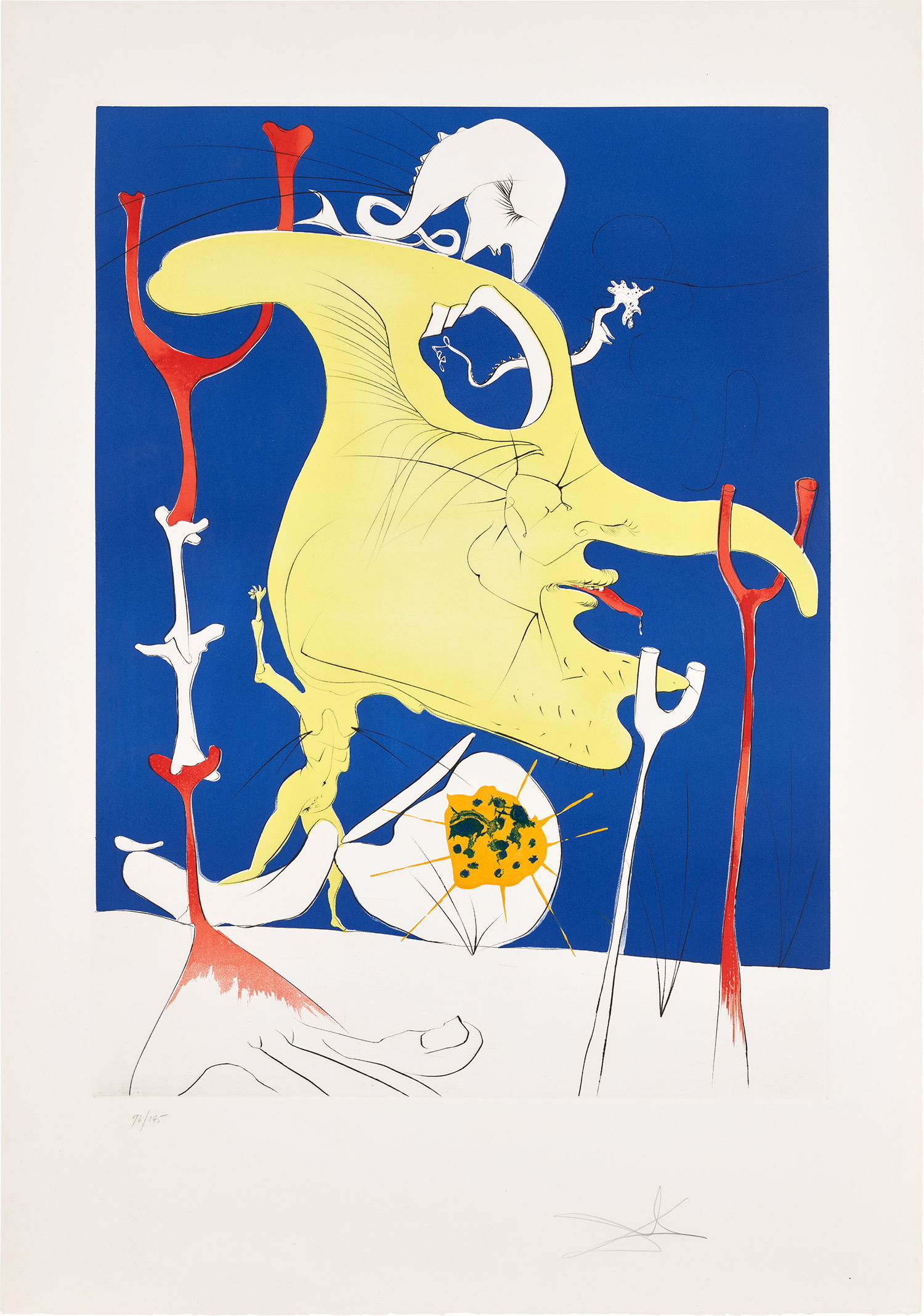
Miró's vocabulary of biomorphic signs, his suns and crescents and spidery figures, felt startlingly contemporary to audiences shaped by emoji, iconography, and the compressed visual grammar of digital life. At auction, the symbolic artists on The Collection represent some of the most reliably significant market performers of the past decade. Salvador Dalí's work continues to command serious attention, with major prints and multiples achieving results that reflect both the depth of institutional holdings worldwide and the ongoing fascination with Surrealism's psychic theater. Marc Chagall's imagery, rooted in Jewish mysticism and the symbolism of village life transformed into floating, chromatic dreamscape, draws collectors who want work that operates simultaneously as personal mythology and universal archetype.
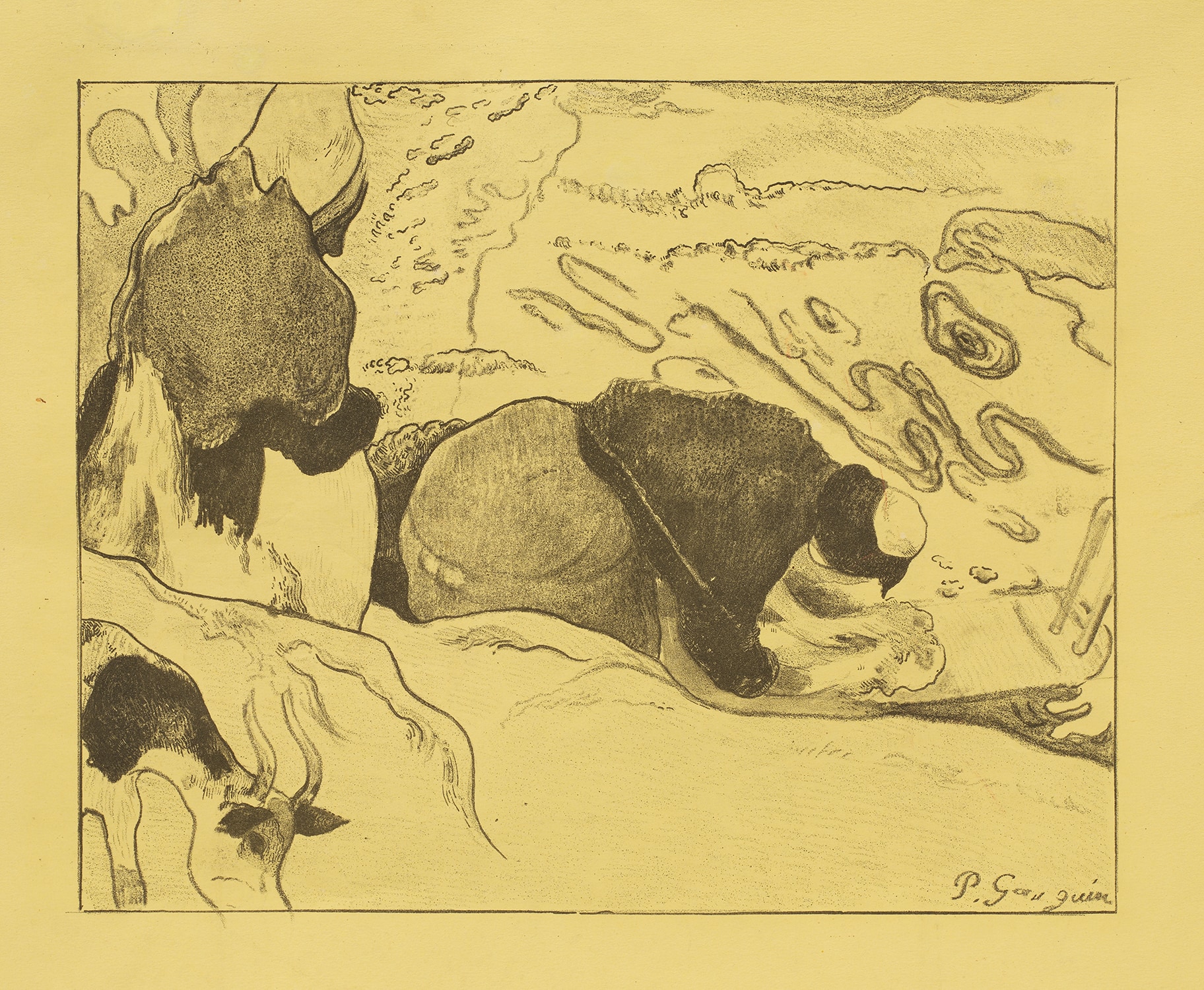
Paul Gauguin remains one of the most contested figures in the symbolic tradition, his Tahitian canvases drenched in spiritual iconography borrowed, distorted, and reinvented from Polynesian, Catholic, and classical sources. The prices his work achieves reflect both art historical canonization and the discomfort of critical reassessment, a combination that tends to sustain rather than diminish market interest. What the auction results reveal, taken together, is that collectors are not simply buying beautiful objects. They are acquiring systems of meaning.
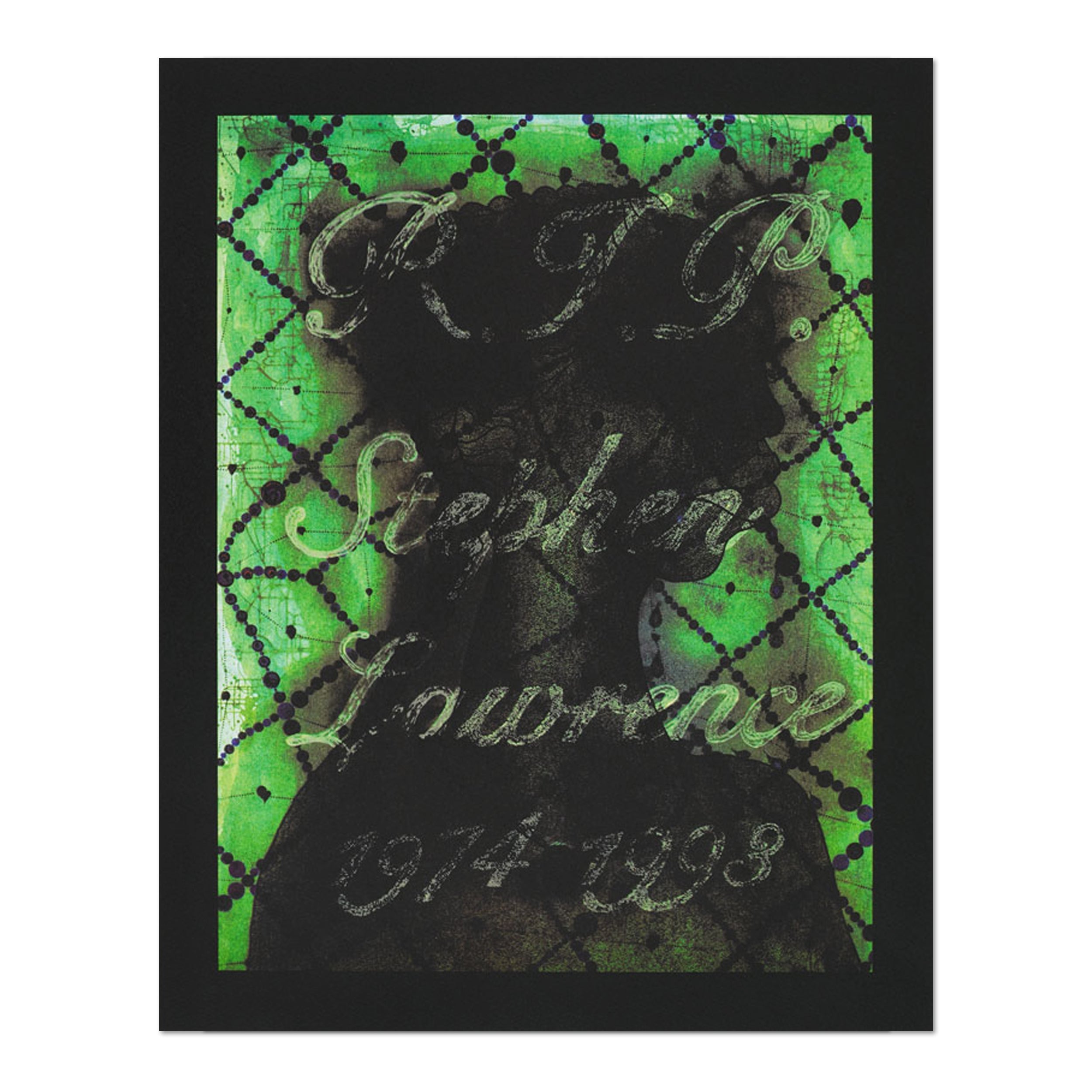
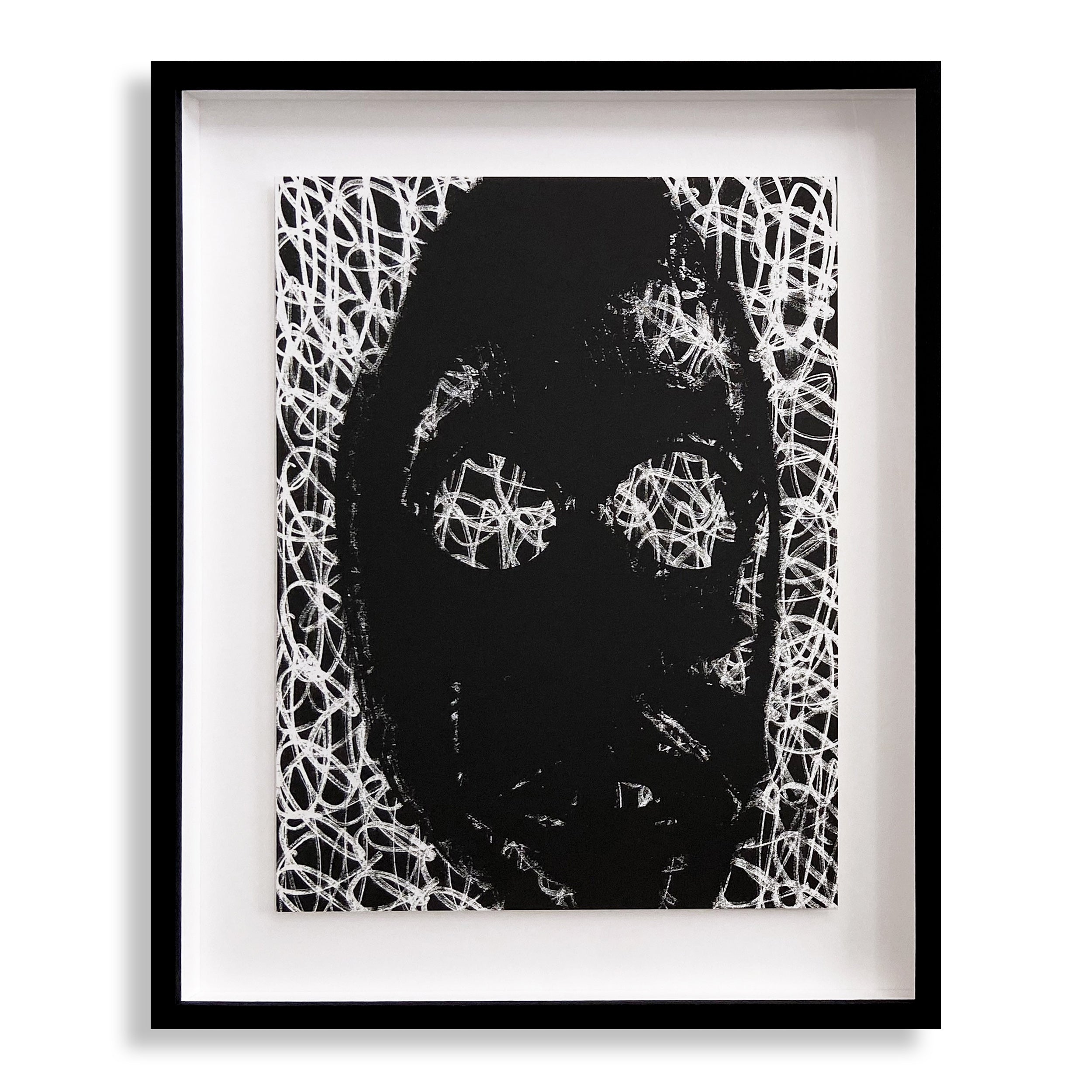
Chris Ofili
R.I.P. Stephen Lawrence, 2013
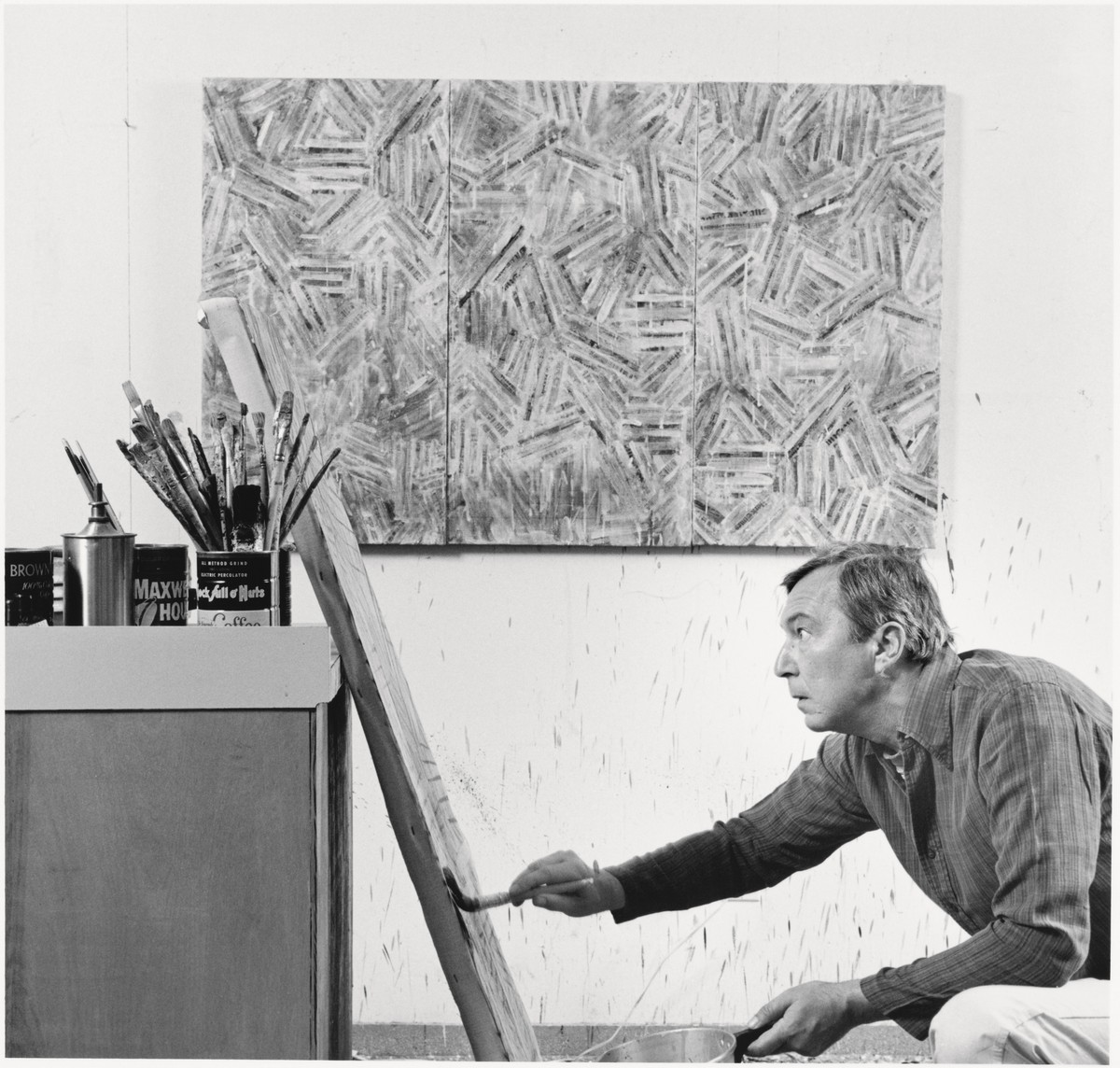
Jasper Johns understood this perhaps more precisely than any American artist of the twentieth century. His flags and targets and numbers are not symbols in the traditional sense but rather meditations on what symbols do to us, how they flatten and fix meaning, and how a painter can destabilize that process through touch and repetition. Johns works on The Collection arrive at the market with the full weight of that critical legacy behind them, and institutions from the Art Institute of Chicago to the Broad in Los Angeles have demonstrated through sustained acquisition that this territory is considered foundational rather than peripheral. Similarly, Joseph Beuys transformed the symbolic object into a social and political instrument.
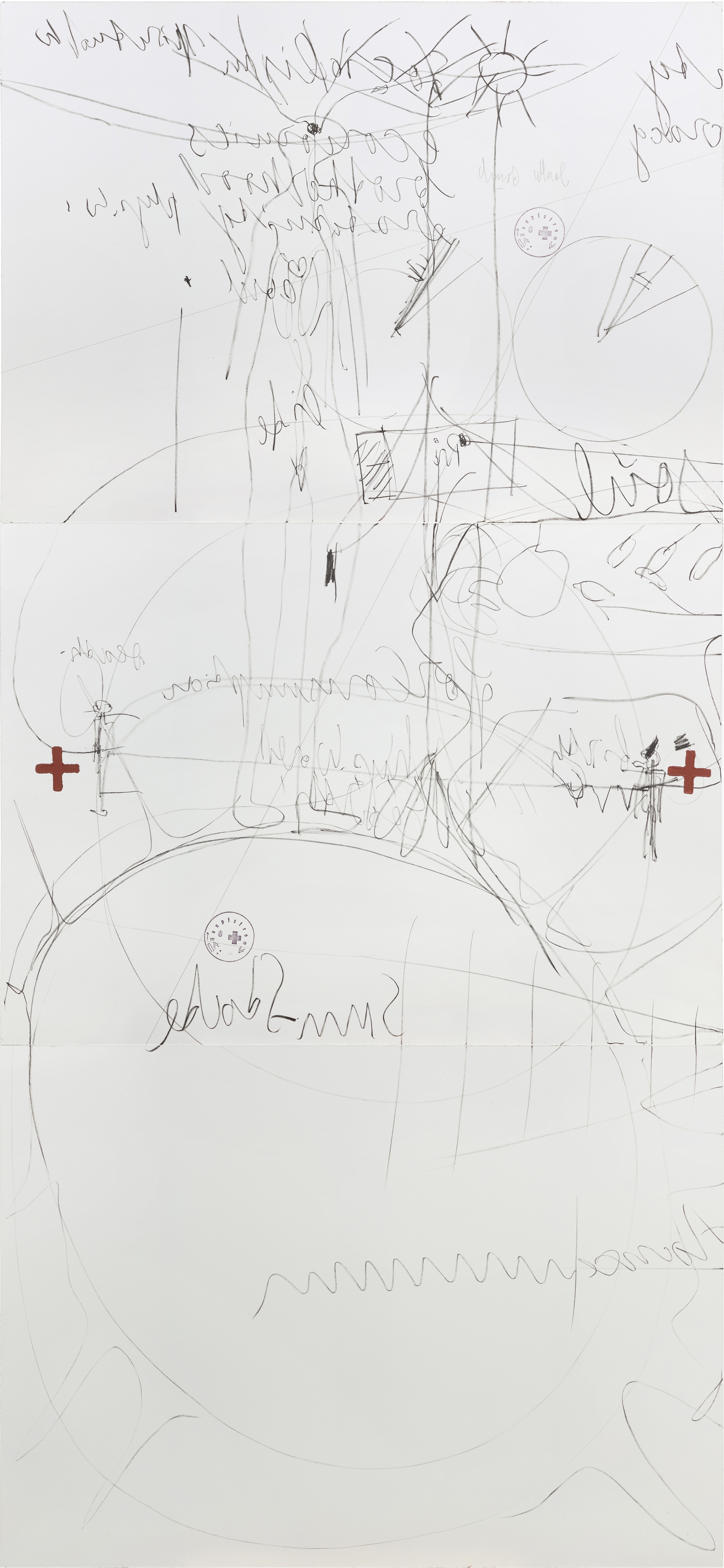
His felt, his fat, his honey are not materials chosen for aesthetic pleasure but for their charged associative histories, and museum collections from the Kunstsammlung Nordrhein Westfalen to the Hamburger Bahnhof have built significant Beuys holdings that signal institutional commitment to art as ideological proposition. The critical conversation around symbolic art has been shaped in recent years by writers willing to take seriously the relationship between image, meaning, and power. T.J.
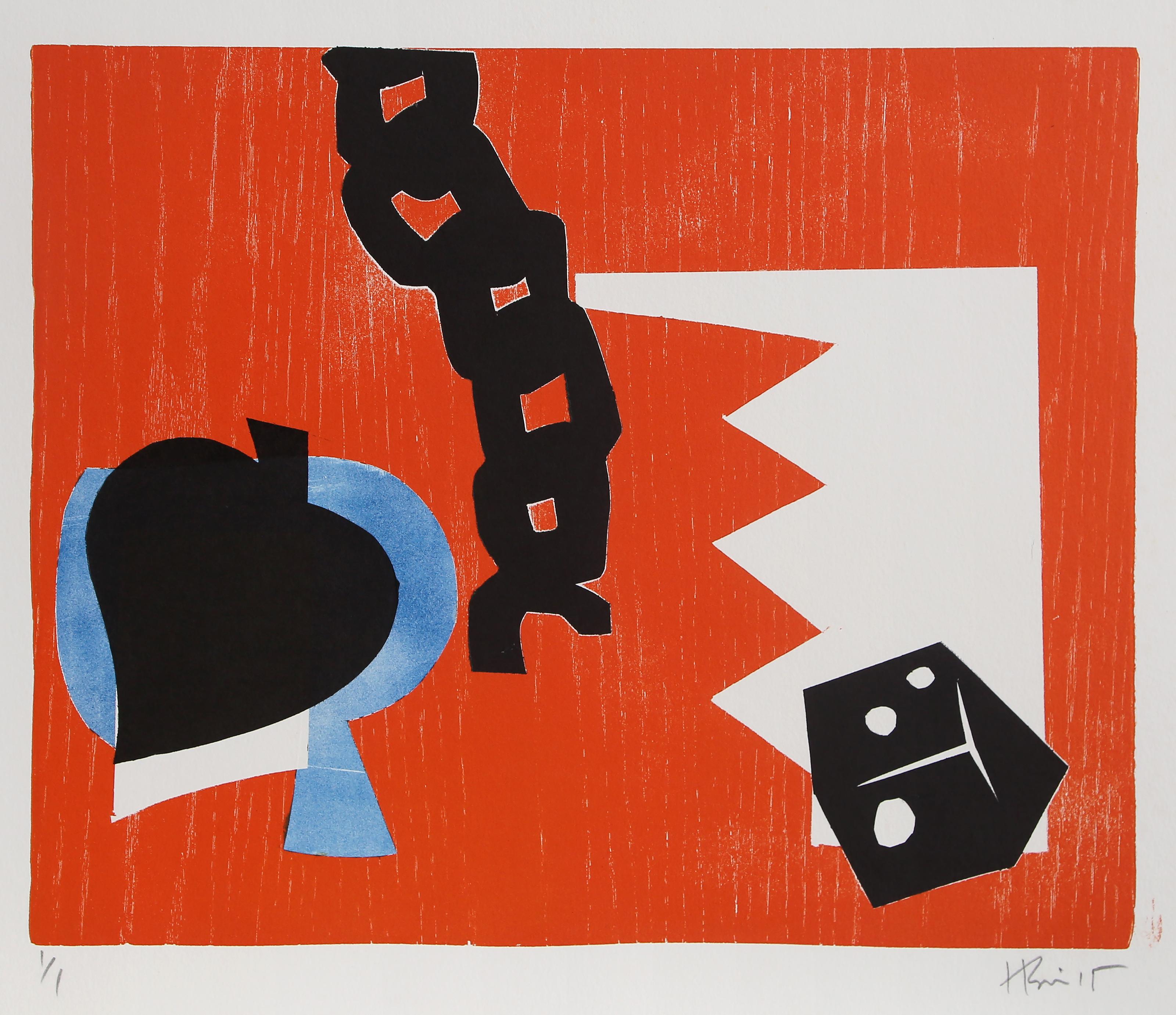
Charlie Hewitt
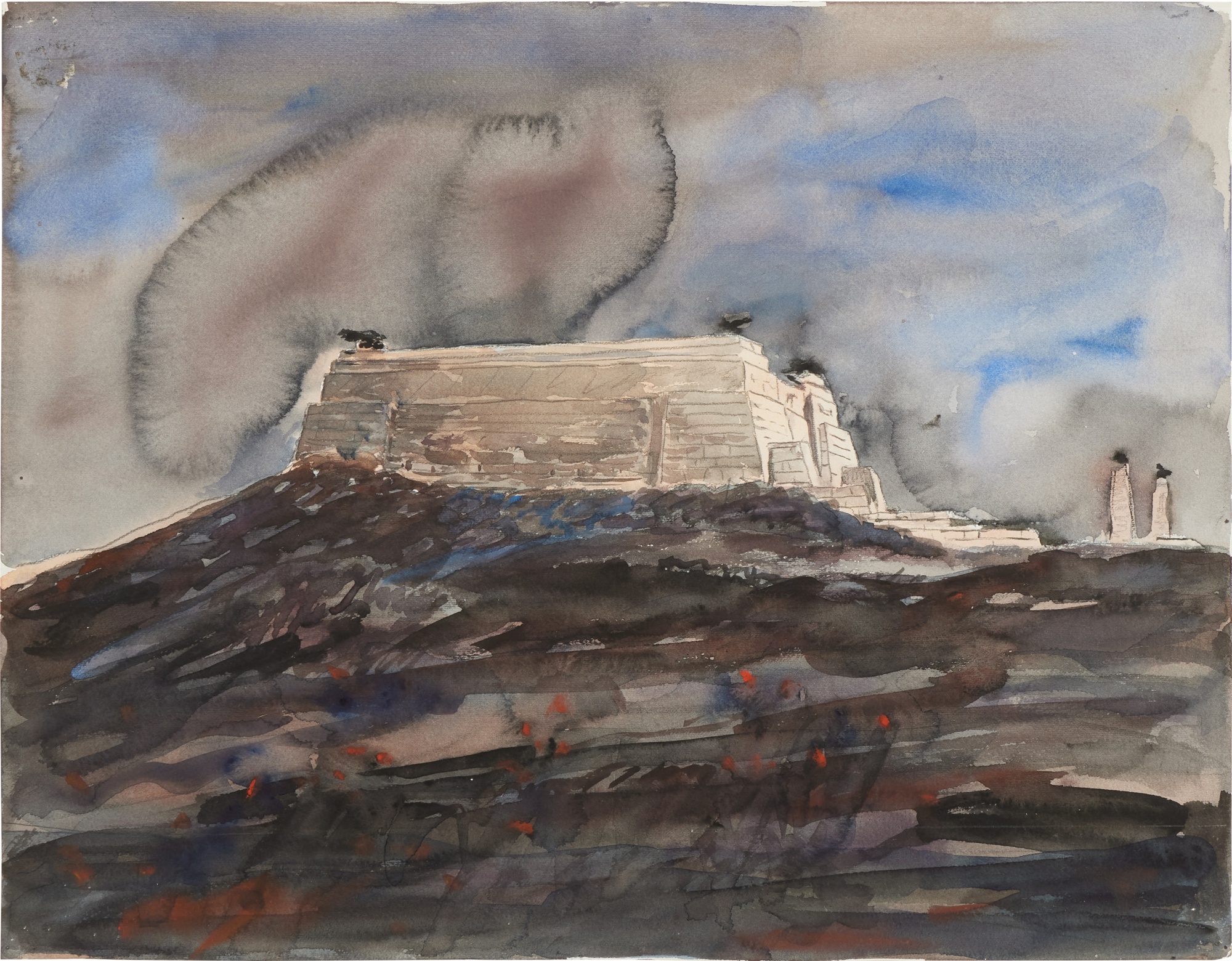
Broken Shackles
Clark's longstanding engagement with the social history of images, Rosalind Krauss's structural accounts of the sign in twentieth century practice, and more recently scholars working on the postcolonial dimensions of symbolic systems have collectively raised the stakes for how we read this work. Publications including Artforum, October, and Frieze have given sustained attention to artists like Anselm Kiefer, whose lead books and mythological canvases transform German cultural trauma into a symbolic language of extraordinary density. Kiefer's recent exhibitions at the Royal Academy and White Cube brought new audiences to work that rewards exactly the kind of slow, research oriented looking that art literate collectors practice. Wifredo Lam occupies a related but distinct space in this conversation: his synthesis of Afro Cuban Santería iconography with European modernist form represents one of the twentieth century's most complex symbolic negotiations, and curatorial attention to his work has grown substantially as institutions reckon with the geography of modernism.
There are surprises coming, and some of them are already visible. Takashi Murakami's sustained engagement with Buddhist iconography, Japanese folkloric symbolism, and the visual language of otaku culture has positioned him as one of the most commercially successful symbolic artists working today, yet critical reassessment of his practice continues to deepen. His work on The Collection exists in productive tension with the historical symbolic traditions surrounding it. Meanwhile, Shepard Fairey's graphic iconography, rooted in propaganda aesthetics and street art's urgent visual shorthand, has found its way into museum collections in ways that would have seemed unlikely a decade ago.
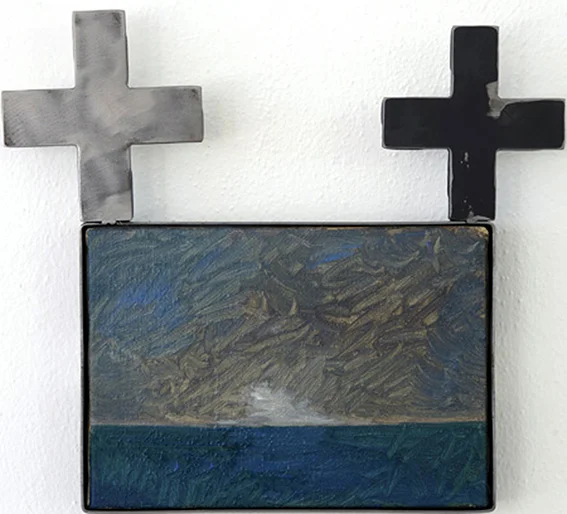
Mimmo Paladino
Alba, 2006
The symbolic impulse does not belong to any single period or medium. It migrates, adapts, and finds new carriers. What feels settled in this space is the canonical core: Miró, Dalí, Chagall, Magritte, Johns. Their market positions are established, their institutional presences are deep, and the critical frameworks for understanding them are mature without being exhausted.
What feels alive is the question of whose symbolic language gets legible as art history, and whose gets dismissed as illustration or decoration. Leonor Fini, Rufino Tamayo, and Wifredo Lam are all artists whose symbolic vocabularies operated outside the dominant Eurocentric critical frame and are now receiving the sustained institutional and market attention they were long denied. That recalibration is not complete. For collectors paying attention, the opportunity is exactly there, in the work that the symbolic tradition kept at its margins and that serious looking is finally bringing to the center.