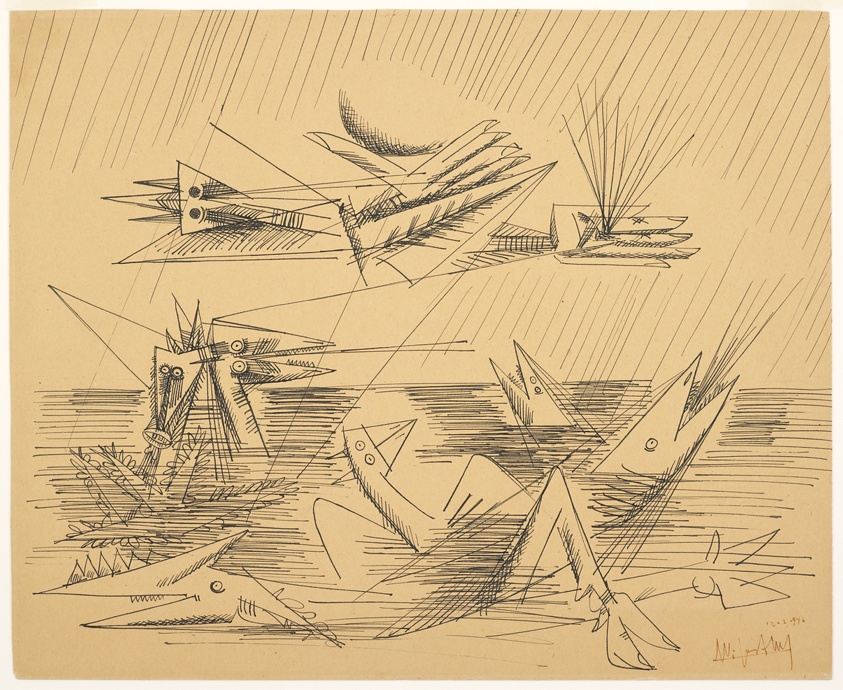
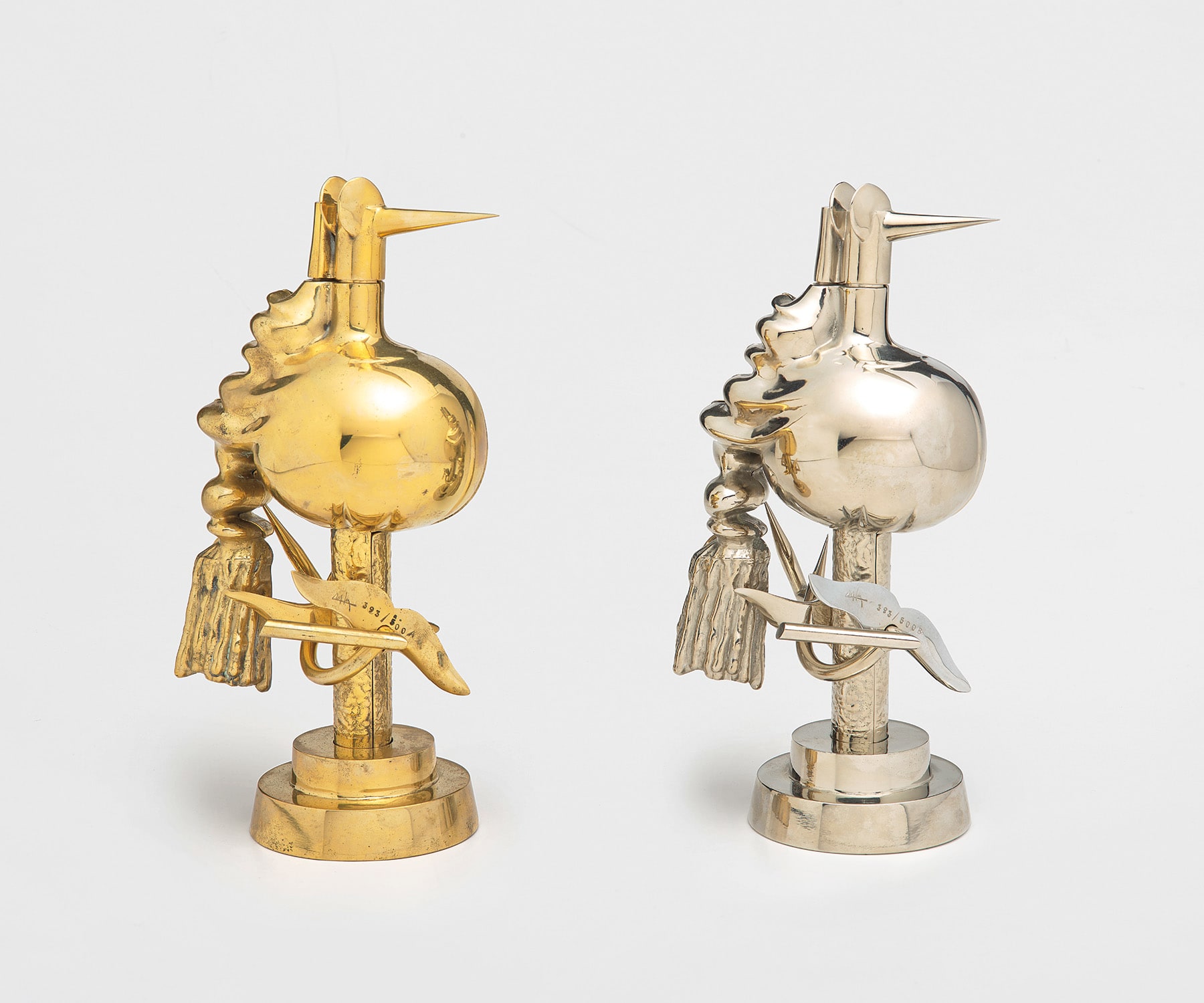
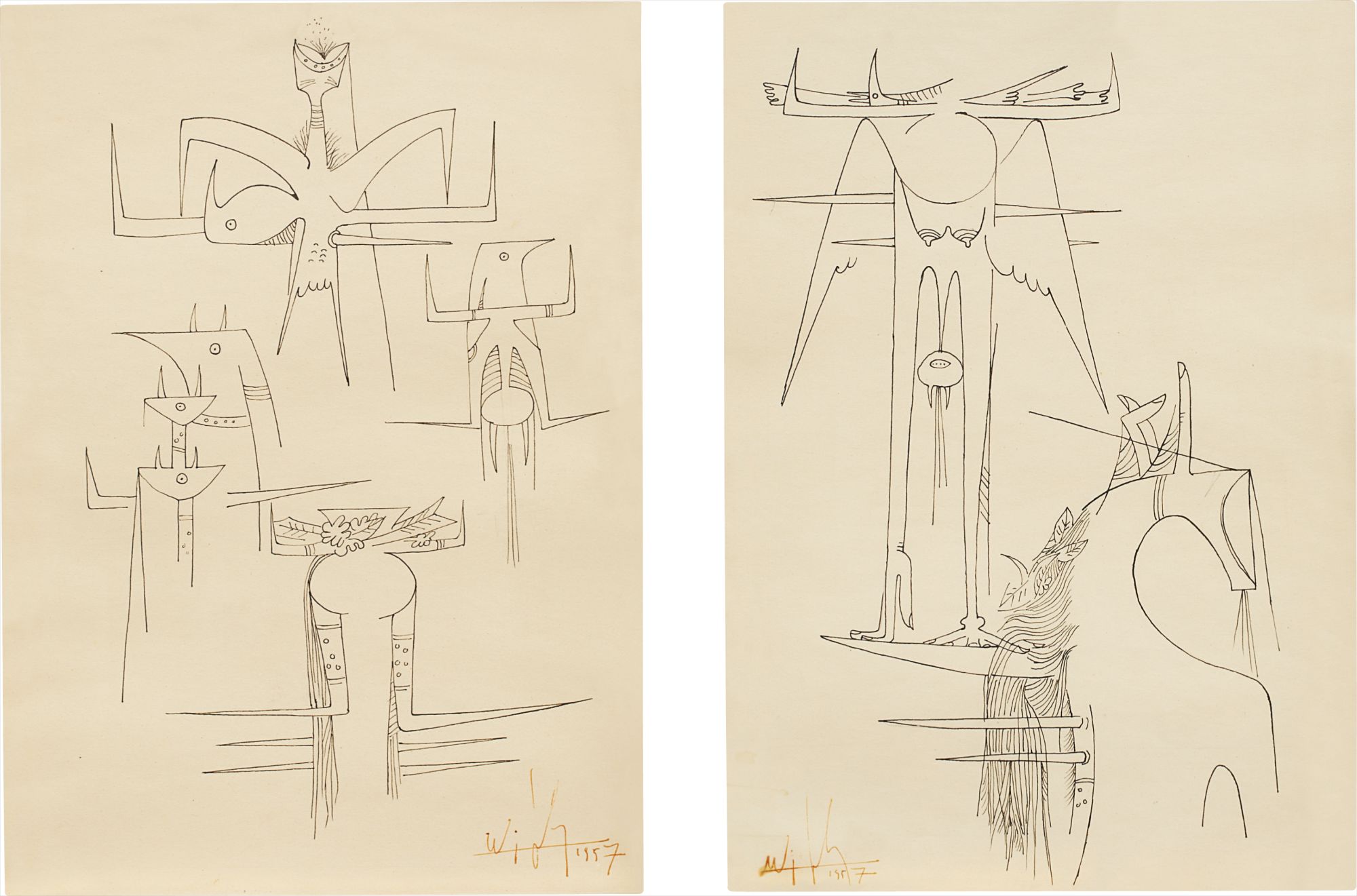
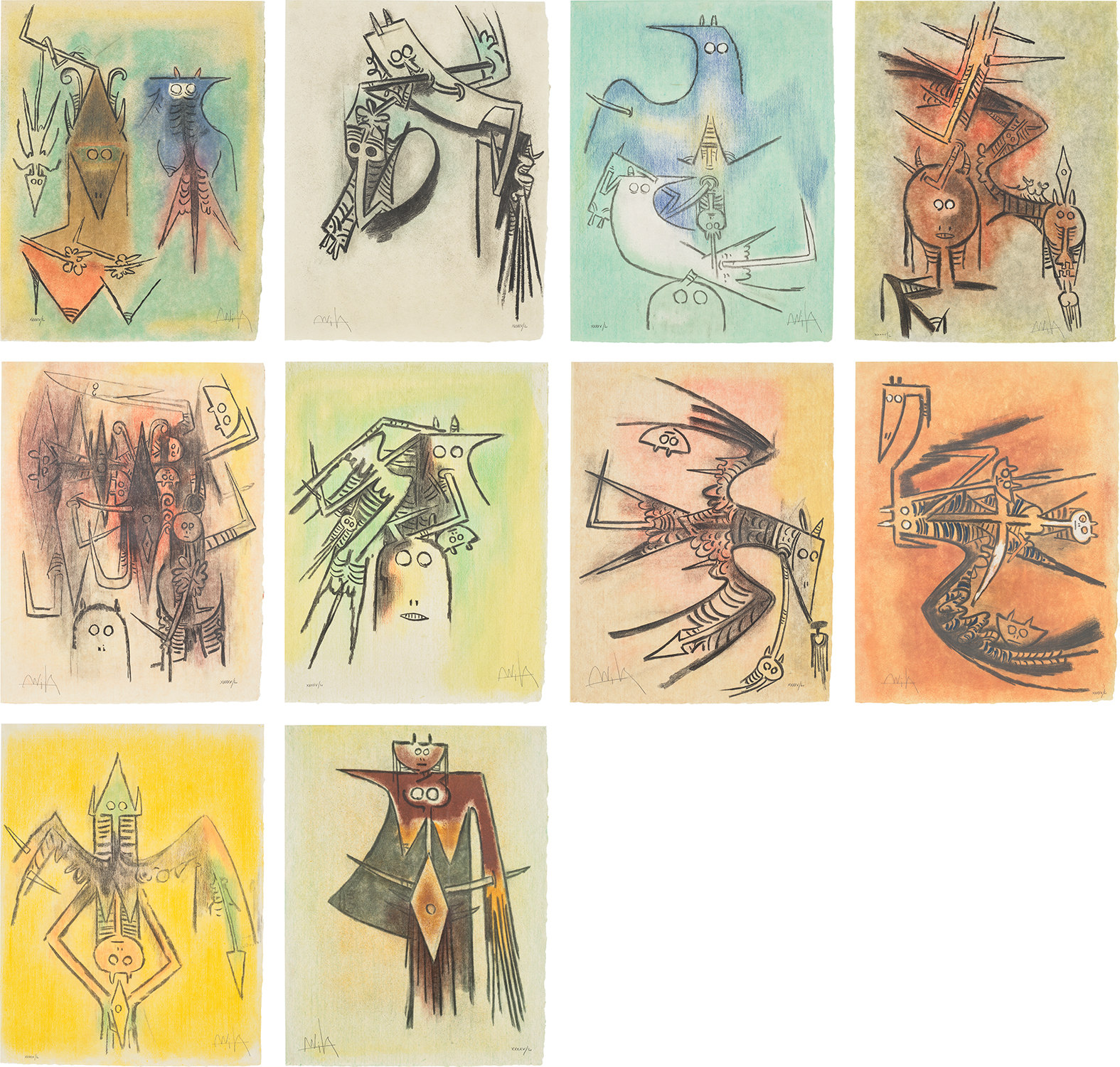
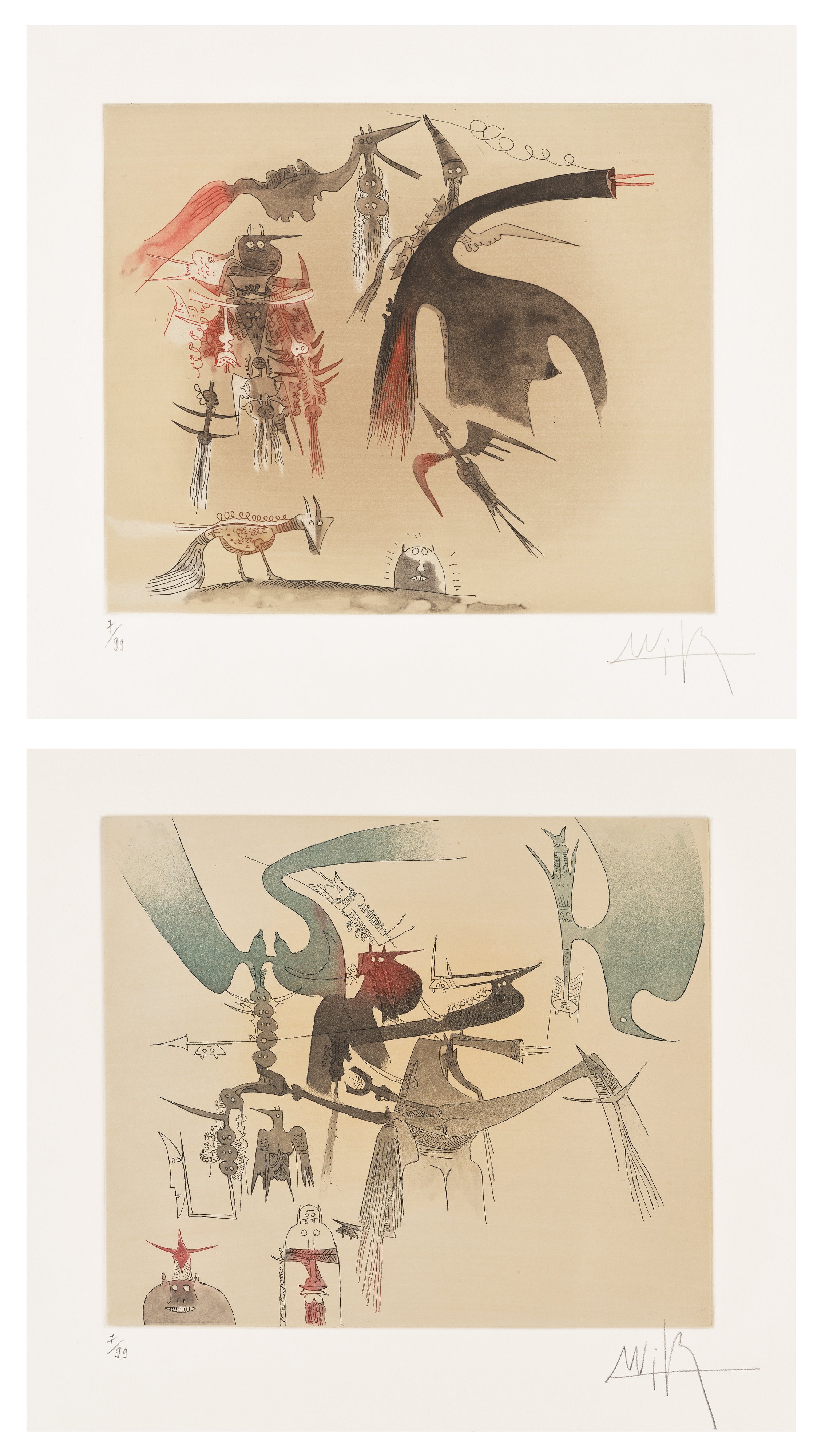
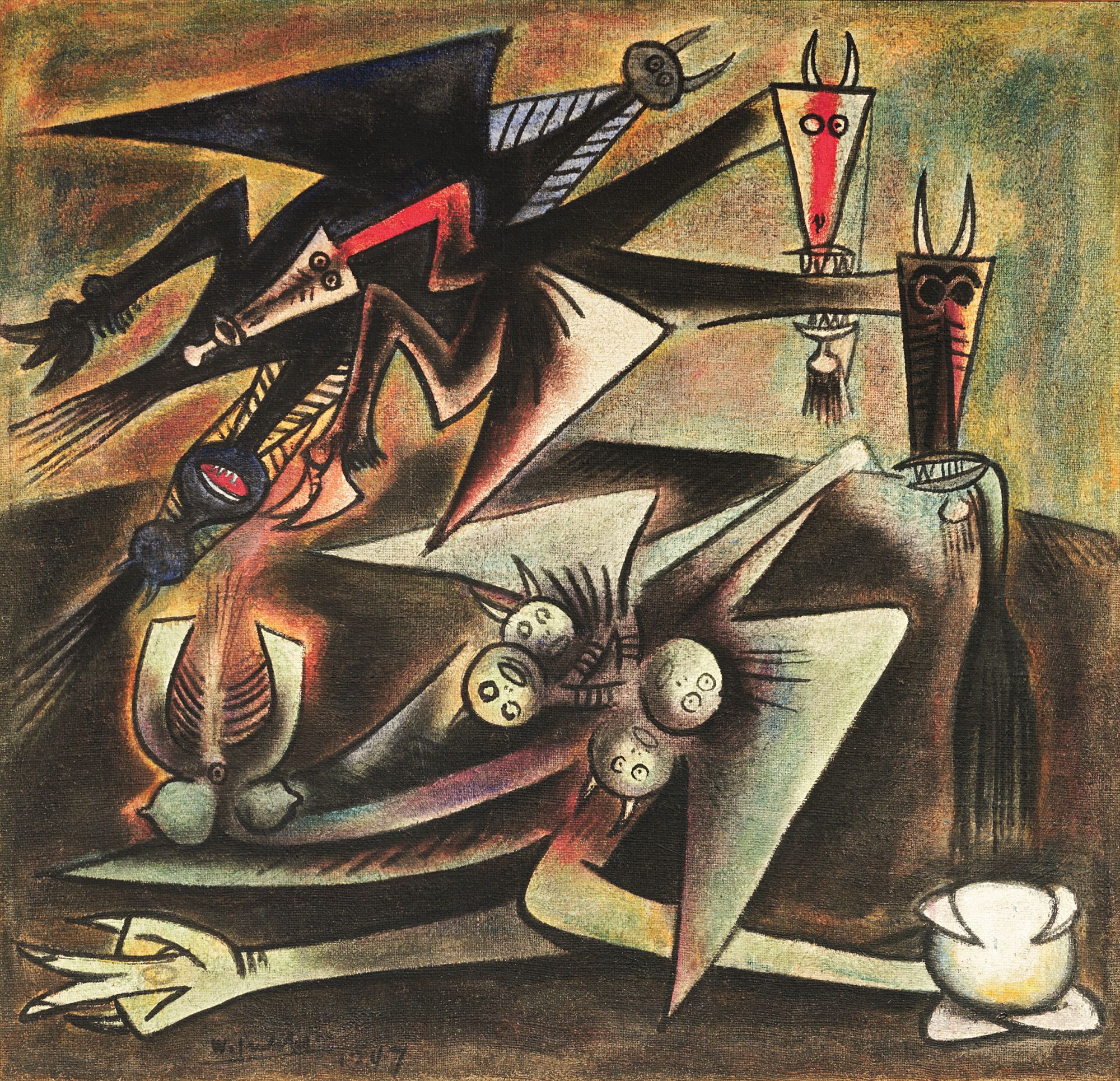
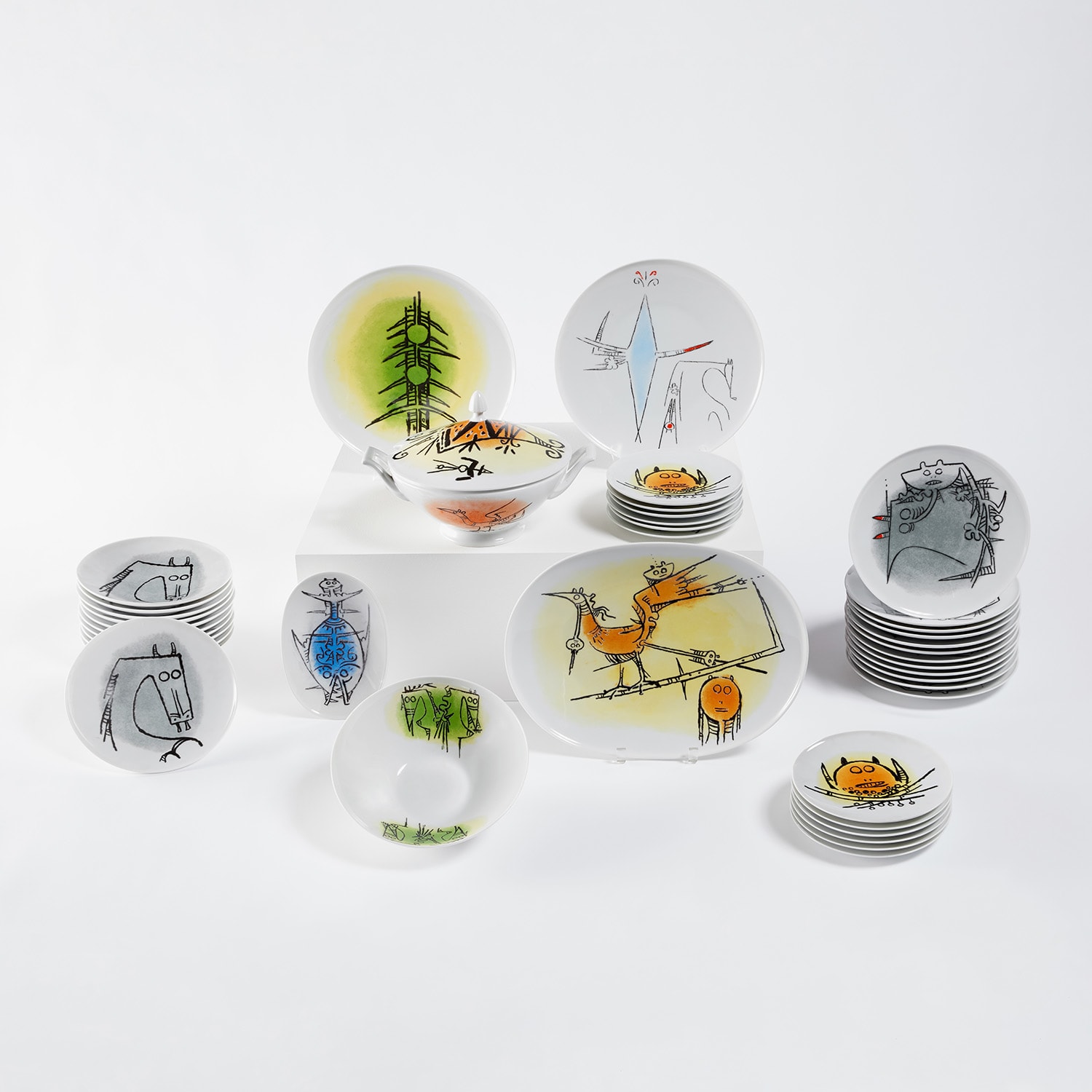
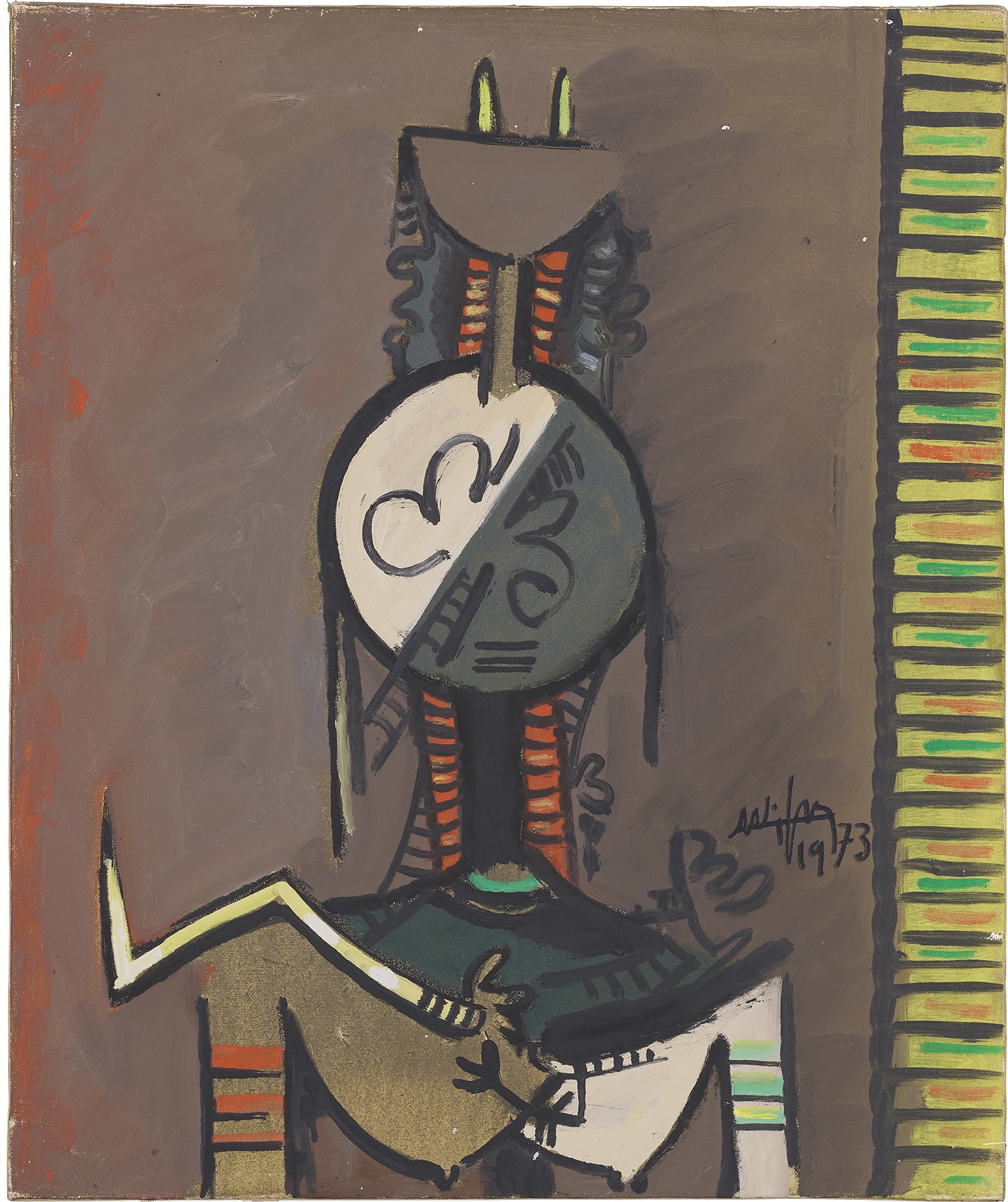
When the Museum of Modern Art in New York acquired The Jungle in 1944, barely a year after Wifredo Lam completed it, the institution was making a statement that reverberated across the entire art world. Standing nearly eight feet tall and stretching across seven and a half feet of canvas, the painting announced that modernism was not the exclusive property of Europe. Lam had done something no one else had managed: he had fused the formal innovations of Picasso and the dreamlike interior logic of Surrealism with the spiritual cosmology of Afro Cuban Santería, producing a work so dense with meaning and so electrically alive that it remains, eight decades later, one of the most discussed paintings of the twentieth century. That MoMA canvas is now considered a cornerstone of the permanent collection, and its presence in the galleries continues to draw scholars, artists, and devoted collectors from around the world. Wifredo Lam was born on December 8, 1902, in Sagua la Grande, a small city on Cuba's northern coast. His background was extraordinary in its complexity: his father was a Chinese immigrant and his mother was of African, Spanish, and indigenous Cuban descent. This layered heritage, lived out in a colonial society that imposed rigid hierarchies of race and culture, became the engine of his entire artistic project. His godmother, Mantonica Wilson, was a practitioner of Santería, and the ceremonies, symbols, and spiritual figures of that tradition saturated his childhood imagination. He was not merely drawing on folklore when he later depicted orishas and ritual presences in his canvases. He was reaching back toward something he had always known. Lam left Cuba in 1923 to study in Madrid at the Escuela de Bellas Artes de San Fernando, where he spent years mastering academic technique while absorbing the lessons of Goya and Velázquez. The Spanish Civil War radicalized him politically and deepened his understanding of art as a vehicle for moral witness. He moved to Paris in 1938, armed with a letter of introduction to Pablo Picasso, and the encounter changed everything. Picasso, who was captivated by African and Oceanic art and recognized in Lam a sensibility far more intimate with those traditions than his own, became both friend and creative interlocutor. The two artists visited each other's studios regularly, and Picasso helped introduce Lam to the Surrealist circle gathering around André Breton. Within months, Lam was exhibiting alongside some of the most consequential artists in Europe. When the German occupation of France forced the Surrealists into exile, Lam found himself in 1941 aboard a ship to Martinique alongside Breton and the poet Aimé Césaire, whose concept of Négritude charged Lam's thinking about identity and resistance with fresh urgency. He returned to Cuba later that year after more than two decades away, and the collision between his European artistic formation and the Cuban landscape, its light, its sugarcane fields, its Afro Cuban spiritual world, produced an explosion of creativity. The Jungle emerged from this period not as a nostalgic return but as an act of reclamation. The painting's hybrid figures, part human, part plant, part deity, rising from a dense tangle of sugarcane, confronted the history of colonial extraction and the humanity of those who had labored within it. It was a painting that demanded to be reckoned with. Throughout the 1940s and beyond, Lam developed a visual language that grew increasingly assured and personal. Works such as La lumière de la jungle from 1944, which appears among the offerings on The Collection, show his extraordinary facility with light and atmosphere, translating the physical density of tropical vegetation into a luminous, almost sacred space. His oils from the 1960s, including Midnight from 1962 and Personnage from 1969, demonstrate the maturation of his iconographic vocabulary: the totemic figures became more monumental, the color relationships more searching, the sense of ceremony more explicit. Lam also worked with remarkable range across media. His printmaking practice produced suites of considerable sophistication, including the Pleni Luna series and the Lames de Lam etchings and aquatints, works that carry the full weight of his painted language into the intimate register of the printed page. His sculptures, among them the bronze Veve Vivant from 1977, translate his Santería inflected imagery into three dimensions with haunting authority. For collectors, Lam represents one of the most compelling intersections of art historical importance and genuine scarcity. His major canvases are held in institutions including MoMA, the Tate, the Centre Pompidou, and the Museo Nacional de Bellas Artes in Havana, meaning that significant works on the secondary market arrive with considerable anticipation. At auction, his oils from the 1940s and 1960s have commanded prices in the millions of dollars, with major houses including Christie's and Sotheby's regularly featuring his work in their Latin American and modern art sales. Works on paper, prints, and bronzes offer collectors a meaningful point of entry into a practice of extraordinary depth. The Lames de Lam prints, for instance, combine technical virtuosity with the full force of his mythological imagination, and they are works that reward sustained looking over many years. To understand Lam fully is to understand him in dialogue with a constellation of peers. The formal conversation with Picasso is undeniable, but equally important is his relationship to Roberto Matta, the Chilean Surrealist whose own fusions of the interior and the cosmic share something of Lam's visionary ambition. The social and political dimensions of his project resonate with the Mexican muralists, particularly with Diego Rivera and José Clemente Orozco, even as Lam's method was entirely different in its intimacy and symbolism. In a broader frame, Lam belongs to the generation that dismantled the Eurocentric assumptions of modernism from within, using its own formal tools to tell stories that European modernism had never thought to tell. Wifredo Lam died in Paris on September 11, 1982, but his influence has never been stronger than it is right now. In a cultural moment when questions of decolonization, spiritual knowledge, and the recovery of suppressed histories are central to contemporary artistic discourse, Lam appears not as a historical figure to be recovered but as a living presence whose concerns feel urgently immediate. Young painters working across the Caribbean diaspora cite him as a foundational reference. Museum retrospectives continue to introduce his work to new audiences. And collectors who have lived with his paintings describe an experience that deepens rather than diminishes over time, a quality that belongs only to the very greatest art. To acquire a work by Wifredo Lam is to bring into your home a consciousness that was genuinely singular, a voice that spoke truths that no one else could speak.