Space Exploration
Robert Rauschenberg
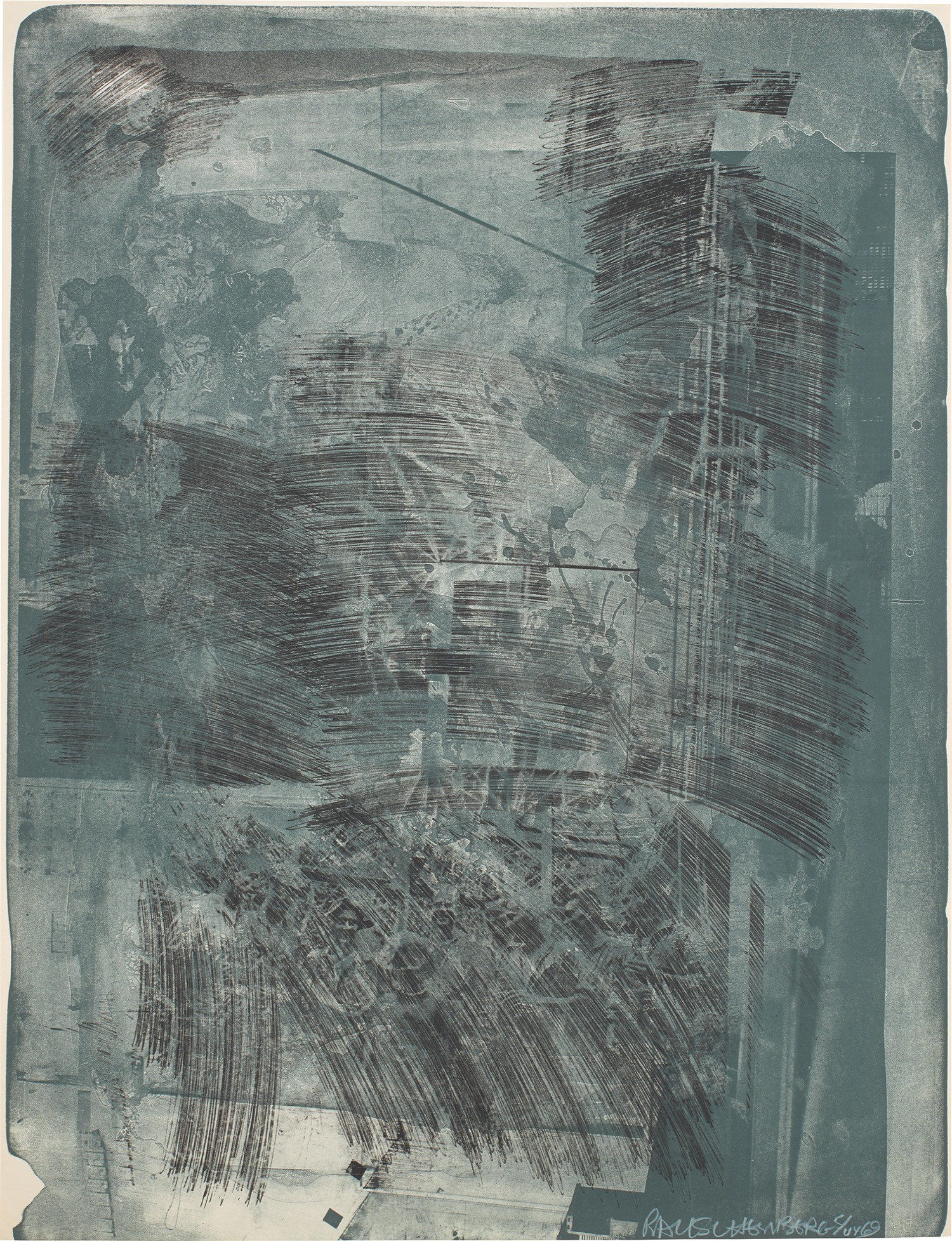
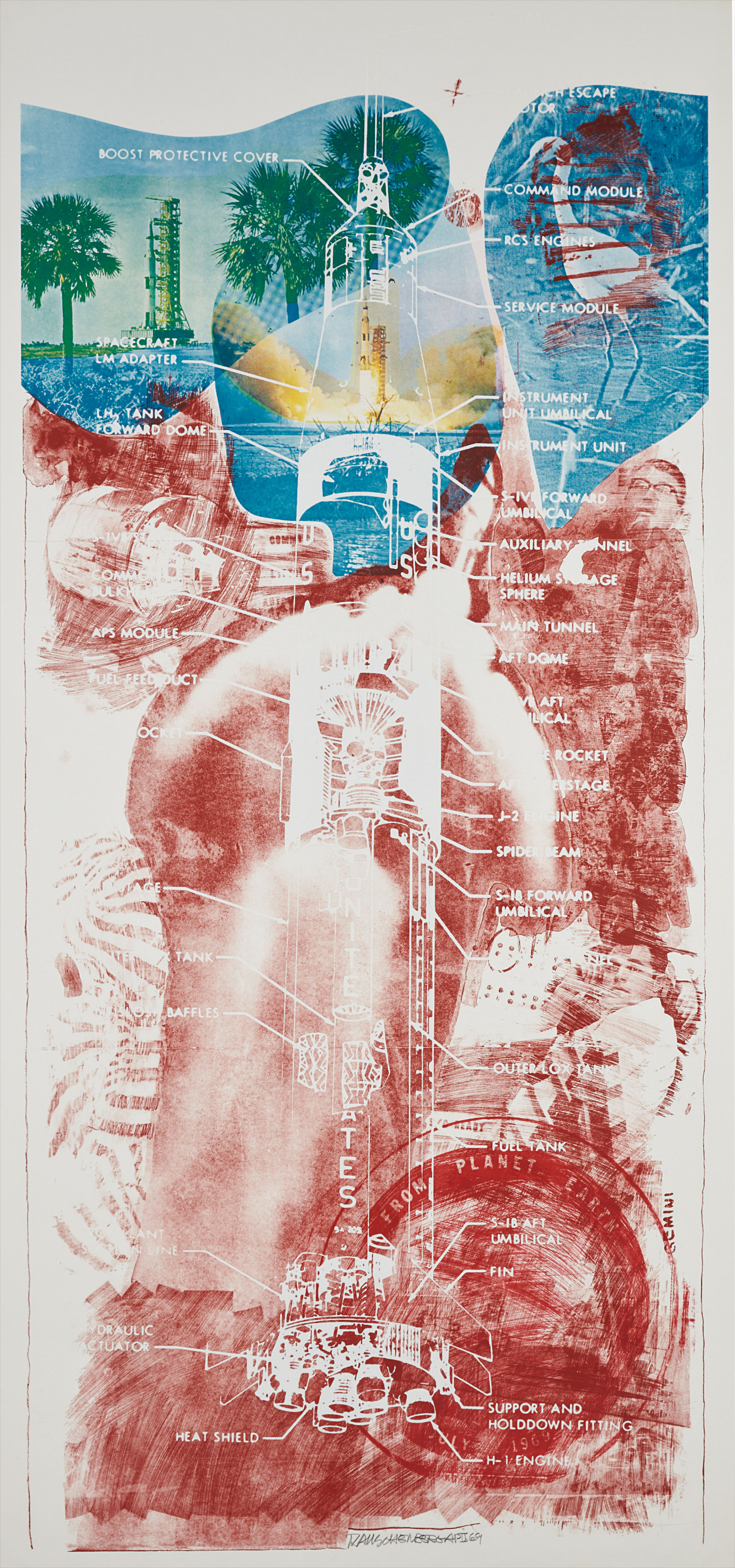
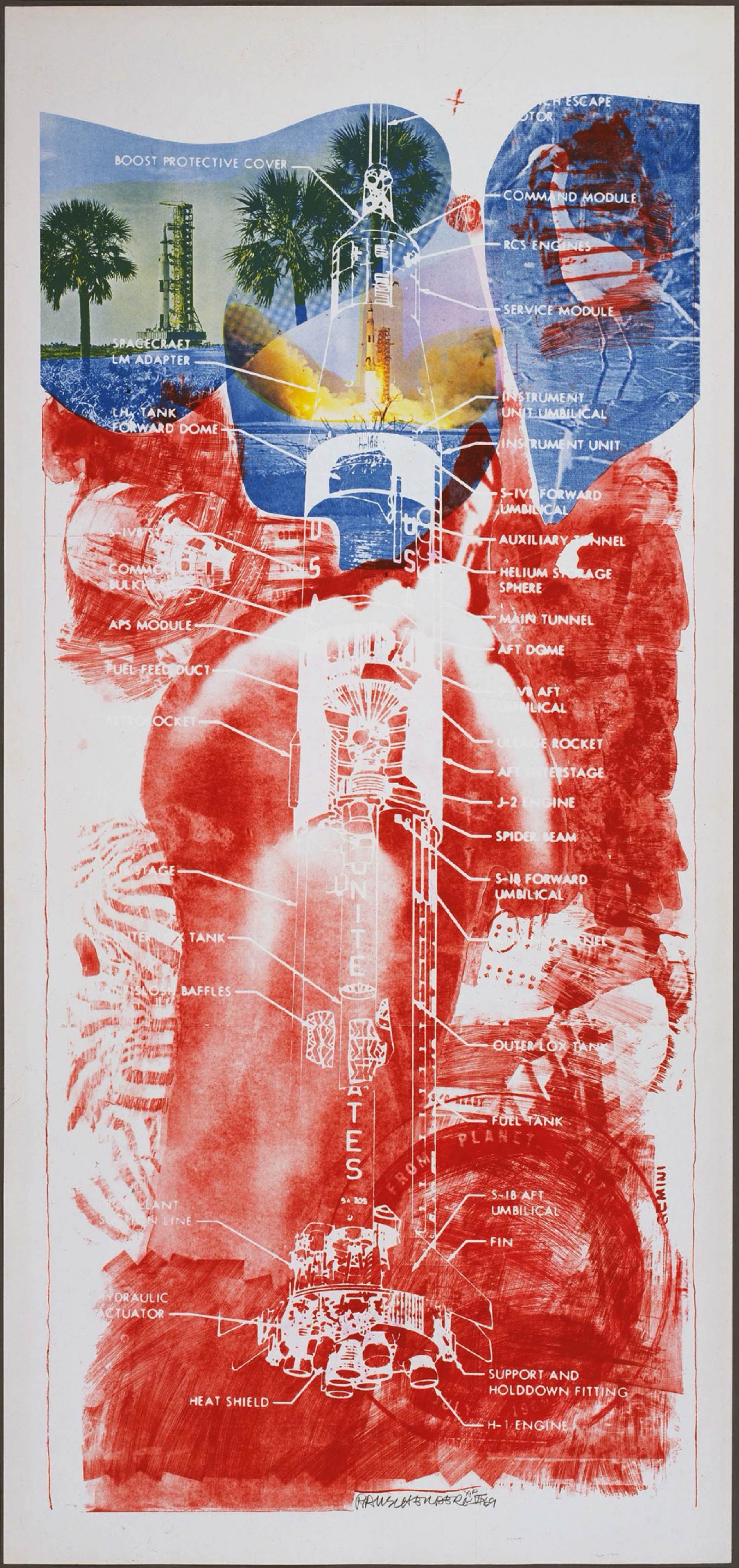
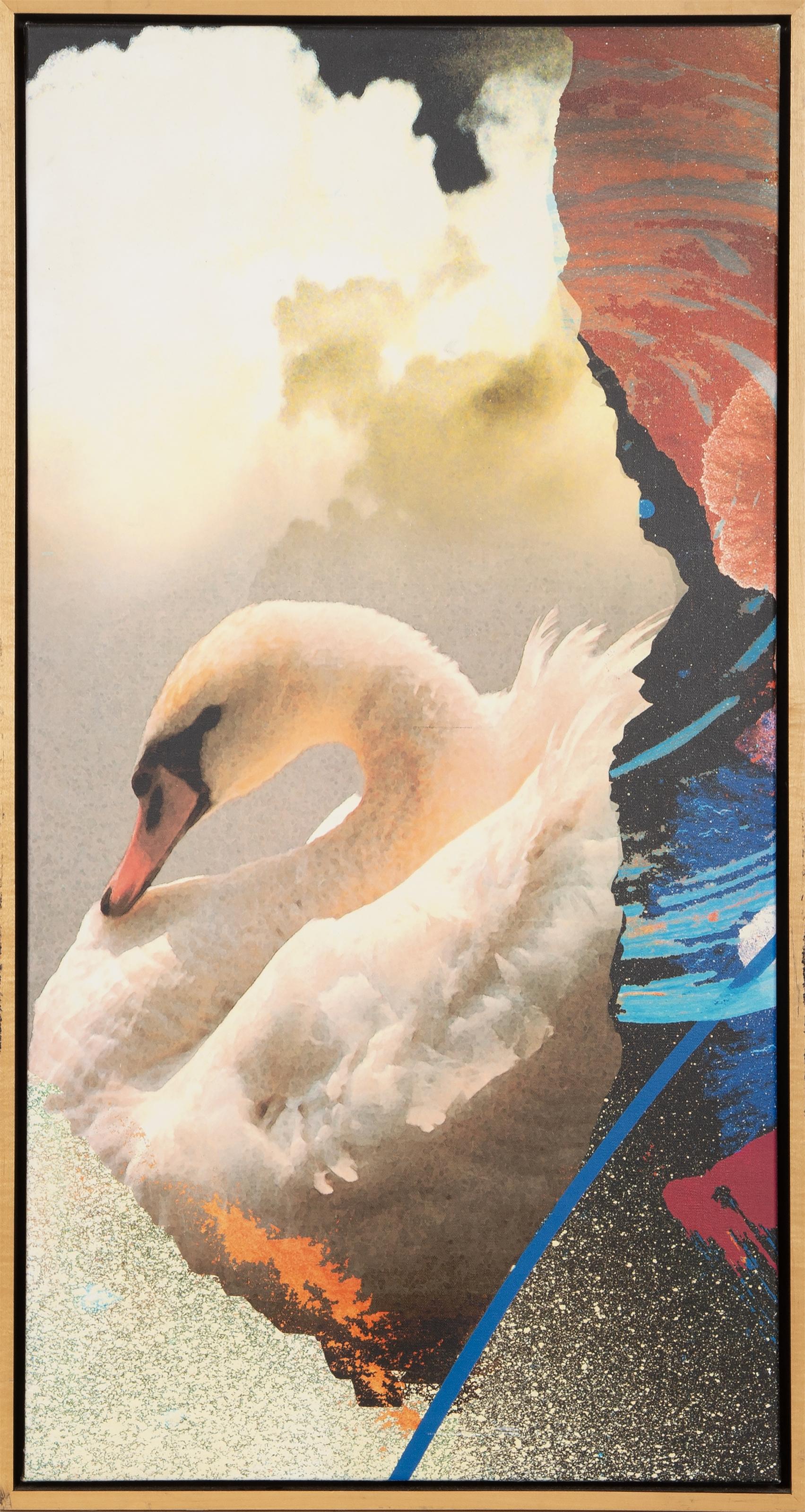
Sky Garden (Stoned Moon), 1969
The Cosmos Was Always a Canvas
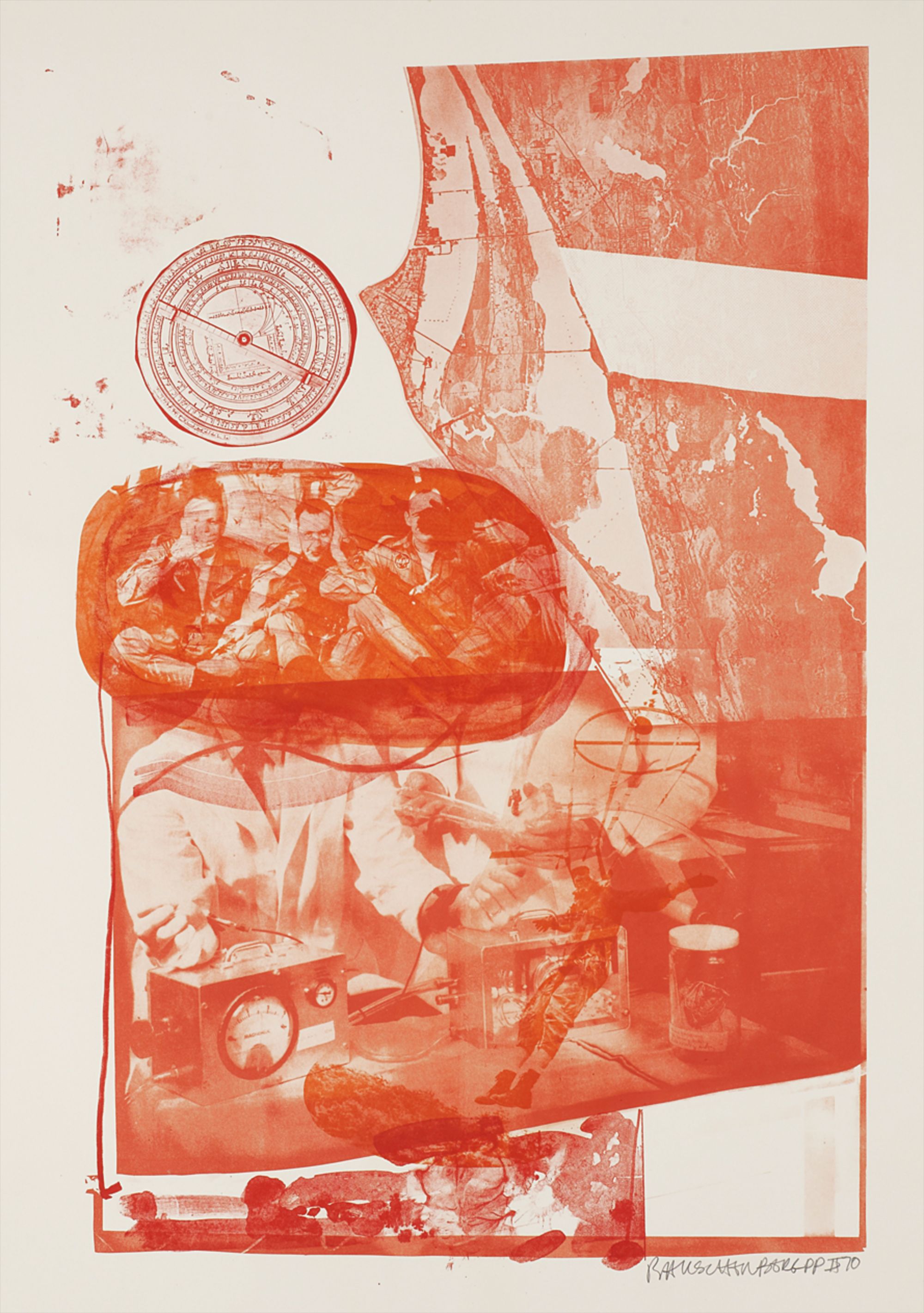
When a print by Robert Rauschenberg connected to his legendary collaboration with NASA sold at Christie's for well above its estimate in recent years, it was not merely a market moment. It was a confirmation that art made in dialogue with space exploration carries a particular gravity, a sense of stakes that most artistic subjects simply cannot match. The cosmos has always attracted artists who want to think beyond the terrestrial, and collectors have followed with growing appetite and sophistication. Rauschenberg's involvement with the space program sits at the heart of this conversation.
His 1969 Stoned Moon series, created in direct response to an invitation to witness the Apollo 11 launch at Cape Kennedy, remains one of the most significant bodies of work produced at the intersection of art and scientific ambition. Rauschenberg embedded himself at NASA, sketched the Saturn V rocket, and translated that overwhelming encounter into a suite of lithographs that read simultaneously as documentary and as pure abstract energy. Well represented on The Collection, his works remind us that the most important space art was never illustrative. It was about the feeling of being on the edge of human possibility.
Matthew Day Jackson
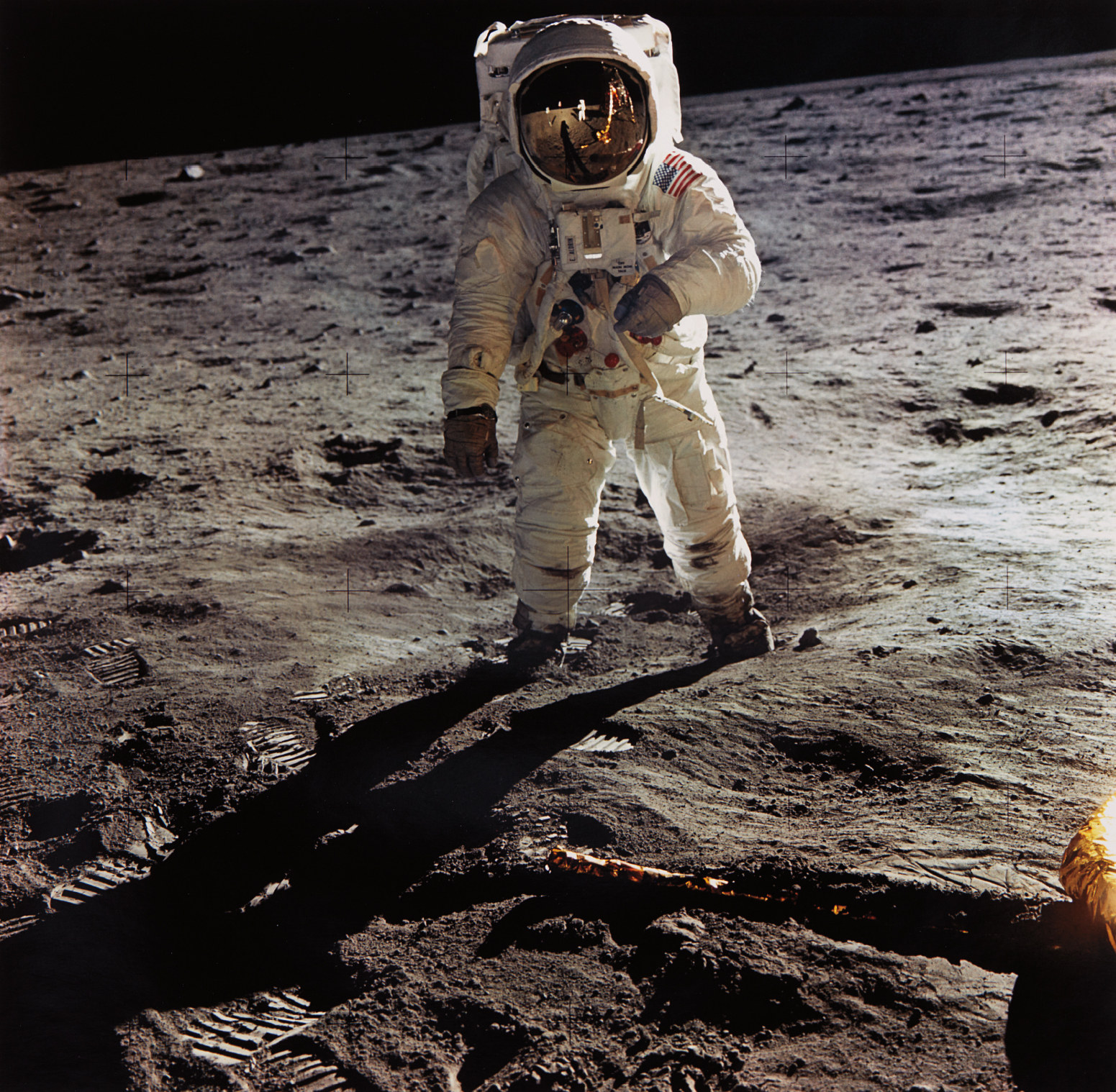
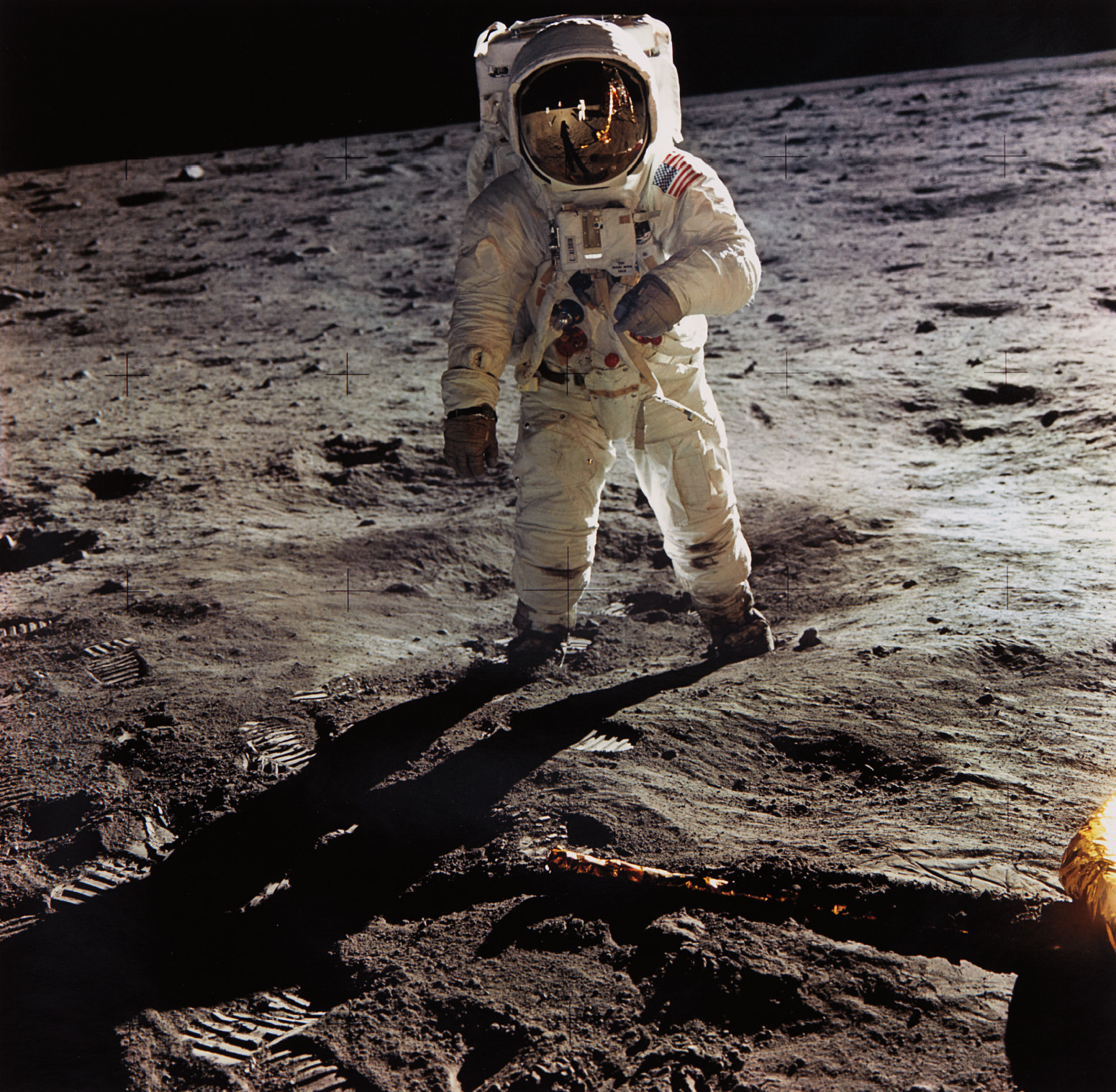
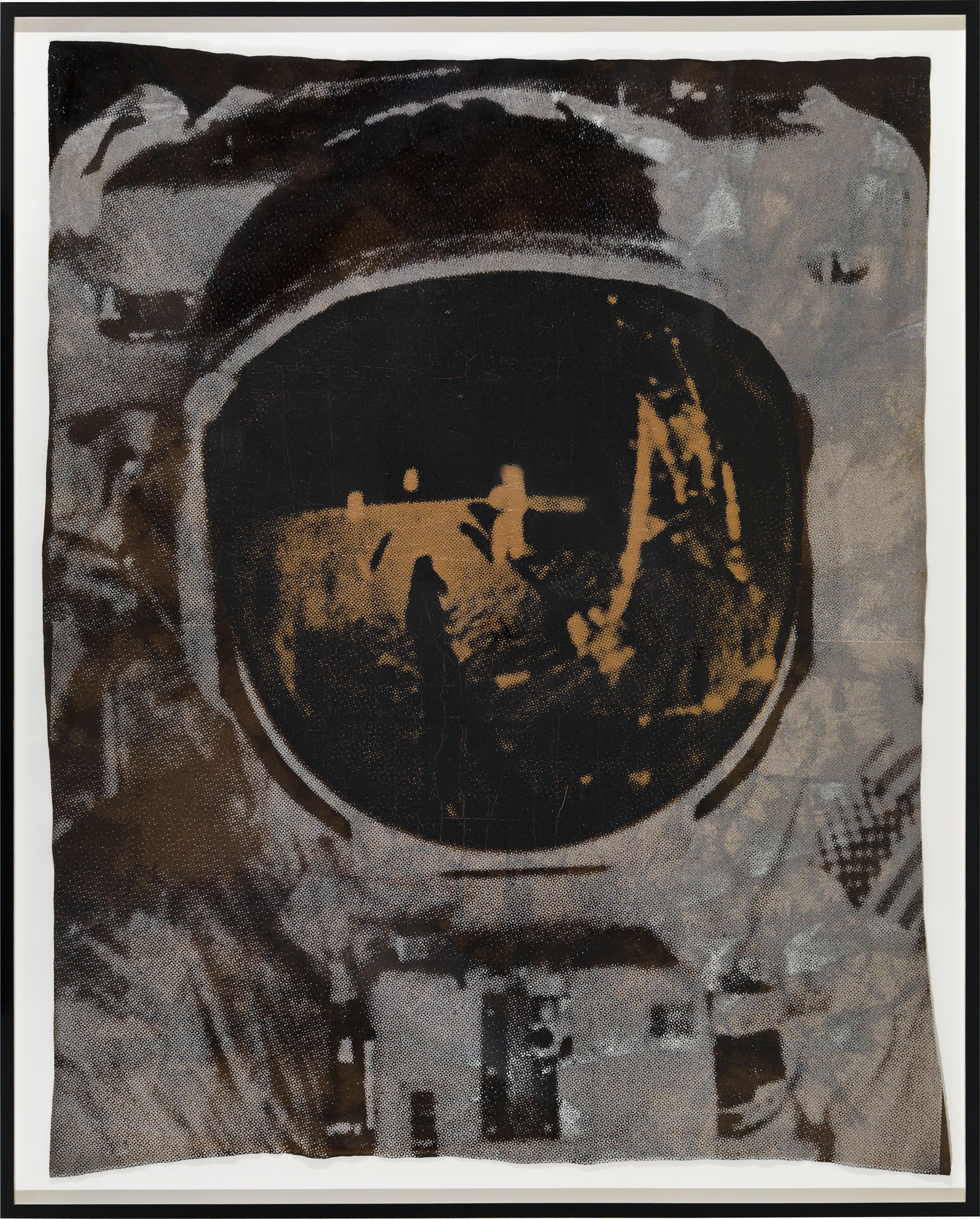
Neil Armstrong’s self-portrait in Buzz Aldrin’s helmet visor
Matthew Day Jackson has carried that tradition forward with a genuinely contemporary sensibility. His practice treats space exploration not as triumphalist spectacle but as a site of anxiety, wonder, and political complexity. Jackson has exhibited at major institutions including the Hamburger Bahnhof in Berlin and the Perez Art Museum Miami, and his work reads the American space program through the lens of Cold War mythology and postindustrial longing. On The Collection, his presence signals that this is not simply a nostalgia market.
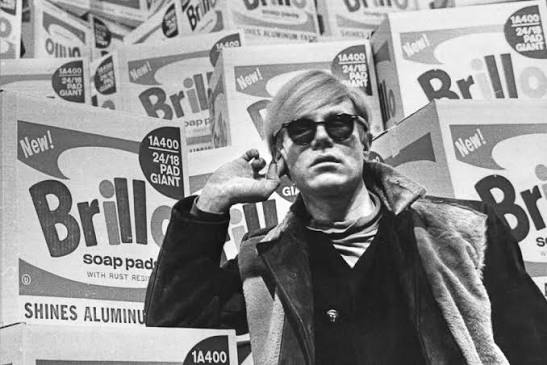
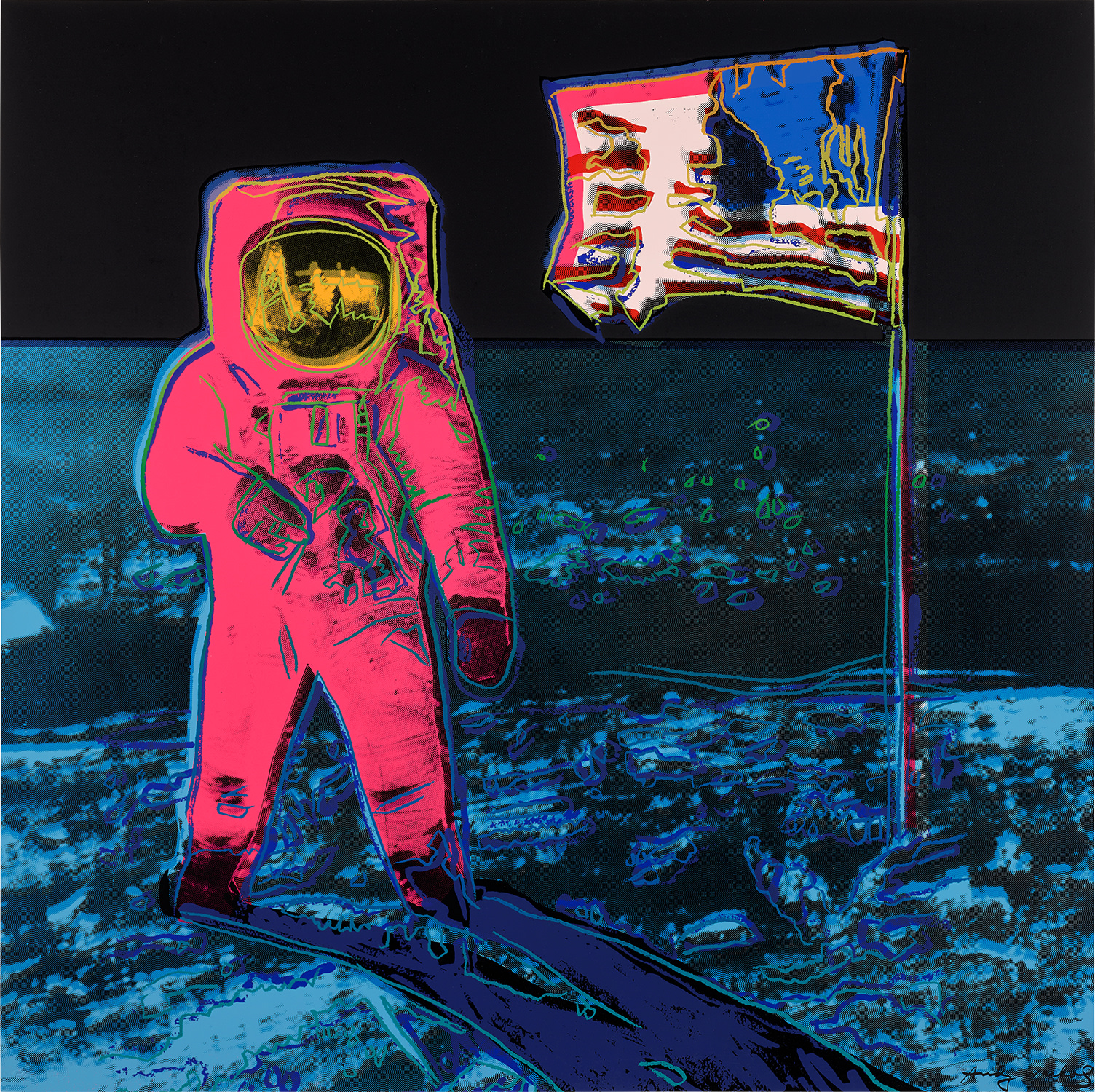
There is serious critical engagement here, and collectors who understand that distinction are positioning themselves well. The auction landscape has grown markedly more confident over the past decade. Andy Warhol's Moonwalk screenprints, produced in 1987 in the final months of his life, have become benchmark works in this category, appearing regularly at the major houses and consistently attracting competitive bidding. Warhol understood that the Moon landing was perhaps the defining media event of the twentieth century, and his silkscreened image of Buzz Aldrin captures the moment through the same commercial vernacular he applied to Marilyn or Mao.
Andy Warhol
Moonwalk (F. & S. 405)
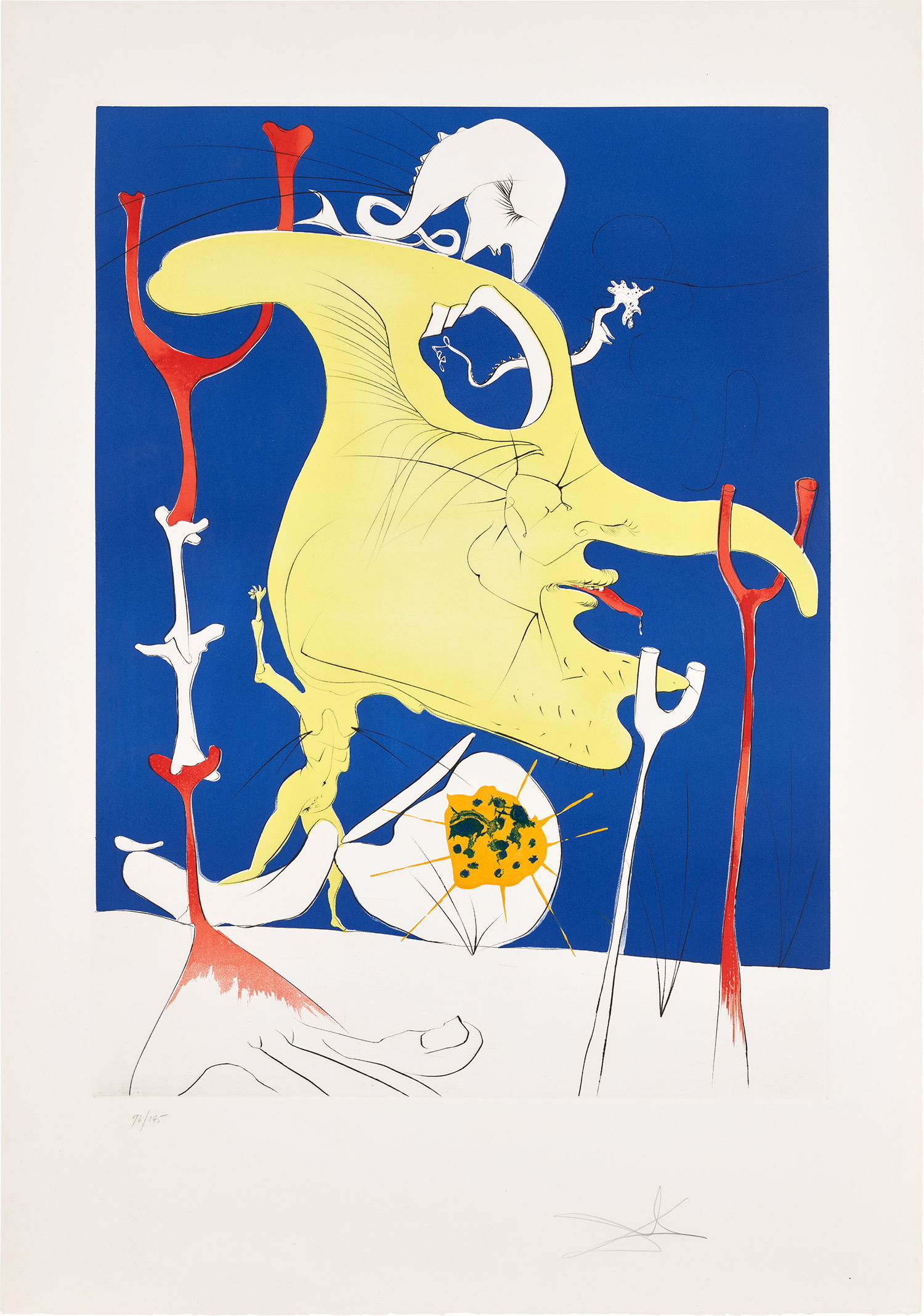
Salvador Dali's forays into cosmic imagery, less frequently discussed but equally charged, also appear in this orbit, blending his Surrealist dreamscapes with a genuine fascination with science that dated back to his friendship with various figures in theoretical physics. Both artists are represented on The Collection, and both demonstrate that the market rewards works where cultural weight and visual authority coincide. Institutions have been paying close attention. The Smithsonian's National Air and Space Museum in Washington has long held art alongside artifacts, but in recent years it has invested more deliberately in commissioning and acquiring contemporary work that interprets rather than simply documents space exploration.
The Tate Modern mounted a significant survey of Tomás Saraceno's work, whose installations evoke weightlessness and the interconnected fragility of atmospheric systems with an almost scientific rigor. Saraceno, represented on The Collection, occupies a unique position: he collaborates with meteorologists and engineers while remaining embedded in the most serious circuits of the contemporary art world. His presence in major museum collections from Buenos Aires to Frankfurt signals that the institutional appetite for space as subject matter has matured well beyond the commemorative. The critical writing shaping this field has grown more nuanced and more urgent.
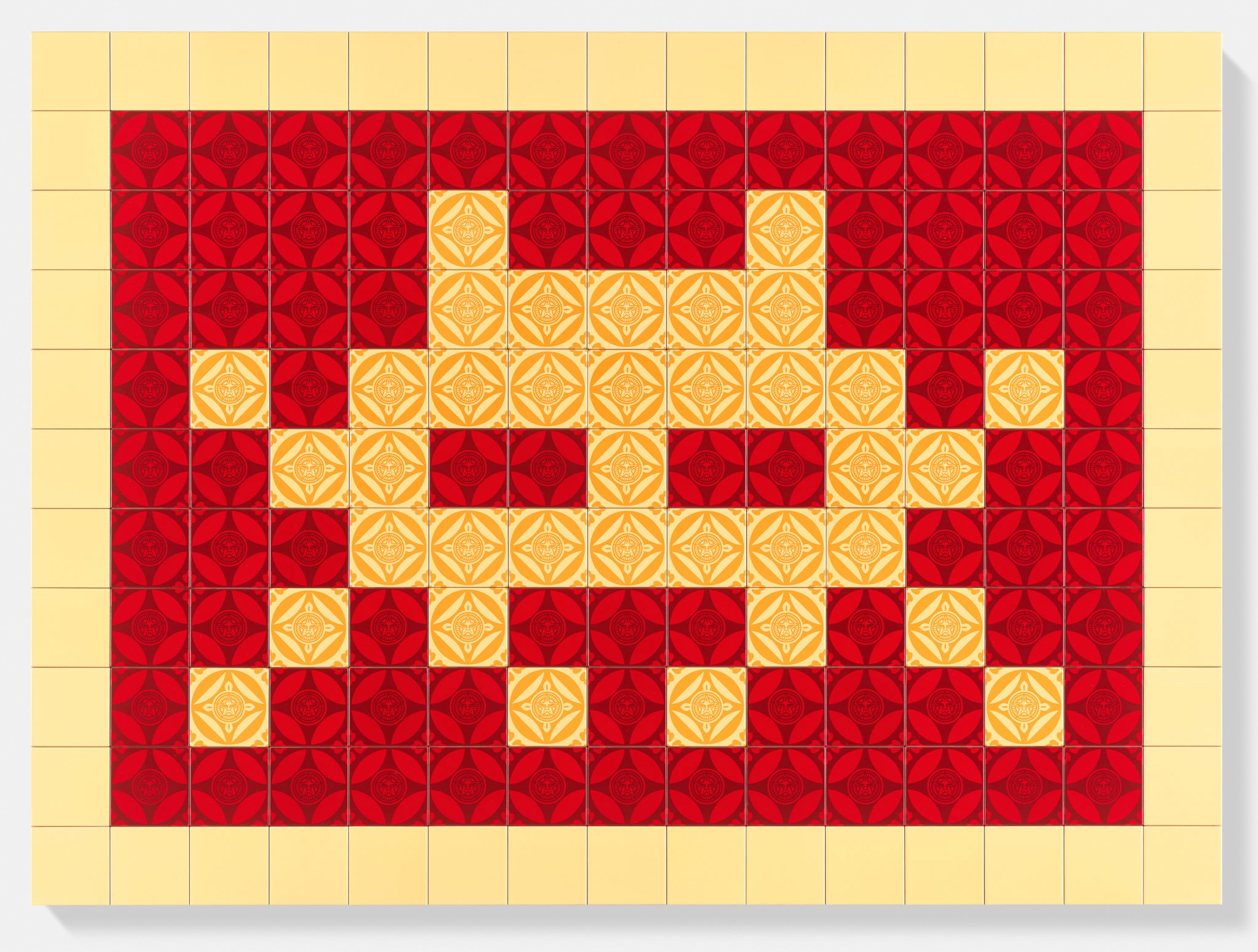
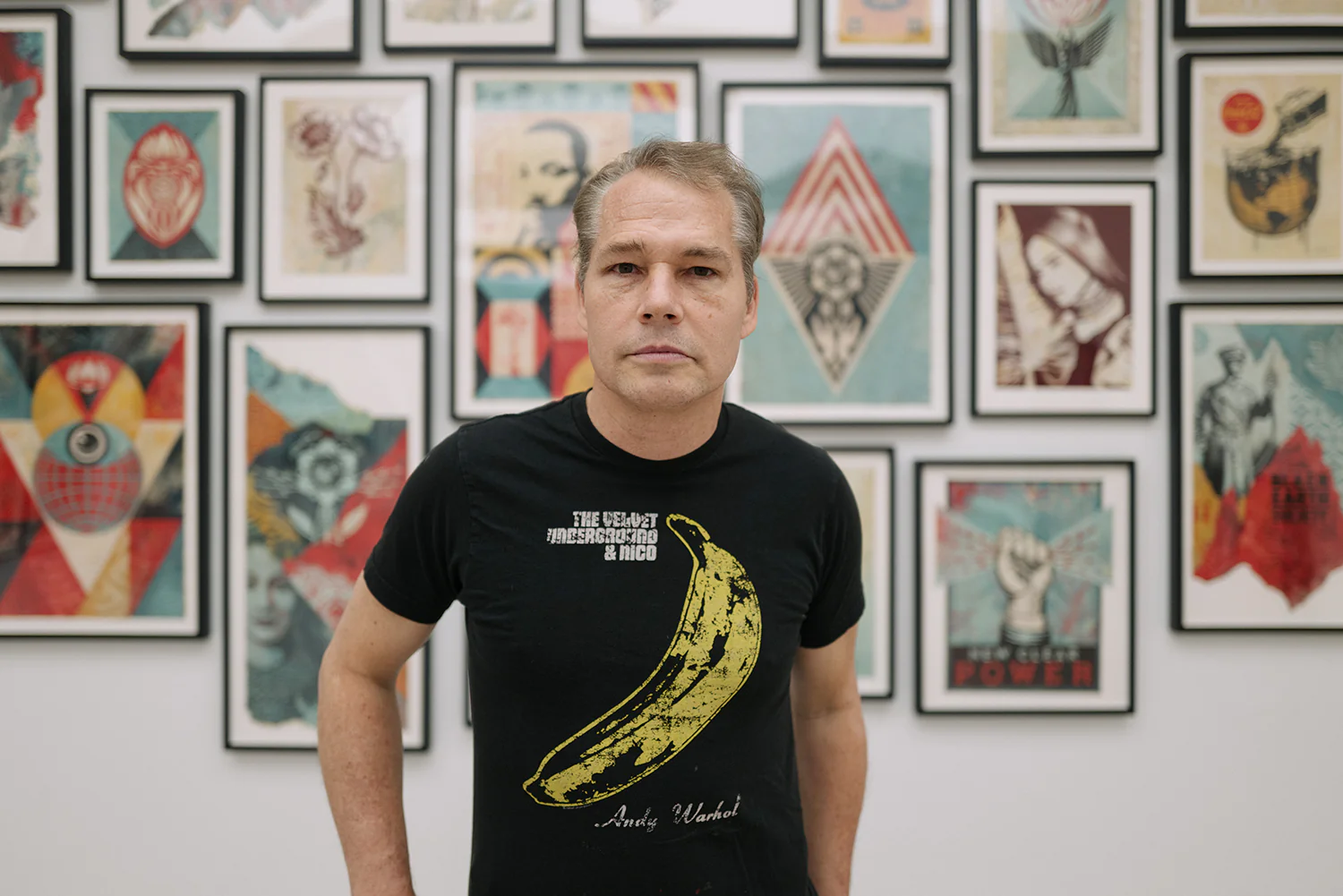
Shepard Fairey
Positive Space/Negative Space (Cream/Red), 2025
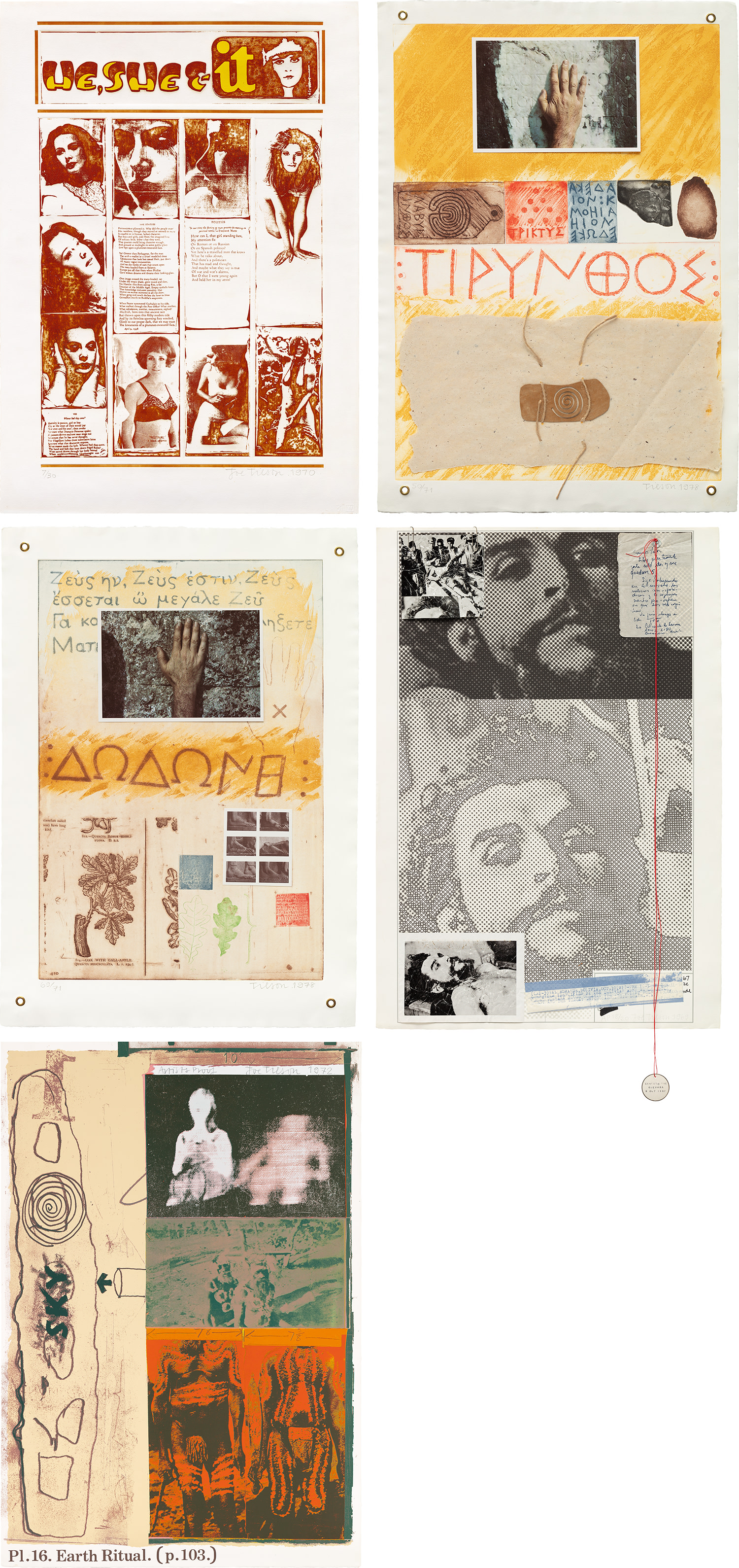
Publications including Frieze and Artforum have devoted increasing attention to what some curators are calling the new cosmic sublime, a term that attempts to distinguish serious artistic engagement with space from the illustrational or the sentimental. Writers like Jenny Doussan and various contributors to the MIT Press journal October have explored how the overview effect, the cognitive and emotional shift reported by astronauts who see Earth from orbit, might be translated or approximated through art. Shepard Fairey, whose graphic vocabulary draws on political urgency and pop culture simultaneity, has entered this conversation in ways that connect space imagery to questions of collective survival and planetary consciousness. That thread connects to Joe Tilson's earlier work in the 1960s British pop tradition, which treated the space race as both spectacle and symptom of a technocratic culture reshaping human identity.
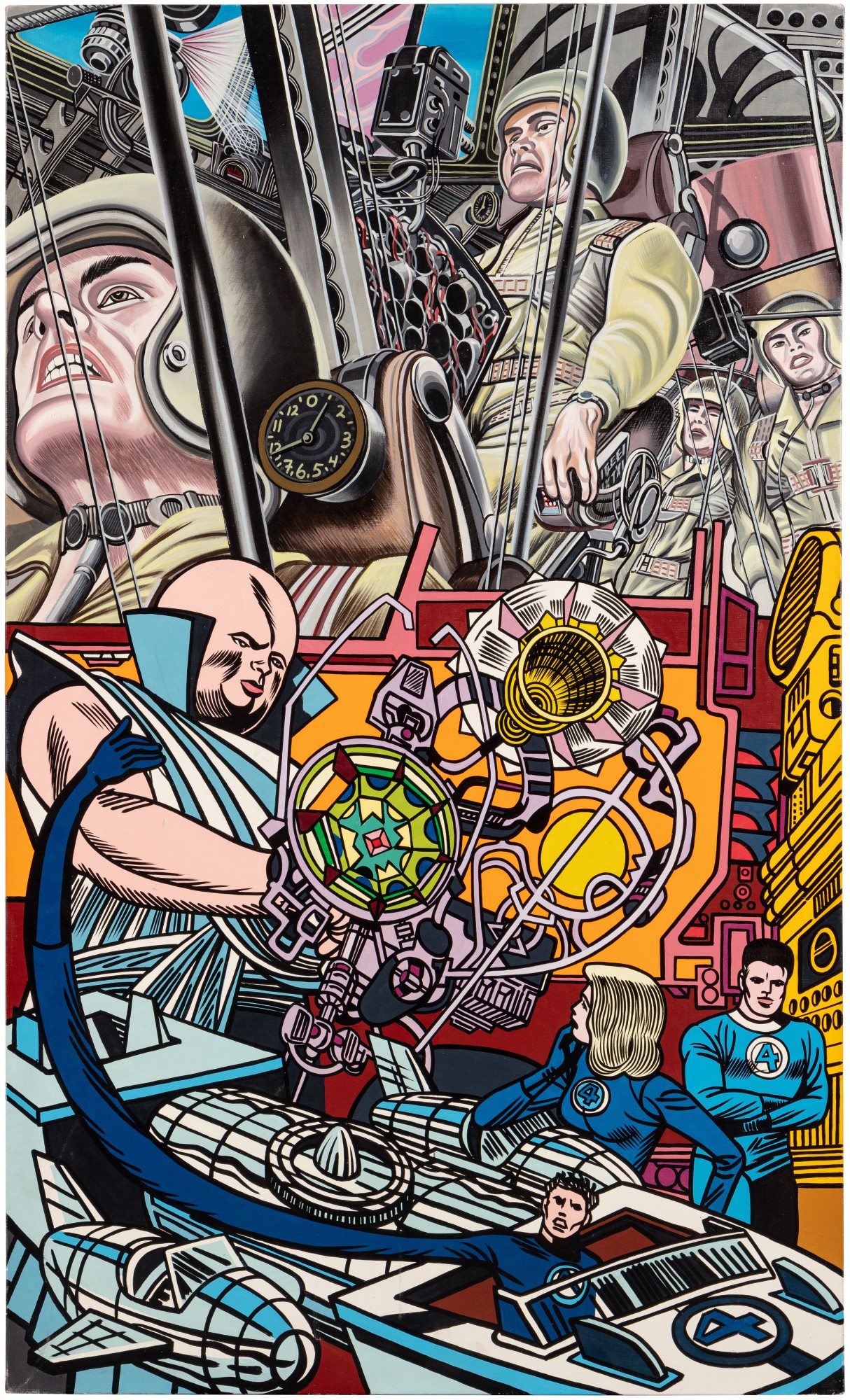
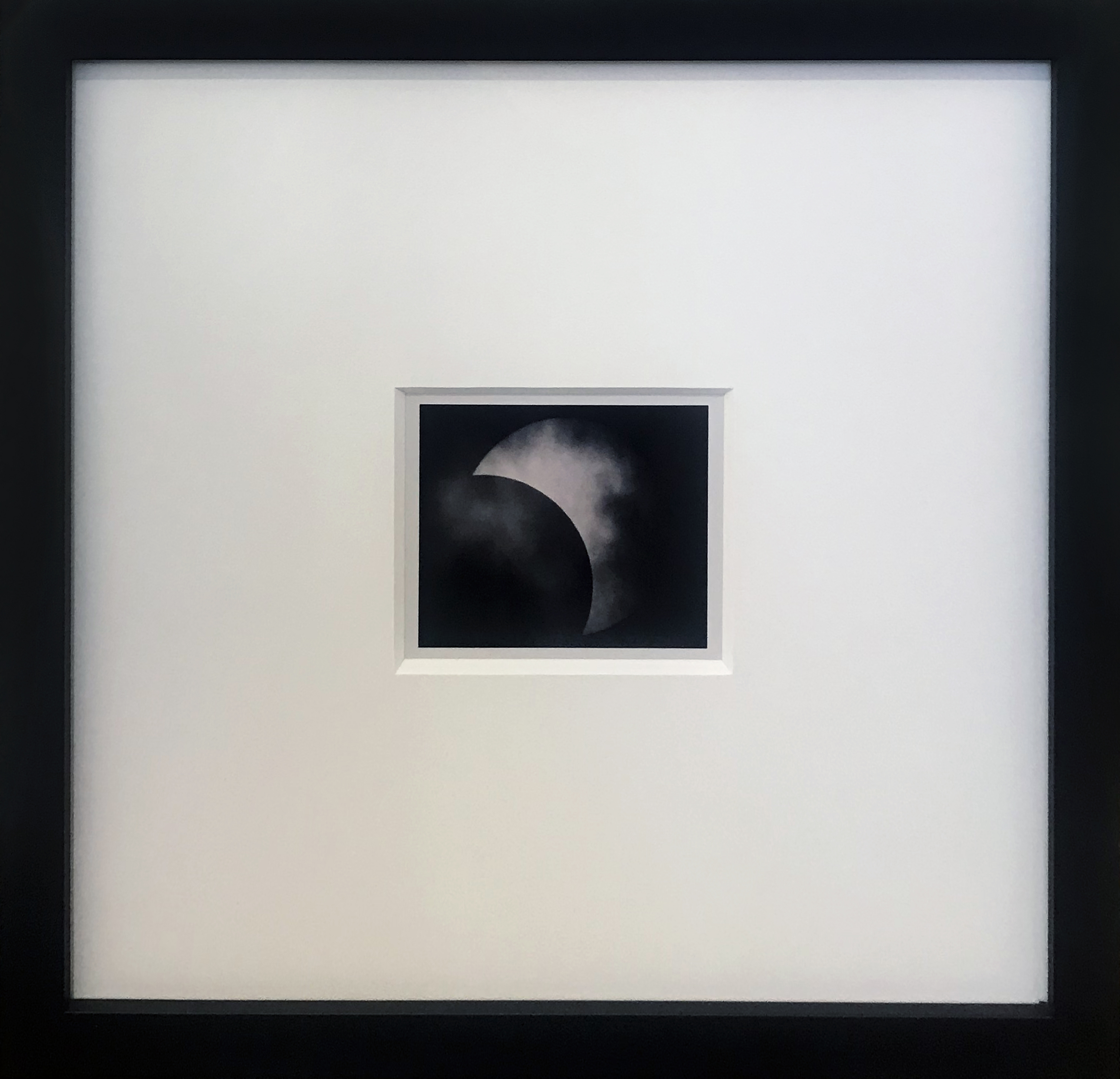
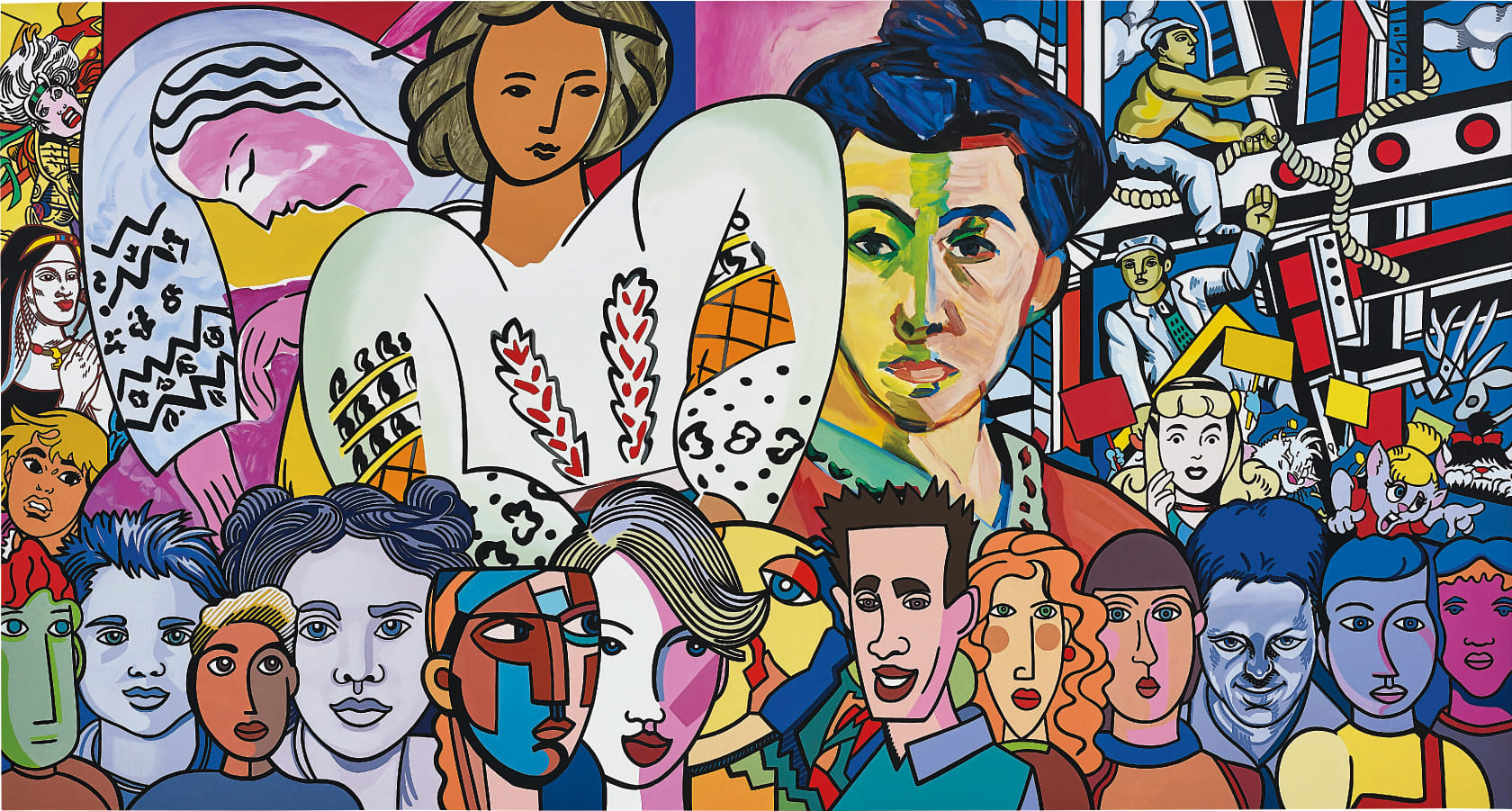
Signar Polke's occasional use of cosmic and scientific imagery reminds us that European artists processed the space age through a very different political lens than their American counterparts. Thomas Ruff's astronomical photographs, drawn from telescope archives and printed at monumental scale, have attracted sustained critical attention and strong market performance. Ruff strips away the romantic associations we bring to images of deep space and forces a reckoning with how mediated and constructed our sense of the cosmos actually is. His works sit comfortably in collections alongside artists like Erró, whose dense layered imagery processes the entire visual culture of the twentieth century including its science fiction and aerospace iconography.
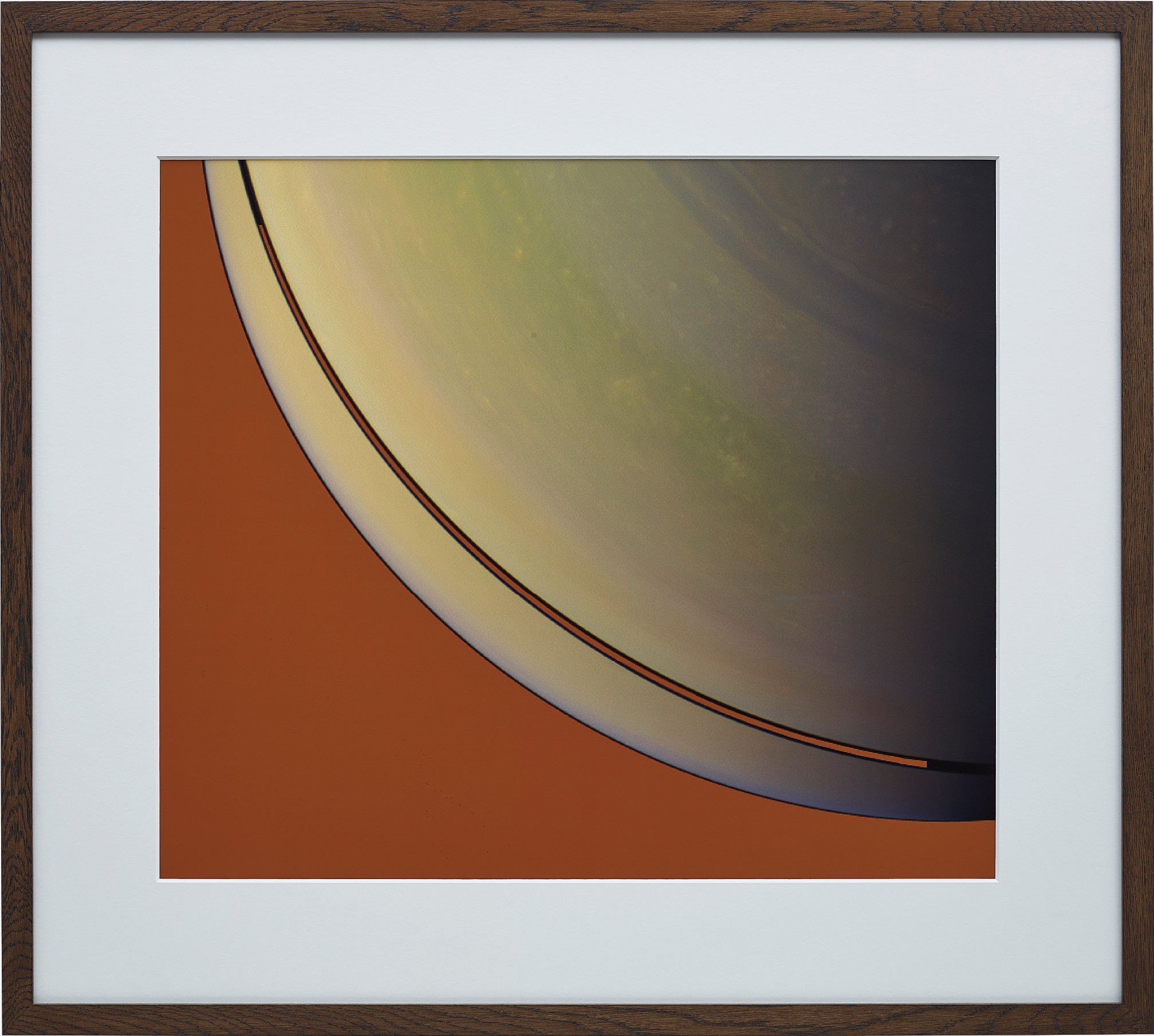
Thomas Ruff
Cassini 33, 2009
Where is the energy heading. The answer seems to involve a generation of artists for whom the commercialization of space, through ventures like SpaceX and Blue Origin, has reopened questions that the original space race seemed to have closed. The heroic national narrative is giving way to something more complicated and more honest. Artists like Rosson Crow bring a cinematic romanticism to spaces associated with American mythology, and her engagement with sites of cultural memory suggests that the physical locations of space history, launchpads, mission control rooms, desert test sites, are becoming as artistically resonant as the cosmos itself.
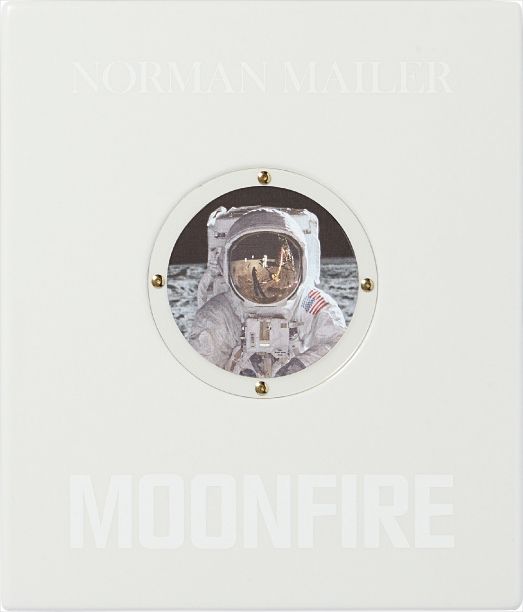
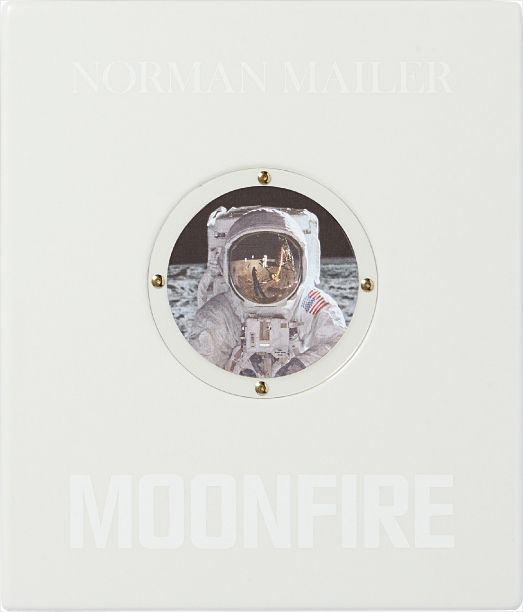
Norman Mailer, whose prose work Of a Fire on the Moon remains the greatest piece of writing about the Apollo program, understood that the real drama was always here on Earth, in what it means for a civilization to reach beyond itself. That insight feels more alive now than ever, and the collectors and institutions gathering works on The Collection are, whether they know it consciously or not, building a record of how this moment in human ambition looks when refracted through the artistic imagination.