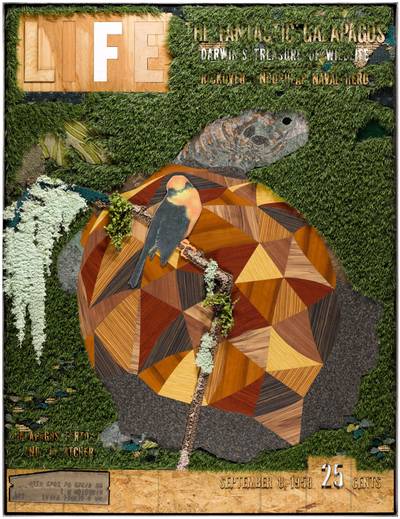
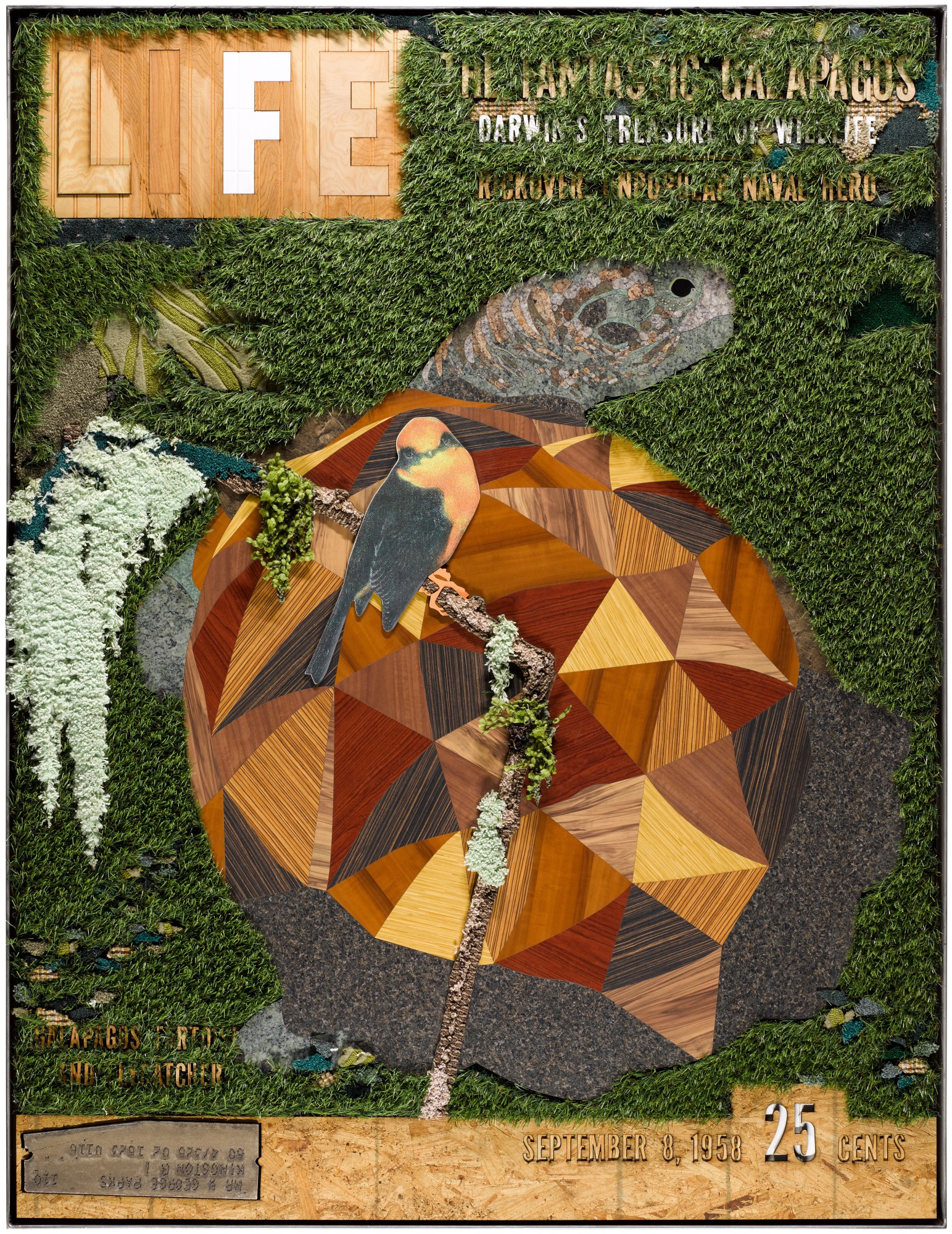
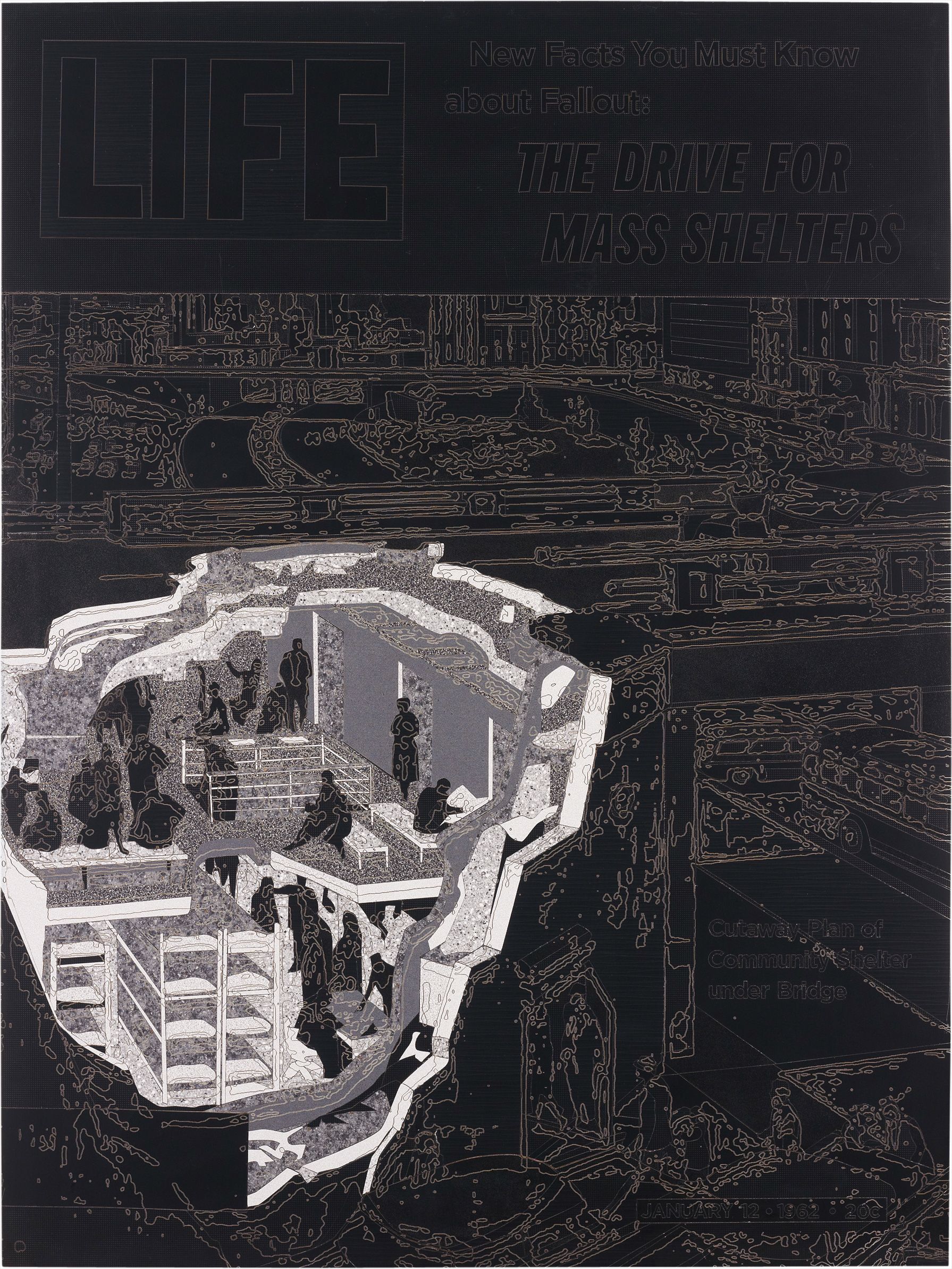
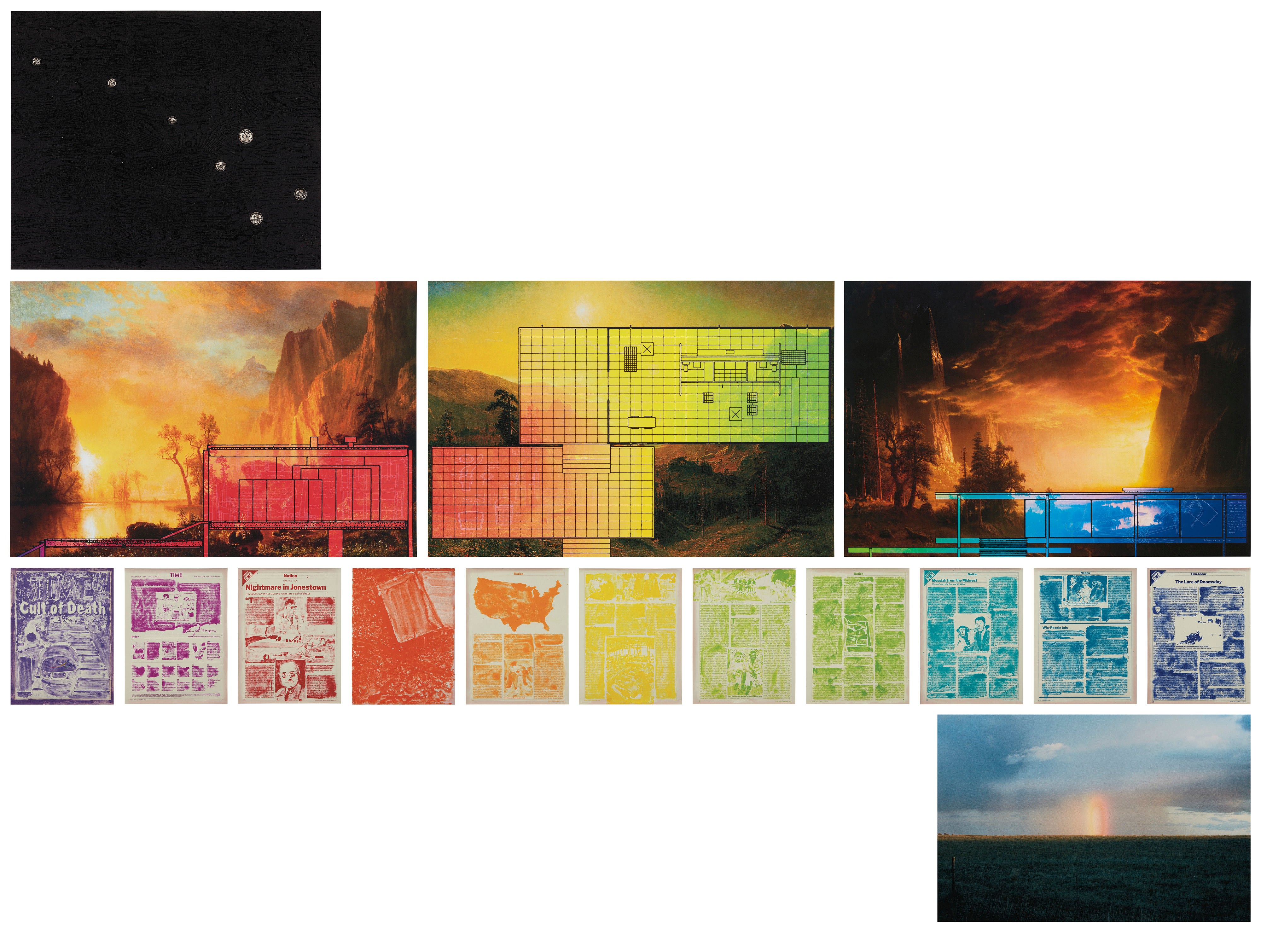
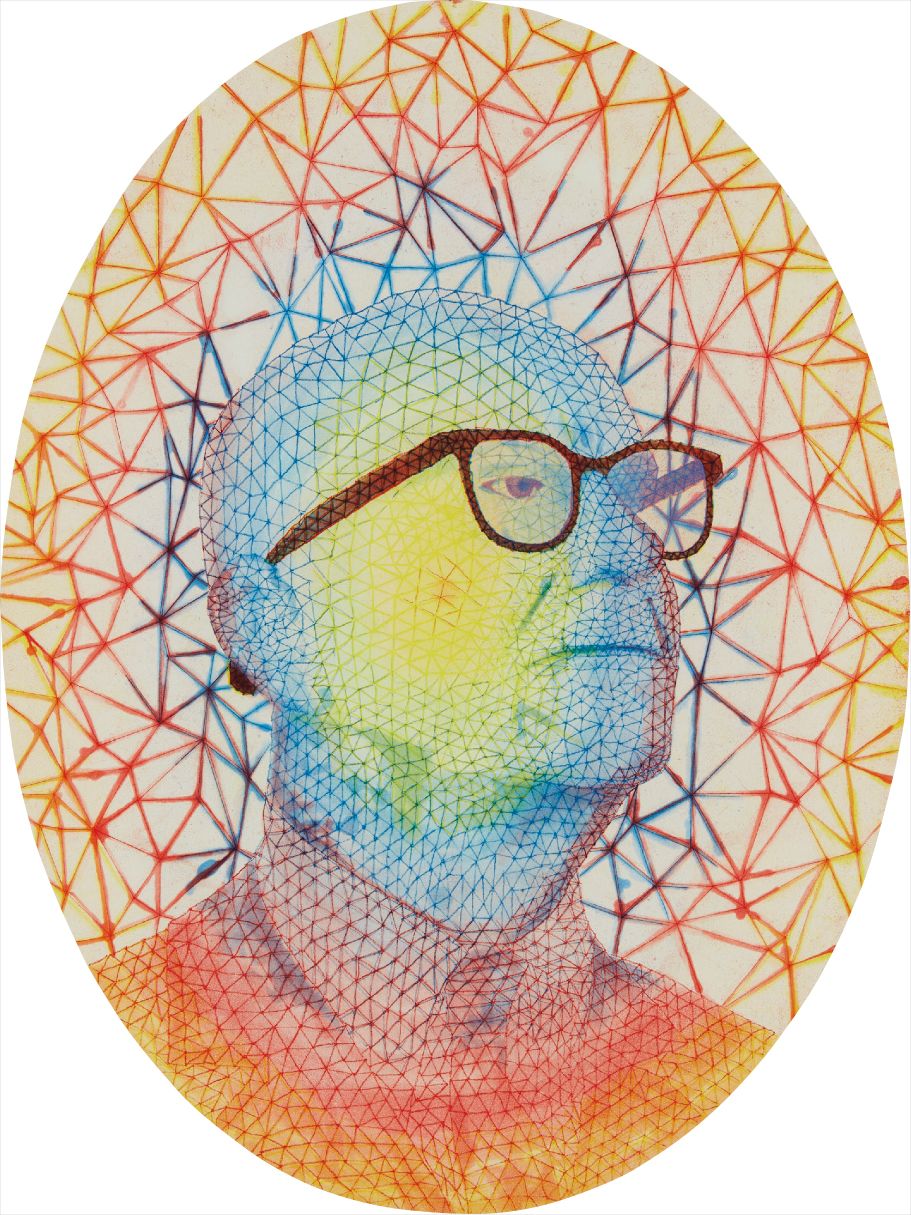
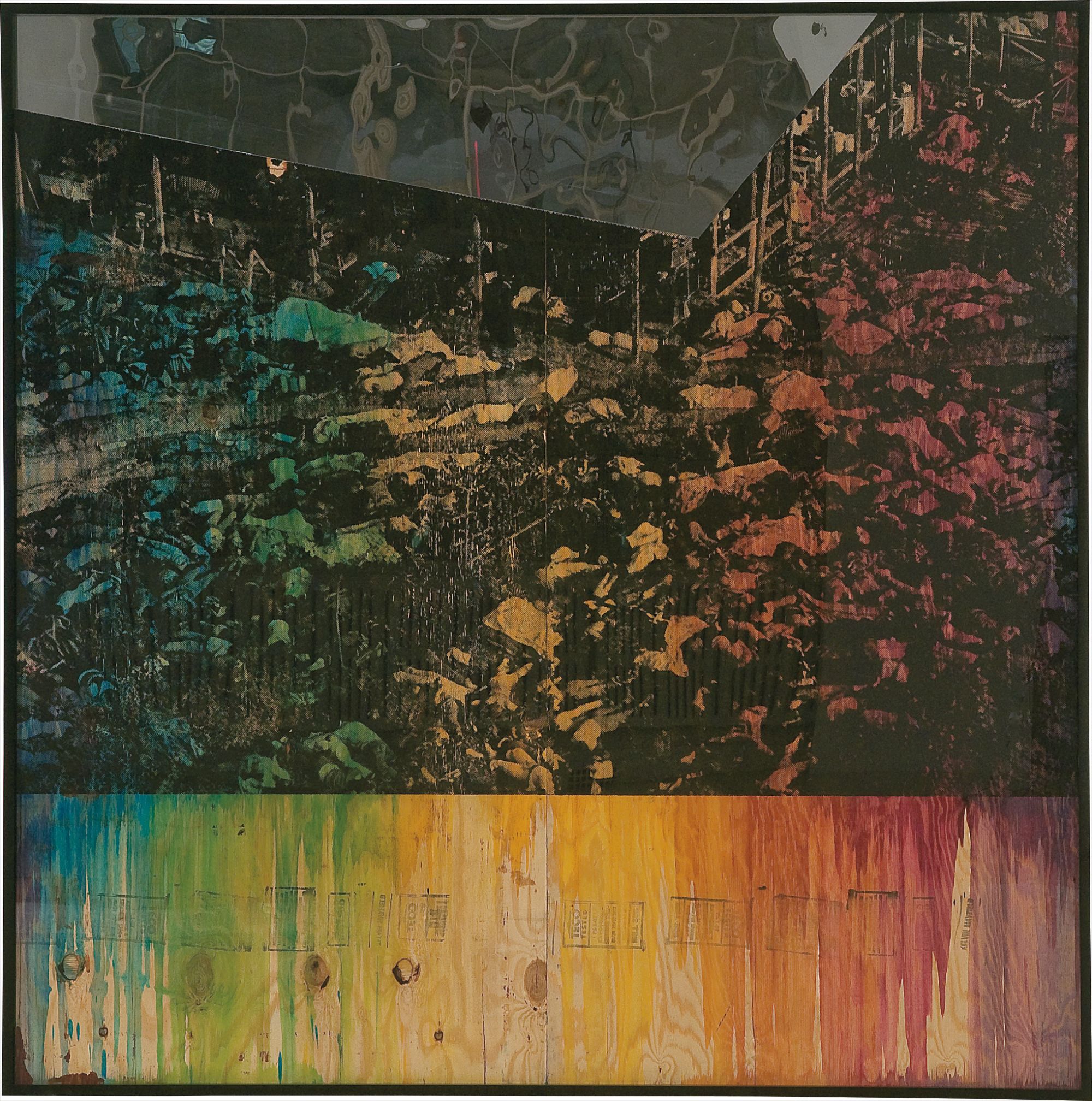
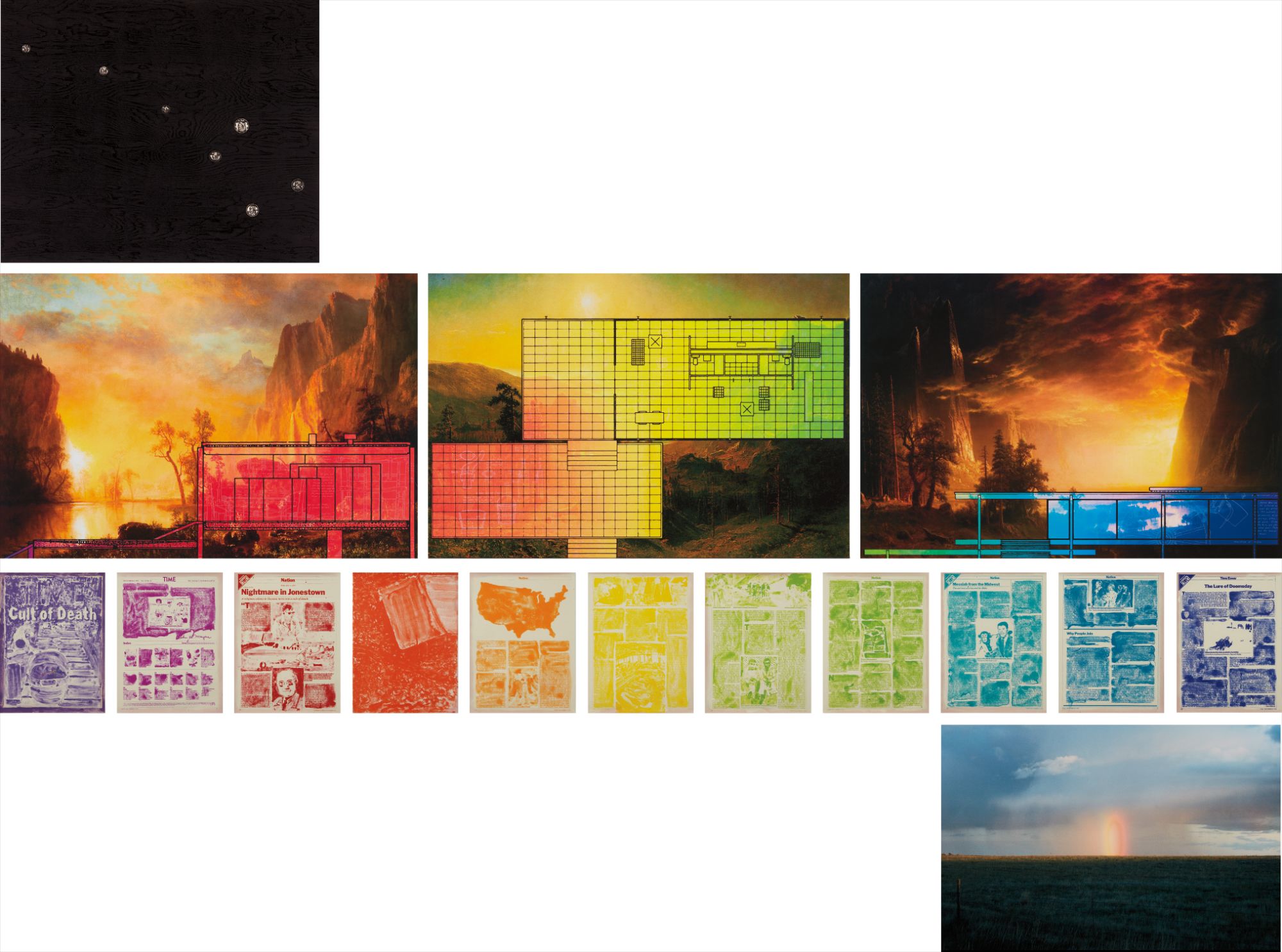
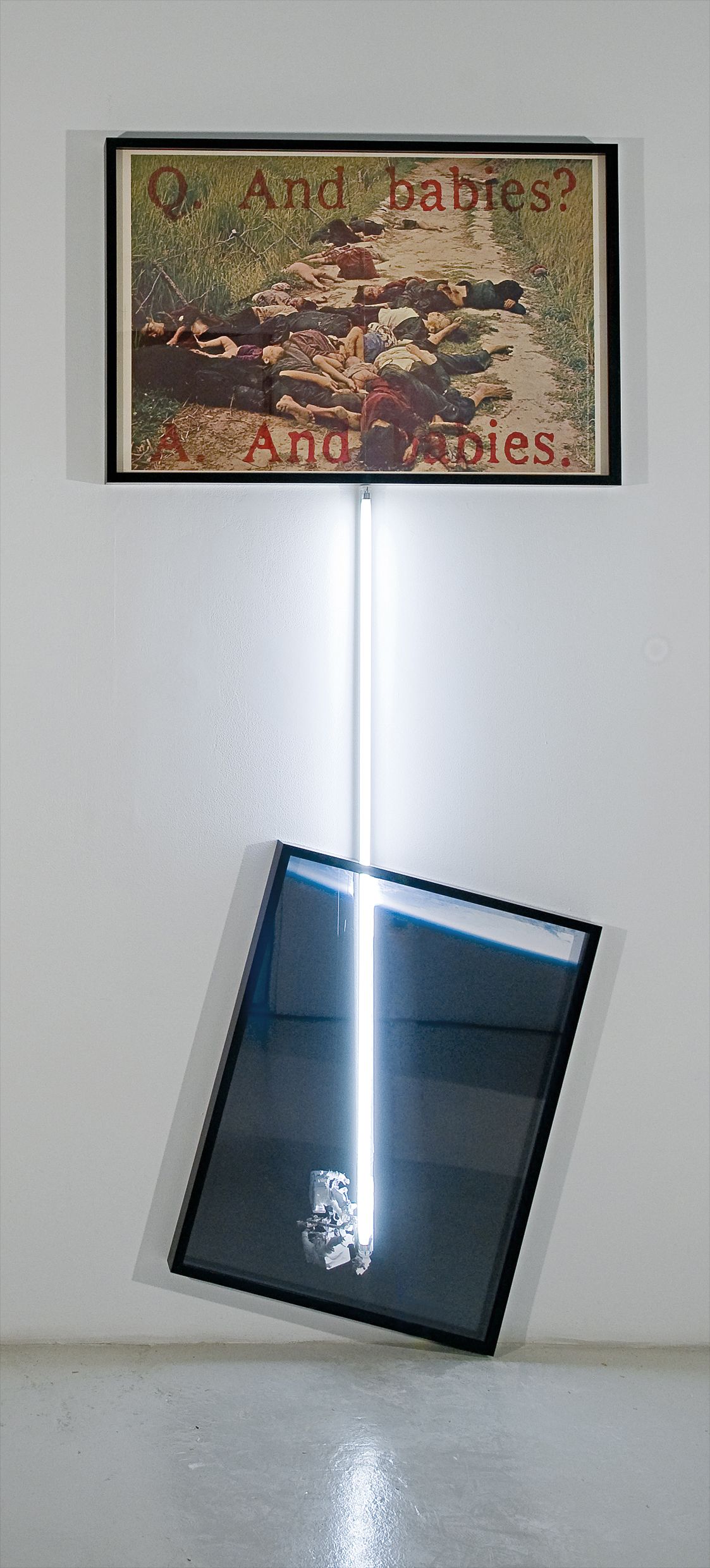
There is a particular kind of American artist who arrives at their practice not through the rarefied corridors of institutional critique but through the back door of the garage, the woodshop, the junkyard, the mythology of the frontier. Matthew Day Jackson is that artist, and in recent years his work has found its most attentive audiences at institutions with the scale and seriousness to hold it. His presentations at the Nasher Sculpture Center in Dallas and the Massachusetts Museum of Contemporary Art in North Adams have confirmed what collectors and curators have long sensed: that Jackson is one of the most intellectually ambitious and formally inventive American artists working today, a maker whose sculptures, paintings, and installations carry the weight of history without ever losing the physical pleasure of their own construction. Born in 1974, Jackson grew up shaped by the particular tensions of late twentieth century American life, a moment when the optimism of the space age was curdling into something more complicated, when counterculture heroes were being absorbed into nostalgia, and when the promises of technology and utopian design were beginning to show their seams. These formative pressures did not produce cynicism in Jackson. They produced curiosity. His work asks, with genuine open hands, what it means to be an inheritor of a civilization that dreamed so large and built so imperfectly. That question animates everything he makes. Jackson studied at the School of Visual Arts in New York, and his formation as an artist traces a line through some of the most fertile conversations in contemporary American art: the legacy of Joseph Beuys and his investment in materials as carriers of meaning, the utopian design philosophy of Buckminster Fuller, the raw energy of DIY and punk aesthetics, and the strange beauty of American vernacular architecture and landscape. These are not references he wears lightly or ironically. They are the genuine architecture of his thinking, and they appear in his work with the force of conviction. His studio practice has always been hands on and materially adventurous, incorporating wood veneers, found objects, felt, screenprint, resin, Formica, Astroturf, and cast metals in combinations that feel both inevitable and surprising. The Dymaxion Series, which Jackson created as a body of prints published by Peter Blum Edition in New York, stands as one of the most coherent and beautiful extended projects in his output. Named in homage to Buckminster Fuller's concept of doing more with less, the series encompasses etchings, archival inkjet prints, screenprints, lithographs, and C prints on Hahnemühle Copperplate and Durotone Newsprint papers, with individual works such as Bucky (ROYGBIV) and Das Wochenendhaus demonstrating Jackson's ability to work across printmaking techniques without losing the conceptual thread. The series is a meditation on the idealism of modernist design and its complicated American afterlife, rendered with technical precision and real emotional depth. Works from this edition are among the most collected of his career, and their combination of intellectual seriousness and material refinement makes them ideal entry points for collectors new to his practice. Among his sculptural works, Apollo Space Suit (after Beuys), made in 2008 from wool felt, aluminum, stainless steel, plastic, thread, and Velcro, is perhaps the single work that most clearly declares his artistic lineage and his independence from it simultaneously. The gesture toward Beuys is explicit and affectionate, acknowledging the German master's transformative use of felt as a material charged with survival, warmth, and shamanistic power. But Jackson redirects that charge into the iconography of American technological ambition, the space suit as armor, as dream, as national mythology made textile. It is a work that operates in several registers at once, and it rewards sustained attention from every angle. Bullet Hole Constellation, also from 2008, pursues a darker strand of the same inquiry, using chromogenic print, paint, and paper collage behind glass that has been literally shot through with bullets, transforming the picture plane into a kind of wounded landscape. The work is formally stunning and conceptually precise, asking the viewer to consider what American violence does to American vision. The landscape works, including The Lower 48, Wyoming and the large panel work September 8, 1958, which incorporates carpet, Formica, Astroturf, screenprint on plywood, OSB, resin, and cast elements in a stainless steel frame, reveal the breadth of Jackson's engagement with American geography as both physical fact and symbolic territory. These are not landscape paintings in any conventional sense. They are accumulations of material evidence, archives of how Americans have imagined, used, and transformed the land they inherited and contested. Community Hall (Aerial View), executed in plywood, screenprinted enamel, aniline dye, poly finish, and Plexiglas mirror, extends this concern into the territory of collective social life, looking down from above at the built structures through which communities organize themselves and remember who they are. A Brief History in Time, a seventeen part work in graphite, watercolor, and gouache on paper from 2004, demonstrates that Jackson's ambitions were already fully formed early in his career, the title's wink at Stephen Hawking announcing a willingness to take on nothing less than the shape of time itself as a subject. For collectors, Jackson's work offers something increasingly rare: a practice that is genuinely pluralist in its means without being scattered in its concerns. Whether approaching his editions, his unique panel works, his sculptures, or his works on paper, the collector encounters the same searching intelligence and the same commitment to materials as carriers of meaning. The Dymaxion Series prints in particular represent strong value for collectors at multiple stages of their collecting journey, combining edition accessibility with the depth and coherence of a major conceptual project. His unique sculptural and panel works, which appear at auction and through gallery placement, command serious attention and have been acquired by discerning private collections as well as institutional ones. Within the broader landscape of contemporary American art, Jackson belongs in conversation with artists such as Mark Bradford, whose epic panel works also treat American history as material, and with the tradition of artist fabricators who take the handmade seriously as a political and philosophical stance. His investment in Fuller and Beuys connects him to a lineage of artists who believe that form and content are inseparable, that the way a thing is made is also an argument about how the world should be organized. That lineage runs deep, and Jackson works it with originality and integrity. What makes Matthew Day Jackson matter now, in a cultural moment saturated with irony and ambivalence about American mythology, is precisely his refusal to be merely ironic. His work mourns and celebrates, deconstructs and builds, questions and affirms, sometimes within a single panel or sculpture. He is an artist who has looked honestly at the wreckage and the grandeur of American civilization and found in both of them the materials for something genuinely new. That is a rare and necessary thing, and collectors and institutions who have placed their trust in this work have been proven right to do so.