Silkscreen On Canvas
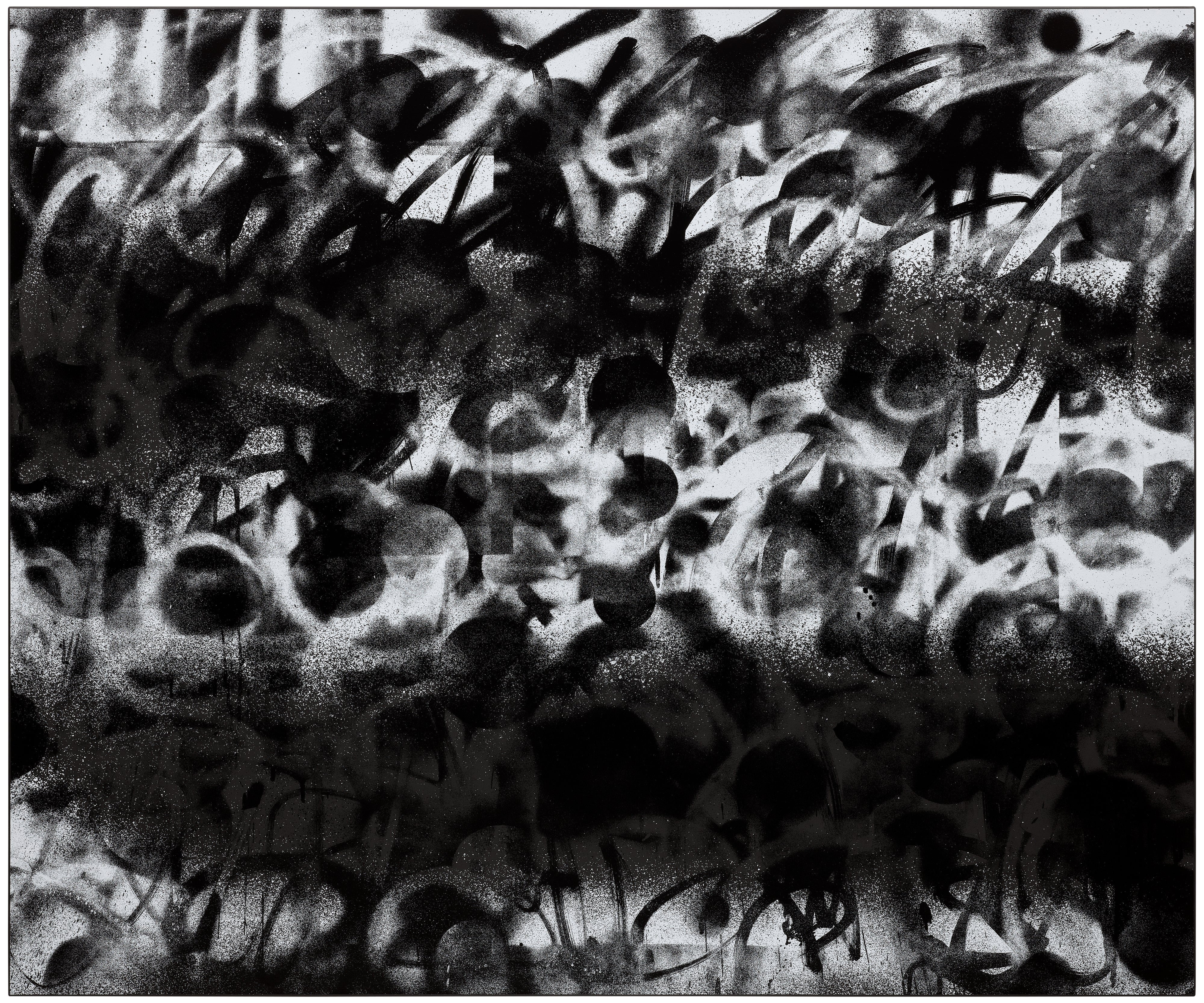
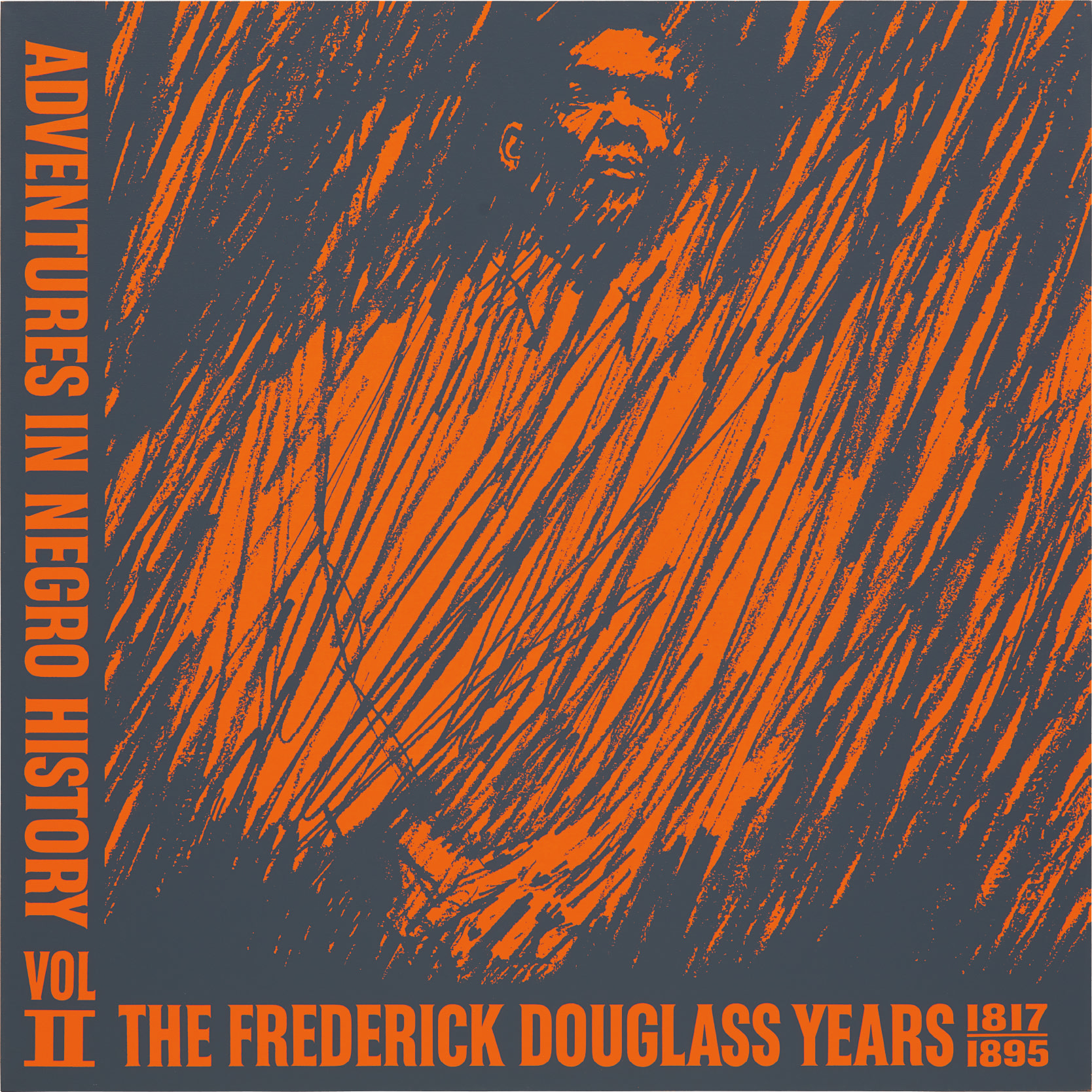
Adam Pendleton
Untitled (Days), 2023

The Screen That Changed Everything
There is something almost paradoxical about silkscreen on canvas. The technique borrows from industrial production, from the language of mass reproduction and commercial printing, yet it arrives on canvas, the most hallowed surface in Western painting tradition. That collision, between the handmade and the machine made, between the singular and the serial, between fine art and the street, is precisely where the medium becomes electrifying. Silkscreen on canvas is not a compromise between two worlds.
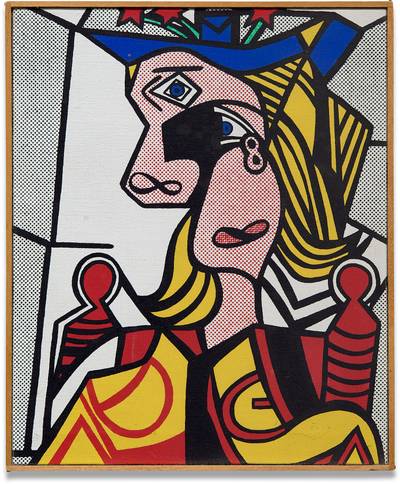
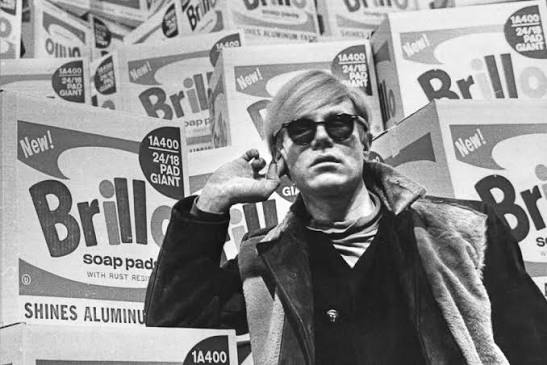
It is its own world entirely. The roots of silkscreening, known also as serigraphy, stretch back centuries through East Asian textile traditions, but its transformation into a fine art medium happened rapidly and dramatically in mid twentieth century America. By the late 1950s and early 1960s, artists were beginning to see the screen printing process not as a limitation but as a statement. When Andy Warhol moved his practice from commercial illustration into the studio and began pulling ink through mesh screens onto canvas, he was doing something philosophically loaded.
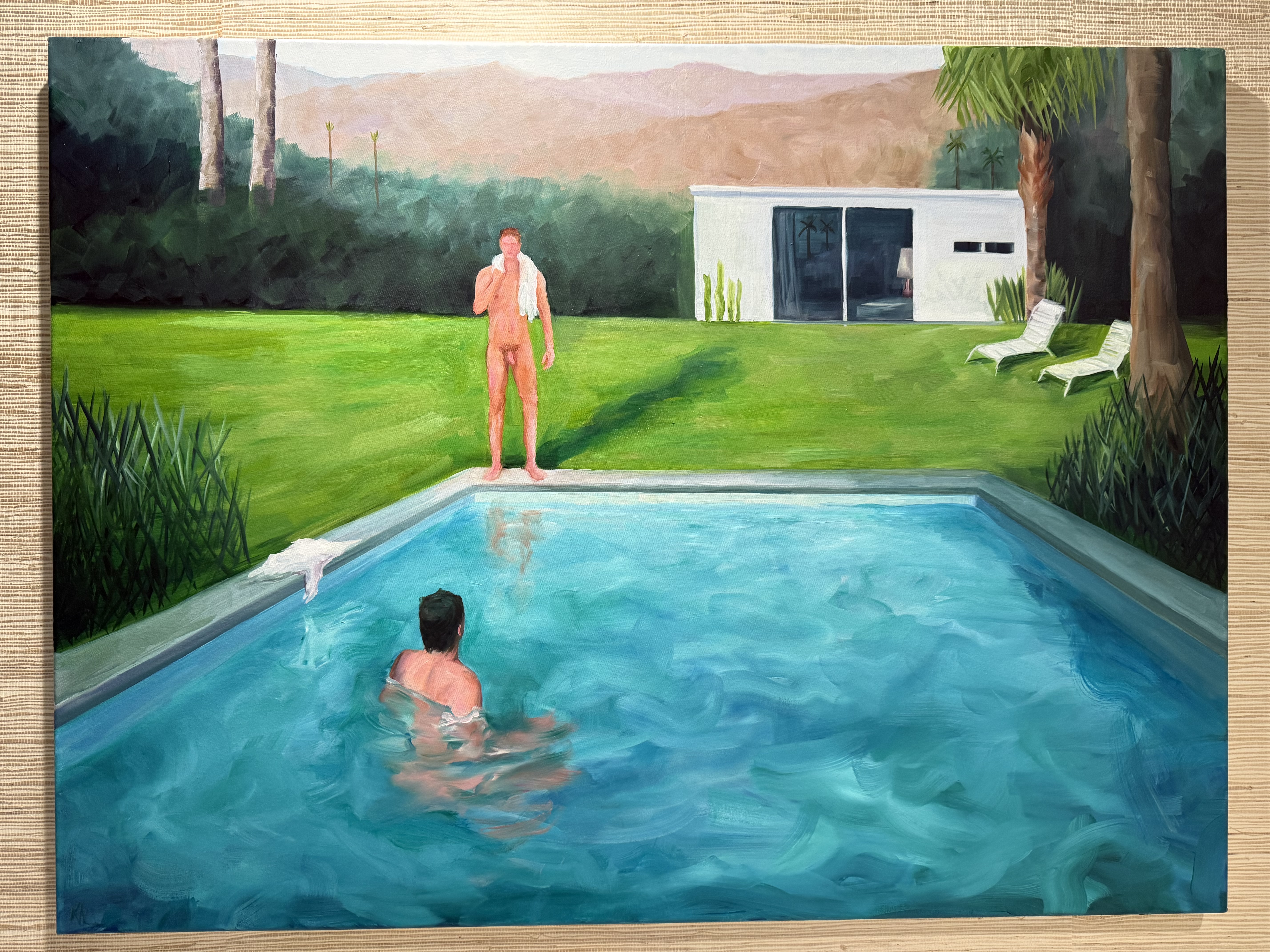
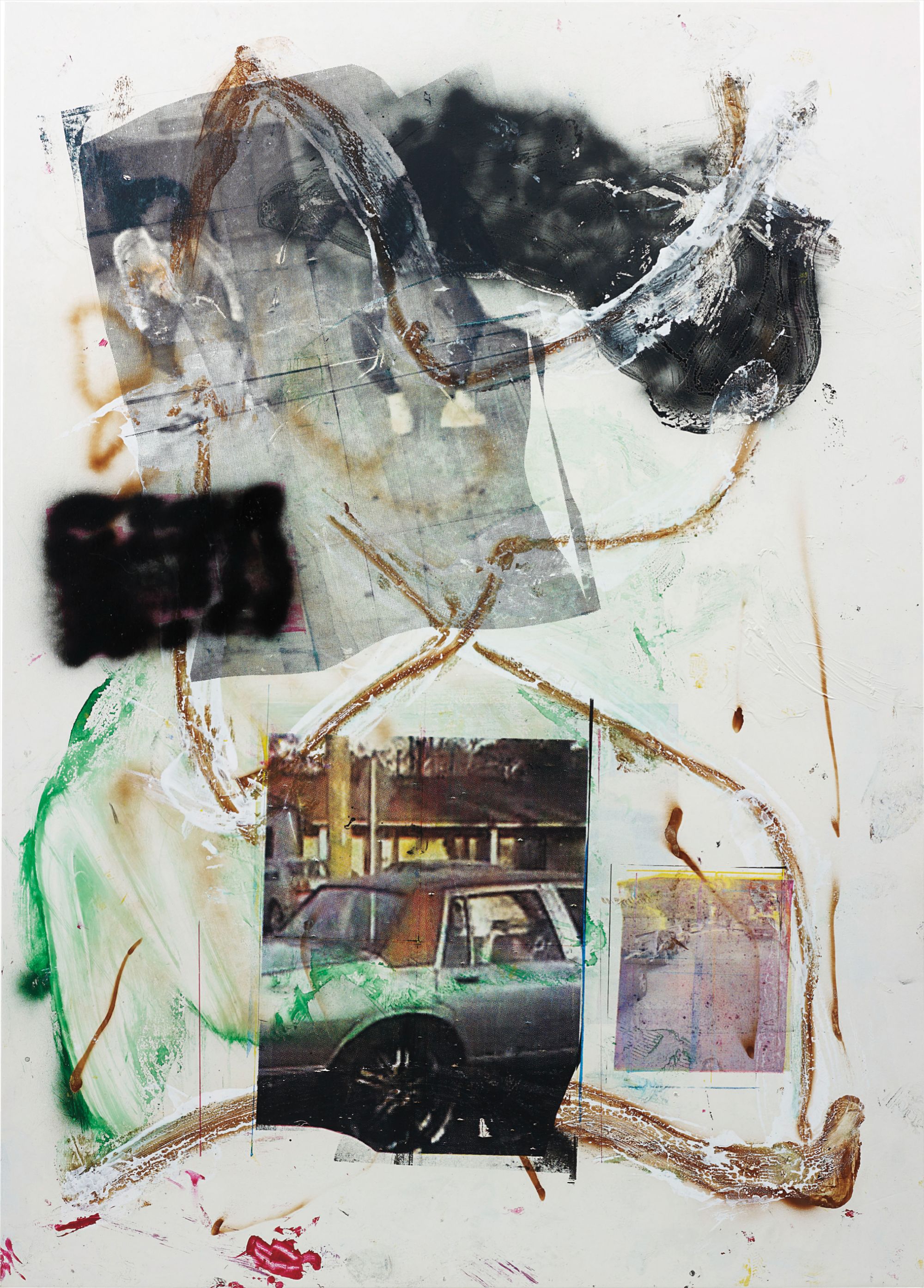
Leo Gabin
French Braid Tutorial
His Marilyns, his Campbell's Soup Cans, his Death and Disaster series produced in the early 1960s used seriality and mechanical reproduction to ask genuinely uncomfortable questions about originality, celebrity, and desire. The canvas did not elevate the image. The image complicated the canvas. Warhol's Factory became the crucible where these ideas were stress tested at scale, but he was not operating in isolation.
The broader Pop Art moment that flourished in New York through the 1960s was deeply invested in the aesthetics of reproduction and appropriation. Artists were watching consumer culture accelerate around them and responding not with critique from the outside but with immersion, with complicity, with irony that was never entirely irony. The silkscreen was the perfect tool for that posture. It could look like a painting, feel like a poster, read like an advertisement, and mean something none of those things quite meant on their own.
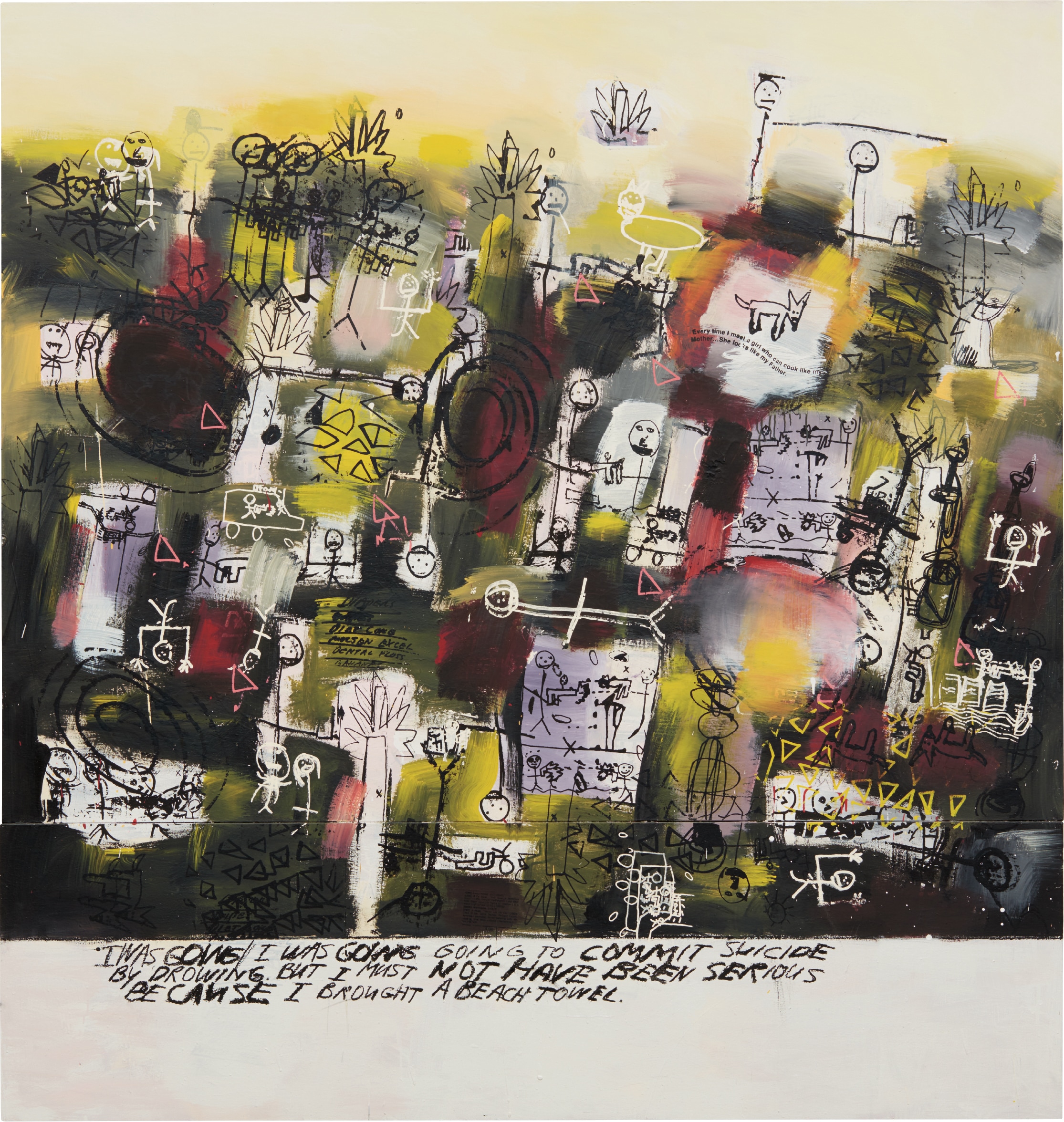
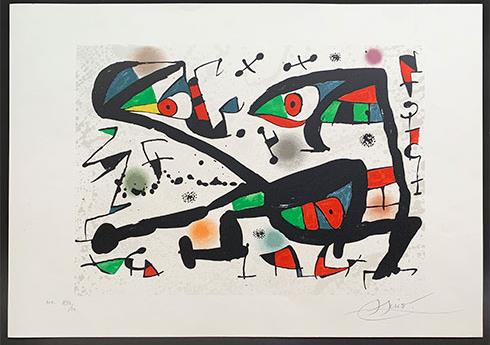
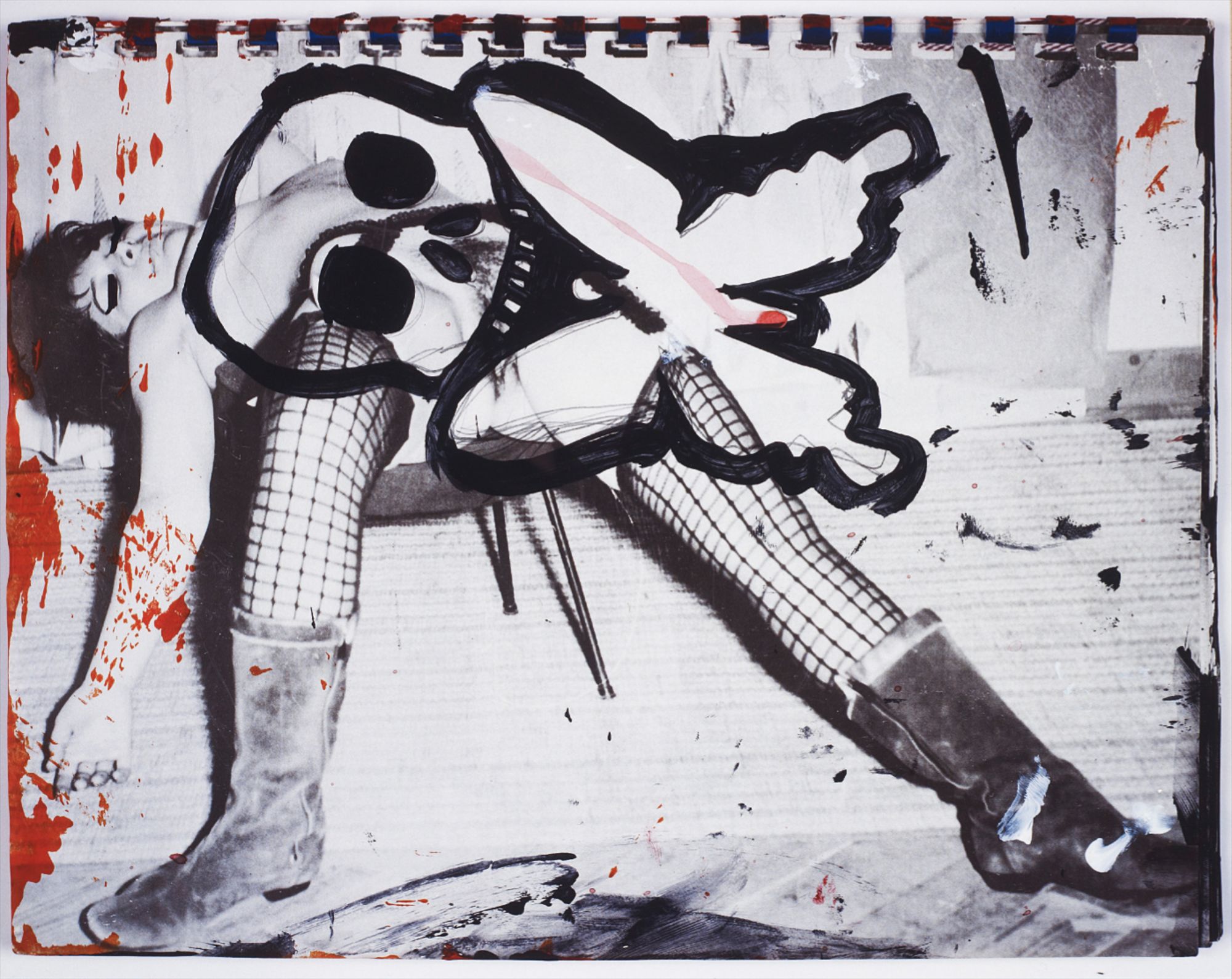
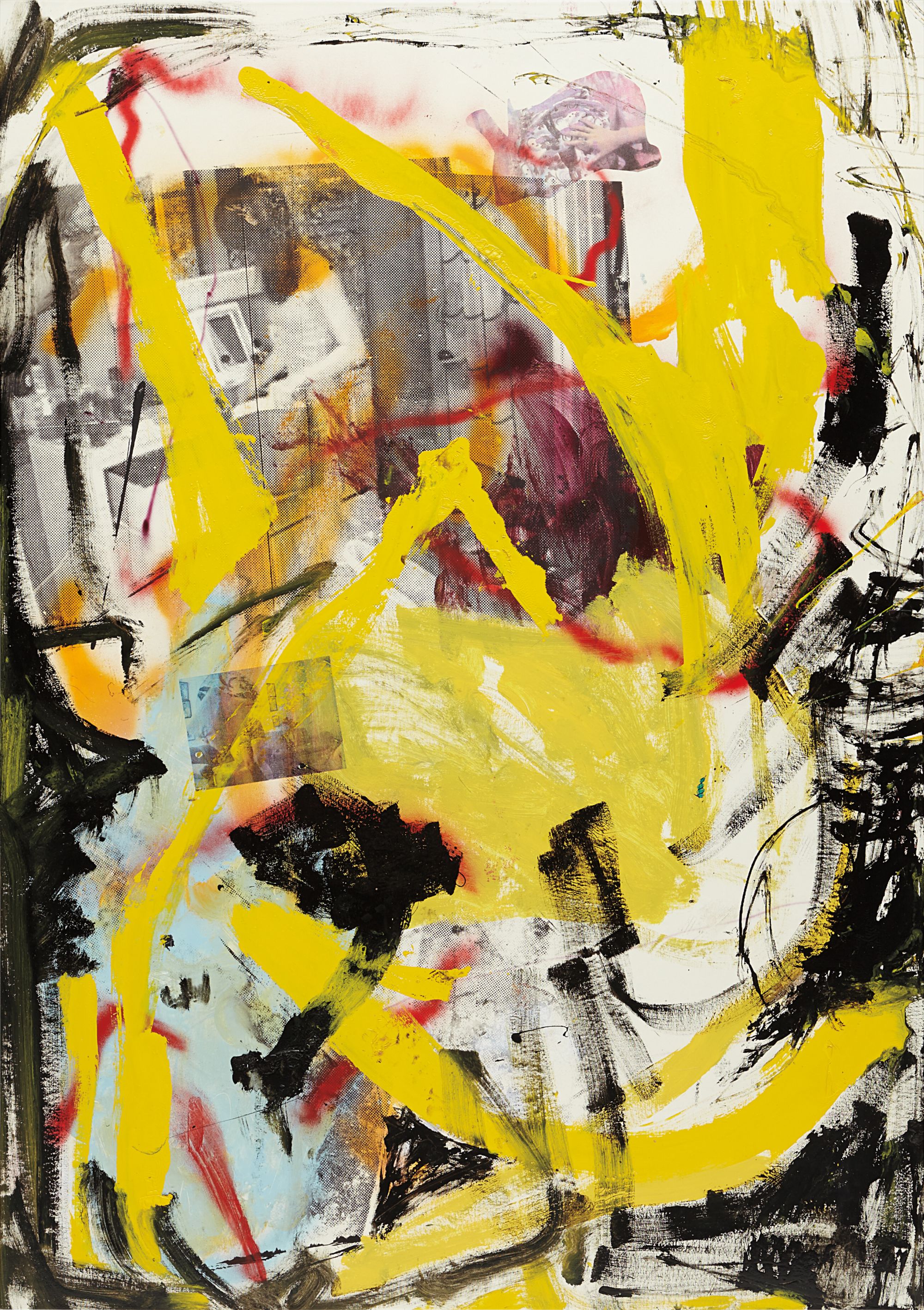
Richard Prince
Going Going Going, 1998
The conceptual weight of the medium did not diminish in subsequent decades. If anything, artists in the 1980s and beyond pushed silkscreen on canvas into increasingly charged territory. Barbara Kruger, whose practice draws deeply on the visual grammar of advertising and mass media, uses text and image in ways that carry the DNA of screen printing's commercial origins into profoundly political spaces. Her work implicates the viewer in systems of power and representation, and the flat, graphic quality of the medium is inseparable from that effect.
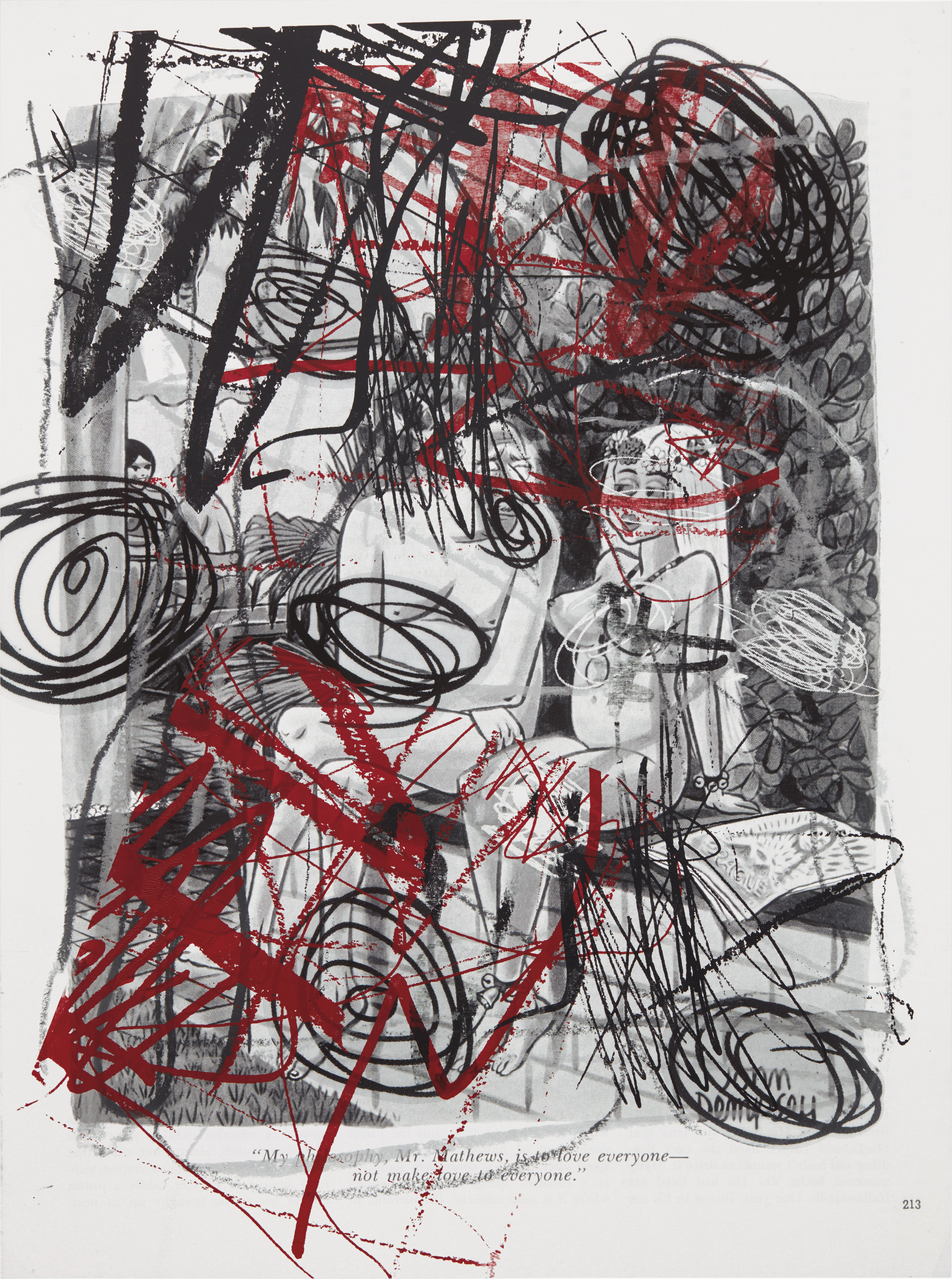
Similarly, Richard Prince spent years recontextualizing images already in circulation, photographs from advertising campaigns, imagery from popular culture, producing works that asked who owns an image and what happens to meaning when context shifts. His output, well represented on The Collection, treats appropriation not as theft but as revelation. What makes silkscreen on canvas so durable as a conceptual vehicle is its inherent relationship to the question of the original. Every print pulled through a screen is technically reproducible, yet each canvas carries the evidence of a specific moment of making, a particular pressure, a unique distribution of ink.
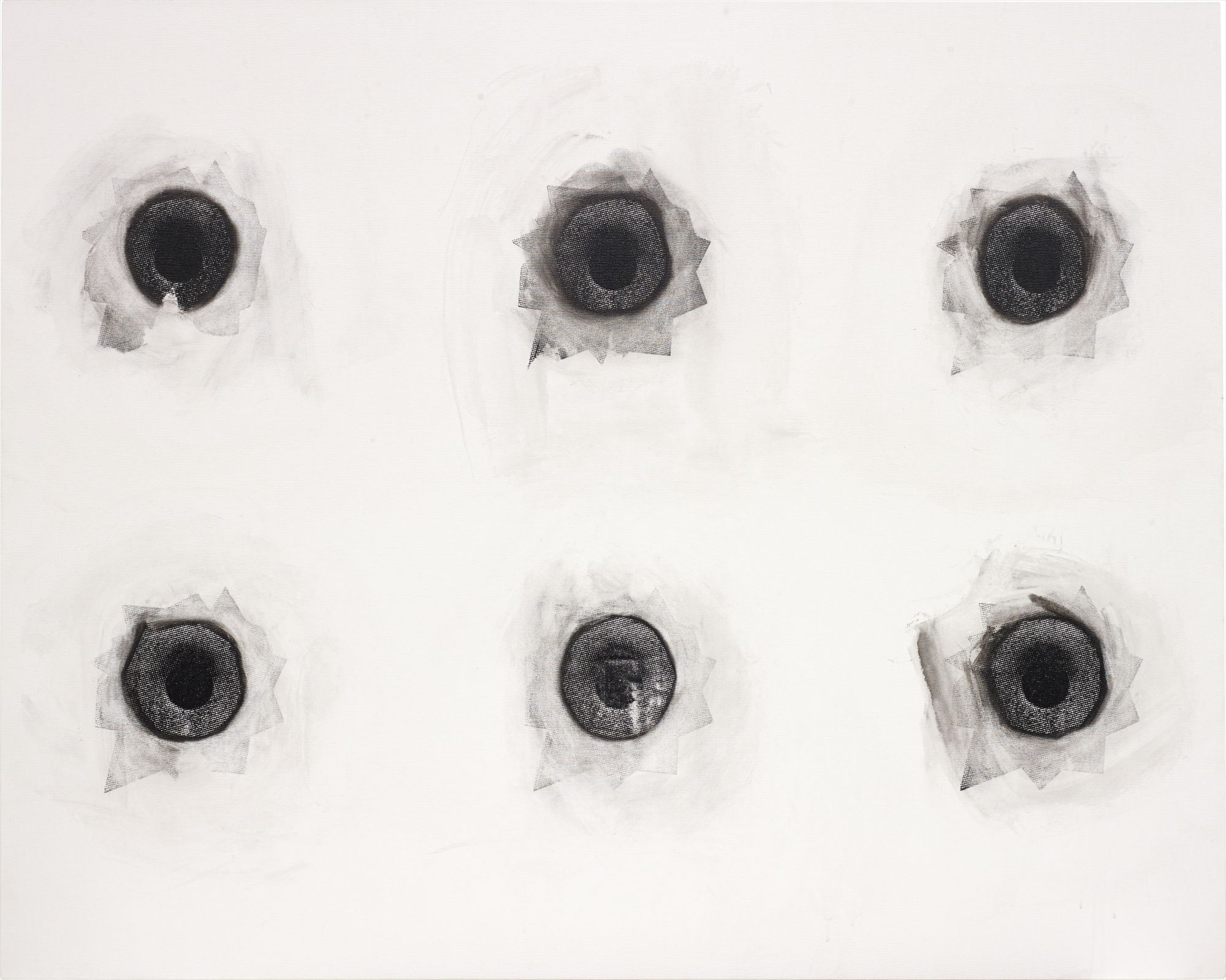
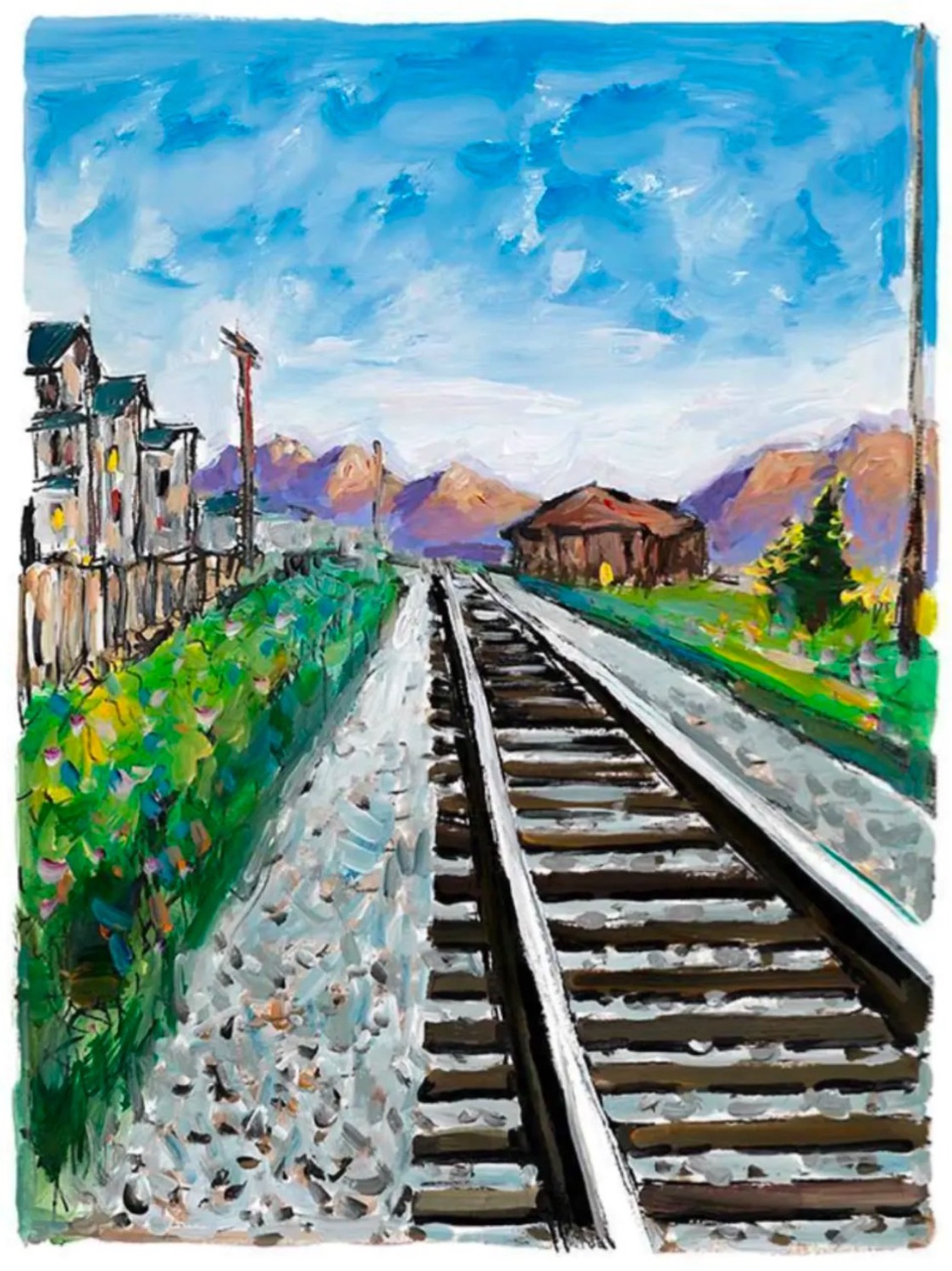
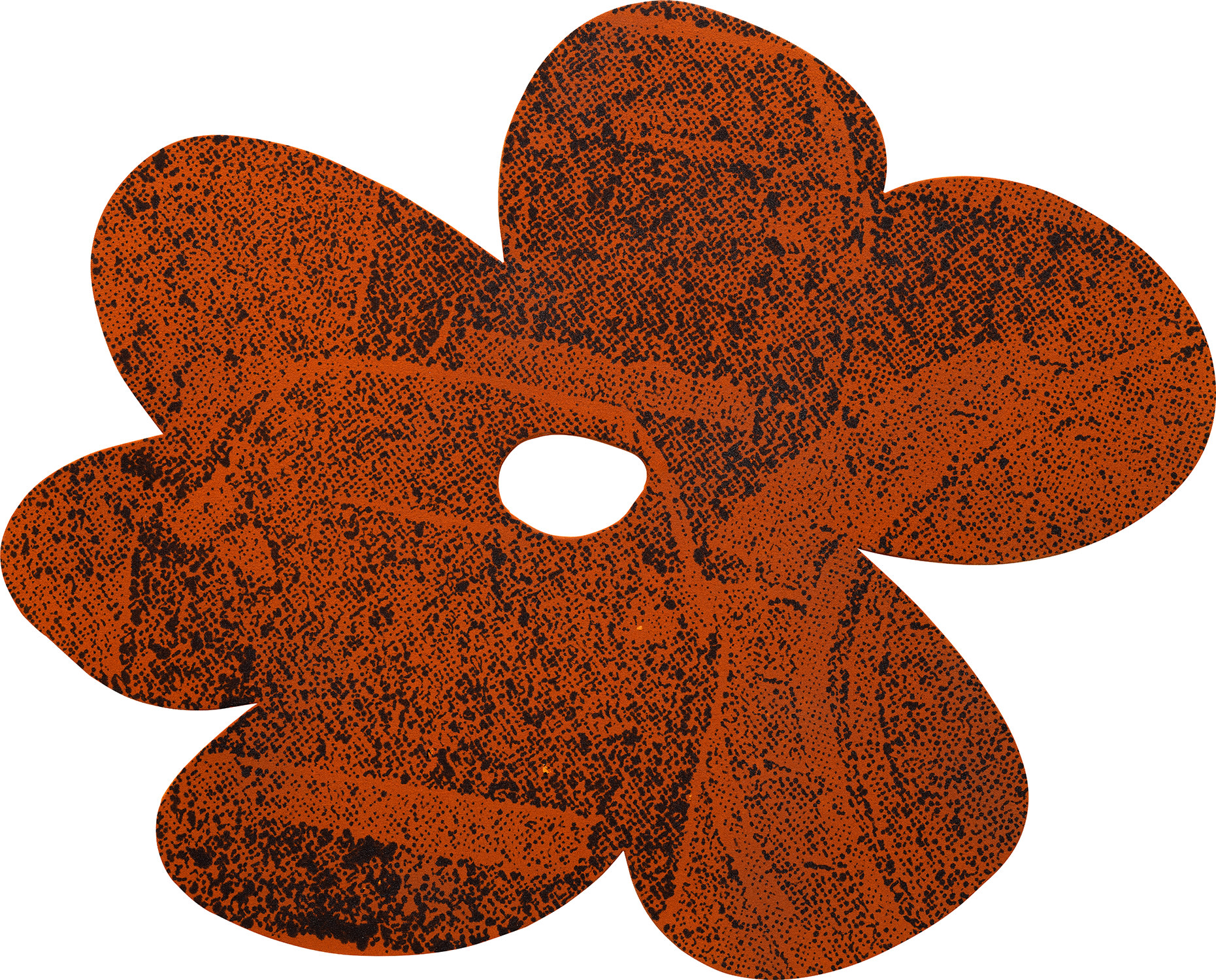
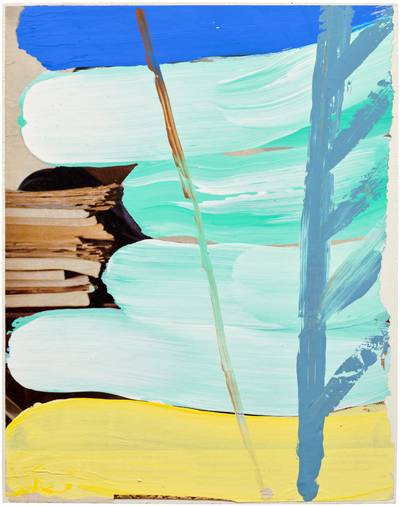
Nate Lowman
Six Shooter
This tension between the repeatable and the singular has drawn artists across generations. Richard Pettibone spent decades creating meticulous miniature reproductions of canonical works, playing with scale and authorship in ways that are quiet but philosophically destabilizing. His work reminds us that the relationship between an image and its reproduction is never simple, never clean. More recent practitioners have expanded the conversation considerably.
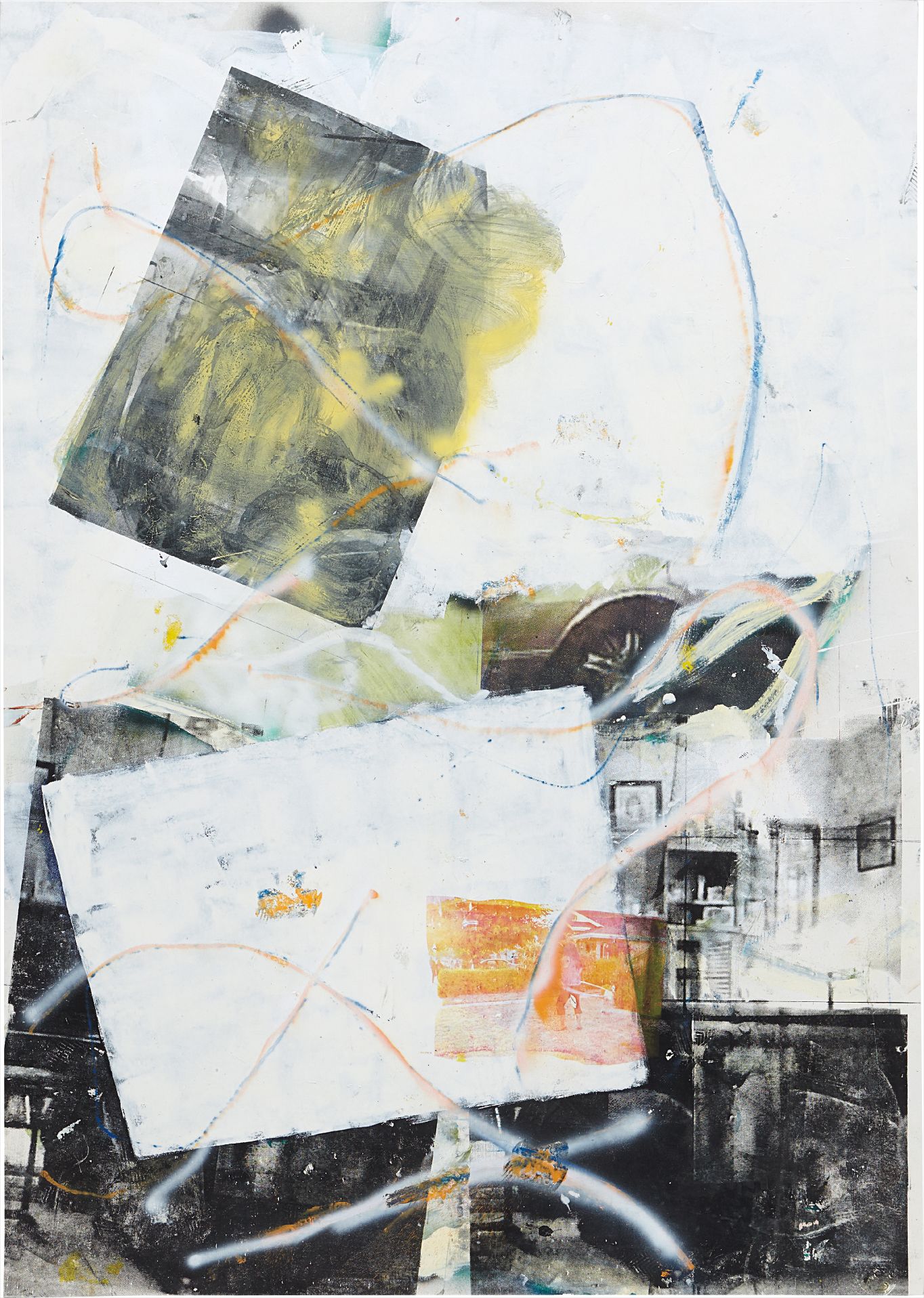
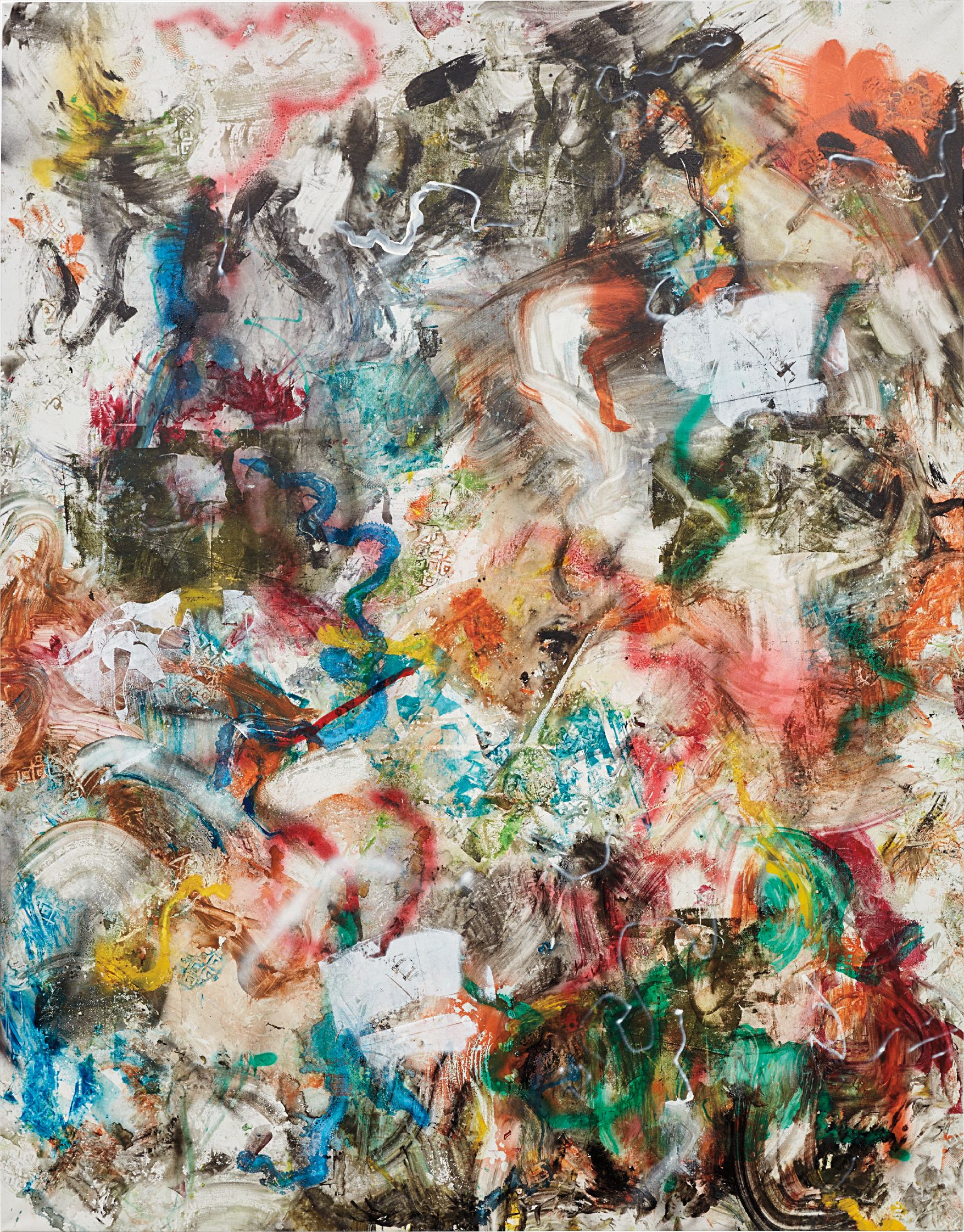
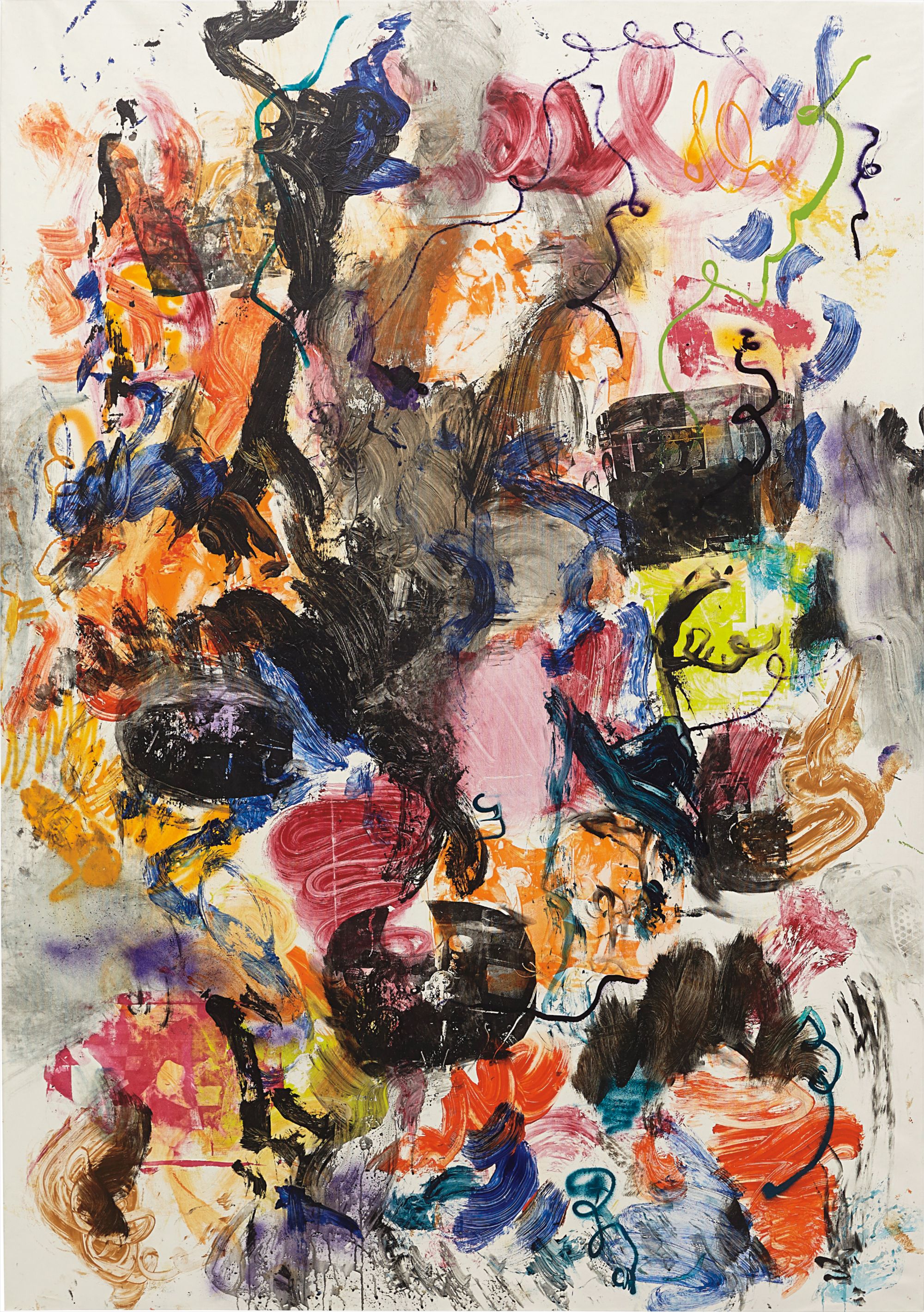
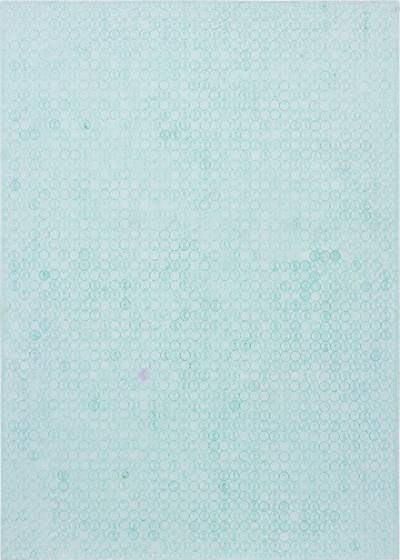
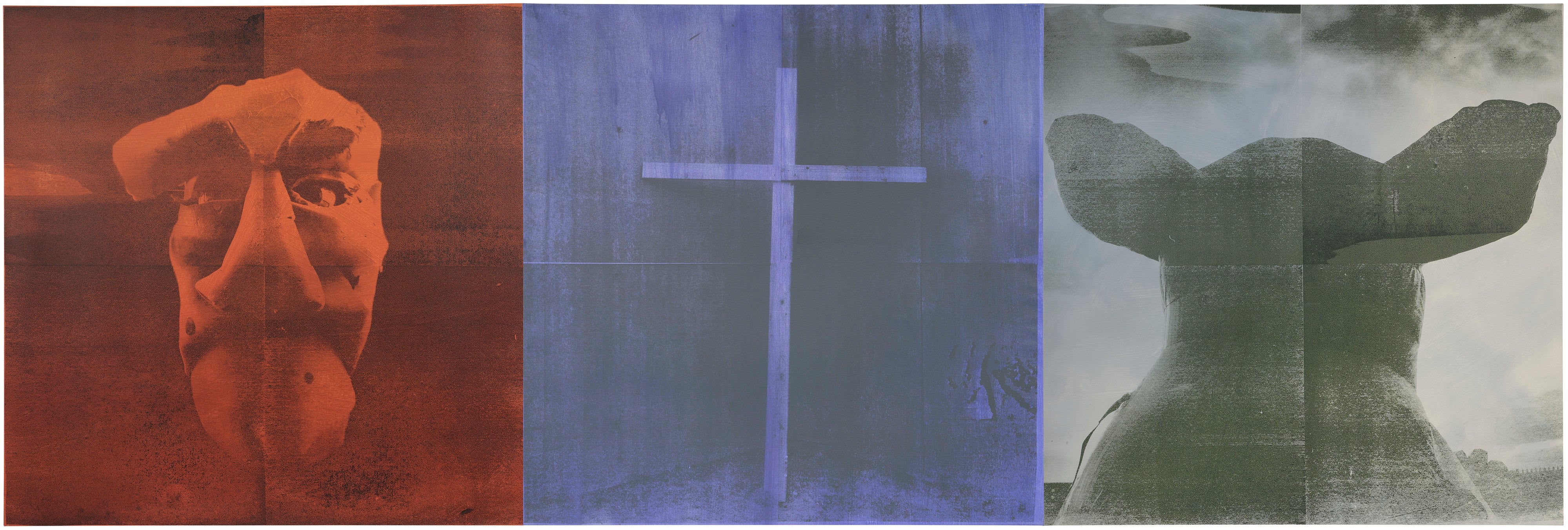
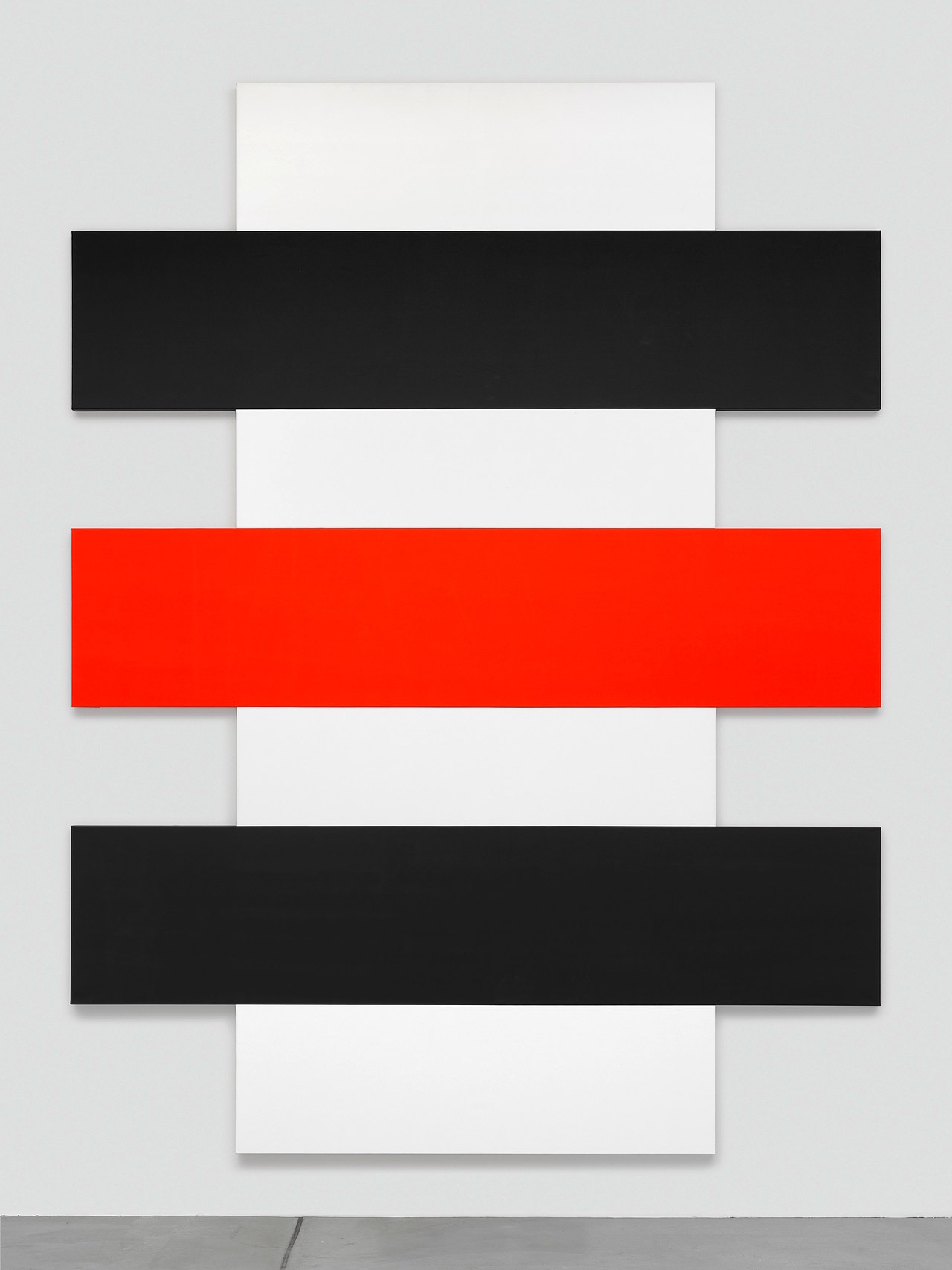
Adam Pendleton's work, a significant presence on The Collection, uses silkscreen processes within a larger engagement with language, abstraction, and Black radical thought. His canvases layer text and image in ways that feel simultaneously urgent and formally rigorous, connecting the mechanics of screen printing to a broader inquiry into how meaning is made and who gets to make it. Nate Lowman approaches the medium with a different kind of irreverence, mining American vernacular imagery and the visual noise of everyday life, finding in the flatness of silkscreen a way to hold cultural symbols at arm's length without ever quite letting them go. The Belgian duo Leo Gabin, who work extensively with found footage and appropriated imagery, bring yet another dimension to this territory.
Adam Pendleton
Untitled (Days), 2023
Their practice engages with the mediated image in the age of digital reproduction, finding resonances between Warhol's original interrogation of mass culture and the contemporary condition in which every image is already a copy of a copy. Their presence on The Collection speaks to the ongoing vitality of this conversation. Meanwhile artists like Nick Darmstaedter and Joe Bradley approach the painted and printed surface with a looseness and material curiosity that situates silkscreen within a broader revival of interest in process and physicality. The cultural significance of silkscreen on canvas cannot be overstated.
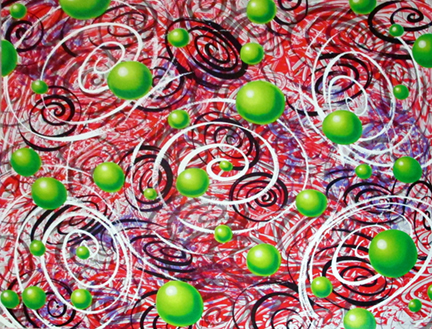
It arrived at the exact moment when the boundary between high art and mass culture was becoming both more porous and more contested, and it helped dismantle the mythology of the unique, transcendent art object without abandoning the canvas altogether. That is a genuinely radical act dressed in deceptively accessible clothing. Kenny Scharf's exuberant, cartoon inflected imagery and David Salle's layered, dissonant compositions both draw on the visual logic that silkscreen made thinkable, even when their processes diverge from strict serigraphy. Today, silkscreen on canvas sits at an interesting crossroads.
Digital tools have transformed how images are prepared for printing, and the boundaries between photographic transfer, screen printing, and digital output are increasingly fluid. Yet the fundamental questions the medium raises, about authorship, about reproduction, about the relationship between an image and its surface, have not lost their charge. If anything, in an era saturated with images that travel instantaneously and lose their origins almost immediately, the silkscreened canvas feels more relevant than ever. It holds the question still.
It makes you look.