Reflective Surfaces

Tom Blackwell
Howdy Beef ‘n Burger, 1975


Mirror, Mirror: Art's Most Seductive Obsession
There is something deeply unsettling about a surface that shows you yourself. The mirror has fascinated, disturbed, and structured human consciousness for millennia, long before artists learned to grind silver onto glass or polish bronze to a sheen. To look at a reflective surface is to confront simultaneity: the world as it is and the world doubled, flipped, delayed by a fraction of a second that feels, somehow, like the gap between being and knowing. It is no accident that art keeps returning here.
The earliest known mirrors were pools of still water, and the objects that followed them were precious things. The bronze mirrors represented on The Collection place us directly in contact with that ancient tradition. Highly polished bronze discs were produced across China, Rome, and the ancient Near East, often buried with the dead, understood as objects capable of holding something of the soul. By the time Venetian glassmakers perfected the silvered mirror in the sixteenth century, the object had become both luxury and philosophical provocation.
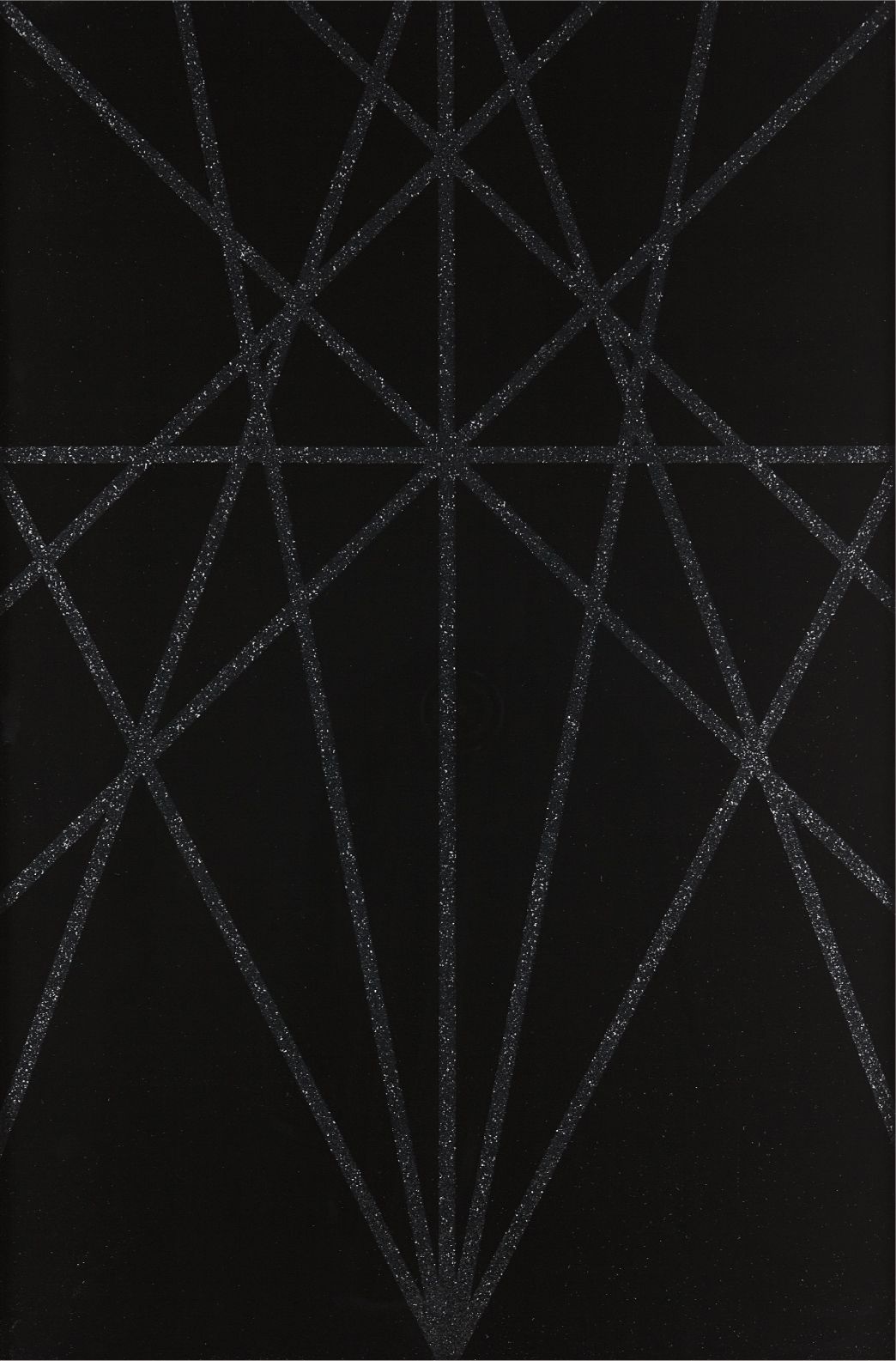
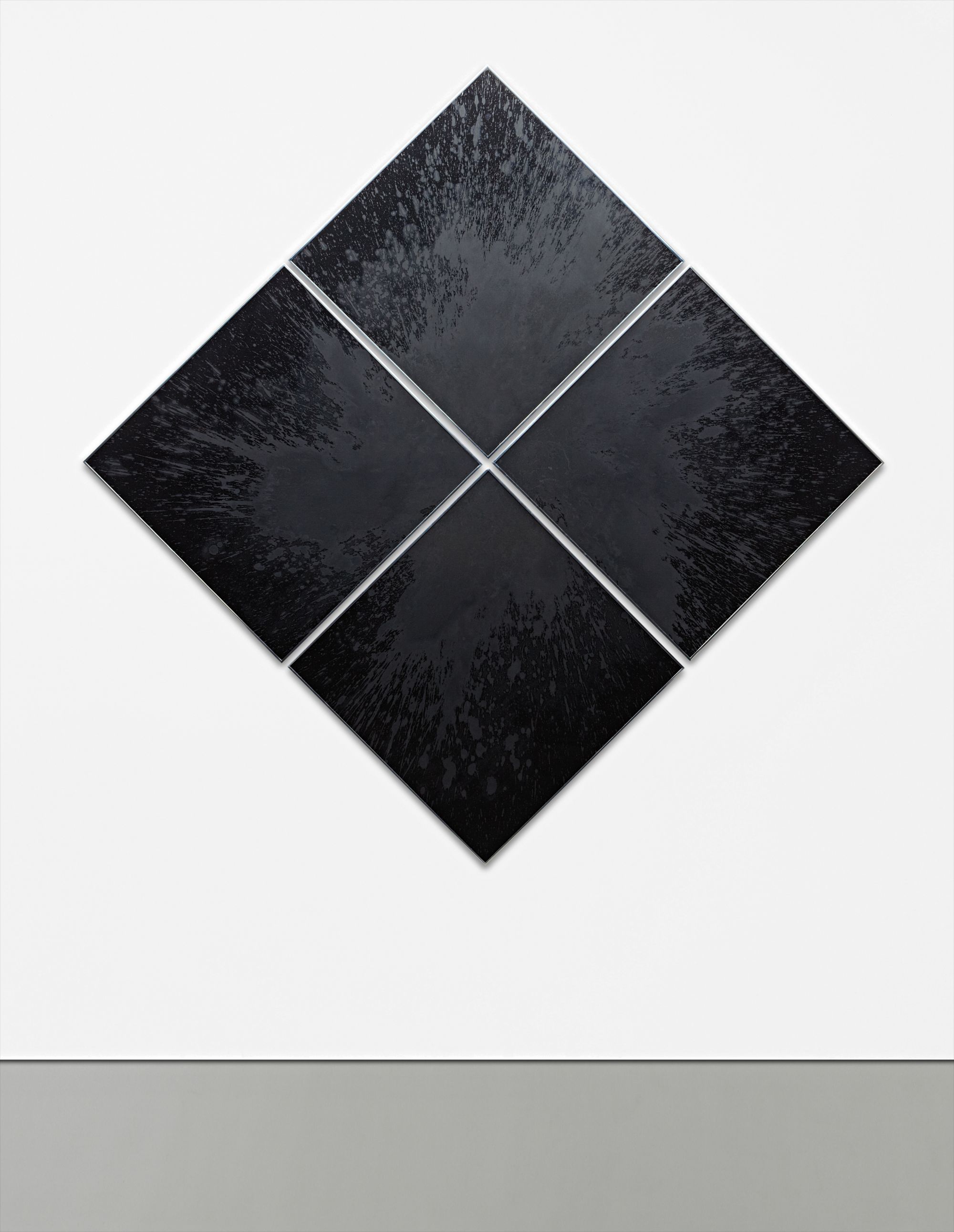
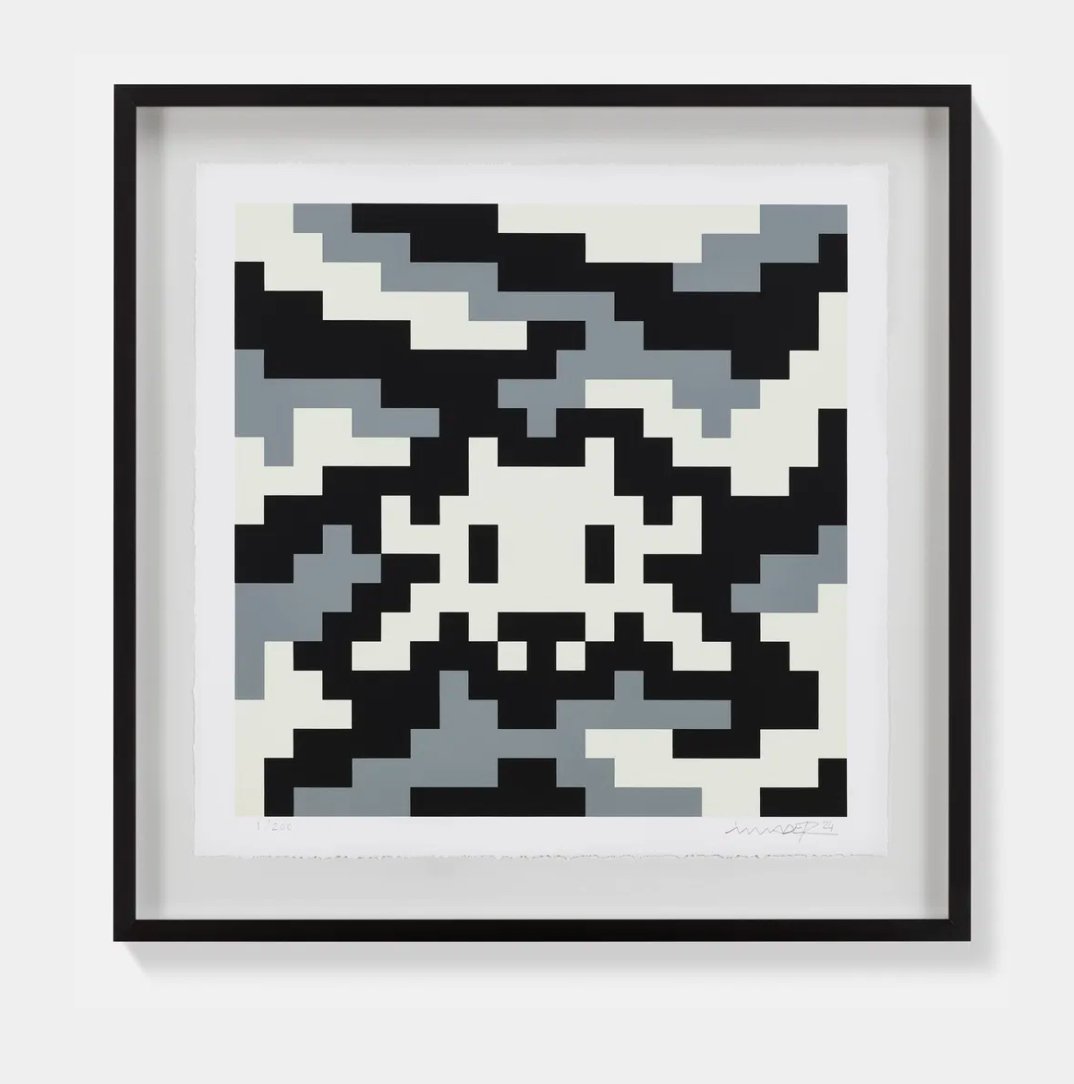
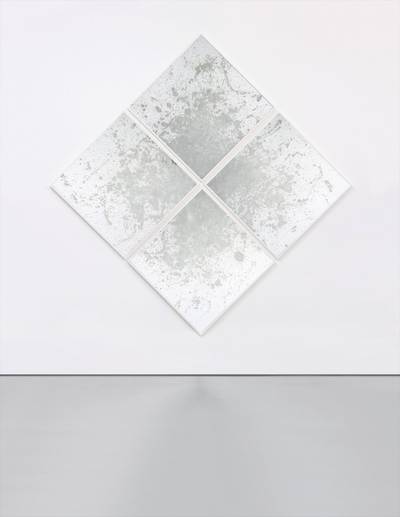
Marc Swanson
Black Mirror Geometric #1
Diego Velázquez painted his Venus contemplating her own reflection in 1647 to 1651, and the question he posed about vision, desire, and self knowledge has never really been answered. The modern engagement with reflective surfaces as a primary artistic medium rather than a painted subject began in earnest during the post war decades, when artists became fascinated with the environment of the viewer and the instability of the art object itself. Dan Flavin and Donald Judd used polished steel and industrial surfaces to implicate the space around their work. Lucas Samaras built his mirrored rooms in the late 1960s, making the self infinitely recursive and vaguely nightmarish.
By the time Yayoi Kusama exhibited her Infinity Mirror Rooms, the reflective surface had become a space for total immersion, a way of dissolving the boundary between artwork and audience entirely. Nicolas Schöffer, whose work appears on The Collection, was exploring similar territory during this period through his cybernetic sculptures, using reflective and luminous elements to create environments that responded dynamically to movement and light. What makes the reflective surface so durable as an artistic strategy is its conceptual flexibility. It can be about narcissism or about the failure of self knowledge.
Tom Blackwell
Howdy Beef ‘n Burger, 1975
It can be about desire, as in the photorealist tradition where artists like Richard Estes and Tom Blackwell, both represented here, rendered chrome and glass storefronts and car bodies with such precision that the painted image itself becomes a kind of mirror of a mirror. Estes in particular spent decades mapping the reflections of New York, a city that exists in his work as an endless doubling of surfaces, plate glass returning skyscrapers and pedestrians in fragments. Blackwell worked in a similar key, obsessed with the way a motorcycle tank or a diner window absorbs and distorts everything around it. The photograph has always had a complicated relationship with reflection.
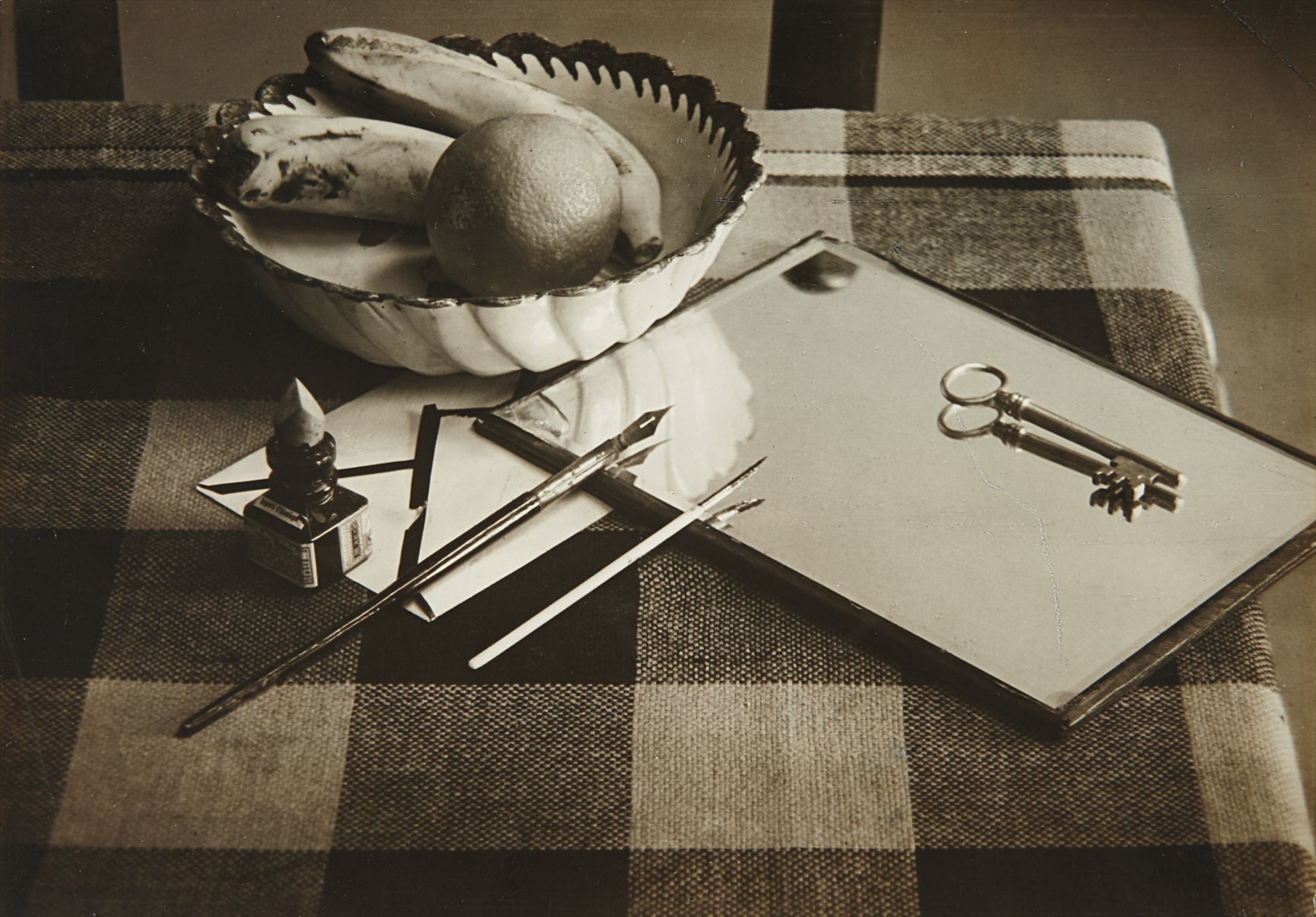
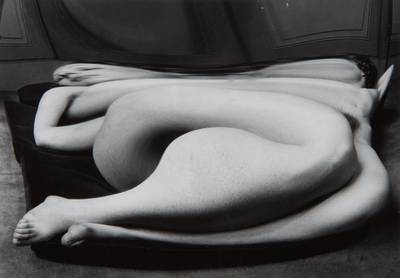
André Kertész understood this instinctively. His Distortions series from the 1930s used a funhouse mirror to pull and elongate the human figure into something surreal and tender at once, a body made strange by the logic of curved silver. Eileen Quinlan, working now and represented on The Collection, works in a conceptual tradition that is acutely aware of that lineage. She photographs mirrors photographing themselves, creating images of pure photographic self reference that feel both rigorous and strangely melancholy.
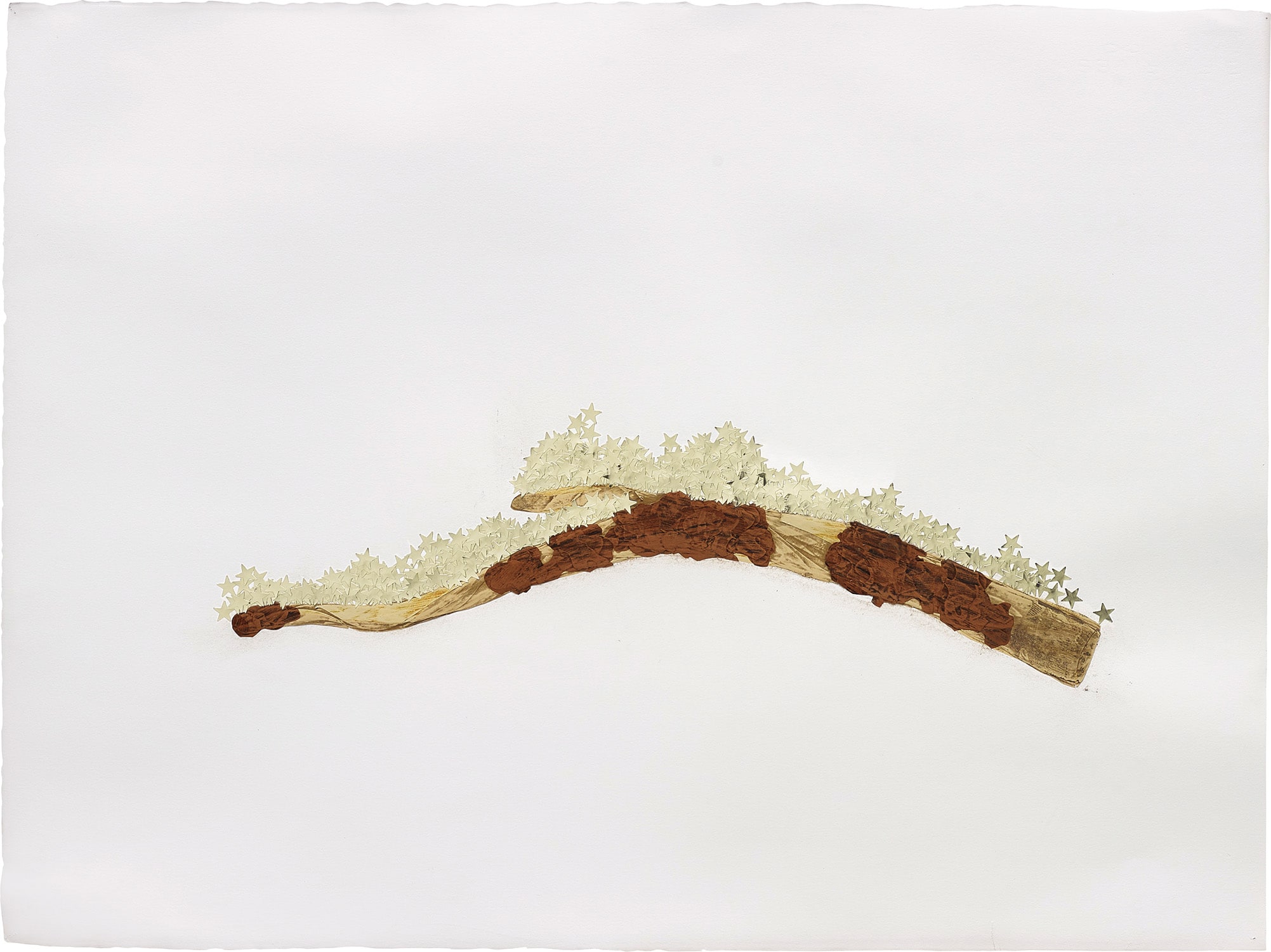
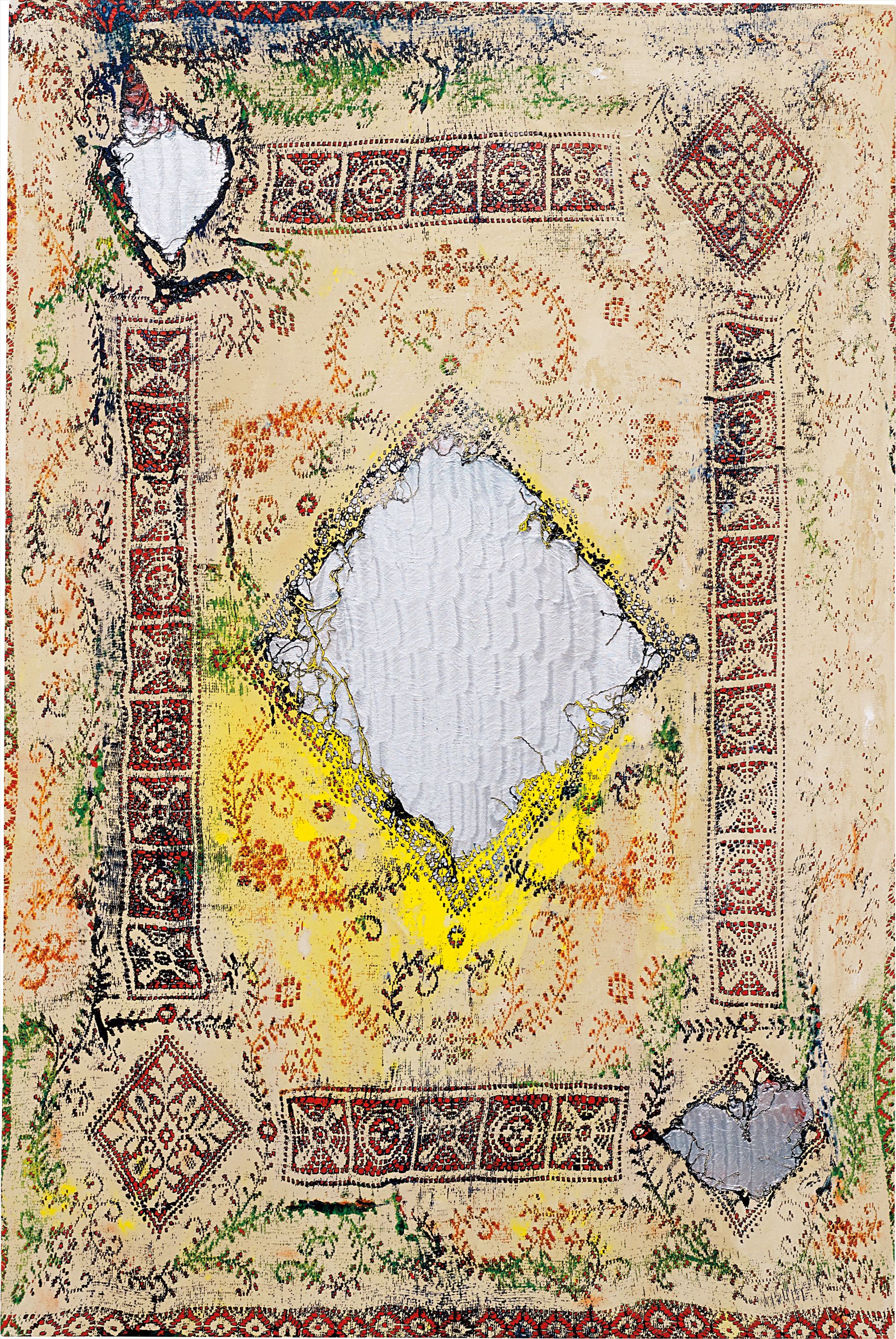
Jim Hodges
Noticed, at rest (a light)
Walead Beshty similarly interrogates the chemistry and physics of image making, and his presence here alongside Quinlan suggests a particular strand of thinking about how surfaces record and distort. For a generation of artists coming of age in the 1980s and 1990s, the mirror became a way of talking about identity under pressure. Jim Hodges, whose work is well represented on The Collection, has long used reflective surfaces to explore vulnerability and beauty simultaneously. His mirror works shatter the reflective plane into fragments that still cohere, a formal gesture that carries enormous emotional weight.
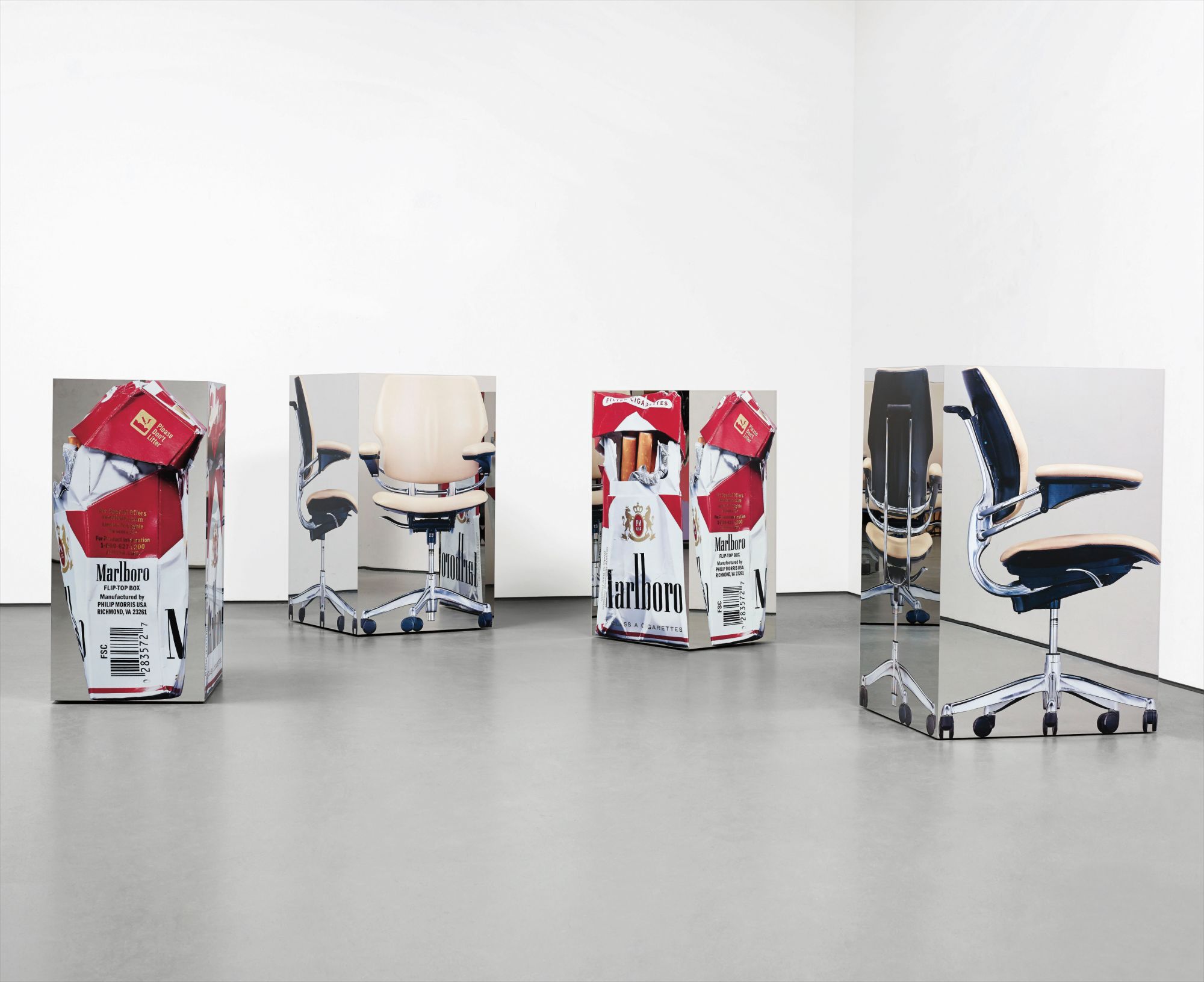
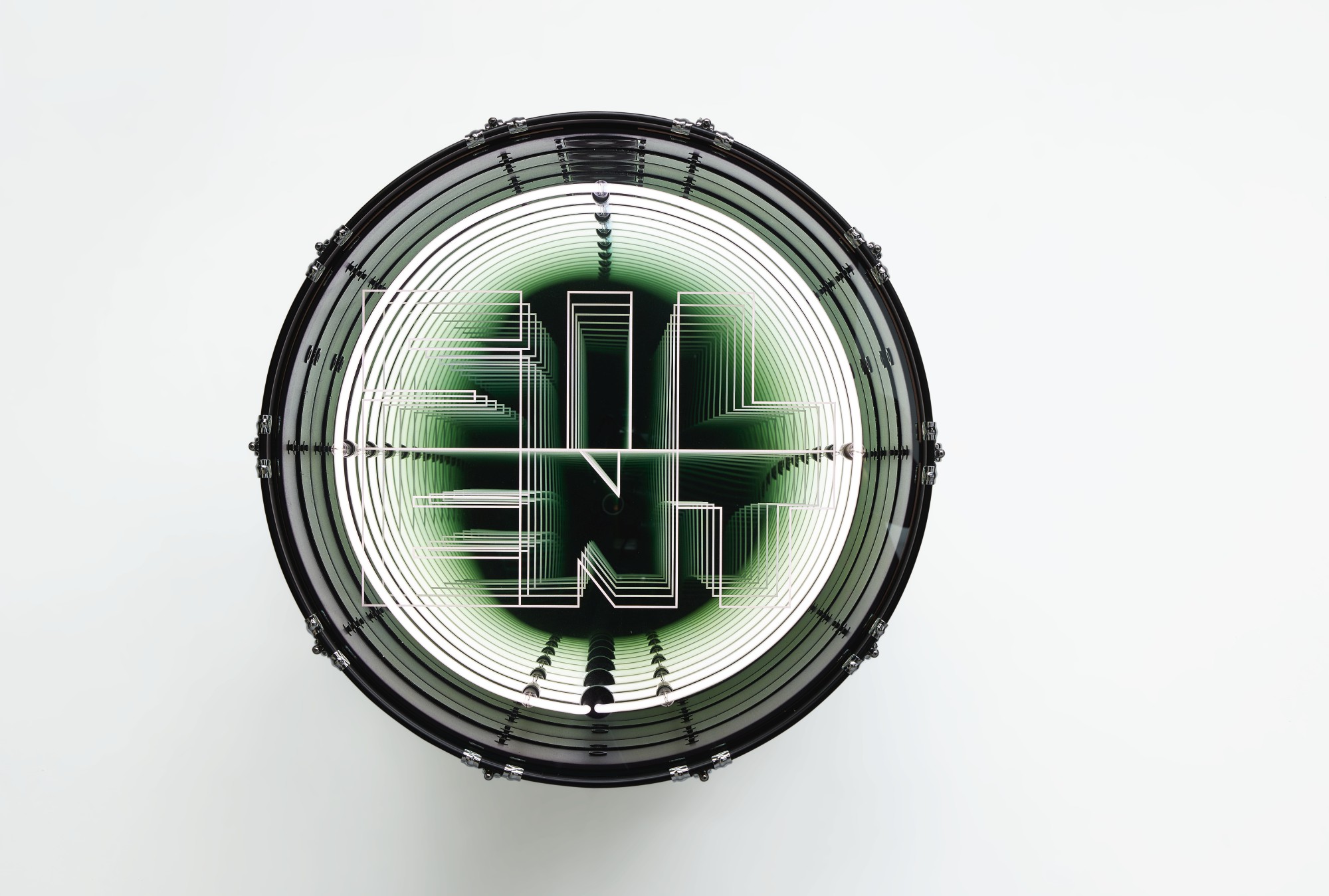
Jeppe Hein has spent much of his career using mirrors to create situations of perceptual confusion and unexpected delight, his modified social benches and mirror labyrinths asking visitors to reckon with how they move through space. Iván Navarro, also on The Collection, uses LED light and mirror to create vertiginous tunnels of infinite recession, pulling political metaphors about power and surveillance into a formally seductive space. M.C.
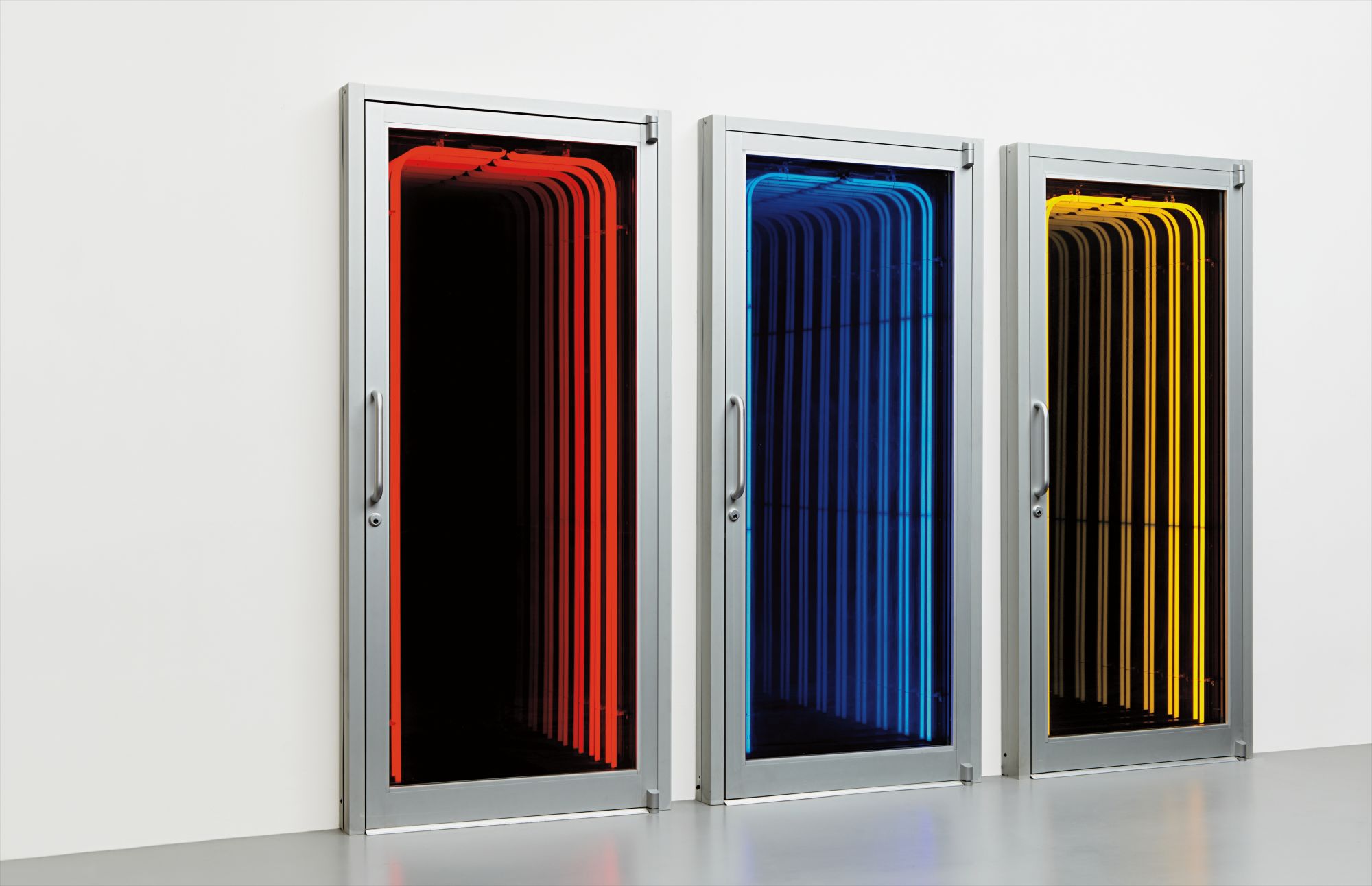
Iván Navarro
Shortcut
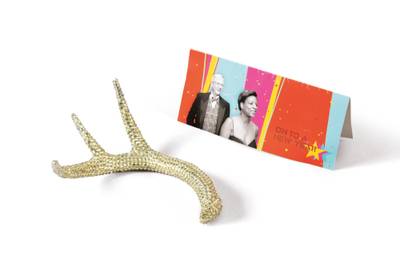
Escher, whose work needs no introduction to any collector of perceptually ambitious art, devoted much of his practice to the paradoxes of reflection and self reference. His 1935 lithograph Hand with Reflecting Sphere remains one of the most reproduced images in the history of art precisely because it captures something true about looking: the observer is always in the picture. Tigran Tsitoghdzyan works in a related tradition of hyperrealist painting, rendering reflections in glass and skin with a psychological intensity that owes something to the old masters and something to the contemporary moment's anxiety about image and surface. Marc Swanson brings glittering reflective materials into the service of queer memory and mourning, and Josephine Meckseper uses the language of shop windows and display to reflect consumer culture back at itself with considerable critical force.
Zhan Wang takes the reflective surface in a different direction entirely, fabricating stainless steel rocks that mimic the forms of classical Chinese scholar stones while bouncing the viewer's own distorted face back at them. The piece asks whether tradition is a mirror or a window, and refuses to answer cleanly. Glenn Kaino, Sarah Lucas, Goshka Macuga, and Gregor Hildebrandt each bring their own pressures to bear on the surface, whether structural, bodily, archival, or sonic, but the reflective as a site of encounter remains. What all of these artists understand is something that bronze polishers in the Han dynasty understood too: a surface that gives you back the world is never merely decorative.
It is an argument about what the world is.