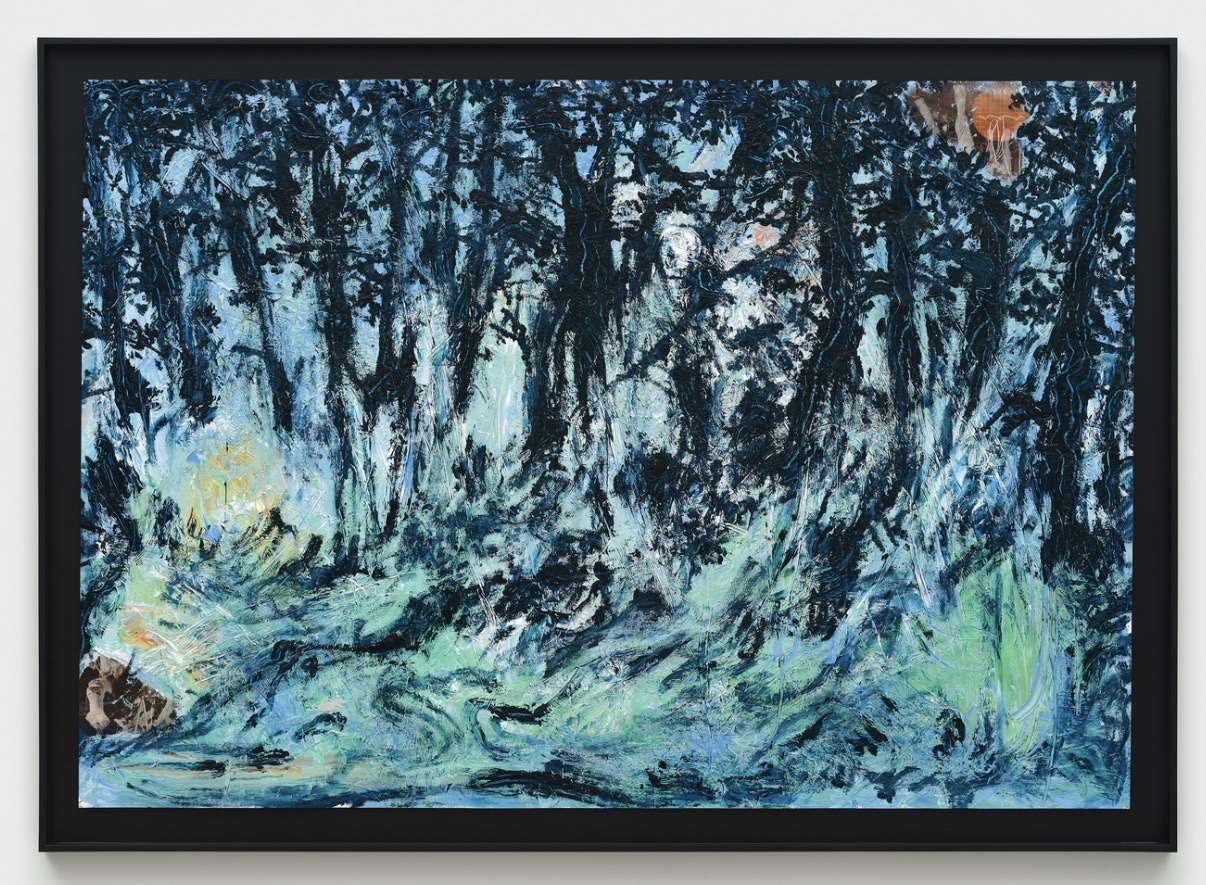
Reflections
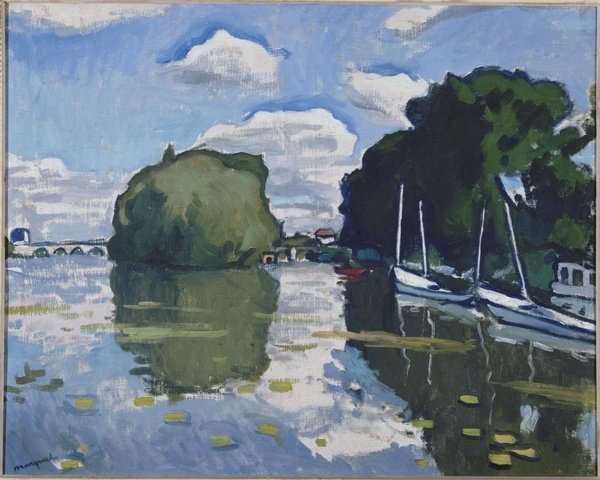
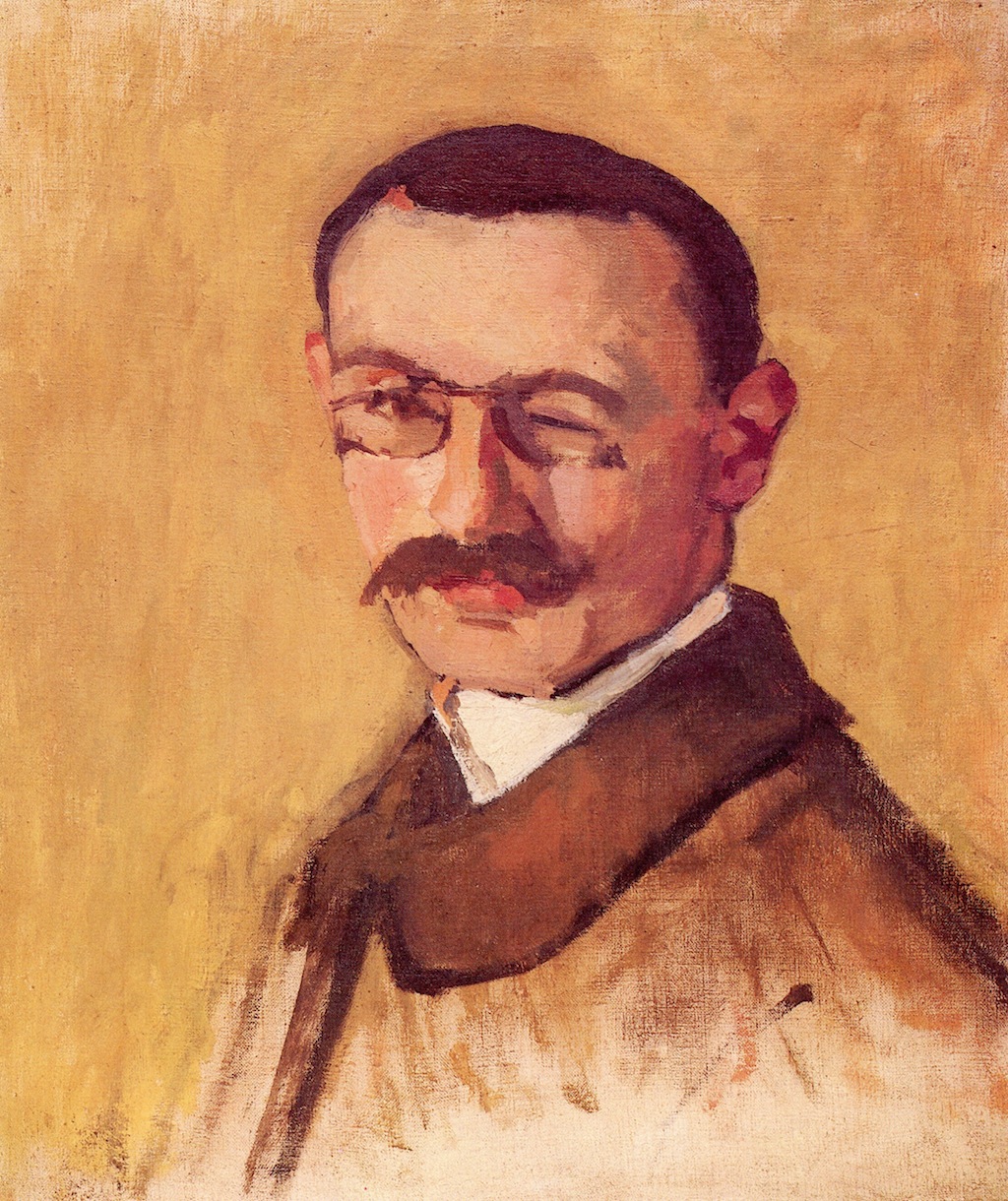
Albert Marquet
La Seine à Poissy, 1908


The Mirror Looks Back at You
There is something almost predatory about a reflection. It promises truth and delivers transformation. A window becomes a portal, a puddle becomes a sky, a polished surface becomes a philosophical argument. Artists have understood this for centuries, but the twentieth century made it urgent, turning the painted or photographed reflection into one of the most charged and conceptually loaded devices in the entire visual canon.
To look at a work built around reflections is to be implicated in it. You are never quite the neutral observer you imagined yourself to be. The fascination with reflected surfaces runs deep in Western painting, reaching back to the Northern European masters of the fifteenth century. Jan van Eyck placed a convex mirror at the center of the Arnolfini Portrait in 1434, and that small orb of curved glass has been generating scholarly argument ever since.
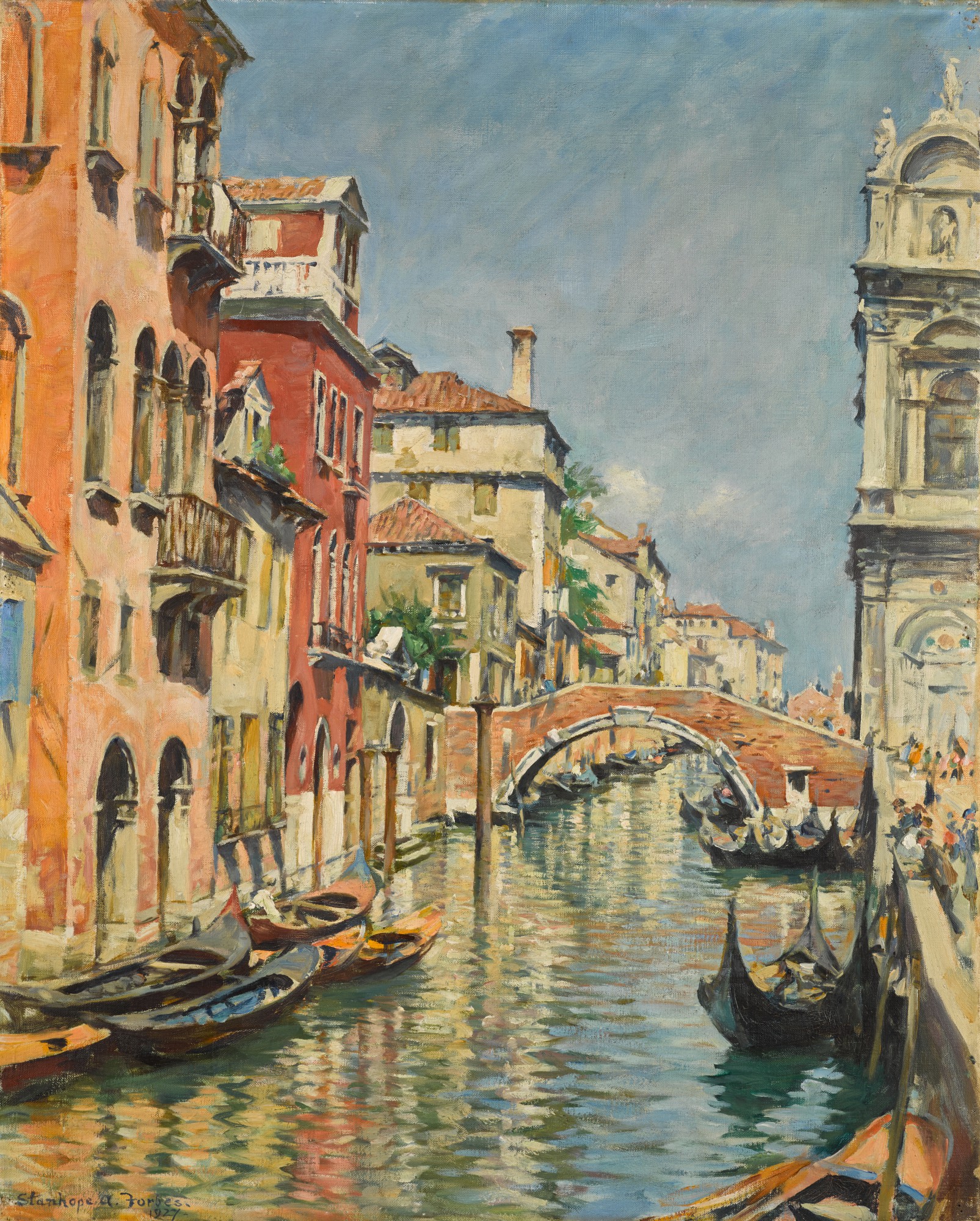
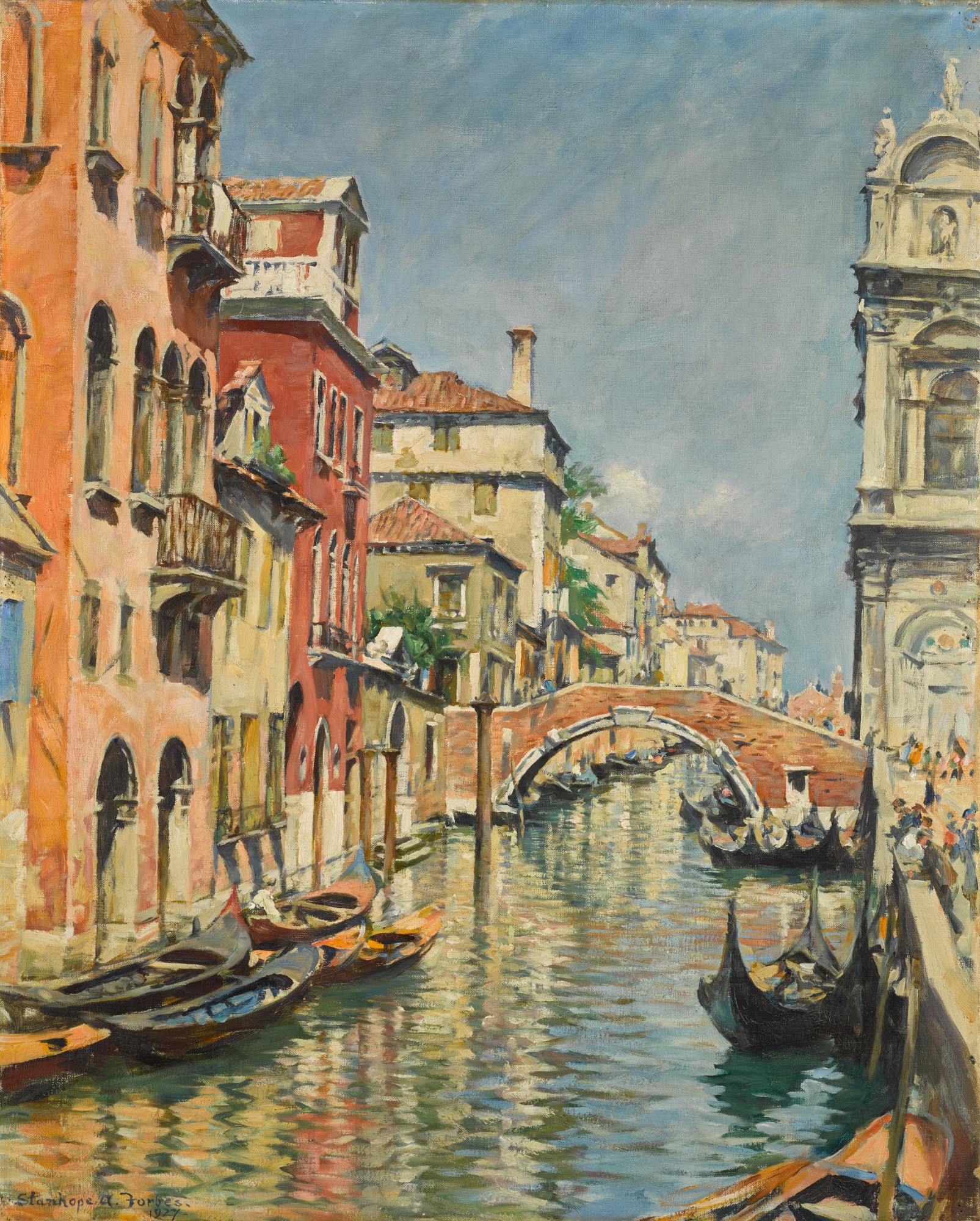
Stanhope Alexander Forbes
Reflections in the Canal, Venice
It shows the room from a different angle, suggests unseen witnesses, and folds additional space into the picture plane. Van Eyck seemed to understand that a mirror does not simply repeat what is before it. It reorganizes, compresses, and subtly lies. Diego Velázquez took that insight further in Las Meninas in 1656, a painting in which the reflective surface becomes the engine of an entire epistemological puzzle about who is looking at whom and from where.
By the nineteenth century, Impressionism opened new territory. The Seine, the Thames, the harbors of northern France became not just settings but co authors of paintings. Albert Marquet, the French Post Impressionist whose work sits close in spirit to Matisse and the Fauves, spent decades returning to water and light. His harbor scenes and river views treat the reflected world with a kind of reverent economy, a few strokes of paint doing the work that a lesser artist would require a hundred to accomplish.
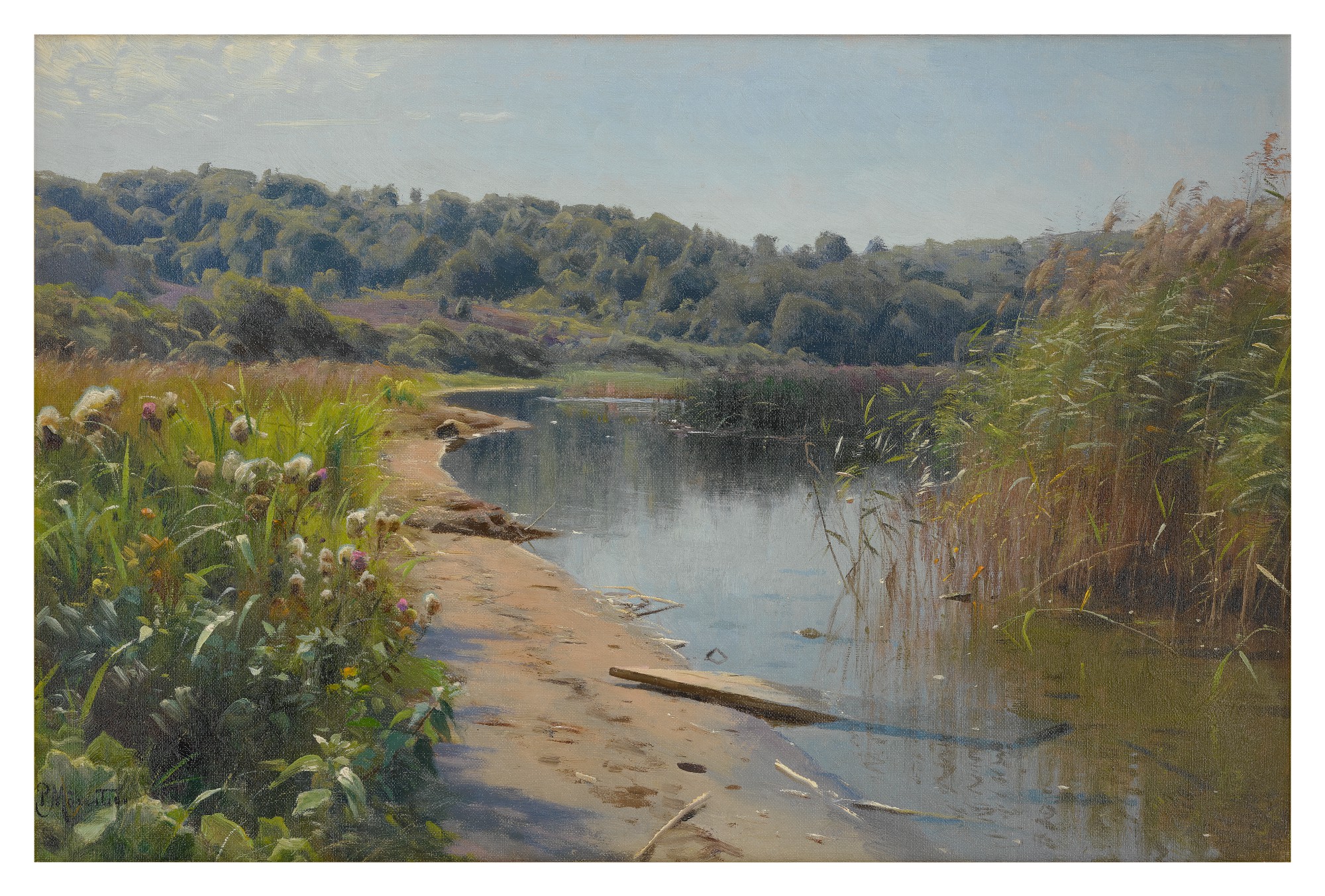
Peder Mønsted
Summer Reflections On A Lake, Silkeborg
Marquet had a gift for the way light sits differently on moving water than on solid ground, and his works on The Collection speak to that sustained and quietly radical attention. The Scandinavian landscape tradition brought its own intensity to the subject. Peder Mønsted, the Danish realist painter who worked across the late nineteenth and early twentieth centuries, produced landscapes of extraordinary precision in which lakes and forest pools function as natural mirrors, doubling the compositions and creating a dreamlike stillness even in scenes of apparent naturalism. His commitment to observed, specific light connects him to a broader European project of understanding reflection not as ornament but as subject matter in its own right.
Around the same period, the Cornish painter Stanhope Alexander Forbes, a founder of the Newlyn School, was using coastal light and wet harbor surfaces to similar effect, grounding his social realism in environments where reflection was simply part of the daily visual texture of fishing village life. Then came photorealism, and everything changed again. In the late 1960s and through the 1970s, a group of American painters looked at the photograph and decided it was not the enemy of painting but its most interesting interlocutor. Richard Estes became the supreme technician of the urban reflective surface.
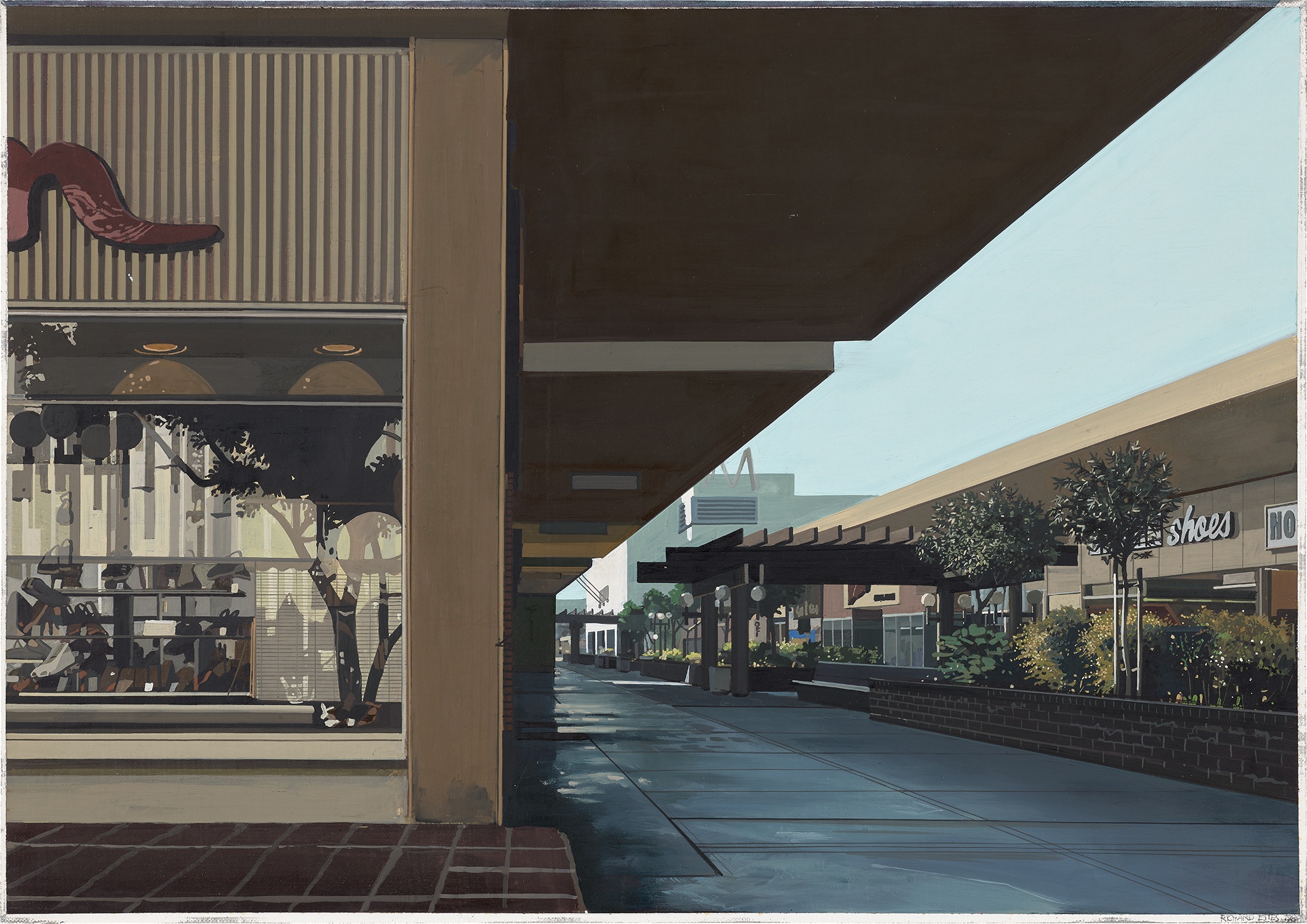
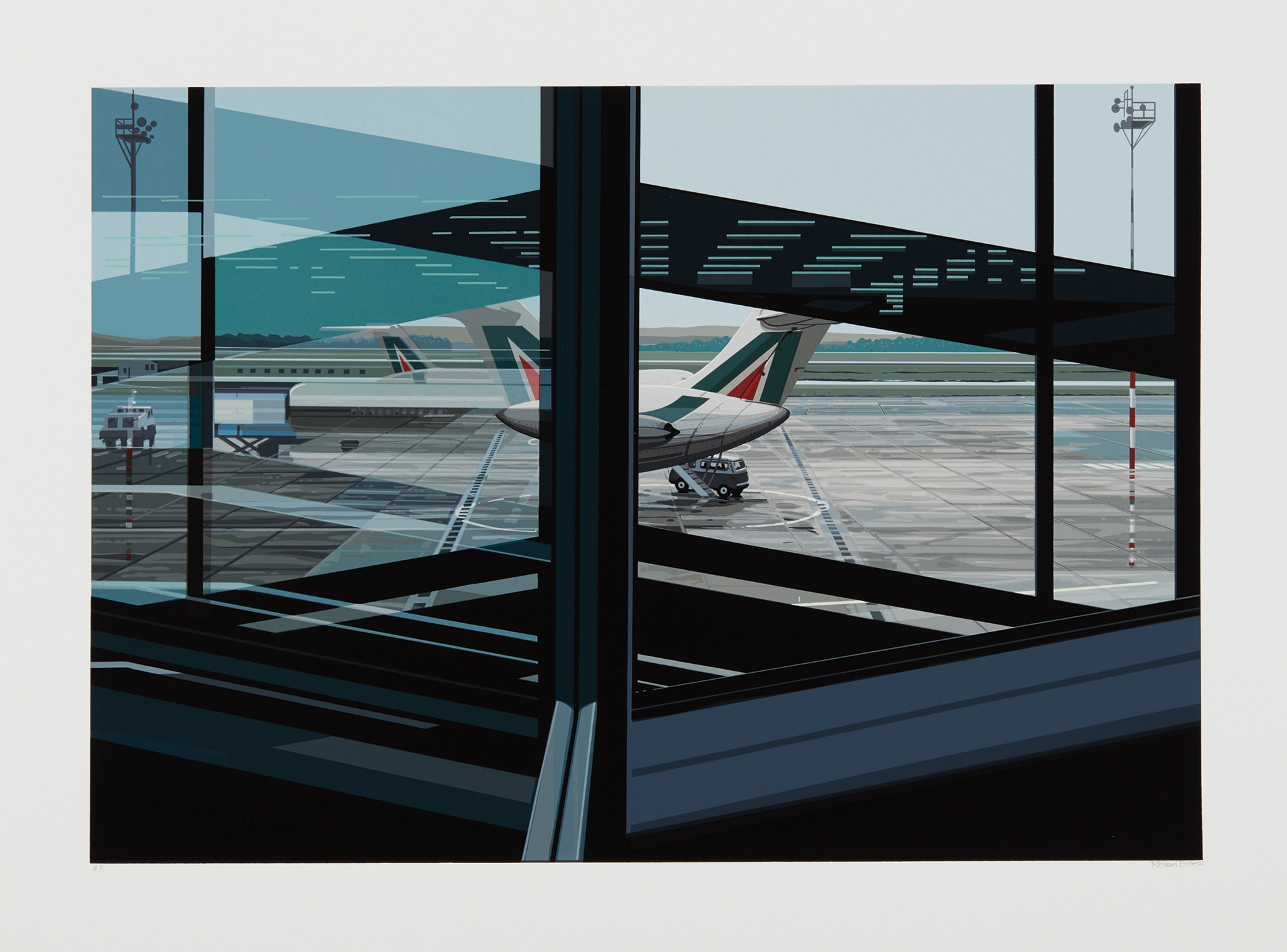
Richard Estes
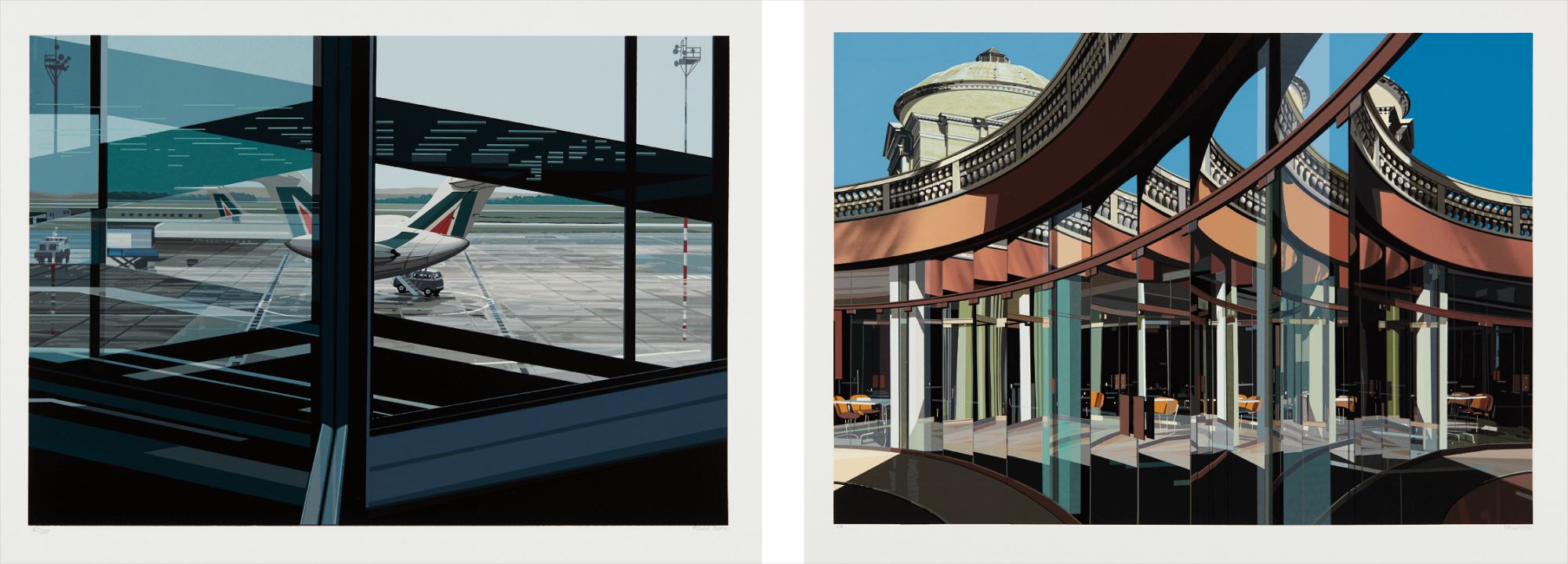
Passages (Shopping Center), 1981
His New York storefronts and diner windows are not just demonstrations of skill. They are arguments about the nature of seeing in a modern city, where glass facades layer competing realities on top of one another and the human figure is perpetually ghosted into its surroundings. Estes's work on The Collection rewards sustained looking precisely because the eye keeps finding new spatial logic buried in what initially reads as a single coherent image. He studied at the School of the Art Institute of Chicago in the 1950s and worked quietly in commercial illustration before his painting practice brought him into the orbit of the photorealist movement, where his technical command was immediately recognized as something remarkable.
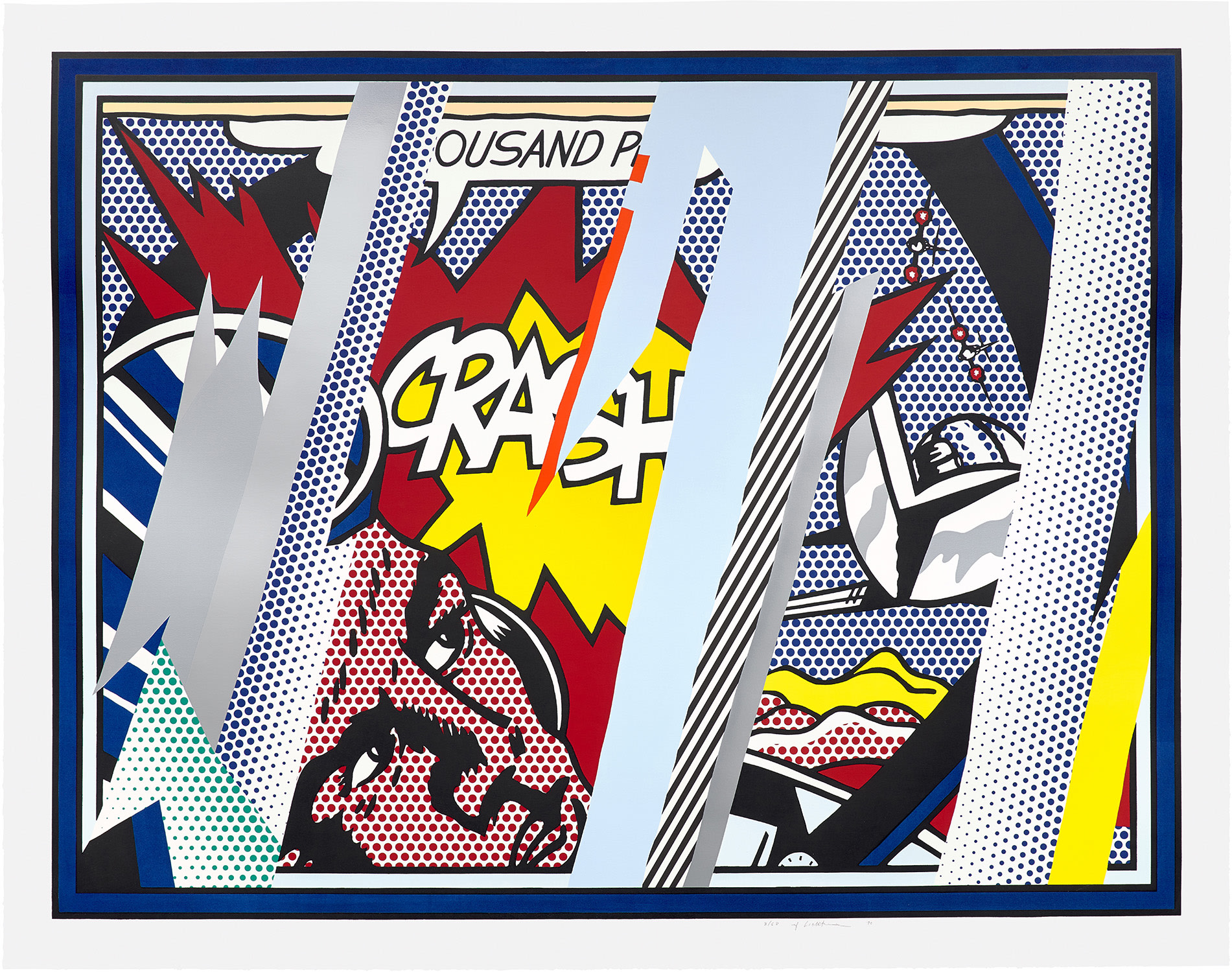
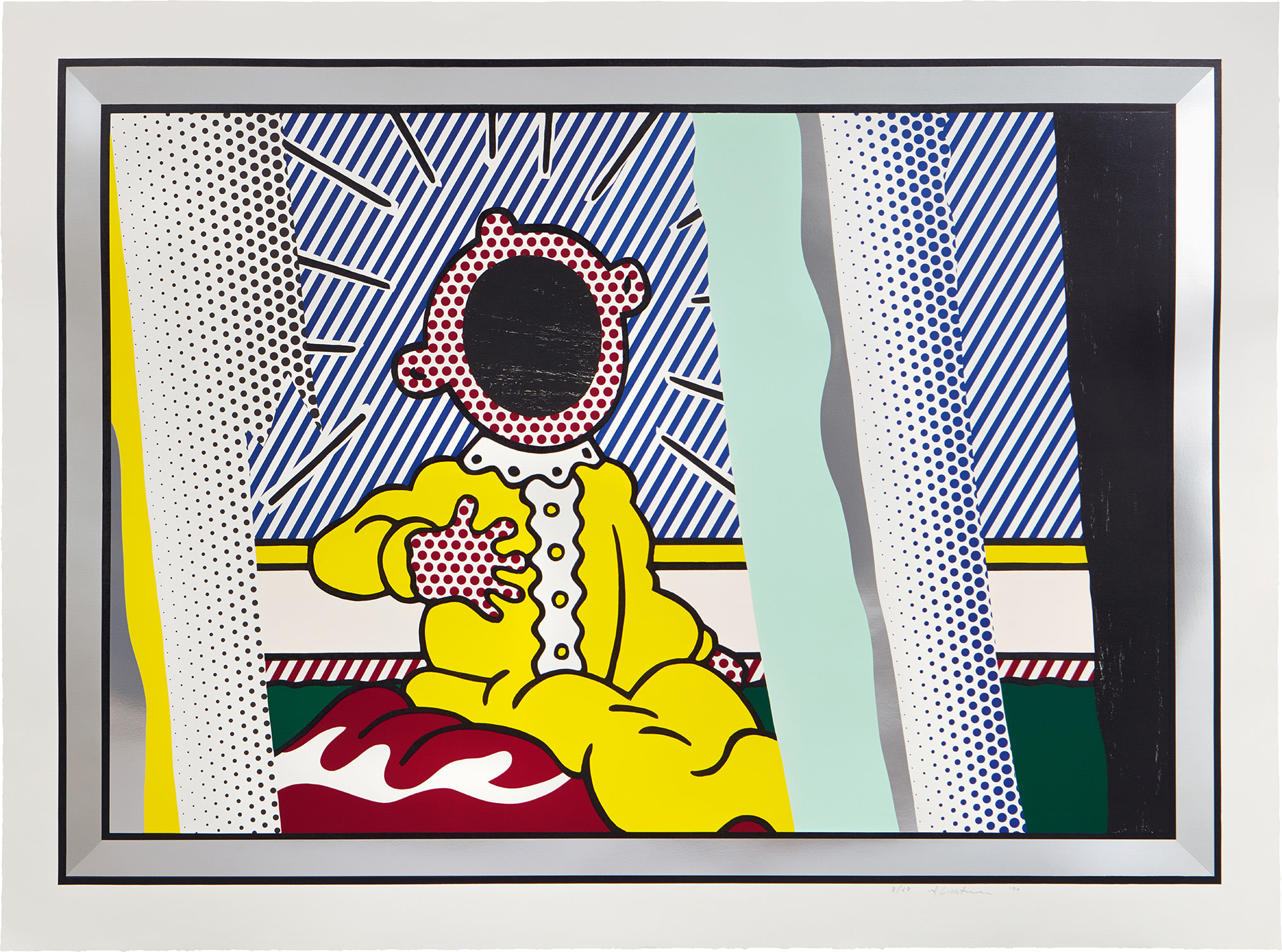
Roy Lichtenstein arrived at reflection from a completely different direction. Where Estes sought to make the painted surface almost indistinguishable from photographic record, Lichtenstein stripped representation down to its most codified, cartoonish elements, and yet his later mirror paintings, produced from the 1970s onward, are among his most conceptually daring works. They depict mirrors without showing what the mirrors reflect. You see the object, the arced lines that conventionally signify shine and glass, but the reflected content is absent.
Roy Lichtenstein
Reflections on The Scream, from Reflections series (C. 243)
It is a joke and a provocation at the same time, a pointed question about whether a sign of reflection and an actual reflection are meaningfully different. For Lichtenstein, who built a career on the tension between image and representation, the mirror was an irresistible subject. His works on The Collection carry that signature intelligence, the sense that the formal vocabulary is both the method and the message. What connects these artists across such different traditions and temperaments is a shared intuition that the reflected image is never innocent.
It always introduces doubt, multiplicity, and the awareness of perspective. A reflection reminds you that every viewpoint has a position, and that position shapes what is seen. This is why the theme has proved so durable across different movements and so resistant to exhaustion. New technologies keep generating new reflective surfaces.
Glass architecture transforms entire city blocks into mirrors. Screen culture means we live inside a hall of reflections, watching ourselves watching ourselves. For collectors, works engaging with reflection offer a particular kind of reward. They tend to be pictures that change as you move around a room, that look different in morning light than they do in the evening, that seem to gather the space around them into themselves.
They are not passive objects. They participate. In that sense they honor the oldest ambition of the reflective surface in art, which is not to show you the world as it is but to make you conscious of the act of looking itself. The mirror does not just show your face.
It shows you that you have a face, and that someone is behind it, peering out.