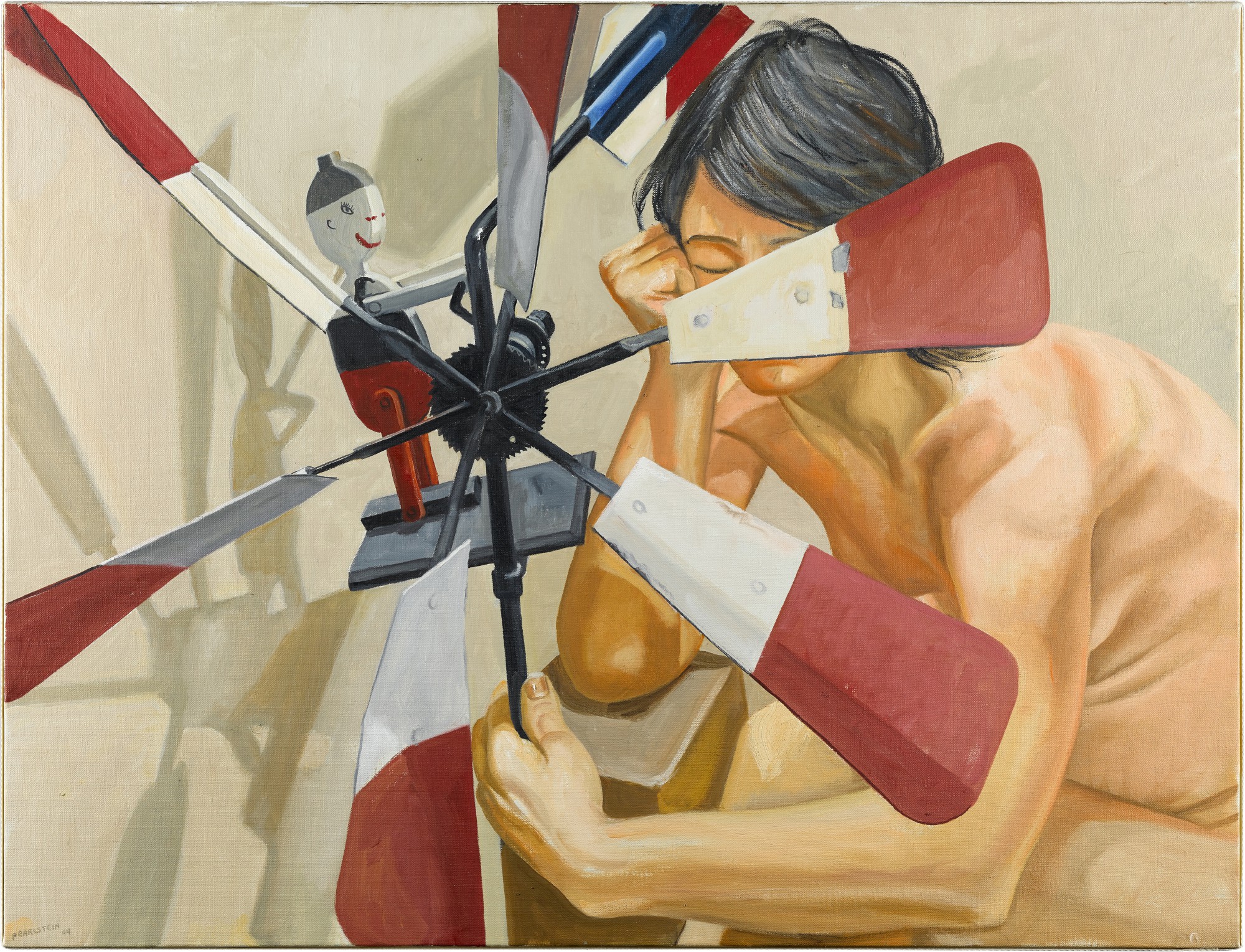
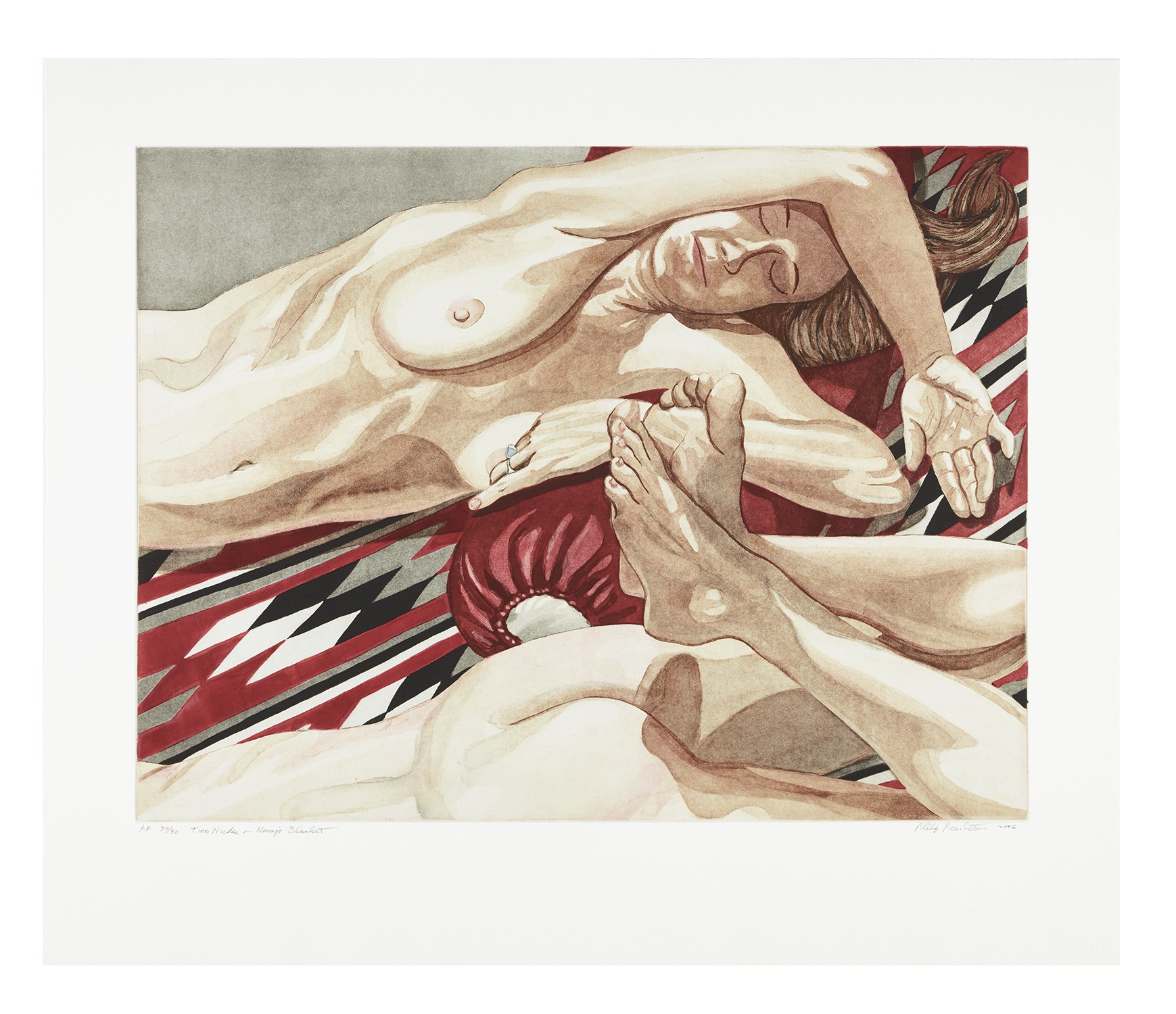
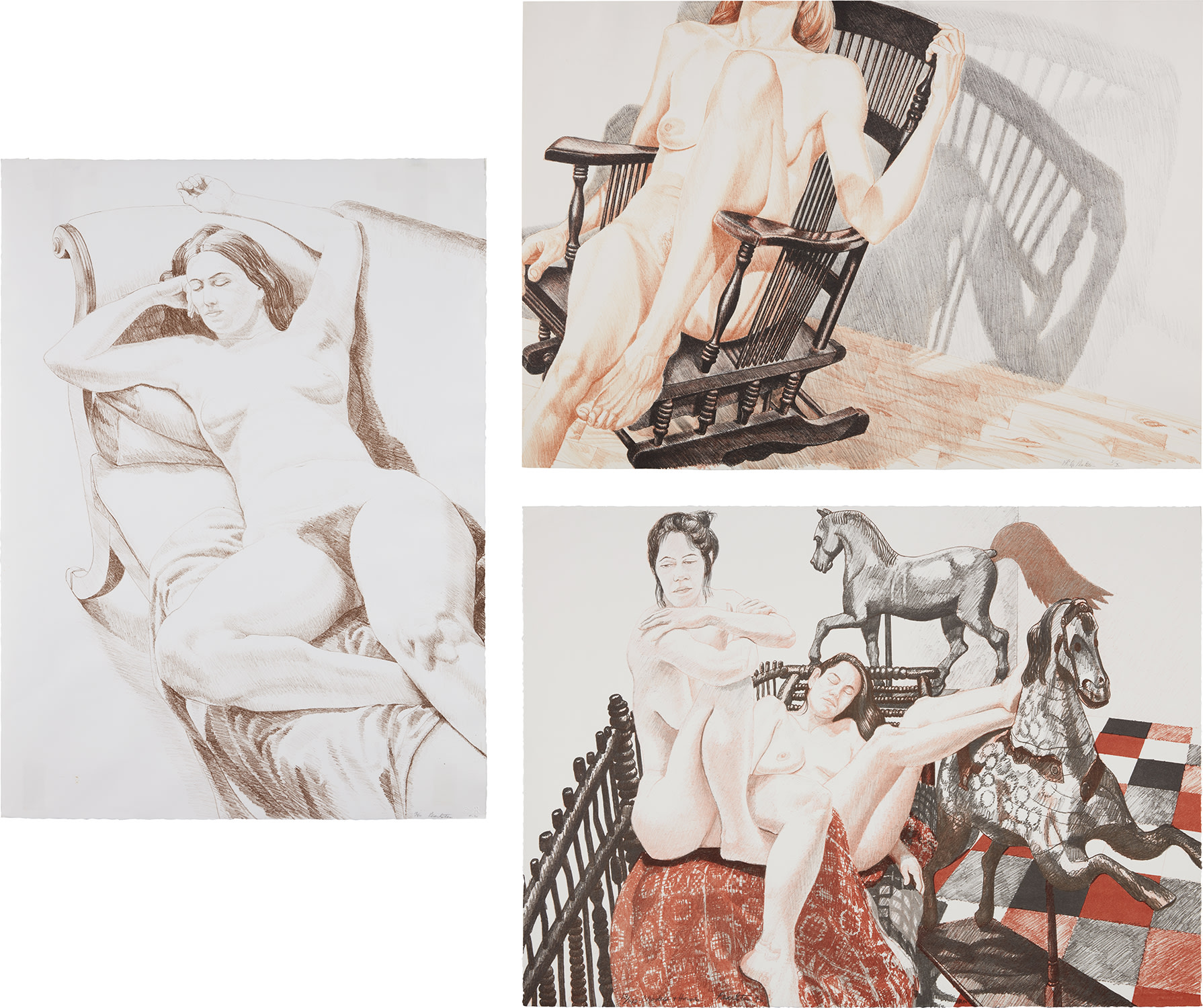
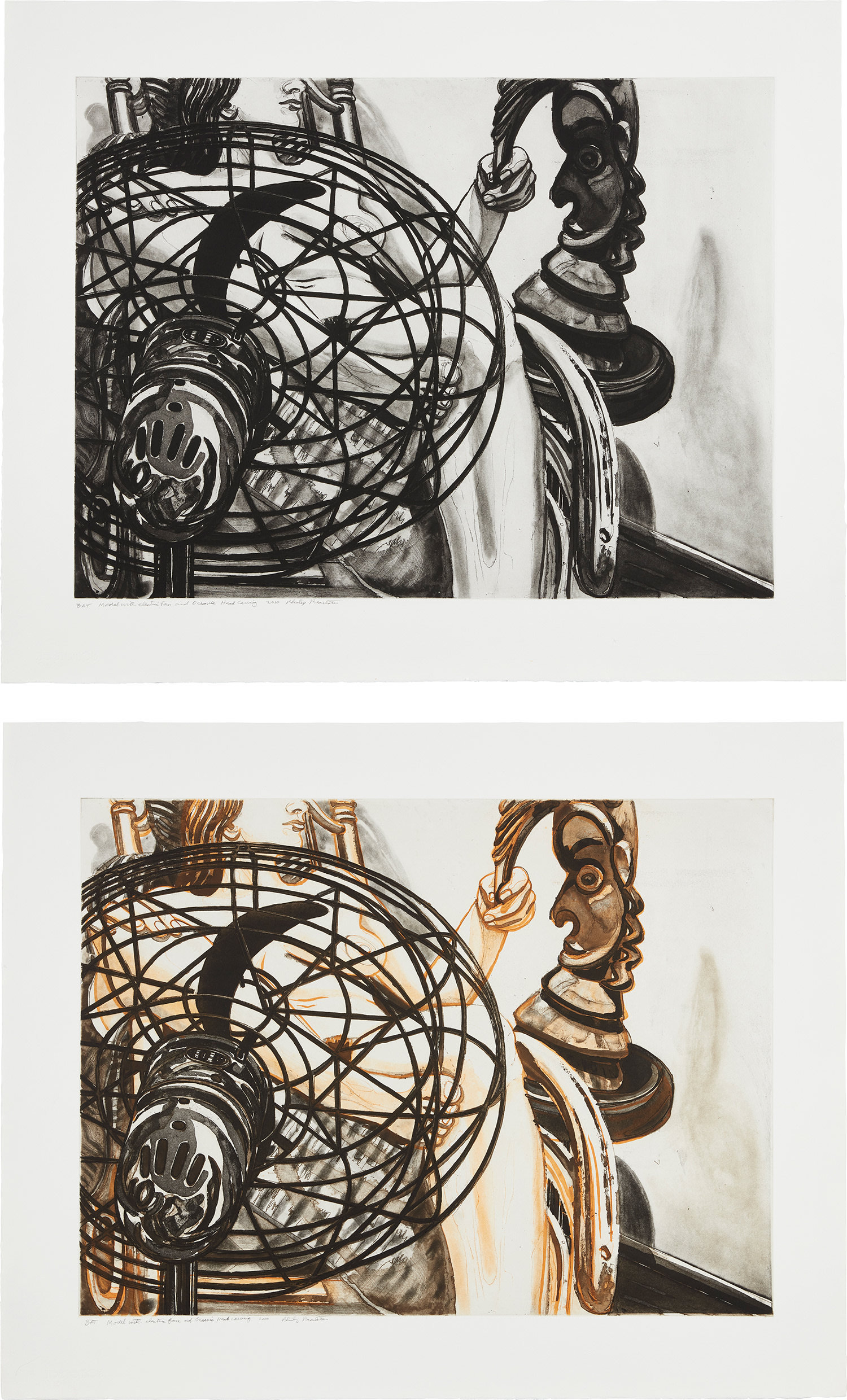
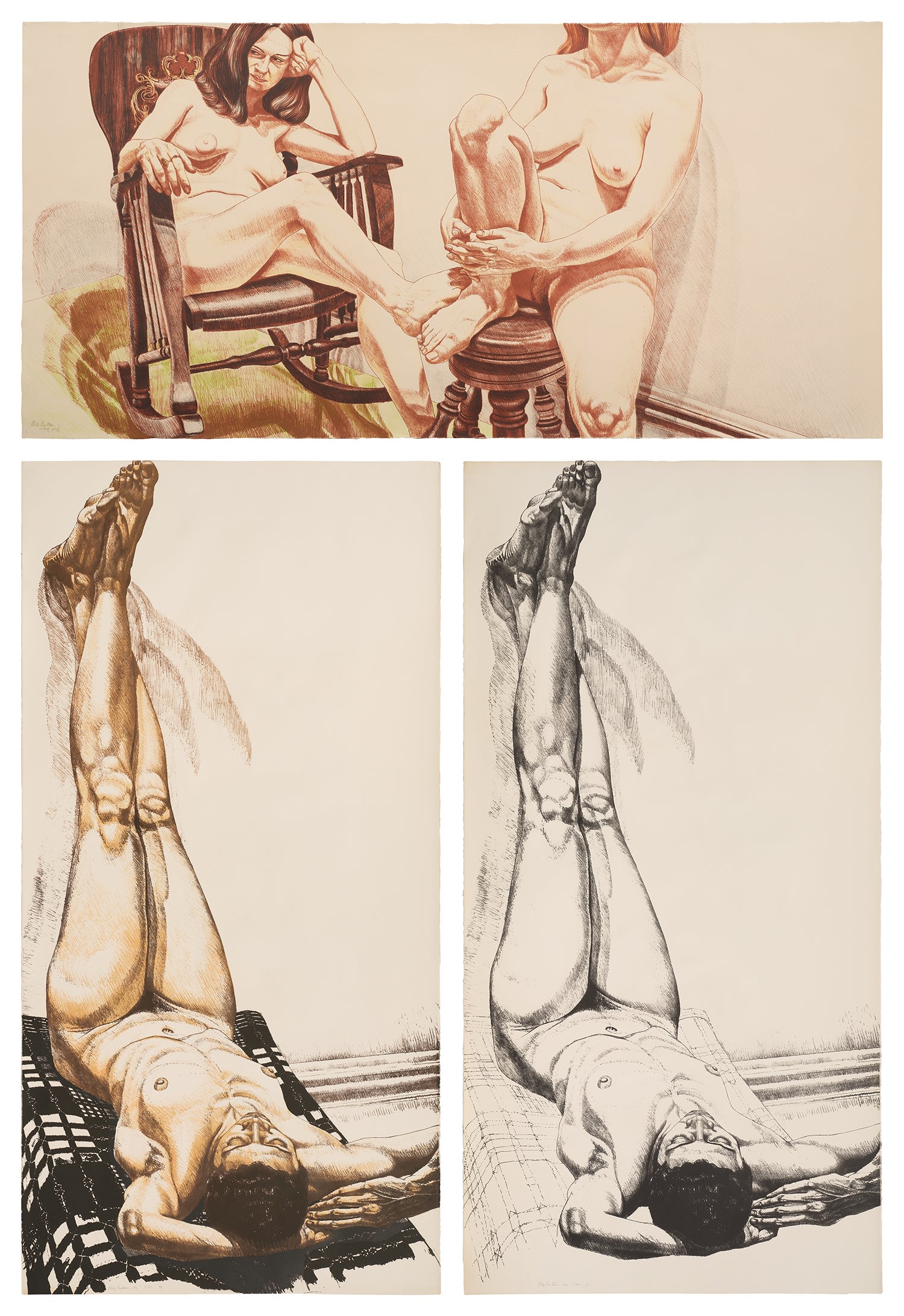
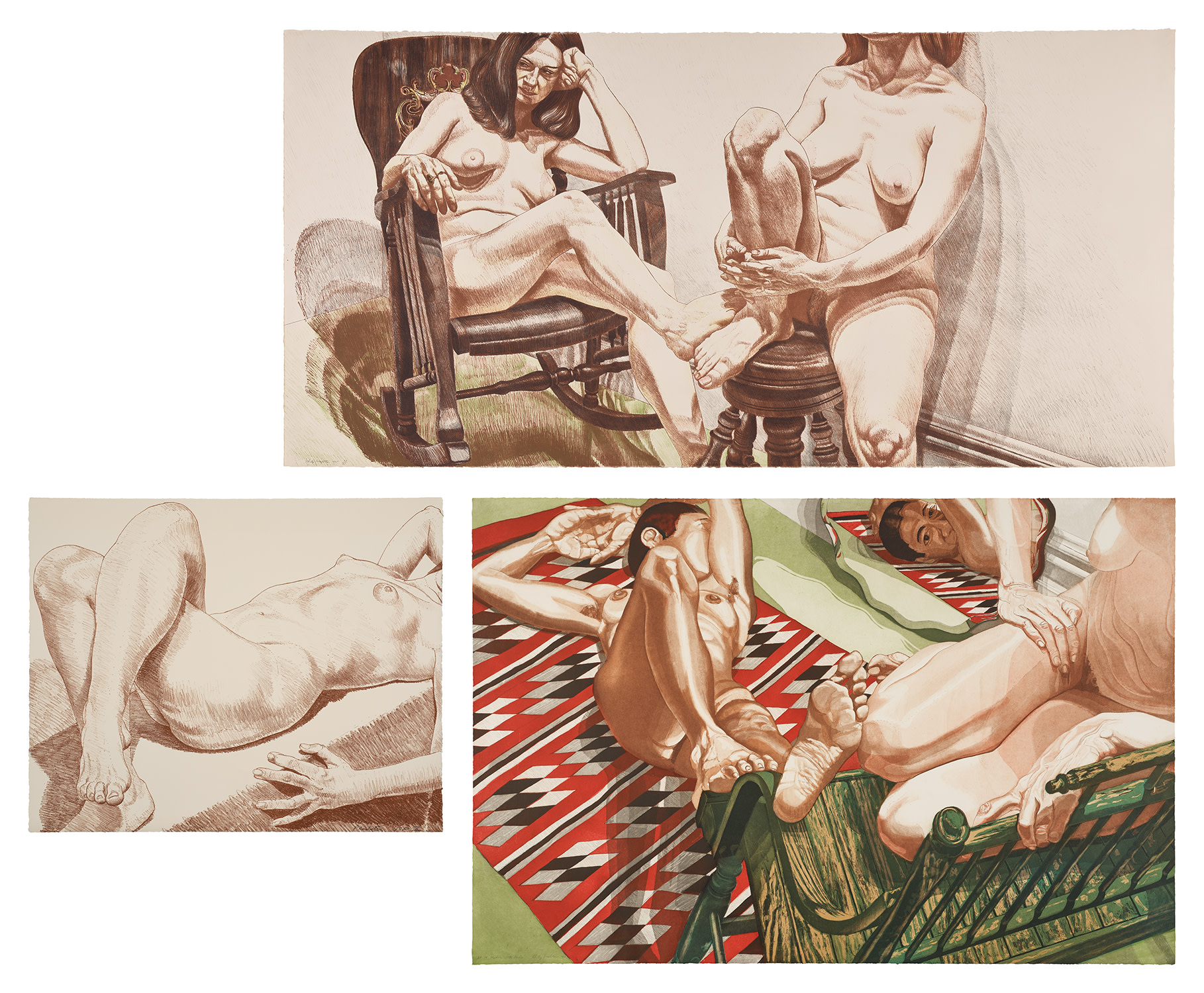
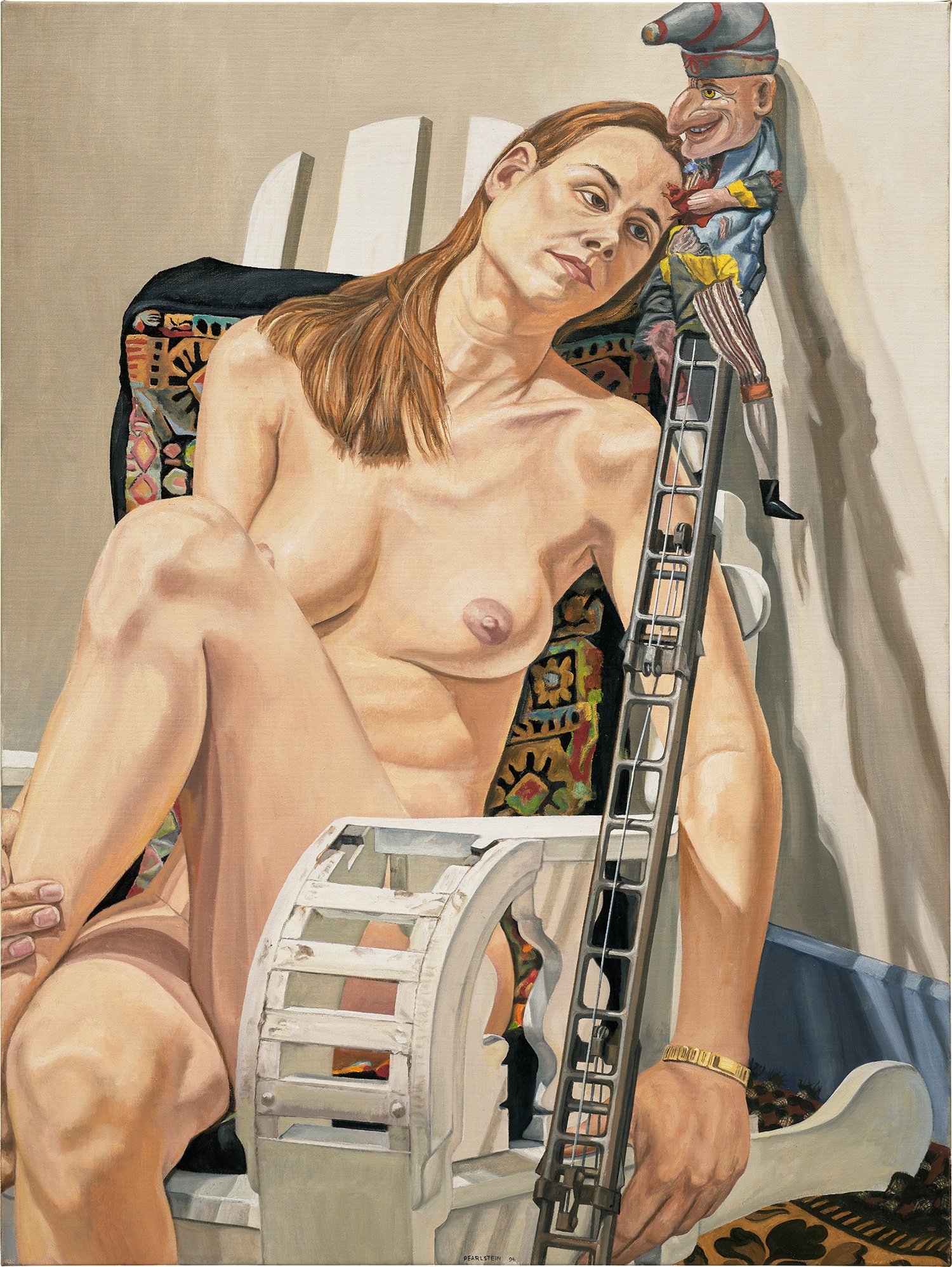
When the Whitney Museum of American Art mounted a major retrospective of Philip Pearlstein's work, the critical conversation that followed felt both overdue and revelatory. Here was a painter who had spent decades in deliberate, principled opposition to the dominant currents of the New York art world, and yet his canvases had quietly accumulated a power that no amount of fashionable abstraction could diminish. By the time of his death in 2022 at the age of 97, Pearlstein had outlasted nearly every movement that had dismissed or ignored him, and his reputation stood taller than ever among collectors, curators, and fellow painters who understood what it meant to truly see. Philip Pearlstein was born in Pittsburgh, Pennsylvania in 1924, and the industrial city left its mark on him in ways both practical and philosophical. He studied at the Carnegie Institute of Technology, where he developed a rigorous work ethic and a deep grounding in the craft of drawing. A friendship with the young Andy Warhol, his classmate at Carnegie, made for one of art history's more unlikely pairings, two Pittsburgh boys who would each transform American art in almost diametrically opposed directions. After military service during World War II, Pearlstein continued his education at New York University's Institute of Fine Arts, immersing himself in art history at a level that would inform his practice for the rest of his life. In his early years in New York during the 1950s, Pearlstein moved in the same circles as the Abstract Expressionists and was not immune to their influence. He painted in a gestural, abstract mode that reflected the energy and ambition of the moment. But by the early 1960s, something shifted. He began painting directly from the nude model, with an unflinching attention to physical reality that set him apart from virtually everyone around him. This was not a nostalgic return to academic tradition, nor a pop art provocation. It was something more demanding: a commitment to looking at the human body as it actually appeared, unidealized, unpsychologized, cropped by the edges of the canvas in ways that felt both disorienting and honest. The signature elements of a Pearlstein painting are immediately recognizable and endlessly fascinating. His figures are often cropped at the head or feet, denying the viewer the comfort of a complete, readable face. They inhabit flattened studio spaces populated with rugs, furniture, and objects from non Western cultures, objects that function as compositional counterweights rather than narrative props. Works such as Two Models with Chair and Chief's Blanket from 1980 exemplify this approach with particular confidence, the geometry of the woven textile creating a visual dialogue with the organic forms of the figures that is at once jarring and deeply pleasurable. Model with Empire State Building from 1992 extends this spatial intelligence outward, placing the body in conversation with the monumental architecture visible through the studio window, a reminder that Pearlstein's New York was always present just beyond the canvas. Pearlstein was equally gifted as a printmaker, and his works on paper reveal a different register of his sensibility. His etchings and aquatints, including the luminous Two Nudes on Navajo Blanket, demonstrate a mastery of tonal range and surface texture that rewards close looking. The lithographs and prints that appear across his career are not secondary works but full expressions of his artistic intelligence, and they have attracted serious collector attention precisely because they offer an entry point into his visual world with the same conceptual rigor as his paintings. Works such as Nude with Rocker and Models and Horses show how Pearlstein translated the spatial complexities of his studio into the language of the print medium without sacrificing an ounce of their characteristic intensity. For collectors, Pearlstein's market has grown steadily and intelligently over the past two decades. His major oils command serious prices at auction, with institutions including the Museum of Modern Art, the Brooklyn Museum, and the Art Institute of Chicago holding significant examples of his work. What makes collecting Pearlstein particularly rewarding is the consistency of his vision across media and across time. A watercolor from the late 1970s and a large oil from the 1990s share the same foundational commitments, which means that collectors can build a nuanced picture of his practice across price points. The works on paper represent especially compelling value for those who wish to live with his art daily, carrying the full weight of his formal thinking in formats suited to domestic spaces. To understand Pearlstein fully, it helps to place him in relation to the broader realist tradition he helped revive and reshape. He is often discussed alongside artists such as Lucian Freud and Alice Neel, painters who also refused the flight from the figure that dominated advanced art discourse in the postwar decades. But Pearlstein's approach is distinct from both: he lacks Freud's psychological intensity and Neel's social portraiture, trading both for a cooler, more purely pictorial analysis of the body as form. He was a direct influence on generations of younger painters who found in his example a principled argument for representation at a time when such an argument required courage. Critics including Linda Nochlin wrote seriously about his work, and his long teaching career at Brooklyn College shaped countless artists who carried his values into their own practices. Philip Pearlstein's legacy is the legacy of looking. At a moment when images multiply faster than anyone can process them, his slow, demanding, rigorously observational paintings feel not like relics of a quieter era but like urgent invitations to stop and truly see. His figures do not perform for us, do not tell us how to feel, do not offer the easy satisfaction of expression or narrative. They simply exist, in all their physical specificity, under the cool light of the studio, waiting for a viewer patient and attentive enough to meet them on their own terms. For those who do, the experience is quietly transformative, and that is the very best thing a painting can offer.