Psychological Realism
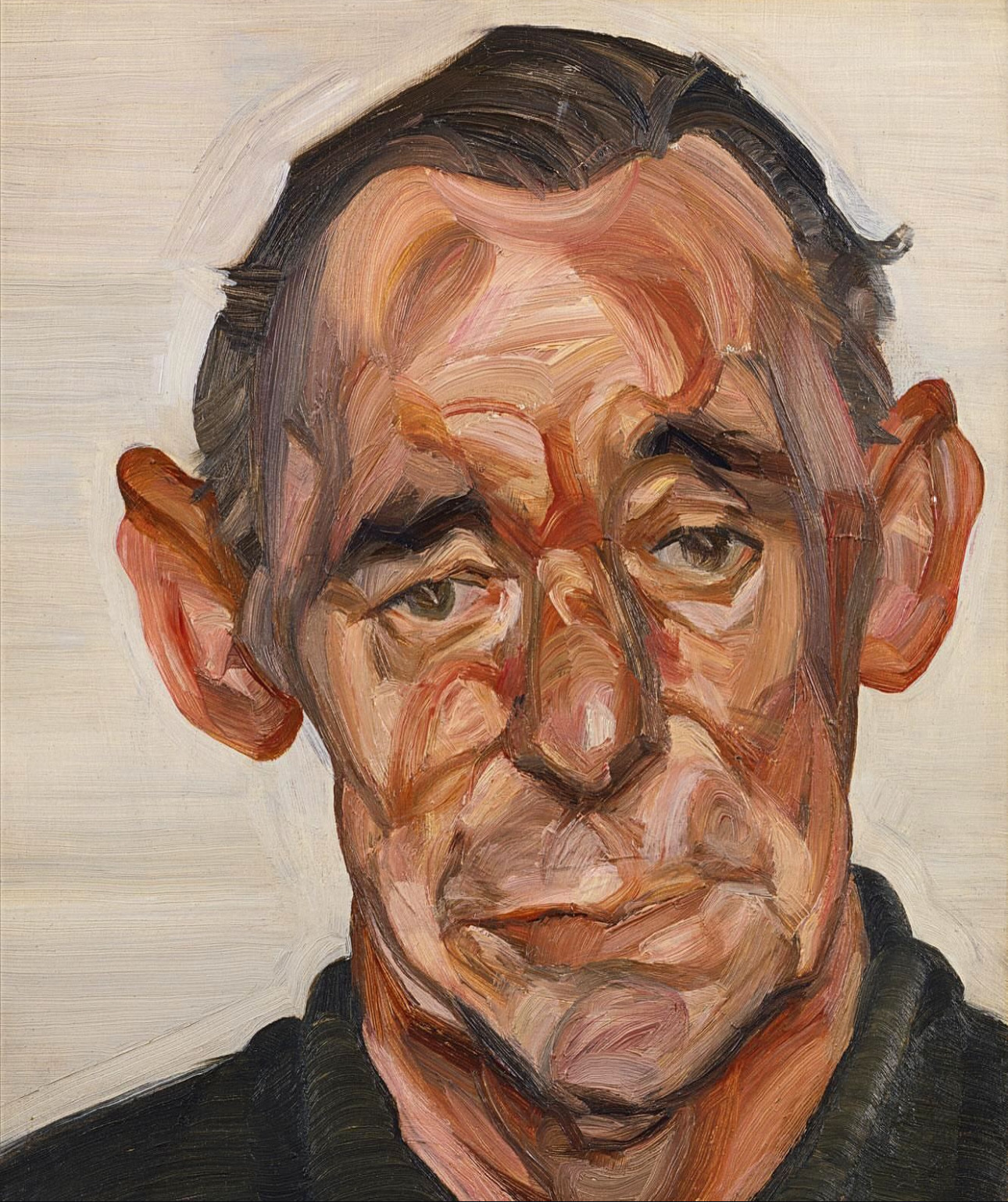
Lucian Freud
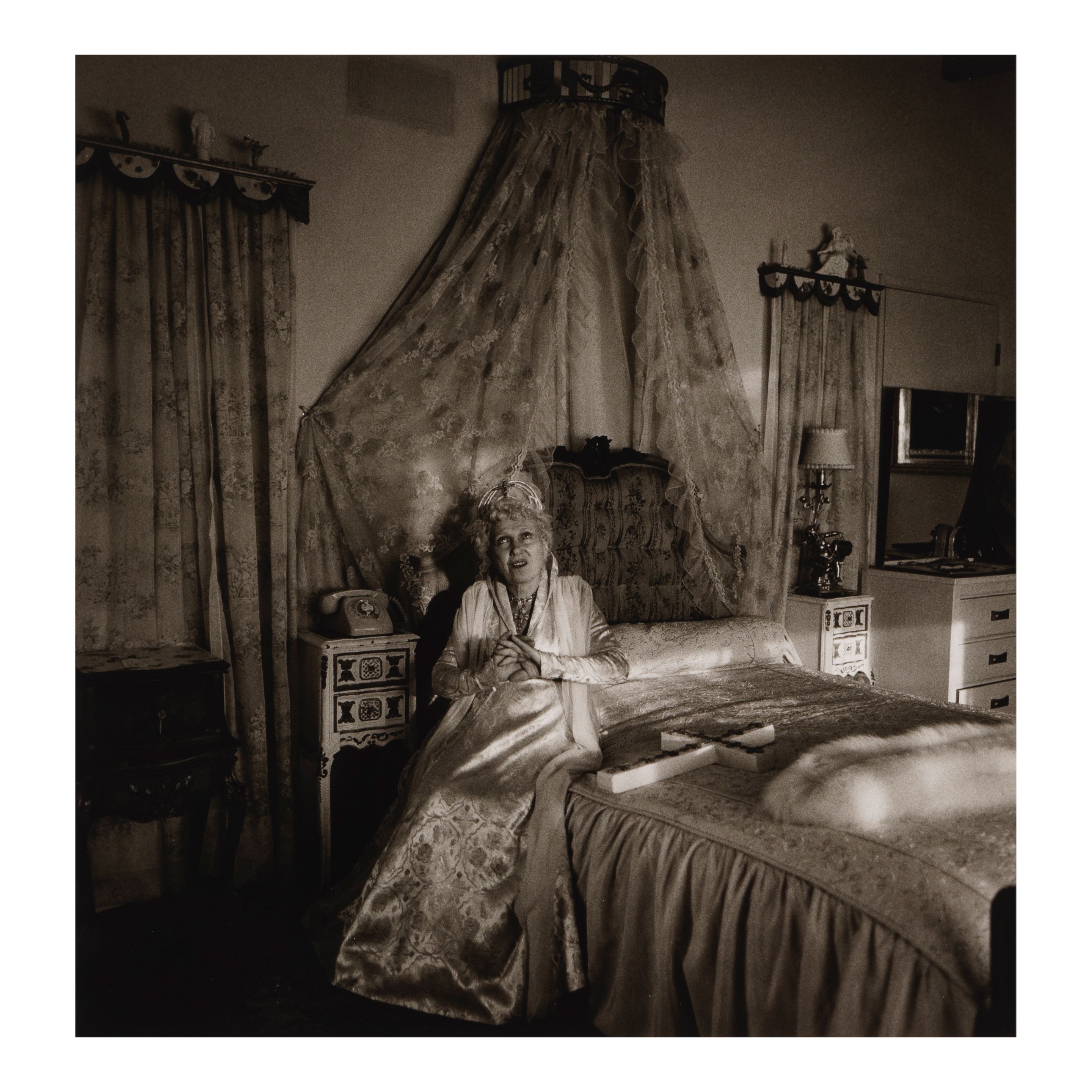
John Deakin, 1964

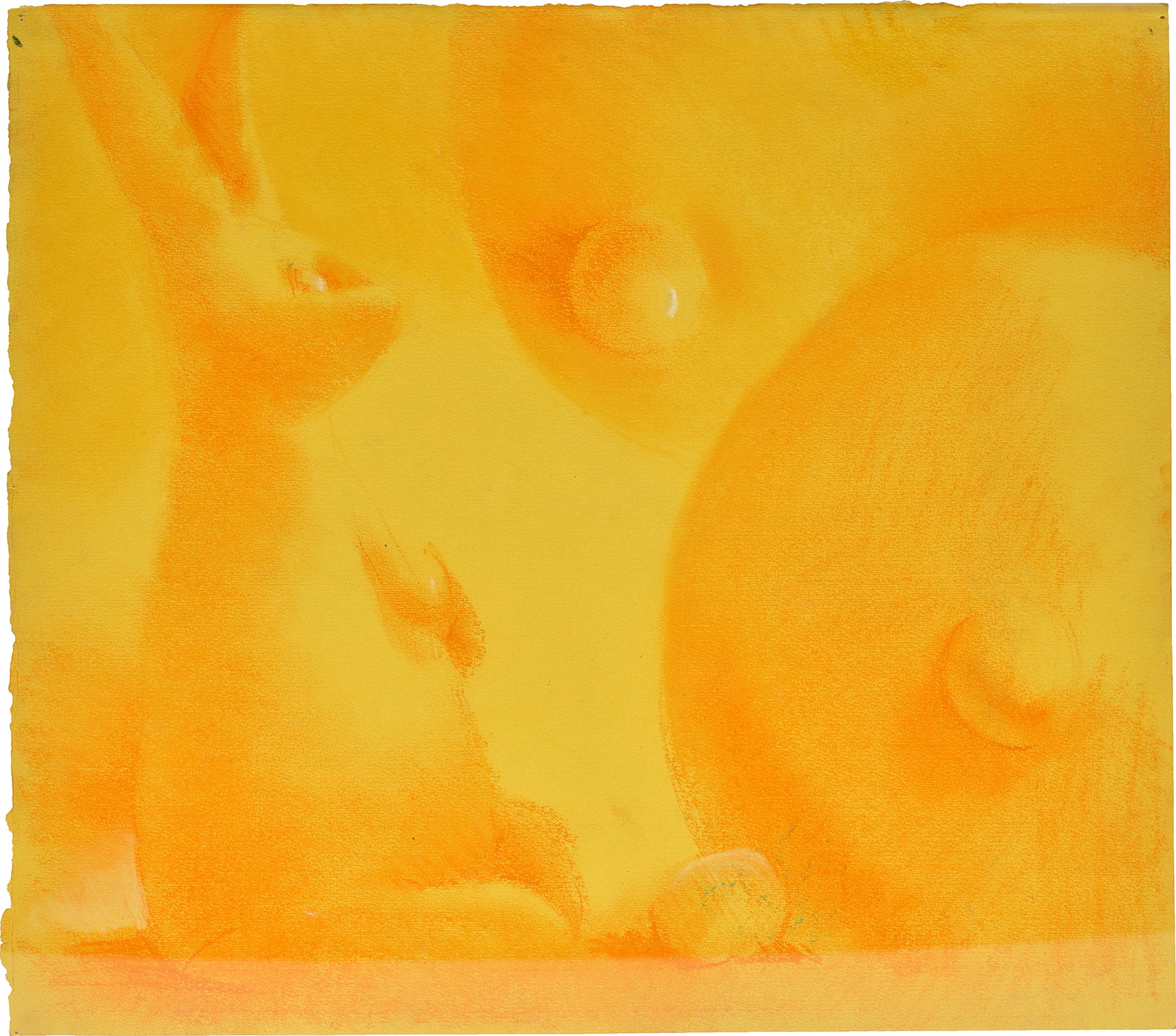

The Art That Knows What You're Hiding
There is a particular kind of discomfort that comes from standing in front of a great psychological realist work. Not the polite unease of something merely provocative, but something deeper and more personal, the sensation of being seen by paint or bronze or silver gelatin. Collectors who gravitate toward this territory tend to describe their first encounters in almost confessional terms. They were not browsing when they found the work.
The work found them. That quality of mutual recognition, of an image that somehow knows something about you, is what keeps serious collectors returning to this field with a devotion that borders on compulsion. Living with psychological realism demands a certain honesty from its owner. These are not neutral objects.
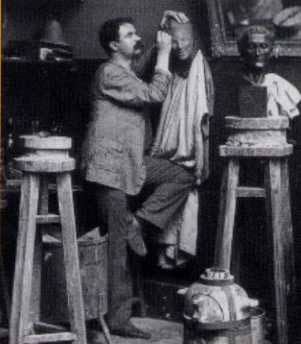
Lucian Freud
John Deakin, 1964
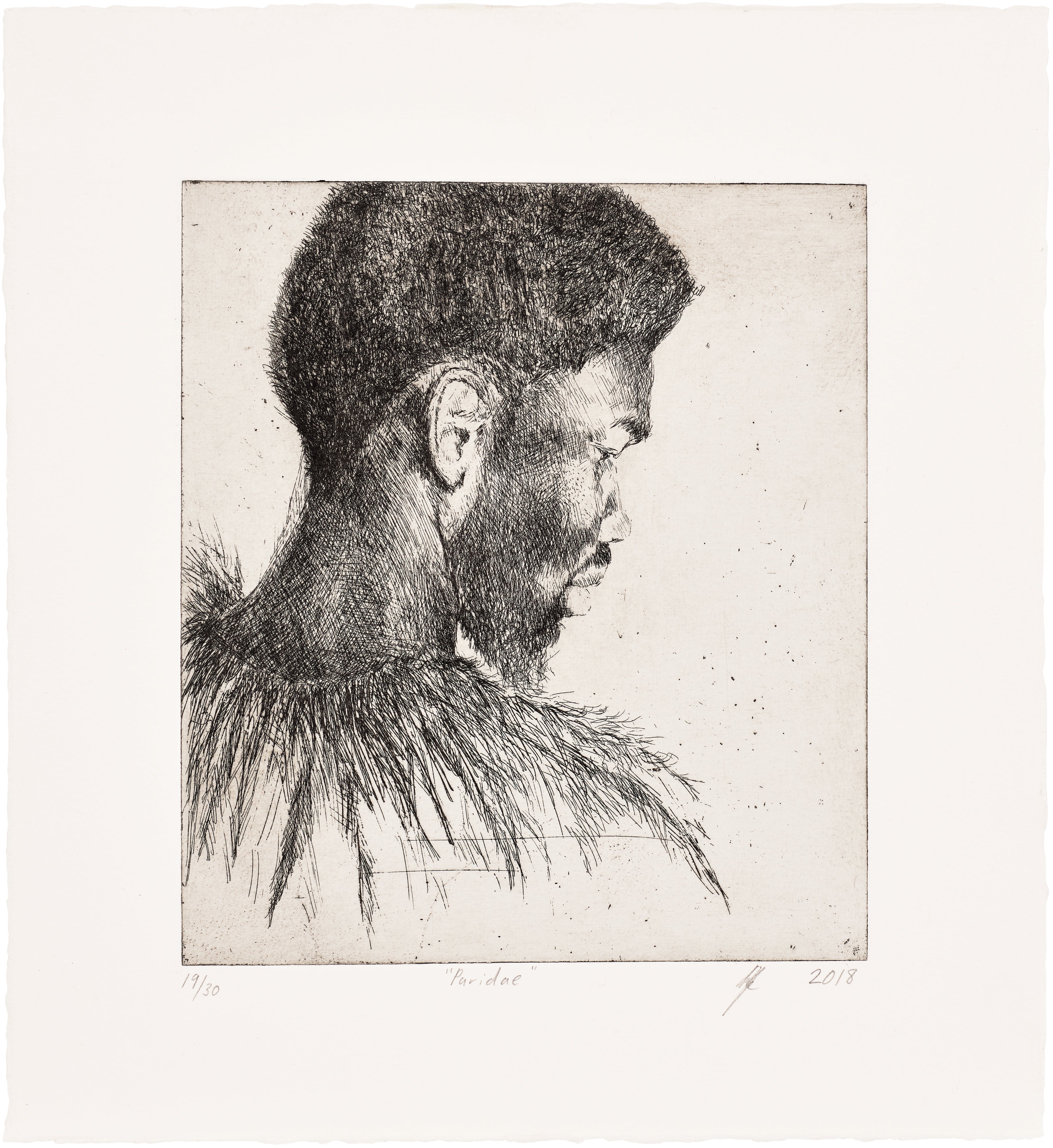
A Lucian Freud nude does not recede into the wall on a Sunday morning; it advances. The same is true of a Lynette Yiadom Boakye figure, suspended in imagined time, radiating an interiority the viewer can sense but never quite access. Collectors who make these works the center of their domestic spaces often speak of how the rest of the room orients itself around them, how guests respond with unusual quiet. There is status in owning beauty, but there is something rarer and more satisfying in owning a work that generates genuine psychological weather.
What separates a good work from a great one in this category comes down almost entirely to the quality of psychological specificity. A technically accomplished portrait can depict a person. A great psychological realist work depicts a condition, a mood, a moment of internal life that the subject may not even have been aware of during the sitting. Look for works where the artist has resisted the temptation to clarify, to resolve, to make the emotional content legible in a simple way.
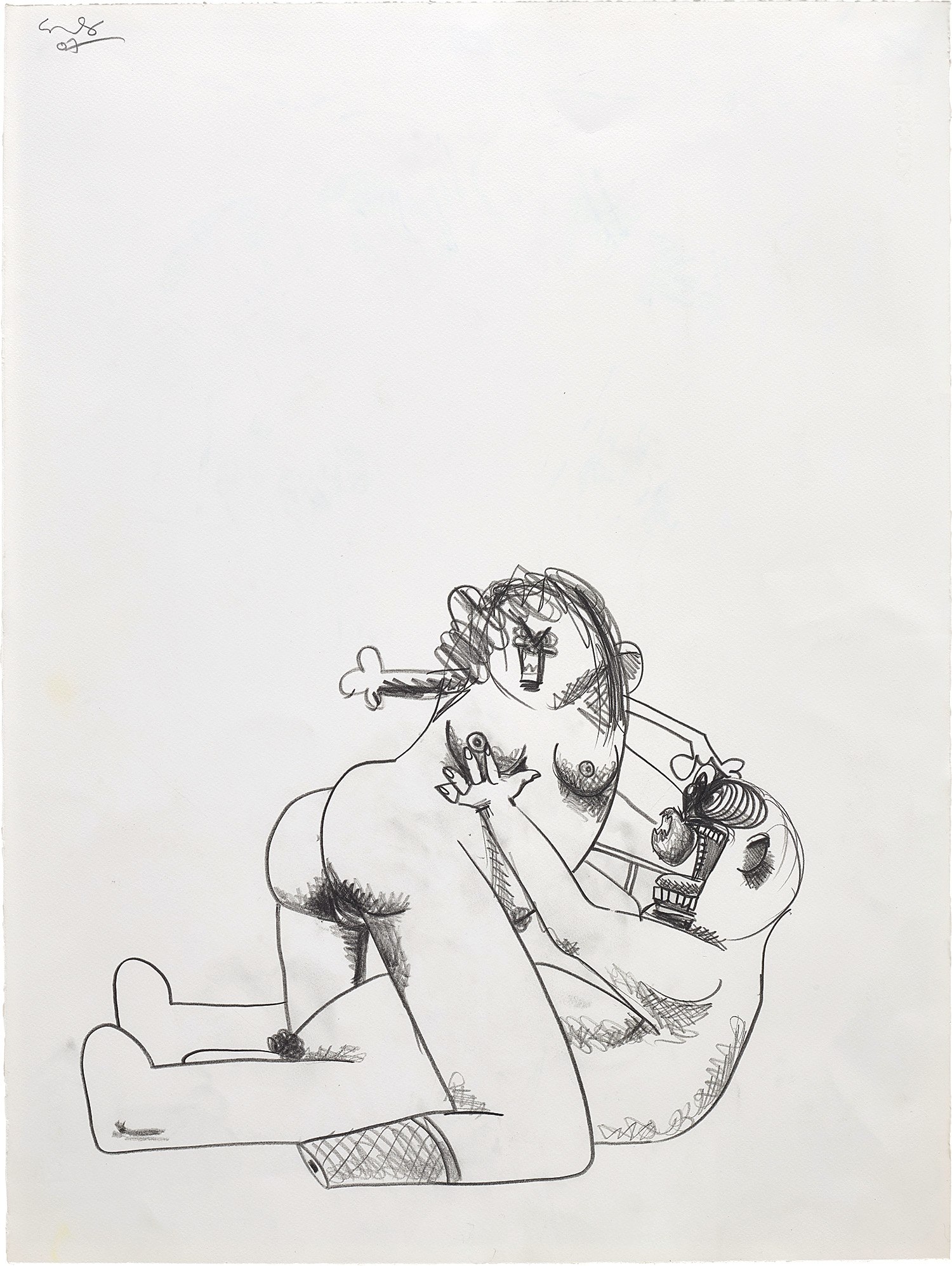
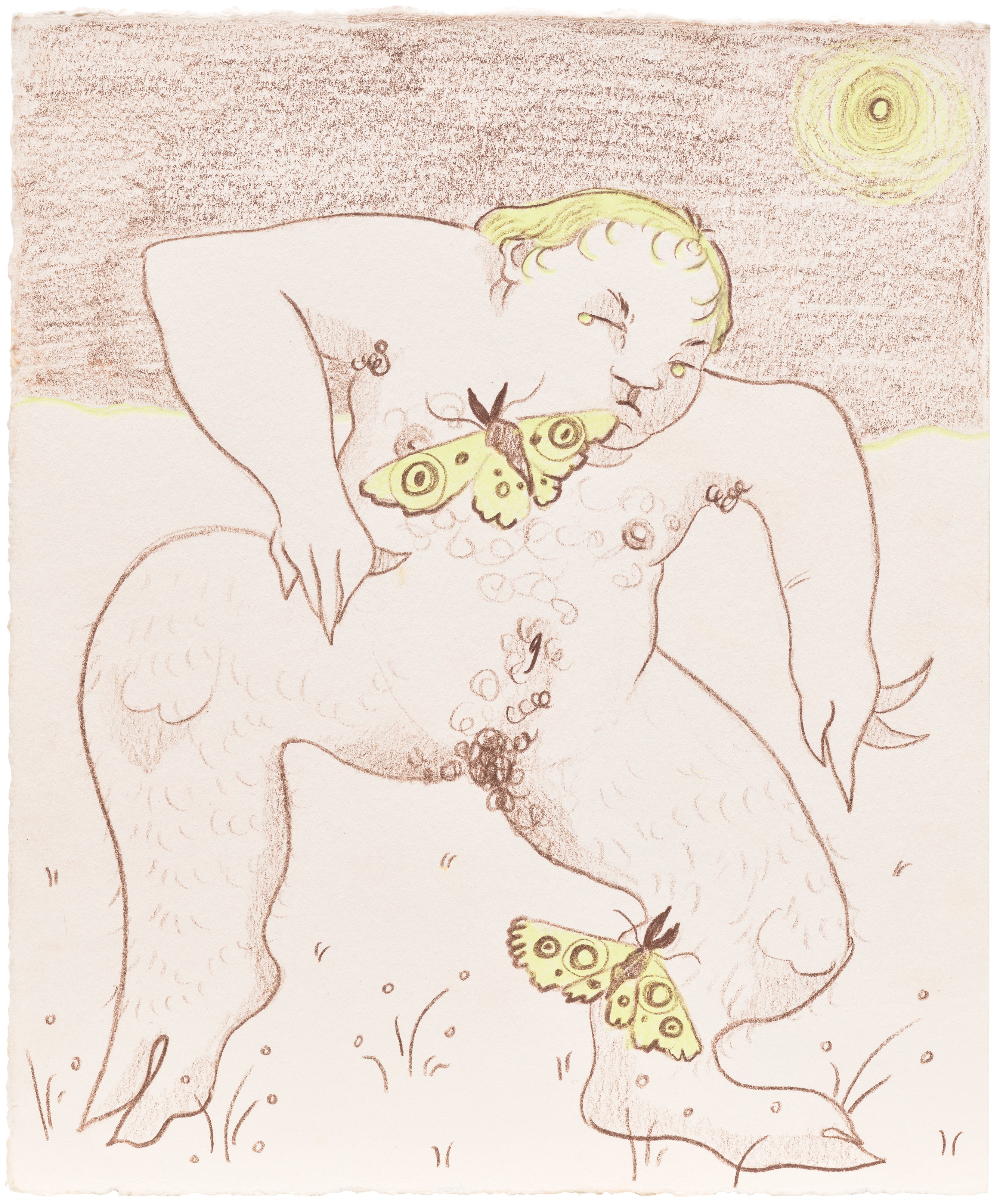
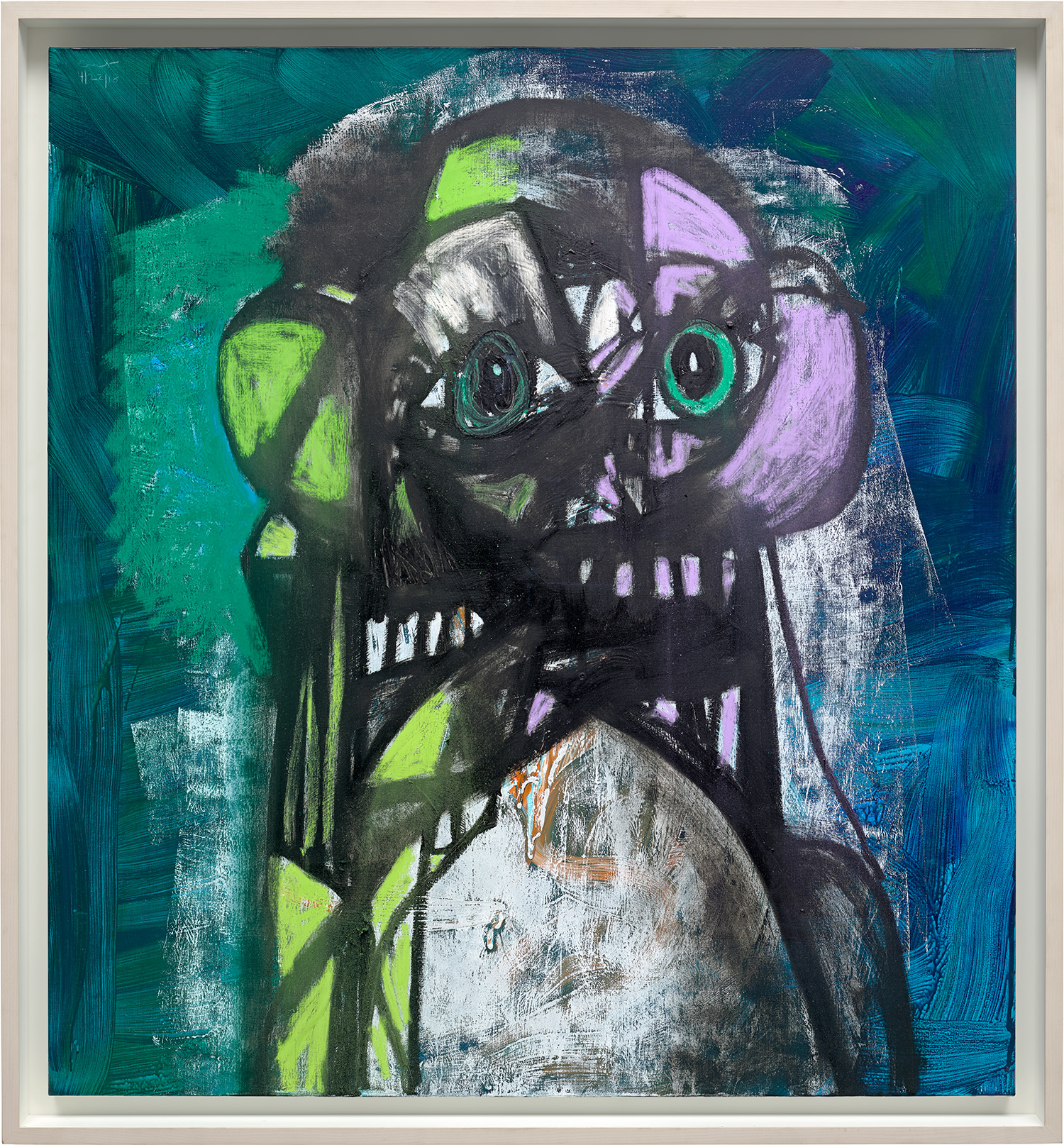
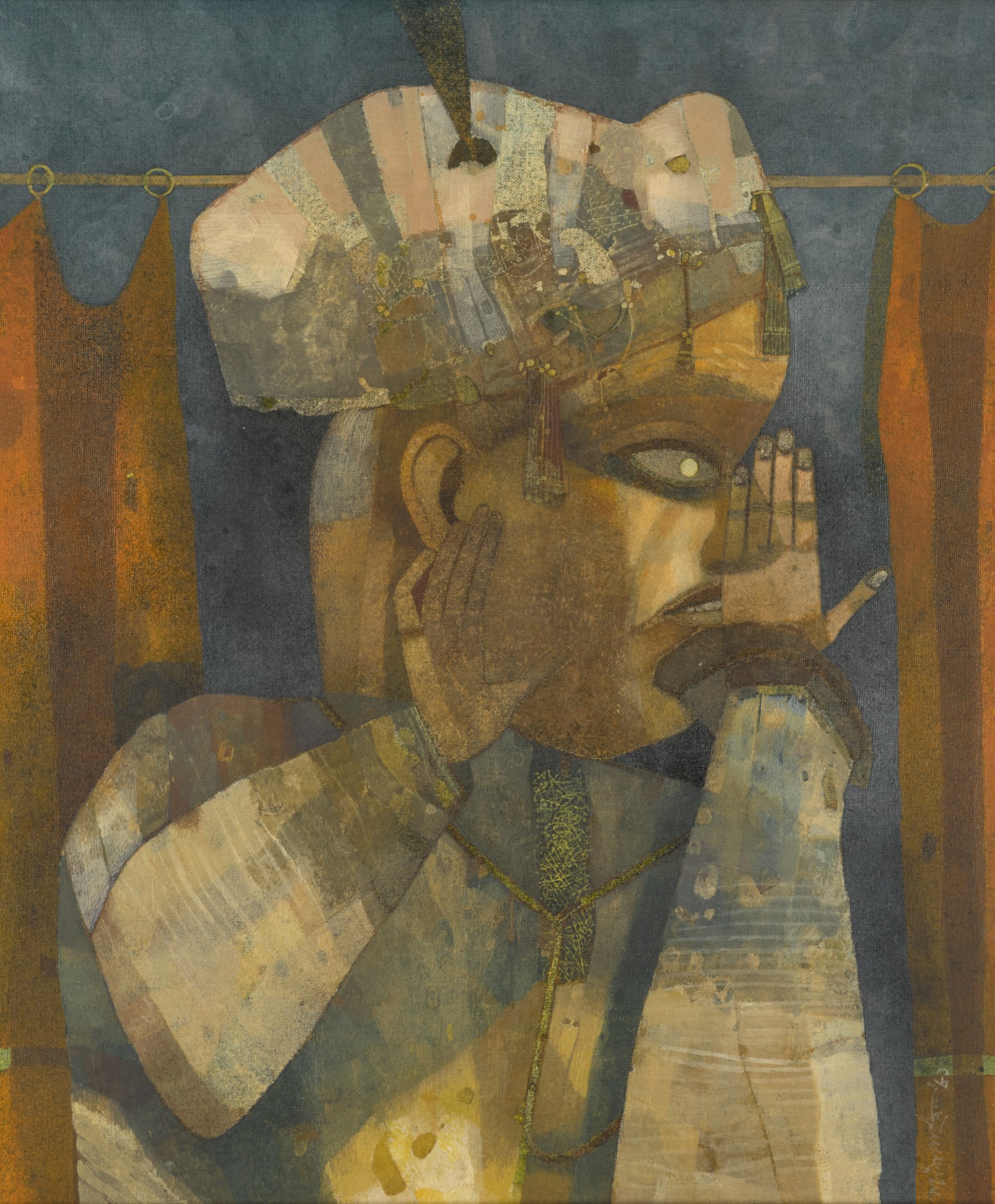
George Condo
Adam and Eve, 2007
George Condo at his best operates in exactly this register, building faces that contain contradictory emotional states simultaneously, comedy pressed up against grief, tenderness collapsing into menace. When considering a work, ask yourself whether the emotional content would survive a brief verbal description. If it would, the work is probably not great. The best works in this category are precisely those that resist being summarized.
For collectors thinking about long term value, the hierarchy in this space is relatively clear, though the opportunities at each level vary significantly. Freud and Rembrandt van Rijn represent the absolute ceiling, works of such established institutional importance that their appearance at auction is itself a cultural event. But collectors operating below that level have compelling options. Condo has been institutionally validated for decades, with major retrospectives at venues including the New Museum in New York in 2011, and his market has demonstrated consistent resilience.
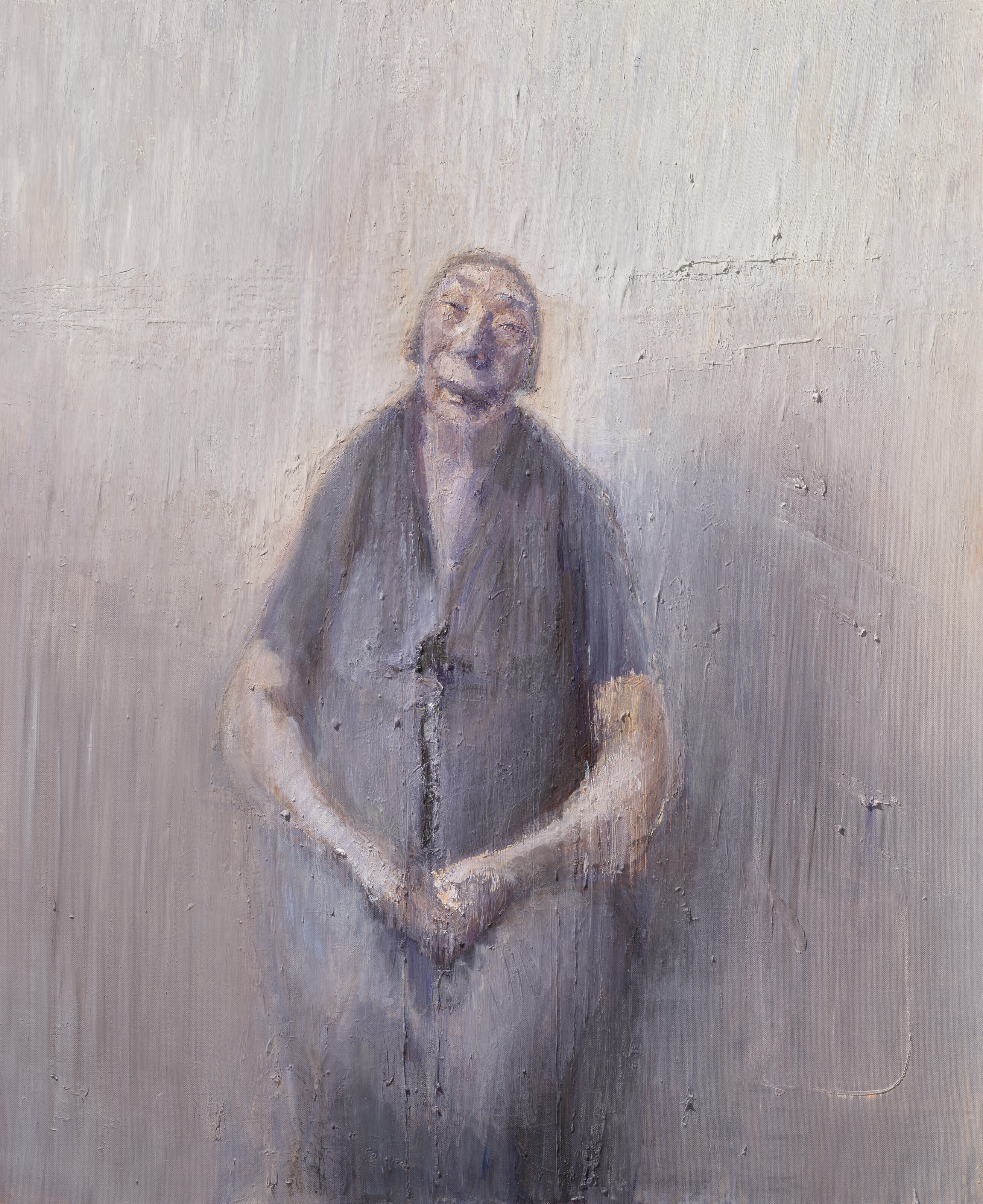
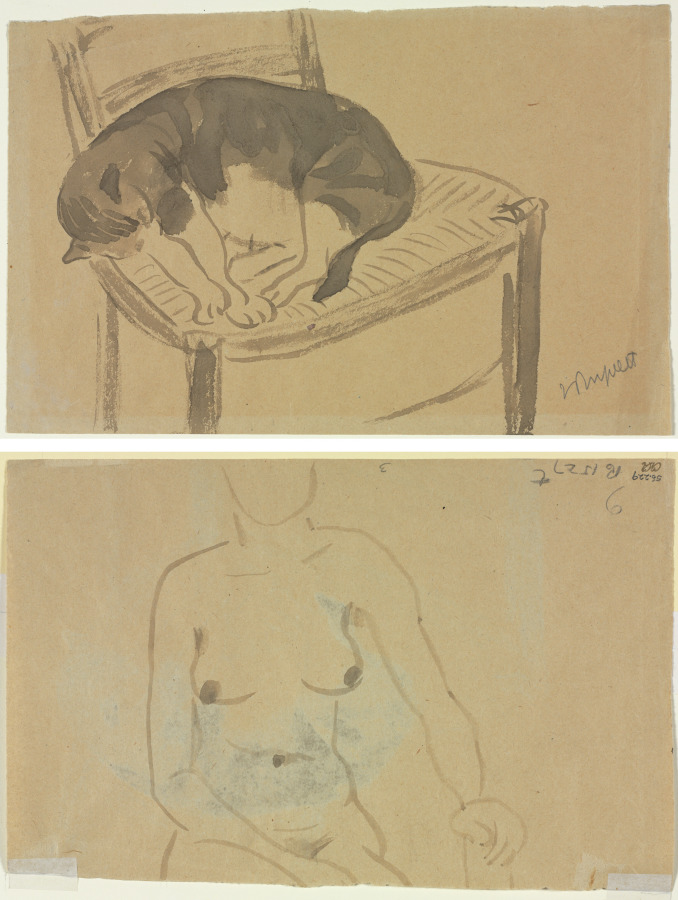
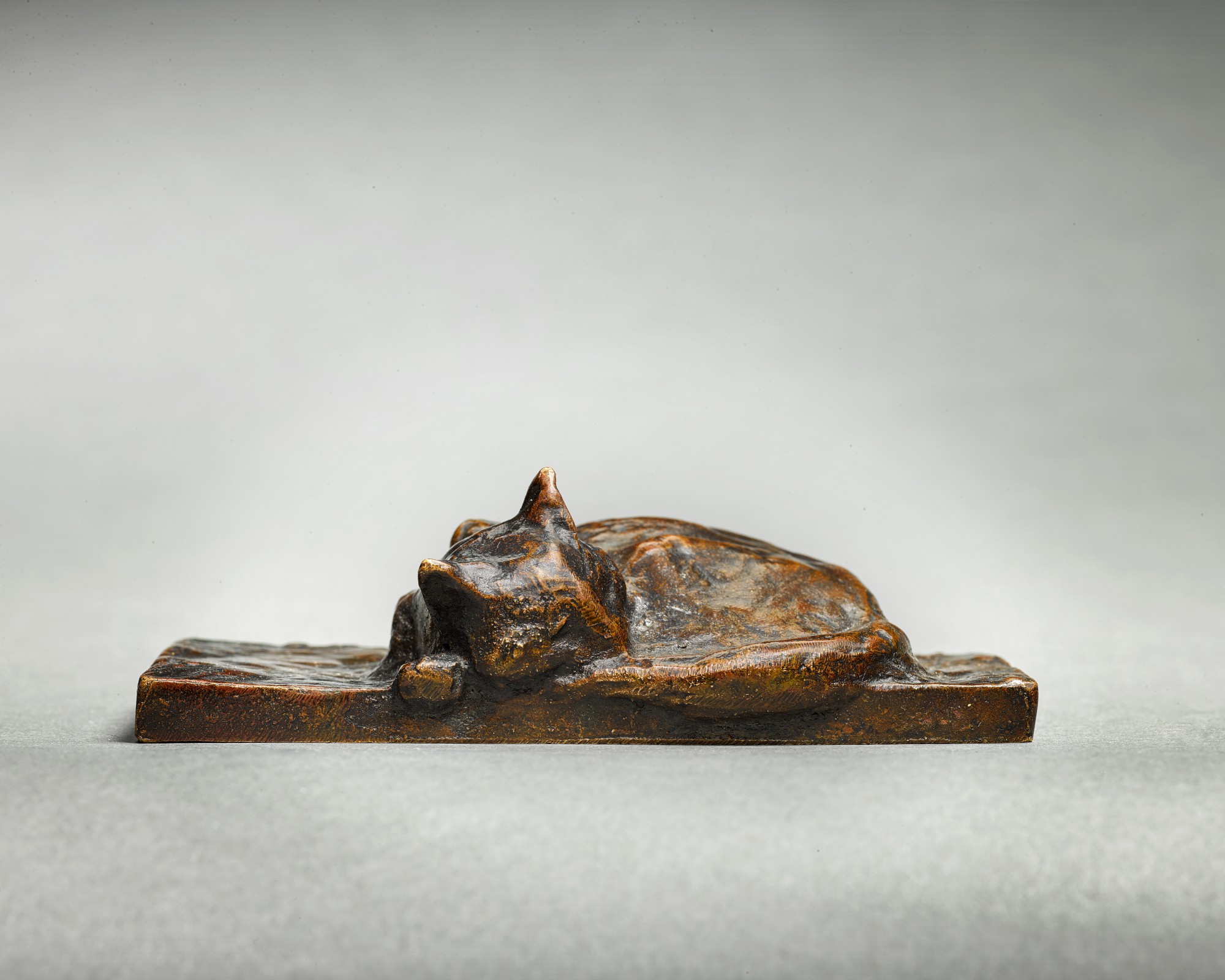
Celia Paul
My Mother Facing
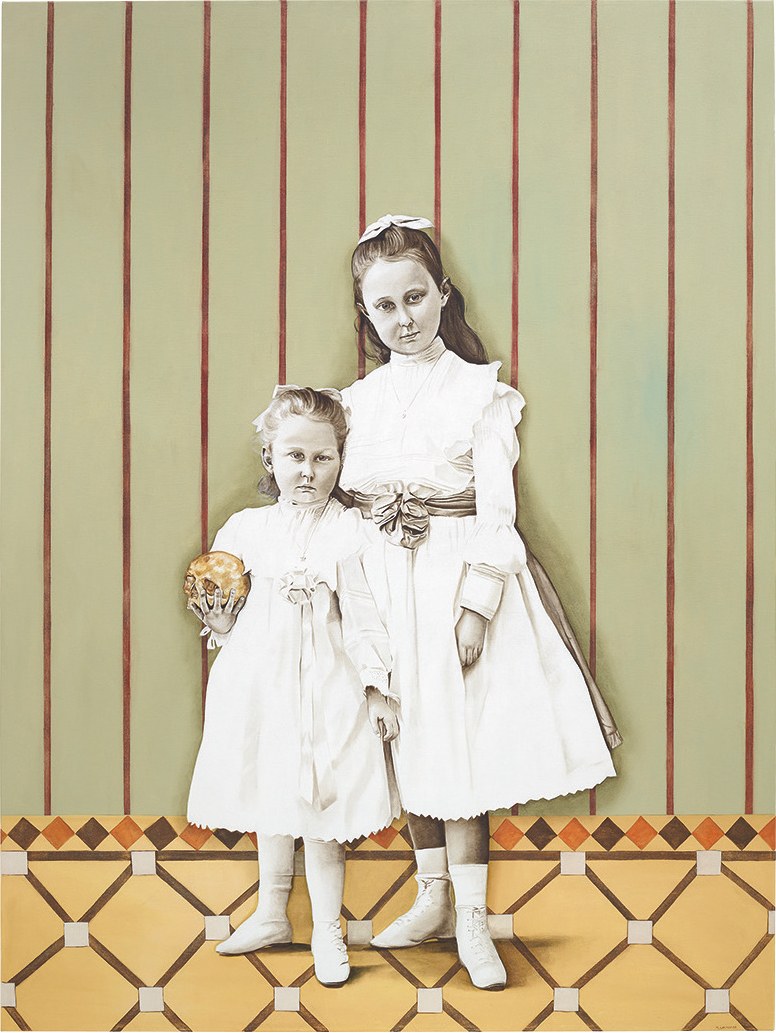
Yiadom Boakye, who was shortlisted for the Turner Prize in 2013, occupies a position of real strength: critically beloved, institutionally supported, and with a deliberately restricted output that keeps supply tight. Celia Paul, whose quiet and searching paintings of women have long been underestimated relative to the Freud orbit in which she was once placed, is increasingly recognized on her own terms. Her market has moved meaningfully in recent years as curators and collectors revisit her work with fresh eyes. The emerging opportunities in psychological realism are genuinely exciting right now.
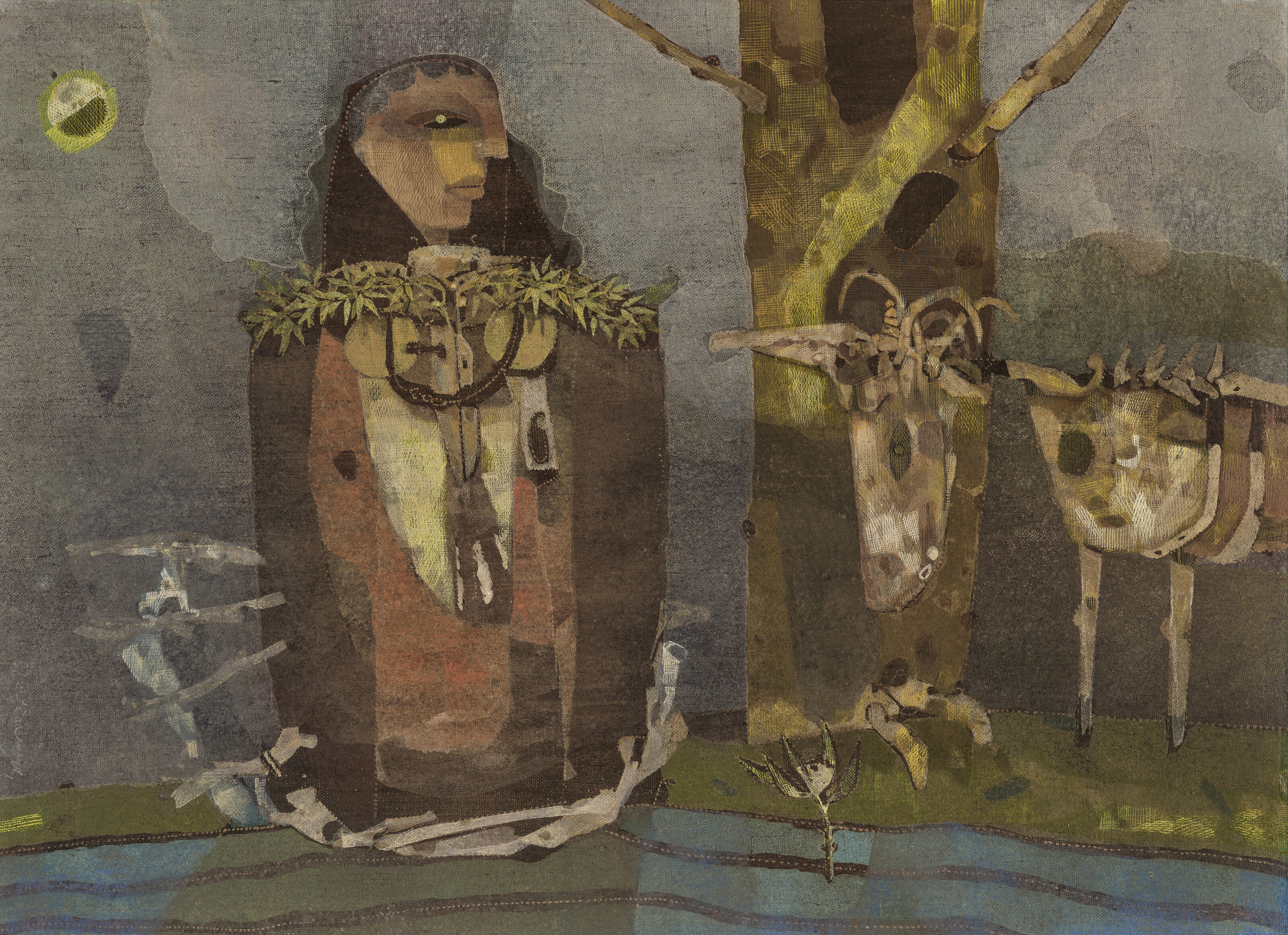
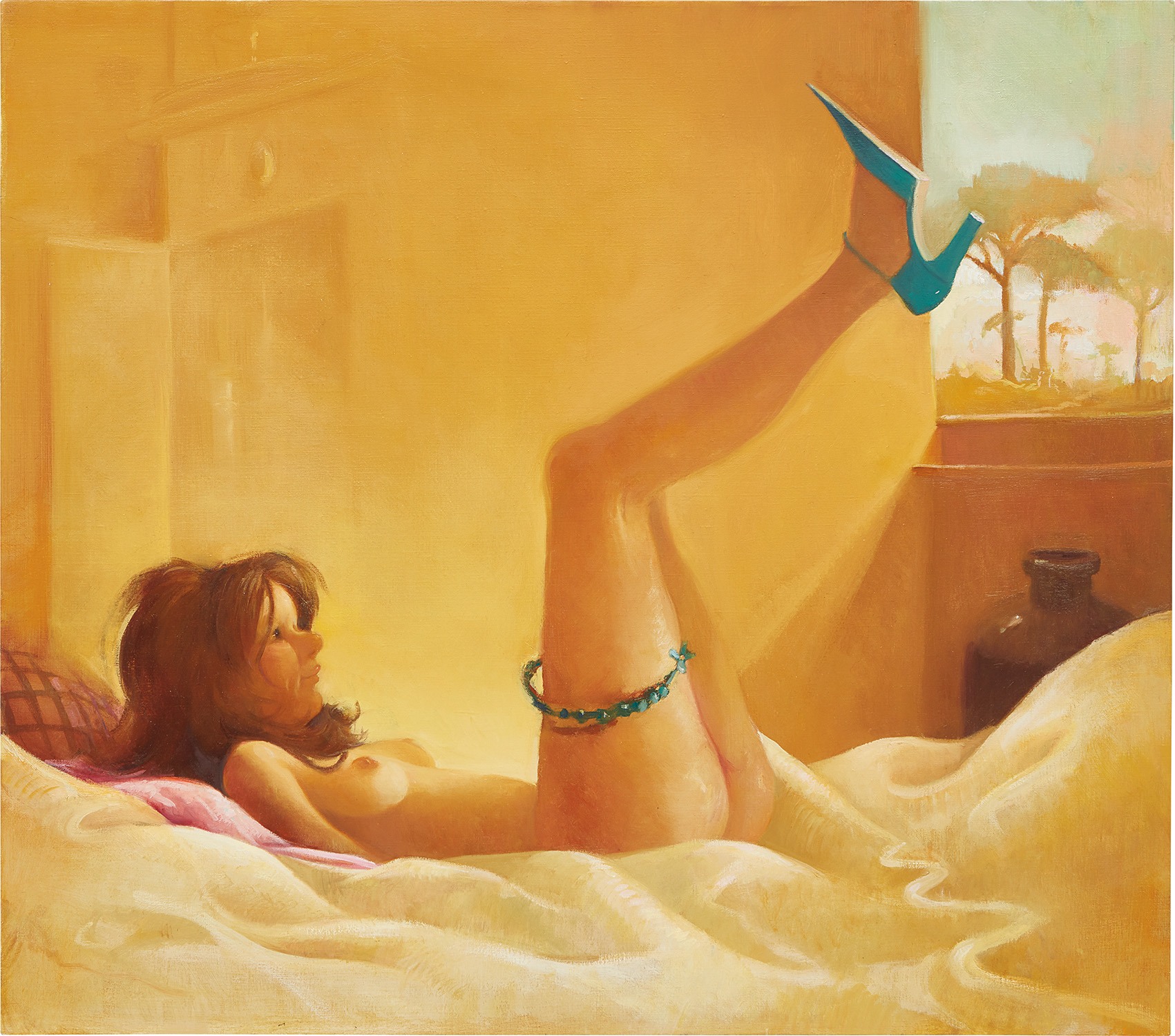
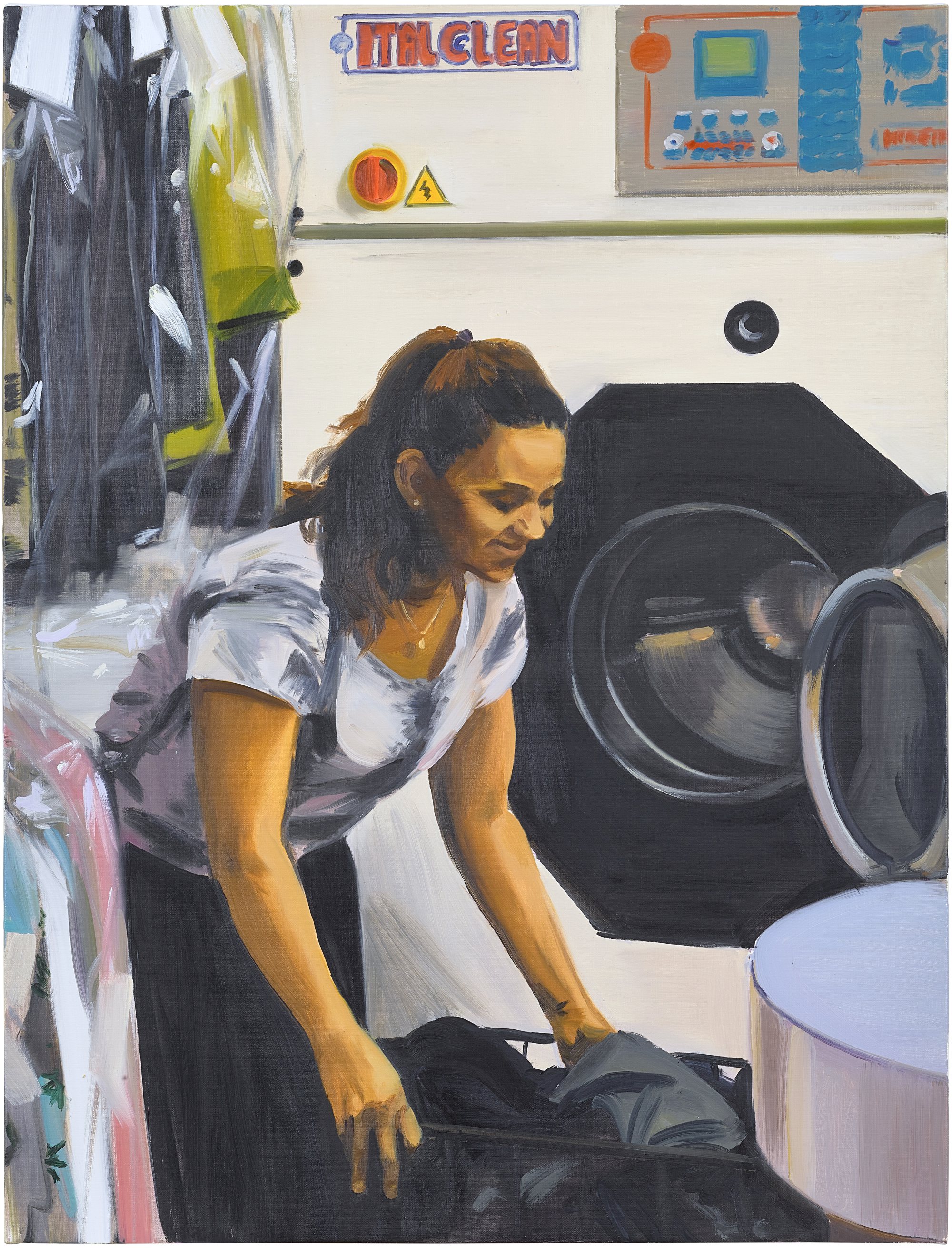
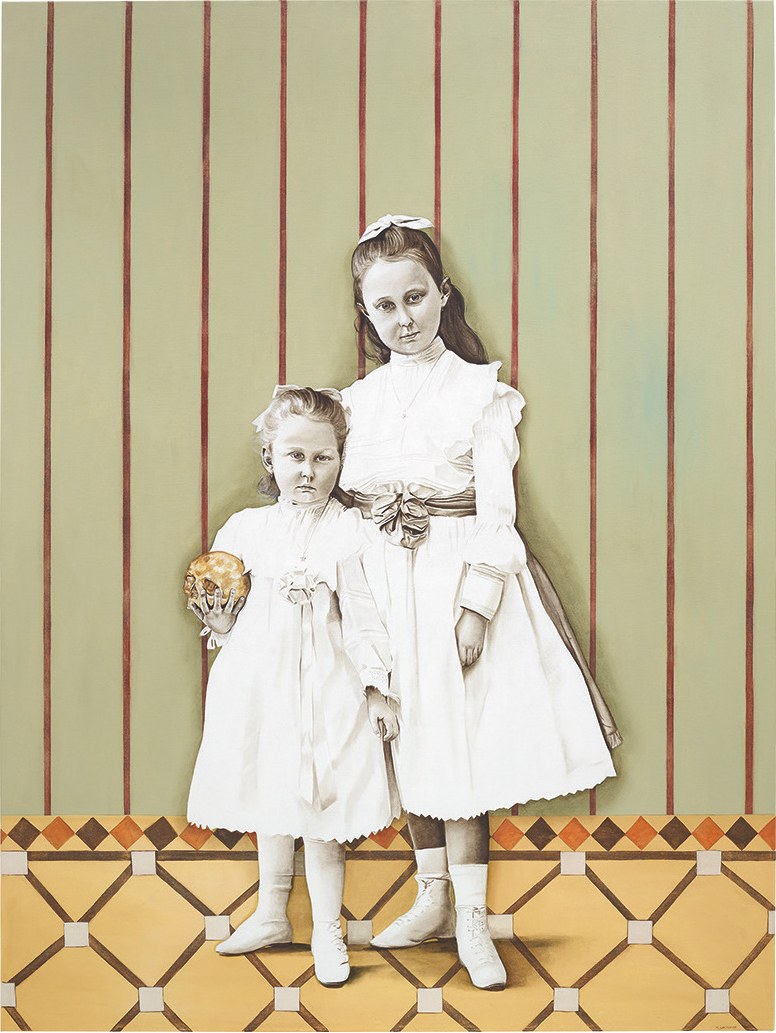
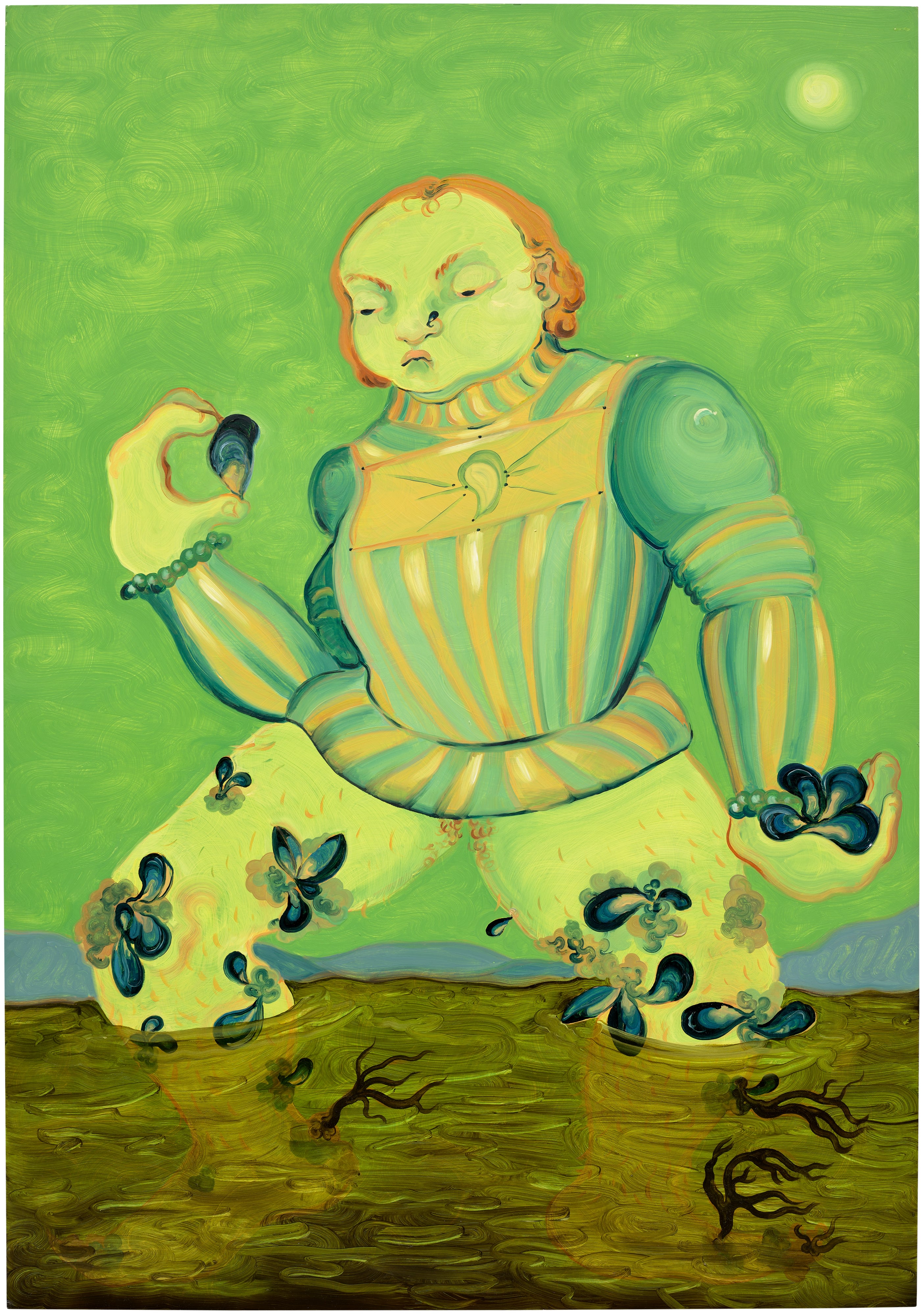
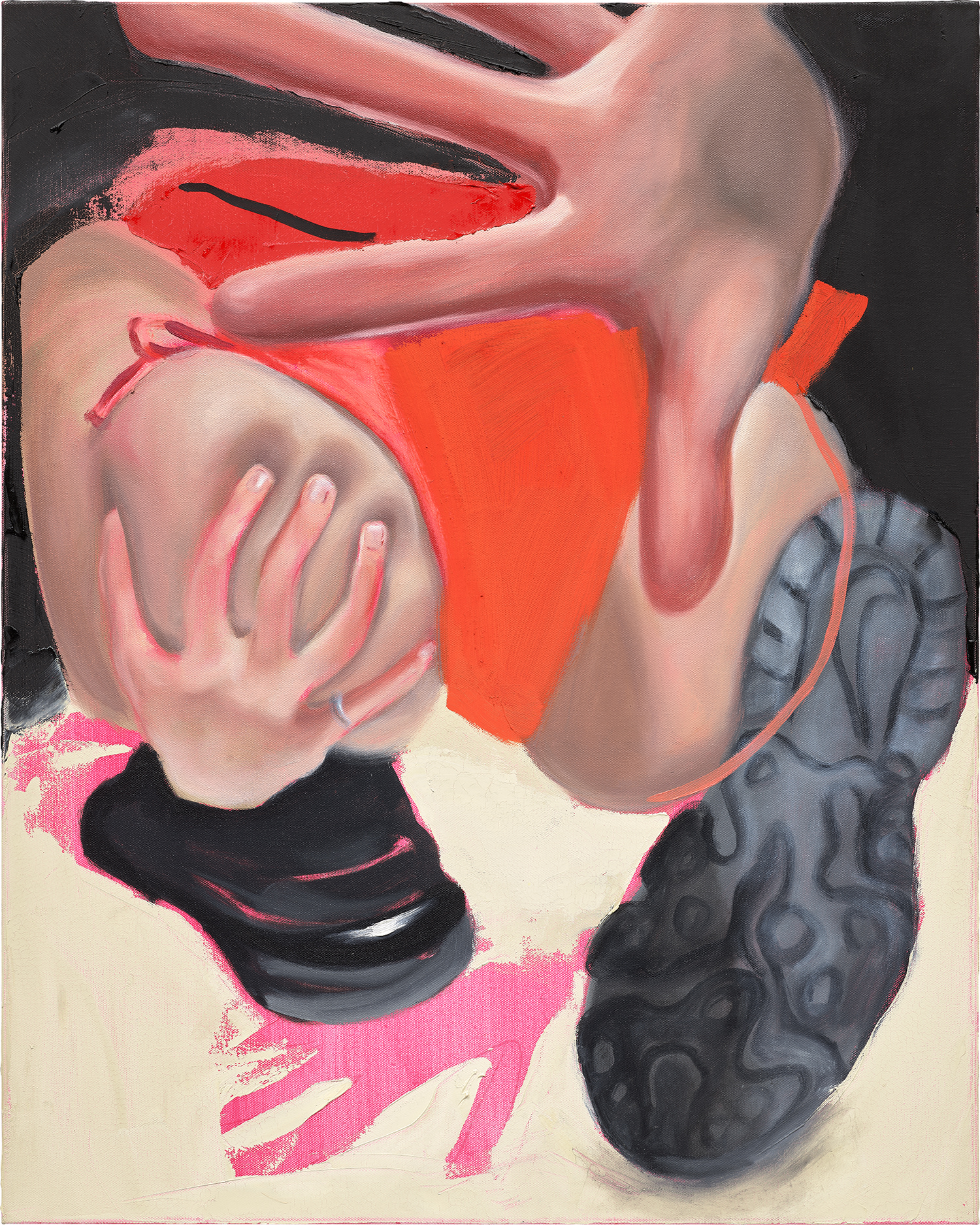
Sanya Kantarovsky has developed a pictorial language that draws on Soviet illustration and central European expressionism while remaining entirely contemporary in its psychological address. His figures exist in states of ambiguity and mild dread that feel entirely of this moment. Caroline Walker brings a forensic attention to the psychological dimensions of domestic and institutional space, her women caught in settings that are beautiful and somehow loaded with unspoken pressure. Among artists working in a more raw and unsettling register, Marianna Gartner and Amanda Wall both reward serious attention.
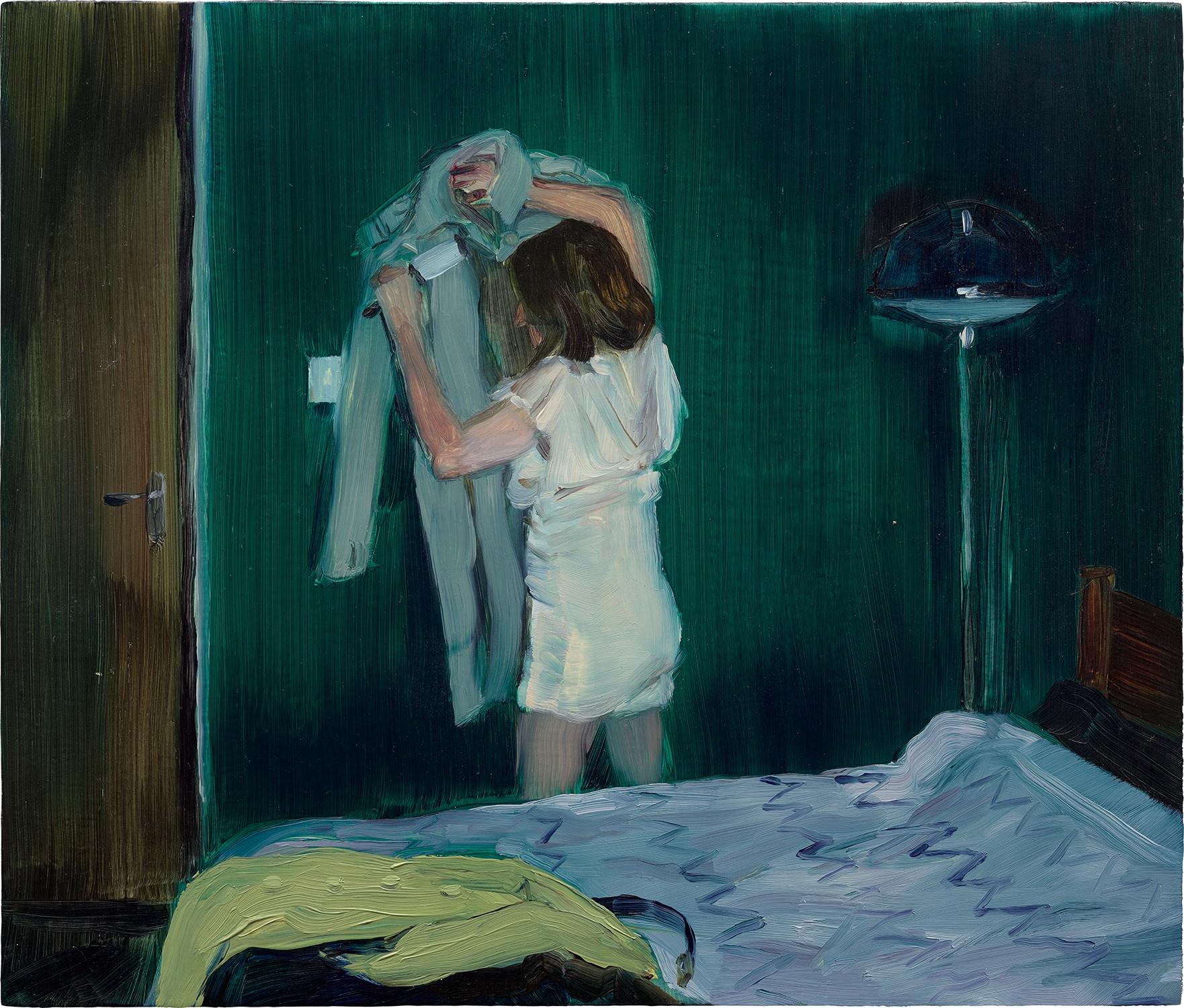
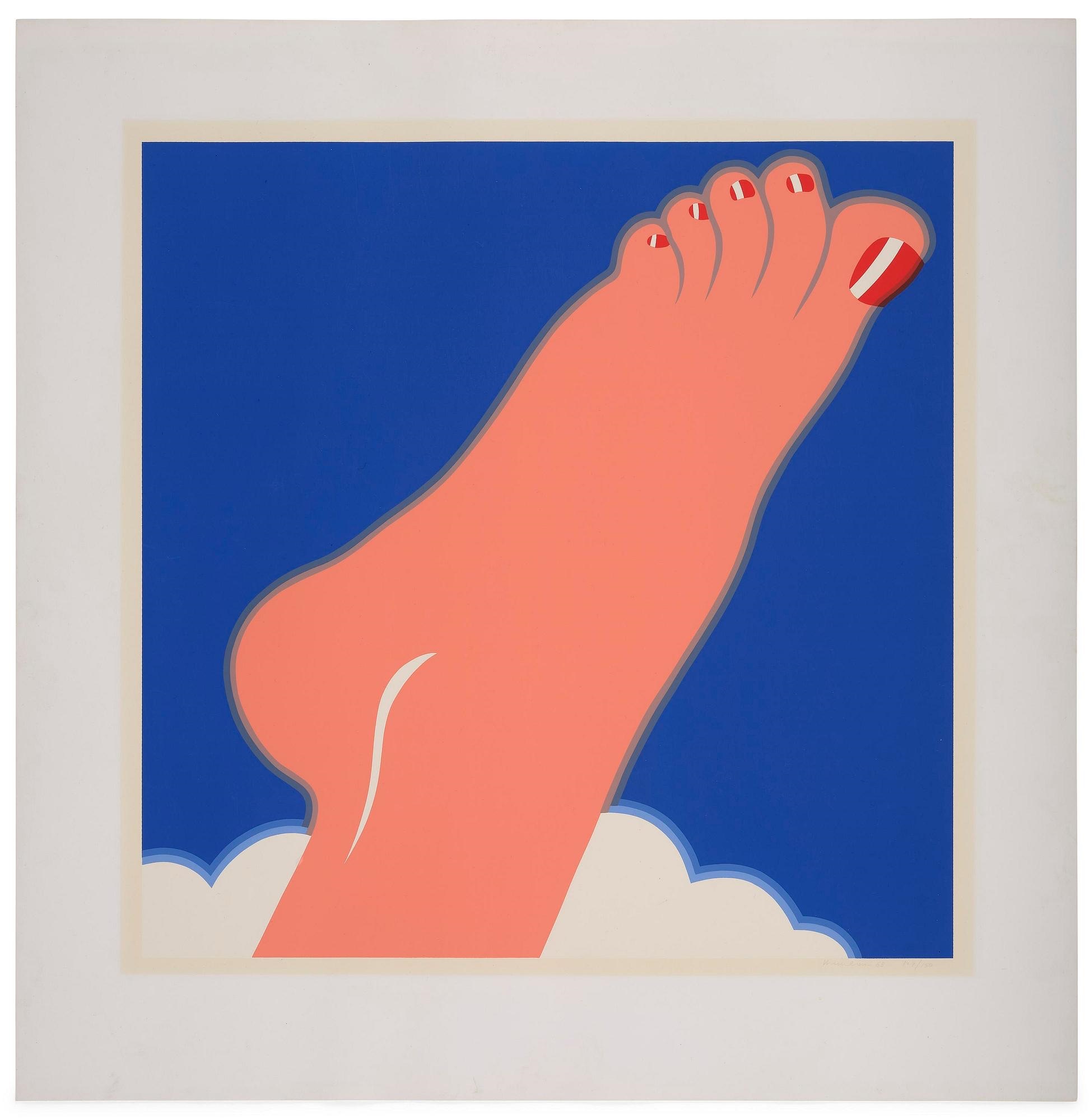
Caroline Walker
Positions, 2010
Gartner in particular, working from found photography with a painterly intensity that transforms her sources into something genuinely haunting, has a dedicated following among collectors who appreciate the rigor behind her imagery. At auction, strong psychological realist works perform with notable consistency when they are fresh to market and accompanied by clear provenance. The field has historically benefited from the fact that institutional collectors, including major museums, compete for the same names as private buyers, which provides a floor beneath prices for established artists. Freud works at auction routinely attract competitive bidding from multiple continents.
Yiadom Boakye has seen significant price appreciation at secondary market level, though her primary market is carefully managed through Corvi Mora in London and Jack Shainman Gallery in New York. For collectors considering works by Gregory Crewdson, whose large scale cinematic photographs construct entire psychological landscapes, it is worth noting that his edition structures and print sizes significantly affect value. Earlier editions from key series command premiums, and the gap between a first and fourth edition in his work is not trivial. Practical considerations matter enormously in this category.
Works on paper, particularly those by artists like Rineke Dijkstra or Diane Arbus working in photographic or graphic mediums, require attention to light exposure and framing with UV filtering glazing. Oil paintings on canvas need stable humidity and temperature; the psychological charge of a Freud or a Condo does not survive the cracking and flaking that comes from poor storage. When approaching a gallery about a significant acquisition in this space, the most useful questions concern exhibition history and institutional loans, because works that have traveled extensively through major venues carry a different kind of cultural weight than those that have remained private. Ask also about the artist's relationship to their own secondary market.
Some artists and estates are actively involved in authentication and provenance verification; others are not, and this affects resale significantly. Above all, trust the feeling of being found by a work. In psychological realism more than in almost any other field, that initial recognition is not sentiment. It is intelligence.