Post-Conceptual
Joe Bradley
Untitled
After the Idea: Art That Refuses to Settle
When Urs Fischer's wax sculpture of a seated man melted over the course of a gallery exhibition, dripping and pooling and eventually becoming something else entirely, it felt less like a stunt than a thesis statement. That was at Gavin Brown's Enterprise in New York in 2011, and the work became one of those rare touchstones that collectors and critics still return to. It proposed that the idea behind an artwork and its physical presence were not in competition but could be made to consume each other in real time. That tension, between concept and matter, between the cerebral and the visceral, is precisely what post conceptual art keeps interrogating, and why its most vital practitioners remain among the most discussed and avidly collected artists working today.
Post conceptual as a critical category is genuinely difficult to pin down, which is partly why it has proven so durable. It is not a movement with a manifesto or a founding show. It is more of an attitude, one that takes the lessons of Conceptualism seriously while refusing to let ideas exist solely as propositions or documentation. The artists grouped under this umbrella tend to be fluent in art history, irreverent toward its hierarchies, and deeply committed to making objects that reward sustained attention.

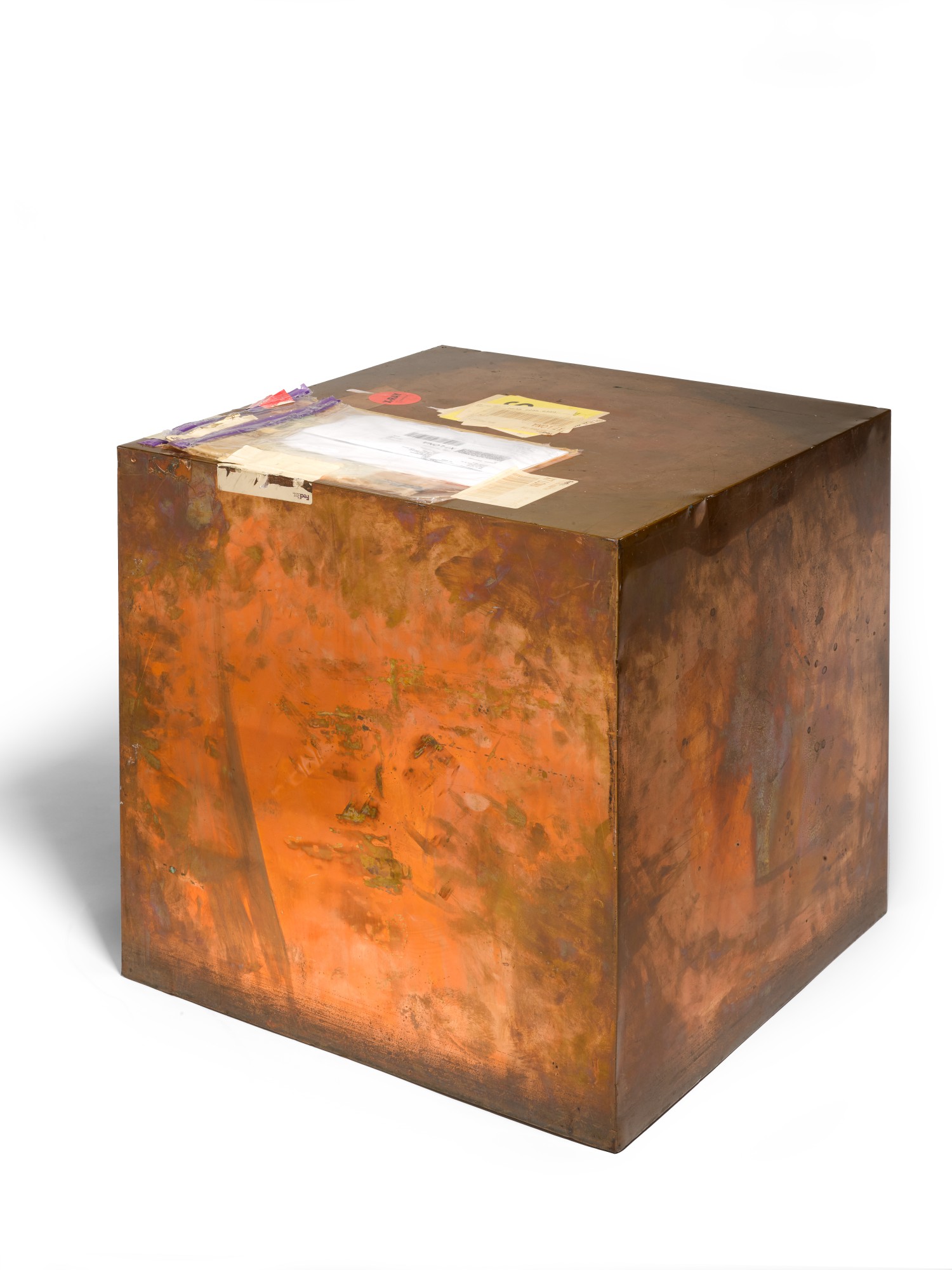
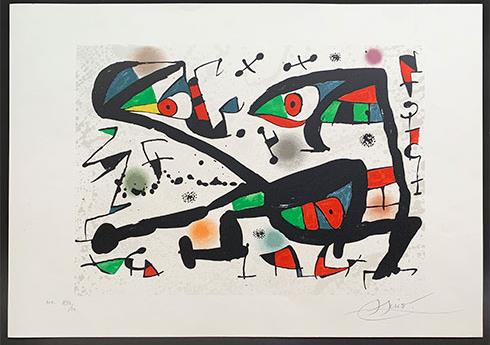
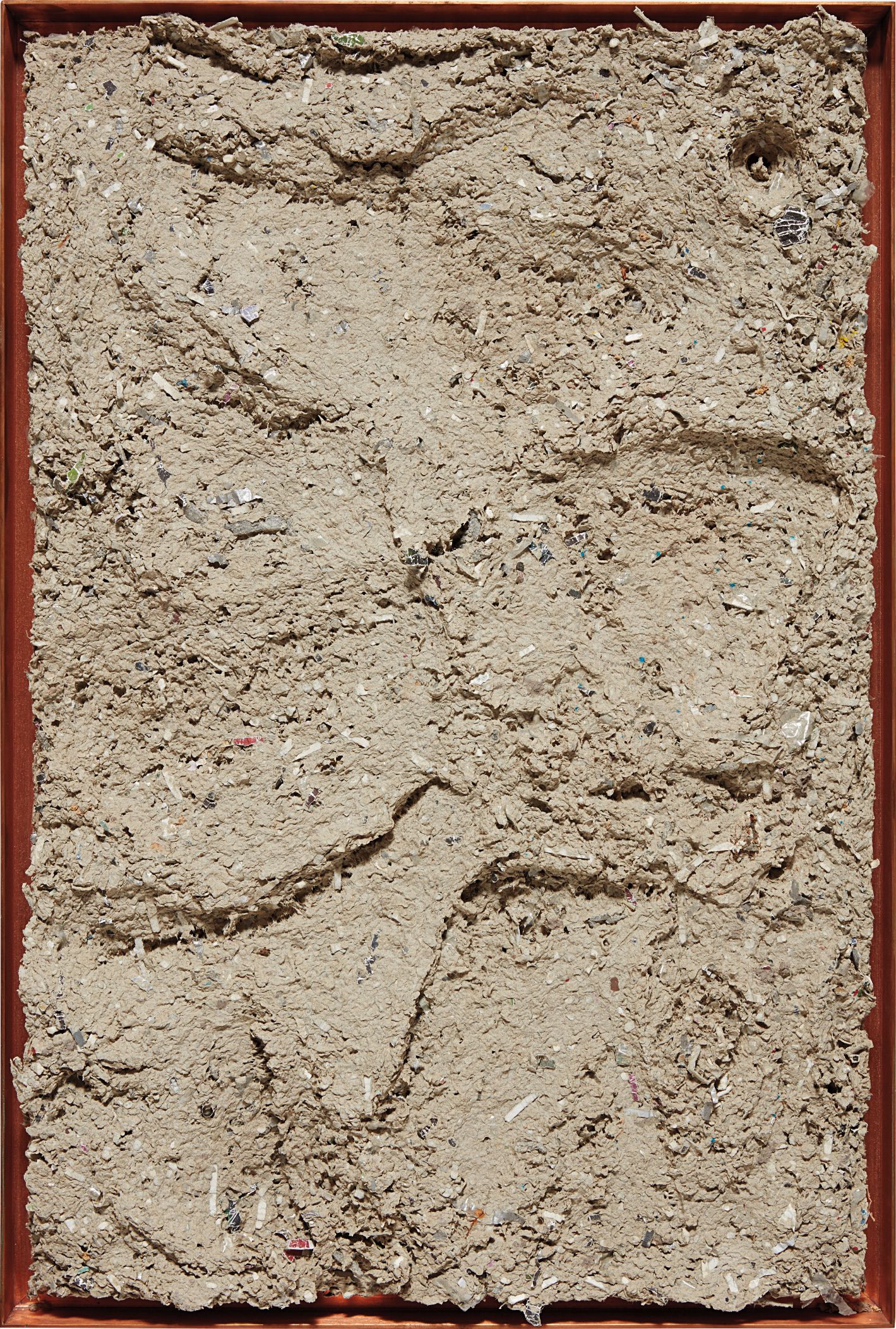
Gabriel Kuri
Diario
They want you to think, but they also want you to look. Gabriel Kuri, for instance, makes sculpture that sits at the intersection of consumer culture and formal rigor, often deploying receipts, packaging, and industrial materials in configurations that feel both offhand and precisely considered. His work has been acquired by major institutions including the Jumex Collection in Mexico City, and his presence in serious private collections reflects how well post conceptual practice travels across cultural contexts. The exhibition history of this generation is by now substantial.
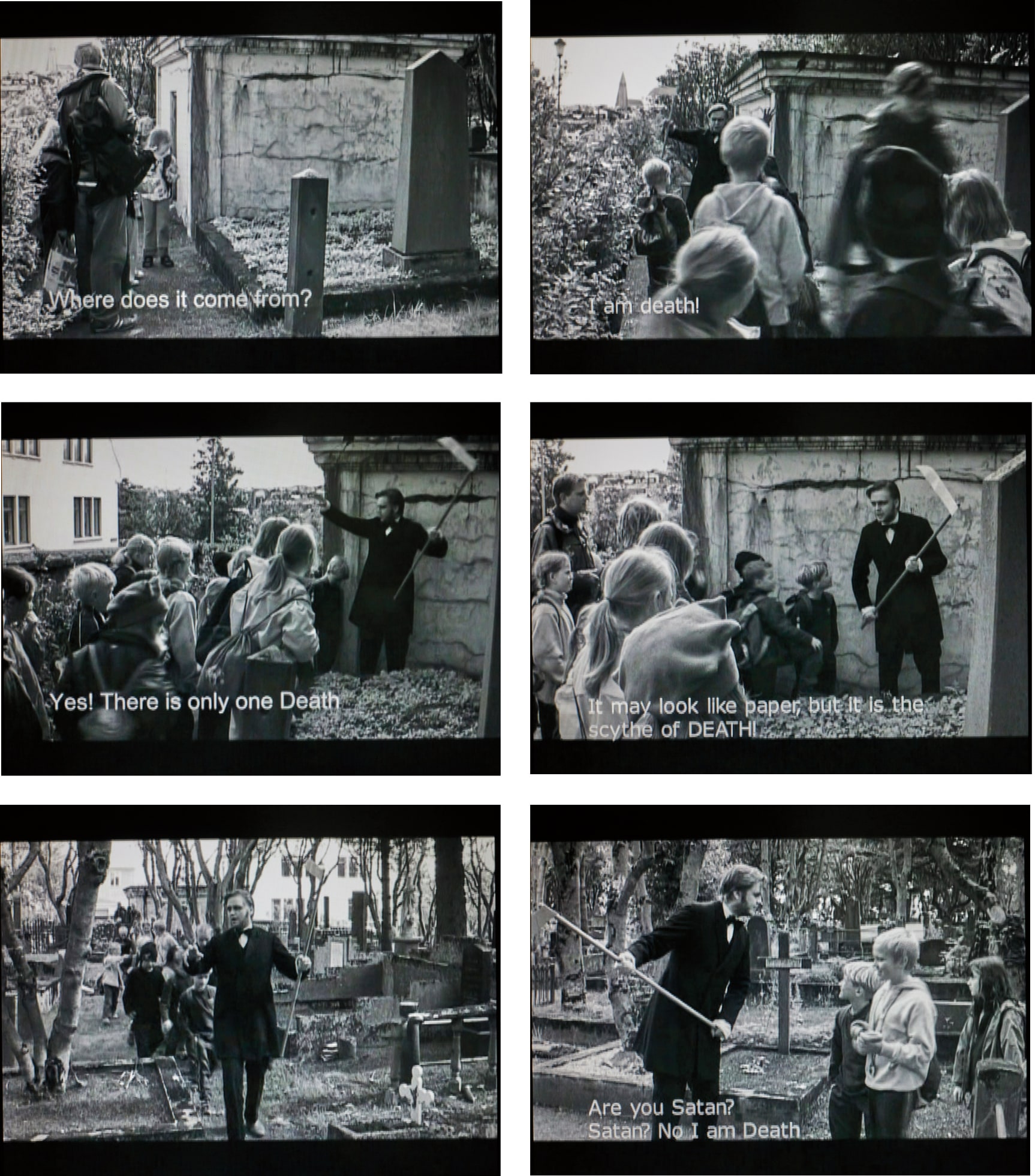
The New Museum's 2013 survey of Ragnar Kjartansson, which traveled internationally, introduced many American collectors to an artist whose durational performances and melancholic romanticism seemed to collapse the distance between sincerity and irony. Kjartansson does not choose between those two registers; he inhabits both simultaneously, and the result is work that is emotionally legible in a way that pure Conceptualism rarely permits itself to be. Tala Madani's solo exhibitions at Aspen Art Museum and later at the Museum of Contemporary Art Los Angeles have been similarly important in cementing her reputation, her paintings of anonymous male figures in absurdist, often scatological scenarios functioning as both art historical critique and something more urgently social. Institutions have responded: she was included in the 2019 Venice Biennale, a signal moment for any artist working in this register.
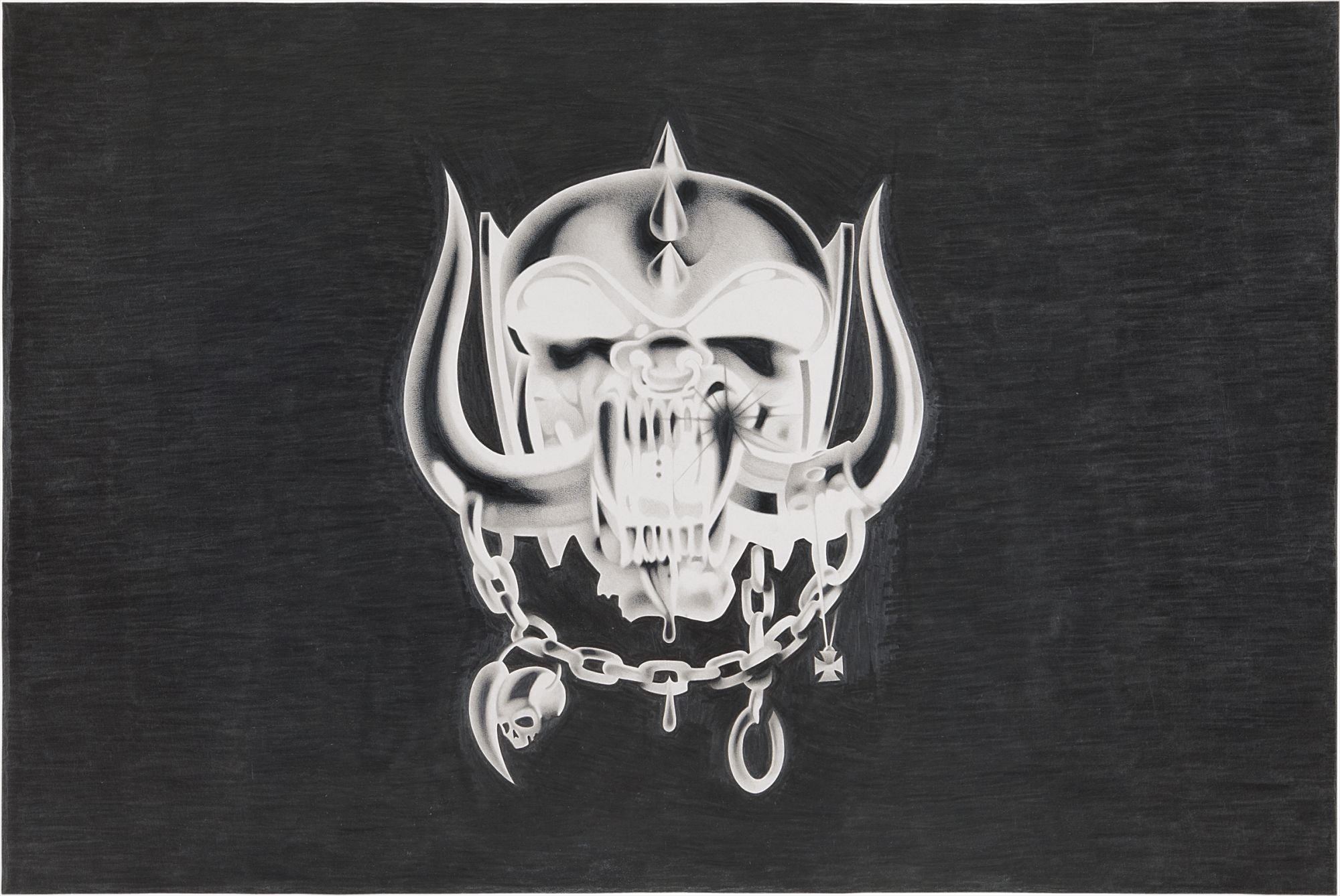
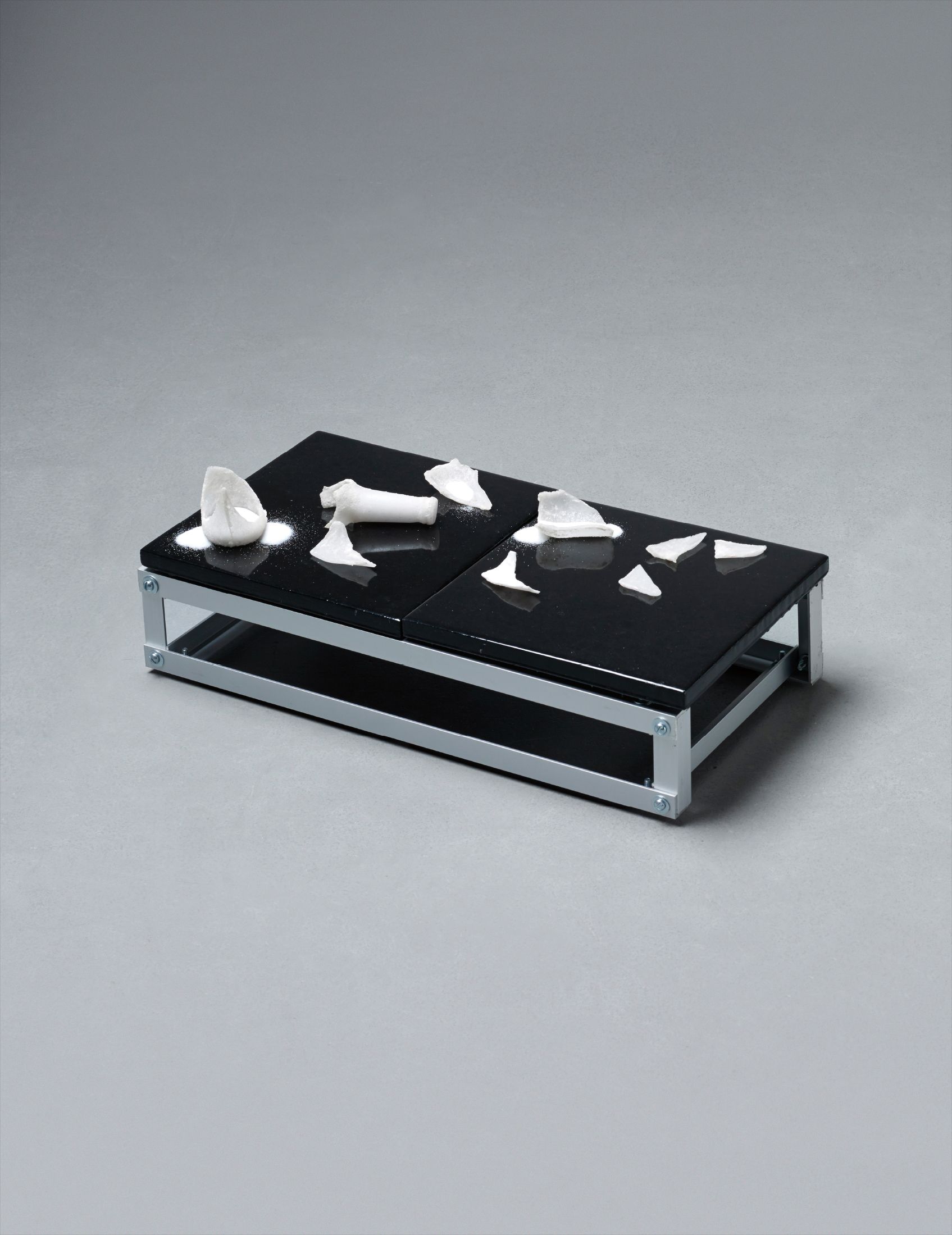
Banks Violette
Motorhead (Inverted)
At auction, the post conceptual generation has demonstrated genuine staying power rather than the flash of speculative enthusiasm. Walead Beshty, whose works examining the material and political conditions of image making have found homes at the Tate, MoMA, and the Hammer Museum, commands serious prices at the secondary market, though his practice resists the kind of easy visual hook that drives frenzied bidding. Banks Violette, whose dark and rigorously constructed sculptures referencing heavy metal iconography and catastrophe attracted significant attention in the mid 2000s at team gallery in New York and Sadie Coles HQ in London, represents a strand of post conceptual practice where subcultural material is processed through a high formalist sensibility. That combination proved attractive to a generation of collectors who came of age with both art theory and independent music, and his works have retained value precisely because they feel irreducible to any easy category.
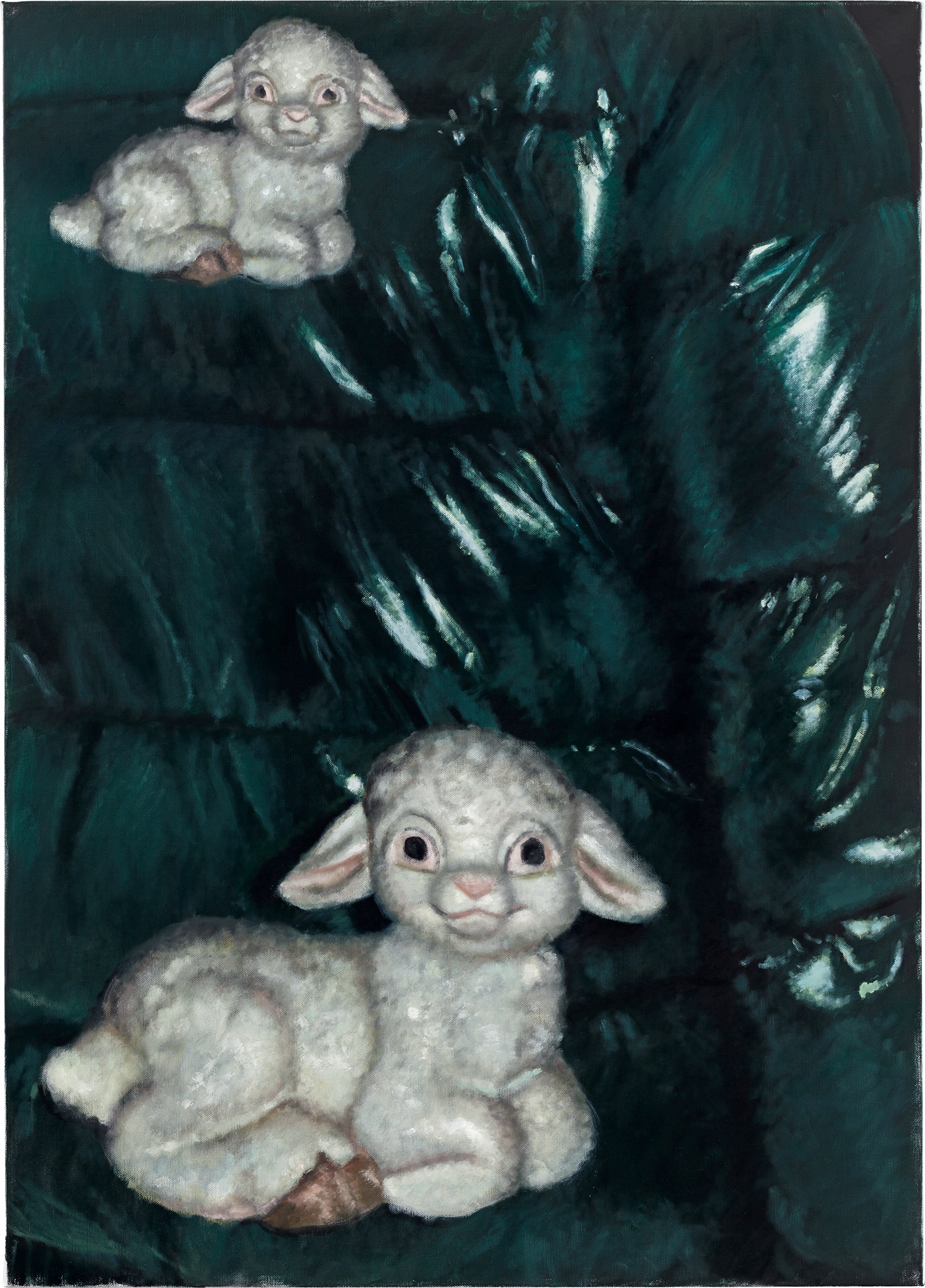
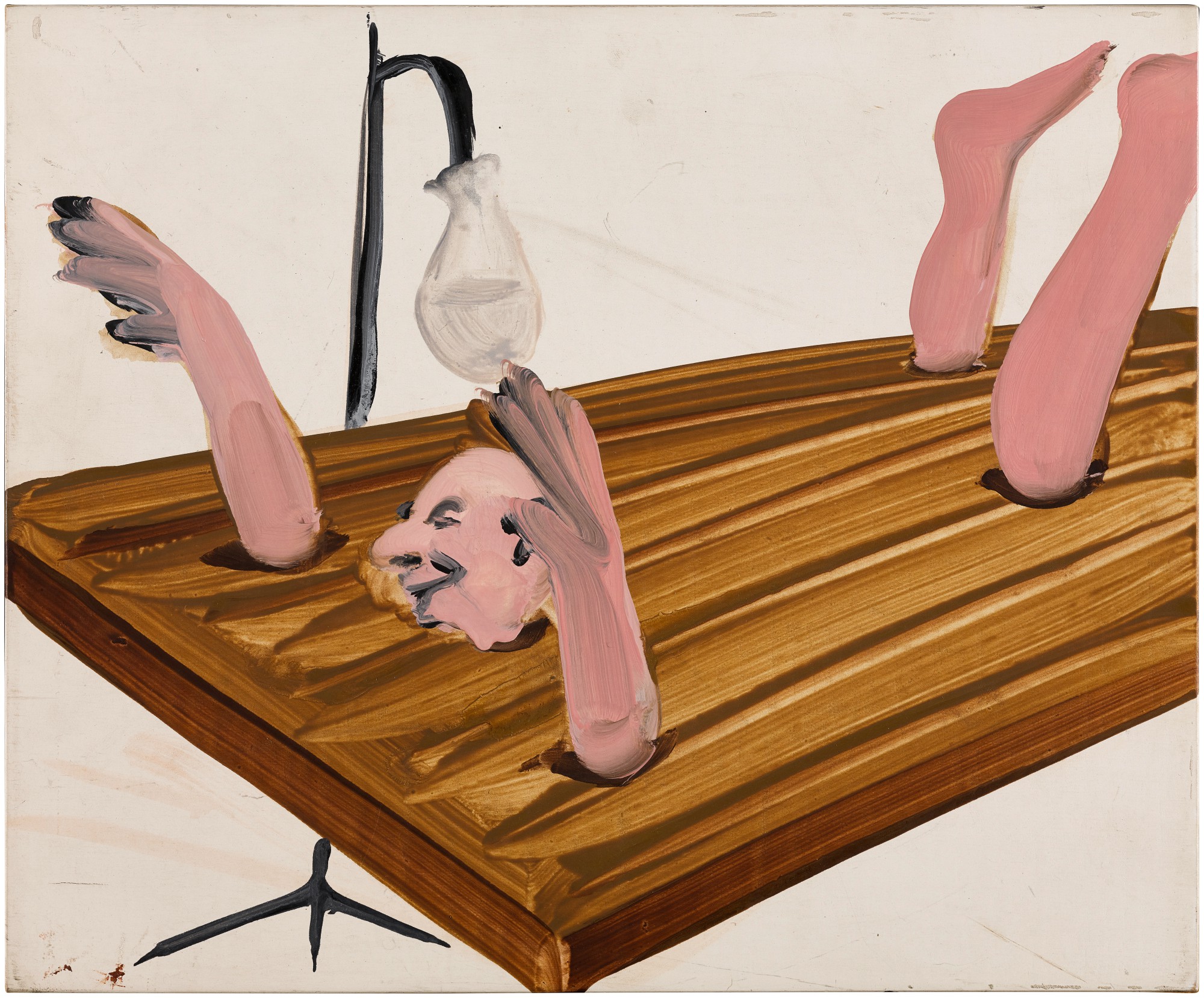
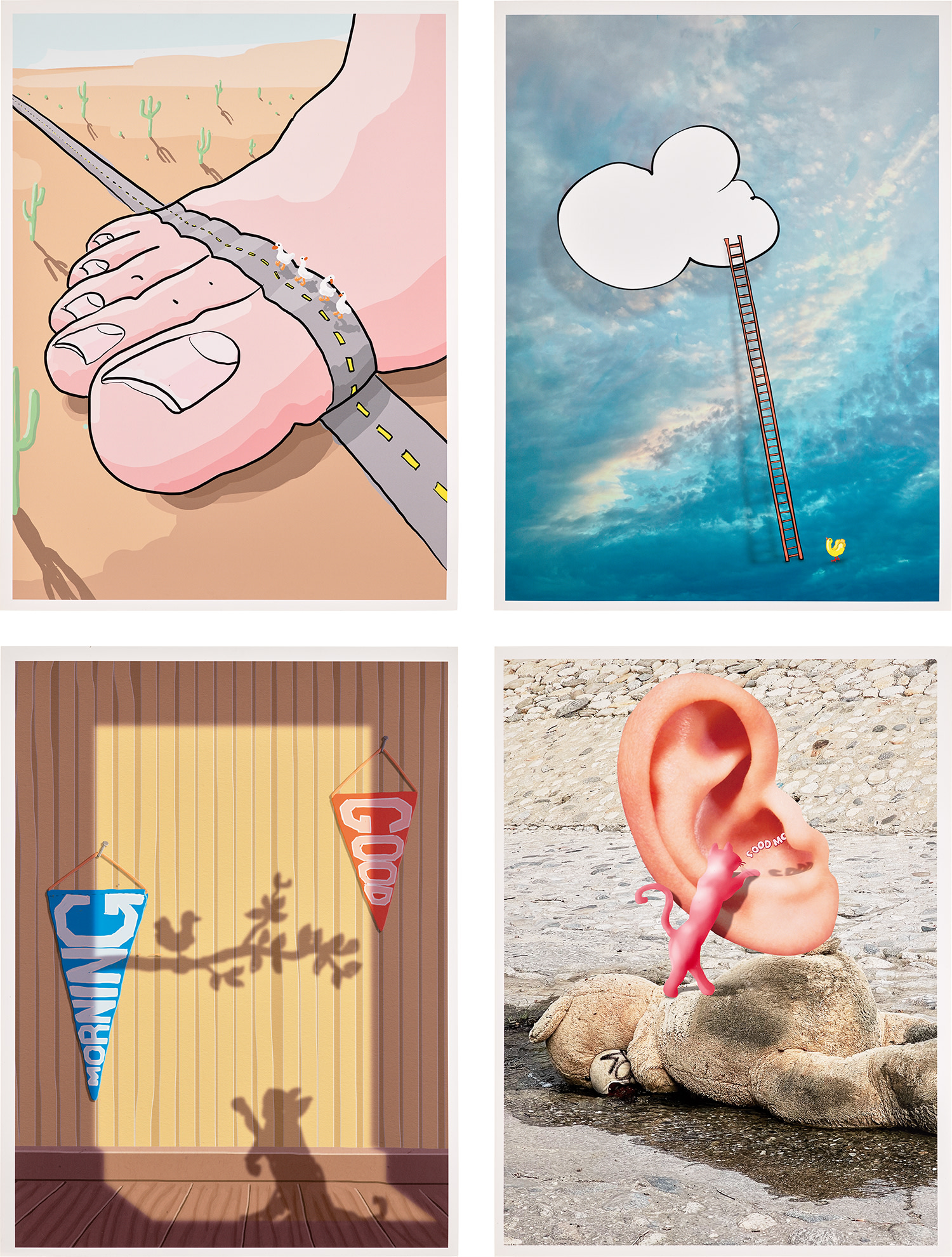
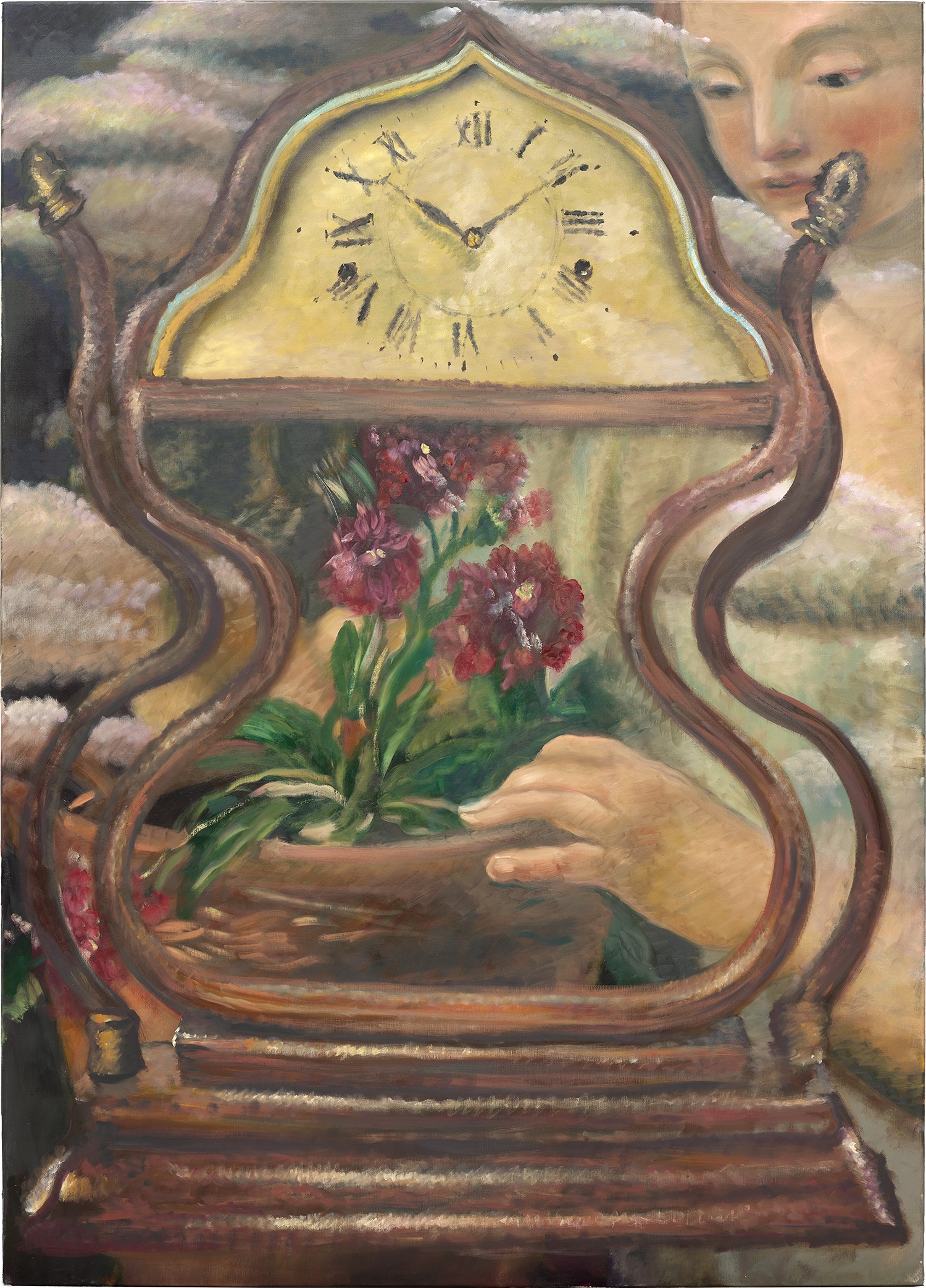
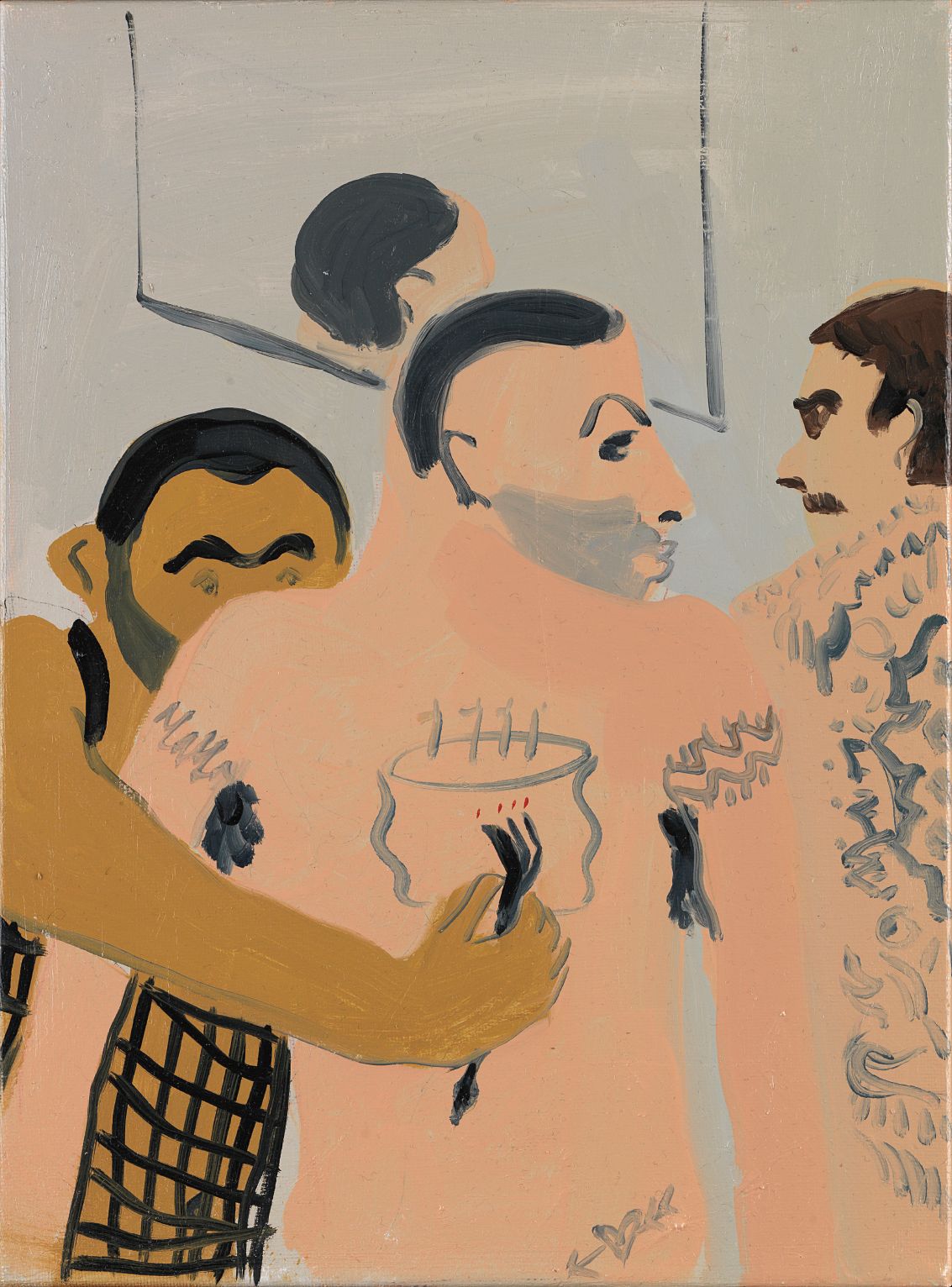
Joe Bradley, whose paintings move between abstraction, figuration, and something more deliberately primitive, achieved record results at Christie's in recent years, with works exceeding estimates by significant margins. His trajectory suggests that the market is increasingly comfortable rewarding artists who work with apparent effortlessness while concealing considerable intellectual structure beneath the surface. Issy Wood and Tala Madani represent a newer energy within this broader category, and their rise has been closely watched. Wood's paintings, shown extensively at Cabinet Gallery in London and Victoria Miro, deploy a kind of deliberately flat affect that reads as both deadpan humor and acute psychological observation.
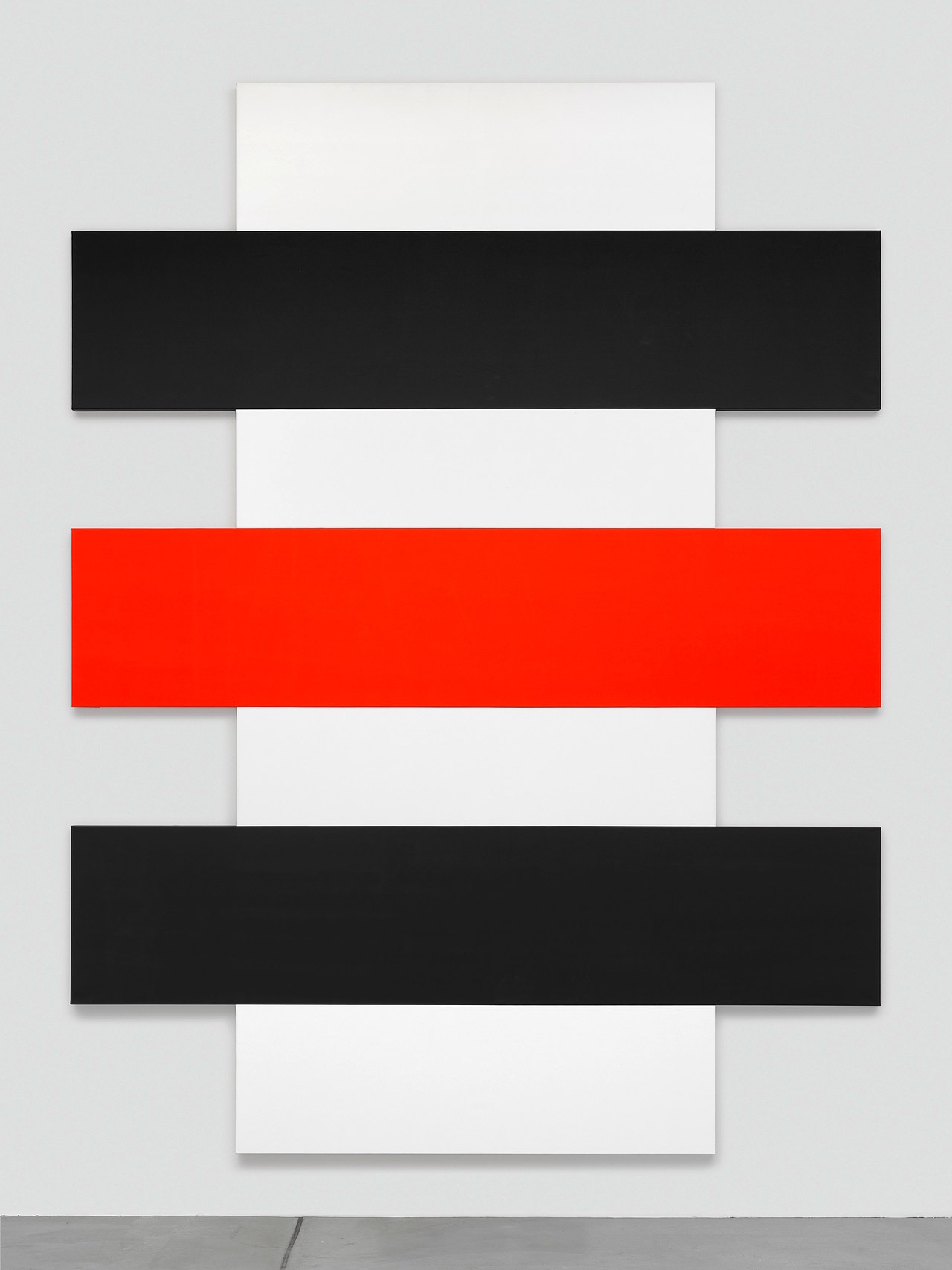
Joe Bradley
Untitled
The subjects range from luxury goods to animals to figures caught in ambiguous domestic situations, and the work rewards the kind of obsessive looking that good painting always demands. Madani's trajectory from Tehran to Los Angeles inflects her practice with a particular kind of outsider perspective on power and the male body that critics including Hal Foster and Miwon Kwon have found especially rich to write about. The critical apparatus around post conceptual practice has matured considerably, with publications like Artforum and frieze giving sustained attention to these artists over more than two decades, and curators such as Laura Hoptman and Massimiliano Gioni building exhibition histories that provide scholarly scaffolding for the market. What feels genuinely alive right now is the question of how this sensibility survives its own institutionalization.
Post conceptual practice was at its most energetic when it felt slightly outside the mainstream, when artists like Fischer and Beshty and Violette were making work that seemed to arrive from an ungoverned place. As that work enters permanent collections at major museums and commands six and seven figure results, the question of what comes next is unavoidable. The younger artists working in this mode are navigating an art world that has already processed many of the moves available to them, and the most interesting responses have involved leaning harder into specificity, into personal iconography and material idiosyncrasy, rather than reaching for universality. The works represented on The Collection reflect that range, from the established to the newly essential, and together they offer a genuinely useful map of where post conceptual practice has been and where it seems to be heading.
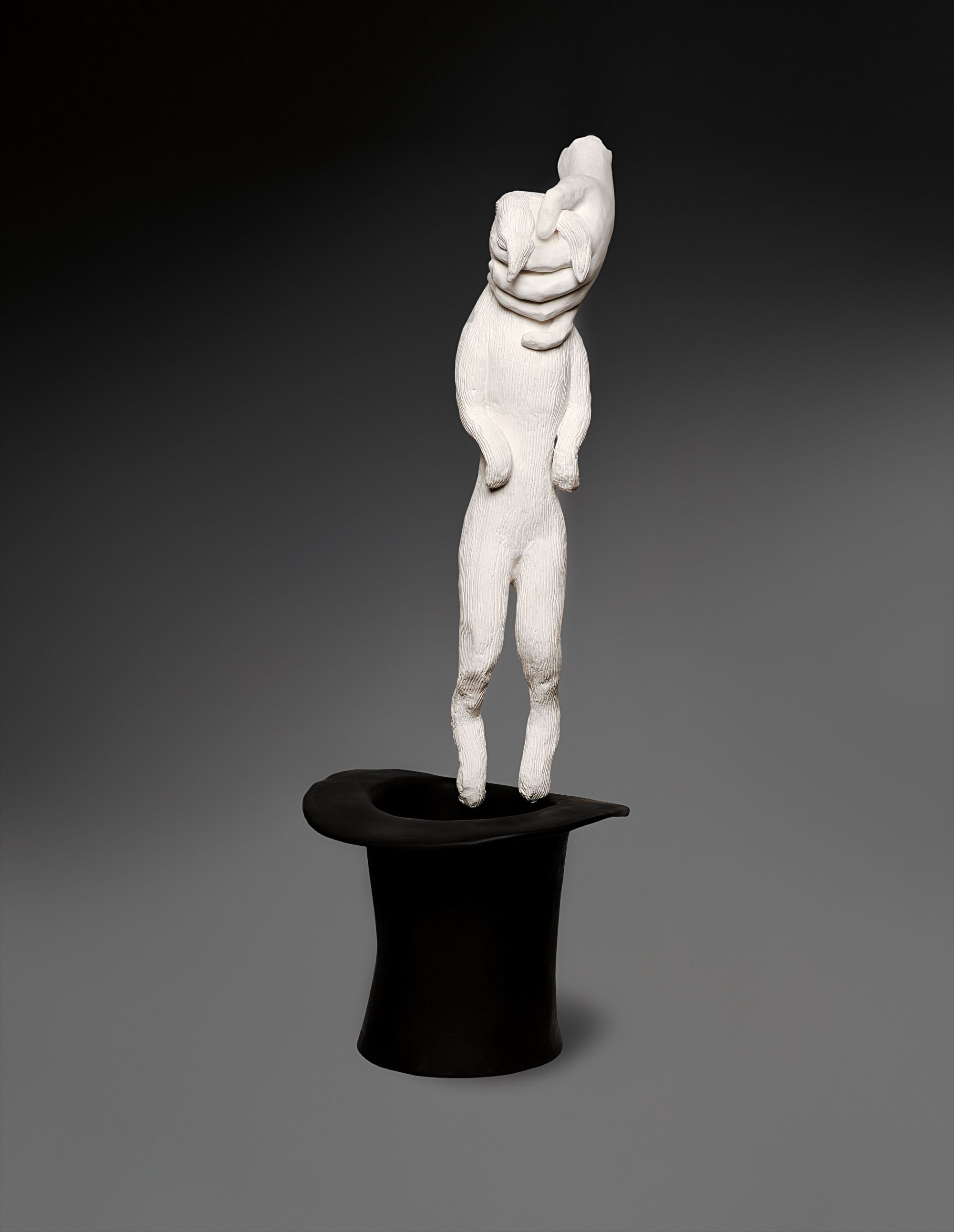
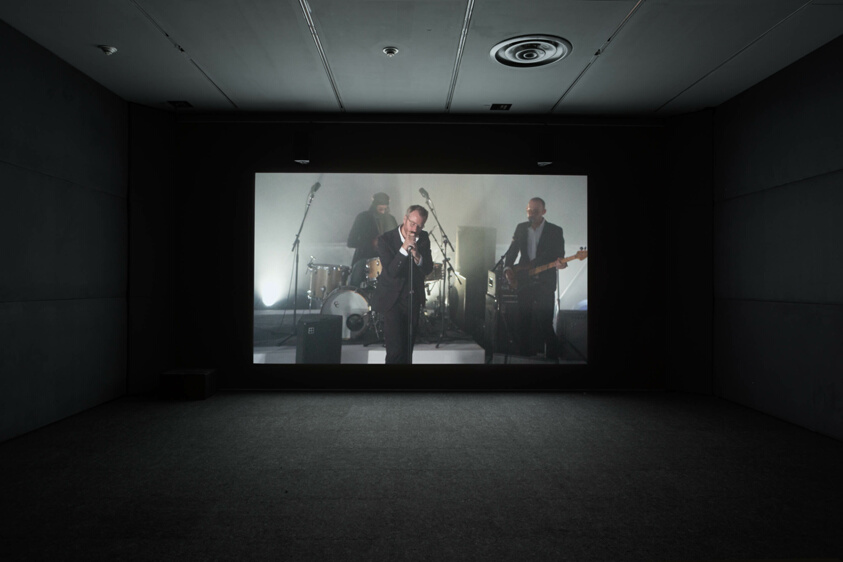
Urs Fischer
Sigh, Sigh, Sherlock!
Collecting in this space now feels less like speculation and more like participation in an ongoing critical argument, which is precisely what the best of this work has always demanded.