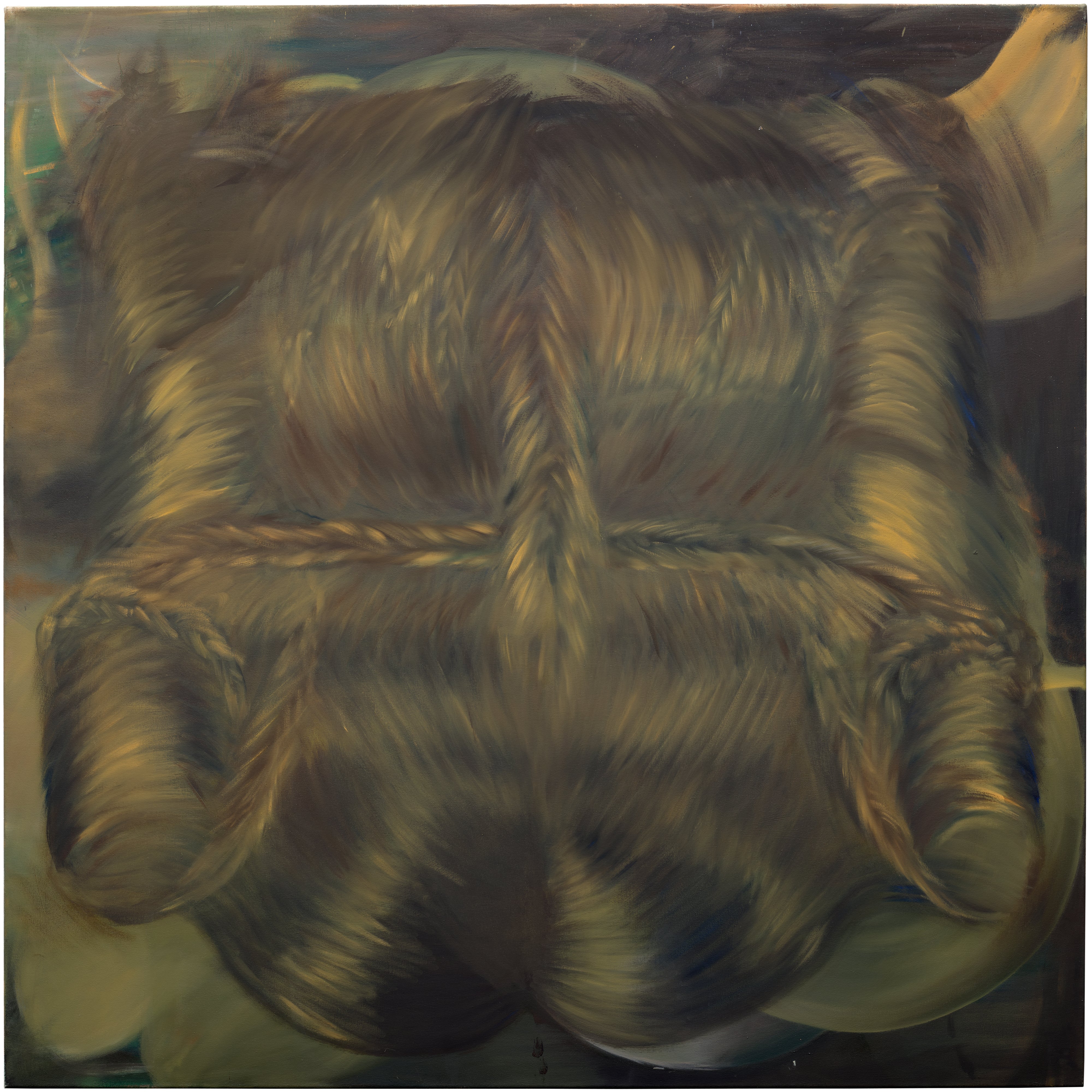
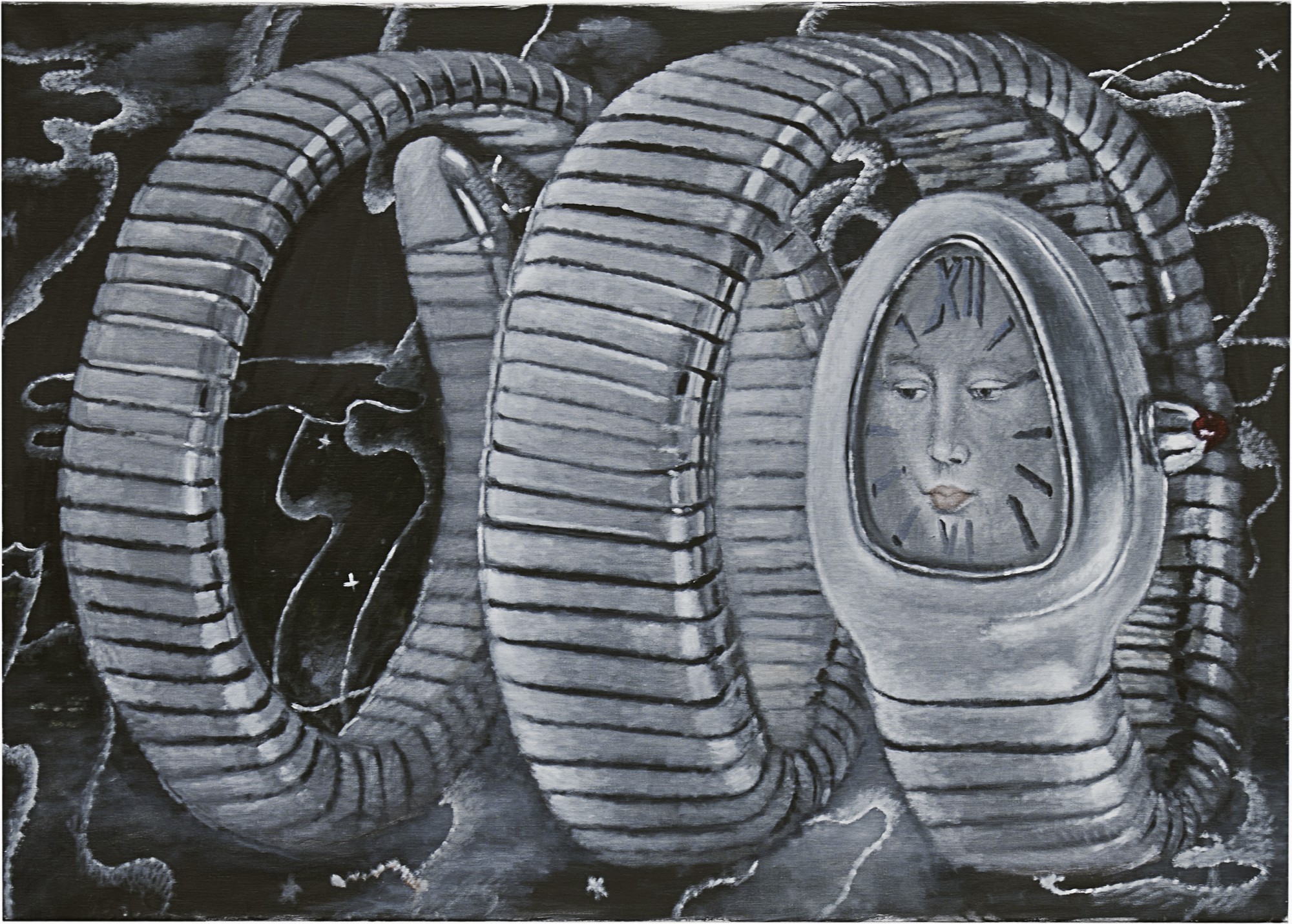
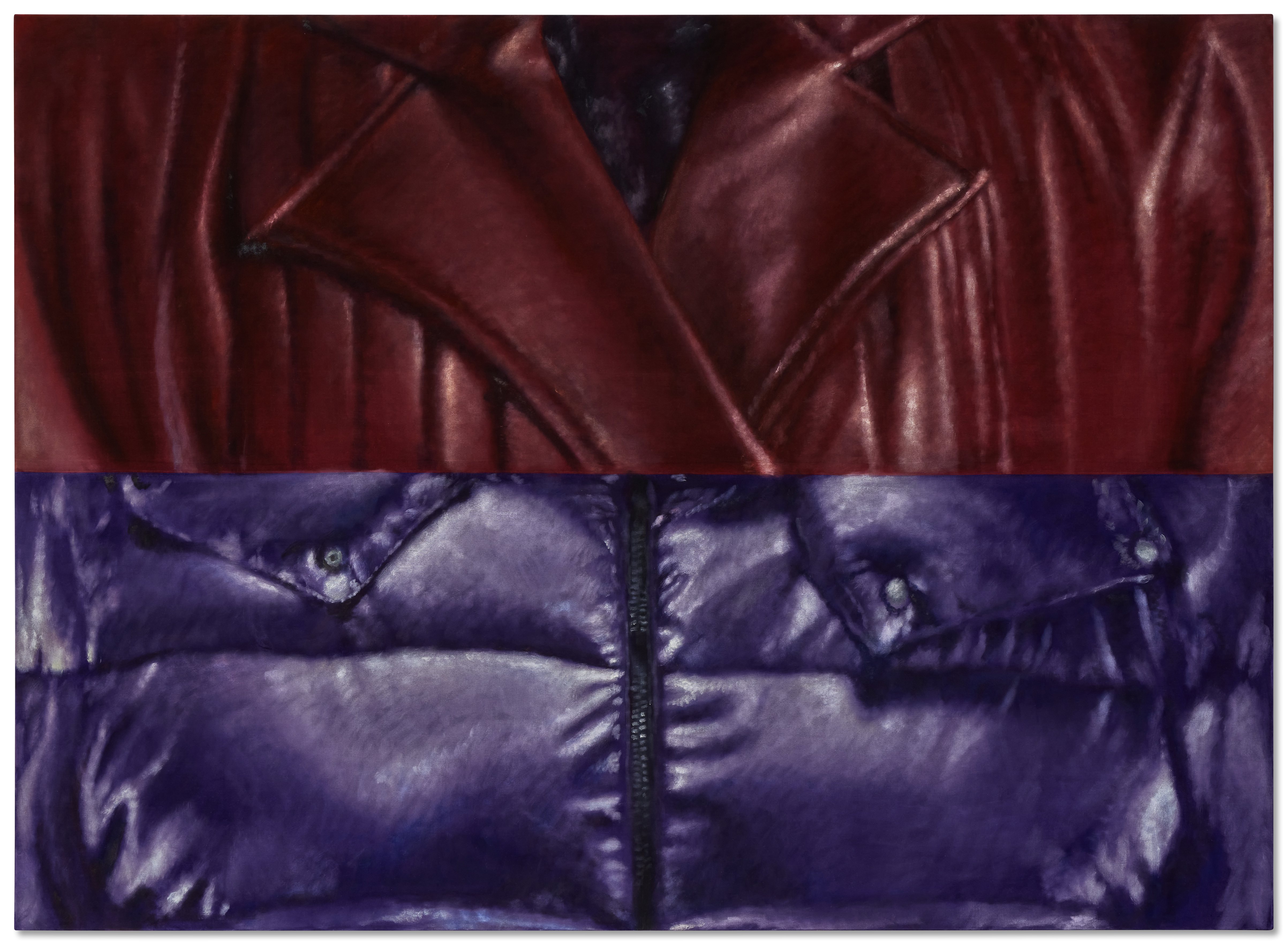
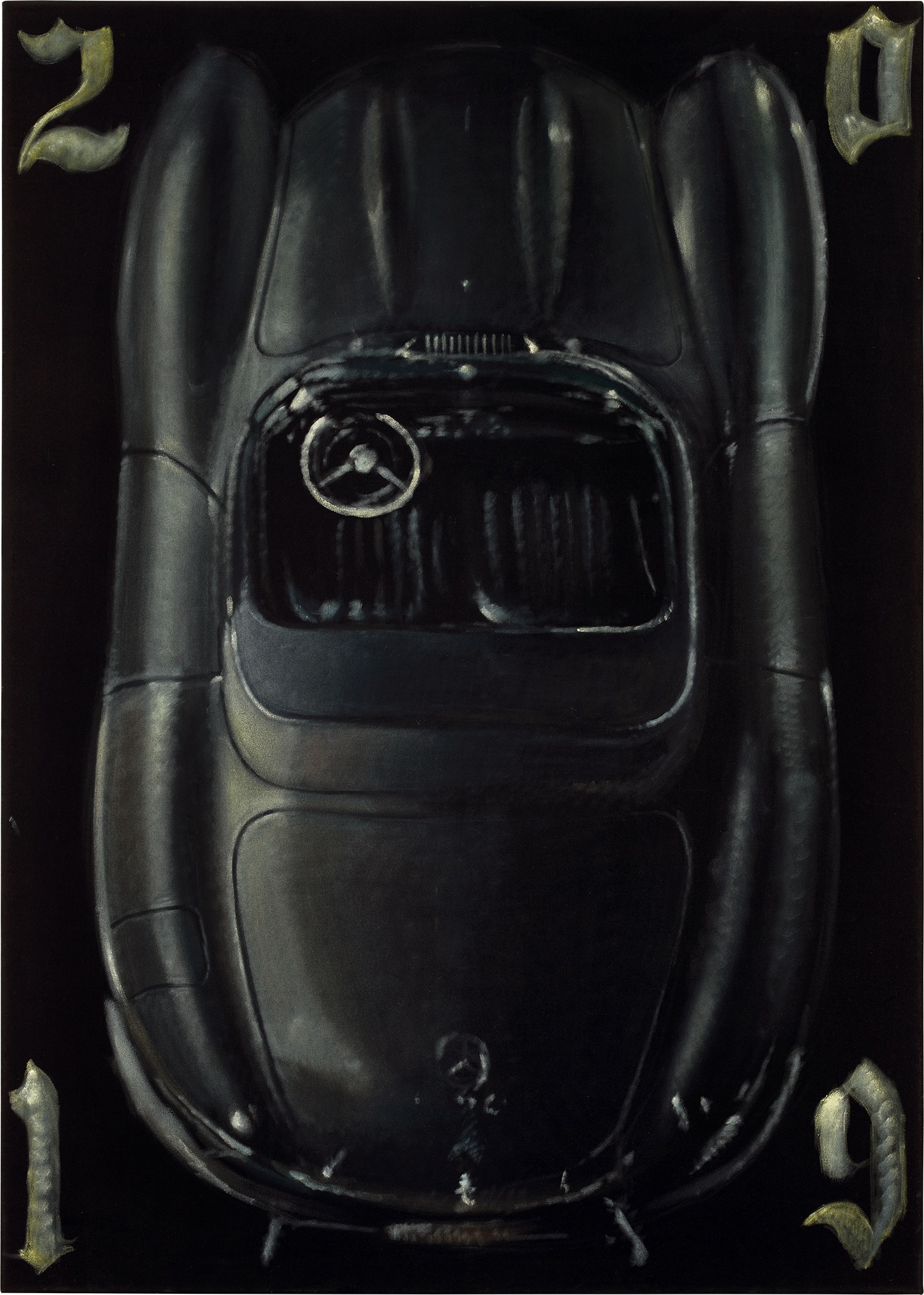
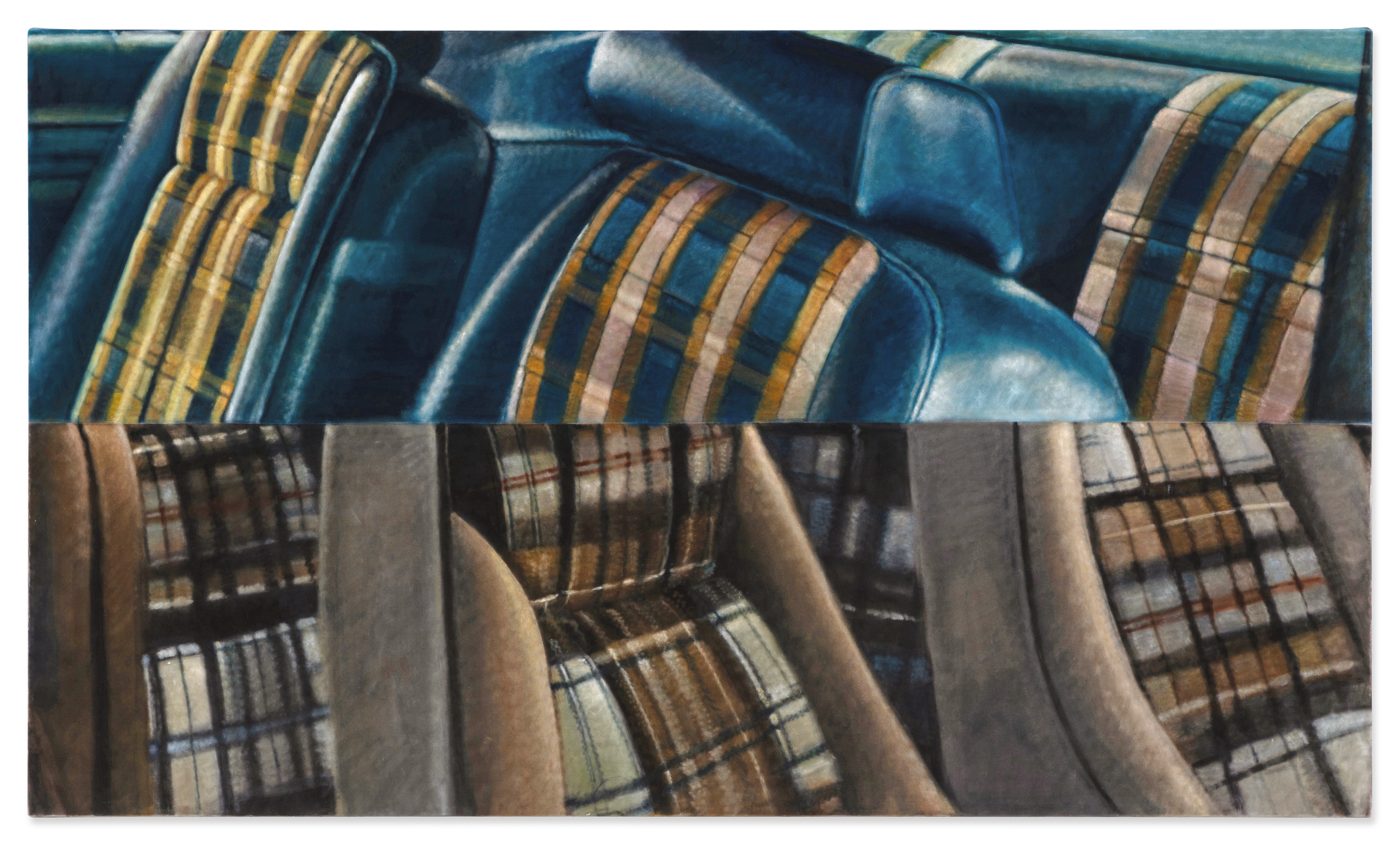
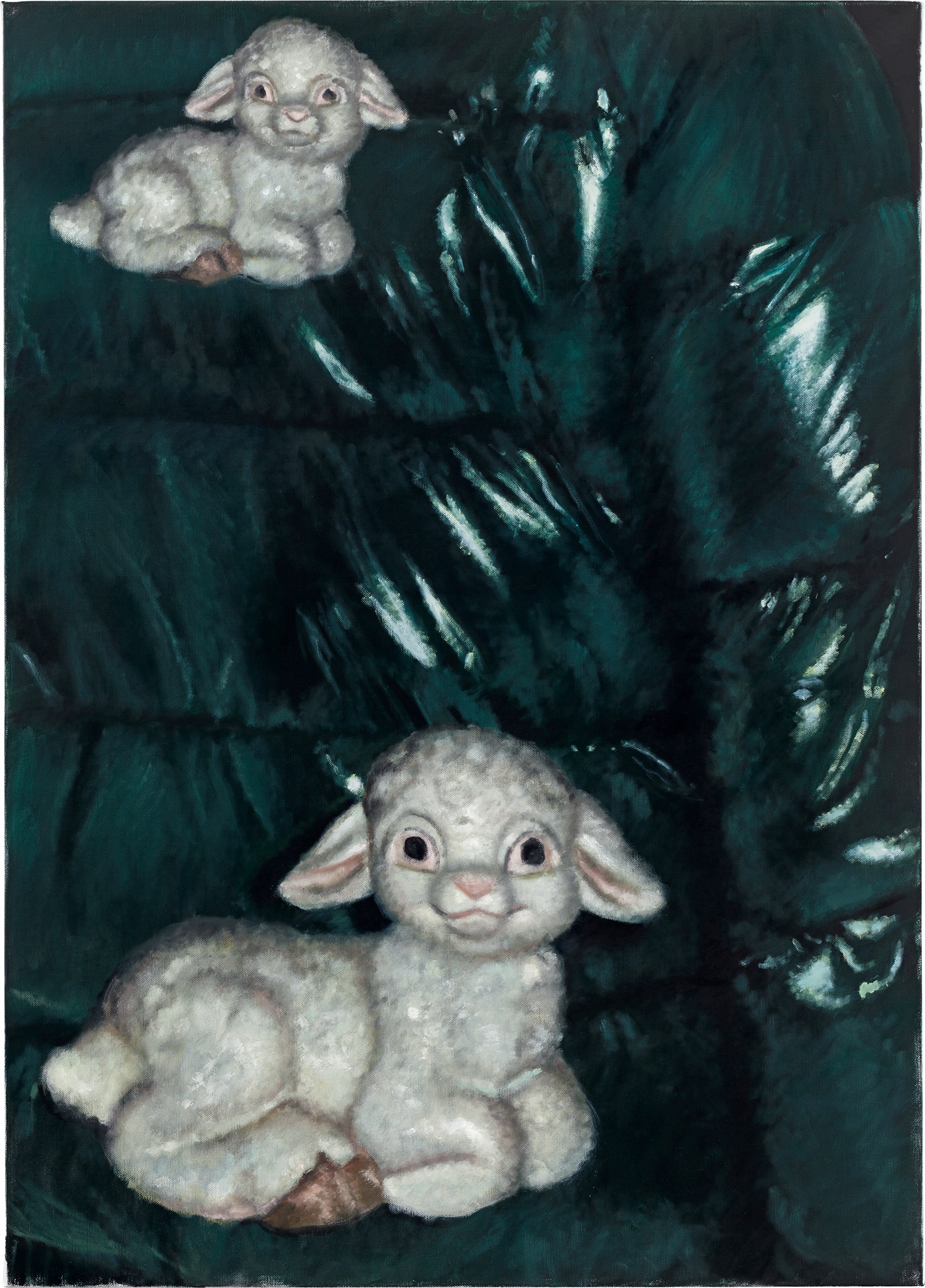
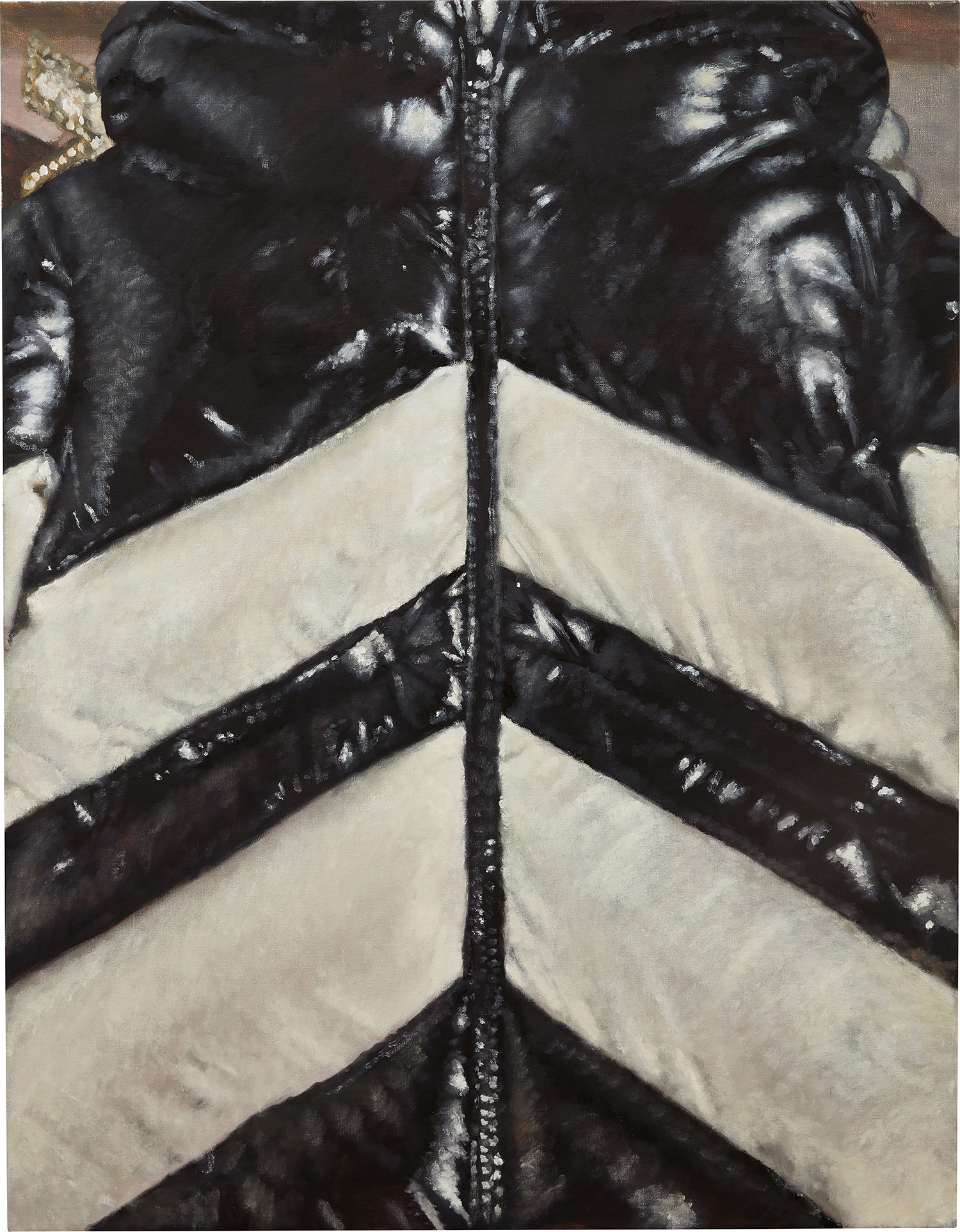
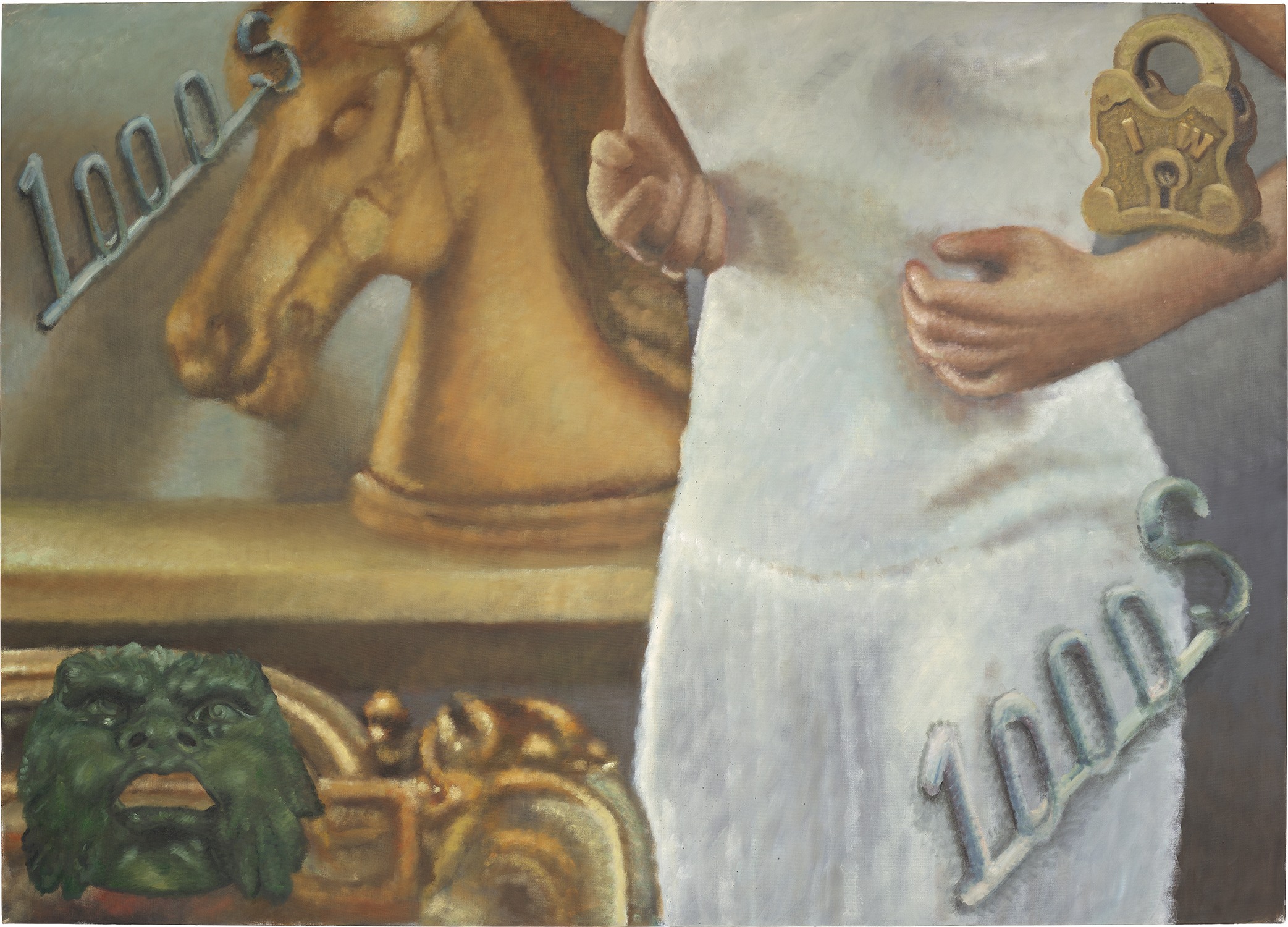
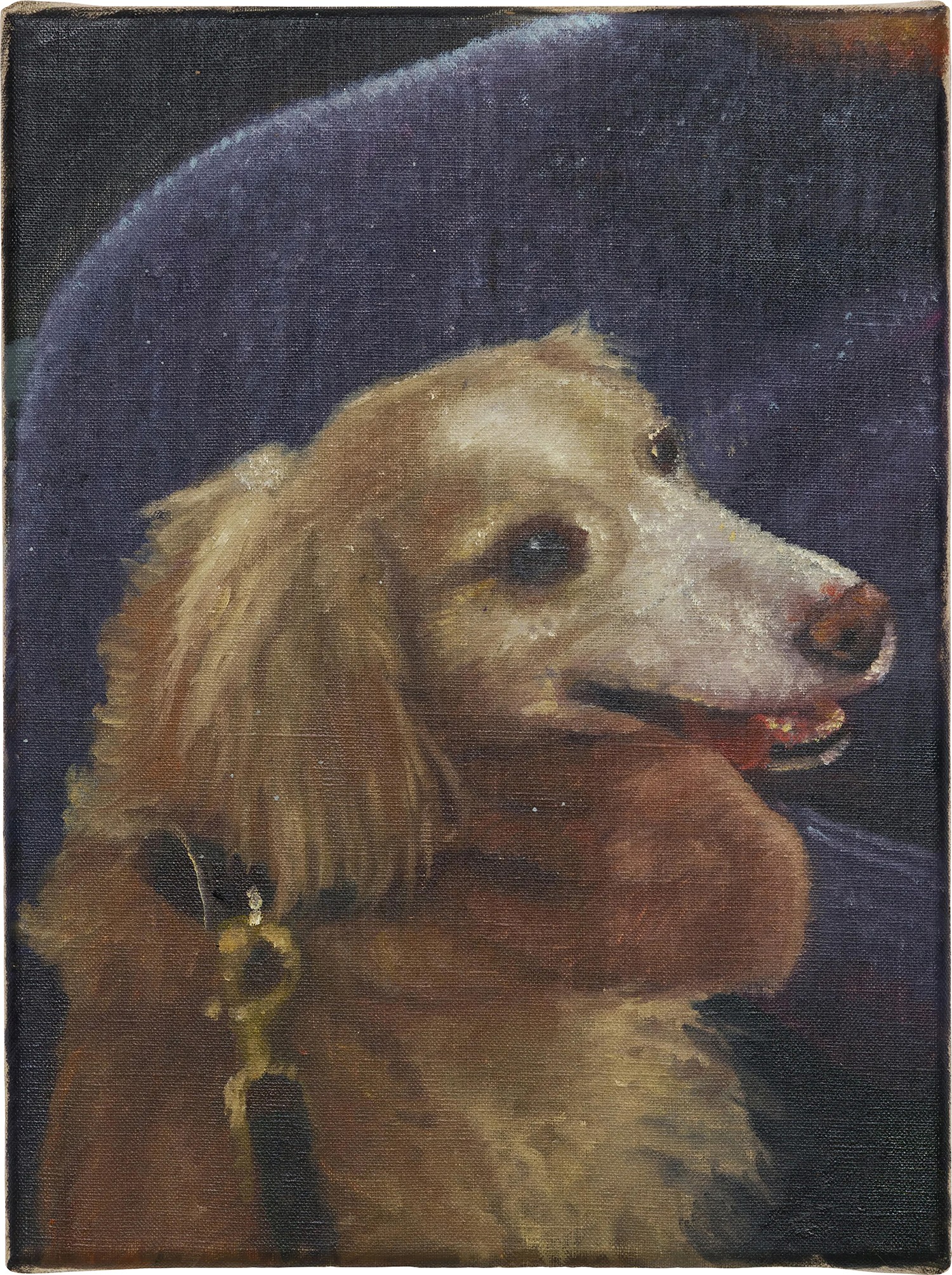
Something shifted quietly but decisively in contemporary painting when Issy Wood began showing her work in London. Her exhibitions at Carlos/Ishikawa, the fiercely respected east London gallery that has long championed some of the most vital painting in Britain, introduced a voice that was immediately recognizable and entirely unlike anyone else working today. Collectors responded with unusual urgency, the kind that gallery directors describe in careful, understated tones as extraordinary demand. Within just a few years of her emergence, Wood had secured a parallel relationship with Luhring Augustine in New York, one of the most storied galleries in the American market, cementing her position not merely as a promising figure but as a fully formed and genuinely important painter operating at the highest level of the international art world. Wood was born in 1993 and holds the kind of dual identity that seems to have sharpened her vision considerably. American by birth and British by formation and sensibility, she carries within her practice a transatlantic fluency, an ability to read the coded languages of aspiration, luxury, and comfort that circulate freely across both cultures. She studied at the Royal College of Art in London, an institution with a distinguished history of producing painters who resist easy categorization. That training gave her access to a rigorous conceptual framework while doing nothing to blunt the seductive immediacy of her imagery. From the beginning, Wood seemed to understand exactly what she wanted to paint and why it mattered. The development of her practice has centered on a deceptively simple but genuinely radical set of choices. She works predominantly in oil on velvet, a support that most trained painters would instinctively avoid, because velvet absorbs light rather than reflecting it, giving painted surfaces a particular quality of depth and softness that feels less like looking at a picture and more like looking into one. The tactile richness of the ground becomes part of the meaning. When Wood paints a car interior, a pendant, a pair of hands, or a luxury object with this technique, the velvety surface does something that canvas cannot quite do: it makes the painted object feel genuinely covetable, genuinely strange, genuinely alive with the complex emotions that surround ownership and desire. She also works on linen, and the shift between the two supports tracks something interesting in her thinking, with linen lending a slightly cooler, more analytic quality to compositions that benefit from a measure of critical distance. Among her most celebrated works, the 2019 painting Cadillac / car interior stands as a landmark statement. Rendered on velvet in oil with a precision that borders on the meditative, the image of a car interior becomes a study in class aspiration, in the grammar of luxury that American culture exports so effortlessly around the world. The Seductress from 2017, also on velvet, announced very early that Wood was interested in figures and objects as interchangeable carriers of desire, that the gaze she brings to a jeweled clasp and the gaze she brings to a human presence are equally attentive and equally unsentimental. Vanity Project Deadline, another 2017 work on velvet, plays with the tension between glamour and effort in a way that feels both funny and genuinely melancholy. The No Big Deal from 2020 and Dog With Pendants (Not as Close) from the same year show a painter at full confidence, constructing images that reward extended looking with layer upon layer of psychological suggestion. The bilingual titles that appear in some works, including The Asp in Clasp and Untitled (are you gonna be warm enough), add a further dimension of wit and cross cultural awareness that feels entirely contemporary. For collectors, Wood represents something that the market consistently values most highly: a singular technique in service of a singular vision. There is no question when you are looking at an Issy Wood. The airbrush inflected quality of her paint handling, the specific palette she favors, the way objects seem to float in a slightly airless space that is neither domestic nor theatrical but somehow both, all of this constitutes a visual signature that is immediately legible and deeply considered. Early works on velvet from 2017 and 2019 carry particular historical importance as documents of a practice in formation, and collectors who acquired them in those years have watched institutional interest in Wood grow steadily and without interruption. Her works on linen, including The No Big Deal and The Asp in Clasp, offer a complementary entry point for those drawn to a slightly different register of her intelligence. As her international profile has expanded through Luhring Augustine and sustained critical attention in publications across Europe and North America, the secondary market for her work has reflected a broadening consensus about her significance. To understand Wood's place in art history, it helps to think about the long tradition of painters who have used the language of still life and the domestic interior to say things about power, gender, and economics that could not be said as directly any other way. She belongs to a lineage that runs through the cool conceptual surfaces of artists who treat the painted object as a proposition rather than a record, and she shares something with painters interested in the psychic weight of things, in what our possessions reveal about our fears and longings. At the same time, she is entirely of her moment, working in an era when the aesthetics of luxury are ubiquitous and when the relationship between image, desire, and consumption has never been more central to how we understand ourselves. Her willingness to find genuine beauty and genuine strangeness in the objects that surround contemporary life is not naive; it is a form of rigorous honesty. What makes Issy Wood matter today, beyond the considerable pleasures of her individual paintings, is the seriousness with which she takes the emotional complexity of ordinary wanting. She does not condescend to desire, and she does not celebrate it uncritically. She paints the places where beauty and anxiety meet, where a car interior becomes a meditation on status and a pendant becomes a question about what we think we are buying when we buy beautiful things. That is a genuinely difficult position to maintain in paint, and she maintains it with remarkable consistency and with what can only be described as love for the act of looking. For collectors who want to live with work that will continue to open up over years of attention, Wood is among the most rewarding painters working anywhere right now.