Metalwork
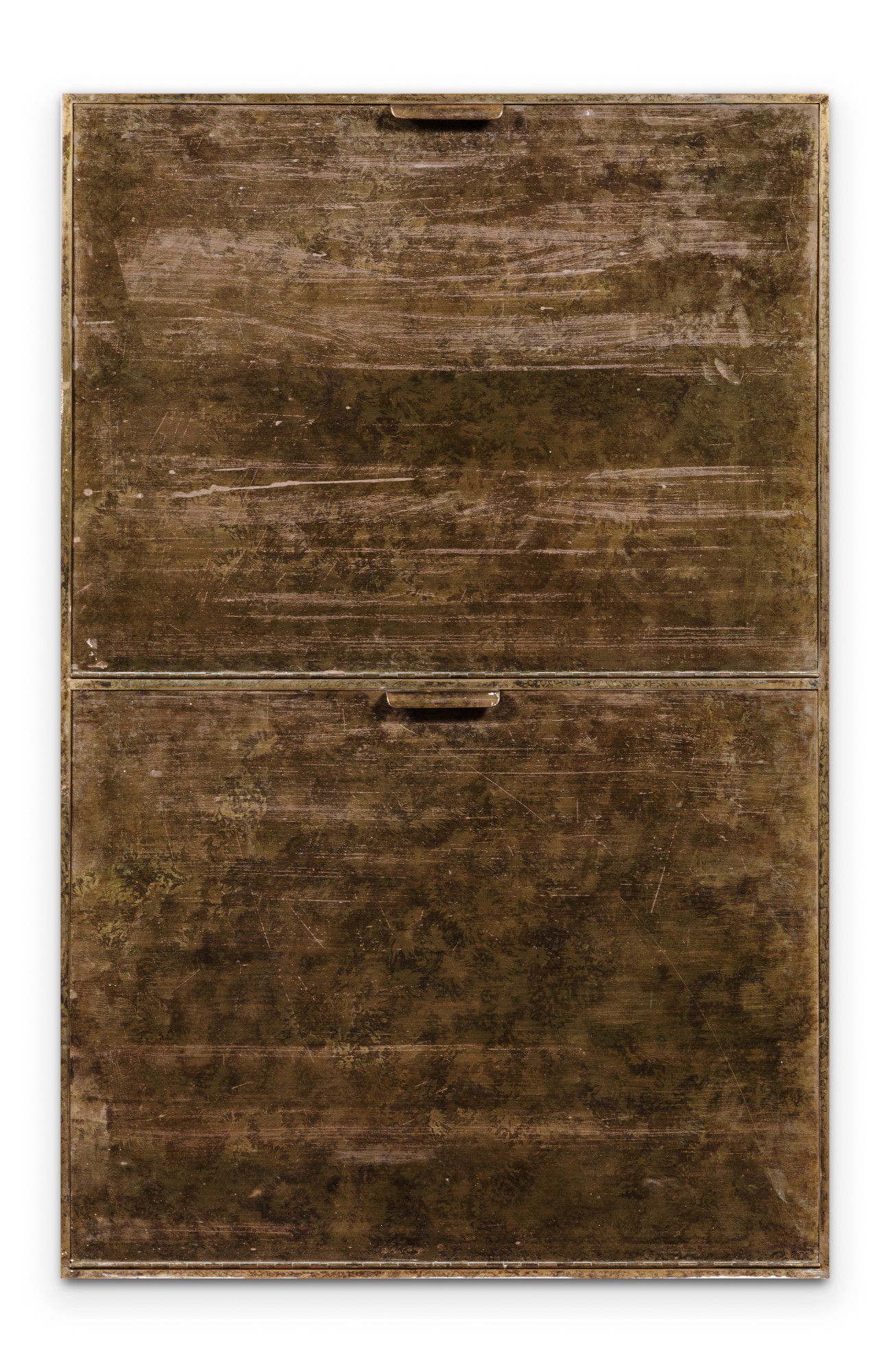
Eugène Printz
Two double doors, circa 1930


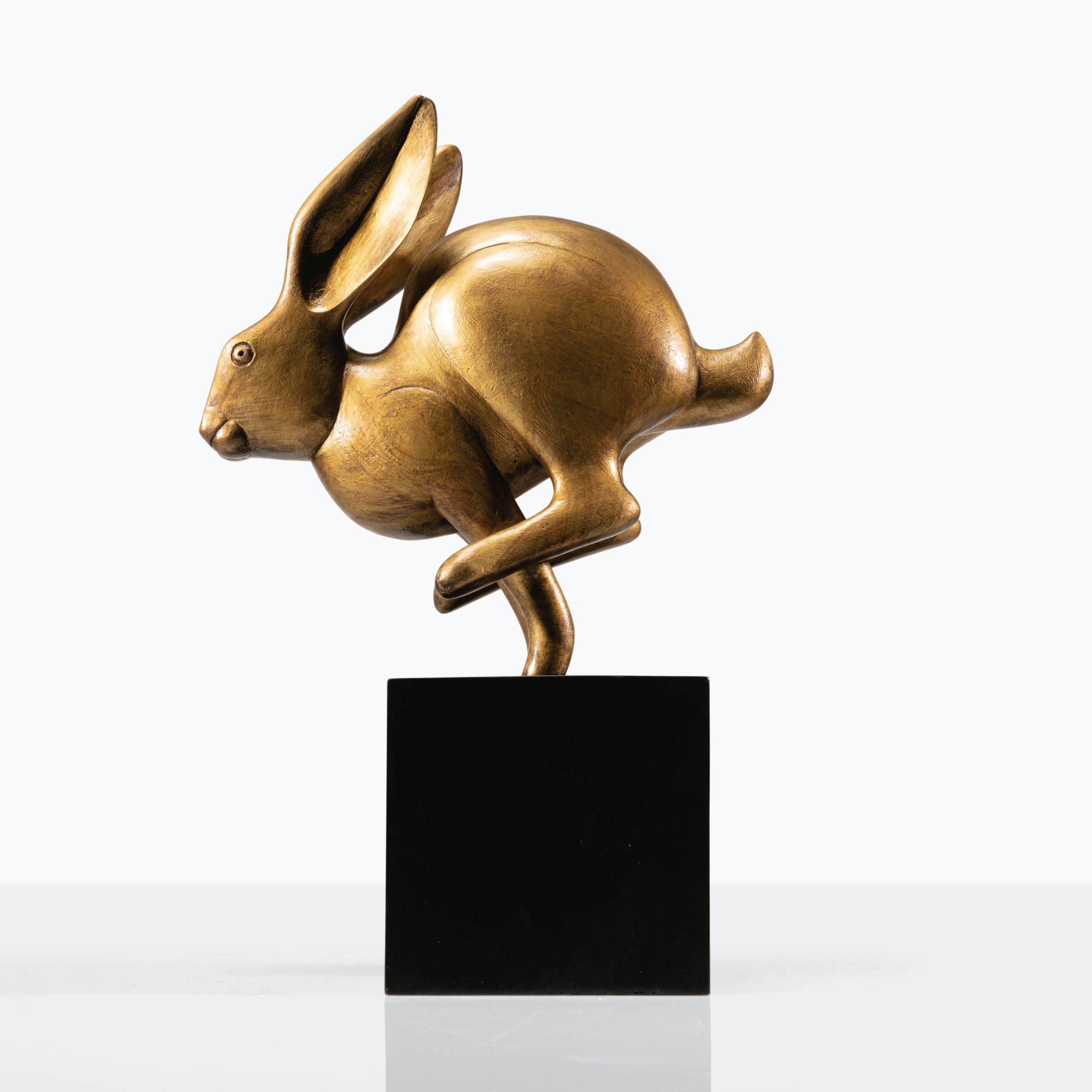
Metal Remembers Everything: A Living Art
There is something almost unreasonable about metalwork's grip on the human imagination. Across every civilization that has left a trace, people have taken ore from the earth, subjected it to extraordinary heat, and shaped it into objects that outlast stone buildings and painted surfaces. Bronze vessels from the Shang dynasty, Iron Age fibulae, Renaissance reliquaries, Art Nouveau fire screens the material is indifferent to period or geography. What changes is what we ask of it, and how much we are willing to invest in the asking.
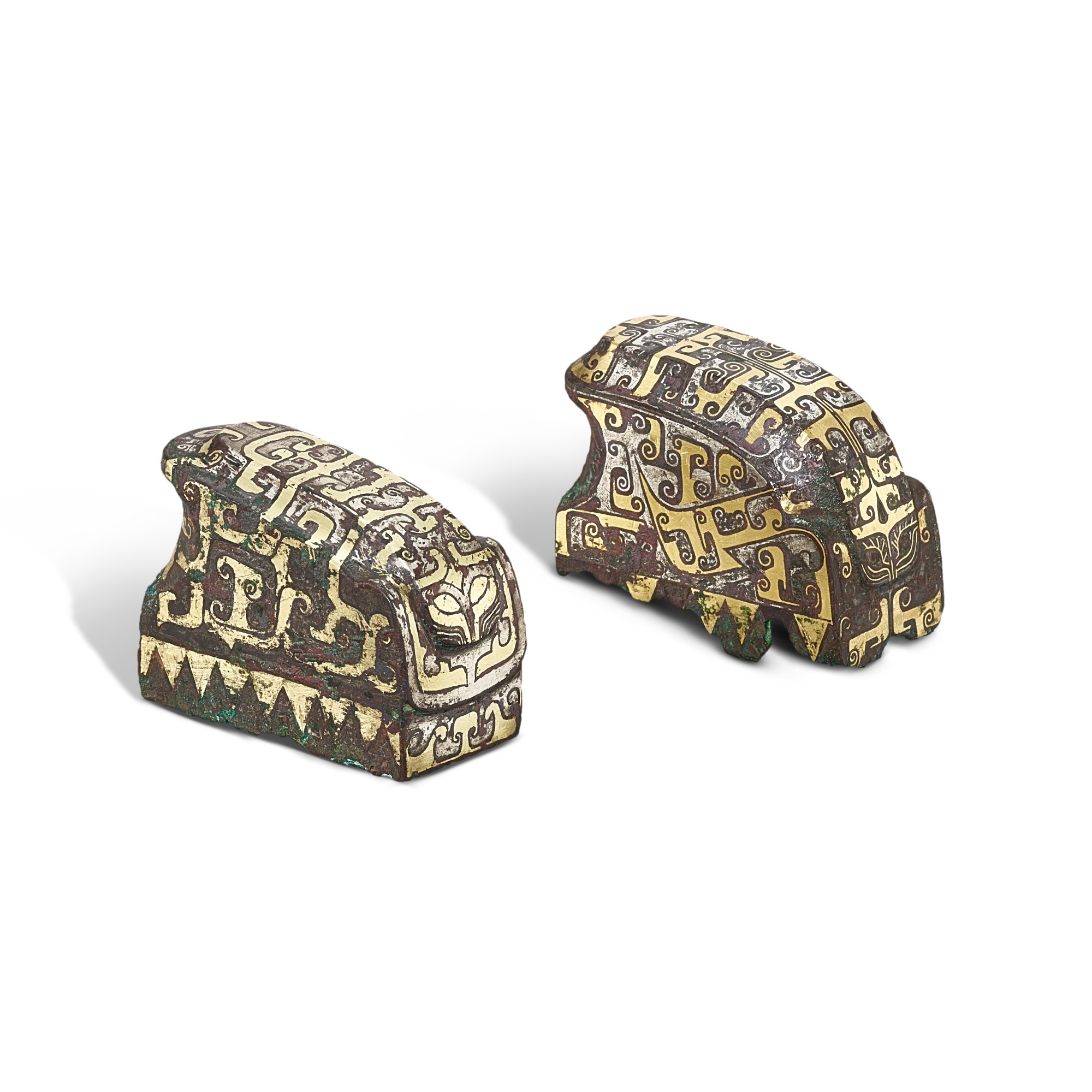
The earliest significant metalworking traditions emerged in the ancient Near East and China, where bronze casting achieved a sophistication that still astonishes metallurgists today. By around 1600 BCE, Chinese foundry workers were producing ritual bronzes of startling complexity, with interlocking forms and layered surface decoration that required a mastery of piece mold casting techniques developed over generations. These were not merely functional objects. They were cosmological instruments, meant to communicate between the living and the ancestral dead.
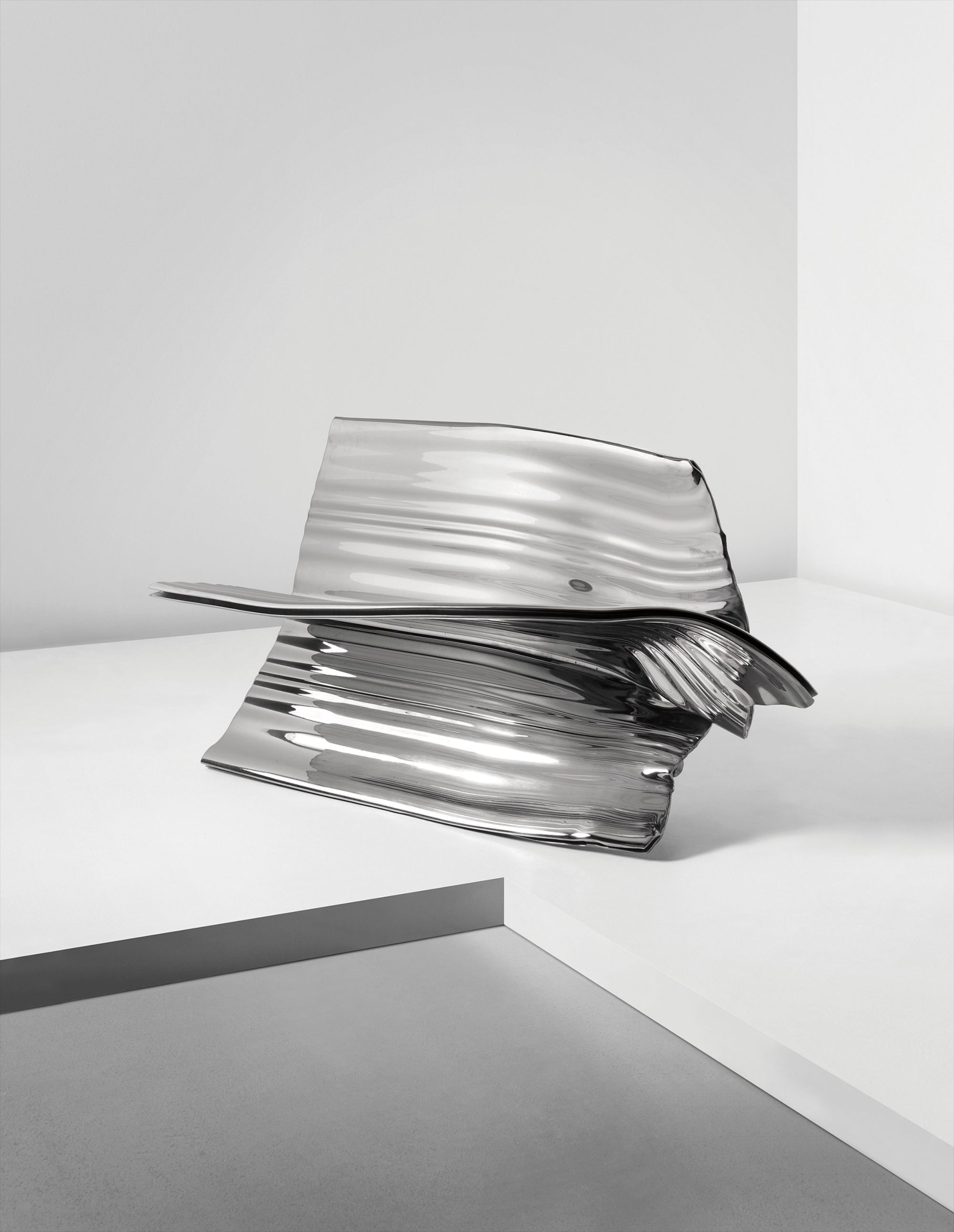
Thomas Heatherwick
"Extrusion" bench
The zoomorphic thogchags represented on The Collection, those small Tibetan cast objects of copper alloy used as protective amulets, belong to a related tradition in which metal carries spiritual charge, in which the form of an animal rendered in bronze is understood to possess real power over the world. The story of metalwork in the Western tradition has always moved between the sacred and the decorative, the monumental and the intimate. Medieval goldsmiths occupied a peculiar position in the social hierarchy, simultaneously revered for their skill and suspected of alchemical commerce with forbidden forces. By the Renaissance, the leading workshops of Florence and Nuremberg were producing bronze medals, plaquettes, and domestic objects that circulated among collectors and humanists as tokens of cultural ambition.
The Italian tradition of the sixteenth century, represented in The Collection, carried this sensibility into everything from armor fittings to ceremonial tableware, treating even utilitarian surfaces as occasions for mythological invention. The nineteenth century brought industrialization, which threatened to dissolve the distinction between craft and manufacture entirely. The response, when it came, was fierce and inventive. The Arts and Crafts movement in Britain and America insisted on the moral superiority of the handmade object, and blacksmiths like Samuel Yellin, working in Philadelphia in the early decades of the twentieth century, became celebrated for wrought iron work of genuine artistic ambition.
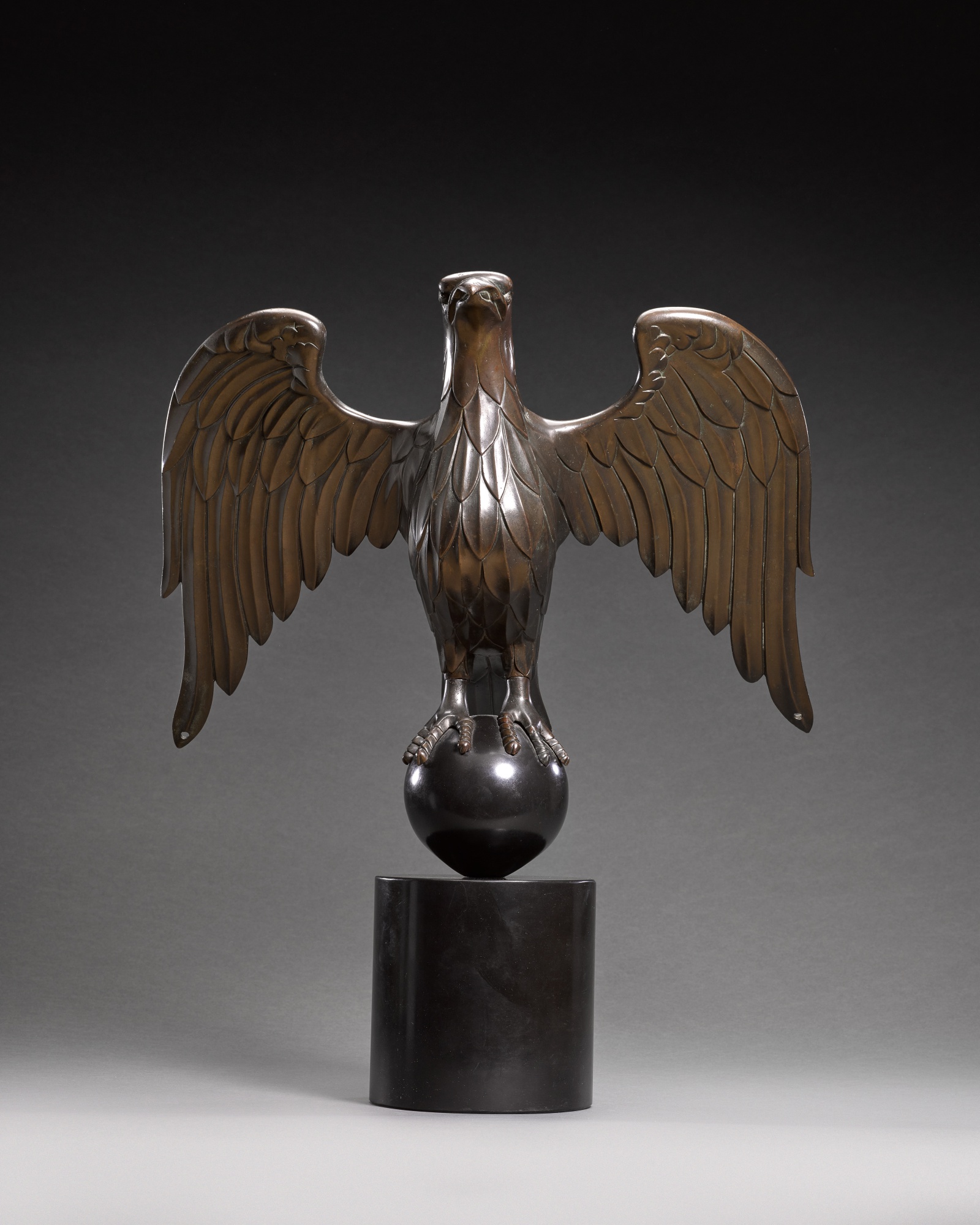
Southern German or Netherlandish, circa 1500
Southern German, or Netherlandish, circa 1500
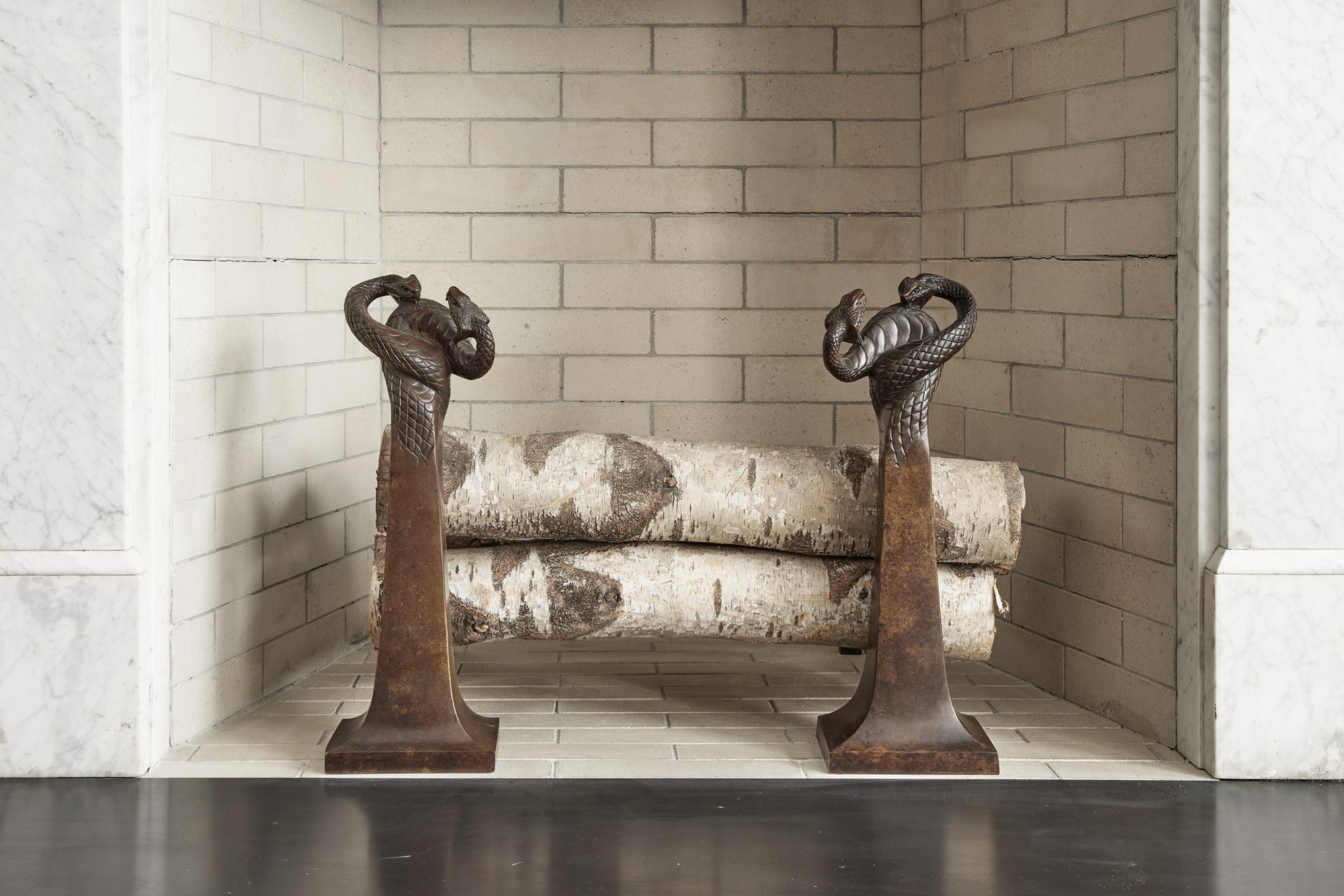
Yellin's commissions for banks, universities, and private houses treated architectural metalwork as a form of drawing in three dimensions, his iron gates and railings unfolding in naturalistic tendrils and figures with a freedom that factory production could never approach. His work, present on The Collection, is a reminder that the most radical thing a craftsman could do in the age of the machine was to make the handmade mark visible. Art Nouveau transformed the language of metalwork by treating organic form not as decoration applied to a surface but as the structural logic of the object itself. Edgar Brandt, working in Paris during the 1920s, became perhaps the defining figure of Art Deco ironwork, his autogenous welding technique allowing for a fluidity of form that earlier smiths could only approximate.
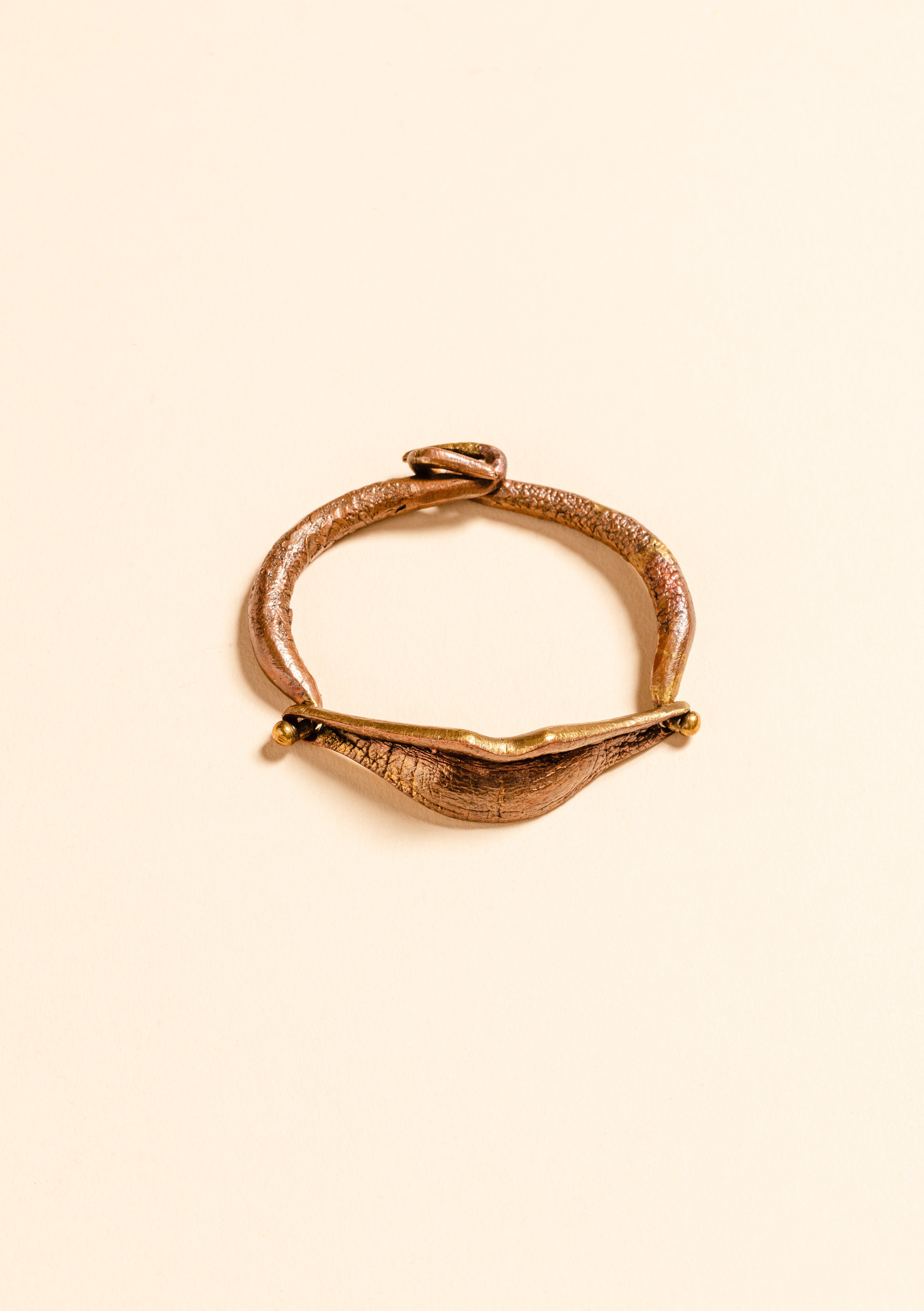
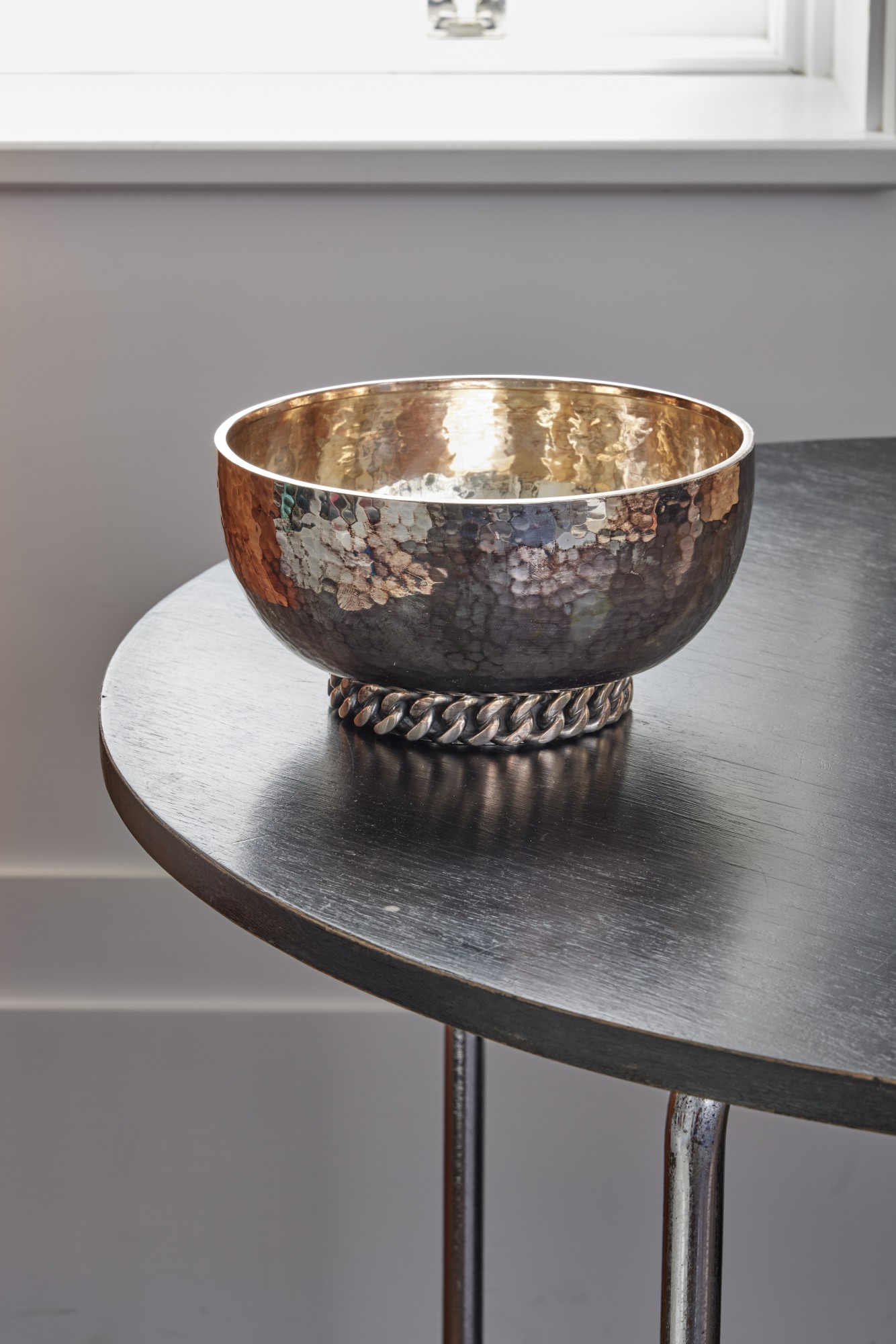
Jean Puiforcat reimagined silver as a vehicle for geometric purity, producing vessels of such restrained elegance that they still read as contemporary. Jean Després brought a more industrial sensibility to jewelry and small objects, his hammered surfaces celebrating the mark of making rather than concealing it. Josef Hoffmann at the Wiener Werkstätte approached metalwork as part of a total design philosophy, in which a silver bowl and an interior were understood as expressions of the same visual intelligence. Jean Goulden, less famous but deeply interesting, worked in champlevé enamel and silver to create objects that sit somewhere between icon and instrument.
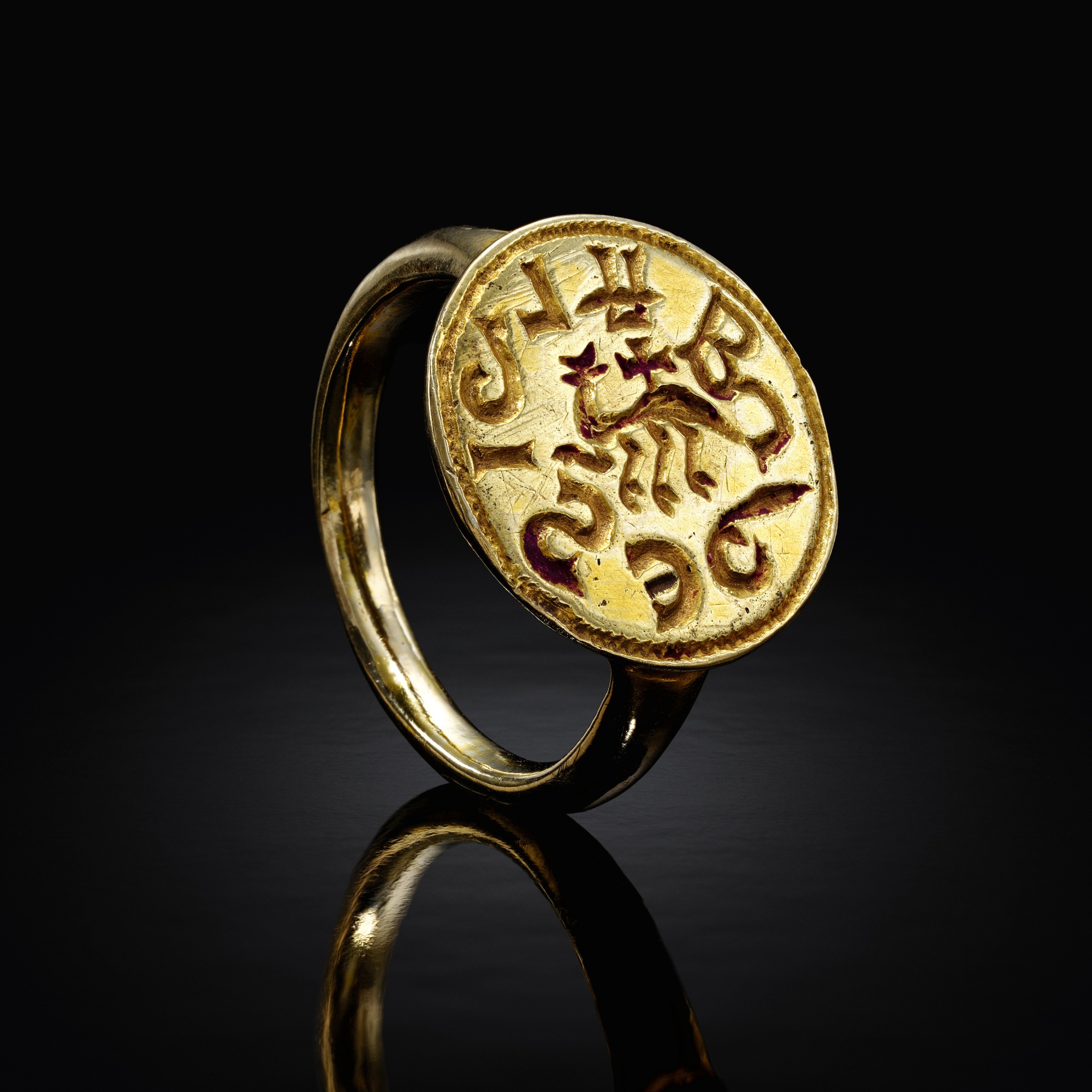
Carolingian, circa 800 A.D.
Ring
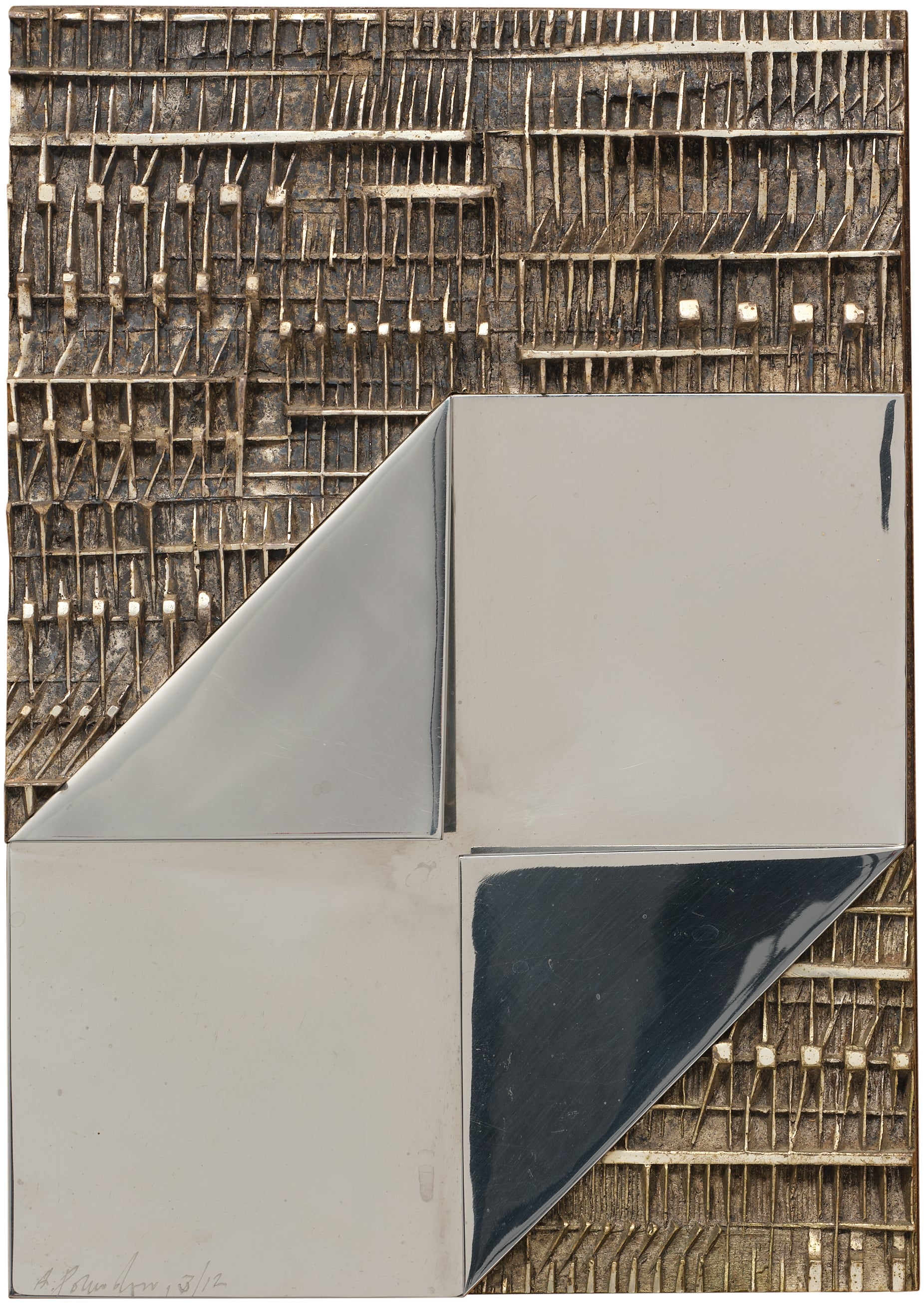
The postwar decades brought a new conceptual seriousness to metalwork that unsettled the old boundaries between fine art and applied art. Arnaldo Pomodoro, the Italian sculptor whose career spans from the late 1950s to the present, made bronze the medium for an extended meditation on surface and interior, his large spheres and cylinders cracked open to reveal complex mechanical interiors that read as both ancient and futuristic. Carl Auböck, working in Vienna, produced objects in brass and leather that resist easy categorization, too formally rigorous to be called merely decorative, too functionally minded to be called pure sculpture. Pablo Picasso worked in metal with characteristic irreverence, his sheet metal sculptures of the late 1950s and 1960s treating the material as something to be cut and folded rather than cast, drawing in space with the casual authority of a man who had already reinvented everything else.
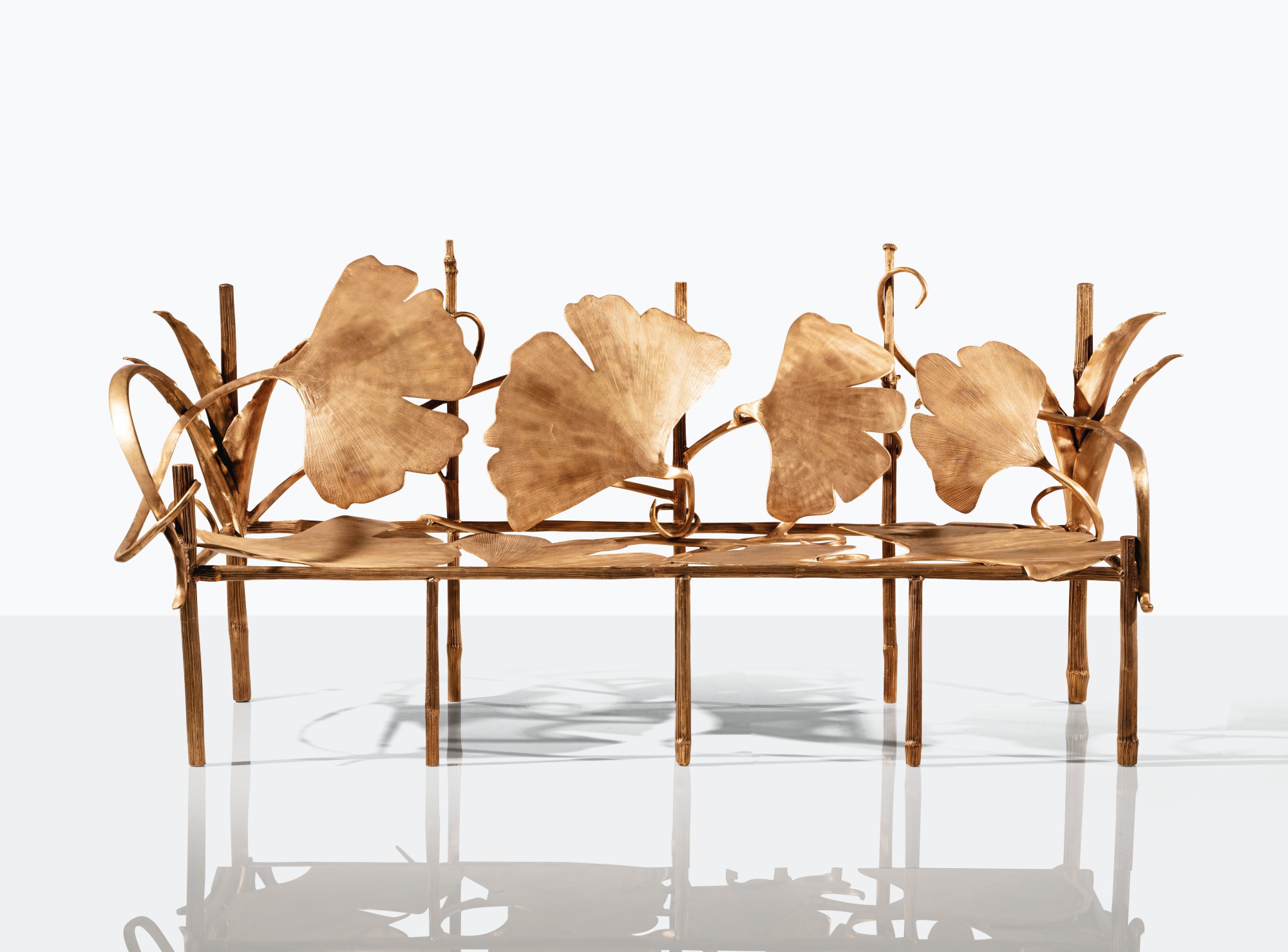
The Lalanne studio represents one of the most sustained and beloved investigations of metalwork in the second half of the twentieth century. Claude Lalanne and François Xavier Lalanne worked in bronze, lead, and copper to produce objects that collapsed the distinction between the animal kingdom and the domestic environment, their sheep stools and crocodile benches occupying a space between surrealism and functional design that remains entirely their own. Claude's electroplated bronze work, in which real leaves and natural forms were captured in metal through an electrolytic process, carries a particular kind of poignancy: nature frozen in metal, permanent and transient at once. Both artists are well represented on The Collection, and their work rewards close attention in the context of the longer history sketched here.
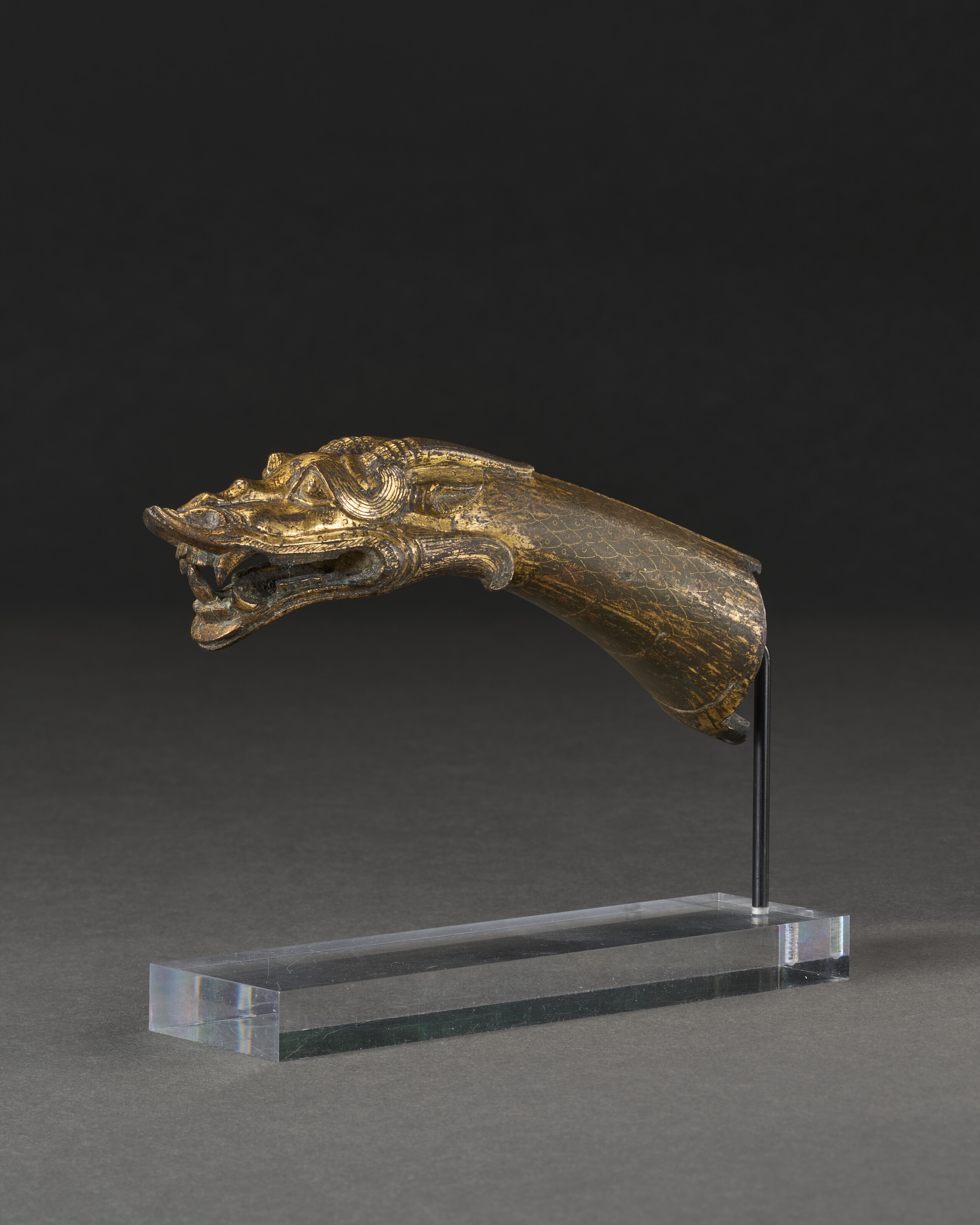
A Gilt-bronze Dragon-head Finial
HAN DYNASTY (206 BC-AD 220)
Contemporary artists continue to find in metal a material that is neither neutral nor predictable. Hervé van der Straeten works in gilded brass and bronze to produce furniture and objects of theatrical intensity, while Nazar Bilyk uses metal as a vehicle for figuration of extraordinary emotional weight. Rudolf Stingel's engagement with metalwork touches on ideas of surface, memory, and the passage of time in ways that feel continuous with the deepest concerns of the tradition. What connects a Shang dynasty ritual vessel to a contemporary bronze figure is not style or period but something more fundamental: the conviction that what we make from the earth, and how carefully we make it, is a measure of what we believe about the world.