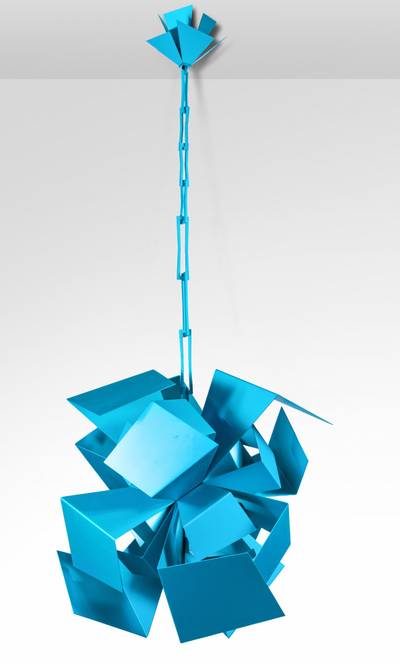
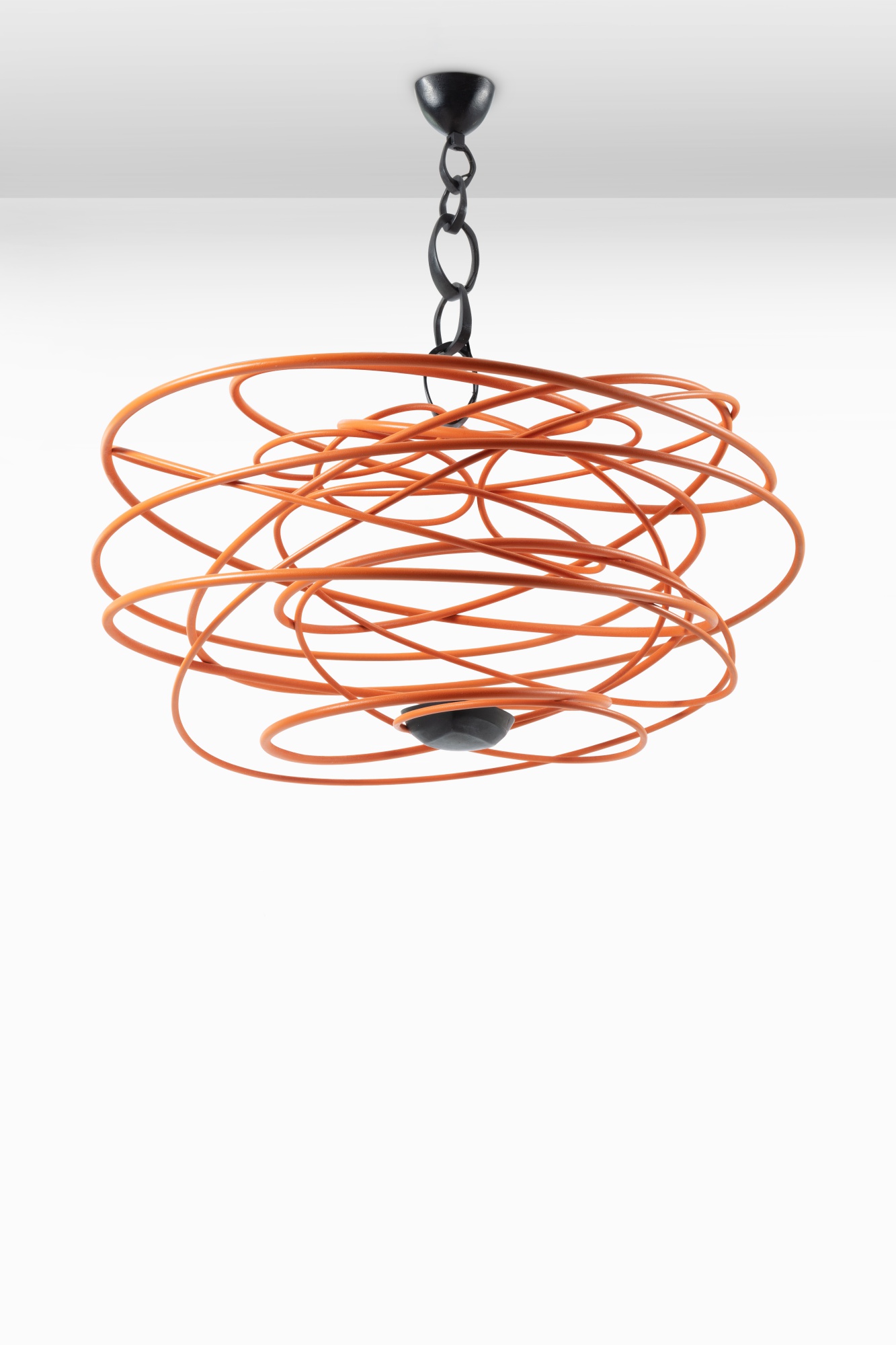
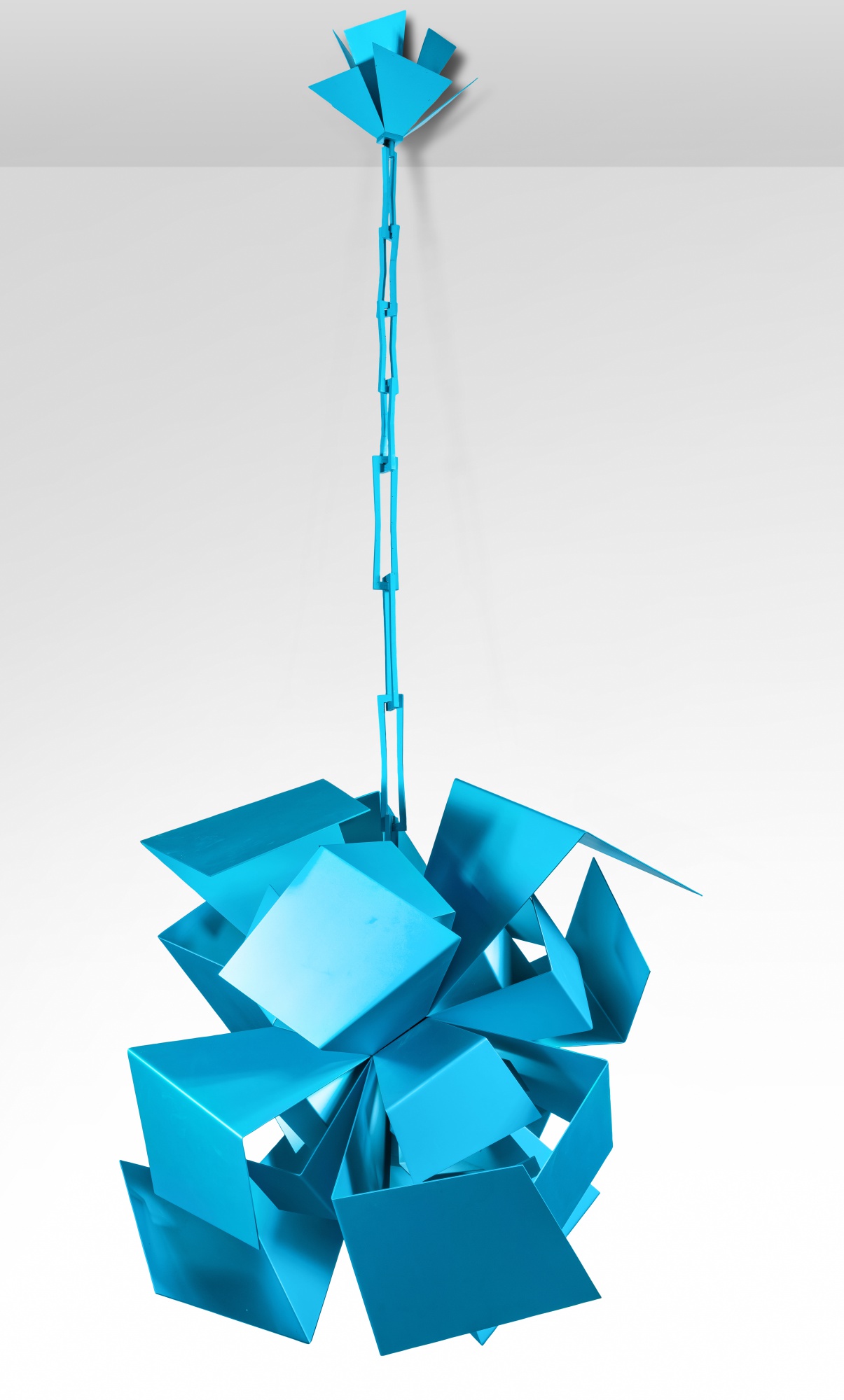
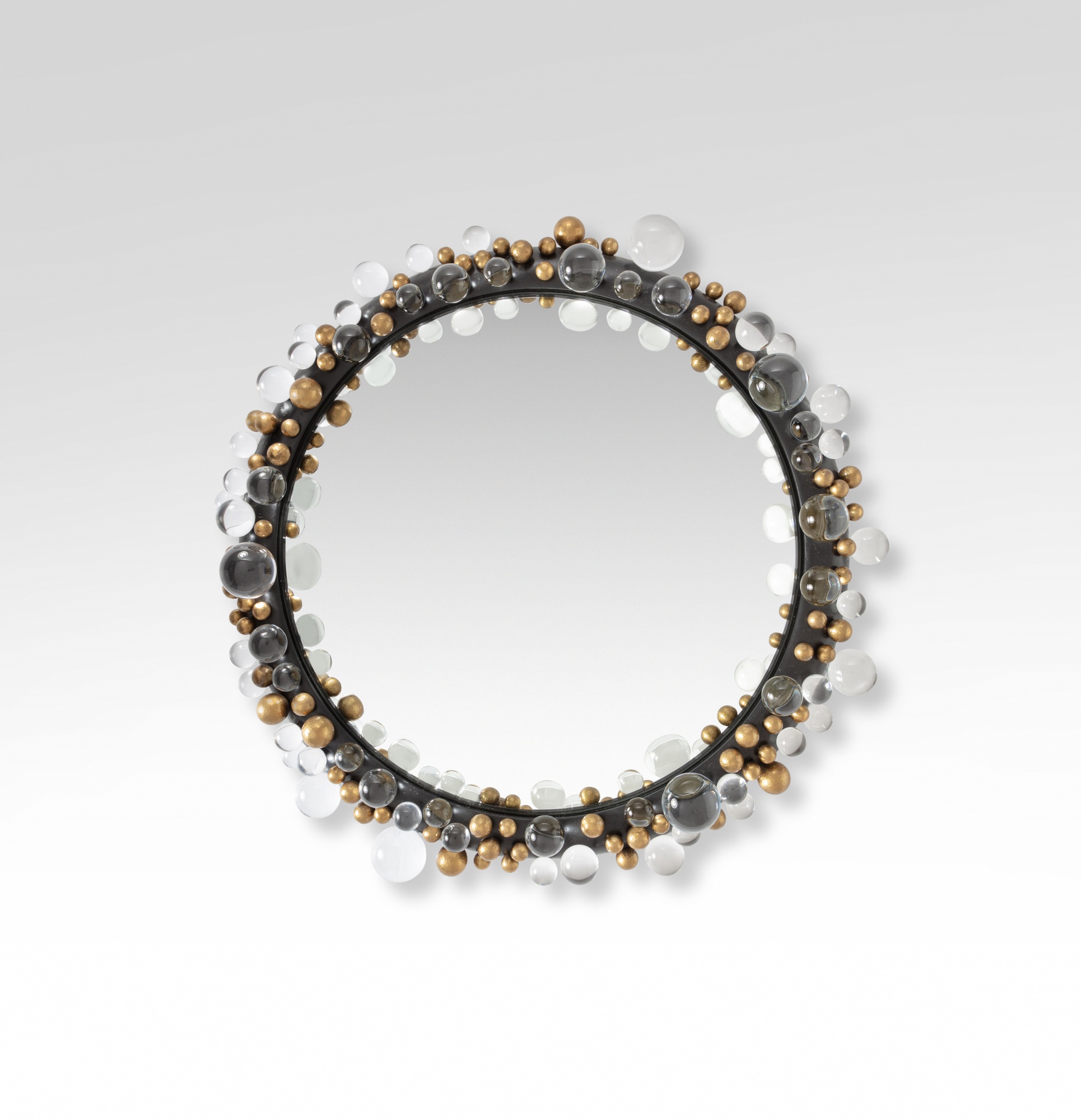
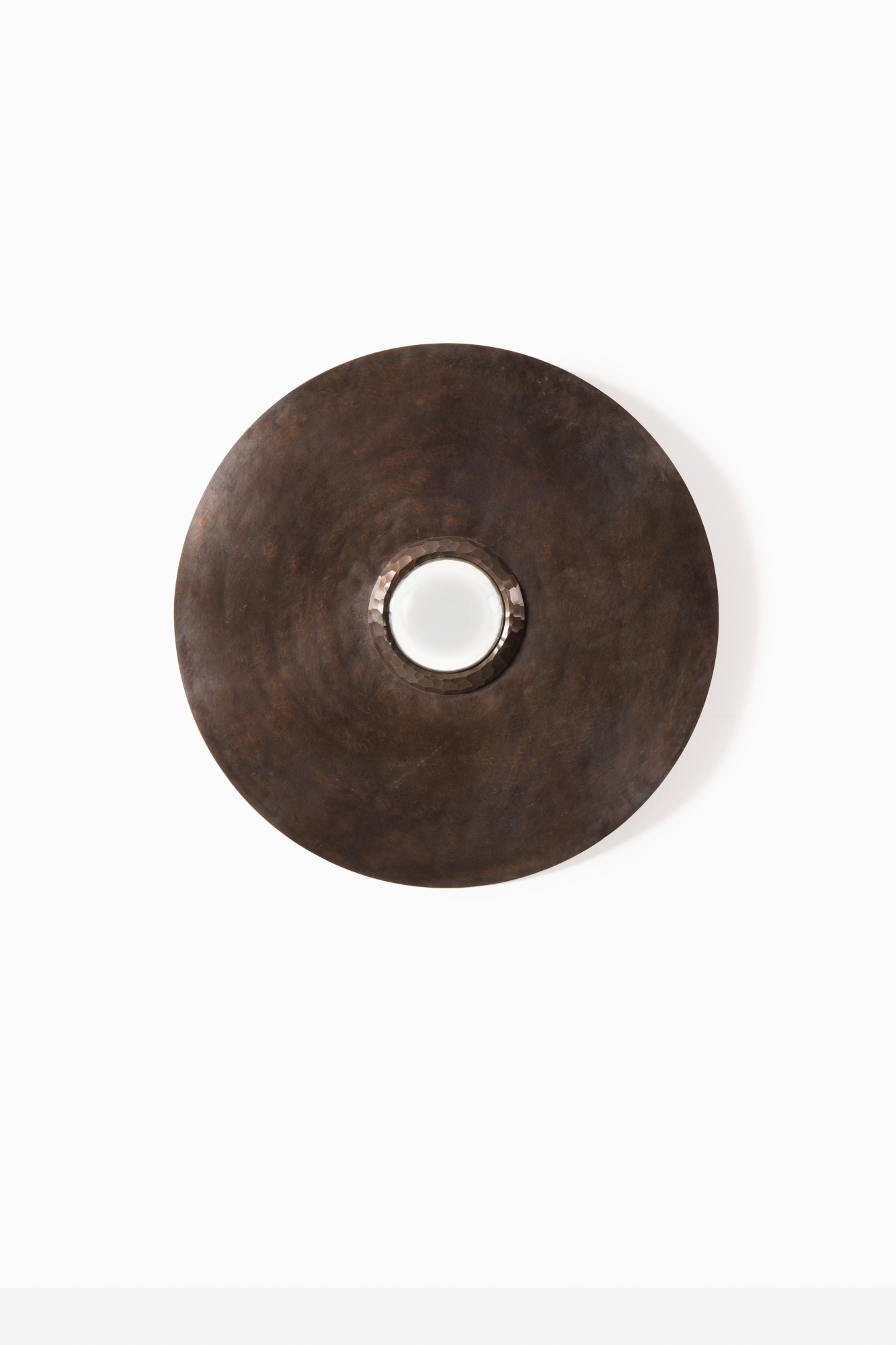
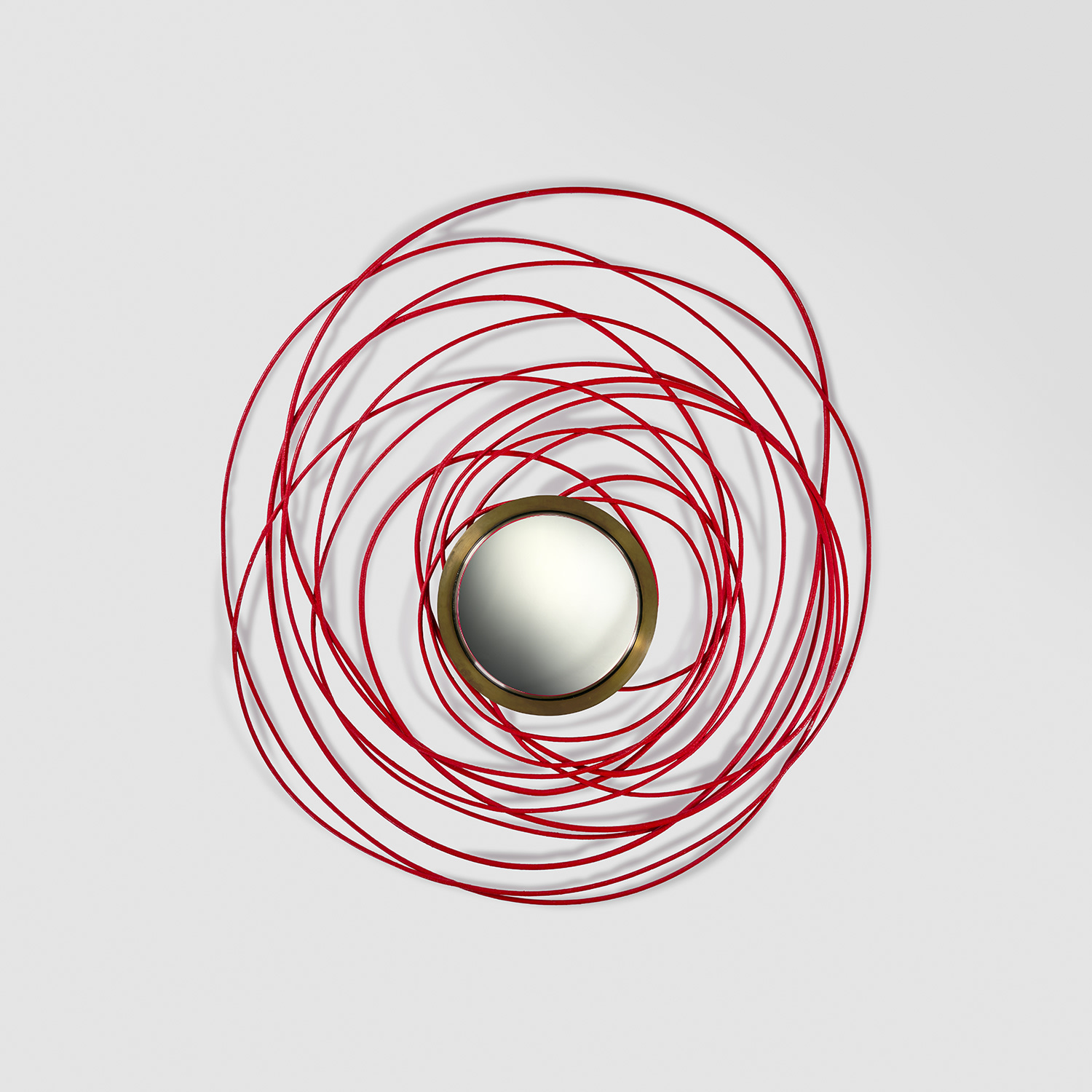
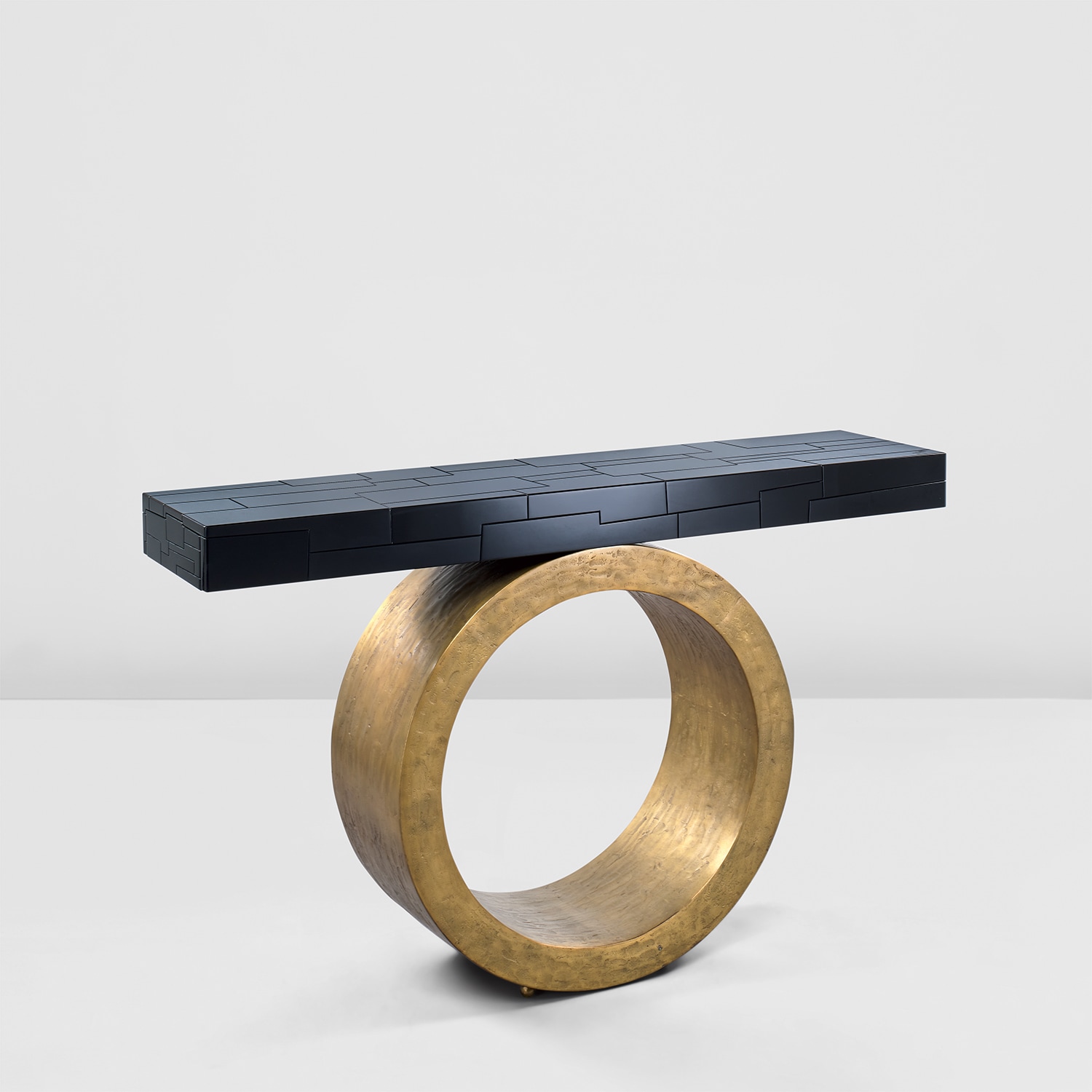
In the grand salons of Paris and the white cube galleries of New York and London, a quiet revolution in decorative arts has been unfolding for decades, and Hervé van der Straeten stands at its gilded center. His work has appeared at FIAC and Design Miami, and his pieces are held by serious collectors who understand that the boundary between art and object is, in his hands, gloriously irrelevant. To encounter a van der Straeten mirror, console, or chandelier in the flesh is to feel the full weight of his conviction: that furniture and jewelry and sculpture are not separate disciplines but a single, continuous conversation about beauty, materiality, and the human need to be surrounded by things that thrill. Van der Straeten was born in France in 1965, and his formation was shaped by the particular richness of French craft culture, a tradition that has always insisted on the nobility of the made object. He came of age in a milieu where the distinction between the fine and the decorative arts was treated with appropriate skepticism, and where the grandes maisons of Paris still upheld standards of metalwork, gilding, and patination that traced back centuries. These were not abstract influences. They became the vocabulary of his hands. He trained initially as a jewelry designer, learning first at the intimate scale of the body, understanding how metal catches light and how weight and volume create presence even in miniature. His early career in jewelry was formative in ways that would later prove transformative. Working at the scale of a brooch or a cuff, he developed an acute sensitivity to how gilded metals age and shift, how patination creates depth rather than simply surface, and how a form can be simultaneously baroque in its ambition and precise in its execution. These were lessons he carried directly into furniture design when he made the pivotal decision to expand his practice in the late 1980s and into the 1990s. The move was not a departure so much as a scaling up, an application of jeweler's thinking to the proportions of a room. His furniture, from its earliest iterations, carried the density and intention of objects made to be worn close to the skin. The works that define his mature practice are among the most distinctive objects in contemporary French design. The Anneau console table, model number 206, created in 2002 in ebonised pearwood and patinated bronze, exemplifies his method: two noble materials in dialogue, the darkness of the wood playing against the warm, complex surface of the bronze, the whole thing sitting in a room with the authority of a sculpture and the functionality of furniture. The Miroir Pelote, model number 360, created in 2004 in lacquered steel, bronze, and mirrored glass, is a work of extravagant invention, its surface suggesting both the ordered geometry of modernism and the exuberant excess of the seventeenth century at once. The Miroir Fizzy, model number 485, in patinated bronze, crystal, gilded varnish hammered brass, and convex mirror, carries his signature approach to reflective surfaces into something approaching the theatrical. These mirrors are not simply functional. They are propositions about what it means to see oneself inside a room full of beautiful things. His lighting works extend this vision into three dimensions and into light itself. The Suspension modèle 350, known as Confusion and created as a unique piece in pigmented steel and patinated bronze, occupies that rare category of object that genuinely resists categorization. It is a chandelier in the way that a Brancusi is a sculpture: technically accurate as a label, but insufficient as a description. The Lustre Aomitsu, in anodized aluminum, demonstrates his willingness to move across materials with ease, embracing the industrial cool of aluminum while investing it with his characteristic sense of ceremony and scale. His Miroir number 134, in patinated brass and bronze with a convex mirror, rounds out a body of work in reflective objects that has become one of his most celebrated contributions to the applied arts. For collectors, van der Straeten represents a compelling proposition. His work occupies a space that the most thoughtful collectors have come to prize: objects of genuine artistic ambition that also function in a domestic environment, that improve with living alongside them, and that carry the kind of craft integrity that ensures they will matter in twenty years as much as they do today. His unique pieces command particular attention at auction and in the secondary market, where his signed works in patinated bronze and gilded metal have demonstrated consistent desirability. Collectors drawn to the work of Line Vautrin, Diego Giacometti, or Claude Lalanne will find in van der Straeten a natural contemporary counterpart, an artist working in the same tradition of the objet d'art as a category of serious artistic expression, but with an entirely distinctive formal language. The lineage is worth tracing carefully. Van der Straeten belongs to a tradition that includes not only those French masters of the decorative object but also the broader history of the Gesamtkunstwerk, the idea that an artist might design everything in an environment to create a unified aesthetic world. There are echoes of Art Nouveau's insistence on the beauty of craft, of Art Deco's love of gilded metal and dramatic form, and of postwar French design's commitment to materials handled with intelligence and care. Yet his work never reads as nostalgic or derivative. It is fully of its own moment, informed by historical awareness but driven by a genuinely contemporary sensibility about luxury, excess, and the pleasures of the handmade. What matters most about Hervé van der Straeten, in the end, is that he has spent decades insisting that beauty is a serious pursuit, that the decorative arts deserve the full force of artistic intelligence, and that a mirror or a console table can be as moving as a painting if it is made with sufficient conviction and skill. His studio in Paris continues to produce work that rewards close attention and long acquaintance. For collectors building environments rather than simply assembling objects, his work offers something increasingly rare: a genuine point of view, rendered in metal and glass and wood, that transforms whatever space it inhabits.