Luxury
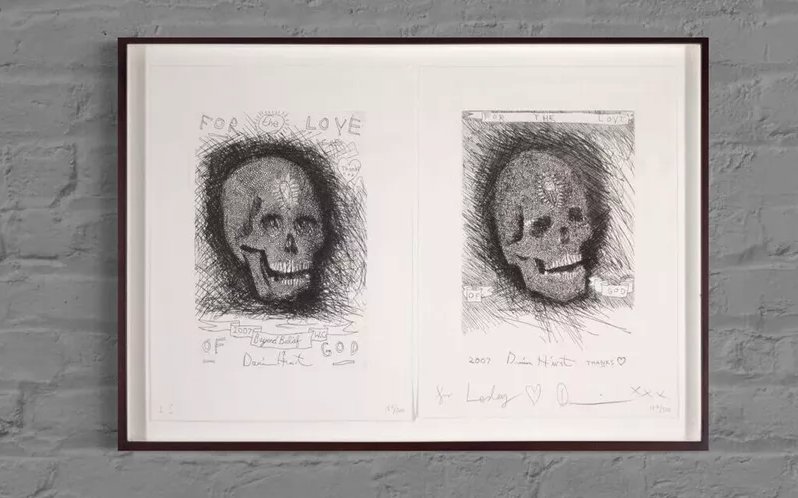
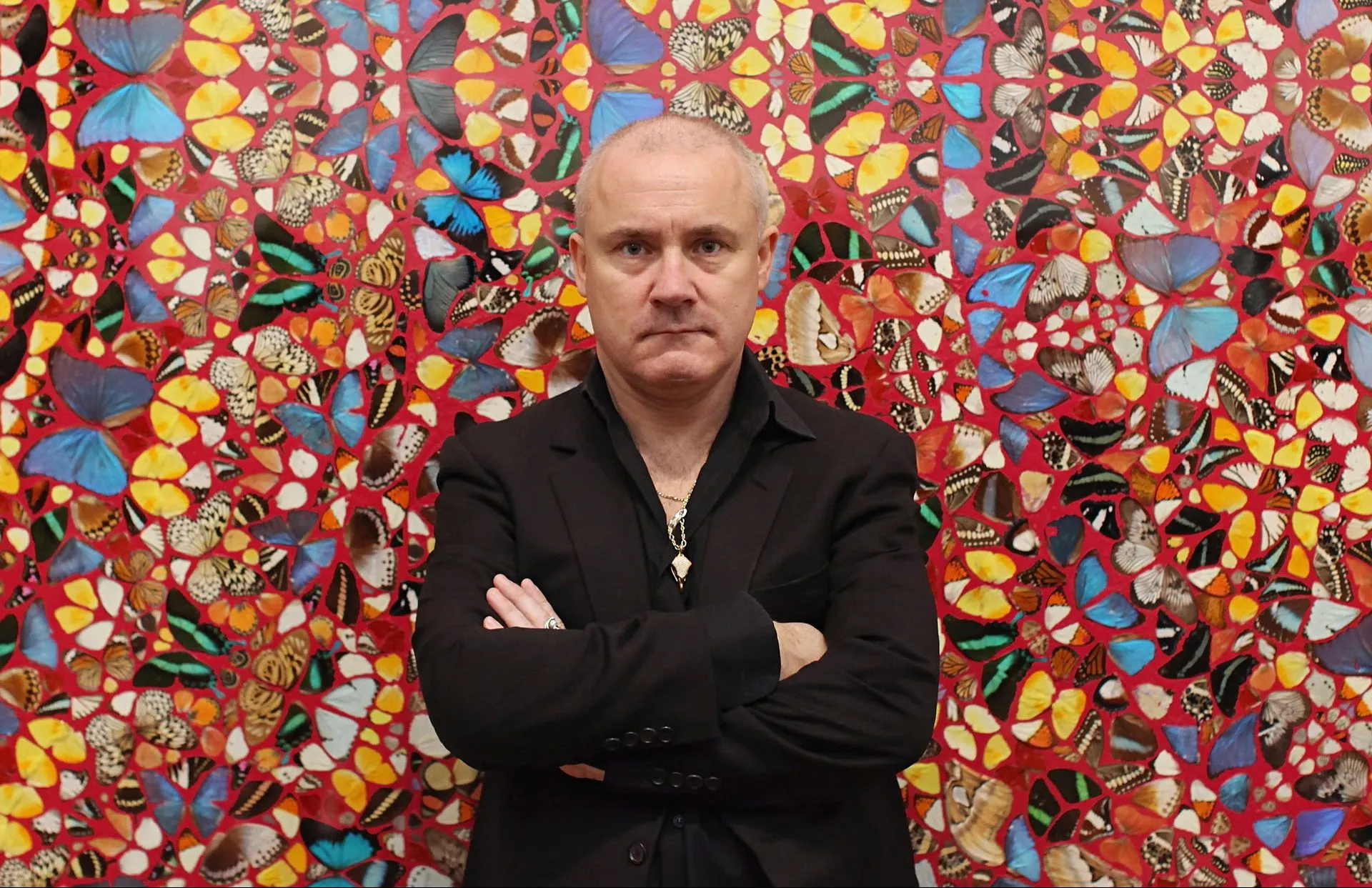
Damien Hirst
For the Love of God & Beyond Belief (Diptych), 2007
Luxury Has Never Been More Contested
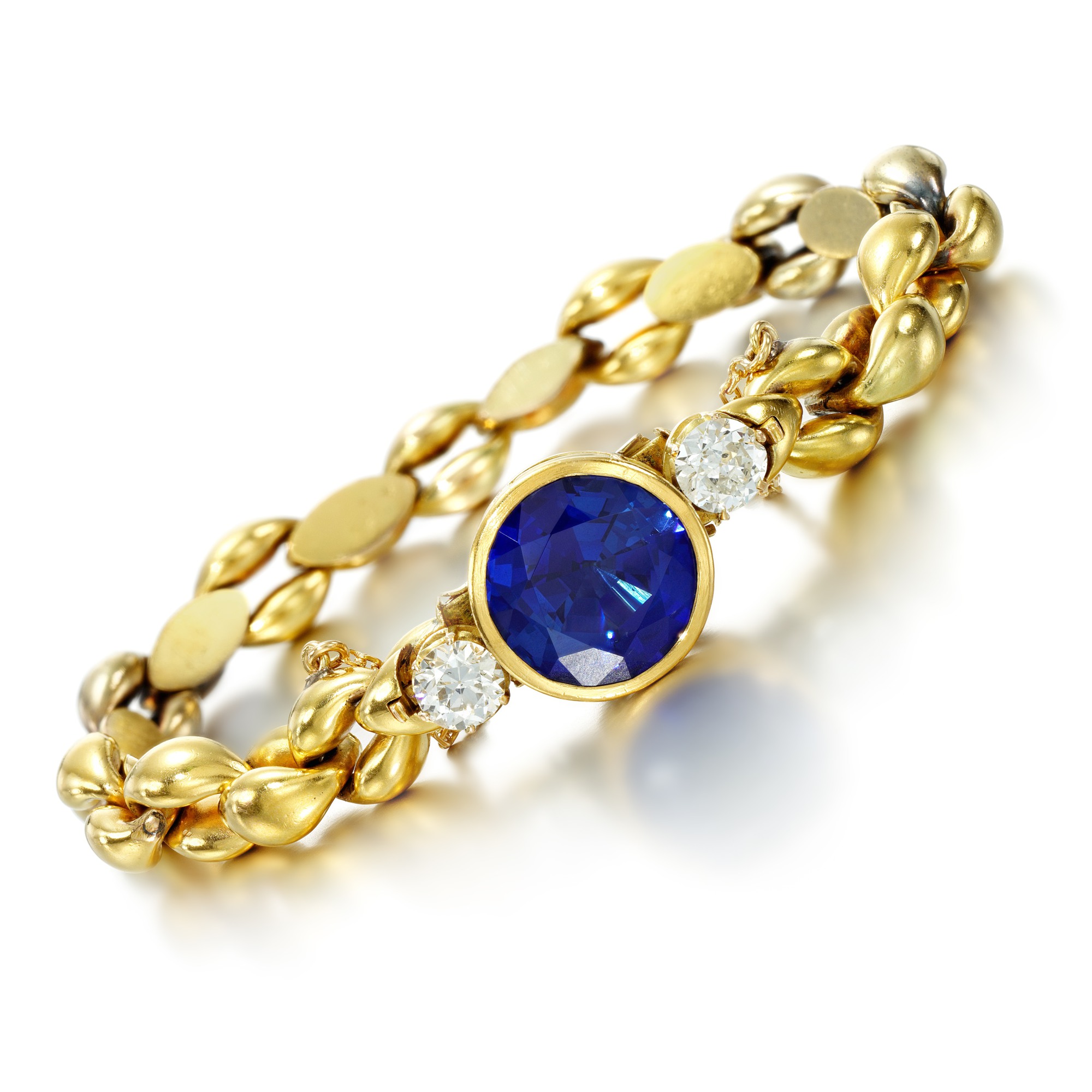
When a Fabergé egg pendant crafted around 1900 by workmaster Feodor Afanassiev sells at auction today, it does not sell as a relic. It sells as an argument. The argument is about permanence, about the idea that certain objects exist outside of time and outside of fashion, accruing meaning rather than shedding it. The appetite for this kind of object has not slackened.
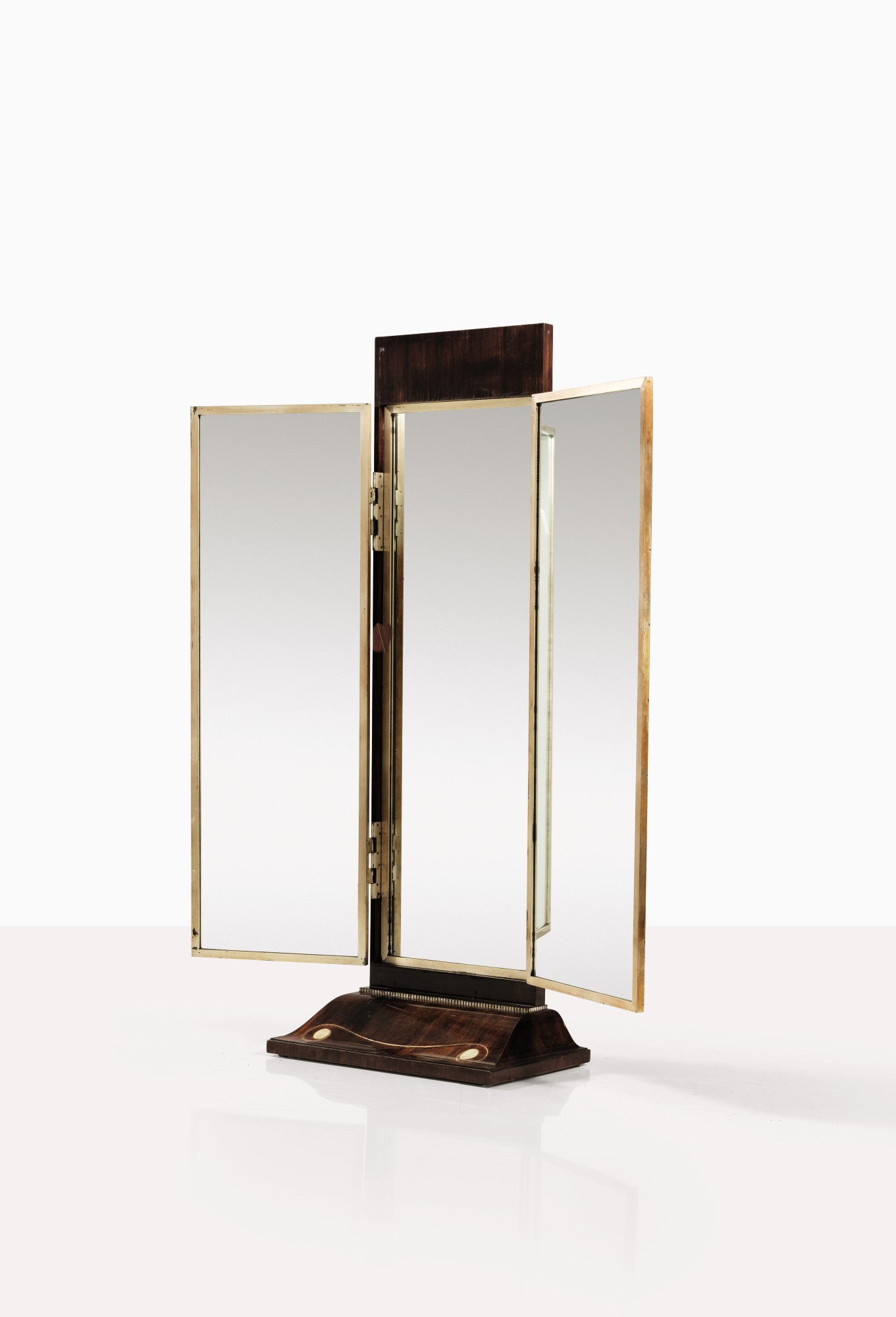
If anything, the market for luxury at the level of genuine rarity has grown sharper and more discerning in the years since the pandemic reshuffled collector priorities and pushed people toward things that felt honestly, undeniably real. The critical conversation around luxury and art has been running hot for at least a decade, but it reached something like a fever pitch around 2019 when the Musée des Arts Décoratifs in Paris mounted a sweeping reconsideration of Art Deco interiors and the figures who defined them. Émile Jacques Ruhlmann, whose lacquered furniture commands extraordinary sums at Christie's and Sotheby's, was central to that reappraisal. His work, along with that of Jean Dunand and the silversmith Jean Puiforcat, reminded a generation of younger collectors that the decorative arts had long sustained a conversation about beauty that fine art sometimes struggled to hold.
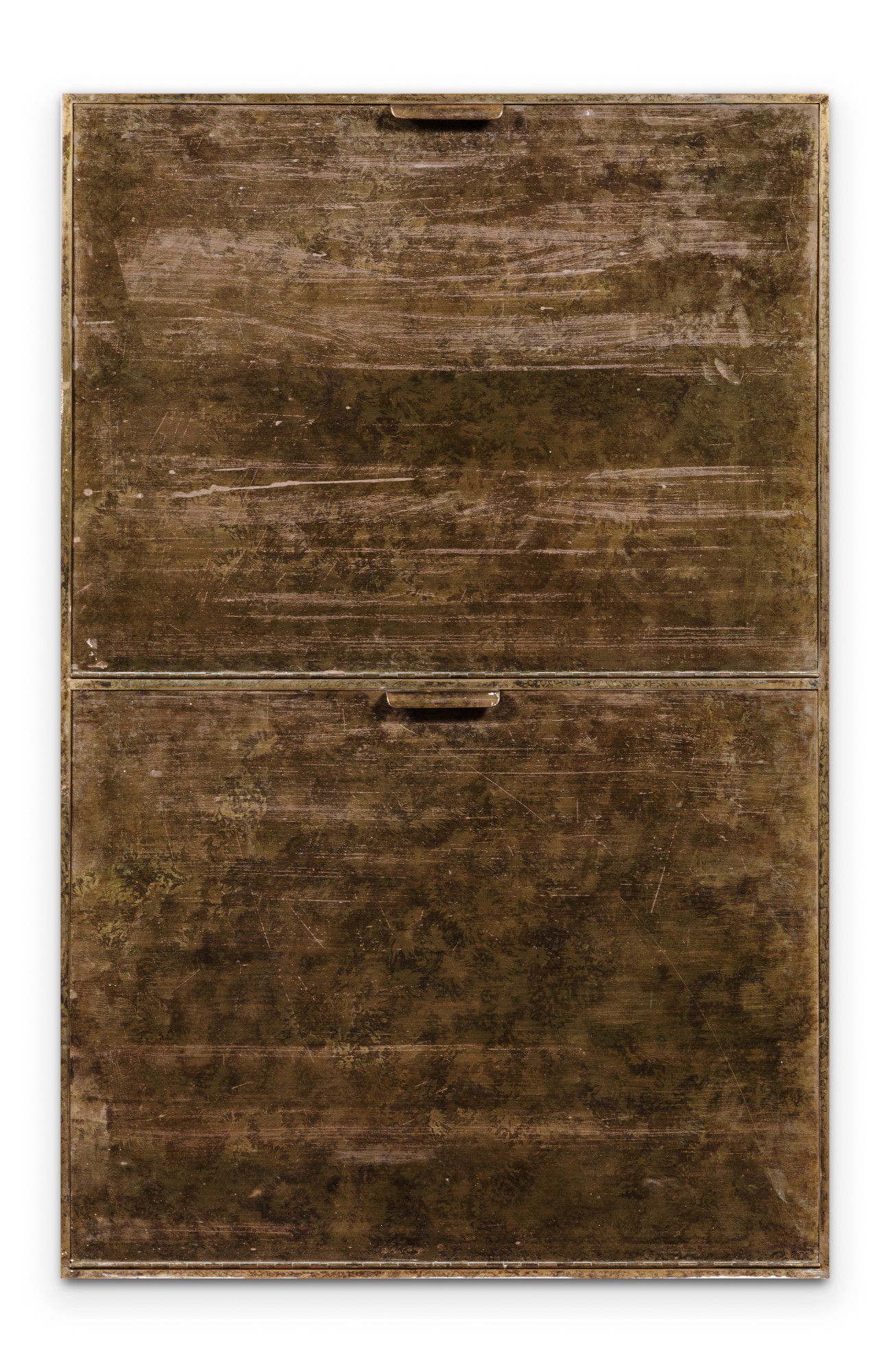
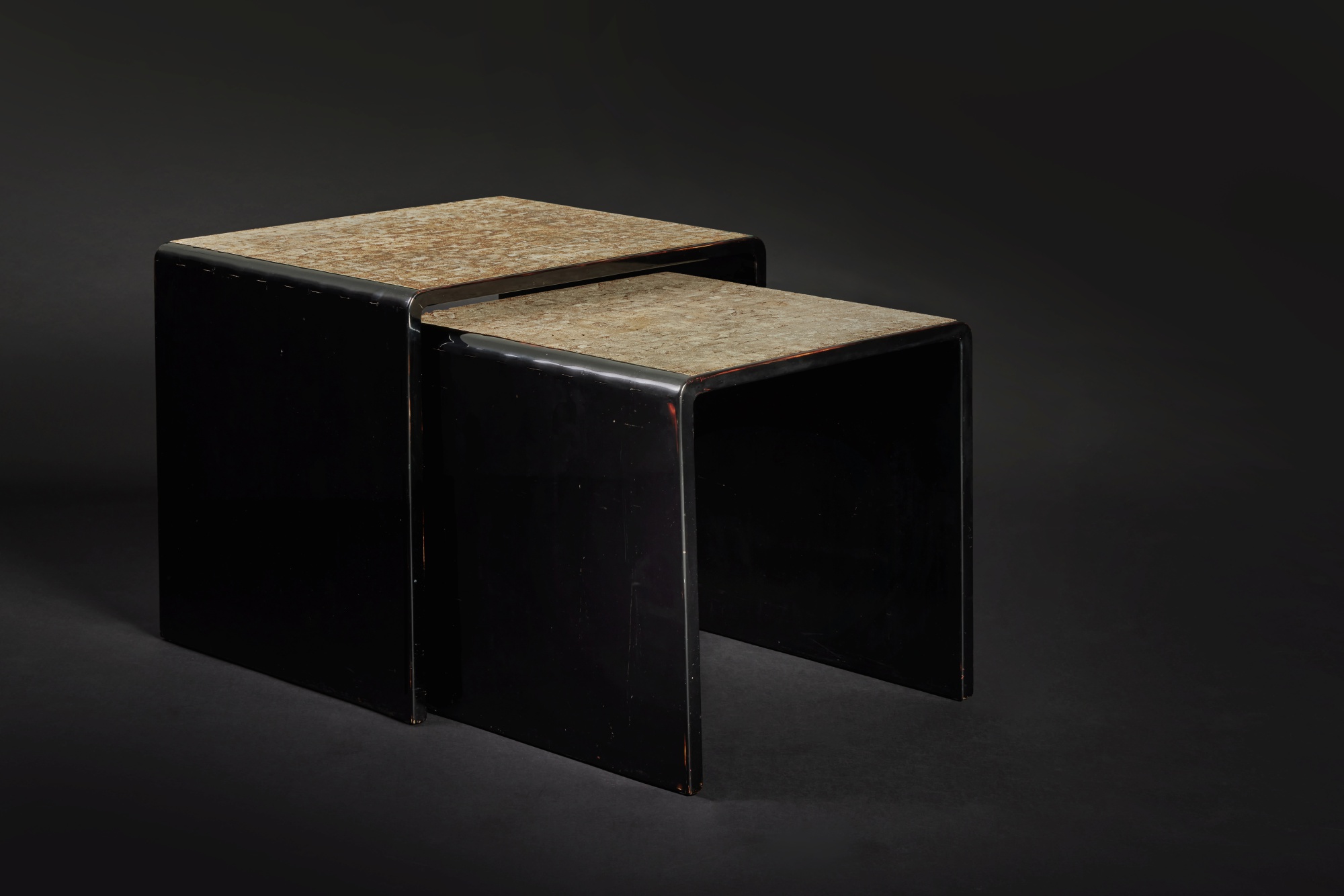
Eugène Printz
Two double doors, circa 1930
These were not merely functional objects. They were philosophical positions rendered in macassar ebony and hammered silver. The auction results tell a clear story. Ruhlmann cabinets and commodes have repeatedly crossed the one million euro mark at major Paris and London sales, with exceptional pieces reaching multiples of that.
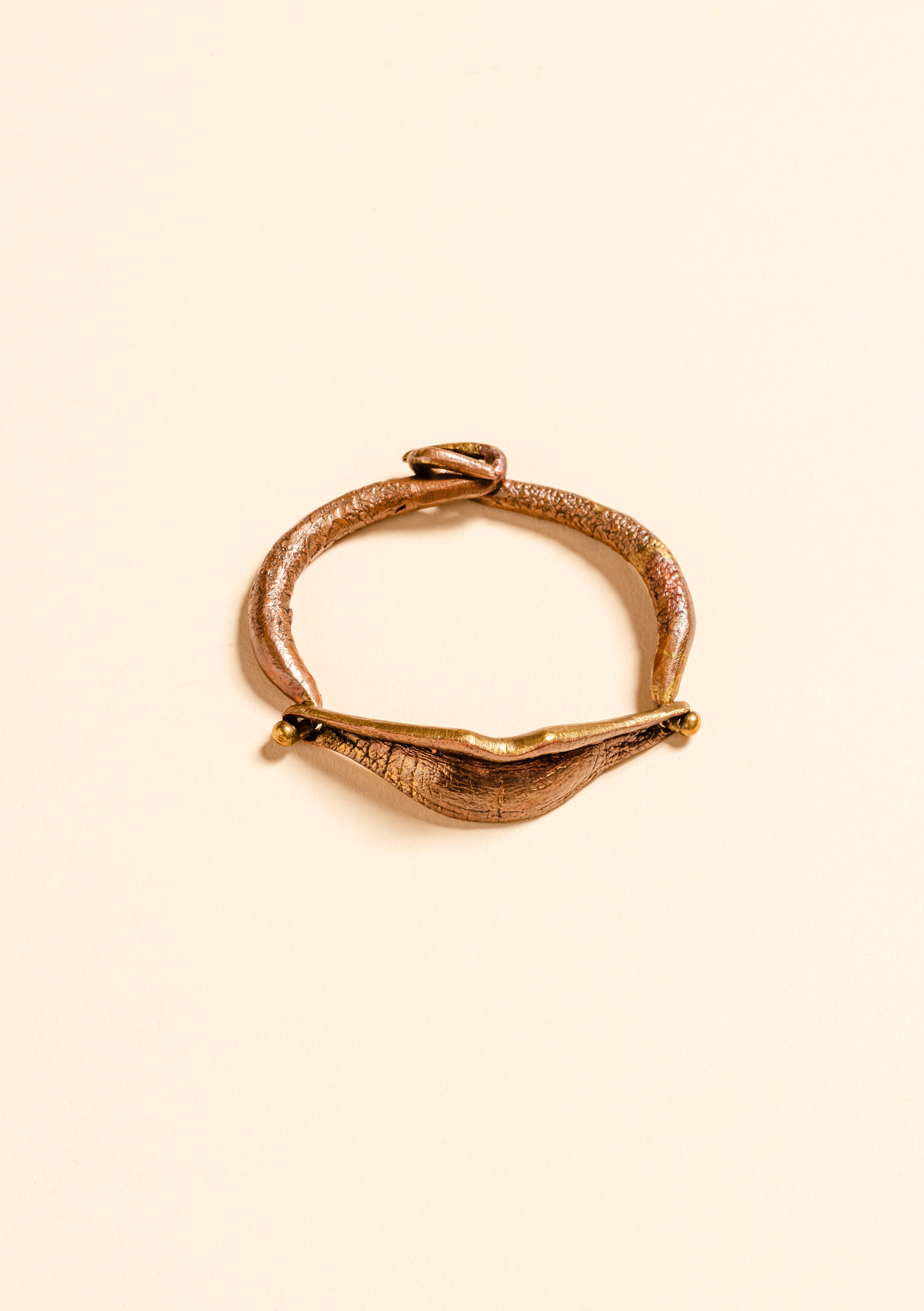
Jean Royère's Polar Bear sofas and his distinctive tubular furniture have become almost emblematic of a certain kind of informed collecting, sought by institutions and private buyers alike. Claude Lalanne, whose bronze and copper sculptural furniture existed in a territory between surrealism and craft, has seen her market deepen considerably since her death in 2019. The Lalannes were never cheap, but there is now a seriousness to the bidding that reflects genuine institutional interest rather than simply decorative aspiration. On The Collection, the presence of works by Claude Lalanne alongside pieces by Armand Albert Rateau and André Groult speaks to exactly this sensibility: a collector's eye that refuses to separate art from object, beauty from use.
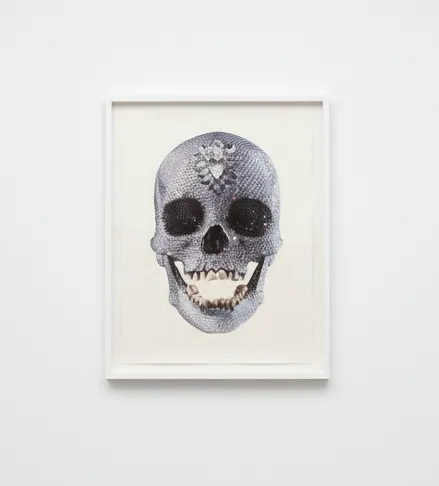
Damien Hirst
For The Love Of God (White), 2011
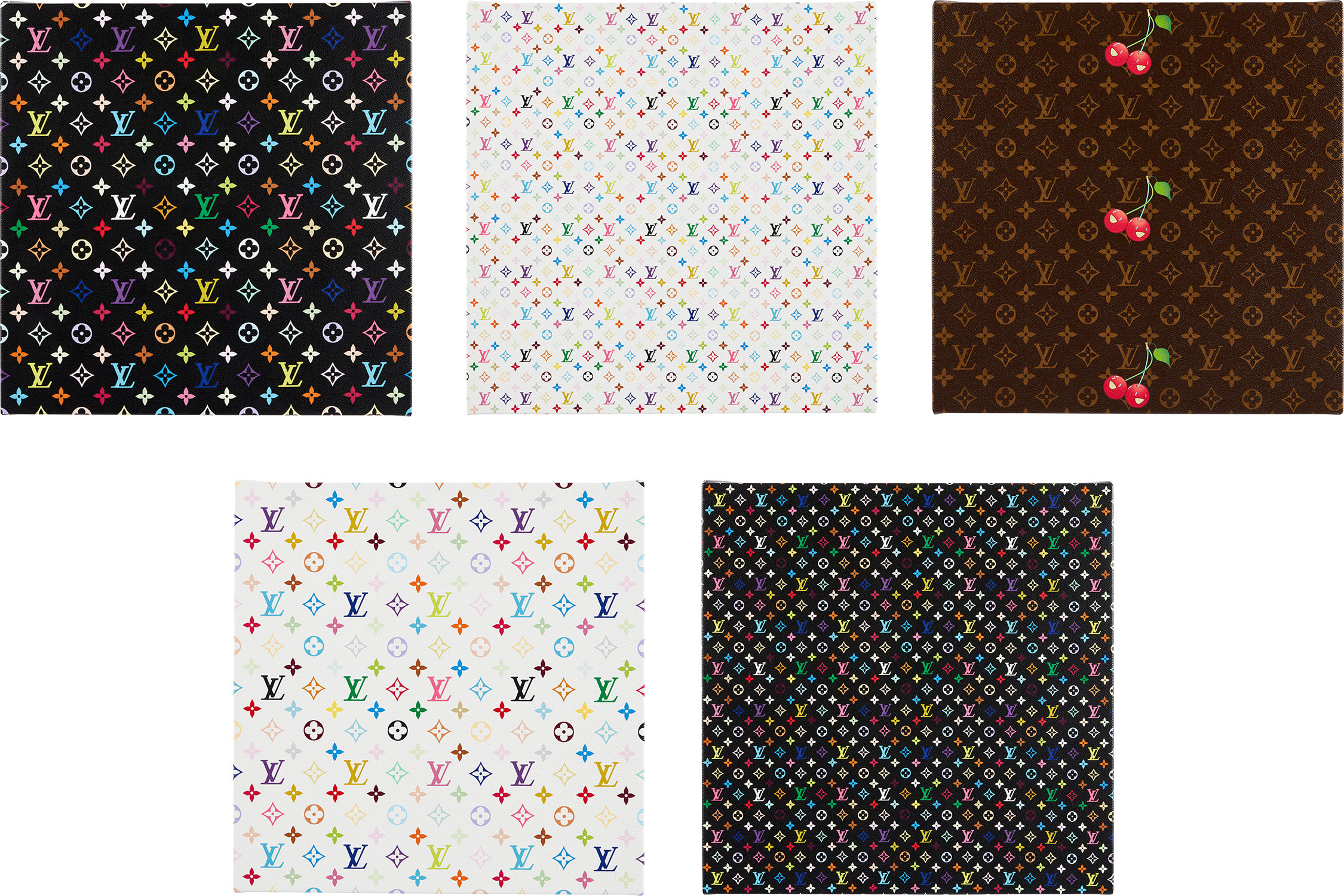
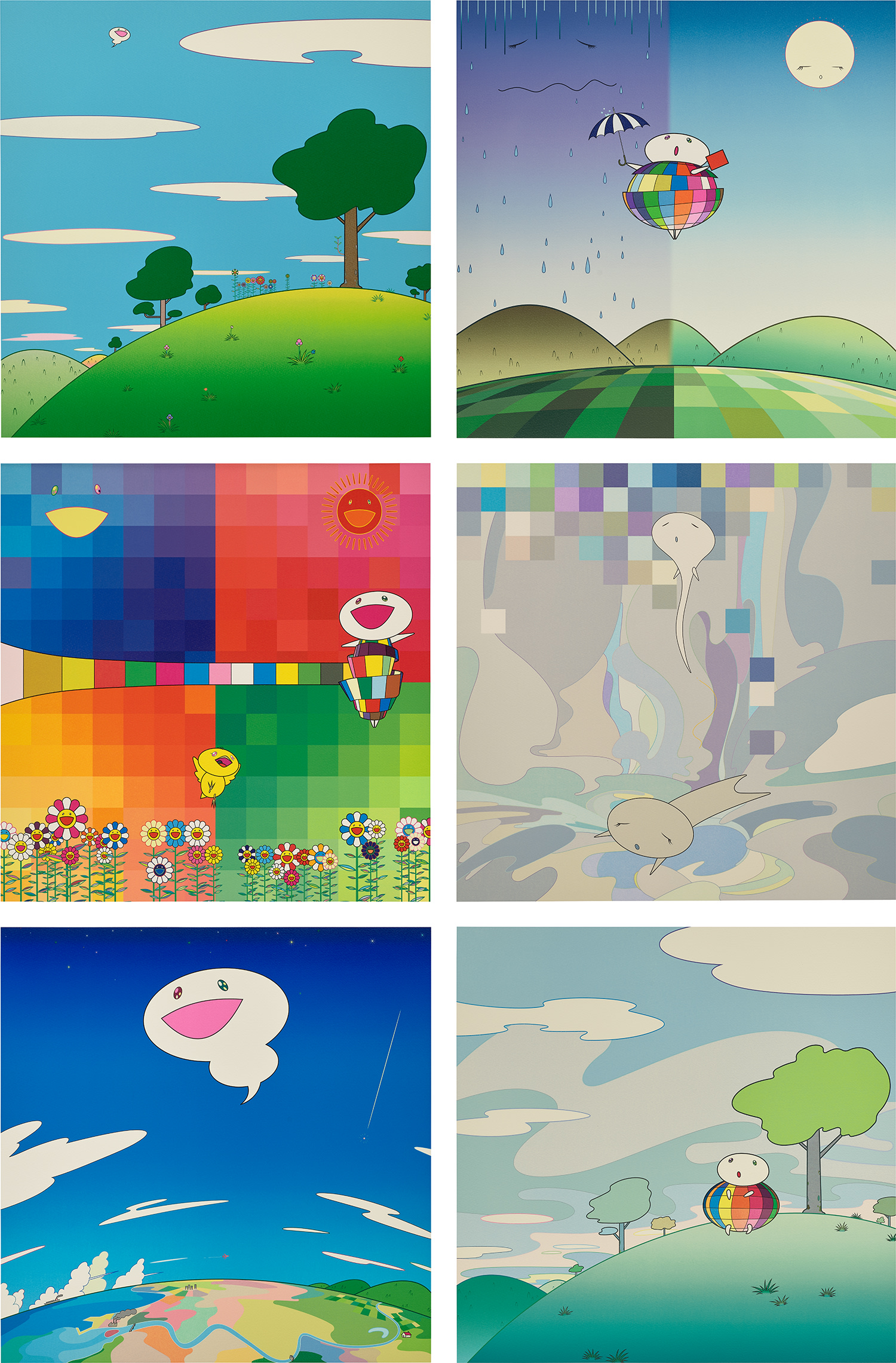
The contemporary artists in this space are doing something more complicated and more interesting than simply producing expensive things. Jeff Koons has spent his career interrogating the machinery of desire itself, and his Balloon Dog sculptures remain among the most discussed and most expensive works produced by any living artist. Damien Hirst's diamond encrusted skull, For the Love of God, from 2007, remains one of the most loaded gestures in recent art history, a work that is simultaneously about luxury, death, spectacle, and the market's own complicity in all three. Takashi Murakami operates in a related register, having built an entire visual ecosystem that moves fluidly between fine art editions, fashion collaborations, and something closer to mythology.
These are artists who do not merely engage with luxury as a theme. They have made it structural to their practice. The institutions that are collecting seriously in this space include the Musée d'Orsay, the V&A, the Metropolitan Museum of Art's decorative arts wing, and a number of private foundations in the Gulf and Southeast Asia that are still in the process of being publicly understood. What is interesting is how the framing has shifted.
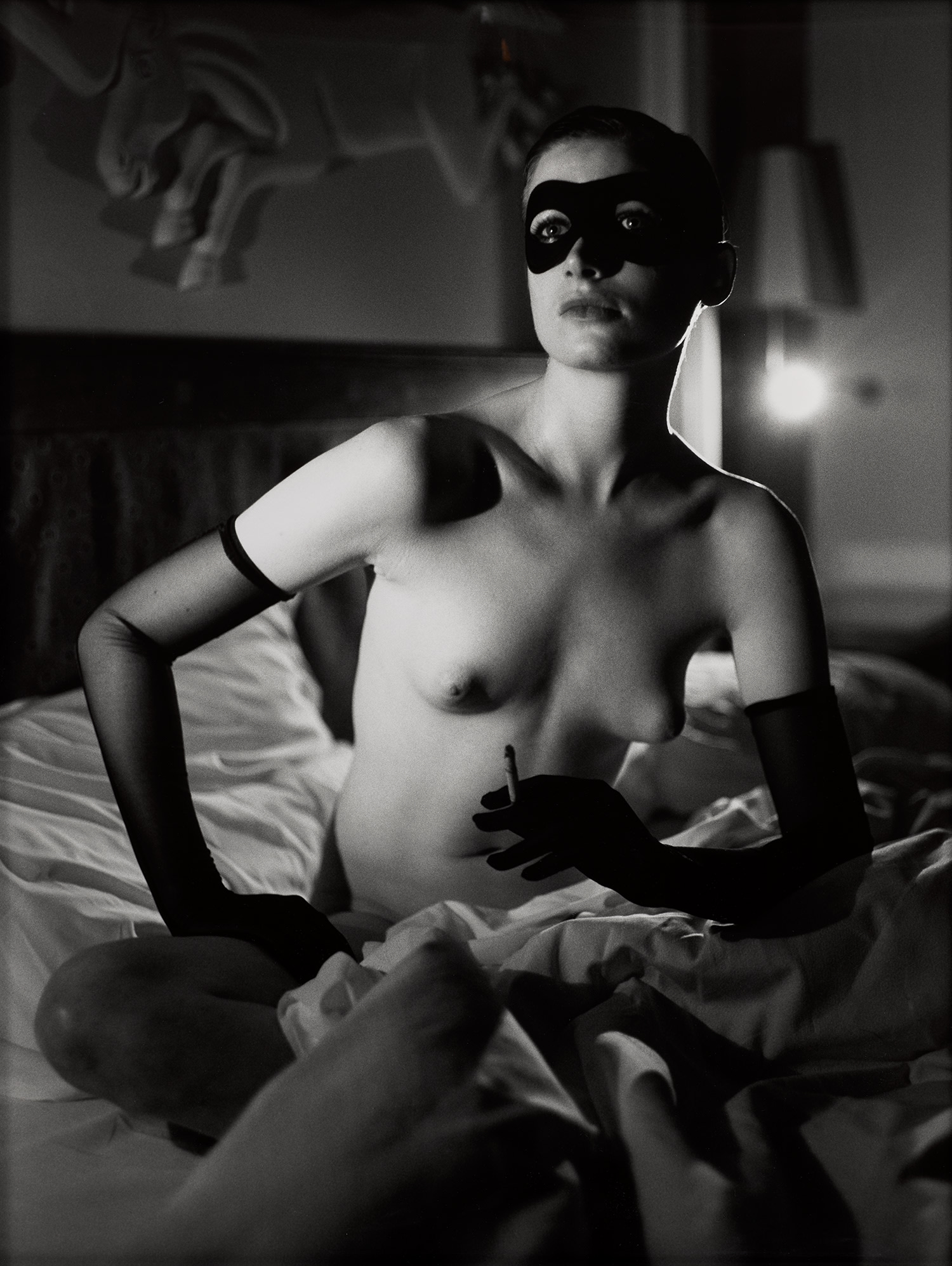
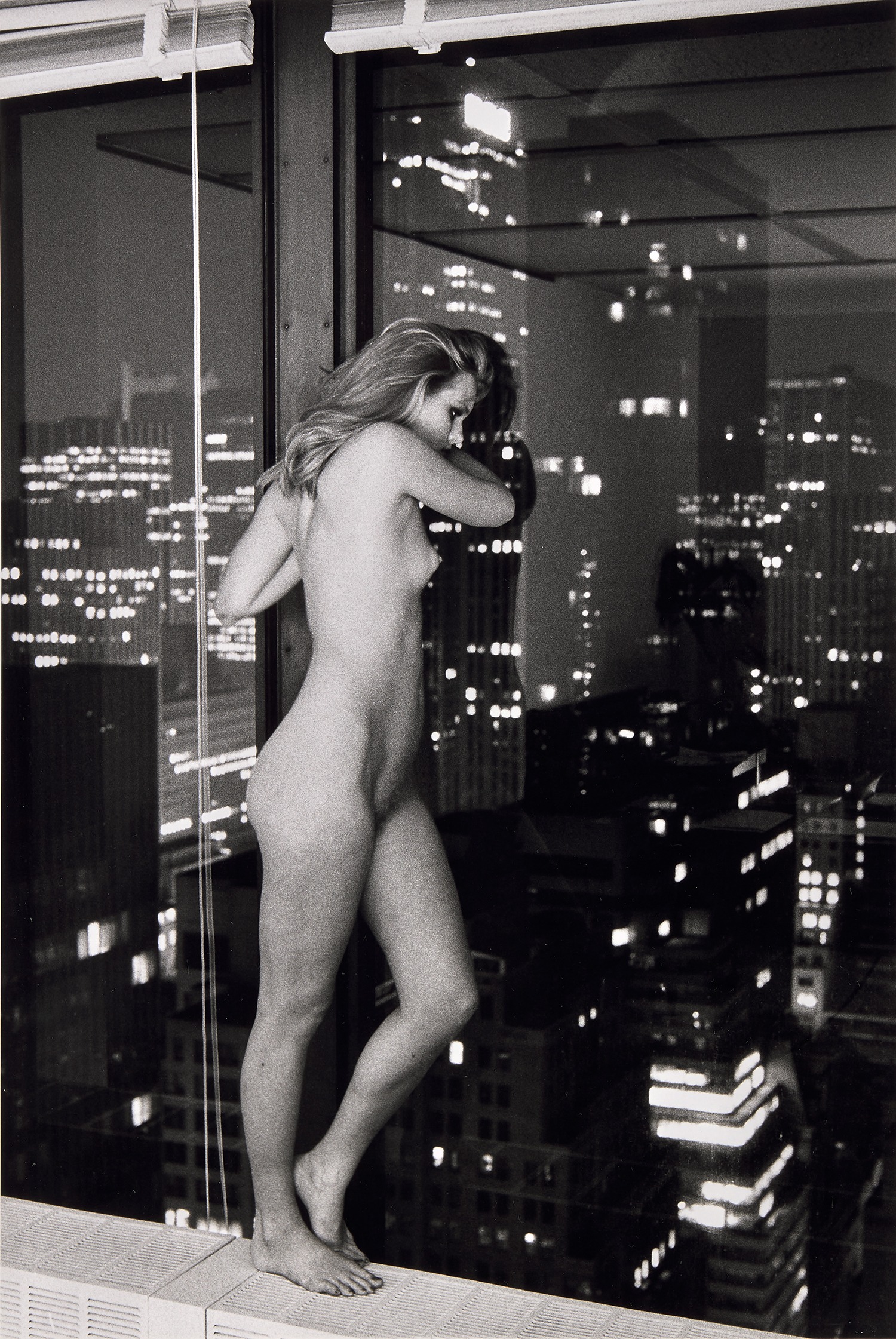
Helmut Newton
Grand Hôtel de Milan
Where once a museum might have acquired a Ruhlmann cabinet as an example of period craftsmanship, curators are now more likely to position such a work within broader arguments about modernism, colonialism, material extraction, and the relationship between European luxury production and global trade networks. This is not a diminishment of the objects. It is, if anything, a richer reading. Helmut Newton's photographs, which appear on The Collection alongside Slim Aarons's famous images of the leisured classes at play, offer a different entry point into this conversation.
Both photographers documented luxury as a behavioral mode, a set of poses and architectures and social rituals that were also, quietly, about power. Newton's images of women in Yves Saint Laurent and Versace are about desire and control in equal measure. Aarons photographed poolside ease in Palm Springs and the Côte d'Azur with an apparent innocence that only grows more pointed the longer you look. Together they constitute a kind of visual sociology of the twentieth century rich, and the market for both has strengthened as that sociology has become a subject of genuine scholarly and curatorial interest.
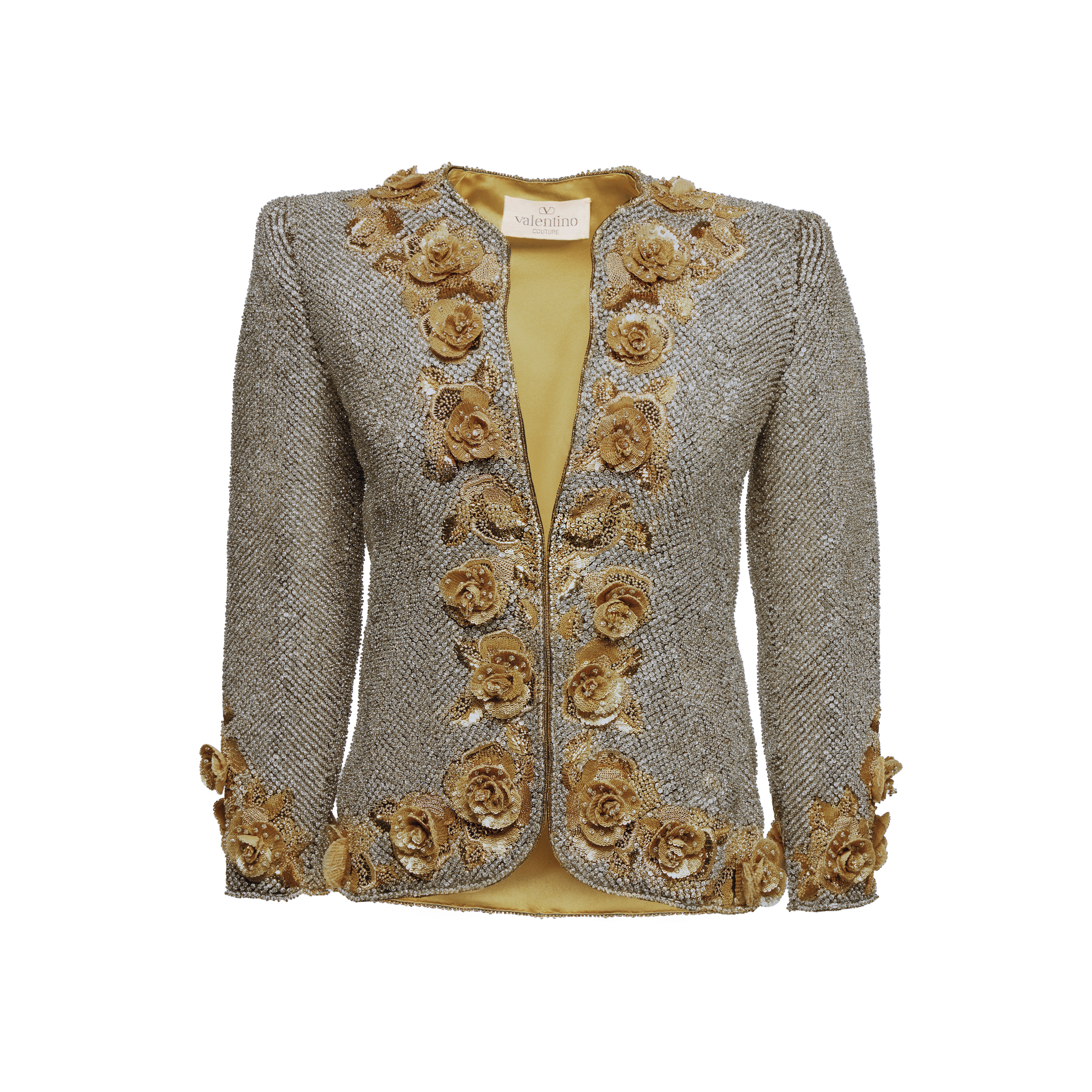
Valentino Garavani Haute Couture Lavishly Embellished Evening Jacket, Autumn-Winter 1989-90, entirely covered in Swarovski crystals, with three-dimensional gold beaded flowerhead accents and a gold silk lining, labeled, bust 32-34in max, 81-86cm, shoulders: 15in, 38cm, sleeve length: 21in, 53cm
Haute Couture Lavishly Embellished Evening Jacket, Autumn-Winter 1989-90
The writers and curators shaping this conversation include Glenn Adamson, whose book Fewer, Better Things made a sophisticated argument for craft and material engagement in the age of digital saturation. Penny Sparke at Kingston University has spent decades building the intellectual framework through which we understand design as cultural expression rather than mere decoration. Publications like Apartamento and PIN UP have created a visual language for contemporary luxury that is deliberately anti monumental and interior rather than performative. What they share is a suspicion of luxury as display and a preference for luxury as lived experience, which maps neatly onto where the most interesting collecting is happening.
What feels alive right now is the tension between the historical and the contemporary, between a Fabergé locket made in St Petersburg between 1908 and 1917 and a Sylvie Fleury installation that quotes the visual language of high fashion with cool, knowing irony. Both are on The Collection, and their proximity is not accidental. It suggests a collector who understands that luxury is not a fixed category but a moving conversation about value, desire, and what we choose to protect. The surprises will come, as they always do, from the objects we underestimated.
The Carlo Bugatti chairs that seemed eccentric a generation ago now read as visionary. The next Ruhlmann is probably already in a sale somewhere, waiting for someone patient enough to look twice.