Language Art
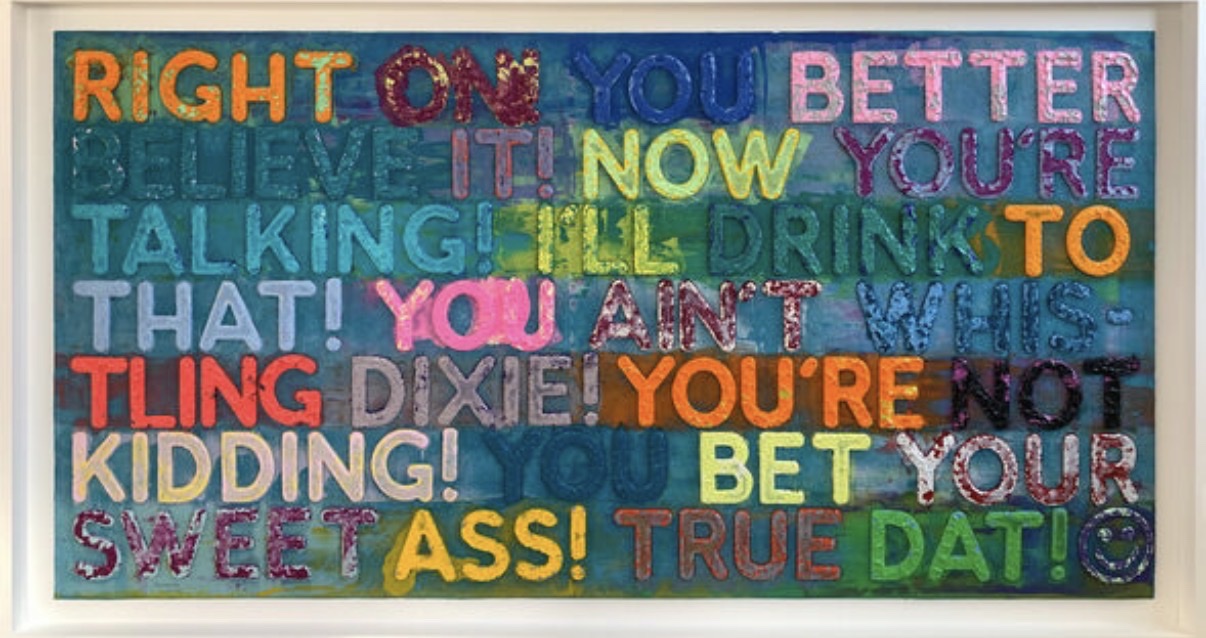
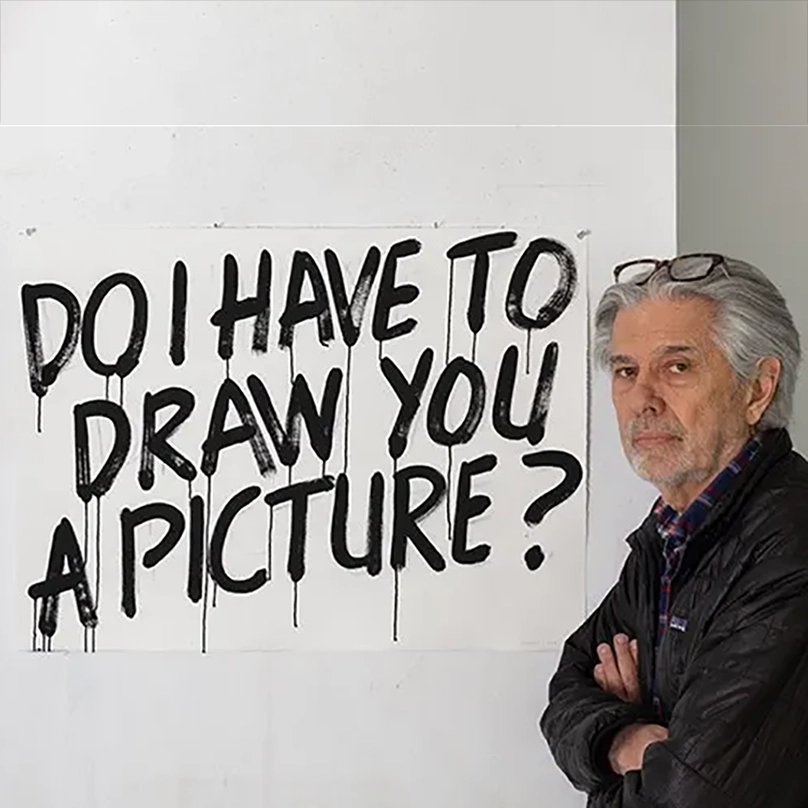
Mel Bochner
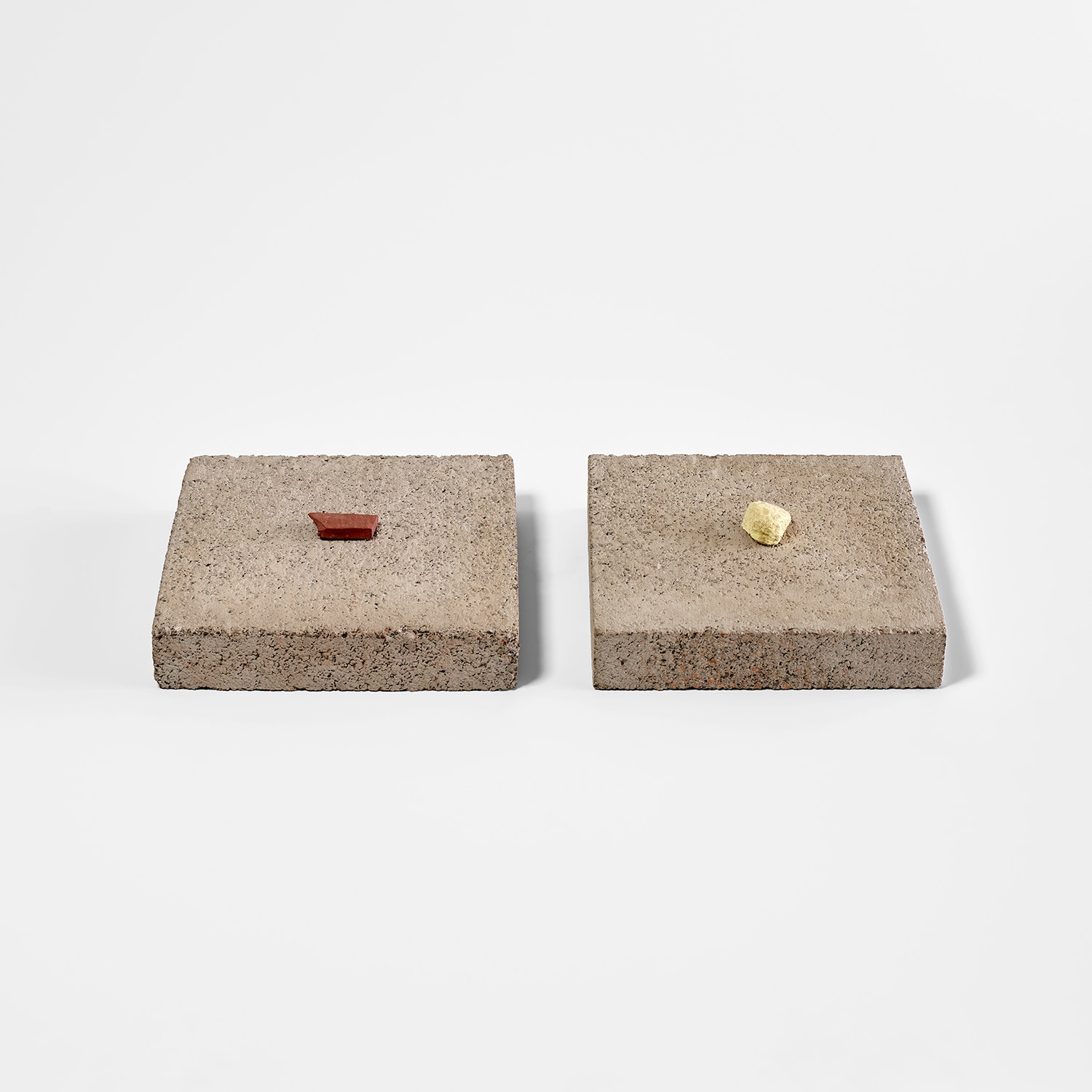
Right On, 2023
When Words Became the Work Itself
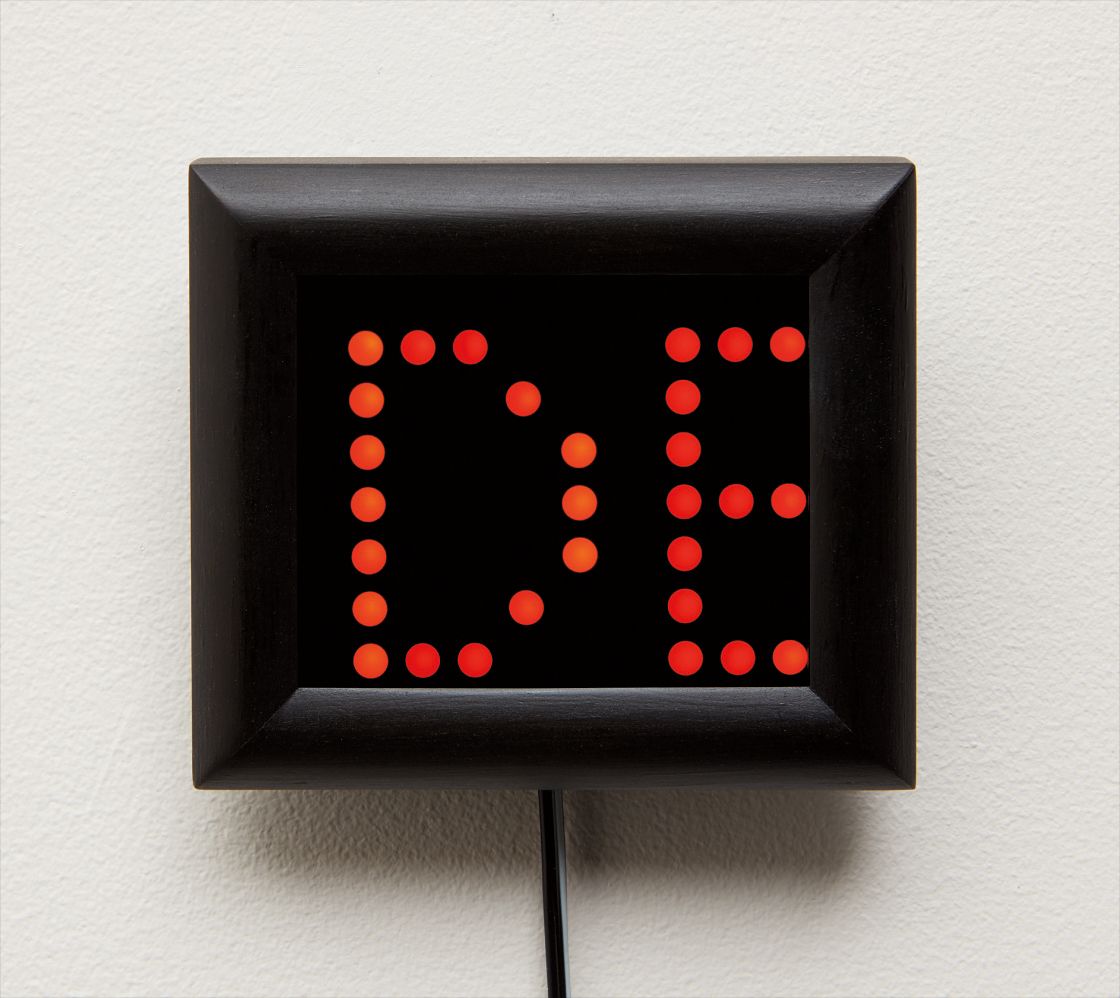
Last year's sale of a Jenny Holzer LED installation at Christie's New York crossed seven figures and barely caused a ripple of surprise. That calm acceptance tells you everything about where language art stands in the market right now: no longer a conceptual outlier, no longer something collectors need to be convinced about, but a fully absorbed, deeply coveted category with institutional muscle and serious secondary market depth behind it. The moment felt like a confirmation rather than a breakthrough, which is its own kind of statement. The critical foundation for all of this was laid in the late 1960s and early 1970s, when artists began treating language not as a label or a caption but as the primary material of the work itself.
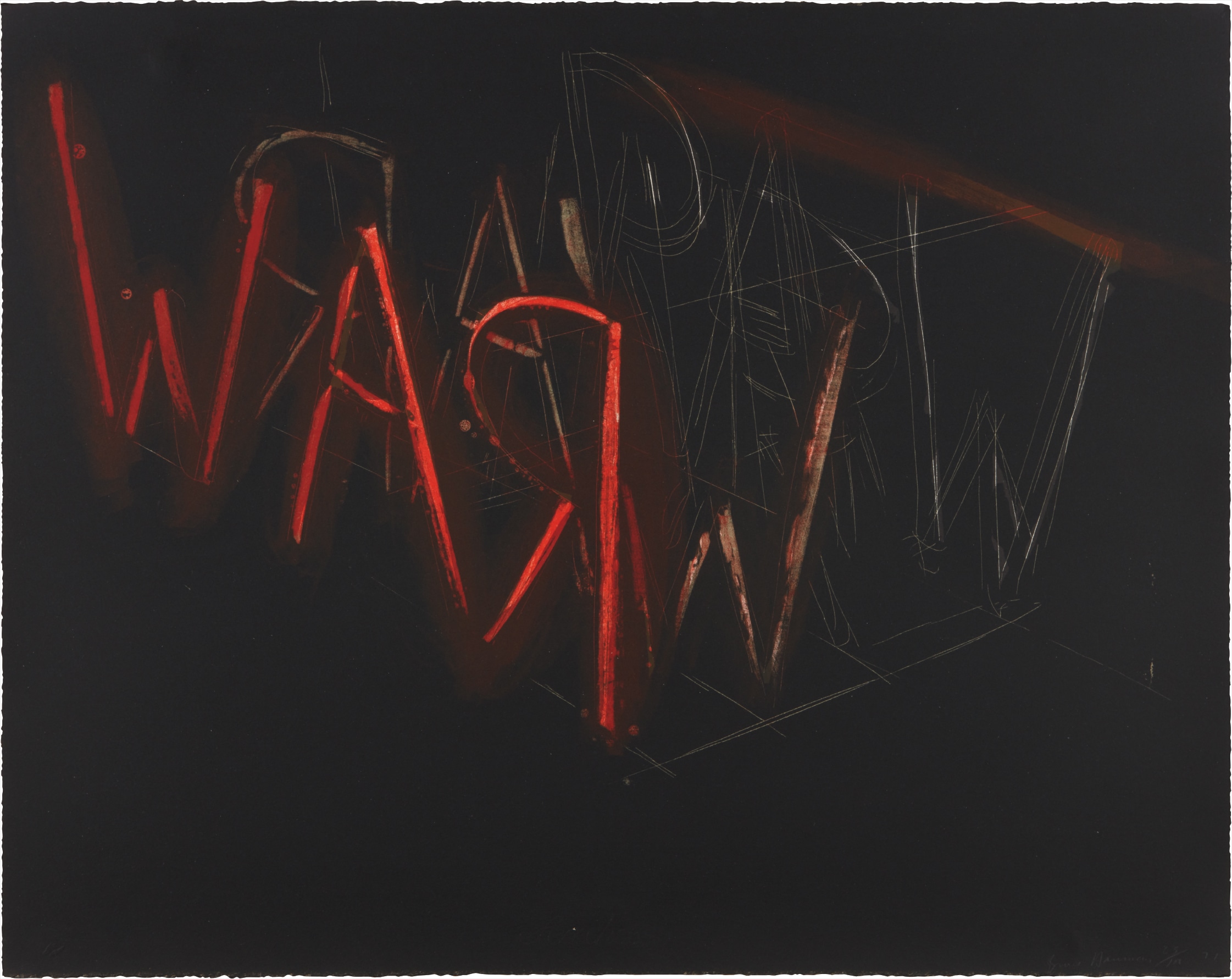
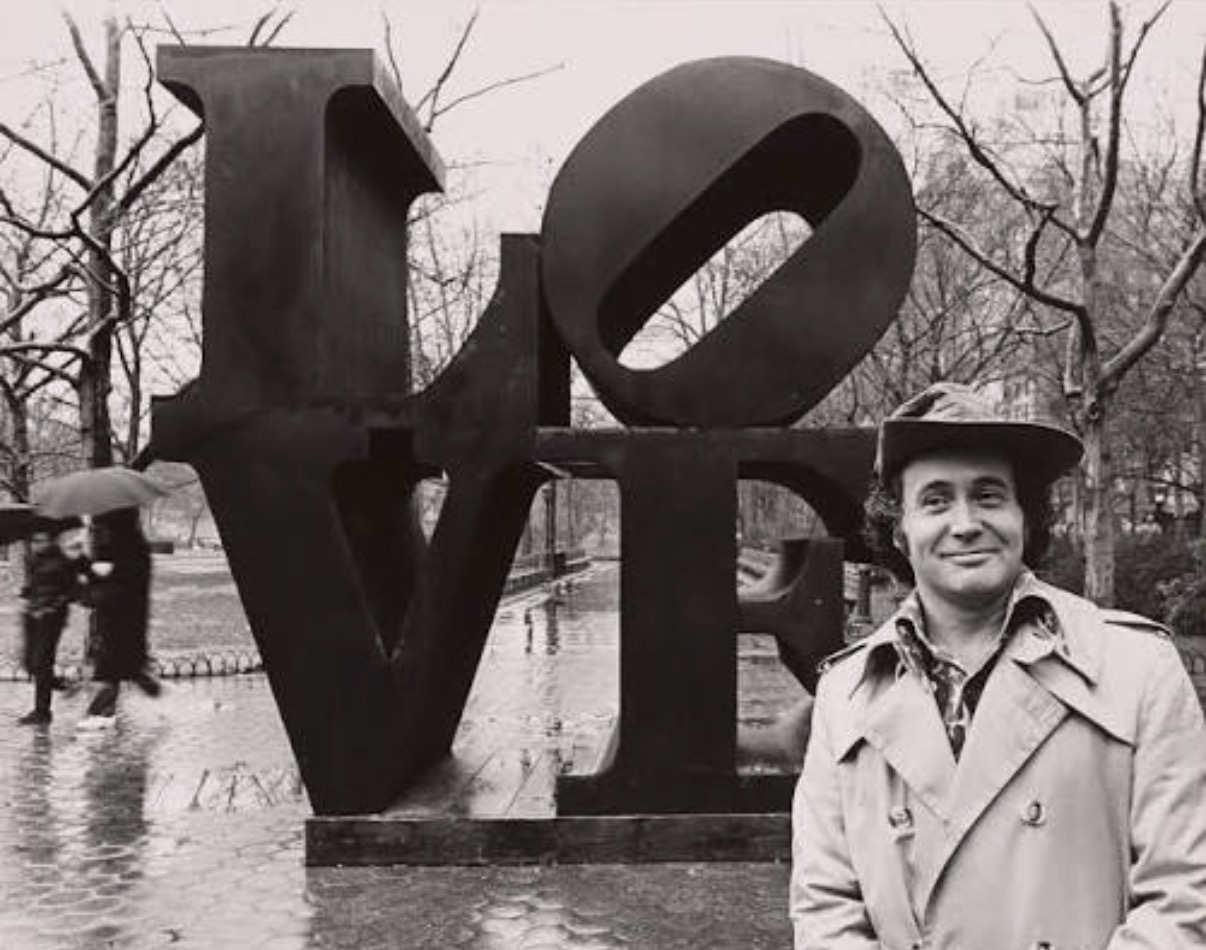
Lawrence Weiner's 1969 Declaration of Intent, in which he stated that a work need not be built, reframed what a sculpture could even be. Around the same time, Bruce Nauman was neon tubing his way through puns and paradoxes, and Robert Indiana was turning the word LOVE into something so culturally embedded it became almost impossible to see as art anymore, which was perhaps the point. These were not decorative gestures. They were philosophical propositions wearing the clothes of objects.
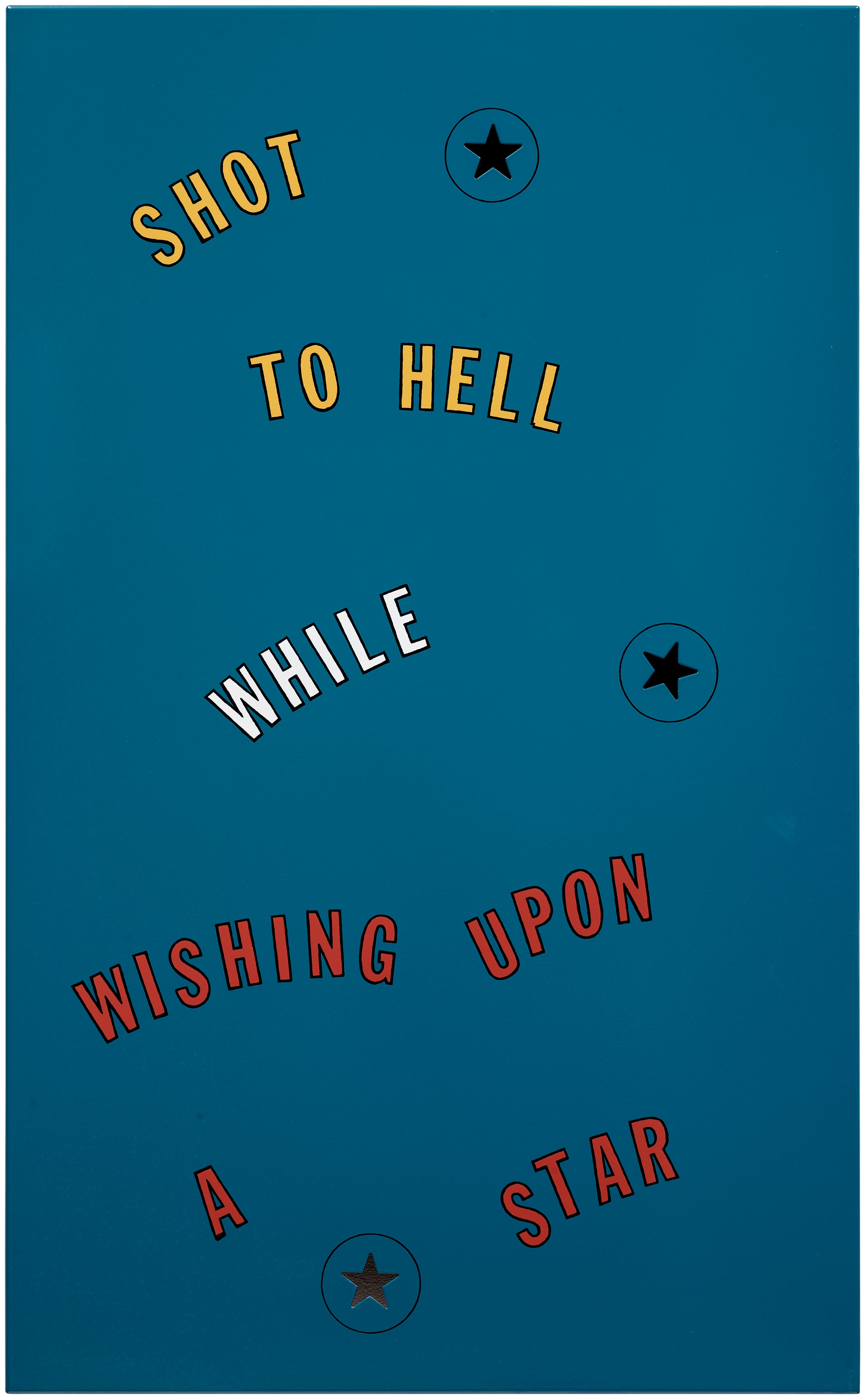
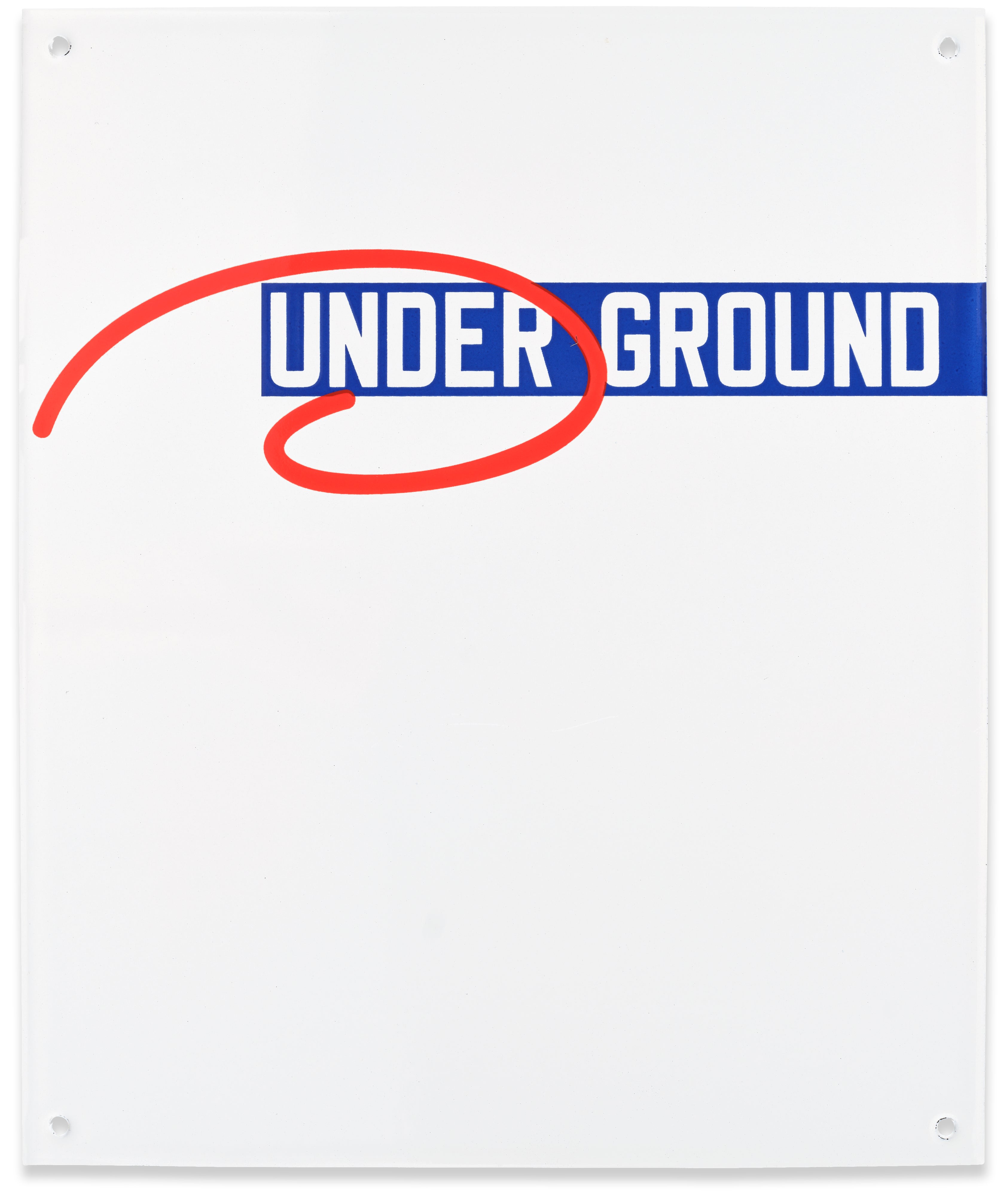
Lawrence Weiner
Shot to Hell...
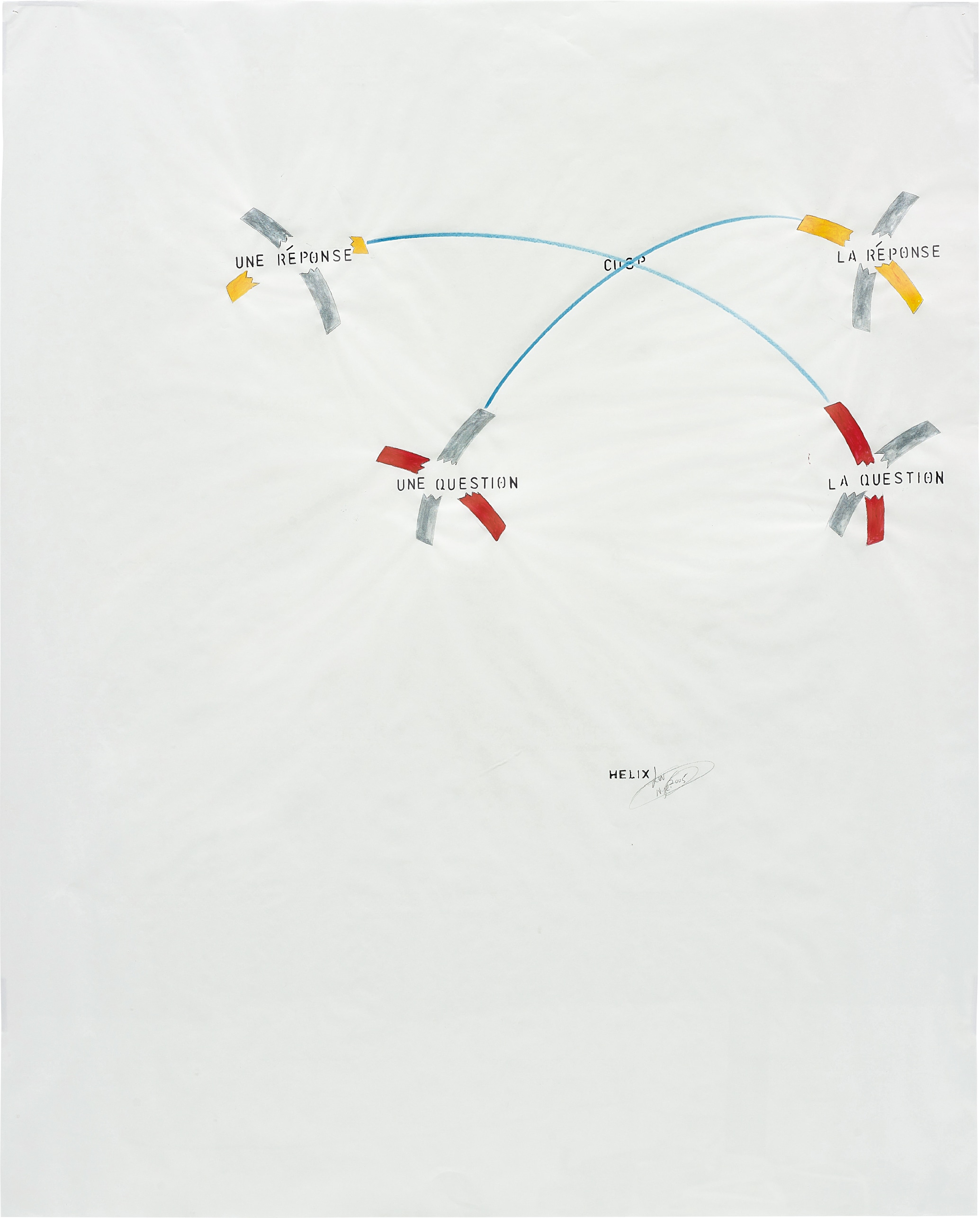
The exhibition history of this category reads like a map of conceptual art's most contested and generative territory. The 2007 retrospective of Lawrence Weiner at the Whitney Museum of American Art brought renewed critical attention to how his work functions in space, not as painting or sculpture in any traditional sense, but as a set of instructions that activate a room differently depending on who reads them and how. The show reminded a generation of younger collectors that Weiner's seemingly minimal statements carry enormous formal and intellectual weight. His works on The Collection represent exactly the kind of deceptively spare propositions that reward sustained attention.
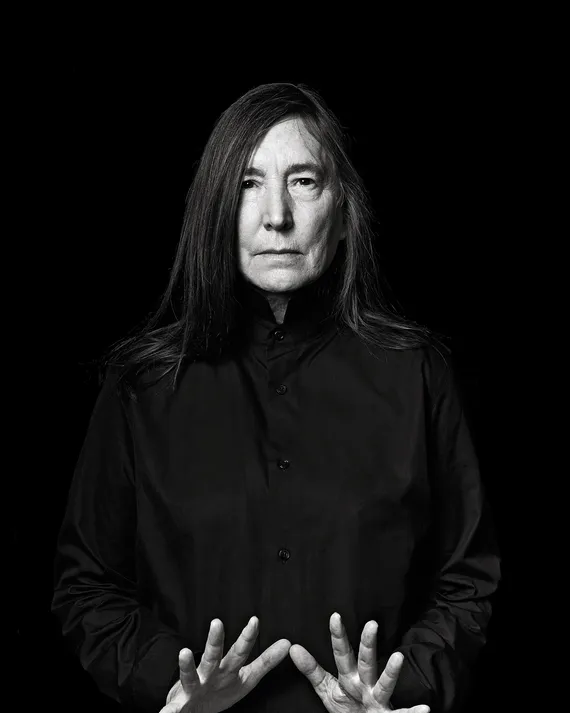
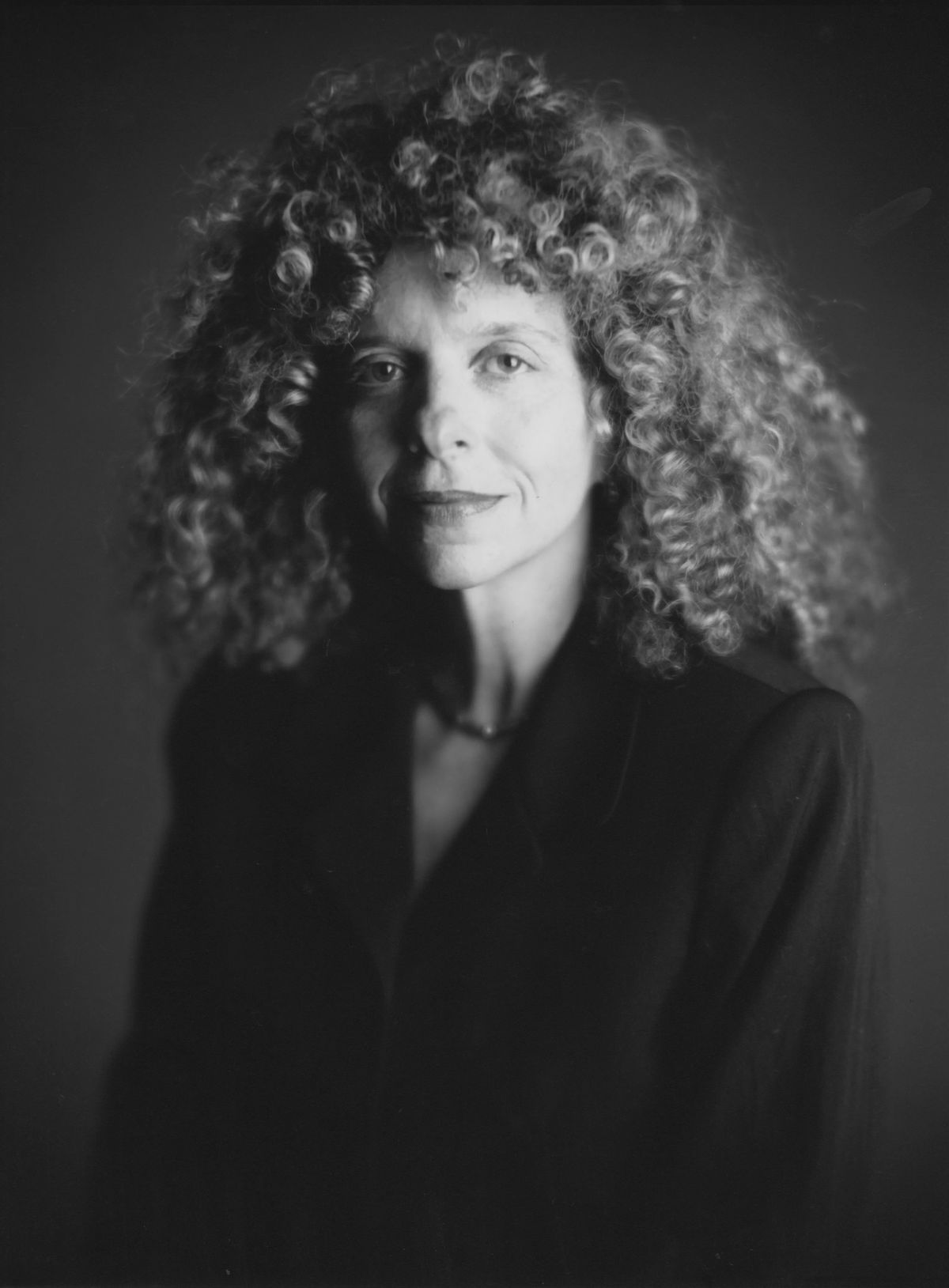
Jenny Holzer's survey at the Guggenheim Bilbao and her continued presence in major institutional collections from MoMA to the Tate have made her among the most institutionally validated artists of her generation. Her Truisms, her Survival Series, her Inflammatory Essays: each body of work operates at the intersection of public address and private unease, and that combination has proved irresistible to both curators and collectors. Barbara Kruger occupies adjacent territory, and the retrospective of her work at the Art Institute of Chicago in 2022 under the title Thinking of You. I Mean Me.
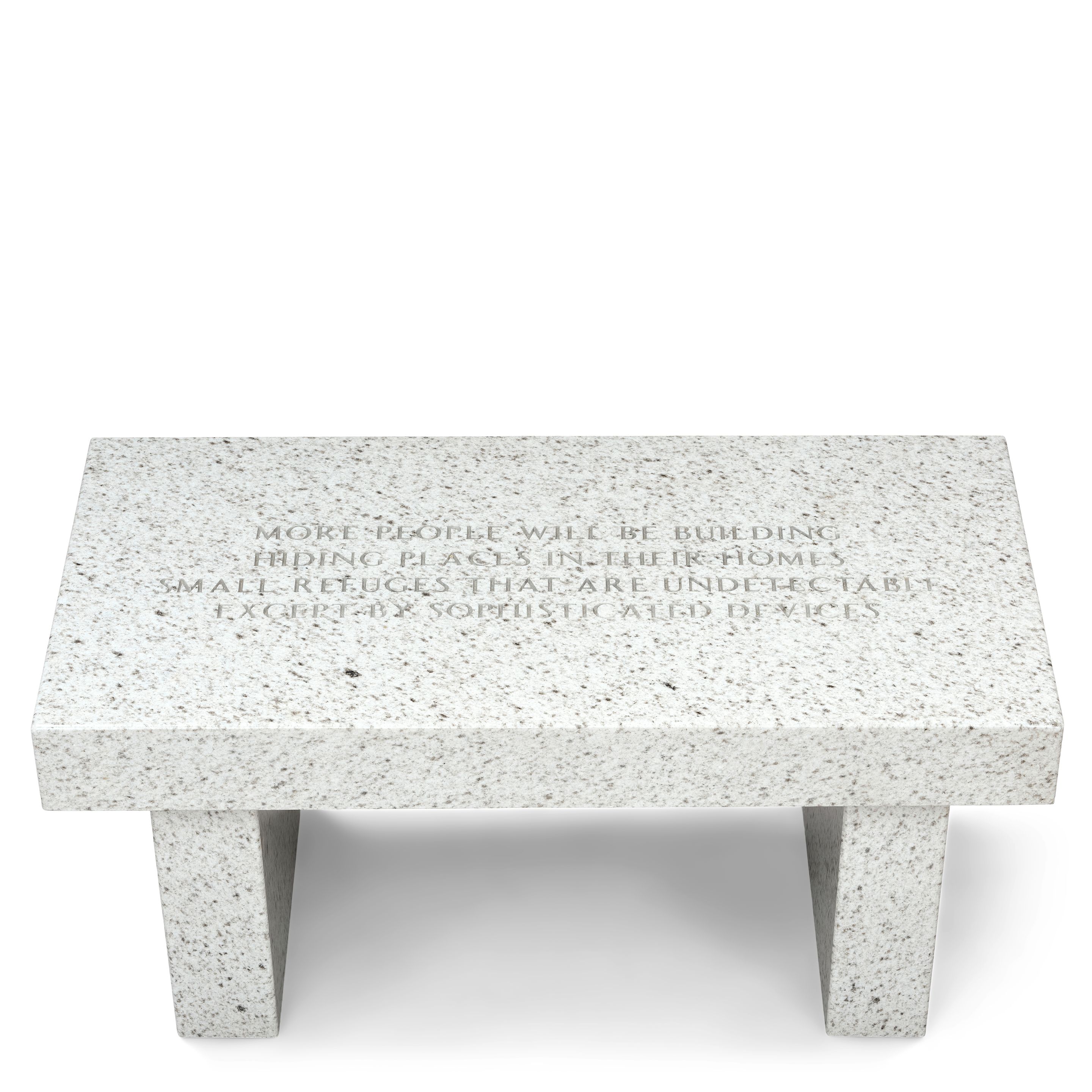
Jenny Holzer
The Living Series: More people will be building..., 1989 17 x 36 x 18 in (43.1 x 91.4 x 45.7 cm)
I Mean You. demonstrated just how prescient her confrontational use of pronouns and advertising grammar had become in the age of social media. The show was reviewed widely as both a historical account and a live diagnosis. Auction results in this space have been clarifying.
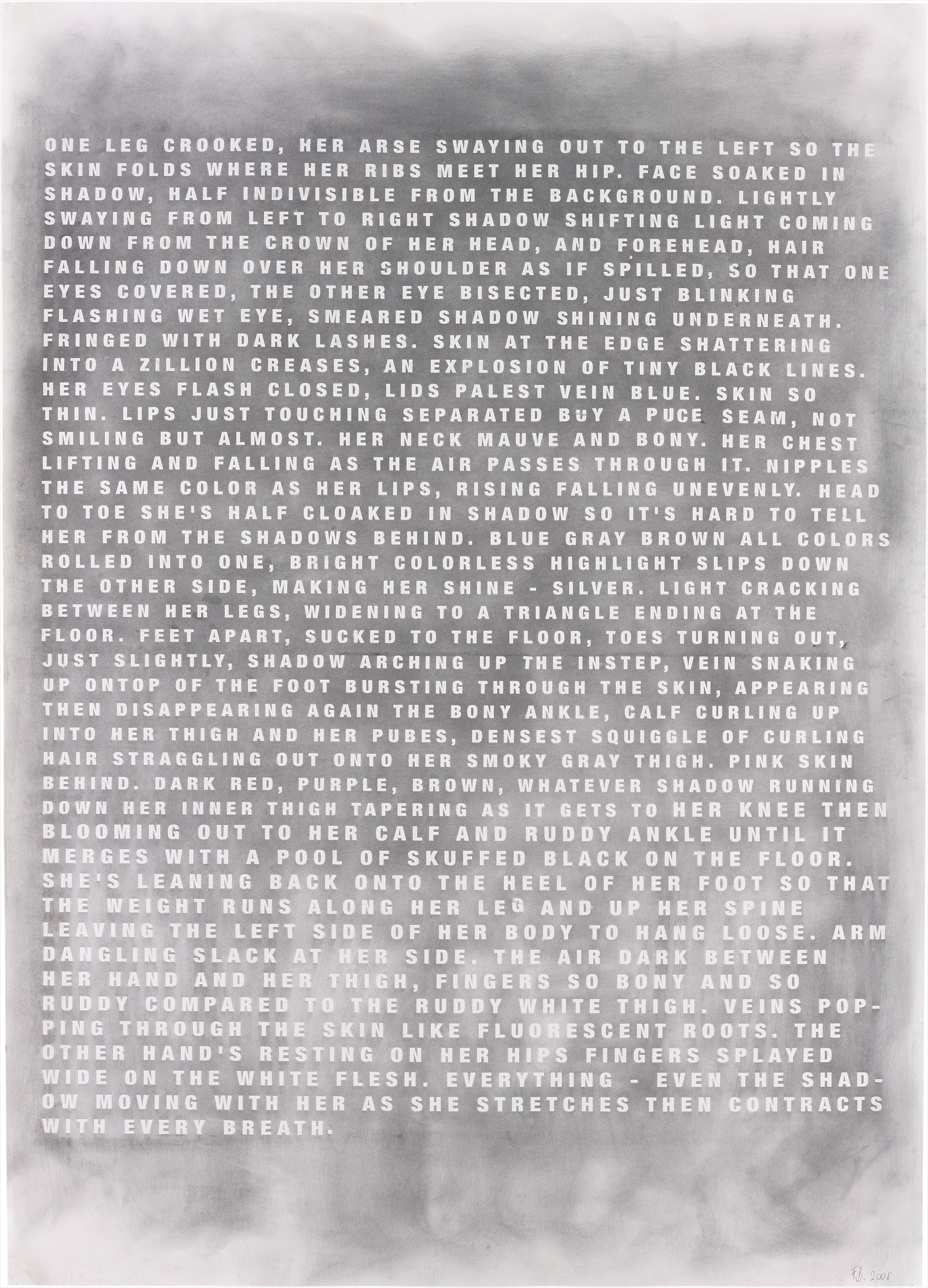
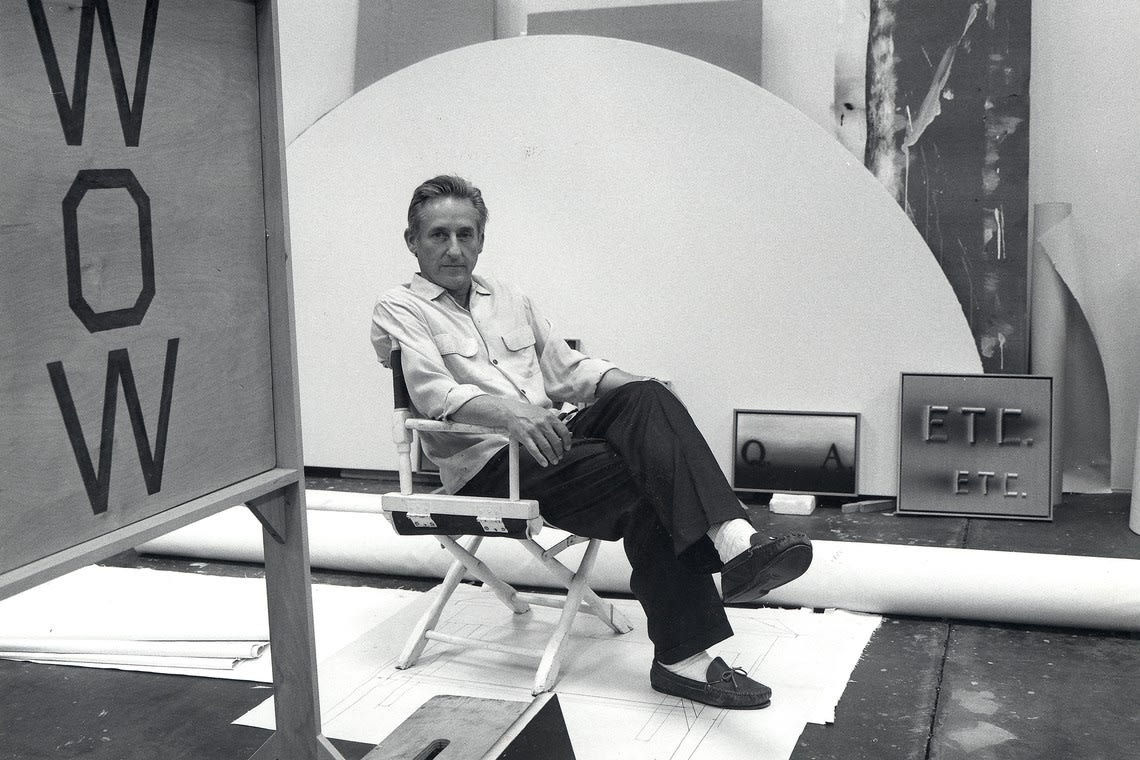
Holzer and Kruger consistently anchor the high end of the market. Mel Bochner, whose measurement paintings and thesaurus works have been celebrated in retrospectives at the Jewish Museum in New York and elsewhere, has seen steady appreciation, with works achieving strong results at Phillips and Christie's as institutions and private collectors compete for the same limited supply. Ed Ruscha commands extraordinary prices at auction, particularly for his word paintings from the 1960s and 1970s, where a single word rendered in liquid or gas against a monochrome ground manages to be simultaneously funny, ominous, and formally perfect. Carl Andre's presence in this conversation is slightly different since his work exists at the boundary between language and object, but his early poems and word pieces have attracted renewed scholarly and market interest as collectors look for the full picture of an artist's practice.
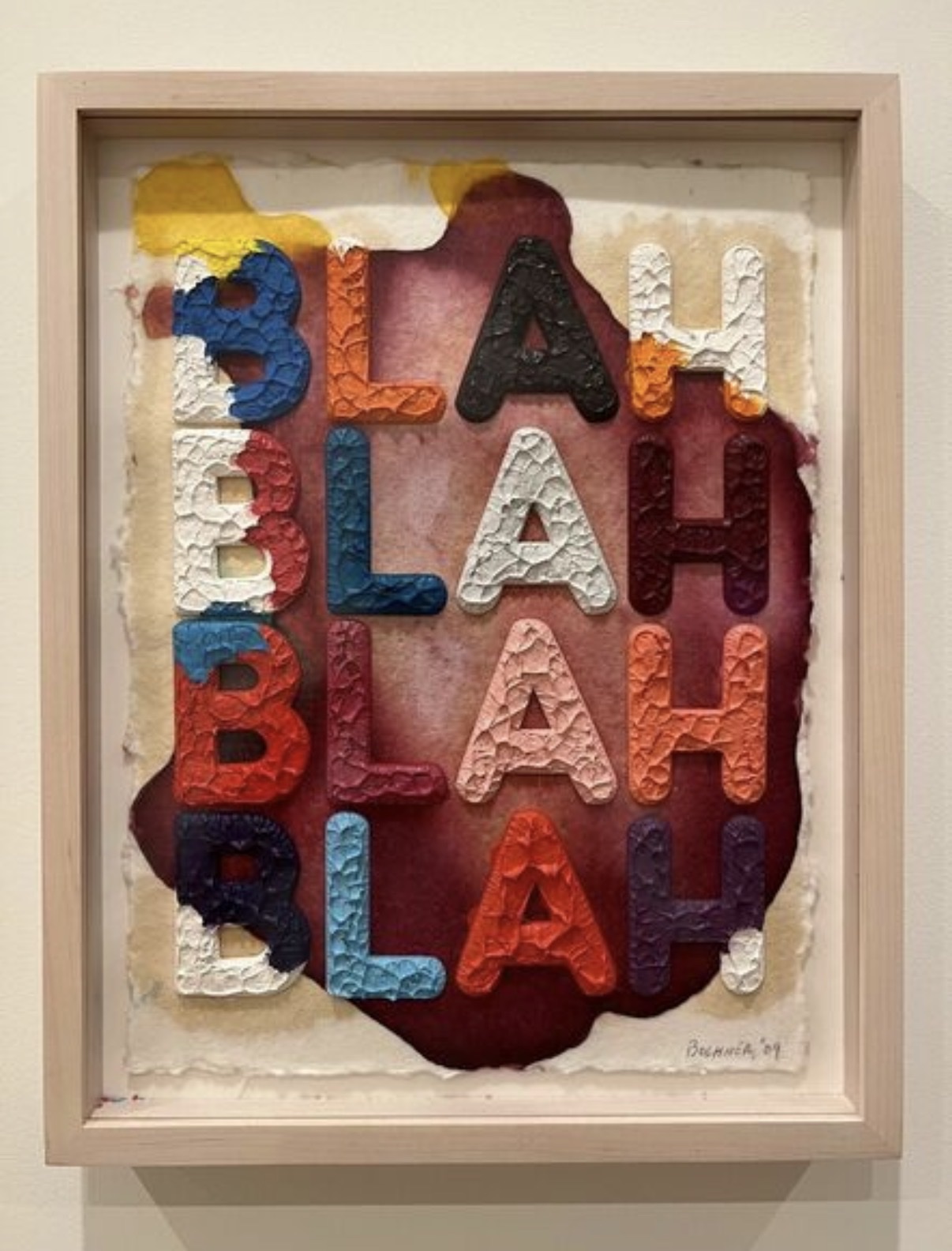
Mel Bochner
Blah Blah Blah, 2009
The institutional appetite for this category shows no signs of slowing. The Museum of Modern Art has deepened its holdings in conceptual language work over the past decade, and Dia Art Foundation remains one of the most important stewards of large scale language installations in the world. Dia's long relationship with Lawrence Weiner and its ongoing commitment to work that resists easy commodification has made it a kind of conscience for the field. Private foundations in Europe and the Gulf have also moved aggressively into this space, recognizing that language art travels well across cultural contexts while maintaining a legibility that more purely formal abstraction sometimes lacks.
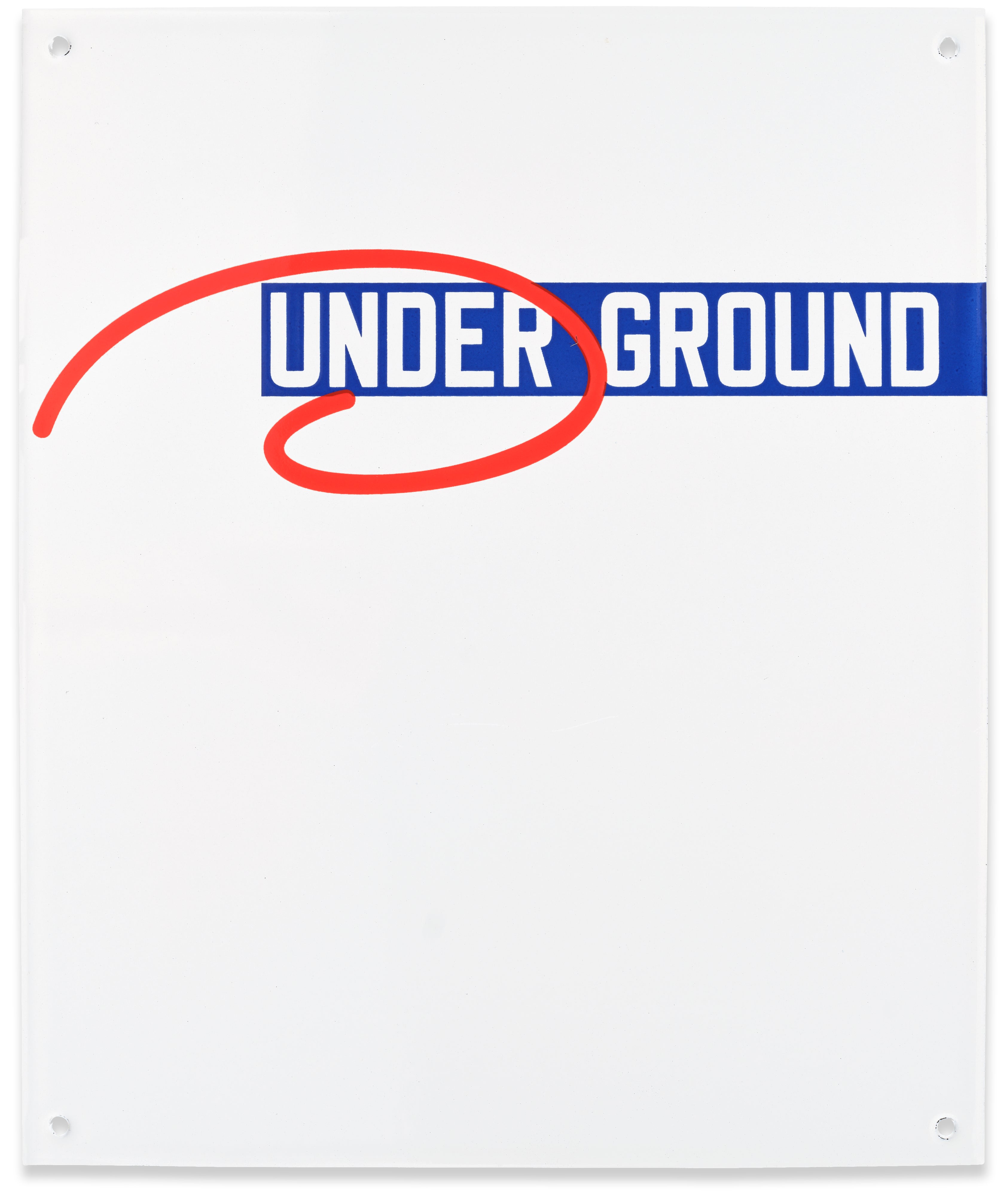
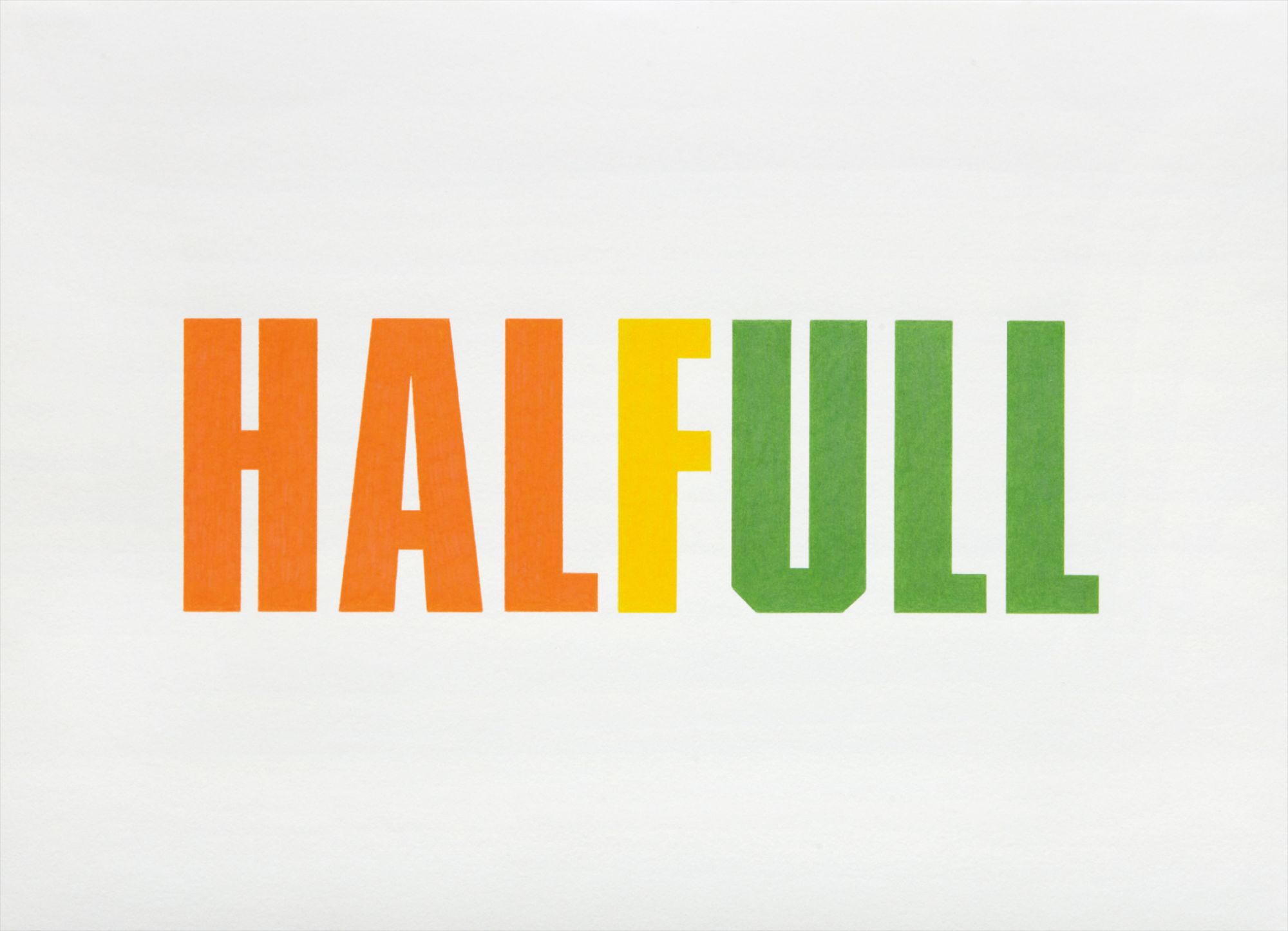
The critical conversation has been shaped recently by a generation of curators and writers who came of age alongside the internet and who are asking newly urgent questions about text, power, and visibility. Writers like Aria Dean and curators associated with the New Museum and ICA London have been connecting the legacy of artists like Kay Rosen and Fiona Banner to younger practitioners working across performance, publishing, and digital environments. Kay Rosen's grammatical wit and Fiona Banner's dense, obsessive transcriptions of war films into pure text blocks are both well represented on The Collection, and both feel remarkably alive in a moment when language itself has become such a site of political contestation. Deborah Grant's layered works, which bring text and autobiography into complex dialogue, add another dimension to this conversation, gesturing toward how language art has expanded to absorb personal and historical narrative.
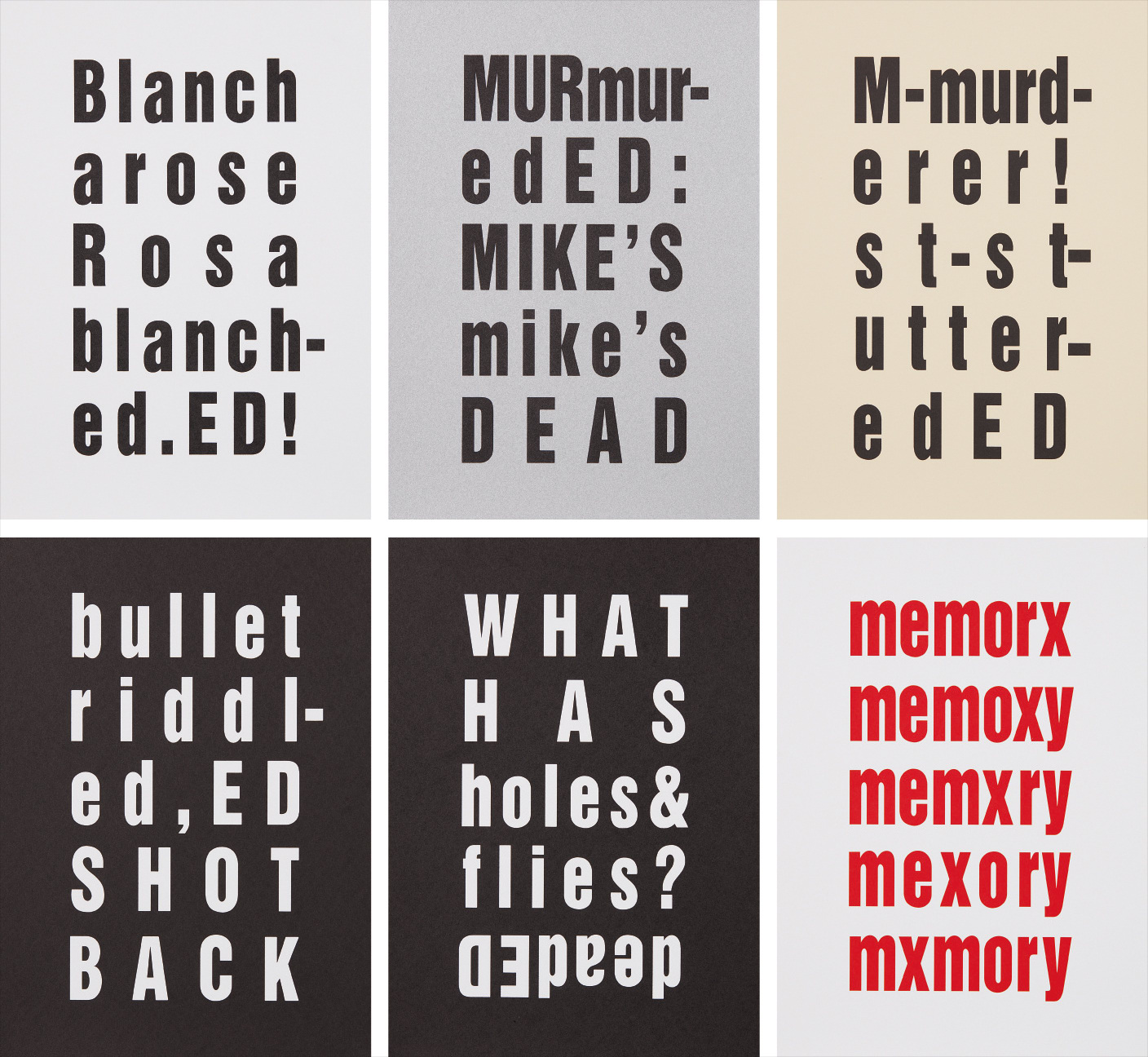
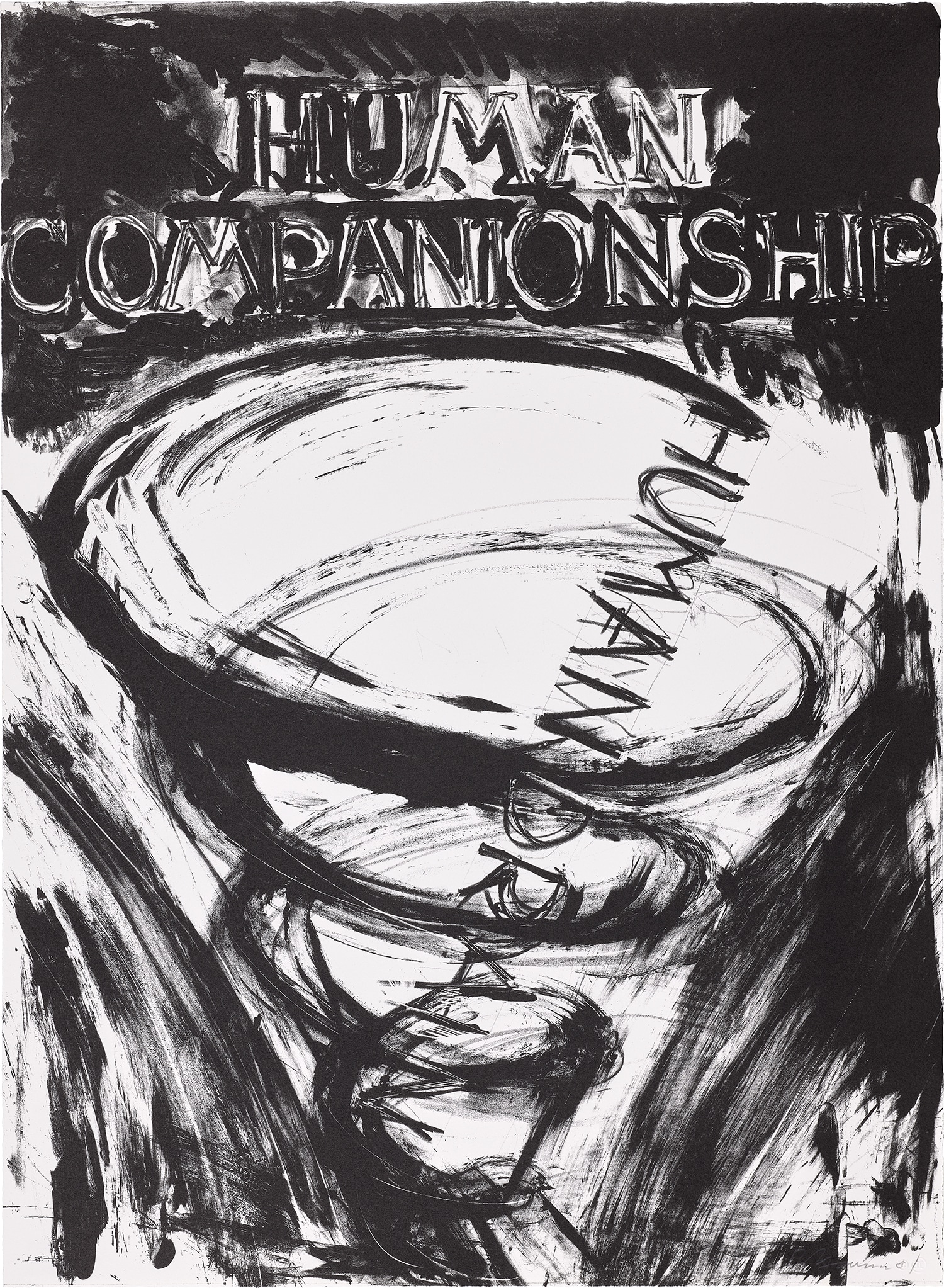
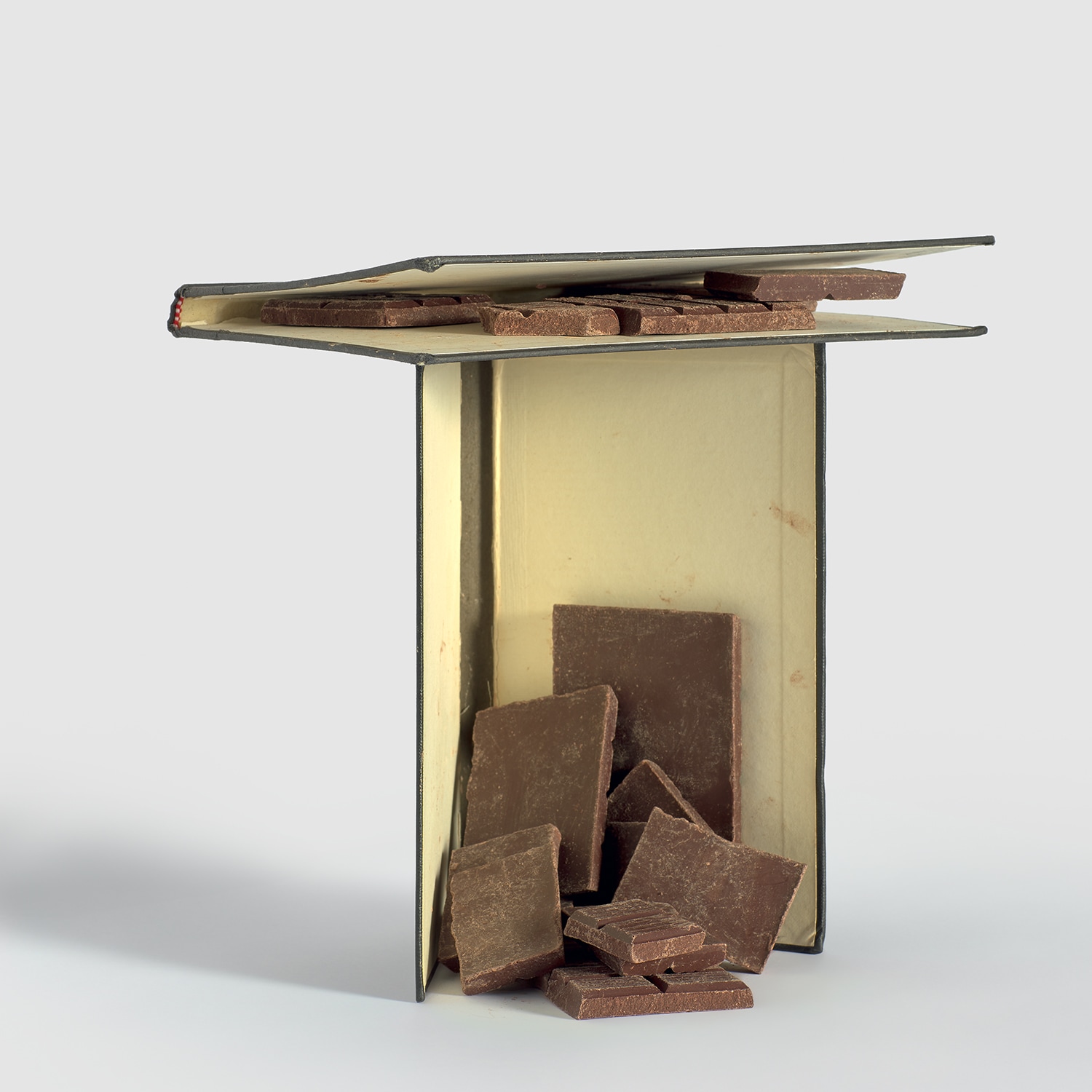
Kay Rosen
The Ed Prints
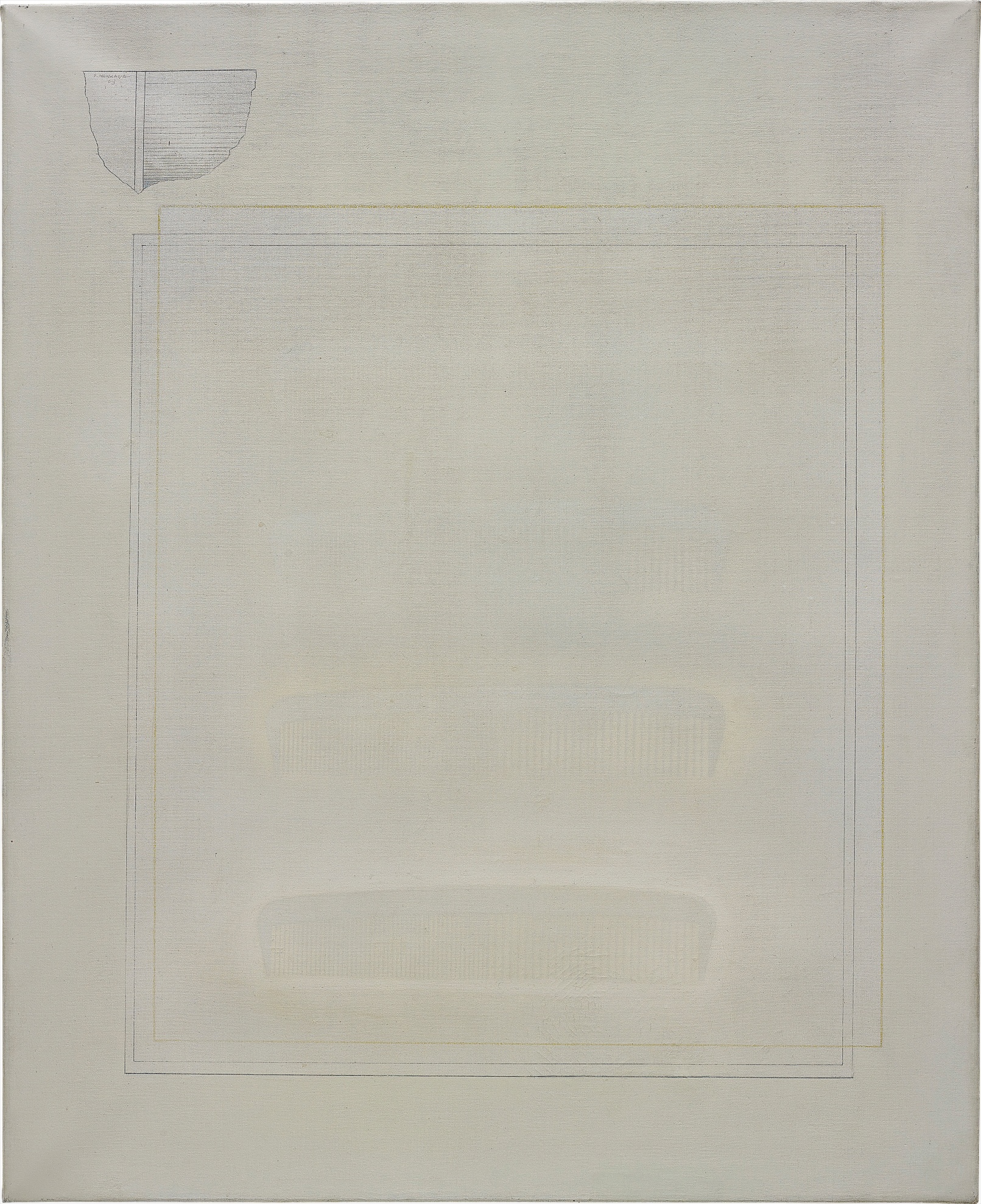
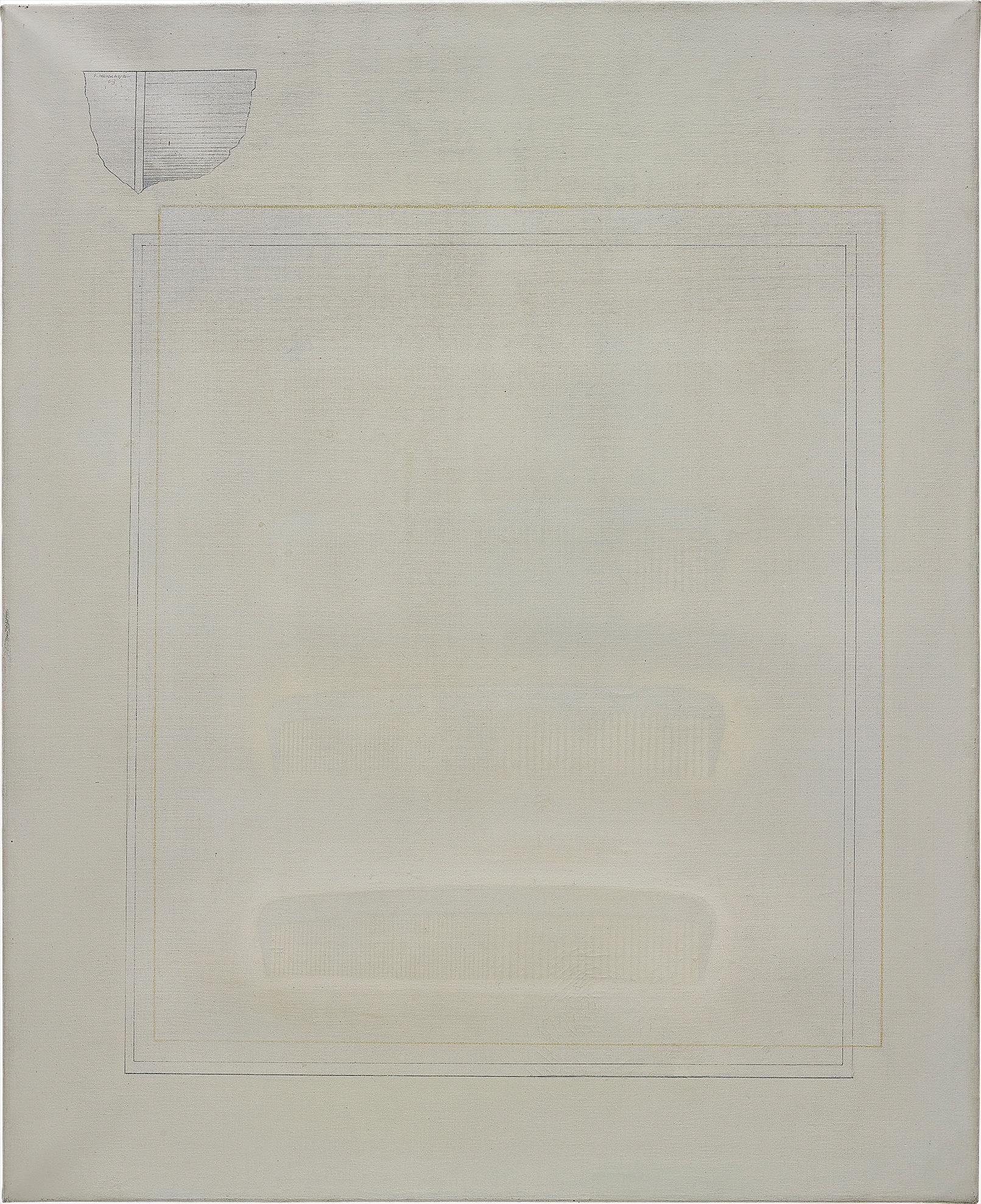
Arakawa's work, often overlooked in surveys of this period, deserves mention here for the way it uses diagrammatic language and philosophical annotation to create works that feel more like thinking made visible than like art in any conventional sense. His collaborations with poet Madeline Gins pushed the boundaries of what text in an artwork could demand of a viewer. What feels alive right now is the space where language art meets questions of access, translation, and digital circulation. Younger artists are returning to the strategies of Weiner and Holzer with fresh urgency, and the market is beginning to reflect that renewed interest in a lineage that once seemed settled.
What surprises are coming is harder to say, but the smart money is paying attention to how institutions are beginning to collect works that exist at the edge of language and code, and what it means to own a statement rather than a thing. That question, which Weiner asked in 1969, turns out to be nowhere near finished.