Korean
Lee Bae
En attendant, 2026
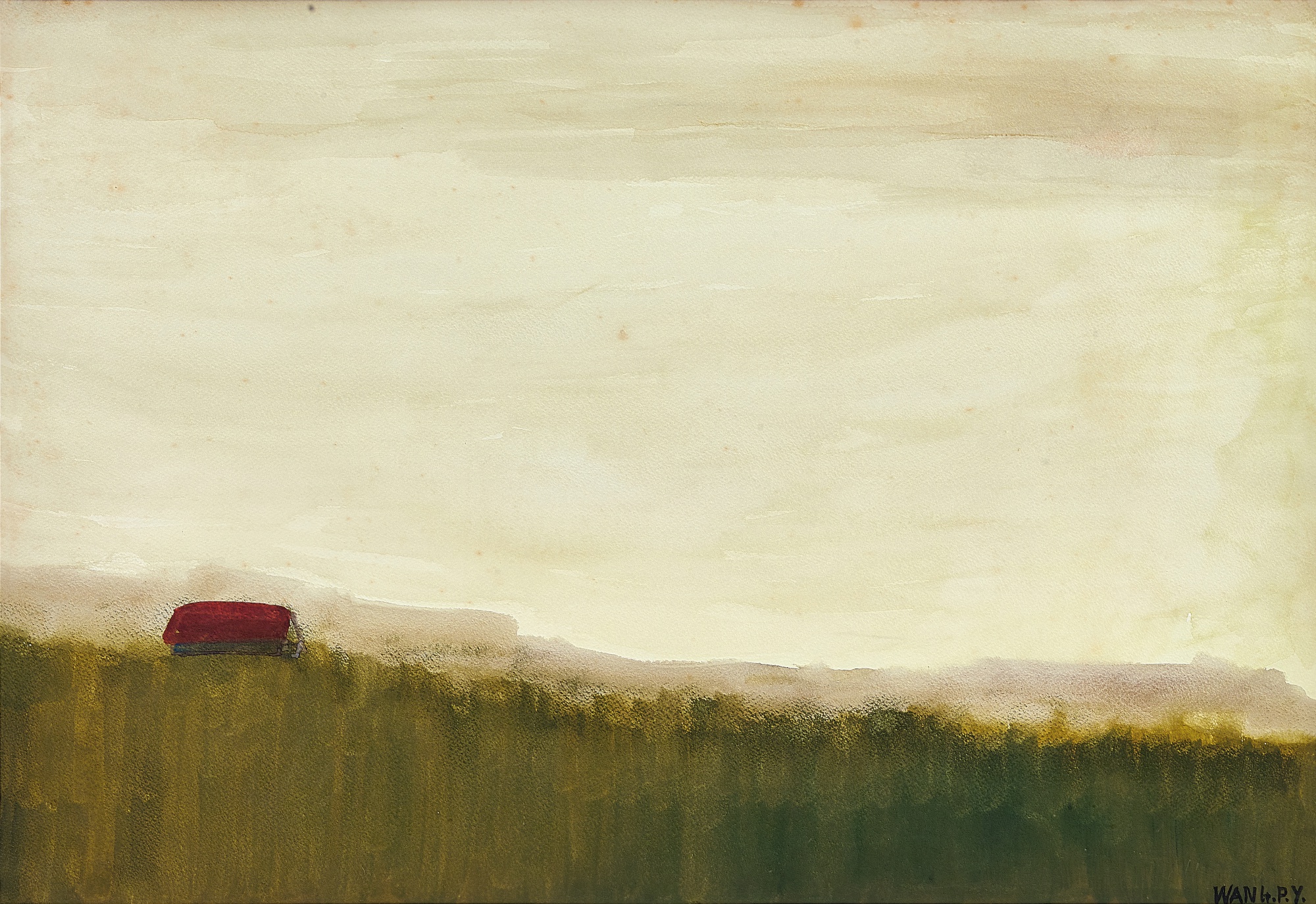
The Korean Avant-Garde Has Never Been More Collectible
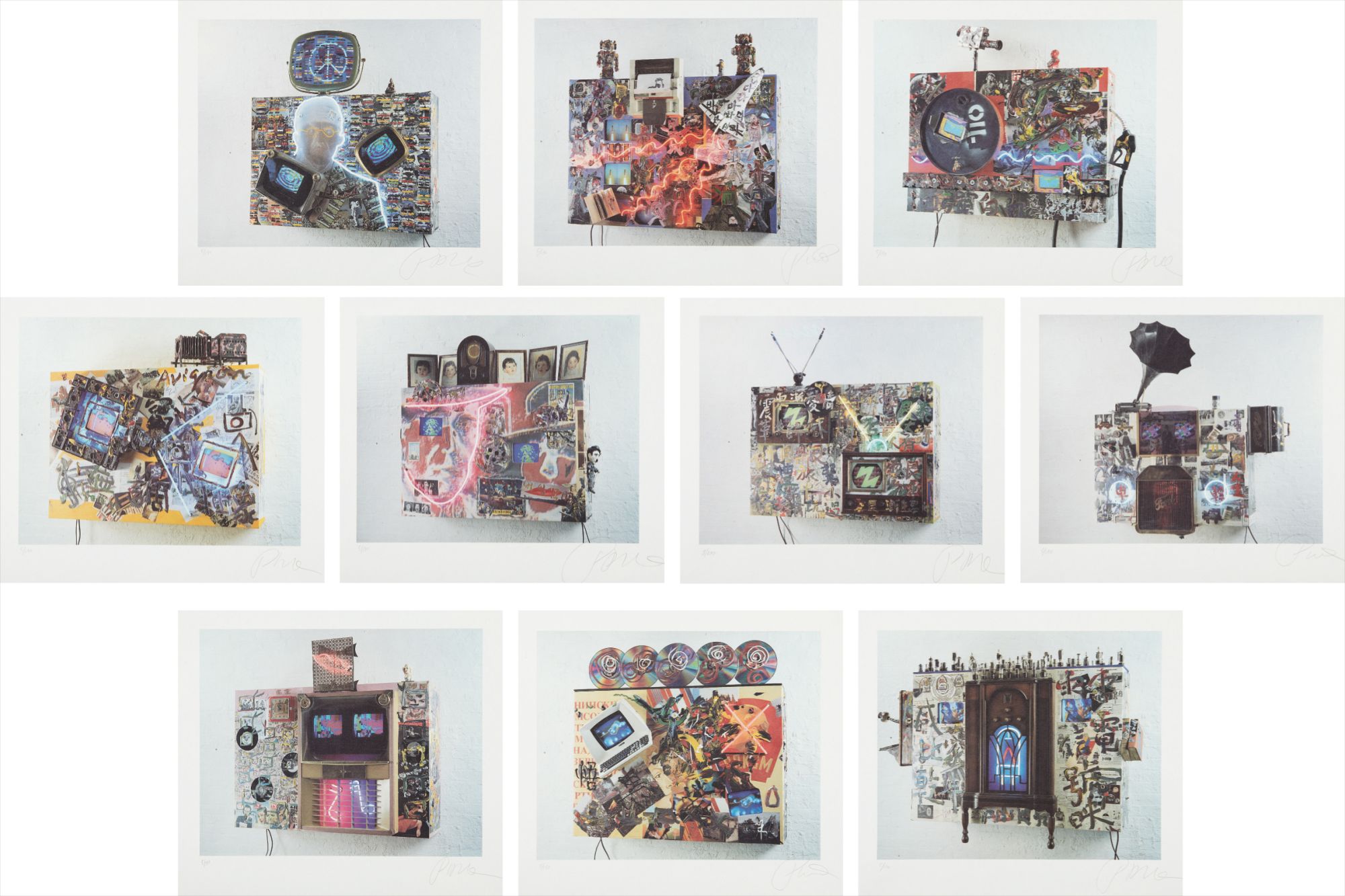
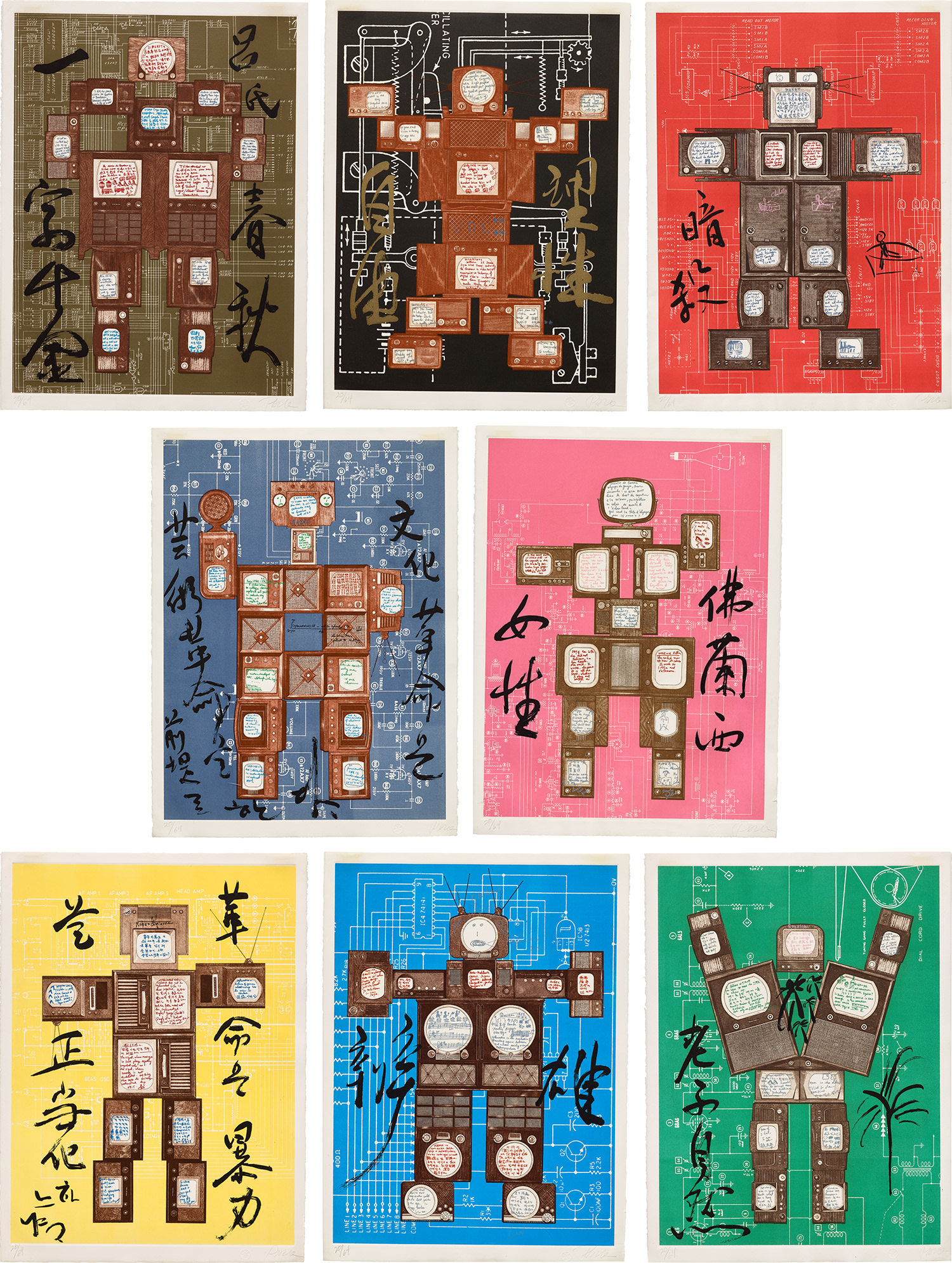
There is a particular quality of attention that Korean art demands. Whether it is the slow accumulation of mark upon mark in a Park Seo Bo Ecriture canvas, the trembling stillness of a Kim Tschang Yeul water droplet, or the conceptual provocation of a Nam June Paik installation, these works ask you to slow down in a way that very little contemporary art does. Collectors who have lived with Korean modernism and its successors consistently describe the same experience: the work opens up over time. It does not perform for you on the first viewing.
It rewards patience, and in an art market full of work that announces itself loudly and then has nothing more to say, that quality has become genuinely rare. What draws serious collectors to Korean art right now is partly a question of depth and partly a question of timing. The Dansaekhwa movement, those painters of the 1970s who stripped painting back to its most essential material gestures, was critically overlooked in the West for decades before a series of museum shows and the advocacy of a handful of passionate dealers brought it into international focus. The Tate, the Guggenheim Bilbao, and the Venice Biennale all played roles in building that case.
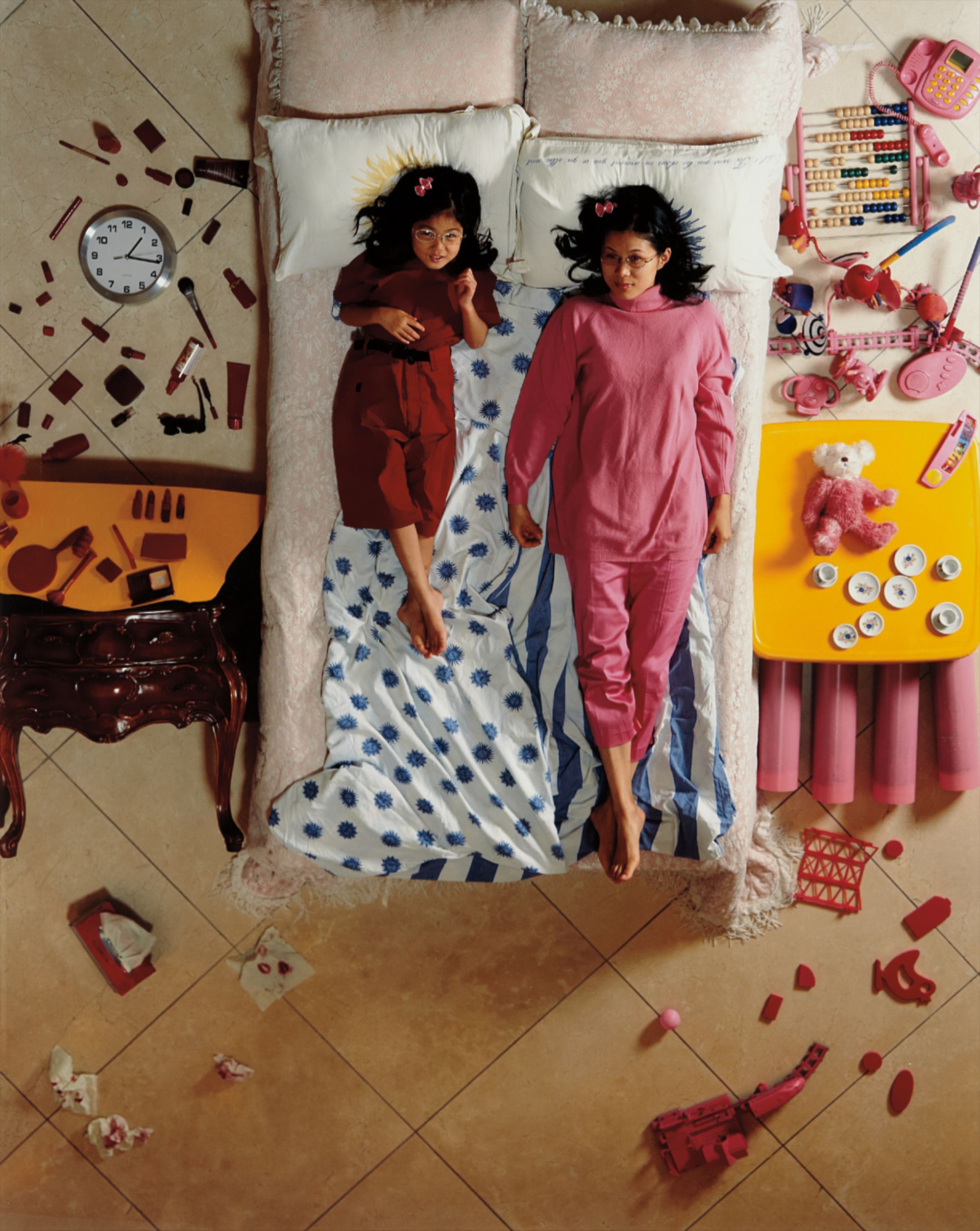
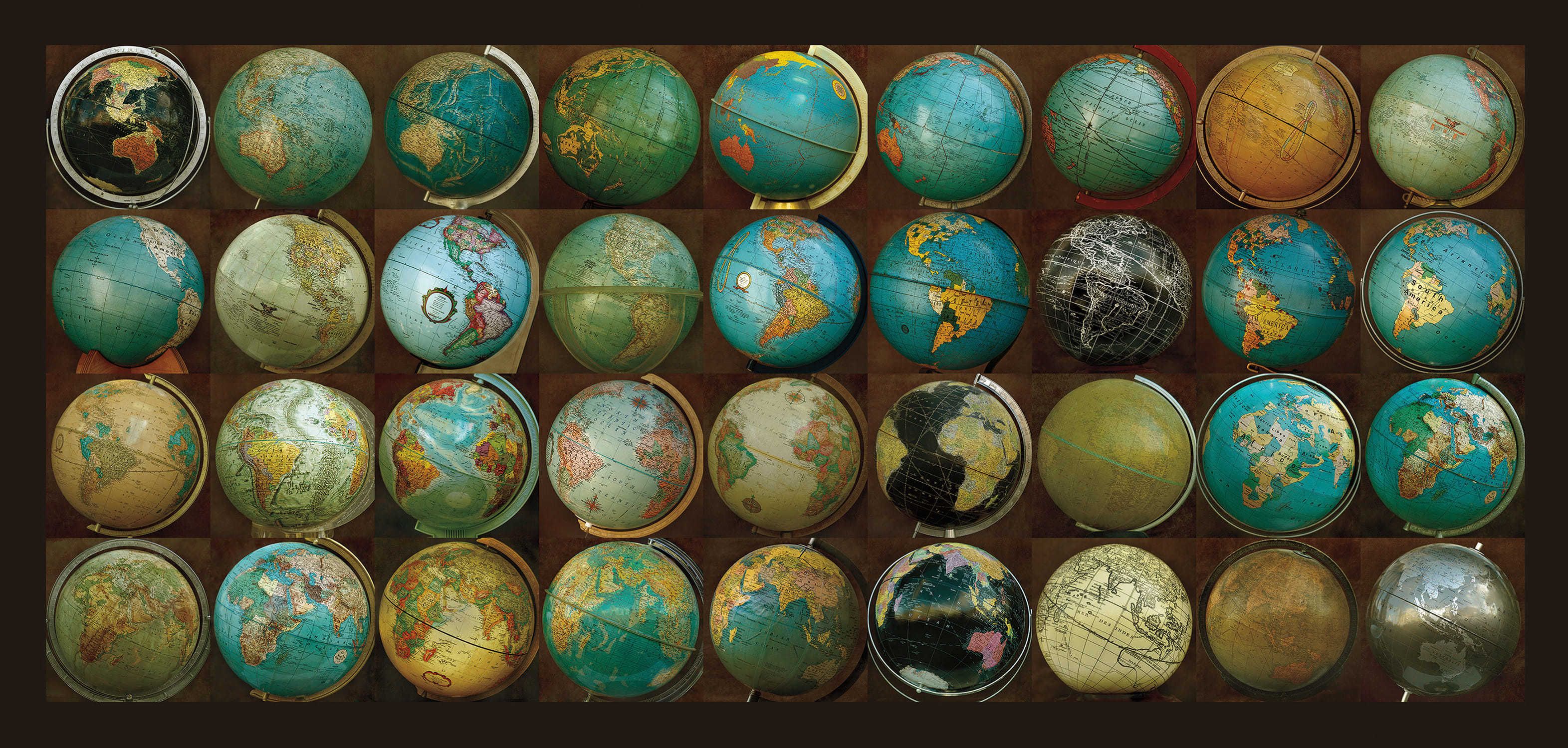
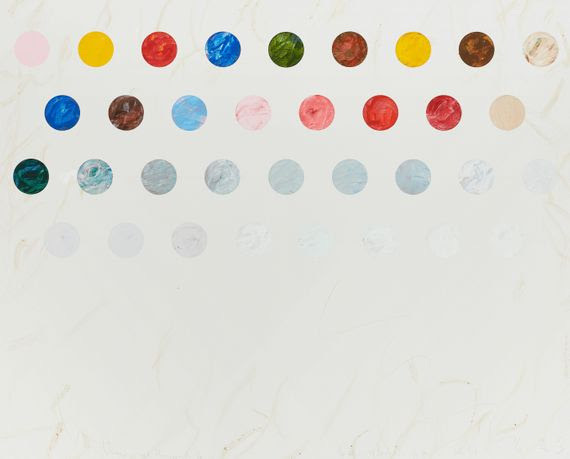
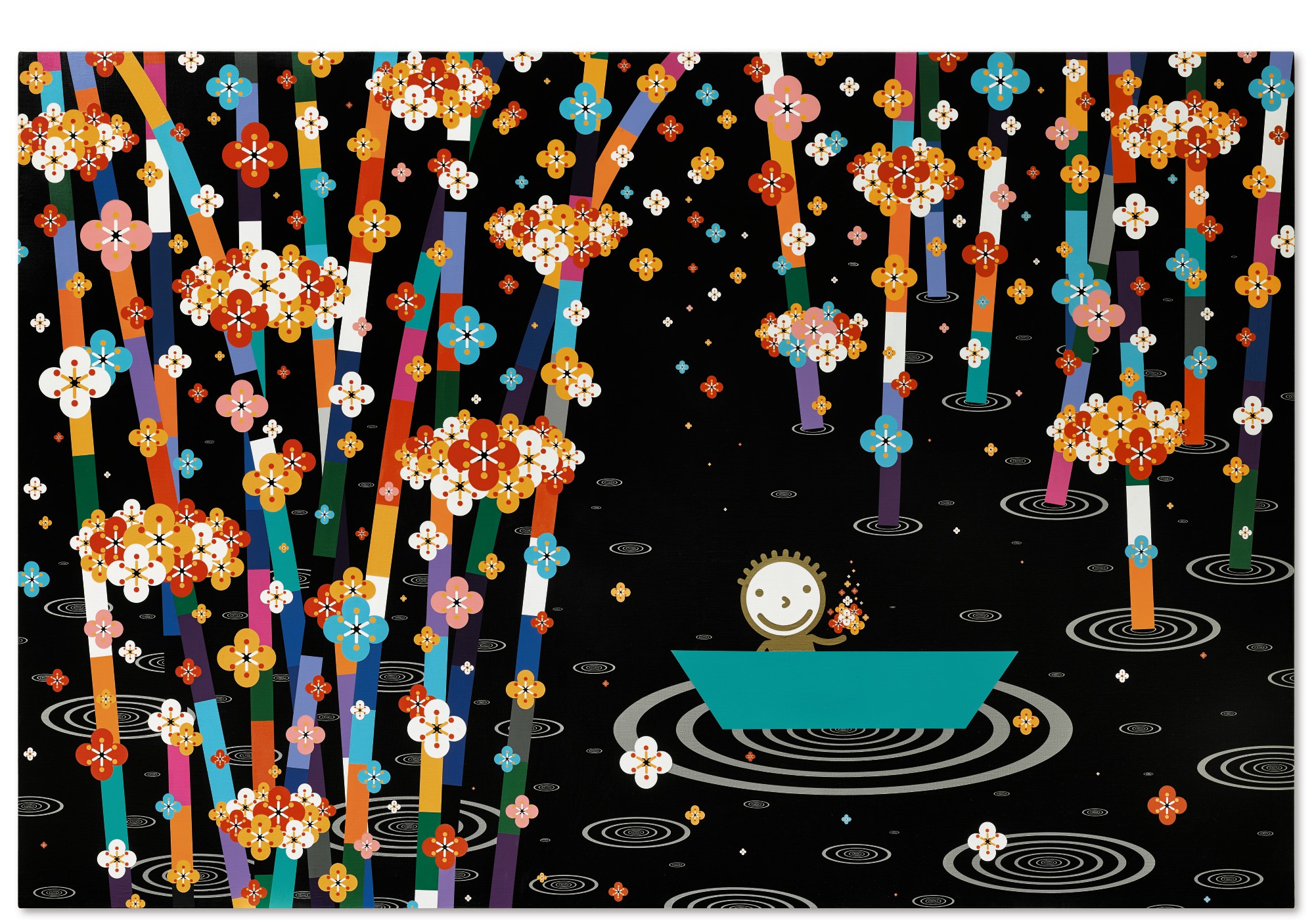
Yeondoo Jung
Afternoon Nap from Wonderland
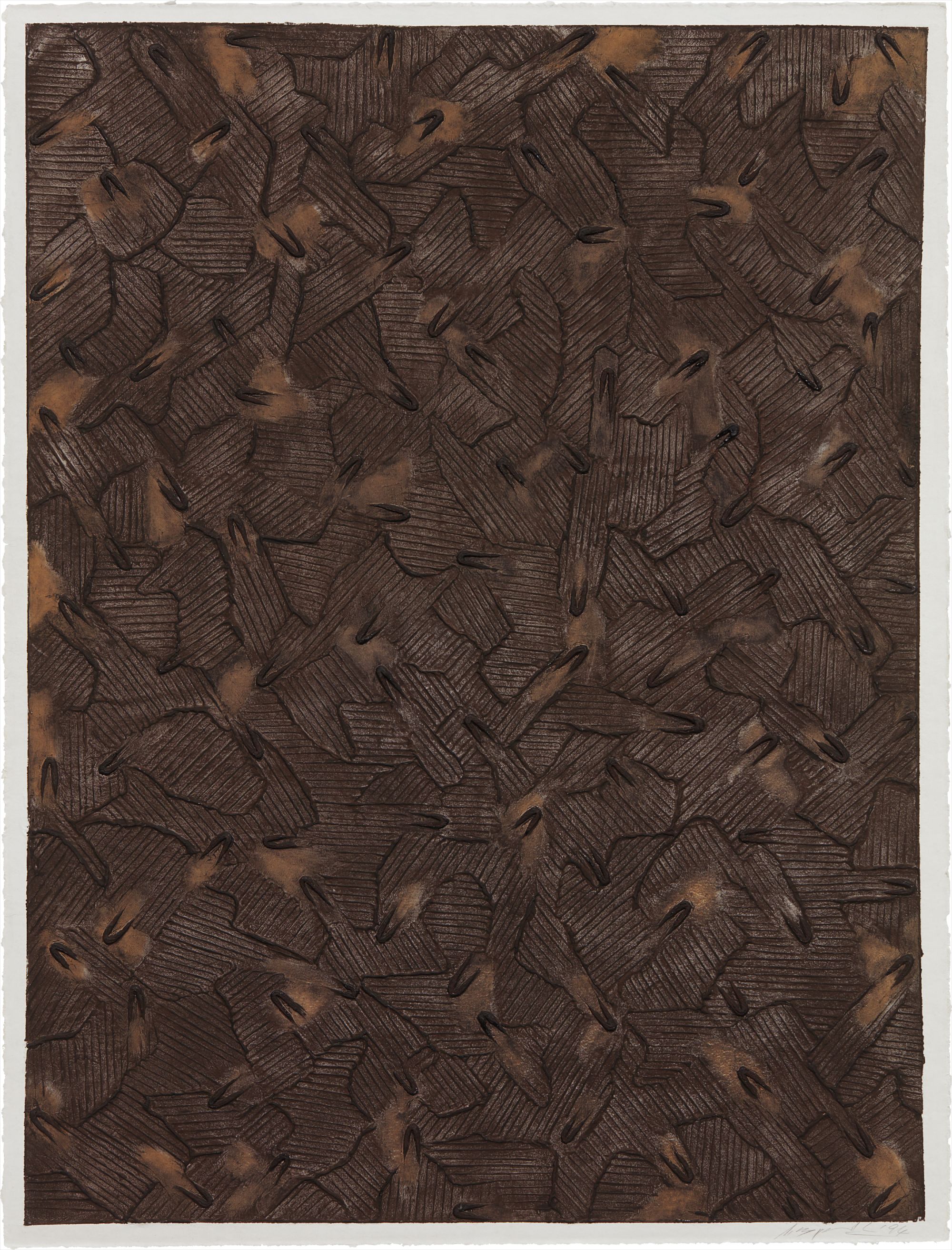
Now the work is priced accordingly, but the story of Korean art does not begin and end with Dansaekhwa, and the broader field still holds significant opportunity for the collector willing to look carefully. Distinguishing a good work from a great one in Korean modernism often comes down to process legibility and conceptual coherence. In Park Seo Bo's Ecriture series, for instance, the strongest examples are those where the physical act of drawing through wet hanji paper pulp is most fully present, where you can read the rhythm of the body in the surface. A flattened or overly resolved canvas loses that tension.
Similarly with Lee Ufan, whose minimalist works pivot on the relationship between the painted mark and unpainted canvas, the works that hold greatest value and deepest resonance are those where that dialogue feels genuinely unresolved, open rather than concluded. Collectors should always ask about date and period within a series, because the evolution of an artist's thinking often means that works from a particular decade carry far more critical weight than others. Within the artists well represented on The Collection, the cases for long term value are compelling across several generations. Lee Ufan remains one of the most intellectually rigorous artists of the postwar period, and his market has proven remarkably stable even during broader downturns, supported by major institutional holdings and a critical literature that continues to grow.
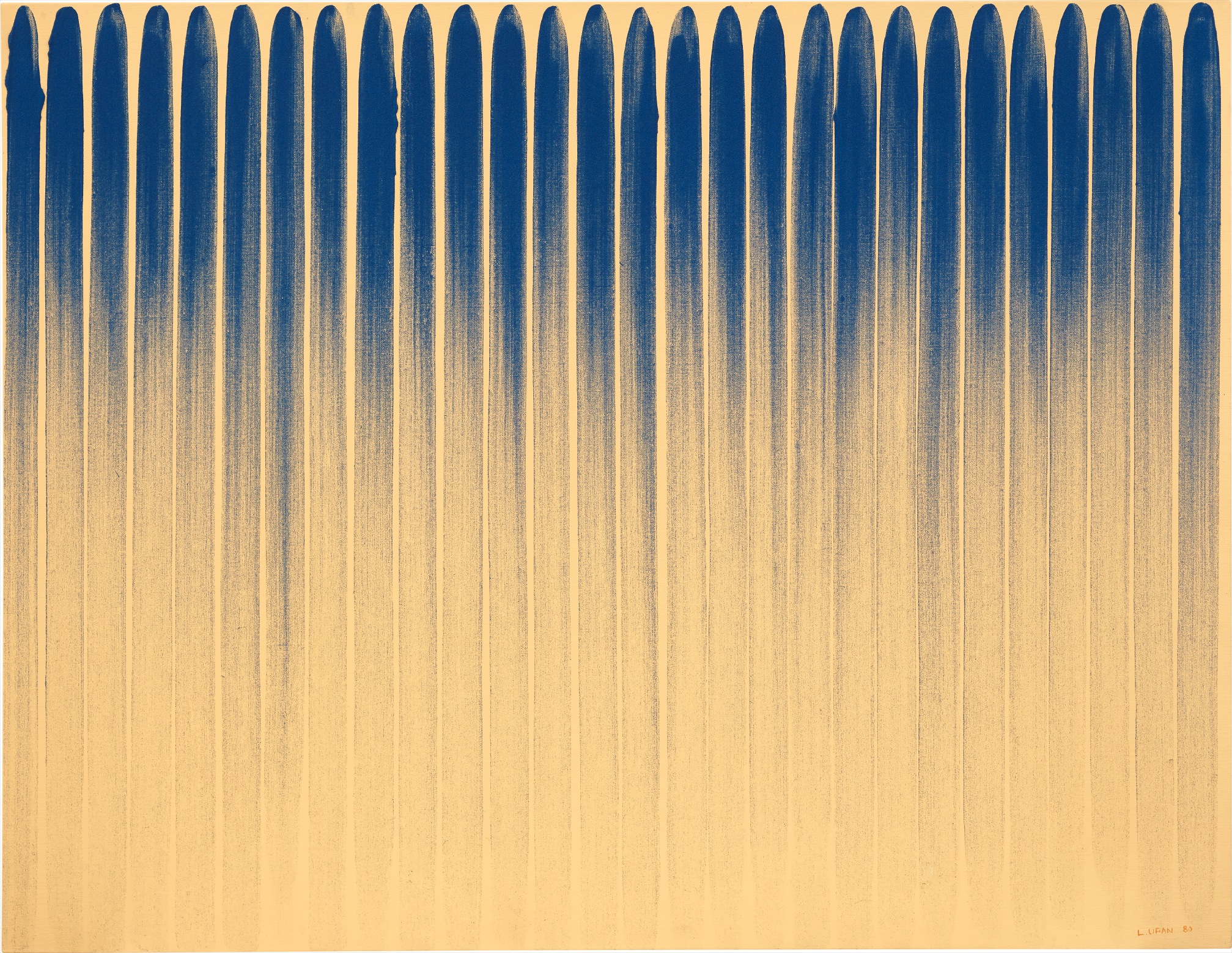
Lee Ufan
From Line No. 800139, 1980
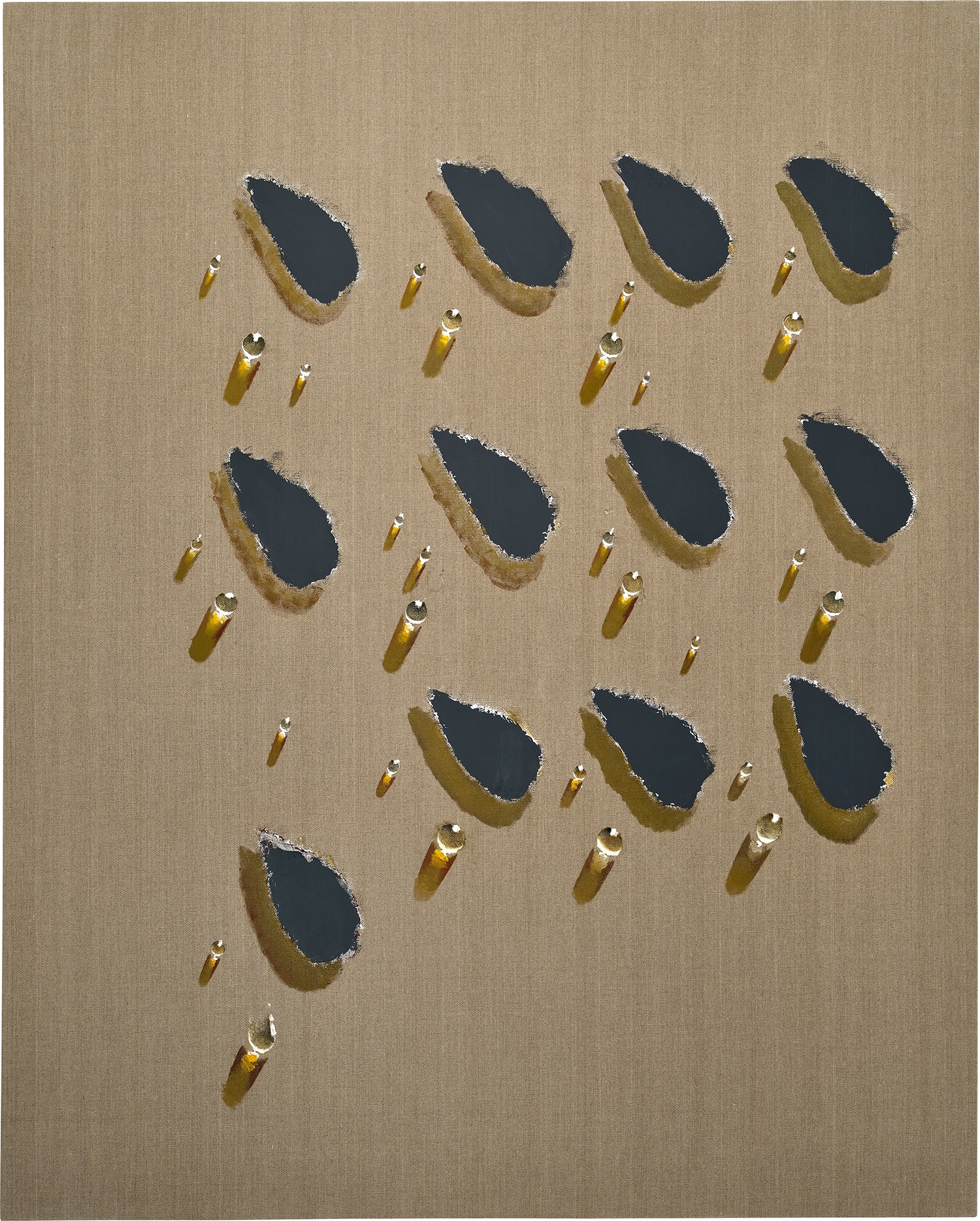
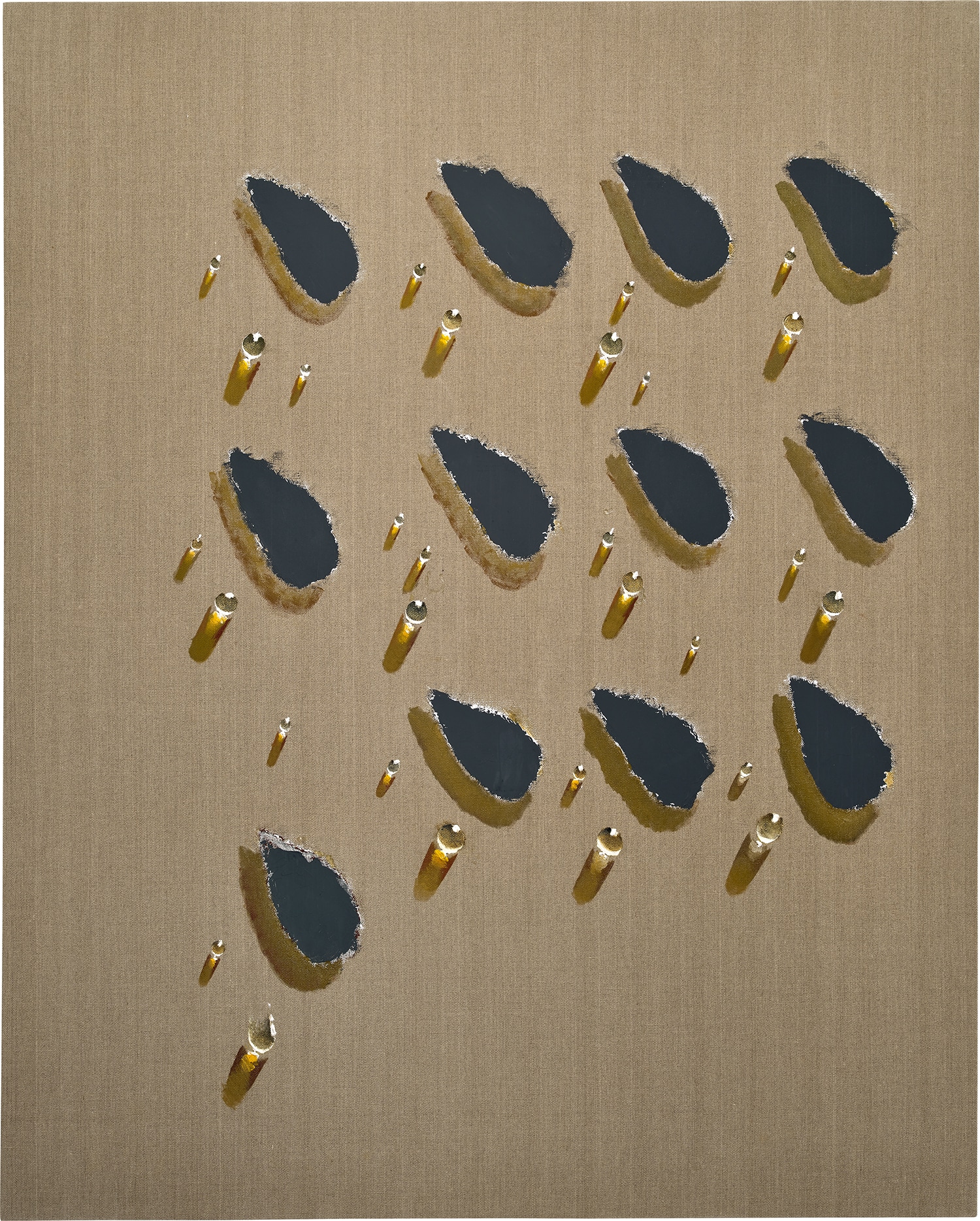
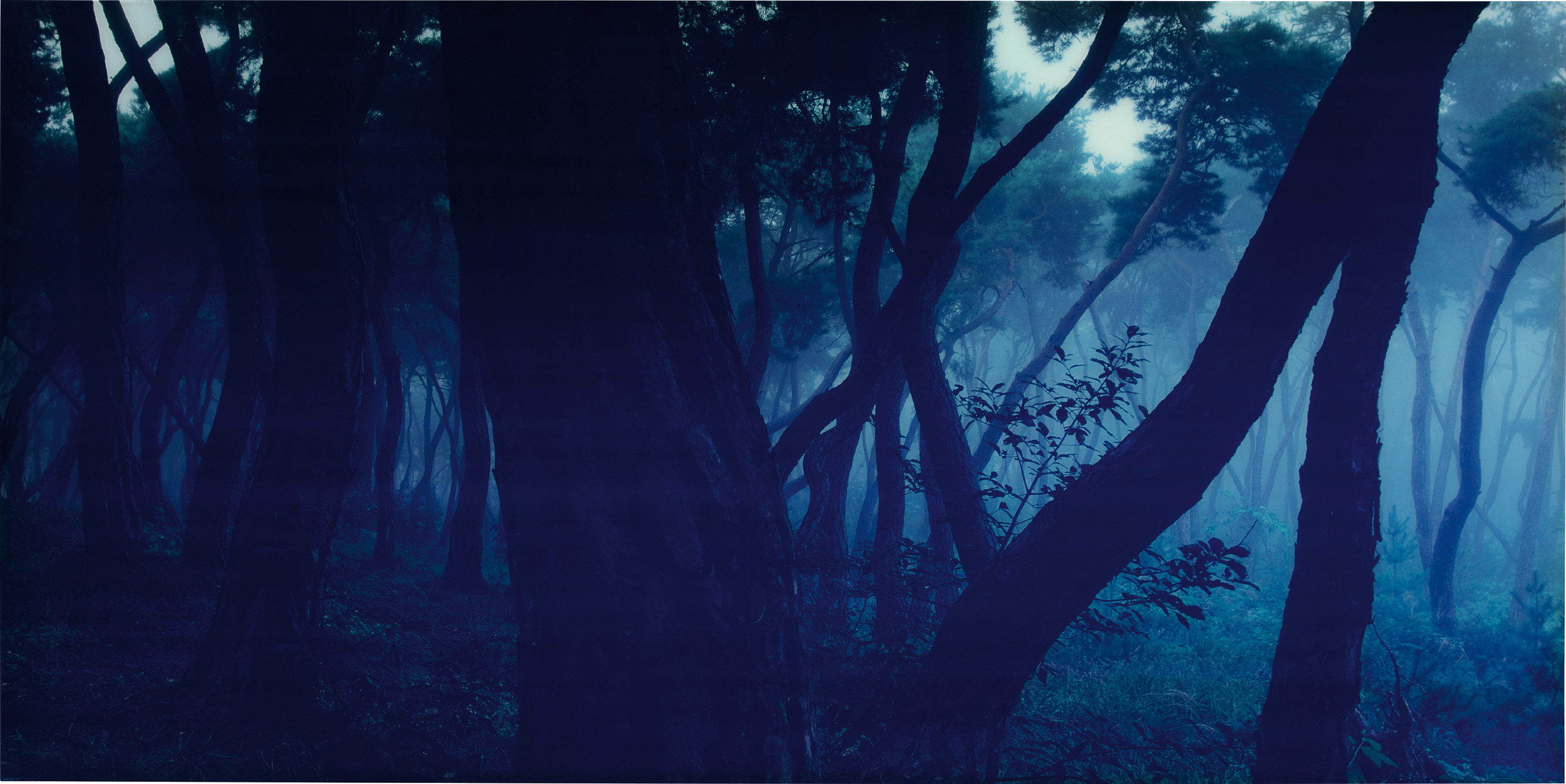
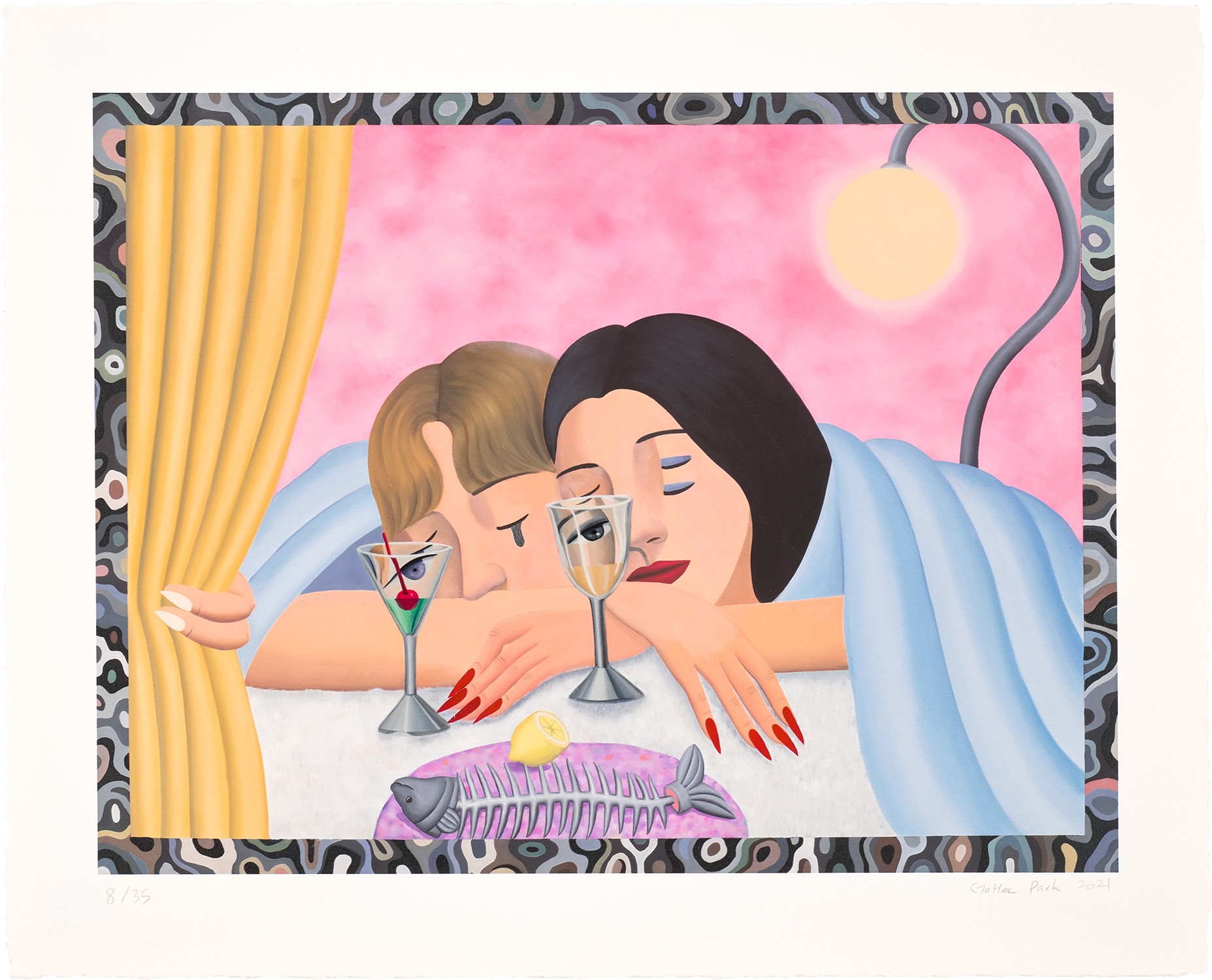
Kim Tschang Yeul's water droplet paintings occupy a singular position, hovering between hyperrealism and Buddhist philosophy, and their crossover appeal to collectors in Asia, Europe, and the United States gives them unusual market resilience. Bae Bien U's large format silver gelatin photographs of Korean pine forests sit at an interesting intersection of landscape, spirituality, and photographic tradition, and they remain underpriced relative to their quality and the scale of his institutional recognition in France and Japan. For collectors interested in where the next chapter is being written, several artists on The Collection are worth sustained attention. GaHee Park works in a register that feels genuinely contemporary while drawing on a much longer tradition of figurative unease, her canvases populated by bodies and fauna in states of restless transformation.
Haegue Yang has built one of the most rigorous international careers of any Korean artist of her generation, with major commissions and retrospectives at institutions including the Hamburger Bahnhof and the Museum of Modern Art, yet secondary market prices for her works still trail well behind her critical standing. Suh Do Ho, whose architectural installations address displacement, memory, and belonging with extraordinary material intelligence, represents a category of ambitious large scale practice where early works on paper or smaller editions offer accessible points of entry into a significant body of work. At auction, Korean art has performed with increasing confidence over the past decade. The major houses in Hong Kong have been central to establishing price benchmarks for Dansaekhwa artists, and Seoul Auction and K Auction have developed into credible international platforms.
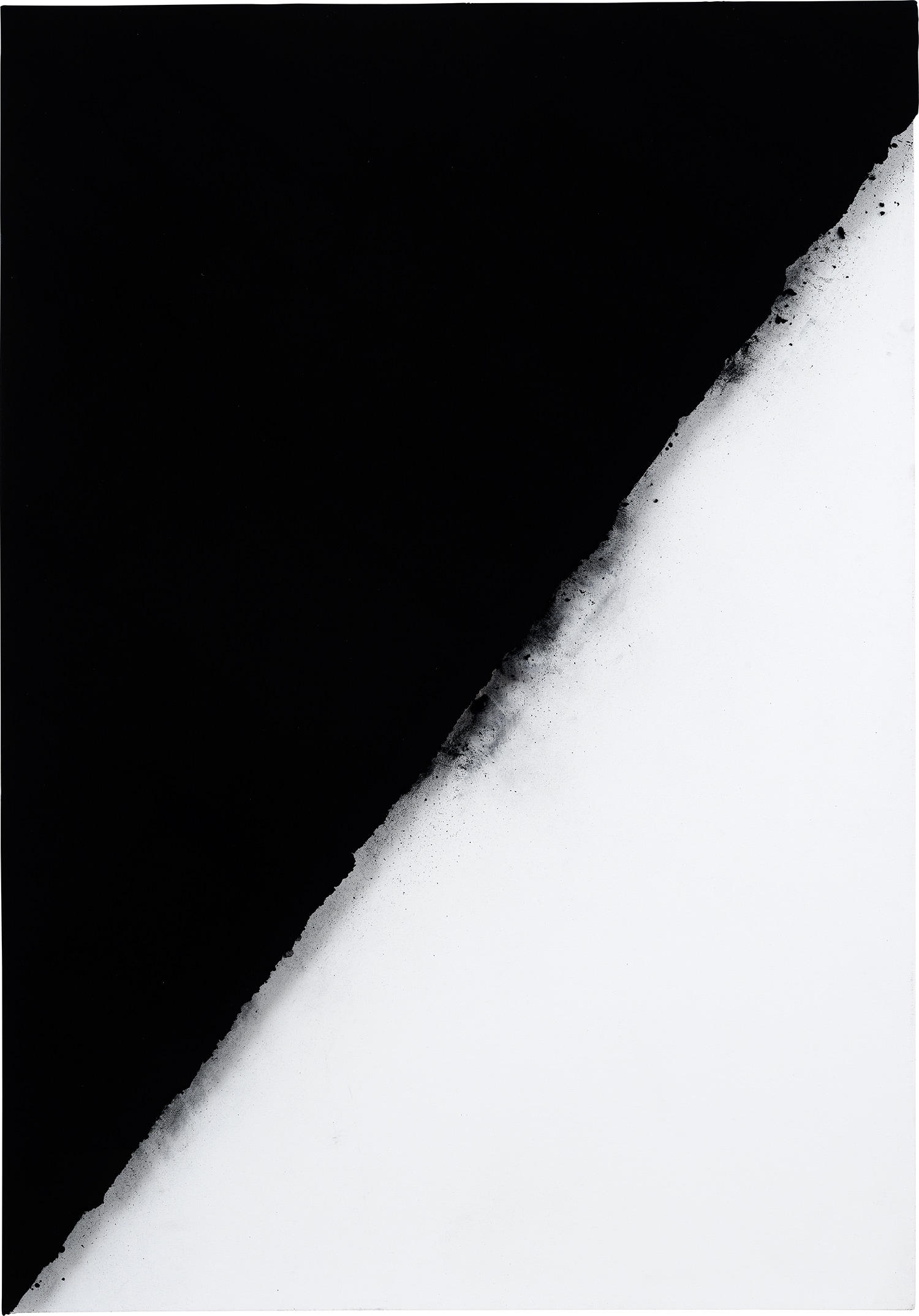
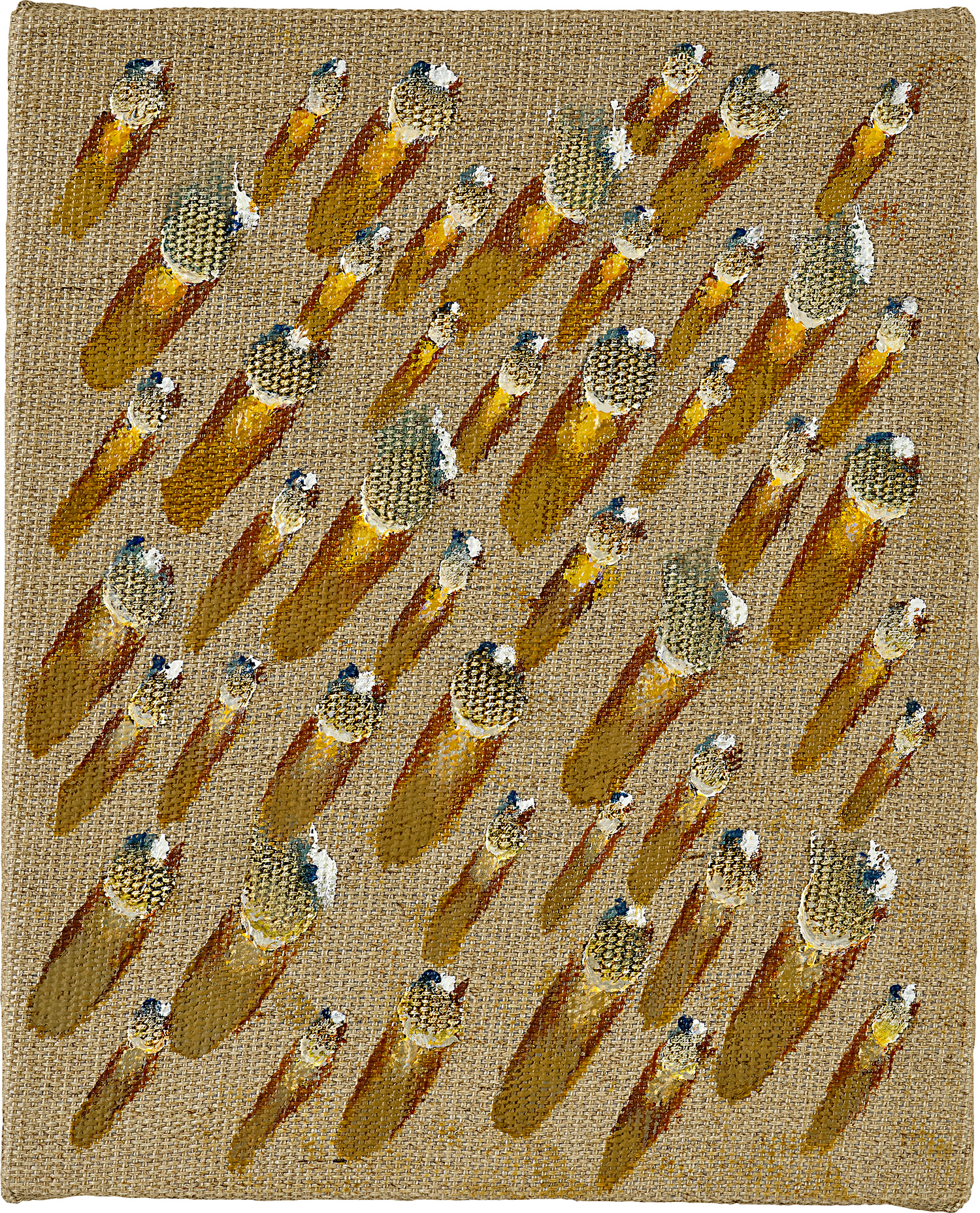
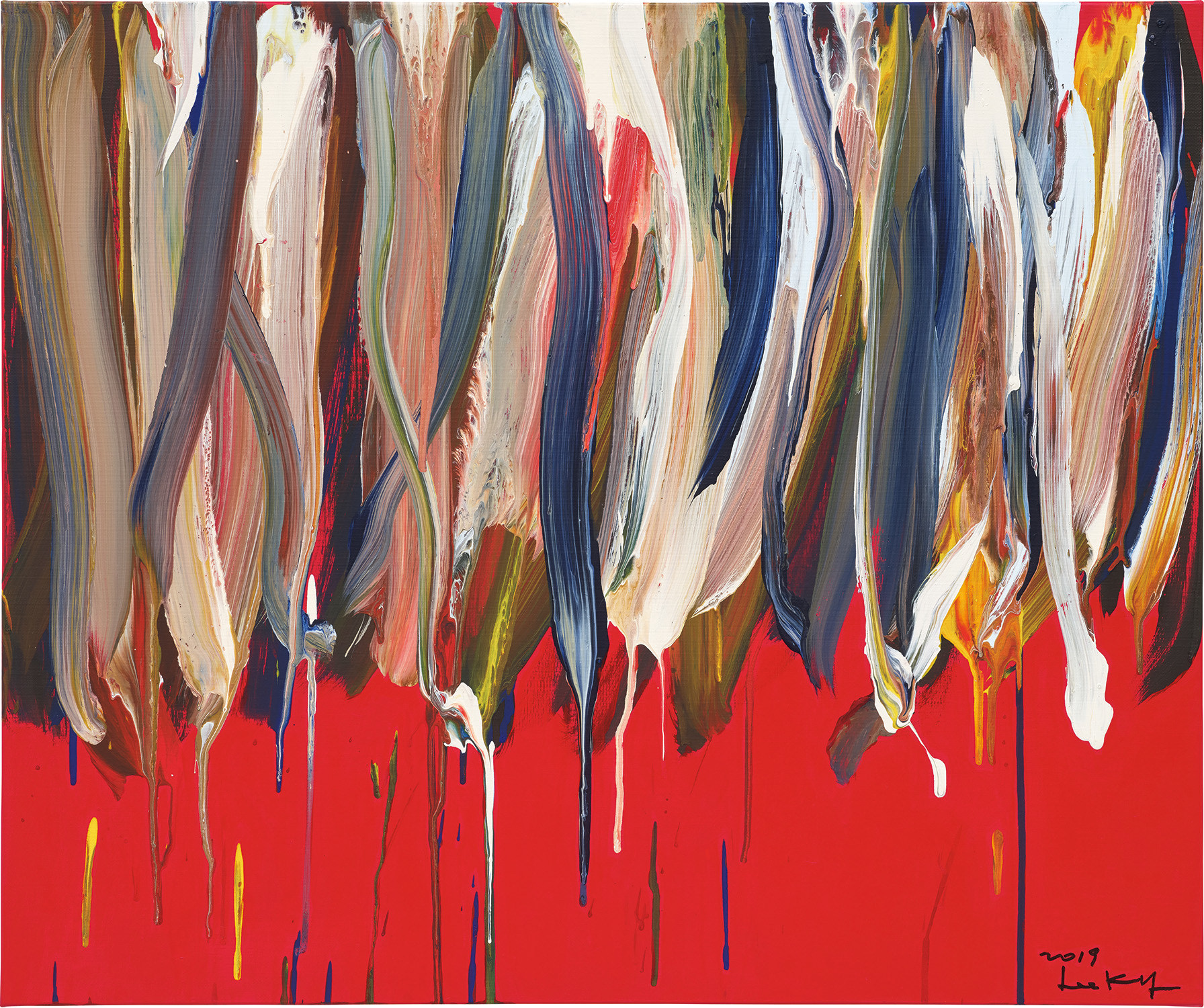
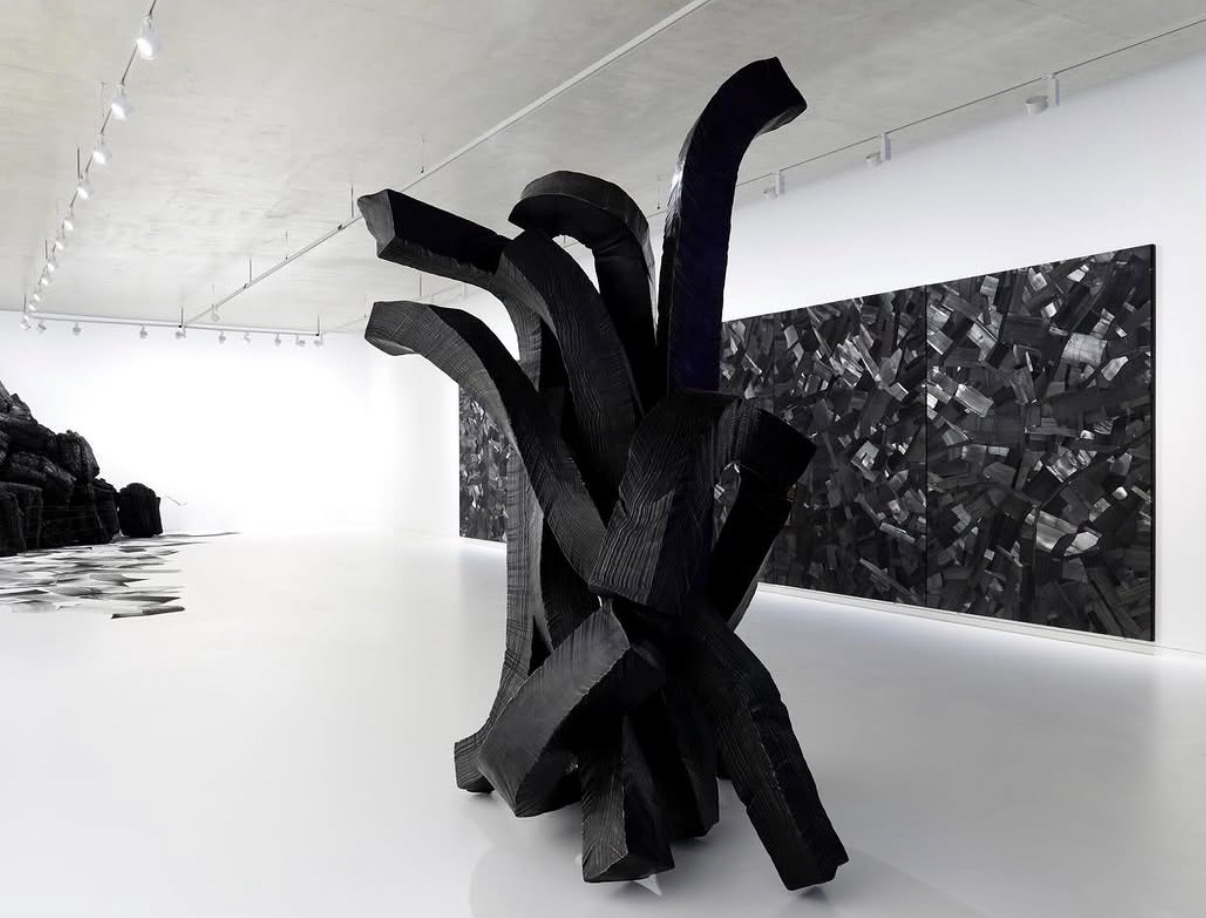
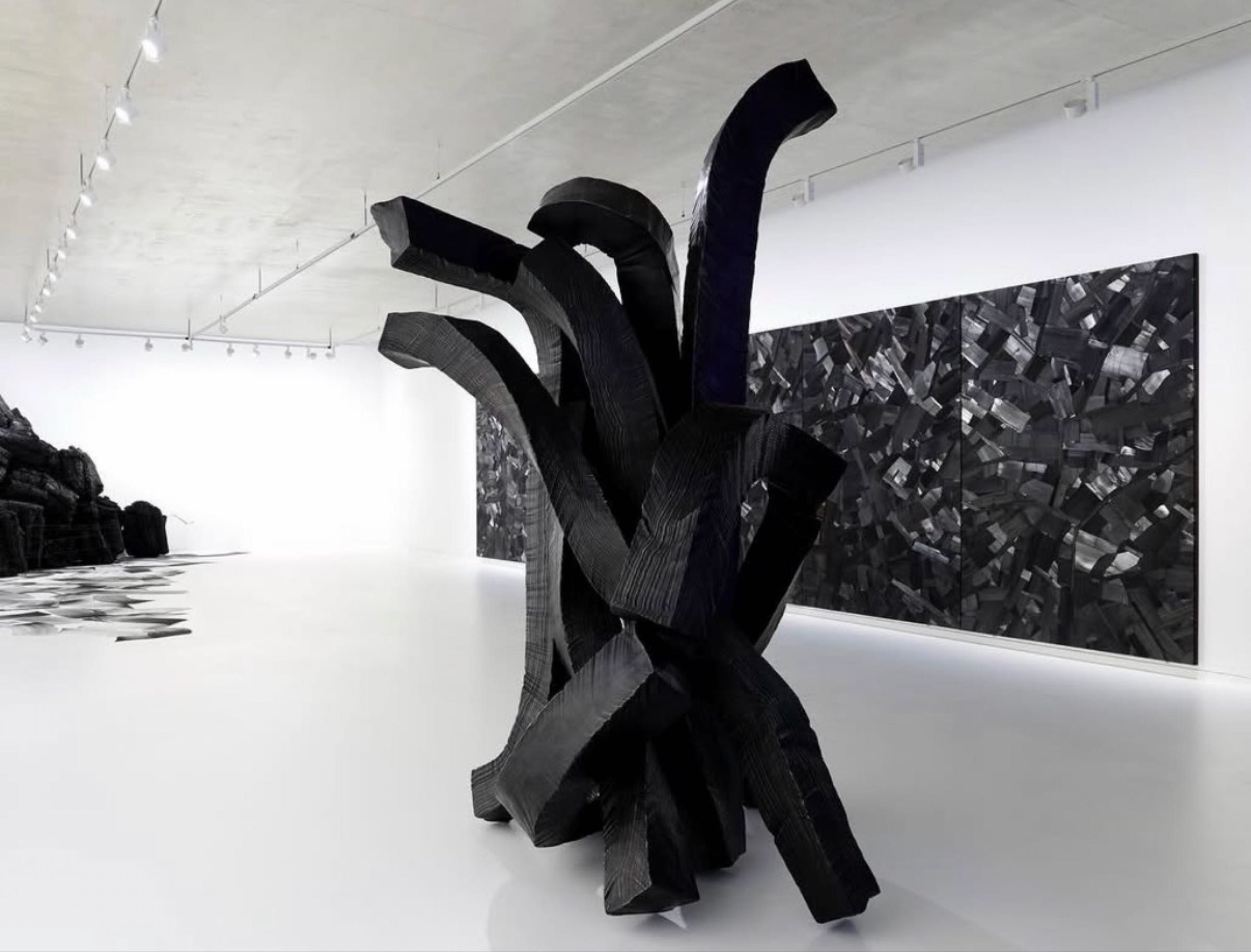
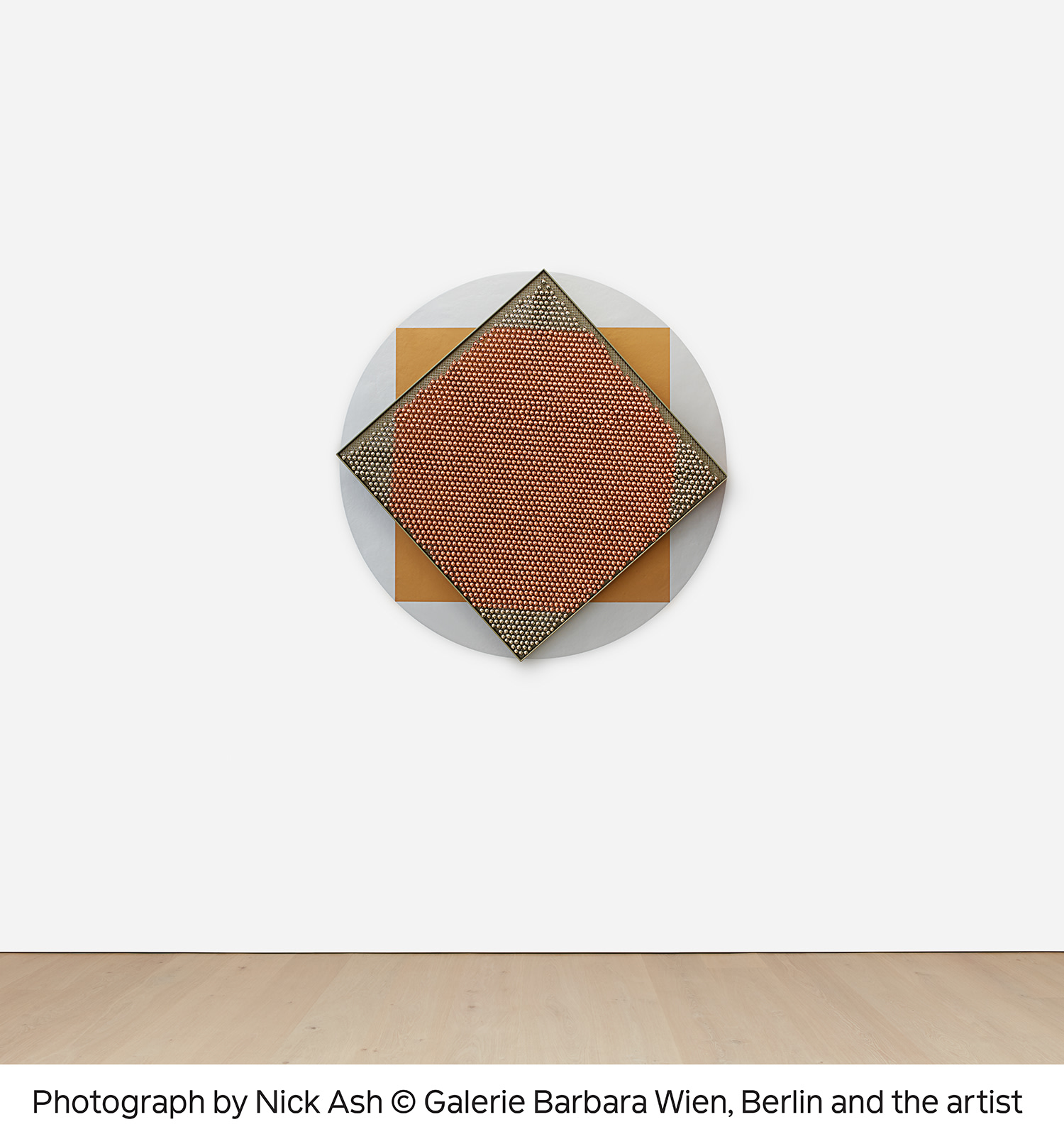
Lee Bae
Landscape ch3-33, 2003
Lee Ufan and Park Seo Bo hold consistent records at the higher end of the secondary market, while artists like Lee Bae, whose charcoal based paintings carry a quiet monumentality, are beginning to appear with greater frequency and at rising prices. One pattern worth noting is that provenance matters considerably in this category: works that passed through significant Korean or European collections, or that appeared in major survey exhibitions, command meaningful premiums over otherwise comparable pieces. On the practical side, condition is an area where Korean works require particular care. Hanji, the mulberry paper used in many traditional and contemporary Korean works, is remarkably durable but sensitive to humidity and light.
For works on canvas that incorporate unconventional materials, as many Dansaekhwa paintings do, ask for a detailed condition report and inquire specifically about any past restoration. With photographers like Bae Bien U or Yeondoo Jung, understand the edition size and where within the edition you are acquiring, and ask whether the artist has authorized posthumous printing of any kind. For works that exist in multiple formats or scales, the largest editions are rarely the most desirable from a market standpoint, even when they are the most visually commanding in a domestic setting. The deeper pleasure of building a collection around Korean art is the discovery that it coheres more than you might expect.
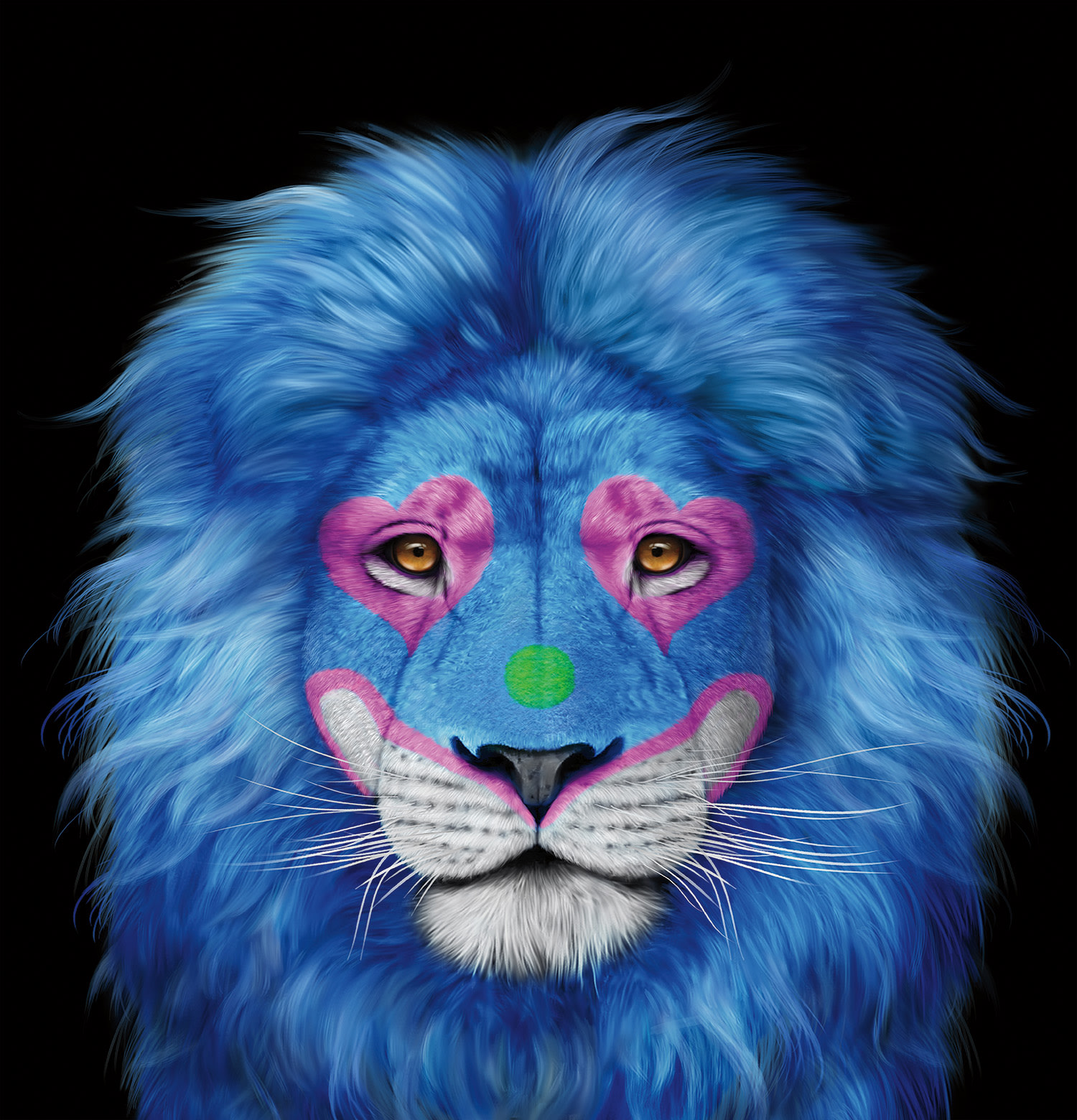
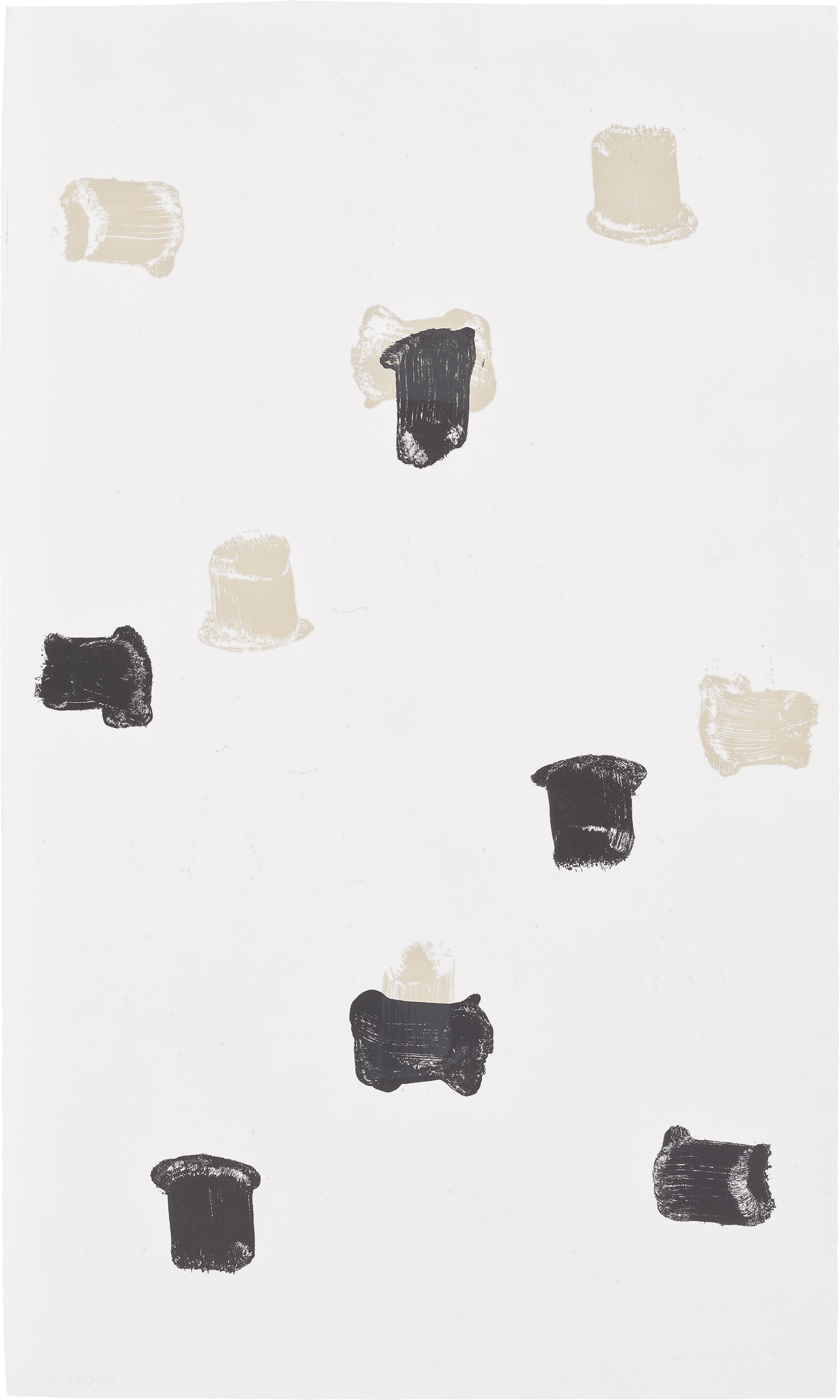
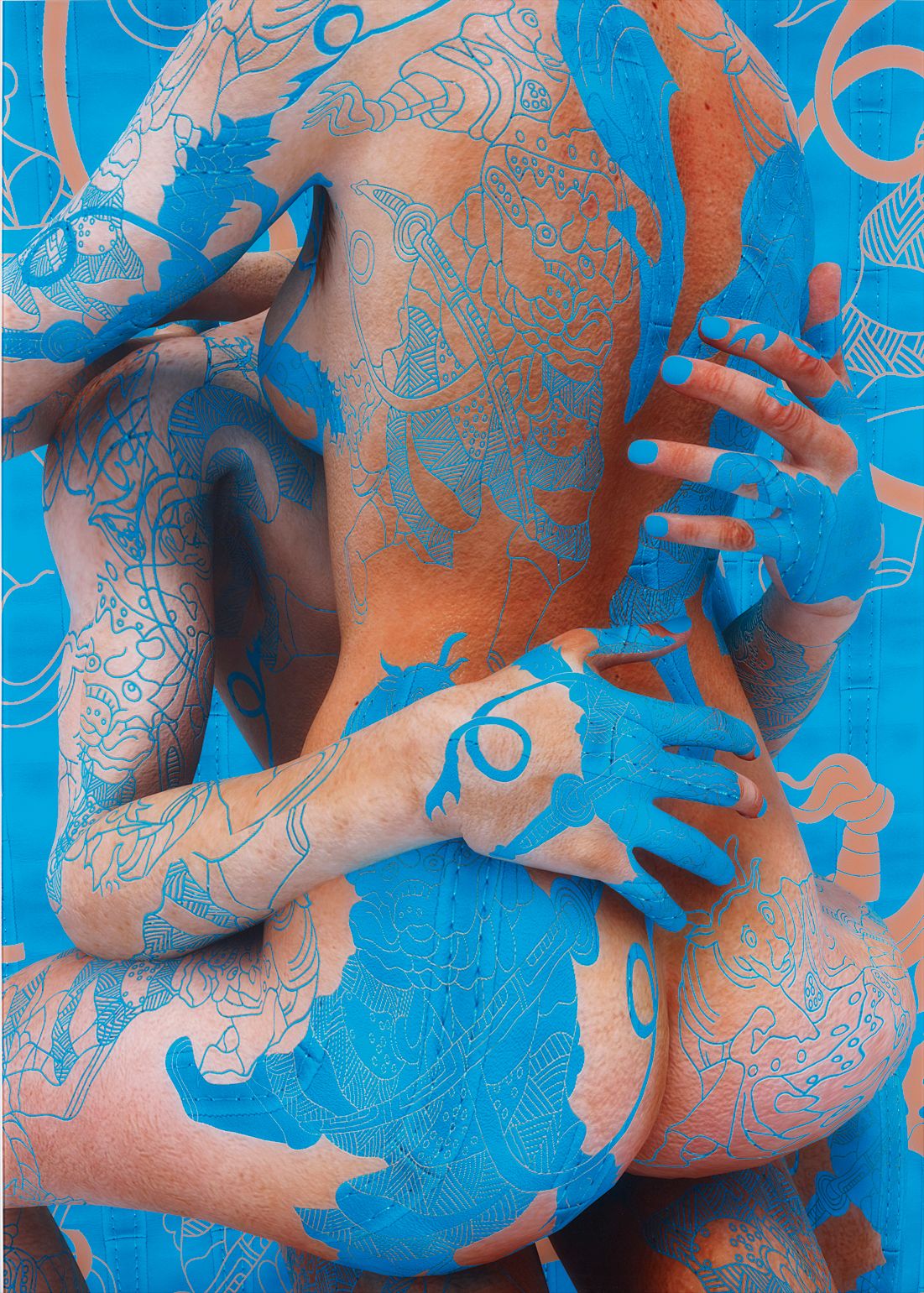
Koh Sang Woo
Pierrot Lion
A Koh Sang Woo photographic work and a Jong Oh site specific installation and a Cindy Ji Hye Kim painting might seem disparate at first encounter, but they share a particular quality of precision and conceptual seriousness that makes them genuinely comfortable in one another's company. Korean artists have consistently resisted easy categorization, and that resistance, that refusal to be absorbed into a single Western narrative, is precisely what makes a collection built around their work feel alive and genuinely yours.