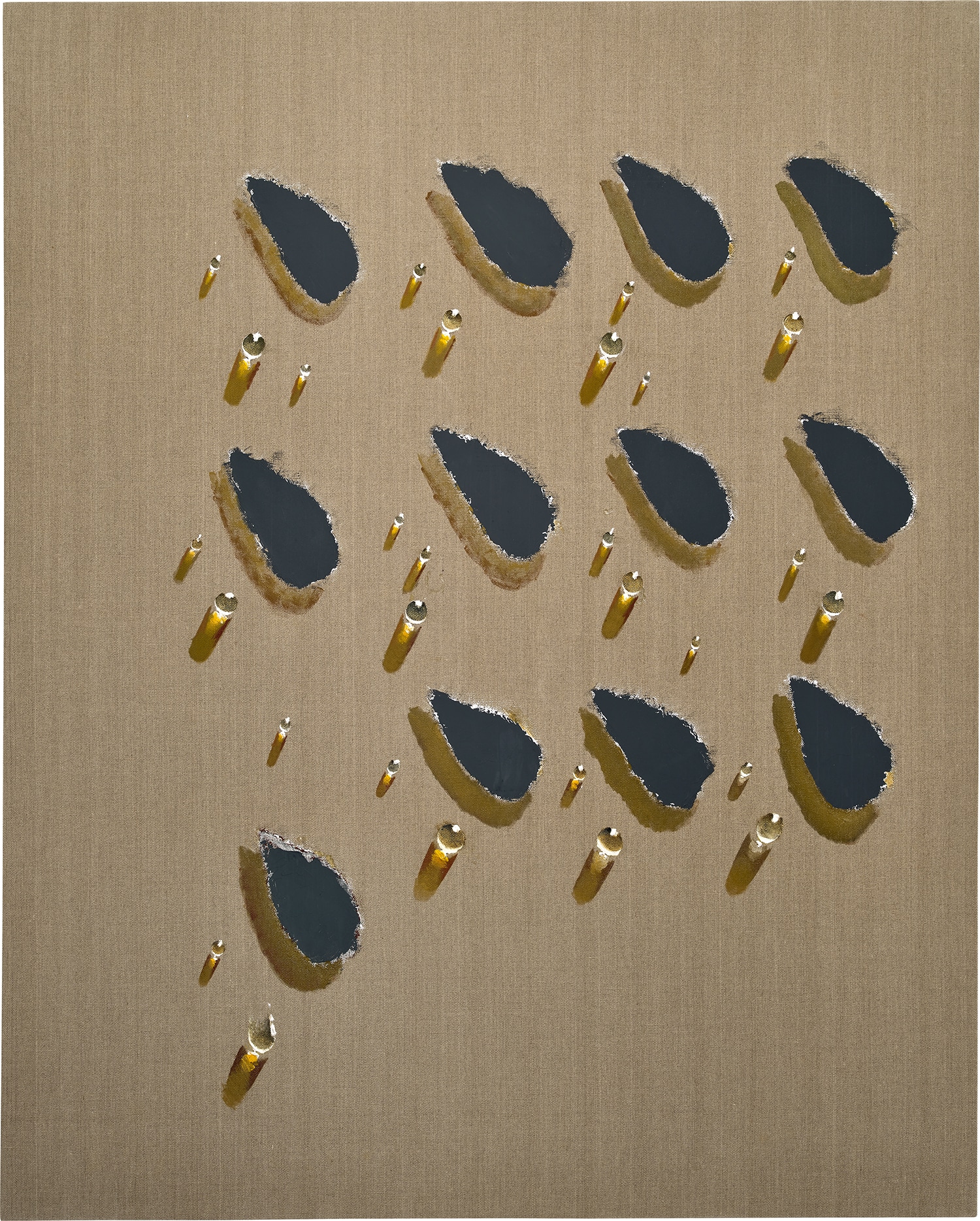
Kim Tschang-Yeul
Artist Spotlight
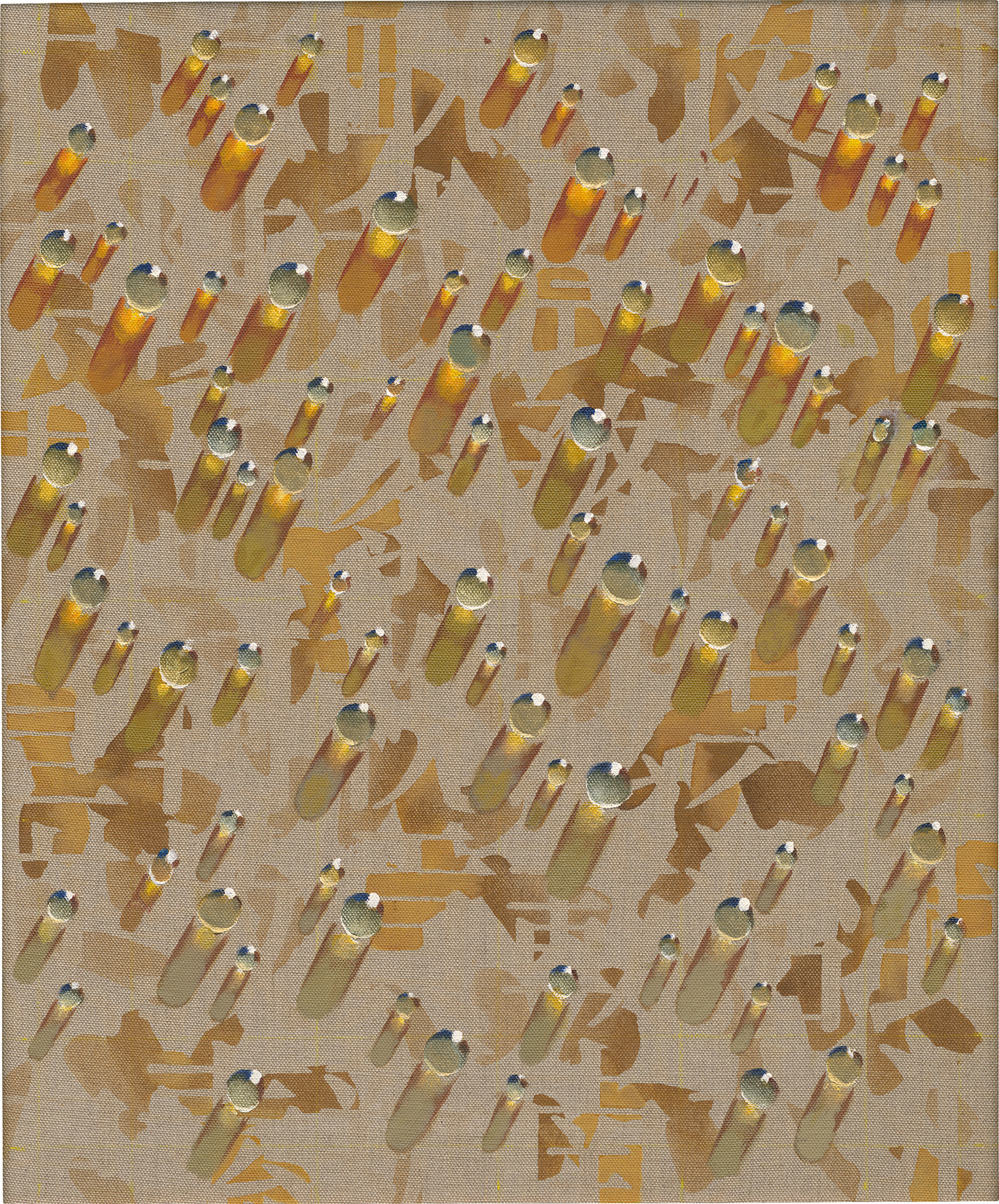
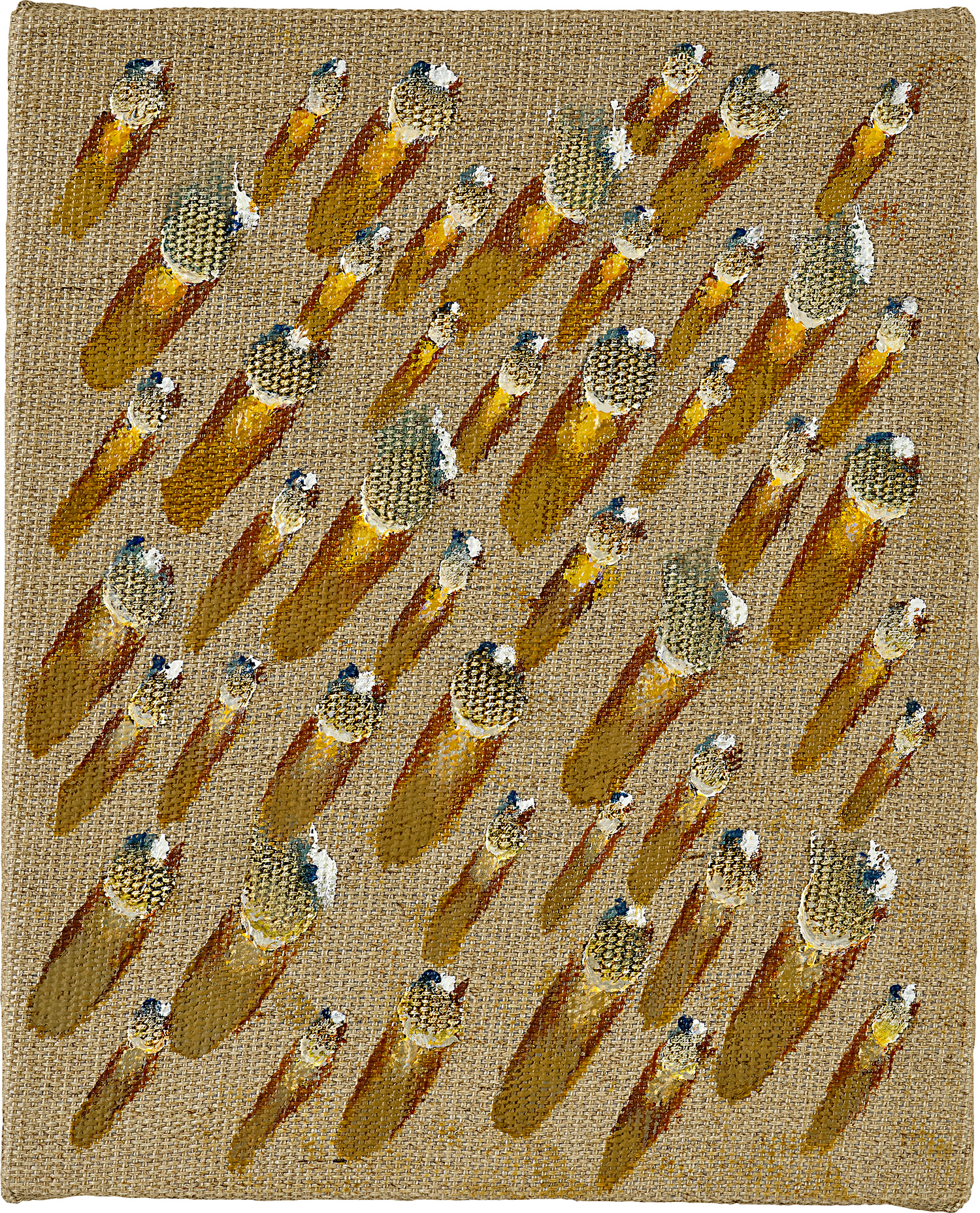
Kim Tschang-Yeul: Every Drop a Universe
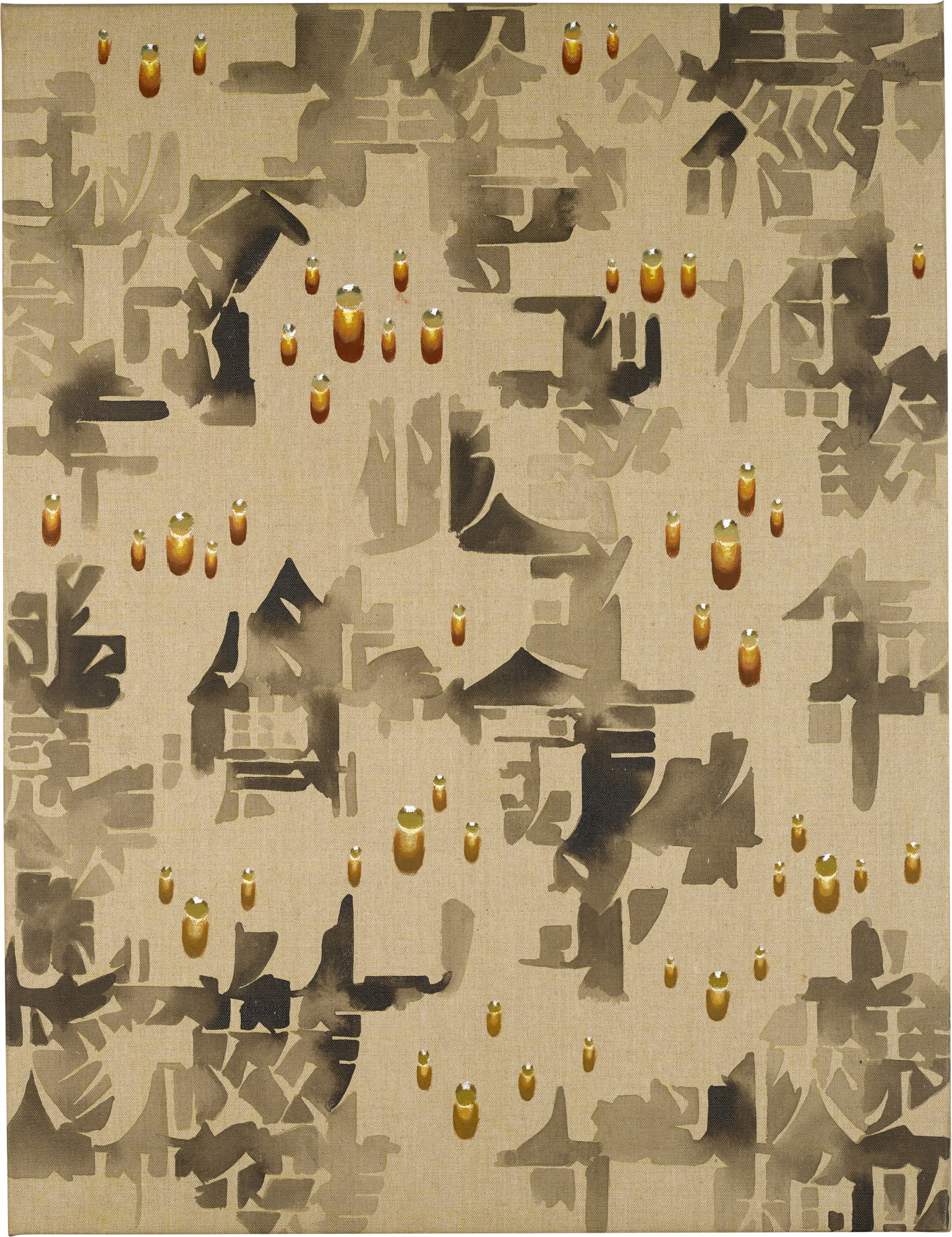
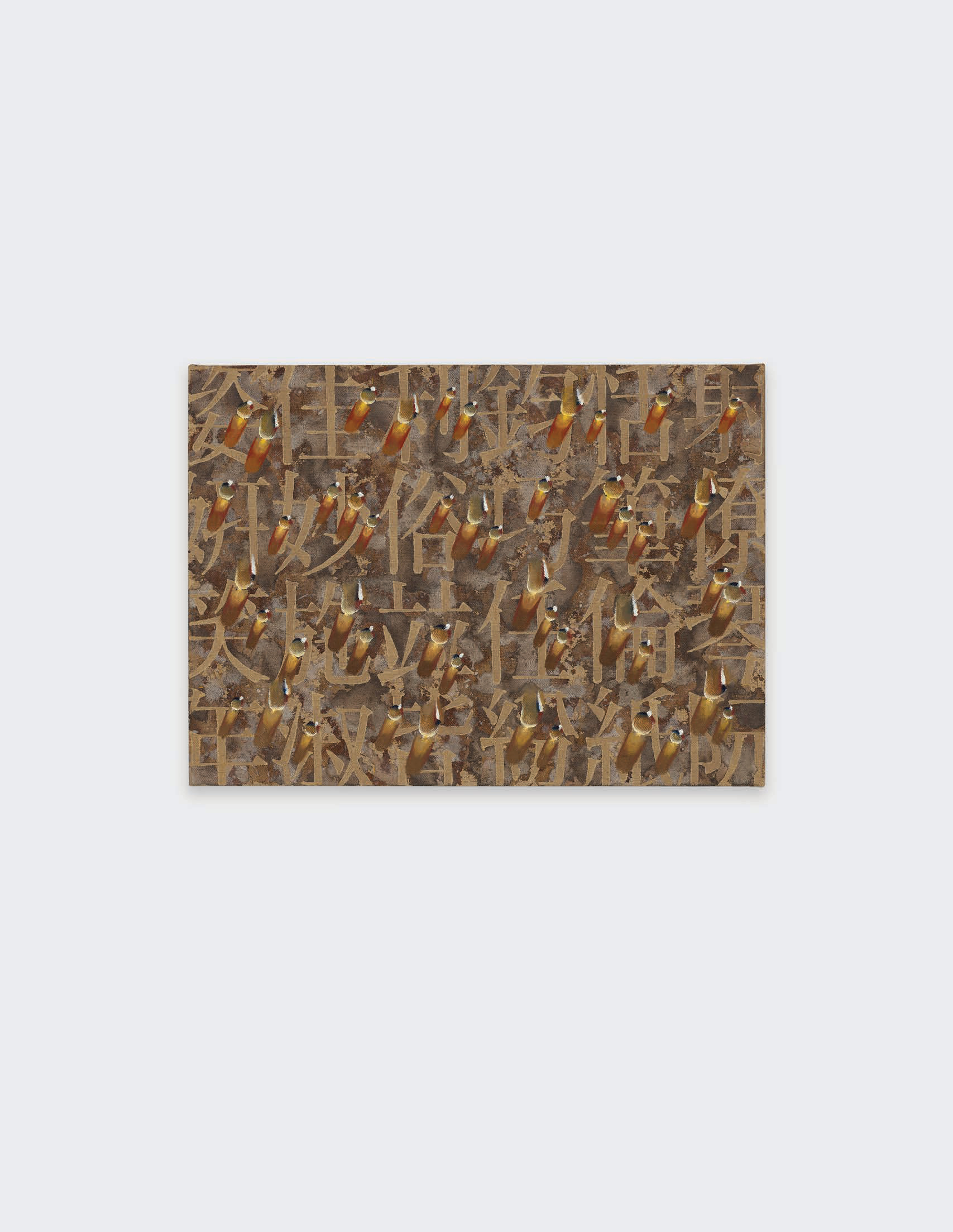
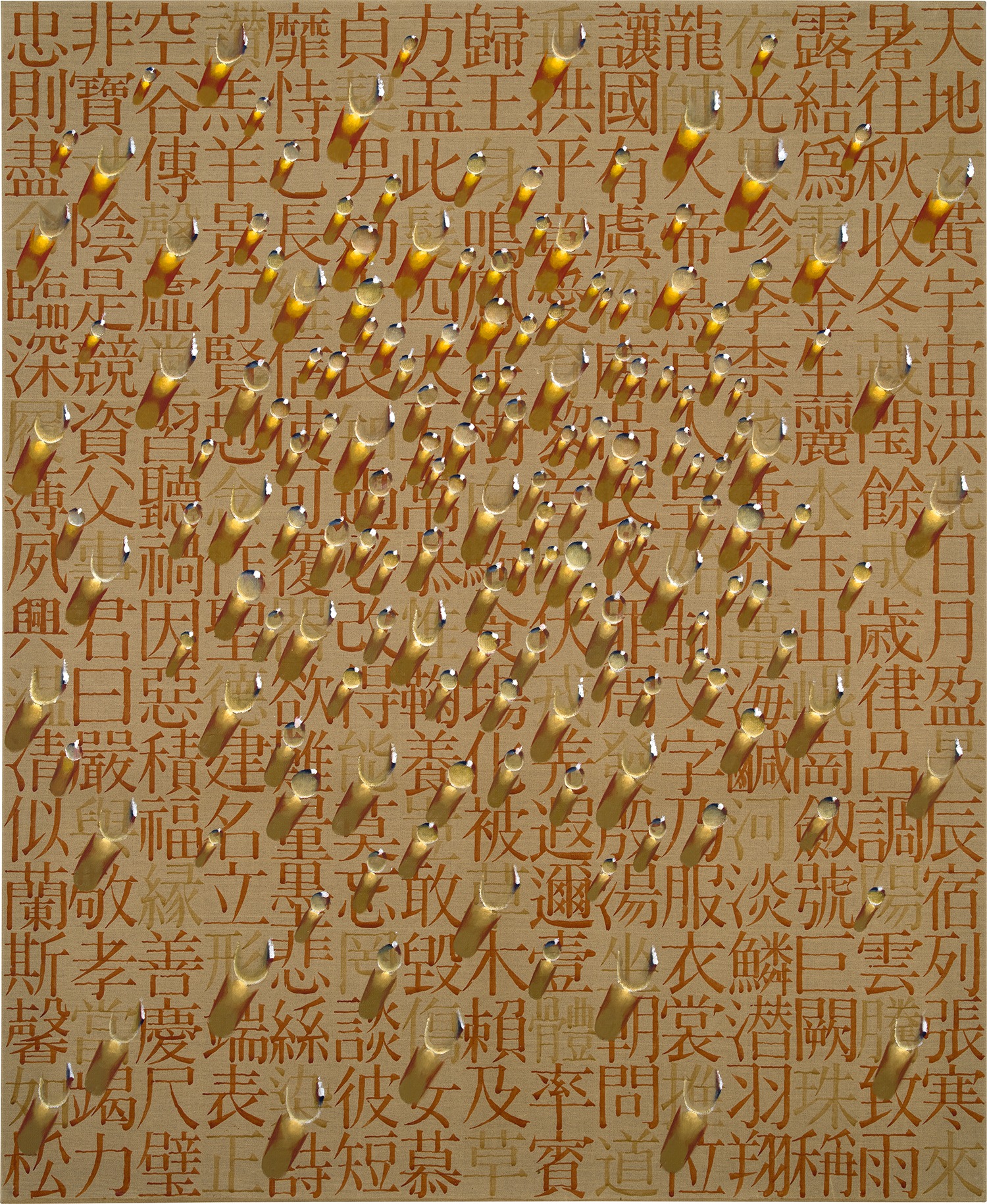
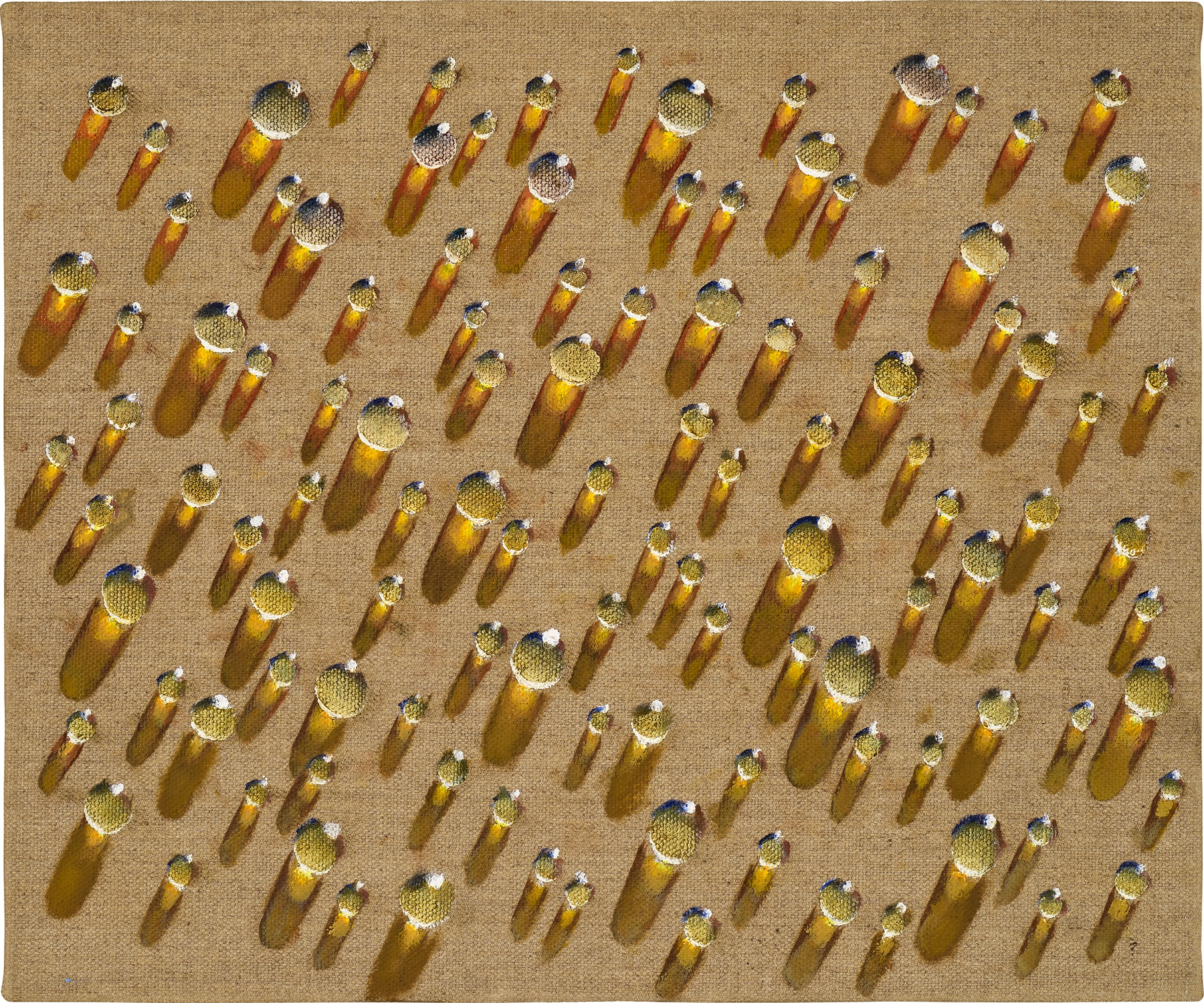
In the spring of 2022, the Musée d'Art Moderne de Paris mounted a landmark retrospective honoring the life and work of Kim Tschang Yeul, who had passed away in January 2021 at the age of ninety one. The exhibition drew crowds of collectors, curators, and devoted admirers from across Europe and Asia, many of whom stood in long silence before canvases covered in luminous, impossibly precise water droplets. For those encountering his work for the first time, the experience was quietly revelatory. For those who had followed him for decades, it was a farewell tinged with deep gratitude. Kim… Continue reading
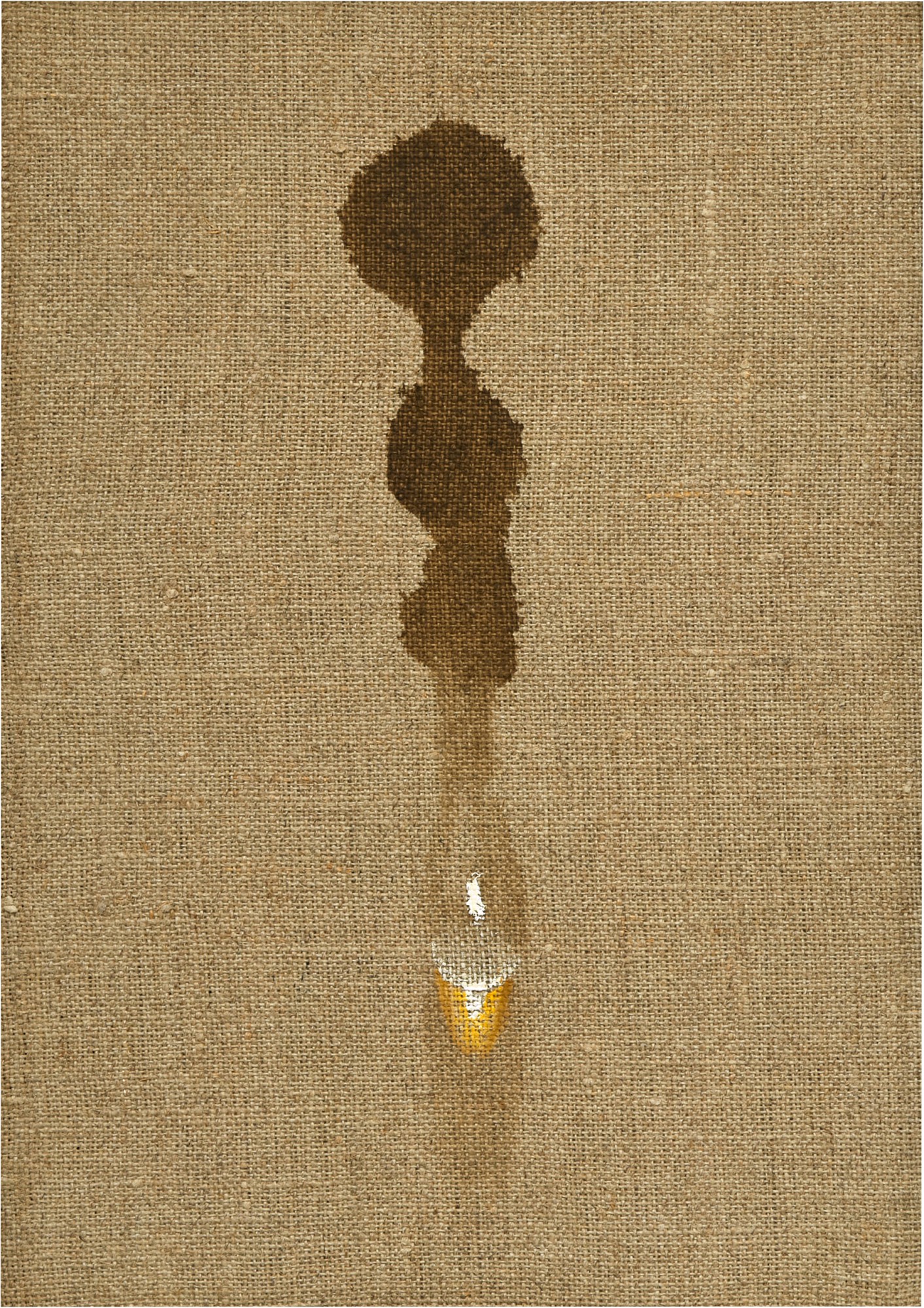
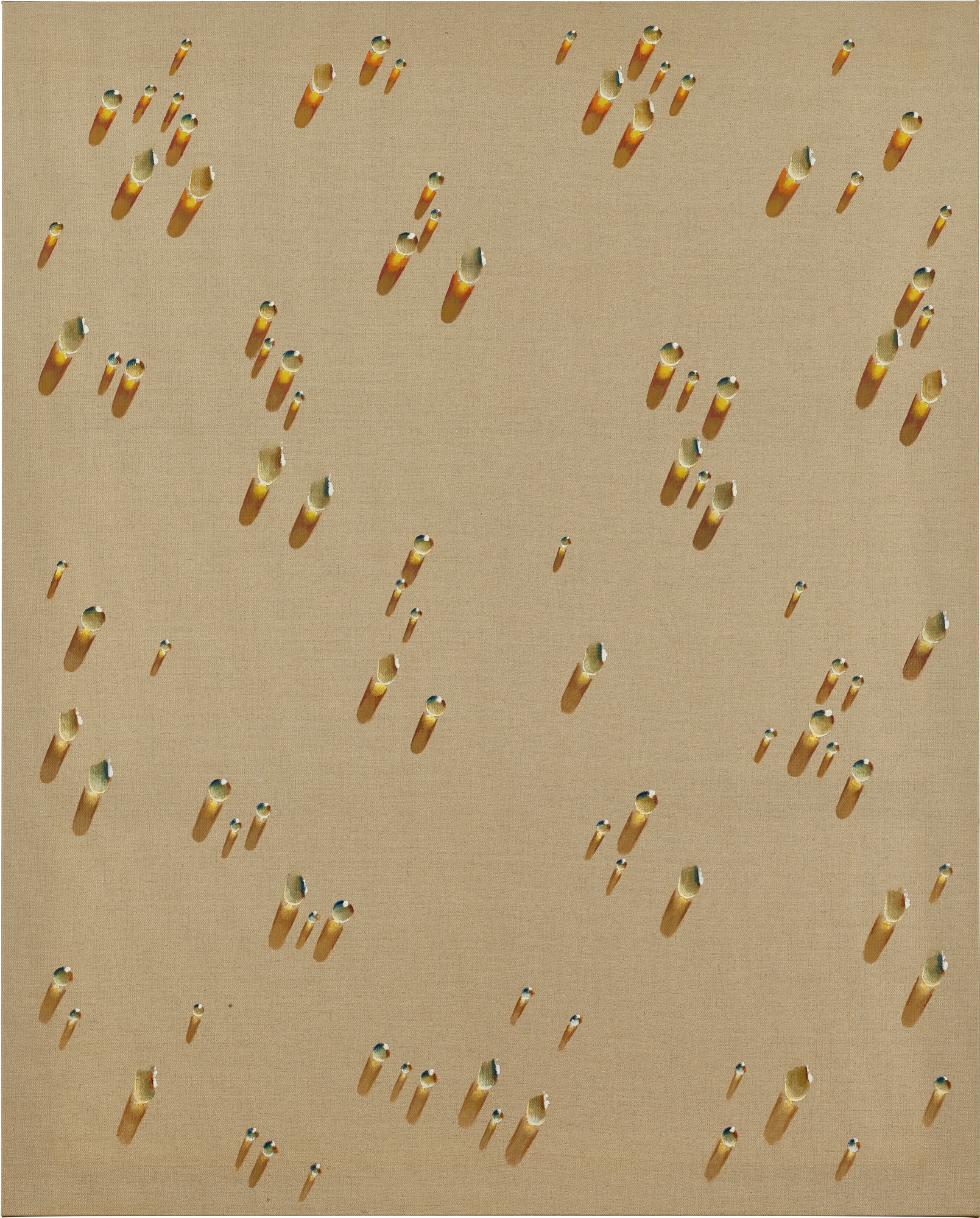
Artists in conversation
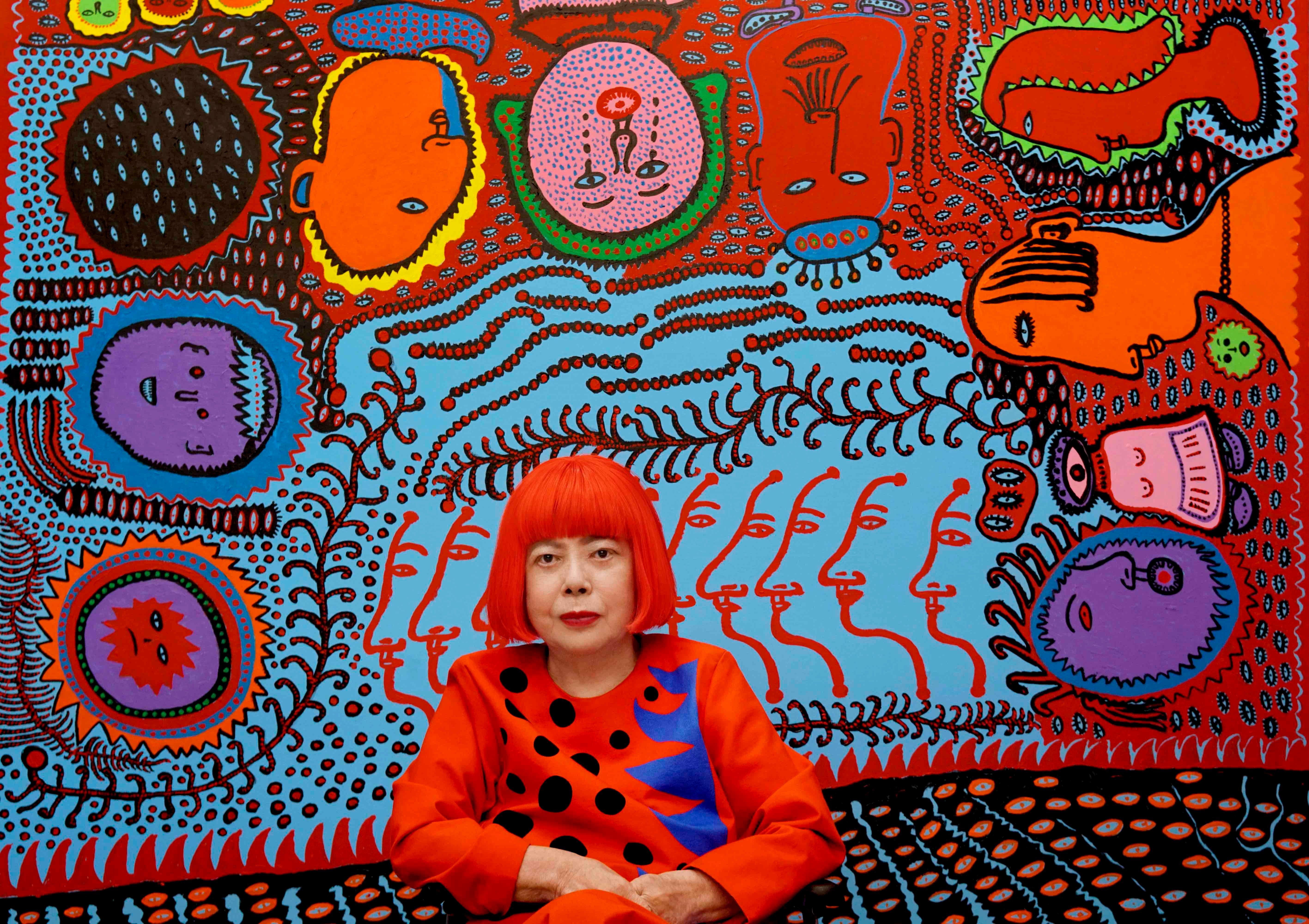
Yayoi Kusama
Kusama shares Kim's commitment to obsessive repetition of a single motif across an entire body of work, using pattern as a meditative and psychologically driven practice rooted in personal healing and philosophical inquiry.
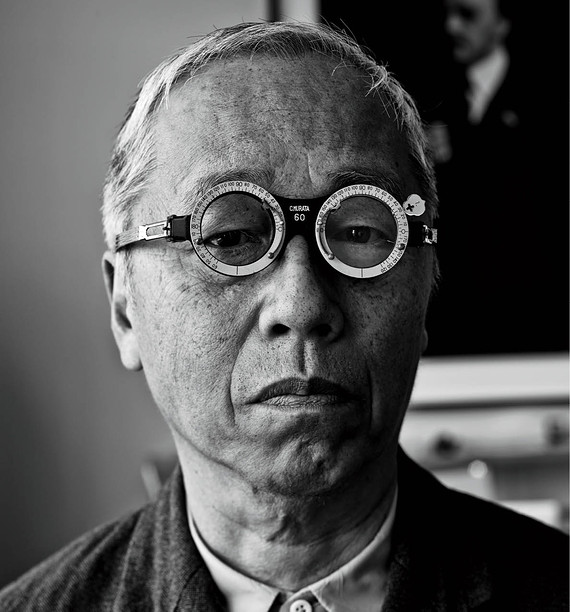
Hiroshi Sugimoto
Sugimoto's photorealistic precision and Zen Buddhist sensibility connect closely with Kim's hyperrealistic rendering of water, both artists using their medium to explore impermanence, memory, and contemplative stillness.
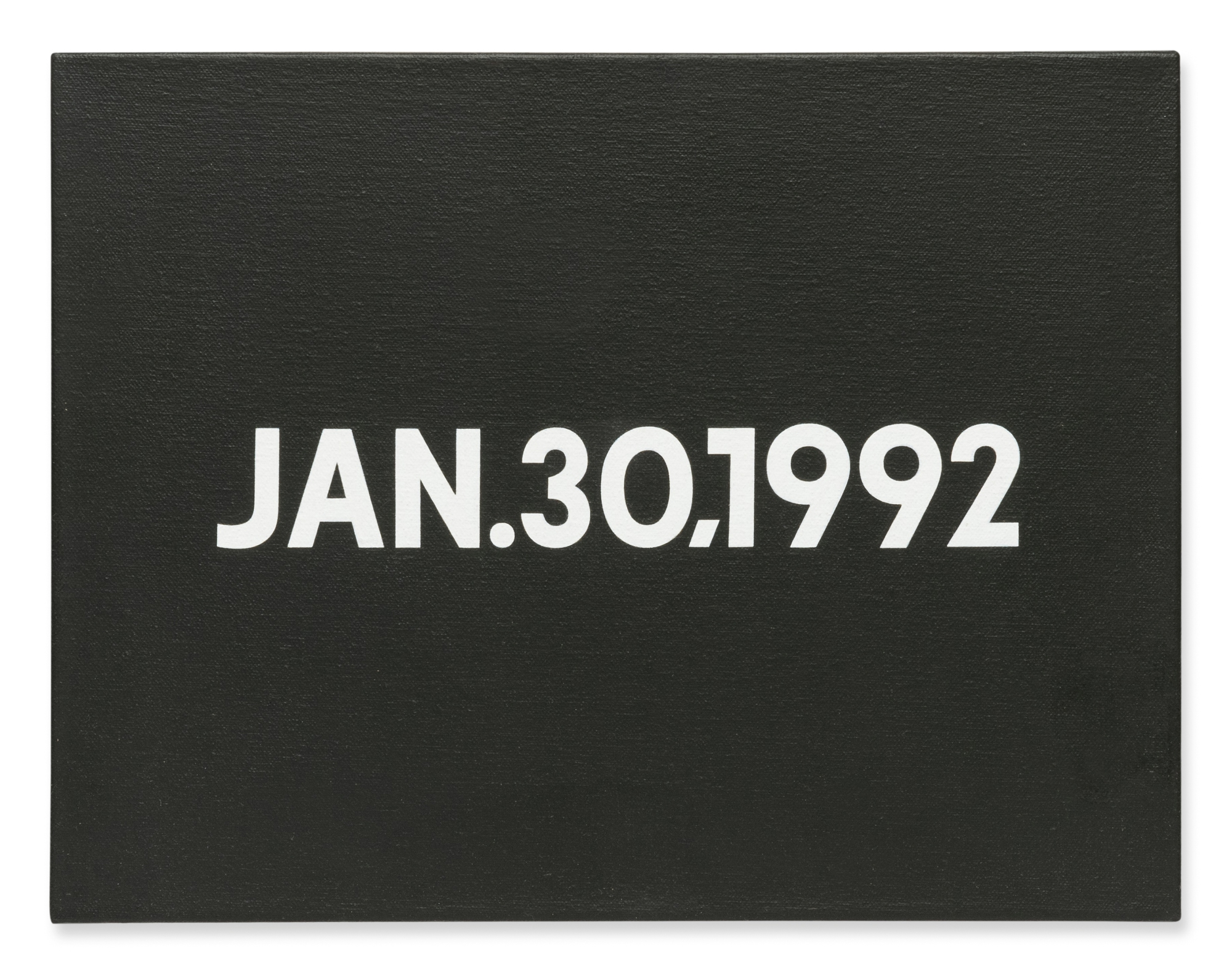
On Kawara
On Kawara similarly built a lifelong conceptual practice around relentless repetition of a single motif, embedding themes of time, consciousness, and existential meditation into a visually minimal and disciplined body of work.
Artists who inspired them
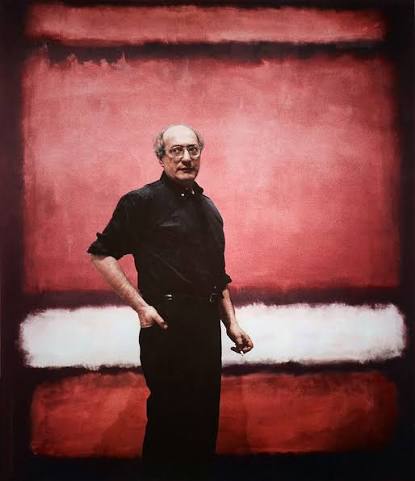
Mark Rothko
Kim encountered Abstract Expressionism during his early career and drew on Rothko's use of color fields and meditative emotional depth as a foundation before developing his own more restrained and symbolic visual language.
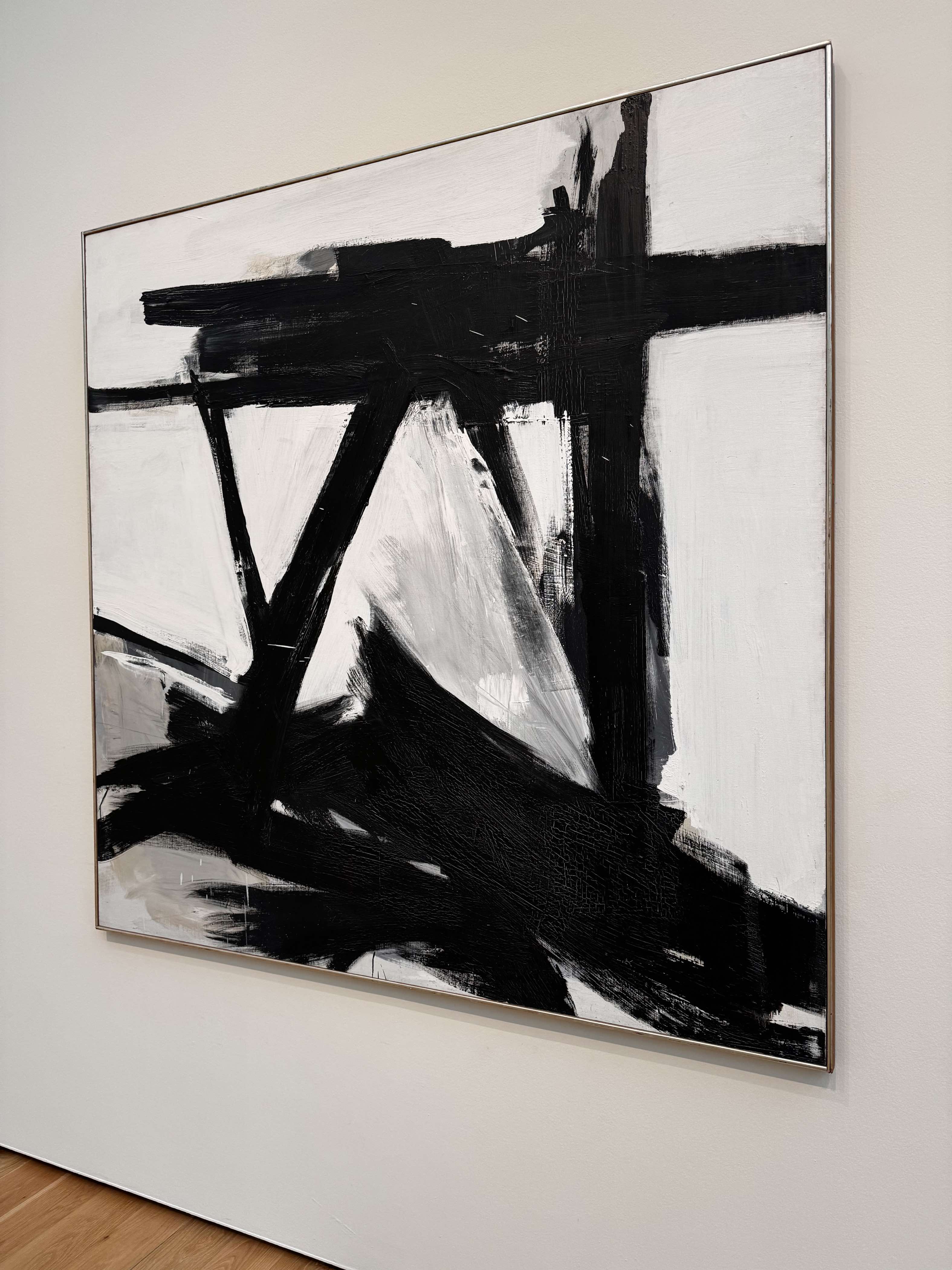
Franz Kline
Kline's bold gestural abstraction influenced Kim during his formative years in New York in the 1960s, helping him bridge Western avant garde painting with his own Korean artistic sensibility.
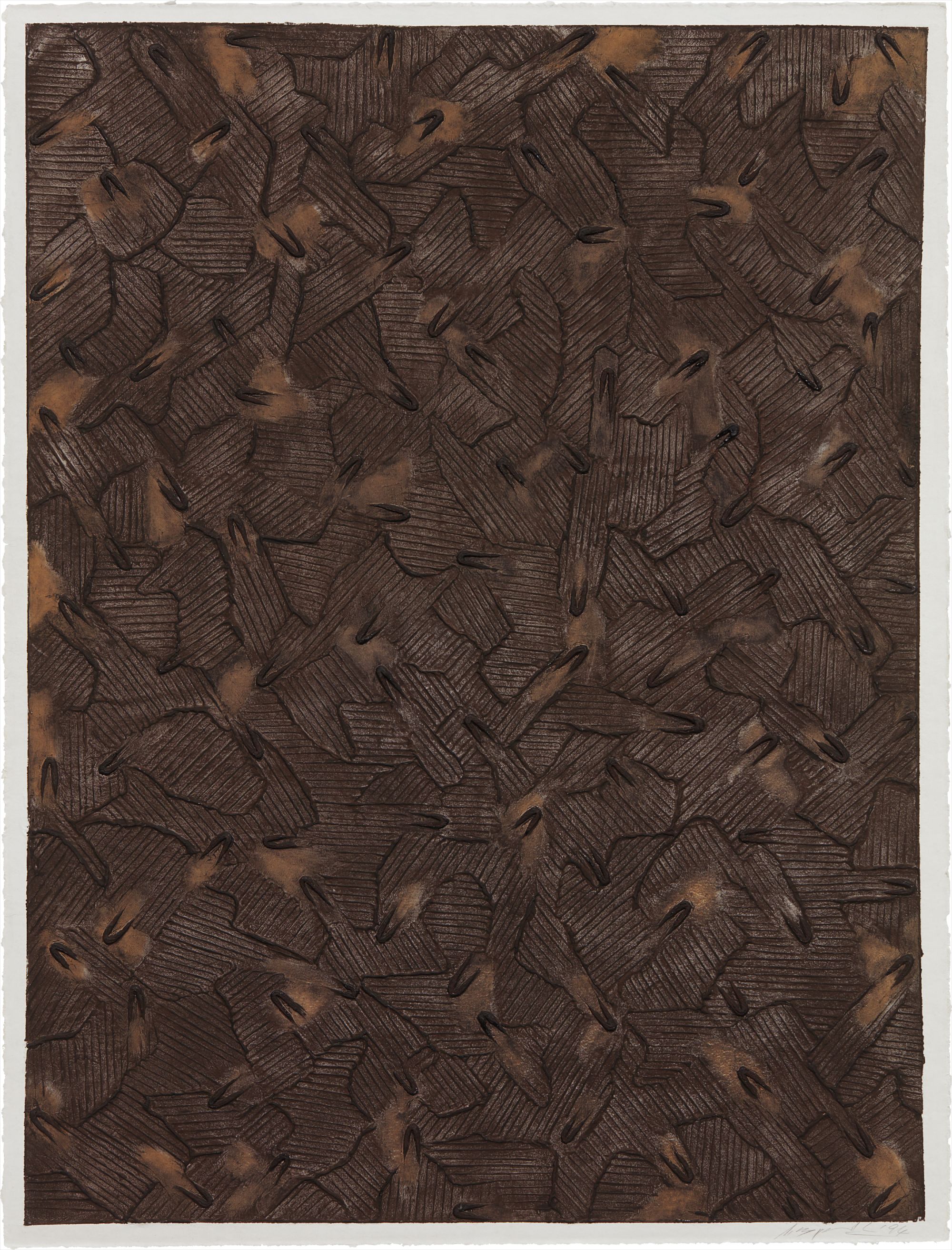
Park Seo-Bo
As a fellow Korean artist engaged with the Dansaekhwa movement, Park Seo-Bo reinforced Kim's pursuit of repetitive mark making and meditative process as legitimate conceptual frameworks rooted in East Asian philosophical tradition.