Japanese
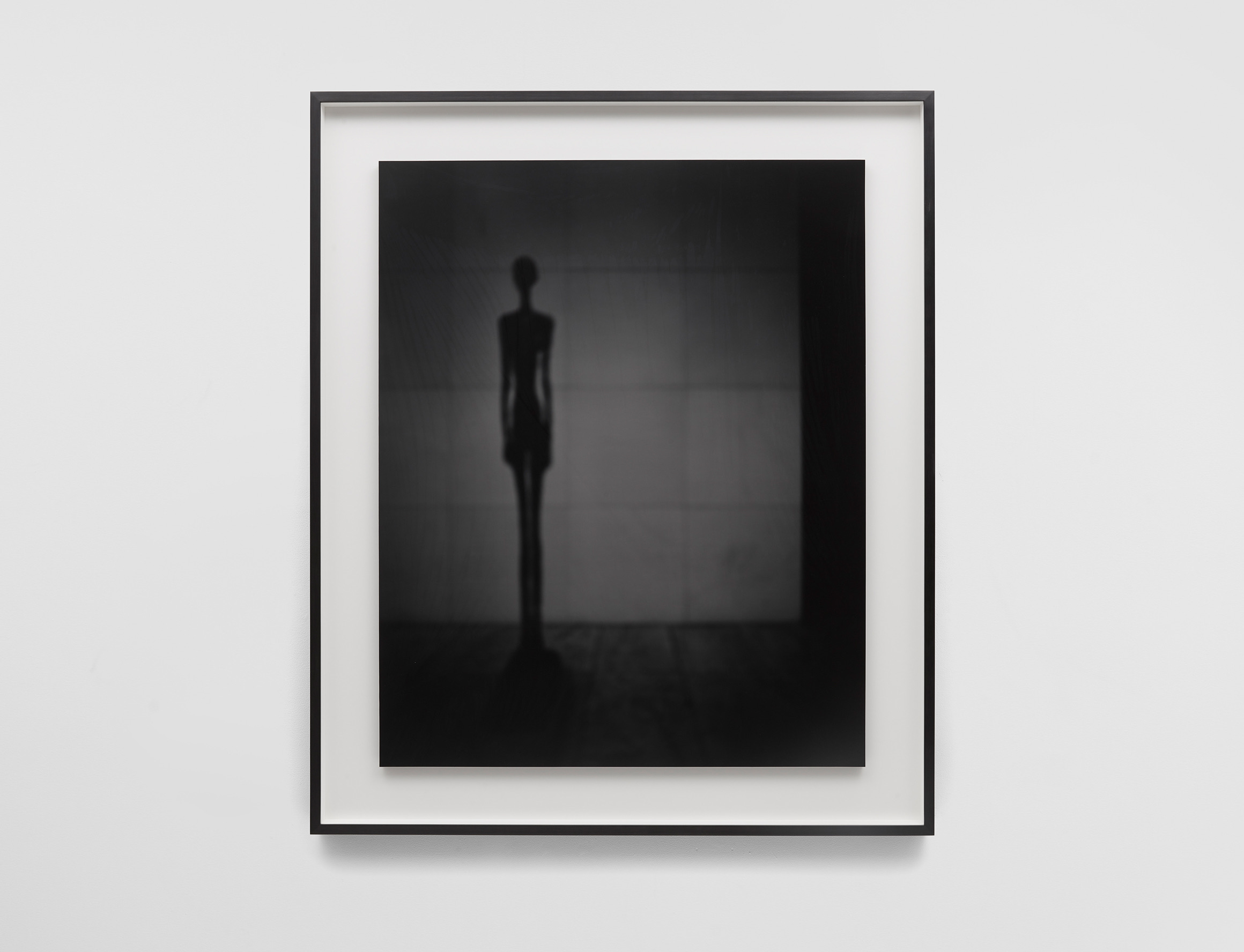
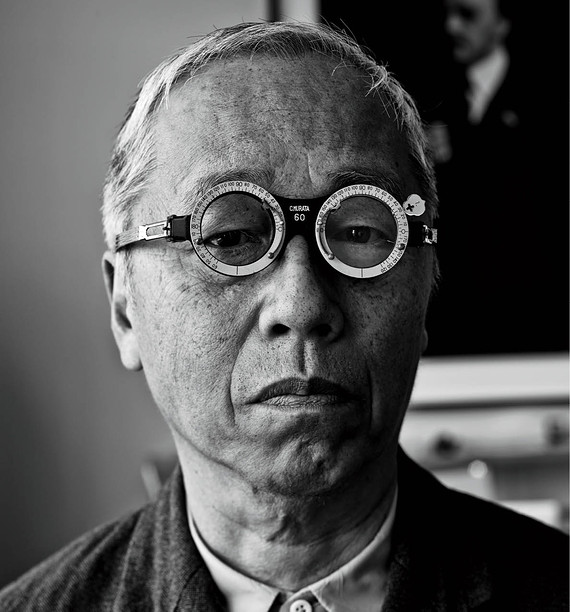
Hiroshi Sugimoto
Past Presence 001, Tall Figure, III, Alberto Giacometti, 2013
From Edo to Now: Japan's Endless Art Reinvention
There is a particular quality of attention embedded in Japanese art that is unlike anything else in the global canon. It is an insistence on looking carefully, on finding the infinite within the precise, on locating the emotional weight of the world in a single wave, a single dot, a single gesture. This quality has not diminished across centuries. If anything, it has accumulated force, moving from the woodblock studios of Edo period Tokyo to the neon saturated studios of contemporary Osaka and beyond, carrying with it a charge that continues to electrify collectors, curators, and institutions worldwide.
The story begins in earnest with the ukiyo e tradition, which flourished between the seventeenth and nineteenth centuries. The term translates loosely as pictures of the floating world, a phrase that captures the melancholy beauty at the heart of the form. These prints were not considered high art in their own time. They were popular culture: affordable, reproducible, consumed by townspeople who wanted images of kabuki actors, famous courtesans, and the landscapes of a Japan that was beginning to feel both permanent and fragile.
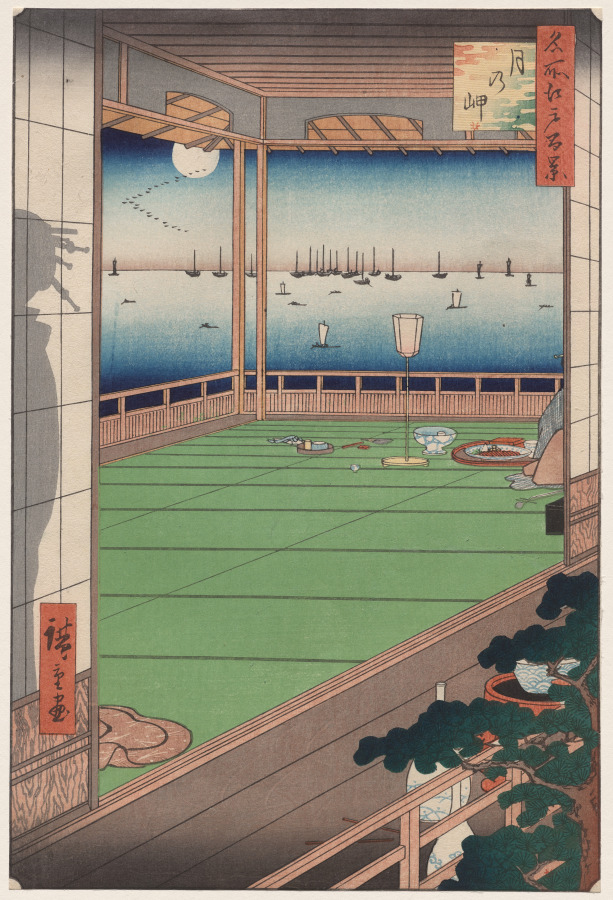
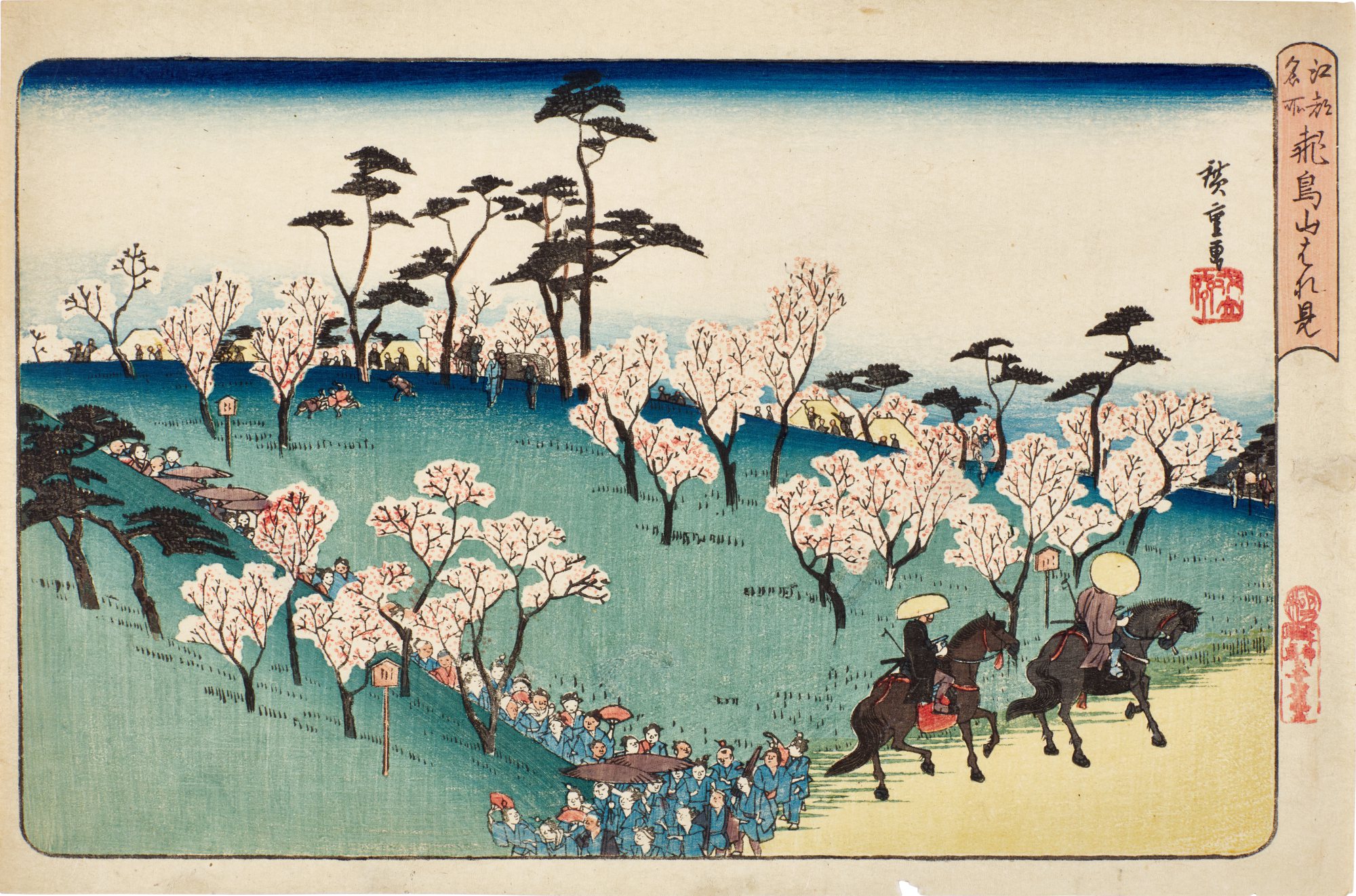
Utagawa Hiroshige
The Moon-Viewing Promontory, from One Hundred Views of Famous Places in Edo, 1857
Artists like Katsushika Hokusai and Utagawa Hiroshige elevated this commercial form into something transcendent. Hokusai's Thirty six Views of Mount Fuji, produced in the 1830s, reframed the relationship between human beings and landscape in ways that would take generations for the West to fully absorb. Both Hokusai and Hiroshige are well represented on The Collection, and spending time with their prints is to understand exactly why these works changed the course of art history. The arrival of ukiyo e in Europe during the second half of the nineteenth century was seismic.
Japonisme, the term coined to describe the West's passionate absorption of Japanese aesthetics, reshaped Impressionism and Post Impressionism from the inside out. Van Gogh copied Hiroshige directly. Monet built a garden at Giverny inspired by Japanese design. Whistler, Degas, Toulouse Lautrec: the list of Western artists fundamentally altered by this encounter is staggering.
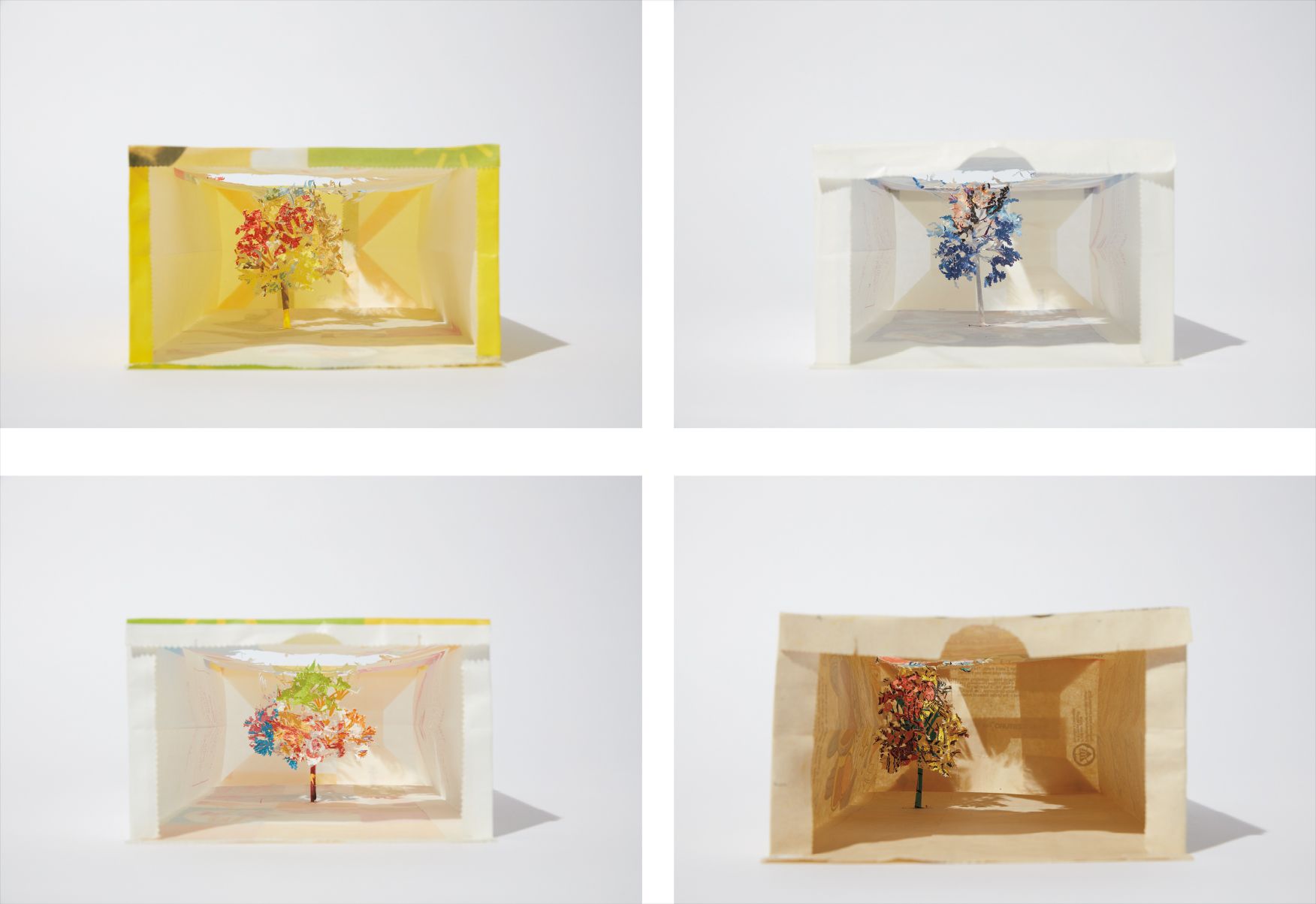
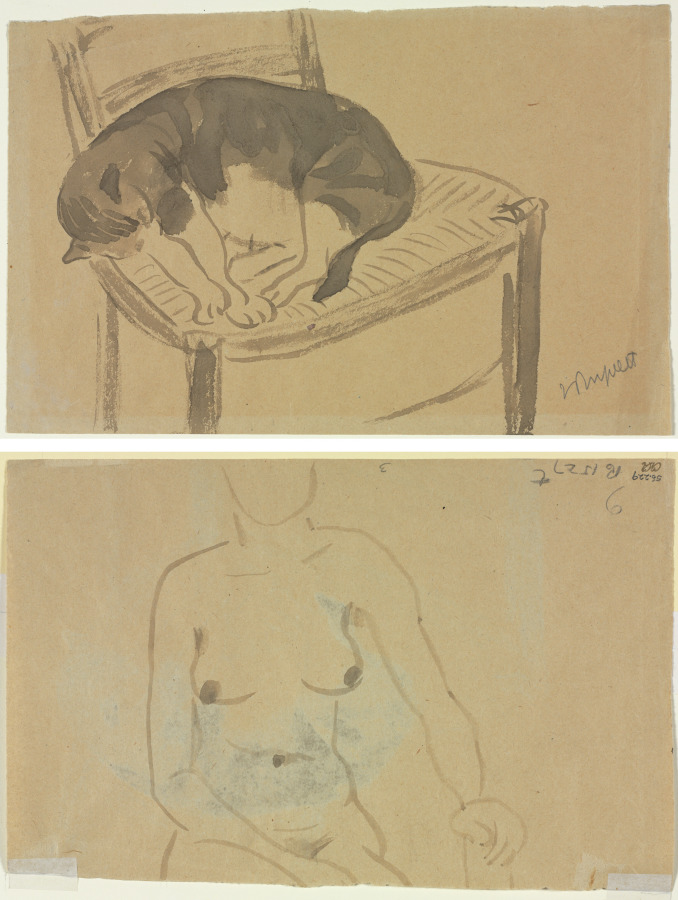
Yuken Teruya
Happy Meal Crossing, 2005
What they found was a visual language built on flat planes of color, bold outlines, asymmetrical compositions, and a relationship to negative space that Western academic painting had simply never prioritized. Utagawa Kuniyoshi, whose dynamic warrior prints pushed the boundaries of the form with theatrical intensity, also belongs to this tradition of artists whose influence extended far beyond Japan's shores. The Meiji Restoration of 1868 opened Japan to Western influence in ways that would transform its art world permanently, but the exchange was never one directional. Japanese artists absorbed Western techniques while simultaneously reasserting and reinventing their own traditions.
This tension between the inherited and the adopted became one of the defining energies of modern Japanese art. Léonard Tsuguharu Foujita, born in Tokyo in 1886 and later naturalized as a French citizen, embodied this cross cultural complexity perhaps more completely than any other artist of his generation. His paintings fused Japanese ink painting techniques with Parisian figuration in a way that made him a sensation in both worlds. His work appears on The Collection as a reminder that the story of Japanese art has never been contained within Japan's geographic borders.
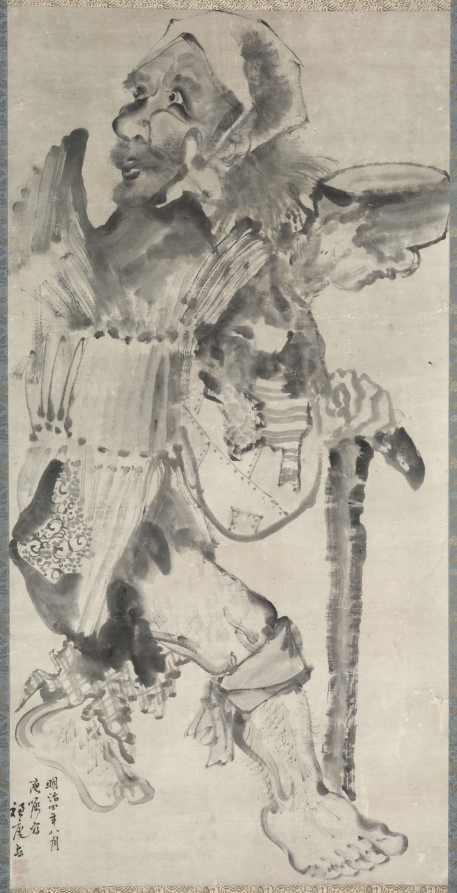
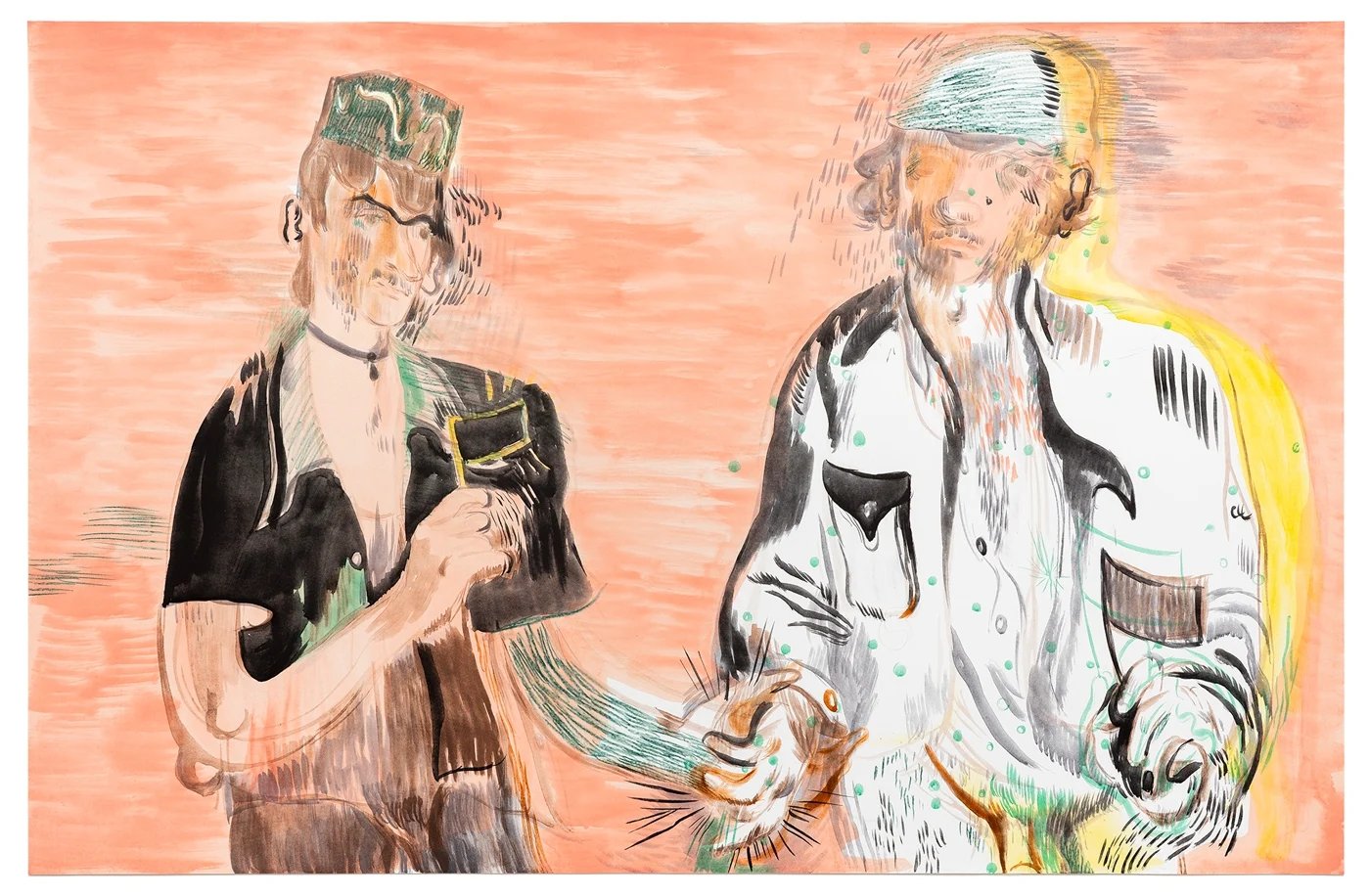
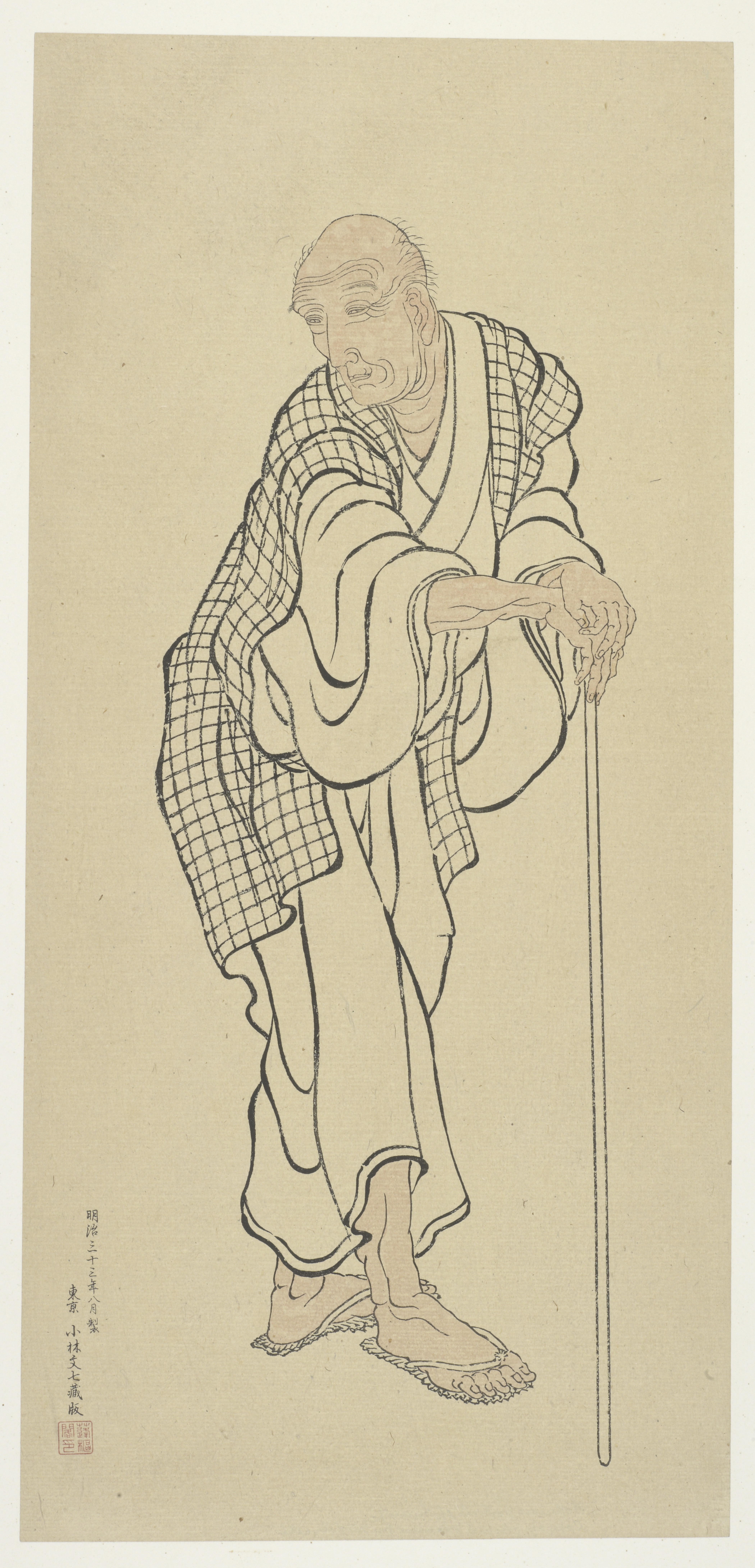
Hirafuku Suian
Beggar (Kojiki), 1871
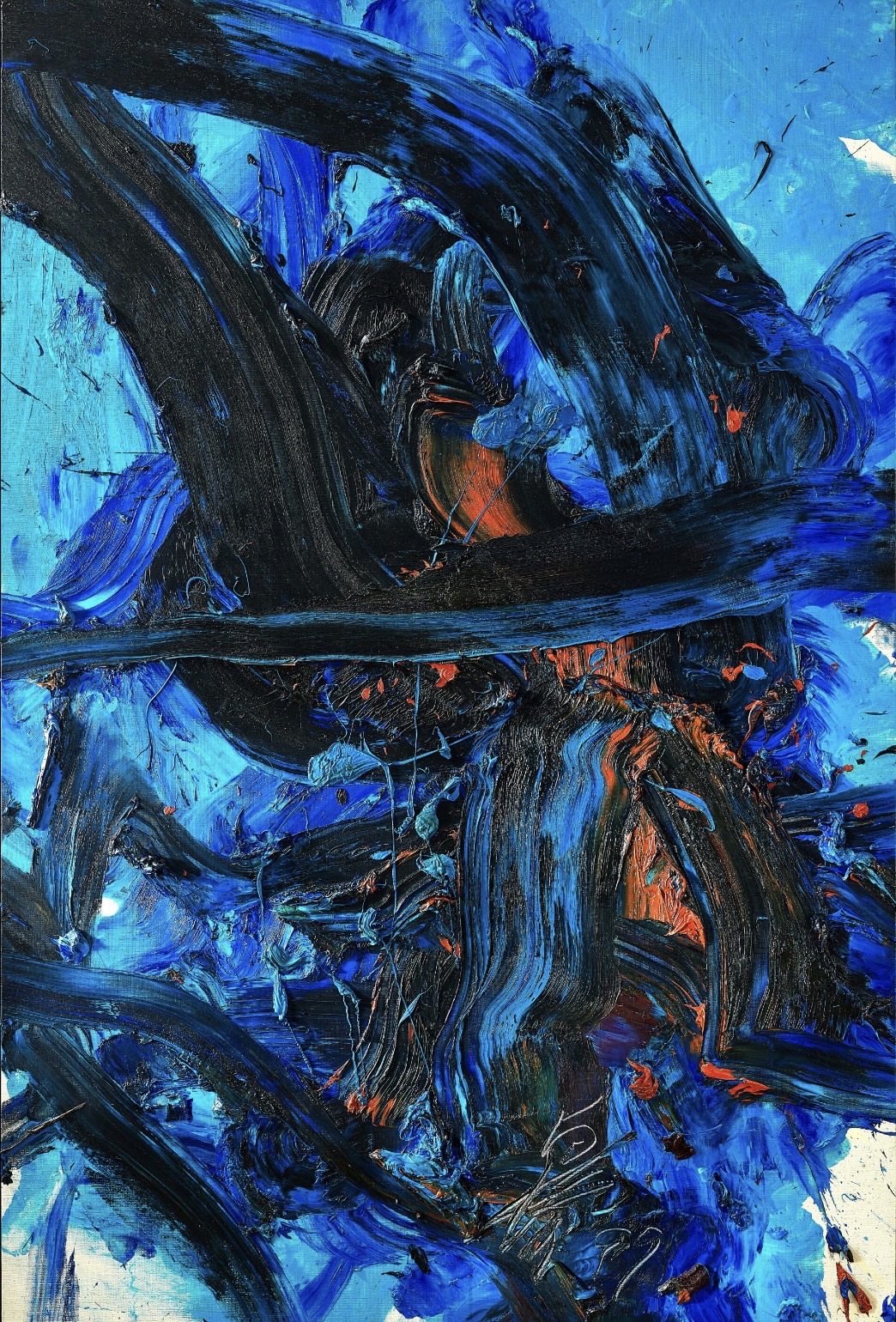
The postwar period produced some of the most radical art Japan has ever made, largely in reaction to the devastation of the war and the strange, accelerated modernity that followed it. The Gutai group, founded in Osaka in 1954, declared that conventional art was dead and that the body itself must become the instrument. Kazuo Shiraga, one of Gutai's most committed members, painted by suspending himself from a rope and using his feet to drag paint across the canvas. These works, visceral and physically demanding, anticipated both Performance Art and Abstract Expressionism in ways that Western critics were slow to acknowledge.
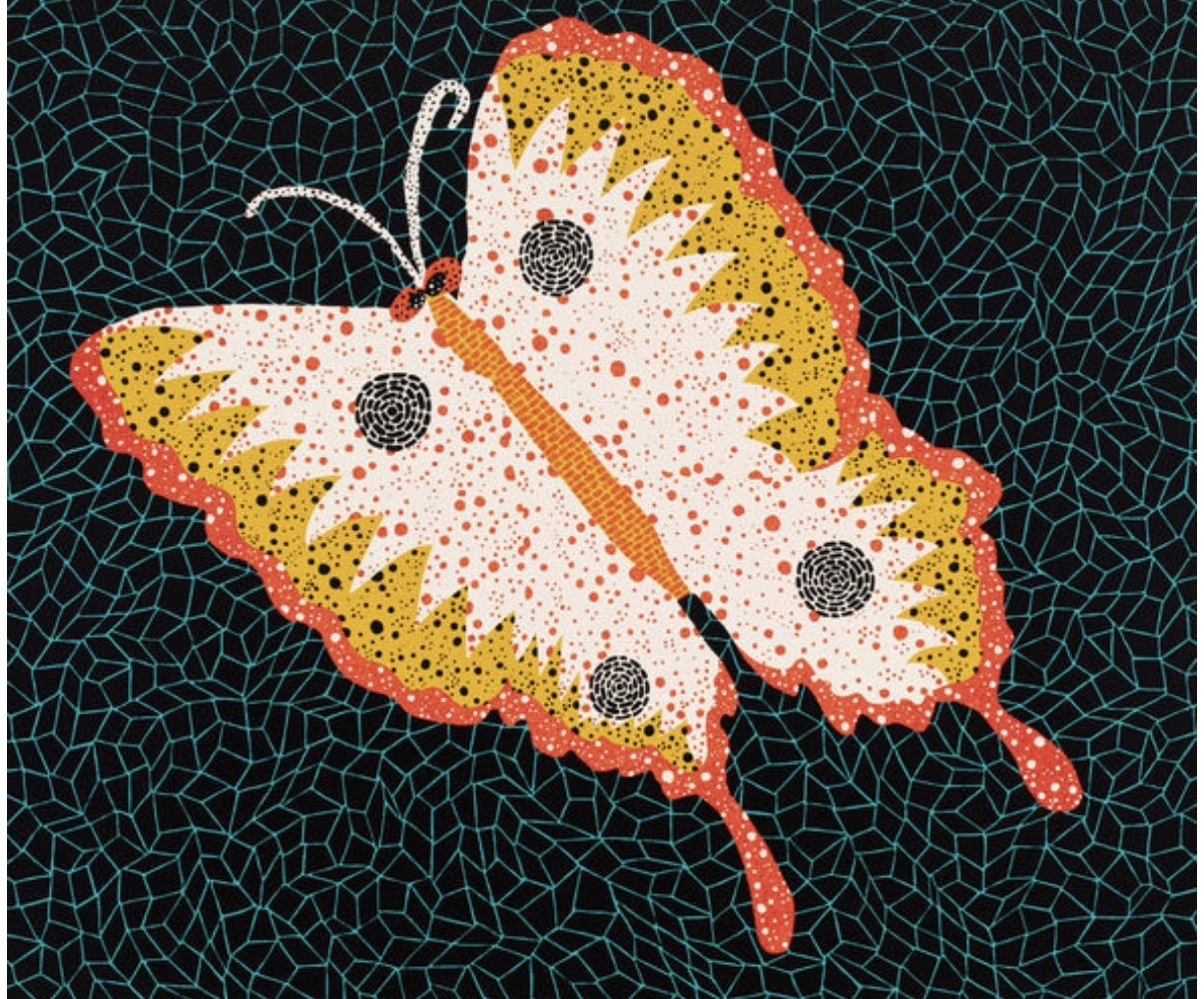
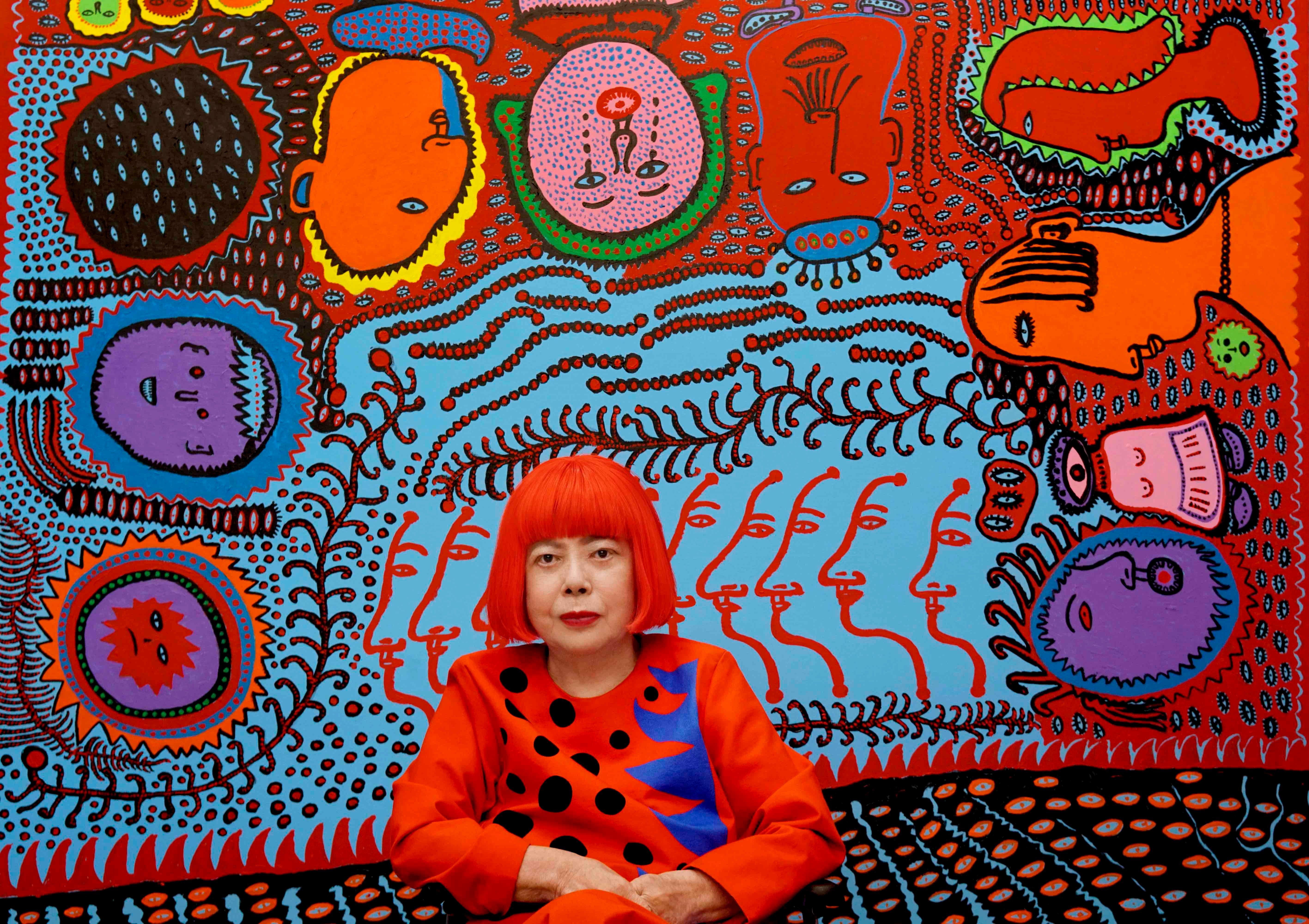
Shiraga's paintings are some of the most physically arresting objects in the postwar canon, and seeing them in person is to feel the force of a radical intelligence working at full intensity. No survey of Japanese art in the contemporary moment can proceed very far without acknowledging Yayoi Kusama and Takashi Murakami, two artists who have achieved something genuinely rare: global cultural saturation without any meaningful loss of artistic seriousness. Kusama, born in Matsumoto in 1929, began making her iconic dot works and infinity net paintings in the late 1950s, partly as a response to the hallucinations she experienced from childhood. Her Infinity Mirror Rooms, first developed in the 1960s, have become some of the most visited art installations in the world.
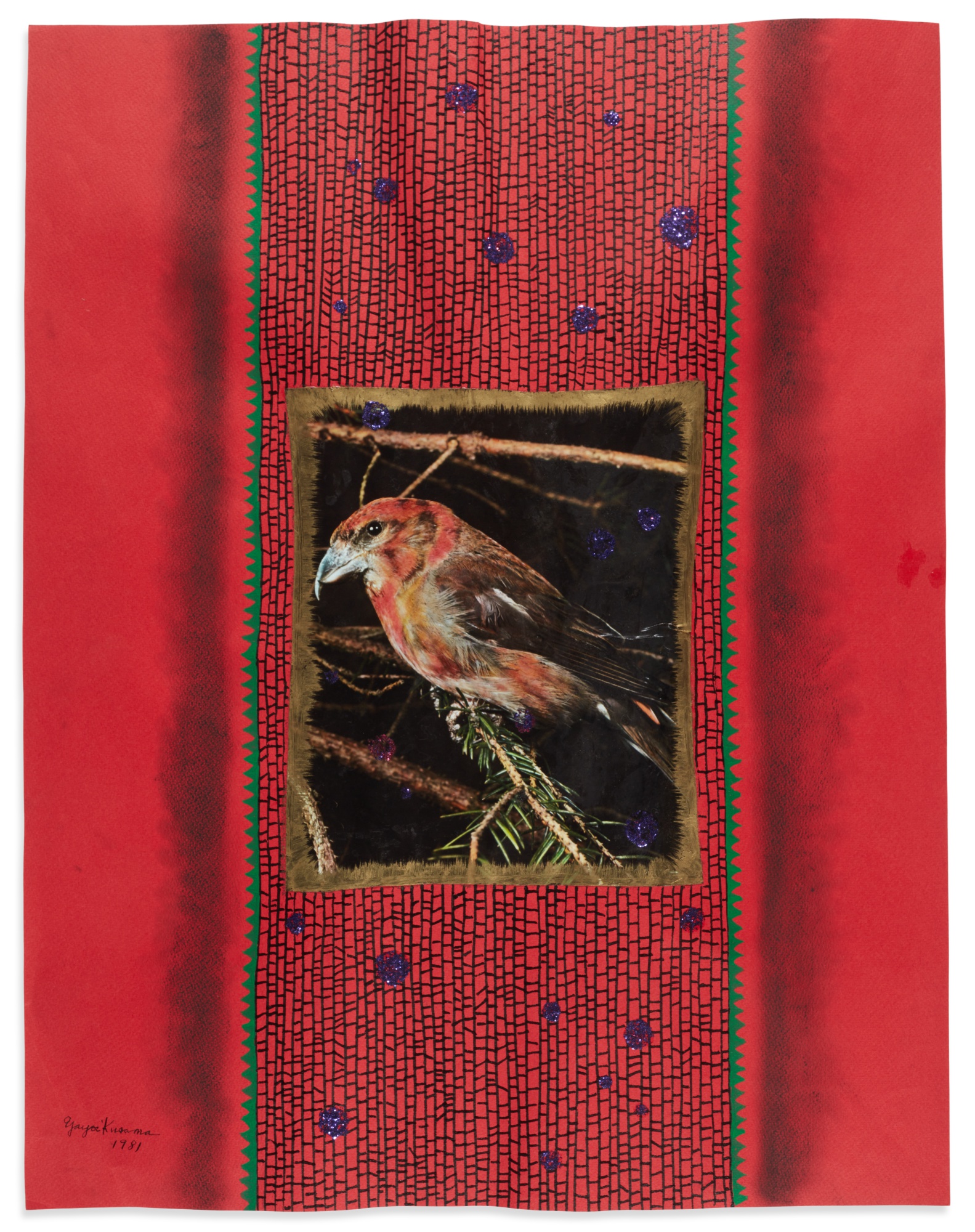
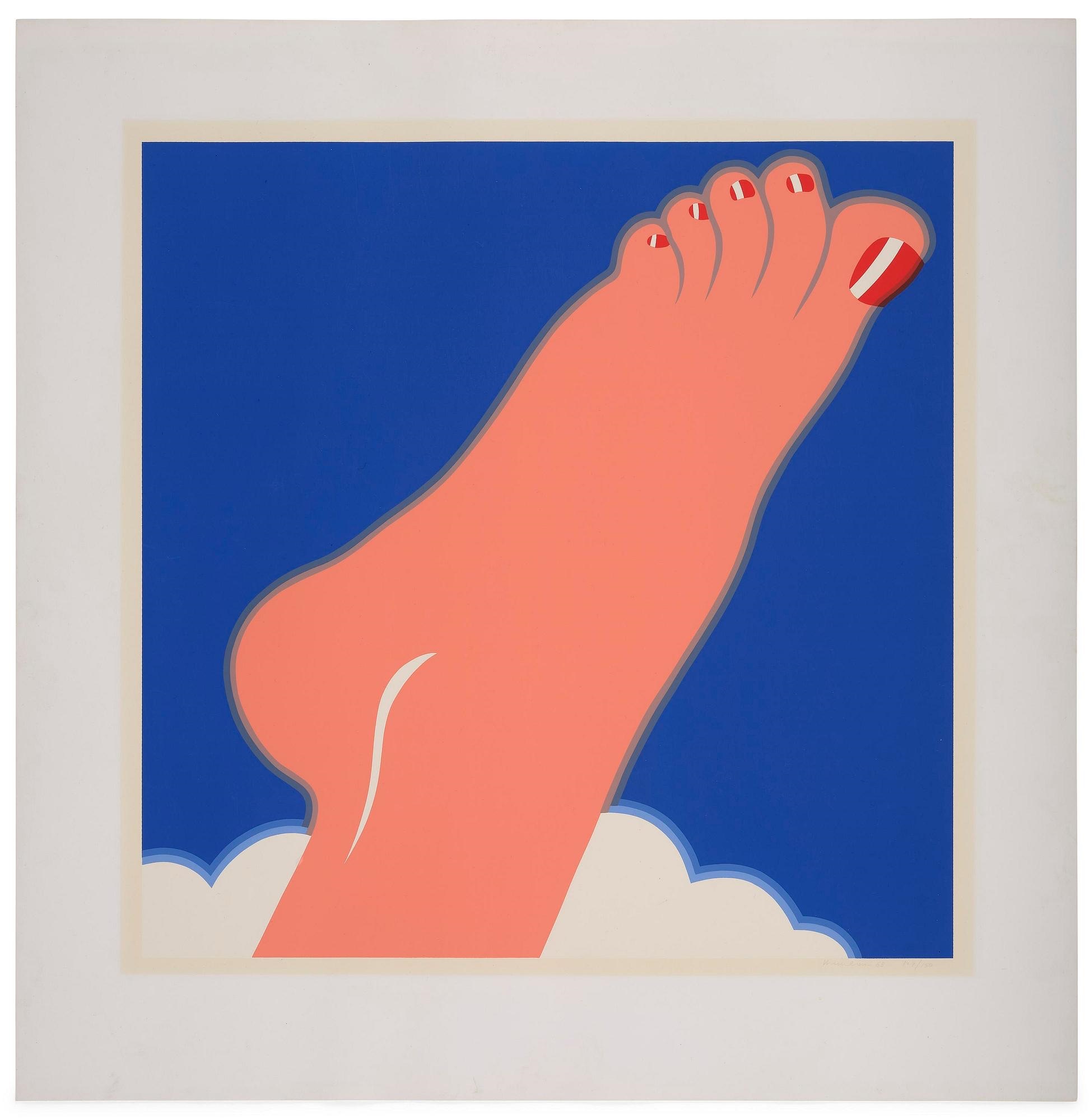
Yayoi Kusama
Night Bird
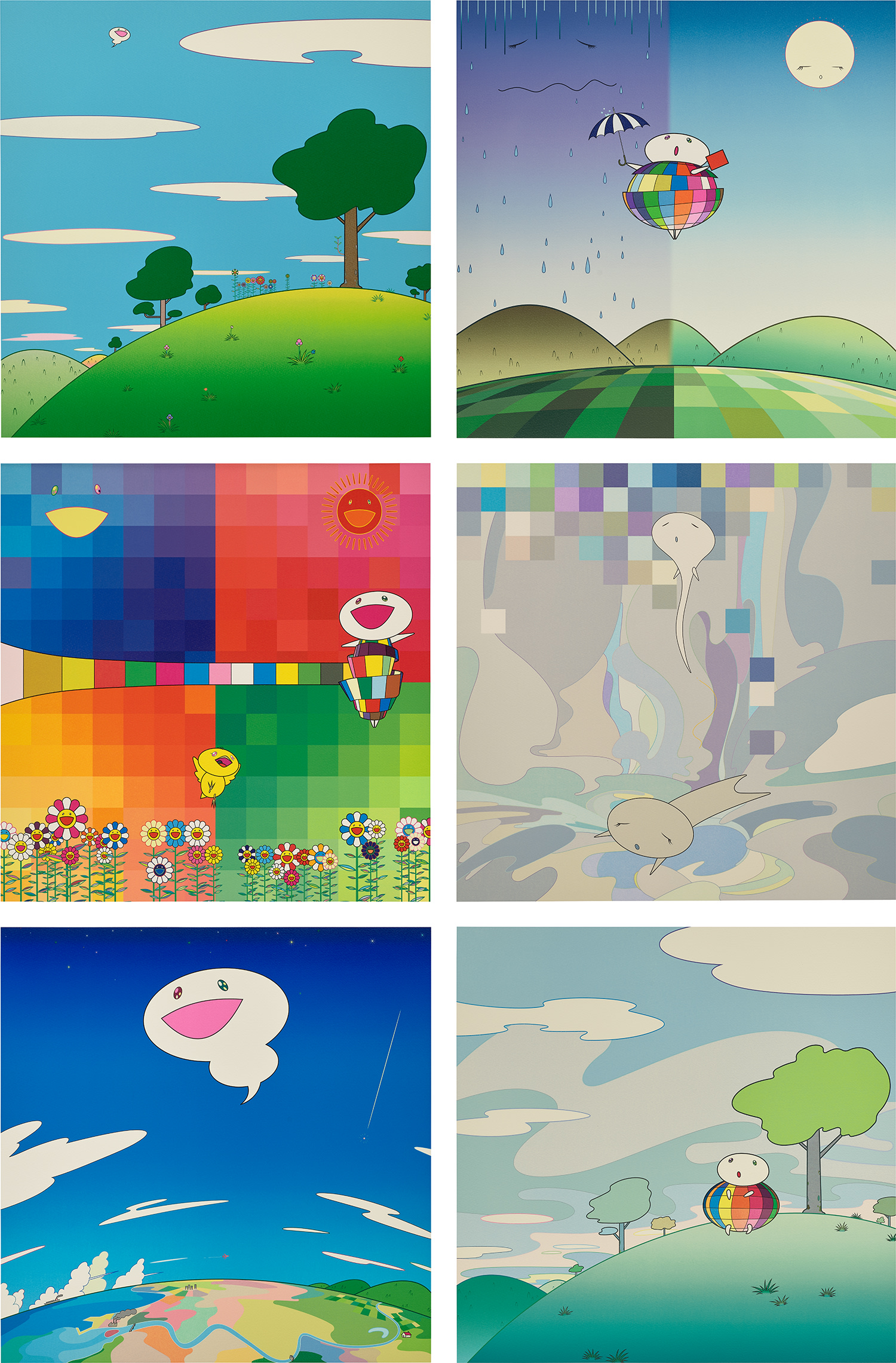
Murakami, who coined the term Superflat to describe his synthesis of Japanese pop culture, traditional painting, and Western contemporary art, built an entire critical framework around work that lesser observers initially dismissed as mere illustration. Both artists are extensively represented on The Collection, offering a range of works that rewards sustained looking rather than the quick Instagram encounter their reputations sometimes invite. The photographers on The Collection add another dimension entirely. Hiroshi Sugimoto's long exposure seascapes, which began in the 1970s, use the camera to achieve something close to the timelessness that Zen Buddhist philosophy describes but rarely captures visually.
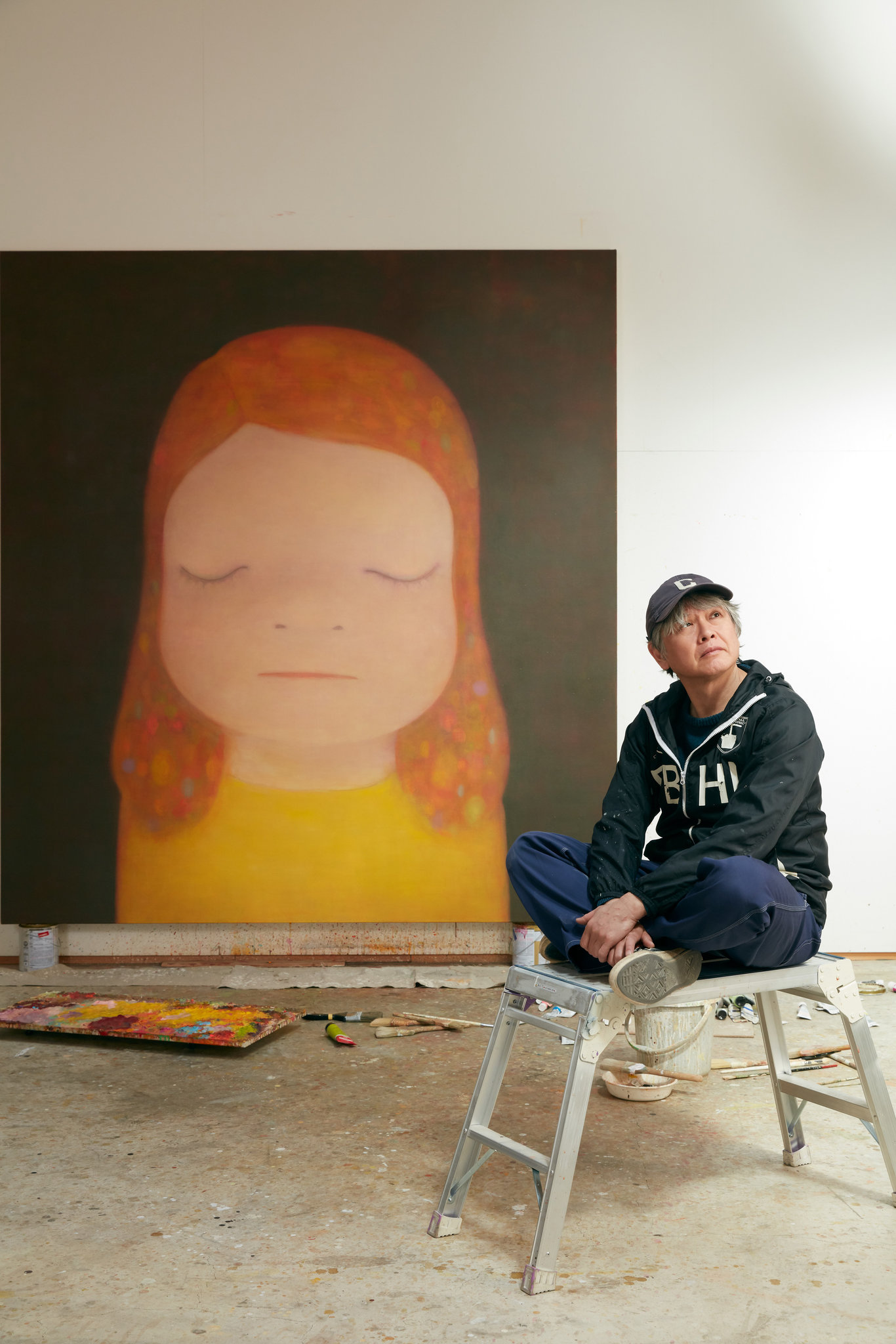
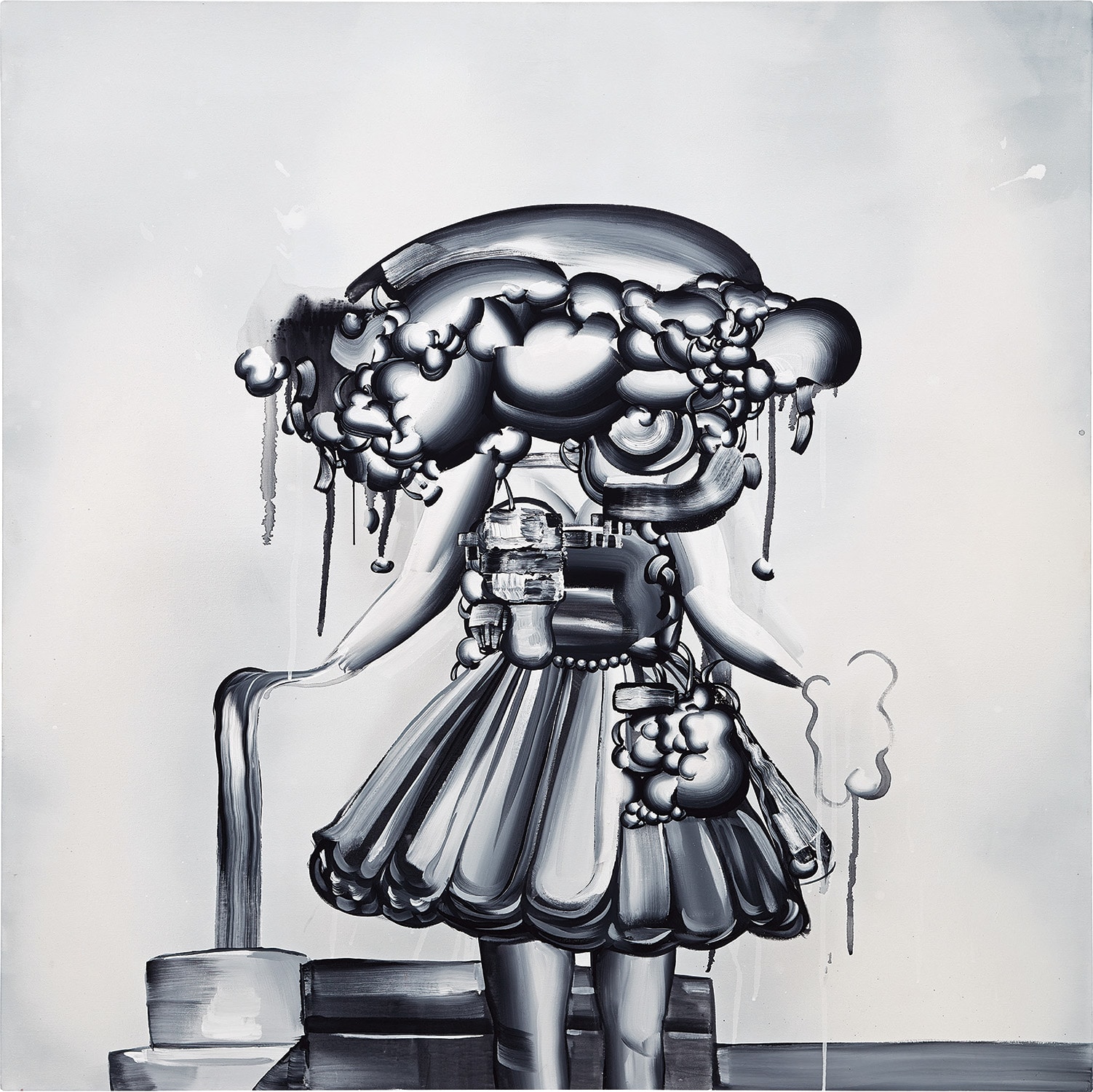
Daidō Moriyama's grainy, blurred street photographs of Tokyo represent the opposite impulse: an immersion in the chaos and fragmentation of modern urban life that feels simultaneously Japanese and universal. Nobuyoshi Araki's work, controversial and formally inventive in equal measure, pushed Japanese photography into territory that continues to provoke essential conversations about desire, mortality, and representation. Yoshitomo Nara, Chiharu Shiota, Tomoo Gokita, and Tomokazu Matsuyama belong to a generation of Japanese artists who grew up absorbing both the weight of this extraordinary history and the full force of global contemporary culture. Their work does not resolve the tension between those inheritances.
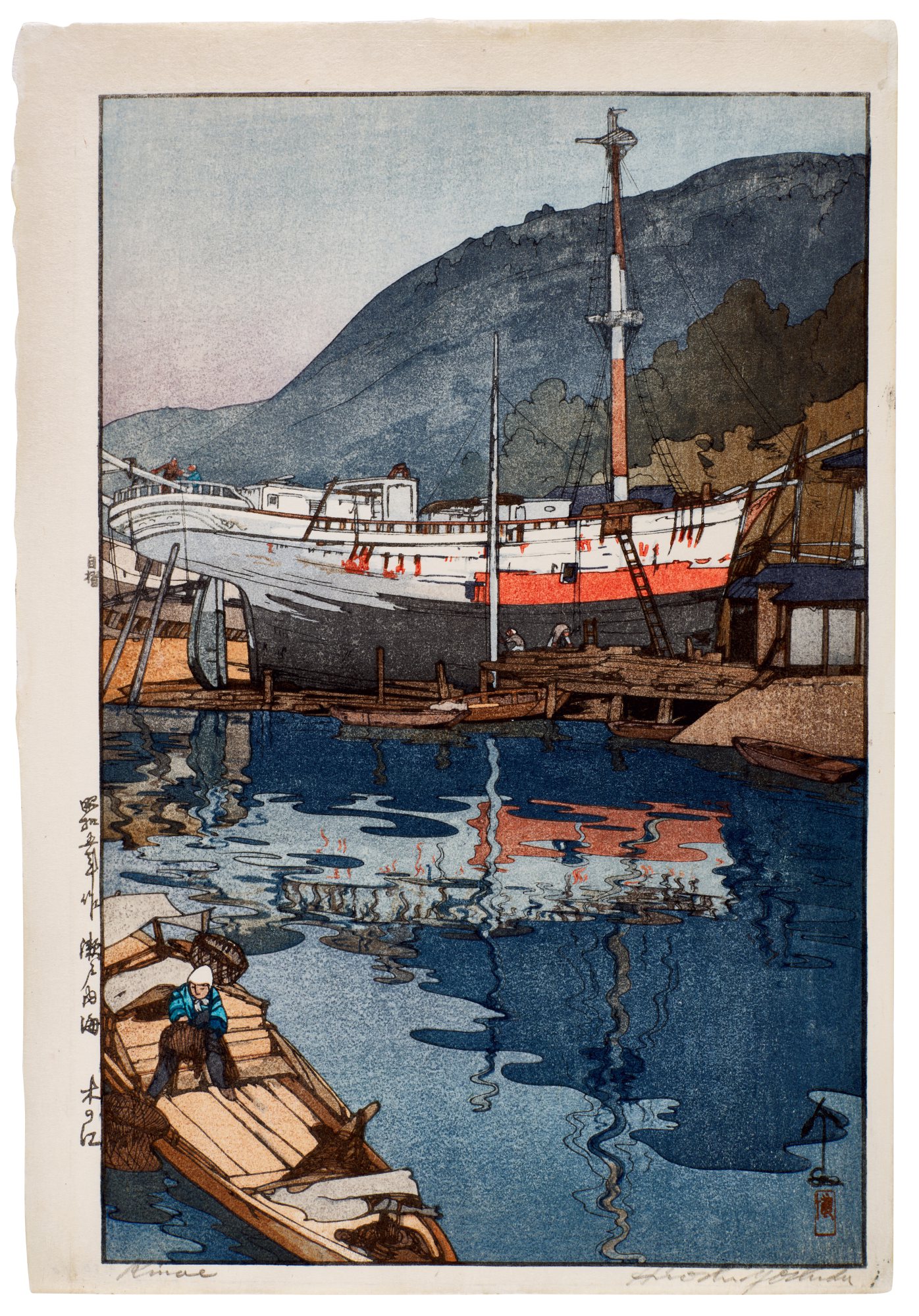
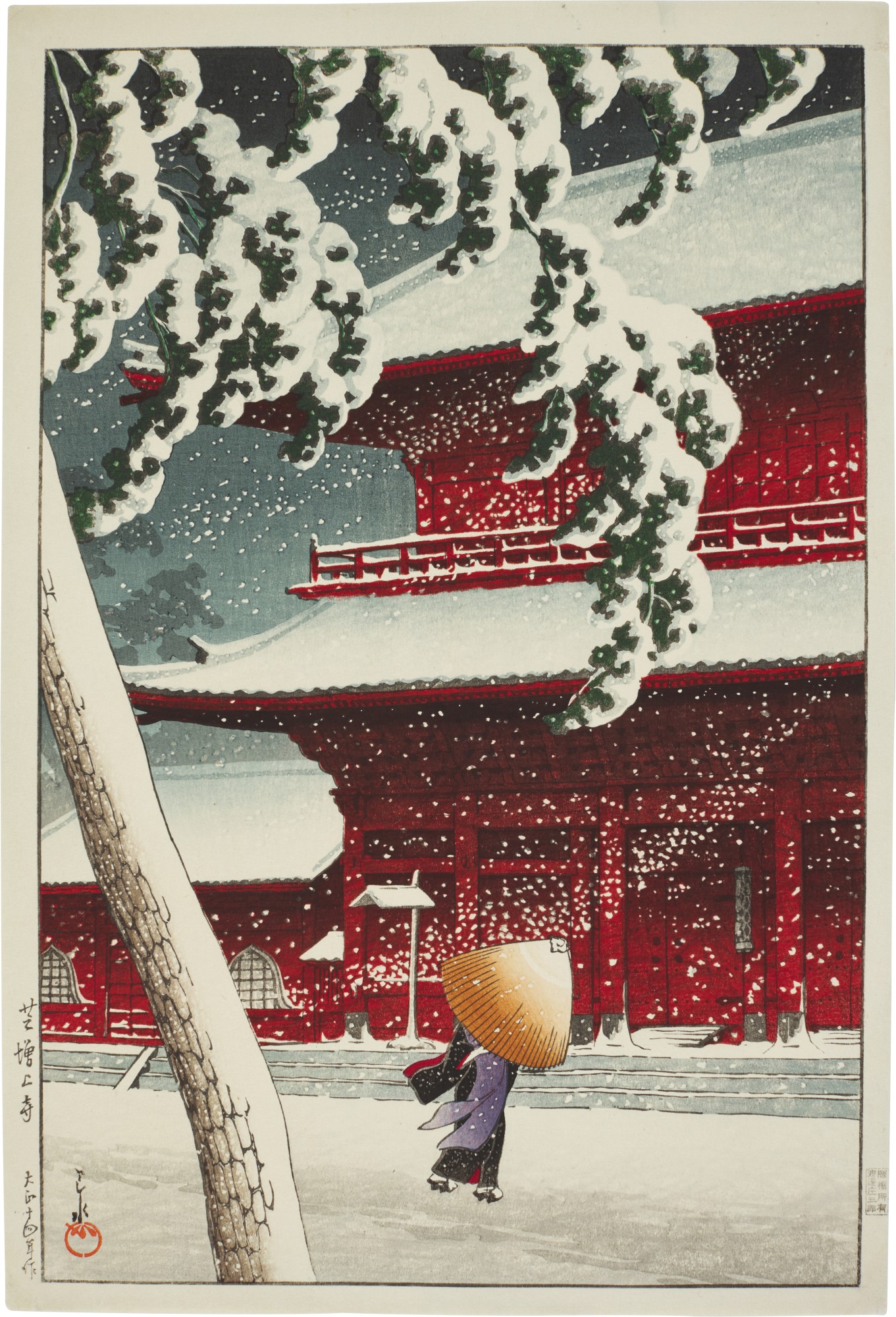
It lives inside it, which is precisely why it remains so vital. The prints of Hasui Kawase and Yoshida Hiroshi, meanwhile, demonstrate that the great woodblock tradition did not simply end when the Meiji era closed. It evolved, absorbed new influences, and continued producing images of Japan that feel both rooted and endlessly open. Japan's art world has never been a single thing.
It is a conversation across centuries between the local and the global, the meditative and the explosive, the inherited and the invented. The Collection draws from this conversation generously and without apology, presenting works that ask you to sit with them, to look again, and to recognize that this particular tradition still has much to say.
![Katsushika Hokusai — Kanagawa oki nami ura (Under the well of the Great Wave off Kanagawa) [“Great Wave”]](https://rtwaymdozgnhgluydsys.supabase.co/storage/v1/object/public/artwork-images/auction-lots/japanese-and-korean-art-24346-nyr-lot84.jpg)