Iraqi
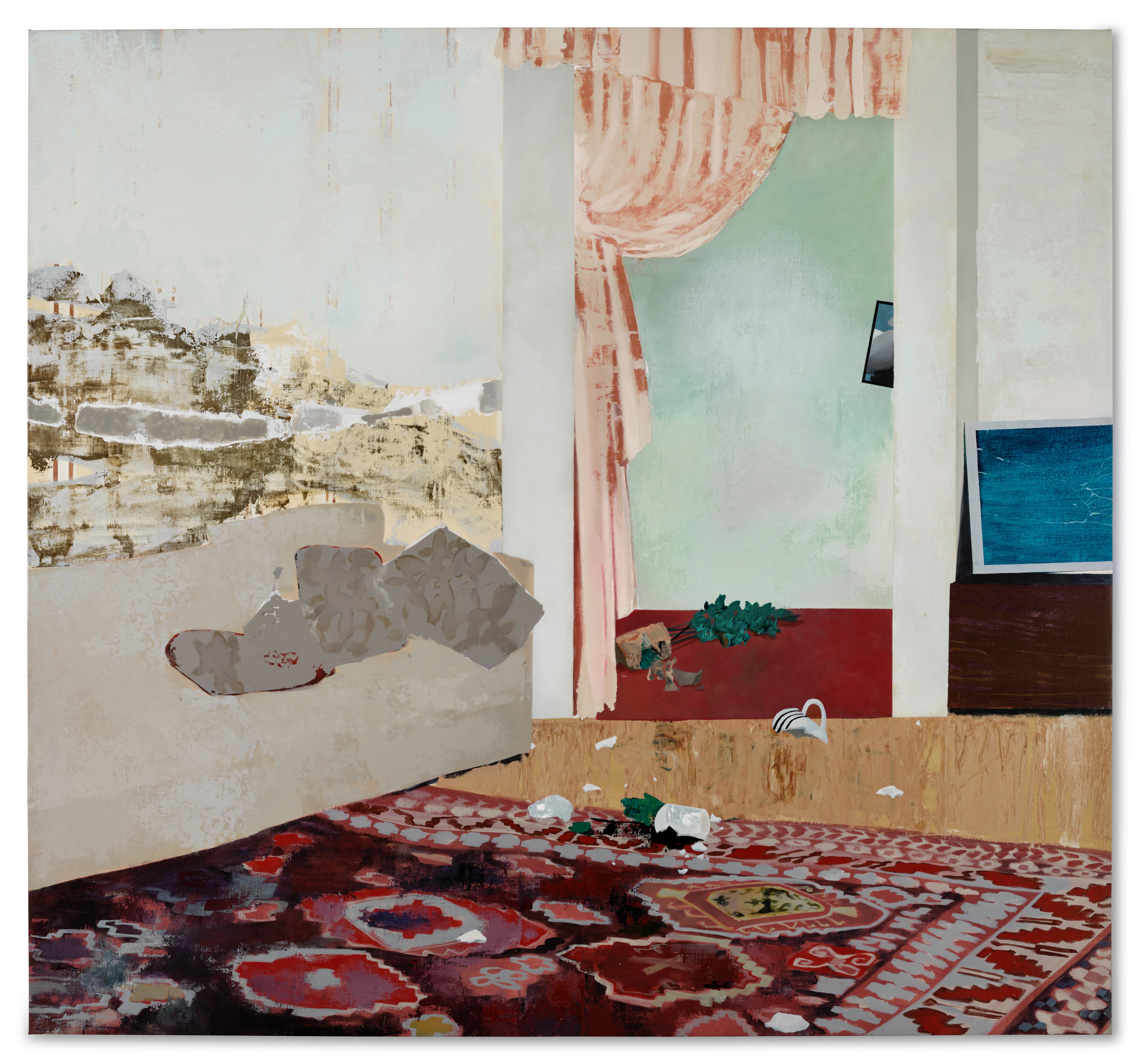

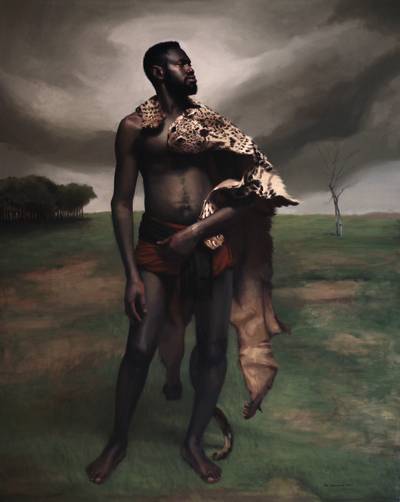
Mohammed Sami
Family Issues I, 2019
The Iraqi Avant-Garde Is Finally Getting Its Due
There is a particular quality of light in the work of Iraqi artists that collectors describe again and again when explaining why a piece stopped them cold. It is not nostalgia exactly, though grief and longing are often present. It is something more restless and unresolved, a tension between ornament and rupture, between the formal rigors of Arabic calligraphy and the raw demands of contemporary expression. Living with these works means living with that tension, and collectors who do so consistently report that the work deepens over time rather than resolving itself into something comfortable.
The appeal of Iraqi art to serious collectors is inseparable from the conditions under which it has been made. Decades of war, displacement, and cultural fracture have produced a generation of artists working from a kind of double consciousness, fluent in the Western art world while carrying an interior life shaped by Baghdad, Mosul, the Tigris, and all that has been lost. This is not suffering as subject matter in any simple sense. It is more that the work operates on multiple registers simultaneously, which is precisely what gives it longevity on the wall and in the mind.
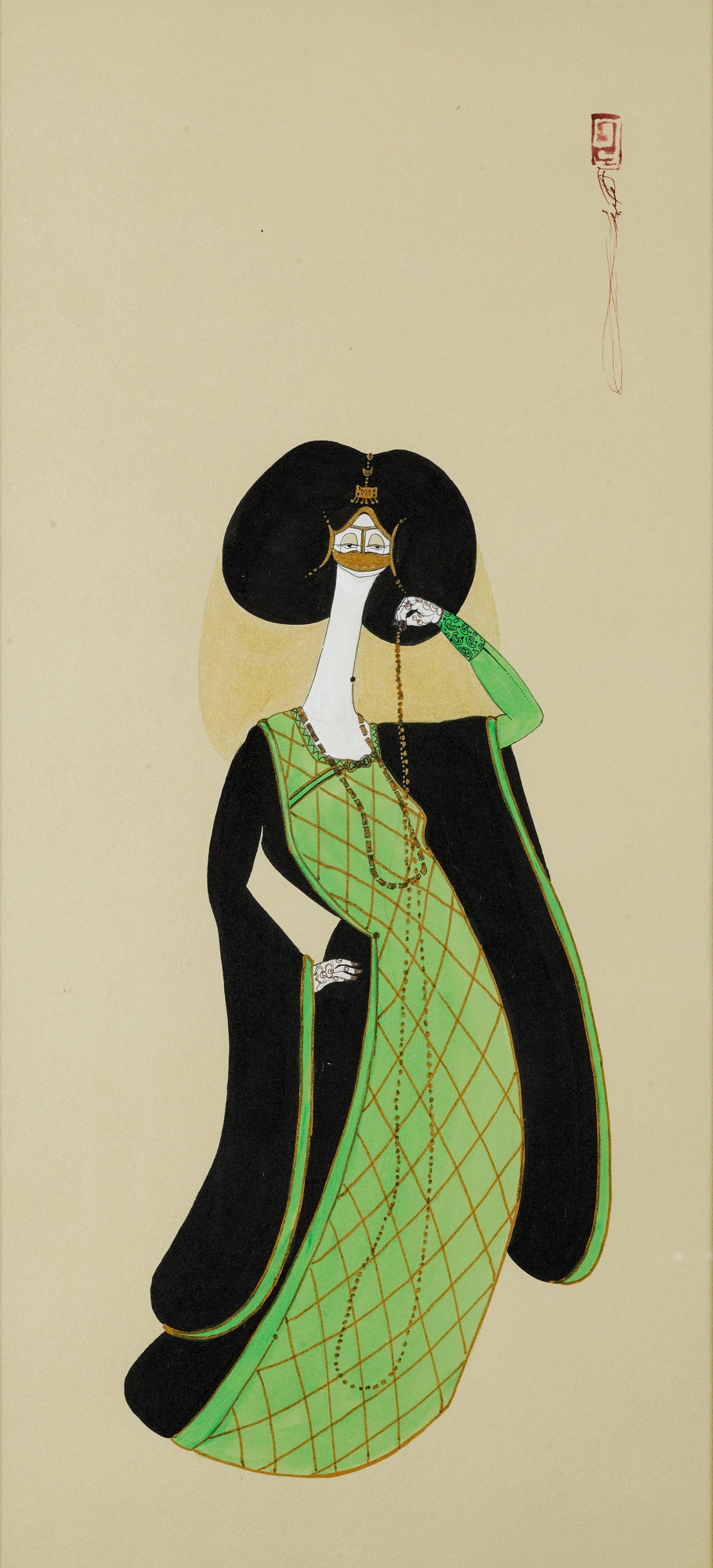
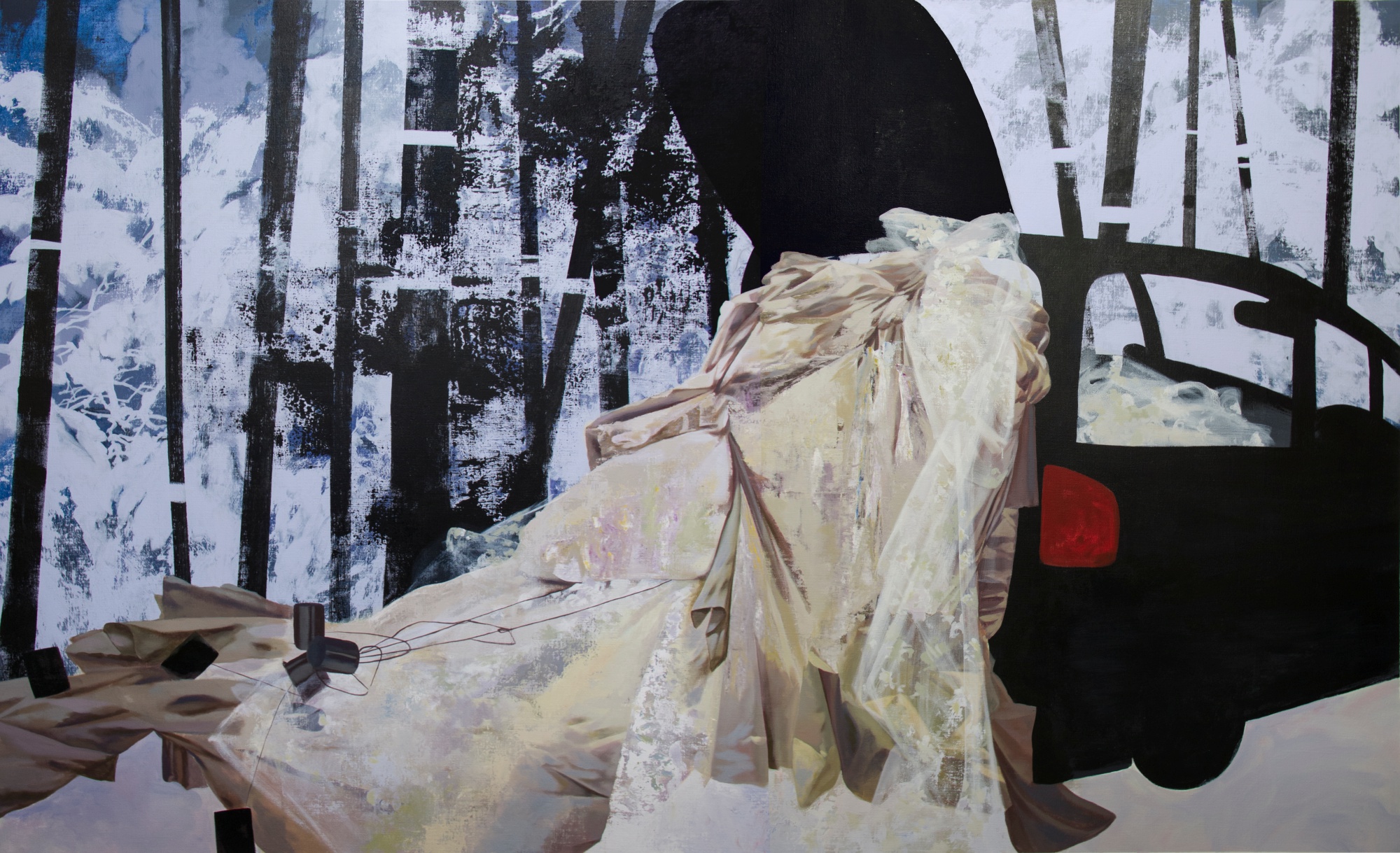
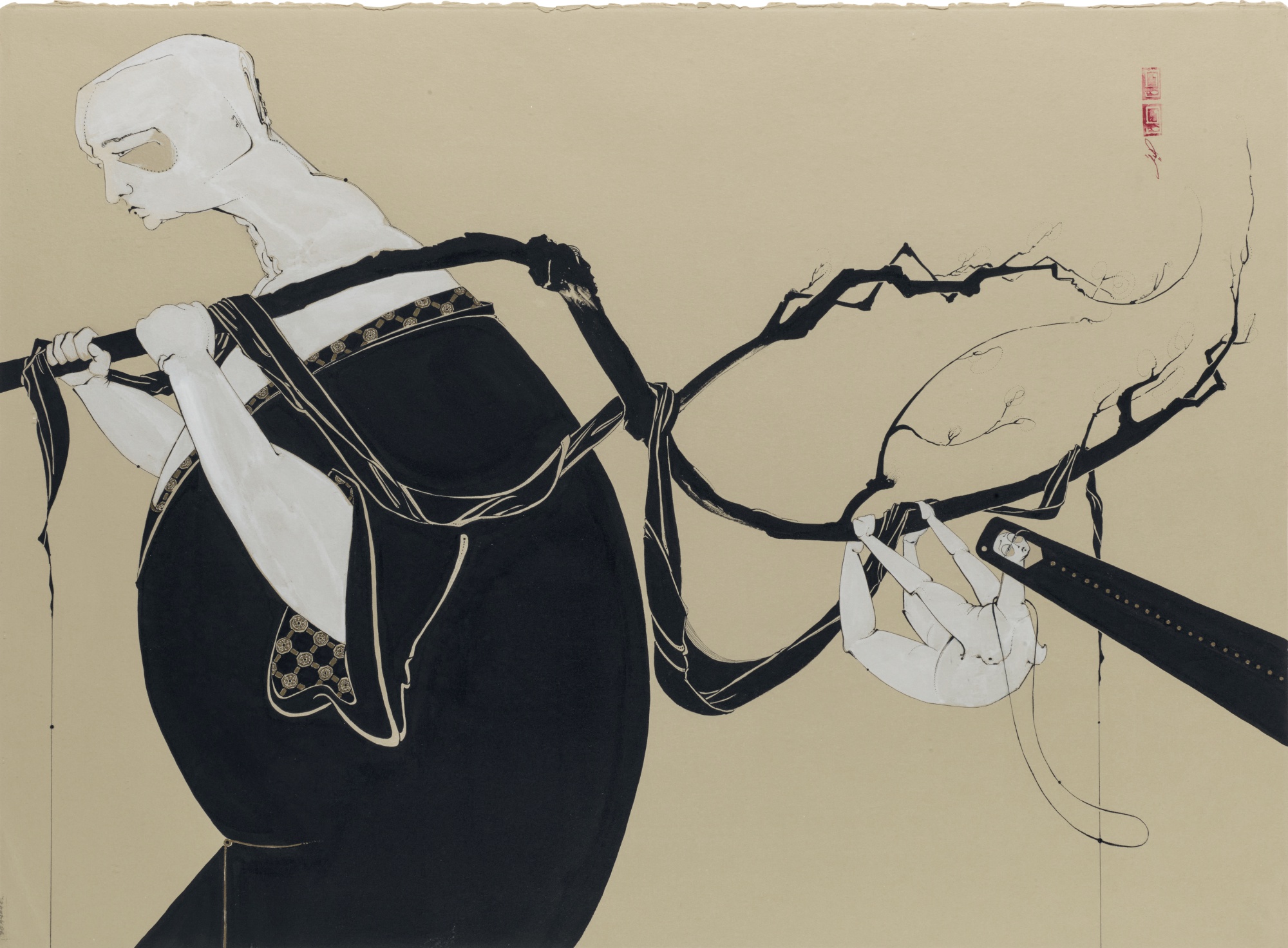
Hayv Kahraman
Standing Lady in Green Dress, 2006
What separates a good work from a great one in this space comes down to authenticity of vision. The strongest works refuse easy legibility. Hayv Kahraman, perhaps the most internationally visible Iraqi artist working today, constructs figures that draw on Japanese woodblock techniques and Byzantine icon painting while being utterly her own. A lesser artist appropriates references; Kahraman metabolizes them into something that could only have come from her specific biography.
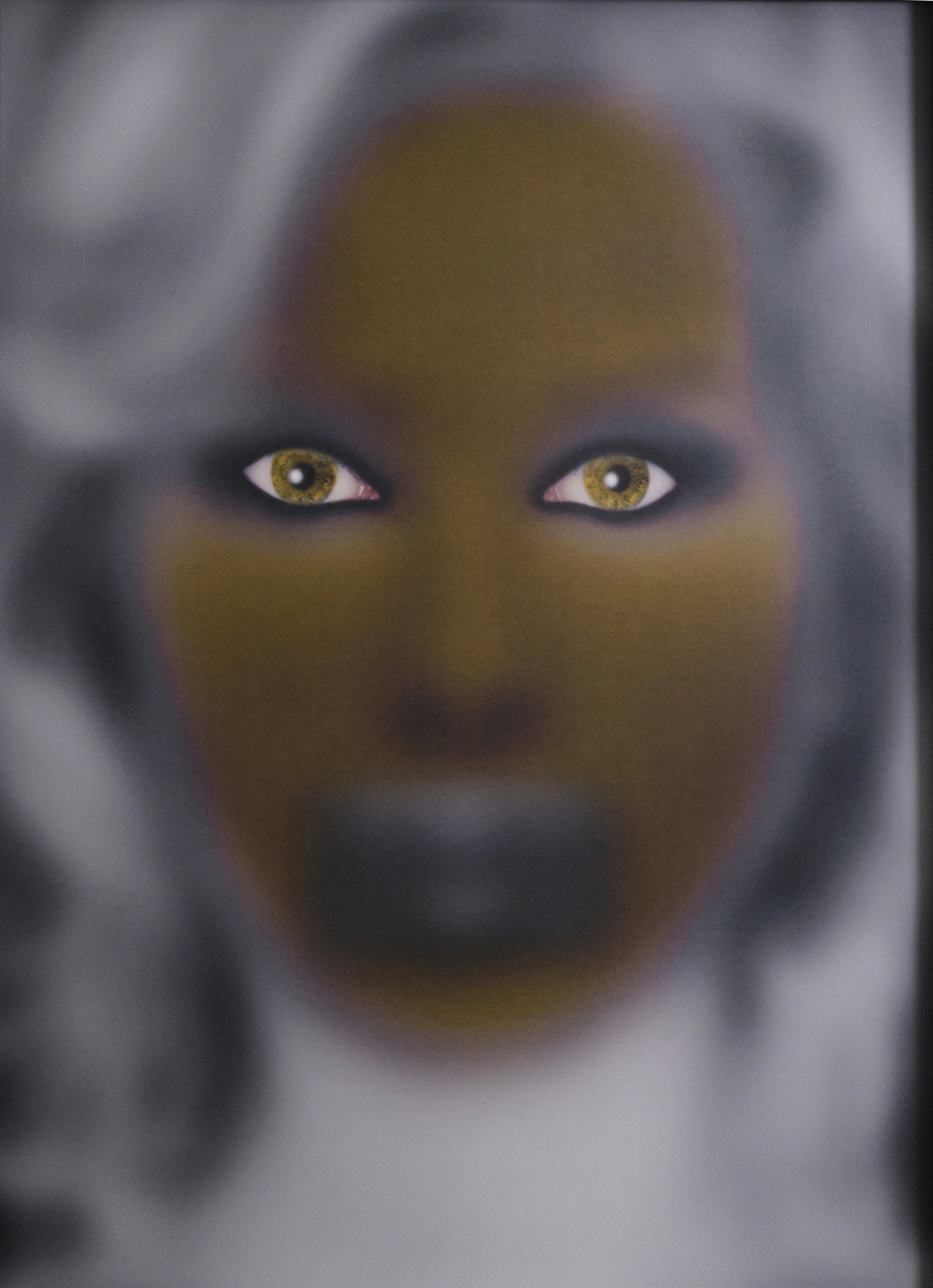
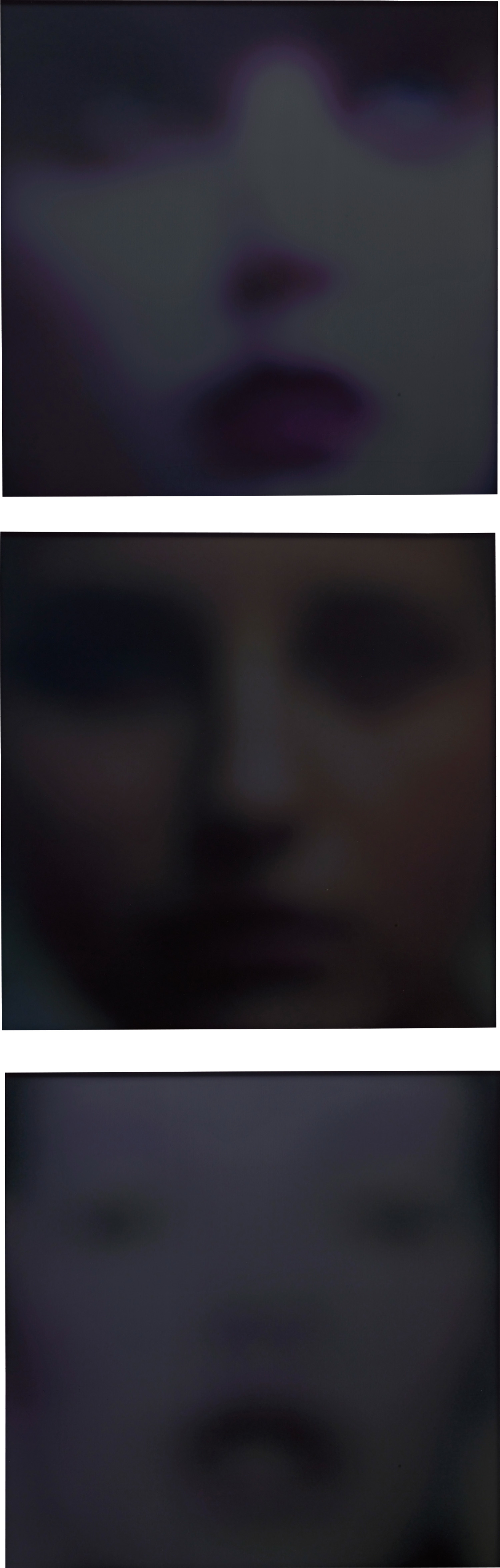
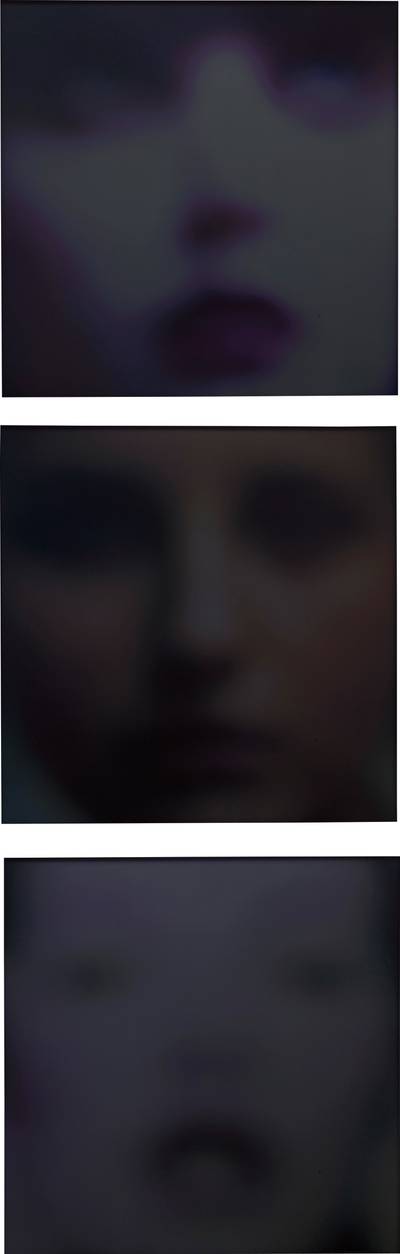
Collectors should look for that same quality of absorption and synthesis in any Iraqi artist they consider. When the influences are worn on the surface without being transformed, the work tends to age poorly. Scale, material, and surface handling are also critical discriminators. Halim Al Karim works with long photographic exposures and layers of obscuring material to create images that hover between presence and erasure, which demands that the work be experienced in person before acquisition.
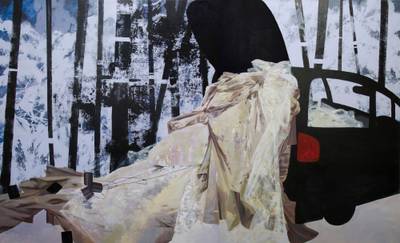
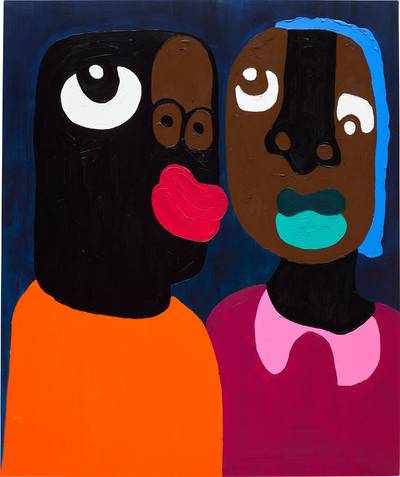
Mohammed Sami
Family Issues I, 2019
A reproduction will always understate what is happening. Similarly, Mohammed Sami builds his paintings with a kind of slow deliberateness, layering domestic interiors with psychological unease in a way that rewards prolonged looking. These are not works that announce themselves quickly. The collector who spends time with them before committing will invariably feel they made the right decision.
In terms of market positioning, Hayv Kahraman represents one of the most compelling value propositions in contemporary art right now. She has had major institutional support, including a solo exhibition at the Rubell Museum, and her work enters major collections with regularity, yet her prices remain substantially below those of Western contemporaries with comparable critical profiles. That gap will not persist indefinitely. Mohammed Sami, based in London and represented by galleries with strong international reach, is on a similar trajectory.
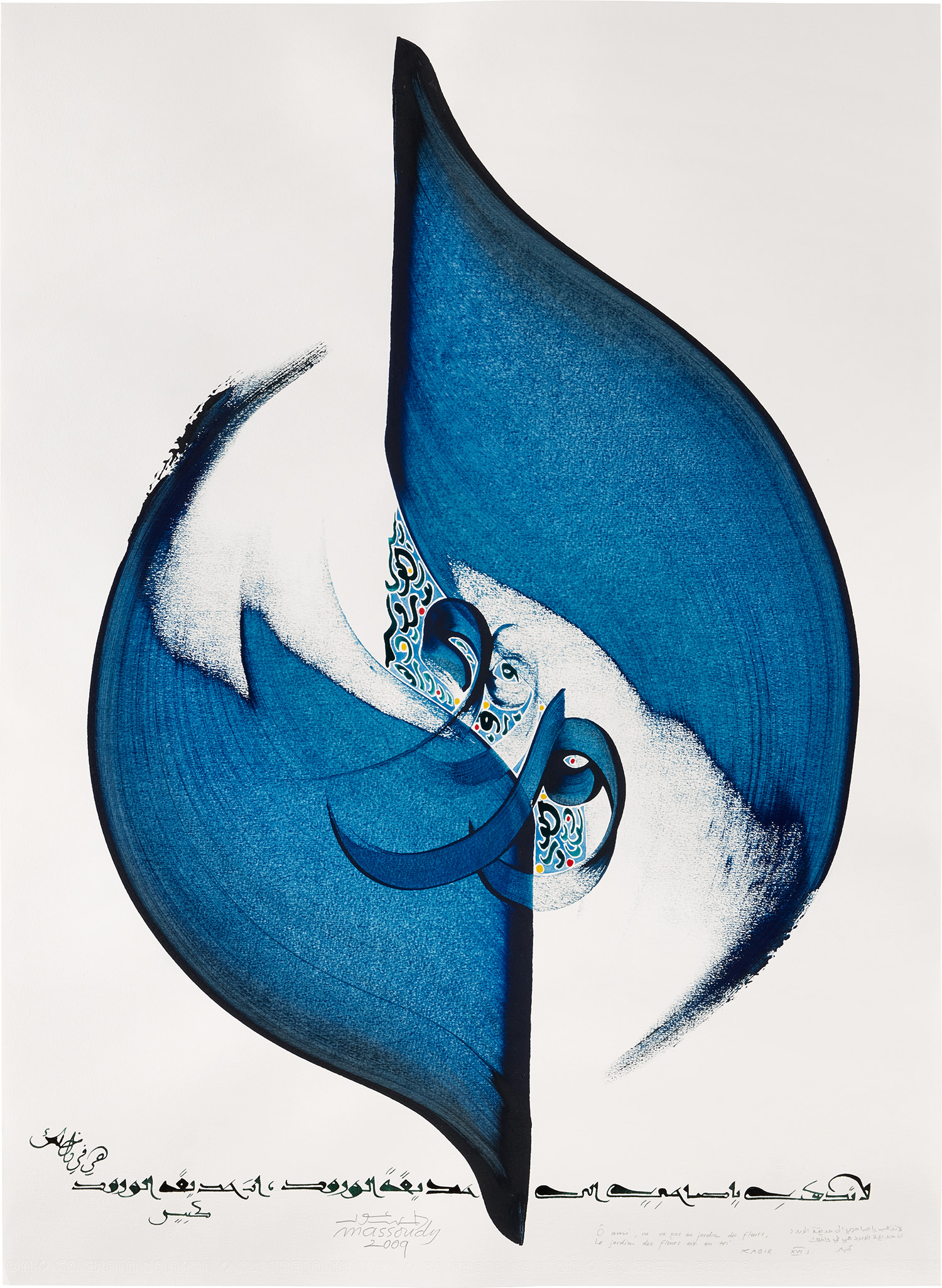
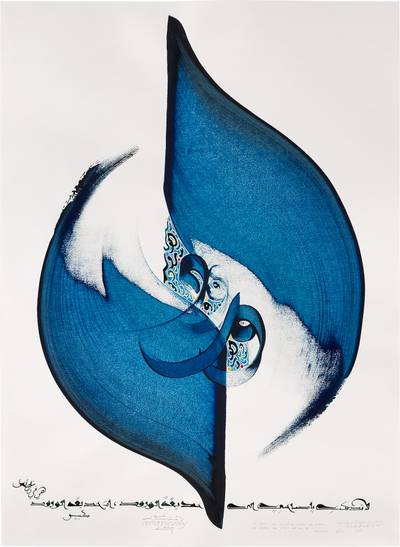
Hassan Massoudy
Hassan Massoudy
His work has drawn serious critical attention following recent European exhibitions, and the secondary market for his paintings is beginning to reflect that momentum. For collectors building a long position in Iraqi art, both artists represent genuine opportunity before wider revaluation. It is also worth paying close attention to Hassan Massoudy, whose work in Arabic calligraphy is not decorative craft but a form of philosophical inquiry into language and form. Massoudy, born in Najaf and trained in Baghdad before moving to Paris in the 1960s, represents a bridge between classical Islamic visual tradition and the concerns of Western abstraction.
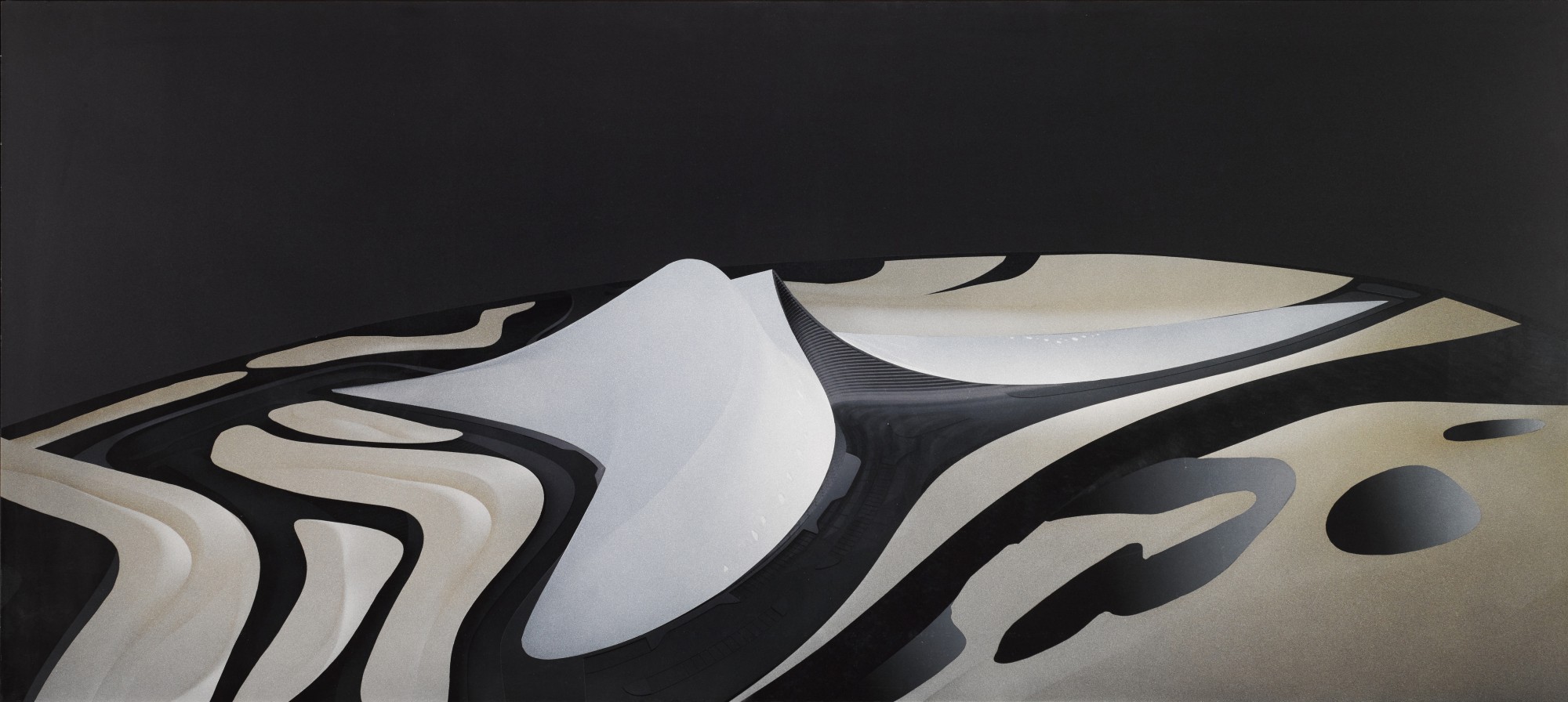
His work is underpriced relative to its art historical significance. Likewise, the legacy of Fahrelnissa Zeid, who spent decades between Baghdad, London, and Paris and whose large scale abstract paintings were rediscovered by a new generation after her Tate Modern retrospective in 2017, demonstrates that the market for Iraqi modernists is capable of dramatic reassessment. That precedent matters when evaluating what is currently undervalued. For collectors interested in emerging voices, the landscape is genuinely exciting.
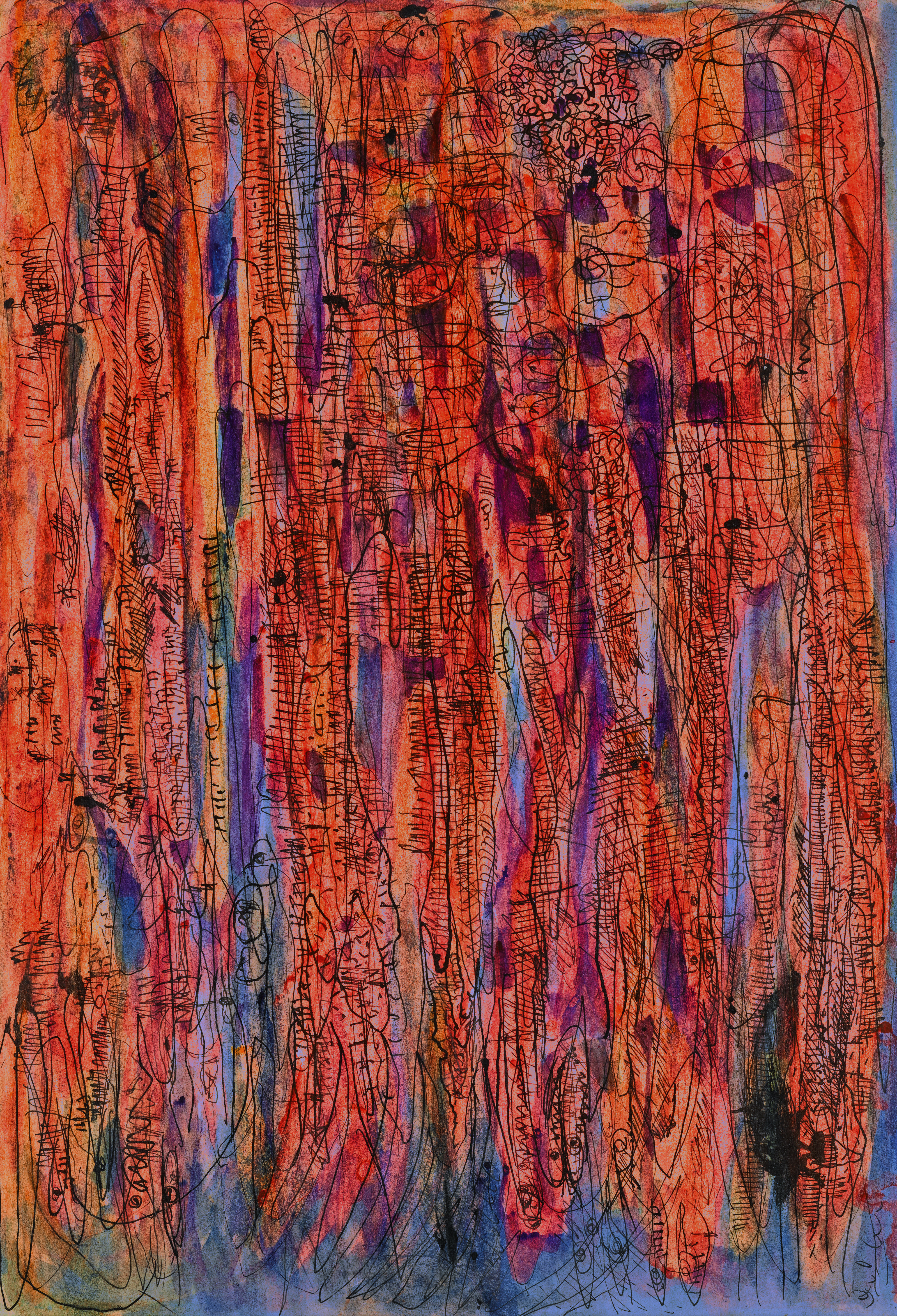
Fahrelnissa Zeid
Composition (Red), 1953
Artists of Iraqi heritage working across Europe and North America are engaging with questions of archive, identity, and the politics of representation in ways that connect to broader art world conversations without being subsumed by them. It is worth following gallery programs at institutions with strong commitments to Middle Eastern and diaspora art, particularly in London and Los Angeles, where much of this work is being shown first. The entry price points for younger artists remain accessible, and the critical infrastructure to support sustained careers is growing. At auction, Iraqi art has historically been underrepresented, but that is shifting.
Major houses have introduced dedicated sections for modern and contemporary Middle Eastern art, and results for top tier names have shown consistent upward pressure. Condition is a particularly important consideration here because many works from artists who lived through periods of conflict have complex provenance and storage histories. Always request full condition reports, ask specifically about any restoration or lining on works on canvas, and for works on paper, inquire about light exposure history. These are not reasons to avoid a work but they are essential to accurate pricing.
When speaking with a gallery about an Iraqi artist, the most useful questions go beyond the biography. Ask where the work has been exhibited institutionally, which curators have written seriously about the practice, and whether the artist has a relationship with a major gallery that will actively manage their market over the long term. Ask whether the work is unique or part of an edition, and if the latter, what the edition size is and where other examples from that edition currently sit. For photography based work in particular, edition discipline matters enormously to long term value.
The Iraqi artists on The Collection represent a range of practices and price points, but they share a seriousness of intention that makes the collecting decision straightforward for anyone willing to look slowly and ask the right questions.