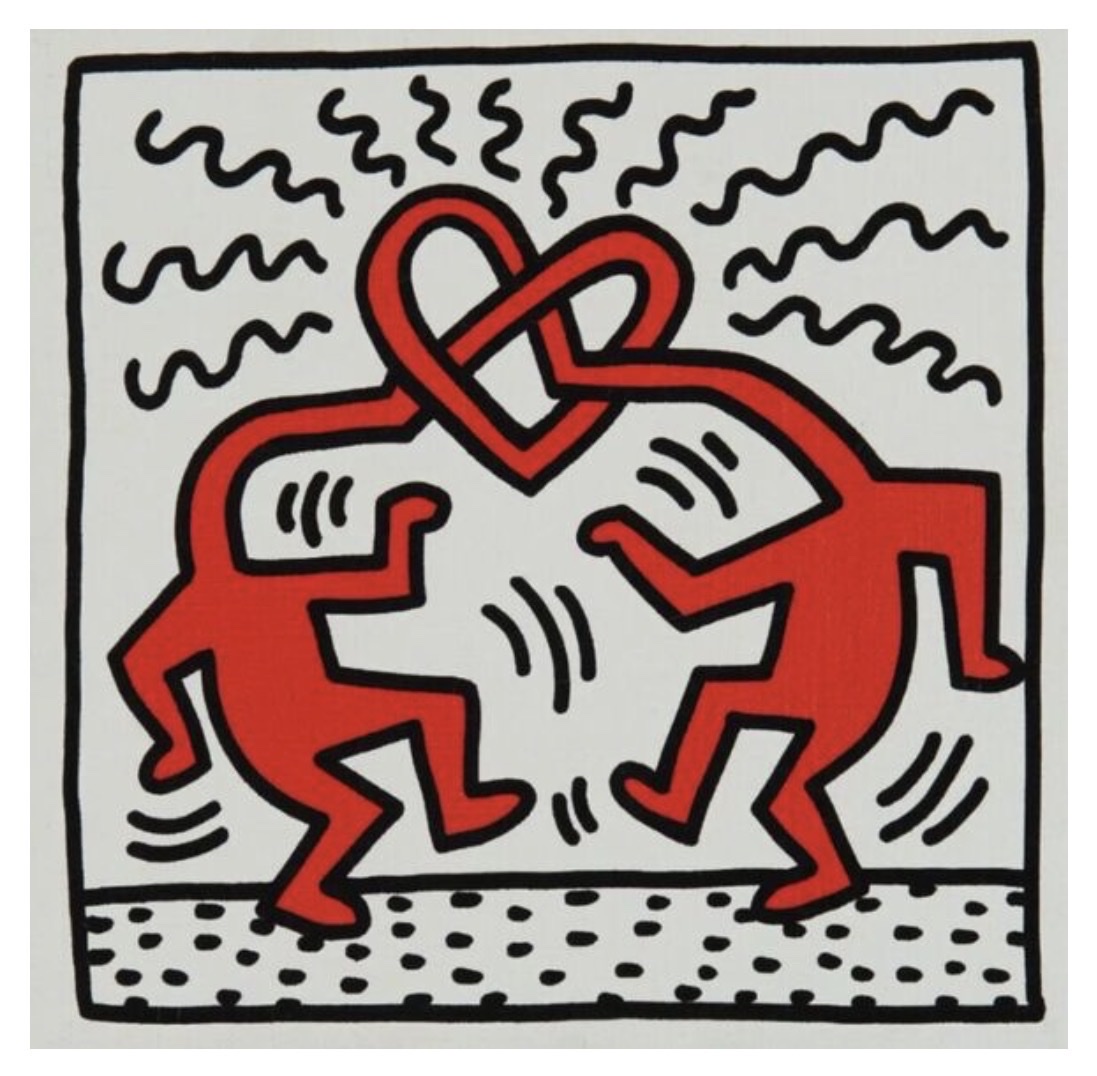
Installation Art
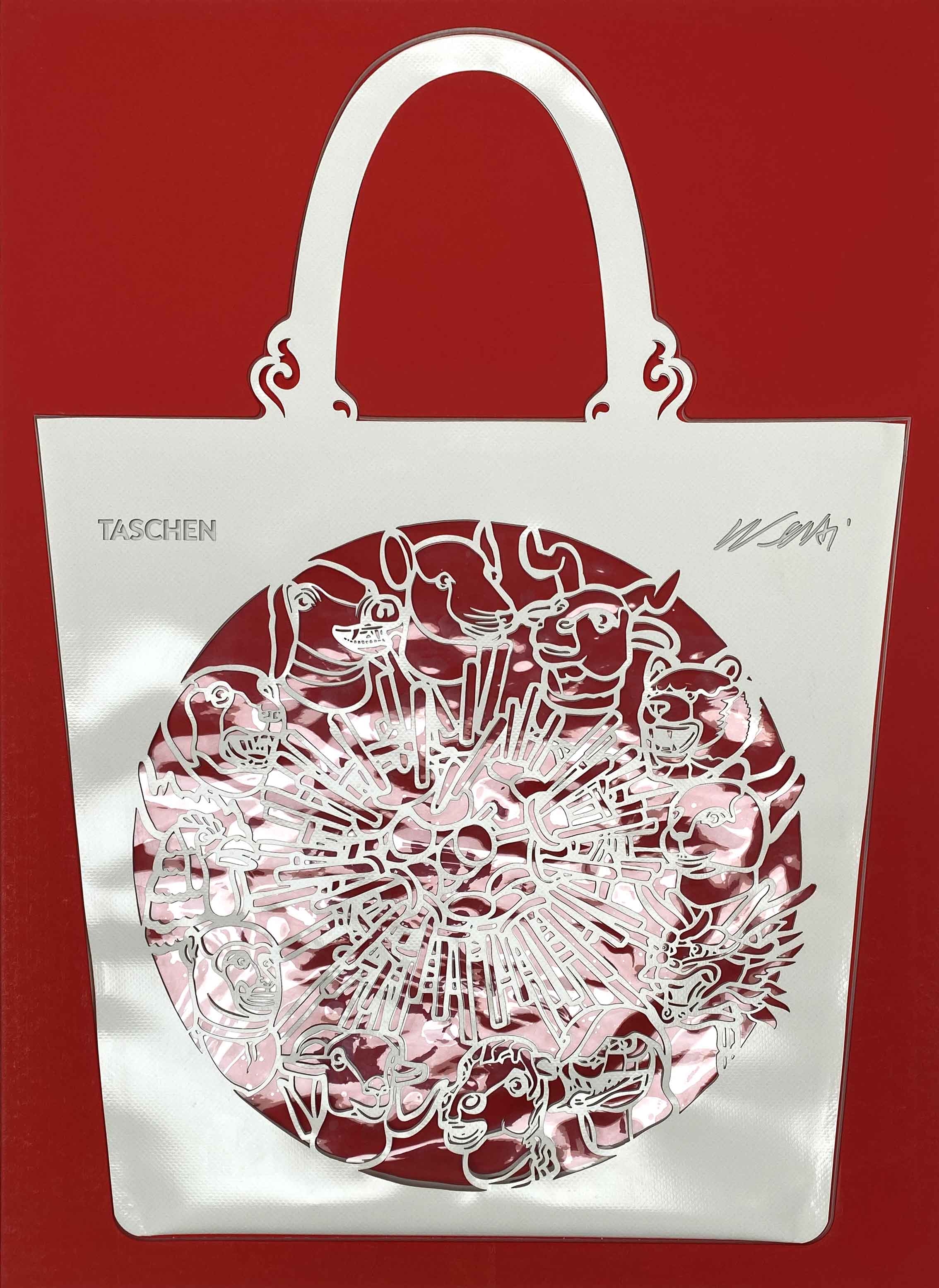
Ai Weiwei
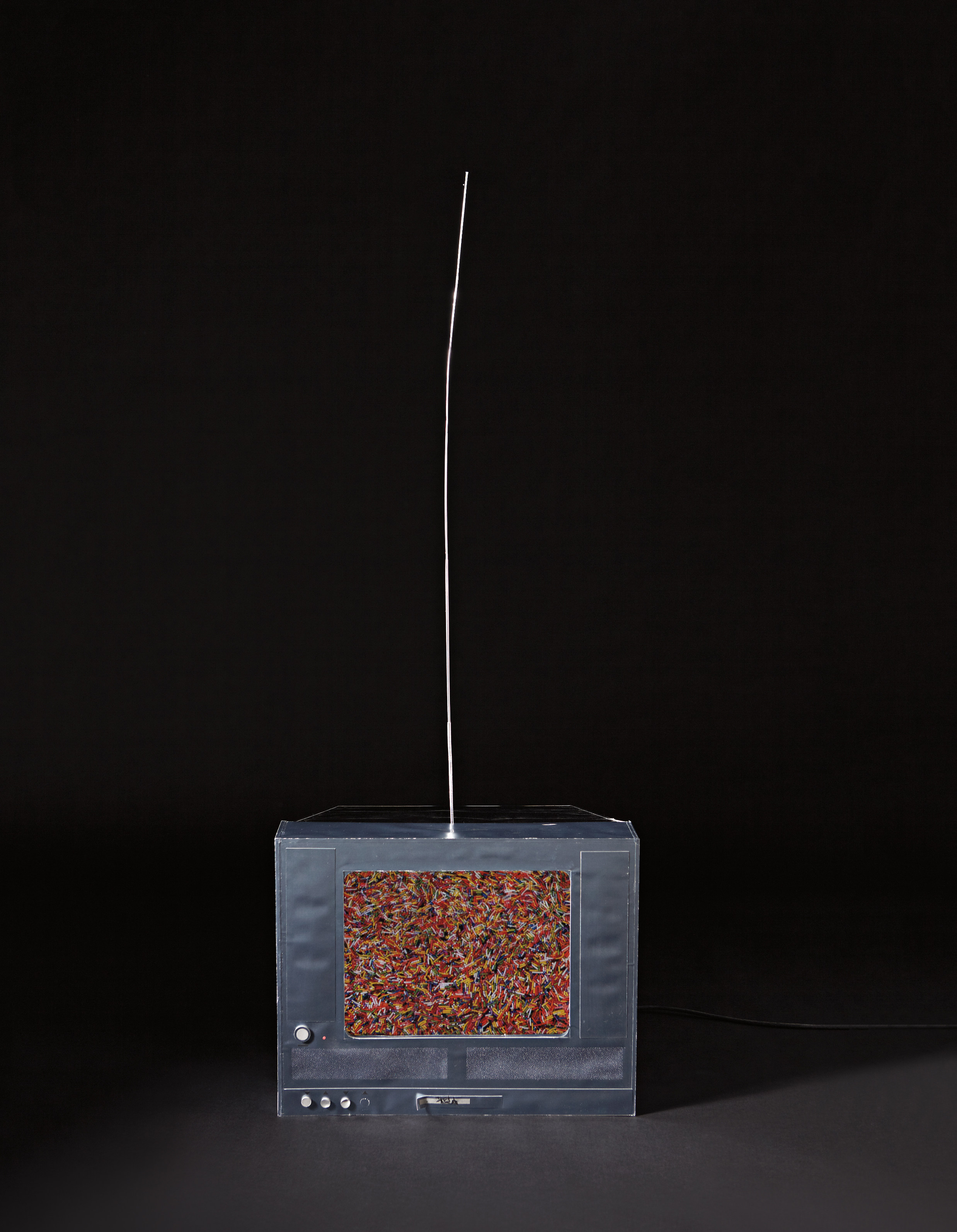
China Bag Zodiac

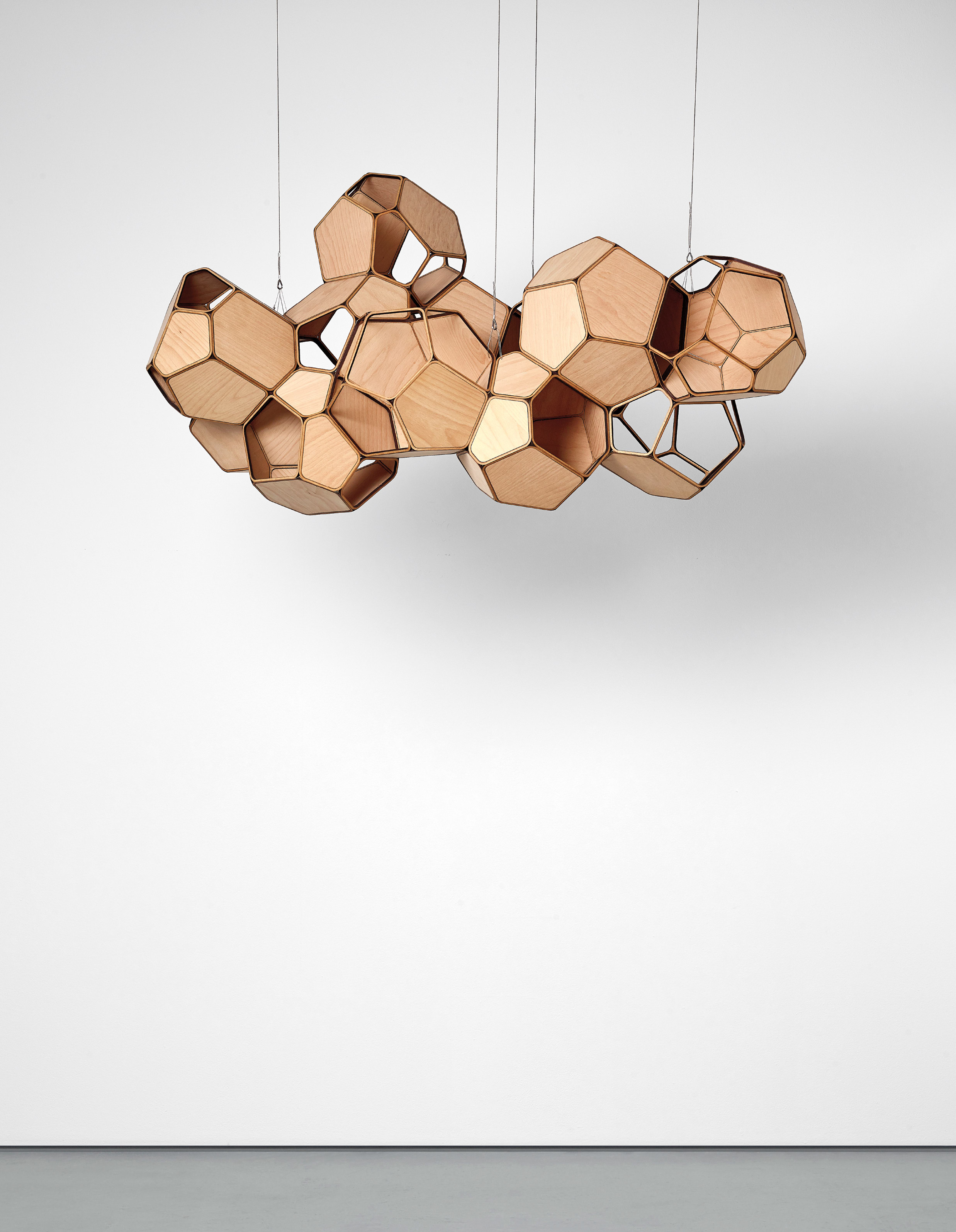
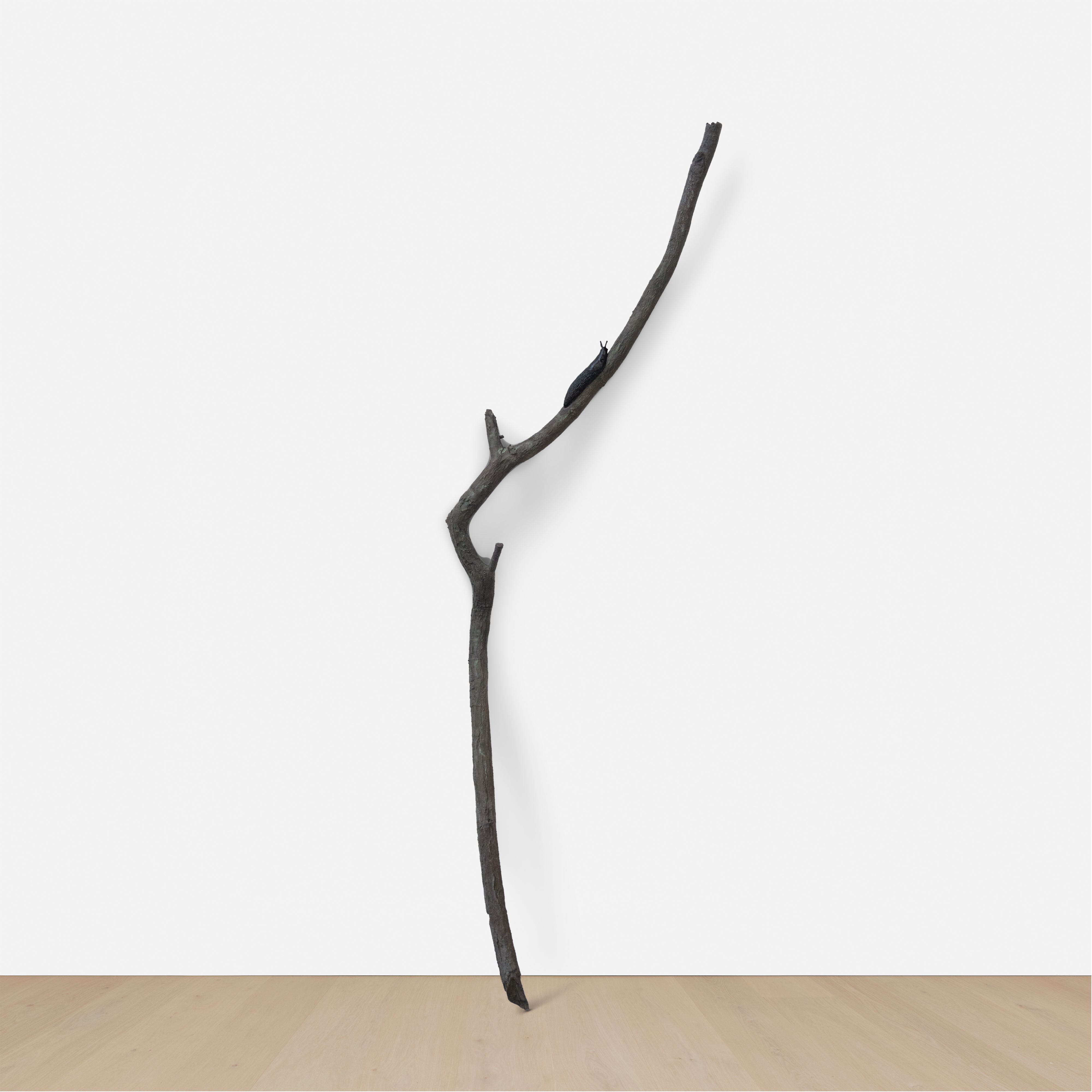

Art That Refuses to Fit on a Wall
There is a particular kind of vertigo that comes from standing inside a work of art rather than in front of it. The floor is not neutral ground, the ceiling is no longer incidental, and the space around your body has been charged with intention. This is what installation art does at its most powerful: it colonizes experience itself, making the viewer not an observer but a participant, a component, sometimes even the subject. Few forms in the history of art have demanded so much of both maker and audience, and fewer still have proven so elastic in what they can hold.
The roots of installation practice reach back further than the term itself. In the 1960s, artists working in the wake of Abstract Expressionism began to grow impatient with the self contained art object. Allan Kaprow, whose Happenings in the late 1950s blurred performance and environment, helped establish the idea that a work of art could be a situation rather than a thing. Around the same time, Joseph Beuys in Germany was constructing what he called social sculpture, insisting that the materials of art could include fat, felt, and the live presence of other people.
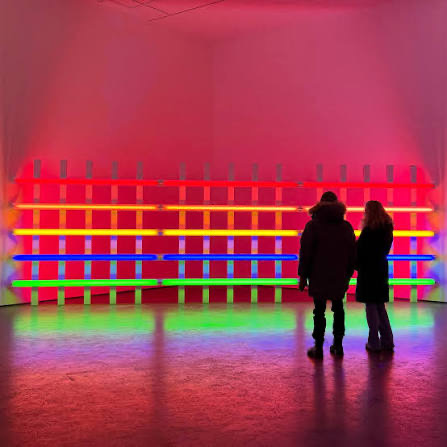
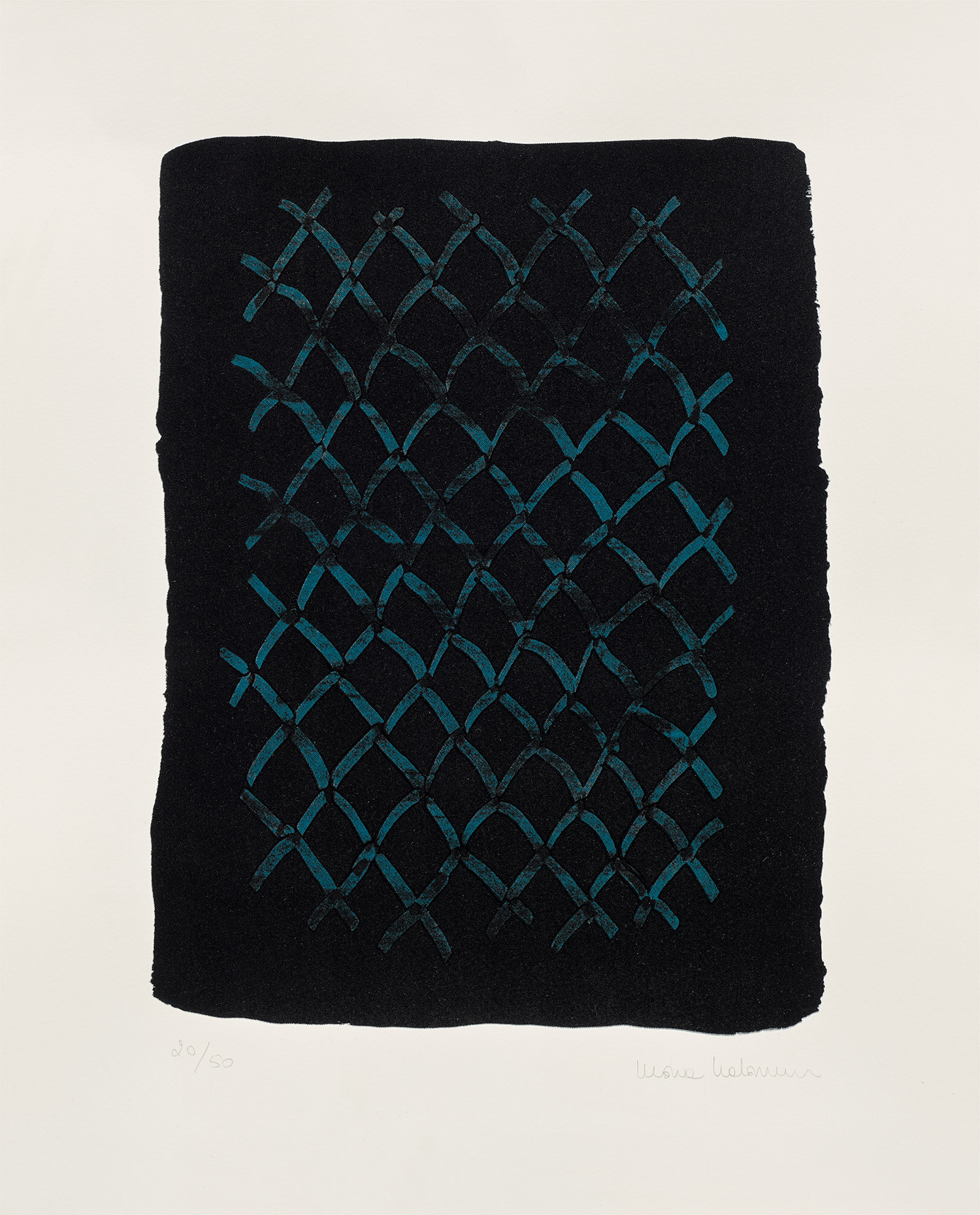
Dan Flavin
Grid, 2026
Beuys remains one of the great philosophical architects of the form, and the works he left behind carry an almost shamanic weight, as though the objects are still conducting some residual energy. The 1970s saw the language of installation solidify. Artists like Dan Flavin had already been arranging industrial fluorescent tubes since the mid 1960s in ways that transformed architectural space into something close to pure sensation. Marcel Broodthaers was doing something altogether different, filling rooms with the apparatus of museums and cultural authority, turning the installation format into a vehicle for institutional critique.
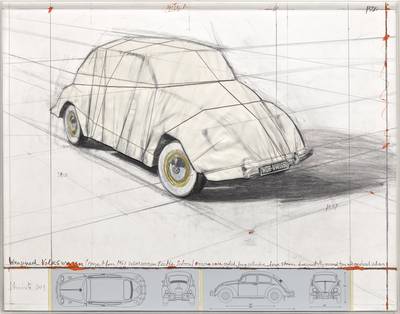
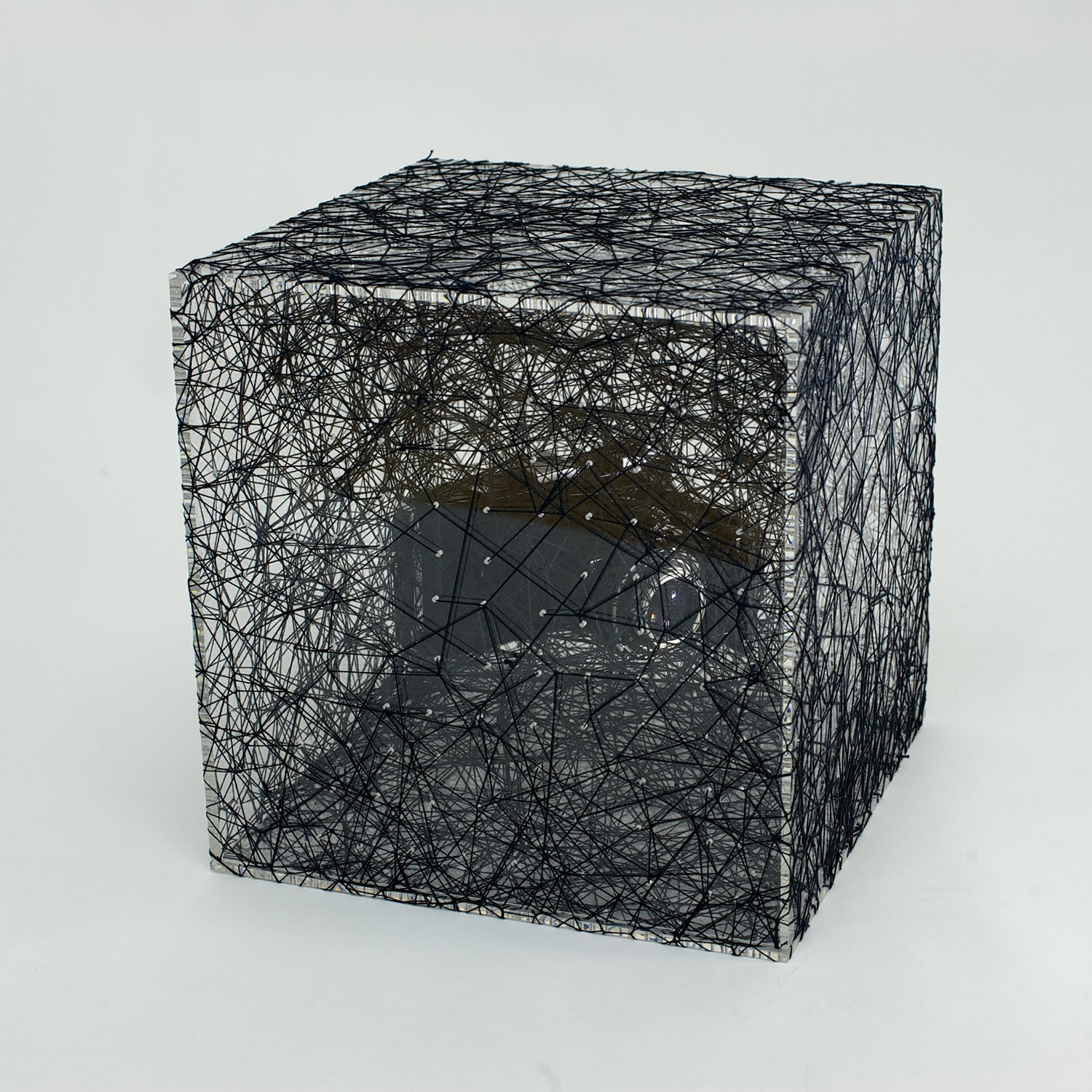
His fictional museums anticipated decades of art that would interrogate the very conditions of its own display. By the time the term installation art gained common currency in the early 1970s, it encompassed a genuinely bewildering range of intentions and methods. What connects artists as different as Christo, who with Jeanne Claude spent decades wrapping coastlines and government buildings and floating fabric across Californian hills, and Chiharu Shiota, who threads thousands of meters of red or black wool through interior spaces until rooms become something closer to the interior of a mind? The answer is probably scale, not just physical scale, though that is often a factor, but conceptual scale.
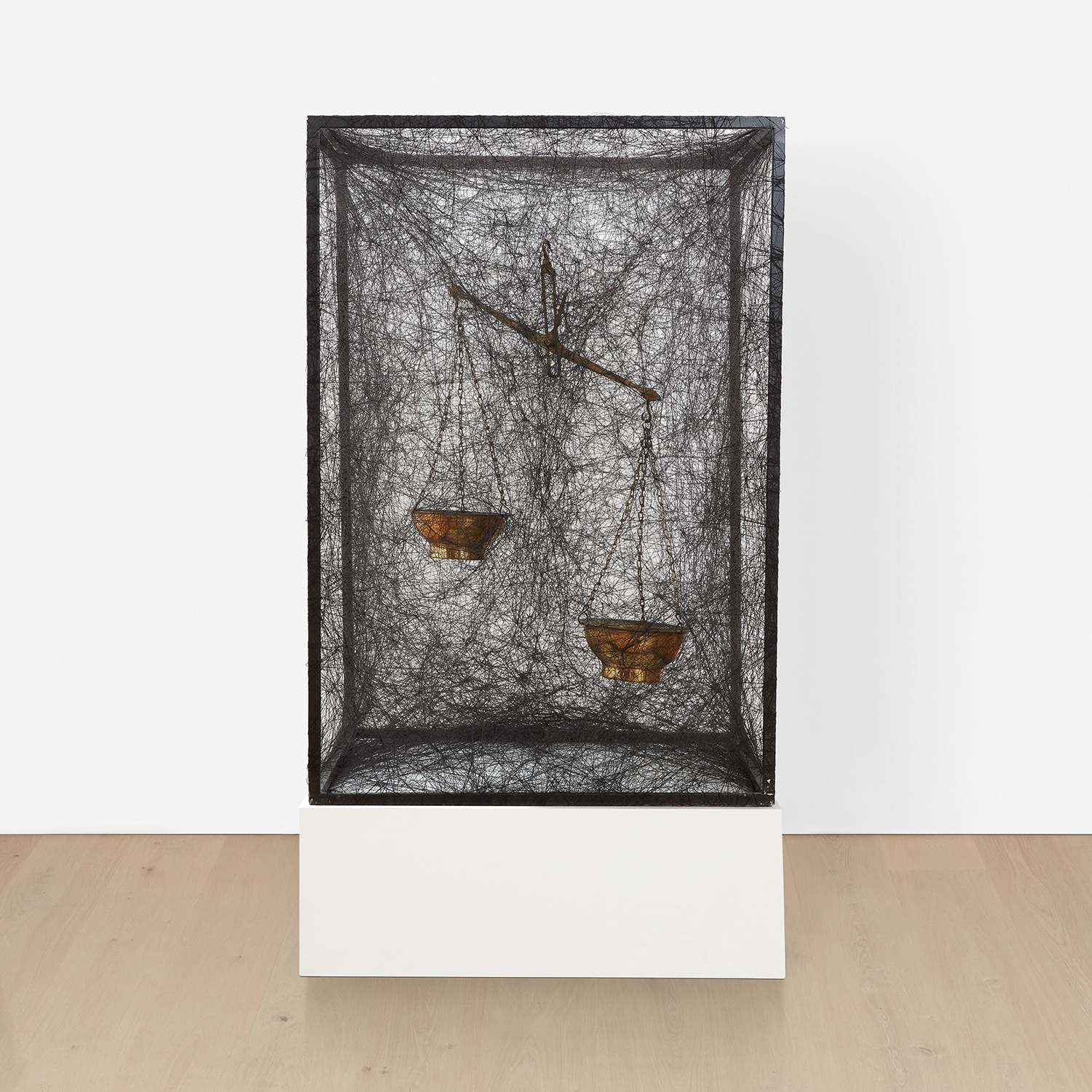
Chiharu Shiota
State of being #7, 2009
Installation art tends to operate at the level of the overwhelming. It asks the body to register what the eye alone cannot process. Christo and Jeanne Claude's projects required years of negotiation, armies of workers, and temporary transformation of public life. Shiota's installations require a different kind of surrender, an intimacy with obsession and memory that accumulates thread by thread.
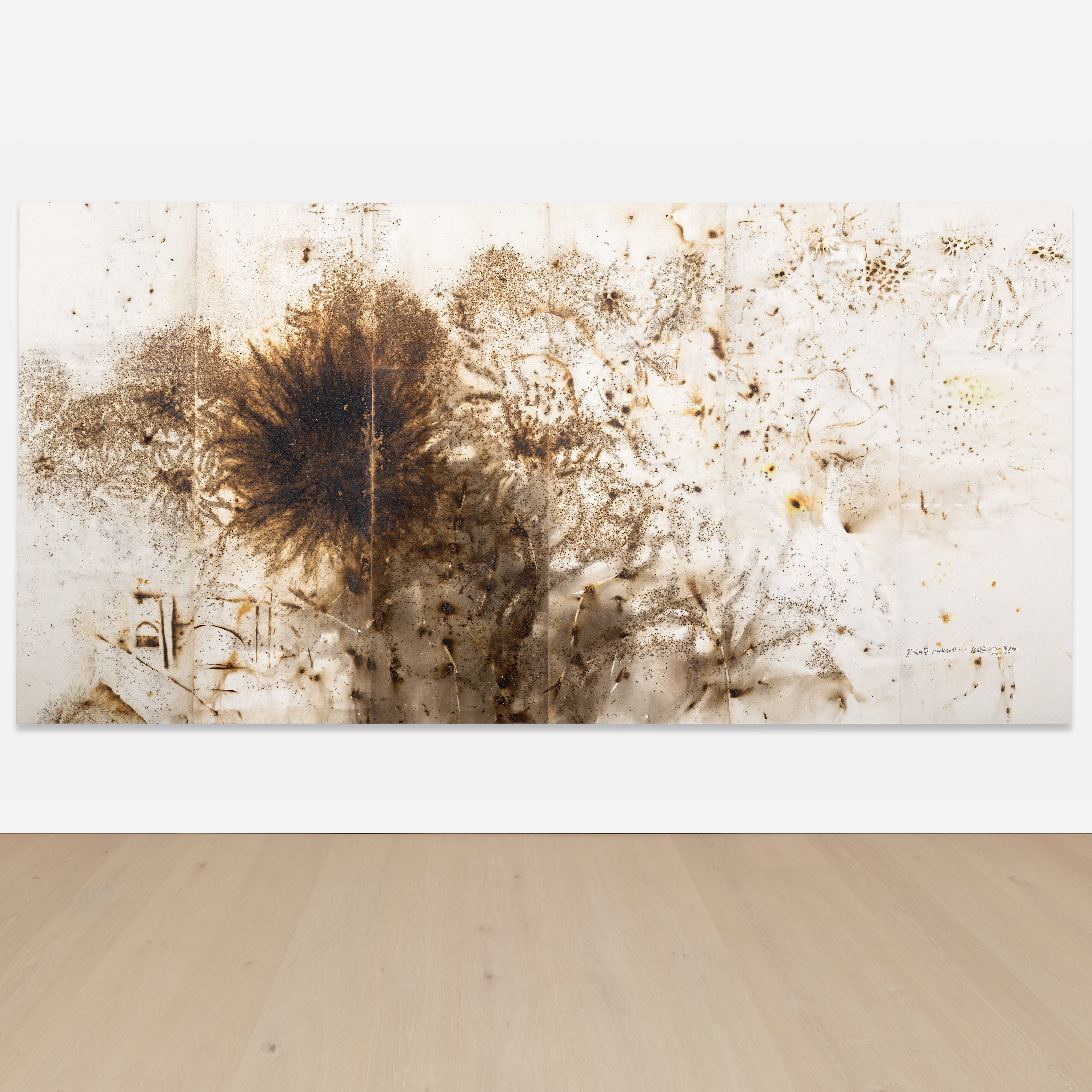
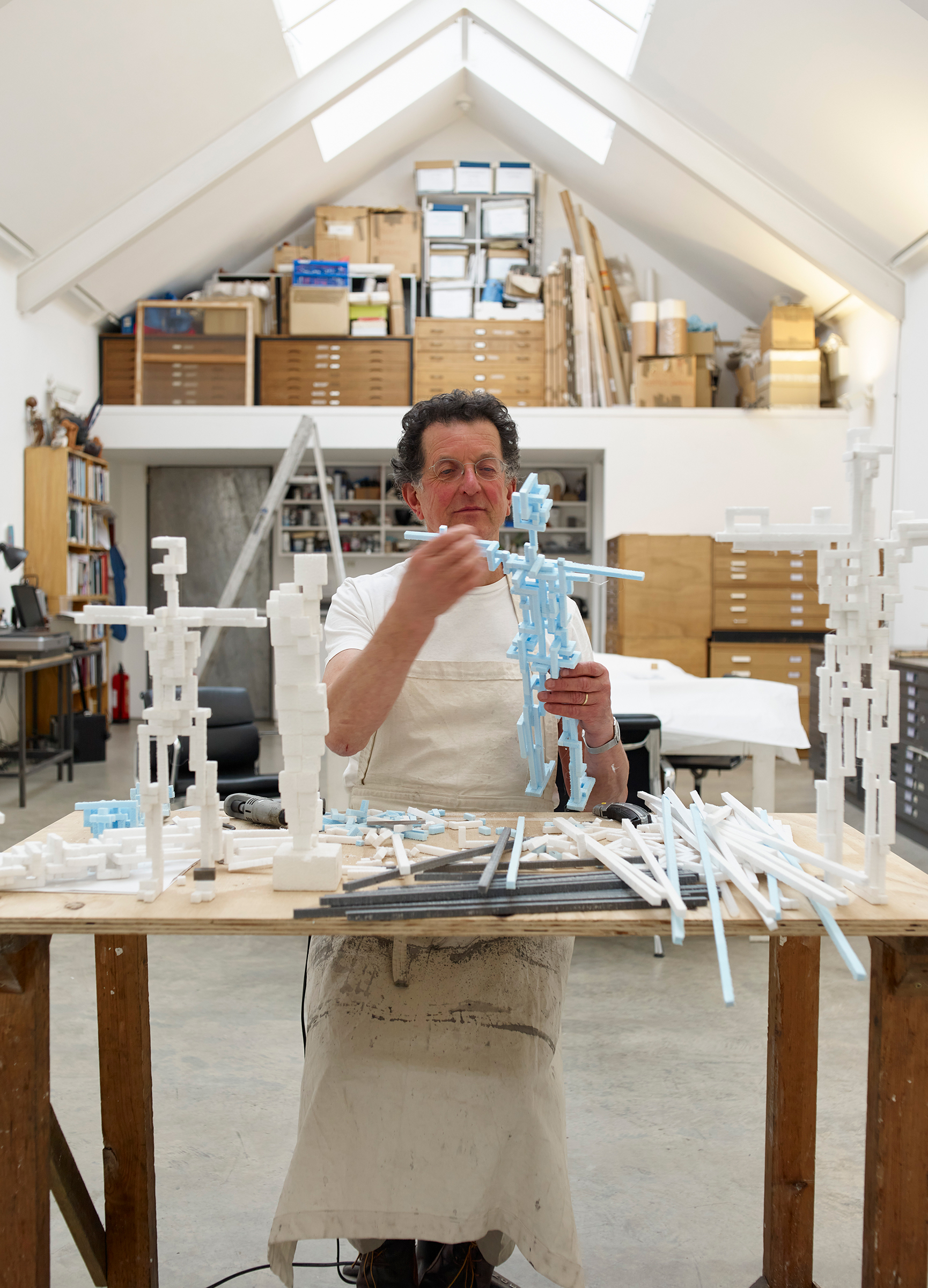
Some of the most significant works in the form play with what we might call the politics of presence. Mona Hatoum builds environments from domestic objects turned dangerous or uncanny, making the familiar suddenly hostile. Antony Gormley casts figures from his own body and distributes them across space, asking questions about what it means to occupy a location in the world. Ai Weiwei has used installation to address political repression with a directness that few artists working in any medium have matched.

Ai Weiwei
The China Bag Cats and Dogs, 2019
Elmgreen and Dragset stage installations that read like theatrical sets without actors, leaving the viewer to perform the drama themselves. Each of these artists is well represented on The Collection, and each approaches the genre from a fundamentally different philosophical position, which tells you something important about how broad and contested the category remains. The question of how installation translates into a collecting context is one that the art market has been negotiating for decades. These are works that were often conceived in opposition to the commodity object, works that dissolve when the lights go out or the lease on a gallery ends.
And yet collecting institutions and private collectors alike have found ways to acquire, document, and reinstall major works. Certificates of authenticity, detailed installation instructions, and artist approved variations have become part of the vocabulary. Ólafur Elíasson has been particularly thoughtful about this, treating each reinstallation of a work as a kind of performance of its original logic rather than a diminished copy. Tomás Saraceno builds ecosystems from spiderwebs and solar materials that exist differently in every space they inhabit.
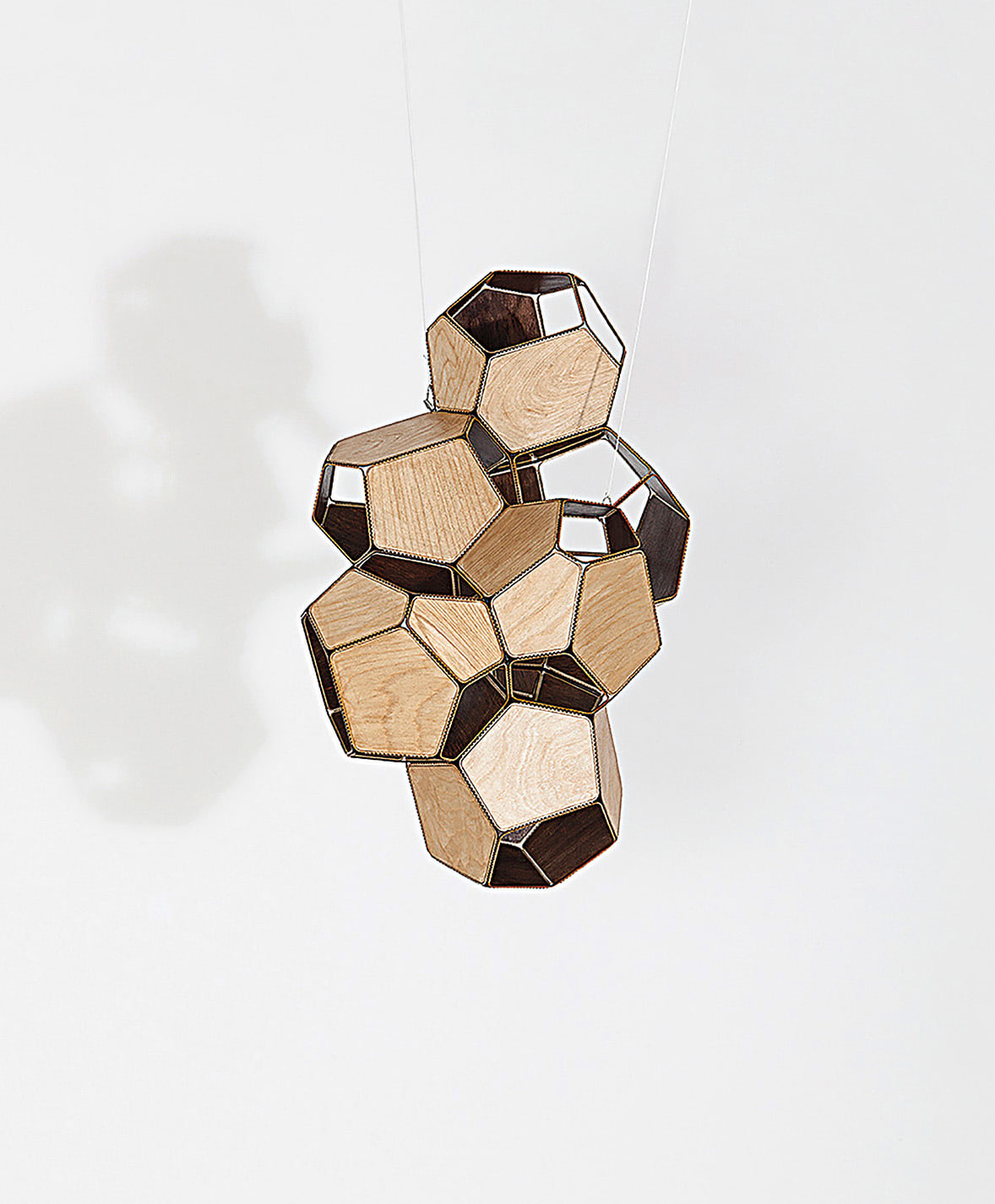
Tomás Saraceno
Bdf - 3299 / W + W, 2014
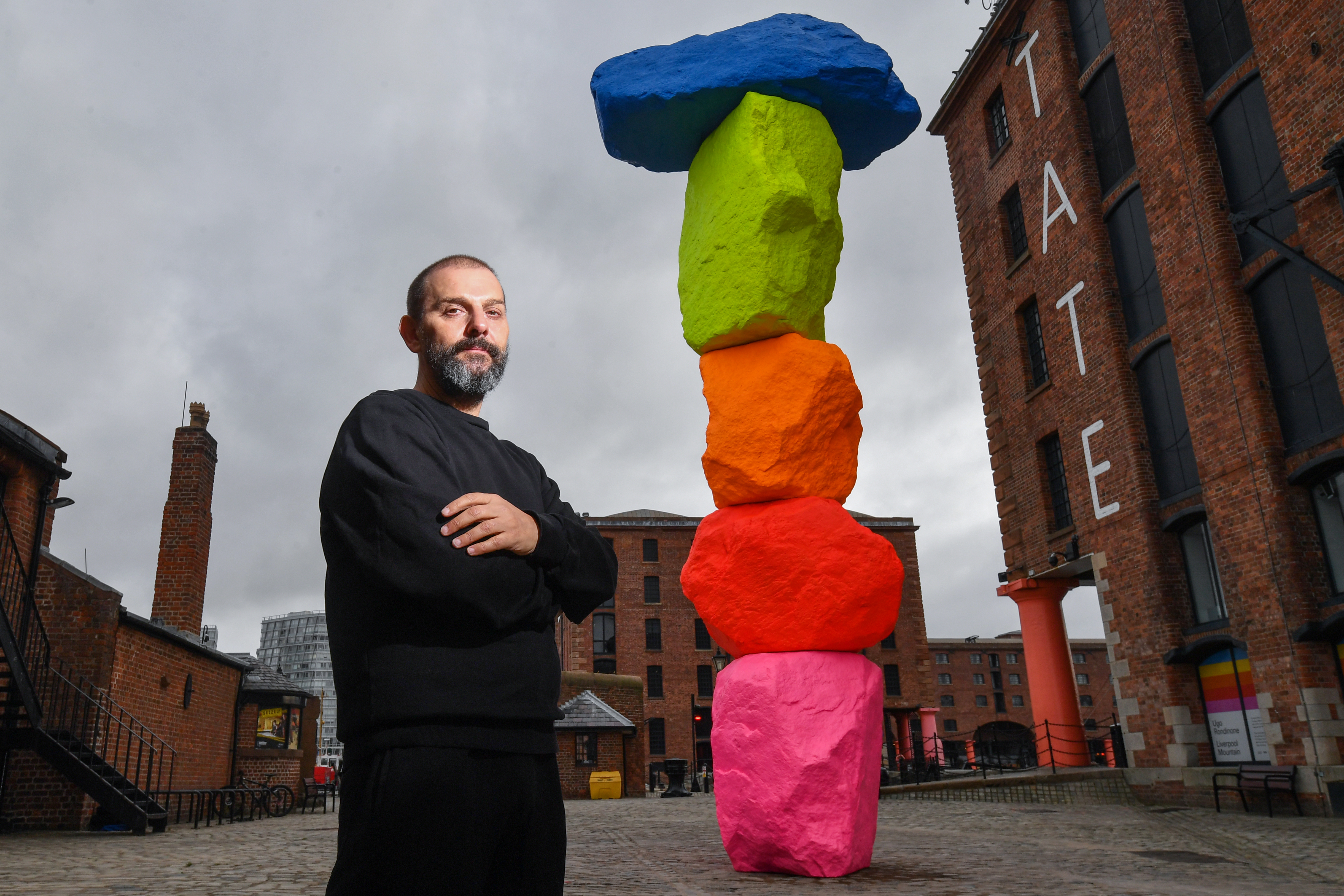
The theatrical strand of installation, artists like Ugo Rondinone, whose clown figures and neon texts seem to stage existential theater in gallery rooms, or Yayoi Kusama, whose Infinity Mirror Rooms have become among the most photographed environments in contemporary art, speaks to the form's remarkable ability to absorb popular culture without losing critical seriousness. Kusama's rooms raise real questions about infinity, repetition, and selfhood, even as they fill social media feeds. This tension between accessibility and depth is one the best installation artists navigate with genuine skill. Iván Navarro's neon works do something similar, seducing you with light before implicating you in their darker political content.
What installation art ultimately insists upon is that context is meaning. The room is not a neutral container for the artwork; the room is part of the artwork. This insight, which seems obvious now, was genuinely radical when artists first began acting on it in the 1960s, and its implications are still being worked through. The form has absorbed photography, video, sound, scent, temperature, and biological matter.
It has moved outdoors and underground, into shopping malls and subway stations and abandoned factories. It has been deployed as activism, as spectacle, as meditation, and as provocation. The works available on The Collection represent this full spectrum, from the spare and structural to the immersive and overwhelming, and they share one quality above all: they cannot be adequately described. They require, in the end, the body in the room.