Impressionism
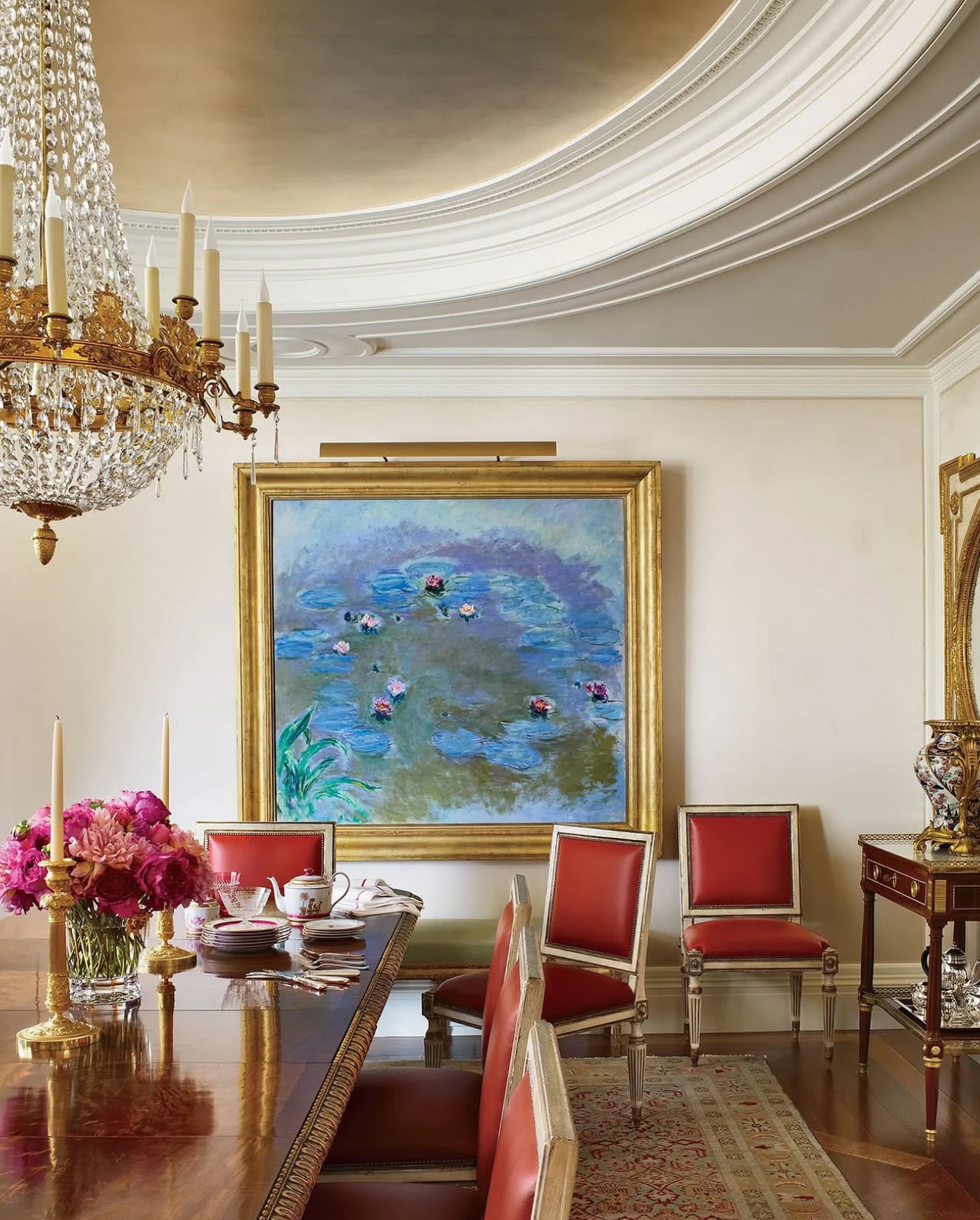
Claude Monet
Nymphéas (Water Lilies)
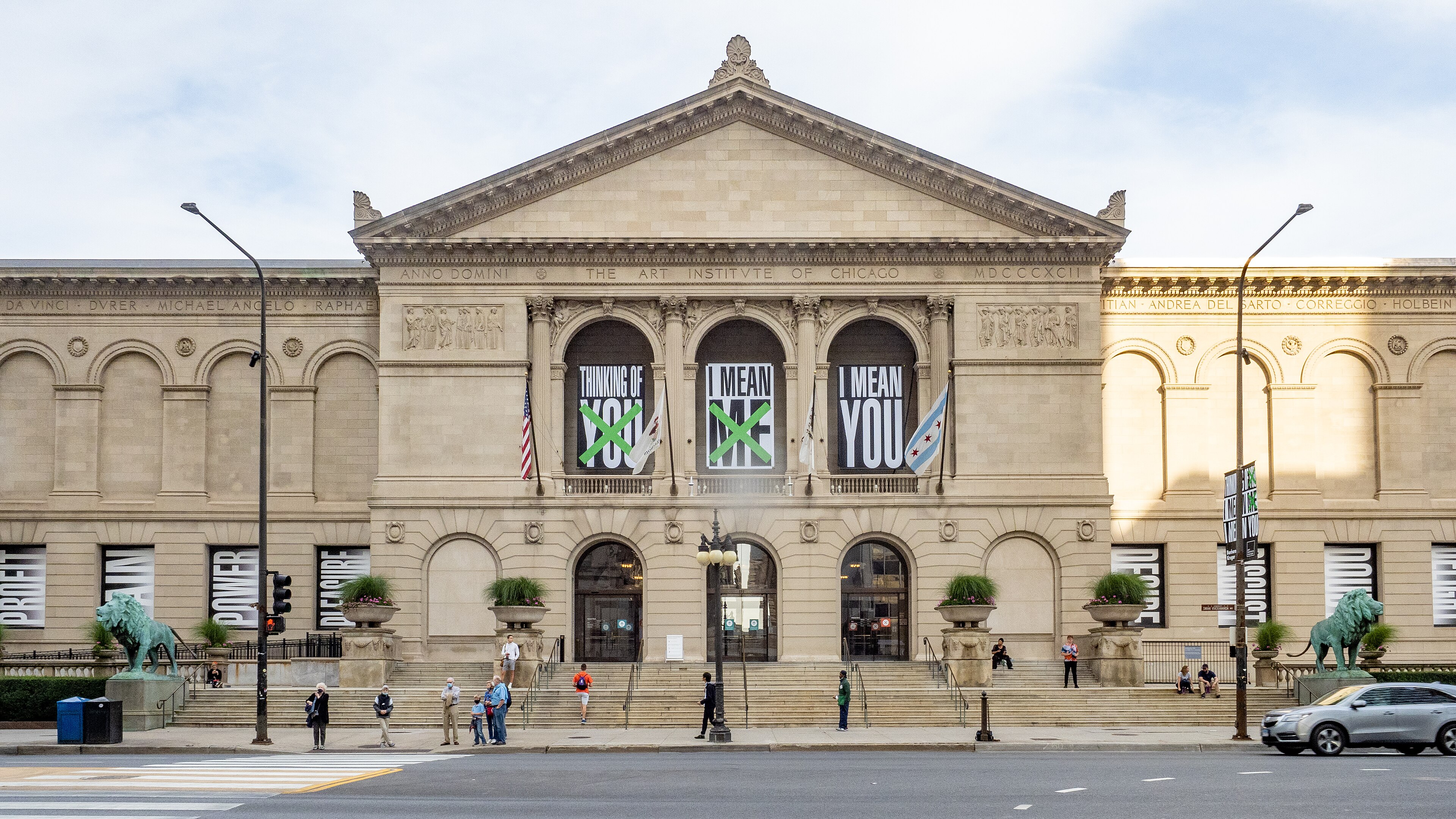
Light Was Never the Same Again
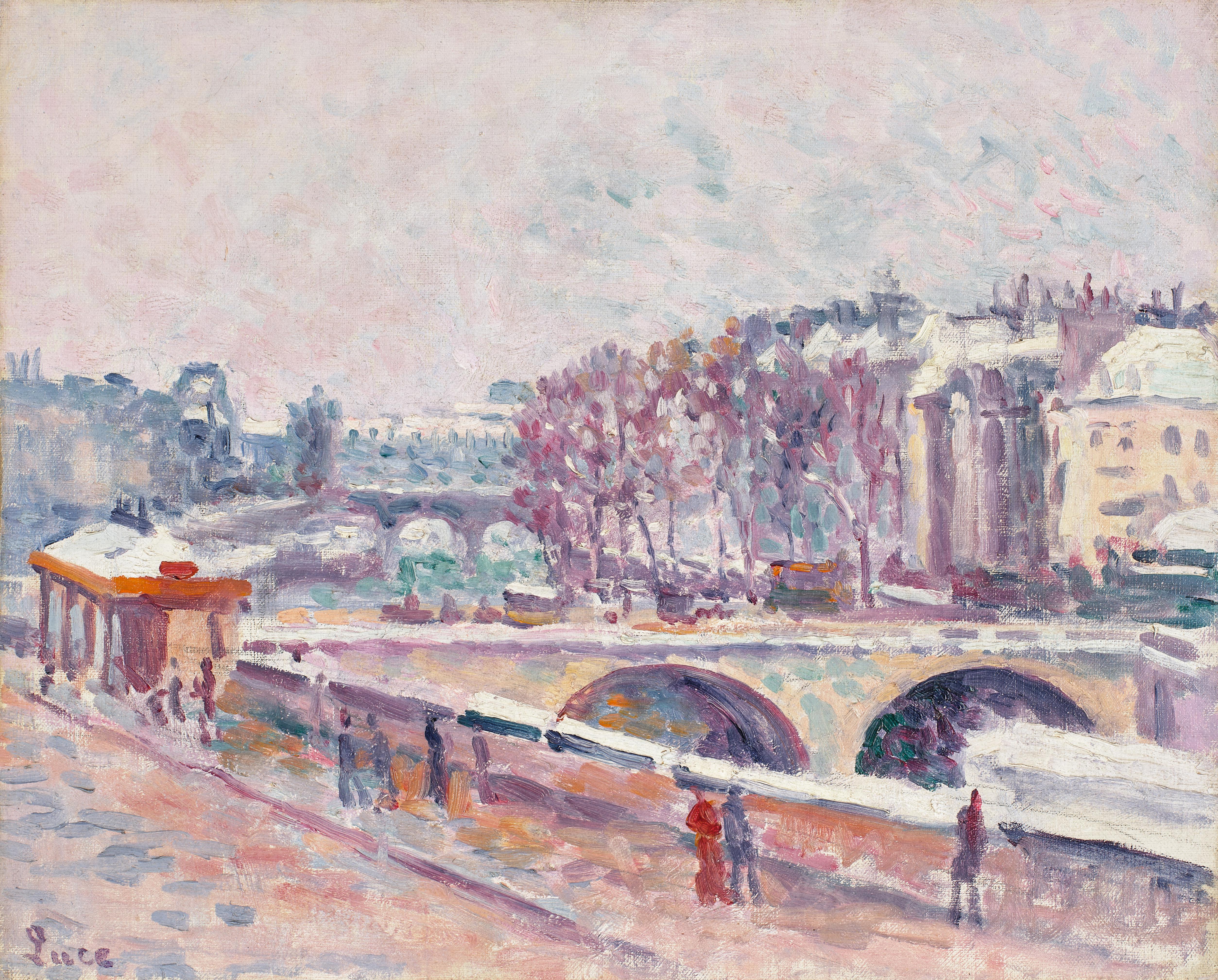
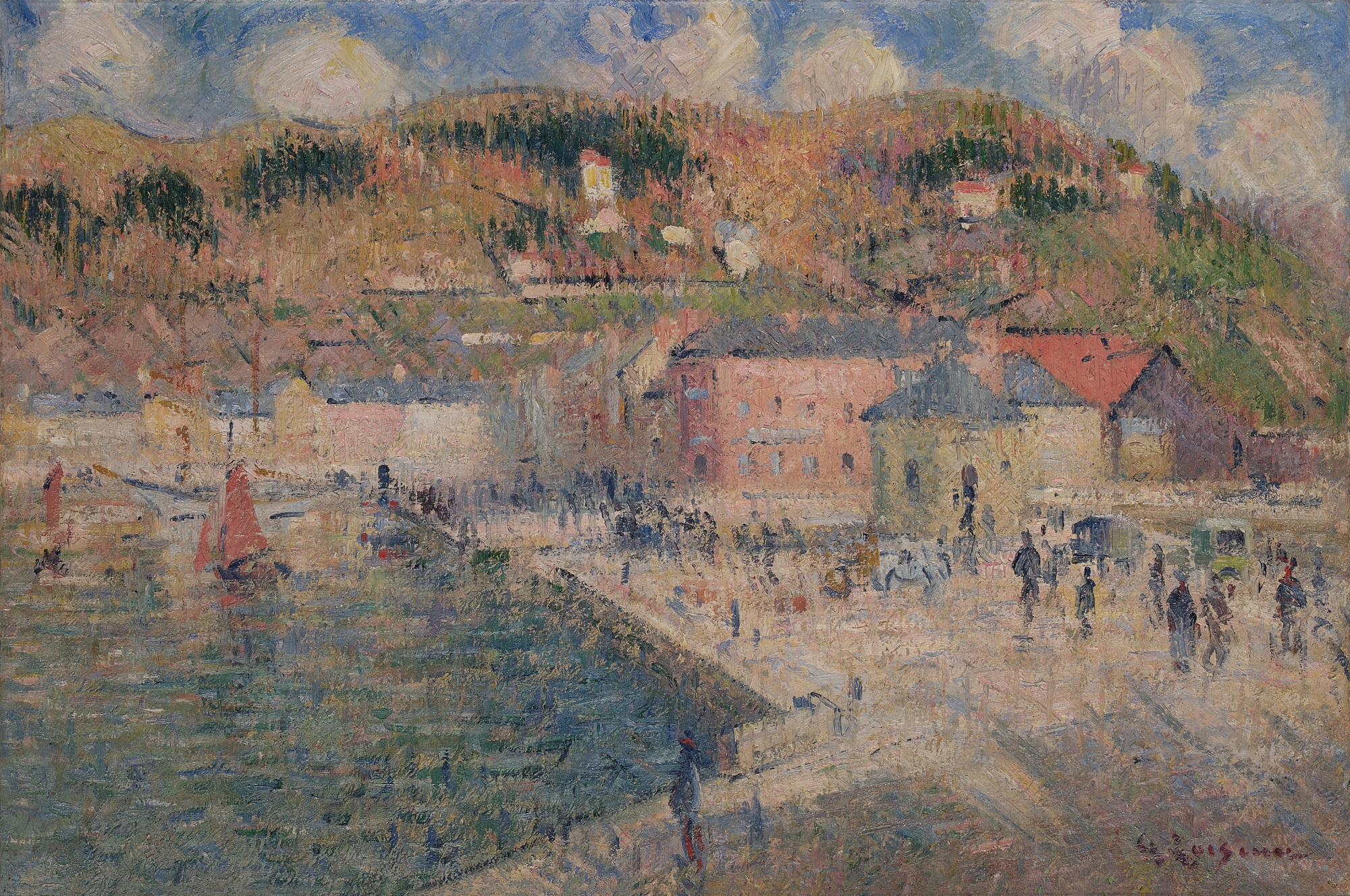
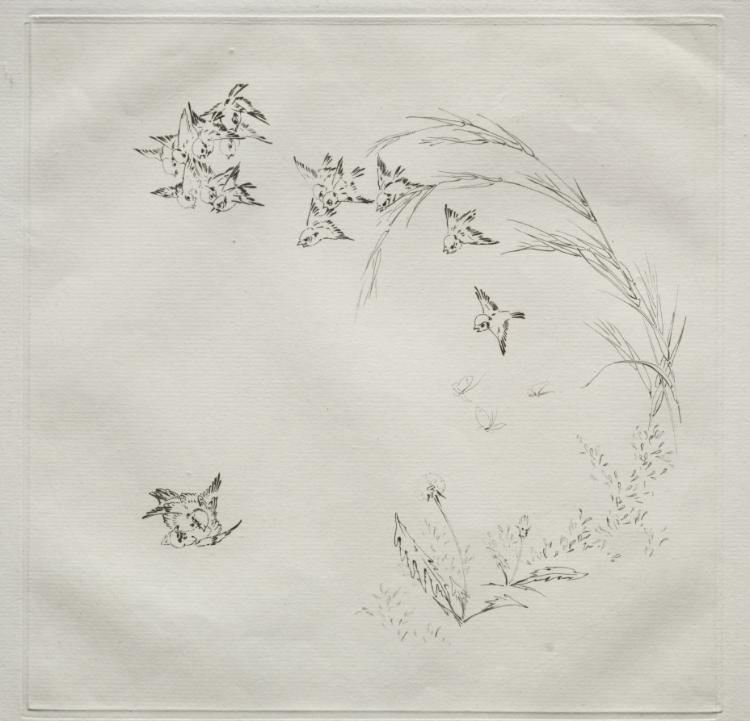
There is a moment, standing before a canvas thick with broken color and trembling light, when the logic of Impressionism stops being a historical fact and becomes a sensory argument. The painting insists that truth is not in the contour or the carefully blended shadow but in the fleeting impression, the shimmer on water, the way a crowd dissolves in afternoon haze. That argument, first mounted in Paris in the 1870s, remade the terms of Western painting so thoroughly that we sometimes forget it was ever controversial at all. The movement announced itself defiantly in April 1874, when a loose coalition of painters rented space in the studio of the photographer Nadar on the Boulevard des Capucines and mounted an independent exhibition outside the official Salon system.
Among the works on view was a loose, atmospheric harbor scene by Claude Monet, painted in 1872, that a critic named Louis Leroy seized upon to mock the entire enterprise. He called his satirical review a visit to the Exhibition of the Impressionists, using the word as an insult. The painters adopted it as a badge. Eight group exhibitions followed between 1874 and 1886, and within a decade the insult had become a manifesto.
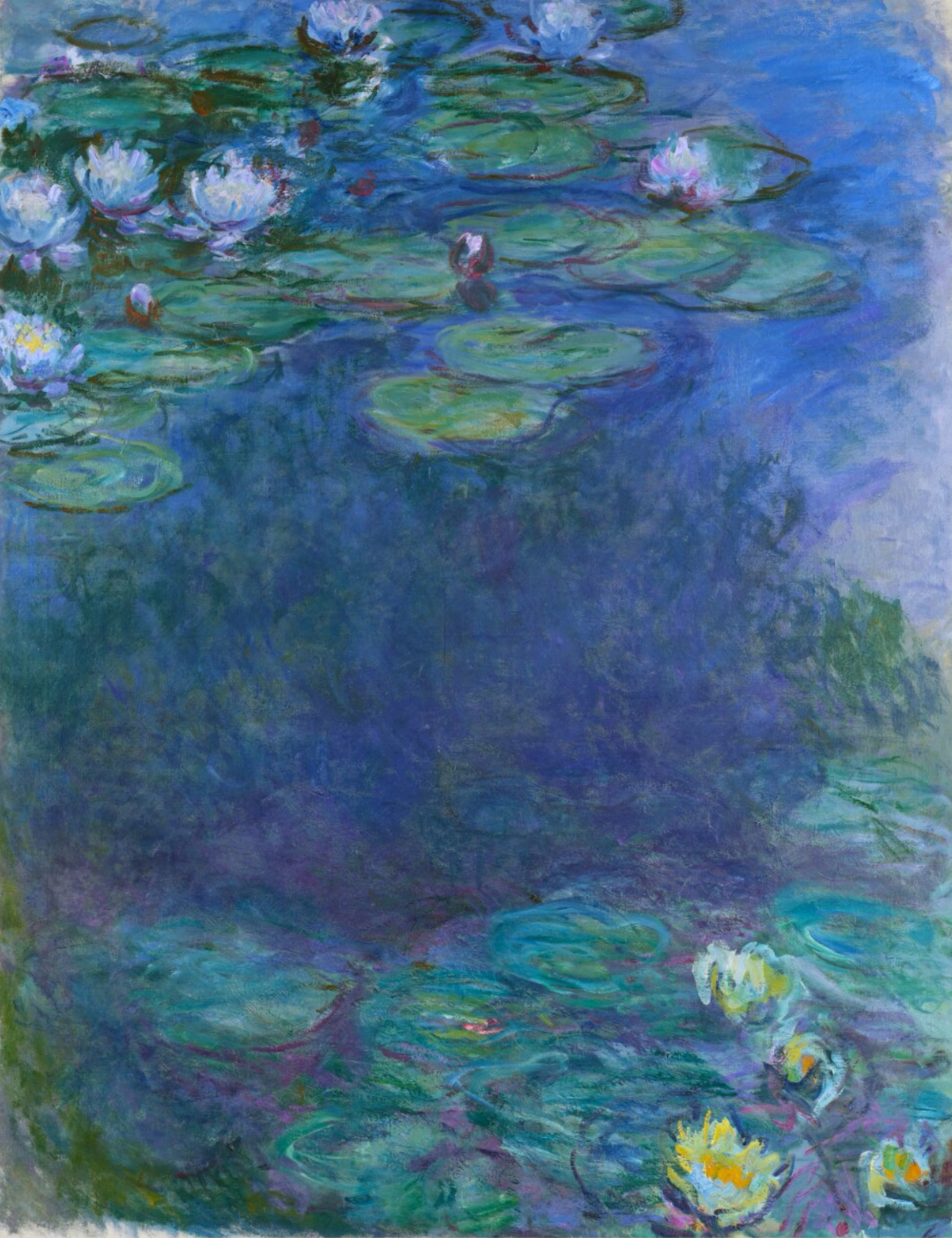
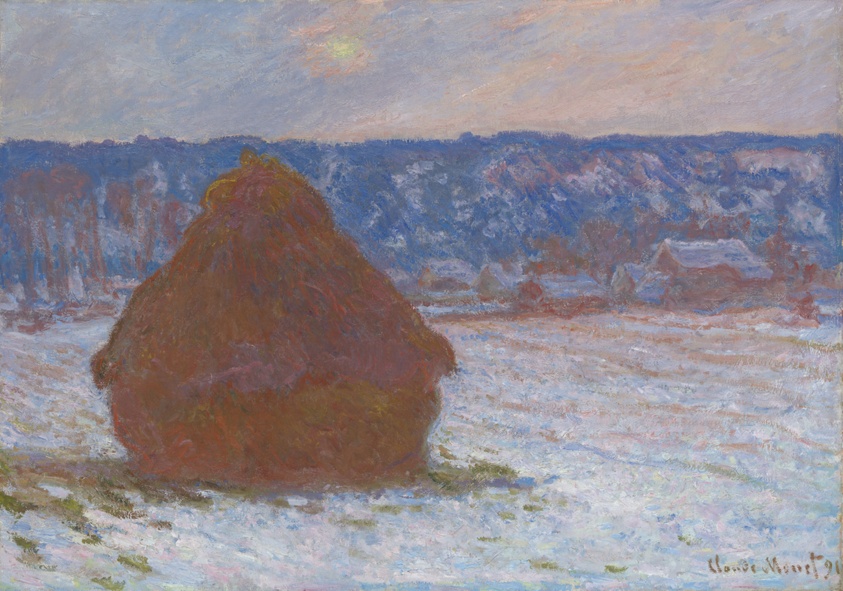
Claude Monet
Nymphéas, 1917
What unified these artists was less a shared program than a shared impatience with academic convention. The Salon prized smooth finish, historical subject matter, and the illusion of a tidily composed world. The Impressionists wanted the world as it actually looked, caught at a specific hour under specific conditions of light. Édouard Manet, whose influence on the younger painters was enormous even though he never joined their independent exhibitions, had already been pushing toward this directness in the 1860s, insisting on the flatness of painted surfaces and the rawness of modern life as legitimate subject matter.
His example gave the group both permission and precedent. The technique that defined the movement grew from several converging pressures. Advances in paint tube technology made it practical to work outdoors for extended periods, and the expanding rail network opened the French countryside to painters in ways that had not previously been possible. Camille Pissarro, one of the most intellectually rigorous members of the group and a mentor to several younger artists, worked extensively in the villages around Pontoise and Louveciennes, building canvases from short, comma like strokes of unmixed color placed side by side to create optical vibration rather than blended tone.
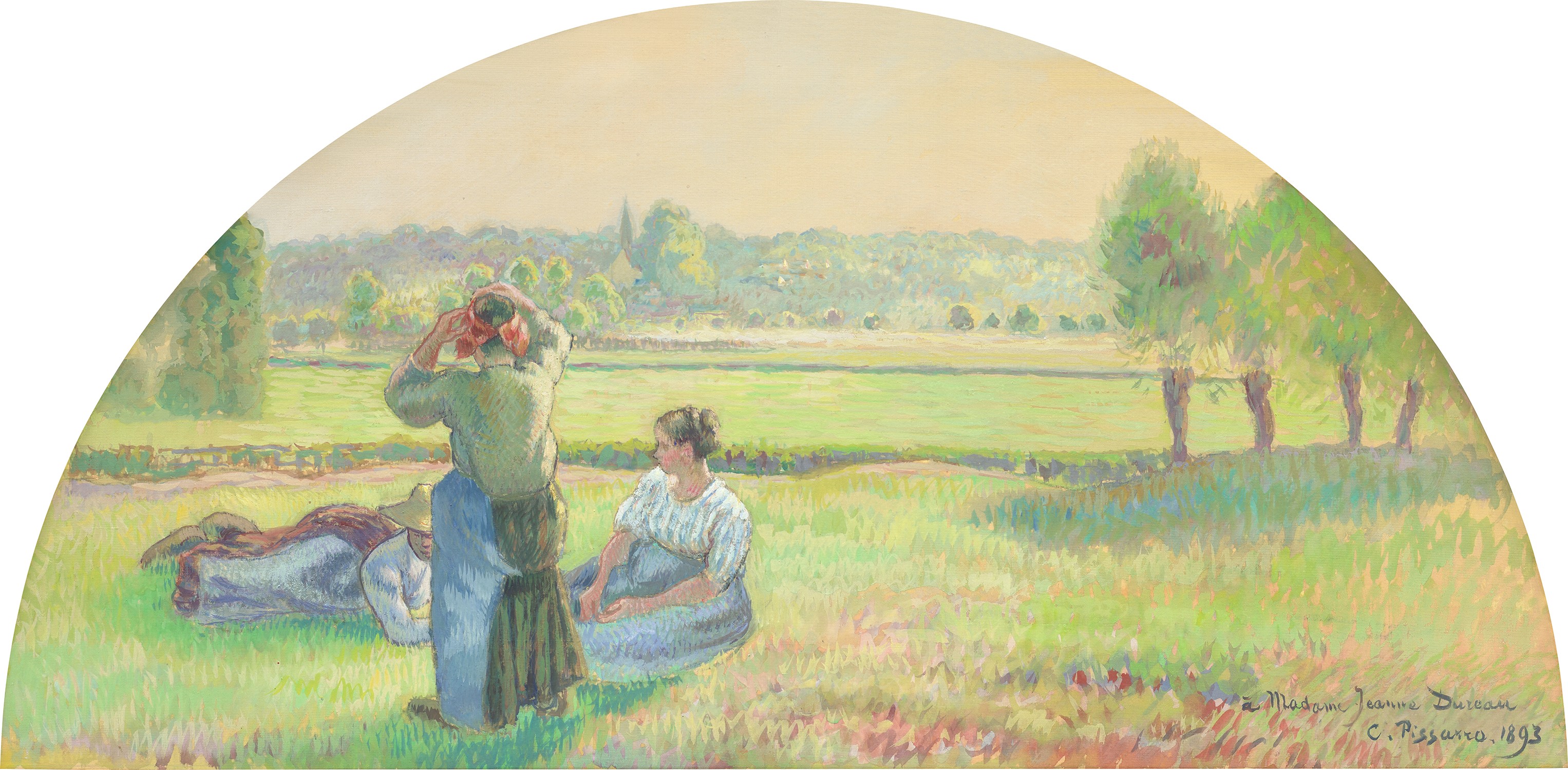
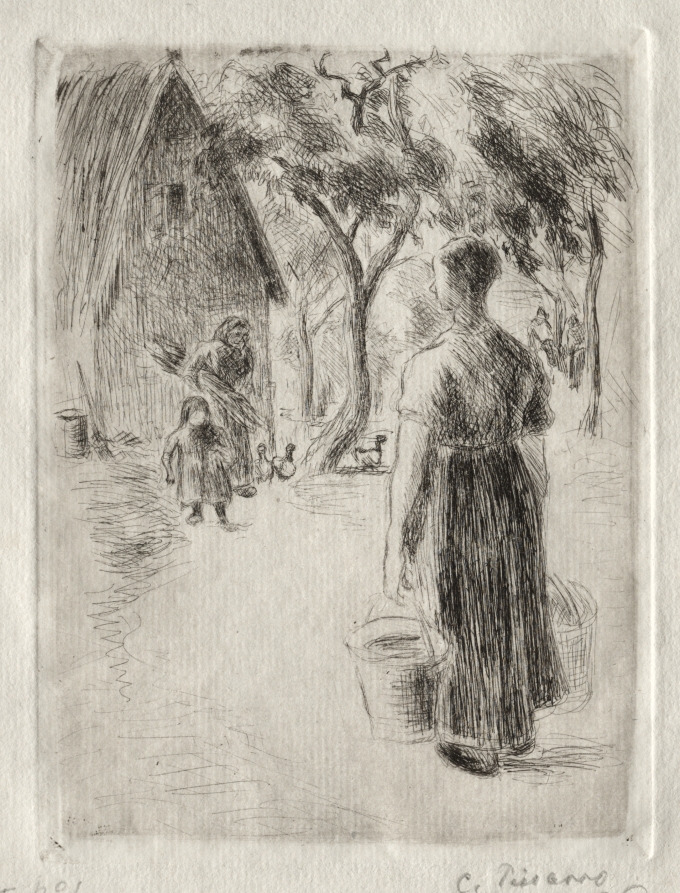
Camille Pissarro
La Sieste aux champs, 1893
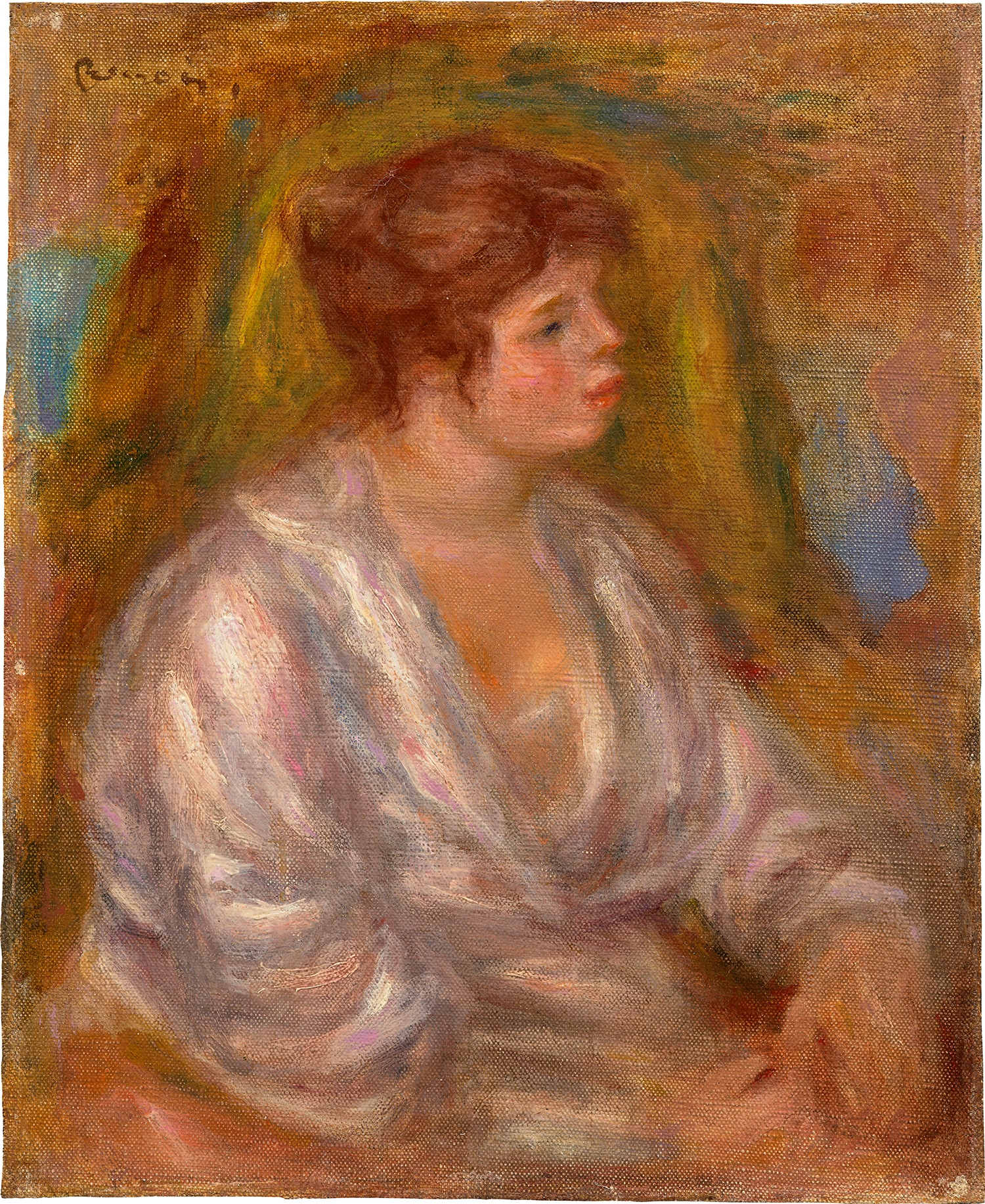
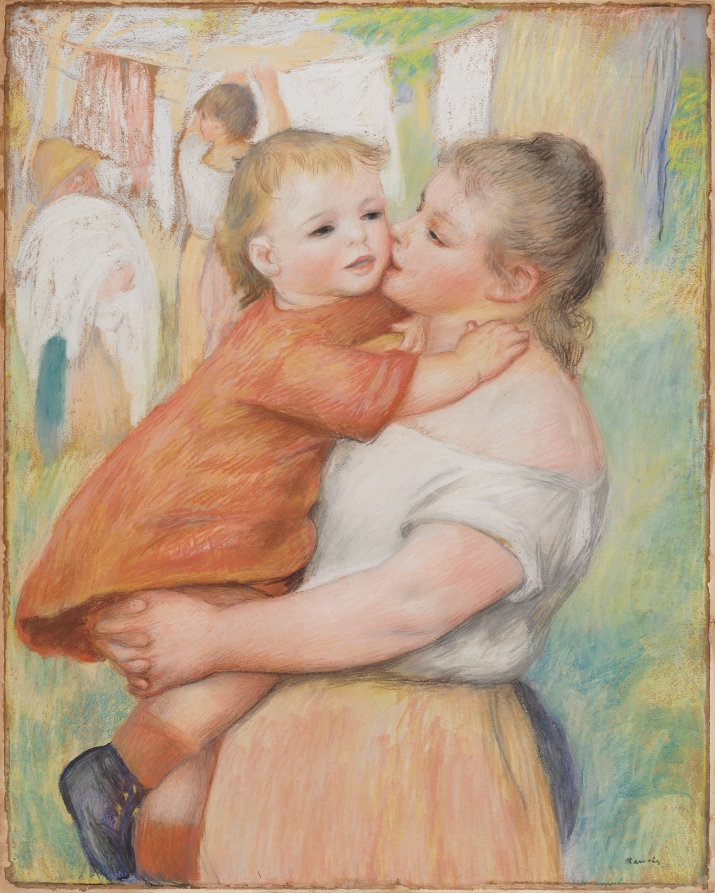
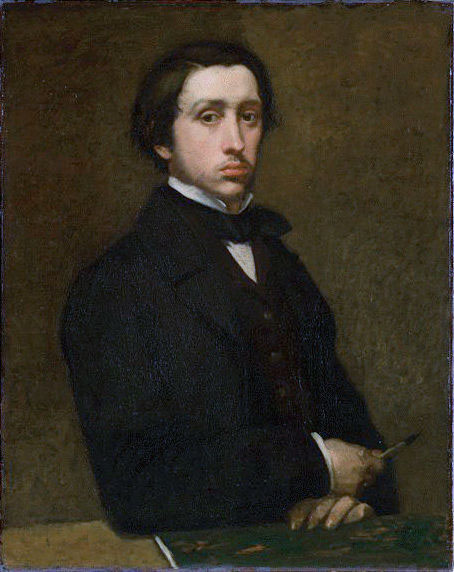
Pissarro was also the only artist to participate in all eight Impressionist exhibitions, a fact that speaks to his centrality and his commitment to the movement's collective identity. Alfred Sisley pursued similar concerns along the rivers and canals outside Paris, while Pierre Auguste Renoir brought the same broken brushwork to the figure, animating café terraces and garden parties with light that dappled across skin and fabric in ways that earlier painters had simply not attempted. The movement was never a single voice. Edgar Degas, who despised the term Impressionist and preferred to be called a Realist, came to the subject through an obsessive study of movement, capturing the off balance gestures of dancers, jockeys, and bathers with a draughtsmanship rooted in Ingres but inflected by the asymmetrical compositions he admired in Japanese woodblock prints.
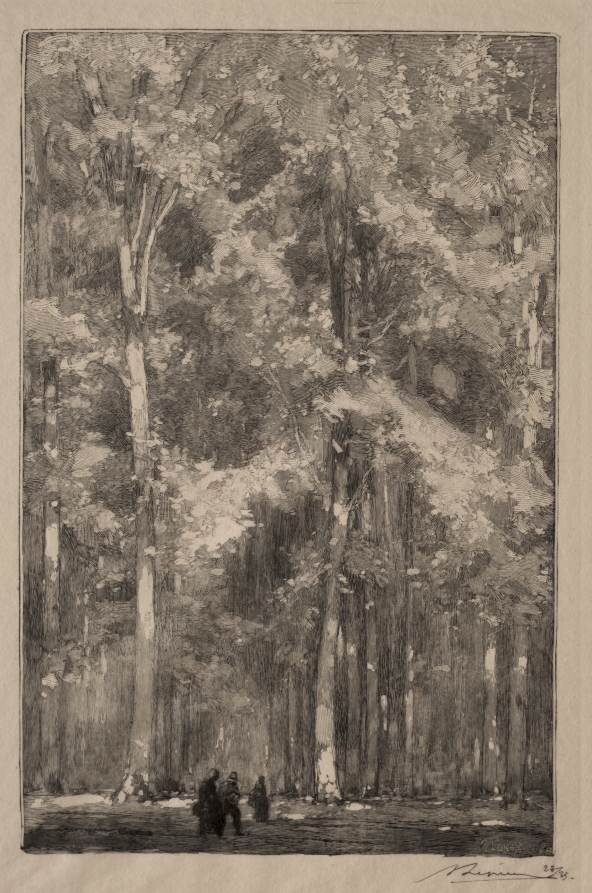
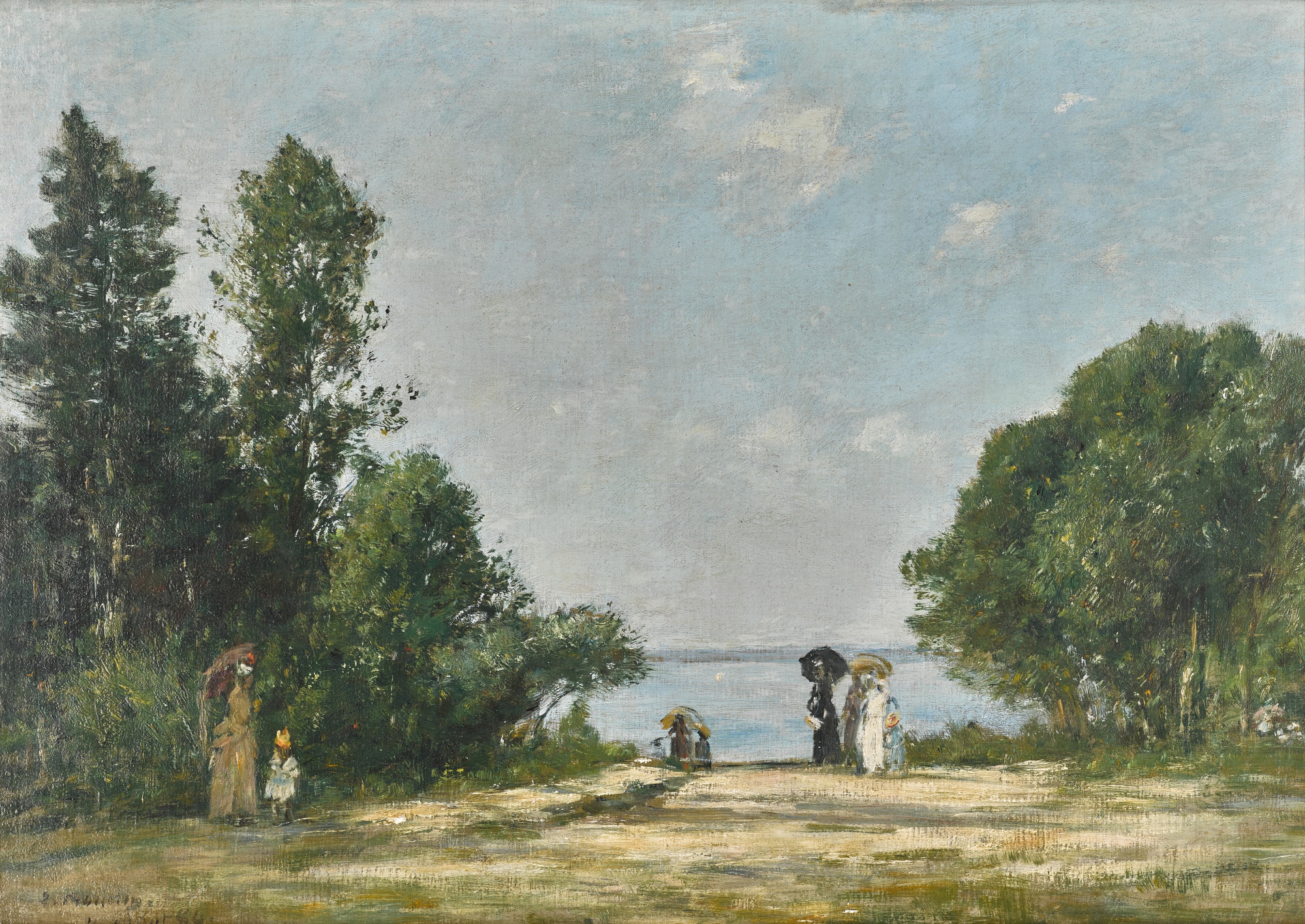
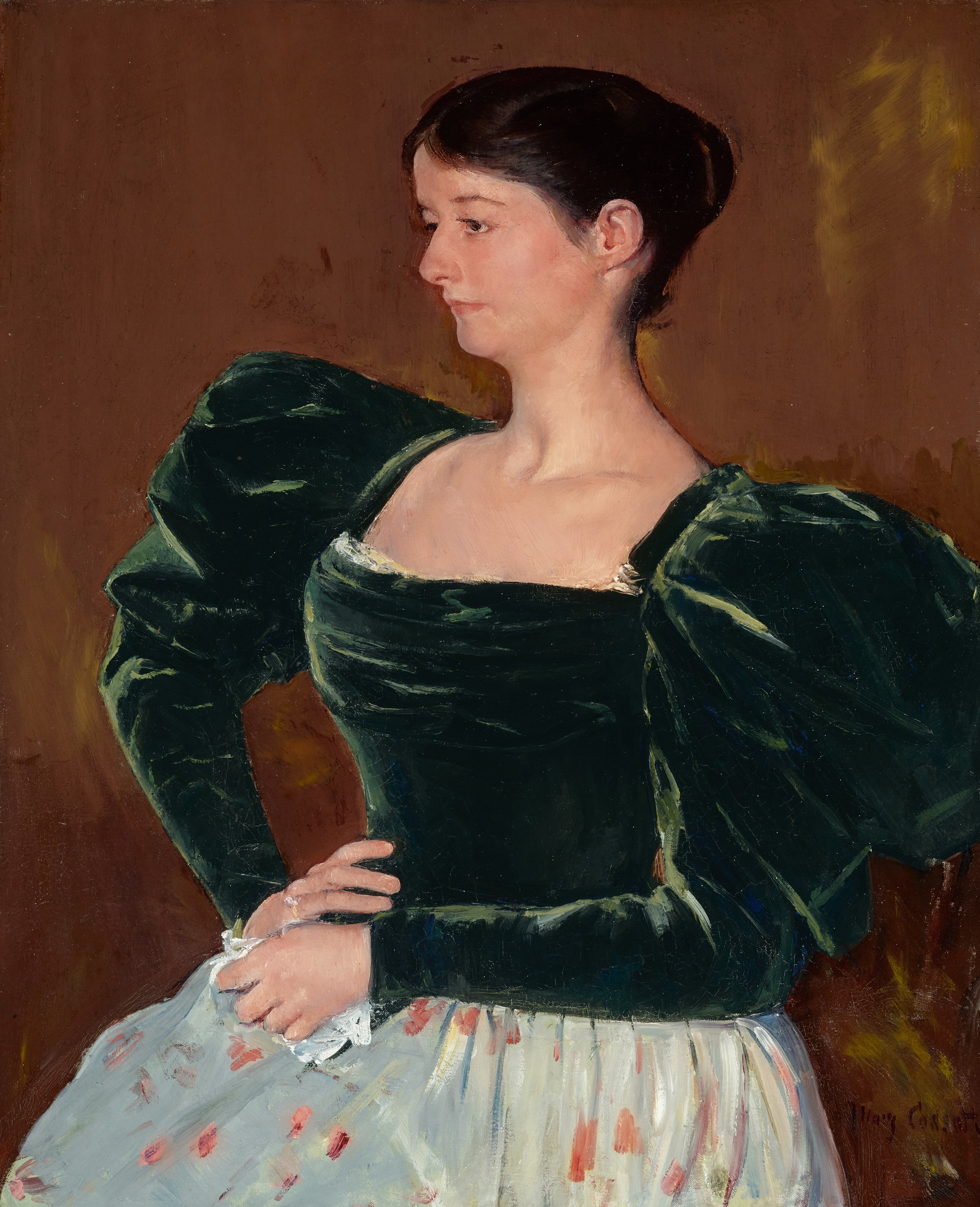
Berthe Morisot brought an intimacy and psychological subtlety to domestic subjects that her male contemporaries rarely matched. Mary Cassatt, the Pennsylvania born painter who became close to Degas and settled permanently in Paris, threaded American sensibility through French technique, and her influence in introducing Impressionism to major collectors in the United States was considerable. James McNeill Whistler, nominally outside the French circle, developed a parallel aesthetic of tonal restraint that shared Impressionism's allergy to narrative without sharing its commitment to outdoor light. Eugène Boudin deserves special mention as the artist who arguably set the movement's outdoor practice in motion before it had a name.
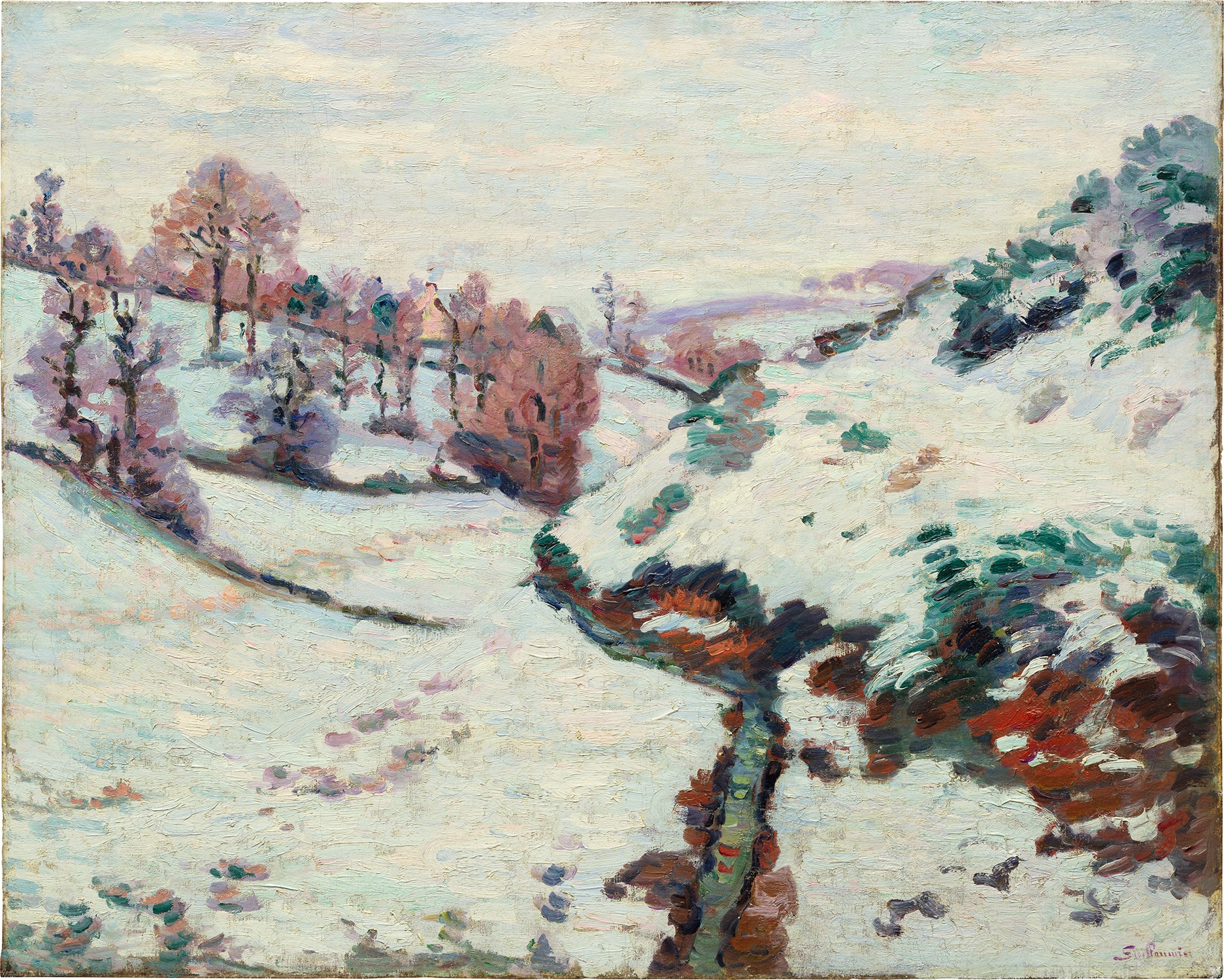
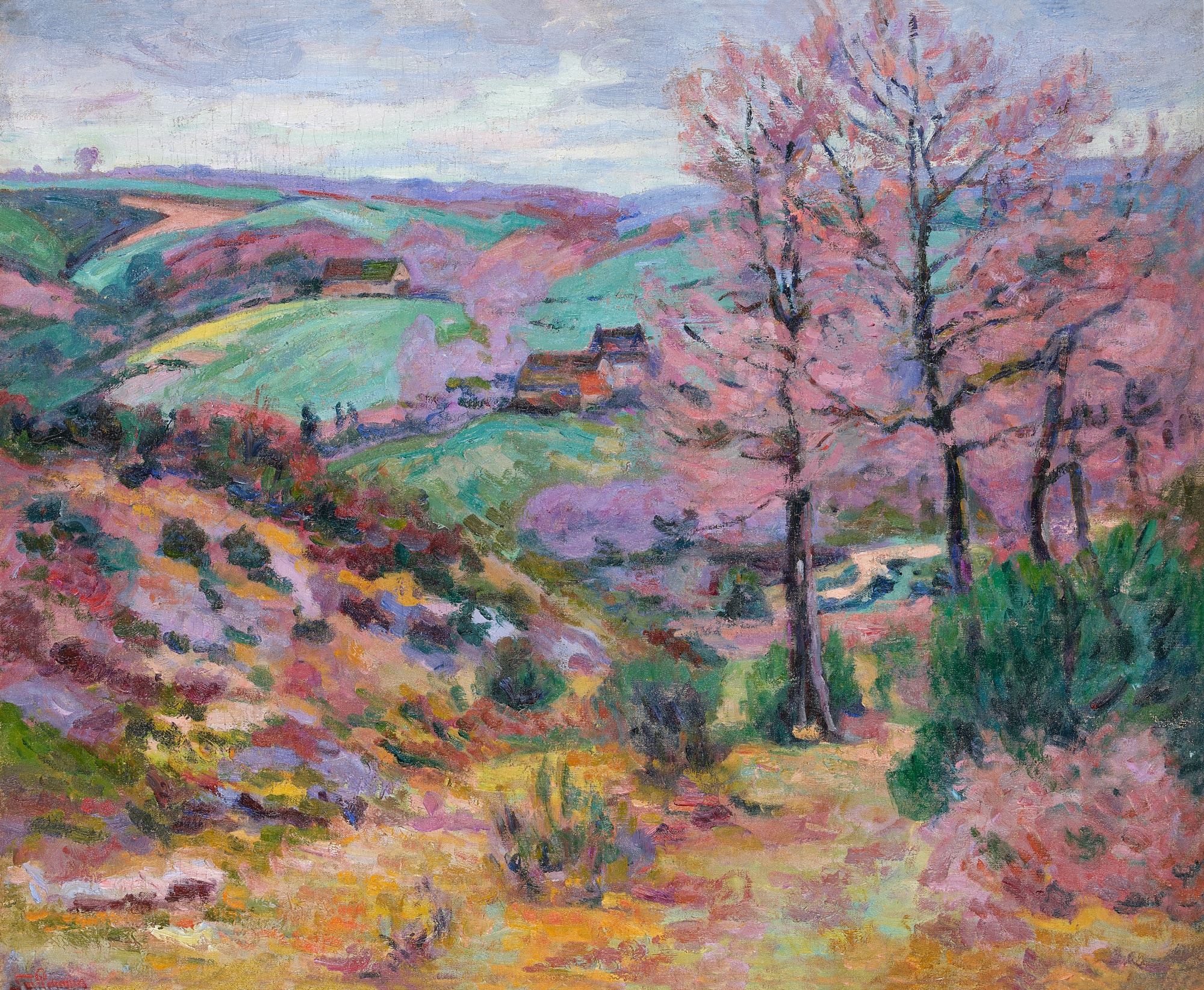
Armand Guillaumin
Gelée blanche à Crozant, 1905
Working on the Normandy coast in the 1850s and 1860s, Boudin made small, rapid studies of beaches and sky that Monet later credited as his awakening to the possibilities of painting in the open air. The sky, Boudin believed, was the most difficult and the most important element in any landscape. That conviction runs through Impressionist practice like a spine. Armand Guillaumin, whose career extended well into the twentieth century, carried the movement's chromatic intensity toward something almost Fauvist, his canvases blazing with reds and oranges that pushed sensation to its outer edge.
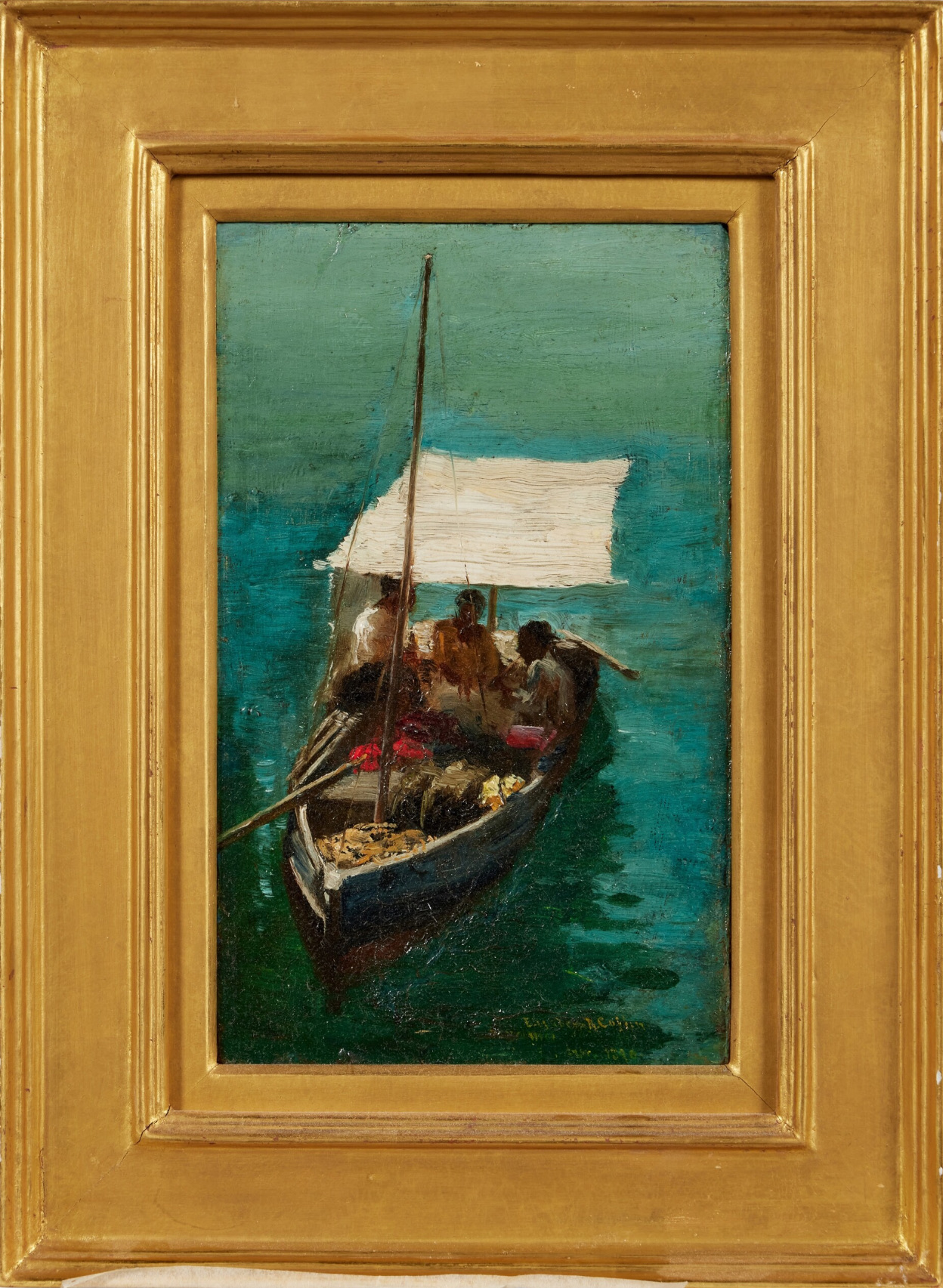
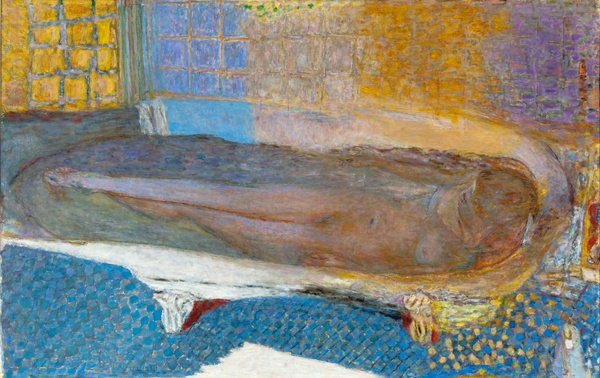
The movement's influence spread geographically with remarkable speed. Childe Hassam and John Henry Twachtman were among the American painters who absorbed the Impressionist lesson and translated it into a distinctly New World idiom, finding in the light of New England and New York a subject matter that rewarded the same attentiveness the French had brought to the Seine valley. Maurice Prendergast took the broken surface even further toward pattern and decoration, anticipating Post Impressionism's more structural ambitions. The trajectory from Monet through Pissarro to Bonnard and beyond to the color saturated work of Raoul Dufy and Louis Valtat shows how organically the movement's principles evolved rather than simply ending.
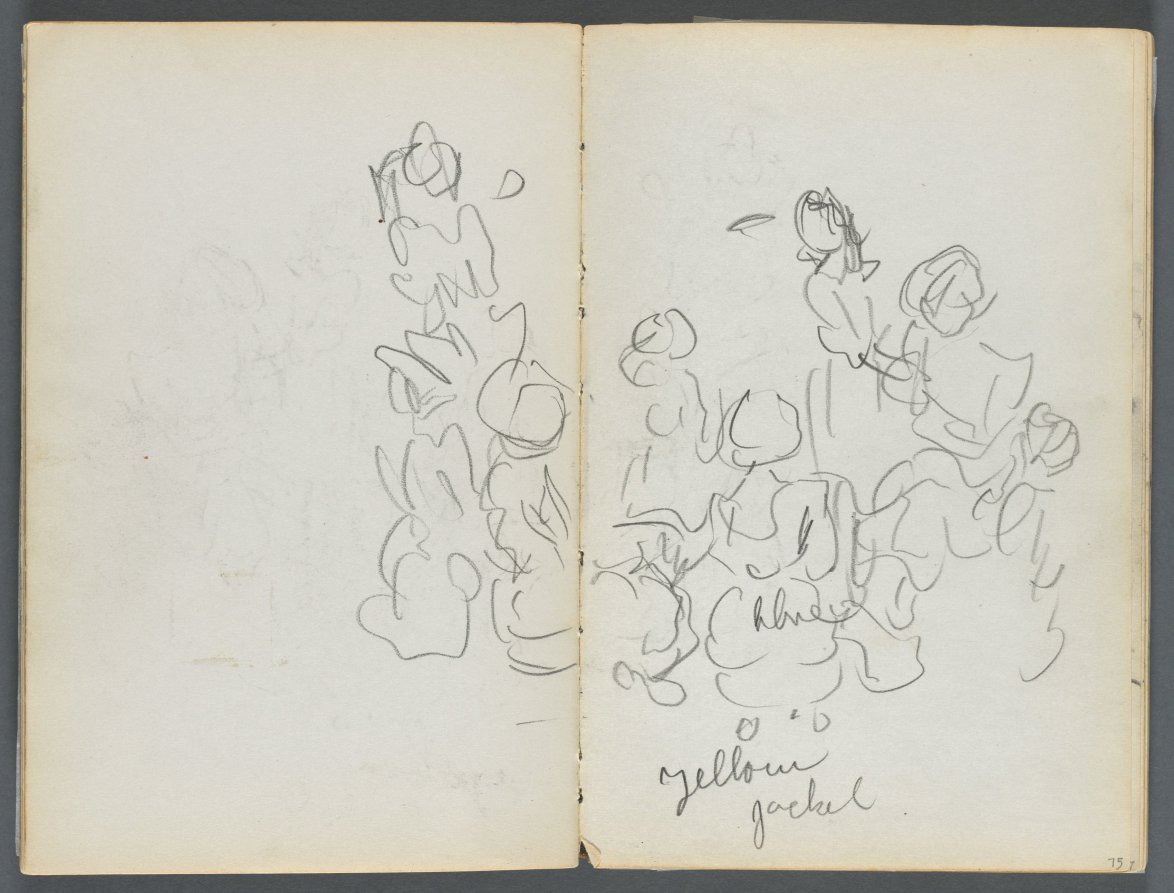
Maurice Prendergast
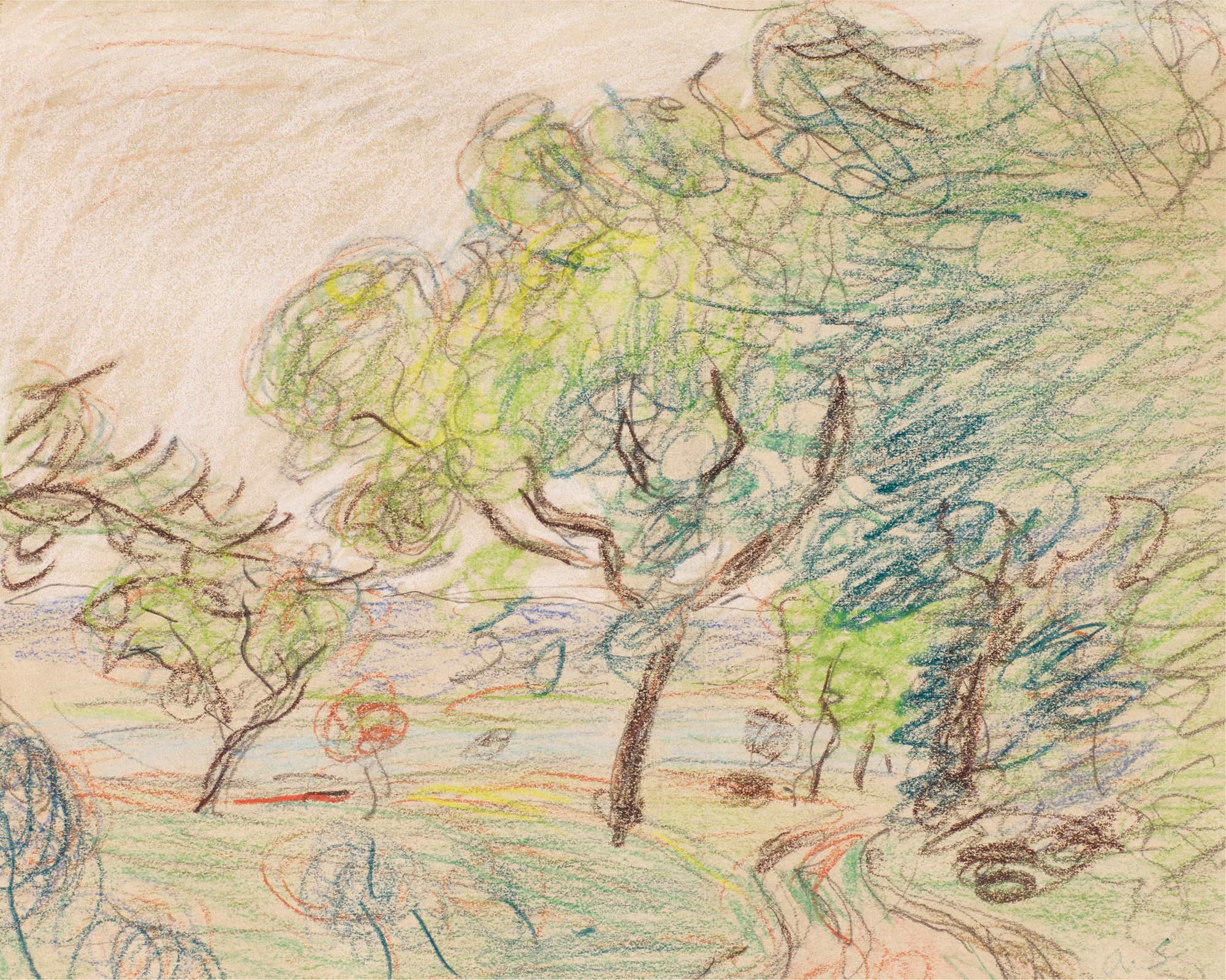
Sketchbook, The Dells, N° 127, page 074 & 75: Figures with color notations, 1919
What Impressionism ultimately licensed was the legitimacy of subjective perception as an artistic truth. Before 1874, the implicit contract between painter and viewer assumed that the canvas would deliver a stable, verifiable image of the world. The Impressionists proposed instead that what matters is what light does to the eye at a particular moment, and that capturing that moment honestly is a higher form of truth than any amount of academic finish. That proposal has never quite been withdrawn from the table.
The works gathered on The Collection across artists from Pissarro and Monet to Cassatt and Morisot represent not a historical curiosity but an active argument about seeing, one that collectors have been joining for a century and a half and that shows no signs of losing its urgency.